

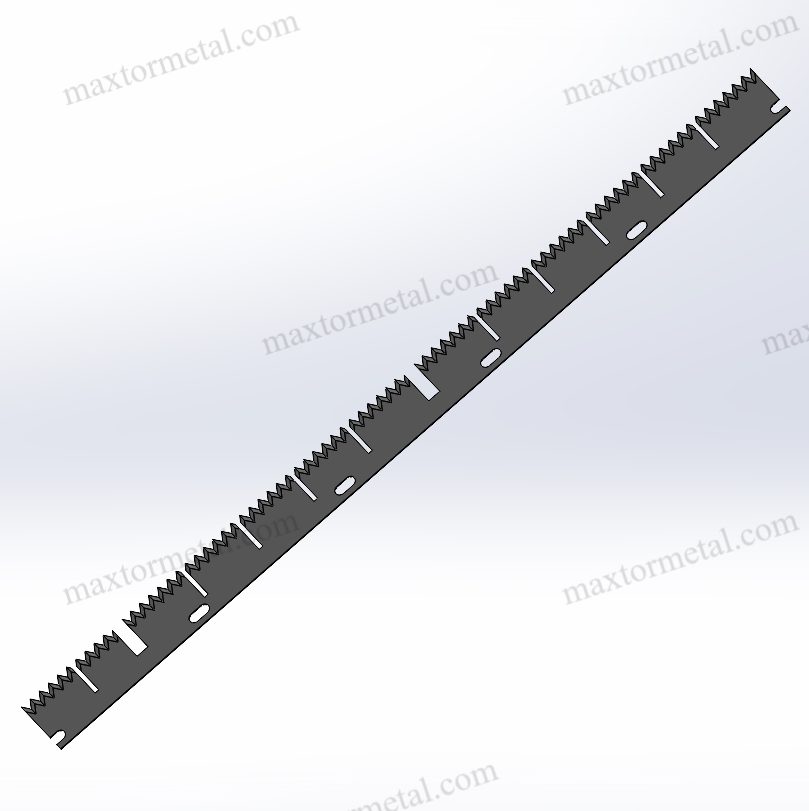
플라스틱 필름과 호일에 완벽한 천공을 하려면 올바른 도구를 선택하는 것이 중요합니다. 고품질 도구를 사용하면 더욱 정확한 천공이 가능합니다. 플라스틱 필름용 천공 블레이드, 모든 절단 작업이 여러분의 요구를 충족시켜 줄 것입니다. 플라스틱 종류와 두께에 맞는 칼날을 선택해야 합니다. 칼날의 품질은 결과에 큰 영향을 미칠 수 있습니다.
- 일관된 칼날 형상은 플라스틱 절단 시 들쭉날쭉한 모서리나 찢어짐을 방지합니다.
- 적절한 모서리 각도와 표면 마감은 플라스틱을 매끄럽고 깔끔하게 절단하는 데 도움이 됩니다.
- 적절한 날을 선택하면 플라스틱 가공 시 발생하는 폐기물을 줄이고 시간을 절약할 수 있습니다.
Maxtor Metal 플라스틱 산업에서 다양한 용도로 사용되는 신뢰할 수 있는 칼날을 보유하고 있습니다. 플라스틱 작업에 가장 적합한 칼날을 신중하게 선택하고 사용하면 작업 과정을 개선할 수 있습니다.
주요 요점
- 사용하려는 플라스틱 필름의 종류와 두께에 맞는 칼날 재질과 톱니 모양을 선택하세요. 이렇게 하면 깨끗하고 견고한 절단면을 얻을 수 있습니다.
- 시작하기 전에 비닐 필름이 깨끗하고 평평한지 확인하세요. 이렇게 하면 구멍이 고르지 않게 뚫리는 것을 방지하고 칼날을 손상으로부터 보호할 수 있습니다.
- 기계의 장력과 속도를 적절하게 설정하세요. 이렇게 하면 필름이 찢어지는 것을 방지하고 구멍이 고르게 뚫립니다.
- 칼날을 조심스럽게 끼우세요. 압력과 깊이를 조절하여 플라스틱에 손상을 주지 않고 정확한 구멍을 뚫으세요.
- 진공 흡입과 정밀한 기계 제어를 통해 필름을 고정하십시오. 이렇게 하면 구멍 간격을 일정하게 유지하는 데 도움이 됩니다.
- 구멍의 가장자리가 매끄럽고 패턴이 고르게 되어 있는지 자주 확인하십시오. 이렇게 하면 문제를 조기에 발견하고 품질을 높게 유지할 수 있습니다.
- 사용 후에는 칼날을 깨끗이 닦고 관리하십시오. 이렇게 하면 칼날의 수명이 길어지고 작업 효율이 향상됩니다.
- 마모되거나 부러진 날은 즉시 교체하십시오. 이렇게 하면 안전을 확보하고 구멍을 고품질로 뚫을 수 있습니다.
블레이드 선택
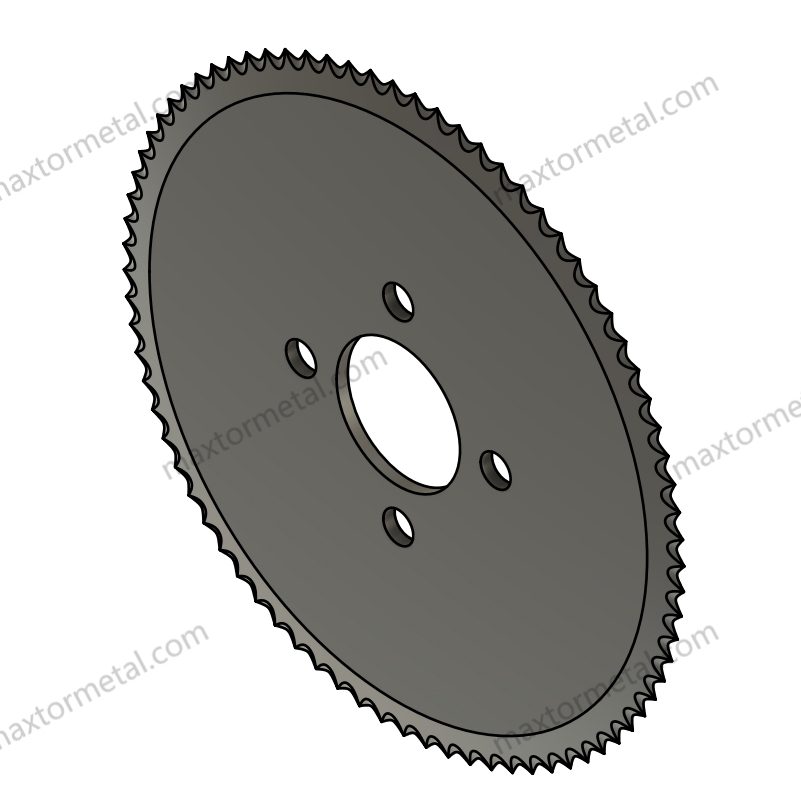
플라스틱 필름용 천공 블레이드
최상의 결과를 얻으려면 플라스틱 필름에 맞는 천공용 칼날이 필요합니다. 이 칼날은 플라스틱에 작은 구멍이나 절단면을 만들어 줍니다. 이렇게 하면 재료를 쉽게 찢거나 잡아당길 수 있습니다. 칼날 종류는 다양하지만 모든 칼날이 모든 플라스틱 필름에 적합한 것은 아닙니다. 가장 적합한 칼날은 플라스틱의 두께, 굴곡성 또는 강도에 따라 달라집니다.
플라스틱 필름용 천공 블레이드는 종류가 다양합니다. 공구강, 고속강(HSS), 스테인리스강 또는 텅스텐 카바이드 중에서 선택할 수 있습니다. 각 블레이드 재질은 깨끗하고 견고한 구멍을 뚫는 데 도움이 되는 특수한 기능을 가지고 있습니다. 특별한 프로젝트가 있다면 Maxtor Metal에서 맞춤 제작이 가능합니다. 맞춤형 블레이드 당신을 위해. 도면이나 샘플을 보내주시면 플라스틱 작업에 필요한 칼날을 제작해 드립니다.
팁: 플라스틱 필름에 맞는 칼날 재질과 디자인을 선택하세요. 이렇게 하면 필름이 찢어지거나, 가장자리가 거칠어지거나, 플라스틱이 낭비되는 것을 방지할 수 있습니다.
재료 및 코팅
플라스틱 필름용 천공 칼날의 재질과 코팅은 매우 중요합니다. 어떤 플라스틱은 부드럽고 점착성이 있는 반면, 어떤 플라스틱은 단단하거나 거칠습니다. 따라서 플라스틱을 너무 빨리 마모시키지 않고 절단할 수 있는 칼날이 필요합니다.
다음 표는 칼날 재질과 코팅을 비교하는 데 도움이 됩니다.
| 칼날 재질/코팅 | 효과/이점 | 플라스틱 필름의 최적 활용법 |
|---|---|---|
| 공구강 | 우수한 경도와 인성 | 일반 플라스틱 절단 |
| 고속도강(HSS) | 고속에서도 날카로운 상태를 유지합니다. | 얇거나 빠르게 움직이는 플라스틱 필름 |
| 스테인레스 스틸 | 녹과 부식에 강함 | 식품 또는 의료용 플라스틱 포장재 |
| 텅스텐 카바이드 | 매우 단단하고 오래 지속됩니다 | 마모성이 강하거나 두꺼운 플라스틱 필름 |
| PTFE(논스틱) 코팅 | 끈적이는 플라스틱이 쌓이는 것을 방지합니다. | PLA, 열접착식 또는 점착성 플라스틱 |
| TiN(질화티타늄) 코팅 | 날의 수명을 25-40% 더 연장시켜 줍니다. | 대량 플라스틱 필름 생산 |
| DLC(다이아몬드 유사 탄소) 코팅 | 내구성과 절단 정밀도를 향상시킵니다. | 다층 또는 기술 플라스틱 필름 |
각 날 재질과 코팅은 특정 플라스틱에 가장 적합합니다. 예를 들어, PTFE 코팅 날은 점착성이 강한 플라스틱에 적합하고, 텅스텐 카바이드 날은 거칠거나 두꺼운 플라스틱 필름에 가장 적합합니다. 맞춤형 코팅 및 열처리를 통해 날의 수명을 연장하고 절삭력을 향상시킬 수 있습니다.
블레이드 유형
플라스틱 필름용 천공 블레이드에는 여러 종류가 있습니다. 각 종류는 용도에 따라 적합한 방식이 다릅니다. 어떤 블레이드가 가장 적합한지는 사용하는 플라스틱 필름의 종류와 원하는 작업에 따라 달라집니다.
다음은 일반적인 칼날 종류와 그 용도를 보여주는 표입니다.
| 날 유형 또는 톱니 프로필 | 설명 | 장점 | 일반적인 응용 프로그램 |
|---|---|---|---|
| 둥근 칼날 | 연속 웹 소재용 회전 블레이드 | 재료 응력을 줄여 고속 주행에 유리합니다. | 포장용 플라스틱 필름, 호일 |
| 직선 블레이드 | 깔끔하고 곧은 절단을 위한 직선형 날 | 정확한 정렬, 예측 가능한 절단 | 골판지 포장, 선형 천공 |
| 하이-로우 V자형 치아 | 교차하는 치아 높이 | 절삭 저항이 낮아 마모가 적습니다. | 연질 플라스틱 필름, 테이프 |
| 표준 V자형 치아 | 균일한 치아 | 일정한 천공 깊이 | 다층 플라스틱 필름 |
| 깊은 V자형 치아 | 더 깊은 치아 | 두껍거나 촘촘한 플라스틱을 자릅니다. | 산업용 랩, 두꺼운 필름 |
| 둥근 이빨 | 매끄럽고 곡선형의 치아 | 얇은 플라스틱의 손상을 방지합니다. | 박막, 코팅된 플라스틱 종이 |
| 뾰족한 이빨 | 날카롭고 뾰족한 이빨 | 단단하거나 강화된 플라스틱을 절단합니다. | 강화 백, 기능성 필름 |
| 비스듬한 이빨 | 각진 이빨 | 특수 기계적 특성 | 틈새 플라스틱 응용 분야 |
선택할 수도 있습니다 L자형 칼, V자형 칼 또는 일자형 칼. 각 유형은 특정 플라스틱 필름에 가장 적합합니다. 회전식 칼날은 빠르게 움직이는 플라스틱 필름을 매끄럽고 길게 절단하는 데 적합합니다. 직선식 칼날은 플라스틱 시트를 깔끔하고 직선으로 절단하는 데 도움이 됩니다.
메모: 커스텀 블레이드 다양한 모양과 톱니 모양을 통해 각 구멍의 크기, 간격 및 강도를 조절할 수 있습니다. 이를 통해 쉽게 찢어지면서도 튼튼한 플라스틱 필름을 최적의 상태로 만들 수 있습니다.
재료 준비
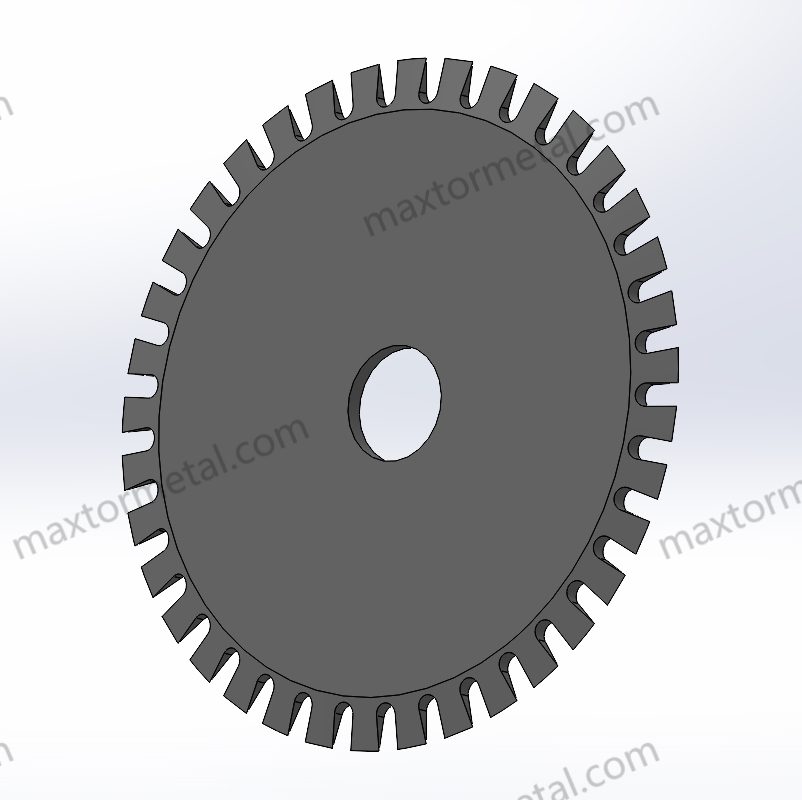
필름 청결도
깨끗한 필름의 중요성
작업을 시작하기 전에 플라스틱 필름을 깨끗하게 유지해야 합니다. 깨끗한 필름은 각 천공선이 정확하게 나오도록 도와줍니다. 칼날이 깨끗한 필름 위에서 부드럽게 움직이기 때문입니다. 먼지, 이물질 또는 기름이 묻어 있으면 칼날이 미끄러져 필름에 고르지 않은 선이 생길 수 있습니다. 또한 깨끗한 필름은 칼날의 손상을 방지하여 장비의 수명을 연장시켜 줍니다.
일반적인 오염물질과 그 영향
플라스틱 필름은 먼지, 기름, 접착제, 탄산음료 등 여러 가지 요인으로 더러워질 수 있습니다. 이러한 오염물질은 천공 작업을 어렵게 만듭니다. 먼지와 이물질은 칼날을 막거나 가장자리를 거칠게 만들 수 있습니다. 기름과 접착제는 칼날이 너무 많이 미끄러지게 할 수 있습니다. 더러워진 플라스틱은 약한 부분을 만들거나 선에 구멍이 뚫리지 않게 할 수 있습니다.
권장 청소 방법
플라스틱 필름을 천공하기 전에 항상 깨끗하게 닦으세요. 먼지는 보풀 없는 물티슈나 에어 블로어를 사용하여 제거하십시오. 끈적이는 얼룩은 플라스틱 전용 세척제를 사용하세요. 세척제를 사용하기 전에 작은 조각에 먼저 테스트하여 손상을 방지하십시오. 작업 공간은 깨끗하고 통풍이 잘 되도록 유지하세요. 이렇게 하면 필름에 먼지가 쌓이는 것을 막을 수 있습니다.
장력과 평탄도
올바른 장력 조절 기술
완벽한 천공을 위해서는 적절한 장력이 중요합니다. 필름이 느슨하면 칼날이 미끄러져 구멍이 고르지 않게 뚫릴 수 있습니다. 반대로 필름이 너무 팽팽하면 찢어질 수 있습니다. 필름의 장력을 일정하게 유지하려면 장력 조절 시스템을 사용하십시오. 브레이크는 필름 롤의 속도를 늦추고, 풀림 모터는 필름을 공급하며, 댄서 롤러는 필름을 평평하고 곧게 유지해 줍니다.
평탄도를 확보하는 방법
필름이 평평해야 최상의 결과를 얻을 수 있습니다. 작업 시작 전에 주름이나 접힌 부분이 있는지 확인하십시오. 작업 중에도 정기적으로 필름이 평평한지 확인하세요. 댄서 롤러와 적절한 감기 작업은 필름을 매끄럽게 유지하는 데 도움이 됩니다. 필름이 기계에 평평하게 놓여 있는지 확인하십시오. 작은 굴곡이라도 구멍을 망칠 수 있습니다.
부적절한 장력 또는 고르지 않은 표면의 결과
장력이 부족하거나 필름이 고르지 않으면 작업이 망가질 수 있습니다. 필름이 느슨하거나 주름지면 칼날이 튀어 올라 구멍을 뚫지 못하거나 두 개가 뚫리는 경우가 발생합니다. 반대로 필름이 너무 팽팽하면 찢어져서 제품이 손상될 수 있습니다. 표면이 고르지 않으면 구멍이 비뚤어지게 뚫려 플라스틱 시트의 품질이 저하됩니다.
취급 요령
안전한 취급 및 운송
필름을 조심스럽게 다루어 항상 최상의 상태를 유지하십시오. 필름은 깨끗하고 건조한 곳에 보관하십시오. 맨손으로 필름을 만지지 마십시오. 기름이 필름에 묻는 것을 방지할 수 있습니다. 필름 가장자리를 보호하기 위해 필름을 바르게 감으십시오. 릴과 케이스가 구부러지지 않도록 하십시오. 이렇게 하면 필름 천공 시 손상되지 않습니다.
필름 레이아웃을 위한 모범 사례
필름을 펼칠 때는 작업 공간을 깨끗하고 밝게 유지하십시오. 기계에 필름을 정확하게 정렬하십시오. 작은 실수라도 주름이나 불량한 구멍이 생길 수 있습니다. 갑작스러운 장력 변화를 방지하기 위해 필름을 천천히 펼치십시오. 정확한 정렬과 천천히 펼치는 과정을 통해 깔끔한 천공 플라스틱을 얻을 수 있습니다.
설치 시 주의사항
날카로운 물건이 비닐 필름에 닿지 않도록 하세요. 필름이 꼬이거나 접히지 않도록 주의하세요. 정전기를 방지하려면 건조한 장소를 이용하세요. 이렇게 하면 먼지가 달라붙는 것을 막을 수 있습니다. 작업 시작 전에 필름에 손상이 없는지 확인하세요. 이러한 사항들을 준수하면 문제를 예방하고 깔끔하게 천공된 시트를 얻을 수 있습니다.
장비 설치
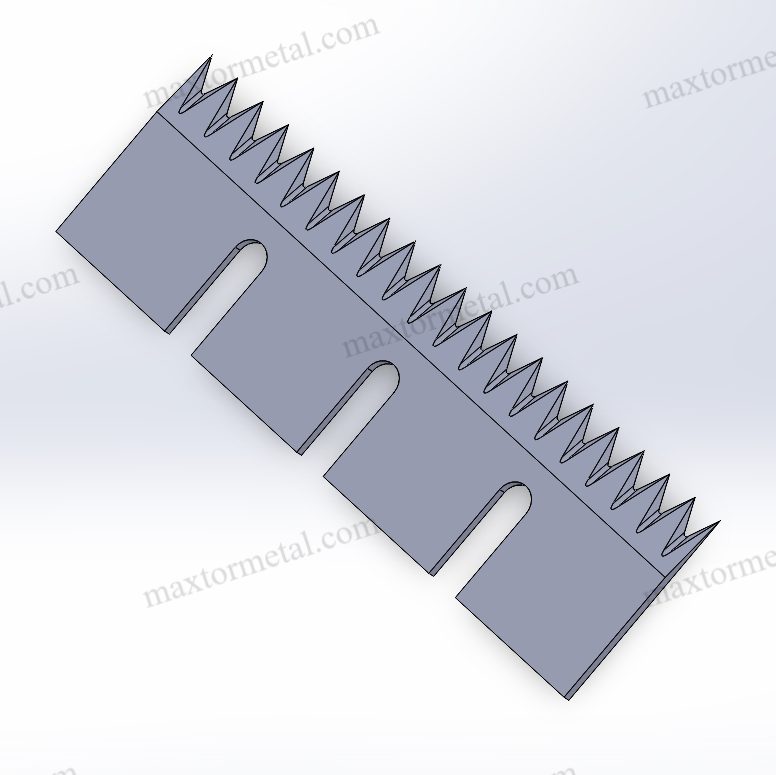
플라스틱 천공 장비 설치는 천공 공정에서 매우 중요한 단계입니다. 천공 시스템의 모든 부품이 제대로 작동하는지 확인해야 합니다. 그래야 깨끗하고 균일한 구멍을 뚫고 견고한 천공 플라스틱 시트를 얻을 수 있습니다. 또한, 제대로 설치하면 천공 도구와 기계를 안전하게 유지하고 원활하게 작동시킬 수 있습니다.
블레이드 설치
천공 공정의 첫 번째 단계는 날을 올바르게 설치하는 것입니다. 천공 날이 깨끗한 구멍을 뚫고 플라스틱에 원하는 패턴을 만들려면 날이 제대로 설치되어야 합니다. 안전하고 효과적인 설치를 위해 다음 단계를 따르십시오.
- 작업을 시작하기 전에 플라스틱 천공 장비의 전원을 끄고 플러그를 뽑으십시오.
- 손과 눈을 보호하기 위해 절단 방지 장갑과 보안경을 착용하십시오.
- 육각 렌치, 드라이버, 토크 렌치, 청소용 천, 윤활유, 정렬 게이지 등 필요한 모든 도구를 준비하세요.
- 나사를 풀어 기존 날을 제거합니다. 날이 떨어지지 않도록 잘 잡으세요.
- 새 칼날을 게이지나 자로 정렬하십시오. 칼날의 구멍과 가장자리가 기계 및 플라스틱 방향과 일치하는지 확인하십시오.
- 먼저 손으로 나사를 조이세요. 그런 다음 토크 렌치를 사용하여 적정 수준으로 조이세요. 너무 세게 조이지 마세요.
- 칼날이 단단히 고정되어 있고, 곧고, 깨끗한지 확인하십시오. 칼날 거치대와 나일론 받침대를 닦아 이물질을 제거하십시오.
- 샘플 플라스틱을 사용하여 저속으로 테스트를 진행하십시오. 깨끗하고 균일한 천공이 되는지 확인하고, 정렬이나 압력에 문제가 있으면 수정하십시오.
- 문제가 발생하면 칼날의 힘, 속도 또는 깊이를 조정하십시오. 플라스틱이 올바르게 장착되었는지 확인하십시오.
- 칼날을 자주 청소하고 기름칠하십시오. 필요에 따라 날카롭게 갈고 유지 관리 기록을 보관하십시오.
팁: 날을 신중하게 설치하면 구멍이 고르지 않게 나거나, 가장자리가 들쭉날쭉해지거나, 천공 시스템이 손상되는 것을 방지할 수 있습니다.
압력과 깊이
천공 블레이드의 압력과 깊이를 적절하게 설정해야 합니다. 압력이 너무 높으면 플라스틱이 찢어지거나 구멍이 너무 커질 수 있습니다. 반대로 압력이 너무 낮으면 천공이 불완전하거나 패턴이 약해질 수 있습니다. 고급 플라스틱 천공 장비의 조절 장치를 사용하여 블레이드 깊이를 조정하십시오. 처음 몇 장의 용지를 천공하여 구멍 크기와 패턴 품질을 확인하고, 완벽한 천공선과 견고한 플라스틱이 나올 때까지 필요에 따라 조정하십시오.
표를 사용하면 확인해야 할 사항을 기억하는 데 도움이 됩니다.
| 환경 | 무엇을 찾아야 할까 | 결과 |
|---|---|---|
| 압력 | 구멍이 깔끔하고 찢어진 부분은 없습니다. | 튼튼한 천공 플라스틱 |
| 깊이 | 균일한 패턴, 적절한 구멍 크기 | 일관된 천공선 |
속도 조절
천공 공정에서 속도는 매우 중요한 역할을 합니다. 천공 시스템을 너무 빠르게 작동시키면 구멍이 고르지 않거나 패턴이 제대로 뚫리지 않을 수 있습니다. 반대로 너무 느리게 작동시키면 시간이 낭비되고 칼날이 과열될 수 있습니다. 낮은 속도에서 시작하여 처음 몇 장의 용지를 관찰하십시오. 깨끗하고 고르게 뚫린 구멍과 직선으로 뚫린 천공선을 확인하십시오. 천공 품질을 확인하면서 속도를 천천히 높이십시오. 사용하는 플라스틱과 원하는 패턴에 맞는 최적의 속도를 찾으십시오.
참고: 플라스틱 종류와 천공 패턴에 따라 필요한 속도가 다를 수 있습니다. 본격적인 생산을 시작하기 전에 항상 테스트하십시오.
장비를 제대로 설치하면 천공 기술을 최대한 활용할 수 있습니다. 그러면 매번 원하는 구멍과 패턴으로 견고하고 깨끗하게 천공된 플라스틱을 얻을 수 있습니다.
천공 기술

플라스틱 필름과 호일에 깔끔한 천공을 하려면 패턴 설정, 패턴 유지, 그리고 찢어짐 방지 방법을 알아야 합니다. 각 플라스틱 종류에 맞는 천공 패턴을 선택하세요. 첨단 기계를 사용하고 효율적인 공정을 따르면 다양한 용도에 적합한 견고한 천공 플라스틱 시트를 만들 수 있습니다.
Perforation Patterns
You can make many patterns on plastic film. Each pattern is made for a special use. The space and size of holes change how strong, bendy, and nice the plastic looks. Match the pattern to the plastic type and what you want it for.
PE Film
Polyethylene (PE) film is soft and bends easily. Use bigger spaces between holes, about 5-10 mm. Make medium holes from 0.5-1 mm. This keeps the film strong and stops it from ripping. Perforated PE sheets are great for packing fruits and veggies. They let air in but stay tough.
Tip: Try your perforation pattern on a sample PE film first. Change the space and hole size to fit your plastic’s thickness and bendiness.
PP Film
Polypropylene (PP) film is tougher and less bendy than PE. Use closer spaces, about 2-5 mm. Make smaller holes from 0.3-0.7 mm. This makes the film strong and stops it from ripping. Perforated PP sheets are good for wrapping bread and other foods.
- Use straight or rotary blades for PP film.
- Watch the hole size and space to keep the pattern even.
PET 필름
Polyester (PET) film is clear and strong. Use small, exact holes from 0.2-0.5 mm. Space them 3-7 mm apart. This works well for things like medical packs where looks and strength matter. Always test and change your pattern for the plastic’s thickness and what you need.
| Film Type | Recommended Spacing | Hole Size | 일반적인 응용 프로그램 |
|---|---|---|---|
| PE | 5-10 mm | 0.5~1mm | Produce packaging |
| PP | 2-5 mm | 0.3-0.7 mm | Bakery wraps |
| 애완 동물 | 3-7 mm | 0.2-0.5 mm | Medical packaging |
Consistency Tips
Keeping your perforation pattern the same is very important. You need to fix common problems and use good ways to keep holes and patterns even.
Common Consistency Issues
You might see some problems when making holes in plastic film:
- Holes are not spaced evenly
- Hole sizes change
- Rows of holes do not line up
These problems can make the plastic weak, lower quality, and waste material when you need perfect patterns.
Solutions for Consistency
You can fix these problems by using better machines and careful setup:
- Laser perforation makes tiny holes in perfect patterns very fast.
- Electronic centering helps line up holes and keeps spacing even.
- Needle perforation with special collars (2″ and 4″ wide, with 30 or 60 holes per square inch) keeps hole size and space the same.
- Macro hole punching lets you pick hole sizes (from 1/8″ to 1/4″) and keeps patterns even with electronic controls.
- These ways help keep the film strong and stop weak spots from bad holes.
Note: Check your perforated plastic sheets often. Change your machines and patterns if you need to keep quality high.
Vacuum suction and machine accuracy help make clean and even holes. Vacuum suction holds the plastic tight while cutting. This stops the film from moving or lifting, which can cause mistakes and rough edges. Good vacuum suction keeps the plastic still and helps make smooth edges. Machine accuracy makes sure the blade fits the plastic’s thickness. This helps blades last longer and keeps holes clean. Vacuum pull rolls keep the plastic tight, even when moving fast. This stops stretching and damage. These tools help you keep your holes even and work quickly.
Avoiding Tearing
You need to stop tearing when making holes so your plastic sheets stay strong. Follow safe steps and learn from common mistakes.
Operational Precautions
- Keep the film tight but not too tight. Too much tension can rip it.
- Pick the right blade type and make sure it is sharp for your plastic.
- Use vacuum suction and controls to hold the film still.
- Watch the process and change patterns, speed, and pressure if needed.
Tip: Always check your machines before you start. Clean blades and surfaces help stop damage and tearing.
Typical Mistakes and Cases
You might make mistakes when perforating plastic. Here is a table with common errors, why they happen, and how to stop them:
| 실수 | Description and Cause | Impact and Prevention |
|---|---|---|
| Water Marks | Spots from hard water drying on the film after cutting and packing. | Clean with film cleaner; handle carefully after processing to stop marks. |
| Air Bells | Clear circles from air bubbles stopping developer from touching film during processing. | Tap the tank and move the film during developing and fixing. |
| Torn Sprocket Holes | Holes get ripped from camera problems or rough handling when loading or unloading. | Shows machine or handling mistakes; use careful steps and check your equipment. |
| Fingerprints | Marks from touching the film, especially when wet, causing dark or light spots. | Hold the edges, wear gloves, and wash hands; some marks can be cleaned or washed off. |
| Scratches | Long thin lines from rough handling or broken equipment during cleaning, loading, or pressing. | Most scratches cannot be fixed; caused by rough moves or broken tools; use gentle steps and check your machines. |
One packaging line had lots of tears because the tension was wrong. The team fixed this by adding an automatic tension control system. You can stop these problems by checking and changing your tension controls often.
Callout: Always use sharp blades and set tension right. Dull blades and bad tension can make rough edges, tears, and waste plastic.
You can make perfect holes in plastic film and foil by knowing the right patterns, keeping them even, and avoiding mistakes. This helps your perforated plastic sheets meet top standards for every use.
엄격한 품질 관리
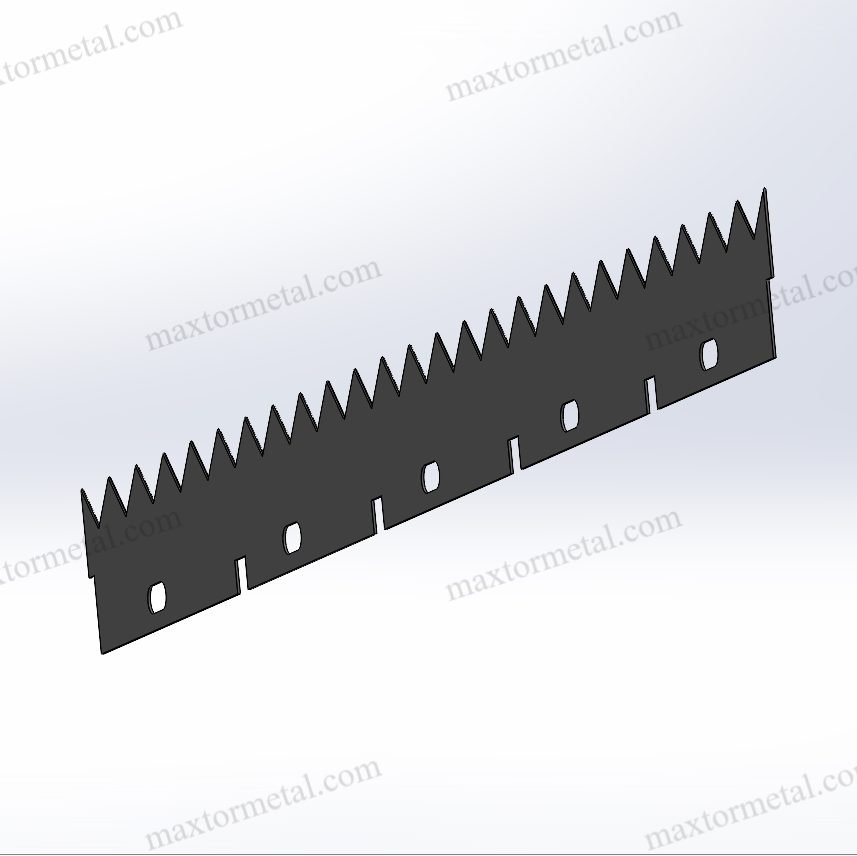
Inspecting Perforation
You need to check every hole to make sure your plastic sheets are good. Look at the holes to see if the edges are smooth and all the same size. Check the patterns to see if they match what you want. Use a magnifying glass or digital microscope to find tiny problems. If you see rough holes or patterns that do not match, you should change how you make the holes. Always look at both sides of the film. Sometimes, problems only show up on one side. Make a checklist for your checks. This helps you find problems early and keep your sheets high quality.
Tip: Use bright lights when you check your sheets. Shadows can hide small problems in the holes or patterns.
Measuring Consistency
Making every sheet the same is important. You want all the holes and patterns to match. Use a perforation tester to see how much force it takes to tear along the line. This tool gives you exact results and helps you change settings for different plastics. Write down your test results and save them for later. Test your sheets often while you work. This helps you find problems before they get worse. It also saves plastic and keeps people safe. When your holes are always the same, people can open packages easily and the plastic does not fail.
Here are some ways to keep your holes and patterns the same:
- Use a perforation tester to check how strong the tear is.
- Change your settings for each kind of plastic.
- Write down and look at your test results for every batch.
- Test samples often while making sheets.
- Compare your holes and patterns to your best samples.
A table can help you keep track of your checks:
| Checkpoint | What to Inspect | 빈도 |
|---|---|---|
| Hole Size | Uniformity, Clean Edges | Every batch |
| Pattern Alignment | Straight Rows, Even Gaps | 모든 교대 근무 |
| 인열 강도 | Meets Standard Force | Hourly |
문제 해결
If you find problems in your plastic sheets, fix them right away. First, check if the pressure is too high. Too much pressure can rip the film and mess up the holes. If you see ballooning or zippering, add more vent holes so air can get out. Try using film that already has holes if you can. Make sure the holes are in the right spots for your product. Change your machine settings to stop damage when sealing or shrinking.
Follow these steps to fix common problems:
- Check the pressure on your pinwheel device. Lower it if the film rips.
- Add more vent holes to let air out.
- Use film with holes already in it for better air flow.
- Make sure all holes are there and in the right pattern.
- Take care of your machines and change settings to stop damage.
Note: Keep extra air out of the package when wrapping. Good vent holes help stop ballooning and other problems.
By doing these things, you keep your process working well and your plastic sheets strong. Checking often and fixing problems fast helps you make great products every time.
유지
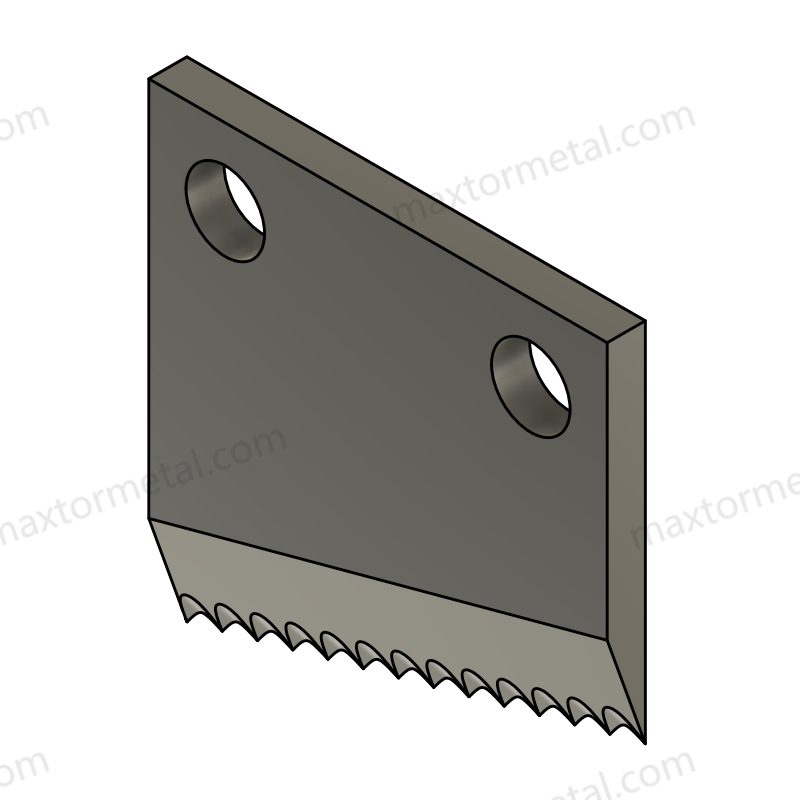
블레이드 케어
Taking care of your perforating blades helps you get clean cuts and keeps your production running smoothly. You should always clean your blades after each use. Use warm water and mild soap with a soft cloth or sponge. Avoid steel wool or rough pads because they can scratch or dull the blade. Dry the blade right away to stop rust from forming. Store your blades with a guard to protect the edge and keep everyone safe.
You should also check your blades often for signs of wear. Look for dull edges, chips, cracks, or rust. If you notice any of these, sharpen the blade with the right tool, such as a whetstone or professional sharpener. Always keep the original angle and use even pressure. Wear cut-resistant gloves and keep your fingers away from the cutting edge during cleaning and sharpening.
팁: Proper cleaning and maintenance can double the life of your blades and reduce how often you need to change them. This means better cuts, safer work, and less downtime.
Equipment Checks
Regular equipment checks keep your perforating system working at its best. Start by inspecting the blade alignment. Check for any wobbling or uneven movement. Clean the main shaft and flange before installing a new blade. Make sure the flange is flat, clean, and sits at a right angle to the shaft. Use the largest flange you can—about one-third to half the blade’s diameter—to keep the blade stable.
After installing a blade, let it spin freely for about 30 seconds. Listen for any strange noises or vibrations. Tighten all nuts and bolts properly to prevent the blade from slipping or getting damaged inside the machine. Always wear protective gear and make sure all machine guards are in place before you start.
교체 지침
Knowing when to replace your blades and equipment parts is key to keeping your operation safe and efficient. Here are some signs that it’s time for a replacement:
- The blade feels dull and does not cut cleanly.
- You see nicks, chips, cracks, or rounded edges on the blade.
- The machine makes more noise or vibrates more than usual.
- Cutting takes longer or the finish looks uneven.
- The alloy edge wears down by 0.2mm or more.
When you replace a blade, handle it carefully to protect the sharp edge. Remove the old blade on a stable surface. Clean all parts before installing the new blade. If your machine uses sets of teeth or blades, replace them together to keep the rotor balanced.
호출: Replace damaged or worn blades right away. This keeps your cuts precise and your team safe.
Regular maintenance and timely replacement help you get the best results from your perforating blades and equipment. You will see better performance, longer blade life, and fewer production stops.
응용 분야 및 용도
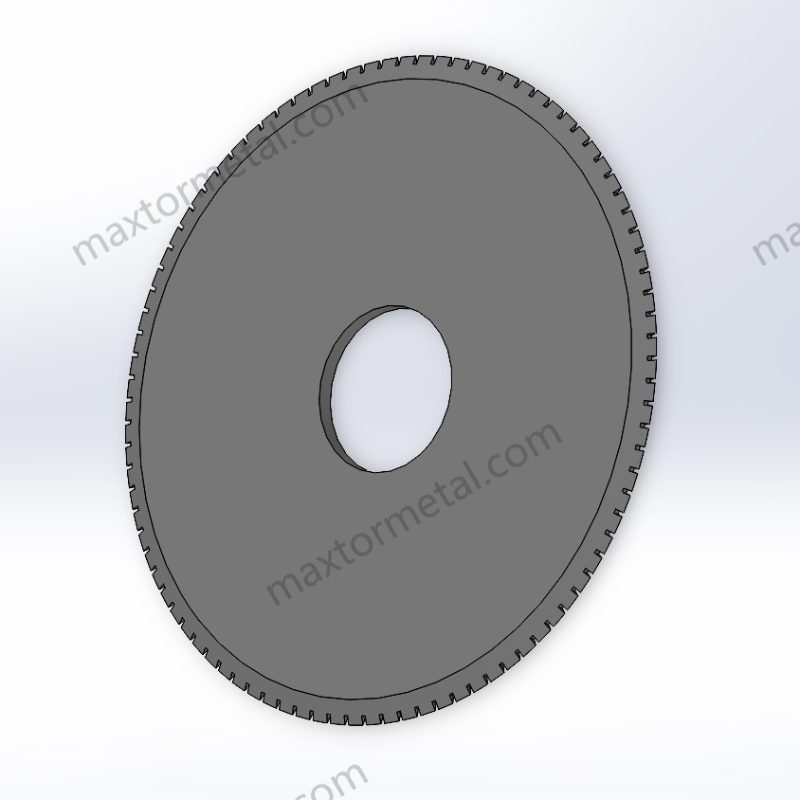
Perforated Plastic Sheets
Perforated plastic sheets are used in many places. They are made by picking the right plastic first. Then, special blades or lasers make holes in the sheets. You can choose how big the holes are and what shape they have. You can also pick the pattern for the holes. Some sheets have round holes for air to move through. Others have slots to let water drain.
Here are some ways people use perforated plastic sheets:
- Packaging: These sheets are in food packages and freezer bags. The holes let air move, so food stays fresh.
- Industrial filtration and drainage: Special hole patterns help separate things and control water in factories.
- Construction: Builders use these sheets in panels and vents. The sheets help lower noise and let air flow.
- Medical: Hospitals use them for trays and containers. The plastic does not get damaged by chemicals and can be cleaned easily.
- Advertising: Stores and cars use these sheets for window ads. You can see out, but people outside see the ad.
- Specialized industrial uses: Factories use them in tanks and chemical machines. The plastic does not rust.
Perforated plastic sheets are light, so you can put them in place easily. They do not get ruined by chemicals or rust, so they last a long time. These sheets are strong and bendy, so you can use them for many things.
Industry Uses
Many businesses need perforated plastic sheets every day. You can see how different industries use these sheets in the table below:
| Industry Segment | Key Countries | Market Size (USD million) | Market Share (%) | 연평균 성장률(%) | Primary Benefits and Uses |
|---|---|---|---|---|---|
| Fruits and Vegetables | United States, China, India, Germany, Brazil | ~1930 (2025) | 20.00 | 4.30 | Perforated films and breathable packaging keep produce fresh, extend shelf life, and reduce spoilage. |
| Meat, Poultry, Seafood | United States, China, Japan, Germany, Brazil | ~2896 (2025) | 30.00 | 4.44 | Vacuum packaging and barrier pouches protect food, maintain hygiene, and support exports. |
| Flexible Foil (High Barrier) | United States, China, Japan, Germany, Brazil | ~1405 (2025) | 14.55 | 4.05 | Used in processed foods for oxygen and moisture protection, lightweight design, and easy transport. |
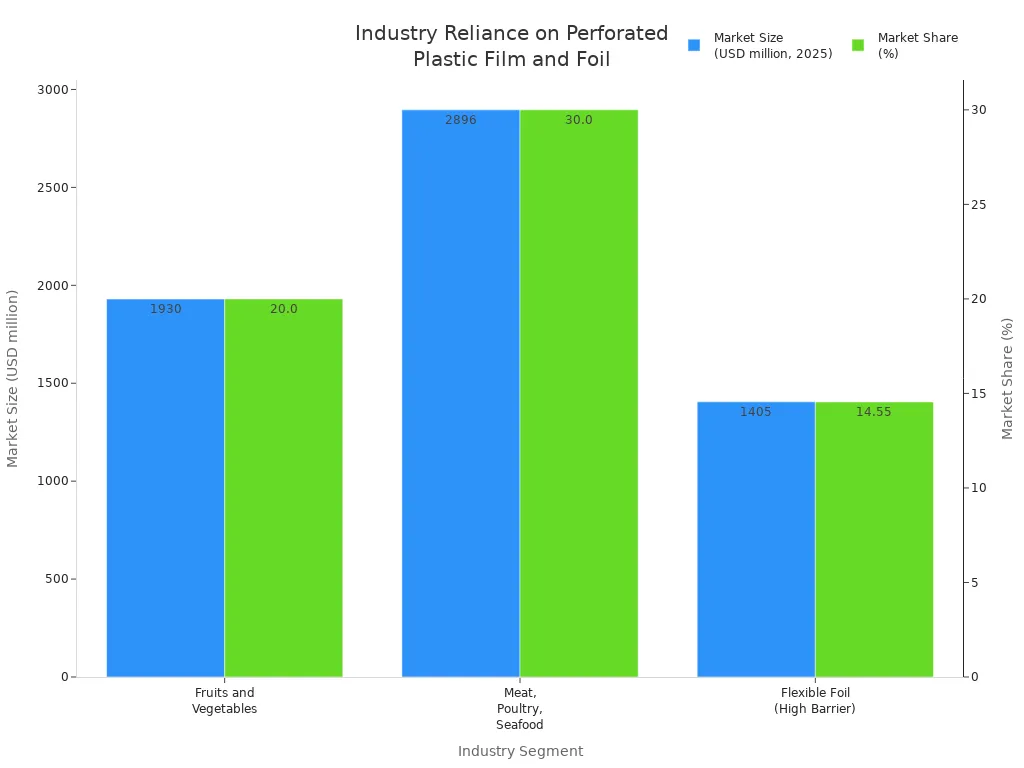
The food industry uses perforated plastic sheets the most. These sheets help keep fruits, veggies, meat, and seafood fresh. Flexible foil packaging uses these sheets to keep food safe from air and water. Other industries, like building and medical, use them for sound control, air flow, and clean packaging. The sheets help food last longer, spoil less, and stay clean.
맞춤형 솔루션
Sometimes you need special perforated plastic sheets. Companies can make sheets with custom hole patterns and sizes. Some use lasers to make tiny, exact holes. This helps in microwave food packs, so steam can get out safely. Tobacco packs use laser holes to control air and burning speed. Special packs use custom holes to control gas or water, making products better.
Companies like Folene Packaging and Spectrum Plastics make custom sheets for you. They help you pick the hole size, pattern, and color. Their teams use labs and quick service to give you what you want. Many people say their products work better after using custom sheets.
You can use custom perforated plastic sheets in food, medical, electronics, and car parts. These sheets help you fix problems, make things safer, and meet specific needs. When you know how these sheets are made, you can ask for what you want. Custom sheets give you more choices and let you use them in new ways.
You can make perfect holes in plastic film and foil if you follow steps. Pick the right blade for your job. Get your materials ready before you start. Set up your equipment carefully so everything works well. Use high-quality perforating blades from Maxtor Metal for good results. Check your work often to catch mistakes early. Take care of your tools so they last longer and work better.
팁: Always check your work and keep your tools clean. This helps your production go well and makes your products look great.
자주 묻는 질문
What is the best way to choose a perforating blade for plastic film?
You should match the blade material and tooth profile to your film type and thickness. For example, use tungsten carbide for thick films and PTFE-coated blades for sticky plastics. Always test on a sample before full production.
How often should I replace my perforating blades?
Check your blades daily for dullness, chips, or cracks. Replace them when you see rough cuts or increased resistance. Sharp blades help you get clean, even perforations and reduce waste.
Can I use the same blade for different types of plastic film?
You should not use one blade for all films. Each plastic type needs a specific blade material and tooth design. Switching blades for each job helps you avoid tearing and keeps your cuts precise.
What should I do if my film keeps tearing during perforation?
Check your film tension and blade sharpness first. Lower the tension if it feels too tight. Replace dull blades. Make sure your film lays flat and your machine settings match the film type.
How do I keep my perforation patterns consistent?
- Use tension control systems.
- 날 정렬 상태를 자주 확인하십시오.
- Test samples regularly.
- Adjust machine speed and pressure as needed.
Consistent setup and regular checks help you avoid uneven holes.
How do I clean and store perforating blades safely?
Clean blades with mild soap and a soft cloth. Dry them right away. Store each blade with a guard in a dry place. Always wear gloves when handling blades to protect your hands and the blade edge.
또한 참조
타공 칼날의 불균일한 타공 및 일관되지 않은 선 길이 문제 해결 및 최적화

 English
  Spanish
  Italian
  French
  Portuguese
  Russian
  German
  Arabic
  Hindi
Hindi  Vietnamese
  Indonesian
  Japanese
  Korean