

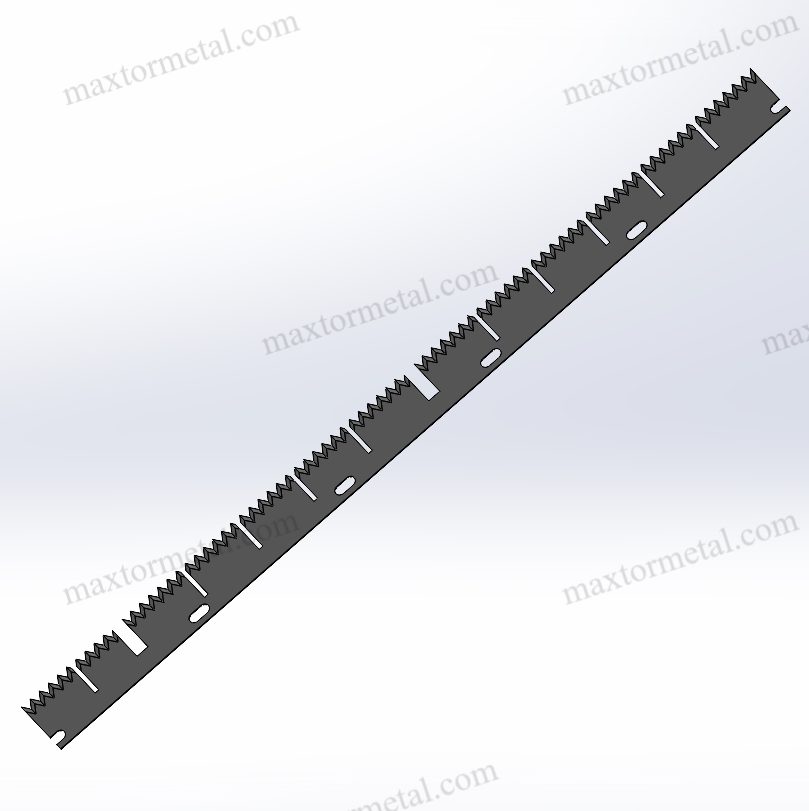
يبدأ الحصول على ثقوب مثالية في الأغشية البلاستيكية والرقائق المعدنية باختيار الأدوات المناسبة. عند استخدام أدوات عالية الجودة شفرات تثقيب للأغشية البلاستيكيةستلبي كل عملية قص احتياجاتك. عليك اختيار شفرات مناسبة لنوع البلاستيك وسماكته. جودة الشفرة تؤثر بشكل كبير على النتائج.
- يمنع الشكل الهندسي المتناسق للشفرة الحواف الخشنة أو التمزق في البلاستيك.
- تساعد زاوية الحافة القائمة والتشطيب السطحي على إجراء قطع ناعمة ونظيفة في البلاستيك.
- يؤدي اختيار الشفرة المناسبة إلى تقليل الهدر وتوفير الوقت عند العمل مع البلاستيك.
Maxtor Metal تتميز شفراتها بالموثوقية العالية في العديد من استخدامات صناعة البلاستيك. يمكنك تحسين سير عملك من خلال الإعداد الدقيق واستخدام أفضل الشفرات المناسبة لأعمالك في مجال البلاستيك.
النقاط الرئيسية
- اختر مادة الشفرة وشكل الأسنان المناسبين لنوع وسمك غشاء البلاستيك الذي تستخدمه. هذا يساعدك على الحصول على قطع نظيفة وقوية.
- تأكد من أن الغشاء البلاستيكي نظيف ومستوٍ قبل البدء. هذا يمنع حدوث ثقوب غير متساوية ويحمي شفراتك من التلف.
- اضبطي الشد والسرعة المناسبين على جهازك. هذا يمنع تمزق الفيلم ويحافظ على تساوي الثقوب.
- أدخل الشفرات بحرص. غيّر الضغط والعمق لعمل ثقوب دقيقة دون إتلاف البلاستيك.
- استخدم الشفط الفراغي وأدوات التحكم الجيدة في الجهاز لتثبيت الفيلم. هذا يساعد في الحفاظ على تباعد الثقوب بشكل متساوٍ.
- افحص الثقوب بانتظام للتأكد من نعومة الحواف وانتظام النقوش. هذا يساعدك على اكتشاف المشاكل مبكراً والحفاظ على جودة عالية.
- نظّف الشفرات واعتنِ بها بعد كل استخدام. هذا يُطيل عمرها ويُحافظ على سير عملك بكفاءة.
- استبدل الشفرات البالية أو المكسورة فوراً. هذا يحافظ على سلامة المعدات ويضمن جودة عالية للثقوب.
اختيار الشفرة
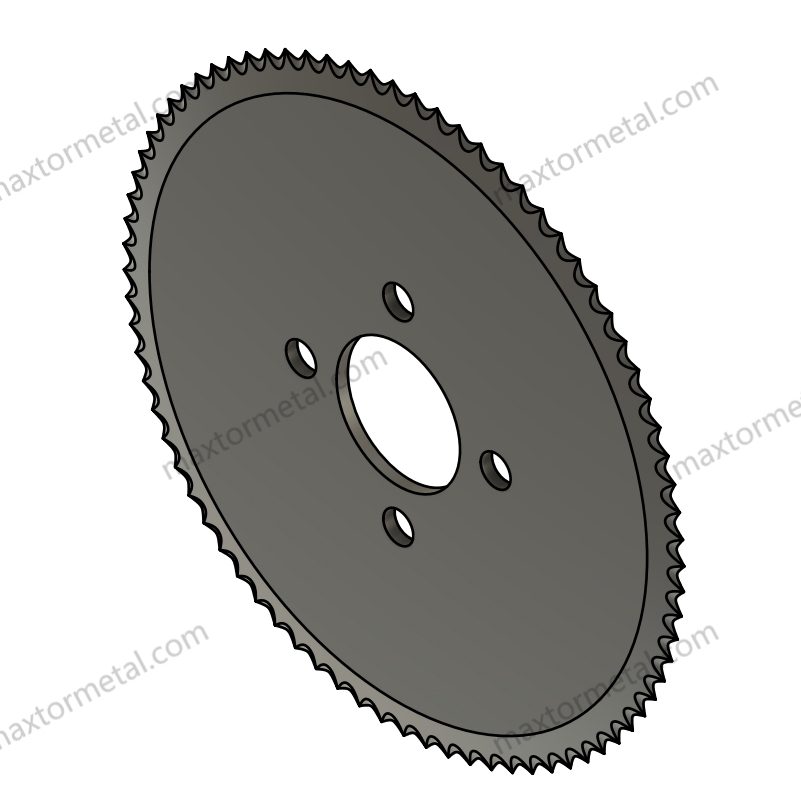
شفرات تثقيب للأغشية البلاستيكية
للحصول على نتائج ممتازة، تحتاج إلى شفرات تثقيب مناسبة للأغشية البلاستيكية. تُحدث هذه الشفرات ثقوبًا أو شقوقًا صغيرة في البلاستيك، مما يُسهّل تمزيقه أو فصله. تتوفر أنواع عديدة من الشفرات، ولكن ليست كل شفرة مناسبة لجميع أنواع الأغشية البلاستيكية. يعتمد اختيار الشفرة الأنسب على سُمك البلاستيك، ومرونته، وقوته.
تتوفر العديد من شفرات التثقيب للأغشية البلاستيكية. يمكنك الاختيار من بين الفولاذ المستخدم في صناعة الأدوات، والفولاذ عالي السرعة (HSS)، والفولاذ المقاوم للصدأ، أو كربيد التنجستن. تتميز كل مادة من مواد الشفرات بخصائص خاصة تساعدك على عمل ثقوب نظيفة وقوية. إذا كان لديك مشروع خاص، فإن ماكينة التثقيب Maxtor Metal قادرة على إنجازه. شفرات مخصصة يمكنك إرسال رسوماتك أو عيناتك إليهم، وسيقومون بصنع شفرات لمشروعك البلاستيكي.
نصيحة: احرص دائمًا على اختيار مادة الشفرة وتصميمها بما يتناسب مع غشاء البلاستيك الخاص بك. فهذا يساعدك على تجنب التمزق والحواف الخشنة وهدر البلاستيك.
المواد والطلاءات
تُعدّ مادة وطلاء شفرات التثقيب الخاصة بك للأغشية البلاستيكية من الأمور بالغة الأهمية. فبعض أنواع البلاستيك لينة ولزجة، بينما أنواع أخرى صلبة أو خشنة. لذا، أنت بحاجة إلى شفرة قادرة على قطع البلاستيك دون أن تتلف بسرعة.
إليك جدول لمساعدتك في مقارنة مواد الشفرات والطلاءات:
| مادة الشفرة / الطلاء | الفعالية / الفائدة | أفضل استخدام للأغشية البلاستيكية |
|---|---|---|
| أداة الصلب | صلابة ومتانة جيدتان | قطع البلاستيك العامة |
| الفولاذ عالي السرعة (HSS) | يحافظ على حدته عند السرعات العالية | أغشية بلاستيكية رقيقة أو سريعة الحركة |
| الفولاذ المقاوم للصدأ | يقاوم الصدأ والتآكل | عبوات بلاستيكية للأغذية أو الأدوية |
| كربيد التنغستن | صعب جدًا، ويدوم لفترة طويلة | أغشية بلاستيكية سميكة أو خشنة |
| طلاء PTFE (غير لاصق) | يمنع تراكم البلاستيك اللاصق | مادة PLA، أو البلاستيك المغلق حرارياً، أو البلاستيك اللاصق |
| طلاء TiN (نيتريد التيتانيوم) | يجعل الشفرات تدوم لفترة أطول بنسبة 25-40% | إنتاج الأغشية البلاستيكية بكميات كبيرة |
| طلاء DLC (الكربون المشابه للماس) | يزيد من المتانة ودقة القطع | أغشية بلاستيكية متعددة الطبقات أو تقنية |
تُناسب كل مادة طلاء للشفرات أنواعًا مُحددة من البلاستيك. على سبيل المثال، تُعدّ الشفرات المطلية بمادة PTFE مثالية للبلاستيك اللاصق، بينما تُعدّ شفرات كربيد التنجستن الأنسب للأغشية البلاستيكية الخشنة أو السميكة. كما تُساهم الطلاءات المُخصصة والمعالجات الحرارية في إطالة عمر الشفرات وتحسين جودة القطع.
أنواع الشفرات
تتوفر أنواع عديدة من شفرات التثقيب للأغشية البلاستيكية، ولكل نوع منها استخدامات مختلفة. ويعتمد اختيار النوع الأنسب على نوع الغشاء البلاستيكي المستخدم والغرض من التثقيب.
إليكم جدول يوضح أنواع الشفرات الشائعة واستخداماتها:
| نوع الشفرة أو شكل السن | وصف | مزايا | التطبيقات النموذجية |
|---|---|---|---|
| شفرات مستديرة | شفرات دوارة للمواد ذات النسيج المتواصل | يقلل من إجهاد المواد، وهو أمر جيد للسرعات العالية. | الأغشية البلاستيكية والرقائق المعدنية في التغليف |
| شفرات مستقيمة | شفرات خطية لقص نظيف ومستقيم | محاذاة دقيقة، قطع متوقعة | عبوات مموجة، ثقوب خطية |
| أسنان على شكل حرف V عالية ومنخفضة | ارتفاعات أسنان متناوبة | مقاومة أقل للقطع، تآكل أقل | أغشية بلاستيكية لينة، أشرطة لاصقة |
| أسنان قياسية على شكل حرف V | أسنان متناسقة | عمق ثقب ثابت | أغشية بلاستيكية متعددة الطبقات |
| أسنان عميقة على شكل حرف V | أسنان أعمق | يقطع البلاستيك السميك أو الكثيف | أغلفة صناعية، أغشية سميكة |
| أسنان مدورة | أسنان ناعمة ومنحنية | يمنع تلف البلاستيك الرقيق | أغشية رقيقة، أوراق بلاستيكية مطلية |
| أسنان مدببة | أسنان حادة ومدببة | يقطع البلاستيك الصلب أو المقوى | أكياس مقواة، أغشية تقنية |
| الأسنان المائلة | أسنان مائلة | الخصائص الميكانيكية الخاصة | تطبيقات بلاستيكية متخصصة |
يمكنك أيضًا الاختيار سكاكين على شكل حرف L، أو سكاكين على شكل حرف V، أو سكاكين مستقيمةكل نوع من هذه الشفرات يُناسب أنواعًا مُحددة من الأغشية البلاستيكية. الشفرات الدوارة مثالية للقص السلس والطويل على الأغشية البلاستيكية السريعة. أما الشفرات المستقيمة فتُساعدك على عمل قصات دقيقة ومستقيمة على الألواح البلاستيكية.
ملحوظة: شفرة مخصصة تتيح لك الأشكال وملامح الأسنان التحكم في حجم كل ثقب ومسافته وقوته. وهذا يساعدك في الحصول على المزيج الأمثل من سهولة التمزق وقوة غشاء البلاستيك.
الإعداد المادي
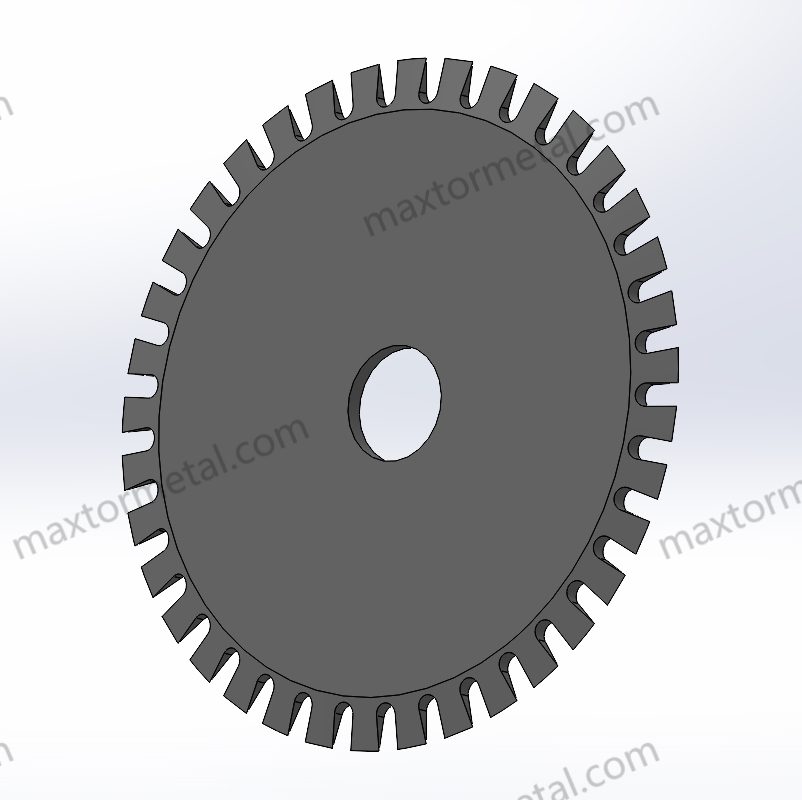
نظافة الفيلم
أهمية الفيلم النظيف
يجب تنظيف الغشاء البلاستيكي جيدًا قبل البدء. فالغشاء النظيف يضمن دقة كل ثقب، كما أن الشفرة تتحرك بسلاسة على البلاستيك النظيف. أما الأوساخ أو الغبار أو الزيوت فقد تتسبب في انزلاق الشفرة، مما يؤدي إلى خطوط غير متساوية في البلاستيك. كما يحمي الغشاء النظيف الشفرة من التلف، ويساعد على إطالة عمر الجهاز.
الملوثات الشائعة وآثارها
قد يتسخ الغشاء البلاستيكي بعوامل عديدة، كالغبار والزيوت والغراء والمشروبات الغازية، مما يُصعّب عملية التثقيب. كما قد يسد الغبار والأوساخ الشفرة أو يُسببان حوافًا خشنة، بينما قد يؤدي الزيت والغراء إلى انزلاق الشفرة بشكل مفرط. وقد يتسبب البلاستيك المتسخ في ظهور نقاط ضعف أو ثقوب غير مكتملة في الخيط.
طرق التنظيف الموصى بها
نظّف غشاء البلاستيك دائمًا قبل ثقبه. استخدم مناديل خالية من الوبر أو منفاخ هواء لإزالة الغبار. للمواد اللزجة، استخدم منظفًا مخصصًا للبلاستيك. اختبر المنظف على قطعة صغيرة أولًا لتجنب إتلاف الغشاء. حافظ على نظافة مكان عملك وتهويته جيدًا لمنع تراكم الأوساخ على الغشاء.
التوتر والتسطيح
تقنيات ضبط الشد المناسبة
يُعدّ شدّ الفيلم بشكل صحيح أمرًا بالغ الأهمية للحصول على ثقوب مثالية. فإذا كان الفيلم مرتخيًا، فقد تنزلق الشفرة، مما يُنتج ثقوبًا غير متساوية. أما إذا كان الفيلم مشدودًا، فقد يتمزق. لذا، استخدم أنظمة التحكم في الشدّ للحفاظ على ثبات الفيلم. تعمل المكابح على إبطاء اللفة، بينما تُغذّي محركات فكّ اللفّ الفيلم، وتُحافظ بكرات التوجيه على استواء الفيلم واستقامته.
طرق ضمان التسطيح
يمنحك الفيلم المسطح أفضل النتائج. تأكد من خلوه من التجاعيد أو الطيات قبل البدء. قم بإجراء فحوصات دورية للتأكد من استوائه أثناء العمل. تساعد بكرات التثبيت واللف الجيد على إبقاء الفيلم ناعمًا. تأكد من أن الفيلم مستوٍ تمامًا على الجهاز. حتى النتوءات الصغيرة قد تُفسد الثقوب.
عواقب التوتر غير المناسب أو السطح غير المستوي
قد يؤدي ضعف شد الغشاء أو عدم استوائه إلى إتلاف عملك. فالغشاء المرتخي أو المجعد يتسبب في قفز الشفرة، مما يؤدي إلى تفويت بعض الثقوب أو ظهور ثقوب مزدوجة. أما الغشاء المشدود فقد يتمزق ويتلف المنتج. كما أن الأسطح غير المستوية قد تجعل صفوف الثقوب ملتوية، مما يقلل من جودة الألواح البلاستيكية.
نصائح الاستخدام
المناولة والنقل الآمنان
تعامل مع الفيلم البلاستيكي برفق للحفاظ عليه جاهزًا للاستخدام. خزّن الفيلم في مكان نظيف وجاف. لا تلمس الفيلم بيديك مباشرةً لمنع وصول الزيت إليه. لفّ الفيلم بشكل صحيح لحماية الحواف. تأكد من عدم ثني البكرات والعلب، فهذا يحافظ على سلامة البلاستيك من التلف.
أفضل الممارسات لتخطيط الأفلام
حافظ على نظافة وإضاءة جيدة في مكان عملك عند فرد الفيلم. قم بمحاذاة الفيلم بعناية على الجهاز. قد تتسبب الأخطاء الصغيرة في ظهور تجاعيد أو ثقوب غير مرغوب فيها. افرد الفيلم ببطء لتجنب التغيرات المفاجئة في الشد. تساعدك المحاذاة الدقيقة والفرد البطيء على الحصول على بلاستيك مثقب بجودة عالية.
احتياطات التركيب
أبعد الأشياء الحادة عن الغشاء البلاستيكي. تأكد من عدم وجود أي التواء أو طي للغشاء. تحكم في الكهرباء الساكنة في أماكن جافة لمنع التصاق الغبار. افحص الغشاء بحثًا عن أي تلف قبل البدء. تساعدك هذه الخطوات على تجنب المشاكل والحصول على صفائح مثقبة جيدة.
إعداد المعدات
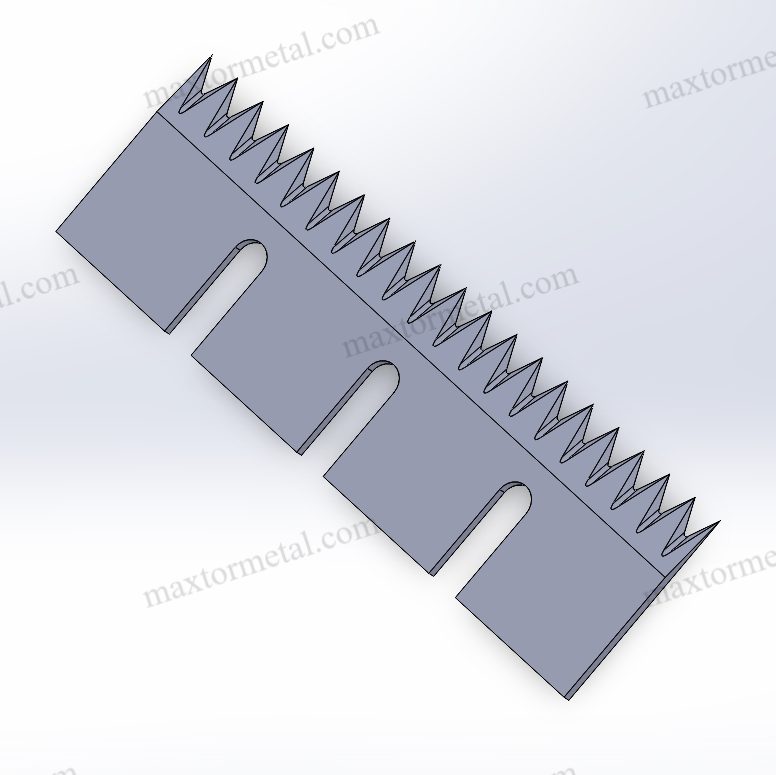
يُعدّ تجهيز معدات تثقيب البلاستيك خطوةً أساسيةً في عملية التثقيب. يجب التأكد من أن جميع أجزاء نظام التثقيب تعمل بتناغم تام. هذا يضمن الحصول على ثقوب نظيفة ومتساوية، وألواح بلاستيكية مثقبة قوية. كما يُسهم التجهيز الجيد في الحفاظ على سلامة أدوات وآلات التثقيب، وضمان تشغيلها بكفاءة.
تركيب الشفرة
يُعدّ تركيب الشفرات بشكل صحيح الخطوة الأولى في عملية التثقيب. يجب أن تُنتج شفرات التثقيب ثقوبًا نظيفة وتُشكّل الأنماط المطلوبة في البلاستيك. اتبع هذه الخطوات لتركيب آمن وفعّال:
- قم بإيقاف تشغيل معدات تثقيب البلاستيك وفصلها عن الكهرباء قبل البدء.
- ارتدِ قفازات مقاومة للقطع ونظارات واقية لحماية يديك وعينيك.
- اجمع كل الأدوات التي تحتاجها، مثل مفاتيح ألين، والمفكات، ومفتاح عزم الدوران، وقطع قماش التنظيف، وزيت التشحيم، ومقاييس المحاذاة.
- قم بإزالة الشفرة القديمة عن طريق فك البراغي. أمسك الشفرة جيداً حتى لا تسقط.
- قم بمحاذاة الشفرة الجديدة باستخدام مقياس أو مسطرة. تأكد من أن ثقوب الشفرة وحوافها تتطابق مع الجهاز واتجاه البلاستيك.
- قم بربط البراغي يدويًا أولًا. ثم استخدم مفتاح عزم الدوران لربطها بالمستوى المناسب. لا تفرط في الربط.
- تأكد من أن الشفرة مثبتة بإحكام ومستقيمة ونظيفة. امسح حامل الشفرة وسندان النايلون لإزالة أي شوائب.
- قم بإجراء اختبار باستخدام عينة من البلاستيك بسرعة منخفضة. ابحث عن ثقوب نظيفة ومتساوية، وقم بتصحيح أي مشاكل في المحاذاة أو الضغط.
- إذا واجهت أي مشاكل، فقم بتعديل قوة الشفرة أو سرعتها أو عمق القطع. تأكد من تحميل البلاستيك بشكل صحيح.
- نظّف الشفرات وزيّتها بانتظام. اشحذها حسب الحاجة واحتفظ بسجل للصيانة.
نصيحة: يساعدك تركيب الشفرة بعناية على تجنب الثقوب غير المستوية والحواف الخشنة وتلف أنظمة التثقيب الخاصة بك.
الضغط والعمق
يجب ضبط الضغط والعمق المناسبين لشفرات التثقيب. فالضغط الزائد قد يمزق البلاستيك أو يجعل الثقوب كبيرة جدًا، بينما الضغط المنخفض قد يترك ثقوبًا غير مكتملة أو أنماطًا ضعيفة. استخدم أدوات التحكم في جهاز تثقيب البلاستيك المتطور لضبط عمق الشفرة. افحص أول بضع أوراق للتأكد من حجم الثقوب وجودة النمط. اضبط حسب الحاجة حتى تحصل على خطوط تثقيب مثالية وبلاستيك قوي.
يمكن أن يساعدك الجدول في تذكر ما يجب التحقق منه:
| جلسة | ما الذي تبحث عنه | نتيجة |
|---|---|---|
| ضغط | ثقوب نظيفة، بدون تمزق | بلاستيك مثقب قوي |
| عمق | أنماط متساوية، حجم ثقب مناسب | خطوط ثقب متناسقة |
ضبط السرعة
تلعب السرعة دورًا هامًا في عملية التثقيب. فإذا شغّلت نظام التثقيب بسرعة عالية جدًا، فقد تحصل على ثقوب غير متساوية أو أنماط غير مكتملة. أما إذا شغّلته ببطء شديد، فستخسر وقتًا وقد ترتفع درجة حرارة الشفرات. ابدأ بسرعة منخفضة وراقب الأوراق القليلة الأولى. ابحث عن ثقوب نظيفة ومتساوية وخطوط تثقيب مستقيمة. زد السرعة تدريجيًا مع التحقق من جودة التثقيب. حدد السرعة المثلى لنوع البلاستيك الذي تستخدمه والأنماط التي تريدها.
ملاحظة: قد يتطلب كل نوع من أنواع البلاستيك وكل نمط تثقيب سرعة مختلفة. يُرجى إجراء اختبار قبل بدء الإنتاج الكامل.
يساعدك إعداد المعدات بشكل جيد على تحقيق أقصى استفادة من تقنيات التثقيب. وستحصل على بلاستيك مثقب قوي ونظيف بفتحات وأنماط مناسبة في كل مرة.
تقنيات التثقيب

للحصول على ثقوب جيدة في الأغشية والرقائق البلاستيكية، عليك معرفة كيفية ضبط أنماط التثقيب، والحفاظ عليها ثابتة، ومنع التمزق. اختر نمط التثقيب المناسب لكل نوع من أنواع البلاستيك. استخدم آلات متطورة واتبع خطوات ذكية لصنع صفائح بلاستيكية مثقبة متينة لاستخدامات مختلفة.
أنماط التثقيب
يمكنك صنع العديد من الأشكال على الأغشية البلاستيكية. كل شكل مصمم لاستخدام محدد. يؤثر تباعد وحجم الثقوب على قوة البلاستيك ومرونته ومظهره. اختر الشكل المناسب لنوع البلاستيك والغرض الذي تريده من أجله.
غشاء البولي إيثيلين
غشاء البولي إيثيلين (PE) لين وسهل الانحناء. استخدم مسافات أكبر بين الثقوب، حوالي 5-10 مم. اصنع ثقوبًا متوسطة الحجم من 0.5 إلى 1 مم. هذا يحافظ على متانة الغشاء ويمنعه من التمزق. تُعدّ صفائح البولي إيثيلين المثقبة مثالية لتغليف الفواكه والخضراوات، فهي تسمح بدخول الهواء مع الحفاظ على متانتها.
Tip: Try your perforation pattern on a sample PE film first. Change the space and hole size to fit your plastic’s thickness and bendiness.
PP Film
Polypropylene (PP) film is tougher and less bendy than PE. Use closer spaces, about 2-5 mm. Make smaller holes from 0.3-0.7 mm. This makes the film strong and stops it from ripping. Perforated PP sheets are good for wrapping bread and other foods.
- Use straight or rotary blades for PP film.
- Watch the hole size and space to keep the pattern even.
غشاء البولي إيثيلين تيريفثالات
Polyester (PET) film is clear and strong. Use small, exact holes from 0.2-0.5 mm. Space them 3-7 mm apart. This works well for things like medical packs where looks and strength matter. Always test and change your pattern for the plastic’s thickness and what you need.
| Film Type | Recommended Spacing | Hole Size | التطبيقات النموذجية |
|---|---|---|---|
| PE | 5-10 mm | 0.5-1 ملم | Produce packaging |
| PP | 2-5 mm | 0.3-0.7 mm | Bakery wraps |
| حيوان أليف | 3-7 mm | 0.2-0.5 mm | Medical packaging |
Consistency Tips
Keeping your perforation pattern the same is very important. You need to fix common problems and use good ways to keep holes and patterns even.
Common Consistency Issues
You might see some problems when making holes in plastic film:
- Holes are not spaced evenly
- Hole sizes change
- Rows of holes do not line up
These problems can make the plastic weak, lower quality, and waste material when you need perfect patterns.
Solutions for Consistency
You can fix these problems by using better machines and careful setup:
- Laser perforation makes tiny holes in perfect patterns very fast.
- Electronic centering helps line up holes and keeps spacing even.
- Needle perforation with special collars (2″ and 4″ wide, with 30 or 60 holes per square inch) keeps hole size and space the same.
- Macro hole punching lets you pick hole sizes (from 1/8″ to 1/4″) and keeps patterns even with electronic controls.
- These ways help keep the film strong and stop weak spots from bad holes.
Note: Check your perforated plastic sheets often. Change your machines and patterns if you need to keep quality high.
Vacuum suction and machine accuracy help make clean and even holes. Vacuum suction holds the plastic tight while cutting. This stops the film from moving or lifting, which can cause mistakes and rough edges. Good vacuum suction keeps the plastic still and helps make smooth edges. Machine accuracy makes sure the blade fits the plastic’s thickness. This helps blades last longer and keeps holes clean. Vacuum pull rolls keep the plastic tight, even when moving fast. This stops stretching and damage. These tools help you keep your holes even and work quickly.
Avoiding Tearing
You need to stop tearing when making holes so your plastic sheets stay strong. Follow safe steps and learn from common mistakes.
Operational Precautions
- Keep the film tight but not too tight. Too much tension can rip it.
- Pick the right blade type and make sure it is sharp for your plastic.
- Use vacuum suction and controls to hold the film still.
- Watch the process and change patterns, speed, and pressure if needed.
Tip: Always check your machines before you start. Clean blades and surfaces help stop damage and tearing.
Typical Mistakes and Cases
You might make mistakes when perforating plastic. Here is a table with common errors, why they happen, and how to stop them:
| خطأ | Description and Cause | Impact and Prevention |
|---|---|---|
| Water Marks | Spots from hard water drying on the film after cutting and packing. | Clean with film cleaner; handle carefully after processing to stop marks. |
| Air Bells | Clear circles from air bubbles stopping developer from touching film during processing. | Tap the tank and move the film during developing and fixing. |
| Torn Sprocket Holes | Holes get ripped from camera problems or rough handling when loading or unloading. | Shows machine or handling mistakes; use careful steps and check your equipment. |
| Fingerprints | Marks from touching the film, especially when wet, causing dark or light spots. | Hold the edges, wear gloves, and wash hands; some marks can be cleaned or washed off. |
| Scratches | Long thin lines from rough handling or broken equipment during cleaning, loading, or pressing. | Most scratches cannot be fixed; caused by rough moves or broken tools; use gentle steps and check your machines. |
One packaging line had lots of tears because the tension was wrong. The team fixed this by adding an automatic tension control system. You can stop these problems by checking and changing your tension controls often.
Callout: Always use sharp blades and set tension right. Dull blades and bad tension can make rough edges, tears, and waste plastic.
You can make perfect holes in plastic film and foil by knowing the right patterns, keeping them even, and avoiding mistakes. This helps your perforated plastic sheets meet top standards for every use.
مراقبة الجودة
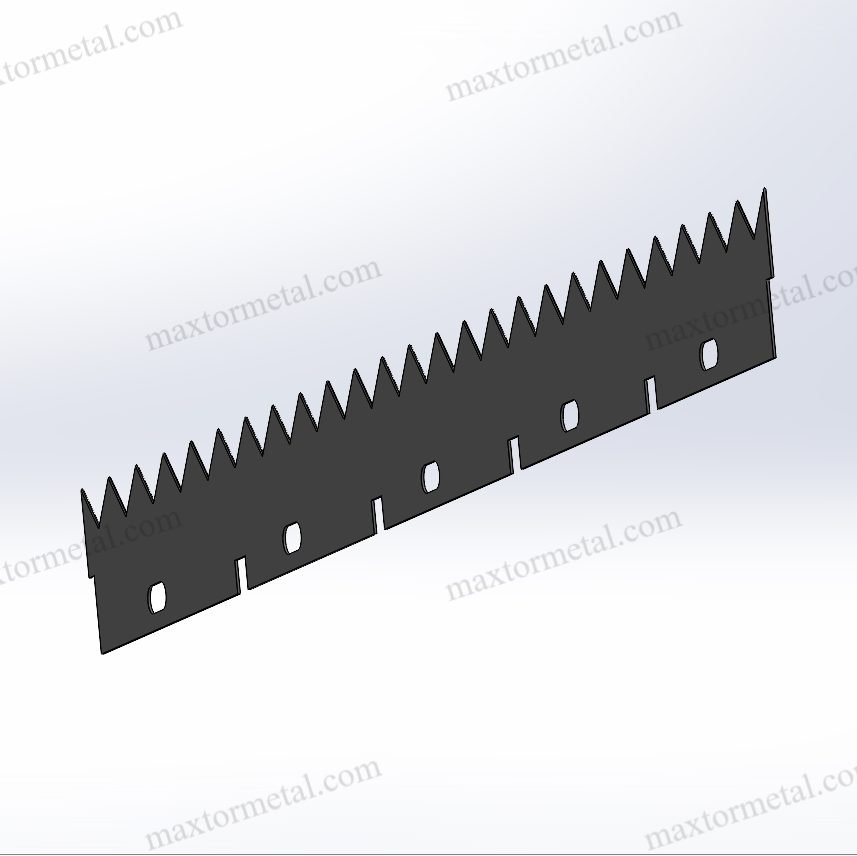
Inspecting Perforation
You need to check every hole to make sure your plastic sheets are good. Look at the holes to see if the edges are smooth and all the same size. Check the patterns to see if they match what you want. Use a magnifying glass or digital microscope to find tiny problems. If you see rough holes or patterns that do not match, you should change how you make the holes. Always look at both sides of the film. Sometimes, problems only show up on one side. Make a checklist for your checks. This helps you find problems early and keep your sheets high quality.
Tip: Use bright lights when you check your sheets. Shadows can hide small problems in the holes or patterns.
Measuring Consistency
Making every sheet the same is important. You want all the holes and patterns to match. Use a perforation tester to see how much force it takes to tear along the line. This tool gives you exact results and helps you change settings for different plastics. Write down your test results and save them for later. Test your sheets often while you work. This helps you find problems before they get worse. It also saves plastic and keeps people safe. When your holes are always the same, people can open packages easily and the plastic does not fail.
Here are some ways to keep your holes and patterns the same:
- Use a perforation tester to check how strong the tear is.
- Change your settings for each kind of plastic.
- Write down and look at your test results for every batch.
- Test samples often while making sheets.
- Compare your holes and patterns to your best samples.
A table can help you keep track of your checks:
| نقطة تفتيش | ما الذي يجب فحصه | تكرار |
|---|---|---|
| Hole Size | Uniformity, Clean Edges | Every batch |
| Pattern Alignment | Straight Rows, Even Gaps | كل وردية |
| قوة التمزق | Meets Standard Force | بالساعة |
استكشاف الأخطاء وإصلاحها
If you find problems in your plastic sheets, fix them right away. First, check if the pressure is too high. Too much pressure can rip the film and mess up the holes. If you see ballooning or zippering, add more vent holes so air can get out. Try using film that already has holes if you can. Make sure the holes are in the right spots for your product. Change your machine settings to stop damage when sealing or shrinking.
Follow these steps to fix common problems:
- Check the pressure on your pinwheel device. Lower it if the film rips.
- Add more vent holes to let air out.
- Use film with holes already in it for better air flow.
- Make sure all holes are there and in the right pattern.
- Take care of your machines and change settings to stop damage.
Note: Keep extra air out of the package when wrapping. Good vent holes help stop ballooning and other problems.
By doing these things, you keep your process working well and your plastic sheets strong. Checking often and fixing problems fast helps you make great products every time.
صيانة
Blade Care
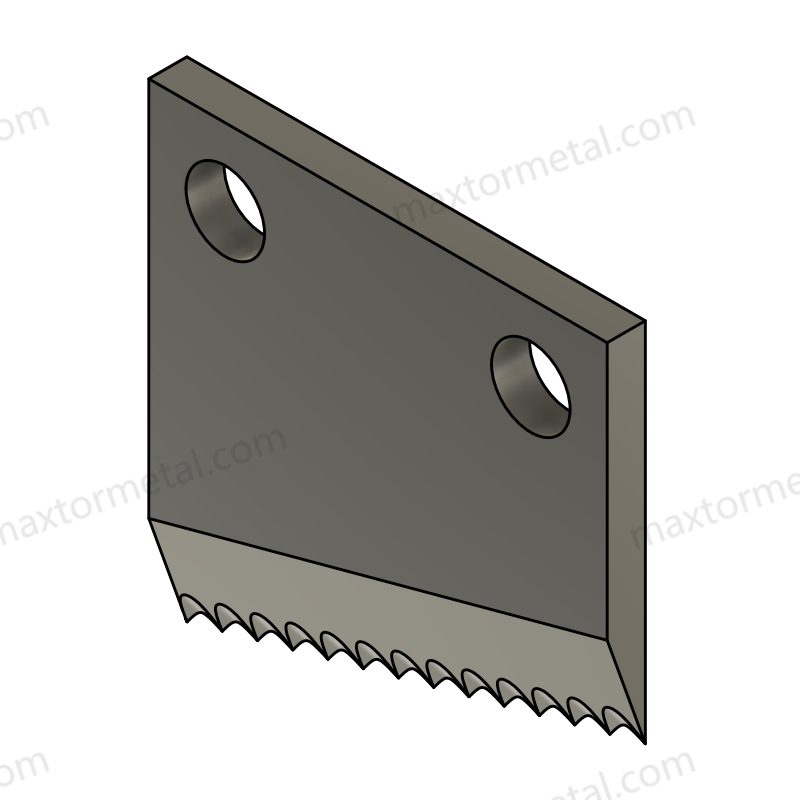
Taking care of your perforating blades helps you get clean cuts and keeps your production running smoothly. You should always clean your blades after each use. Use warm water and mild soap with a soft cloth or sponge. Avoid steel wool or rough pads because they can scratch or dull the blade. Dry the blade right away to stop rust from forming. Store your blades with a guard to protect the edge and keep everyone safe.
You should also check your blades often for signs of wear. Look for dull edges, chips, cracks, or rust. If you notice any of these, sharpen the blade with the right tool, such as a whetstone or professional sharpener. Always keep the original angle and use even pressure. Wear cut-resistant gloves and keep your fingers away from the cutting edge during cleaning and sharpening.
نصيحة: Proper cleaning and maintenance can double the life of your blades and reduce how often you need to change them. This means better cuts, safer work, and less downtime.
Equipment Checks
Regular equipment checks keep your perforating system working at its best. Start by inspecting the blade alignment. Check for any wobbling or uneven movement. Clean the main shaft and flange before installing a new blade. Make sure the flange is flat, clean, and sits at a right angle to the shaft. Use the largest flange you can—about one-third to half the blade’s diameter—to keep the blade stable.
After installing a blade, let it spin freely for about 30 seconds. Listen for any strange noises or vibrations. Tighten all nuts and bolts properly to prevent the blade from slipping or getting damaged inside the machine. Always wear protective gear and make sure all machine guards are in place before you start.
إرشادات الاستبدال
Knowing when to replace your blades and equipment parts is key to keeping your operation safe and efficient. Here are some signs that it’s time for a replacement:
- The blade feels dull and does not cut cleanly.
- You see nicks, chips, cracks, or rounded edges on the blade.
- The machine makes more noise or vibrates more than usual.
- Cutting takes longer or the finish looks uneven.
- The alloy edge wears down by 0.2mm or more.
When you replace a blade, handle it carefully to protect the sharp edge. Remove the old blade on a stable surface. Clean all parts before installing the new blade. If your machine uses sets of teeth or blades, replace them together to keep the rotor balanced.
تنبيه: Replace damaged or worn blades right away. This keeps your cuts precise and your team safe.
Regular maintenance and timely replacement help you get the best results from your perforating blades and equipment. You will see better performance, longer blade life, and fewer production stops.
التطبيقات والاستخدامات
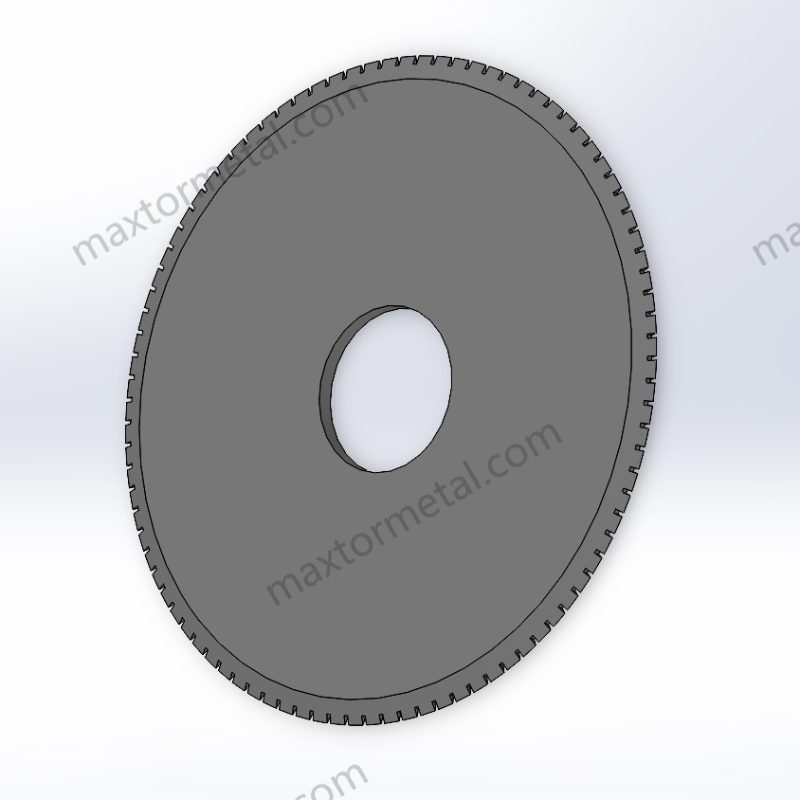
Perforated Plastic Sheets
Perforated plastic sheets are used in many places. They are made by picking the right plastic first. Then, special blades or lasers make holes in the sheets. You can choose how big the holes are and what shape they have. You can also pick the pattern for the holes. Some sheets have round holes for air to move through. Others have slots to let water drain.
Here are some ways people use perforated plastic sheets:
- Packaging: These sheets are in food packages and freezer bags. The holes let air move, so food stays fresh.
- Industrial filtration and drainage: Special hole patterns help separate things and control water in factories.
- Construction: Builders use these sheets in panels and vents. The sheets help lower noise and let air flow.
- Medical: Hospitals use them for trays and containers. The plastic does not get damaged by chemicals and can be cleaned easily.
- Advertising: Stores and cars use these sheets for window ads. You can see out, but people outside see the ad.
- Specialized industrial uses: Factories use them in tanks and chemical machines. The plastic does not rust.
Perforated plastic sheets are light, so you can put them in place easily. They do not get ruined by chemicals or rust, so they last a long time. These sheets are strong and bendy, so you can use them for many things.
Industry Uses
Many businesses need perforated plastic sheets every day. You can see how different industries use these sheets in the table below:
| Industry Segment | Key Countries | Market Size (USD million) | Market Share (%) | معدل النمو السنوي المركب (%) | Primary Benefits and Uses |
|---|---|---|---|---|---|
| الفواكه والخضراوات | United States, China, India, Germany, Brazil | ~1930 (2025) | 20.00 | 4.30 | Perforated films and breathable packaging keep produce fresh, extend shelf life, and reduce spoilage. |
| Meat, Poultry, Seafood | United States, China, Japan, Germany, Brazil | ~2896 (2025) | 30.00 | 4.44 | Vacuum packaging and barrier pouches protect food, maintain hygiene, and support exports. |
| Flexible Foil (High Barrier) | United States, China, Japan, Germany, Brazil | ~1405 (2025) | 14.55 | 4.05 | Used in processed foods for oxygen and moisture protection, lightweight design, and easy transport. |
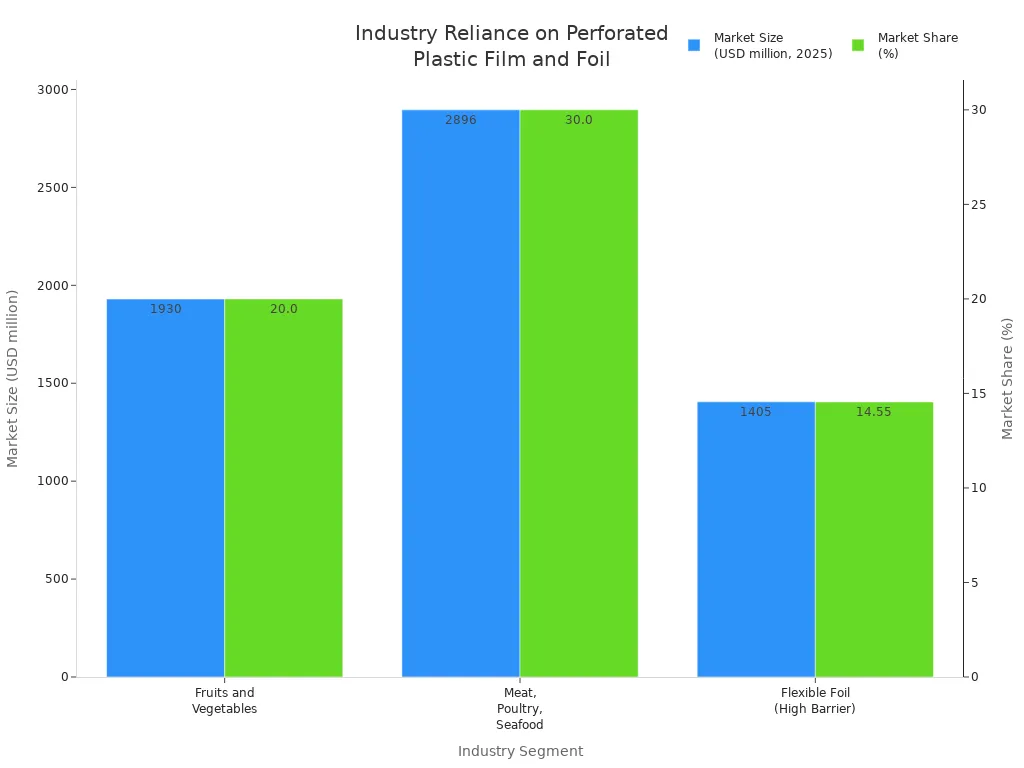
The food industry uses perforated plastic sheets the most. These sheets help keep fruits, veggies, meat, and seafood fresh. Flexible foil packaging uses these sheets to keep food safe from air and water. Other industries, like building and medical, use them for sound control, air flow, and clean packaging. The sheets help food last longer, spoil less, and stay clean.
حلول مخصصة
Sometimes you need special perforated plastic sheets. Companies can make sheets with custom hole patterns and sizes. Some use lasers to make tiny, exact holes. This helps in microwave food packs, so steam can get out safely. Tobacco packs use laser holes to control air and burning speed. Special packs use custom holes to control gas or water, making products better.
Companies like Folene Packaging and Spectrum Plastics make custom sheets for you. They help you pick the hole size, pattern, and color. Their teams use labs and quick service to give you what you want. Many people say their products work better after using custom sheets.
You can use custom perforated plastic sheets in food, medical, electronics, and car parts. These sheets help you fix problems, make things safer, and meet specific needs. When you know how these sheets are made, you can ask for what you want. Custom sheets give you more choices and let you use them in new ways.
You can make perfect holes in plastic film and foil if you follow steps. Pick the right blade for your job. Get your materials ready before you start. Set up your equipment carefully so everything works well. Use high-quality perforating blades from Maxtor Metal for good results. Check your work often to catch mistakes early. Take care of your tools so they last longer and work better.
نصيحة: Always check your work and keep your tools clean. This helps your production go well and makes your products look great.
التعليمات
What is the best way to choose a perforating blade for plastic film?
You should match the blade material and tooth profile to your film type and thickness. For example, use tungsten carbide for thick films and PTFE-coated blades for sticky plastics. Always test on a sample before full production.
How often should I replace my perforating blades?
Check your blades daily for dullness, chips, or cracks. Replace them when you see rough cuts or increased resistance. Sharp blades help you get clean, even perforations and reduce waste.
Can I use the same blade for different types of plastic film?
You should not use one blade for all films. Each plastic type needs a specific blade material and tooth design. Switching blades for each job helps you avoid tearing and keeps your cuts precise.
What should I do if my film keeps tearing during perforation?
Check your film tension and blade sharpness first. Lower the tension if it feels too tight. Replace dull blades. Make sure your film lays flat and your machine settings match the film type.
How do I keep my perforation patterns consistent?
- Use tension control systems.
- Check blade alignment often.
- Test samples regularly.
- Adjust machine speed and pressure as needed.
Consistent setup and regular checks help you avoid uneven holes.
How do I clean and store perforating blades safely?
Clean blades with mild soap and a soft cloth. Dry them right away. Store each blade with a guard in a dry place. Always wear gloves when handling blades to protect your hands and the blade edge.
انظر أيضا
فهم الشفرات المثقبة وتطبيقاتها العملية
لماذا تُستخدم سكاكين التثقيب للتغليف على نطاق واسع في صناعة التغليف
استكشاف أخطاء شفرات التثقيب وحل مشاكل التثقيب غير المتساوي وطول الخط غير المتسق وتحسينها
تقنيات عملية لتركيب شفرة التثقيب، تعديل الآلة، وشحذها لتحسين استقرار خط الإنتاج

 English
  Spanish
  Italian
  French
  Portuguese
  Russian
  German
  Arabic
  Hindi
Hindi  Vietnamese
  Indonesian
  Japanese
  Korean