

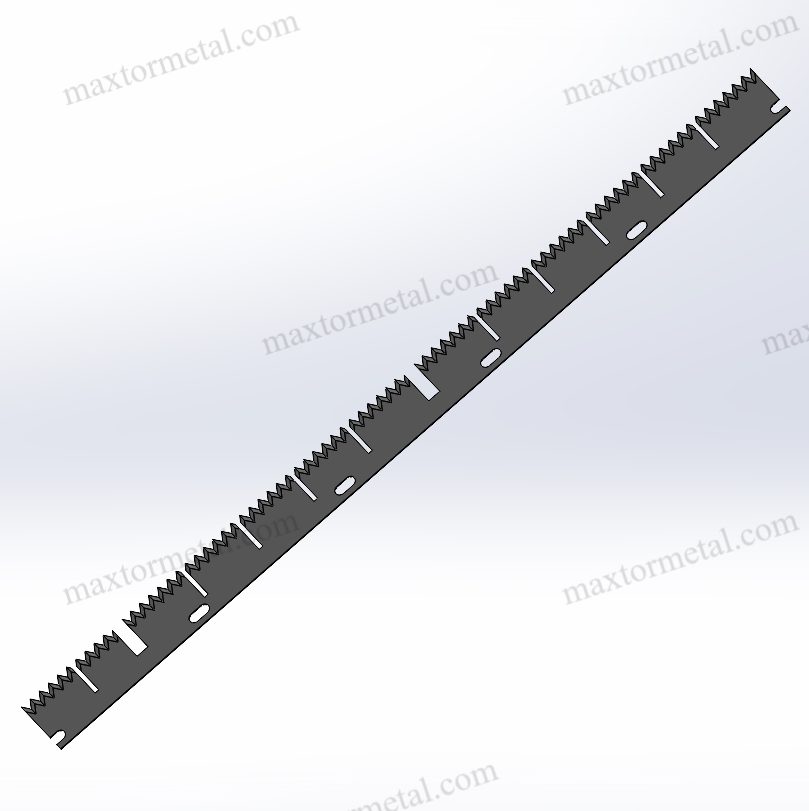
Achieving perfect perforations on plastic film and foil begins with picking the right tools. When you use high-quality perforating blades for plastic film, every cut will meet your needs. You should pick blades that fit the plastic type and thickness. The blade’s quality can really change your results:
- Consistent blade geometry stops jagged edges or tearing in plastic.
- The right edge angle and surface finish help make smooth, clean cuts in plastic.
- Choosing the proper blade lowers scrap and saves time when working with plastic.
Maxtor Metal has trusted blades for many uses in the plastic industry. You can improve your work process by setting up carefully and using the best blades for your plastic jobs.
Principais conclusões
- Pick the right blade material and tooth shape for your plastic film type and thickness. This helps you get clean and strong cuts.
- Make sure the plastic film is clean and flat before you start. This stops uneven holes and keeps your blades safe from harm.
- Set the right tension and speed on your machine. This stops the film from tearing and keeps the holes even.
- Put in the blades carefully. Change the pressure and depth to make exact holes without hurting the plastic.
- Use vacuum suction and good machine controls to hold the film still. This helps keep the holes spaced evenly.
- Check the holes often for smooth edges and even patterns. This helps you find problems early and keep the quality high.
- Clean and take care of the blades after every use. This makes them last longer and keeps your work going well.
- Change blades that are worn out or broken right away. This keeps things safe and makes sure your holes stay high quality.
Seleção de lâminas
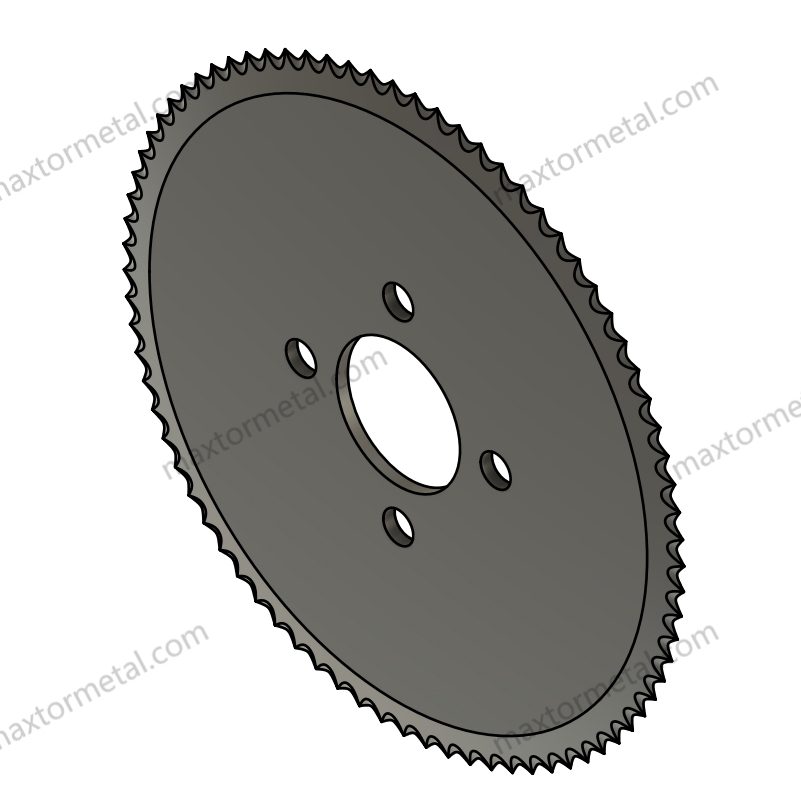
Perforating Blades for Plastic Film
To get great results, you need the right perforating blades for plastic film. These blades make small holes or cuts in the plastic. This makes it easy to tear or pull apart the material. There are many blade types, but not every blade works for all plastic film. The best blade depends on how thick, bendy, or strong your plastic is.
There are many perforating blades for plastic film. You can pick from tool steel, high-speed steel (HSS), stainless steel, or tungsten carbide. Each blade material has special features that help you make clean, strong holes. If you have a special project, Maxtor Metal can make Lâminas Personalizadas for you. You can send them your drawings or samples, and they will make blades for your plastic job.
Dica: Always pick the blade material and design that matches your plastic film. This helps you stop tearing, rough edges, and wasting plastic.
Materials and Coatings
The material and coating of your perforating blades for plastic film are very important. Some plastics are soft and sticky. Others are hard or rough. You need a blade that can cut your plastic without wearing out too fast.
Here is a table to help you compare blade materials and coatings:
| Blade Material / Coating | Effectiveness / Benefit | Best Use for Plastic Film |
|---|---|---|
| Aço ferramenta | Good hardness and toughness | General plastic cutting |
| Aço Rápido (HSS) | Stays sharp at high speeds | Thin or fast-moving plastic films |
| Aço inoxidável | Resists rust and corrosion | Food or medical plastic packaging |
| Carboneto de tungstênio | Muito duro, dura muito tempo | Abrasive or thick plastic films |
| PTFE (Non-stick) Coating | Stops sticky plastic from building up | PLA, heat-sealed, or sticky plastics |
| TiN (Titanium Nitride) Coating | Makes blades last 25-40% longer | High-volume plastic film production |
| DLC (Diamond-Like Carbon) Coating | Increases durability and cutting precision | Multi-layer or technical plastic films |
Each blade material and coating works best for certain plastics. For example, PTFE-coated blades are good for sticky plastic. Tungsten carbide blades are best for rough or thick plastic films. Custom coatings and heat treatments can help your blades last longer and cut better.
Tipos de lâmina
There are many types of perforating blades for plastic film. Each type is good for different jobs. The best blade type depends on your plastic film and what you want to do.
Here is a table showing common blade types and their uses:
| Blade Type or Tooth Profile | Descrição | Vantagens | Aplicações típicas |
|---|---|---|---|
| Lâminas redondas | Rotary blades for continuous web materials | Reduce material stress, good for high speed | Plastic films, foils in packaging |
| Lâminas rectas | Linear blades for clean, straight cuts | Precise alignment, predictable cuts | Corrugated packaging, linear perforations |
| High-Low V-Shaped Teeth | Alternating tooth heights | Less cutting resistance, less wear | Soft plastic films, tapes |
| Standard V-Shaped Teeth | Uniform teeth | Consistent perforation depth | Multi-layer plastic films |
| Deep V-Shaped Teeth | Deeper teeth | Cuts thick or dense plastic | Industrial wraps, thick films |
| Dentes arredondados | Smooth, curved teeth | Prevents damage to thin plastic | Thin films, coated plastic papers |
| Dentes pontiagudos | Dentes afiados e pontiagudos | Cuts tough or reinforced plastic | Reinforced bags, technical films |
| Dentes Inclinados | Angled teeth | Special mechanical properties | Niche plastic applications |
You can also pick L knives, V knives, or straight knives. Each type works best for certain plastic films. Rotary blades are good for smooth, long cuts on fast plastic webs. Straight blades help you make neat, straight cuts on plastic sheets.
Observação: Lâmina personalizada shapes and tooth profiles let you control the size, space, and strength of each hole. This helps you get the right mix of easy tearing and strong plastic film.
Preparação de Materiais
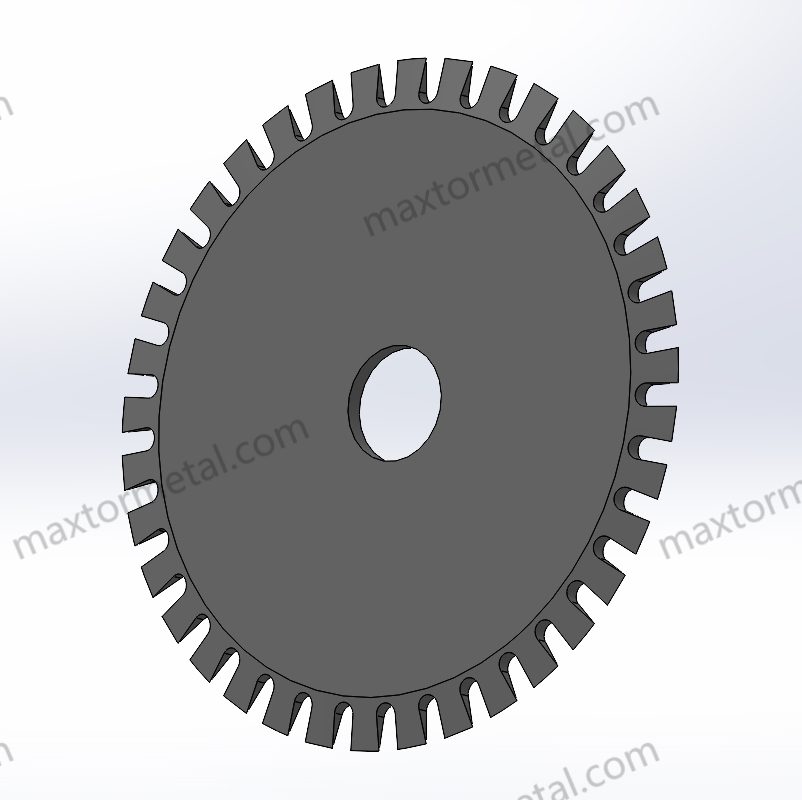
Film Cleanliness
Importance of Clean Film
You need to keep your plastic film clean before you start. Clean film helps each perforation be exact. The blade moves smoothly on clean plastic. Dirt, dust, or oil can make the blade slip. This causes uneven lines in the plastic. Clean film also protects your blade from damage. It helps your equipment last longer.
Common Contaminants and Their Effects
Plastic film can get dirty from many things. Dust, oil, glue, and drinks like soda can stick to it. These things make perforating harder. Dust and dirt can block the blade or make rough edges. Oil and glue can make the blade slide too much. Dirty plastic can cause weak spots or missing holes in the line.
Recommended Cleaning Methods
Always clean your plastic film before you perforate it. Use lint-free wipes or air blowers for dust. For sticky stuff, use a cleaner made for plastic. Test the cleaner on a small piece first. This helps you avoid damage. Keep your work area clean and airy. This stops new dirt from landing on the film.
Tension and Flatness
Proper Tension Adjustment Techniques
Good tension is important for perfect perforation. If the film is loose, the blade may skip. This makes uneven holes. If the film is tight, it can tear. Use tension control systems to keep the film steady. Brakes slow the roll. Unwind motors feed the film. Dancer rollers keep the film flat and straight.
Methods for Ensuring Flatness
Flat film gives you the best results. Check for wrinkles or folds before you start. Do regular flatness checks while working. Dancer rollers and good winding help keep the film smooth. Make sure the film lays flat on the machine. Even small bumps can mess up the holes.
Consequences of Improper Tension or Uneven Surface
Bad tension or uneven film can ruin your work. Loose or wrinkled film makes the blade jump. This causes missed or double holes. Tight film can tear and ruin the product. Uneven surfaces can make the rows of holes crooked. This lowers the quality of your plastic sheets.
Handling Tips
Safe Handling and Transport
Handle plastic film gently to keep it ready. Store film in a clean, dry place. Do not touch the film with bare hands. This stops oil from getting on it. Wind the film right to protect the edges. Make sure reels and cases are not bent. This keeps the plastic safe for perforation.
Best Practices for Laying Out Film
Keep your area clean and bright when laying out film. Align the film carefully on the machine. Small mistakes can cause wrinkles or bad holes. Unroll the film slowly to avoid sudden tension changes. Careful alignment and slow unrolling help you get good perforated plastic.
Installation Precautions
Keep sharp things away from the plastic film. Make sure the film is not twisted or folded. Control static electricity in dry places. This stops dust from sticking. Check the film for damage before you start. These steps help you avoid problems and get good perforated sheets.
Equipment Setup
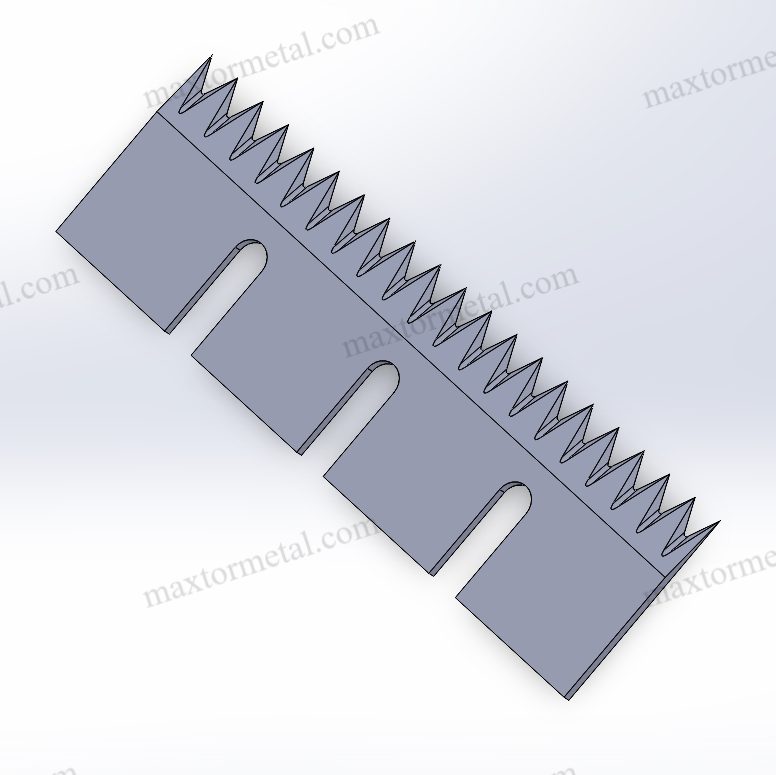
Setting up your plastic perforation equipment is a key step in the perforation process. You need to make sure every part of your perforating systems works together. This helps you get clean, even holes and strong perforated plastic sheets. Good setup also keeps your perforating tooling and machinery safe and running well.
Blade Installation
Proper blade installation is the first step in the perforating process. You want your perforating blades to cut clean holes and create the right patterns in your plastic. Follow these steps for safe and effective installation:
- Turn off and unplug your plastic perforation equipment before you start.
- Put on cut-resistant gloves and safety glasses to protect your hands and eyes.
- Gather all tools you need, such as Allen wrenches, screwdrivers, a torque wrench, cleaning cloths, lubricating oil, and alignment gauges.
- Remove the old blade by loosening the screws. Hold the blade so it does not fall.
- Align the new blade with a gauge or ruler. Make sure the blade holes and edges match the machine and the direction of the plastic.
- Hand-tighten the screws first. Then use a torque wrench to tighten them to the right level. Do not over-tighten.
- Check the blade to make sure it is secure, straight, and clean. Wipe the blade holder and nylon anvil to remove any debris.
- Run a test with sample plastic at a slow speed. Look for clean, even perforations and correct any problems with alignment or pressure.
- If you see issues, adjust the blade force, speed, or depth. Make sure the plastic is loaded correctly.
- Clean and oil the blades often. Sharpen them as needed and keep a record of maintenance.
Tip: Careful blade installation helps you avoid uneven holes, jagged edges, and damage to your perforating systems.
Pressure and Depth
You must set the right pressure and depth for your perforating blades. Too much pressure can tear the plastic or make the holes too big. Too little pressure can leave incomplete perforations or weak patterns. Use the controls on your advanced plastic perforation equipment to adjust the blade depth. Check the first few sheets for hole size and pattern quality. Adjust as needed until you see perfect perforated lines and strong plastic.
A table can help you remember what to check:
| Contexto | O que procurar | Resultado |
|---|---|---|
| Pressão | Clean holes, no tearing | Strong perforated plastic |
| Depth | Even patterns, right hole size | Consistent perforation lines |
Ajuste de velocidade
Speed plays a big role in the perforating process. If you run your perforating systems too fast, you may get uneven holes or missed patterns. If you go too slow, you lose time and may overheat the blades. Start at a low speed and watch the first few sheets. Look for clean, even holes and straight perforated lines. Increase speed slowly while checking the quality of the perforation. Find the best speed for your plastic and the patterns you want.
Note: Each type of plastic and each perforation pattern may need a different speed. Always test before starting full production.
Good equipment setup helps you get the most from your perforating technologies. You will see strong, clean perforated plastic with the right holes and patterns every time.
Perforation Techniques

To make good perforations on plastic film and foil, you need to know how to set patterns, keep them the same, and stop tearing. Pick the right perforation pattern for each kind of plastic. Use advanced machines and follow smart steps to make strong perforated plastic sheets for different uses.
Padrões de perfuração
You can make many patterns on plastic film. Each pattern is made for a special use. The space and size of holes change how strong, bendy, and nice the plastic looks. Match the pattern to the plastic type and what you want it for.
Filme PE
O filme de polietileno (PE) é macio e dobra com facilidade. Utilize espaçamento maior entre os furos, cerca de 5 a 10 mm. Faça furos médios de 0,5 a 1 mm. Isso mantém o filme resistente e evita que ele rasgue. As folhas de PE perfuradas são ótimas para embalar frutas e verduras. Elas permitem a entrada de ar, mas permanecem rígidas.
Dica: Teste primeiro o padrão de perfuração em uma amostra de filme de PE. Ajuste o espaçamento e o tamanho dos furos para que se adaptem à espessura e flexibilidade do seu plástico.
Filme PP
O filme de polipropileno (PP) é mais resistente e menos flexível que o de PE. Utilize espaçamento menor entre os furos, de aproximadamente 2 a 5 mm. Faça furos menores, de 0,3 a 0,7 mm. Isso torna o filme mais resistente e evita que ele rasgue. As folhas de PP perfuradas são ideais para embalar pão e outros alimentos.
- Utilize lâminas retas ou rotativas para filme PP.
- Preste atenção ao tamanho e ao espaçamento dos furos para manter o padrão uniforme.
Filme PET
O filme de poliéster (PET) é transparente e resistente. Use furos pequenos e precisos de 0,2 a 0,5 mm, com espaçamento de 3 a 7 mm entre eles. Isso funciona bem para itens como embalagens médicas, onde a aparência e a resistência são importantes. Sempre teste e ajuste o padrão de acordo com a espessura do plástico e suas necessidades.
| Tipo de filme | Espaçamento recomendado | Tamanho do furo | Aplicações típicas |
|---|---|---|---|
| PE | 5-10 mm | 0,5-1 mm | Embalagem de produtos |
| PP | 2-5 mm | 0,3-0,7 mm | Wraps de padaria |
| BICHO DE ESTIMAÇÃO | 3-7 mm | 0,2-0,5 mm | embalagens médicas |
Dicas de consistência
Manter o padrão de perfuração uniforme é muito importante. É preciso corrigir problemas comuns e usar boas práticas para garantir que os furos e os padrões fiquem consistentes.
Problemas comuns de consistência
Você poderá encontrar alguns problemas ao fazer furos em filme plástico:
- Os furos não estão espaçados uniformemente.
- O tamanho dos furos muda.
- As fileiras de furos não estão alinhadas.
Esses problemas podem tornar o plástico frágil, de qualidade inferior e gerar desperdício quando se precisa de moldes perfeitos.
Soluções para consistência
Você pode resolver esses problemas usando máquinas melhores e uma configuração cuidadosa:
- A perfuração a laser cria minúsculos furos em padrões perfeitos muito rapidamente.
- O centragem eletrônica ajuda a alinhar os furos e mantém o espaçamento uniforme.
- Perfuração por agulha com colares especiais (2″ e 4″ de largura, com 30 ou 60 furos por polegada quadrada) Mantém o tamanho e o espaçamento dos furos iguais.
- A perfuração de furos em grande escala permite selecionar o tamanho dos furos (de 1/8″ a 1/4″) e mantém os padrões uniformes com controles eletrônicos.
- Essas técnicas ajudam a manter a película resistente e evitam pontos fracos causados por furos.
Nota: Verifique suas folhas de plástico perfuradas com frequência. Troque de máquinas e padrões se precisar manter a alta qualidade.
A sucção a vácuo e a precisão da máquina ajudam a fazer furos limpos e uniformes. A sucção a vácuo mantém o plástico firme durante o corte. Isso impede que o filme se mova ou se levante, o que pode causar erros e bordas irregulares. Uma boa sucção a vácuo mantém o plástico imóvel e ajuda a obter bordas lisas. A precisão da máquina garante que a lâmina se ajuste à espessura do plástico. Isso ajuda a prolongar a vida útil das lâminas e a manter os furos limpos. Os rolos de tração a vácuo mantêm o plástico esticado mesmo em alta velocidade.. Isso evita o estiramento e os danos. Essas ferramentas ajudam a manter os furos uniformes e a trabalhar com rapidez.
Evitar rasgos
Ao fazer furos, evite rasgar o plástico para que ele permaneça resistente. Siga as instruções de segurança e aprenda com os erros mais comuns.
Precauções operacionais
- Mantenha o filme esticado, mas não muito apertado. Muita tensão pode rasgá-lo.
- Escolha o tipo de lâmina correto e certifique-se de que esteja afiada o suficiente para o seu plástico.
- Utilize sucção a vácuo e controles para manter o filme imóvel.
- Observe o processo e altere os padrões, a velocidade e a pressão, se necessário.
Dica: Sempre verifique suas máquinas antes de começar. Lâminas e superfícies limpas ajudam a evitar danos e rasgos.
Erros e casos típicos
Você pode cometer erros ao perfurar plástico. Aqui está uma tabela com Erros comuns, por que acontecem e como evitá-los:
| Erro | Descrição e Causa | Impacto e Prevenção |
|---|---|---|
| Marcas d'água | Manchas de água dura secando na película após o corte e embalagem. | Limpe com limpador de filmes; manuseie com cuidado após a revelação para evitar marcas. |
| Sinos de ar | Círculos transparentes formados por bolhas de ar que impedem o contato do revelador com o filme durante a revelação. | Durante o processo de revelação e fixação, bata levemente no tanque e movimente o filme. |
| Furos na engrenagem rasgada | Os furos podem ser causados por problemas na câmera ou manuseio brusco durante o carregamento ou descarregamento. | Indica erros de máquina ou de manuseio; tome medidas cuidadosas e verifique seu equipamento. |
| Impressões digitais | Marcas causadas pelo contato com a película, especialmente quando molhada, provocando manchas escuras ou claras. | Segure pelas bordas, use luvas e lave as mãos; algumas manchas podem ser limpas ou removidas com água. |
| Arranhões | Linhas longas e finas resultantes de manuseio inadequado ou equipamentos quebrados durante a limpeza, carregamento ou prensagem. | A maioria dos arranhões não pode ser reparada; são causados por movimentos bruscos ou ferramentas quebradas; use métodos delicados e verifique suas máquinas. |
Uma linha de embalagem apresentava muitos rasgos devido à tensão incorreta. A equipe resolveu o problema adicionando um sistema automático de controle de tensão. Você pode evitar esses problemas verificando e ajustando seus controles de tensão com frequência.
Atenção: Use sempre lâminas afiadas e ajuste a tensão corretamente. Lâminas cegas e tensão inadequada podem causar bordas ásperas, rasgos e desperdício de plástico.
É possível fazer furos perfeitos em filmes e folhas de plástico conhecendo os padrões corretos, mantendo-os uniformes e evitando erros. Isso ajuda suas folhas de plástico perfuradas a atenderem aos mais altos padrões de qualidade em todas as aplicações.
Controle de Qualidade Rigoroso
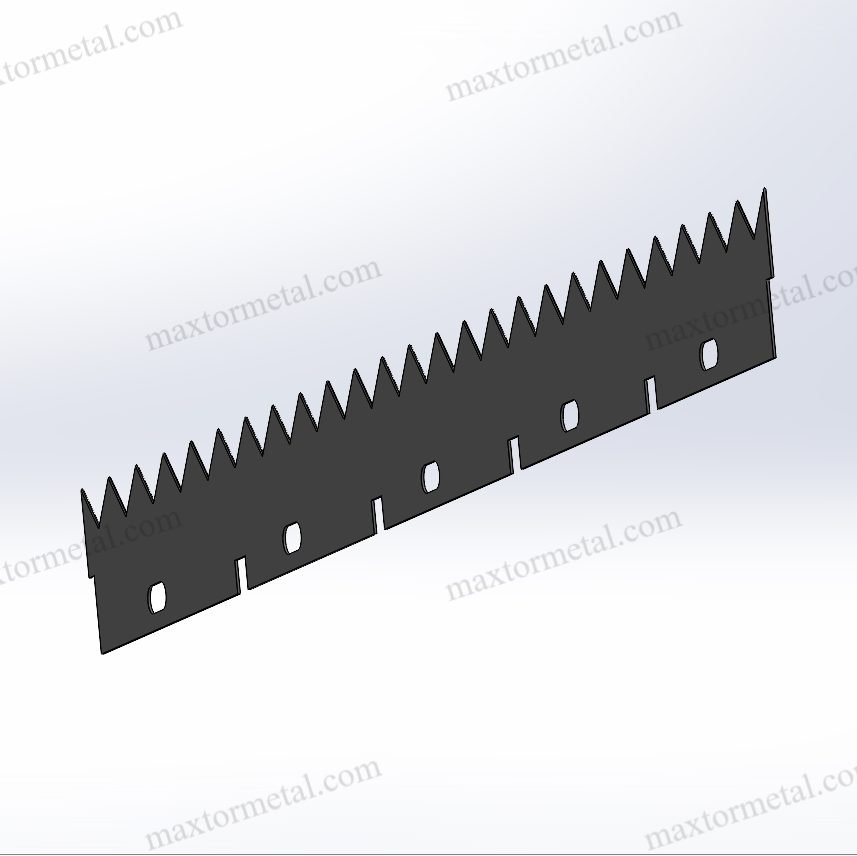
Inspeção de Perfuração
É necessário verificar cada furo para garantir que suas folhas de plástico estejam em boas condições. Observe se as bordas dos furos estão lisas e se todos têm o mesmo tamanho. Verifique os padrões para ver se correspondem ao que você deseja. Use uma lupa ou um microscópio digital para encontrar pequenos problemas. Se você observar furos irregulares ou padrões que não combinam, deve alterar a forma como os furos são feitos. Sempre observe os dois lados do filme. Às vezes, os problemas aparecem apenas em um lado. Crie uma lista de verificação para suas inspeções. Isso ajuda a identificar problemas precocemente e a manter a alta qualidade de suas folhas.
Dica: Use luzes fortes ao verificar seus lençóis. As sombras podem esconder pequenos problemas nos furos ou padrões.
Medindo a consistência
É importante que todas as folhas sejam iguais. Você precisa que todos os furos e padrões correspondam. Use um testador de perfuração para verificar quanta força é necessária para rasgar ao longo da linha. Essa ferramenta fornece resultados precisos e ajuda a ajustar as configurações para diferentes tipos de plástico. Anote os resultados dos testes e guarde-os para uso futuro. Teste as folhas com frequência durante o trabalho. Isso ajuda a identificar problemas antes que se agravem. Além disso, economiza plástico e garante a segurança das pessoas. Quando os furos são sempre iguais, as pessoas conseguem abrir as embalagens com facilidade e o plástico não se rompe.
Aqui estão algumas maneiras de manter seus furos e padrões iguais:
- Utilize um testador de perfuração para verificar a resistência do rasgo.
- Altere as configurações para cada tipo de plástico.
- Anote e analise os resultados dos testes para cada lote.
- Faça testes com amostras frequentemente durante a fabricação das folhas.
- Compare seus furos e padrões com suas melhores amostras.
Uma tabela pode te ajudar a controlar seus cheques:
| Ponto de verificação | O que inspecionar | Frequência |
|---|---|---|
| Tamanho do furo | Uniformidade, bordas limpas | Cada lote |
| Alinhamento de padrões | Fileiras retas, espaçamento uniforme | A cada turno |
| Resistência ao rasgo | Atende aos padrões da Força Padrão | Por hora |
Solução de problemas
Se encontrar problemas com suas folhas de plástico, corrija-os imediatamente. Primeiro, verifique se a pressão está muito alta. Pressão excessiva pode rasgar o filme e danificar os furos. Se observar bolhas ou zíperes, adicione mais furos de ventilação para que o ar possa sair. Se possível, tente usar um filme que já tenha furos. Certifique-se de que os furos estejam nos locais corretos para o seu produto. Ajuste as configurações da sua máquina para evitar danos durante a selagem ou encolhimento.
Siga estes passos para resolver problemas comuns:
- Verifique a pressão no seu dispositivo de rotação. Diminua-a se a película rasgar.
- Adicione mais orifícios de ventilação para permitir a saída do ar.
- Use filme plástico com furos para melhor circulação de ar.
- Certifique-se de que todos os furos estejam presentes e no padrão correto.
- Cuide bem de seus equipamentos e altere as configurações para evitar danos.
Nota: Ao embalar, evite colocar ar em excesso na embalagem. Orifícios de ventilação adequados ajudam a evitar que a embalagem fique estufada e outros problemas.
Ao fazer isso, você mantém seu processo funcionando bem e suas folhas de plástico resistentes. Verificar com frequência e corrigir problemas rapidamente ajuda você a produzir ótimos produtos sempre.
Manutenção
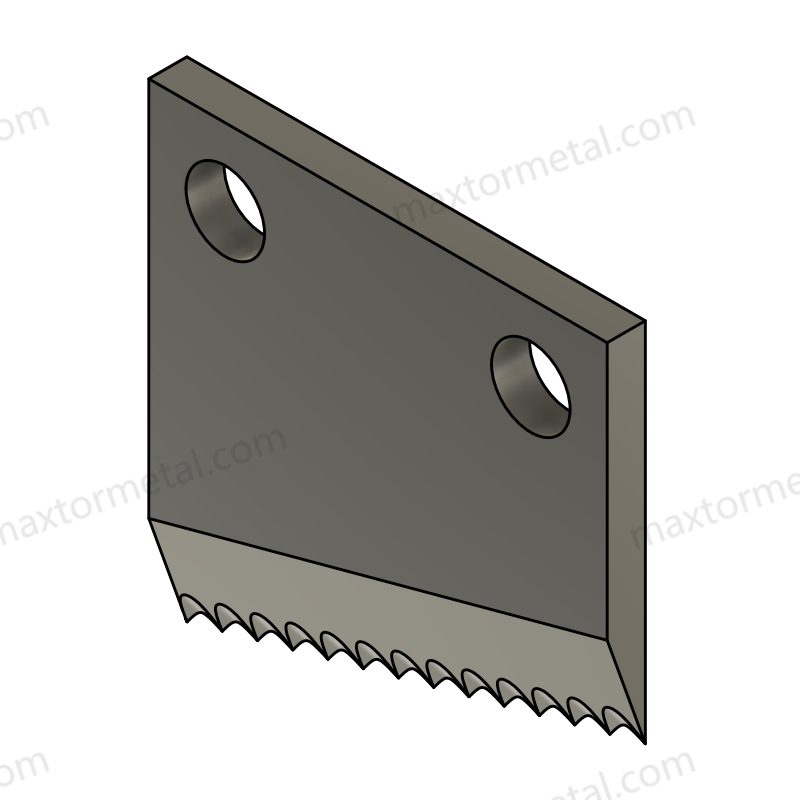
Cuidados com a lâmina
Cuidar das suas lâminas de perfuração ajuda a obter cortes limpos e a manter a sua produção a funcionar sem problemas. Deve sempre limpar as lâminas após cada utilização. Use água morna e sabão neutro com um pano macio ou uma esponja. Evite palha de aço ou esponjas abrasivas, pois podem riscar ou danificar a lâmina. Seque a lâmina imediatamente para evitar a formação de ferrugem. Guarde as lâminas com uma proteção para proteger o fio e garantir a segurança de todos.
Você também deve verificar suas lâminas com frequência para detectar sinais de desgaste. Procure por bordas cegas, lascas, rachaduras ou ferrugem. Se notar algum desses problemas, afie a lâmina com a ferramenta adequada, como uma pedra de amolar ou um afiador profissional. Mantenha sempre o ângulo original e aplique pressão uniforme. Use luvas resistentes a cortes e mantenha os dedos afastados da lâmina durante a limpeza e a afiação.
Dica: A limpeza e a manutenção adequadas podem dobre a vida útil de suas lâminas e reduzem a frequência com que precisam ser trocadas. Isso significa cortes melhores, trabalho mais seguro e menos tempo de inatividade.
Verificações de equipamentos
Verificações regulares do equipamento mantêm seu sistema de perfuração funcionando da melhor maneira possível. Comece inspecionando o alinhamento da lâmina. Verifique se há oscilação ou movimento irregular. Limpe o eixo principal e o flange antes de instalar uma nova lâmina. Certifique-se de que o flange esteja plano, limpo e em um ângulo reto em relação ao eixo. Use o flange de maior diâmetro possível — cerca de um terço a metade do diâmetro da lâmina — para manter a estabilidade da mesma.
Após instalar a lâmina, deixe-a girar livremente por cerca de 30 segundos. Preste atenção a quaisquer ruídos ou vibrações estranhas. Aperte bem todas as porcas e parafusos para evitar que a lâmina deslize ou seja danificada dentro da máquina. Use sempre equipamentos de proteção individual e certifique-se de que todas as proteções da máquina estejam instaladas antes de começar.
Diretrizes de substituição
Saber quando substituir as lâminas e peças do equipamento é fundamental para manter a segurança e a eficiência da sua operação. Aqui estão alguns sinais de que chegou a hora de fazer a substituição:
- A lâmina parece cega e não corta com precisão.
- Você pode notar entalhes, lascas, rachaduras ou bordas arredondadas na lâmina.
- A máquina faz mais barulho ou vibra mais do que o normal.
- O corte demora mais ou o acabamento fica irregular.
- A borda da liga metálica sofre um desgaste de 0,2 mm ou mais.
Ao substituir uma lâmina, manuseie-a com cuidado para proteger a borda afiada. Remova a lâmina antiga sobre uma superfície estável. Limpe todas as peças antes de instalar a nova lâmina. Se a sua máquina utiliza conjuntos de dentes ou lâminas, substitua-os em conjunto para manter o rotor balanceado.
Chamar: Substitua imediatamente as lâminas danificadas ou desgastadas. Isso garante cortes precisos e a segurança da sua equipe.
A manutenção regular e a substituição oportuna ajudam você a obter os melhores resultados de suas lâminas e equipamentos de perfuração. Você notará um melhor desempenho, maior vida útil das lâminas e menos paradas na produção.
Applications and Uses
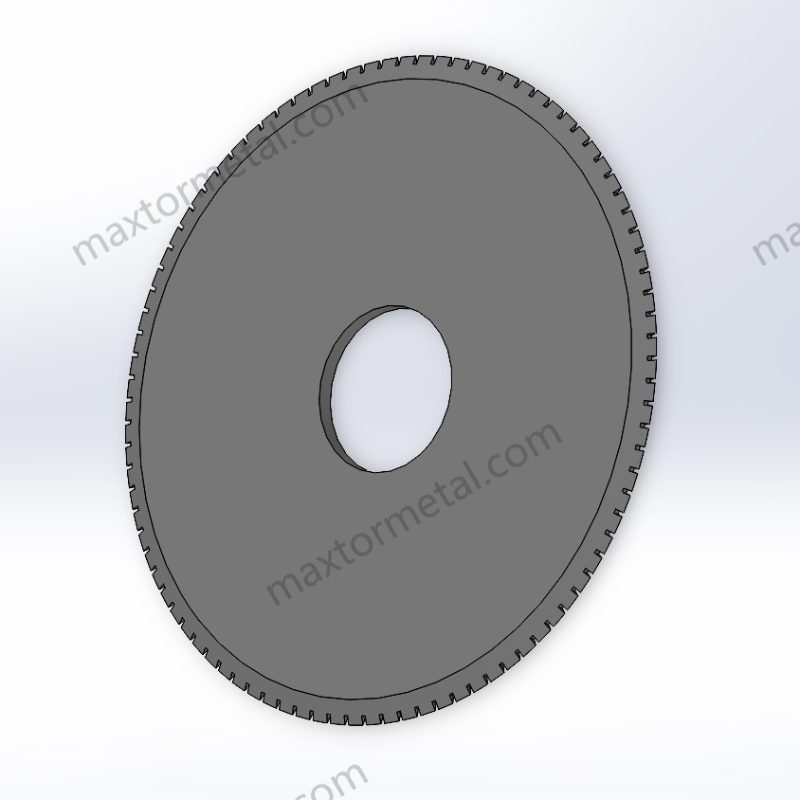
Folhas de plástico perfuradas
As chapas de plástico perfuradas são utilizadas em diversos locais. Para sua fabricação, primeiro seleciona-se o plástico adequado. Em seguida, lâminas especiais ou lasers criam os furos nas chapas. É possível escolher o tamanho e o formato dos furos, bem como o padrão. Algumas chapas possuem furos redondos para a circulação de ar, enquanto outras têm ranhuras para a drenagem de água.
Aqui estão algumas maneiras pelas quais as pessoas usam folhas de plástico perfuradas:
- Embalagem: Essas folhas são usadas em embalagens de alimentos e sacos para congelamento. Os furos permitem a circulação de ar, mantendo os alimentos frescos.
- Filtração e drenagem industrial: Padrões especiais de furos ajudam a separar materiais e controlar a água em fábricas.
- Construção: Os construtores utilizam essas placas em painéis e aberturas de ventilação. As placas ajudam a reduzir o ruído e permitem a circulação do ar.
- Uso médico: Hospitais utilizam esse material para bandejas e recipientes. O plástico não é danificado por produtos químicos e pode ser limpo facilmente.
- Publicidade: Lojas e carros usam essas lonas para anúncios em vitrines. Você consegue ver de dentro para fora, mas quem está do lado de fora vê o anúncio.
- Usos industriais especializados: As fábricas os utilizam em tanques e máquinas químicas. O plástico não enferruja.
As chapas de plástico perfuradas são leves, facilitando a instalação. Não são danificadas por produtos químicos nem ferrugem, o que garante sua durabilidade. Além disso, são resistentes e flexíveis, podendo ser utilizadas para diversas finalidades.
Usos industriais
Many businesses need perforated plastic sheets every day. You can see how different industries use these sheets in the table below:
| Industry Segment | Key Countries | Market Size (USD million) | Market Share (%) | CAGR (%) | Primary Benefits and Uses |
|---|---|---|---|---|---|
| Frutas e Vegetais | United States, China, India, Germany, Brazil | ~1930 (2025) | 20.00 | 4.30 | Perforated films and breathable packaging keep produce fresh, extend shelf life, and reduce spoilage. |
| Meat, Poultry, Seafood | United States, China, Japan, Germany, Brazil | ~2896 (2025) | 30.00 | 4.44 | Vacuum packaging and barrier pouches protect food, maintain hygiene, and support exports. |
| Flexible Foil (High Barrier) | United States, China, Japan, Germany, Brazil | ~1405 (2025) | 14.55 | 4.05 | Used in processed foods for oxygen and moisture protection, lightweight design, and easy transport. |
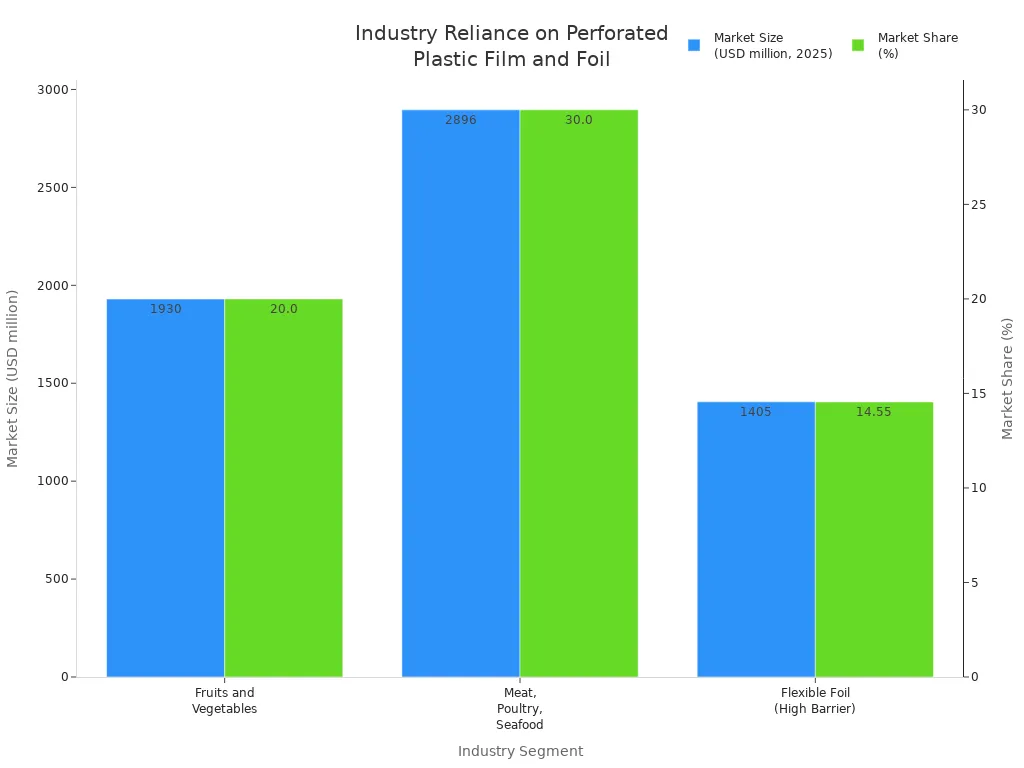
The food industry uses perforated plastic sheets the most. These sheets help keep fruits, veggies, meat, and seafood fresh. Flexible foil packaging uses these sheets to keep food safe from air and water. Other industries, like building and medical, use them for sound control, air flow, and clean packaging. The sheets help food last longer, spoil less, and stay clean.
Soluções Personalizadas
Sometimes you need special perforated plastic sheets. Companies can make sheets with custom hole patterns and sizes. Some use lasers to make tiny, exact holes. This helps in microwave food packs, so steam can get out safely. Tobacco packs use laser holes to control air and burning speed. Special packs use custom holes to control gas or water, making products better.
Companies like Folene Packaging and Spectrum Plastics make custom sheets for you. They help you pick the hole size, pattern, and color. Their teams use labs and quick service to give you what you want. Many people say their products work better after using custom sheets.
You can use custom perforated plastic sheets in food, medical, electronics, and car parts. These sheets help you fix problems, make things safer, and meet specific needs. When you know how these sheets are made, you can ask for what you want. Custom sheets give you more choices and let you use them in new ways.
You can make perfect holes in plastic film and foil if you follow steps. Pick the right blade for your job. Get your materials ready before you start. Set up your equipment carefully so everything works well. Use high-quality perforating blades from Maxtor Metal for good results. Check your work often to catch mistakes early. Take care of your tools so they last longer and work better.
Dica: Always check your work and keep your tools clean. This helps your production go well and makes your products look great.
Perguntas frequentes
What is the best way to choose a perforating blade for plastic film?
You should match the blade material and tooth profile to your film type and thickness. For example, use tungsten carbide for thick films and PTFE-coated blades for sticky plastics. Always test on a sample before full production.
How often should I replace my perforating blades?
Check your blades daily for dullness, chips, or cracks. Replace them when you see rough cuts or increased resistance. Sharp blades help you get clean, even perforations and reduce waste.
Can I use the same blade for different types of plastic film?
You should not use one blade for all films. Each plastic type needs a specific blade material and tooth design. Switching blades for each job helps you avoid tearing and keeps your cuts precise.
What should I do if my film keeps tearing during perforation?
Check your film tension and blade sharpness first. Lower the tension if it feels too tight. Replace dull blades. Make sure your film lays flat and your machine settings match the film type.
How do I keep my perforation patterns consistent?
- Use tension control systems.
- Check blade alignment often.
- Test samples regularly.
- Adjust machine speed and pressure as needed.
Consistent setup and regular checks help you avoid uneven holes.
How do I clean and store perforating blades safely?
Clean blades with mild soap and a soft cloth. Dry them right away. Store each blade with a guard in a dry place. Always wear gloves when handling blades to protect your hands and the blade edge.
Veja também
Compreendendo as lâminas perfurantes e suas aplicações práticas
Por que as Facas de Perfurar para Embalagens São Amplamente Utilizadas na Indústria de Embalagem

 English
  Spanish
  Italian
  French
  Portuguese
  Russian
  German
  Arabic
  Hindi
Hindi  Vietnamese
  Indonesian
  Japanese
  Korean