

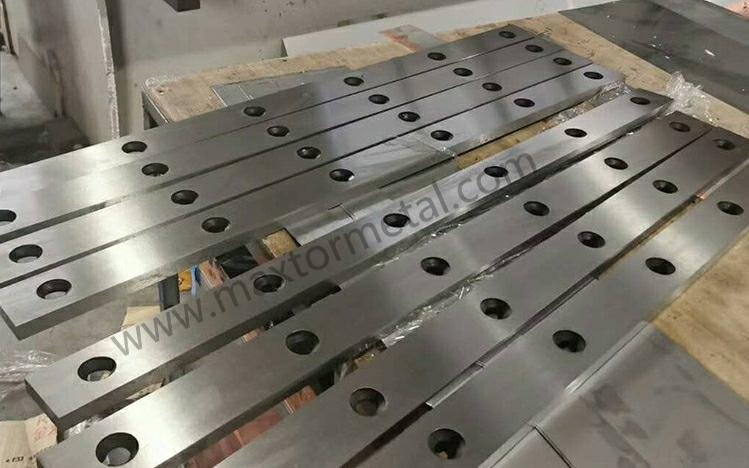
올바른 것을 선택하다 전단 블레이드 재료 절단하려는 대상에 따라 달라집니다. 또한 칼날을 얼마나 자주 사용하는지에 따라서도 달라집니다. 까다로운 작업을 처리할 수 있는 칼날이 필요하며, 수명이 오래가는 칼날을 원하실 것입니다. 퀜칭 및 템퍼링과 같은 특수 열처리는 칼날의 경도를 높여줍니다. 이러한 열처리는 칼날의 강도 또한 향상시킵니다. 다음은 아래 표 대중적인 재질의 칼날 내구성 관련 일반적인 문제를 보여줍니다:
| 재료 | 속성 | 내구성 관련 우려 사항 |
|---|---|---|
| D2 공구강 | 고크롬, 우수한 내마모성 | 매우 단단한 금속 절단 시 문제 발생 가능 |
| 텅스텐 카바이드 | 최대 1,500 Vickers, 강한 금속 | 초기 비용이 더 높음 |
Nanjing Metal Industrial은 우수한 선택지를 제공합니다. 또한 고객의 요구 사항에 맞는 칼날을 선택할 수 있도록 맞춤형 솔루션도 제공합니다.
주요 요점
- 작업 내용과 사용 빈도에 맞는 올바른 시어 블레이드 재질을 선택하십시오. D2강은 단단한 재료를 절단하는 데 좋으며 마모가 빠르게 진행되지 않습니다. A2강은 경도와 인성이 뛰어나 대부분의 절단 작업에 적합합니다. H13강은 고온에서도 형상을 유지하므로 열이 많이 발생하는 작업에 가장 적합합니다. 5160강은 강한 충격을 견디고 부러지지 않고 휘어질 수 있어 대형 작업에 적합합니다. 초경 칼날은 수명이 가장 길고 대량 절단에 좋지만 조심스럽게 다루어야 합니다. 칼날을 더 오래 사용하고 성능을 높이려면 자주 청소하고 연마해야 합니다. 최상의 결과를 얻으려면 항상 작업에 적합한 칼날 재질을 사용하십시오.
시어 블레이드 재질 비교

주요 특성 개요
시어 블레이드 재질을 선택할 때는 몇 가지 요소를 고려해야 합니다. 경도, 인성, 내마모성, 비용, 열처리 용이성 등이 이에 해당합니다. 각 요소는 칼날의 작동 성능에 영향을 미칩니다.
다음은 D2, A2, H13, 5160 및 초경(Carbide) 재질의 비교 표입니다:
| 재료 | 경도(HRC) | 인성 (Ft-lb) | 내마모성 | 비용 | 열처리 난이도 |
|---|---|---|---|---|---|
| D2 | 60 | 21 | 3-4 | $$ | 보통의 |
| A2 | 60 | 40 | 2-3 | $$ | 쉬운 |
| H13 | 56-58 | 해당 없음 | 해당 없음 | $$$ | 보통의 |
| 5160 | 57-60 | 높은 | 2 | $ | 쉬운 |
| 카바이드 | 75+ | 낮은 | 5 | $$$$ | 어려운 |
팁: 경도는 칼날의 날끝이 얼마나 오래 유지되는지를 의미합니다. 인성은 칼날이 부러지기 전까지 얼마나 큰 힘을 견딜 수 있는지를 나타냅니다. 내마모성은 칼날이 얼마나 오랫동안 날카로움을 유지하는지를 알려줍니다.
D2 공구강은 경도가 매우 높고 마모에 강합니다. 질긴 재료를 절단하는 데 적합합니다. A2 공구강은 경도와 인성이 조화를 이룹니다. H13강은 경도는 낮지만 열과 충격을 잘 견딥니다. 5160강은 인성이 매우 뛰어나고 쉽게 부러지지 않아 가혹한 작업에 적합합니다. 초경 칼날은 경도가 가장 높고 수명이 가장 길지만, 매우 단단하거나 두꺼운 재료를 절단할 때 이가 빠질(치핑) 수 있습니다.
Metal Industrial는 이러한 재질에 대해 특수 열처리와 정밀 가공을 적용합니다. 이를 통해 경도, 인성, 날카로움이 최적의 조화를 이루는 칼날을 제공합니다. 철저한 품질 검사를 통해 칼날의 수명을 늘리고 성능을 극대화합니다.
특별한 사양이 필요한 경우, 다음을 확인하여 맞춤형 블레이드 옵션 요구 사항에 맞출 수 있습니다.
최적의 활용 사례
작업에 적합한 시어 블레이드 재질을 선택해야 합니다. 각 재질별 가장 적합한 사용 방법은 다음과 같습니다:
- D2
- 높은 내마모성이 요구되는 금속 절단용
- 날카로운 날끝이 필요한 스테인리스 스틸 절단용
- 거친 재료를 절단하는 공구용
- A2
- 인성과 경도가 조화를 이루는 일반 절단용
- 비용과 용이한 열처리가 중요한 중간 난이도 작업용
- 충격을 받는 칼날용
- H13
- 칼날에 열이 발생하는 절단 작업용
- 두껍거나 가열된 금속 절단용
- 온도 변화가 심한 작업용
- 5160
- 칼날에 큰 충격이 가해지는 중작업용
- 저렴한 칼날이 필요한 재활용 및 건설 작업용
- 연질 또는 비금속 재료 절단용
- 카바이드
- 칼날 수명 연장이 필요한 대형 작업용
- 중단 없이 거칠거나 단단한 재료를 절단하는 작업용
- 날카로운 날끝 유지가 중요한 작업용
이러한 재질은 다양한 분야에서 사용됩니다. Metal워킹 및 제조 분야에서는 금속 판재 절단에 D2 및 H13을 사용합니다. 재활용 분야에서는 고철 절단에 5160을 사용합니다. 제지 및 섬유 공장에서는 적층물 절단을 위해 A2 또는 초경 칼날을 사용합니다. 식품 및 포장 분야에서도 깔끔한 절단을 위해 특수 시어 블레이드 재질을 사용합니다.
메모: 항상 작업에 적합한 칼날 재질을 선택하십시오. 이를 통해 칼날의 성능을 높이고 수명을 늘릴 수 있습니다.
D2강 개요
D2의 장점
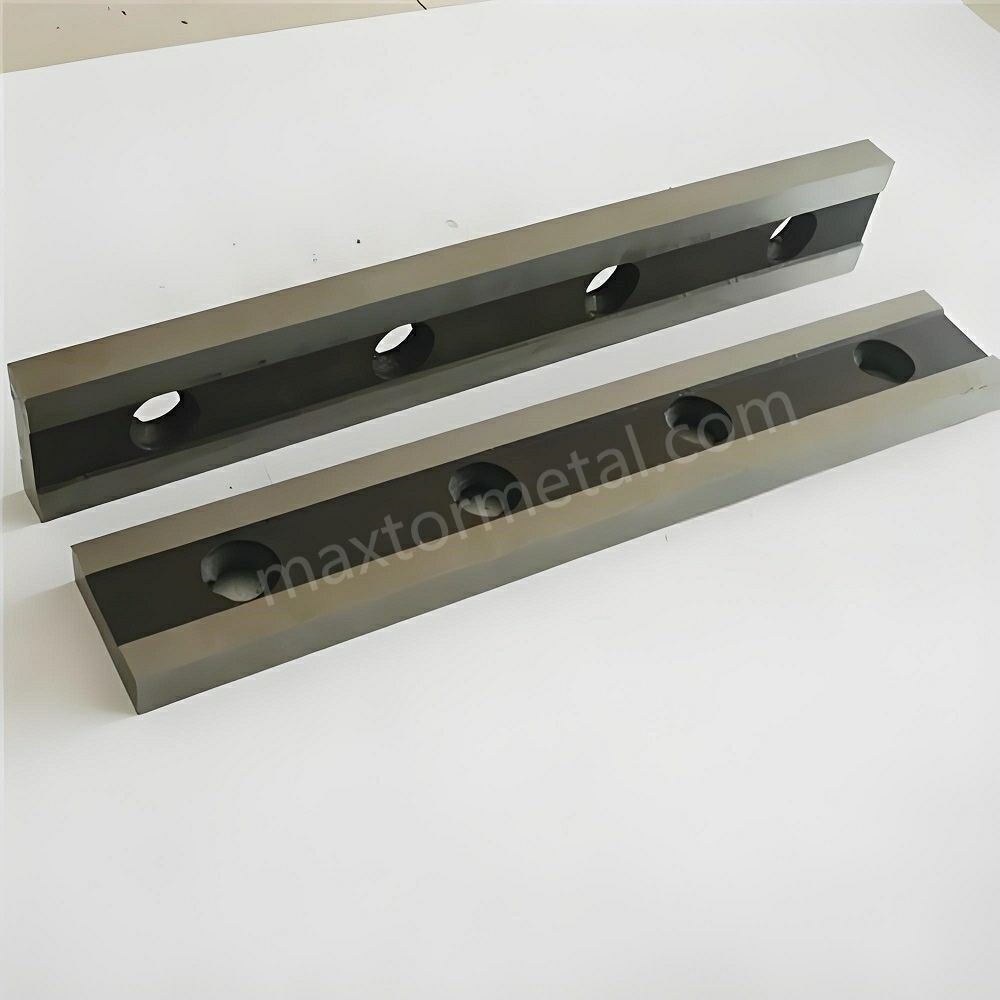
D2강은 매우 높은 경도로 잘 알려져 있습니다. 또한 마모가 빠르게 진행되지 않습니다. D2 칼날은 여러 번 절단한 후에도 날카로움을 유지합니다. 이것이 공장에서 절단 공구 및 칼날에 D2를 사용하는 이유입니다. D2는 탄소와 크롬 함량이 높습니다. 이는 강재의 경도를 유지하고 마모를 방지하는 데 도움이 됩니다.
테스트 결과 D2강은 60–62 HRC에 달하는 경도를 가질 수 있는 것으로 나타났습니다. 이는 D2 칼날이 대부분의 다른 강재보다 더 오랫동안 날카로움을 유지함을 의미합니다. 예를 들어, D2 칼날은 무뎌지기 전까지 440C 칼날보다 약 25–30% 더 오래 지속됩니다. 아래 표는 D2와 440C의 내마모성 비교를 보여줍니다:
| 강철 | HRC (Typical) | Relative Wear Resistance (Abrasive Test) |
|---|---|---|
| D2 | 60–62 | 100 (reference) |
| 440도 | 58–60 | 75 |
D2 is a good choice for jobs where blades need to stay sharp. Many knife makers and tool companies pick D2 for this reason. D2 also has some protection against rust because of the chromium.
- D2 is a high-carbon, high-chromium tool steel. It is known for wear resistance and keeping its edge.
- D2 tool steel is picked for its great wear resistance and edge retention. This is because it has a lot of carbon and chromium.
D2 Weaknesses
D2 steel has some downsides. D2 is not as tough as some other steels. This means it can chip or break if you use it for hard hits. D2 also does not fight rust as well as some stainless steels, even though it has chromium.
다음은 그 내용을 보여주는 표입니다. main weaknesses of D2 steel:
| Weakness Type | 설명 |
|---|---|
| 충격 인성 | D2 steel has poor impact toughness. This is a big problem for jobs with lots of hits. |
| 부식 저항성 | D2 has some corrosion resistance from chromium. But it is not as good as other steels in wet places. |
- D2 is not as tough as some other tool steels. This can make it less useful for some cutting jobs in factories.
팁: If you need a blade for hard hits or very wet places, you should pick a different steel.
D2 애플리케이션
D2 steel is used in many jobs. It is good for work that needs a sharp blade for a long time. D2 is used for tool and die making, shear blades, punches, press tools, and industrial knives. The table below shows where D2 is used and how it works:
| 산업/응용 분야 | Performance Outcomes |
|---|---|
| Tool and Die Making | High hardness, good wear resistance, and keeps its shape. |
| 전단 칼날 | Great edge retention, made for high-pressure jobs with accuracy. |
| Punches and Press Tools | High strength, works well under big pressure without bending. |
| Plastic Molds | Great wear resistance, keeps mold shape after many uses. |
| Industrial Knives | Very hard and wear resistant, works well in tough jobs for a long time. |
You can pick D2 for your shear blade if you want a blade that stays sharp and cuts well. D2 is best for dry or low-impact jobs where keeping a sharp edge is most important.
D2 Engineering Tips
열처리
You need to pay close attention to heat treatment when working with D2 steel. This process helps you get the best hardness and toughness for your shear blade material. If you do it right, your blade will stay sharp and resist wear for a long time.
Here are some steps you should follow for D2 heat treatment:
- Preheat the steel
You should heat D2 slowly to about 1,400°F (760°C). This helps prevent cracks. - Austenitize
Raise the temperature to 1,850°F (1,010°C). Hold it there for 30 minutes. This step makes the steel ready for hardening. - Quench
Cool the blade quickly in air or oil. Air quenching works best for D2. This locks in the hardness. - Temper
Heat the blade again to 400–600°F (204–316°C). Hold it for two hours. This step reduces brittleness and increases toughness.
팁: Always check the hardness after tempering. You want your shear blade material to reach about 60–62 HRC for most cutting jobs.
| 단계 | 온도(°F) | 목적 |
|---|---|---|
| Preheat | 1,400 | Prevent cracking |
| Austenitize | 1,850 | Prepare for hardening |
| Quench | Room temp | Lock in hardness |
| Temper | 400–600 | Improve toughness |
You should use a controlled oven for each step. This helps you get consistent results. If you skip steps or rush, your blade may chip or break.
에지 지오메트리
You must choose the right edge geometry for your D2 shear blade material. The shape of the edge affects how well your blade cuts and how long it lasts.
Consider these points when designing your blade edge:
- Edge angle
A narrow angle (15–20°) gives you a sharper edge. This works well for cutting thin metal or plastic. A wider angle (20–25°) makes the edge stronger. You should use this for heavy-duty jobs. - Edge thickness
Thin edges cut cleaner but may chip faster. Thick edges resist damage but may not cut as smoothly. - Bevel type
Flat bevels are easy to sharpen. Hollow bevels stay sharp longer but are harder to maintain.
메모: You should match the edge geometry to your cutting task. If you cut hard materials, use a wider angle and thicker edge. For soft or thin materials, a narrow angle works best.
| Edge Feature | 가장 적합한 | Trade-Offs |
|---|---|---|
| Narrow Angle | Thin, soft materials | Less durable |
| Wide Angle | Hard, thick materials | Less sharp |
| Thin Edge | Clean cuts | Chips easily |
| Thick Edge | Heavy-duty jobs | May not cut as clean |
You can ask your blade supplier for help with edge design. Good edge geometry makes your shear blade material last longer and work better.
A2강 개요
A2 Strengths
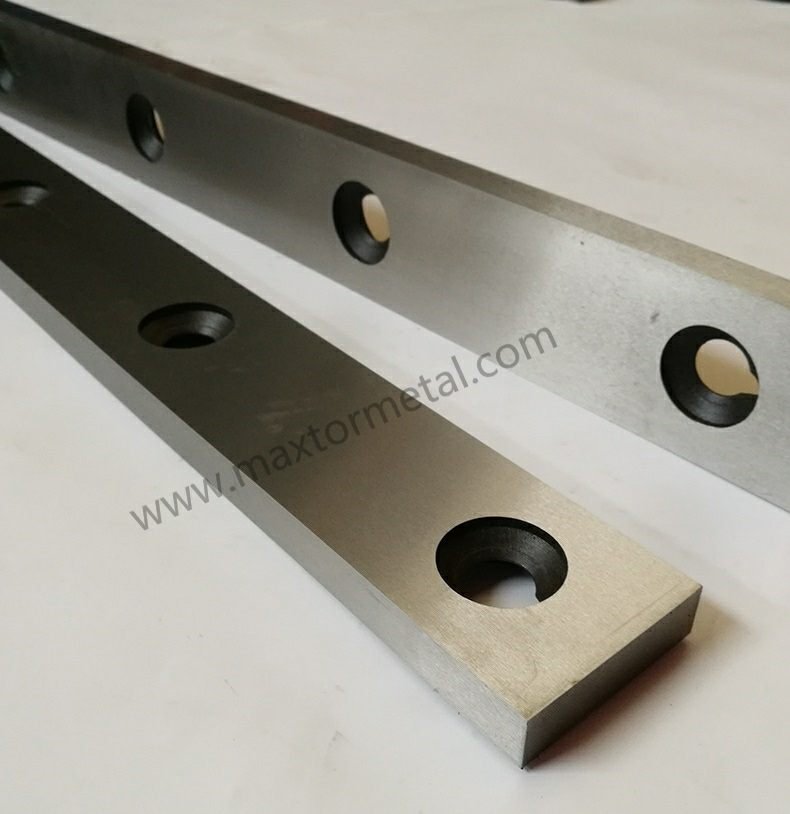
A2 steel is both hard and tough. This makes it good for many cutting tools. It usually has a hardness of 59-62 HRC. This hardness helps the blade stay sharp longer. The blade does not wear out fast. A2 steel is also tough. You can use it for jobs with lots of stress. The steel does not break easily. It works well even in hard jobs. The blade can take hits and pressure without breaking.
- Hardness range: 59-62 HRC
- Great wear resistance for tough jobs
- Good toughness for hard work
팁: If you want a shear blade material that lasts and does not break, A2 steel is a good choice.
A2 Weaknesses
A2 steel has some problems. You should know these before you pick it. It is not as tough as S7 or H13. If you need blades for very hard jobs, you may want something else. A2 steel is very hard. This makes it harder to shape and sharpen. Your tools may wear out faster. It can also take longer to make blades. A2 steel does not fight rust well. If you use blades in wet places, they can rust.
- Not as tough as S7 or H13 for very hard jobs
- Hardness makes shaping and sharpening harder
- Not good against rust in wet places
| Limitation | 설명 |
|---|---|
| 인성 | Not great for big hits or shocks |
| 가공성 | Hardness wears out tools faster |
| 부식 저항성 | Not good for wet or damp places |
메모: Check your work and where you use blades before picking A2 steel.
A2 Applications
A2 steel works in many places. Its hardness and toughness make it good for many jobs. You see A2 blades in metal shops, wood shops, and plastic factories. These blades are good for medium jobs. They keep their edge and can take some hits. A2 steel is also used for punches, dies, and forming tools. It works for blades that need to take some impact. If you cut paper, cardboard, or soft metals, A2 steel is a smart pick.
- Shear blades for metal, wood, and plastic
- Punches and dies for shaping
- Blades for medium jobs and some impact
- Cutting tools for paper and cardboard
팁: Pick A2 steel if you want a blade that is sharp, tough, and not too expensive for daily cutting.
A2 Engineering Tips
경도 vs. 인성
When you choose A2 as your shear blade material, you need to balance hardness and toughness. Hardness helps your blade stay sharp. Toughness helps your blade resist breaking or chipping. You want both, but you cannot maximize them at the same time.
- 경도: If you make your A2 blade very hard, it will cut longer before getting dull. However, it may chip if you use it on tough or thick materials.
- 인성: If you focus on toughness, your blade will handle impacts better. It will not chip as easily, but it may lose its edge faster.
팁: For most jobs, you should aim for a hardness of 59–61 HRC. This range gives you a good mix of edge retention and toughness. If you cut softer materials or need to handle shock, you can temper your blade to the lower end of this range.
Here is a simple table to help you decide:
| 응용 프로그램 유형 | Recommended Hardness (HRC) | 왜? |
|---|---|---|
| Precision metal cutting | 60–61 | Best edge retention |
| General-purpose shearing | 59–60 | Good balance |
| High-impact cutting | 58–59 | More toughness, less chipping |
You can talk to your blade supplier about your cutting needs. They can help you pick the right heat treatment for your A2 shear blade material.
에지 유지력
Edge retention means how long your blade stays sharp. A2 steel gives you good edge retention because of its high hardness and fine grain structure. You can improve edge retention by using the right edge geometry and sharpening method.
- Use a slightly convex or flat bevel for your A2 shear blade material. This shape helps the edge last longer.
- Keep your sharpening angle between 20° and 25°. A steeper angle makes the edge stronger.
- Sharpen your blade with fine grit stones or diamond sharpeners. This gives you a smooth, even edge.
메모: If you cut abrasive materials, check your blade edge often. You may need to touch up the edge to keep your cuts clean and safe.
Here are some quick tips for better edge retention:
- Clean your blade after each use. Dirt and debris can dull the edge.
- Store your blades in a dry place. Moisture can cause rust, which weakens the edge.
- Use the right blade for the right job. Do not use your A2 shear blade material on materials that are too hard or thick for its design.
By following these tips, you can get the most out of your A2 shear blade material. You will have a blade that cuts well and lasts longer in your shop or factory.
H13강 개요
H13 Strengths
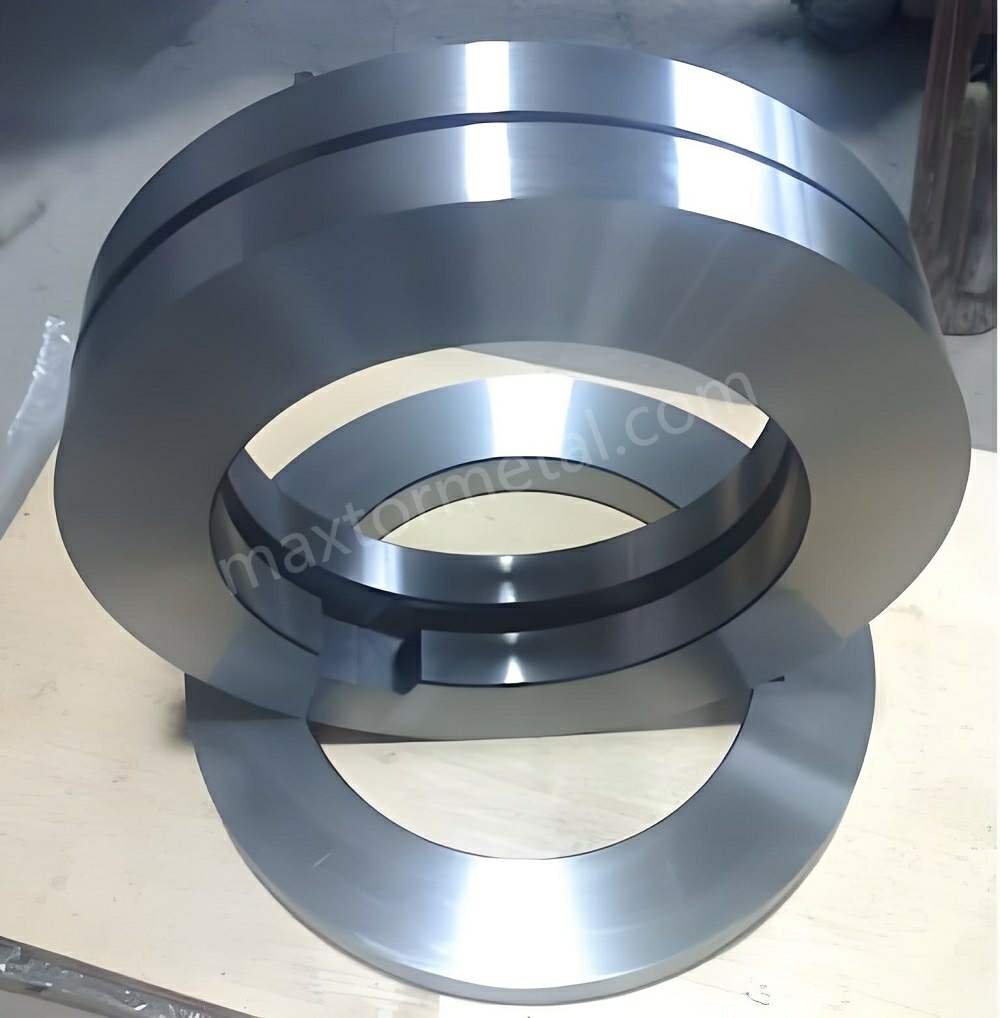
H13 steel is a great pick for hot work jobs. It can handle high heat without losing its shape. Even in very hot places, H13 steel does not get soft. This makes it good for cutting hot metal or working where temperatures change fast. H13 steel is very tough. It can take hits and shocks, so blades do not break or chip easily. H13 also has good wear resistance. The blade edge stays sharp longer, even when cutting rough stuff. Double tempering makes H13 steel even stronger. This process removes weak spots and makes the steel tougher. H13 blades have very high yield and tensile strength. This means they can handle heavy work and big loads.
팁: H13 steel keeps its hardness and shape, even after being heated and cooled many times. This makes it a good choice for hard factory jobs.
H13 Weaknesses
H13 steel has some problems you should know about. It is not as hard as D2 or carbide. If you need a blade that stays sharp the longest, you may want another material. H13 steel is hard to machine. You need special tools that can take heat. You also need to set up your machines the right way. If you do not control the heat, the steel can crack or bend. H13 steel costs more than simple steels like 5160. You should think about the price before you choose it. Sometimes, H13 steel can be brittle or not even if you do not treat it right. You can stop these problems by using the right process and preheating the steel. This helps keep your blade strong and stops cracks.
| Weakness | 설명 |
|---|---|
| Lower Hardness | Not as hard as D2 or carbide |
| Machining Difficulty | Needs careful setup and heat-resistant tools |
| 비용 | More expensive than basic steels |
| Brittleness Risk | 요구사항 proper heat treatment to avoid cracks |
메모: Always use the right heat treatment steps to get the best from your H13 shear blade material.
H13 Applications
H13 steel is used for many hard jobs. It is the main shear blade material for hot work. If you cut thick or hot metal, H13 blades work well. H13 is also used for forging dies, extrusion tools, and punches. These tools face high heat and pressure every day. H13 works well in places where the temperature changes a lot. Car and plane factories use H13 blades to cut and shape metal parts. Recycling plants use H13 for cutting scrap that gets hot. Construction sites use H13 blades for tough cutting jobs.
Here are some common uses for H13 steel:
- Shear blades for hot or thick metal stock
- Forging and extrusion dies
- Punches and forming tools
- Blades for recycling and construction
- Tools for automotive and aerospace manufacturing
팁: Pick H13 steel if you need a shear blade material that can take heat, shock, and hard work. It gives you strong and steady performance in tough places.
H13 Engineering Tips
열 안정성
You need to focus on thermal stability when you use H13 as your shear blade material. H13 steel works well in high-heat jobs. It keeps its hardness and shape even after many heating and cooling cycles. This makes it a top choice for cutting hot metal or working in places with big temperature changes.
To get the best thermal stability from your H13 shear blade material, follow these steps:
- Preheat the Blade
Always preheat H13 steel before you start cutting or shaping. Preheating helps the steel heat up slowly. This reduces the risk of cracks. - Use Proper Heat Treatment
Heat H13 steel to about 1,800°F (980°C) for hardening. Hold it at this temperature for the right amount of time. Then cool it in still air. This process locks in the hardness and keeps the blade stable. - Double Tempering
Temper the blade twice at 1,000–1,200°F (540–650°C). Double tempering removes stress from the steel. It also makes the blade tougher and less likely to deform.
팁: Always check the temperature with a reliable thermometer. Small changes in heat can affect the performance of your shear blade material.
Here is a simple table to help you remember the key steps:
| 단계 | 온도(°F) | 목적 |
|---|---|---|
| Preheat | 1,400–1,500 | Prevent cracking |
| Harden | 1,800 | Achieve high hardness |
| Temper (twice) | 1,000–1,200 | Improve toughness and stability |
Deformation Prevention
You want your H13 shear blade material to keep its shape during tough jobs. Deformation can happen if you do not use the right process. You can prevent this by following a few simple rules.
- Control Cooling Rate
Cool the blade slowly after heat treatment. Fast cooling can cause warping or cracks. Place the blade in still air or use a controlled furnace. - Avoid Overheating
Do not let the blade get too hot during use. Overheating can soften the steel and cause it to bend. Watch the temperature closely, especially in high-speed cutting. - 날 정렬 상태를 확인하세요
Make sure your blade is set up straight in the machine. Misalignment puts extra stress on the blade and can lead to bending. - 정기적인 유지관리
Inspect your shear blade material often. Look for signs of wear, warping, or cracks. Replace or repair blades before they fail.
메모: Good maintenance and careful setup help your H13 shear blade material last longer and work better.
You can use these tips to get the most out of H13 steel. With the right steps, your shear blade material will stay strong, sharp, and stable, even in the toughest jobs.
5160강 개요
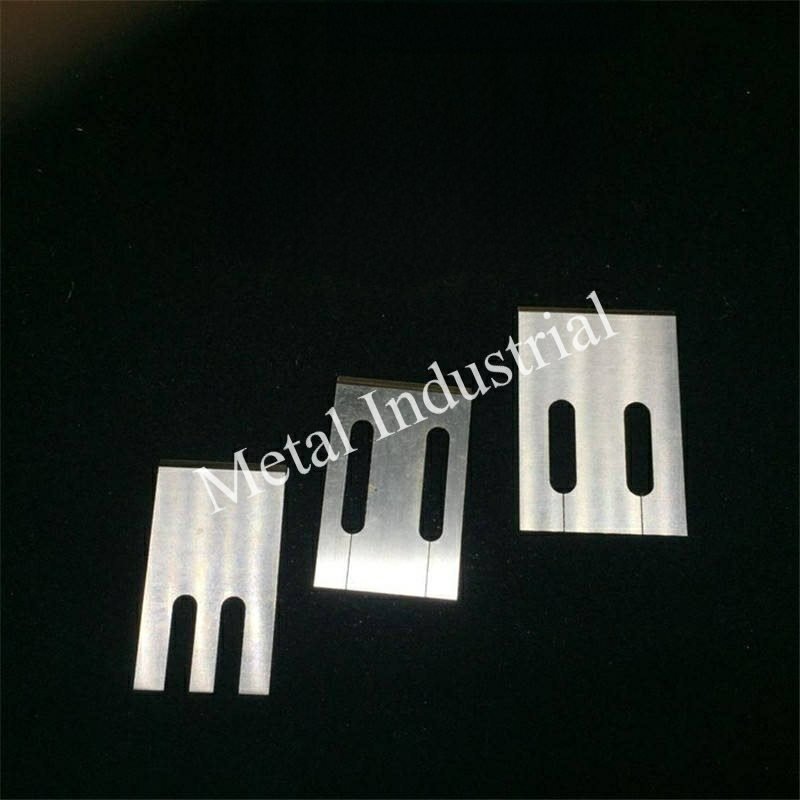
5160 Strengths
You see 5160 steel in many strong cutting tools. This steel is great at handling shocks. If you pick 5160 as your shear blade material, your blade can take hard hits. It works well for tough jobs. The high carbon and chromium in 5160 make it strong. Your blade will not break or chip easily, even with thick or hard stuff.
5160 steel is also flexible. The blade can bend a bit without snapping. This is good for jobs where the blade might twist or bend. You can trust 5160 steel to keep working, even if things get rough.
Here are some main strengths of 5160 steel:
- High shock resistance for hard jobs
- Good flexibility so it does not break fast
- Costs less than many other tool steels
- Easy to heat treat for most factory needs
팁: If you need a shear blade material for recycling, building, or jobs with lots of hits, 5160 steel is a good pick.
5160 Weaknesses
5160 steel has some problems you should know about before you choose it as your shear blade material. Some things can make your blade not work as well in some places.
| Weakness | 설명 |
|---|---|
| Corrosion Susceptibility | Needs coatings or treatments in wet or salty places. |
| Weldability Challenges | Needs preheating and heat treatment after welding to stop cracks. |
- Medium machinability can make it hard to get perfect cuts.
You might see 5160 steel rust if you use it in wet or damp places. You need to coat the blade or keep it dry to stop rust. If you want to weld 5160 steel, you must heat it before and after. This helps stop cracks. Cutting 5160 steel can be hard. It is tough to get very exact cuts, especially with old machines.
메모: Always check your work area and what you need to cut before picking 5160 as your shear blade material.
5160 Applications
You can use 5160 steel in many jobs because it is tough and takes hits well. This shear blade material is best for jobs with lots of impacts or rough stuff.
Common uses for 5160 steel include:
- Shear blades for recycling plants that cut scrap metal and other hard things
- Building tools that cut concrete, rebar, or broken stuff
- Blades for cutting softer metals, plastics, or things that are not metal
- Farm tools that hit rocks, dirt, and hard things in the field
You also see 5160 steel in car leaf springs and big knives. These uses show how well this steel bends and takes hits. If you need a blade that can take a lot and keep working, 5160 steel is a strong choice.
팁: Pick 5160 steel as your shear blade material when you want a mix of toughness, flexibility, and good price for hard jobs.
5160 Engineering Tips
Shock Resistance
You want your shear blade material to handle tough jobs. 5160 steel stands out for its shock resistance. This means your blade can take hard hits without breaking. You can use 5160 blades in recycling, construction, or farming. These jobs often have sudden impacts.
To get the best shock resistance from your 5160 shear blade material, follow these tips:
- Proper Heat Treatment
Heat treatment makes a big difference. You should heat the steel to about 1,550°F (845°C). Hold it at this temperature, then quench it in oil. This process gives your blade the right mix of hardness and toughness. - 템퍼링
After quenching, temper your blade at 400–500°F (204–260°C). This step reduces brittleness. Your blade will bend instead of snapping. - 블레이드 두께
Use a thicker blade for jobs with lots of impact. Thicker blades resist bending and breaking. - 모서리 각도
Choose a wider edge angle, like 25°, for heavy-duty work. This shape helps your blade survive hard hits.
팁: Always check your blade for cracks or chips after heavy use. Early repairs keep your shear blade material working longer.
Here is a quick table to help you remember the key steps:
| 단계 | 해야 할 일 | 왜 중요한가 |
|---|---|---|
| Heat Treat | Heat to 1,550°F, quench | Sets hardness and toughness |
| Temper | 400–500°F | Reduces brittleness |
| Use Thickness | Pick thicker blades | Handles more impact |
| 모서리 각도 | Use 25° or more | Prevents chipping |
Edge Maintenance
You need to keep your 5160 shear blade material sharp and ready. Good edge maintenance helps your blade last longer and cut better. 5160 steel is tough, but it can still get dull or damaged.
Here are some ways to care for your blade edge:
- 정기적인 날카로움
Sharpen your blade before it gets too dull. Use a medium or fine grit stone. This keeps the edge clean and strong. - Remove Burrs
After sharpening, check for burrs. Burrs are tiny bits of metal that stick out. You can remove them with a strop or fine file. - Clean After Use
Wipe your blade after each job. Dirt and moisture can cause rust and dull the edge. - Store Properly
Keep your blade dry and in a safe place. Use a blade guard if you have one.
메모: If you see chips or cracks, fix them right away. A small problem can turn into a big one if you wait.
You can use this checklist to keep your shear blade material in top shape:
- Sharpen often
- Remove burrs
- Clean after use
- Store in a dry place
- 손상 여부 검사
By following these tips, you help your 5160 shear blade material stay tough and sharp. You get better cuts and longer blade life.
초경 칼날 개요
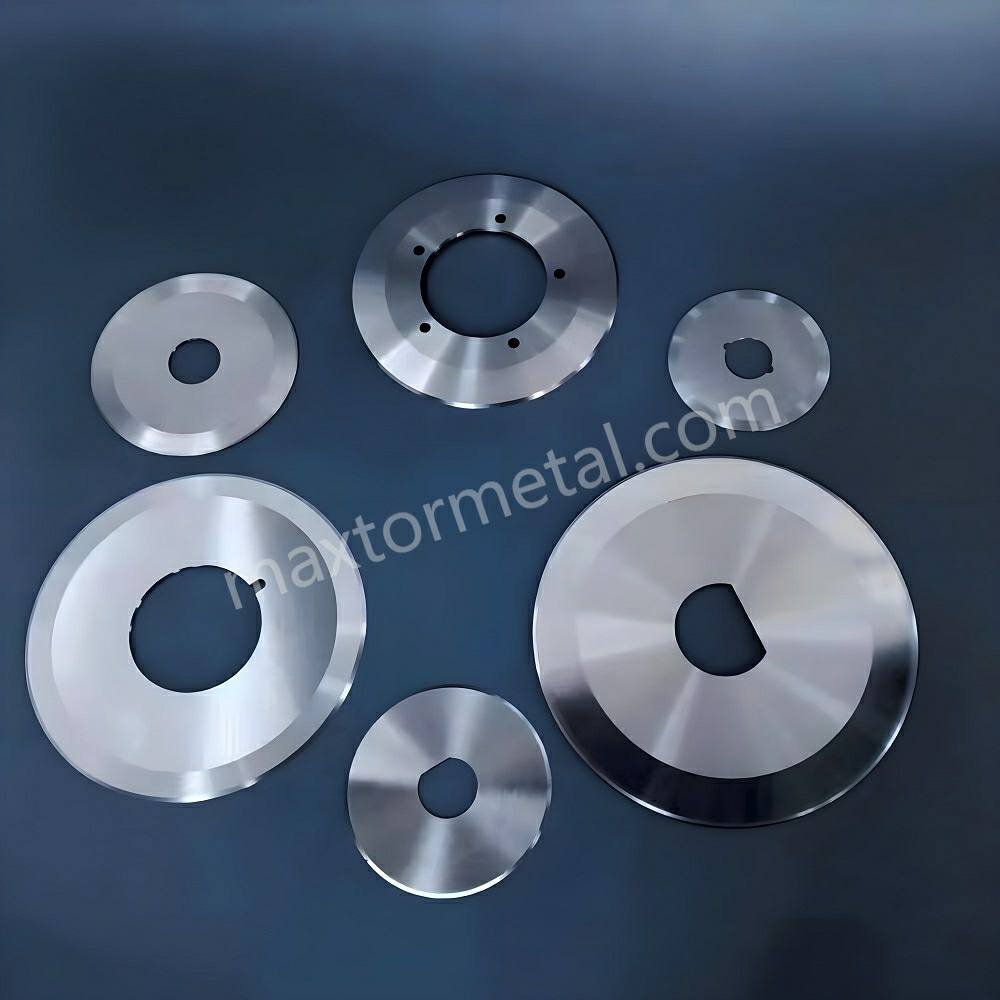
Carbide Strengths
Carbide is special because it is very hard and resists wearing out. These blades stay sharp for a long time, even when cutting tough or rough stuff. You can use carbide blades in factories that cut lots of things every day. The blade can cut thousands of pieces before you need to sharpen it. This means you stop work less often and get more done.
Carbide blades also do not get dull from heat. You can use them in fast machines or jobs that make a lot of friction. The blade keeps its sharp edge for a long time. Many factories pick carbide when they want blades that last the longest.
여기 있습니다 table that shows how carbide does compared to other steels for wear resistance and edge retention:
| 강철 유형 | 내마모성 | 에지 유지력 | 인성 |
|---|---|---|---|
| D2 | 보통의 | 보통의 | 높은 |
| D3 | 높은 | 높은 | 보통의 |
| 카바이드 | 매우 높음 | 매우 높음 | 낮은 |
팁: If you want a shear blade material that stays sharp and cuts well for a long time, carbide is a great pick.
Carbide Weaknesses
Carbide blades have some problems you should know about. Carbide is very hard, but it can break or chip if you drop it or hit it too hard. You need to use carbide blades in machines that do not shake a lot. If the blade is not held tight or the machine is not set up right, the blade can get tiny chips. This makes the blade wear out faster.
You must pick the right kind of carbide and the right blade shape for your job. If you use the wrong type, the blade can break sooner. Carbide blades need careful handling and the right setup to work well.
Here is a table that lists common problems with carbide blades:
| Weakness | 설명 |
|---|---|
| 취성 | Carbide blades are hard but can break easily if hit or dropped. |
| Sensitivity to Vibration | If the machine shakes or the blade is not tight, it can chip and wear out fast. |
| Incorrect Operational Parameters | Using the wrong carbide or blade shape can make the blade fail too soon. |
메모: Always check your machine and make sure the blade is set up right before using carbide as your shear blade material.
Carbide Applications
You see carbide shear blades used in many places. Factories use them to cut metal sheets and hard plastics. Airplane and car companies use carbide blades for cutting with high accuracy and long life. Construction workers use carbide blades to cut hard things like concrete and stone.
Carbide blades are best for jobs where you need the blade to stay sharp and last a long time. You can use them when you have to cut many pieces every day. Carbide blades help you save time and money because you do not need to change or sharpen them often.
Carbide shear blades are popular in these jobs:
- 조작
- 항공우주
- 자동차
- 건설
Tungsten carbide blades are very hard and last a long time. You get better cutting and the blade works longer. This makes carbide a top pick for hard jobs.
팁: Pick carbide as your shear blade material when you need blades that last, cut well, and handle tough jobs in busy factories.
Carbide Engineering Tips
에지 지오메트리
You need to think about edge geometry when using carbide as your shear blade material. Carbide is very hard. But it can chip if the edge shape is wrong. The right edge shape helps your blade last longer and cut better.
- Pick a wider edge angle: A wide angle like 20°–25° makes the blade stronger. This stops chipping when you cut hard or thick things.
- Keep the edge thickness in the middle: A thin edge cuts well but can break fast. A thicker edge gives more support and helps stop damage.
- Use a flat or slightly curved bevel: These shapes spread out the cutting force. They help your carbide shear blade material do tough jobs without cracking.
팁: If you cut soft or thin things, you can use a smaller angle for a sharper edge. For hard or rough things, always use a stronger edge.
Here is a simple table to help you pick the right edge shape:
| Edge Feature | 가장 적합한 | 효과가 있는 이유 |
|---|---|---|
| Wide Angle (20–25°) | Hard, thick, or rough things | Stops chipping |
| Medium Thickness | Most cutting jobs | Good mix of sharp and strong |
| Flat/Curved Bevel | Big or tough jobs | Spreads force, stops cracks |
You can ask your blade supplier for help with edge shape. The right edge shape makes your carbide shear blade material safer and work better.
손질
Carbide blades need gentle handling. The material is very hard but also breaks easily. If you drop or hit a carbide blade, it can crack or chip. You should always treat your carbide shear blade material with care.
- Store blades in a safe spot: Use blade covers or soft holders. This keeps the edges from hitting hard things.
- Put blades in gently: Do not force the blade into the machine. Make sure the blade fits right and is held tight.
- Avoid sudden hits: Do not use carbide blades to cut things that might hide hard pieces, like metal in recycled stuff.
- Check for chips before using: Look at the edge before you start cutting. If you see chips or cracks, change the blade.
메모: Always wear gloves and eye protection when you handle or put in carbide shear blade material. Safety is most important.
You can follow these steps to keep your carbide blades working well:
- Be careful when moving and storing blades.
- Use the right tools to put blades in.
- Check the blade edge before every job.
- Change broken blades right away.
If you take care of your carbide shear blade material, your blades last longer and cut safer. Good handling keeps your blades working and your jobs running well.
시어 블레이드 재질 선택
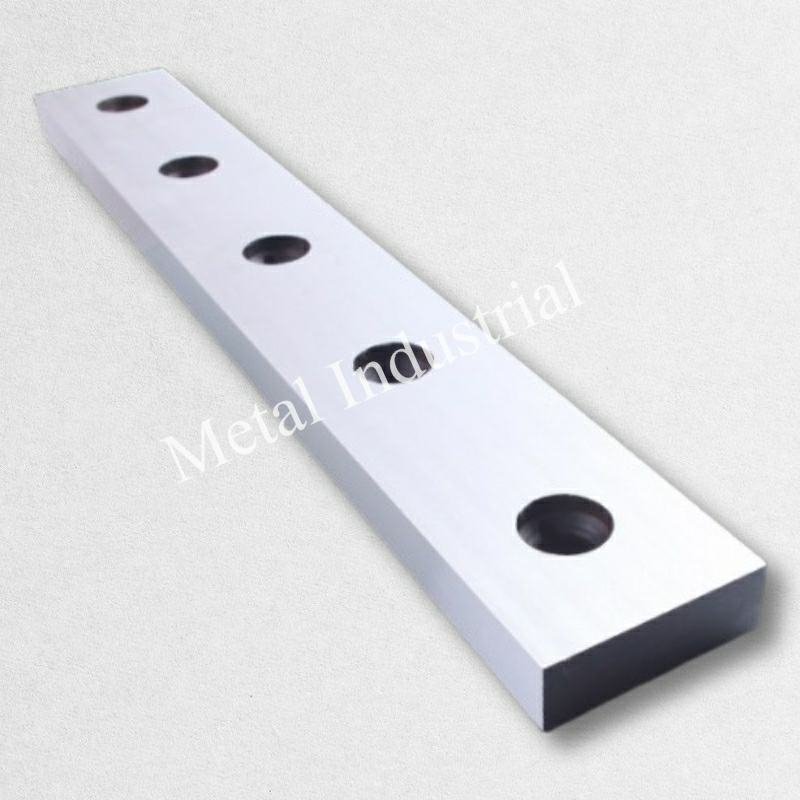
경도 vs. 인성
Content Guidance
When you choose a shear blade material, you need to think about hardness and toughness. These two properties work together, but they do not mean the same thing. Hardness measures how well a blade resists changing shape. Toughness shows how much force a blade can take before it breaks.
Here is a table that explains the difference:
| 재산 | 정의 | Impact on Shearing |
|---|---|---|
| 경도 | Quantifies a material’s resistance to deformation, especially permanent changes in shape. | High hardness leads to accelerated wear on blades, requiring harder materials for effective shearing. |
| 인성 | The capacity of a material to absorb energy and undergo plastic deformation without fracturing. | Tough materials can endure shearing without cracking, maintaining the integrity of the cut. |
If you cut hard metals or need a blade that stays sharp for a long time, you should look for high hardness. For example, D2 steel gives you great edge retention. If your job has lots of impacts or you cut thick materials, toughness matters more. 5160 steel works well for these jobs because it can take hits without breaking.
팁: If you cut thin sheets or need precise cuts, choose a blade with higher hardness. If you work in recycling or construction, pick a blade with more toughness.
You can also ask for a custom blade design to match your needs. Custom blade options let you balance hardness and toughness for your job.
내마모성
Content Guidance
Wear resistance tells you how long your blade will stay sharp and how often you need to maintain it. If you cut abrasive materials, you need a blade that resists wear. Carbide blades offer the highest wear resistance, so you spend less time sharpening and changing blades.
Here are some ways wear resistance affects your work:
- Routine sharpening and correct blade gap settings can help your blade last longer.
- Regular inspections help you find wear early, so you can fix problems before they get worse.
- Cleaning blades after use stops rust and keeps the edge sharp.
The type of material you cut also matters. Steel, aluminum, and copper all have different hardness and ductility. If you pick the right shear blade material, you get better cutting and longer blade life.
Note: If you work in a high-volume factory or cut rough materials, choose a blade with high wear resistance. This helps you save time and money on maintenance.
비용 고려 사항
Content Guidance
Cost is important when you pick a shear blade material. You want a blade that fits your budget but also lasts long enough to give you value. D2 steel costs less and lasts longer than A2, which needs more sharpening. H13 is more expensive and works best for special jobs with high heat. Carbide blades cost the most, but they last the longest and need less maintenance.
Here are some points to help you decide:
- D2 blades give you good value because they last longer than A2 blades.
- H13 blades are best for hot work, but you may not need them for every job.
- Carbide blades cost more at first, but you save money over time because you change them less often.
If you want to balance cost and performance, talk to your supplier. Nanjing Metal Industrial offers custom solutions and strict quality control, so you get blades that match your needs and budget.
Tip: Invest in premium materials like carbide or D2 if you run your machines all day or cut tough materials. For lighter jobs, A2 or 5160 may be enough.
Production Frequency
Content Guidance
Production frequency plays a big role when you choose a shear blade material. You need to match your blade to how often you use it. If you run your machines all day, you want a blade that lasts longer. If you cut only a few times a week, you can pick a blade that costs less.
You see three main types of production schedules:
| Production Type | 설명 | Blade Material Recommendation |
|---|---|---|
| Occasional Use | Cutting a few times per week | 5160, A2 |
| Moderate Use | Daily cutting, medium volume | D2, A2, H13 |
| 대량 사용 | Continuous or batch production | Carbide, D2, H13 |
How to match blade material to your schedule:
- Occasional Use:
You cut soft or non-metal materials a few times each week. You want a blade that costs less and is easy to sharpen. 5160 steel works well for these jobs. A2 steel also gives you a good balance of toughness and edge retention. - Moderate Use:
You cut metal or plastic every day. You need a blade that stays sharp and does not break easily. D2 steel gives you great wear resistance. A2 steel is easy to heat treat and works for many jobs. H13 steel handles heat and shock if you cut thick or hot materials. - High-Volume Use:
You run your machines all day or in big batches. You need a shear blade material that lasts the longest and needs little maintenance. Carbide blades offer the highest wear resistance. D2 and H13 also work well for heavy-duty jobs.
팁: If you cut abrasive materials or run your machines non-stop, invest in a premium shear blade material like carbide. You save time and money because you change blades less often.
Questions to ask before you choose:
- How many hours do you run your machines each day?
- What materials do you cut most often?
- How much downtime can you afford for blade changes or sharpening?
- Do you need blades for batch production or continuous use?
You can talk to your supplier about your production schedule. Metal Industrial offers custom solutions and strict quality control. You get blades that fit your needs and keep your shop running smoothly.
메모: The right shear blade material helps you cut better and keeps your machines working longer. Always match your blade to your production frequency for the best results.
응용 프로그램 시나리오

Metal Shearing
You often need to cut metal sheets, plates, or bars in factories and workshops. The right shear blade material makes a big difference in how clean and fast you can cut. You want blades that stay sharp and do not break under pressure.
Best Shear Blade Materials for Metal Shearing:
| 재료 | Why It Works Well | 일반적인 사용 사례 |
|---|---|---|
| D2 | High hardness, great wear resistance | Precision sheet and plate cutting |
| H13 | Handles heat and shock | Hot metal or thick stock |
| A2 | Good balance of toughness and hardness | General metal shearing |
- D2 steel gives you a sharp edge for a long time. You can use it for high-volume cutting of steel and other hard metals.
- H13 steel works best when you cut hot or thick metal. It keeps its shape even when temperatures change quickly.
- A2 steel is a good choice for general metal cutting. It does not chip easily and is easy to maintain.
팁: If you cut different types of metal, you can ask for custom shear blade material. This helps you get the best results for your specific job.
Metal Industrial offers blades that match these needs. Their advanced heat treatment and quality control help you get blades that last longer and cut cleaner.
스테인레스 스틸
Stainless steel is tough and can dull blades quickly. You need a shear blade material that resists wear and keeps a sharp edge. Cutting stainless steel often means you need more force and a blade that does not chip.
Recommended Shear Blade Materials for Stainless Steel:
- D2 steel: This is a top choice for stainless steel. It has high chromium content, which helps the blade resist wear and stay sharp.
- 카바이드: If you cut a lot of stainless steel or need very precise cuts, carbide blades work best. They keep their edge much longer than steel blades.
| 재료 | Strengths for Stainless Steel | 언제 사용해야 하나요? |
|---|---|---|
| D2 | High wear resistance, sharp edge | Most stainless steel cutting |
| 카바이드 | Maximum edge retention, less downtime | 대량, 정밀 작업 |
- Use D2 blades for most jobs. They give you a good mix of cost and performance.
- Pick carbide blades if you run machines all day or need to cut very hard or thick stainless steel.
메모: Always check your blade for dullness. Stainless steel can wear down even the best shear blade material. Regular checks help you avoid rough cuts and machine damage.
Metal Industrial’s blades are designed to handle the demands of stainless steel. You can choose from different materials and edge designs to fit your needs.
종이 및 판지
Cutting paper and cardboard needs a different kind of shear blade material. You want blades that make clean cuts without tearing or crushing the material. The blade must stay sharp, especially if you cut large stacks or run machines all day.
Best Shear Blade Materials for Paper & Cardboard:
- A2 steel: This material gives you a sharp edge and resists wear. It is tough enough for high-speed cutting machines.
- 카바이드: If you need the blade to last a long time or cut abrasive paper, carbide is the best choice.
| 재료 | Why It Works for Paper/Cardboard | 이상적인 사용 사례 |
|---|---|---|
| A2 | Good edge retention, easy to sharpen | General paper cutting |
| 카바이드 | Extreme wear resistance, long life | High-volume, abrasive jobs |
- Use A2 blades for most paper and cardboard jobs. They are easy to sharpen and last through many cuts.
- Choose carbide blades if you cut coated paper, recycled cardboard, or need to reduce downtime.
팁: Keep your blades clean and check for dullness often. Even the best shear blade material can lose its edge if you cut sticky or coated paper.
Metal Industrial offers blades with the right edge geometry for paper and cardboard. You can ask for custom sizes or coatings to match your production needs.
Rubber & Plastic
Factories and workshops often need to cut rubber and plastic. These materials can be soft, stretchy, or tough. You want a shear blade material that cuts cleanly. The blade should not tear or melt the edges. The right blade helps you work faster. It also keeps your products looking nice.
Best Shear Blade Materials for Rubber & Plastic:
| 재료 | Why It Works Well | 일반적인 용도 |
|---|---|---|
| 5160 | High toughness, resists chipping | Rubber sheets, hoses |
| A2 | Good edge retention, easy to sharpen | Plastic films, containers |
| 카바이드 | Extreme wear resistance, long life | Hard plastics, composites |
- 5160 steel is good for rubber. It bends but does not break. You can use it for thick or bouncy materials.
- A2 steel gives a sharp edge for plastic. You can sharpen it easily when it gets dull.
- Carbide blades are best for hard plastics or composites. These blades last a long time and need less care.
팁: If you cut sticky or stretchy rubber, keep your blade clean. Dirt and glue can make the edge dull faster.
Metal Industrial has blades with special edge designs for rubber and plastic. You can ask for custom shapes or coatings for your job.
Food & Textile
You see shear blades in food and textile factories. These places need blades that cut smooth without crushing or tearing. You want a shear blade material that stays sharp and does not rust.
Recommended Shear Blade Materials for Food & Textile:
| 재료 | Why It Works Well | 일반적인 사용 사례 |
|---|---|---|
| A2 | Good edge retention, easy to clean | Cutting fabric, paper, packaging |
| D2 | High wear resistance, sharp edge | Slicing food, trimming textiles |
| 스테인레스 스틸 | Rust resistance, safe for food | Food processing, wet environments |
- A2 steel is good for cutting textiles and packaging. You can keep the edge sharp with simple tools.
- D2 steel helps you slice food or trim tough fabrics. The blade stays sharp for many cuts.
- Stainless steel blades do not rust. You can use them in wet places or for food jobs.
메모: Always clean your blades after cutting food or textiles. This helps you avoid rust and keeps your products safe.
Metal Industrial can give you blades with food-safe coatings or special shapes for textile cutting. You can pick the right shear blade material for your factory.
Recycling & Construction
Recycling and construction jobs need tough blades. You often cut scrap metal, concrete, wood, or mixed stuff. The right shear blade material helps you handle hard hits and rough jobs without breaking.
Best Shear Blade Materials for Recycling & Construction:
| 재료 | Why It Works Well | 일반적인 용도 |
|---|---|---|
| 5160 | High shock resistance, low cost | Scrap metal, demolition |
| H13 | Handles heat and impact | Cutting rebar, thick stock |
| 카바이드 | Maximum wear resistance | Abrasive materials, stone |
- 5160 steel bends instead of breaking. You can use it for scrap or demolition work.
- H13 steel is good for jobs with heat and impact. You can cut rebar or thick metal without losing the blade’s shape.
- Carbide blades are best for stone, concrete, or other rough materials. These blades last longer and need less sharpening.
팁: Check your blades often in recycling and construction. Chips or cracks can slow you down or hurt your machines.
Metal Industrial has shear blades with extra thickness and strong edges for these hard jobs. You can ask for custom sizes or coatings for your worksite.
Automotive & Aerospace
You work in jobs where every cut must be perfect. In car and airplane factories, you need 전단 블레이드 재료 that meets strict rules. You often cut strong metals, composites, and alloys. These materials are hard and can make blades dull fast.
Best Shear Blade Materials for Automotive & Aerospace:
| 재료 | 주요 이점 | 일반적인 용도 |
|---|---|---|
| D2 | High wear resistance, sharp edge | Cutting steel panels, body parts |
| H13 | Handles heat, resists deformation | Trimming hot-formed components |
| 카바이드 | Maximum edge retention, cuts composites | Precision cutting of hard alloys |
- D2 steel blades stay sharp for a long time. You use them to cut car panels, frames, and brackets. D2 is good when you want smooth and exact cuts.
- H13 steel is great for cutting parts that get hot. You see this in hot stamping or forging jobs. H13 does not get soft and keeps its shape after many uses.
- Carbide blades are best for cutting tough stuff like titanium or carbon fiber. Carbide lasts the longest and keeps its edge best. You use carbide when you want to change blades less often.
팁: If you cut both metals and composites, you can ask for a custom 전단 블레이드 재료. This helps you get the right mix of hardness and toughness for your work.
You need blades that are made to exact sizes. In airplane work, even a small mistake is a big problem. 전단 블레이드 재료 must cut smooth and not leave rough edges. You want blades that do not chip or bend under pressure.
How Metal Industrial Blades Adapt to Automotive & Aerospace Needs:
- You can pick D2, H13, or carbide for your job.
- Special heat treatment gives blades the right hardness and toughness.
- Careful machining makes sure blades are the right size and shape.
- Custom choices let you pick the best edge for your material or shape.
메모: Always check your 전단 블레이드 재료 for damage or wear. Checking often helps you keep your machines safe and working well.
You get better results when you match the blade to what you cut. Use D2 for steel panels, H13 for hot parts, and carbide for composites or hard alloys. This helps you get smooth cuts, longer blade life, and safer work in your car or airplane shop.
엔지니어링 권장 사항

열처리
Heat treatment changes how your shear blade material performs. You can make your blades harder or tougher by using the right heat treatment steps. If you want your blades to last longer, always follow the recommended process for your chosen steel or carbide.
- Preheat the blade before hardening. This step helps prevent cracks.
- Austenitize at the correct temperature. Each shear blade material has its own best range.
- Quench quickly to lock in hardness. Air or oil works best for most tool steels.
- Temper after quenching. This step reduces brittleness and adds toughness.
팁: Use a controlled oven or furnace for even heating. Uneven heat can cause warping or weak spots.
Here is a quick guide for common materials:
| 재료 | Preheat (°F) | Austenitize (°F) | Quench Type | Temper (°F) |
|---|---|---|---|---|
| D2 | 1400 | 1850 | 공기 | 400–600 |
| A2 | 1200 | 1750 | 공기 | 350–500 |
| H13 | 1400–1500 | 1800 | 공기 | 1000–1200 |
| 5160 | 1200 | 1550 | 기름 | 400–500 |
블레이드 형상
The shape of your blade edge affects how well your shear blade material cuts and how long it lasts. You need to match the edge angle and thickness to your job.
- Narrow edge angles (15–20°) give you sharper cuts. Use these for thin or soft materials.
- Wider edge angles (20–25°) make the edge stronger. Choose these for hard or thick materials.
- Thicker blades resist bending and breaking. Use thick blades for heavy-duty work.
- Flat or slightly curved bevels help spread cutting force and prevent chipping.
메모: Always check your blade geometry before starting a new job. The right shape helps prevent breakage and keeps your cuts clean.
유지
Good maintenance keeps your shear blade material working longer. You should check your blades often for dullness, chips, or cracks.
- Sharpen blades regularly. Do not wait until the edge is very dull.
- 매 사용 후 칼날 세척. Dirt and moisture can cause rust and wear.
- Store blades in a dry place. Use blade covers or holders to protect the edge.
- 손상 여부 검사 before every job. Replace blades that show signs of wear or cracks.
팁: A simple maintenance routine saves you time and money. Well-cared-for blades cut better and last longer.
By following these engineering tips, you help your shear blade material resist breakage, wear, and deformation. You get safer, cleaner cuts and longer blade life in every application.
You need to choose the right shear blade material for your job. D2 works well for metal and stainless steel. A2 fits general cutting and paper. H13 handles heat and tough jobs. 5160 is best for recycling and construction. Carbide lasts longest in high-volume work. You should match your blade to your needs. If you want expert advice, 당사 영업 엔지니어에게 문의하세요 도움을 요청하세요.
자주 묻는 질문
What is the best shear blade material for cutting stainless steel?
You should use D2 steel or carbide for stainless steel. D2 offers high wear resistance. Carbide blades last longer and keep a sharp edge.
How often should you sharpen shear blades?
You should check your blades after each job. Sharpen them when you notice dullness or rough cuts. Regular sharpening helps blades last longer.
Can you use the same shear blade material for metal and plastic?
You can use A2 steel for both metal and plastic. It gives a good balance of toughness and edge retention. For hard plastics, carbide works best.
Why does heat treatment matter for shear blade material?
Heat treatment makes blades harder or tougher. You get better cutting performance and longer blade life when you use the right process for each material.
How do you prevent shear blades from chipping?
You should choose a blade with the right edge angle and thickness. Use proper heat treatment. Avoid cutting materials that are too hard for your blade.
What is the difference between hardness and toughness in shear blade material?
Hardness means the blade keeps its edge longer. Toughness means the blade resists breaking or chipping. You need to balance both for your cutting job.
Which shear blade material is most cost-effective for high-volume production?
Carbide blades cost more at first but last the longest. You save money over time because you change and sharpen them less often.

 English
  Spanish
  Italian
  French
  Portuguese
  Russian
  German
  Arabic
  Hindi
Hindi  Vietnamese
  Indonesian
  Japanese
  Korean