

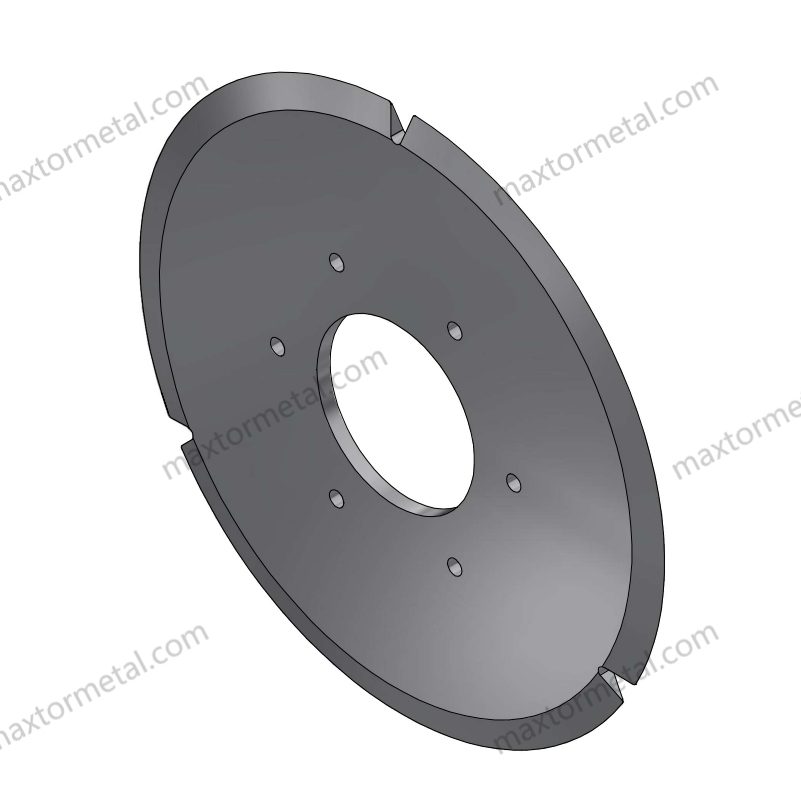
Frequentemente ocorrem problemas complexos ao cortar filmes compostos. Lâminas rotativas problemas com bordas desfiadas, calor e resíduos pegajosos. As facas ultrassônicas resolvem esses problemas. Obtêm-se bordas lisas, menor geração de calor e excelentes resultados em filmes finos ou multicamadas. Para cortes limpos e de alta qualidade, as facas ultrassônicas apresentam melhor desempenho.
Principais conclusões
- As facas ultrassônicas cortam filmes compostos por meio de vibrações rápidas. Isso garante cortes limpos e evita bordas desfiadas. Elas também causam menos danos térmicos do que as lâminas rotativas.
- As lâminas rotativas são adequadas para filmes simples de camada única. Esses filmes podem ser de plástico, papel ou não tecidos. Lâminas rotativas são econômicas e fáceis de usar.
- As facas ultrassônicas são ideais para cortar filmes difíceis. Esses filmes podem ser pegajosos, possuir múltiplas camadas ou conter fibras internas. As facas ultrassônicas proporcionam bordas lisas e seladas, reduzindo o desperdício.
- As facas ultrassônicas não requerem limpeza ou troca de lâmina frequentes. Isso ajuda a acelerar as linhas de produção, reduzindo as paradas.
- Lâminas rotativas devem ser afiadas e alinhadas com frequência. Caso contrário, podem gerar bordas ásperas e desperdício de material, especialmente em filmes rígidos.
- As facas ultrassônicas funcionam perfeitamente em sistemas automatizados e robóticos. Elas auxiliam na execução de cortes mais precisos e rápidos em aplicações complexas.
- A escolha da ferramenta de corte deve ser baseada no tipo de filme. Considere também a qualidade da borda, a velocidade e o orçamento disponível.
- Trabalhar com fabricantes de lâminas confiáveis, como a Nanjing Metal, pode ajudar. Eles podem fornecer soluções personalizadas para otimizar e acelerar o processo de corte.
Visão Geral das Lâminas Rotativas
Como Funcionam as Lâminas Rotativas
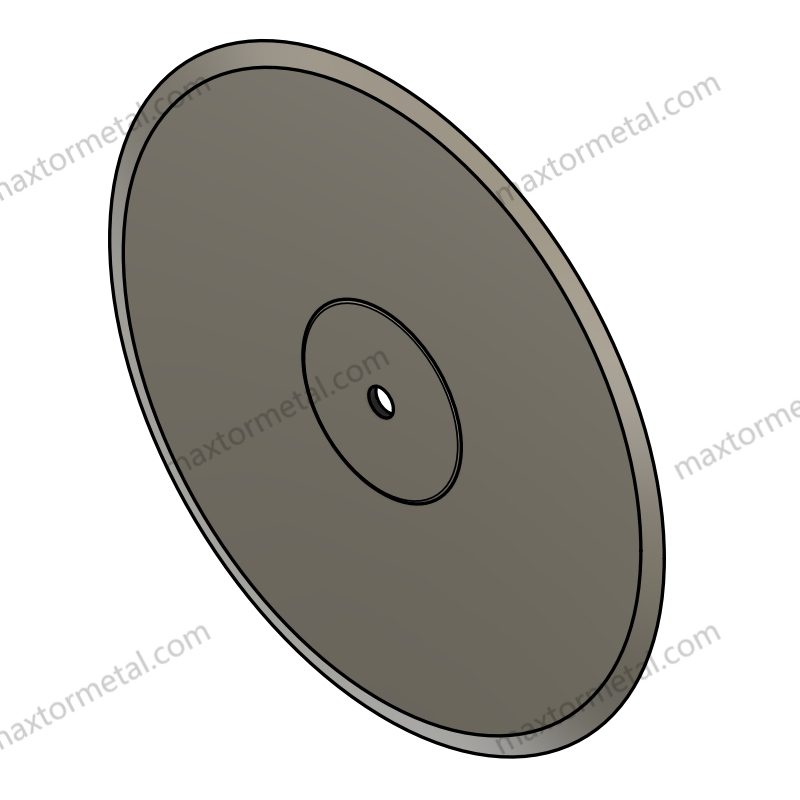
As lâminas rotativas cortam de forma semelhante a tesouras. Duas facas circulares giram em direções opostas, gerando a força necessária para cortar o material. Em alguns casos, o material envolve a lâmina inferior (wrap shear), o que ajuda a manter a pressão constante e proporciona maior controle. É possível obter cortes limpos e definir a largura de corte desejada, evitando que o filme enrugue ou curve. O alinhamento correto e a manutenção das facas são essenciais. O operador da máquina deve ser cuidadoso; caso contrário, podem ocorrer rasgos ou bordas irregulares.
- O corte por cisalhamento utiliza duas facas rotativas para uma ação semelhante à de uma tesoura.
- A configuração de corte envolvente (wrap shear) proporciona melhor controle de borda para filmes espessos ou rígidos.
- Obtêm-se cortes limpos e a largura de corte necessária.
- Alinhamento adequado e manutenção são necessários para obter os melhores cortes.
- O corte por cisalhamento é altamente preciso e funciona muito bem para grandes volumes de produção.
Lâminas Rotativas: Aplicações
Diversos setores utilizam lâminas rotativas para cortar filmes, folhas metálicas e materiais flexíveis. Essas lâminas podem realizar corte longitudinal, corte em folhas, perfuração e vinco. Os setores de embalagens, têxtil, borracha, plásticos, médico, higiene e fabricação de etiquetas utilizam essa ferramenta. As lâminas rotativas cortam rapidamente e funcionam muito bem em linhas de alta produção. Por exemplo, as lâminas rotativas podem cortar múltiplas camadas de tecido, têxteis técnicos, vinil, fibra de vidro e materiais compostos. Grandes máquinas de marcas líderes utilizam essas lâminas para o corte de têxteis e filmes compostos.
Dica: Lâminas rotativas personalizadas de um fabricante de qualidade ajudam a obter cortes melhores e apresentam maior vida útil, especialmente com materiais difíceis.
Lâminas Rotativas: Limitações
As lâminas rotativas apresentam algumas limitações ao cortar filmes compostos:
- A borda pode desfiar se a lâmina perder o corte ou se o ângulo estiver incorreto.
- O calor pode se acumular porque os filmes compostos não dissipam bem a temperatura. Esse calor pode danificar o filme e prejudicar a qualidade do corte.
- Filmes pegajosos ou termossoldados podem deixar resíduos de adesivo na lâmina. Mesmo com revestimentos especiais, pode ser necessário limpar a lâmina com frequência.
- Alguns compostos são abrasivos e desgastam a lâmina rapidamente. Será necessário trocar ou afiar a lâmina com maior frequência.
- Se o porta-ferramentas não estiver estável, o acabamento da borda pode ficar ruim e desfiar ainda mais.
- O resfriamento com ar ou spray pode ajudar a controlar o calor, mas aumenta a complexidade do processo.
É necessário inspecionar a lâmina e o processo de corte com frequência. Caso contrário, podem ocorrer mais paradas, desperdício e cortes irregulares.
Observação: A manutenção adequada das lâminas e a escolha do modelo correto ajudam a evitar esses problemas.
Visão Geral das Facas Ultrassônicas
Como Funcionam as Facas Ultrassônicas
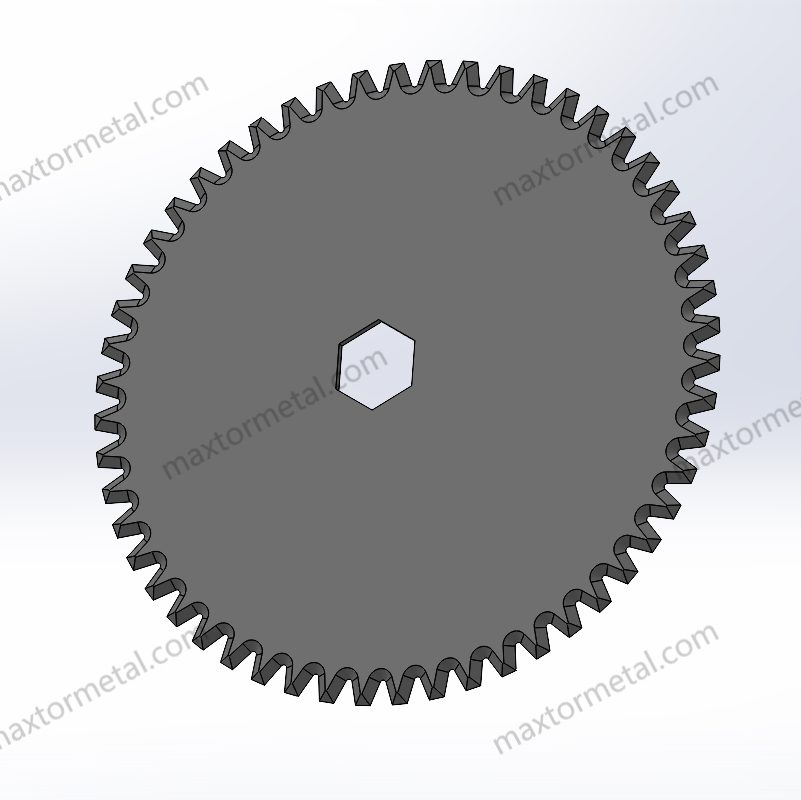
As facas ultrassônicas cortam por meio de vibrações extremamente rápidas. A lâmina move-se para frente e para trás 000 a 40.000 vezes por segundo. Um transdutor faz a lâmina vibrar ao converter energia elétrica em movimento mecânico. O sonotrode (horn) conecta-se ao transdutor e amplifica as vibrações. Essas vibrações intensas são direcionadas diretamente para a aresta de corte da lâmina.
- A lâmina transmite energia ultrassônica para o ponto de corte.
- O material funde e amolece exatamente na borda, reduzindo a força necessária para o corte.
- O atrito é reduzido e os filmes pegajosos não aderem à lâmina.
- The system has a generator, transducer, horn, and blade that work together.
- You do not need a very sharp blade or lots of pressure, so the film does not chip or break.
This way of cutting works great for sticky, stretchy, or tough composite films. You get a neat and exact cut every time.
Ultrasonic Knives: Applications
Ultrasonic knives can cut many kinds of composite films and special materials. These tools are good for jobs that need clean and careful cuts on hard films. Here is a table that shows some composite films you can cut with ultrasonic knives:
| Composite Film Type | Examples / Description |
|---|---|
| Aerospace Composites | Carbon fiber, Nomex, honeycomb structures |
| Resin Composites | Resin-based composite materials |
| Rubber Composites | Rubber and rubber-based composite materials |
| Non-woven Fabric Composites | Non-woven fabrics and their composite materials |
| Thermoplastic Films and Fabrics | Synthetic leather, thermoplastic composites |
You will see ultrasonic knives used in aerospace, cars, electronics, and packaging. These places need very neat and smooth edges for their products. You can also use ultrasonic knives for resin things, rubber items, and non-woven fabrics.
Ultrasonic Knives: Advantages
Ultrasonic knives have many good points over rotary blades:
- You get sealed edges that do not fray or come apart, so the edge looks better.
- The cut is always smooth and neat, even on sticky or layered films.
- There is almost no heat, so the film does not bend or melt.
- This way is up to four times faster than sewing and ten times faster than glue.
- You do not get holes from stitches or gaps from glue, so seams stay strong.
- Cutting and sealing happen at the same time, which saves time and keeps the film strong.
Ultrasonic knives are easy to use in fast and automatic lines. You can run many knives with one generator, set up different cuts, and use smart controls for good timing. These things help your line work fast and smooth, with less stopping and more even results.
Dica: If you want to make your line faster and get better edges, ultrasonic knives are a smart choice for today’s factories.
Lâminas Rotativas vs. Facas Ultrassônicas
Qualidade de corte
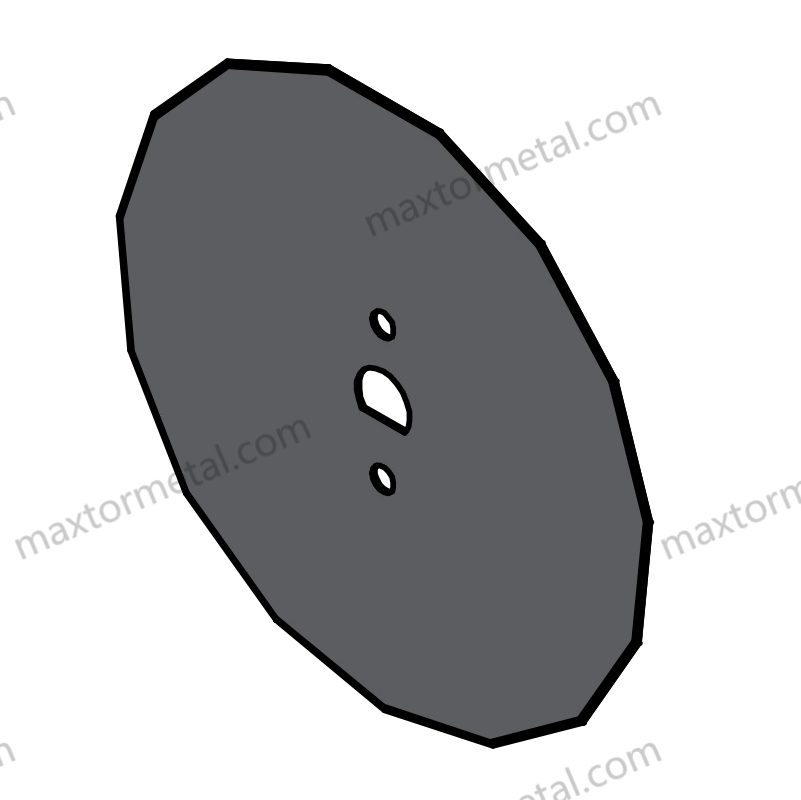
When you cut composite films, the edge quality is important. You want the edges to look smooth and clean. There should not be fraying or tearing. Rotary blades often leave rough edges. This happens more with sticky or layered films. Sometimes, the edge curls or has small burrs. These problems get worse if you push harder or if the blade is dull.
Ultrasonic knives make a much cleaner cut. The fast vibration melts and splits the film at the edge. This gives you less roughness and almost no curling. You will not see big tears. Even when cutting fast, ultrasonic knives keep the edge smooth. The layers stay together. You do not have to worry about the film breaking.
Here is a table that shows how the cutting quality is different:
| Método de corte | Edge Roughness | Edge Curling | Formação de rebarbas | Separação de Materiais |
|---|---|---|---|---|
| Lâminas rotativas | Alto | Present | Occasional | More tearing |
| Ultrasonic Knives | Low (31% less) | Mínimo | Nenhum | Layers stay intact |
Dica: If you want perfect edges and less rework, ultrasonic knives are better for composite films.
Compatibilidade de materiais
You need to pick the right tool for your material. Rotary blades work well for simple, single-layer films. They also work for paper and nonwoven materials. But rotary blades can have trouble with sticky, layered, or fiber-reinforced films. The blade can get sticky, and you may waste more material.
Ultrasonic knives can cut many types of materials. You can use them for composite films, prepregs, and pressure-sensitive adhesives. They also work for fiber-reinforced materials like carbon fiber or aramid. The vibration keeps the blade clean. Glue does not build up. You get a neat cut, even with tough or sticky films.
Observação: Always use the right blade for your material. Using the wrong tool can cause more stops and higher costs.
Eficiência de produção
You want your line to run fast and without problems. Rotary blades can cut quickly. But you may need to stop often to clean or change the blade. Sticky films and tough composites wear out the blade faster. This means more stops and more work.
Ultrasonic knives are good for fast, automatic lines. The blade stays clean longer. You do not need to sharpen or change it as much. You can cut more material with fewer stops. Many people say they have less downtime and get more done with ultrasonic knives. This is true for complex or sticky films.
🚀 Boost your output: Ultrasonic knives help you cut more, waste less, and keep your line running.
Manutenção e Custo
Ao escolher um método de corte, considere a manutenção e o custo. Cada opção tem suas próprias necessidades e custos. O objetivo é que sua linha de produção funcione com eficiência e sem gastos excessivos.
Lâminas rotativas exigem muita manutenção. É necessário afiá-las ou substituí-las com frequência. Isso é especialmente válido ao cortar filmes adesivos ou resistentes. Materiais pegajosos podem deixar resíduos de cola na lâmina, exigindo mais paradas para limpeza. Se a lâmina não estiver afiada, a qualidade do corte cai e o desperdício aumenta. A compra de novas lâminas e o trabalho de manutenção podem gerar custos elevados. Para tarefas simples, as lâminas rotativas apresentam um baixo custo inicial e não exigem habilidades especializadas para operação. Muitas fábricas utilizam lâminas rotativas para filmes simples, pois são fáceis de instalar e substituir.
As facas ultrassônicas têm um custo inicial mais alto, exigindo equipamentos especiais e treinamento para operação. No entanto, demandam menos tempo de manutenção. A lâmina permanece limpa por mais tempo, pois a vibração evita o acúmulo de cola. Não há necessidade de afiar ou trocar a lâmina com tanta frequência, o que resulta em menos paradas e maior produtividade. Com o tempo, a redução do desperdício e do tempo de inatividade gera economia. As facas ultrassônicas são ideais para trabalhos complexos que exigem bordas limpas e alta velocidade.
Abaixo está uma tabela comparativa para ajudar na sua escolha:
| Recurso | Lâminas rotativas | Ultrasonic Knives |
|---|---|---|
| Custo inicial | Baixo | Alto |
| Frequência de manutenção | Alto | Baixo |
| Substituição da lâmina | Freqüente | Cru |
| Necessidade de Limpeza | Muitas vezes | Mínimo |
| Tempo de inatividade | Maior | Menor |
| Treinamento Necessário | Básico | Especializado |
Observação: Se você precisa de lâminas rotativas especiais para seus filmes, pode contar com um fabricante de confiança. Nanjing Metal possui mais de 20 anos de experiência técnica. Sua equipe desenvolve lâminas personalizadas para diversas aplicações. Você pode conferir o seu soluções de lâmina personalizadas Para atender às suas necessidades.
Muitos profissionais relatam que as facas ultrassônicas aumentam a produtividade com menos problemas. Em setores como o aeroespacial e o automotivo, as empresas optam por facas ultrassônicas devido à excelente qualidade de corte e baixa manutenção. Se você opera linhas de alta velocidade ou corta filmes adesivos e multicamadas, as facas ultrassônicas podem economizar tempo e dinheiro.
💡 Dica: Sempre avalie suas necessidades e orçamento antes de escolher. A ferramenta certa ajuda a reduzir custos e aumentar a produtividade.
Quando Escolher Facas Ultrassônicas
Filmes Multicamadas
Filmes Compostos com Múltiplas Camadas
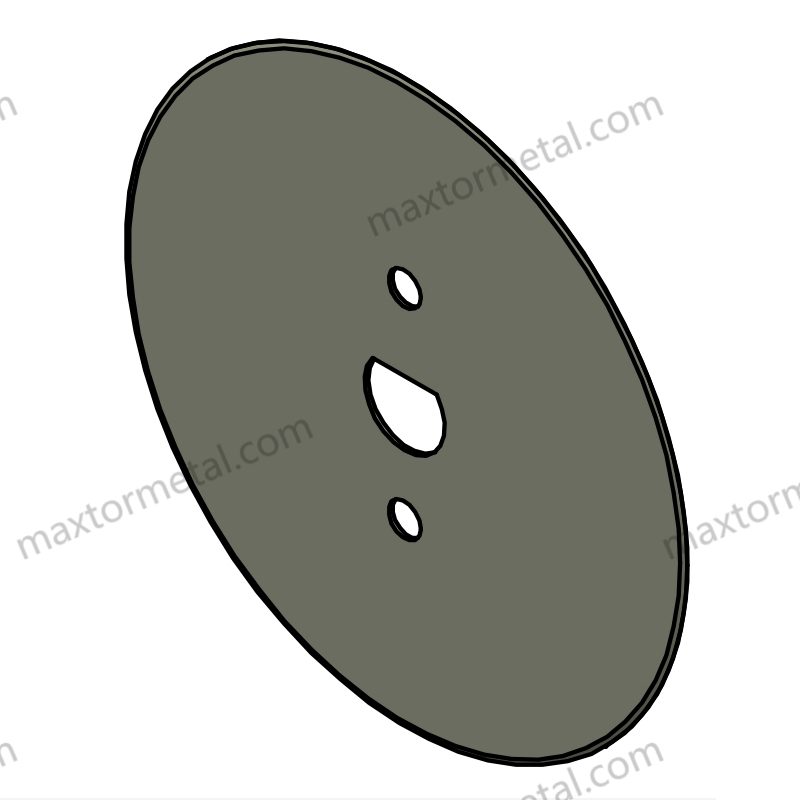
O corte de filmes com múltiplas camadas é complexo. As lâminas rotativas podem causar a delaminação das camadas ou deixar bordas ásperas, o que aumenta o desperdício e reduz a qualidade. As facas ultrassônicas resolvem esses problemas. A vibração rápida permite cortar cada camada de forma limpa, proporcionando bordas lisas e seladas, mantendo as camadas unidas.
Muitas indústrias utilizam facas ultrassônicas para pré-impregnados de fibra de carbono, compostos de fibra de vidro e filmes de embalagem multicamadas. Isso reduz a perda de material e aumenta o rendimento de produtos conformes. Fabricantes de automóveis alemães relatam menos erros e cortes melhores após a transição para facas ultrassônicas para filmes compostos.
Dica: Se você deseja manter todas as camadas unidas, facas ultrassônicas são uma excelente escolha.
Materiais Reforçados com Fibra
Materiais reforçados com fibras, como fibra de carbono ou aramida, são difíceis de cortar. As lâminas rotativas frequentemente deixam bordas irregulares ou danificam as fibras. As facas ultrassônicas cortam esses materiais com facilidade. A vibração corta as fibras sem puxar ou rasgar, garantindo uma borda limpa em cada operação.
Um estudo mostra que mais de 60% dos fabricantes europeus de compostos atualmente utilizam ferramentas de corte avançadas, incluindo facas ultrassônicas. .
| Área de aplicação | Fabricantes de drones registraram uma precisão 98% superior em plásticos reforçados com fibra de carbono. Isso se traduz em bordas mais limpas e menos desperdício. | Melhoria / Benefício Documentado |
|---|---|---|
| Detalhe de Suporte / Métrica | Compostos Reforçados com Fibra de Carbono | Evita a delaminação das camadas e reduz o desperdício |
| Mais de 60% dos fabricantes europeus de compostos utilizam corte avançado; fabricantes alemães de automóveis relatam cortes melhores e menos desperdício | Fabricação de Drones (acabamento de CFRP) | Precisão 98% superior aos métodos antigos |
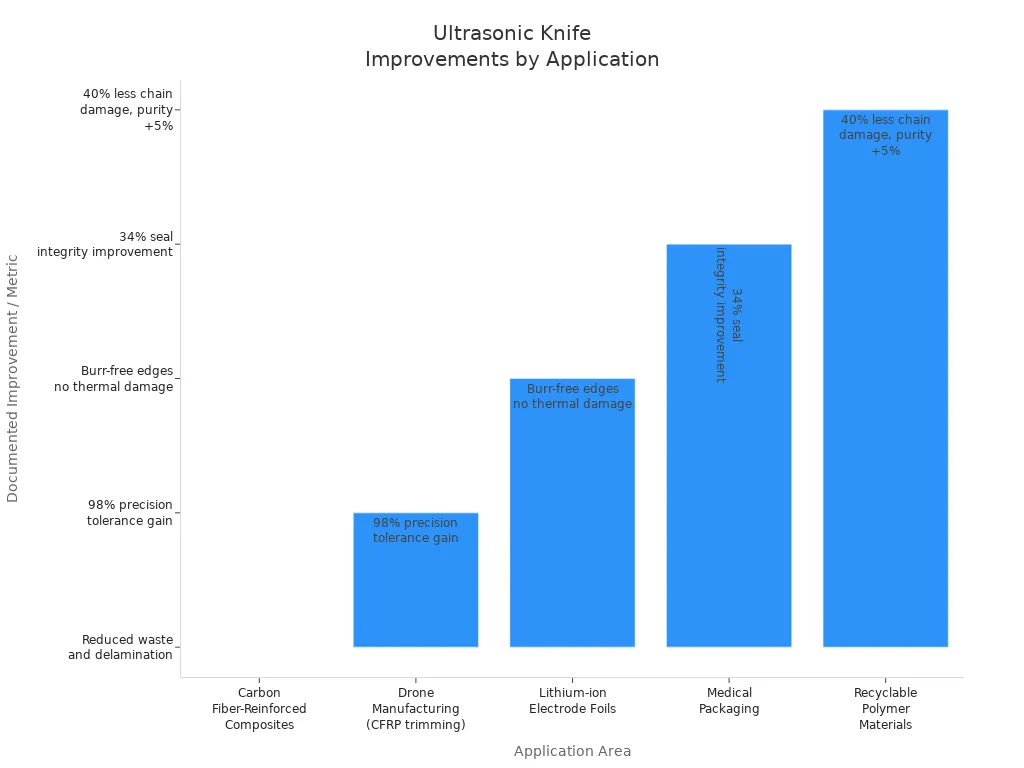
Bordas mais limpas e maior rendimento de produtos conformes
Materiais Adesivos e Pegajosos
Filmes Adesivos Sensíveis à Pressão. As facas ultrassônicas Filmes pegajosos, como adesivos sensíveis à pressão, são um desafio para as lâminas rotativas. A cola adere à lâmina, exigindo paradas frequentes para limpeza, o que atrasa a produção e aumenta os custos.
utilizam vibração para manter a lâmina limpa. Com isso, gasta-se menos tempo com ajustes e obtêm-se cortes melhores.
| Métrica | Antes da Otimização | Após a otimização da geometria |
|---|---|---|
| Um estudo de caso demonstra a mudança: | Trocas de lâmina | Uma vez a cada 2 dias |
| Bolsas desalinhadas | 7% | Menos de 1% |
| 3 vezes ao dia | Tempo de inatividade da linha | 2 horas por semana |
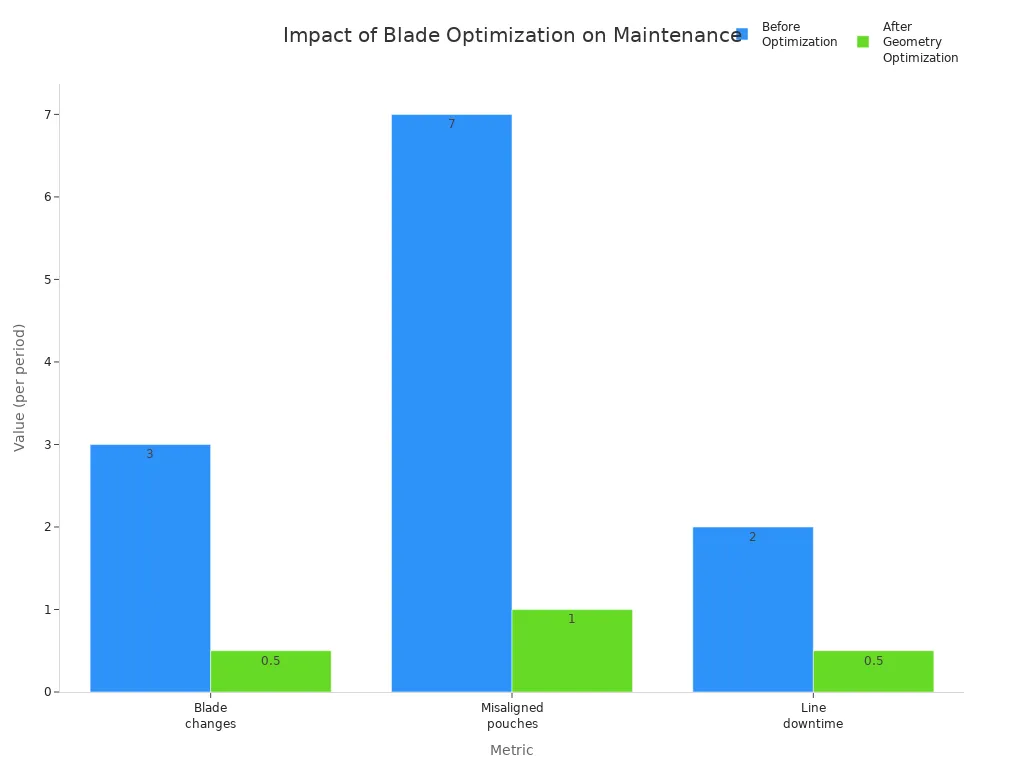
You can use special coatings like Titanium Nitride or Teflon to stop sticking. Some people say Diamond-Like Carbon coated blades had no glue build-up in four weeks. These coatings help you change blades less and keep your line running well.
Tacky or Sticky Laminates
Sticky laminates, like protective films or double-sided tapes, often mess up rotary blades. This causes rough edges and more stops. As facas ultrassônicas use fast vibration to stop this. The blade stays cleaner and you get a neat, sealed edge.
You will have less time cleaning and fewer blade changes. Cleaning with solvents or ultrasonic systems after each shift keeps blades working well. This lets you focus on making products, not fixing blades.
Observação: If you cut sticky films, facas ultrassônicas help you work faster and clean less.
High Precision Needs
Tight Tolerances and Complex Shapes
Some jobs need very exact cuts and tricky shapes. Rotary blades may not be accurate enough. As facas ultrassônicas are great for these jobs. The vibration lets you make careful, exact cuts, even on hard patterns.
In electronics and medical devices, you need perfect edges and shapes. As facas ultrassônicas help you meet these rules. For example, battery makers use facas ultrassônicas to get smooth edges, which is important for safety.
Micro-Patterned or Delicate Films
Thin or special films need gentle cutting. Rotary blades can tear or bend them. As facas ultrassônicas use less force and almost no heat. This keeps the film safe and the pattern perfect.
Medical packaging companies saw a 34% better seal with facas ultrassônicas. Recyclers saw up to 40% less damage and cleaner flakes. You get better cuts and higher quality.
💡 Dica profissional: For very careful work, facas ultrassônicas help you meet strict rules and waste less.
Automation Requirements
High-Speed Production Lines
You want your line to go fast without stopping. Rotary blades need lots of stops for cleaning or blade changes, especially with tough or sticky stuff. As facas ultrassônicas work well on fast, automatic lines. The vibration keeps the blade clean and lowers the need for fixing.
Reports show facas ultrassônicas need less pressure to cut. This means fewer mistakes like tears or rough edges. The blade lasts longer and makes less dust. You get a cleaner and faster process.
Integration with Robotic Systems
Modern factories use robots and CNC machines for hard cutting jobs. As facas ultrassônicas fit well in these systems. They can move in many ways and cut with high speed and accuracy. You can cut tough materials, like composites and honeycomb, with great results.
As facas ultrassônicas also use less energy and cause little heat damage. This makes your work better for the planet and saves money.
Observação: If you want to make your line better, facas ultrassônicas give you better quality, speed, and help the environment.
Automation Requirements
High-Speed Production Lines
You want your line to go fast and work well. Ultrasonic knives help you cut faster without losing quality. The blade vibrates, so there is less rubbing. You do not have to stop a lot to clean or change the blade. This means you get more products done in less time.
Many factories need to fill big orders for composite films. Rotary blades can slow you down with more stops. Sticky films and tough layers make this worse. Ultrasonic knives help you skip these problems. The blade stays clean, and glue or fibers do not build up.
Dica: If you want to make more products and keep your line moving, ultrasonic knives are best for fast jobs.
Aqui está uma comparação rápida:
| Recurso | Lâminas rotativas | Ultrasonic Knives |
|---|---|---|
| Maximum Line Speed | Moderado | Alto |
| Tempo de inatividade para manutenção. | Freqüente | Cru |
| Edge Quality at High Speed | Inconsistent | Consistent |
| Cleaning Intervals | Curto | Longo |
Ultrasonic knives help your line keep moving. You spend less time fixing things and more time making products.
Integration with Robotic Systems
Modern factories use robots to cut hard shapes and patterns. Ultrasonic knives work great with these machines. Robots can be set to cut composite films with tricky designs. The vibrating blade makes it easy for robots to move fast and stay in control.
If you want to upgrade your line, you need tools that fit with robots. Ultrasonic knives are simple to add to robot arms or CNC machines. You get better cuts and waste less material. The blade does not get stuck on sticky stuff. Robots can work longer without stopping.
💡 Observação: For smart factories, ultrasonic knives help you go faster and cut better.
Quando as Lâminas Rotativas São Adequadas
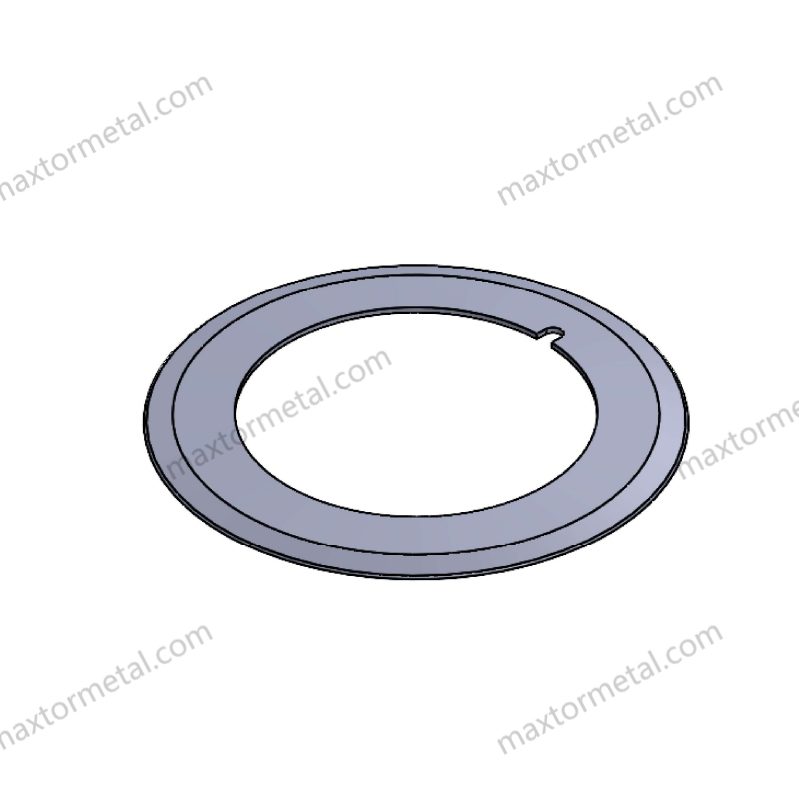
Rotary blades are a good choice for many film cutting jobs. You can use them for normal materials, low-cost work, and simple tasks. In these cases, you get steady results without needing fancy tools or spending a lot at the start.
Standard Films
Thin Plastic Films
Rotary blades cut thin plastic films very well. Materials like PE, PP, and PVC work great with this method. High-speed steel rotary blades made with CNC tools are very accurate. This helps stop shaking and gives even cuts. You will see little waste and steady quality, even if you run the machine for a long time.
- Rotary blades are best for cutting single-layer plastic films.
- You get smooth edges and do not have to worry about fraying.
- Special rotary knives have made 30% fewer cutting mistakes and 22% more machine time in real use.
Papel e papelão
If you cut paper or cardboard, rotary blades are easy and work well. The way they cut fits these materials and gives sharp edges. You do not need a hard setup or special training to get good cuts.
Materiais Não Tecidos (TNT)
Nonwoven fabrics, like those in hygiene or filters, also cut well with rotary blades. The process is fast and keeps the material strong. You can cut a lot at once and do not need to change much.
Dica: For simple, single-layer films and basic stuff, rotary blades give you speed, good cuts, and are easy to use.
Cost-Sensitive Applications
High-Volume, Low-Margin Production
If you need to make a lot and do not make much money per item, rotary blades help you save. They last a long time, so you do not have to change them often. This means your line stops less and you make more.
- Good rotary blades last longer, so you do not change them much.
- Fewer changes mean less stopping and more work done.
- Strong materials like hardened steel or carbide keep the blade sharp and make better products.
- Long blade life also means your machines wear out slower and cost less to fix.
- You make less waste and use fewer things, which is better for the planet.
Limited Equipment Budgets
If you do not have much money for machines, rotary blades cost less at the start than other cutting tools. You do not need to buy special machines or pay for lots of training. This makes rotary blades a smart pick when you need to save money.
Minimal Maintenance Requirements
Rotary blades are easy to take care of. Their simple design means you do not spend much time fixing them. When you need a new blade, it is quick and does not need special tools or skills.
Observação: Rotary blades are a cheap way to cut a lot when you do not make much money per item.
Simpler Production Lines
Manual or Semi-Automated Systems
Rotary blades fit well in lines that are run by hand or are only a little bit automatic. You do not need fancy tech or hard software to use these systems. For example, servo motor rotary tools from iECHO and Eastman cut fast for woven and composite materials. These tools can use barcodes, check problems from far away, and pick blades by themselves. This makes them easy for workers with different skills.
- Rotary blades work well with powered feeders and belts.
- You can cut one or a few layers of any length and keep the tension even.
- You can add marking and rewinding systems to help keep track of pieces.
Low-Complexity Operations
If your work is simple, rotary blades keep things easy. You can do basic cuts without needing fancy machines or software. This means less training and you can focus on your main work.
Environments with Limited Technical Support
If you do not have much tech help, rotary blades are great. They are easy to use and fix, so your line keeps running with little help. You do not need outside experts or hard problem-solving.
💡 Dica profissional: For lines run by hand or with some automation, rotary blades give fast, steady cuts and can handle many materials.
Limitações e Considerações
Ultrasonic Knives: Challenges
When you think about using ultrasonic knives, you should look at a few big things. The first problem is the high starting cost. Many small and medium businesses say the price is too much. This makes it hard for them to stop using old cutting tools. Almost 68% of these businesses say the cost of ultrasonic systems is a big problem.
Even though maintenance costs are lower than with old blades, you still spend money each year. You might use up to 15% of your yearly budget just on maintenance. Training your workers is also important. Your team must learn how to use and care for the equipment safely. This training takes time and money.
Adding ultrasonic knives to your current line can be tricky. Sometimes, the new tools do not fit well with your old machines. You may need help from tech experts. More than half of factories say they have big problems when adding ultrasonic systems. Almost half also say they need tech support all the time.
Observação: Before you buy ultrasonic knives, check your budget, training, and tech support. This helps you avoid surprise costs and stops in your work.
Rotary Blades: Drawbacks
Rotary blades work well for many simple films, but they have problems with tough or delicate composite films.
- Rotary blades wear out fast because they touch hard materials all the time. This means you must fix or change them a lot.
- You have to match the cutting speed just right. If you do not, the film can slip or get out of place. This can ruin delicate films.
- The space between the die and anvil must be set carefully. If it is wrong, the film can bend or get damaged, especially with soft composites.
- Flexible rotary dies are good for light films but wear out faster than solid ones. You get more flexibility but less strength.
- Cutting thick or very strong materials is hard. Rotary blades may not work well for multi-layer or stiff composites.
You will spend more time fixing and checking the blades. This can slow down your work and lower how much you make. When you cut special or expensive films, these problems can waste more material and cost more money.
Material Restrictions
Not every tool works for every film. You must pick the right tool for your film to get the best results.
- Ultrasonic knives are best for composite films, prepregs, sticky adhesives, and fiber-reinforced materials. But they may not work for very hard or super thick things, like metal foils or thick rubber sheets.
- Rotary blades are good for single-layer plastic films, paper, cardboard, and nonwovens. They have trouble with sticky, layered, or fiber-reinforced films, where the edge and layers matter a lot.
Safety and training are important too. You must teach your workers to use ultrasonic tools safely because they vibrate very fast. For rotary blades, you need to handle them right and keep them clean to stop accidents and keep cuts nice.
Observação: Always check your film type, what your line needs, and what tech help you have before you pick a tool. The right choice helps you waste less, work better, and keep your team safe.
Feedback dos Usuários e Insights do Setor
Professional Experiences
You can learn a lot from people who use these cutting tools every day. Many workers and engineers talk about how ultrasonic knives help with composite film cutting:
- Ultrasonic carbide blades move back and forth up to 30,000 times each second. This makes cuts that are clean and exact without much work.
- You do not have to clean these blades as much. The vibration stops glue and dirt from sticking, so you do not stop your line as often.
- Some machines let you swap cutting heads. You can use either ultrasonic or rotary polygon blades, so you can do more types of jobs.
- Blade-wear checks make sure every cut is sharp and right. You get the same good results, even when you cut for a long time.
- Quick connects and pins help you set up and fix things faster. You spend less time getting ready and more time making parts.
- Rotary ultrasonic systems give steady power. This means you can seal things faster and better, and you do not have to fix the machine as much.
- Special designs let you add these tools to your machines easily. This helps you make more products and save money.
- Some systems, like Soniseal™, can be washed down. You can clean them without taking them off the line, which saves time and keeps things running.
Observação: Many workers say that using ultrasonic knives means less fixing, better edges, and more products made.
Community Discussions
You can find good tips in online groups and factory forums. People share what works for them when cutting composite films:
- Ultrasonic cutting and bonding give fast, neat results. You do not need glue or extra stuff, so your work is easier.
- Ultrasonic bonding joins things at the molecular level. This stops holes or weak spots that sewing can make. Your finished items stay strong.
- Using ultrasonic bonding means you do not need glue tools or spray nozzles. You spend less time fixing things and more time working.
- Rotary ultrasonic systems give steady, strong power. This helps you seal things faster, even with tricky or thick films.
- Many people see less waste. Ultrasonic systems do not use heat bars that waste energy or materials.
- Ultrasonic cut and seal works for many kinds of composite films and nonwovens. You can do more jobs with just one tool.
- Some special ultrasonic tools let you put elastic right onto other materials. You do not need glue, so your work is simpler and costs less.
💡 Dica: People in these groups say ultrasonic knives are best for hard-to-cut films and fast lines. You get cleaner cuts, less waste, and fixing is easier.
Picking the best cutting tool depends on what you are cutting, how nice you want the edges, and what your work goals are. Look at this table to help you choose:
| Ponto de decisão | Ultrasonic Knives | Lâminas rotativas |
|---|---|---|
| Tipo de material | Delicate, heat-sensitive, or multi-layer films | Standard fabrics, textiles, nonwovens |
| Qualidade de ponta | Clean, precise, minimal fraying | Smooth, continuous, less critical edges |
| Production Needs | High-precision, specialized, automated lines | High-volume, cost-sensitive, simple setups |
Perguntas frequentes
What advantages do ultrasonic knives offer over rotary blades for composite film cutting?
Ultrasonic knives give you smoother edges and less sticky mess. They do not get as hot as rotary blades. These knives are great for films with many layers or sticky parts. You will see fewer mistakes and waste in your work.
Can you use rotary blades for composite films?
Rotary blades work for simple or single-layer films. If the film is sticky or has many layers, rotary blades may fray the edges. You might need to clean them more often. For hard jobs, ultrasonic knives work better.
Is ultrasonic cutting better for carbon fiber prepreg?
Yes, ultrasonic knives are better for carbon fiber prepreg. The vibration keeps the layers together and stops fibers from pulling out. You get neat, sealed edges for strong parts in cars and planes.
How do you choose between ultrasonic knives and rotary blades?
Think about your film type, how neat you want the edge, and how fast you need to work. Use ultrasonic knives for tricky, sticky, or careful jobs. Rotary blades are good for normal films and saving money. Ask a trusted maker for help if you need a special answer.
What materials work best with ultrasonic knives?
Ultrasonic knives work best with composite films, prepregs, sticky adhesives, and fiber-reinforced stuff. They also cut nonwovens and thin laminates well. For very hard or thick things, test first to make sure they work.
Do ultrasonic knives require special maintenance?
You should clean the blade and check the vibration system often. Taking care of the knife helps it last longer and work well. Training your team helps stop problems and keeps your line running.
Veja também
O Guia Essencial para Lâminas de Slotter Rotativas em Embalagens
10 dicas importantes para fazer suas lâminas circulares durarem mais
O Que São Lâminas de Tesoura Rotativa e Como Elas Funcionam?
O que são lâminas redondas e como são usadas nas indústrias
Manutenção das lâminas divisoras de rolos de papel para máxima eficiência
O que são lâminas de embalagem de papelão ondulado e suas aplicações industriais

 English
  Spanish
  Italian
  French
  Portuguese
  Russian
  German
  Arabic
  Hindi
Hindi  Vietnamese
  Indonesian
  Japanese
  Korean
Uma resposta
It is appropriate time to make some plans for the future and it’s
time to be happy. I have read this post and if I could
I want to suggest you some interesting things or advice.
Perhaps you could write next articles referring to this article.
I wish to read even more things about it!