

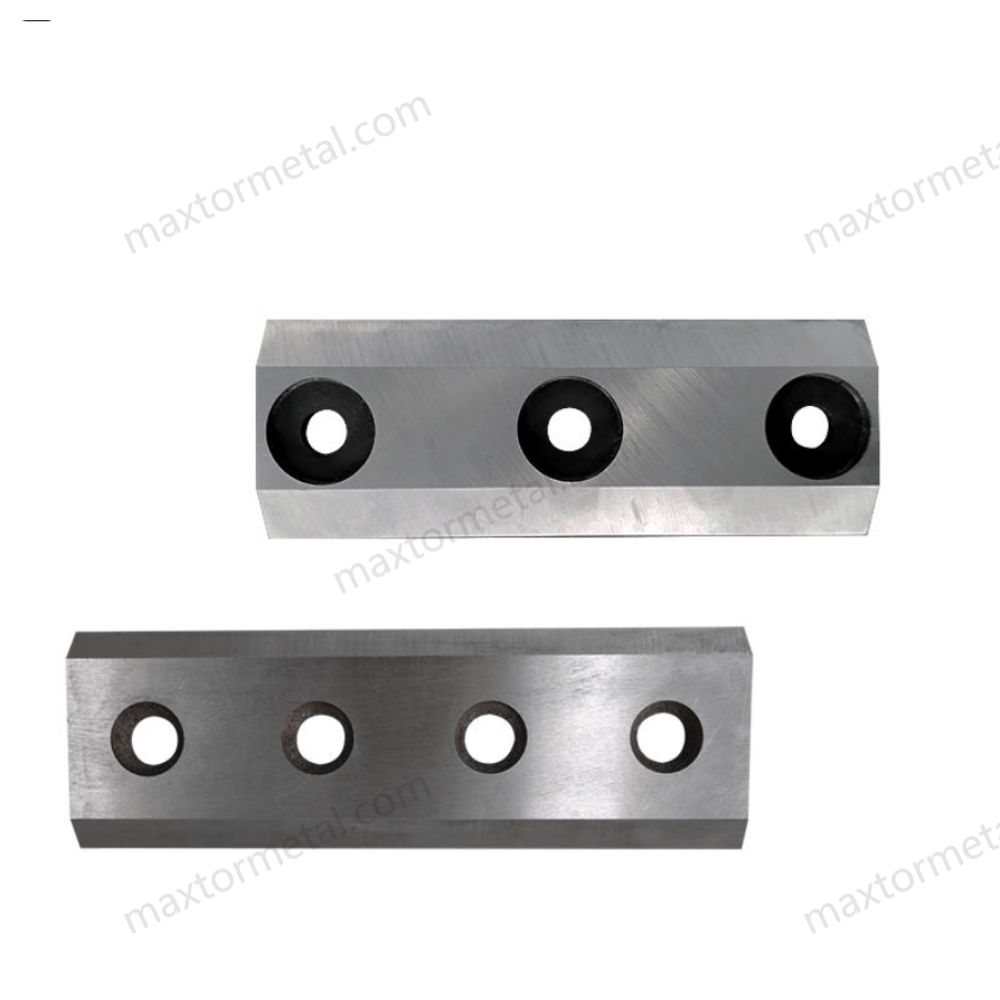
afiação das lâminas do picador is very important for making wood chips the same size. Sharp blades help you get chips that are better for heating, pulping, and building. Different blade materials and sharpening angles give cleaner cuts and better chip quality. Chips that are all the same size help machines work better and save energy. They also help stop machine problems.
| Impact of Chip Size Uniformity | Result in Industrial Processing |
|---|---|
| Higher uniformity | Better energy efficiency |
| Consistent chip size | Smoother production |
| Poor chip quality | Increased costs |
You should check blade condition and how you use the chipper to get the best results.
Principais conclusões
- Sharp chipper blades make wood chips all the same size. This helps heating, pulping, and building work better. Dull blades make chips in different sizes. This uses more energy and costs more money. Check and sharpen chipper knives often to keep them working well and safe. Watch the motor current to find dull blades. If the current goes up fast, it means you need maintenance. Pick the right blade material for your job. Stronger materials last longer and need less sharpening. Use chip screening to check if chips are the same size. This makes products better and cuts down on waste. Write down when you change or fix blades. This helps you see problems and stop them later. Make a regular plan to keep your chipper working well and smooth.
Chipper Blade Sharpness and Uniformity of Chips
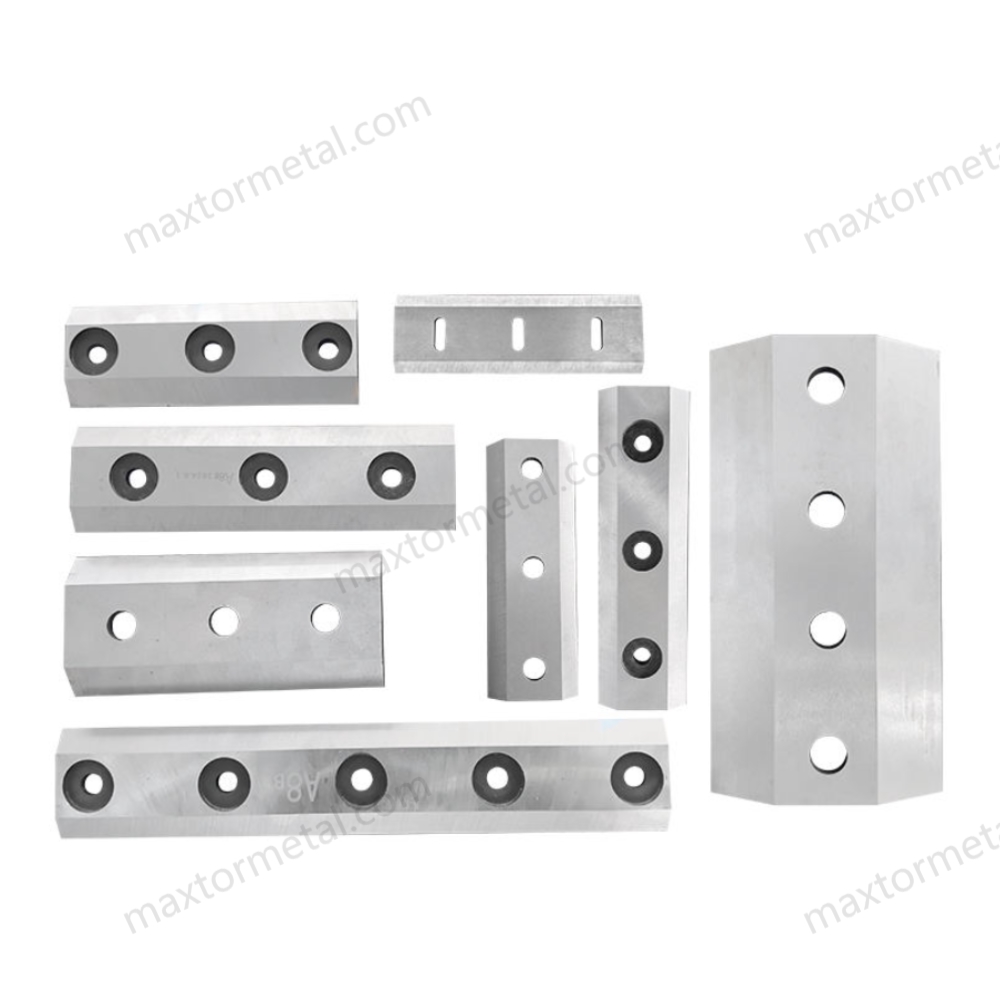
Cutting Mechanics: Shearing vs. Crushing
Clean Cuts with Sharp Blades
Sharp chipper knives give you the best results. They cut wood fibers by slicing, not crushing. This makes chips that are all about the same size. The edges are smooth and the thickness is even. When blades are sharp, the machine uses less energy. You get more chips that look the same because the wood splits cleanly.
Tip: Check your chipper knives often for wear. Sharp blades stop big pieces and keep chip length the same.
A study shows sharp blades use less energy. They also make chips that are more alike than dull blades. The table below shows how these two ways are different:
| Process Type | Energy Consumption (kJ·kg–1) | Particle Size Uniformity | Flowability | Density | Compressibility | Cohesion | Internal Friction |
|---|---|---|---|---|---|---|---|
| Cutting-Milling | 182 | More uniform particles | Mais alto | Mais alto | Mais baixo | Mais baixo | Mais baixo |
| Milling | 234 | Less uniform particles | Mais baixo | Mais baixo | Mais alto | Mais alto | Mais alto |
Fragmentation from Dull Blades
Dull chipper knives do not slice the wood. They crush and tear it instead. This makes chips in many sizes, not just one. You get too many big and small chips. The chipping process does not work as well. Dull blades make the machine work harder and can be unsafe.
- More big pieces are made when blades get dull.
- Dull blades lower how much you can chip and the chip quality.
- You may need to sharpen or change your chipper knives more often to keep things running well.
Why Chip Uniformity Matters
Having chips all the same size is important. You need them for things like pulping and making panels. If chips are not the same size, cooking is uneven and the product is not as good. Chips that are the same help you get better results and more product.
A good chip screening system sorts chips by size. This keeps pulp quality high and stops problems in the final product. When chip size is the same, you save energy and money.
Note: To get the best chipper blade sharpness and chip size, try lâmina personalizada soluções.
The sharpening angle of your chipper knives changes chip quality. For example, a 30° angle makes wider chips that are not as thick. A 40° angle gives upright chips. A 50° angle makes thinner chips. Lower angles put more force on the wood and make splitting slower, so chips are thicker. Changing the angle helps you control chip length and size.
- Sharpening chipper knives often keeps your machine working well.
- Making the bevel angle bigger can make chips better, but too much can break chips.
- Making the angle smaller can make chips thinner, but it can wear out the knife holder faster.
You can make the chipping process better by watching blade sharpness and angle. Chips that are all the same size make chipping easier. They also help you make good products for heating, pulping, and building.
Effects of Dull Blades on Chip Quality
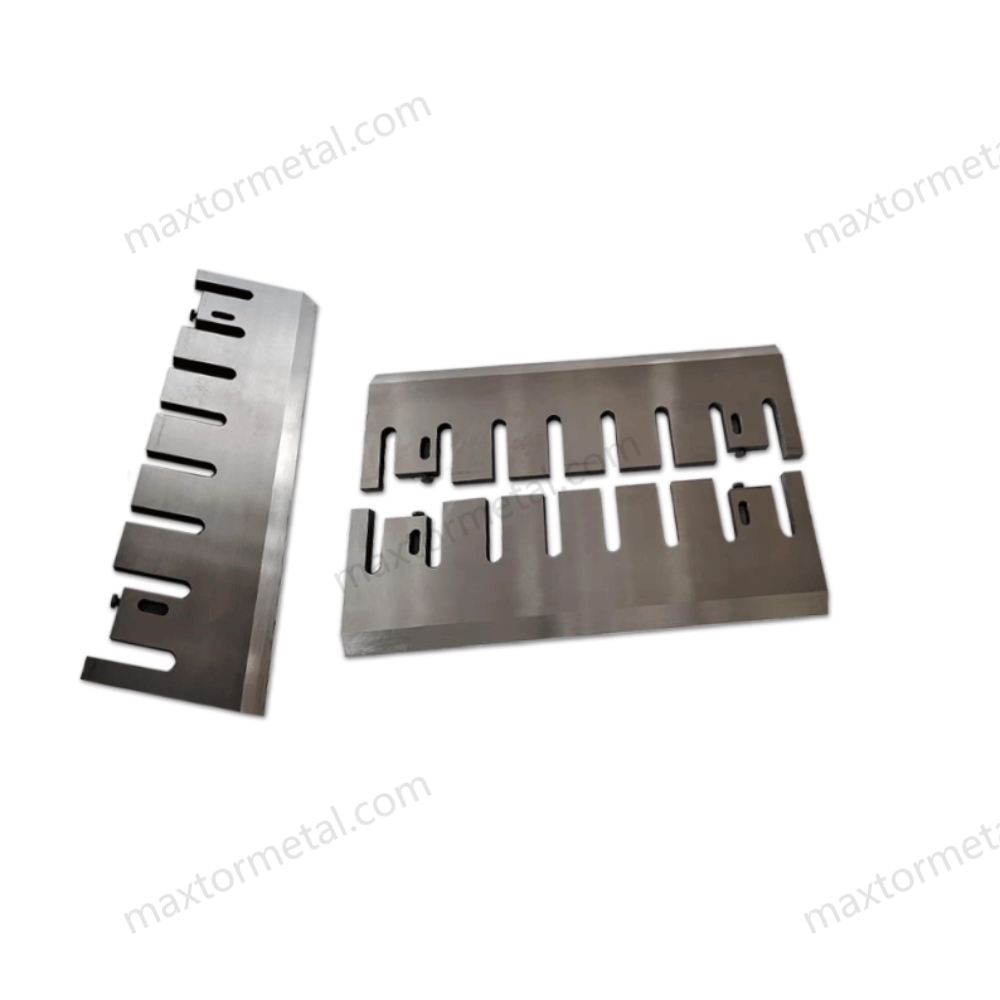
Increased Size Variation
When you use dull chipper knives, you see a big change in chip size. The chipping process becomes less controlled. Dull blades shred and tear wood instead of slicing it cleanly. This leads to chips that are not the same size. You also get more sawdust. Sharp blades help you make dimensionally uniform chips, but dull blades make this hard.
- Sharp blades keep chip size consistent.
- Dull blades cause chips to vary in size and create more sawdust.
You can see the difference in chip quality depending on the blade type:
| Tipo de lâmina | Chip Size Variation | Quality Impact |
|---|---|---|
| Helicoidal Blades | Better mix | Higher quality, meets market |
| Hoe-shaped Knives | Increased variation | Lower quality, less uniformity |
Machine Stress and Energy Use
Dull chipper knives make your machine work harder. The chipping process needs more force, which increases stress on the motor. You use more fuel and electricity. The chipper may slow down, and you need to feed wood more slowly. This raises your costs and lowers efficiency.
- Dull blades increase fuel use because the machine struggles.
- You need more energy to get the same amount of chips.
- Maintenance and blade replacements happen more often, which costs more.
- Feeding wood slowly increases operational time and expenses.
- Keeping blades sharp helps you avoid burning up clutches and other parts.
Monitoring Motor Current
You can watch the motor current to check for problems. If the motor draws more power, your chipper knives may be dull. High current means the machine is under stress. You should check blade sharpness if you see these signs.
Tip: Track motor current during chipping. A sudden increase can mean it is time to sharpen or replace your chipper knives.
Safety and Productivity Risks
Dull blades do not just affect chip quality. They also make wood chipping less safe. You need more power to cut, which puts extra stress on the chipper. The risk of kickback goes up, and this can cause injuries. You may have to push wood into the chipper, which is dangerous.
- Feeding limbs becomes harder with dull blades.
- Dull blades may not pull branches in, so you must push them, raising accident risk.
- Poor maintenance increases the force needed, which can lead to mistakes.
Productivity drops when chipper blade sharpness is low. You need 20-40% more effort to run the machine. Electricity bills go up, and the motor wears out faster. Studies show that facilities lose about 15% productivity when blades are not sharp enough.
Note: Regularly check and sharpen your chipper knives to keep the chipping process safe and efficient.
Monitoring and Maintaining Blade Sharpness
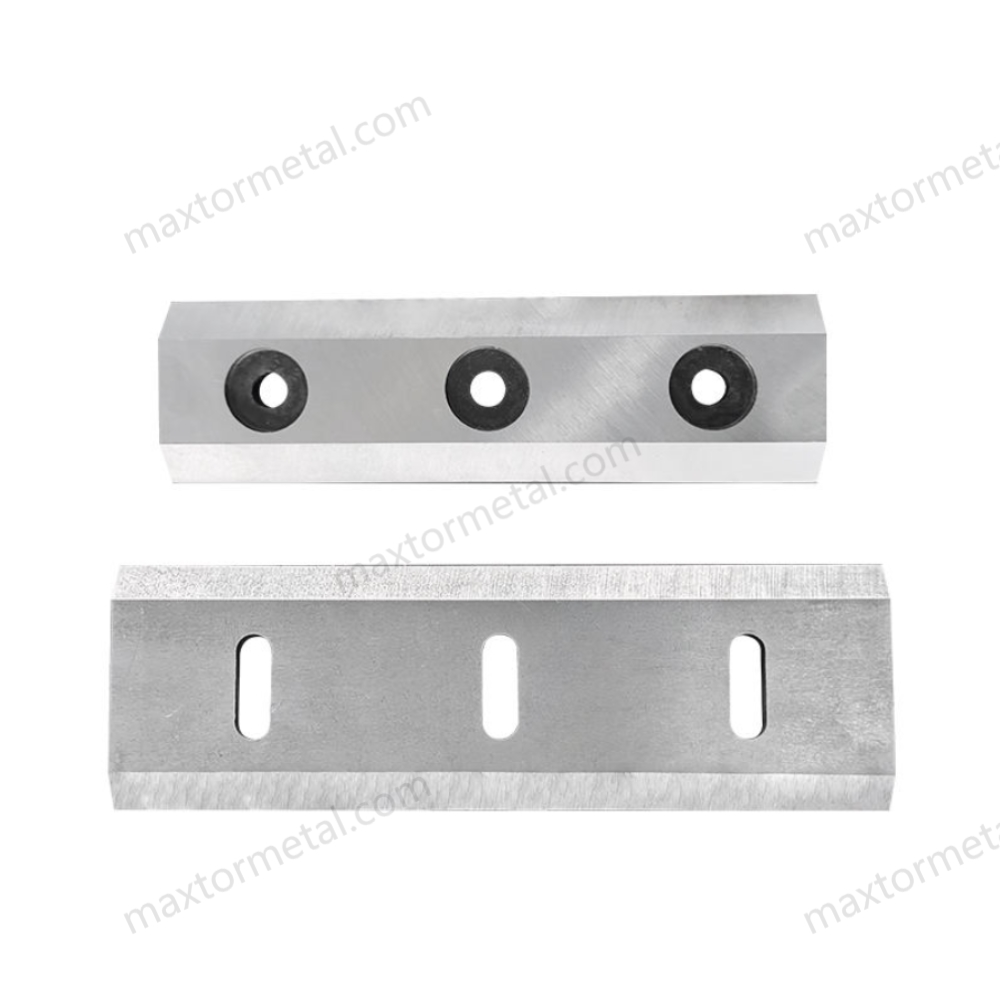
Sinais de tédio
You need to watch for signs that your chipper knives are getting dull. Dull blades can slow down the chipping process and lower the quality of your wood chips. If you notice any of these problems, it is time to check your blades:
- Loss of self-feeding ability. Sharp knives pull wood into the chipper. Dull knives struggle and need more force.
- Stringy or chewed chips. Dull knives make chips that look shredded or long instead of clean and even.
- Increased engine strain or noise. Dull knives make the engine work harder. You may hear more noise or notice overheating.
- Reduced throughput. The chipper works slower when knives are dull.
- Excessive vibration. Dull knives cause the chipper to shake more than usual.
Tip: Regular inspections help you catch dullness early. You can avoid bigger problems by checking your chipper knives before each use.
Chip Screening for Uniformity
You can use chip screening to check if you are making dimensionally uniform chips. This method helps you see if your chipping process is working well. Chip screening is important for pulp and paper production. It helps you meet strict quality standards and control costs.
- Chip screening helps you find chips that are too big or too small.
- You can use Chip Thickness Screening to measure chip size and thickness.
- Good chip screening keeps your wood chipping process on track and improves product quality.
Note: If you see too many chips that do not match the right size, you may need to sharpen or replace your chipper knives.
Tracking Energy Consumption
You can track energy use to learn more about chipper blade sharpness. When knives get worn, fuel use goes up. You may see fuel consumption rise by 1.4 to 2.8 times. Sharper blades help you use less energy during wood chipping. If you notice higher energy bills or more fuel use, check your chipper knives.
- Worn knives make the chipping process harder and less efficient.
- Sharper blades help you save energy and keep chip quality high.
- Tracking energy use helps you spot problems early and keep your chipping process running smoothly.
Tip: Keep a log of fuel and electricity use. If you see a sudden jump, inspect your chipper knives for dullness.
You can keep your chipper working well by watching for dullness, screening chips, and tracking energy use. These steps help you make dimensionally uniform chips and keep your chipping process efficient.
Blade Material and Type Selection
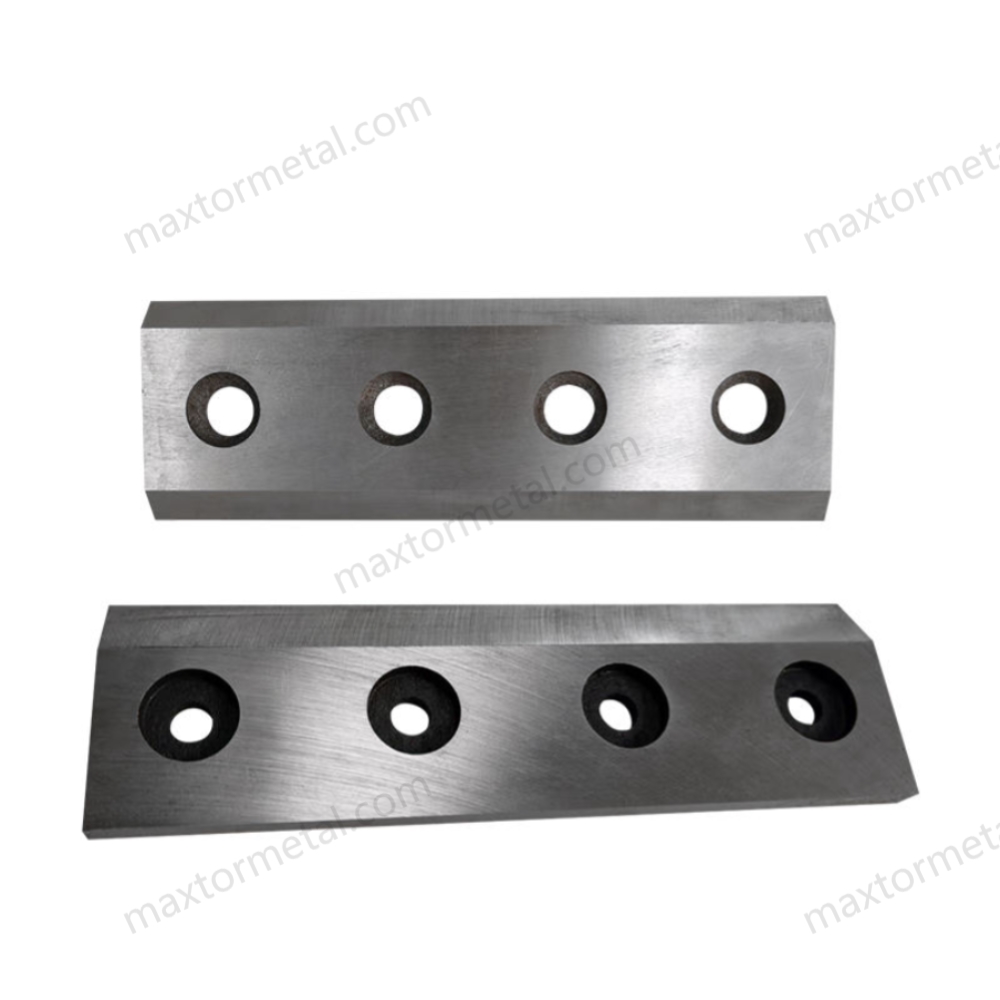
Picking the right blade material is important for your chipper knives. The right blades last longer and help make chips the same size. Nanjing Metal Industrial has different blade choices for wood chipping. Each blade material works best for certain jobs and types of wood.
Choosing the Right Blade Material
There are many blade materials to pick from. Each one has special things that change how sharp the chipper blade stays and how often you need to sharpen or swap your chipper knives.
Aço para ferramentas D2
D2 Tool Steel is very good at fighting wear. This steel has a lot of carbon and chromium. It keeps its edge for a long time. D2 blades are a good deal for clean, soft, or medium-hard wood. They work best in normal places. D2 is not super tough, so do not hit hard things. If you want a blade for regular wood chipping, D2 is a smart pick.
Aço ferramenta DC53
DC53 Tool Steel is tougher and can take more hits. It helps stop small cracks from forming. DC53 costs more than D2, but it lasts longer when you chip wood that is not all the same. DC53 blades help keep chip size the same, even with mixed wood. You can count on DC53 for a longer blade life.
HSS and Tungsten Carbide Inlays
High-Speed Steel (HSS) inlays are very strong against hard hits. These blades keep their edge even when hot. You can use HSS in big chippers or when wood has dirt or rocks. Tungsten Carbide inlays are almost as hard as diamonds. They last a long time and need fewer changes. Carbide blades are best for big jobs with clean wood. Do not hit hard things with carbide because it can break.
Here is a table to help you compare blade materials:
| Material | Características | Prós | Contras | Sugestão de aplicação |
|---|---|---|---|---|
| Aço para ferramentas D2 | High-carbon, high-chromium cold work steel with excellent wear resistance. | Excellent wear resistance; good hardening stability; cost-effective. | Moderate toughness; prone to chipping when encountering hard objects. | Ideal for processing clean, soft to medium-hard timber in standard environments. |
| Aço ferramenta DC53 | High-performance steel with superior toughness and high hardness. | Higher toughness and impact resistance; better resistance to micro-cracking. | Custo de material superior ao de D2. | Recommended for improved blade life and reliability, especially with varying wood hardness. |
| Inlay HSS | Bi-metallic solution with high toughness and excellent red hardness. | Extreme impact resistance; excellent edge retention under heat. | Lower wear resistance than carbide; high manufacturing complexity. | Best for heavy-duty chippers or applications with contaminants in the feedstock. |
| Inlay de carboneto de tungstênio | Near-diamond hardness providing maximum wear resistance. | Unmatched service life; reduces machine downtime and replacement costs. | Extremely brittle; susceptible to catastrophic failure upon impact. | Reserved for high-volume operations with clean wood feedstock. |
You should know how blade material changes sharpening and swapping. The table below shows how different materials change blade life and how long the edge lasts:
| Material da lâmina | Durabilidade | Retenção de Borda | Lifespan Impact |
|---|---|---|---|
| Aço ferramenta de alta liga | Resists impact | Holds edge well | Best for general-purpose chipping |
| Aço de alto carbono | Easier to sharpen | Vida útil mais curta | More frequent replacements needed |
| Carboneto de tungstênio | Superior durability | Extends lifespan | Longer intervals between sharpening |
If you pick a blade that is more durable, you will sharpen and swap chipper knives less. This helps keep chip size the same and makes chipping faster.
Matching Blade Shape to Chipper Type
You need to use the right blade shape for your chipper. This helps you get chips that are the same size. Drum chippers use curved blades. These blades make chips that are more even in length. Disc chippers use straight blades. You might see more chip size changes with disc chippers.
- Drum chippers make wood chips that are more even in length.
- Drum chippers make more big chips and less small pieces.
- Knife wear can change how well chipping works and chip size.
- Different trees and wood parts need special blade shapes for the best results.
If you use the right blade shape, your chipper blade stays sharp and the chipping process works well. You can ask Nanjing Metal Industrial for custom blade shapes for your machine and wood.
You want chipper knives that fit your chipper and the wood you use. This helps you make chips that are the same size and keeps your chipping process working well.
Tip: Always check your chipper knives for wear and make sure the blade material and shape match your chipper and wood. This helps you get the best chip size and blade life.
Sharpening and Replacing Chipper Blades

Quando afiar
You need to keep chipper knives sharp to get the best results from the chipping process. Sharp blades help you make uniform wood chips and keep your machine running smoothly. If you use your chipper often, you should sharpen the blades every few months or after 50-100 hours of use. For heavy-duty wood chipping, some experts suggest sharpening after every 10 hours. If you use your chipper less, check for dullness signs and sharpen as needed.
Here is a table to help you decide when to sharpen:
| Intensidade de uso | Recommended Interval for Sharpening |
|---|---|
| Frequent Use | Every few months or after 50-100 hours |
| Occasional Use | As needed based on dullness signs |
You should watch for these signs that mean it is time to sharpen:
- Chips look stringy or uneven.
- The chipper needs more force to cut.
- You see more sawdust than usual.
Tip: Set a sharpening schedule based on how often you use your chipper knives. Regular sharpening keeps the chipping process efficient and helps you avoid costly repairs.
When to Replace
Sometimes sharpening is not enough. You need to replace chipper knives if you see damage. Regular inspection is important. Look for cracks, chips, or excessive wear. If you find any of these problems, replace the blade right away. Using damaged blades can hurt the chipping process and make your machine unsafe.
Signs you should replace your chipper knives:
- Deep cracks or chips in the blade.
- The edge is worn down and cannot be sharpened.
- The blade is bent or broken.
Note: Always check your chipper knives before each use. Replacing damaged blades keeps your chipping process safe and helps you make uniform chips.
Técnicas de afiação adequadas
You can sharpen chipper knives at home or with professional tools. Follow these steps to keep your blades in top shape:
- Remove the blades safely. Make sure the chipper is off and follow the instructions for blade removal.
- Inspect the blades. Clean off debris and check for damage before sharpening.
- Choose your sharpening method. You can use a bench grinder or sharpen by hand with a stone.
- Set the miter at 90 degrees and the table at 45 degrees. This matches the angle recommended by most manufacturers.
- Make sure the grinder moves toward the cutting edge. This helps you get a sharp, even blade.
- Use slow, steady motion. Do not rush. Slow sharpening stops the blade from overheating.
- Remove the burr. Use a fine grit to get rid of any leftover metal.
- Balance the blades. If your chipper uses more than one blade, make sure they are balanced to prevent vibration.
- Reinstall the blades correctly. Tighten them with the right torque so they stay secure.
Tip: Clean and lubricate your chipper after each use. This helps your chipper knives last longer and keeps the chipping process smooth.
Sharpening and replacing chipper knives at the right time helps you get the most from your chipping process. You make better chips, save energy, and keep your machine safe.
Maintenance Best Practices for Chip Uniformity
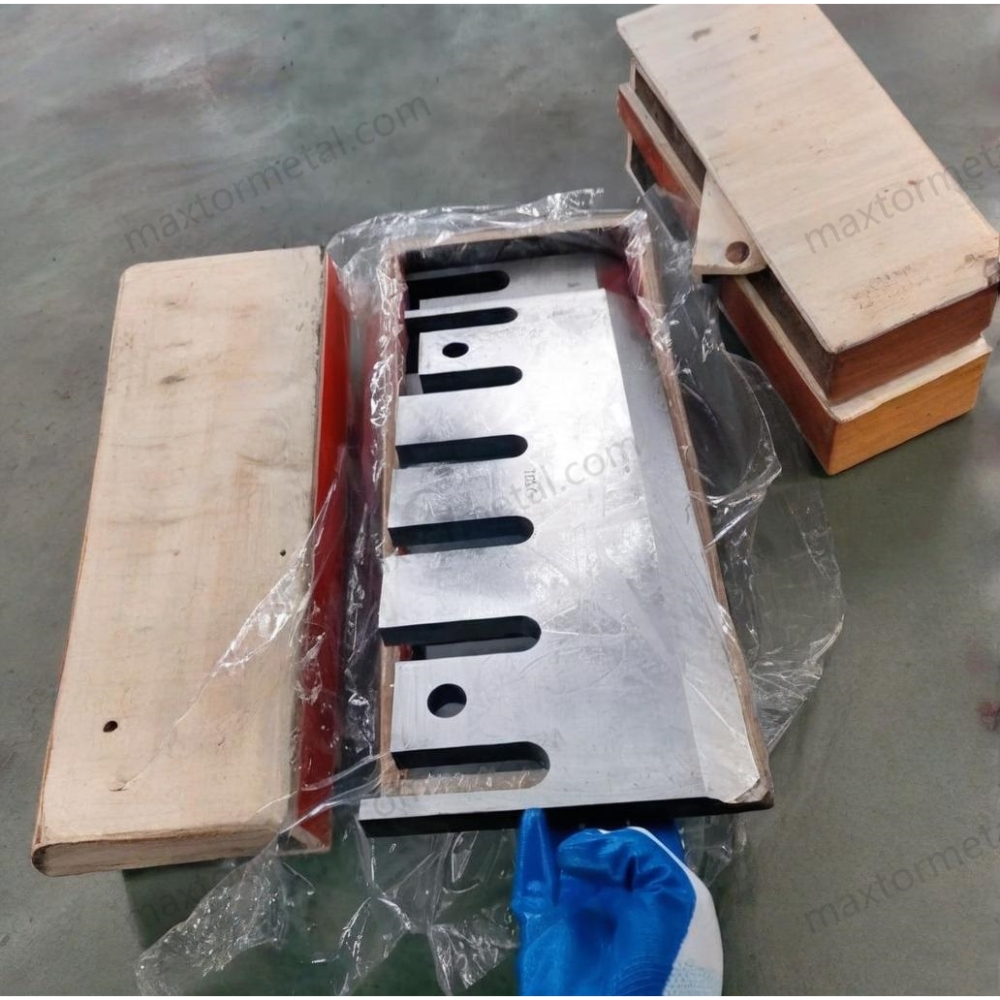
Blade Alignment and Installation
You must make sure the blades line up right when you put them in. Good alignment helps you get chips that are all the same size. If you set the blades straight up and check if they are flat, you can make clean cuts. You should also adjust the roller guides and match the blade set to what the maker says.
A blade that tilts forward a little works better than one that is straight or tilts back. This way, the blade stays steady while chipping. If the blades are not lined up, they can bend. This causes uneven cuts and chips that are not the same size. Proper blade alignment and flatness help you cut straight. Roller guide tuning keeps the blade steady.
Forward-tilted blades give you more control when chipping wood. If the band wheels are not lined up, your cuts can tilt and chip size can change. When the band wheel is not vertical, the blade can move wrong and get loose. This can cause problems when you chip wood. Always check if the blades are lined up before you start. This helps you avoid trouble and keeps your chipper knives working well.
Routine Maintenance Schedule
You need to follow a regular plan to keep chipper knives sharp and your chipping process working well. Checking often and changing parts on time helps you keep chip quality the same. You should use a schedule for all the important jobs.
| Tarefa de Manutenção | Frequência |
|---|---|
| Change air filter | Every 25 hours |
| Replace blades | Anualmente |
| Replace spark plug | Anualmente |
| Wash collection bag | End of every season |
You should also look at chipper knives often. Sharpen blades carefully. Change blades if you see damage or they are worn out. If you sharpen or change chipper knives every year, your machine works better and chip quality stays high. Do not wait for problems to show up. Regular care helps chips stay the same size and stops expensive repairs.
Tip: Set reminders for each job. Keeping a log helps you remember when you last worked on your chipper knives.
Lubrificação e Limpeza
Lubrication and cleaning help chipper knives last longer and work better. You need to oil moving parts like gears and rollers. This lowers rubbing and stops parts from wearing out. If you forget to oil, rubbing gets worse and makes heat. This can wear out parts faster and break them. Cleaning often helps you find worn parts before they break.
Cleaning takes away dirt that can block moving parts and make them too hot or damaged. If you keep your chipper clean, it works smoothly. Oil gears and rollers to lower rubbing. Clean blades and machine parts to stop dirt from building up. Good oiling lowers the chance of overheating and damage. Cleaning helps you spot worn parts early.
Not enough oil can make the machine use more energy and break down. You should always make oiling and cleaning part of your regular plan. These steps help chipper knives work their best and keep chip size the same.
Note: Always use the right oil for your chipper. Check the maker’s guide for what to use.
Quality Feedback Loop for Consistent Chips
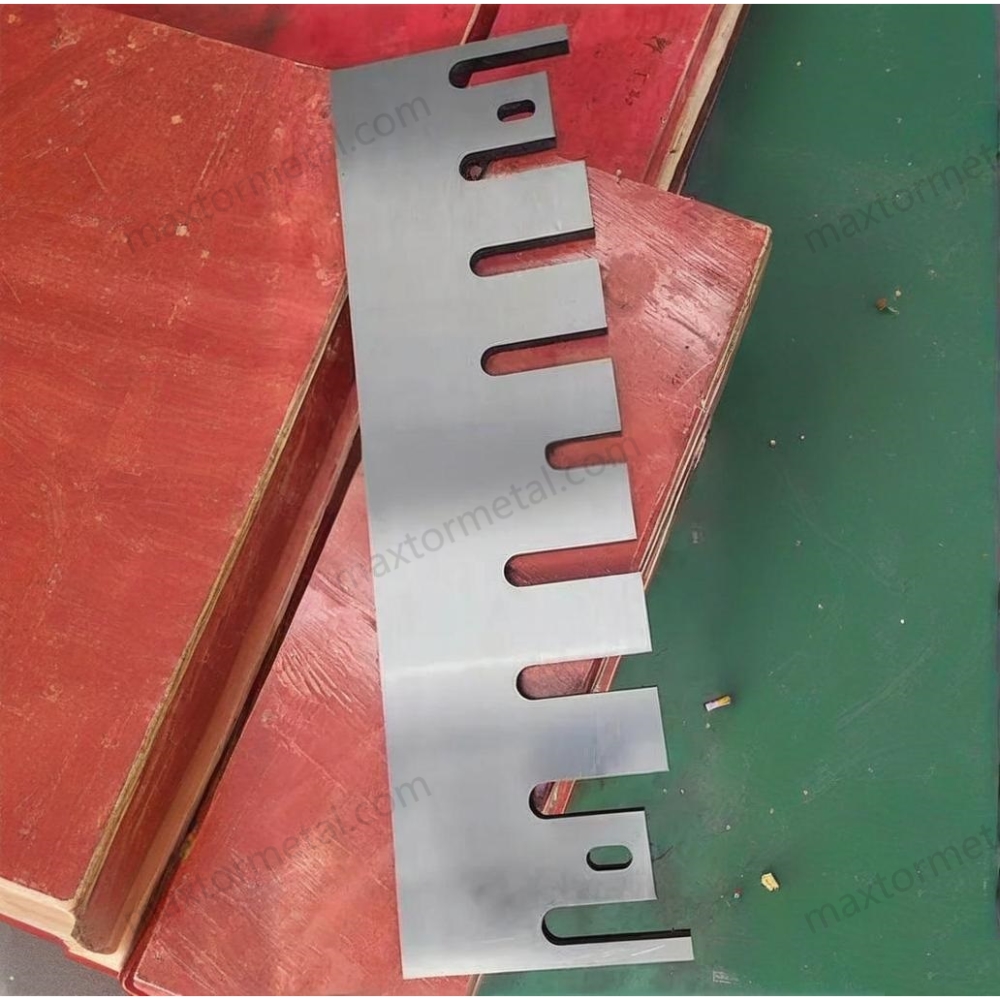
A good feedback loop helps you keep wood chips the same size. You can use chip screening, write down blade changes, and always look for ways to improve. These steps work together to make chip quality better and your work more reliable.
Using Chip Screening Results
Chip screening tells you important things about your wood chips. You can measure chip size and thickness with special machines. This helps you know if your chips are right for your pulp mill or other uses. Screening systems take out chips that are too small or too big. This makes your chips more even.
- Chip screening lets you check chip size and thickness.
- Screening systems remove chips that are not the right size.
- You can set up screening to fit your machine and space.
- Many mills get better chips after adding screening systems.
- More companies use screening because it makes better chips.
When you look at chip screening results, you can change how you care for your chipper. If you see too many chips that are not the right size, you may need to sharpen or change your chipper knives. Checking chips often helps you find problems early and keep chip quality high.
Tip: Use chip screening data to plan when to sharpen blades and keep chip size the same.
Documenting Blade Changes
You should keep a record of all blade changes and repairs. This helps you stop breakdowns and keep chip quality steady. A well-cared-for machine works better and uses less power. Writing down repairs also helps you follow the rules.
Some workshops have to stop working because blades break or motors get too full. These problems cost money and waste time. If you write down every repair, you can stop these problems before they happen.
Here is an easy way to keep track of blade changes:
- Keep a log for your chipper knives and machine.
- Write the date and what you did for each repair.
- Use your log to find problems early and plan future repairs.
Note: A good repair log helps you see patterns and make your chipping better.
Continuous Improvement
Continuous improvement means you always try to make your chips better. You can use new ways to store wood, keep different wood types apart, and use your space well. These ideas help you keep chip size the same and make fuel better.
| Estratégia | Resultados |
|---|---|
| Improved Storage Design | You can lower dry matter loss to 1.05% each month with concrete walls and special covers. |
| Assortment Separation | You can make fuel better and lower the chance of fires. |
| Efficient Area Utilization | You can control moisture and temperature better. |
You can also use smart infeed systems to lose less wood. Good chip screening helps you get chips that are all the same size. New ways to process wood make your work faster and better.
Tip: Check your chip screening results and repair logs often. Look for ways to make your chipper knives and process better.
A good feedback loop helps you keep chip size the same. You can use chip screening, write down blade changes, and always look for ways to improve. These steps help you get the best results from your chipping work.
You can see how chipper blade sharpness affects chip size and quality. When you choose the right chipper knives and keep them sharp, you get better results. Regular checks help you spot dull chipper knives early. Clean and sharp chipper knives make your machine safer and more efficient. Start a maintenance routine today. If you want expert advice, reach out to a sales engineer aqui.
Perguntas frequentes
What is chipper blade sharpness?
Chipper blade sharpness means how well the blade can cut wood. Sharp blades slice wood cleanly. Dull blades crush and tear wood. You get better, more uniform chips with sharp blades.
How often should you check chipper blade sharpness?
You should check chipper blade sharpness before each use. If you use your chipper often, inspect the blades every 10 to 20 hours of work. Regular checks help you spot dullness early.
Why does chipper blade sharpness affect chip size?
Sharp blades cut wood fibers cleanly. This makes chips that are all about the same size. Dull blades break and crush wood, which leads to chips of many different sizes.
What are signs that your chipper blade is dull?
You may notice stringy chips, more sawdust, or the chipper working harder. The machine may vibrate more or need extra force to feed wood. These signs mean you should sharpen or replace the blade.
Can you sharpen chipper blades at home?
Yes, you can sharpen chipper blades at home with a bench grinder or sharpening stone. Always follow safety steps. If you are unsure, ask a professional for help.
Does blade material affect chipper blade sharpness?
Yes. Harder materials like D2 or DC53 tool steel keep their sharpness longer. Tungsten carbide inlays last even longer. The right material helps you get more uniform chips and reduces sharpening needs.
How does chipper blade sharpness impact machine safety?
Sharp blades make the chipper work smoothly. Dull blades can cause jams, kickbacks, or extra strain on the motor. Keeping blades sharp helps you stay safe and avoid accidents.
What happens if you ignore chipper blade sharpness?
If you ignore blade sharpness, you get uneven chips, more sawdust, and higher energy use. The chipper may break down more often. You also risk safety problems and lower chip quality.
Veja também
Seleção de Facas para Picador Industrial: Lâmina de Gume Único ou Duplo?
Facas para Picador de Tambor Industrial: Equilibrando Velocidade de Corte, Tenacidade e Qualidade do Cavaco
A Chave para a Qualidade do Cavaco: Ângulos Otimizados de Lâminas de Picador de Disco para Madeira Macia e Dura
O Guia Definitivo de Materiais para Lâminas de Picador: Escolhendo a Liga de Aço Certa

 English
  Spanish
  Italian
  French
  Portuguese
  Russian
  German
  Arabic
  Hindi
Hindi  Vietnamese
  Indonesian
  Japanese
  Korean