

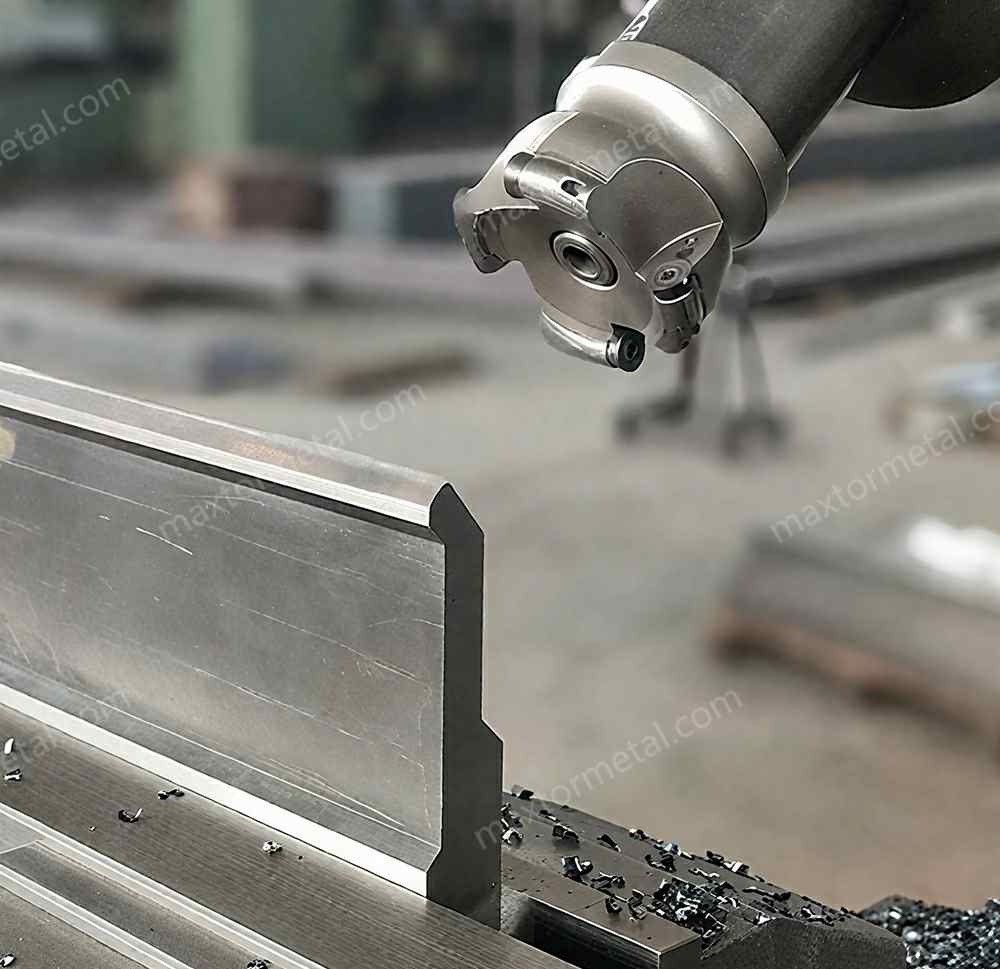
Lựa chọn tốt nhất Dụng cụ uốn sườn cho thép không gỉ giúp bạn làm việc hiệu quả hơn. Bạn sẽ có được các góc chấn chính xác hơn. Dụng cụ của bạn bền hơn. Bạn tốn ít chi phí sản xuất hơn. Bạn cần các dụng cụ chính xác vì thép không gỉ có đặc tính uốn chấn rất đặc biệt. Nó không uốn cong như các kim loại khác. Chày cối chấn chuyên dụng có thể giúp bạn tiết kiệm thời gian và tiền bạc:
- Chày cối chấn biên dạng mũ giúp bạn tạo hình chi tiết nhanh hơn. Bạn chỉ cần thực hiện một nửa số lần chấn so với các dụng cụ thông thường.
- Nếu bạn sản xuất 30.000 chi tiết, chày cối chấn chuyên dụng sẽ tiết kiệm được $10,000. Điều này hiệu quả hơn nhiều so với việc sử dụng các dụng cụ thông thường.
Những điểm chính
- Việc lựa chọn đúng chày cối máy chấn cho thép không gỉ giúp các góc chấn chính xác hơn và giảm thiểu chi phí. Các dụng cụ chuyên dụng, chẳng hạn như chày cối chấn biên dạng mũ, có thể đẩy nhanh tiến độ công việc và tiết kiệm chi phí. Việc hiểu rõ về độ đàn hồi ngược (springback) là rất quan trọng. Đôi khi bạn cần chấn quá góc một chút để đạt được góc mong muốn. Sử dụng đúng chày cối chấn sẽ ngăn ngừa nứt vỡ và cải thiện chất lượng đường chấn. Việc bảo dưỡng và bảo quản dụng cụ đúng cách giúp chúng bền hơn và hoạt động hiệu quả hơn. Luôn kiểm tra độ dày và mác thép không gỉ trước khi chọn chày cối chấn. Vật liệu chế tạo chày cối tốt giúp ngăn ngừa hư hại và đảm bảo quá trình chấn chính xác hơn. Việc thử nghiệm thiết lập với các mẫu thử giúp bạn tránh được sai sót và đạt được kết quả như mong muốn.
Dụng cụ uốn sườn cho thép không gỉ
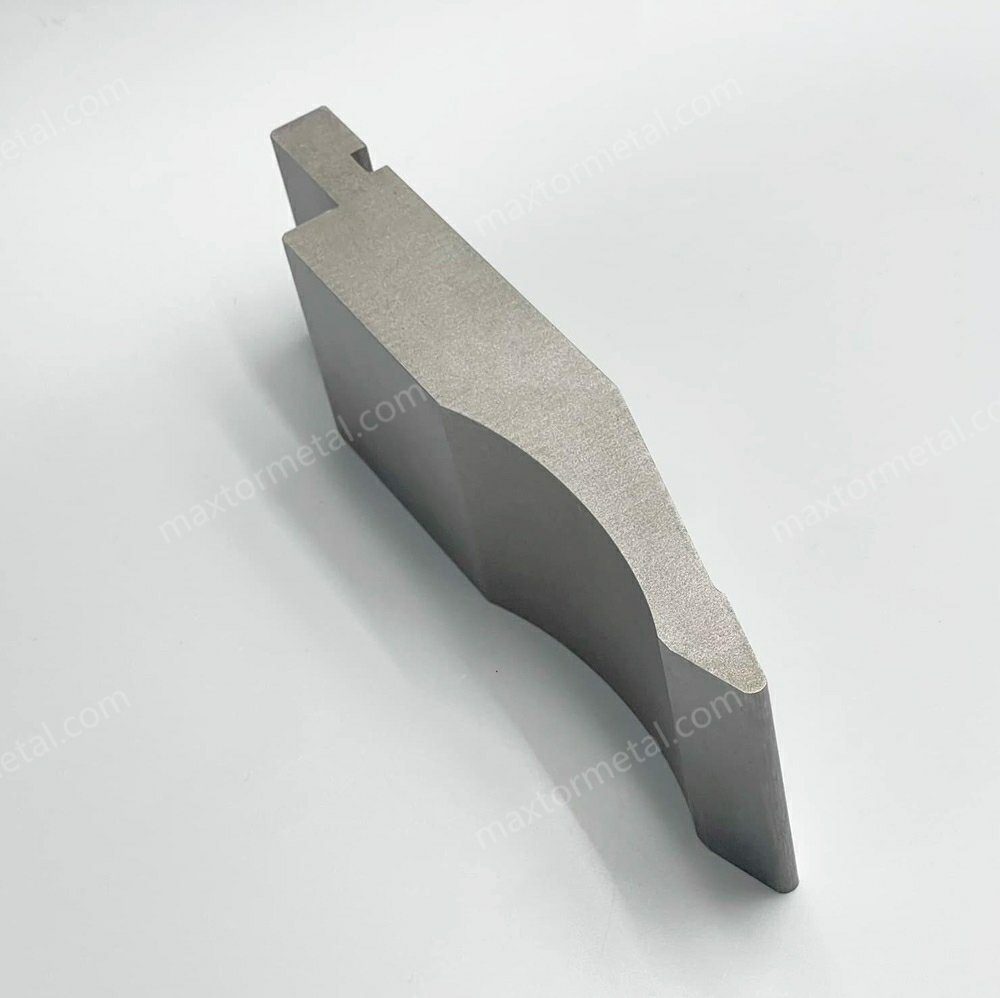
Chấn thép không gỉ là một kỹ thuật phức tạp. Bạn cần nắm rõ các thách thức trước khi lựa chọn chày cối máy chấn cho thép không gỉ. Thép không gỉ có độ bền và độ cứng cao. Nó không dễ uốn cong. Những đặc tính này giúp nó được ứng dụng phổ biến trong nhiều lĩnh vực. Tuy nhiên, bạn phải hết sức cẩn thận khi chấn loại vật liệu này.
Những thách thức khi chấn thép không gỉ
Bạn có thể gặp phải một số vấn đề khi chấn thép không gỉ:
- Cần lực chấn lớn hơn. Điều này có thể làm chày cối chấn nhanh bị mài mòn hơn.
- Kim loại bị biến cứng nguội trong quá trình chấn. Điều này khiến các lượt chấn tiếp theo trở nên khó khăn hơn.
- Độ đàn hồi ngược (springback) là một trở ngại lớn. Thép không gỉ có xu hướng đàn hồi trở lại hình dạng ban đầu. Điều này gây khó khăn cho việc đạt được góc chấn mong muốn.
- Vết nứt có thể xuất hiện nếu bạn chấn quá mức hoặc sử dụng sai dụng cụ.
- Vết trầy xước và hư hại dụng cụ rất dễ xảy ra do bề mặt thép không gỉ có độ ma sát cao.
Sự hồi phục
Độ đàn hồi ngược là một vấn đề lớn khi chấn thép không gỉ. Khi ngừng tác dụng lực ép, kim loại có xu hướng trở lại trạng thái ban đầu. Thép không gỉ có độ đàn hồi ngược lớn hơn các kim loại khác. Ví dụ, bạn có thể thấy độ đàn hồi ngược từ 2 đến 3 độ (°). Trong khi đó, nhôm mềm chỉ đàn hồi ngược khoảng 1.5 đến 2 độ (°). Bạn phải điều chỉnh chày cối máy chấn cho thép không gỉ để bù đắp lượng đàn hồi này. Bạn có thể cần chấn quá góc hoặc sử dụng cối chấn chuyên dụng để đạt được góc chính xác.
Hiện tượng biến cứng nguội
Hiện tượng biến cứng nguội xảy ra khi bạn chấn thép không gỉ. Kim loại sẽ trở nên bền hơn và cứng hơn sau mỗi lần uốn. Điều này làm cho các lượt chấn tiếp theo khó thực hiện hơn. Nếu không sử dụng đúng chày cối máy chấn cho thép không gỉ, bạn có thể làm gãy hỏng dụng cụ hoặc làm hỏng phôi. Bạn nên lập kế hoạch cho các bước chấn của mình. Chấn quá mức có thể gây nứt vỡ hoặc dẫn đến kết quả không đạt yêu cầu.
Vì sao việc lựa chọn công cụ lại quan trọng
Việc lựa chọn đúng chày cối máy chấn cho thép không gỉ là cực kỳ quan trọng:
- Rất khó để đạt được các góc chấn hẹp với thép không gỉ. Kim loại này có độ bền cao và độ đàn hồi ngược lớn, dễ dẫn đến sai lệch góc chấn.
- Dụng cụ phù hợp giúp bạn kiểm soát tốt quá trình chấn. Đối với thép không gỉ, hãy giữ bán kính uốn trong tối thiểu bằng 1.5 lần độ dày của kim loại. Điều này giúp ngăn ngừa nứt vỡ và tạo ra các chi tiết chất lượng hơn.
- Chày cối chấn chất lượng tốt mang lại các đường chấn đẹp hơn và ít lỗi hơn. Bạn có thể kiểm soát quy trình và tránh được các vết nứt hoặc biến dạng không mong muốn.
- Chày cối máy chấn phù hợp cho thép không gỉ giúp xử lý các biên dạng phức tạp và các đường chấn gần nhau. Bạn sẽ không gặp phải tình trạng các chi tiết không khớp hoặc không đúng với thiết kế.
Mẹo: Luôn kiểm tra dụng cụ xem có bị hư hại hay không. Đảm bảo chúng phù hợp với độ dày và mác thép không gỉ của bạn. Bước đơn giản này có thể ngăn ngừa nhiều sự cố khi chấn thép không gỉ.
Nếu bạn hiểu rõ các vấn đề này và chọn đúng chày cối máy chấn cho thép không gỉ, bạn sẽ nâng cao hiệu quả công việc. Bạn sẽ giảm thiểu hao hụt phế liệu và kéo dài tuổi thọ cho dụng cụ của mình.
Các loại chày cối máy chấn
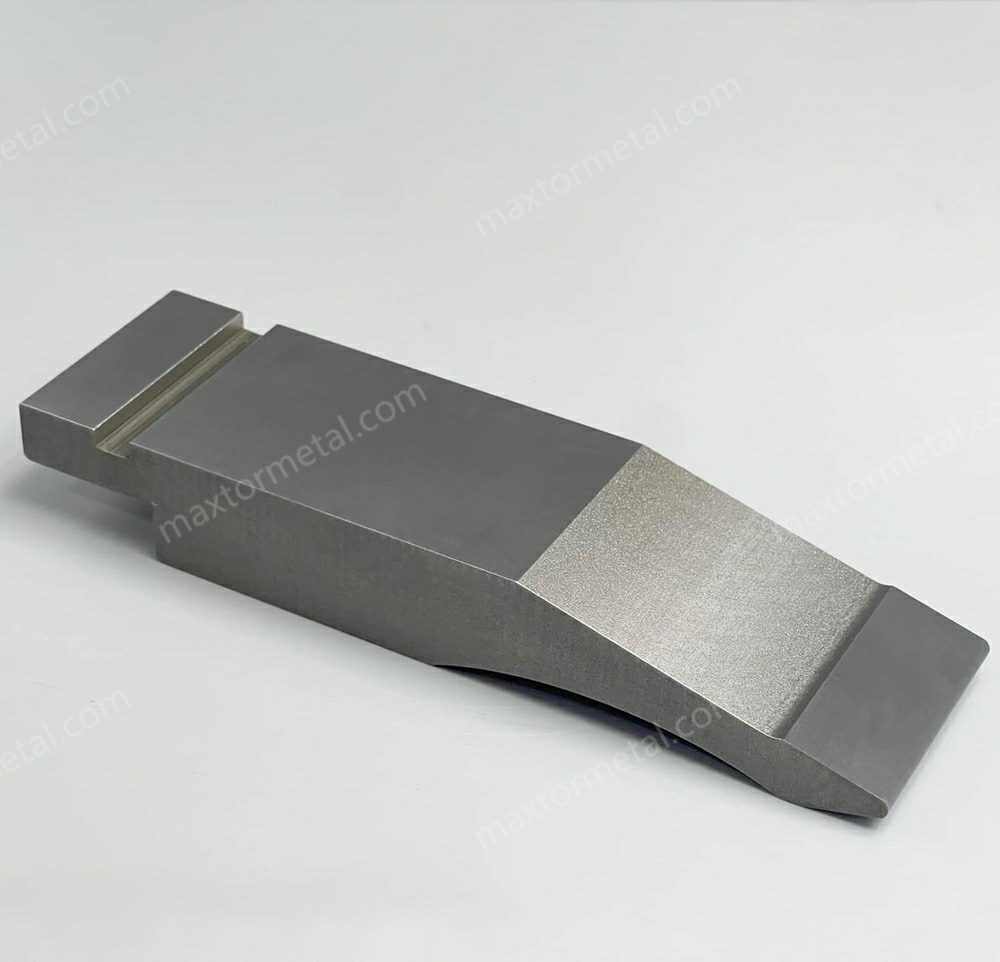
Khi làm việc với thép không gỉ, bạn cần biết các loại chày cối máy chấn. Mỗi dụng cụ đều có một chức năng chuyên biệt. Dụng cụ phù hợp giúp bạn đạt được kết quả tốt nhất. Bạn có thể tìm thấy nhiều hình dạng và kích thước khác nhau. Một số dụng cụ phù hợp cho các đường chấn đơn giản, trong khi số khác giúp bạn tạo ra các chi tiết phức tạp.
Nếu bạn cần các biên dạng hoặc lưỡi dao tùy chỉnh, bạn có thể tìm hiểu Lưỡi Dao Tùy Chỉnh để đáp ứng nhu cầu dự án của bạn.
Chày chấn
Chày chấn của máy chấn định hình kim loại từ phía trên. Bạn lắp chày chấn lên máy chấn. Chày sẽ ép kim loại vào cối chấn bên dưới. Bạn có thể chọn từ nhiều loại chày chấn khác nhau cho công việc của mình.
Tiêu chuẩn
Chày chấn tiêu chuẩn hoạt động hiệu quả cho hầu hết các công việc. Bạn sử dụng chúng để chấn thông thường các tấm thép không gỉ có độ dày trung bình. Những loại chày này rất dễ thiết lập và có chi phí thấp hơn các loại khác. Bạn sẽ có được kết quả tốt cho các đường chấn đơn giản. Nếu cần tạo các biên dạng sâu hoặc phức tạp, bạn có thể cần một loại chày chấn khác.
Cổ ngỗng
Chày chấn cổ ngỗng giúp bạn tạo ra các chi tiết có mép gấp ngược hoặc góc chấn sâu. Hình dạng đặc biệt này mang lại khoảng thoát phụ trợ. Bạn có thể chấn kim loại mà không bị va chạm vào chày. Loại chày này rất phù hợp để chế tạo các loại hộp hoặc chi tiết có góc hẹp. Chày chấn cổ ngỗng cho phép bạn tạo hình các biên dạng phức tạp mà chày chấn tiêu chuẩn không thể xử lý được.
May viền
Chày chấn gấp mép giúp bạn gấp mép tấm thép không gỉ. Bạn sử dụng chúng để tạo ra các cạnh an toàn và nhẵn mịn. Chày chấn gấp mép rất quan trọng đối với các bộ phận mà người dùng tiếp xúc trực tiếp, chẳng hạn như tấm ốp thiết bị. Bạn sẽ luôn có được một mép gấp phẳng và sạch sẽ. Những loại chày này không dùng cho việc chấn dập thông thường. Bạn chỉ sử dụng chúng khi cần gấp mép.
Cối chấn
Cối máy chấn được đặt bên dưới tấm kim loại. Cối kết hợp với chày để tạo hình kim loại. Bạn có thể lựa chọn nhiều loại cối chấn khác nhau cho thép không gỉ.
Cối chữ V
Cối chữ V là dụng cụ chấn phổ biến nhất. Bạn sử dụng chúng cho nhiều độ dày thép không gỉ khác nhau. Cối chữ V có nhiều kích cỡ. Bạn có thể chấn các độ dày và góc độ khác nhau. Những loại cối này hoạt động tốt cho hầu hết các công việc. Nếu bạn cần một góc chấn rất nhọn hoặc một hình dạng đặc biệt, bạn có thể cần một loại cối khác.
Góc nhọn
Cối chấn góc nhọn giúp bạn tạo ra các góc chấn sắc nét. Bạn sử dụng chúng cho các nguyên công chấn tự do. Những loại cối này cho phép bạn chấn kim loại thành các góc hẹp. Bạn cũng có thể sử dụng chúng cho các bán kính uốn khác nhau. Cối chấn góc nhọn đòi hỏi lực chấn lớn hơn. Thép không gỉ mỏng có thể bị nứt nếu bạn sử dụng áp lực quá lớn.
Đít
Cối chấn chạm đáy mang lại các góc chấn có độ chính xác cao. Bạn sử dụng chúng khi muốn giảm độ đàn hồi lại của thép không gỉ. Chày và cối ăn khớp khít với nhau. Bạn sẽ luôn có được các góc chấn chính xác. Cối chấn chạm đáy đòi hỏi phải thiết lập cẩn thận. Bạn phải kết hợp chính xác giữa chày và cối để đạt được kết quả tốt nhất.
Chuyên ngành
Cối chấn chuyên dụng giúp bạn tạo ra các hình dạng độc đáo hoặc thực hiện các công việc đặc biệt. Bạn sử dụng chúng để dập nổi, tạo hình hoặc chế tạo các chi tiết phức tạp. Cối chấn chuyên dụng có thể tự động hóa các quy trình. Chúng cho phép bạn thực hiện các nguyên công nhiều công đoạn. Bạn sẽ đạt được độ chính xác và tính đồng nhất cao. Những loại cối này rất quan trọng đối với các chi tiết có thiết kế phức tạp.
Lưu ý: Cối chấn chuyên dụng có thể giúp bạn tiết kiệm thời gian. Chúng giảm thiểu lao động thủ công và giúp bạn sản xuất nhiều chi tiết hơn với tốc độ nhanh hơn.
Nanjing Metal Công cụ tùy chỉnh Quá trình
Bạn có thể cần một dụng cụ tùy chỉnh cho dự án của mình. Nanjing Metal cung cấp khuôn chấn tùy chỉnh. Bạn có thể yêu cầu chế tạo dụng cụ phù hợp với hình dạng, kích thước chi tiết hoặc nhu cầu cụ thể của mình. Đội ngũ của chúng tôi sẽ hợp tác với bạn để thiết kế và thử nghiệm dụng cụ. Bạn sẽ nhận được dụng cụ phù hợp hoàn hảo với máy chấn và công việc của mình.
Bảng so sánh khuôn chấn
Dưới đây là bảng giúp bạn so sánh các loại chày và cối máy chấn chính dùng cho thép không gỉ:
| Loại dụng cụ | Mô tả và ứng dụng |
|---|---|
| Đấm tiêu chuẩn | Chấn dập đa dụng cho độ dày trung bình. |
| Đục lỗ cổ ngỗng | Chấn sâu và tạo mép gấp ngược, tránh va chạm. |
| Chày chấn viền | Tạo mép viền và cạnh an toàn trên chi tiết. |
| V-Die | Cối chấn phổ biến nhất, chấn được nhiều độ dày và góc độ khác nhau. |
| Cối chấn góc nhọn | Tạo các góc chấn sắc nét và cho phép tùy chỉnh bán kính linh hoạt. |
| Cối chấn chạm đáy | Chấn độ chính xác cao, giảm độ đàn hồi ngược. |
| Cối chấn chuyên dụng | Tạo hình dạng tùy chỉnh, dập nổi, gia công nhiều công đoạn và tạo hình chi tiết phức tạp. |
| Khuôn gọt cạnh | Tinh chỉnh các cạnh để đạt độ nhẵn mịn cực cao, dùng cho các chi tiết có độ chính xác cao. |
| Khuôn uốn | Tạo hình kim loại tấm phẳng thành các góc, dùng trong ngành HVAC và phụ tùng ô tô. |
| Khuôn vuốt sâu | Tạo hình các chi tiết rỗng từ kim loại tấm phẳng, như lon hoặc vỏ hộp. |
| Khuôn dập ép phẳng | In dập các chi tiết tinh xảo, dùng trong sản xuất tiền xu và đầu nối. |
| Khuôn đùn | Tạo ra các thanh định hình liên tục như thanh và ống. |
| Khuôn rèn | Tạo hình kim loại thành các linh kiện có độ bền cao cho ngành hàng không vũ trụ và ô tô. |
| Chày đột đặc | Tạo các lỗ đột sắc nét trên tấm kim loại và nhựa. |
| Chày chấn góc nhọn | Tạo các đường chấn có bán kính nhỏ cho các ứng dụng chính xác. |
| Chày đột liên hoàn | Thực hiện nhiều nguyên công theo chuỗi để tạo ra các chi tiết phức tạp. |
Cách khuôn chuyên dụng giúp nâng cao hiệu suất
- Khuôn chuyên dụng tự động hóa các nguyên công tạo hình phức tạp, giúp giảm bớt lao động thủ công.
- Bạn có thể thực hiện các nguyên công nhiều công đoạn, giúp tiết kiệm thời gian thiết lập và đẩy nhanh tiến độ sản xuất.
- Đảm bảo độ chính xác và tính đồng nhất cao, điều này rất quan trọng đối với các chi tiết có thiết kế phức tạp.
Mẹo: Khi chọn đúng chày cối chấn, công việc của bạn sẽ dễ dàng hơn và chất lượng thành phẩm sẽ tốt hơn.
Bạn có thể tìm thấy nhiều loại chày cối chấn cho inox. Bạn có thể sử dụng cối chữ V, cối bo tròn bán kính và các hình dạng khác để phù hợp với nhu cầu của mình. Nếu cần một công cụ đặc biệt, bạn có thể đặt chế tạo chày cối chấn tùy chỉnh để phù hợp với công việc.
Lựa chọn vật liệu chày cối chấn
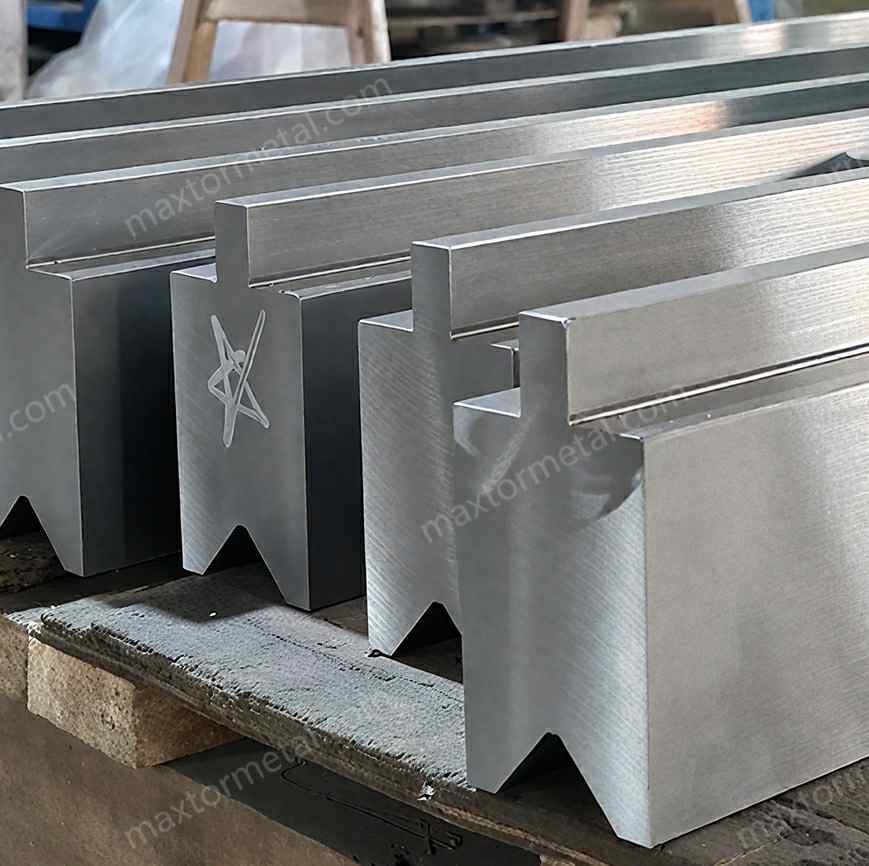
Việc lựa chọn vật liệu phù hợp cho chày cối chấn đóng vai trò quyết định khi gia công inox. Vật liệu được chọn sẽ ảnh hưởng đến tuổi thọ của dụng cụ, hiệu suất vận hành và chất lượng tổng thể của thành phẩm. Bạn sẽ cần những dụng cụ có khả năng chịu lực tốt và giữ nguyên định hình ngay cả sau nhiều lần sử dụng.
Chày cối chấn chất lượng cao
Bạn cần chày cối chấn chất lượng cao để đạt được kết quả tốt nhất khi gia công inox. Vật liệu bền bỉ giúp dụng cụ chống mài mòn và giữ nguyên hình dạng, đảm bảo các góc chấn luôn chính xác. Khi sử dụng dụng cụ làm từ những vật liệu tốt nhất, bạn cũng giảm thiểu được nguy cơ nứt vỡ hoặc hỏng hóc dụng cụ. Nanjing Metal áp dụng quy trình kiểm soát chất lượng nghiêm ngặt và thử nghiệm tiên tiến để đảm bảo mọi dụng cụ đều đáp ứng các tiêu chuẩn cao.
Các tùy chọn thép làm dụng cụ
Nhiều loại thép rất phù hợp để chế tạo chày cối chấn. Mỗi loại đều có những đặc tính riêng đáp ứng cho từng công việc cụ thể. Dưới đây là một số lựa chọn phổ biến nhất:
Hợp kim 42CrMo
Hợp kim 42CrMo nổi bật nhờ độ bền và độ dẻo dai vượt trội. Sau khi xử lý nhiệt, thép đạt độ bền kéo 850–1000 MPa và giới hạn chảy khoảng 700 MPa. Khi được tôi và ram, loại thép này càng trở nên cứng hơn và chống mài mòn tốt hơn, cực kỳ lý tưởng cho các công việc chịu tải trọng cao. Bạn có thể tin tưởng vào 42CrMo trong việc giữ nguyên định hình và tạo ra các đường chấn chính xác, ngay cả sau nhiều chu kỳ hoạt động.
| Tài sản | Giá trị |
|---|---|
| Độ bền kéo | 850–1000 MPa |
| Cường độ chịu kéo | ~700 MPa |
| Độ cứng sau khi tôi | 28–32 HRC |
Thép hợp kim thấp làm dụng cụ
Thép hợp kim thấp làm dụng cụ, chẳng hạn như Thép Crom-Molipden (Chromoly), mang lại độ bền cao và khả năng chống ăn mòn tuyệt vời. Những loại thép này hoạt động tốt trong môi trường khắc nghiệt, giúp kéo dài tuổi thọ dụng cụ và duy trì chất lượng đường chấn cao. Bạn có thể sử dụng chúng cho nhiều loại cối chấn khác nhau.
Đầu cacbua
Dụng cụ gắn mảnh hợp kim carbide mang lại độ bền vượt trội. Lưỡi hợp kim carbide giữ được độ sắc bén lâu hơn và chống mài mòn tốt hơn so với thép thông thường. Phần thân thép giúp hấp thụ lực va đập, nhờ đó dụng cụ không dễ bị nứt vỡ. Dụng cụ gắn mảnh hợp kim carbide cũng cho phép bạn vận hành máy chấn ở tốc độ cao hơn, giúp tiết kiệm thời gian. Bạn sẽ sản xuất được nhiều chi tiết hơn với ít thời gian dừng máy để thay thế dụng cụ hơn.
| Lợi thế | Sự miêu tả |
|---|---|
| Shock absorption | Steel body absorbs shock loads, preventing tool failure. |
| Reduced scrap | Cracks in carbide are contained, so you can keep using the tool. |
| Cost efficiency | Carbide is only at the edge, making it less expensive than solid carbide. |
| Exceptional wear resistance | Maintains edge size longer, reducing resharpening needs. |
| Longer run times | Less downtime for tool changes. |
Coatings and Treatments
Special coatings and treatments can make your tooling last even longer. Heat treatments like quenching and tempering boost hardness and toughness. Surface coatings, such as nitriding or chrome plating, help prevent rust and reduce friction. These steps keep your tools in top shape and help you maintain the quality of your work.
Tip: Always choose tooling with the right material and treatment for your job. This helps you get the best quality and saves money over time.
Các bước lựa chọn chày cối chấn
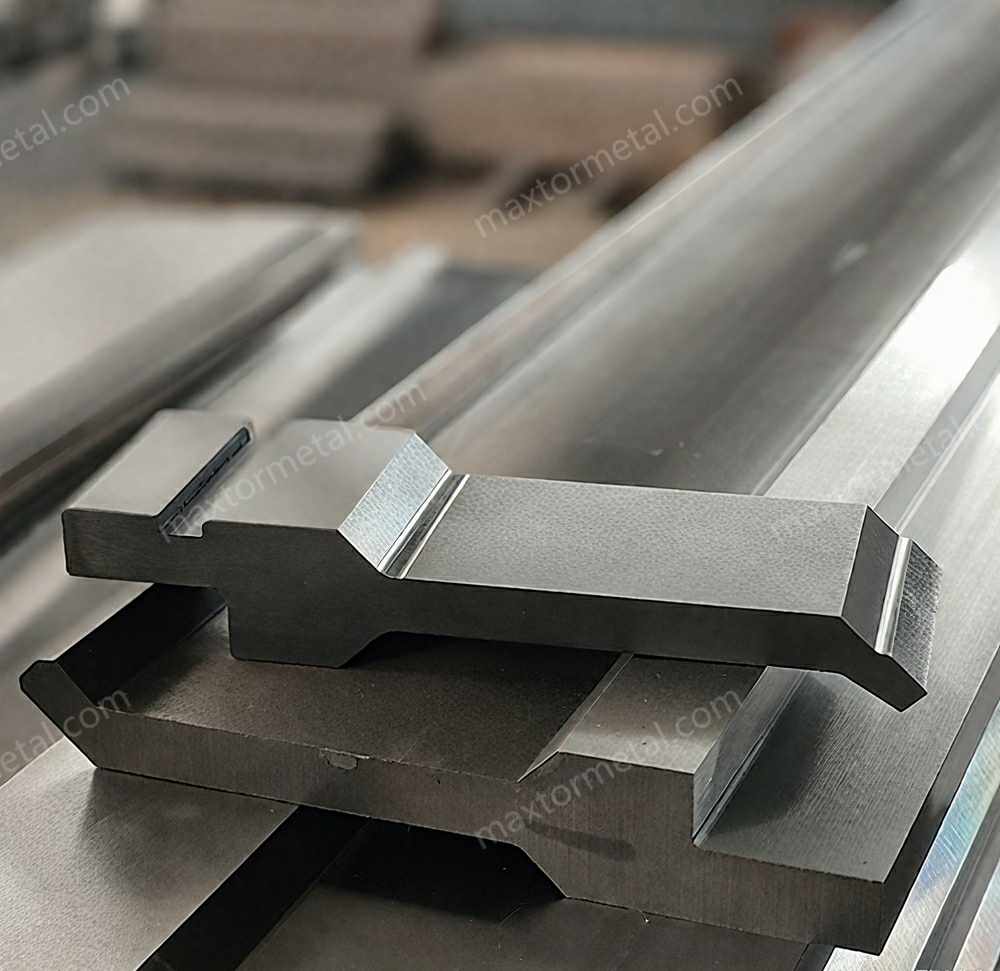
Choosing the right press brake tooling for stainless steel starts with a careful step-by-step process. You need to match your tools to the material and the job. Follow these expert tips for choosing the best setup for your next sheet metal bending project.
Assess Thickness
Đo độ dày vật liệu
Start by measuring the thickness of your stainless steel. Use a caliper or micrometer for accuracy. Write down the exact number. Even a small difference in thickness can change the way the metal bends. If you skip this step, you risk poor results and tool damage.
Identify Stainless Steel Grade
Next, find out the grade of stainless steel you plan to use. Grades like 304 or 316 have different strengths and bending properties. Some grades need more force during the bending operation. Knowing the grade helps you pick the right tooling and avoid cracking or deformation.
Record for Reference
Keep a record of both the thickness and the grade. You will need this information for every step that follows. Make a chart or note in your project file. This habit saves time and helps you avoid mistakes in future bending jobs.
Choose Tip Radius
Apply Rule of Thumb
The tip radius of your punch affects the quality of your bends. For most stainless steel, use the “1T Rule.” This means the inside bend radius should equal the material thickness. For example, if your steel is 3 mm thick, use a 3 mm radius. This rule helps you avoid cracks and keeps the bend smooth.
| Độ dày vật liệu (mm) | Recommended Bend Radius (times thickness) |
|---|---|
| Under 6 | 1T (equal to thickness) |
| 6 to 12 | 1.25 to 1.5 times thickness |
| Over 12 | 2 to 3 times thickness |
Using a radius that is too small can cause the stainless steel to crack. A larger radius spreads out the stress and makes the bending operation safer and more reliable.
Adjust for Tight Bends or Special Requirements
Sometimes, your part design needs a tighter bend or a special shape. In these cases, you may need to adjust the tip radius. If you must use a smaller radius, choose high-quality tooling and check for signs of cracking during test bends. For thicker or high-strength stainless steel, increase the radius to prevent damage. Always match the radius to your part’s needs and the metal’s properties.
Tip: If you see cracks or rough edges after bending, try increasing the bend radius for better results.
Select Die Opening
Use Standard Formula
The die opening size is critical for precision bending. Use the “8x Rule” as a starting point. Multiply the material thickness by eight to find the best V-die opening. For example, if your stainless steel is 4 mm thick, use a 32 mm die opening.
| Rule | Sự miêu tả |
|---|---|
| 8x Rule | The die-opening width should be eight times the material thickness for optimal results. |
| 20 Percent Rule | The inside bend radius for 304 stainless steel should be 20 to 22 percent of the die-opening width. |
This formula works well for most sheet metal bending jobs. For thicker plates, you may need a die opening up to ten times the thickness.
Consider Material Springback and Bend Angle
Stainless steel has a strong springback effect. After you finish the bending operation, the metal tries to return to its original shape. To get the correct angle, you may need to over-bend the part slightly. Also, check the die opening and bend angle together. A larger die opening can reduce the force needed but may increase springback. Always test your setup with a sample piece before starting full production.
Note: Keeping the inside bend radius greater than the thickness helps avoid deformation and improves the quality of your bends.
By following these steps, you set yourself up for success in every bending metal project. Careful planning and the right tooling choices lead to better results and longer tool life.
Calculate Tonnage
Use Tonnage Charts or Calculators
You must know how much force your press brake needs to bend stainless steel. This force is called tonnage. If you use too little force, the metal will not bend. If you use too much, you can damage your tooling or the press brake.
You can use tonnage charts or online calculators to find the right number. These tools ask for your material thickness, length, and type. They give you the tonnage needed for your job. For example, a chart might show that bending 3 mm thick stainless steel over a 1-meter length needs about 60 tons.
Mẹo: Always check the chart or calculator before you start. This step helps you avoid mistakes and keeps your equipment safe.
Stay Within Press Brake and Tooling Limits
Every press brake and tool has a maximum tonnage limit. You must stay within these limits to prevent accidents and tool damage. Check the machine’s manual or the label on your press brake tooling for stainless steel. Write down the highest tonnage allowed.
If your job needs more force than your machine can handle, you should use a different setup. You can try a larger die opening or a bigger bend radius. These changes lower the tonnage needed.
Checklist to Stay Safe:
- Check your press brake’s tonnage rating.
- Check your tooling’s tonnage rating.
- Compare the needed tonnage to both ratings.
- Adjust your setup if needed.
Factor in Material Strength
Stainless steel is stronger than mild steel or aluminum. You need more tonnage to bend it. Always use the correct material type in your calculations. If you use the wrong numbers, you can overload your press brake tooling for stainless steel.
Here is a simple table to help you see the difference:
| Vật liệu | Tonnage Factor (per mm thickness, per meter) |
|---|---|
| Thép mềm | 1.0 |
| Thép không gỉ | 1.5 |
| Nhôm | 0.5 |
Multiply the tonnage for mild steel by 1.5 when working with stainless steel. This adjustment keeps your bends accurate and your tools safe.
Match to Part Design
Review Bend Radii and Flange Lengths
You must check the bend radii and flange lengths in your part design. The bend radius should match the rules for stainless steel. If the radius is too small, the metal can crack. If it is too large, the part may not fit.
Flange length is the straight part after the bend. Make sure the flange is long enough for the die opening you use. A short flange can slip into the die and cause a bad bend.
Ensure Tooling Fits Part Geometry
Your press brake tooling for stainless steel must fit the shape of your part. Look at the punch and die shapes. Make sure they match your part’s bends and angles. If your part has deep bends or return flanges, use a gooseneck punch. For sharp angles, use an acute angle die.
If your part has special shapes, you may need custom tooling. Custom tools help you get the exact shape you want.
Consider Special Features (Holes, Notches, etc.)
Many parts have holes, notches, or cutouts near the bend line. These features can weaken the metal. You must plan your bends so these areas do not crack or deform.
Check the distance from the hole or notch to the bend line. Keep enough space between them. If you must bend close to a hole, use a larger bend radius or a special die to reduce stress.
Ghi chú: Always test a sample part if your design has special features. This step helps you catch problems before full production.
Compensate for Springback
Adjust Bend Angle or Tooling Setup
Stainless steel springs back more than other metals. After you bend it, the angle opens up a little. You must bend the metal past your target angle to get the right result. This process is called overbending.
You can also use bottoming dies or special tooling to reduce springback. These tools hold the metal in place and help you get a more accurate angle.
Test and Fine-Tune as Needed
Always test your setup with a sample piece. Measure the angle after bending. If the angle is not correct, adjust your bend angle or tooling setup. Repeat this process until you get the result you want.
Keep a record of your settings for future jobs. This habit saves time and helps you get consistent results every time you use your press brake tooling for stainless steel.
Mẹo: Small changes in setup can make a big difference. Take your time to fine-tune your process for the best results.
Độ chính xác và dung sai
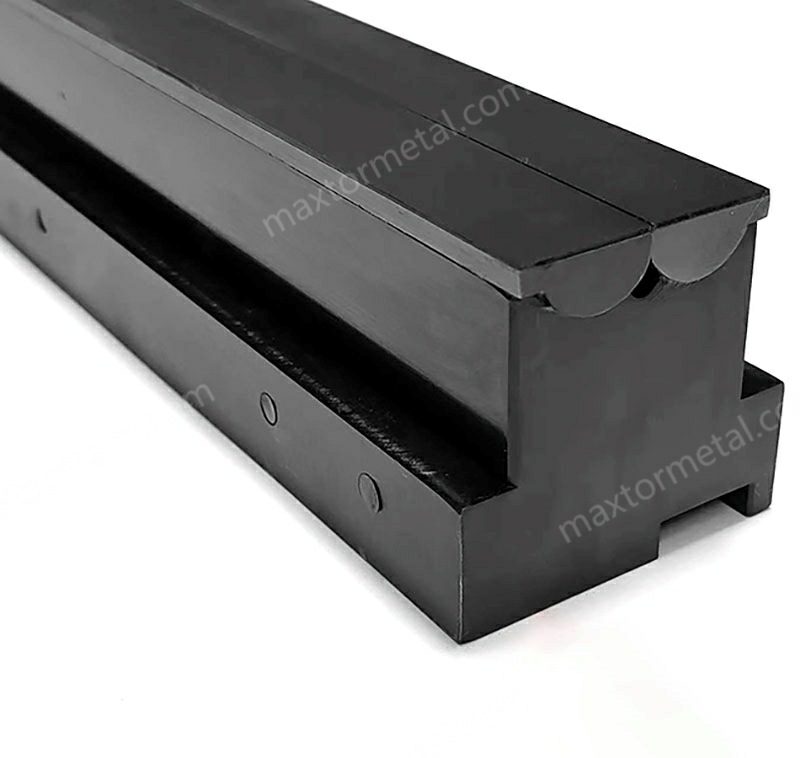
Accuracy Needs
When you bend stainless steel, you must be very careful. Small mistakes can make parts not fit right. Tight tolerances, like 0.0004 inch, help you get each bend correct. Using press brake tooling for stainless steel helps you reach these tight numbers. Some jobs, like aerospace and electronics, need this kind of accuracy. If your bends are off, your product might not pass inspection.
Tolerance Standards
You should learn the usual rules for bending stainless steel. These rules help you check if your press brake tooling for stainless steel works well. Most shops use guidelines for bend angle and linear position. Here is a table with common values from different sources:
| Loại dung sai | Typical Value | Nguồn |
|---|---|---|
| Bend Angle Tolerance | ±0.5° | ACCURL article on press brake accuracy |
| Linear Positioning Tolerance | ±0.1 to ±0.2 mm | ACCURL article on press brake accuracy |
| Bend Angle Tolerance | ±1.0° | The Fabricator article on reasonable tolerancing |
| Linear Positioning Tolerance | ±0,1 mm | HARSLE article on back gauge calibration |
| Linear Positioning Tolerance | ±0,1 mm | Shearchy article on backgauge accuracy |
| Bend Angle Variation | < 0.5° | MachineMFG article on manufacturing accuracy |
| Linear Positioning Tolerance | 0.001″ to 0.004″ | ACCURL article on press brake accuracy |
Some standards, like GB/T14349-2011 and ANSI B11.3-2012, help you check and keep accuracy in your shop. Following these rules keeps your work safe and reliable.
Minimizing Adjustments
You can make fewer changes by using good press brake tooling for stainless steel. Tools with tight tolerances, like ±0.002 inches, help you get the right bend fast. If you work in strict jobs, like aerospace, you may need even tighter tolerances—sometimes ±0.001 inches.
You also get help and advice from trusted suppliers. This help lets you set up your press brake tooling for stainless steel the right way. When you use accurate tools and follow good steps, you fix fewer mistakes and make more good parts.
Tip: Always check your tools and machines before each job. Clean and line up your press brake tooling for stainless steel to keep bends accurate and parts within tolerance.
Mẹo kéo dài tuổi thọ chày cối chấn
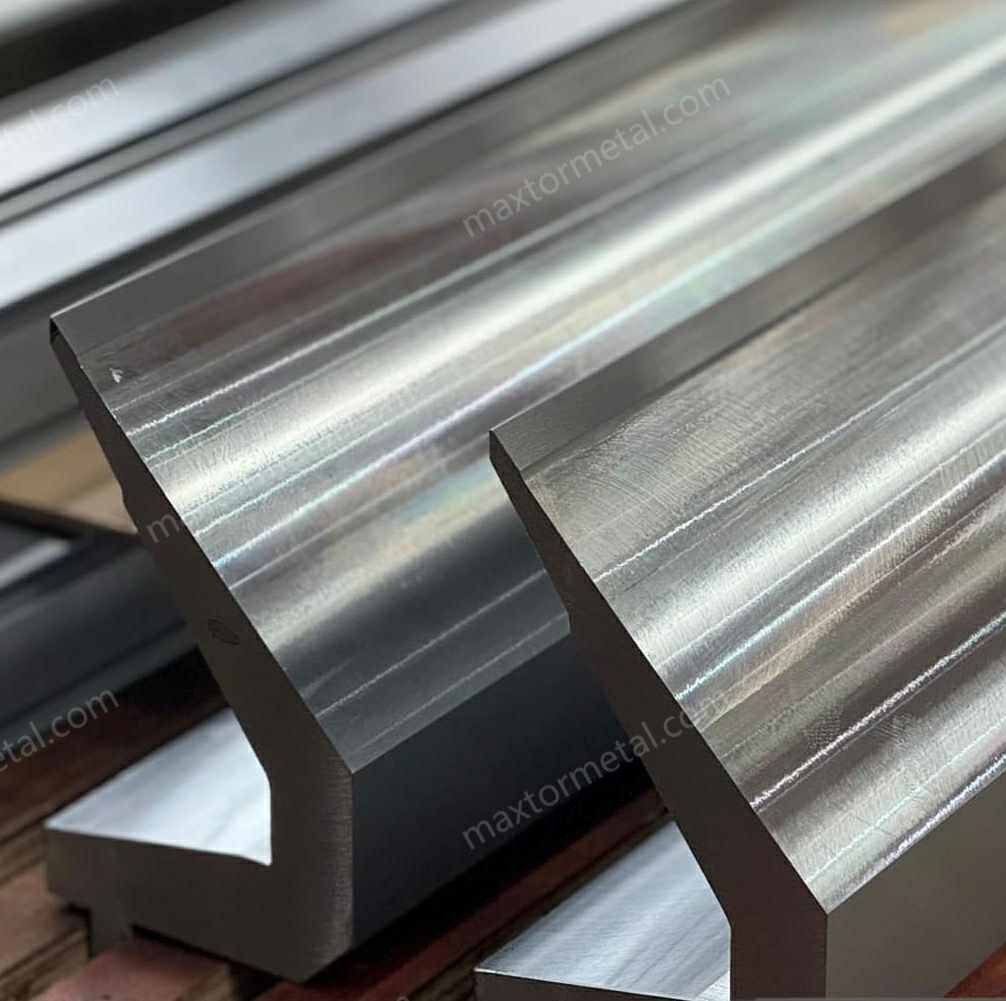
Thiết lập và căn chỉnh
Proper setup and alignment help you get the most out of your press brake tooling for stainless steel. When you set up your tools the right way, you make better bends and your tools last longer.
- Luôn luôn align your press brake tooling along the Tx and Ty axes. The Tx axis controls the backgauge and punch nose radius. This step helps you get the right flange size every time.
- The Ty axis keeps your tools parallel along the bed. When your tools are parallel, you get even bends and fewer mistakes.
- If your machine has a ram-tilt function, use it to fix any parallelism errors. This adjustment makes sure your parts come out straight.
- Check and calibrate your tool auto-clamping system often. A well-calibrated system holds your tools tight and keeps them in the right spot.
Mẹo: Take your time during setup. A few extra minutes checking alignment can save you hours fixing bad parts later.
BẢO TRÌ
Routine maintenance keeps your press brake tooling for stainless steel in top shape. You can make your tools last 15% to 25% longer with regular care. This means you spend less money on replacements and get more value from your investment.
- Inspect your tools before and after each job. Look for cracks, chips, or worn edges.
- Clean your tools to remove dust, metal shavings, and oil. Dirt and debris can cause wear and damage.
- Lubricate moving parts as needed. This step prevents rust and keeps everything working smoothly.
- Schedule regular deep cleaning and inspection. Mark these dates on your calendar so you never forget.
Keeping up with maintenance helps you avoid sudden breakdowns and keeps your press brake tooling for stainless steel working at its best.
Bôi trơn
Lubrication protects your press brake tooling for stainless steel from wear and rust. Good lubrication practices help you avoid friction and overheating, which can shorten tool life.
- Lubricate your tools weekly or as needed. Use only approved anti-corrosion lubricants.
- Do not over-oil your tools. Too much oil can trap dust and cause more problems.
- After cleaning, lightly rub down your tools with lubricant before you store them.
- Always wear gloves when handling lubricated tools. This step helps you keep a good grip and prevents accidents.
Ghi chú: Poor lubrication can lead to excess friction, surface overheating, and a shorter tool lifespan. Make lubrication a regular part of your routine.
If you need special shapes or want to extend the life of your press brake tooling for stainless steel, you can explore Lưỡi Dao Tùy Chỉnh designed for your needs.
Kho
Storing your press brake tooling for stainless steel the right way helps you keep tools in good shape. You protect your investment and make sure your tools work well every time you use them. You need to follow a few simple steps to get the best results.
- Clean before storing: Always clean your press brake tooling for stainless steel after each job. Remove dust, oil, and metal shavings. Dirt can cause rust and damage.
- Use protective cases: Store your tools in cases or racks made for press brake tooling. Cases keep tools safe from bumps and scratches.
- Control humidity: Keep your storage area dry. Moisture causes rust and weakens your tools. Use dehumidifiers or silica gel packs if needed.
- Organize by type and size: Place each tool in its own spot. Label shelves or bins with the tool type and size. This makes it easy to find the right tool and prevents mix-ups.
- Avoid stacking: Do not stack press brake tooling for stainless steel on top of each other. Stacking can bend or chip the edges.
Mẹo: Check your storage area often. Look for signs of rust or damage. Fix problems right away to keep your tools ready for the next job.
Here is a simple table to help you remember the best storage practices:
| Bước lưu trữ | Tại sao nó quan trọng |
|---|---|
| Clean tools | Prevents rust and wear |
| Use cases/racks | Protects from physical damage |
| Control humidity | Stops corrosion |
| Organize tools | Saves time and avoids mistakes |
| Avoid stacking | Keeps edges sharp and undamaged |
Proper storage keeps your press brake tooling for stainless steel accurate and ready for use. You spend less time fixing problems and more time making quality parts.
Những lỗi thường gặp
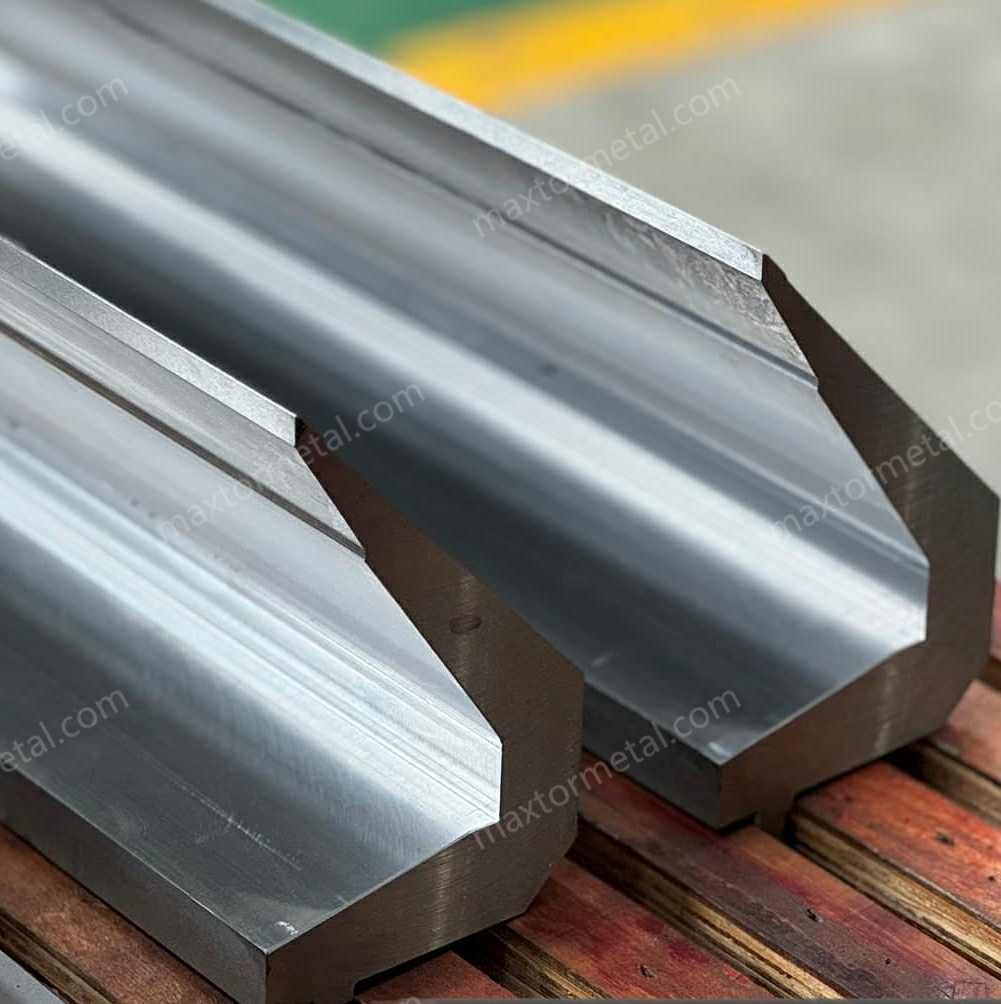
Wrong Angles
You might notice that your bends do not match the design. This often happens when you use the wrong angle during bending. If you set the press brake tooling for stainless steel at the wrong angle, your parts will not fit together. You may also see gaps or overlaps in your finished product. Sometimes, the problem comes from using the wrong punch or die. Misalignment between the die and punch can cause uneven bends and even damage your tools.
Here are some common mistakes that lead to wrong angles:
- Using incorrect tooling for the job
- Not checking the alignment of the die and punch
- Skipping test bends before starting production
Mẹo: Always check your setup before you start. Use a sample piece to test the angle. Adjust your press brake tooling for stainless steel until you get the right result.
Ignoring Springback
Stainless steel has a strong memory. After you bend it, the metal tries to return to its original shape. This is called springback. If you ignore springback, your bends will open up and you will not get the angle you want. Many people forget to account for this effect when setting up their press brake tooling for stainless steel.
You can avoid this mistake by:
- Overbending the metal slightly to reach the correct angle
- Using bottoming dies to reduce springback
- Testing and adjusting your setup with each new batch
Ghi chú: Overbending too much can weaken the material and cause cracks. Always use the right amount of force and check your results.
Dụng cụ mài mòn
Tool wear is a common problem when working with stainless steel. This metal is tough and can wear down your press brake tooling quickly. Worn tools make poor quality bends and can even damage your parts. You might see rough edges, cracks, or uneven shapes if your tools are not in good condition.
Watch out for these signs of tool wear:
- Dull or chipped punch tips
- Cracks in the die or punch
- Uneven bends or surface marks on the metal
To prevent tool wear, you should:
- Inspect your press brake tooling for stainless steel before each job
- Use strong materials like 42CrMo or Cr12Mo for your dies
- Avoid using brittle materials like T10, which can crack under stress
- Clean and lubricate your tools regularly
Mẹo: Replace worn tools right away. This keeps your bends accurate and your press brake tooling for stainless steel working longer.
By watching for these common mistakes, you can improve your results and make your press brake tooling for stainless steel last longer. Always check your setup, account for springback, and keep your tools in top shape.
Tonnage Overload
Tonnage overload is a common mistake when using press brake tooling for stainless steel.
You might think more force will give you a better bend, but using too much tonnage can damage your tools, your machine, and even your parts. Stainless steel needs more force than mild steel, but you must always stay within safe limits.
When you overload your press brake tooling for stainless steel, several problems can happen:
- Tool Damage: Too much force can crack or deform your punches and dies. You may see chips, dents, or even broken pieces.
- Sự hao mòn của máy móc: Press brakes have a maximum tonnage rating. If you go over this limit, you can bend the frame or damage the hydraulic system.
- Poor Bends: Overloading can cause uneven bends, warping, or marks on the stainless steel. Your parts may not fit or look right.
- Rủi ro an toàn: High tonnage increases the risk of accidents. Broken tools or machine parts can cause injuries.
Mẹo: Always check the tonnage rating for both your press brake and your tooling before you start a job.
You can avoid tonnage overload by following a few simple steps:
- Calculate the Needed Tonnage: Use a tonnage chart or calculator. Enter the thickness, length, and type of stainless steel. This gives you the correct force for your bend.
- Check Your Equipment Limits: Look at the press brake’s manual and the markings on your tooling. Never exceed these numbers.
- Use the Right Die Opening: A larger die opening reduces the force needed. For example, if you double the die opening, you cut the required tonnage in half.
- Adjust for Stainless Steel: Stainless steel needs about 1.5 times the tonnage of mild steel. Always use the correct factor in your calculations.
- Test with a Sample: Bend a short piece first. Check for tool marks, cracks, or machine strain. Make changes before running a full batch.
Here is a quick reference table:
| Bước chân | Phải làm gì |
|---|---|
| Calculate Tonnage | Use charts or calculators |
| Check Limits | Review machine and tooling ratings |
| Adjust Die Opening | Use larger openings for less force |
| Factor Material | Multiply by 1.5 for stainless steel |
| Test First | Run a sample bend and inspect results |
If you follow these steps, you protect your press brake tooling for stainless steel and get better results. Always respect the limits of your tools and machine. This keeps your shop safe and your parts accurate.
Danh sách kiểm tra thực hành tốt nhất
Key Steps
You want to get the best results when you use press brake tooling for stainless steel. Follow these key steps to make your work easier and your parts better. These steps help you in many applications, from making kitchen equipment to building parts for cars.
- Check Your Tooling
Inspect your tooling before each job. Look for cracks, chips, or worn edges. Good tooling gives you better bends and longer tool life. - Match Tooling to Material
Choose the right tooling for your stainless steel thickness and grade. This step helps you avoid cracks and get the right bend angle. Many applications need different tooling shapes, so always double-check your setup. - Set Up Correctly
Align your tooling along the press brake bed. Make sure the punch and die fit together well. Proper setup keeps your bends straight and your tooling safe. - Calculate Tonnage
Use a tonnage chart or calculator. Stainless steel needs more force than other metals. Stay within the limits of your press brake and tooling. - Test with a Sample
Bend a test piece before you start full production. Check the angle and look for cracks. Adjust your tooling if needed. - Maintain and Store Tooling
Clean your tooling after each use. Store it in a dry place. Good care keeps your tooling ready for all applications.
Tip: Always record your settings for each job. This habit saves time and helps you repeat good results in future applications.
Tham khảo nhanh
Use this table as a quick guide when you set up your press brake tooling for stainless steel. It covers the most important steps for many applications.
| Bước chân | Phải làm gì | Tại sao nó quan trọng |
|---|---|---|
| Inspect tooling | Check for damage or wear | Prevents bad bends and tool failure |
| Choose right tooling | Match to material thickness and grade | Fits all applications and avoids cracks |
| Align tooling | Set up punch and die correctly | Ensures straight, accurate bends |
| Calculate tonnage | Use charts or calculators | Protects tooling and machine |
| Test bend | Try a sample piece | Confirms setup before production |
| Maintain tooling | Clean and store properly | Extends tooling life for all applications |
Note: Following this checklist helps you get the best results in every application. You save time, reduce waste, and keep your tooling in top shape.
Choosing the best press brake tooling for stainless steel means picking the right material, setting up carefully, and keeping your tools in good shape. When you do these things, you get better results and save money. Good tooling gives you lots of benefits:
- You make accurate bends and throw away less scrap.
- You work faster and pay less for labor.
- You use less material and spend less fixing mistakes.
- You get better quality and can repeat good results.
Always use the checklist for each project. If you want help or need special tools, you can talk to the Nanjing Metal team on their trang liên hệ. Buying strong press brake tooling for stainless steel helps you do well on every job.
Câu hỏi thường gặp
What is a press brake?
A press brake is a machine that bends sheet metal. You use it to make parts for many jobs. The press brake pushes metal between a punch and a die. You get straight or angled bends.
Why does stainless steel need special press brake tooling?
Stainless steel is strong and springs back after bending. You need special press brake tooling to get the right angle. This tooling helps you avoid cracks and keeps your bends accurate.
How do you choose the right press brake punch and die?
You look at the thickness and grade of your stainless steel. You match the punch tip radius and die opening to your material. The right press brake tooling gives you better results.
What is springback in press brake bending?
Springback happens when stainless steel tries to return to its old shape after bending. You must bend the metal past your target angle. Press brake tooling helps you control springback.
How often should you check your press brake tooling?
You should check your press brake tooling before every job. Look for cracks, chips, or worn edges. Clean and align your tools. Good care helps your press brake work better.
Can you use the same press brake tooling for all metals?
No, you cannot use the same press brake tooling for every metal. Stainless steel needs stronger tooling than aluminum or mild steel. You must match your press brake tooling to the metal.
What are some common mistakes with press brake tooling?
You might use the wrong angle, ignore springback, or overload the press brake. Tool wear is also a problem. You avoid mistakes by checking your press brake tooling and following best practices.
Where do you see press brake used in industry applications?
You see press brake machines in automotive, aerospace, and appliance manufacturing. These industry applications need accurate bends and strong parts. Press brake tooling helps you meet these needs.
Xem thêm
Đột Chấn Phanh Ép Hoạt Động Như Thế Nào Trong Gia Công Kim Loại Tấm
Mẹo bảo dưỡng dụng cụ máy ép phanh để có dụng cụ bền lâu
Làm thế nào để công cụ ép phanh tùy chỉnh nâng cao hiệu quả sản xuất của bạn
Làm chủ công cụ ép phanh: Cách xác định và sửa chữa vết mòn của khuôn đột và khuôn dập
5 mẹo thiết yếu để kéo dài tuổi thọ của dụng cụ ép phanh và tối đa hóa độ bền

 English
  Spanish
  Italian
  French
  Portuguese
  Russian
  German
  Arabic
  Hindi
Hindi  Vietnamese
  Indonesian
  Japanese
  Korean
Một bình luận