

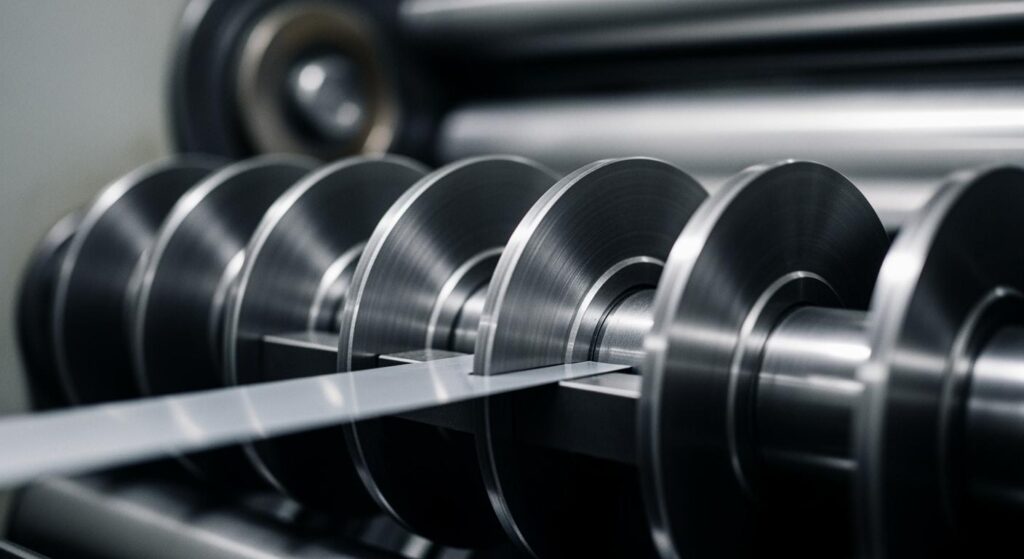
Khi bạn chọn một Lưỡi dao cắt xẻng quay cho kim loạiNhờ đó, bạn sẽ đạt được độ chính xác và sức mạnh tốt hơn trong công việc. Nanjing Metal Máy cắt xoay công nghiệp cung cấp nhiều lựa chọn lưỡi cắt kim loại sắc bén, giữ được độ bền cao và cắt tốt. Bạn cần chọn lưỡi cắt xoay phù hợp với loại kim loại, tốc độ làm việc và kích thước cần thiết. Các trung tâm gia công thép sử dụng lưỡi cắt xoay để tiết kiệm thời gian và tạo ra những đường cắt sạch hơn. Bạn sẽ nhận được lưỡi cắt xoay kim loại được sản xuất cho các công việc đặc biệt và được kiểm tra kỹ lưỡng để đảm bảo kết quả ổn định.
- Hãy chọn lưỡi cắt xoay tốt nhất cho kim loại để giúp bạn làm việc nhanh hơn.
- Giải quyết các công việc gia công kim loại khó khăn với lưỡi dao được chế tạo để hoạt động hiệu quả.
Những điểm chính
- Chọn lưỡi dao cắt xoay phù hợp để cắt nhanh hơn và tốt hơn.
- Chọn lưỡi dao phù hợp với loại kim loại và độ dày để đạt kết quả tốt nhất.
- Lưỡi dao cứng thích hợp nhất cho các kim loại cứng, trong khi lưỡi dao mềm hơn thì tốt cho các công việc dễ hơn.
- Những lưỡi dao giữ được độ sắc bén lâu thì cần ít lần thay thế hơn và cho đường cắt tốt hơn theo thời gian.
- Lưỡi dao có bề mặt nhẵn mịn sẽ lướt dễ dàng hơn và cắt tốt hơn.
- Hãy thường xuyên vệ sinh và bôi dầu cho lưỡi dao để giúp chúng bền hơn.
- Sử dụng lưỡi dao thép tốc độ cao hoặc lưỡi dao cacbua để làm việc nhanh chóng và liên tục.
- Hãy tuân theo hướng dẫn của nhà sản xuất để lắp đặt và bảo quản lưỡi dao đúng cách.
Lưỡi cắt xoay cho máy Metal: Các tính năng chính
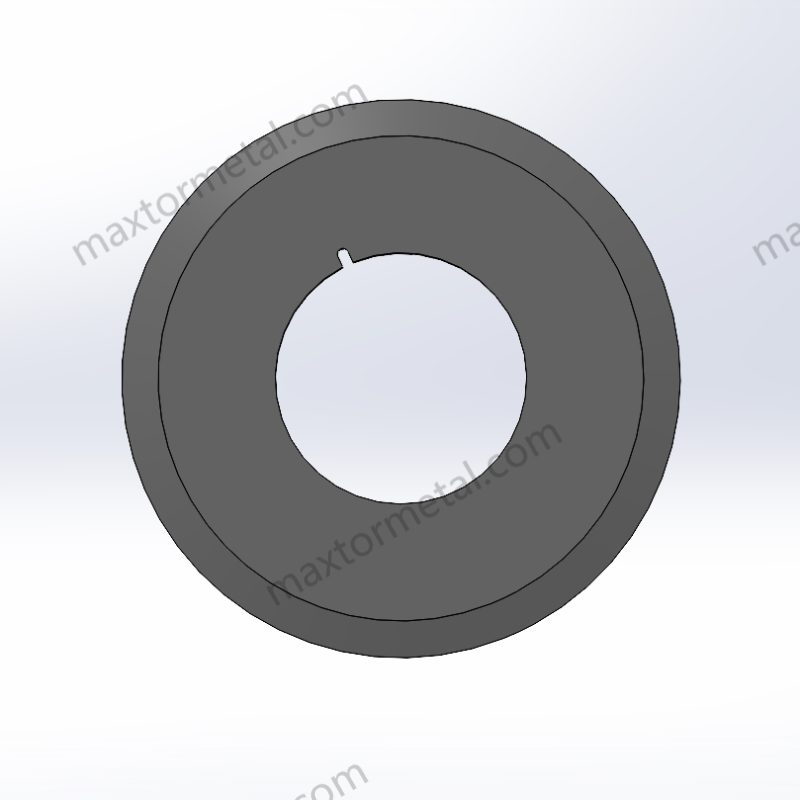
Khi chọn lưỡi cắt xoay cho kim loại, bạn cần kiểm tra một số yếu tố quan trọng. Những yếu tố này giúp bạn có được những đường cắt mịn, kéo dài tuổi thọ lưỡi dao và tránh làm chậm tiến độ công việc. Hãy cùng xem điều gì là quan trọng nhất.
Chất liệu và độ cứng
Chất liệu và độ cứng của lưỡi cưa quyết định khả năng cắt và tuổi thọ của nó. Bạn cần một lưỡi cưa phù hợp với loại kim loại bạn cắt và tốc độ làm việc của mình. Nếu chọn đúng chất liệu, bạn có thể tiết kiệm chi phí sửa chữa và giữ cho máy móc hoạt động tốt.
Mẹo: Lưỡi dao cứng hơn thích hợp cho các kim loại cứng. Lưỡi dao mềm hơn thì tốt cho các công việc đơn giản.
Dưới đây là bảng thể hiện các vật liệu làm lưỡi dao thông dụng và độ cứng thông thường của chúng:
| Loại vật liệu | Độ cứng (thang Rockwell) |
|---|---|
| Thép mềm | RC45 |
| Thép cứng | RC60 |
| Thép tốc độ cao | RC62-67 |
| Cacbua Vonfram | RC75-80 |
Thép với hàm lượng các bon cao
Lưỡi cưa thép cacbon cao rất cứng và giữ được độ sắc bén tốt cho các công việc đơn giản. Loại lưỡi cưa này phù hợp nhất cho thép mềm, nhôm và các kim loại mềm khác. Đây là lựa chọn tốt nếu bạn muốn tiết kiệm chi phí. Nếu bạn có doanh nghiệp nhỏ hoặc muốn chi tiêu ít hơn, thép cacbon cao là một lựa chọn thông minh. Tuy nhiên, bạn có thể cần thay lưỡi cưa thường xuyên hơn nếu cắt các kim loại cứng hơn.
Thép công cụ
Lưỡi dao thép dụng cụ vừa cứng cáp vừa bền chắc. Chúng không dễ bị sứt mẻ hay cong vênh, ngay cả khi sử dụng nhiều. Loại lưỡi dao này phù hợp cho cả việc cắt chậm và nhanh. Chúng bền hơn lưỡi dao thép cacbon cao và rất tuyệt vời nếu bạn cần lưỡi dao chắc chắn và linh hoạt.
Thép tốc độ cao
Lưỡi dao thép tốc độ cao rất cứng và chịu nhiệt tốt. Bạn có thể sử dụng chúng cho các công việc nhanh và để cắt kim loại cứng. Loại lưỡi dao này giữ được độ sắc bén trong thời gian dài, vì vậy bạn không cần mài thường xuyên. Nhiều nhà máy lớn sử dụng thép tốc độ cao vì nó hoạt động tốt và có độ bền cao.
Cacbua Vonfram
Lưỡi dao làm bằng vonfram cacbua cực kỳ cứng và không bị mòn nhanh. có thể kéo dài gấp ba lần Lưỡi dao bằng thép cacbon cao bền hơn trong những công việc khó khăn. Nếu bạn cần cắt thép không gỉ, titan hoặc các kim loại cứng khác, cacbua vonfram là lựa chọn tốt nhất. Loại lưỡi dao này rất phù hợp cho những công việc lớn, cần thực hiện nhanh chóng. Giá thành ban đầu cao hơn, nhưng bạn sẽ tiết kiệm được tiền vì không cần phải thay thế chúng thường xuyên.
- Lưỡi dao bằng vonfram cacbua: Độ cứng khoảng 1.500 Vickers
- Lưỡi dao thép cacbon cao: Độ cứng 700–900 Vickers
Giữ cạnh
Độ bền lưỡi dao nghĩa là lưỡi dao của bạn giữ được độ sắc bén trong bao lâu. Độ bền lưỡi dao tốt có nghĩa là lưỡi dao của bạn sẽ bền hơn và bạn không cần phải mài giũa thường xuyên. Khi lưỡi dao giữ được độ sắc bén, bạn sẽ có được những đường cắt tốt hơn và tiết kiệm được tiền hơn.
Các công ty như Nanjing Metal Industrial sử dụng những phương pháp đặc biệt để giữ cho lưỡi dao luôn sắc bén. Họ sử dụng phương pháp rèn, thiêu kết hợp kim, cắt gọt cẩn thận và các lớp phủ đặc biệt. Ví dụ, các lớp phủ như titan hoặc crom giúp lưỡi dao không bị dính và gỉ sét, nhờ đó chúng bền hơn.
Ghi chú: Nếu lưỡi dao của bạn giữ được độ sắc bén, bạn sẽ có được những đường cắt tốt hơn và không cần phải thay lưỡi dao thường xuyên.
Độ chính xác và dung sai
Độ chính xác và dung sai chặt chẽ giúp bạn có được những đường cắt sạch và chính xác. Nếu lưỡi dao của bạn đáp ứng các tiêu chuẩn nghiêm ngặt, bạn sẽ lãng phí ít kim loại hơn và ít gặp phải các cạnh thô ráp hơn. Trong các công việc tự động nhanh chóng, ngay cả một sai sót nhỏ cũng có thể gây lãng phí kim loại hoặc làm hỏng máy móc.
Đây là một bảng thể hiện điều đó. dung sai thông thường cho lưỡi dao cắt quay:
| Loại lưỡi dao | Dung sai độ dày (mm) | Dung sai chiều dài (mm) | Dung sai cạnh (mm) |
|---|---|---|---|
| Tiêu chuẩn công nghiệp | ±0,05 | ±0,10 | ±0,02 |
| Cắt chính xác | ±0,02 | ±0,05 | ±0,01 |
| Y tế/Hàng không vũ trụ | ±0,01 | ±0,03 | ±0,005 |
Công ty Nanjing Metal Industrial sử dụng quy trình cắt tỉ mỉ và kiểm tra nghiêm ngặt để đảm bảo mỗi lưỡi dao đều đáp ứng các tiêu chuẩn này. Điều này giúp bạn đạt được kết quả tốt nhất khi cắt kim loại.
Hoàn thiện bề mặt
Bề mặt lưỡi dao được hoàn thiện tốt giúp nó cắt kim loại một cách trơn tru. Bề mặt nhẵn giúp giảm ma sát, nhiệt lượng và ngăn kim loại bị dính hoặc bị xước. Hoàn thiện tốt cũng giúp lưỡi dao bền hơn và cho bạn những đường cắt tốt hơn. Một số lưỡi dao được phủ lớp đặc biệt để chống gỉ và hoạt động hiệu quả hơn.
Bạn có thể yêu cầu các lớp hoàn thiện bề mặt đặc biệt để phù hợp với nhu cầu của mình. Điều này giúp bạn đạt được kết quả tốt nhất cho công việc của mình.
Hãy nhớ rằng, việc lựa chọn đúng các tính năng cho lưỡi dao cắt xoay dùng cho kim loại sẽ giúp bạn đạt được kết quả tốt hơn, tuổi thọ lưỡi dao dài hơn và những đường cắt sạch hơn mỗi lần sử dụng.
Hoàn thiện bề mặt
Khi chọn lưỡi cắt xoay cho kim loại, bạn nên xem xét độ nhẵn bề mặt. Độ nhẵn trên cạnh và thân lưỡi dao rất quan trọng đối với việc cắt. Nếu lưỡi dao nhẵn, nó sẽ trượt dễ dàng hơn trên kim loại. Ít gặp khó khăn khi trượt có nghĩa là ít sinh nhiệt hơn khi cắt. Ít sinh nhiệt giúp lưỡi dao bền hơn và giữ cho các đường cắt gọn gàng. Nếu bạn sử dụng lưỡi dao có độ nhẵn mịn, chẳng hạn như Ra0.2 đến Ra0.4, bạn sẽ có được các đường cắt mịn hơn và chất lượng kim loại tốt hơn.
Lớp phủ bề mặt tốt cũng giúp ngăn kim loại dính vào lưỡi dao. Điều này giúp dây chuyền sản xuất của bạn hoạt động trơn tru mà không gặp vấn đề. Bạn sẽ không bị gờ hoặc cạnh thô ráp trên kim loại. Nhiều công ty xử lý bề mặt lưỡi dao bằng các phương pháp đặc biệt. Các phương pháp xử lý này bảo vệ lưỡi dao khỏi gỉ sét và mài mòn. Bạn sẽ không cần phải sửa chữa lưỡi dao thường xuyên.
Dưới đây là bảng thể hiện các lớp phủ bề mặt thông dụng và tác dụng của chúng đối với lưỡi cắt quay dùng trong máy cắt kim loại:
| Loại lớp phủ | Những lợi ích |
|---|---|
| Lắng đọng hơi vật lý | Giúp lưỡi dao bền hơn, chống mài mòn và gỉ sét; ngăn ngừa lưỡi dao bị trầy xước hoặc dính. Các vật liệu thường dùng: Cacbua bo, cacbua titan, nitrua titan. |
| Lắng đọng hơi hóa học | Giúp lưỡi dao bền hơn và hoạt động tốt hơn; tạo lớp phủ chắc chắn. Vật liệu thường dùng: Cacbua titan. |
| Titan Nitride (TiN) | Giúp lưỡi dao có thể sử dụng lâu hơn tới 40% Khi cắt nhanh. |
| Carbon giống kim cương (DLC) | Làm cho lưỡi dao cứng hơn và giữ cho chúng luôn mát khi cắt. |
Các lớp phủ này giúp lưỡi dao cắt xoay dùng trong gia công kim loại của bạn hoạt động tốt hơn:
- Lớp phủ giúp giảm ma sát và làm cho lưỡi dao bền hơn.
- Lưỡi dao phủ titan 35% có tuổi thọ cao hơn trong các công việc nhanh so với lưỡi dao không phủ.
- Lớp phủ Carbon giống kim cương (DCL) giúp lưỡi dao cứng hơn và bảo vệ chúng khỏi nhiệt.
Mẹo: Nếu bạn muốn lưỡi dao cắt xoay cho kim loại của mình bền hơn và cắt tốt hơn, hãy yêu cầu loại lưỡi dao có bề mặt hoàn thiện hoặc lớp phủ đặc biệt. Lựa chọn đơn giản này sẽ giúp công việc của bạn hiệu quả hơn và tiết kiệm chi phí.
Bề mặt được hoàn thiện tốt không chỉ đẹp mắt. Nó giúp lưỡi dao hoạt động hiệu quả hơn, bền hơn và mang lại những đường cắt tuyệt vời mỗi lần sử dụng.
Các loại lưỡi cắt tốt nhất: Các loại và ứng dụng
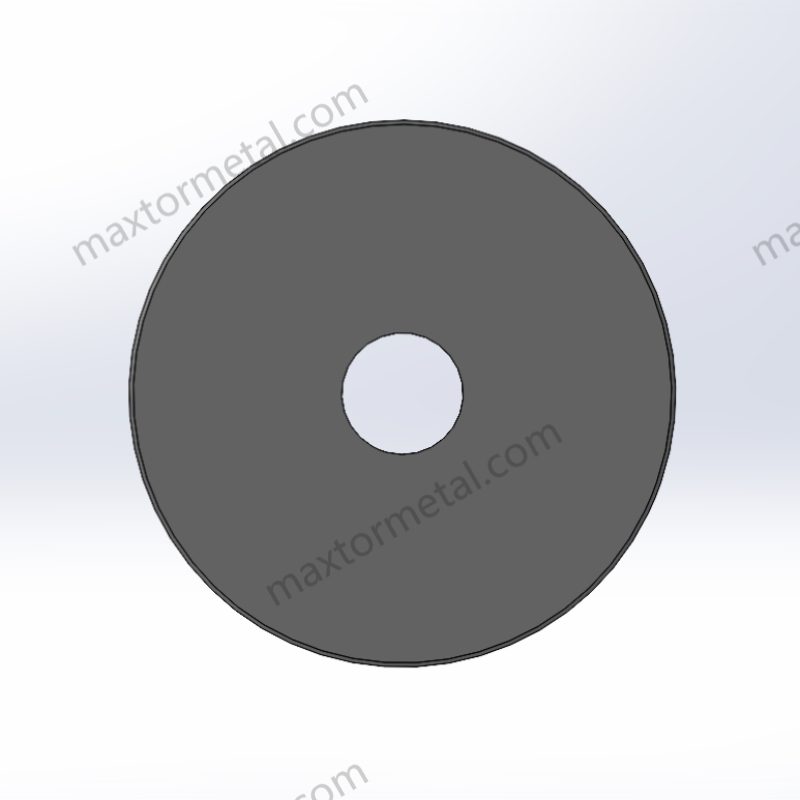
Lưỡi thép công cụ D2
Đặc điểm chính
Lưỡi dao thép công cụ D2 có hàm lượng crom cao. Điều này làm cho chúng chắc chắn và bền lâu. Những lưỡi dao này giữ được độ sắc bén trong nhiều lần sử dụng. Bạn có thể sử dụng chúng cho cả việc cắt bằng tay và bằng máy. Nhiều người chọn lưỡi dao thép công cụ D2 để cắt tròn và cắt xén.
Ưu điểm và hạn chế
Có rất nhiều ưu điểm của lưỡi dao làm từ thép công cụ D2:
- Chúng không bị hỏng nhanh nên bạn sẽ ít phải thay thế hơn.
- Chúng giữ được độ sắc bén, giúp vết cắt của bạn trông gọn gàng.
- Bạn có thể sử dụng chúng trên nhiều chất liệu khác nhau.
Tuy nhiên, lưỡi dao thép công cụ D2 không phải là lựa chọn tốt nhất cho các kim loại rất cứng. Bạn nên chọn loại lưỡi dao phù hợp với công việc của mình để đạt được kết quả tốt nhất.
Lưỡi dao thép công cụ D2 mang lại giá trị tốt và hoạt động hiệu quả cho hầu hết các công việc.
Các loại Metal và tốc độ sản xuất phù hợp
Bạn có thể sử dụng lưỡi dao thép công cụ D2 ở nhiều nơi:
- Bao bì
- Nhựa
- In ấn
- Cắt màng phim cho mạch in
- Cắt tỉa nhãn mà không làm hỏng giấy
- Cắt cuộn giấy và màng bọc
Lưỡi dao thép công cụ D2 hoạt động tốt nhất ở tốc độ trung bình hoặc cao. Chúng có thể cắt nhiều loại kim loại, nhưng không cắt được những loại cứng nhất.
Lưỡi dao đầu cacbua
Đặc điểm chính
Lưỡi dao có đầu bằng cacbua có thân bằng thép và cạnh bằng cacbua. Điều này làm cho chúng rất chắc chắn và cứng. Bạn sử dụng những lưỡi dao này để cắt các kim loại cứng hoặc khi máy móc hoạt động ở tốc độ cao. Lưỡi dao có đầu bằng cacbua rất phổ biến trong các nhà máy luyện kim.
Ưu điểm và hạn chế
Dưới đây là bảng thể hiện những ưu điểm và nhược điểm chính của lưỡi dao có đầu bằng cacbua:
| Thuận lợi | Hạn chế |
|---|---|
| Rất bền và không bị mòn nhanh | Có thể vỡ nếu bị va đập mạnh |
| Bền bỉ và giữ được độ sắc bén trong những công việc khó khăn. | Giá thành cao hơn các loại lưỡi dao khác. |
Những lưỡi dao này dùng được lâu và giữ được độ sắc bén. Nhưng bạn phải cẩn thận vì chúng có thể bị gãy nếu rơi hoặc va đập.
Các loại Metal và tốc độ sản xuất phù hợp
Bạn nên sử dụng lưỡi dao có đầu bằng cacbua cho:
- Cắt các vật liệu cứng như thép, đồng và hỗn hợp kim loại.
- Những công việc cần lưỡi dao có độ bền cao.
Lưỡi dao có đầu bằng cacbua hoạt động tốt nhất ở tốc độ cao. Chúng rất thích hợp để cắt thép không gỉ và các kim loại cứng khác. Bạn có thể sử dụng chúng cho các công việc khó khăn trong cả cắt rãnh tròn và cắt rãnh bằng máy cắt.
Lưỡi thép tốc độ cao
Đặc điểm chính
Lưỡi dao thép tốc độ cao rất bền và chịu được nhiệt. Bạn có thể sử dụng chúng trong công việc nhanh chóng, liên tục. Những lưỡi dao này vẫn giữ được độ sắc bén ngay cả sau thời gian dài sử dụng. Thép tốc độ cao là lựa chọn hàng đầu cho việc cắt tròn, cắt kéo và cắt bằng dao cạo.
Ưu điểm và hạn chế
Lưỡi dao thép tốc độ cao có nhiều ưu điểm:
- Chúng rất bền và có tuổi thọ cao.
- Chúng giữ được độ sắc bén lâu dài, vì vậy bạn sẽ ít phải thay thế chúng hơn.
- Chúng hoạt động tốt trong môi trường làm việc nóng bức và tốc độ cao.
Dưới đây là bảng so sánh giữa lưỡi dao thép tốc độ cao và lưỡi dao cacbua:
| Tính năng | Lưỡi dao HSS | Lưỡi cacbua |
|---|---|---|
| Độ bền | Bền chắc và không dễ bị hỏng. | Bền hơn và sử dụng được lâu hơn |
| Độ sắc nét | Giữ độ sắc bén lâu dài. | Giữ độ sắc bén lâu hơn |
| Khả năng chịu nhiệt | Hoạt động tốt trong điều kiện nhiệt độ cao | Chịu được nhiệt độ cao. |
| Ứng dụng lý tưởng | Các công việc có tốc độ trung bình đến cao | Công việc nhanh và cường độ cao |
Lưỡi cưa thép tốc độ cao có thể không bền bằng lưỡi cưa có đầu bằng cacbua trong những công việc khắc nghiệt nhất, nhưng chúng là một lựa chọn tốt so với giá cả.
Các loại Metal và tốc độ sản xuất phù hợp
Bạn có thể sử dụng lưỡi dao thép tốc độ cao cho:
- Cắt thép, nhôm và các kim loại khác với tốc độ trung bình đến nhanh.
- Những công việc mà bạn muốn lưỡi dao bền và luôn sắc bén.
- Hãy làm việc ở nơi bạn muốn tiết kiệm thời gian thay lưỡi dao.
Lưỡi dao thép tốc độ cao rất phù hợp cho công việc liên tục. Bạn có thể sử dụng chúng trong nhiều loại lưỡi cắt xẻ rãnh cho nhiều công việc gia công kim loại khác nhau.
Mẹo: Chọn lưỡi dao phù hợp với chất liệu kim loại và tốc độ cắt. Điều này giúp bạn có được những đường cắt gọn gàng, kéo dài tuổi thọ lưỡi dao và đạt được kết quả tốt hơn.
Lưỡi dao cacbua vonfram hạt siêu nhỏ
Đặc điểm chính
Lưỡi cưa vonfram cacbua siêu mịn rất thích hợp cho những công việc khó khăn. Những lưỡi cưa này có các mảnh vonfram cacbua nhỏ li ti bên trong. Điều này làm cho chúng cứng hơn và chắc chắn hơn hầu hết các loại lưỡi cưa khác. Chúng giữ được độ sắc bén trong thời gian dài. Chúng không dễ bị sứt mẻ hoặc gãy, ngay cả khi cắt các vật liệu cứng hoặc thô ráp. Nhiều nhà máy sử dụng những lưỡi cưa này cho các công việc nhanh và bận rộn.
Dưới đây là bảng thể hiện những đặc điểm nổi bật của lưỡi dao cacbua vonfram siêu mịn và những ứng dụng phổ biến nhất của chúng:
| Đặc tính độc đáo | Các kịch bản sản xuất quy mô lớn |
|---|---|
| Độ bền: Bền hơn thép tốc độ cao. | Sản xuất liên tục: Lý tưởng cho các nhà máy hoạt động cả ngày. |
| Hiệu quả: Giảm thời gian ngừng hoạt động và chi phí bảo trì. | Cắt các vật liệu cứng hoặc mài mòn: Xử lý tốt các công việc khó khăn. |
| Hiệu quả về chi phí: Giảm chi phí dài hạn | Các ứng dụng yêu cầu thời gian ngừng hoạt động tối thiểu: Giúp máy móc hoạt động liên tục mà không bị gián đoạn. |
| Các lớp hoàn thiện đặc biệt và xử lý cạnh | Ngành công nghiệp: Chế biến gỗ, Chế biến giấy, Nhựa |
Ưu điểm và hạn chế
Lưỡi cắt bằng vonfram cacbua siêu mịn có nhiều ưu điểm. Chúng bền hơn lưỡi cắt bằng thép tốc độ cao hoặc thép dụng cụ. Bạn không cần phải thay thế chúng thường xuyên, do đó máy móc hoạt động liên tục. Các vết cắt sạch hơn và ít chỗ gồ ghề hơn. Điều này giúp bạn tiết kiệm tiền và tạo ra sản phẩm tốt hơn.
- Lưỡi dao làm từ hợp kim vonfram cacbua siêu mịn không bị mòn nhanh.
- Chúng vẫn giữ được độ sắc bén ngay cả khi sử dụng trong thời gian dài.
- Bạn có thể sử dụng chúng cho cả lưỡi cắt tròn và lưỡi cắt xén.
But you must be careful with these blades. They are very hard, but they can break if dropped. They cost more at first, but you save money later because you do not replace them as much.
Tip: If you want less downtime and better cuts, micro-grain tungsten carbide blades are a smart choice for your slitting line.
Các loại Metal và tốc độ sản xuất phù hợp
Micro-grain tungsten carbide blades work on many metals. They cut stainless steel, titanium, copper, and other hard metals. They also work well on rough materials like laminates or coated metals. You can use them for both circular slitter blades and shear slitting blades.
- Use these blades for fast, nonstop work.
- They are best for factories that run all day and need little stopping.
- You get great results in metalworking, plastics, and paper processing.
Circular Slitter Blades for Metal
Circular slitter blades help you cut metal coils or sheets quickly and neatly. These blades spin and slice through metal with accuracy. There are different types for different jobs. The three main types are solid disc blades, inserted blade knives, and shear cut knives.
Solid Disc Blades
Solid disc blades are made from one piece of strong steel or carbide. You use them for straight and long cuts. These blades fit many machines and work for thin or thick metals. They last a long time and work well.
- Solid disc blades give smooth edges and less roughness.
- Bạn có thể sử dụng chúng cho cả lưỡi cắt tròn và lưỡi cắt xén.
- They are simple to put in and take care of.
Inserted Blade Knives
Inserted blade knives have a holder and a part you can change. You only swap the edge when it gets dull, not the whole blade. This saves time and money. You use these knives when you need to change blades often or need special edge shapes.
- Inserted blade knives work well for razor slitting blades and crush cut blades.
- You can switch edges for different materials, so they are flexible.
- These knives are used in packaging, plastics, and metal slitting.
Shear Cut Knives
Shear cut knives use two blades that move close together, like scissors. They make very clean cuts with little roughness. These knives are best for jobs that need high accuracy. You use them for thin metals, coated sheets, and soft materials.
- Shear cut knives fit many circular slitter blades setups.
- You get less dust and smoother edges.
- These knives are used in electronics, cars, and appliance making.
Note: Picking the right circular slitter blades helps you get better cuts and waste less metal. You also keep your machines working longer with less fixing.
You can use circular slitter blades for many jobs. They work in metal service centers, coil cutting, and even in razor slitting blades for films and foils. You get the best results when you match the blade type to your material and speed.
Các thương hiệu hàng đầu về lưỡi cắt xoay tròn
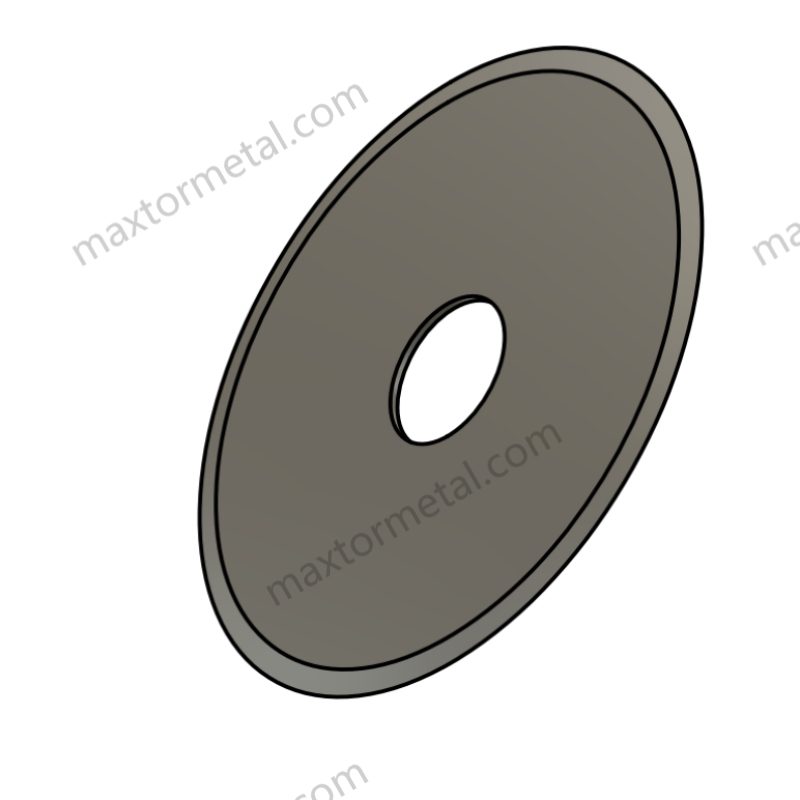
When you want the best rotary slitter blades, you should pick a brand that gives you good quality and help. Many companies make these blades, but some are better because they have lots of choices, can make special blades, and check their products carefully.
Nam Kinh Metal công nghiệp
Nanjing Metal Industrial has many rotary slitter blades for different jobs. They help people in metalworking, packaging, and plastics. You can find blades for many machines and materials, so you get what you need.
Here is a table that shows why Nanjing Metal Industrial is a great pick:
| Tính năng | Sự miêu tả |
|---|---|
| Product Range | Has many kinds of slitter blades for lots of uses. |
| Tùy chọn tùy chỉnh | Makes blades just for you. You can ask for special shapes or sizes. |
| Đảm bảo chất lượng | Checks every blade many times before sending it to you. |
You can ask for blades with special shapes, edges, or coatings. The company looks at each blade closely, so you get good results and fewer problems. If you need help, their team will help you from your first order to after you buy.
Tip: If you want blades made just for you, pick a brand that lets you choose what you need and checks their blades well.
Other Global Brands
There are other brands that are leaders in rotary slitter blades. These companies work hard to make new and strong blades. You can find their blades in factories all over the world.
- Bahco
- Klein Tools Inc.
- Mitsubishi Materials Corporation
- Tungaloy Corporation
- Walter AG
- Guhring Inc.
- Seco Tools
- ISCAR Ltd.
- Kennametal Inc.
- DMT GmbH & Co. KG
- Micro 100 Tool Corporation
These brands use new materials and smart machines. They use robots to make blades that last longer and cut better. Many brands help you quickly if you have problems, so your work does not stop.
Konetool is another brand that makes tungsten carbide slitter knives. You can use their blades for jobs that need sharp and strong blades in packaging, metalworking, and plastics. Their blades help you make clean cuts and stop your machines from slowing down.
Note: The rotary slitter blade market is always changing. Companies now use better materials and smarter machines to help you work faster and save money.
When you pick a top brand, you get more than just a blade. You get help, new ideas, and you know your work will go well.
Chọn lưỡi cắt xoay phù hợp cho máy Metal

Assessing Metal Type and Thickness
Identifying Metal Types
You need to know what metal you want to cut. Every metal is different in how hard or tough it is. Some metals are soft and easy to cut. Others are hard and need stronger blades. Mild steel is soft and works with basic blades. Stainless steel is harder and needs tough blades. Aluminum is soft but can stick to blades. Copper is soft but can make blades dull fast. Titanium is very hard and needs special blades. If you match the blade to the metal, you get cleaner cuts and your blade lasts longer.
- Mild steel is soft and easy to cut.
- Stainless steel is hard and needs strong blades.
- Aluminum is soft but can stick to blades.
- Copper is soft but can dull blades fast.
- Titanium is very hard and needs special blades.
Tip: Always check your metal type before picking a rotary slitter blade. This helps you avoid rough edges or burrs.
Measuring Material Thickness
You should measure how thick your metal sheets or coils are. Use a caliper or micrometer to get the right number. Thick metals need strong, thick blades. Thin metals work best with sharp, fine blades. If you use the wrong blade, your cuts might look bad or your machine could get damaged.
- Thin metals (under 1 mm) need sharp, fine blades.
- Medium metals (1–3 mm) use standard blades.
- Thick metals (over 3 mm) need heavy-duty blades.
Note: Measure in more than one spot. Metal thickness can change across the sheet or coil.
Matching Blade Material to Metal Properties
If you pick the right blade material for your metal, you cut better and your blade lasts longer. Carbide or high-speed steel blades with heat-resistant coatings are good for hard metals. The right blade gives you better cuts and lasts longer.
| Hệ mét | Giá trị |
|---|---|
| Blade life | Extended from 2 weeks to 6 weeks |
| Slicing precision | Variance < 0.5 mm |
| Blade type | Thick, rigid blades with steep bevel angles (30–40°) |
| Vật liệu | Carbide or HSS with heat-resistant coatings |
| Thiết kế | Spine-reinforced to prevent flexing |
You can also match the blade shape to your metal and machine. This helps you cut faster and waste less metal. A sharp, well-made blade helps you finish jobs quickly and keeps your line moving.
- Pick blade shapes that fit your metal and machine.
- Use good blades for clean cuts and less waste.
- Keep blades sharp for faster work and better results.
MỘT sharp and well-designed blade is important for fast cutting. Blades made for your metal give you quicker cuts, less wear, and better quality.
Considering Coated or Treated Metals
Some metals have coatings or treatments, like galvanized steel or painted aluminum. These coatings can make cutting harder. You need blades that do not stick and can handle wear. Special coatings like titanium nitride or diamond-like carbon help stop buildup and make blades last longer.
- Coated metals may need blades with special edge treatments.
- Treated metals can dull blades faster, so use harder blades.
- Always check if your metal has a coating before picking a blade.
Tip: If you cut coated or treated metals, ask for blades with anti-stick or wear-resistant coatings. This keeps your cuts clean and your blades lasting longer.
Matching Blade to Production Speed
Determining Required Cutting Speed
You should know how fast your slitting line goes. Cutting speed and how much you cut matter when picking a blade. Fast lines need blades that can handle more heat and stress. If you use a blade not made for high speeds, it can wear out fast or cut badly.
Selecting Blade Grade for High-Speed Operations
For fast jobs, you need blades with the right grade and design. The table below shows what to think about:
| Nhân tố | Sự miêu tả |
|---|---|
| Type of material being cut | The specific material affects blade selection |
| Desired width of the slit | Width impacts the blade design and performance |
| Speed and accuracy of cutting | Higher speeds require precise blade specifications |
Pick high-speed steel or carbide blades for fast work. These blades handle heat and stay sharp longer. You also need blades with tight tolerances and smooth finishes.
Balancing Edge Retention and Heat Resistance
When machines run fast, blades get hot. You need blades that stay sharp and do not get damaged by heat. High-speed steel and carbide blades with special coatings work best. These blades last longer and give better cuts, even when running fast.
- Look for blades with heat-resistant coatings.
- Pick materials that keep their edge under stress.
- Change blades before they get too dull to avoid bad cuts.
Adjusting for Continuous vs. Intermittent Production
If your line runs all day, you need blades that last a long time. For short jobs, you can use regular blades. Continuous work puts more stress on blades, so use the toughest materials and best coatings. For short runs, you can use blades that do not need as much wear resistance.
- Continuous production: Use carbide or high-speed steel blades with coatings.
- Intermittent production: Standard tool steel or high-carbon steel may work.
Note: Always match your blade to your production style for the best results.
Khả năng tương thích của thiết bị
Checking Blade Dimensions and Mounting
You must check the size and shape of your blades. Make sure the blade fits your slitting machine. Measure the diameter, thickness, and mounting hole. If the blade does not fit, you can damage your machine or get poor cuts.
- Measure blade diameter and thickness.
- Check the mounting hole size and shape.
- Compare with your machine’s requirements.
Ensuring Fit with Slitting Machine Specifications
Your blade must match your machine’s specs. Each machine has limits for blade size, speed, and mounting. Using the wrong blade can cause problems like burrs or slitting powder chips. Always check your machine manual before you buy new blades.
- Review your machine’s blade size and speed limits.
- Make sure the blade material matches your machine’s power.
- Ask your supplier if you are not sure.
Verifying Tolerance and Alignment Requirements
Tight tolerances and good alignment help you get clean, safe cuts. The table below shows why these factors matter:
| Diện mạo | Tầm quan trọng |
|---|---|
| Độ chính xác | Ensures exceptional strip width and straightness, meeting industry tolerances. |
| Căn chỉnh lưỡi dao | Minimizes distortion and burring, resulting in high-quality cuts. |
| Operational Safety | Proper alignment and tolerance adherence are crucial for safe operations. |
If your blades are not lined up right, you get uneven cuts and more burrs. This can also make your machine noisy or unsafe. Use high-precision knife assemblies and good alignment systems for the best results.
- Use high-precision knife assemblies.
- Kiểm tra độ thẳng hàng của lưỡi dao thường xuyên.
- Keep edge control consistent.
Consulting Manufacturer Guidelines
Always read the guides from your blade and machine makers. These guides tell you the best way to put in and use your blades. They also help you avoid mistakes that can hurt your equipment or make your cuts worse.
- Follow all instructions for blade installation and care.
- Ask your supplier for help if you have questions.
- Keep your manuals handy for quick checks.
Tip: Following manufacturer guidelines helps you get the most from your rotary slitter blades and keeps your operation safe.
Troubleshooting Common Issues
Rotary slitter blades for metal can have problems when you use them. If you learn to spot and fix these problems, your work will go better. Here are some common problems and ways to fix them.
Addressing Premature Blade Wear
Sometimes, rotary slitter blades for metal wear out too soon. You might see your blade gets dull fast or has damage. The main reasons are edge dulling, chipping, and rust.
Common causes of premature wear:
- Edge dulling happens after using the blade many times.
- Chipping or cracking comes from rough use or dropping the blade.
- Rust forms if the blade gets wet or touches chemicals.
To fix these problems, you can:
- Use careful grinding to keep the blade sharp.
- Be gentle when putting in or taking out blades to stop chips or cracks.
- Check blades often to find early signs of wear.
- Put anti-rust coatings on blades to stop rust and chemical harm.
Mẹo: If you take care of your rotary slitter blade for metal and check it often, it will last longer.
Solving Inconsistent Cut Quality
If you see rough or uneven cuts, your rotary slitter blade for metal may not work right. Bad cuts waste metal and slow your work.
Steps to improve cut quality:
- Make sure the blade is sharp. Dull blades do not cut well.
- Check if the blade is lined up right in the machine.
- Look at the knife holder to see if it is worn or broken.
- Pick the right blade material for your metal and its thickness.
A sharp and straight blade gives you better cuts and less waste. If you keep your tools in good shape, your work will look better.
Reducing Burrs and Edge Deformation
Burrs and bent edges can happen if the rotary slitter blade for metal is not set up right or is old. Burrs are tiny bits of metal left after cutting. They can cause trouble later.
How to reduce burrs and deformation:
- Pick blades with the right hardness and edge shape for your metal.
- Set the blade gap to match your metal’s thickness.
- Use stronger blade materials like tungsten carbide for hard jobs.
- Add special coatings like PVD or CVD to make blades smoother and cut better.
Ghi chú: If you pick and set up your blade the right way, you get smoother edges and do not need to fix them as much.
Optimizing Blade Life and Performance
You can help your rotary slitter blade for metal last longer by following some easy steps. These tips save money and help your work go faster.
Best practices for longer blade life:
- Take care of knife holders and machine parts often.
- Choose blades with special coatings to stop wear.
- Use strong materials like tungsten carbide or zirconia ceramic for hard jobs.
- Keep blades dry and clean so they do not rust.
| Practice | Lợi ích |
|---|---|
| Bảo trì thường xuyên | Blades last longer, fewer problems |
| Use of advanced coatings | Blades wear less, cuts are smoother |
| Material upgrades | Work is faster, machines stop less |
If you keep your rotary slitter blade for metal in good shape, you will stop less, cut better, and spend less money over time.
Bảo trì và tuổi thọ của lưỡi dao máy cắt
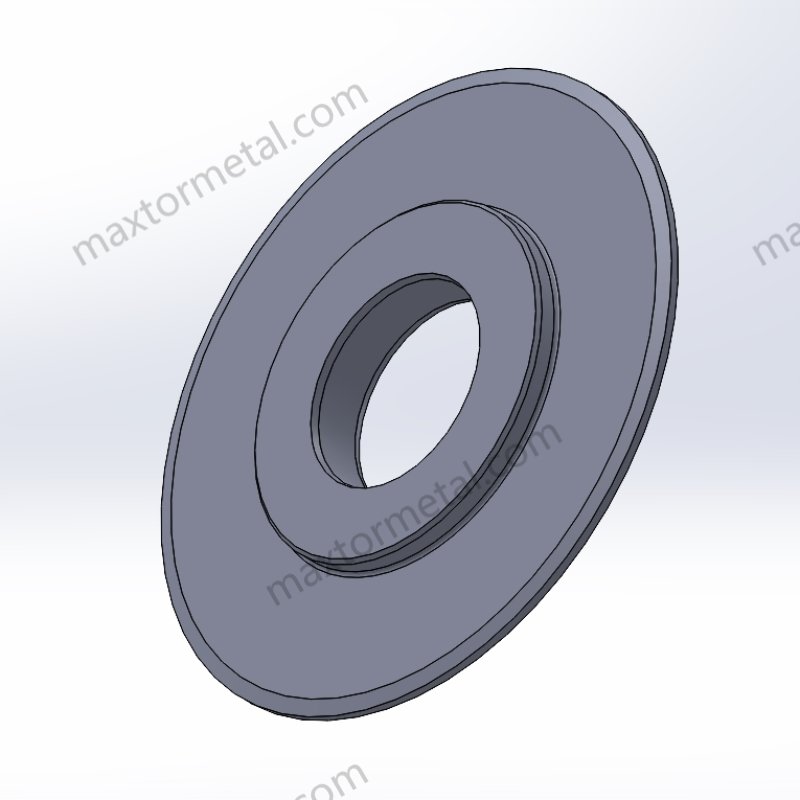
Taking care of your slitter blades helps them work better and last longer. Good care also keeps your machines working well and saves you money. Here are some easy ways to look after your rotary slitter blades.
Vệ sinh và xử lý
Always be careful when you touch slitter blades. If you drop or hit them, the sharp edge can get ruined. Follow these steps to keep your blades safe and clean:
- Inspect Blades Regularly
Look at your blades often for chips, rough spots, or uneven wear. Write down what you find each time. This helps you see problems early and know when to fix or change a blade. - Vệ sinh sau mỗi lần sử dụng
Use soft tools and special cleaners to wipe off metal dust and dirt. Clean your blades after every job. This stops buildup and helps blades stay sharp longer. - Lubricate Properly
Pick the right oil or liquid for your job. Water-based oils are good for jobs that get hot. Oil-based ones are best for tough metal cutting. Lubrication helps blades move easier and last up to 25% longer. - Store Blades Safely
Keep blades in a dry place that does not get too hot or cold. Use covers to stop scratches and rust. - Train Operators
Make sure everyone knows how to handle blades the right way. Do not touch the sharp edge. Line up blades carefully when putting them in. Well-trained workers help blades last longer.
Tip: If you clean and handle your blades with care, they will last longer and work better.
Mài và phục hồi bề mặt
You do not have to buy a new blade every time it gets dull. You can sharpen or fix old blades to make them work like new. Use a grinding machine or ask a pro to sharpen your blades. Sharpen blades if you see rough cuts or if cutting gets hard.
- Sharpened blades work almost like new ones.
- Sharp blades help you cut faster and neater.
- If you sharpen blades often, you do not need to buy as many new ones.
Keeping blades sharp helps you work faster and get better cuts. You save money and your machines work better.
Giám sát hiệu suất
You can use smart systems to watch how your blades are doing. These systems tell you when a blade is getting worn out. Companies using these systems can work 30% faster because they know when to change blades before problems happen.
Machine Condition Monitoring (MCM) uses smart tools to check for blade wear. It can even show where a problem is starting. This helps you fix things early and avoid stopping your machines.
Note: If you check your blades often and use smart tools, your blades will last longer and your machines will run better.
You can pick from many rotary slitter blades. Some types are D2 tool steel, carbide-tipped, and micro-grain tungsten carbide. Top brands like Nanjing Metal Industrial have blades for all kinds of jobs. If you match your blade to your metal and how fast you work, you get better cuts. Checking and cleaning blades often helps you find dull edges early. This keeps your blades working well and stops waste.
- Good blades cut many metals and help you work faster.
- Cleaning and storing blades safely keeps them in good shape.
| Bước chân | Sự miêu tả |
|---|---|
| 1 | Talk to experts about what you need. |
| 2 | Get a blade designed for your job. |
| 3 | Try out the blade before using it a lot. |
| 4 | Make sure the blade is strong and works well. |
| 5 | Use the blade in your factory or shop. |
If you want a blade made just for you, Liên Hệ một kỹ sư bán hàng.
Câu hỏi thường gặp
What is a rotary slitter blade for metal?
A rotary slitter blade for metal is a round cutting tool. You use it in slitting machines to cut wide metal coils into narrower strips. These blades help you get clean, straight cuts with less waste.
How do you choose the right rotary slitter blade for metal?
You should match the blade material to your metal type and thickness. Check your machine’s speed and size requirements. Ask your supplier for help if you are unsure. The right blade gives you better cuts and longer life.
How often should you replace a rotary slitter blade for metal?
You should replace the blade when you see dull edges, rough cuts, or more burrs. Heavy use or hard metals may need more frequent changes. Regular checks help you know when to switch blades.
Can you sharpen a rotary slitter blade for metal?
Yes, you can sharpen most rotary slitter blades for metal. Use a grinding machine or ask a professional. Sharpening helps you save money and keeps your cuts clean.
What metals can you cut with a rotary slitter blade for metal?
You can cut many metals, such as mild steel, stainless steel, aluminum, copper, and titanium. Pick the right blade material for each metal to get the best results.
Why does blade surface finish matter?
A smooth surface finish lowers friction and heat. This helps your rotary slitter blade for metal last longer and cut better. Special coatings can also stop rust and sticking.
How do you store rotary slitter blades for metal?
Store blades in a dry, cool place. Use blade covers or cases to prevent scratches and rust. Keep them away from moisture and chemicals for longer life.
What should you do if your rotary slitter blade for metal wears out too quickly?
Check if you use the right blade material and coating. Make sure your machine settings are correct. Clean and lubricate blades after each use. Ask your supplier for advice if problems continue.
Xem thêm
Cách chọn lưỡi cắt tròn phù hợp để có hiệu suất lâu dài
Hướng dẫn tối ưu để lựa chọn lưỡi cắt cao su
Cách tối đa hóa độ sắc bén của lưỡi cắt để có hiệu suất cắt vượt trội
Tối đa hóa độ bền của lưỡi cắt của máy cắt: Mẹo thiết yếu để kéo dài hiệu suất và hiệu quả

 English
  Spanish
  Italian
  French
  Portuguese
  Russian
  German
  Arabic
  Hindi
Hindi  Vietnamese
  Indonesian
  Japanese
  Korean