

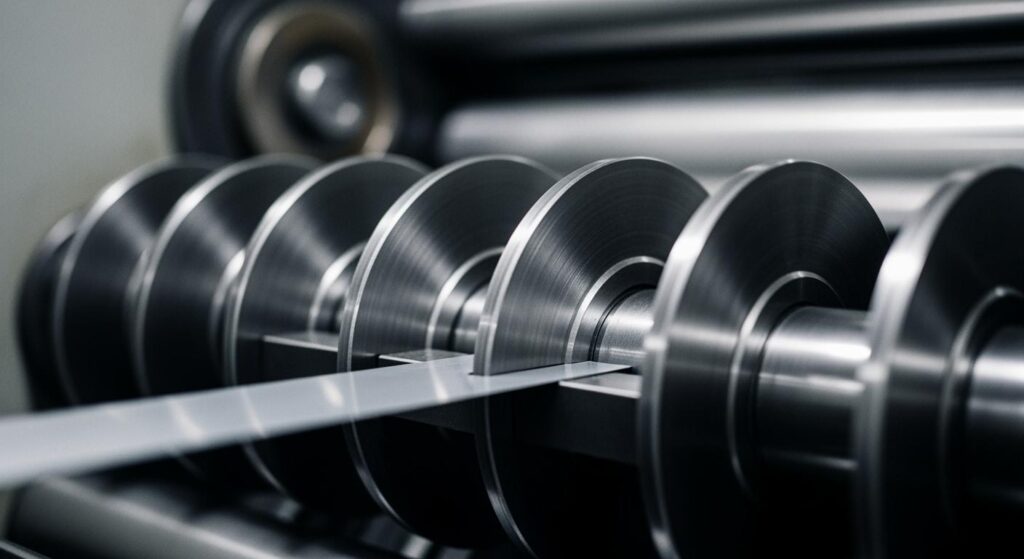
When you pick a Lâmina de corte rotativa para metal, you get better accuracy and strength for your work. Nanjing Metal Industrial has rotary slitter blade for metal choices that keep their sharp edge and cut well. You need a rotary slitter blade for metal that fits your metal type, how fast you work, and what size you need. Steel service centers use rotary slitter blade for metal to save time and make cleaner cuts. You get rotary slitter blade for metal made for special jobs and checked for steady results.
- Pick the best rotary slitter blade for metal to help you work faster.
- Handle tough metal jobs with blades made to work well.
Principais conclusões
- Pick the right rotary slitter blade to cut faster and better.
- Choose blades that match the metal type and thickness for best results.
- Harder blades are best for strong metals, but softer blades are good for easier jobs.
- Blades that keep their edge need fewer changes and make better cuts over time.
- Blades with a smooth finish slide easier and cut better.
- Clean and oil blades often to help them last longer.
- Use high-speed steel or carbide blades for quick, nonstop work.
- Follow the maker’s rules to put in and care for blades the right way.
Rotary Slitter Blade for Metal: Key Features
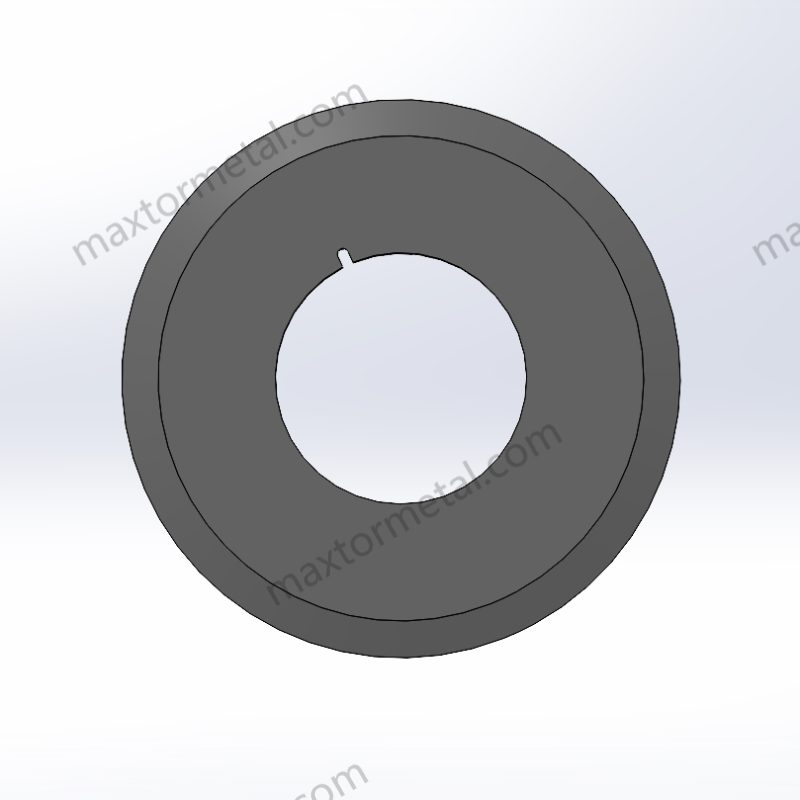
When you pick a rotary slitter blade for metal, you should check some important things. These things help you get smooth cuts, make the blade last longer, and stop your work from slowing down. Let’s see what is most important.
Material and Hardness
The material and hardness of the blade decide how well it cuts and how long it works. You need a blade that matches the metal you cut and how fast you work. If you choose the right material, you can save money on repairs and keep your machines working well.
Dica: Harder blades are better for tough metals. Softer blades are good for easy jobs.
Here is a table that shows common blade materials and their usual hardness:
| Tipo de material | Hardness Rating (Rockwell Scale) |
|---|---|
| Soft Steel | RC45 |
| Hard Steel | RC60 |
| Aço de alta velocidade | RC62-67 |
| Carboneto de tungstênio | RC75-80 |
Aço de alto carbono
High-carbon steel blades are hard and keep their edge for simple jobs. These blades are best for mild steel, aluminum, and other soft metals. They are a good choice if you want to save money. If you have a small business or want to spend less, high-carbon steel is a smart choice. But you might need to change these blades more often if you cut harder metals.
Aço ferramenta
Tool steel blades are tough and hard at the same time. They do not chip or bend easily, even when used a lot. These blades are good for both slow and fast cutting. They last longer than high-carbon steel blades and are great if you need strong and flexible blades.
Aço de alta velocidade
High-speed steel blades are very hard and can handle heat well. You can use them for fast jobs and for cutting hard metals. These blades stay sharp for a long time, so you do not need to sharpen them often. Many big factories use high-speed steel because it works well and lasts long.
Carboneto de tungstênio
Tungsten carbide blades are super hard and do not wear out fast. They last up to three times longer than high-carbon steel blades in tough jobs. If you need to cut stainless steel, titanium, or other hard metals, tungsten carbide is the best choice. These blades are great for big, fast jobs. They cost more at first, but you save money because you do not need to replace them as much.
- Tungsten carbide blades: Hardness about 1,500 Vickers
- High-carbon steel blades: Hardness 700–900 Vickers
Retenção de Borda
Edge retention means how long your blade stays sharp. Good edge retention means your blade lasts longer and you do not need to fix it as much. When your blade stays sharp, you get better cuts and spend less money.
Companies like Nanjing Metal Industrial use special ways to make blades keep their edge. They use forging, alloy sintering, careful cutting, and special coatings. For example, coatings like titanium or chromium stop blades from sticking and rusting, so they last longer.
Observação: If your blade keeps its edge, you get better cuts and do not need to change blades as often.
Precision and Tolerance
Precision and tight tolerances help you get clean and exact cuts. If your blade meets strict rules, you waste less metal and get fewer rough edges. In fast, automatic jobs, even a small mistake can waste metal or break machines.
Aqui está uma tabela que mostra normal tolerances for rotary slitter blades:
| Tipo de lâmina | Tolerância de espessura (mm) | Tolerância de comprimento (mm) | Tolerância de Borda (mm) |
|---|---|---|---|
| Industrial Padrão | ±0,05 | ±0,10 | ±0,02 |
| Corte de precisão | ±0,02 | ±0,05 | ±0,01 |
| Médico/Aeroespacial | ±0,01 | ±0,03 | ±0,005 |
Nanjing Metal Industrial uses careful cutting and strict checks to make sure every blade meets these rules. This helps you get the best results when you cut metal.
Acabamento de superfície
The surface finish of your blade helps it cut metal smoothly. A smooth finish lowers friction, heat, and stops metal from sticking or getting scratched. Good finishing also makes the blade last longer and gives you better cuts. Some blades get special coatings to stop rust and work better.
You can ask for special surface finishes to fit your needs. This helps you get the best results for your own work.
Remember, picking the right features in your rotary slitter blade for metal helps you get better results, longer blade life, and cleaner cuts every time.
Acabamento de superfície
When you pick a rotary slitter blade for metal, you should look at the surface finish. The finish on the blade’s edge and body matters a lot for cutting. If the blade is smooth, it slides easier on metal. Less sliding trouble means less heat when you cut. Less heat helps the blade last longer and keeps cuts neat. If you use a blade with a fine finish, like Ra0.2 to Ra0.4, you get smoother cuts and better metal quality.
A good surface finish also stops metal from sticking to the blade. It helps keep your work line moving without problems. You do not get burrs or rough edges on your metal. Many companies give blades special surface treatments. These treatments protect blades from rust and wearing out. You do not need to fix blades as much.
Here is a table that shows common surface coatings and what they do for rotary slitter blades for metal:
| Tipo de revestimento | Benefícios |
|---|---|
| Physical Vapor Deposition | Makes blades stronger against wear and rust; stops blades from getting scratched or sticky. Common materials: Boron Carbide, titanium carbide, titanium nitride. |
| Chemical Vapor Deposition | Helps blades last longer and work better; gives a tough coating. Common material: Titanium carbide. |
| Nitreto de titânio (TiN) | Helps blades duram até 40% a mais when cutting fast. |
| Carbono tipo diamante (DLC) | Makes blades harder and keeps them cool when cutting. |
These coatings help your rotary slitter blade for metal work better:
- Coatings lower friction and make blades tougher.
- Titanium-coated blades last 35% longer in fast jobs than blades without coating.
- Diamond-Like Carbon coatings make blades harder and protect them from heat.
Tip: If you want your rotary slitter blade for metal to last longer and cut better, ask for a blade with a special surface finish or coating. This easy choice helps your work and saves money.
A good surface finish is not just for looks. It helps your blade work better, last longer, and give you great cuts every time.
Best Slitting Blades: Types and Applications
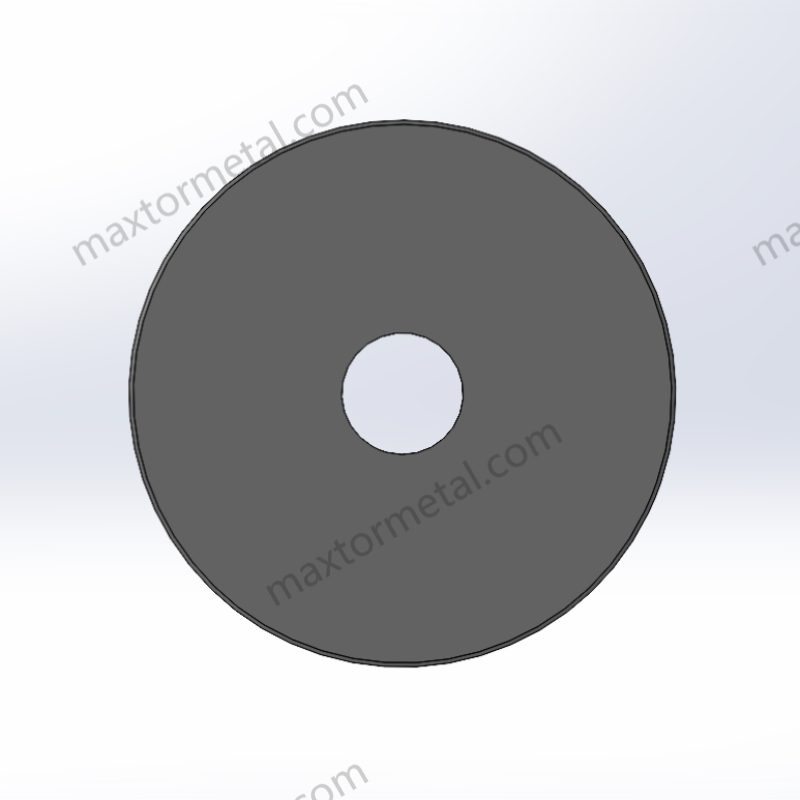
D2 Tool Steel Blades
Características principais
D2 tool steel blades have a lot of chromium in them. This makes them strong and helps them last a long time. These blades stay sharp for many uses. You can use them in both hand and machine slitting. Many people pick D2 tool steel blades for circular and shear slitting.
Vantagens e Limitações
There are many good things about D2 tool steel blades:
- They do not wear out fast, so you change them less.
- They keep their edge, so your cuts look neat.
- You can use them on many materials.
But D2 tool steel blades are not the best for very hard metals. You should pick the right blade for your job to get the best results.
D2 tool steel blades give you good value and work well for most jobs.
Suitable Metals and Production Speeds
You can use D2 tool steel blades in many places:
- Embalagem
- Plastics work
- Impressão
- Cutting films for circuit boards
- Trimming labels without hurting the paper
- Cutting paper rolls and films
D2 tool steel blades work best at medium or high speeds. They cut many metals, but not the hardest ones.
Lâminas com ponta de carboneto
Características principais
Carbide-tipped blades have a steel body and a carbide edge. This makes them strong and very hard. You use these blades to cut tough metals or when machines run fast. Carbide-tipped blades are common in metal plants.
Vantagens e Limitações
Here is a table that shows the main good and bad points of carbide-tipped blades:
| Vantagens | Limitações |
|---|---|
| Very hard and do not wear out fast | Pode quebrar se sofrer um impacto forte. |
| Last a long time and stay sharp in tough jobs | Cost more than other blades |
These blades last a long time and stay sharp. But you must be careful because they can break if dropped or hit.
Suitable Metals and Production Speeds
You should use carbide-tipped blades for:
- Cutting hard things like steel, copper, and metal mixes
- Jobs where you need the blade to last a long time
Carbide-tipped blades work best at high speeds. They are great for cutting stainless steel and other hard metals. You can use them for tough jobs in both circular and shear slitting.
Lâminas de aço rápido
Características principais
High-speed steel blades are tough and can handle heat. You can use them in fast, nonstop work. These blades stay sharp even after long use. High-speed steel is a top pick for circular, shear, and razor slitting.
Vantagens e Limitações
High-speed steel blades have many good points:
- They are tough and last longer.
- Elas mantêm o fio, então você precisa trocá-las com menos frequência.
- They work well in hot, fast jobs.
Here is a table that compares high-speed steel blades and carbide blades:
| Recurso | Lâminas HSS | Lâminas de Carboneto |
|---|---|---|
| Durabilidade | Tough and do not wear out fast | Harder and last longer |
| Nitidez | Stays sharp for a long time | Stays sharp even longer |
| Resistência ao calor | Works well in heat | Handles high heat too |
| Aplicações ideais | Medium to high-speed jobs | Fast and heavy-duty jobs |
High-speed steel blades may not last as long as carbide-tipped blades in the hardest jobs, but they are a good deal for the price.
Suitable Metals and Production Speeds
You can use high-speed steel blades for:
- Medium to fast cutting of steel, aluminum, and other metals
- Jobs where you want the blade to last and stay sharp
- Work where you want less time spent changing blades
High-speed steel blades are good for nonstop work. You can use them in many types of slitting blades for lots of metal jobs.
Tip: Pick the right blade for your metal and speed. This helps you get neat cuts, longer blade life, and better results.
Micro-Grain Tungsten Carbide Blades
Características principais
Micro-grain tungsten carbide blades are great for tough jobs. These blades have tiny tungsten carbide bits inside. This makes them much harder and stronger than most blades. They stay sharp for a long time. They do not chip or break easily, even with hard or rough materials. Many factories use these blades for fast and busy work.
Here is a table that shows what makes micro-grain tungsten carbide blades special and where you use them most:
| Unique Properties | High-Volume Production Scenarios |
|---|---|
| Durability: Lasts longer than high-speed steel | Continuous production: Ideal for factories running all day |
| Efficiency: Reduces downtime and maintenance | Cutting hard or abrasive materials: Handles tough jobs well |
| Cost-effectiveness: Lower long-term costs | Applications requiring minimal downtime: Keeps machines running without interruptions |
| Special finishes and edge treatments | Indústrias: Metalworking, Marcenaria, Processamento de papel, Plásticos |
Vantagens e Limitações
Micro-grain tungsten carbide blades have many good points. They last longer than high-speed steel or tool steel blades. You do not need to change them as often, so machines keep working. The cuts are cleaner and have fewer rough spots. This helps you save money and make better products.
- Micro-grain tungsten carbide blades do not wear out fast.
- They stay sharp, even when used for a long time.
- You can use them for both circular slitter blades and shear slitting blades.
But you must be careful with these blades. They are very hard, but they can break if dropped. They cost more at first, but you save money later because you do not replace them as much.
Tip: If you want less downtime and better cuts, micro-grain tungsten carbide blades are a smart choice for your slitting line.
Suitable Metals and Production Speeds
Micro-grain tungsten carbide blades work on many metals. They cut stainless steel, titanium, copper, and other hard metals. They also work well on rough materials like laminates or coated metals. You can use them for both circular slitter blades and shear slitting blades.
- Use these blades for fast, nonstop work.
- They are best for factories that run all day and need little stopping.
- You get great results in metalworking, plastics, and paper processing.
Circular Slitter Blades for Metal
Circular slitter blades help you cut metal coils or sheets quickly and neatly. These blades spin and slice through metal with accuracy. There are different types for different jobs. The three main types are solid disc blades, inserted blade knives, and shear cut knives.
Lâminas de disco sólido
Solid disc blades are made from one piece of strong steel or carbide. You use them for straight and long cuts. These blades fit many machines and work for thin or thick metals. They last a long time and work well.
- Solid disc blades give smooth edges and less roughness.
- You can use them for both circular slitter blades and shear slitting blades.
- They are simple to put in and take care of.
Inserted Blade Knives
Inserted blade knives have a holder and a part you can change. You only swap the edge when it gets dull, not the whole blade. This saves time and money. You use these knives when you need to change blades often or need special edge shapes.
- Inserted blade knives work well for razor slitting blades and crush cut blades.
- You can switch edges for different materials, so they are flexible.
- These knives are used in packaging, plastics, and metal slitting.
Shear Cut Knives
Shear cut knives use two blades that move close together, like scissors. They make very clean cuts with little roughness. These knives are best for jobs that need high accuracy. You use them for thin metals, coated sheets, and soft materials.
- Shear cut knives fit many circular slitter blades setups.
- You get less dust and smoother edges.
- These knives are used in electronics, cars, and appliance making.
Note: Picking the right circular slitter blades helps you get better cuts and waste less metal. You also keep your machines working longer with less fixing.
You can use circular slitter blades for many jobs. They work in metal service centers, coil cutting, and even in razor slitting blades for films and foils. You get the best results when you match the blade type to your material and speed.
Leading Brands of Rotary Slitter Blades
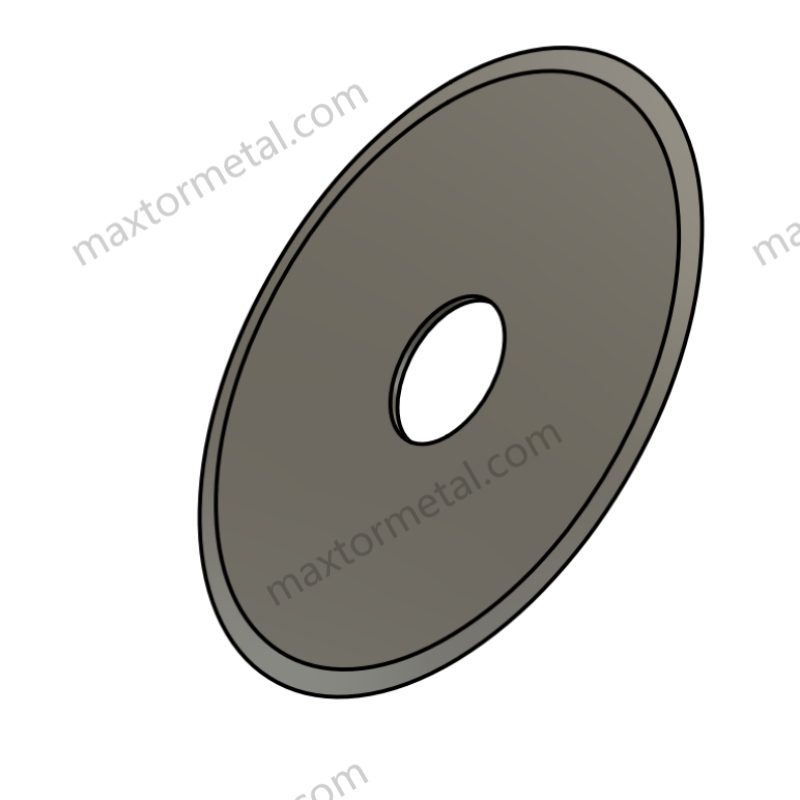
When you want the best rotary slitter blades, you should pick a brand that gives you good quality and help. Many companies make these blades, but some are better because they have lots of choices, can make special blades, and check their products carefully.
Nanjing Metal Industrial
Nanjing Metal Industrial has many rotary slitter blades for different jobs. They help people in metalworking, packaging, and plastics. You can find blades for many machines and materials, so you get what you need.
Here is a table that shows why Nanjing Metal Industrial is a great pick:
| Recurso | Descrição |
|---|---|
| Product Range | Has many kinds of slitter blades for lots of uses. |
| Opções de personalização | Fabrica lâminas personalizadas para você. É possível solicitar formatos ou tamanhos especiais. |
| Garantia de qualidade | Inspeciona cada lâmina minuciosamente várias vezes antes do envio. |
É possível solicitar lâminas com formatos, arestas de corte ou revestimentos especiais. A empresa inspeciona cada lâmina rigorosamente, garantindo excelentes resultados e menos problemas operacionais. Se precisar de suporte, a equipe deles prestará assistência desde o primeiro pedido até o pós-venda.
Dica: Se você precisa de lâminas personalizadas, escolha uma marca que ofereça flexibilidade de customização e realize um controle de qualidade rigoroso.
Outras Marcas Globais
Existem outras marcas líderes em lâminas slitter rotativas. Essas empresas investem no desenvolvimento de lâminas inovadoras e de alta resistência. Suas lâminas são utilizadas em fábricas no mundo todo.
Algumas das principais marcas são:
- Bahco
- Klein Tools Inc.
- Mitsubishi Materials Corporation
- Tungaloy Corporation
- Walter AG
- Guhring Inc.
- Seco Tools
- ISCAR Ltd.
- Kennametal Inc.
- DMT GmbH & Co. KG
- Micro 100 Tool Corporation
Essas marcas utilizam materiais avançados e maquinário inteligente. Elas empregam automação robótica para fabricar lâminas com maior vida útil e melhor desempenho de corte. Muitas marcas oferecem suporte técnico rápido para evitar paradas na sua linha de produção.
A Konetool é outra marca que fabrica lâminas de corte longitudinal (slitter) de carboneto de tungstênio. Suas lâminas são ideais para aplicações que exigem corte afiado e alta resistência nos setores de embalagens, metalurgia e plásticos. Elas garantem cortes limpos e evitam a perda de produtividade das máquinas.
Nota: O mercado de lâminas slitter rotativas está em constante evolução. Os fabricantes utilizam materiais de qualidade superior e tecnologias mais inteligentes para aumentar a velocidade de operação e reduzir custos.
Ao escolher uma marca líder, você adquire mais do que uma simples lâmina. Você conta com suporte técnico, inovação e a garantia de uma operação eficiente.
Choosing the Right Rotary Slitter Blade for Metal

Avaliação do Tipo e Espessura do Metal
Identificação dos Tipos de Metal
Você precisa saber qual metal deseja cortar. Cada metal difere em dureza e tenacidade. Alguns metais são macios e fáceis de cortar. Outros são duros e exigem lâminas mais resistentes. O aço macio é maleável e funciona com lâminas básicas. O aço inoxidável é mais duro e requer lâminas robustas. O alumínio é macio, mas pode aderir às lâminas. O cobre é macio, mas pode desgastar as lâminas rapidamente. O titânio é extremamente duro e exige lâminas especiais. Ao adequar a lâmina ao tipo de metal, você obtém cortes mais limpos e maior durabilidade da ferramenta.
- O aço macio é maleável e fácil de cortar.
- O aço inoxidável é duro e requer lâminas de alta resistência.
- O alumínio é macio, mas pode aderir às lâminas.
- O cobre é macio, mas pode desgastar as lâminas rapidamente.
- O titânio é extremamente duro e exige lâminas especiais.
Dica: Sempre verifique o tipo de metal antes de escolher uma lâmina slitter rotativa. Isso ajuda a evitar rebarbas ou bordas irregulares.
Medição da Espessura do Material
É necessário medir a espessura das chapas ou bobinas de metal. Use um paquímetro ou micrômetro para obter a medida exata. Metais espessos exigem lâminas robustas e grossas. Metais finos apresentam melhor desempenho com lâminas afiadas e de espessura reduzida. O uso da lâmina incorreta pode resultar em cortes de baixa qualidade ou danos ao equipamento.
- Metais finos (menos de 1 mm) exigem lâminas afiadas e de espessura reduzida.
- Metais de espessura média (1–3 mm) utilizam lâminas padrão.
- Metais espessos (acima de 3 mm) exigem lâminas de alta resistência.
Nota: Meça em mais de um ponto. A espessura do metal pode variar ao longo da chapa ou bobina.
Compatibilidade do Material da Lâmina com as Propriedades do Metal
Escolher o material correto da lâmina para o seu metal garante um corte superior e maior vida útil da ferramenta. Lâminas de Carbide ou HSS com revestimentos resistentes ao calor são ideais para metais duros. A lâmina adequada proporciona cortes mais precisos e maior durabilidade.
| Métrica | Valor |
|---|---|
| Vida da lâmina | Ampliada de 2 para 6 semanas |
| Precisão de corte | Variação < 0.5 mm |
| Tipo de lâmina | Lâminas grossas e rígidas com ângulos de chanfro acentuados (30–40°) |
| Material | Carbide ou HSS com revestimentos resistentes ao calor |
| Projeto | Reforço no dorso para evitar flexão |
Você também pode adequar o formato da lâmina ao metal e à máquina. Isso ajuda a cortar mais rápido e a reduzir o desperdício de metal. Uma lâmina afiada e bem fabricada permite concluir os trabalhos rapidamente e mantém sua linha de produção em movimento.
- Escolha formatos de lâmina compatíveis com seu metal e máquina.
- Utilize lâminas de qualidade para obter cortes limpos e menor desperdício.
- Mantenha as lâminas afiadas para um trabalho mais rápido e melhores resultados.
UM lâmina afiada e bem projetada é importante para um corte rápido. Lâminas desenvolvidas para o seu tipo de metal proporcionam cortes mais rápidos, menor desgaste e melhor qualidade.
Considerações sobre metais revestidos ou tratados
Alguns metais possuem revestimentos ou tratamentos, como aço galvanizado ou alumínio pintado. Esses revestimentos podem dificultar o corte. É necessário utilizar lâminas antiaderentes e resistentes ao desgaste. Revestimentos especiais, como nitreto de titânio ou carbono tipo diamante, ajudam a evitar o acúmulo de material e prolongam a vida útil das lâminas.
- Metais revestidos podem exigir lâminas com tratamentos especiais na aresta de corte.
- Metais tratados podem desgastar as lâminas mais rapidamente, portanto, utilize lâminas de maior dureza.
- Verifique sempre se o metal possui revestimento antes de selecionar a lâmina.
Dica: Se você corta metais revestidos ou tratados, solicite lâminas com revestimentos antiaderentes ou resistentes ao desgaste. Isso garante cortes limpos e aumenta a durabilidade das lâminas.
Adequação da lâmina à velocidade de produção
Determinação da velocidade de corte necessária
É essencial conhecer a velocidade da sua linha de corte longitudinal (slitting). A velocidade de corte e o volume de produção são fundamentais na escolha da lâmina. Linhas de alta velocidade exigem lâminas capazes de suportar maior calor e tensão mecânica. Utilizar uma lâmina não projetada para altas velocidades pode resultar em desgaste precoce ou cortes de baixa qualidade.
Seleção da classe de lâmina para operações de alta velocidade
Para operações de alta velocidade, são necessárias lâminas com a classe de material e o projeto adequados. A tabela abaixo apresenta os fatores a considerar:
| Fator | Descrição |
|---|---|
| Tipo de material a ser cortado | O material específico afeta a seleção da lâmina |
| Largura desejada do corte (tira) | A largura impacta o projeto e o desempenho da lâmina |
| Velocidade e precisão de corte | Velocidades mais altas exigem especificações de lâmina mais precisas |
Opte por lâminas de aço rápido ou metal duro (carbide) para trabalhos em alta velocidade. Essas lâminas suportam o calor e mantêm a afiação por mais tempo. Além disso, são necessárias lâminas com tolerâncias rigorosas e acabamento de alta precisão.
Equilíbrio entre retenção do fio de corte e resistência ao calor
Quando as máquinas operam em alta velocidade, as lâminas aquecem. É preciso contar com lâminas que mantenham o fio e não sejam danificadas pelo calor. Lâminas de aço rápido e metal duro com revestimentos especiais oferecem o melhor desempenho. Elas duram mais e proporcionam cortes superiores, mesmo em altas velocidades.
- Procure lâminas com revestimentos resistentes ao calor.
- Escolha materiais que mantenham o fio sob tensão de trabalho.
- Substitua as lâminas antes que fiquem muito cegas para evitar cortes defeituosos.
Ajuste para produção contínua vs. intermitente
Se a sua linha opera continuamente, são necessárias lâminas de alta durabilidade. Para lotes pequenos ou trabalhos curtos, podem ser utilizadas lâminas padrão. A produção contínua submete as lâminas a maior desgaste, exigindo materiais mais resistentes e revestimentos de alta performance. Para produções curtas, podem ser utilizadas lâminas sem exigência tão alta de resistência ao desgaste.
- Produção contínua: Utilize lâminas de metal duro (carbide) ou aço rápido com revestimentos.
- Produção intermitente: Aço ferramenta padrão ou aço de alto teor de carbono podem ser suficientes.
Nota: Sempre adeque a lâmina ao seu regime de produção para obter os melhores resultados.
Equipment Compatibility
Verificação das dimensões e da montagem da lâmina
É fundamental verificar as dimensões e a geometria das lâminas. Certifique-se de que a lâmina seja compatível com a sua cortadeira longitudinal (slitter). Meça o diâmetro, a espessura e o furo de montagem. Se a lâmina não se ajustar perfeitamente, poderá danificar a máquina ou gerar cortes insatisfatórios.
- Meça o diâmetro e a espessura da lâmina.
- Verifique o tamanho e a forma do furo de montagem.
- Compare com os requisitos do manual da sua máquina.
Garantia de conformidade com as especificações da cortadeira
A lâmina deve ser compatível com as especificações da máquina. Cada equipamento possui limites de dimensão, velocidade e montagem para as lâminas. O uso de lâminas inadequadas pode causar problemas como rebarbas ou cavacos de corte. Verifique sempre o manual da máquina antes de adquirir novas lâminas.
- Revise os limites de tamanho e velocidade de lâmina da sua máquina.
- Certifique-se de que o material da lâmina seja adequado à potência do equipamento.
- Consulte o seu fornecedor em caso de dúvidas.
Verificação dos requisitos de tolerância e alinhamento
Tolerâncias rigorosas e um bom alinhamento garantem cortes limpos e seguros. A tabela abaixo demonstra a importância desses fatores:
| Aspecto | Importância |
|---|---|
| Precisão | Garante excepcional precisão de largura e retilineidade da tira, atendendo às tolerâncias do setor. |
| Alinhamento de lâminas | Minimiza distorções e rebarbas, resultando em cortes de alta qualidade. |
| Segurança Operacional | O alinhamento correto e o respeito às tolerâncias são cruciais para operações seguras. |
Lâminas desalinhadas provocam cortes irregulares e aumento de rebarbas. Isso também pode tornar o equipamento ruidoso e inseguro. Utilize conjuntos de facas de alta precisão e sistemas eficientes de alinhamento para obter os melhores resultados.
- Utilize conjuntos de facas de alta precisão.
- Check blade alignment often.
- Mantenha um controle de aresta consistente.
Consulta às diretrizes do fabricante
Always read the guides from your blade and machine makers. These guides tell you the best way to put in and use your blades. They also help you avoid mistakes that can hurt your equipment or make your cuts worse.
- Follow all instructions for blade installation and care.
- Ask your supplier for help if you have questions.
- Keep your manuals handy for quick checks.
Tip: Following manufacturer guidelines helps you get the most from your rotary slitter blades and keeps your operation safe.
Solução de problemas comuns
Rotary slitter blades for metal can have problems when you use them. If you learn to spot and fix these problems, your work will go better. Here are some common problems and ways to fix them.
Addressing Premature Blade Wear
Sometimes, rotary slitter blades for metal wear out too soon. You might see your blade gets dull fast or has damage. The main reasons are edge dulling, chipping, and rust.
Common causes of premature wear:
- Edge dulling happens after using the blade many times.
- Chipping or cracking comes from rough use or dropping the blade.
- Rust forms if the blade gets wet or touches chemicals.
To fix these problems, you can:
- Use careful grinding to keep the blade sharp.
- Be gentle when putting in or taking out blades to stop chips or cracks.
- Check blades often to find early signs of wear.
- Put anti-rust coatings on blades to stop rust and chemical harm.
Dica: If you take care of your rotary slitter blade for metal and check it often, it will last longer.
Solving Inconsistent Cut Quality
If you see rough or uneven cuts, your rotary slitter blade for metal may not work right. Bad cuts waste metal and slow your work.
Steps to improve cut quality:
- Make sure the blade is sharp. Dull blades do not cut well.
- Check if the blade is lined up right in the machine.
- Look at the knife holder to see if it is worn or broken.
- Pick the right blade material for your metal and its thickness.
A sharp and straight blade gives you better cuts and less waste. If you keep your tools in good shape, your work will look better.
Reducing Burrs and Edge Deformation
Burrs and bent edges can happen if the rotary slitter blade for metal is not set up right or is old. Burrs are tiny bits of metal left after cutting. They can cause trouble later.
How to reduce burrs and deformation:
- Pick blades with the right hardness and edge shape for your metal.
- Set the blade gap to match your metal’s thickness.
- Use stronger blade materials like tungsten carbide for hard jobs.
- Add special coatings like PVD or CVD to make blades smoother and cut better.
Observação: If you pick and set up your blade the right way, you get smoother edges and do not need to fix them as much.
Optimizing Blade Life and Performance
You can help your rotary slitter blade for metal last longer by following some easy steps. These tips save money and help your work go faster.
Best practices for longer blade life:
- Take care of knife holders and machine parts often.
- Choose blades with special coatings to stop wear.
- Use strong materials like tungsten carbide or zirconia ceramic for hard jobs.
- Keep blades dry and clean so they do not rust.
| Practice | Beneficiar |
|---|---|
| Manutenção regular | Blades last longer, fewer problems |
| Use of advanced coatings | Blades wear less, cuts are smoother |
| Material upgrades | Work is faster, machines stop less |
If you keep your rotary slitter blade for metal in good shape, you will stop less, cut better, and spend less money over time.
Maintenance and Longevity of Slitter Blades
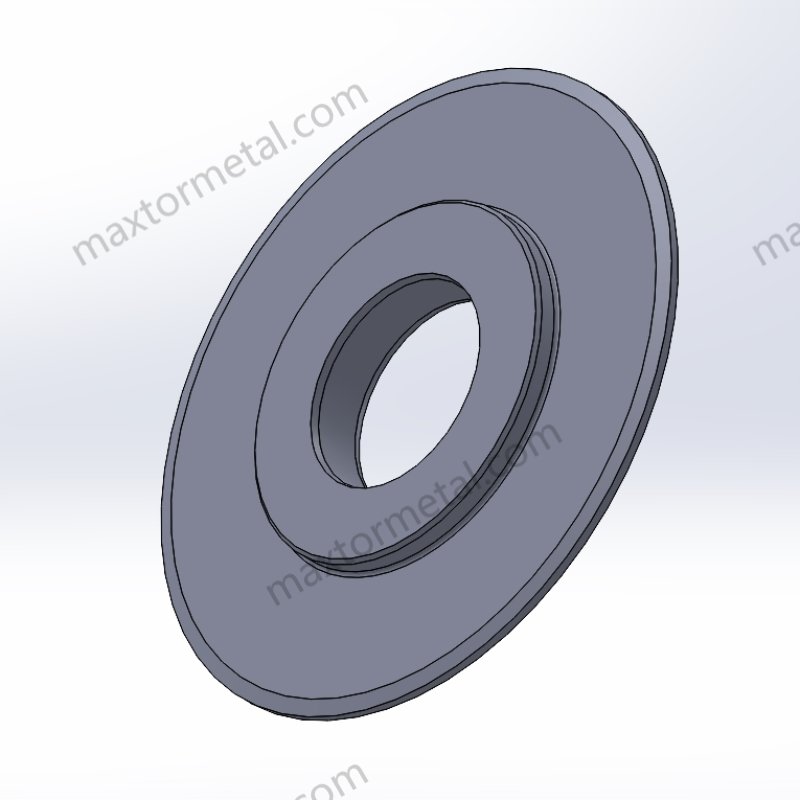
Taking care of your slitter blades helps them work better and last longer. Good care also keeps your machines working well and saves you money. Here are some easy ways to look after your rotary slitter blades.
Limpeza e Manuseio
Always be careful when you touch slitter blades. If you drop or hit them, the sharp edge can get ruined. Follow these steps to keep your blades safe and clean:
- Inspect Blades Regularly
Look at your blades often for chips, rough spots, or uneven wear. Write down what you find each time. This helps you see problems early and know when to fix or change a blade. - Clean After Each Use
Use soft tools and special cleaners to wipe off metal dust and dirt. Clean your blades after every job. This stops buildup and helps blades stay sharp longer. - Lubricate Properly
Pick the right oil or liquid for your job. Water-based oils are good for jobs that get hot. Oil-based ones are best for tough metal cutting. Lubrication helps blades move easier and last up to 25% longer. - Armazene as lâminas com segurança
Keep blades in a dry place that does not get too hot or cold. Use covers to stop scratches and rust. - Train Operators
Make sure everyone knows how to handle blades the right way. Do not touch the sharp edge. Line up blades carefully when putting them in. Well-trained workers help blades last longer.
Tip: If you clean and handle your blades with care, they will last longer and work better.
Sharpening and Reconditioning
You do not have to buy a new blade every time it gets dull. You can sharpen or fix old blades to make them work like new. Use a grinding machine or ask a pro to sharpen your blades. Sharpen blades if you see rough cuts or if cutting gets hard.
- Sharpened blades work almost like new ones.
- Sharp blades help you cut faster and neater.
- If you sharpen blades often, you do not need to buy as many new ones.
Keeping blades sharp helps you work faster and get better cuts. You save money and your machines work better.
Monitoramento de desempenho
You can use smart systems to watch how your blades are doing. These systems tell you when a blade is getting worn out. Companies using these systems can work 30% mais rápido because they know when to change blades before problems happen.
Machine Condition Monitoring (MCM) uses smart tools to check for blade wear. It can even show where a problem is starting. This helps you fix things early and avoid stopping your machines.
Note: If you check your blades often and use smart tools, your blades will last longer and your machines will run better.
You can pick from many rotary slitter blades. Some types are D2 tool steel, carbide-tipped, and micro-grain tungsten carbide. Top brands like Nanjing Metal Industrial have blades for all kinds of jobs. If you match your blade to your metal and how fast you work, you get better cuts. Checking and cleaning blades often helps you find dull edges early. This keeps your blades working well and stops waste.
- Good blades cut many metals and help you work faster.
- Cleaning and storing blades safely keeps them in good shape.
| Etapa | Descrição |
|---|---|
| 1 | Talk to experts about what you need. |
| 2 | Get a blade designed for your job. |
| 3 | Try out the blade before using it a lot. |
| 4 | Make sure the blade is strong and works well. |
| 5 | Use the blade in your factory or shop. |
If you want a blade made just for you, Contato um engenheiro de vendas.
Perguntas frequentes
What is a rotary slitter blade for metal?
A rotary slitter blade for metal is a round cutting tool. You use it in slitting machines to cut wide metal coils into narrower strips. These blades help you get clean, straight cuts with less waste.
How do you choose the right rotary slitter blade for metal?
You should match the blade material to your metal type and thickness. Check your machine’s speed and size requirements. Ask your supplier for help if you are unsure. The right blade gives you better cuts and longer life.
How often should you replace a rotary slitter blade for metal?
You should replace the blade when you see dull edges, rough cuts, or more burrs. Heavy use or hard metals may need more frequent changes. Regular checks help you know when to switch blades.
Can you sharpen a rotary slitter blade for metal?
Yes, you can sharpen most rotary slitter blades for metal. Use a grinding machine or ask a professional. Sharpening helps you save money and keeps your cuts clean.
What metals can you cut with a rotary slitter blade for metal?
You can cut many metals, such as mild steel, stainless steel, aluminum, copper, and titanium. Pick the right blade material for each metal to get the best results.
Why does blade surface finish matter?
A smooth surface finish lowers friction and heat. This helps your rotary slitter blade for metal last longer and cut better. Special coatings can also stop rust and sticking.
How do you store rotary slitter blades for metal?
Store blades in a dry, cool place. Use blade covers or cases to prevent scratches and rust. Keep them away from moisture and chemicals for longer life.
What should you do if your rotary slitter blade for metal wears out too quickly?
Check if you use the right blade material and coating. Make sure your machine settings are correct. Clean and lubricate blades after each use. Ask your supplier for advice if problems continue.
Veja também
Como escolher as lâminas de corte circulares certas para um desempenho duradouro
O guia definitivo para escolher uma lâmina de corte de borracha
Como maximizar a nitidez da lâmina de corte para um desempenho de corte superior

 English
 Spanish
 Italian
 French
 Portuguese
 Russian
 German
 Arabic
 Hindi
 Vietnamese
 Indonesian
 Japanese
 Korean