

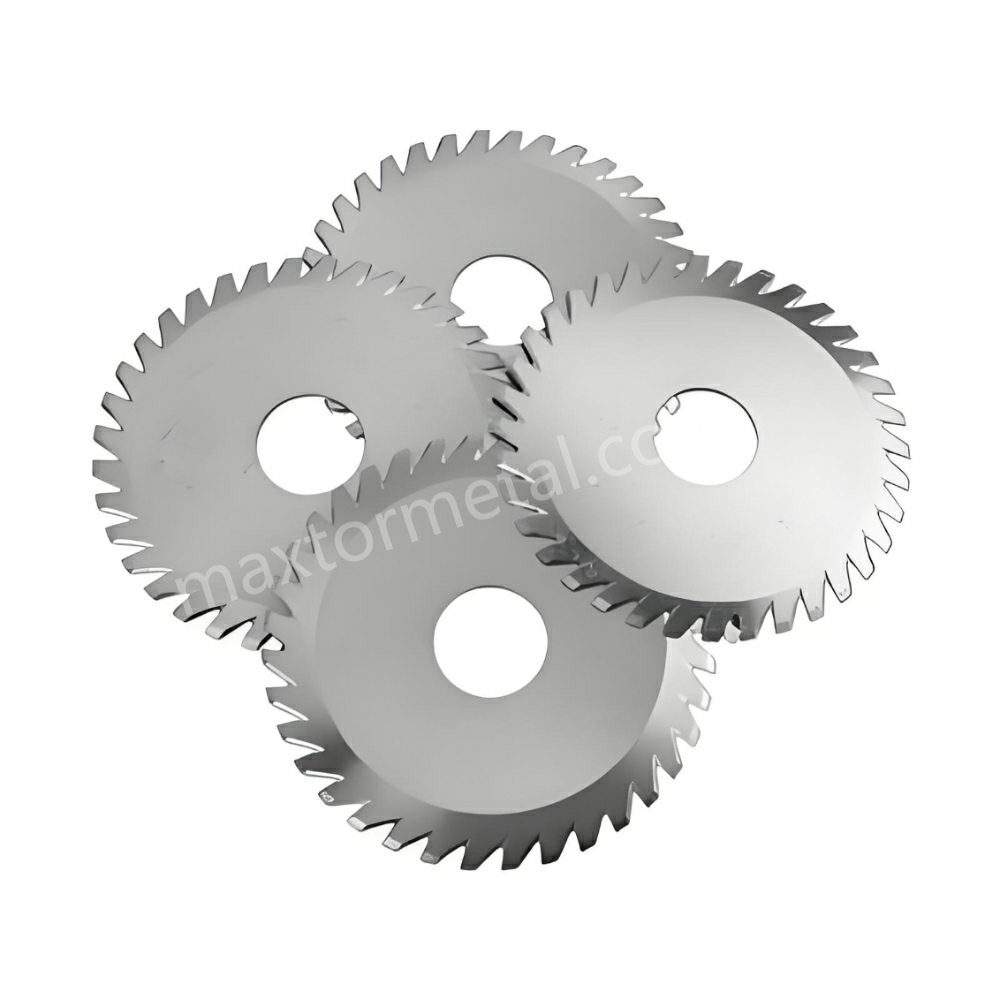
Khi bạn chọn loại tốt nhất Lưỡi dao cắt xẻng quay cho vải, bạn sẽ nâng cao tốc độ và chất lượng của quy trình cắt. Dao xẻ tròn chất lượng kém có thể dẫn đến một số vấn đề như:
- Lưỡi cắt có thể bị mẻ hoặc gãy nếu không được căn chỉnh chính xác
- Vòng đệm cao su liên kết có thể bị hư hỏng
- Dao có thể không được lắp đặt đồng đều trong mỗi lần thay
- Vải có thể bị cắt mép không đều
- Vải có thể không giữ được độ phẳng trong quá trình cắt
Nanjing Metal Industrial cung cấp nhiều lựa chọn dao xẻ tròn cho ngành dệt may, được chế tạo từ các vật liệu cao cấp. Bạn có thể chọn các loại dao có thiết kế lưỡi chuyên dụng, độ bền vượt trội và các tùy chọn tùy chỉnh để đáp ứng các yêu cầu cụ thể của mình.
Những điểm chính
- Việc lựa chọn dao xẻ tròn chất lượng tốt giúp bạn cắt nhanh hơn và hiệu quả hơn. Nó cũng giúp giảm thiểu hao hụt và nâng cao tính thẩm mỹ của sản phẩm.
- Hãy chọn vật liệu dao phù hợp cho loại vải của bạn. Sử dụng thép gió nếu bạn muốn dao có tuổi thọ cao hơn. Chọn tungsten carbide cho các công việc nặng. Sử dụng thép cacbon cao nếu bạn muốn tiết kiệm chi phí.
- Hãy cân nhắc thiết kế lưỡi dao. Dao lưỡi nhỏ hoạt động tốt trên các loại vải dày. Dao lưỡi lớn là lựa chọn tốt nhất cho các loại vải mỏng, giúp ngăn ngừa tình trạng rách vải.
- Hãy bảo dưỡng dao bằng cách vệ sinh và bảo quản đúng cách. Điều này có thể giúp kéo dài tuổi thọ của dao lên tới 35%.
- Theo dõi độ mòn của dao bằng cách kiểm tra các vết mẻ ở lưỡi cắt hoặc khi thấy lực cắt nặng hơn. Thay dao khi cần thiết để duy trì hiệu suất hoạt động tốt.
- Dao tùy chỉnh theo yêu cầu giúp bạn cắt tốt hơn và giảm thiểu hao hụt vật liệu.
- Sự hỗ trợ từ nhà cung cấp là rất quan trọng. Hãy chọn những nhà cung cấp có khả năng gia công dao tùy chỉnh và hỗ trợ nhanh chóng để đảm bảo công việc của bạn luôn diễn ra trôi chảy.
- Đầu tư dao chất lượng tốt ban đầu có thể tốn chi phí hơn, nhưng sẽ giúp bạn tiết kiệm tiền về lâu dài nhờ giảm thiểu việc sửa chữa và tần suất thay dao mới.
Các đặc tính chính của dao xẻ tròn tốt nhất
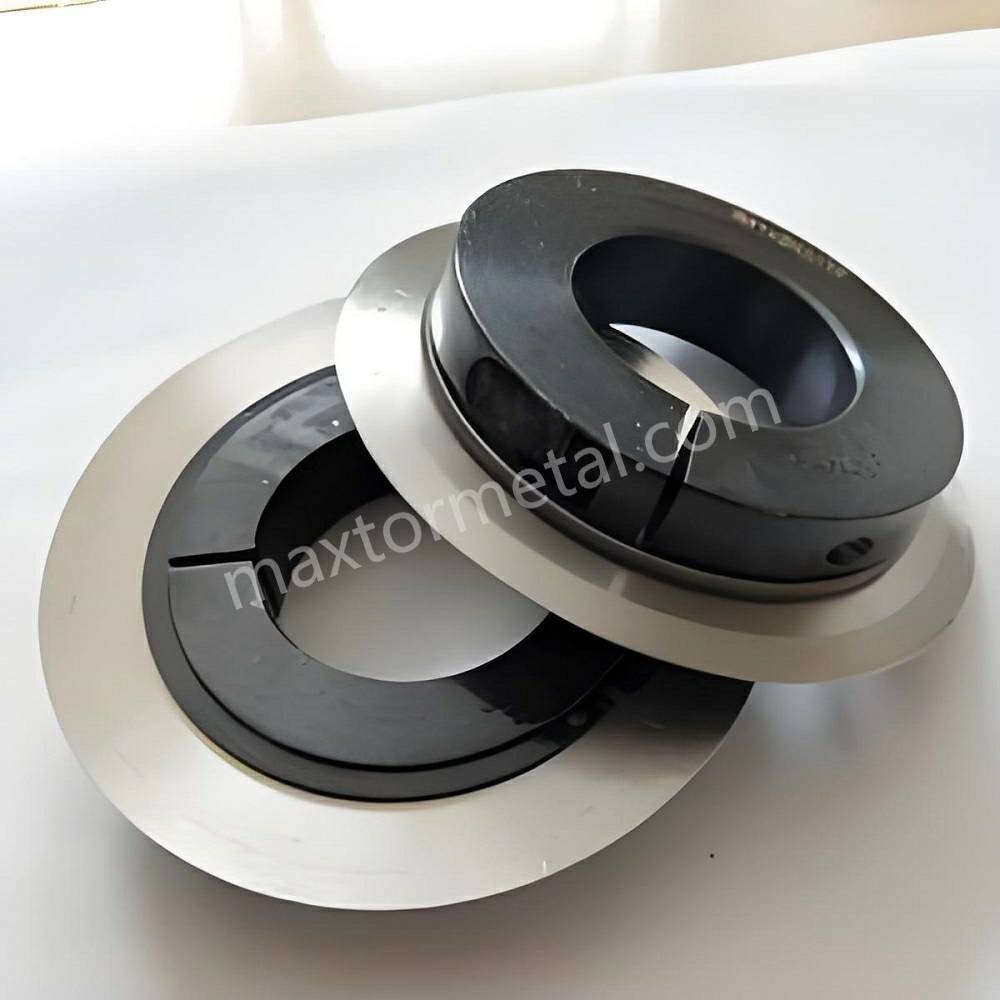
Vật liệu chế tạo dao cắt ngành dệt may
Việc lựa chọn vật liệu phù hợp cho dao xẻ tròn là rất quan trọng. Mỗi loại vật liệu đều có những ưu điểm riêng cho từng công đoạn cắt dệt may khác nhau. Bạn nên cân nhắc tầm ảnh hưởng của vật liệu đến tuổi thọ, độ sắc bén và chất lượng cắt của dao.
Thép tốc độ cao (HSS)
Thép gió có độ cứng và độ dẻo dai rất cao. Nó hoạt động hiệu quả trong quy trình cắt vải tốc độ cao nhờ khả năng chống mài mòn tốt. Dao HSS phù hợp cho các loại vải thông thường và vải thô. Thép M2 là một loại thép gió có độ bền cao, giúp máy móc vận hành lâu hơn trước khi cần thay dao, từ đó tiết kiệm thời gian và tăng năng suất.
Cacbua Vonfram
Dao tungsten carbide có độ cứng cực cao và tuổi thọ lâu dài. Chúng có thể cắt các loại vải thô và dai một cách dễ dàng. Những lưỡi dao này giữ được độ sắc bén trong thời gian dài, giúp giảm tần suất thay thế. Tungsten carbide là lựa chọn tối ưu khi bạn cần một loại dao xẻ tròn tốt nhất cho các dự án quy mô lớn.
Thép với hàm lượng các bon cao
Dao thép cacbon cao có chi phí thấp hơn và dễ mài sắc. Chúng phù hợp cho hầu hết các ứng dụng cắt vải thông thường. Bạn cần giữ dao luôn khô ráo và sạch sẽ vì chúng dễ bị gỉ sét nếu không được bảo dưỡng đúng cách. Thép D2 là một lựa chọn thép cacbon cao phổ biến, mang lại khả năng chống mài mòn tốt với mức giá hợp lý.
Thép công cụ
Dao thép công cụ có độ bền cao và tuổi thọ lâu dài, hoạt động hiệu quả trên nhiều loại vật liệu dệt may khác nhau. Bạn có thể tin tưởng vào thép công cụ để có được hiệu suất cắt ổn định và thời gian sử dụng lâu dài. Những lưỡi dao này là sự lựa chọn tuyệt vời khi bạn cần một giải pháp đáng tin cậy và hiệu quả kinh tế.
Mẹo: Dao thép không gỉ và dao gốm cũng được cung cấp trên thị trường. Thép không gỉ có khả năng chống gỉ sét tốt, trong khi dao gốm giữ độ sắc bén rất lâu nhưng lại dễ bị mẻ, vỡ.
| Vật liệu | Độ bền | Thuận lợi | Nhược điểm |
|---|---|---|---|
| Thép không gỉ | Cao | Chống ăn mòn, bền bỉ | Chi phí cao hơn |
| Thép Cacbon | Trung bình | Tiết kiệm chi phí, dễ mài | Dễ bị gỉ sét nếu không được bảo dưỡng |
| Gốm sứ | Rất cao | Các cạnh nhẹ, siêu sắc | Giòn, chi phí trả trước cao hơn |
Thiết kế và hình học lưỡi dao
Thiết kế lưỡi của dao xẻ tròn ngành dệt may ảnh hưởng trực tiếp đến hiệu quả cắt. Hình dáng lưỡi dao phù hợp giúp giảm thiểu hao hụt và tạo ra sản phẩm chất lượng hơn.
Dao lưỡi nhỏ một lớp
Dao lưỡi nhỏ một lớp rất phù hợp để cắt các loại vải dày hoặc cứng. Lưỡi dao mỏng và sắc bén giúp tạo ra các đường cắt gọn gàng với lực kéo tối thiểu. Bạn sẽ thấy mép vải ít bị xơ và mịn hơn. Những lưỡi dao này là lựa chọn tối ưu khi yêu cầu độ chính xác cao và giảm thiểu hao hụt sợi vải.
Dao lưỡi lớn hai lớp
Dao lưỡi lớn hai lớp phù hợp cho các loại vải mỏng hoặc mềm. Phần lưỡi rộng giúp giữ cố định vải và ngăn ngừa rách vải. Bạn sẽ có được những đường cắt mượt mà ngay cả khi vận hành ở tốc độ cao. Thiết kế này là lựa chọn tốt nhất khi bạn muốn bảo toàn cấu trúc vải và giảm thiểu hao hụt.
Để tìm hiểu các hình dạng dao và thiết kế lưỡi đặc biệt, bạn có thể tham khảo trang lưỡi dao tùy chỉnh để tìm kiếm các tùy chọn phù hợp với nhu cầu của mình.
| Loại hình học | Tốt nhất cho | Kết quả thực hiện |
|---|---|---|
| Vát cạnh đánh bóng | Bông, vải dệt | Giảm hao hụt vải, đường cắt sạch hơn |
| Lưỡi dạng sóng/hình sò | Vải dệt | Giảm xơ vải, mép cắt mịn |
| Răng cưa siêu nhỏ | Giấy, nhãn có lớp phủ | Đường cắt chính xác, giảm thiểu vụn cắt |
Độ bền và khả năng chống mài mòn
Bạn luôn mong muốn những lưỡi dao có tuổi thọ cao. Độ bền và khả năng chống mài mòn là những yếu tố then chốt quyết định tuổi thọ của dao và chất lượng cắt.
Công nghệ phủ
Các công nghệ phủ mới giúp kéo dài tuổi thọ của dao. Các lớp phủ như Titanium Nitride (TiN), Titanium Carbonitride (TiCN) và Diamond-Like Carbon (DLC) giúp tăng độ cứng của dao và giảm ma sát. Những lớp phủ này giúp dao chống mài mòn và chịu nhiệt tốt hơn, nhờ đó hoạt động bền bỉ hơn ngay cả trong các ứng dụng khắc nghiệt.
| Công nghệ sơn | Những lợi ích |
|---|---|
| Titan Nitride (TiN) | Độ cứng, khả năng chống mài mòn, giảm ma sát |
| Titan Cacbonitride (TiCN) | Độ dẻo dai, cắt tốc độ cao, khả năng chống mài mòn xuất sắc |
| Titan nhôm nitride (TiAlN) | Thermal stability, longer tool life |
| Carbon giống kim cương (DLC) | Hardness, low friction, improved chip evacuation |
Heat and Friction Resistance
Cutting textiles makes heat and friction. You need blades that can handle these problems and stay sharp. Materials like tungsten carbide and coated steels work well in hot conditions. They keep their edge and give steady results, even during long work times.
- Wear resistance helps blades fight damage and friction, so they last longer and cut well.
- Corrosion resistance matters in wet or chemical places. It stops rust and keeps blades safe and useful.
- Abrasion resistance helps blades stay sharp, especially when cutting rough textiles.
Better blades, like ceramic-coated ones, cut faster and stay sharp longer. This helps you save time and money because you do not need to change blades often.
If you need a special blade for a certain job, you can pick custom options. Custom blades let you match the material and shape to what you need.
Precision and Clean Cutting
When you use a rotary slitter blade, you want every cut to be clean. Clean cuts help you save material. They also make your products look nice. Precision is very important with high-speed machines. If you do not focus on precision, you might get rough edges. You could also see extra fibers or lines that are not straight.
Minimizing Burrs and Debris
Burrs and debris can make your textiles look bad. You want to keep these problems small. The best rotary slitter blades have sharp edges. They also have smooth surfaces. These blades cut fabric without leaving rough spots. Look for blades with a fine surface finish. Make sure the cutting edge angle is designed well.
A smooth blade surface lowers friction. Less friction means less sticking. You also get fewer loose fibers.
Here are some things that help you get fewer burrs and debris:
- Độ sắc nét: A sharp rotary slitter blade cuts clean. It leaves fewer loose threads.
- Hoàn thiện bề mặt: A smooth blade (Ra 0.2 µm – 0.4 µm) moves easily through fabric. It keeps the cut edge neat.
- Hình học cạnh: The right cutting edge angle (like 20° or 30°) fits your textile type. It helps you avoid rough edges.
- Parallelism Tolerance: When blade surfaces stay parallel (±0.001 mm to ±0.002 mm), you get even slit widths. You also get fewer burrs.
| Tham số | Sự miêu tả | Typical Range for High-Performance Knives | Tác động đến hiệu suất |
|---|---|---|---|
| Parallelism Tolerance | How much the blade surfaces are not parallel | ±0.001 mm to ±0.002 mm | Even slit width, fewer burrs |
| Surface Finish (Ra) | How smooth the blade surface is | Ra 0.2 µm – 0.4 µm | Less friction, cleaner cuts |
| Góc cạnh cắt | The angle of the blade’s sharp edge | 20°, 30°, multi-angle grind | Best for material, less debris |
If you want your textiles to look good, check these blade features before you cut.
Consistency at High Speed
High-speed cutting is tough on your rotary slitter blade. You need a blade that stays sharp and steady. This is true even when your machine runs fast. Consistency means every cut looks the same. It does not matter how quickly you work.
- Axial & Radial Runout: If your blade wobbles (less than 0.005 mm T.I.R.), you might get uneven cuts. You could also see more vibration. A stable blade keeps every cut straight and smooth.
- Vật liệu lưỡi: Strong materials like high-speed steel or tungsten carbide keep their edge longer. This is true even at high speeds.
- Giữ cạnh: A blade that stays sharp gives you the same quality cut every time.
Tip: Always check your rotary slitter blade for wear before a high-speed job. A worn blade can make more burrs and uneven cuts.
You can trust a high-quality rotary slitter blade for clean, precise cuts. When you pick the right blade for your textile and machine speed, you get better results. You also waste less material.
Các dòng dao xẻ tròn hàng đầu cho ngành dệt may
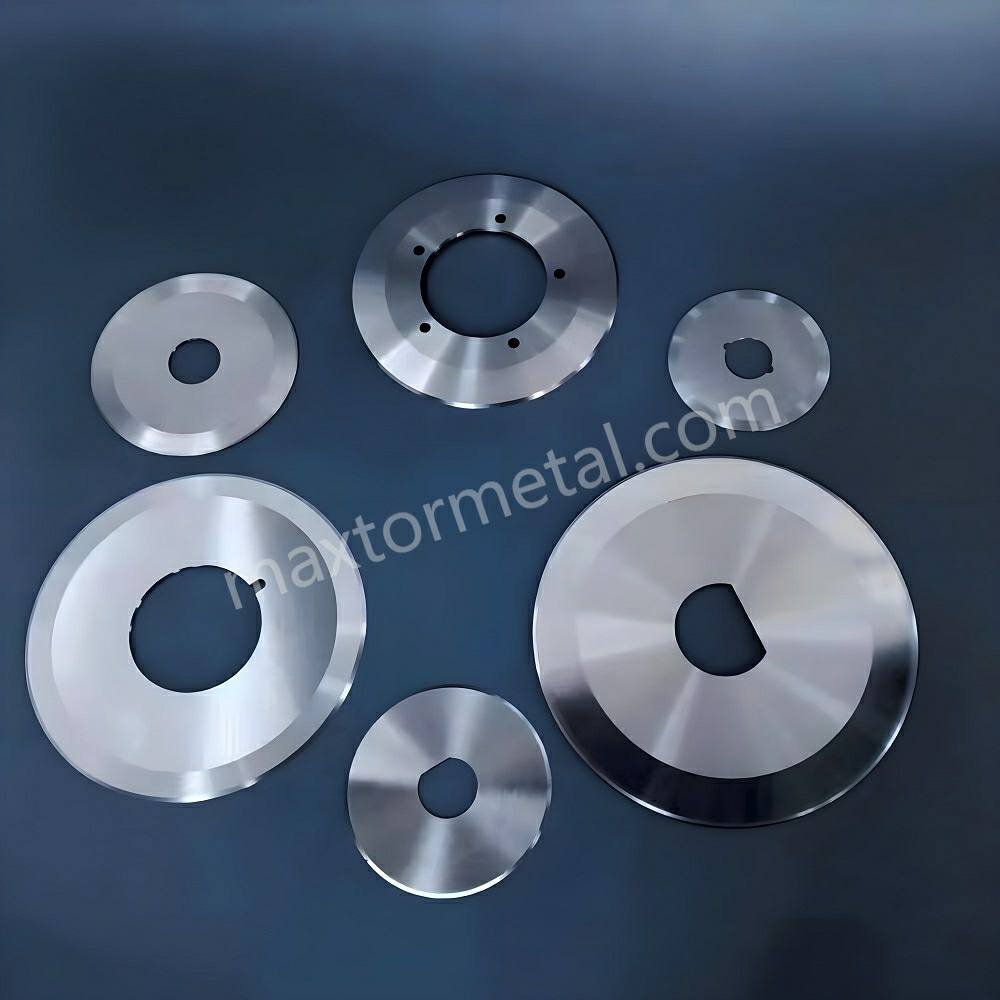
If you want the best rotary slitter blade, you should know which brands are good. You also need to learn what makes each blade special. This part helps you compare top blades and see which ones fit your needs.
Nanjing Metal Industrial Slitter Blades
Product Range and Materials
Nanjing Metal Industrial sells many rotary lưỡi cắt for textiles. You can pick blades made from high-carbon steel, high-speed steel, tool steel, alloy steel, or stainless steel. Each material has its own strong points. High-speed steel blades last longer and cut faster. High-carbon steel blades are easy to sharpen and cost less. Stainless steel blades do not rust and work well in wet places. You can choose single-layer small edge blades for tough fabrics. Double-layer large edge blades are good for thin, soft textiles. This big selection helps you match the blade to your fabric and cutting speed.
| Tính năng | Sự miêu tả |
|---|---|
| Product Range | Has many rotary slitter blades for different jobs. |
| Tùy chọn tùy chỉnh | Makes blades with special shapes and sizes for customers. |
| Đảm bảo chất lượng | Checks every blade to make sure it is high quality. |
Dịch vụ tùy chỉnh
Sometimes you need a blade that fits your machine or your special fabric. Nanjing Metal Industrial lets you order custom blades. You can ask for blades with non-stick coatings for sticky materials like glue. You can get heat-resistant blades for fast machines. The company can make blades with special shapes, sizes, and edge designs. Custom blades help you get better performance and longer blade life. You get blades that fit your job and last longer.
| Customization Benefit | Impact on Performance and Suitability |
|---|---|
| Special designs | Fit your cutting needs |
| Better durability | Blades last longer |
| Faster cutting | Cuts are quicker and more accurate |
You can ask for blades with special coatings or heat resistance for special textile jobs.
Quality Assurance and Testing
You want blades that work well every time you use them. Nanjing Metal Industrial is ISO certified. The company uses tools like micrometers and hardness testers to check each rotary slitter blade. These tools make sure every blade meets strict rules. You get blades that cut clean and last longer. The company checks the material, the edge, and the finish before shipping. This careful testing means you can trust the blades for fast textile cutting.
- ISO certification means the company cares about quality.
- Every blade gets tested for hardness and size.
- You get blades that meet high standards for textile cutting.
Other Best Slitting Blades for Textiles
You have other choices when you want the best slitting blades. Here are two popular options:
Fabric Hut Rotary Cutter Blade
Fabric Hut rotary cutter blades are sharp and make clean cuts. You can use them for quilting fabrics, cotton, and other soft textiles. These blades are good for home and small businesses. They are easy to change and fit many rotary cutters. You get smooth edges and less fraying.
Shear Slitter Knives
Shear slitting blades are used in many textile factories. You can use them for fast cutting of woven and nonwoven fabrics. These blades make precise cuts and keep the slit width even. Shear slitting blades work well for tough jobs and big rolls. You can get them in tool steel and tungsten carbide. They last long and resist wear.
- Shear slitting blades help you cut textiles quickly and accurately.
- You can use them for paper, labels, and coated fabrics too.
- Many factories pick shear slitting blades because they are reliable.
Other blade types include razor slitting blades and crush cut blades. Razor slitting blades are very sharp and cut thin materials. You can use them for films and light textiles. Crush cut blades work for thick or sticky materials. You can use them for rubber sheets and heavy fabrics.
Pros and Cons of Leading Blades
You want to know what is good and bad about each blade type. This table helps you compare the main points.
| Thuận lợi | Nhược điểm |
|---|---|
| Makes clean cuts without burrs or tears | Needs careful setup and calibration |
| Keeps slit width even with steady tension | May be hard for new operators |
| Cuts many materials with high precision | May cost more at first for machines |
Shear slitting blades and razor slitting blades give you clean cuts and high precision. You must set up your machine carefully for the best results. Crush cut blades are good for thick or sticky textiles, but you may need to replace them more often.
When you pick rotary slitter blades for textiles, think about your fabric, cutting speed, and machine setup. The best rotary slitter blade helps you get clean cuts, waste less, and make more products. You can trust brands like Nanjing Metal Industrial, Fabric Hut, and other top suppliers to give you blades that fit your needs. Custom blades and quality checks help blades work better and last longer.
If you want the best slitting blades for your textile work, look for blades that match your material and speed. Shear slitting blades, razor slitting blades, and crush cut blades each have their own strong points. You can get better results by picking the right blade and keeping it in good shape.
Cách chọn dao xẻ cuộn tốt nhất
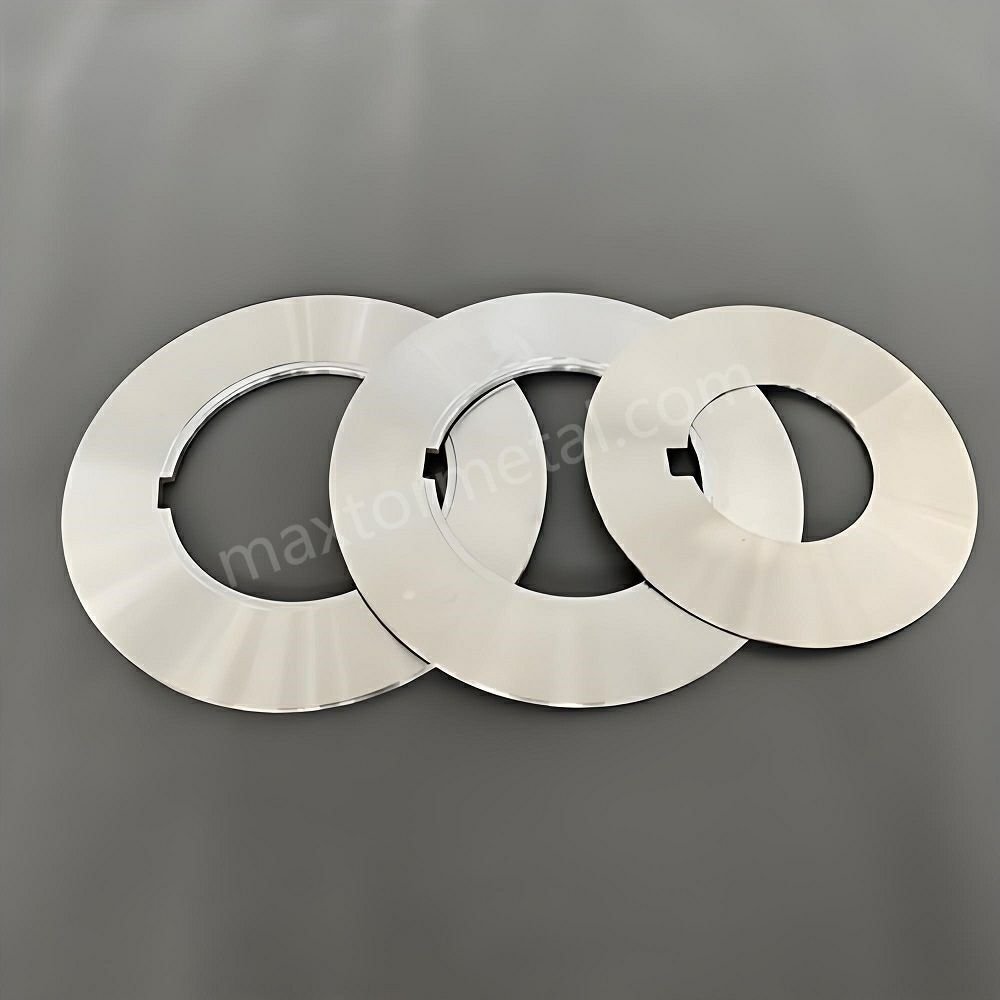
Assessing Textile Type
Woven vs. Nonwoven Fabrics
You should know your textile before picking a slitting blade. Woven fabrics have threads that cross each other. Nonwoven fabrics use fibers pressed together. Each type needs a different blade for good results. Woven fabrics often need blades with sharp edges. This helps stop fraying. Nonwoven fabrics may need blades with smoother edges. This helps prevent tearing. If your textile is sticky or rough, pick a blade that resists wear or sticking. Some jobs need a burr-free edge for a clean finish. Matching the blade to your textile helps you get better cuts.
Độ dày vật liệu
Material thickness changes how you pick your blade. Thick textiles need strong blades. These blades can handle more force. Thin materials work best with blades that have a fine edge. Thicker materials may need tool steel or tungsten carbide blades. These blades last longer. Softer or thinner textiles often use high carbon steel or stainless steel blades. The surface finish and slit quality also matter. Always check the thickness of your textile before choosing a blade. This helps you avoid problems and keeps your cuts neat.
Matching Blade to Cutting Speed
RPM and Machine Compatibility
Your machine speed, measured in RPM, affects which blade you use. Fast machines need blades that stay sharp and do not overheat. Make sure your blade matches your machine’s speed and tolerance. Fast machines work best with high-speed steel or tungsten carbide blades. Always check if the blade fits your machine holder well. Using the wrong blade may cause uneven cuts or extra wear. Matching the blade to your machine’s speed helps you get better performance.
Blade Size and Mounting
Blade size and mounting are important for safety and accuracy. A blade that is too big or too small can cause problems. Proper mounting keeps the blade stable. This helps you get precise cuts. The right blade size gives you better control and efficiency. Secure mounting stops the blade from wobbling or shifting. The blade’s design and material affect how well it works with different fabrics. Always follow your machine’s rules for blade size and mounting. This keeps your work safe and your cuts accurate.
Evaluating Cost and Value
Long-Term Performance
You want a blade that lasts and does not need to be replaced often. The blade material affects how long it works well. High-quality industrial slitter blades cost more at first. They save you money over time. Durable blades lower maintenance costs. Good suppliers offer blades that last longer and work better. After-sales support helps you keep your blades in good shape. Picking a blade with strong long-term performance helps you avoid downtime and extra costs.
Cân nhắc về ngân sách
You must balance your budget with your cutting needs. Some blades cost less but wear out faster. Others cost more but last longer and give better results.
| Loại lưỡi dao | Chi phí ban đầu | Maintenance Cost | Tuổi thọ | Tốt nhất cho |
|---|---|---|---|---|
| Thép tốc độ cao | Trung bình | Thấp | Dài | Fast, regular cutting |
| Cacbua Vonfram | Cao | Rất thấp | Rất dài | Tough, abrasive textiles |
| Thép với hàm lượng các bon cao | Thấp | Trung bình | Trung bình | Soft, thin textiles |
| Thép công cụ | Trung bình | Thấp | Dài | Mixed textile types |
Think about how often you need to replace blades. Also think about how much downtime costs your business. A blade that lasts longer may save you more money in the end.
Tip: Always ask your supplier about after-sales support and blade care. Good support helps you get the most value from your blades.
Supplier Support and Customization
Picking a rotary slitter blade is not just about the blade. Supplier support and customization are important too. Good suppliers help you fix problems fast. They answer questions about your blade and machine. You get advice on which blade works best for your fabric and speed.
Customization helps you get the blade you need. You can ask for special shapes, sizes, or coatings. This makes it easier to cut different textiles. Custom blades are great for special fabrics or fast machines. You get neat cuts and waste less material.
Tip: Suppliers with good support help you work without stopping. They send blades quickly, give technical help, and offer spare parts.
Supplier support and customization make textile cutting better in many ways:
- Blades fit your machine just right.
- Custom blades work for sticky or thick textiles.
- Technical help shows you how to set up blades for fast cutting.
- Quick replies from suppliers keep your work moving.
A supplier who customizes blades helps you work faster. You spend less time fixing machines. You get better cuts. If you let experts handle die-cutting, you can focus on your main job. You can trust them to make precise blades.
Automatic fabric cutting machines with custom rotary slitter blades give you:
- Exact cuts for better products.
- Faster work by cutting many layers at once.
- Easy changes to make new products quickly.
Suppliers with smart technology help you save fabric. Their software finds the best way to cut. You waste less and save money.
| Supplier Service | Benefit for Textile Cutting |
|---|---|
| Custom blade design | Fits your textile and machine |
| Technical support | Fixes problems quickly |
| Fast delivery | Stops delays in your work |
| Đảm bảo chất lượng | Makes sure blades work well |
Look for suppliers who give strong support and custom blades. This helps you get the most from your rotary slitter blade. You work better, save money, and make nicer products.
Mẹo bảo trì cho dao xẻ tròn
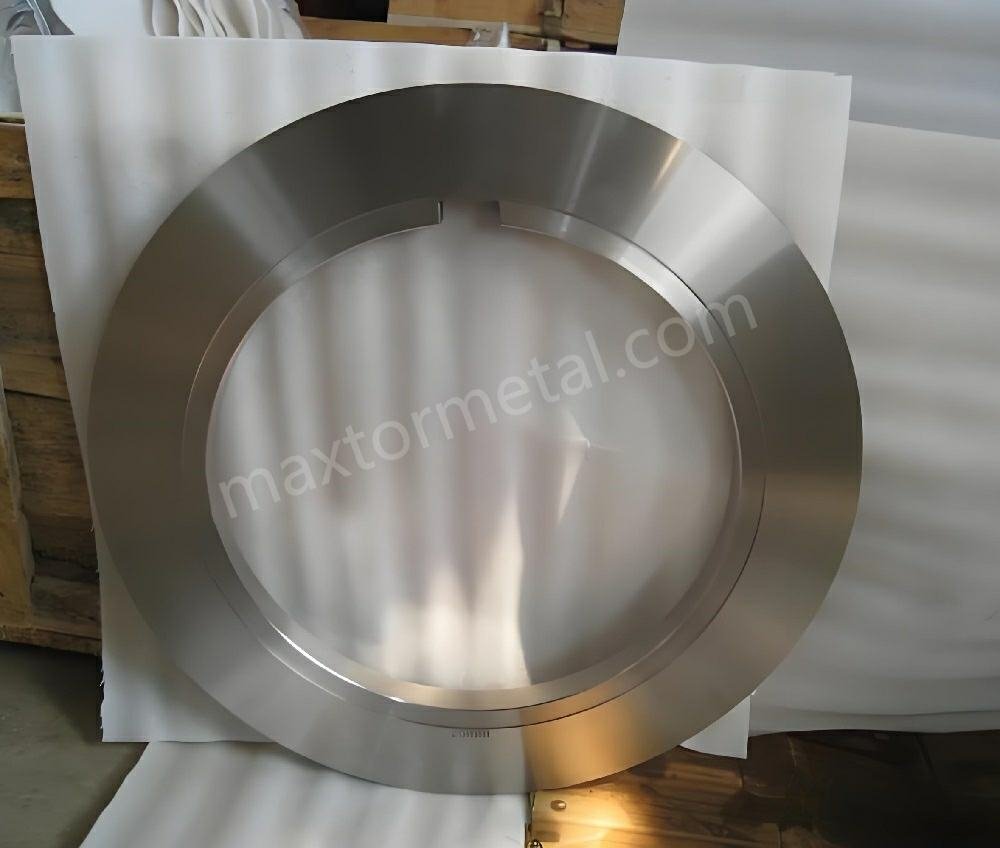
Taking care of your rotary slitter blades helps you get clean cuts. It also makes the blades last longer. You can use these tips to keep your blades working well.
Vệ sinh và xử lý
Các chất tẩy rửa được khuyến nghị
Clean your rotary slitter blade often. This stops material from building up and keeps rust away. Cleaning helps your blade stay sharp and cut smoothly. Use gentle cleaners or special blade cleaners. These remove glue, fibers, and dust but do not hurt the blade. Fix knife holders when needed so blades fit right and wear less. Coatings on blades can help them last longer and work better for some jobs.
- Clean blades every day with gentle cleaners.
- Take off glue, fibers, and dust after each shift.
- Fix knife holders often for better cuts.
- Use blade coatings for longer life and better work.
Cleaning your blades every day can make them last up to 35% longer.
Safe Storage
Storing blades the right way keeps them safe from damage and rust. Put each blade in its own sleeve or case. Store blades in a dry place with steady temperature. Do not stack blades together. Stacking can bend or scratch them. Handle blades gently and wear gloves to stop dents or scratches.
- Put blades in sleeves or cases to protect them.
- Keep blades dry and at a steady temperature.
- Never stack blades to avoid damage.
- Use gloves when handling blades for safety.
Mài và Thay thế
Signs of Blade Wear
Watch for signs that your rotary slitter blade is getting old. If you see rough edges, burrs, or cracks in your cut fabric, you may need a new blade. If cutting gets harder or the motor works more, the blade might be worn out. If cutting slows down or gets louder, the blade could be dull. Always check for notches or bent spots on the blade.
- Rough edges or burrs in cut fabric
- Cracks in finished pieces
- Harder cutting or higher motor load
- Slower cutting speed
- Louder noise while cutting
- Notches or bent spots on the blade
Mài chuyên nghiệp
Sharpening your rotary slitter blade helps it work well. Use a motorized work head for best sharpening. Keep the blade’s edge small, about .008 to .010 inches for most machines. Some machines need an even smaller edge, like .003 to .005 inches. Pick the right grinding wheel so the blade does not get too hot or lose strength. Run the machine with coolant to keep the blade cool and sharp.
- Use a motorized work head to sharpen blades.
- Keep the edge small for good cutting.
- Choose the right grinding wheel to stop overheating.
- Use coolant to keep blades cool while sharpening.
Sharpen blades when you notice cuts are not as good.
Preventing Blade Failures
Overheating and Vibration
You can stop blade problems by cleaning blades often and using the right oil. Oil helps blades wear less, stay cool, and keeps stuff from sticking. Do not push your machine too hard or use too much force. This can crack the blade. Make a regular plan for checking, cleaning, and sharpening blades when they do not work well.
- Clean blades every day to stop buildup and rust.
- Oil blades to lower wear and keep them cool.
- Do not overload or use too much force.
- Check and sharpen blades when needed.
Record-Keeping
Writing down blade care helps you know when to change parts. It also helps you avoid surprise problems. Cleaning and oiling on a schedule keeps blades working their best. Keeping logs helps you plan for new blades and less downtime. Checking blades often makes machines last longer and cut better.
| Thực hành bảo trì | Benefit for Rotary Slitter Blades |
|---|---|
| Vệ sinh thường xuyên | Lưỡi dao bền hơn, vết cắt gọn gàng hơn |
| Bôi trơn | Less wear, blades do not get too hot |
| Maintenance logs | Know when to replace, less downtime |
| Proactive inspections | Machines last longer, cuts are more exact |
Keeping good records helps your work go smoothly and stops surprises.
If you follow these tips, your rotary slitter blade will stay sharp, safe, and ready for fast textile cutting.
Picking the right rotary slitter blade for textiles helps you get neat cuts. You also work faster and make more products. Here are some important things to remember:
- Strong materials like D2, HSS, and tungsten carbide last longer.
- Good edge retention means you change blades less often.
- Being precise and efficient helps you save money.
Nanjing Metal Industrial sells blades made from quality materials. They also offer custom choices for your needs. If you take care of your blades and get help from your supplier, your blades will work well. For special help, liên hệ với kỹ sư bán hàng của chúng tôi.
Câu hỏi thường gặp
What is a rotary slitter blade?
A rotary slitter blade is a circular cutting tool. You use it in slitting machines to cut wide rolls of textiles into narrower strips. It helps you get clean, precise cuts at high speed.
How do you choose the right rotary slitter blade for textiles?
You should match the blade material and edge design to your textile type and cutting speed. Check the thickness of your fabric. Pick a blade that fits your machine and cutting needs.
How often should you replace rotary slitter blades?
You should replace rotary slitter blades when you see dull edges, rough cuts, or more burrs. Regular checks help you spot wear early. Most blades last longer with proper cleaning and sharpening.
Can you sharpen rotary slitter blades at home?
You can sharpen some rotary slitter blades with a motorized sharpening tool. Always follow safety instructions. For best results, ask a professional to sharpen blades for you.
What materials work best for rotary slitter blades in textile cutting?
High-speed steel, tungsten carbide, and tool steel work best for textile cutting. These materials stay sharp longer and resist wear. You should pick the material based on your fabric and cutting speed.
How do you clean rotary slitter blades?
You should clean blades daily with gentle cleaners. Remove glue, fibers, and dust after each use. Store blades in dry cases to prevent rust and damage.
Why does edge design matter for rotary slitter blades?
Edge design affects how cleanly you cut textiles. Sharp edges reduce fraying. Smooth surfaces help you get neat cuts. The right edge design improves your cutting quality and reduces waste.
Xem thêm
Những Lỗi Thường Gặp Khi Khắc Phục Sự Cố Lưỡi Dao Cắt Xẻng Quay và Cách Khắc Phục
Kéo dài tuổi thọ lưỡi dao: Hướng dẫn đầy đủ về cách mài lưỡi dao máy cắt quay
Lưỡi Dao Cắt Xẻng Quay Độ Chính Xác Cao cho Cắt Xẻng Phim và Lá Kim Loại
Lưỡi Dao Cắt Xẻng Quay Tốt Nhất cho Việc Xẻ Kim Loại
Cách Đạt Được Các Vết Cắt Hoàn Hảo với Lưỡi Dao Cắt Xẻng Quay cho Giấy

 English
  Spanish
  Italian
  French
  Portuguese
  Russian
  German
  Arabic
  Hindi
Hindi  Vietnamese
  Indonesian
  Japanese
  Korean
Một bình luận