

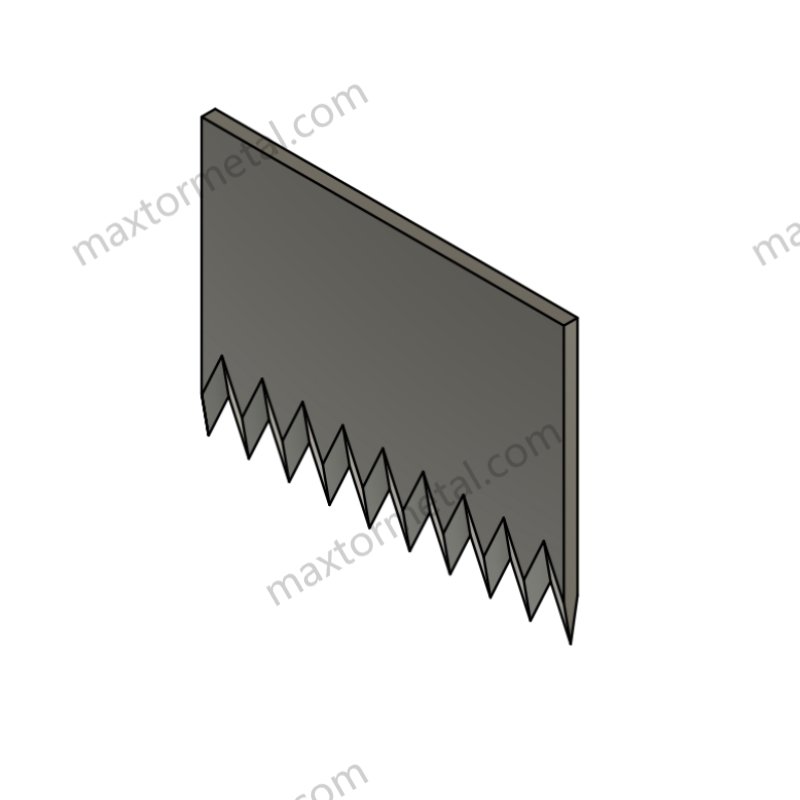
Start by cleaning your Dao Đục Lỗ after each use to maintain a sharp edge and ensure smooth, safe cuts. Proper use and regular maintenance can extend the blade’s lifespan by up to 200% and reduce blade changes by 70%. The table below highlights how best practices improve performance with a perforated knife, delivering greater precision and safety in industrial applications:
| Đo lường hiệu suất | Scissor-type Knife | Conventional Knife |
|---|---|---|
| Submucosal dissection time (minutes) | 6.2 | 15.6 |
| Circumferential incision time (minutes) | 8.4 | 13.8 |
| En bloc resection (%) | 90 | 70 |
| Adverse events: Perforation or muscle injury (%) | 10 | 70 |
Perforated knives are widely used in packaging, textiles, and food processing industries. For optimal results, consider a lưỡi dao tùy chỉnh tailored to your specific needs.
Những điểm chính
- Always clean and dry your perforated knife after you use it. This helps keep it sharp and stops rust from forming.
- Pick the right blade material and shape for your job. This makes the knife work better and last longer.
- Hold the knife at a 15 to 30 degree angle. Use steady pressure to make smooth and easy cuts.
- Change the blade if it gets dull, chipped, or cuts rough. This keeps you safe and helps your work stay good.
- Think about getting custom blades from trusted makers like Nanjing Metal. This helps you get the best fit and knives that last longer.
Perforated Knife Basics
What Is a Perforated Knife
A perforated knife is a special tool for cutting. It makes small cuts or holes in things. This helps make weak lines so you can tear or split things easily. The blade has sharp parts and spaces with no edge. This pattern is called the “cut and tie” ratio. You see perforated knives when you open packages or tear notebook paper. They also help remove labels.
The table below lists the main technical details and uses for a perforated knife:
| Diện mạo | Chi tiết |
|---|---|
| Nguyên vật liệu | Thép tốc độ cao (HSS), Thép dụng cụ, Thép không gỉ, Cacbua vonfram, Bột thép Metallurgy |
| Hình dạng lưỡi dao | Straight, Rotary, Toothed, Circular, Custom shapes |
| Nguyên lý hoạt động | Applies pressure to create intermittent cuts; cut and tie ratio controls tearability and strength |
| Ứng dụng phổ biến | Packaging, Paper products, Food processing, Textile and leather, Manufacturing, Office supplies, Labels |
Key Features and Benefits
Perforated knives have many good points for cutting jobs. Here are some main features and benefits:
- There are many blade types, so you can pick what works best. You can use straight, rotary, toothed, or circular blades.
- The knife is made from strong metals like solid carbide steel. This means it stays sharp and lasts longer.
- The cut and tie ratio lets you control how easy it is to tear. You get neat and exact cuts every time.
- Perforated knives are used for packaging, food wrap, bubble wrap, tape, cardboard, and medicine packs. They are also used in notebooks, labels, and textiles.
- These knives make it easier to open boxes and packages.
Tip: Always pick the right blade shape and metal for your job. This helps your knife work better and last longer.
Using Your Perforated Knife Effectively

Best Materials and Tasks
A perforated knife works best when you use it on the right materials. Different materials react in their own way to the serrated edge. The table below shows how each material and coating can help your knife last longer and work better:
| Vật liệu | Các tính năng chính | Ứng dụng tiêu biểu |
|---|---|---|
| Thép với hàm lượng các bon cao | Hard, long-lasting | Paper cutting, light-duty tasks |
| Thép không gỉ | Rust-resistant, durable | Bao bì thực phẩm và y tế |
| Cacbua Vonfram | Extremely hard, long-lasting | Plastics, textiles, high-speed machinery |
| Gốm sứ | Lightweight, rust-free | Electronics, crafts |
| Thép công cụ | Tough, heat-treatable | Custom blades, heavy-duty cutting |
Tungsten carbide and stainless steel are very strong. These materials help the knife stay sharp for a long time. You will not need to change blades as often, so you can keep working.
Giấy và bìa cứng
You can use a serrated knife to cut paper and cardboard. This is good for packaging, labels, and crafts. The perforated edge lets you tear along the line easily. It does not ruin the rest of the sheet. This way, you waste less paper and get straight edges.
Phim nhựa
Plastic films like shrink wrap need a sharp, serrated blade. A perforated knife with a strong edge cuts these films fast. You will see less sticking and tearing. This helps you finish your work up to 20% faster.
Tấm kim loại mỏng
Trong các nhà máy, người ta sử dụng dao răng cưa để cắt các tấm kim loại mỏng. Dao tạo ra các lỗ nhỏ hoặc các đường rãnh trên kim loại. Điều này giúp việc định hình hoặc chia tách kim loại trở nên dễ dàng hơn. Nếu thay đổi hình dạng lưỡi dao, bạn có thể giảm ứng suất lên dao đi 27%. Điều này giúp dao có tuổi thọ cao hơn.
Textiles and Fabrics
Những người sản xuất quần áo hoặc đồ nội thất sử dụng dao đột lỗ cho vải. Cạnh răng cưa cho phép bạn cắt các đường thẳng hoặc hình dạng mong muốn. Vải không bị tưa. Điều này giữ cho các đường cắt của bạn gọn gàng và giúp bạn làm việc nhanh chóng.
Ứng dụng trong chế biến thực phẩm
Trong các nhà máy thực phẩm, dao răng cưa được dùng để cắt lát bánh mì và các loại thực phẩm khác. Cạnh răng cưa giúp bạn có được các lát cắt đều nhau và ít bị vụn hơn. Lưỡi dao bằng thép không gỉ là lựa chọn tốt nhất cho thực phẩm. Chúng không bị gỉ sét và giữ được độ sắc bén lâu.
Mẹo: Hãy chọn đúng vật liệu lưỡi dao và hình dạng cạnh cắt phù hợp với công việc của bạn. Điều này sẽ giúp bạn làm việc hiệu quả hơn và giữ cho dao sắc bén lâu hơn.
Kỹ thuật cắt đúng cách
Bạn sẽ đạt được kết quả tốt nhất bằng cách sử dụng phương pháp cắt phù hợp. Các nghiên cứu cho thấy việc giữ dao ở góc 15-30 độ mang lại hiệu quả tốt. Hãy sử dụng lực ấn đều để giảm một nửa thời gian làm việc của bạn. Bạn cũng sẽ có được các đường cắt mượt mà hơn và lưỡi dao của bạn sẽ bền hơn.
Cố định vật liệu chắc chắn
Đặt vật liệu của bạn trên một bề mặt phẳng, ổn định. Giữ chặt để vật liệu không bị xê dịch. Điều này giúp giữ an toàn cho tay bạn và giúp dao cắt tốt hơn.
Giữ dao ở góc chính xác
Giữ dao ở góc 15-30 độ so với vật liệu. Điều này cho phép cạnh răng cưa cắt sâu vào bề mặt. Góc 30 độ giúp bạn cắt nhanh hơn và tốt hơn.
Áp dụng lực ấn đều
Ấn xuống với một lực ổn định và đồng đều. Không ấn quá mạnh hoặc quá nhẹ. Lực ấn đều giúp dao bền hơn và mang lại cho bạn những đường cắt mượt mà.
Sử dụng các chuyển động mượt mà, có kiểm soát
Di chuyển dao một cách chậm rãi và đều đặn. Không giật mạnh hoặc dùng lực ép dao. Điều này giúp giữ cho cạnh dao sắc bén và bảo vệ vật liệu của bạn.
Kiểm tra lưỡi dao thường xuyên
Thường xuyên kiểm tra cạnh dao xem có bị cùn hoặc bám bẩn không. Một cạnh dao sạch và sắc bén sẽ hoạt động hiệu quả nhất. Hãy thay lưỡi dao nếu nó bị mẻ hoặc cắt không tốt.
Lưu ý: Sử dụng góc độ và lực ấn phù hợp giúp bạn đạt được kết quả tốt hơn. Nó cũng giữ cho dao của bạn sắc bén trong thời gian dài hơn.
Mẹo an toàn
Luôn tuân thủ các quy tắc an toàn khi sử dụng dao răng cưa. Những mẹo này giúp bạn giữ an toàn và duy trì tình trạng tốt cho dao của mình.
Luôn đeo găng tay chống cắt
Đeo găng tay chống cắt để bảo vệ tay bạn. Ngay cả một cú trượt nhẹ cũng có thể gây ra vết cắt nghiêm trọng với một con dao sắc.
Giữ ngón tay tránh xa đường cắt
Giữ ngón tay và bàn tay của bạn tránh xa đường đi của dao. Hãy lên kế hoạch cho các đường cắt để tay bạn không ở gần cạnh dao.
Bảo quản dao bằng vỏ bảo vệ lưỡi dao
Sau khi hoàn thành, hãy lắp vỏ bảo vệ lưỡi dao hoặc bảo quản dao một cách an toàn. Điều này giúp ngăn ngừa tai nạn và giữ cho cạnh dao luôn sắc bén.
Vệ sinh dao sau mỗi lần sử dụng
Vệ sinh dao của bạn sau mỗi lần sử dụng. Lau sạch cạnh răng cưa bằng vải mềm để loại bỏ bụi bẩn. Điều này giúp ngăn ngừa gỉ sét và giữ cho dao của bạn luôn sẵn sàng hoạt động.
Thay thế kịp thời các lưỡi dao bị hỏng hoặc cùn
Nếu bạn thấy lưỡi dao bị mẻ hoặc cùn, hãy thay thế ngay lập tức. Một lưỡi dao sắc bén, không bị hư hại sẽ an toàn hơn và hoạt động hiệu quả hơn.
Nhắc nhở an toàn: Không bao giờ vội vàng khi sử dụng dao răng cưa. Hãy dành thời gian để đảm bảo an toàn và giữ cho dao hoạt động tốt.
Perforated Knife Maintenance
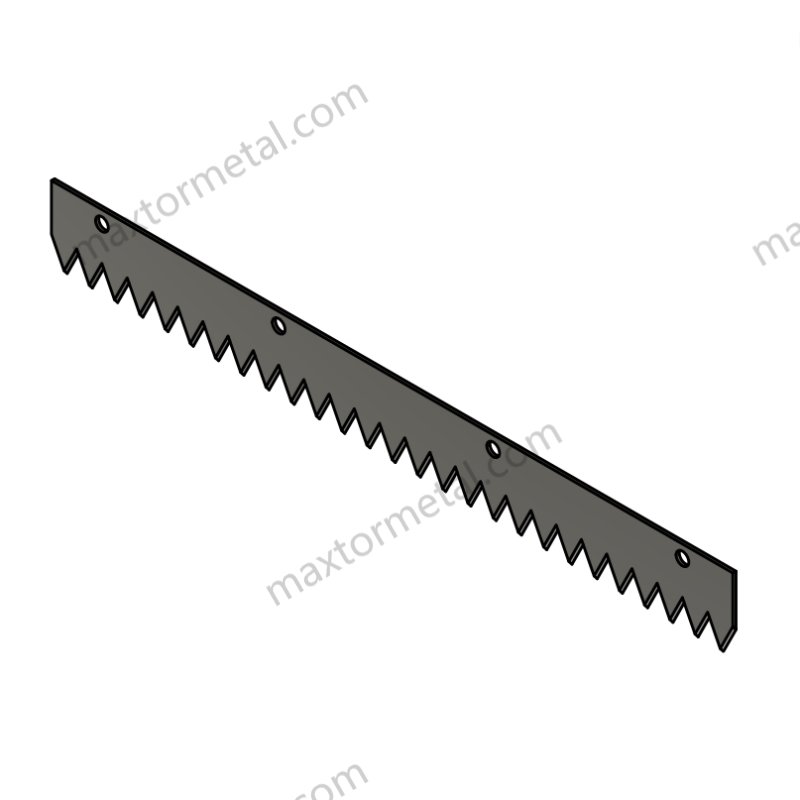
Việc chăm sóc dao răng cưa giúp bạn đạt được kết quả tốt nhất mỗi khi sử dụng. Bảo dưỡng dao tốt giúp lưỡi dao luôn sắc bén, an toàn và sẵn sàng cho mọi công việc. Bạn có thể làm theo các bước sau để đảm bảo dao răng cưa của mình bền hơn và hoạt động tốt hơn.
Làm sạch và sấy khô
Giữ cho dao răng cưa sạch sẽ là bước đầu tiên trong việc bảo dưỡng dao. Một con dao sạch sẽ cắt tốt hơn và giữ được độ sắc bén lâu hơn. Bạn nên luôn vệ sinh dao sau mỗi lần sử dụng.
Ngắt nguồn điện và tháo lưỡi dao một cách an toàn
Nếu bạn sử dụng dao máy, hãy tắt nguồn điện trước khi chạm vào lưỡi dao. Luôn đợi máy ngừng chuyển động hoàn toàn. Tháo dao răng cưa một cách cẩn thận. Cầm vào phần gá/chuôi dao, không cầm vào cạnh cắt. Bước này giúp bạn an toàn và bảo vệ dao.
Sử dụng chất tẩy rửa nhẹ, không ăn mòn
Chọn chất tẩy rửa nhẹ nhàng cho dao răng cưa của bạn. Các hóa chất mạnh có thể làm hỏng lưỡi dao. Xà phòng nhẹ và nước ấm là hiệu quả nhất. Điều này giúp dao không bị gỉ sét và ố màu.
Lau bằng vải mềm hoặc bọt biển
Sử dụng vải mềm hoặc bọt biển để vệ sinh dao của bạn. Lau dọc theo cạnh răng cưa. Không sử dụng các miếng chà nhám thô ráp. Sự nhẹ nhàng giúp giữ cho dao luôn ở tình trạng tốt.
Tránh các dụng cụ mài mòn như bùi nhùi thép
Không bao giờ sử dụng bùi nhùi thép hoặc bàn chải cứng trên dao răng cưa của bạn. Những dụng cụ này làm xước lưỡi dao và khiến nó bị cùn. Hãy chỉ sử dụng các vật liệu mềm để bảo dưỡng dao.
Lau khô hoàn toàn để ngăn ngừa gỉ sét
Sau khi vệ sinh dao, hãy lau khô ngay lập tức. Sử dụng khăn khô để lau cạnh răng cưa và phần chuôi. Nước đọng lại trên dao có thể gây gỉ sét. Chỉ bảo quản dao khi nó đã khô hoàn toàn.
Mẹo: Luôn vệ sinh dao sau mỗi lần sử dụng. Bước đơn giản này giúp dao răng cưa của bạn luôn sắc bén và sẵn sàng.
Mài sắc và mài liếc
Một con dao răng cưa sắc bén giúp mọi đường cắt trở nên dễ dàng hơn. Bạn cần mài sắc dao để giữ cho nó hoạt động tốt. Nhiều người thắc mắc cách mài dao, đặc biệt là dao răng cưa. Bạn có thể làm theo các bước sau để mài dao răng cưa đúng cách.
Sử dụng đá mài hoặc dụng cụ mài chuyên nghiệp
Bạn có thể mài sắc dao răng cưa bằng đá mài hoặc dụng cụ chuyên dụng dành cho lưỡi dao răng cưa. Một số người sử dụng dũa tròn để mài các rãnh răng cưa. Thiết bị mài chuyên nghiệp cũng có thể giúp bạn đạt được lưỡi cắt sắc bén nhất.
Duy trì góc mài ban đầu của lưỡi dao
When you sharpen, keep the same angle as the original edge. Most serrated knives have a special angle. This angle helps the knife cut better. If you change the angle, the knife may not work as well.
Apply Even Pressure During Sharpening
Push gently and evenly when you sharpen. Too much force can damage the serrated edge. Move the sharpener along each groove. This keeps the knife sharp and safe.
Inspect for Chips or Damage Before Use
Look at your serrated knife before you use it. Check for chips, cracks, or dull spots. If you see damage, sharpen the knife or replace it. Good knife care means checking your blade often.
Seek Professional Maintenance for Industrial Knives
If you use your serrated knife in a factory or for heavy work, ask a professional to sharpen it. Industrial knives need special care. A professional can properly sharpen a serrated knife and fix any problems.
Note: You should sharpen a serrated knife only when needed. Too much sharpening can wear down the blade.
Mẹo lưu trữ
Storing your serrated knife the right way is part of good knife care. Safe storage keeps your knife sharp and protects you from cuts.
Store with a Blade Guard or in a Case
Always put a blade guard on your serrated knife before you store it. You can also use a case. This keeps the edge safe and stops accidents.
Keep in a Dry, Cool Environment
Store your knife in a place that is dry and cool. Heat and moisture can damage the serrated edge. A dry spot helps prevent rust.
Avoid Stacking or Overlapping with Other Tools
Do not stack your serrated knife with other tools. The edge can get dull or chipped. Give each knife its own space.
Label and Organize for Easy Access
Keep your knives organized. Use labels or a special holder. This makes it easy to find the right serrated knife when you need it.
Safety Reminder: Safe storage is a big part of knife care. It keeps your serrated knife sharp and ready for every job.
Những điều cần tránh
Some things can harm your serrated knife. Avoid these mistakes to keep your knife in top shape.
Do Not Use Acidic or Alkaline Solutions
Never clean your serrated knife with strong acids or bases. These can eat away at the blade. Stick to mild cleaners for knife care.
Avoid Prolonged Exposure to Air or Moisture
Do not leave your knife out in the open or in water. Air and moisture can cause rust. Always dry and store your serrated knife right away.
Never Store Without Proper Protection
Do not put your serrated knife in a drawer without a guard. The edge can get damaged. Use a blade guard or case every time.
Do Not Use Excessive Force During Cleaning or Sharpening
Do not press too hard when you clean or sharpen your knife. Too much force can bend or break the serrated edge. Gentle care works best.
Avoid Improper Storage That May Cause Damage
Do not store your serrated knife with heavy tools or in a crowded space. The blade can get chipped or dull. Give your knife its own spot.
Callout: Good knife care means cleaning, sharpening, and storing your serrated knife the right way. These steps help your knife last longer and work better.
Blade Replacement and Signs
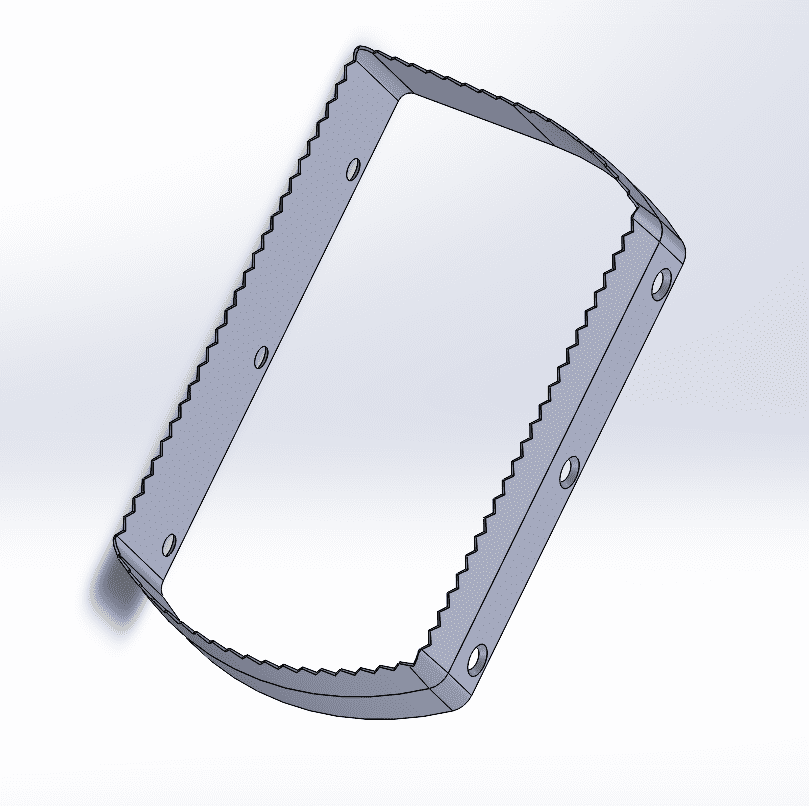
When to Replace the Blade
Knowing when to replace your knife blade helps you keep every cut clean and safe. You should watch for certain signs that show your knife needs a new blade. If you notice any of these, it is time to act.
After Noticeable Decrease in Cutting Performance
You may see your knife does not cut as well as before. The material might tear instead of slicing smoothly. If you need to push harder or the cut looks rough, your knife blade has lost its sharp edge. This is a clear sign you need to replace it.
When the Blade Shows Visible Damage or Chips
Look closely at your knife. If you see chips, cracks, or missing pieces on the edge, you should stop using it. Damaged blades can break during use. This puts you and your work at risk.
Following Manufacturer’s Recommended Replacement Schedule
Manufacturers often give a schedule for changing your knife blade. You should follow this advice. Regular replacement keeps your knife working at its best. It also helps you avoid sudden problems.
If the Blade Fails to Cut Cleanly or Leaves Jagged Edges
A good knife makes smooth, straight cuts. If your knife leaves jagged or rough edges, the blade has become dull. You should replace it right away to keep your work neat and safe.
When Switching to a New Material That Requires a Sharper Edge
Some materials need a sharper edge for a clean cut. If you plan to cut a new type of material, check your knife first. If the edge is not sharp enough, put in a new blade. This helps you get the best results.
Tip: Always check your knife before starting a new job. A fresh blade saves time and gives you better cuts.
Warning Signs of Wear
You can spot blade wear by looking and listening. These warning signs help you know when to replace your knife blade.
Dull or Rounded Cutting Edge
A sharp edge feels smooth and even. If you run your finger (carefully) along the edge and it feels dull or rounded, the knife will not cut well. Dull blades make your work harder and less safe.
Increased Effort Required to Cut
If you notice you need to use more force to cut, your knife blade has worn down. This extra effort can lead to mistakes or even injury.
Tiếng ồn bất thường trong quá trình hoạt động
Listen for strange sounds when you use your knife. Squeaking, grinding, or rattling noises can mean the blade is damaged or out of alignment.
Visible Nicks, Chips, or Cracks on the Blade
Check your knife for small nicks, chips, or cracks. Even tiny flaws can grow worse with use. Replace the blade if you see any damage.
Inconsistent or Uneven Cuts
A worn knife blade may leave uneven or wavy cuts. If your cuts do not look straight or clean, the edge may be too dull or damaged.
Accumulation of Debris or Rust on the Blade Surface
If you see rust or debris building up on your knife, it can affect how well the blade works. Clean your knife often, but if the edge still looks bad, replace the blade.
Note: You can use a caliper or micrometer to check if your blade has become too thin. If the blade cannot hold a sharp edge after you sharpen it, it is time for a new one.
Rủi ro của việc thay thế chậm trễ
Waiting too long to replace your knife blade can cause many problems. You should know the risks so you can avoid them.
Reduced Cutting Quality and Efficiency
A dull or damaged knife blade makes poor cuts. Your work will take longer, and the results will not look as good.
Higher Risk of Material Damage or Waste
A worn blade can tear or crush the material instead of slicing it. This leads to waste and extra costs.
Increased Likelihood of Operator Injury
Using a dull knife means you need to push harder. This raises the chance of slips and cuts. Keeping a sharp edge helps you stay safe.
Potential Damage to the Knife Holder or Machine
A blade that is too dull or damaged can strain the knife holder or machine. This may cause costly repairs or downtime.
Greater Downtime Due to Unexpected Blade Failure
If your knife blade breaks during use, you must stop work to fix it. Replacing blades on schedule helps you avoid these delays.
Callout: Watch for signs of wear and replace your knife blade before problems start. This keeps your work safe, fast, and high quality.
Perforated Industrial Machine Knives & Custom Solutions
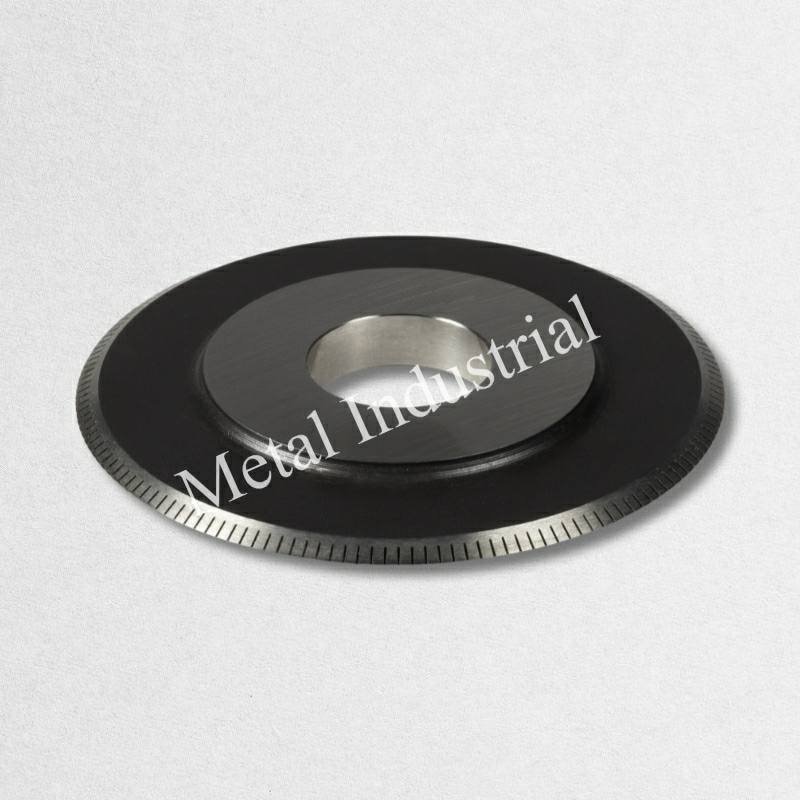
Lợi ích tùy chỉnh
You get better results with perforated industrial machine knives made for you. Custom perforated industrial blades help fix special cutting problems at work. You can pick the blade’s shape, size, and what it’s made of. This way, your knife fits your job perfectly.
Custom knives let you:
- Match the blade to what you cut, like paper, plastic, or metal.
- Choose the best “cut and tie” ratio for easy tearing and strong edges.
- Make cuts cleaner and safer, so you waste less material.
- Save money because the knife lasts longer and needs fewer changes.
Using perforated industrial blades made for your work gives you more control. You can cut faster and use less effort. Your products look nicer, and your team stays safer. Many businesses, like packaging, textiles, and food processing, use these custom blades to keep things running well.
Nanjing Metal Tổng quan
Nanjing Metal is a top company that makes perforated industrial machine knives. Nanjing Metal has made these blades for over 20 years for many jobs. Their skilled engineers and modern machines make sure you get the right knife.
You get good quality from them:
- They have ISO certification and check quality at every step.
- Laser machines measure each knife to make sure it’s the right size.
- Heat treatments make the blades strong and tough.
- They test each knife to last up to 10,000 uses.
- Both experienced and new engineers work together to make better blades.
- You get updates so you can see where your order is.
They gives both OEM and ODM services. You can send your own design or ask them to help make a new blade. Their team helps you pick the best material and design for your job. They also have good prices and make importing easy.
Note: The right knife from a trusted maker helps you do your best work every day.
You get the best results from your knife when you follow simple steps. Clean and dry your blade after each use. Give special care to your tool, especially when you cut bread. Replace the blade when you notice it struggles to slice bread or leaves rough edges. Choose custom solutions if you often cut bread in large amounts. Good care keeps your work safe and your slices perfect.
Câu hỏi thường gặp
How often should you clean your perforated knife?
You should clean your knife after every use. This keeps the blade sharp and prevents rust. Use a soft cloth and mild soap. Dry the knife well before storing it.
What materials can you cut with a perforated knife?
You can cut paper, cardboard, plastic films, textiles, and thin metal sheets. Some blades also work for food processing. Always choose the right blade for your material.
How do you know when to replace the blade?
Look for dull edges, chips, or rough cuts. If you need more force to cut, it is time to change the blade. Regular checks help you spot problems early.
Can you get a custom perforated knife for your business?
Yes! Many manufacturers offer custom blades. You can choose the shape, size, and material.
Xem thêm
Lưỡi dao công nghiệp đục lỗ: Chìa khóa để cắt chính xác trong bao bì và hơn thế nữa
Cách Chọn Dao Đục Lỗ Phù Hợp Với Vật Liệu Của Bạn
Lưỡi dao đóng gói sóng là gì và ứng dụng công nghiệp của chúng
Lưỡi dao răng cưa so với lưỡi dao thường: Loại nào cắt tốt hơn?

 English
  Spanish
  Italian
  French
  Portuguese
  Russian
  German
  Arabic
  Hindi
Hindi  Vietnamese
  Indonesian
  Japanese
  Korean
Một bình luận