

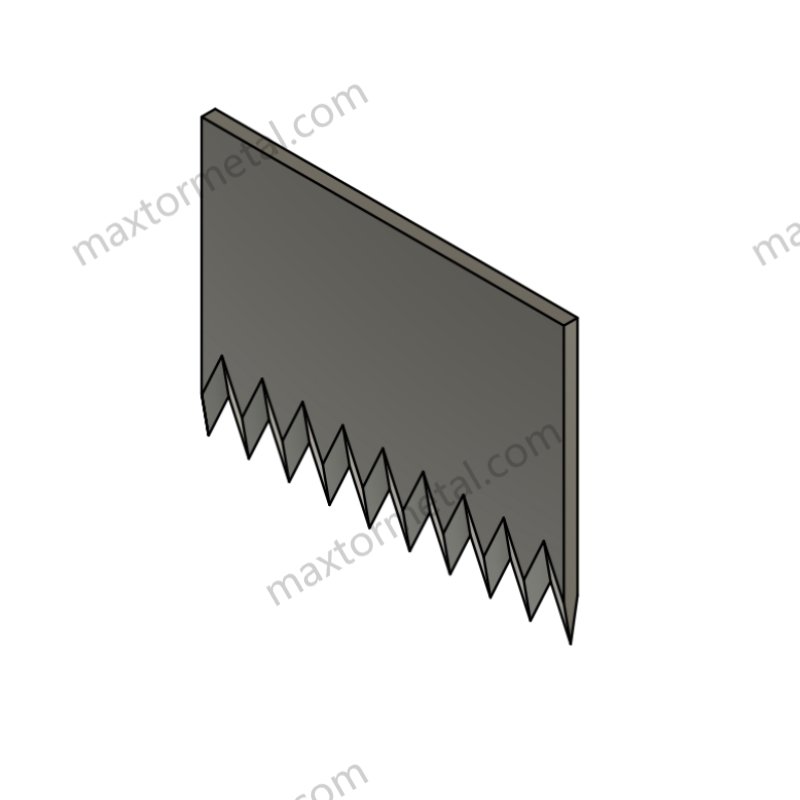
ابدأ بتنظيف سكين مثقب بعد كل استخدام للحفاظ على حدة الشفرة وضمان عمليات قطع سلسة وآمنة. يمكن للاستخدام السليم والصيانة الدورية إطالة عمر الشفرة بنسبة تصل إلى 200% وتقليل عمليات تغيير الشفرات بنسبة 70%. يوضح الجدول أدناه كيف تعمل الممارسات المثلى على تحسين الأداء باستخدام سكين التثقيب، مما يوفر دقة وأمانًا أكبر في التطبيقات الصناعية:
| مقياس الأداء | سكين من النوع المقصي | سكين تقليدي |
|---|---|---|
| وقت التشريح تحت المخاطي (بالدقائق) | 6.2 | 15.6 |
| وقت الشق الدائري المحيطي (بالدقائق) | 8.4 | 13.8 |
| الاستئصال الكتلي (%) | 90 | 70 |
| الأعراض الجانبية: التثقيب أو إصابة العضلات (%) | 10 | 70 |
تُستخدم سكاكين التثقيب على نطاق واسع في صناعات التعبئة والتغليف والمنسوجات وتجهيز الأغذية. للحصول على أفضل النتائج، فكر في استخدام شفرة مخصصة مخصص لتلبية احتياجاتك المحددة.
النقاط الرئيسية
- احرص دائمًا على تنظيف وتجفيف سكين التثقيب بعد استخدامه. يساعد ذلك في الحفاظ على حدته ويمنع تشكل الصدأ.
- اختر مادة الشفرة وشكلها المناسبين لعملك. هذا يجعل السكين يعمل بشكل أفضل ويدوم لفترة أطول.
- أمسك السكين بزاوية تتراوح بين 15 إلى 30 درجة. استخدم ضغطًا ثابتًا لإجراء قطع سلس وسهل.
- استبدل الشفرة إذا أصبحت ثلمة، أو تعرضت للشرخ، أو إذا كان قطعها خشنًا. يحافظ هذا على سلامتك ويضمن جودة عملك.
- فكر في الحصول على شفرات مخصصة من مصنعين موثوقين مثل Nanjing Metal. يساعدك هذا في الحصول على الملاءمة المثالية وسكاكين تدوم لفترة أطول.
أساسيات سكين التثقيب
ما هو سكين التثقيب؟
A perforated knife is a special tool for cutting. It makes small cuts or holes in things. This helps make weak lines so you can tear or split things easily. The blade has sharp parts and spaces with no edge. This pattern is called the “cut and tie” ratio. You see perforated knives when you open packages or tear notebook paper. They also help remove labels.
يوضح الجدول أدناه التفاصيل الفنية والاستخدامات الرئيسية لسكين التثقيب:
| وجه | تفاصيل |
|---|---|
| مواد | الفولاذ عالي السرعة (HSS)، فولاذ الأدوات، الفولاذ المقاوم للصدأ، كربيد التنجستن، فولاذ مسحوق Metallurgy |
| أشكال الشفرات | مستقيمة، دوارة، مسننة، دائرية، أشكال مخصصة |
| مبدأ العمل | يطبق الضغط لإنشاء قطوع متقطعة؛ وتتحكم نسبة "القطع والربط" في سهولة التمزق والمتانة |
| التطبيقات الشائعة | التعبئة والتغليف، المنتجات الورقية، تجهيز الأغذية، المنسوجات والجلود، التصنيع، المستلزمات المكتبية، الملصقات |
الميزات والفوائد الرئيسية
تتميز سكاكين التثقيب بالعديد من المزايا لعمليات القطع. إليك بعض الميزات والفوائد الرئيسية:
- تتوفر أنواع عديدة من الشفرات، لذا يمكنك اختيار ما يناسبك تمامًا. يمكنك استخدام شفرات مستقيمة، أو دوارة، أو مسننة، أو دائرية.
- السكين مصنوع من معادن قوية مثل صلب الكربيد الصلد (solid carbide steel). وهذا يعني أنه يظل حادًا ويدوم لفترة أطول.
- تتيح لك نسبة "القطع والربط" التحكم في مدى سهولة التمزق. ستحصل على قطوع نظيفة ودقيقة في كل مرة.
- تُ can تُستخدم سكاكين التثقيب في التعبئة والتغليف، وأغلفة الأطعمة، والنايلون الفقاعي، والأشرطة اللاصقة، والكرتون، وعبوات الأدوية. كما تُستخدم أيضًا في الدفاتر، والملصقات، والمنسوجات.
- تسهل هذه السكاكين فتح الصناديق والعبوات.
نصيحة: اختر دائمًا شكل الشفرة والمعدن المناسبين لعملك. يساعد هذا سكينك على العمل بشكل أفضل والدوام لفترة أطول.
استخدام سكين التثقيب بفعالية

أفضل المواد والمهام
يعمل سكين التثقيب بأفضل أداء عند استخدامه على المواد المناسبة. تتفاعل المواد المختلفة بطريقتها الخاصة مع الحافة المسننة. يوضح الجدول أدناه كيف يمكن لكل مادة وطلاء مساعدة سكينك على الاستمرار لفترة أطول والعمل بشكل أفضل:
| مادة | الميزات الرئيسية | التطبيقات النموذجية |
|---|---|---|
| ارتفاع الكربون الصلب | صلبة وطويلة الأمد | قطع الورق، المهام الخفيفة |
| الفولاذ المقاوم للصدأ | مقاوم للصدأ، متين | تغليف المواد الغذائية والطبية |
| كربيد التنغستن | صعبة للغاية وطويلة الأمد | البلاستيك، المنسوجات، الآلات عالية السرعة |
| سيراميك | خفيف الوزن، خالٍ من الصدأ | الالكترونيات والحرف اليدوية |
| أداة الصلب | قوي، قابل للمعالجة بالحرارة | شفرات مخصصة، القطع الشاق |
يتميز كربيد التنجستن والفولاذ المقاوم للصدأ بقوة فائقة. تساعد هذه المواد السكين على البقاء حادًا لفترة طويلة. لن تحتاج إلى تغيير الشفرات بشكل متكرر، مما يتيح لك مواصلة العمل دون انقطاع.
الورق والكرتون
يمكنك استخدام سكين مسنن لقطع الورق والكرتون. هذا ممتاز للتعبئة والتغليف، والملصقات، والأعمال الحرفية. تتيح لك الحافة المثقبة التمزيق على طول الخط بسهولة، دون إتلاف بقية الورقة. بهذه الطريقة، تقلل من هدر الورق وتحصل على حواف مستقيمة.
أفلام بلاستيكية
تحتاج الأغشية البلاستيكية مثل غلاف الانكماش (shrink wrap) إلى شفرة مسننة حادة. يقطع سكين التثقيب ذو الحافة القوية هذه الأغشية بسرعة. ستلاحظ التصاقًا وتمزقًا أقل، مما يساعدك على إنهاء عملك بشكل أسرع بنسبة تصل إلى 20%.
الصفائح المعدنية الرقيقة
في المصانع، يستخدم العمال سكينًا مسننًا لقطع الصفائح المعدنية الرقيقة. يصنع السكين ثقوبًا أو خطوطًا صغيرة في المعدن، مما يسهل تشكيله أو فصله. إذا قمت بتغيير شكل الشفرة، يمكنك تقليل الإجهاد الواقع على السكين بنسبة 27%، مما يساعد السكين على الاستمرار لفترة أطول.
المنسوجات والأقمشة
يستخدم صانعو الملابس أو الأثاث سكين التثقيب لقطع الأقمشة. تتيح لك الحافة المسننة قطع خطوط أو أشكال مستقيمة دون أن يتنسل القماش. يحافظ هذا على نظافة قطوعك ويساعدك على العمل بسرعة.
تطبيقات تجهيز الأغذية
في مصانع الأغذية، يقوم السكين المسنن بتقطيع الخبز والأطعمة الأخرى. تمنحك الحافة المثقبة شرائح متساوية وتفتتًا أقل. شفرات الفولاذ المقاوم للصدأ هي الأفضل للأغذية، فهي لا تصدأ وتظل حادًا.
نصيحة: اختر مادة الشفرة وشكل الحافة المناسبين لعملك. سيساعدك هذا على العمل بشكل أفضل والحفاظ على حدة سكينك لفترة أطول.
تقنية القطع الصحيحة
You get the best results by using the right cutting method. Studies show that holding the knife at a 15-30 degree angle works well. Use even pressure to cut your work time in half. You also get smoother cuts and your blade lasts longer.
Secure the Material Firmly
Put your material on a flat, steady surface. Hold it tight so it does not move. This keeps your hands safe and helps the knife cut well.
Hold the Knife at the Correct Angle
Hold the knife at a 15-30 degree angle to the material. This lets the serrated edge cut into the surface. A 30-degree angle helps you cut faster and better.
Apply Even Pressure
Push down with steady, even force. Do not press too hard or too soft. Even pressure helps the knife last longer and gives you smooth cuts.
Use Smooth, Controlled Motions
Move the knife in a slow, steady way. Do not jerk or force the knife. This keeps the edge sharp and protects your material.
Inspect the Blade Regularly
Check the knife’s edge often for dull spots or dirt. A clean, sharp edge works best. Change the blade if it gets chipped or does not cut well.
Note: Using the right angle and pressure helps you get better results. It also keeps your knife sharp for a longer time.
نصائح السلامة
Always follow safety rules when you use a serrated knife. These tips help you stay safe and keep your knife in good shape.
Always Wear Cut-Resistant Gloves
Wear cut-resistant gloves to protect your hands. Even a small slip can cause a bad cut with a sharp knife.
Keep Fingers Away from the Cutting Path
Keep your fingers and hands away from the knife’s path. Plan your cuts so your hands do not get close to the edge.
Store the Knife with a Blade Guard
After you finish, put a blade guard on your knife or store it safely. This stops accidents and keeps the edge sharp.
Clean the Knife After Each Use
Clean your knife every time you use it. Wipe the serrated edge with a soft cloth to remove dirt. This stops rust and keeps your knife ready.
Replace Damaged or Dull Blades Promptly
If you see chips or the blade is dull, change it right away. A sharp, undamaged blade is safer and works better.
Safety Reminder: Never hurry when using a serrated knife. Take your time to stay safe and keep your knife working well.
Perforated Knife Maintenance
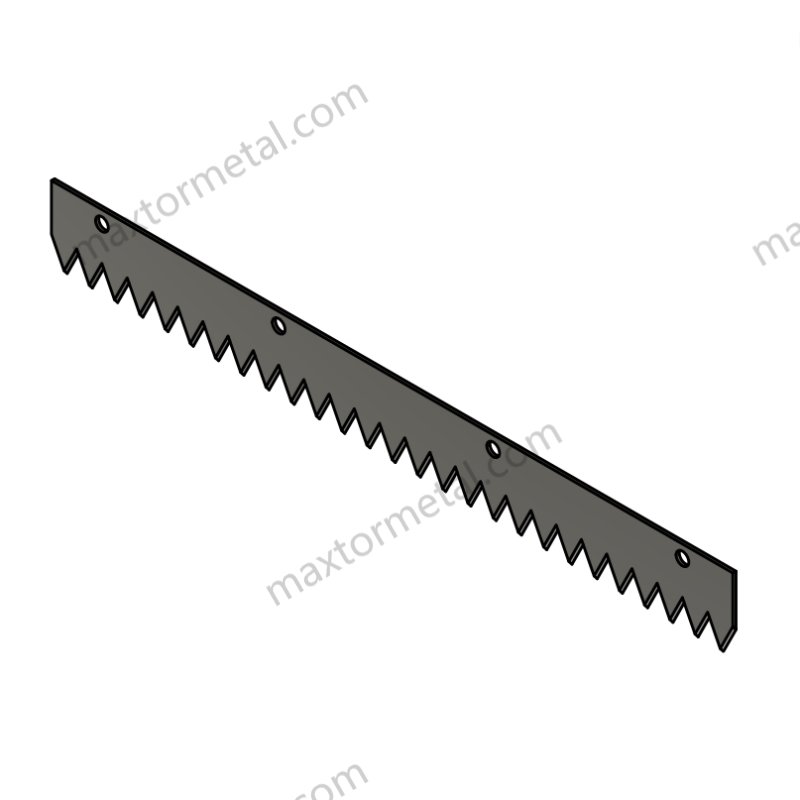
Taking care of your serrated knife helps you get the best results every time you use it. Good knife care keeps your blade sharp, safe, and ready for any job. You can follow these steps to make sure your serrated knife lasts longer and works better.
التنظيف والتجفيف
Keeping your serrated knife clean is the first step in knife care. A clean knife cuts better and stays sharp longer. You should always clean your knife after each use.
Disconnect Power and Remove Blade Safely
If you use a machine knife, turn off the power before you touch the blade. Always wait for the machine to stop moving. Remove the serrated knife carefully. Hold the handle, not the edge. This step keeps you safe and protects the knife.
Use Mild, Non-Corrosive Cleaners
Choose a gentle cleaner for your serrated knife. Strong chemicals can damage the blade. Mild soap and warm water work best. This keeps the knife free from rust and stains.
Wipe with a Soft Cloth or Sponge
Use a soft cloth or sponge to clean your knife. Scrub along the serrated edge. Do not use rough pads. A soft touch keeps the knife in good shape.
Avoid Abrasive Tools Like Steel Wool
Never use steel wool or hard brushes on your serrated knife. These tools scratch the blade and make it dull. Stick to soft materials for knife care.
Dry Thoroughly to Prevent Rust
After you clean your knife, dry it right away. Use a dry towel to wipe the serrated edge and handle. Water left on the knife can cause rust. Store your knife only when it is completely dry.
Tip: Always clean your knife after every use. This simple step keeps your serrated knife sharp and ready.
Sharpening and Honing
A sharp serrated knife makes every cut easier. You need to sharpen your knife to keep it working well. Many people ask how to sharpen your knives, especially serrated ones. You can follow these steps to properly sharpen a serrated knife.
Use a Whetstone or Professional Sharpener
You can sharpen a serrated knife with a whetstone or a tool made for serrated blades. Some people use a round file for the grooves. A professional sharpener can also help you get the best edge.
Maintain the Original Blade Angle
When you sharpen, keep the same angle as the original edge. Most serrated knives have a special angle. This angle helps the knife cut better. If you change the angle, the knife may not work as well.
Apply Even Pressure During Sharpening
Push gently and evenly when you sharpen. Too much force can damage the serrated edge. Move the sharpener along each groove. This keeps the knife sharp and safe.
Inspect for Chips or Damage Before Use
Look at your serrated knife before you use it. Check for chips, cracks, or dull spots. If you see damage, sharpen the knife or replace it. Good knife care means checking your blade often.
Seek Professional Maintenance for Industrial Knives
If you use your serrated knife in a factory or for heavy work, ask a professional to sharpen it. Industrial knives need special care. A professional can properly sharpen a serrated knife and fix any problems.
Note: You should sharpen a serrated knife only when needed. Too much sharpening can wear down the blade.
نصائح التخزين
Storing your serrated knife the right way is part of good knife care. Safe storage keeps your knife sharp and protects you from cuts.
Store with a Blade Guard or in a Case
Always put a blade guard on your serrated knife before you store it. You can also use a case. This keeps the edge safe and stops accidents.
Keep in a Dry, Cool Environment
Store your knife in a place that is dry and cool. Heat and moisture can damage the serrated edge. A dry spot helps prevent rust.
Avoid Stacking or Overlapping with Other Tools
Do not stack your serrated knife with other tools. The edge can get dull or chipped. Give each knife its own space.
Label and Organize for Easy Access
Keep your knives organized. Use labels or a special holder. This makes it easy to find the right serrated knife when you need it.
Safety Reminder: Safe storage is a big part of knife care. It keeps your serrated knife sharp and ready for every job.
ما يجب تجنبه
Some things can harm your serrated knife. Avoid these mistakes to keep your knife in top shape.
Do Not Use Acidic or Alkaline Solutions
Never clean your serrated knife with strong acids or bases. These can eat away at the blade. Stick to mild cleaners for knife care.
Avoid Prolonged Exposure to Air or Moisture
Do not leave your knife out in the open or in water. Air and moisture can cause rust. Always dry and store your serrated knife right away.
Never Store Without Proper Protection
Do not put your serrated knife in a drawer without a guard. The edge can get damaged. Use a blade guard or case every time.
Do Not Use Excessive Force During Cleaning or Sharpening
Do not press too hard when you clean or sharpen your knife. Too much force can bend or break the serrated edge. Gentle care works best.
Avoid Improper Storage That May Cause Damage
Do not store your serrated knife with heavy tools or in a crowded space. The blade can get chipped or dull. Give your knife its own spot.
Callout: Good knife care means cleaning, sharpening, and storing your serrated knife the right way. These steps help your knife last longer and work better.
Blade Replacement and Signs
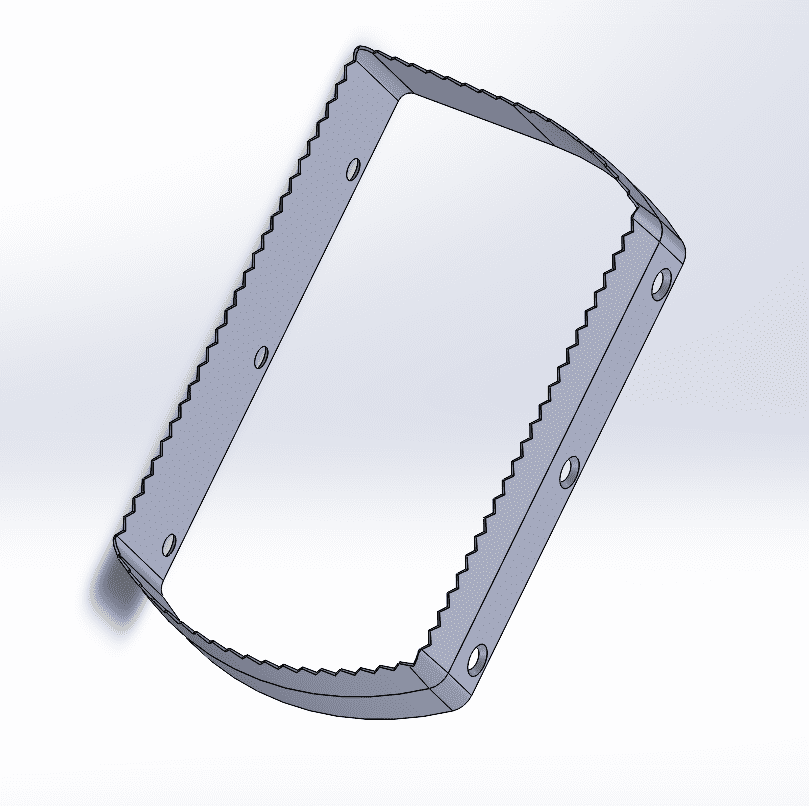
متى يجب استبدال الشفرة
Knowing when to replace your knife blade helps you keep every cut clean and safe. You should watch for certain signs that show your knife needs a new blade. If you notice any of these, it is time to act.
After Noticeable Decrease in Cutting Performance
You may see your knife does not cut as well as before. The material might tear instead of slicing smoothly. If you need to push harder or the cut looks rough, your knife blade has lost its sharp edge. This is a clear sign you need to replace it.
When the Blade Shows Visible Damage or Chips
Look closely at your knife. If you see chips, cracks, or missing pieces on the edge, you should stop using it. Damaged blades can break during use. This puts you and your work at risk.
Following Manufacturer’s Recommended Replacement Schedule
Manufacturers often give a schedule for changing your knife blade. You should follow this advice. Regular replacement keeps your knife working at its best. It also helps you avoid sudden problems.
If the Blade Fails to Cut Cleanly or Leaves Jagged Edges
A good knife makes smooth, straight cuts. If your knife leaves jagged or rough edges, the blade has become dull. You should replace it right away to keep your work neat and safe.
When Switching to a New Material That Requires a Sharper Edge
Some materials need a sharper edge for a clean cut. If you plan to cut a new type of material, check your knife first. If the edge is not sharp enough, put in a new blade. This helps you get the best results.
Tip: Always check your knife before starting a new job. A fresh blade saves time and gives you better cuts.
Warning Signs of Wear
You can spot blade wear by looking and listening. These warning signs help you know when to replace your knife blade.
Dull or Rounded Cutting Edge
A sharp edge feels smooth and even. If you run your finger (carefully) along the edge and it feels dull or rounded, the knife will not cut well. Dull blades make your work harder and less safe.
Increased Effort Required to Cut
If you notice you need to use more force to cut, your knife blade has worn down. This extra effort can lead to mistakes or even injury.
ضوضاء غير عادية أثناء التشغيل
Listen for strange sounds when you use your knife. Squeaking, grinding, or rattling noises can mean the blade is damaged or out of alignment.
Visible Nicks, Chips, or Cracks on the Blade
Check your knife for small nicks, chips, or cracks. Even tiny flaws can grow worse with use. Replace the blade if you see any damage.
Inconsistent or Uneven Cuts
A worn knife blade may leave uneven or wavy cuts. If your cuts do not look straight or clean, the edge may be too dull or damaged.
Accumulation of Debris or Rust on the Blade Surface
If you see rust or debris building up on your knife, it can affect how well the blade works. Clean your knife often, but if the edge still looks bad, replace the blade.
Note: You can use a caliper or micrometer to check if your blade has become too thin. If the blade cannot hold a sharp edge after you sharpen it, it is time for a new one.
مخاطر تأخير الاستبدال
Waiting too long to replace your knife blade can cause many problems. You should know the risks so you can avoid them.
Reduced Cutting Quality and Efficiency
A dull or damaged knife blade makes poor cuts. Your work will take longer, and the results will not look as good.
Higher Risk of Material Damage or Waste
A worn blade can tear or crush the material instead of slicing it. This leads to waste and extra costs.
Increased Likelihood of Operator Injury
Using a dull knife means you need to push harder. This raises the chance of slips and cuts. Keeping a sharp edge helps you stay safe.
Potential Damage to the Knife Holder or Machine
A blade that is too dull or damaged can strain the knife holder or machine. This may cause costly repairs or downtime.
Greater Downtime Due to Unexpected Blade Failure
If your knife blade breaks during use, you must stop work to fix it. Replacing blades on schedule helps you avoid these delays.
Callout: Watch for signs of wear and replace your knife blade before problems start. This keeps your work safe, fast, and high quality.
Perforated Industrial Machine Knives & Custom Solutions
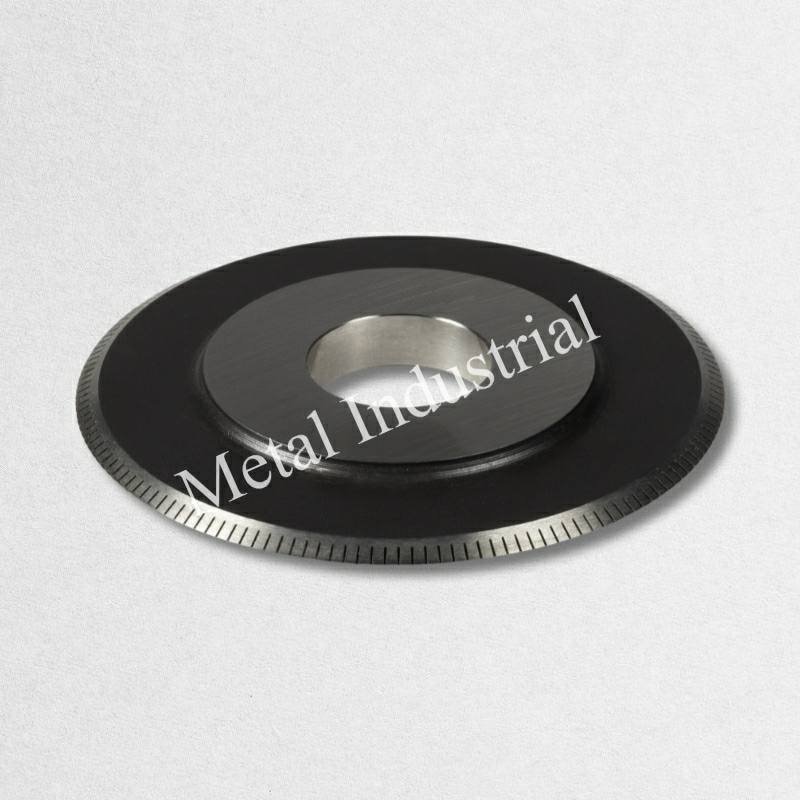
فوائد التخصيص
You get better results with perforated industrial machine knives made for you. Custom perforated industrial blades help fix special cutting problems at work. You can pick the blade’s shape, size, and what it’s made of. This way, your knife fits your job perfectly.
Custom knives let you:
- Match the blade to what you cut, like paper, plastic, or metal.
- Choose the best “cut and tie” ratio for easy tearing and strong edges.
- Make cuts cleaner and safer, so you waste less material.
- Save money because the knife lasts longer and needs fewer changes.
Using perforated industrial blades made for your work gives you more control. You can cut faster and use less effort. Your products look nicer, and your team stays safer. Many businesses, like packaging, textiles, and food processing, use these custom blades to keep things running well.
Nanjing Metal ملخص
Nanjing Metal is a top company that makes perforated industrial machine knives. Nanjing Metal has made these blades for over 20 years for many jobs. Their skilled engineers and modern machines make sure you get the right knife.
You get good quality from them:
- They have ISO certification and check quality at every step.
- Laser machines measure each knife to make sure it’s the right size.
- Heat treatments make the blades strong and tough.
- They test each knife to last up to 10,000 uses.
- Both experienced and new engineers work together to make better blades.
- You get updates so you can see where your order is.
They gives both OEM and ODM services. You can send your own design or ask them to help make a new blade. Their team helps you pick the best material and design for your job. They also have good prices and make importing easy.
Note: The right knife from a trusted maker helps you do your best work every day.
You get the best results from your knife when you follow simple steps. Clean and dry your blade after each use. Give special care to your tool, especially when you cut bread. Replace the blade when you notice it struggles to slice bread or leaves rough edges. Choose custom solutions if you often cut bread in large amounts. Good care keeps your work safe and your slices perfect.
التعليمات
How often should you clean your perforated knife?
You should clean your knife after every use. This keeps the blade sharp and prevents rust. Use a soft cloth and mild soap. Dry the knife well before storing it.
What materials can you cut with a perforated knife?
You can cut paper, cardboard, plastic films, textiles, and thin metal sheets. Some blades also work for food processing. Always choose the right blade for your material.
How do you know when to replace the blade?
Look for dull edges, chips, or rough cuts. If you need more force to cut, it is time to change the blade. Regular checks help you spot problems early.
Can you get a custom perforated knife for your business?
Yes! Many manufacturers offer custom blades. You can choose the shape, size, and material.
انظر أيضا
الشفرات الصناعية المثقبة: مفتاح القطع الدقيق في مجال التغليف وما بعده
كيفية اختيار سكين التثقيب المناسب لمادتك
ما هي شفرات التغليف المموجة وتطبيقاتها الصناعية

 English
  Spanish
  Italian
  French
  Portuguese
  Russian
  German
  Arabic
  Hindi
Hindi  Vietnamese
  Indonesian
  Japanese
  Korean
استجابة واحدة