

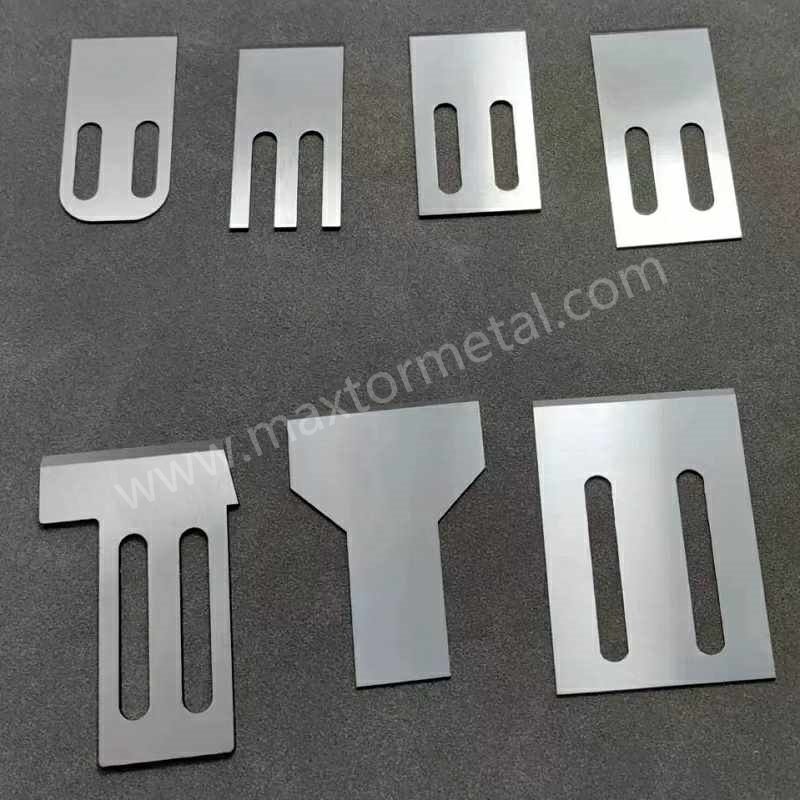
Choosing the right pelletizer knife is very important. It helps your machines work better and saves money over time. A good pelletizer knife keeps product quality steady and improves efficiency. For instance, the chemical industry needs strong and efficient pelletizer knives for nonstop pellet making. Strong knives also help companies follow strict rules. New materials make these pelletizer knives last longer and need less fixing.
Nanjing Metal has 18 years of experience making industrial knives. They create modern solutions to fit your needs. Their skill and new ideas make them a great choice for picking the right pelletizer knife. If you’re interested in learning more, please contact Nanjing Metal’s sales engineers for assistance.
Die wichtigsten Erkenntnisse
Pick the best knife material for your pelletizer. Tough materials like D2 steel or carbide last longer and work better.
Use sharp knives for accurate cutting. Smooth, clean cuts keep products high-quality, especially in food and medical fields.
Buy good-quality knives to save money over time. Cheap knives wear out faster, causing more replacements and delays.
Choose the right knife type for your job. Rotary, fixed, and hot-melt knives do different tasks and boost performance.
Take care of knives to make them last longer. Clean them, check for damage, and oil moving parts to keep things working well.
Key Factors to Think About When Picking the Best Pelletizer Knife
Material Type and Compatibility
Der knife’s material is very important for how it works. Pick a knife material that fits your pelletizing system’s needs. For example, D2 steel is strong and lasts long, great for many machines. DC53 steel keeps its sharp edge, good for cutting different things. If your work involves rough materials, carbide knives are tough and hard, making them a smart choice.
Choosing the right material helps match your cutting needs. If the knife material doesn’t fit the job, it can cause problems and more repairs. Strong tool steels and alloys are hard, tough, and resist rust, making them useful for many tasks. By checking material features, you can make knives last longer and work better, saving time and money.
Cutting Precision and Consistency
Good cuts are needed to make high-quality pellets. Pelletizer knives should cut cleanly and evenly to keep the product looking good. Sharp knives make neat cuts, which help pellets stay the same size and shape. This is very important in industries like food and medicine, where everything must look the same.
The knife’s design also affects how well it cuts. For example, one-sided knives scrape and cut polymers cleanly. This design helps keep pellets in good shape. Also, controlling the system’s temperature helps the process, reduces waste, and keeps pellet sizes even. Buying knives that cut well reduces waste and saves time, making work faster.
Haltbarkeit und Verschleißfestigkeit
Strong knives are important for smooth work. Replacing knives often can slow things down and cost more. Knives made from D2 steel or carbide last longer, even in tough jobs. These materials stay sharp and work well over time.
Knives that resist wear are also important, especially for cutting rough materials. A strong knife won’t dull or break easily, keeping pellet sizes even and machines working well. Checking blade hardness helps improve performance. For example, systems with adjustable speeds and changeable parts work better and cost less while keeping products consistent.
By choosing strong and wear-resistant knives, your pelletizer works better, with less downtime and more productivity.
Kosten vs. langfristiger Wert
When picking a pelletizer knife, think beyond the price. Cheaper knives might seem good but cost more later. Spending on high-quality knives gives better results and saves money.
Good pelletizer knives last longer and work well for tough jobs. They stay sharp and keep cutting evenly. Cheaper knives wear out fast, needing more replacements. This can slow down your work and cause problems. It also makes your system less efficient and wastes time.
Besonderheit | High-Quality Pelletizer Knives | Lower-Cost Alternatives |
|---|---|---|
Wear Life | Lasts longer with better design | Wears out fast, needs replacing often |
Leistung | Works well and reliably | May break or stop working well |
Wartungsbedarf | Needs less fixing | Needs more fixing and care |
Cost Over Time | Saves money in the long run | Costs more over time due to issues |
Using high-quality knives means fewer repairs and replacements. These knives cut cleanly, keeping pellets the same size and shape. This is very important for food and medicine industries where products must match.
Working with a trusted maker like Nanjing Metal adds more value. They make knives that fit your needs perfectly. This helps your system work better and makes your tools last longer.
In the end, good knives save time, money, and effort. They keep your work smooth, protect product quality, and improve your system. While they cost more at first, the long-term benefits are worth it.
Types of Pelletizer Knives and Their Applications
Pelletizer knives come in different types for specific jobs. Picking the right knife helps your system work well and give steady results. Below are three common types of pelletizer knives and their uses.
Rotationsmesser
Rotary knives spin fast to cut materials into even pellets. They make smooth cuts, perfect for industries like plastics and chemicals. These knives are made from strong materials like carbide or tool steel to stay sharp longer.
Rotary knives are used where speed and accuracy matter most. For example, they work well in underwater systems that face tough conditions. Their strength and wear resistance make them great for hard industrial tasks.
Fixed Knives
Fixed knives stay still while cutting. They work with moving parts, like rotary knives, to make clean cuts. Made from tool steel or stainless steel, they handle heavy use without breaking.
Fixed knives are flexible and fit many systems. They are great for strand pelletizing, where stability is key. Strong fixed knives last longer and need less fixing, saving time and money.
Hot-Melt Knives
Hot-melt knives cut materials that need heat during the process. Heat softens the material for smoother cuts and stops buildup. Industries using adhesives or resins often choose hot-melt knives.
These knives stay sharp even at high temperatures. Materials like tungsten carbide or coated steel make them tough. Adding hot-melt knives to your system improves efficiency and product quality.
Tipp: Picking the right knife type boosts performance and reduces downtime. Experts like Nanjing Metal can help you find the best option.
Knife Classifications Table
Here’s a simple table showing types of pelletizer knives and their uses:
Type of Knife | Verwendetes Material | Anwendungen |
|---|---|---|
Kreisförmig | Hartmetall | Cutting, slitting, chopping |
Gerade | Werkzeugstahl | Slicing, prying, shearing |
Strand | Hartmetall | Pelletizing applications |
Wasserring | Edelstahl | Various pelletizing processes |
Die Face | Wolframkarbid | Precision cutting |
Unterwasser | Carbide Coated | Underwater pelletizing |
1-hole and 2-hole knives | Custom Materials | Custom applications |
Reversible knives | Various Materials | Versatile cutting |
Precision knives | Gehärteter Werkzeugstahl | High precision applications |
This table shows the variety of pelletizer knives. It helps you pick the right knife for your needs.
Specialty Knives for Unique Materials
Not all materials act the same during pelletizing. Some need special tools for the best results. Specialty knives are made for unique materials that regular knives can’t handle. These knives help your system work well, even with tough materials.
Why Use Specialty Knives?
Specialty knives are made for specific material needs. For example, rubber, adhesives, or hot polymers need special knives. These knives handle high heat or rough surfaces without getting dull. Using the right knife keeps pellets consistent and reduces downtime from repairs.
Features of Specialty Knives
Materialspezifisches Design: These knives match the material’s needs. Rubber knives may have serrated edges to stop slipping. Adhesive knives might have non-stick coatings to avoid buildup.
Verbesserte Haltbarkeit: Made from strong materials like tungsten carbide, they last longer. They resist wear and stay sharp for a long time.
Präzisionsschneiden: These knives cut accurately, even with tricky materials. This keeps pellet sizes even, which is important for food and medicine industries.
Customizable Options: Companies like Nanjing Metal can make custom knives. This ensures the knife fits your system perfectly and works its best.
Uses of Specialty Knives
Specialty knives werden in vielen Branchen eingesetzt. Hier einige Beispiele:
Rubber and Elastomers: Serrated knives cut rubber cleanly without bending it.
Adhesives and Resins: Non-stick knives stop buildup and keep cutting smooth.
High-Temperature Polymers: Heat-resistant knives work well in very hot conditions.
Schleifmittel: Tough knives handle rough materials like fiberglass without wearing out.
Tipp: Sprechen Sie mit Experten wie Nanjing Metal, um das beste Messer für Ihr Material zu finden. Ihr Fachwissen hilft Ihnen, das richtige Werkzeug für die jeweilige Aufgabe auszuwählen.
Verwenden von Spezialmesser verbessert Ihr System für einzigartige Materialien. Dies steigert die Effizienz und verlängert die Lebensdauer Ihrer Ausrüstung.
Evaluating Equipment Compatibility and Maintenance Requirements
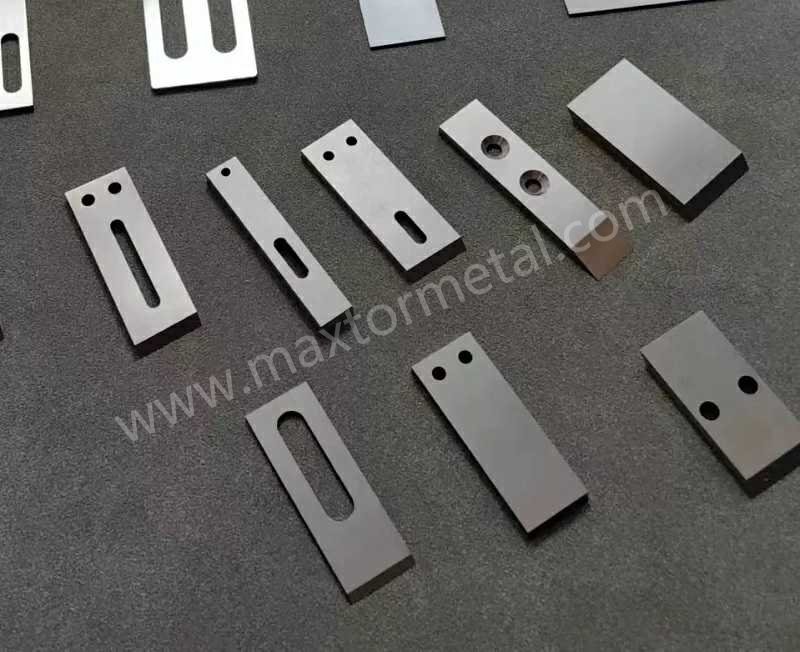
Abstimmung der Messerspezifikationen auf das Maschinendesign
Die Wahl des richtigen Messers für Ihre Maschine ist von entscheidender Bedeutung. Granuliermesser schneiden Materialien in gleichmäßige Formen und sichern so eine hohe Qualität. Wenn das Messer optimal auf das Maschinendesign abgestimmt ist, läuft der Schneidprozess reibungsloser. Dies reduziert Ausschuss und steigert die Produktivität.
Die Verwendung des falschen Messers kann zu ungleichmäßigen Schnitten und Ausfällen führen. Einseitige Messer sind beispielsweise für bestimmte Systeme ausgelegt. Sie schneiden sauber und sorgen für gleichbleibende Abmessungen. Die Wahl des falschen Messers kann die Produktion beeinträchtigen und die Reparaturkosten in die Höhe treiben. Das richtige Messer steigert die Effizienz und spart Kosten.
Einfache Installation und einfacher Austausch
Der Einbau und Austausch von Granuliermessern sollte einfach sein. Komplizierte Abläufe können die Arbeit verlangsamen und Zeitpläne gefährden. Einseitige Messer sind aufgrund ihrer einfachen Konstruktion leichter zu installieren. Dies spart Zeit und vermeidet Fehler beim Austausch.
Manchmal, treten Probleme beim Messerwechsel auf. Zu den häufigen Problemen gehören:
Granulat mit Fäden oder Unebenheiten, was eine Anpassung des Schnitts erfordert.
Hohlräume durch mangelhafte Strangtemperierung, die den Messerwechsel erschweren.
Doppelgranulat oder "Zippers" (Zusammenkleben), verursacht durch falschen Wasserdurchfluss oder falsche Temperatur.
Die schnelle Behebung dieser Probleme hält Ihr System am Laufen und vermeidet Verzögerungen.
Wartungstipps zur Verlängerung der Messerlebensdauer
Die Pflege von Granuliermessern verlängert deren Lebensdauer. Eine gute Wartung spart Kosten und sichert eine einwandfreie Funktion. Befolgen Sie diese Tipps zur Pflege Ihrer Messer:
Reinigen Sie die Messer regelmäßig, um Materialablagerungen zu verhindern. Dies ist besonders bei einseitigen Messern wichtig, da Ablagerungen die Schneidleistung beeinträchtigen.
Prüfen Sie regelmäßig auf Beschädigungen. Tauschen Sie verschlissene Messer schnell aus, um Ihre Maschine zu schützen.
Bewegliche Teile ölen um die Reibung zu verringern und Überhitzung zu vermeiden.
Lagern Sie Messer sicher, wenn sie nicht in Gebrauch sind. Halten Sie sie trocken, um Rost oder Beschädigungen zu vermeiden.
Diese Schritte verbessern die Leistung Ihrer Maschine und reduzieren die Häufigkeit des Messerwechsels.
Common Challenges and Solutions in Using Pelletizer Knives
Umgang mit Materialablagerungen
Das Anhaften von Material an Granuliermessern kann die Produktion verlangsamen. Klebrige oder zähflüssige Materialien verursachen häufig dieses Problem. Eine regelmäßige Reinigung der Messer hilft, Ablagerungen zu vermeiden. Antihaftbeschichtungen erleichtern zudem die Reinigung und verhindern das Anhaften von Materialien. Auch die Einhaltung der richtigen Temperatur während des Schneidens reduziert dieses Problem. Heißabschlagmesser kommen gut mit wärmeempfindlichen Materialien zurecht und senken das Risiko von Ablagerungen.
Die Optimierung des Messerdesigns ist eine weitere Möglichkeit, dieses Problem zu lösen. Ein besser konstruiertes Messer schneidet sauberer und verhindert das Anhaften von Material. Experten wie Nanjing Metal können Ihnen helfen, Messer zu finden oder zu entwickeln, die genau auf Ihre Anforderungen zugeschnitten sind.
Vermeidung von Messerabstumpfung und -bruch
Messer können im Betrieb stumpf werden oder brechen. Stumpfe Messer führen zu ungleichmäßigen Schnitten, während gebrochene Messer die Produktion stoppen. Verwenden Sie daher robuste Materialien wie D2-Stahl oder Hartmetall. Diese Werkstoffe bleiben länger scharf und weisen eine höhere Standzeit auf.
Auch die Pflege der Messer ist wichtig. Überprüfen Sie sie regelmäßig auf Beschädigungen oder Verschleiß. Ersetzen Sie verschlissene Messer schnell, um größere Probleme zu vermeiden. Das Schmieren beweglicher Teile verringert die Reibung und verlängert die Lebensdauer der Messer. Diese Maßnahmen sichern eine hohe Leistungsfähigkeit der Messer und reduzieren Ausfallzeiten.
Behebung ungleichmäßiger Granulatgrößen
Ungleichmäßige Granulatgrößen können die Produktqualität beeinträchtigen. Dies geschieht, wenn die Maschineneinstellungen oder Materialeigenschaften nicht optimal abgestimmt sind. Die Anpassung von Messergeschwindigkeit und Schnittwinkel hilft, die Granulatgröße gleichmäßig zu halten. Neue Technologien bei Granulatoren verbessern zudem die Steuerung, reduzieren Ausschuss und steigern die Granulatqualität.
Die genaue Kenntnis des Materials und des Prozesses ist ebenfalls entscheidend. Verschiedene Harze oder Additive erfordern unter Umständen spezielle Anpassungen. Die folgende Tabelle zeigt Möglichkeiten auf, wie Sie eine gleichmäßige Granulatgröße gewährleisten können:
Lösung | Wie es hilft |
|---|---|
Anpassung der Maschineneinstellungen | Hält die Granulatgrößen über verschiedene Produktionschargen hinweg gleichmäßig. |
Einsatz fortschrittlicher Granuliertechnologie | Verbessert die Steuerung, reduziert Ausschuss und steigert die Granulatqualität. |
Verständnis der Material- und Prozessanforderungen | Hilft, durch Harze oder Additive verursachte Probleme bei der Granulatgröße vorherzusehen und zu beheben. |
Moderne Konstruktionstechnik bei Granulatoren | Ermöglicht eine bessere Steuerung für gleichmäßigere Granulatgrößen. |
Unterwassergranulatoren mit neuen Trocknersystemen | Reduziert Ausschuss und sorgt für eine gleichmäßigere Granulatgröße. |
Die Herstellung von Granulat in der richtigen Form und Größe | Verbessert die Produktion, reduziert Ausschuss und unterstützt nachgeschaltete Prozesse. |
Der Einsatz dieser Lösungen stellt sicher, dass das Granulat die gleiche Größe und Form aufweist. Dies optimiert die Produktion und sichert eine konstant hohe Produktqualität.
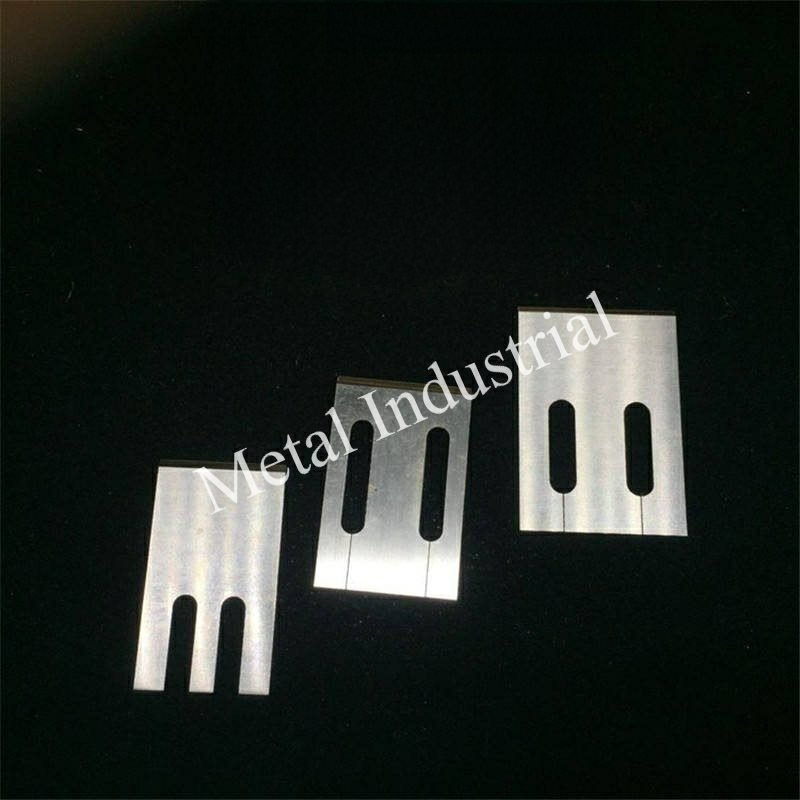
Troubleshooting Equipment Problems
When equipment breaks, it can slow down work and cause issues. Finding the problem fast helps save time and keep quality high. Below are common problems and easy fixes to keep your pelletizer working well.
Signs of Equipment Problems
Watch for these signs to catch problems early:
Pellets not the same size: The blade might be dull or misaligned.
Loud noises: Parts could be loose or worn out.
Frequent clogs: Material might be stuck, or knife settings are wrong.
Cuts not precise: The blade may be worn or installed incorrectly.
Tipp: Check your equipment often to fix small issues before they get worse.
How to Fix Problems
Try these steps to solve common equipment issues:
Look at the knives: See if they are dull, cracked, or not aligned. Replace damaged knives right away.
Clean the machine: Remove stuck material from blades and parts. Use non-stick coatings to stop buildup.
Check settings: Make sure blade speed, angles, and temperature are correct. Adjust them to fit your material.
Tighten parts: Secure bolts and screws to stop noise and make the machine stable.
Bewegliche Teile ölen: Add oil to reduce friction and stop overheating.
Ways to Prevent Problems
Taking care of your equipment helps it last longer:
Do regular maintenance: Check for wear and tear often.
Train workers: Teach your team how to use knives and machines properly.
Buy good knives: Use strong knives from trusted brands like Nanjing Metal to avoid problems.
Problem | Ursache | Fix |
|---|---|---|
Pellets not the same size | Blade misaligned | Fix or replace the blade |
Loud noises | Loose parts | Tighten screws and bolts |
Frequent clogs | Material stuck | Clean blades and use non-stick coating |
Cuts not precise | Worn-out knives | Replace with better knives |
Notiz: Working with experts like Nanjing Metal gives you reliable knives and helpful advice for your needs.
Fixing problems quickly keeps your machine running well and avoids delays. By taking care of your equipment and using quality knives, you can make your pelletizer last longer and work better.
Why Choose Nanjing Metal for Your Pelletizer Knife Needs
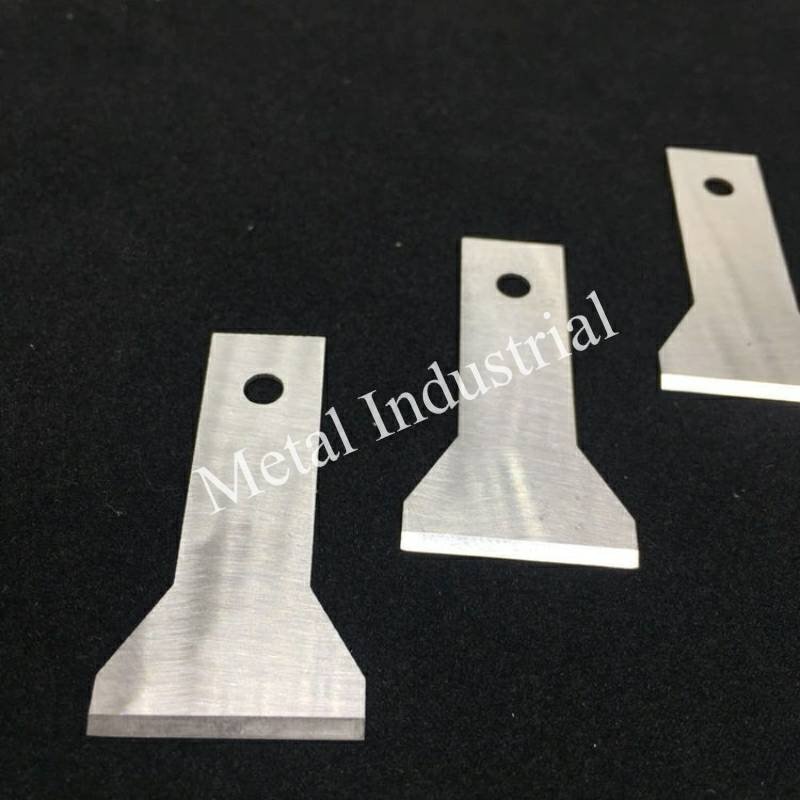
Expertise in Industrial Knife Manufacturing
Nanjing Metal is a top maker of industrial knives. They focus on making strong and reliable blades. Special methods like coating and powder metallurgy make their knives last longer. Careful testing ensures each knife works well and stays tough.
Beweisbeschreibung | Details |
|---|---|
Nanjing Metal makes shear blades that work very well. | |
Advanced manufacturing processes | Modern techniques make blades stronger and more effective. |
Strenge Qualitätskontrolle | Testing checks hardness, toughness, and wear resistance. |
Modern technologies | Coatings and powder metallurgy improve blade life and performance. |
With over 3,000 blade types, Nanjing Metal serves many industries. These include recycling, food packaging, shredding, and paper cutting. Their knowledge helps you get the right blade for your needs.
Customization Services for Unique Industry Requirements
Every industry has different needs, and Nanjing Metal offers custom solutions. Their team works with you to design blades that fit your equipment perfectly. This makes your machines work better and saves time.
For example, in the paper industry, their custom slitter blades cut waste by 20%. This saved one company $40,000 every year. Custom designs can make a big difference for your business.
Industrie | Leistungsbeschreibung |
|---|---|
Papierindustrie | Saved $40,000 yearly by cutting waste with slitter blades. |
Choosing Nanjing Metal means working with experts who care about your success.
Proven Track Record of Quality and Reliability
Nanjing Metal is known for making dependable products. Their knives work well even in tough conditions. They use advanced testing tools to ensure high quality. This has earned them trust from many industries.
They always aim to improve their products and keep customers happy. Picking Nanjing Metal gives you strong, reliable knives for your pelletizing needs.
Tipp: Nanjing Metal’s knives help your machines work better, save money, and keep product quality high.
Die Wahl des richtigen Pelletiermesser keeps your work smooth and efficient. Pellet size, shape, and consistency are important for later steps. Using tools that handle different materials helps meet growing needs. Planning ahead avoids expensive quick fixes in the future.
Working with Nanjing Metal gives you top-quality, maßgefertigte Messer for better results. Their knowledge helps you find the best option for your industry.
Möchten Sie Ihre Arbeit verbessern? Reach out to Nanjing Metal's sales team today for expert help and custom solutions.
Häufig gestellte Fragen
What is the strongest material for pelletizer knives?
Tungsten carbide and D2 steel are very strong materials. They stay sharp and resist wear, even in tough jobs. Picking the right material makes your knife last longer and work better.
How often should pelletizer knives be replaced?
How often you replace knives depends on how you use them. Check knives often for dullness or damage. Good-quality knives, like those from Nanjing Metal, last longer and need fewer replacements.
Can pelletizer knives be made for special materials?
Yes, they can! Companies like Nanjing Metal make knives to fit your needs. Custom knives work better with your materials and machines, improving performance.
How can you stop material from sticking to knives?
Use non-stick coatings or hot-melt knives to stop sticking. Clean knives often and keep the cutting temperature right. This helps the knives work smoothly.
Why pick Nanjing Metal for pelletizer knives?
Nanjing Metal has 18 years of experience making industrial knives. Their strong, custom knives improve work, save time, and give great results. Contact their team für fachkundige Hilfe.
Tipp: Taking care of your knives and using the right materials makes them last longer and work better.

 English
 Spanish
 Italian
 French
 Portuguese
 Russian
 German
 Arabic
 Hindi
 Vietnamese
 Indonesian
 Japanese
 Korean
Eine Antwort