

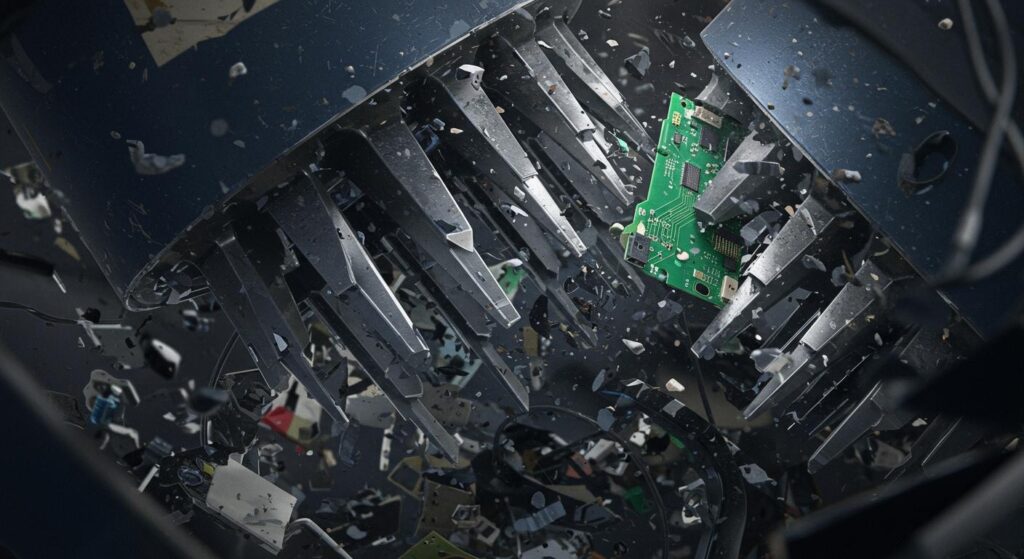
Se presentan más problemas al intentar gestionar los residuos electrónicos de forma segura. Si se desechan de manera incorrecta, pueden filtrarse datos privados. También puede dañar el medio ambiente. Unas buenas Cuchillas para trituradoras de residuos electrónicos le ayudan a cumplir con las normas de seguridad. También le ayudan a cumplir con las leyes sobre residuos electrónicos. En 2021, se generaron 57,4 millones de toneladas de residuos electrónicos. Solo el 17.4% se recicló. Consulte las tasas de reciclaje a continuación:
| Región | Tasa de reciclaje |
|---|---|
| Global | 17.4% |
| Europa | 42.5% |
| Asia | 11.7% |
| África | 0.9% |

Puntos clave
- Las trituradoras de residuos electrónicos ayudan a destruir dispositivos electrónicos viejos de forma segura. Protegen los datos privados.
- Las cuchillas para trituradoras de calidad están fabricadas con materiales de alta resistencia. Esto garantiza que el procesamiento de residuos electrónicos sea eficiente y seguro.
- Existen diferentes diseños de cuchillas. Las cuchillas de un solo eje y de múltiples ejes se adaptan a distintos tipos de residuos electrónicos. Estos diseños optimizan el rendimiento de las trituradoras.
- Es fundamental inspeccionar las cuchillas de la trituradora con frecuencia. Esto ayuda a detectar cuchillas desgastadas y a prevenir averías antes de que ocurran.
- Las trituradoras cuentan con funciones de seguridad. Los sistemas de parada automática y los diseños cerrados protegen a los operarios y ayudan a cumplir con las normativas.
- Algunas cuchillas se pueden personalizar para adaptarse a necesidades específicas. Las cuchillas a medida mejoran el rendimiento de las trituradoras en cada aplicación.
- Un proceso de trituración eficiente facilita el reciclaje de más residuos electrónicos y ayuda a recuperar materiales valiosos.
- Invertir en una mejor tecnología de cuchillas reduce costes. Además, permite que las trituradoras funcionen de manera más rápida y eficiente.
Trituradoras de residuos electrónicos y destrucción segura

Por qué es importante la seguridad de los residuos electrónicos
Si no se destruyen los residuos electrónicos de manera correcta, se corren graves riesgos. Los ordenadores y teléfonos antiguos aún pueden contener datos privados. Alguien podría recuperar esta información y utilizarla de forma maliciosa. A continuación, se presenta una tabla con los principales riesgos de no desechar los residuos electrónicos de forma adecuada:
| Tipo de riesgo | Descripción |
|---|---|
| Robo de identidad | Los dispositivos antiguos pueden almacenar información personal confidencial, lo que puede dar lugar a transacciones financieras no autorizadas. |
| Invasión de la privacidad | La eliminación inadecuada puede exponer datos privados, lo que resulta en extorsión o descrédito personal. |
| Fraude financiero | Los actores maliciosos pueden recuperar datos bancarios, lo que provoca retiros no autorizados y pérdidas financieras. |
| Robo de propiedad intelectual | Los dispositivos corporativos desechados pueden contener datos patentados, lo que pone en riesgo la ventaja competitiva. |
| Multas regulatorias | El incumplimiento de las leyes de privacidad de datos puede acarrear cuantiosas multas y acciones legales. |
| Daño a la reputación | Las filtraciones de datos pueden empañar la reputación de una empresa, provocando la pérdida de confianza y de la fidelidad de los clientes. |
| Interrupción operativa | La recuperación de datos puede permitir la infiltración en los sistemas, lo que causa tiempos de inactividad operativos y pérdidas financieras. |
| Exposición de datos de empleados | La eliminación inadecuada corre el riesgo de exponer información confidencial de los empleados, lo que puede dar lugar al robo de identidad. |
Debe proteger su negocio y a sus clientes. Las trituradoras de residuos electrónicos destruyen los dispositivos de modo que nadie pueda recuperar la información. El uso de la trituradora adecuada reduce la probabilidad de filtraciones y multas elevadas. Además, demuestra a sus clientes que se preocupa por su privacidad.
Cómo funcionan las cuchillas para trituradoras de residuos electrónicos
Las trituradoras de residuos electrónicos cortan los componentes en fragmentos diminutos. Al introducir el dispositivo en la trituradora, las cuchillas cortan y desgarran las piezas hasta que es imposible volver a ensamblarlas. El filo y la resistencia de las cuchillas garantizan que este proceso sea rápido y seguro.
Existen diferentes tipos de trituradoras de residuos electrónicos. Algunas cuentan con un solo eje y otras con varios. Cada tipo es óptimo para aplicaciones específicas. Las trituradoras de calidad cuentan con cuchillas robustas, ofrecen un corte excelente y pueden procesar múltiples tipos de residuos electrónicos.
La calidad y el diseño de las cuchillas son fundamentales. Las cuchillas de alta resistencia duran más y cortan mejor. Un diseño óptimo acelera el proceso de trituración y asegura la destrucción completa de cada componente. El uso de cuchillas de baja calidad puede comprometer la seguridad de los datos o ralentizar la producción.
También es necesario cumplir con las normativas de su sector. Estas reglas garantizan la seguridad y le ayudan a evitar problemas legales. A continuación se presentan algunas de las certificaciones y normas más importantes para la destrucción segura de residuos electrónicos:
| Proceso de dar un título | Descripción |
|---|---|
| e-Stewards | Garantiza la manipulación adecuada de materiales sensibles y el cumplimiento de las normas medioambientales. |
| ISO 14001 | Se centra en sistemas eficaces de gestión ambiental. |
| NAID AAA | Garantiza las mejores prácticas en seguridad de datos para servicios de trituración. |
Consejo: También debería informarse sobre NIST 800-88, las directrices del DoD, el GDPR y la HIPAA. Estas normas establecen las reglas para la destrucción de datos y el mantenimiento de la privacidad.
Al elegir la trituradora de residuos electrónicos adecuada y utilizar buenas cuchillas, protege sus datos y cumple con la ley. Esto mantiene su negocio seguro y ayuda a que sus clientes confíen en usted.
Características clave de las cuchillas para trituradoras de residuos electrónicos
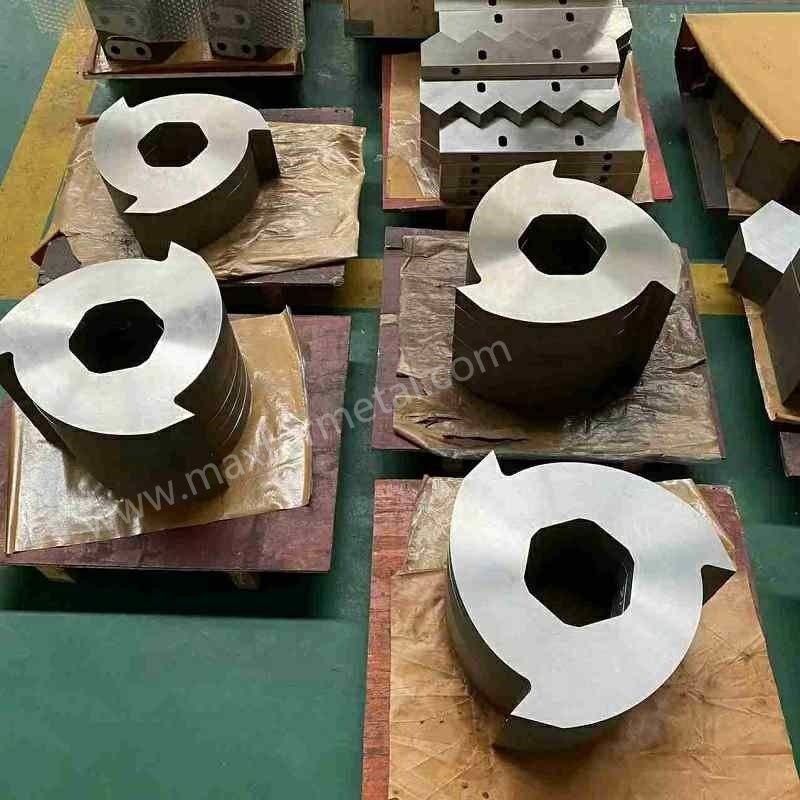
Material Durability
Importancia de los materiales de alta calidad
Las cuchillas para trituradoras de residuos electrónicos deben ser resistentes para el uso diario. Los materiales de alta calidad ayudan a que las cuchillas duren más y funcionen mejor. Las cuchillas resistentes se rompen con menos frecuencia y garantizan un procesamiento seguro de los residuos electrónicos. Las cuchillas duraderas le ahorran dinero porque no tiene que reemplazarlas a menudo. El uso de los materiales adecuados en la gestión de residuos ofrece mejores resultados y un trabajo más seguro.
Ejemplos de aleaciones y aceros avanzados
Muchas trituradoras utilizan metales especiales para aumentar la tenacidad de las cuchillas. A continuación se muestra una tabla con los materiales utilizados y su nivel de resistencia:
| Tipo de material | Clasificación de durabilidad | Aplicaciones |
|---|---|---|
| Acero Aleado | Alto | Materiales de dureza media como plásticos y neumáticos |
| Herramienta de acero | Muy alto | Materiales duros como metal y vidrio |
| Carburo de tungsteno | Extremadamente alto | Materiales altamente abrasivos como fibra de vidrio y minerales |
| Acero al Carbono | Moderado | Operaciones de servicio ligero con materiales menos exigentes |
El acero aleado y el acero para herramientas aportan una dureza y tenacidad adicionales a las cuchillas. Estos materiales ayudan a que las cuchillas soporten trabajos pesados y altas tensiones. Las cuchillas duran más y usted gasta menos en repuestos. Si desea obtener más información sobre cuchilla personalizada materiales, visite la página de cuchillas personalizadas.
- Las aleaciones y aceros avanzados hacen que las cuchillas sean más duras y tenaces.
- Estas características ayudan a que las trituradoras funcionen de manera eficiente con residuos electrónicos pesados y voluminosos.
- Los materiales más resistentes se traducen en cuchillas de mayor vida útil y menores costes de sustitución.
Uso de acero de primera calidad por parte de Nanjing Metal Industrial
Nanjing Metal Industrial utiliza acero de alta calidad para sus cuchillas para trituradoras. El fabricante selecciona acero de gran resistencia para que las cuchillas puedan soportar los trabajos más exigentes de trituración de residuos electrónicos. El mecanizado y forjado especiales ayudan a que las cuchillas se mantengan afiladas y resistentes. Obtendrá cuchillas de alto rendimiento, incluso en trituradoras de uso intensivo. La empresa también fabrica cuchillas personalizadas para adaptarse a sus necesidades específicas.
Eficiencia de corte
Mecanizado de precisión para un rendimiento óptimo
La eficiencia de corte es fundamental al triturar residuos electrónicos. El mecanizado de precisión otorga a cada cuchilla la forma y dimensiones exactas. Esto ayuda a las trituradoras a cortar componentes electrónicos de forma rápida y segura. Las cuchillas bien fabricadas ofrecen cortes limpios y reducen los tiempos de inactividad. Además, garantizan la seguridad de los datos al asegurar la destrucción total de los residuos electrónicos.
A continuación se presentan algunos factores clave para la eficiencia de corte:
| Tipo de métrica | Descripción |
|---|---|
| Geometría de la hoja | Influye en el rendimiento y la eficiencia de corte; las formas óptimas reducen las fuerzas de corte y mejoran la distribución de la carga. |
| Ángulos de corte | Afecta a las fuerzas de corte y al desgaste; los ángulos moderados (30-60°) equilibran el filo y la durabilidad. |
| Número de filos | Un número óptimo de filos mejora la eficiencia; un exceso de ellos puede provocar una degradación del rendimiento. |
| Grosor de la hoja | Debe soportar los momentos de flexión al tiempo que concentra el esfuerzo cortante para un corte eficaz. |
| Geometría del bisel | Las mejoras como los dientes dentados mejoran el agarre del material y reducen el deslizamiento. |
| Configuración | Los filos de corte bien espaciados proporcionan fuerzas de cizallamiento eficaces, sincronizadas con las características de alimentación. |
Impacto en la velocidad de trituración y el tamaño de partícula
La forma de la cuchilla influye en la velocidad de trabajo de las trituradoras y en el tamaño final de las fracciones. El diseño adecuado ayuda a destruir los dispositivos rápidamente y mantiene los datos seguros. Consulte la siguiente tabla para ver cómo influyen los diferentes factores en la velocidad de trituración y el tamaño de partícula:
| Factor | Impacto en la velocidad de trituración y el tamaño de partícula |
|---|---|
| Radio/Diámetro del cortador | Afecta a la fuerza de corte; un radio menor aumenta la fuerza, mejorando la velocidad de trituración. |
| Altura del gancho | Influye en la presión y el área superficial; los ganchos más cortos proporcionan un mejor cizallamiento, lo que afecta al tamaño de partícula. |
| Configuración del cortador | La disposición y el número de ganchos influyen en la eficiencia de la aplicación de la fuerza, afectando al rendimiento de producción. |
Elegir la forma adecuada de la cuchilla le proporciona una trituración más rápida y partículas más pequeñas. Esto ayuda a las empresas a cumplir con las normativas de seguridad y optimiza el funcionamiento de las trituradoras.
Diseño de garras y geometría de cuchilla personalizada
Los diseños de garras y las formas de cuchilla personalizadas ayudan a las trituradoras a procesar diferentes tipos de residuos electrónicos. Las trituradoras de varios ejes con cuchillas de 3, 8 o 12 garras pueden desmenuzar objetos grandes y resistentes. Las formas de cuchilla personalizadas le permiten elegir lo que mejor se adapte a sus necesidades. Para obtener más información sobre las opciones de personalización, visite la página de cuchillas personalizadas. El diseño adecuado ayuda a que las cuchillas funcionen mejor y duren más tiempo.
Resistencia al desgaste
Tratamientos superficiales y procesos de endurecimiento
La resistencia al desgaste es fundamental para las cuchillas de trituradoras. Los tratamientos especiales prolongan la vida útil de las cuchillas y mejoran su rendimiento. A continuación se presentan algunos de los tratamientos más comunes:
| Tipo de tratamiento superficial | Descripción |
|---|---|
| Endurecimiento por láser | Tratamiento de fusión que crea una nueva capa superficial mediante la solidificación rápida del metal fundido bajo la acción del láser. |
| Recubrimiento de carburo de tungsteno | A coating that enhances wear resistance, typically applied in a thickness of 1.2-1.8mm. |
| Diamond-Like Carbon Coating | A thin coating (5-8μm) that provides excellent wear resistance and durability. |
| Laser-Clad Tungsten Carbide | A robust coating that significantly improves the wear resistance of shredder blades. |
These treatments help blades resist damage from hard and rough e-waste. You get more use from each blade and fewer stops for repairs.
Longevity in High-Volume Operations
If you shred a lot of e-waste, you need blades that last. Wear-resistant coatings and hardening keep blades sharp and strong. This means shredders run longer without stopping. You keep your work going and save money.
Benefits of Advanced Forging Techniques
Advanced forging makes shredder blades even stronger. Forging shapes metal under high pressure and makes blades tough. This process helps blades resist cracks and chips. Forged blades can handle tough e-waste and last a long time.
Tip: Pick blades with the right materials, design, and treatments. This helps shredders work better, saves money, and keeps your e-waste safe.
Configuración de la cuchilla
Single-Shaft vs. Multi-Shaft Arrangements
Picking the right blade setup is important for shredders. The way blades are arranged changes how well you can shred things. Here is a quick look at the differences:
- Single-Shaft Shredders
- These shredders can process a lot of material quickly.
- They work with many things, like big plastic containers and boxes.
- You can use a screen to pick the size of the pieces.
- Dual-Shaft Shredders
- These shredders have strong power for tough or dirty waste.
- They move slowly but can break down heavy items.
- They are good for shredding e-waste, plastic, and tires.
Multi-shaft shredders, like double or four-shaft types, give you more choices. You can shred many kinds of e-waste, such as circuit boards and cables. The best setup helps you work faster and reach your waste goals.
Customization for Different E-waste Streams
Every e-waste stream is not the same. You need blades that fit what you are shredding. Customizing lets you change blade types, speeds, and setups for better results. Here is a table with common ways to customize:
| Opción de personalización | Descripción |
|---|---|
| Variable Speed Controls | Lets you change how fast you shred different e-waste. |
| Customizable Blade Configurations | You can set up blades to shred certain electronics better. |
Custom blades help you shred small gadgets and big appliances.
OEM/ODM Services by Nanjing Metal Industrial
Sometimes you need a special blade for your shredder. Nanjing Metal Industrial gives OEM and ODM services. You can talk to their team to make blades that fit your needs. They use special machines and forging to make strong blades. You get blades that work well for your e-waste jobs.
Safety Mechanisms
Built-in Safety Features (e.g., Auto-Stop, Enclosed Systems)
Modern e-waste shredders have safety features to keep you safe. These features protect workers while shredding. Here is a table of common safety features:
| Característica de seguridad | Descripción |
|---|---|
| Interlocks | Stops the shredder if a door is open. |
| Botones de parada de emergencia | Lets you turn off the shredder fast in danger. |
| Enclosed Cutting Chambers | Keeps moving parts covered to stop injuries. |
| Overload Protection Systems | Stops damage and keeps shredding safe. |
| Dust-Control Systems | Lowers the risk from harmful dust. |
These features help you keep your workplace safe when shredding e-waste.
Operator Protection and Anti-jam Technology
You need to keep workers safe and stop jams. Anti-jam tech controls how much material goes into the blades. If a jam happens, the shredder can fix itself. This means you do not have to stop and fix jams by hand. You spend more time shredding and less time fixing. Workers stay safer, and machines last longer.
Compliance with Industry Safety Standards
You must follow safety rules when working with e-waste. Things like interlocks, emergency stops, and dust-control help you follow these rules. Following the rules keeps your team and business safe. It also shows you care about safe waste management.
Diseño de cuchillas para trituradoras de residuos electrónicos

The way shredder blades are made changes how well you can break down e-waste. It also affects how much valuable material you can get back. You must pick the right blade type and pattern for your job. This choice changes how fast and well the shredder works. It also changes how much good material you can recover. Let’s see the main blade designs and how they help with different e-waste.
Single-Shaft vs. Multi-Shaft
Single-Shaft Shredders
Single-shaft shredders have one spinning shaft with blades on it. You put e-waste in, and the shaft pulls it inside. The blades cut the waste against a fixed blade. You can change the screen to pick the size of the pieces.
Ventajas
- You get even cuts and same-size pieces.
- Fewer moving parts make fixing easier.
- These shredders use less power than multi-shaft ones.
- They can shred many kinds of e-waste, like PCBs, wires, batteries, and hard drives.
Desventajas
- Single-shaft shredders may not break very tough or big items as well as multi-shaft ones.
- They can be slower when shredding lots of heavy metal.
Aplicaciones Típicas
You use single-shaft shredders for softer or medium-hard e-waste. These include plastic cases, cables, and small electronics. They are good for recycling centers that take apart electronics and destroy data.
Multi-Shaft Shredders
Multi-shaft shredders, like dual-shaft or four-shaft types, have two or more shafts with blades that fit together. The shafts spin in opposite ways. This design rips and crushes tough things.
Ventajas
- You can shred very tough and big e-waste, like metal frames and large appliances.
- The design can handle mixed materials and tricky parts.
- Multi-shaft shredders can shred a lot and do heavy jobs.
Desventajas
- These shredders need more power and are harder to fix.
- The pieces may not all be the same size as with single-shaft models.
Aplicaciones Típicas
You use multi-shaft shredders for big or tough e-waste. These include bulky metals, mixed electronics, and things with both metal and plastic. They are used where you need to shred lots of e-waste fast.
Here is a table that shows which shredder works best for each e-waste type:
| Tipo de trituradora | Best Processed Materials | Características principales |
|---|---|---|
| Single Shaft Shredder | PCBs, plastic casings, wires, batteries, hard drives | Precision cutting, lower energy use, easier maintenance |
| Dual-Shaft Shredder | Bulky metals, tough materials | Higher power demand, more complex maintenance |
Tip: Pick the shredder type that matches the e-waste you have most. This helps you work faster and get more good material back.
Tooth Patterns
Overview of Common Tooth Patterns
Blade tooth patterns change how shredders cut e-waste. There are a few common types:
- Straight Teeth: These teeth cut clean and work best for plastics and soft things.
- Claw Teeth: These have sharp tips that grab and rip tough or big items, like metal frames or cables.
- Serrated Teeth: These have jagged edges that help shred stringy or layered stuff.
Comparative Analysis of Tooth Patterns
Each tooth pattern works best for certain e-waste. Here is a table to compare them:
| Tooth Pattern | Mejor para | Acción de corte | Typical Use Case |
|---|---|---|---|
| Derecho | Plastics, circuit boards | Clean slicing | Small electronics, PCBs |
| Claw | Bulky metals, cables | Gripping and tearing | Appliances, mixed e-waste |
| Serrado | Fibrous or layered materials | Sawing and shredding | Wire bundles, composite parts |
You can pick the pattern that fits your material. This helps the shredder work better and lets you get more valuable stuff out.
Impact on Shredding Efficiency and Material Types
The right tooth pattern lets you shred e-waste faster and keeps blades from wearing out too soon. For example, claw teeth help you shred big, tough things without jams. Straight teeth give smooth cuts for plastics and circuit boards. Serrated teeth are best for cables and layered things. By matching the tooth pattern to your e-waste, you can shred more and stop less.
Opciones de personalización
Sometimes you need special blade designs for tricky e-waste. Custom blades let you change the shape, material, and tooth pattern to fit your needs. Top companies, like Nanjing Metal Industrial, have many custom blade choices and OEM/ODM services.
Here is a table that shows what you can change:
| Aspecto de personalización | Detalles |
|---|---|
| Materiales utilizados | Carburizing steel, tool steel, chromium, molybdenum, manganese low alloy steels, Hardox® steels. |
| Procesos de fabricación | High precision CNC manufacturing, heat treatment processes including carburizing and quenching. |
| Applications Supported | WEEE recycling, plastic and rubber recycling, paper and cardboard recycling, tires, household waste. |
| Customization Experience | Many years of experience advising on optimal steel and blade shape for toughness and hardness. |
You get many good things from custom blades:
- You can set up shredders for special e-waste, like circuit boards, cables, and plastics.
- Changing blade shape and material makes cutting better and blades last longer.
- Better designs help you get more valuable material from e-waste.
- Custom blades help you follow strict rules for waste management.
Nota: More and more electronics are thrown away every year. Shredder knives are now made for tricky e-waste parts. New rules make recyclers buy better shredders.
Nanjing Metal Industrial can help you with many blade types and OEM/ODM services. You can work with their team to make blades that fit your job.
Mantenimiento y longevidad
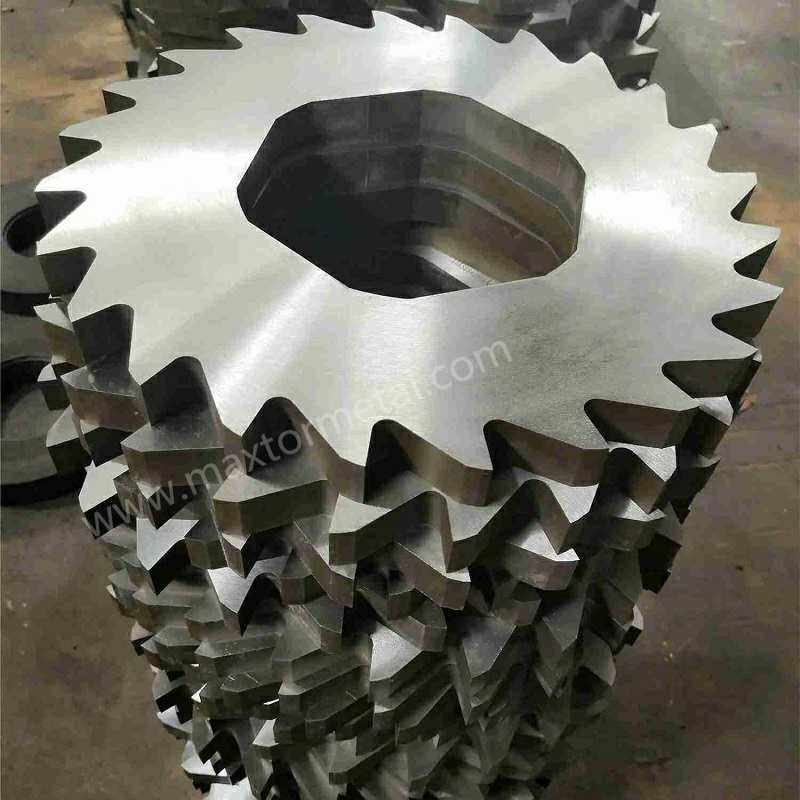
Taking care of your e-waste shredders helps them last longer. Good maintenance keeps your machines working well and safe. You can stop problems and save money by checking your shredder often. Let’s see how you can spot blade wear, clean and check your blades, and change them safely.
Wear Indicators
Señales comunes de desgaste de la cuchilla
You should look for signs that your shredder blades are getting old. Some things you might see are:
- Chips or cracks on the blade edges
- Corners that look round, not sharp
- Dark spots or burn marks on the blade
- Shredded e-waste with rough or uneven cuts
- The shredder makes more noise or shakes more
If you notice these things, your blades may not work well anymore.
Methods for Detecting Wear
There are different ways to check if your blades are worn out. Each way has its own good points. The table below shows some ways to find blade wear and how well they work:
| Detection Method | Indicators / Description | Accuracy / Reliability | Efficiency / Practicality |
|---|---|---|---|
| Inspección visual | Look for chips, cracks, rounded corners, dark spots, burn marks under bright light or magnifying glass | Reliable for spotting physical blade damage | Quick and easy for routine checks |
| Operational Signs | Increased power use, slower cutting, uneven cuts, overheating, loud noises, vibrations | Good indicator of blade dullness during use | Efficient as it uses normal machine data |
| Borg Scale Measurement | Measures cutting effort; dull blades score higher; strong link to sharpness | High accuracy and correlation with sharpness | Needs special tools but very precise |
| Vibration Sensors & AI | Sensors track early wear; AI predicts when to replace blades | Early and precise detection | Needs investment in equipment and setup |
You can start with easy checks and use better tools as your business grows.
Practical Examples of Wear in E-waste Shredder Blades
Think about running a busy e-waste recycling center. Your shredder gets louder and the pieces come out rough. When you look at the blades, you see small chips and dark spots. These are signs the blades are wearing out. If you do not fix this, your shredder could break or not shred safely. Checking often helps you find problems early.
Limpieza e inspección
Recommended Maintenance Schedule
You should follow a regular plan to keep your shredder blades in good shape:
- Get professional maintenance every 6 months if you shred a lot.
- Do yearly maintenance for normal shredders.
- Fix problems right away if you see changes in how it works.
- Check and clean blades after big jams or machine trouble.
Following this plan helps you stop bigger problems later.
Tools and Products for Effective Cleaning
Cleaning your blades helps them stay sharp and work well. Here are some things you should use:
- A soft brush or cloth to wipe off dirt from the blades
- Compressed air or canned air to blow away small bits
- Use canned air every two weeks to clean the cutting parts and sensors
Cleaning often makes your shredder last longer and work better.
Inspection Checklist for Blade Condition
You can use this checklist to look at your shredder blades:
- Look for chips, cracks, or round corners on the blade
- Check for dark spots or burn marks
- Make sure the blade is sharp, not dull
- Listen for strange noises or shaking when running
- Look for rough or uneven cuts in shredded e-waste
- Check the main shaft and flange for dirt or damage
Tip: Write down each inspection. This helps you see patterns and know when to replace blades.
Pautas de reemplazo
Step-by-Step Blade Replacement Process
When you need to change your shredder blades, follow these steps to stay safe:
- Protect the alloy tips so they do not get damaged.
- Check the main shaft to make sure the blade lines up right.
- Clean the main shaft and flange before putting on the new blade. The flange should be flat, clean, and at a right angle to the shaft.
- Use the biggest flange you can. For thin blades, use a flange half the blade’s size. This keeps the blade steady.
- After putting on the blade, let it spin for 30 seconds. Make sure it works before shredding.
- Tighten the flange nuts well. This stops the blade from slipping or breaking the shredder.
- Always wear safety glasses, dust masks, helmets, and gloves. Make sure the shredder’s guard is in place.
Safety first! Always use safety gear and check everything before you start.
Key Safety Precautions and Best Practices
You should always put safety first when working with shredders. Here are some good rules:
- Turn off and unplug the shredder before any work.
- Wear all the safety gear you need.
- Check that all guards and covers are on before starting.
- Keep your work area clean and free of tools or trash.
Doing these things helps stop accidents and keeps everyone safe.
Advanced Forging and Heat Treatment Benefits
Advanced forging and heat treatment make shredder blades last longer. Forging makes the steel stronger and removes weak spots. This helps the blade stay strong and stable. Heat treatment, like vacuum or salt bath, keeps the blade from bending and makes it hard all over. The table below shows how these help:
| Descripción de la evidencia | Puntos clave |
|---|---|
| Advanced forging improves steel quality | Enhances microstructure, removes loose metal, increases mechanical stability |
| Heat treatment methods used | Vacuum and salt bath methods ensure uniformity, prevent deformation, maintain high quality results |
When you pick blades made this way, they last longer and work better. This means you do not have to replace them as much and your shredder works well for e-waste jobs.
Seguridad y cumplimiento normativo en trituradoras de residuos electrónicos
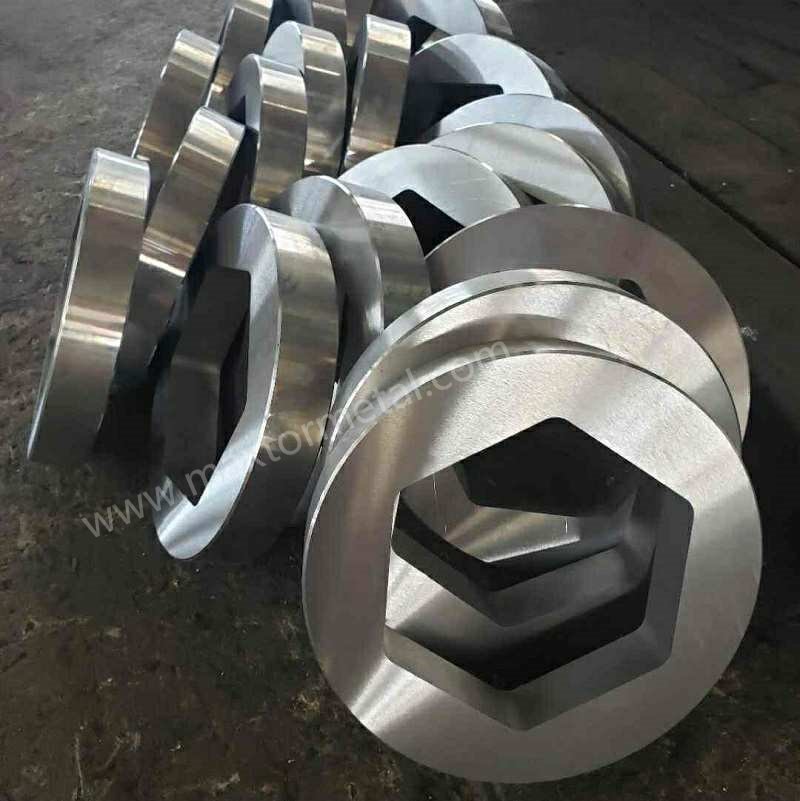
When you use e-waste shredders, safety is very important. You must also follow the rules for your job. These machines can be risky if you do not use them right. Safety features help keep people safe. You need to make sure your shredding meets the rules. This keeps workers safe and your business legal. It also makes sure data is destroyed.
Operator Protection
Working with e-waste can be dangerous. Heavy metals can make you sick. Bad fumes can hurt your lungs. Sharp pieces can cut you. You need to wear the right gear and use safe habits.
- Gloves keep your hands safe from sharp metal.
- Safety goggles protect your eyes from flying bits.
- A conti-suit keeps your skin safe from bad fumes.
- Safety boots with steel toes protect your feet from heavy things.
- Masks help you not breathe in bad air.
- Hearing protection is needed when it is loud.
- A visibility vest helps others see you.
Always use guards and shields on your shredder. These stop pieces from flying out and hurting you. Emergency stop buttons let you turn off the shredder fast if needed. You must get training and wear your safety gear every time you work.
Tip: Check your shredder often and keep it clean. This helps stop accidents before they happen.
Anti-jam Features
Jams can slow you down and cause danger. New e-waste shredders have anti-jam features to help. One good feature is auto-reversal. If the shredder gets stuck, the blades turn the other way. This clears the jam and keeps things safe.
| Característica | Descripción |
|---|---|
| Auto-reversal | Turns blades backward to clear jams and stop overfeeding. |
| Fiabilidad | Helps the shredder work longer without stopping. |
| Safety Mechanism | Stops damage from hard things and keeps users safe. |
Pick shredders with these features. They help you stay safe and keep your work moving.
Data Security
You must make sure no one can get data from old devices. E-waste shredders help destroy secret files and old tech. These machines cut hard drives and storage into tiny bits. This makes it impossible to get the data back.
- E-waste shredders make devices into very small pieces.
- This is safer than just erasing data.
- You can destroy all kinds of drives and media.
| Shred Size | Descripción |
|---|---|
| 2mm | Makes media into tiny bits so all data is gone from any drive or device. |
You must follow the rules for destroying data. This keeps your business safe and protects your clients. Always use shredders that meet the rules for safe data destruction.
Note: Using safety features and following the rules keeps workers safe, meets laws, and protects private data.
Recuperación de valor a partir de residuos electrónicos

Material Separation
When you shred old electronics, it helps get valuable materials out. Shredding breaks big devices into small pieces. This makes it easier to separate metals, plastics, and other parts. It also gives recyclers a better way to sort copper, gold, and silver from the rest. These metals can be used again in new things.
Here is how the process goes:
| Paso | Descripción |
|---|---|
| Shredding | Breaks big devices into small pieces for easier sorting. |
| Mechanical Processing | Makes it easier to get valuable materials by breaking things apart. |
| Tecnología avanzada | Uses special shredders to handle different e-waste types well. |
Shredding is the first step in the process. After shredding, machines use magnets, air, or water to pull out metals and plastics. This helps get more useful materials and keeps bad stuff out of landfills.
Tip: Good shredding helps recycling and lets us reuse important things.
Resource Efficiency
Blade design is important for getting more materials back. Sharp and strong blades cut electronics into even pieces. This makes sorting faster and easier. The right blade shape gives you smaller and cleaner pieces. These are easier to separate by type.
Getting more materials from e-waste helps the earth. Less trash goes to landfills. Making new metals from recycled ones uses less energy than mining. Here are some ways blade design helps save resources:
- Sharp blades make less dust and waste.
- Special tooth patterns cut tough parts, so you get more clean pieces.
- Custom blade shapes help with different electronics.
Picking the right shredder blades makes recycling work better. It also helps keep the planet clean by letting us use valuable materials again.
You need shredder blades that are strong and sharp. Good blades also help keep you safe when destroying e-waste. High-quality blades help you follow safety rules. They also help your work go smoothly. Check the shredder blades you use now. Better blades can help you shred e-waste better and keep your data safe. If you want help or special blades, visit the página de contacto.
Preguntas frecuentes
What are e-waste shredder blades used for?
E-waste shredder blades break old electronics into small pieces. They help destroy devices so no one can get data back. Cutting things up also makes recycling much easier.
How often should you replace e-waste shredder blades?
Check your blades every month to see if they are damaged. Replace them if you find chips, cracks, or dull spots. Changing blades often keeps your shredder safe and working well.
What materials make the best e-waste shredder blades?
Tool steel and alloy steel make the best shredder blades. These metals stay sharp longer and do not wear out fast. Strong blades help you shred tough electronics without needing new ones often.
Can you customize e-waste shredder blades for different devices?
You can get custom blades made for special devices. Custom blades fit your needs, whether you shred small gadgets or big appliances. This helps your shredder work better for each job.
How do safety features protect you during shredding?
Safety features like closed chambers and emergency stop buttons keep you safe. These features help stop injuries and shut down the machine fast if something goes wrong.
Why is blade design important for secure data destruction?
Blade design helps destroy data by cutting devices into tiny bits. Sharp blades make sure no one can get information from old electronics.
What signs show that e-waste shredder blades need maintenance?
If you hear more noise or see rough cuts, your blades may need care. Blades that look chipped or dull should be cleaned, checked, or replaced soon.
Do e-waste shredder blades help with recycling?
Shredder blades help separate valuable parts from electronics. Cutting things into small pieces makes it easier to get metals and plastics for recycling.
Ver también
Guía sobre cuchillas de trituradoras industriales y sus aplicaciones

 English
 Spanish
 Italian
 French
 Portuguese
 Russian
 German
 Arabic
 Hindi
 Vietnamese
 Indonesian
 Japanese
 Korean
2 comentarios
Gracias por compartir. He leído muchas de tus publicaciones en el blog, ¡genial! Tu blog es muy bueno.
¡Gracias!