

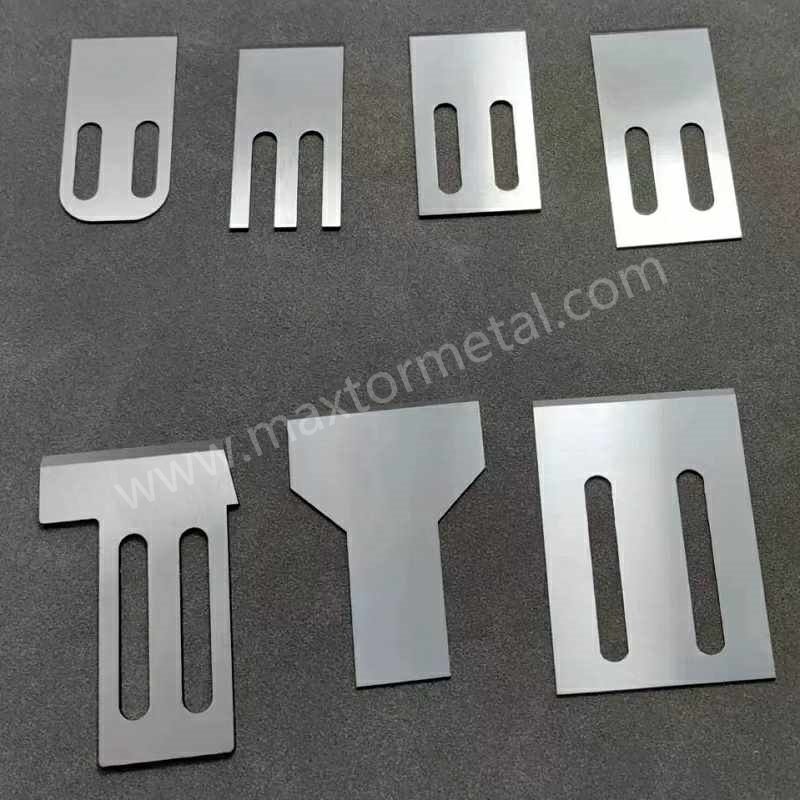
The best Cuchillas Granuladoras in 2025 come from trusted names known for precision, durability, and easy fit. If you want the best pelletizing solution, look for blades that provide even pellet size and long-lasting performance. Whether you need a standard or cuchilla personalizada, these options ensure easy installation and reliable operation. A quick comparison table helps you find the right blade for your pellet type and specific needs. The best pelletizing blades make pellet production efficient, helping companies grow while reducing downtime. These pelletizing blades are easy to maintain and adjust, giving every pellet maker an edge in a competitive market. Reliable pelletizing choices support market growth by meeting evolving demands.
Puntos clave
- Pick pelletizing blades that fit your machine well and match the material you cut. This helps you get good results and makes installation easy.
- Find blades made from strong materials like high-speed steel or tungsten carbide. Blades with special coatings last longer and cut better.
- Check and take care of blades often by cleaning them and adjusting settings. This keeps pellet quality high and helps avoid machine stops.
- Top brands like Nanjing Metal give custom blades, good help, and quality checks. They help you find the best blade for your job.
- The right blade saves money by making less waste, working faster, and needing less fixing.
Best Pelletizing Blades 2025
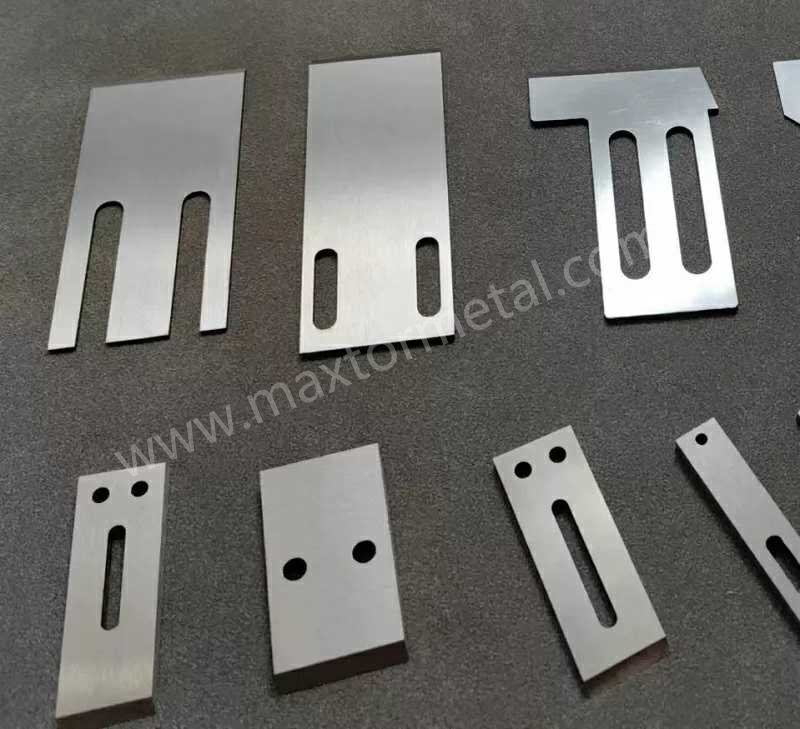
Tabla de comparación rápida
| Marca | Opciones de materiales | Application Range | Durabilidad | OEM Compatibility | Service Features | Mejor para |
|---|---|---|---|---|---|---|
| Nanjing Metal | SK2, HSS, M2, SKD11 | Recycling, Compounding, Lab, Resin | ★★★★★ | Wide | OEM/ODM, QC, Real-time Tracking | Best overall, Custom |
| Fordura | HSS, carburo | Compounding, Large-Scale | ★★★★☆ | Select | Fast Delivery, Support | High throughput |
| Vanguardia americana | Acero para herramientas, carburo | Recycling, Masterbatch | ★★★★☆ | Broad | Stock Blades, Tech Support | Best value |
| Sollex | Carburo de tungsteno | Specialty, Abrasive Materials | ★★★★☆ | Niche | Custom Orders, Consultation | Abrasive applications |
Consejo: This table helps you pick the right blade fast. Match your needs with the best blade for your job.
Descripción general de las características principales
Pelletizing blades are important for making good pellets in plastics factories and recycling plants. The best pelletizing blades in 2025 are known for being accurate, strong, and flexible. Operators get the best results when they choose blades that fit their process and materials.
- Corte de precisión:
The best pelletizing blades make pellets that look the same. Sharp rotor and bed knives, plus the right gap, keep pellet size even. When these things are set right, operators see fewer bad pellets and less dust. - Durability and Material Quality:
High-speed steel, SKD11, and tungsten carbide help the best pelletizing blades last a long time. Special coatings like titanium nitride make blades slippery and stop rust. These features help blades work well with tough plastics and fillers. - Versatilidad:
The best pelletizing blades can be used for many jobs. They work for recycling, new resin, mixing, and lab tests. Custom shapes and OEM compatibility make it easy to use them in most pelletizing machines. - Performance Optimization:
Operators get the best pellets by watching process settings. Knife sharpness, feed-roll gap, air pressure, and water temperature all matter. Checking these things with setup sheets keeps pelletizing working well. The pellets themselves show if something is wrong, so it is easier to find and fix problems. - Service and Support:
Top companies give OEM and ODM services, strict quality checks, and real-time tracking. These things help customers get the best pelletizing blades for their needs. - Rentabilidad:
The best pelletizing blades save money and time. Strong materials and careful design mean you change blades less and waste less.
Note: Blade design is important, but how you set up and run the process matters a lot too. Operators who check and adjust key settings get the best pellets.
Choosing Pelletizing Blades
Picking the best pelletizing blades means looking at a few things. Operators need to think about how well the blade works, how long it lasts, if it fits their machine, and if it is worth the money. Each thing helps make sure pellets are always good and made fast.
Factores de rendimiento
Precisión y consistencia de corte
Blades that cut very well make pellets all the same size and shape. When cuts are even, there is less waste and better products. Blade materials like D2 steel, carbide-coated, and ceramic each have special strengths. D2 steel is tough, carbide coatings make blades harder, and ceramic blades do not wear out fast. Special blade shapes, like high-speed and V-type, help cut better. Rotor types such as bolt-on and wedge-lock also help make cuts more exact. These things help operators get the best pellets.
- Custom blades help keep pellets the same.
- Special coatings can make blades last three times longer.
- Automation and AI systems help blades work better and stop machines from breaking down.
Throughput and Efficiency
The best blades help make lots of pellets quickly. Good blades cut more pellets every hour and stop the machine less. A furniture company in China used new pelletizing systems for LDPE waste. They made 200 tons of recycled pellets each month. This saved them 35% on raw materials and made $1.2 million more each year. Picking the right blade shape and material helps make more pellets and more money.
Resistencia al calor y estabilidad
Pelletizing gets very hot and has a lot of rubbing. Blades must stay sharp and keep their shape in these tough conditions. Coatings like tungsten carbide and nano-ceramic help blades handle heat and stop rust. These coatings help blades work well in wet places and during long runs. Strong blades keep pellet quality high even when it is hot.
Durability & Materials
Blade Material Types (e.g., HSS, Tungsten Carbide)
Many materials are used to make pelletizing blades. High-speed steel (HSS) is tough and keeps its edge. Tungsten carbide blades are very hard and do not wear down fast. SKD11 and M2 are also used for hard jobs. The best material depends on the plastic, heat, and how much you make.
Wear Resistance and Maintenance Needs
How long a blade lasts depends on how well it resists wear. Coatings like titanium nitride and chromium plating make blades slippery and stop rust. These features mean less fixing and longer blade life. Operators should check blades often and plan when to fix or change them. Automation and AI can help know the best time to change blades and stop long breaks.
Expected Service Life
The best blades last longer because they use better materials and coatings. For example, tungsten carbide coatings can make blades last three times longer than regular steel. Operators change blades less, stop less, and spend less on fixing. Long-lasting blades help keep pellet making steady and quality high.
Compatibility & Fit
Machine Model Compatibility
Pelletizing blades must fit the right machine. Companies like Fordura make blades for many pelletizer brands like EREMA, NGR, MAAG, Gala, and Coperion. They also fit machines from Vecoplan, Andritz, Cumberland, and more. Blades must match the shape, holes, and speed of each machine. This helps blades cut well and make good pellets.
- Fordura makes blades that fit OEM and custom needs.
- Their blades work with strand, underwater, and die-face pelletizing systems.
- They help upgrade old machines and improve new ones.
Installation and Adjustment Requirements
Blades must be put in and set up the right way. They need to line up with the rotor and stator. Operators should follow the maker’s rules for gaps and how to mount blades. Easy-to-install blades save time and stop mistakes. Some makers give setup sheets and help so operators get the best results.
OEM vs. Aftermarket Options
Operators can pick OEM or aftermarket blades. OEM blades come from the machine maker and always fit. Aftermarket blades, like Fordura’s, can be tougher, more exact, and save money. Many aftermarket companies offer OEM and ODM services, like design, testing, and making special blades. This helps operators find the best blade for their job.
Tip: Always check if the blade fits your machine before buying. This makes sure it goes in easy and makes good pellets.
Price & Value
Initial Cost vs. Long-Term Savings
Pelletizing blade prices change by material and shape. Good blades may cost more at first but save money later. Strong blades need fewer changes and less fixing. Operators should look at both the price and how long the blade will last.
Costo total de propiedad
Total cost means the price, fixing, stopping, and changing blades. Blades with good coatings and strong materials cost less over time because they last longer and work better. Automation and checking systems help save more by planning fixes and stopping surprise breaks.
Warranty and Support Considerations
Good makers give warranties and help for their blades. Good support means quality checks, tracking, and easy buying. These services help operators keep making pellets and fix problems fast.
Soluciones de cuchillas personalizadas y reconocimiento del fabricante
If you need a special blade, Nanjing Metal is a trusted maker. They have 20 years of experience making industrial blades. Their team is skilled at making custom cutting tools for pelletizing. They make sure every blade is high quality and fits what each customer needs.
Top Brands Overview
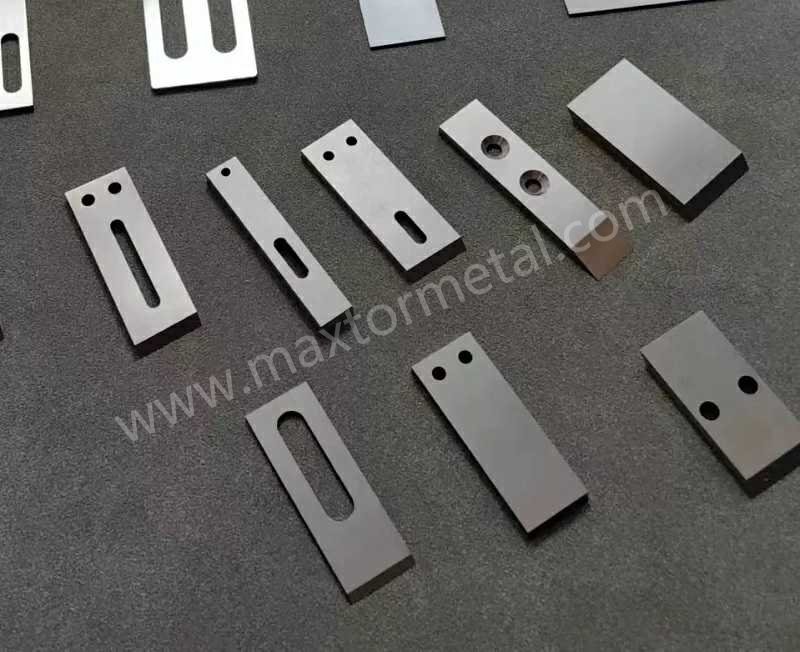
Nanjing Metal
Nanjing Metal is a top maker of pelletizing blades. The company is also called Maxtor Metal. It has been making custom blades for 20 years. These blades are used in many pelletizing jobs. Nanjing Metal is trusted by many people. They make the Plastic Pelletizer Blade. This blade comes in SK2, HSS, M2, and SKD11. These blades are used in plastics recycling, resin making, compounding, and labs.
The design team at Nanjing Metal checks every blade for quality. The company gives OEM and ODM services. They also track production and check quality often. Customers can buy blades easily and get help with importing. First article inspection is also offered. Nanjing Metal has many blade types for different machines. This helps users pick the right blade for their needs. The company works hard to make new products and keep customers happy. This has made them well-known around the world.
More companies are choosing Nanjing Metal for good blades. Their blades work well and last a long time. People who want strong and accurate blades like this brand.
Fordura
Fordura is a strong brand in the pelletizing blade market. They focus on making lots of pellets fast. Their blades are made from HSS and carbide. Fordura’s blades are good for big jobs and tough places.
Their blades fit many pelletizer models. These include strand, underwater, and die-face systems. Fordura makes sure their blades work with OEM machines. This means users can change blades easily. Fast shipping and good customer service help Fordura’s reputation. Many people pick Fordura for good prices and strong blades.
Fordura is known for being reliable and quick. This makes them a good choice for busy factories.
Vanguardia americana
American Cutting Edge has over 50 years of experience. They make blades for many big brands like Gala, Erema, Beringer, BKG, and Cumberland. Their blades are made from tool steel and carbide. These are used for recycling and masterbatch jobs.
People like that American Cutting Edge keeps blades in stock. This means less waiting and saves money. They also give tech support and have many replacement blades ready. For example, the Conair 208-1299 Pelletizer Bed Knife uses tungsten carbide. This makes it last longer and fit well.
- American Cutting Edge is known for quality and good service.
- Their blades fit many machines and are easy to get.
Sollex
Sollex makes blades for special and tough jobs. They use tungsten carbide for hard plastics and fillers. Sollex lets customers order custom blades and get advice. This helps people find the right blade for their needs.
Sollex is known for new ideas and skill. Their blades are great where wear resistance and sharp cuts matter. People in special markets pick Sollex for strong blades that last.
Sollex stands out for custom help and support. They are a top pick for special blade needs.
Market Data Table
| Marca/Modelo | Max Capacity (kg/h) | Power (kW) | Materiales aplicables | Rango de precios (USD) |
|---|---|---|---|---|
| Serie Coperion ZSK | Hasta 2000 | 250 | Plásticos de ingeniería, PE/PP | 150,000 – 300,000 |
| Wintech | Hasta 800 | 90 | Film de PE, residuos de film agrícola | 45,000 – 65,000 |
| Económico doméstico | Hasta 300 | 55 | PVC, ABS | 15,000 – 25,000 |
Esta tabla muestra que las marcas líderes ofrecen múltiples opciones y tamaños, con un sólido posicionamiento y prestigio en el mercado. Algunas marcas emplean diseños avanzados de husillo y sistemas de filtración. Wintech utiliza cuchillas de acero SKD-11, lo que prolonga la vida útil de las cuchillas 50% más largo. Esto refleja el compromiso constante de los fabricantes por desarrollar cuchillas de mayor rendimiento y durabilidad.
Compatibilidad OEM y características del servicio
- American Cutting Edge fabrica cuchillas compatibles con múltiples marcas de peletizadoras. Ofrecen un servicio técnico eficiente y disponen de amplio stock listo para envío.
- Jiadeblade produce cuchillas personalizadas en diversos tamaños y materiales. Sus cuchillas cumplen o superan las especificaciones OEM para plantas de todo el mundo.
Las cuchillas para peletizado evolucionan continuamente para responder a la demanda de mayor calidad y mejor servicio técnico. Cada fabricante destaca en un área específica: Nanjing Metal sobresale en la fabricación a medida y Sollex en aplicaciones especiales. La competencia entre marcas beneficia directamente a las plantas de producción con cuchillas de superior calidad.
Brand Reviews
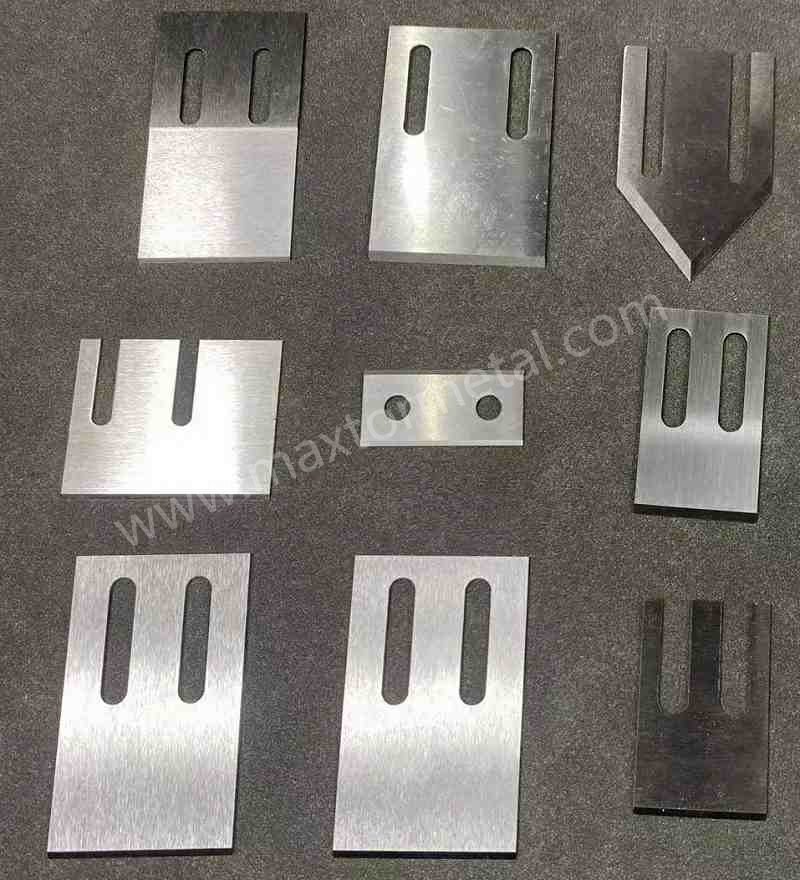
Nanjing Metal Industrial CO., Limited
En el sector, Nanjing Metal Industrial CO., Limited es ampliamente reconocido como un fabricante líder de cuchillas para granulación. La empresa, también conocida como Maxtor Metal, cuenta con 20 años de experiencia en la fabricación de cuchillas. El equipo especializado de Nanjing Metal diseña y fabrica cuchillas personalizadas para diversas aplicaciones, inspeccionando rigurosamente cada unidad para garantizar los máximos estándares de calidad.
Nanjing Metal destaca en la fabricación de cuchillas OEM y ODM. Ofrece una amplia gama de materiales como SK2, HSS, M2 y SKD11, optimizados para procesos de reciclaje, compounding, resina virgen y laboratorios. Los clientes valoran el seguimiento de pedidos y las inspecciones de muestras iniciales. Su proceso de compra ágil e importación sencilla convierten a Nanjing Metal en la opción preferida de numerosas empresas.
Los clientes destacan la durabilidad y precisión de corte de las cuchillas de Nanjing Metal. Su constante compromiso con la calidad y la satisfacción del cliente los convierte en el proveedor de confianza en el mercado.
Fordura
Fordura es uno de los principales fabricantes de cuchillas peletizadoras, especializado en aplicaciones de alta exigencia y producción intensiva. Fabrica cuchillas en HSS y metal duro (carburo) para trabajos pesados, adaptables a sistemas de corte por tallarines (strand), bajo agua (underwater) y en la cabeza del extrusor (die-face).
Los usuarios destacan la rapidez de envío y la eficaz atención técnica de Fordura. Sus cuchillas son perfectamente compatibles con equipos OEM, facilitando un recambio rápido. La alta durabilidad y rendimiento de las cuchillas Fordura las convierten en una excelente elección para plantas con alta carga de trabajo.
- Fordura ofrece soporte técnico y fabricación de cuchillas a medida.
- Sus cuchillas de alta resistencia y tenacidad gozan de una creciente demanda en el mercado.
Vanguardia americana
Con más de 50 años de experiencia, American Cutting Edge fabrica cuchillas para marcas de prestigio como Gala, Erema, Beringer, BKG y Cumberland. Producidas en acero para herramientas y carburo de tungsteno, sus cuchillas están optimizadas para aplicaciones de reciclaje y masterbatch.
Los operadores valoran la permanente disponibilidad de stock de American Cutting Edge, lo que minimiza los tiempos de parada. Asimismo, la empresa brinda asesoramiento técnico para la selección adecuada de cuchillas, consolidándose como un socio de confianza.
American Cutting Edge se distingue por su amplia compatibilidad con máquinas del mercado y entregas rápidas, garantizando la continuidad operativa de las plantas de producción.
Sollex
Sollex es un fabricante especializado en cuchillas para peletización orientadas a aplicaciones complejas y de alta exigencia. Utiliza carburo de tungsteno y recubrimientos especiales para extender la vida útil del filo. Ofrece diseño personalizado de cuchillas y asesoramiento técnico experto.
Los clientes destacan la capacidad de innovación de Sollex para resolver problemas complejos de corte. Sus cuchillas ofrecen un rendimiento excepcional y prolongado en el procesado de plásticos abrasivos o de alta dureza.
- Sollex es la opción preferida para la adquisición de cuchillas de alta calidad y diseños personalizados.
Application Guide
Reciclaje de plásticos
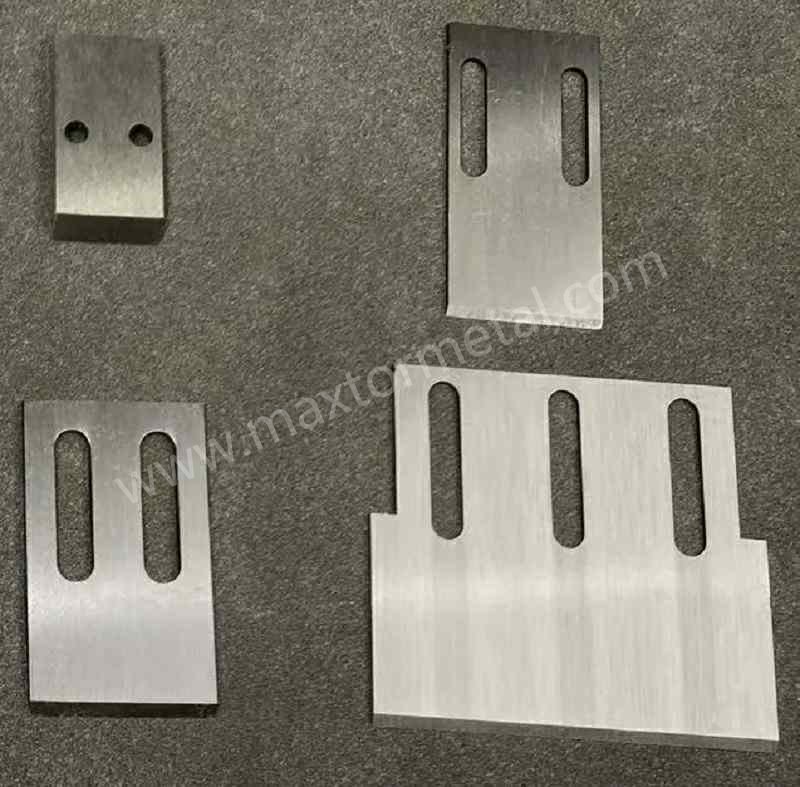
Las cuchillas peletizadoras desempeñan un papel fundamental en el reciclaje de plásticos. Se utilizan para cortar residuos plásticos postconsumo e industriales en granulos uniformes. Un control térmico preciso evita la degradación del polímero y preserva la calidad del granulo. Las cuchillas fabricadas en acero rápido (HSS) y acero para herramientas D2 ofrecen una elevada resistencia al desgaste y durabilidad. El mercado demanda cuchillas que mantengan el filo de corte prolongadamente para reducir los tiempos de parada de máquina. Recubrimientos especiales como el nitruro de titanio (TiN) reducen la fricción y aumentan la vida útil de la herramienta, optimizando la eficiencia del proceso de reciclaje.
| Métrica de rendimiento / Propiedad del material | Detalles / Valores |
|---|---|
| Velocidad de la cuchilla | Rango operativo típico de 1500–3500 RPM |
| Precisión de corte | Precisión de ±0,05 mm |
| Dureza del material | 60-72 HRC (Escala de dureza Rockwell) |
| Vida útil de la cuchilla | 6–18 meses según el tipo de cuchilla y la aplicación |
Resina virgen y compounding
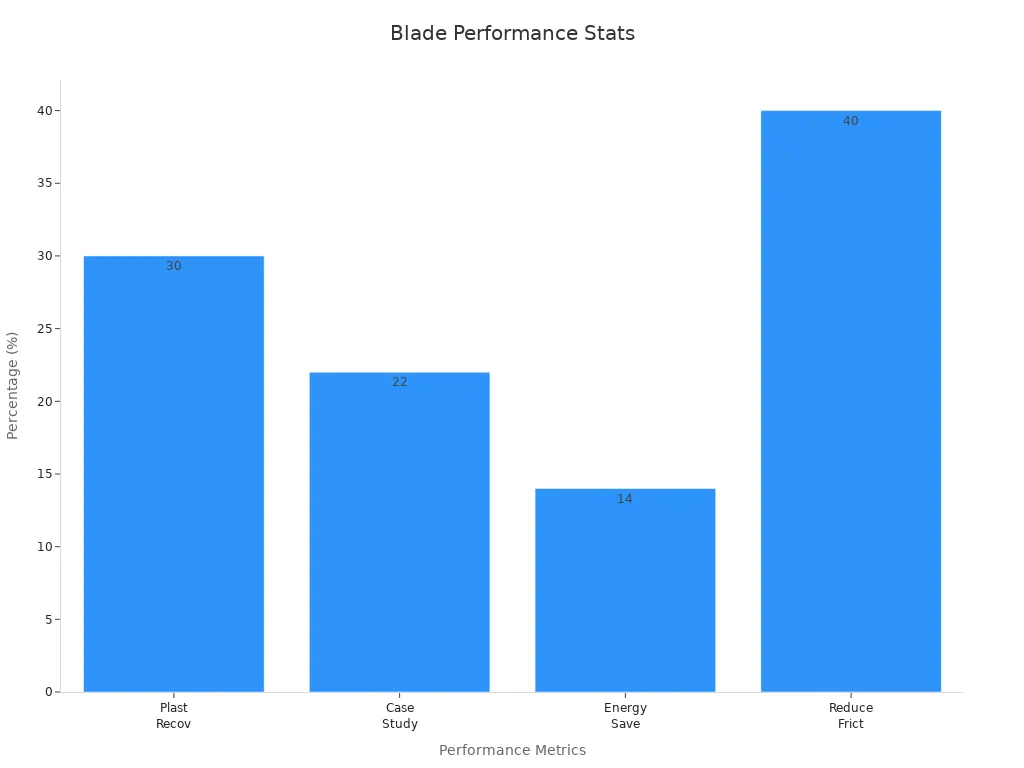
Las cuchillas para granulación de resina virgen y compounding deben soportar elevadas temperaturas y la presencia de aditivos abrasivos. Se requiere un control de temperatura riguroso para evitar fallos en el proceso. Las cuchillas de acero inoxidable y carburo son las más indicadas por su resistencia a la corrosión y estabilidad térmica, garantizando granulos de tamaño uniforme. Los diseños avanzados de cuchillas permiten optimizar el flujo de producción y lograr ahorros energéticos de hasta un 14%, por lo que son altamente valorados por las plantas de procesamiento.
Masterbatch y uso en laboratorio
La fabricación de masterbatch y los trabajos de laboratorio requieren cuchillas para granulación precisas y versátiles. Los operadores suelen trabajar con volúmenes reducidos y deben ajustar los parámetros rápidamente. El mercado demanda cuchillas eficientes, fáciles de limpiar y mantener. Un rectificado fino y un corte preciso garantizan que cada pellet mantenga la concentración exacta de color o aditivo, asegurando la consistencia del producto. La inspección y el afilado periódicos pueden prolongar la vida útil de las cuchillas hasta un 40%, lo que optimiza costes en laboratorio y facilita el desarrollo de nuevos productos.
Producción a gran escala
Las grandes plantas de producción requieren cuchillas de granulación robustas y de alto rendimiento. Los operadores deben mantener una temperatura constante para producir grandes volúmenes de pellets uniformes. Las cuchillas de carburo de tungsteno ofrecen una elevada dureza de hasta 72 HRC y una larga vida útil. El sector reconoce que un control adecuado de la temperatura y las emisiones optimiza la calidad del pellet. El uso de cuchillas avanzadas permite recuperar hasta un 30% más de plástico. Una planta en Alemania logró un incremento del 22% en su rendimiento tras adoptar nuevas cuchillas.
Pelletizing Blades Market Overall
Tendencias globales
La industria de la granulación está creciendo rápidamente a nivel mundial. En 2023, el mercado de cuchillas para granulación alcanzó aproximadamente 300 millones de USD. Para 2032, podría alcanzar los 500 millones de USD, lo que representa un crecimiento anual del 5.5%. Aumenta la demanda de pellets para plásticos, alimentos y productos químicos. El mercado de pellets de madera también se encuentra en expansión: superó los $13.5 mil millones en 2023 y crece un 15% cada año. Debido a esto, se necesitan más cuchillas de granulación para transformar las materias primas en pellets uniformes.
Diversos factores impulsan este mercado. El reciclaje de plástico a nivel mundial creció un 23% en los últimos tres años, impulsando la demanda de máquinas granuladoras de mayor rendimiento. Los fabricantes implementan innovaciones como los diseños de cuchillas modulares y emplean materiales resistentes como la aleación SKD-11 y recubrimientos de acero al tungsteno. Estas mejoras prolongan la vida útil de las cuchillas y optimizan la calidad de corte. Los componentes de cambio rápido reducen los costes de mantenimiento hasta un 30%, mejorando la eficiencia en fábrica. Aunque las granuladoras de un solo husillo son las más comunes, las de doble husillo ganan popularidad con un crecimiento del 40%, lo que refleja las nuevas exigencias del mercado.
A new study shows that the market is very competitive. Big companies spend money on making better products and working with others. Asia Pacific is the top region, growing at 6% each year. North America and Europe are also growing steadily. Companies try to win by using better materials, more automation, and improved coatings. All these things help the pelletizing market get bigger.
| Aspecto | Detalles |
|---|---|
| Market Size (2023) | 300 millones de USD |
| Projected Size (2032) | USD 500 million |
| CAGR | 5.5% |
| Leading Region | Asia Pacific (6% CAGR) |
| Key Drivers | Recycling demand, automation, advanced materials, sustainability |
Note: New technology and caring for the environment are changing the pelletizing market. Blade quality and how well they work are now more important than ever.
Japan Pelletizing Knives Market
The japan pelletizing knives market is an important part of the world’s pelletizing industry. Japan’s companies make very accurate pelletizing blades for plastics, chemicals, and food. The japan pelletizing knives market is known for high quality and always trying to get better. Companies spend money on research to make new blade materials and cutting methods.
The japan pelletizing knives market can change quickly when people want new things. Local companies make both rotary and fixed pelletizing blades. They use high-speed steel, carbide, and ceramic materials. These blades are used for many jobs, like recycling and making medicine. The japan pelletizing knives market sells a lot of blades to other Asian countries and other places.
In this region, people care about working well and having blades that last a long time. Makers often use double-sided cutting edges and special coatings to make blades last longer. The japan pelletizing knives market also uses quick-change systems. These help users fix machines faster and make more pellets.
The japan pelletizing knives market is known for great quality and new ideas. This makes it a leader in the pelletizing world.
How to Find the Best Fit
Step-by-Step Selection
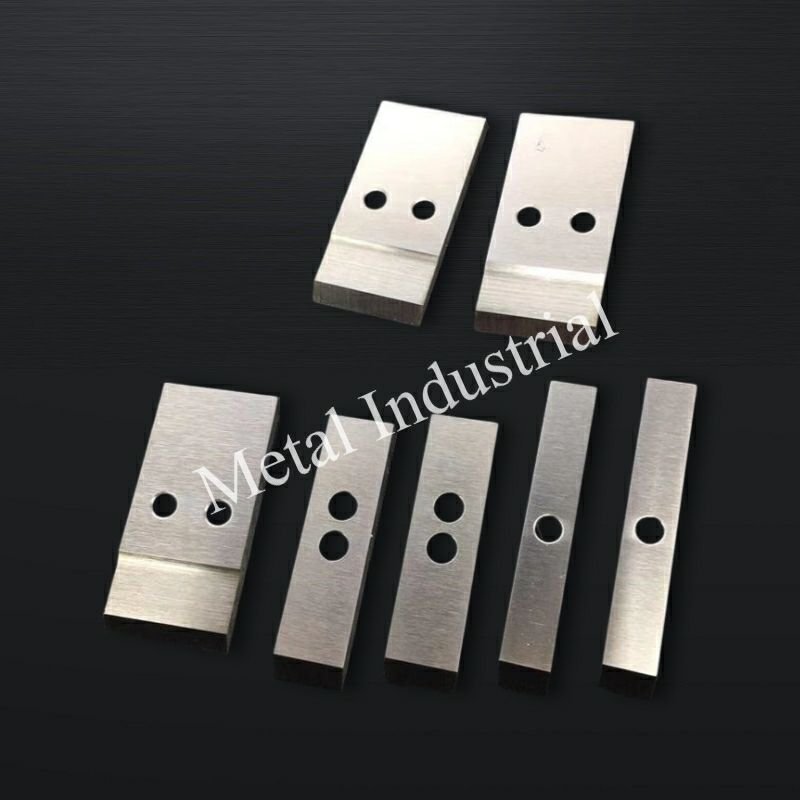
To pick the best pelletizing blade, follow a simple process. First, check if the blade matches your pelletizer machine. This makes sure it fits and works with your pellets and heat settings. Next, think about what material you will cut. Some plastics need blades made from D2 steel or tungsten carbide. These materials work better for certain jobs. Make sure the blade is easy to use and put in. This helps stop long breaks in work. Blades that are simple to clean and change keep the line running well.
Look for blades with non-stick coatings and heat resistance. These features help control heat and stop stuff from sticking. Ask experts or trusted makers for advice. They can help you get a blade that fits your needs. Custom blades can help you work faster and waste less. Use tools like the Analytical Hierarchy Process to compare blades. This helps you look at cost, risk, and how well the blade works. Using this method makes it easier to pick the right blade for your job.
Tip: Clean, oil, and check blades often to make them last longer and keep pellets good. Teach workers how to put in blades and control heat to stop problems.
Errores comunes
Many people make mistakes when picking pelletizing blades. Using the wrong blade can make pellets uneven or cause blades to break. Not watching the heat can make pellets have tails, bumps, or holes. If water flow or bath length is wrong, you might get double pellets or zippers. Not checking for damage or changing old blades on time causes more breaks and bad pellets.
Some people skip expert help or buy blades that are hard to use. Buying from unknown sellers can also be risky. Sometimes, people forget to check if the blade fits their machine or is easy to install. Not picking strong materials like D2 steel or tungsten carbide makes blades wear out faster. If you do not clean and oil blades, stuff can build up and cause friction.
Note: Beginners should use a checklist, ask experts, and pick blades that are easy to use and care for. This helps get the best results in any market.
Picking a pelletizing blade means thinking about how well it works, how long it lasts, and if it fits your machine. If you want to save money, you might pick American Cutting Edge. People who need top results often go with Fordura or Sollex. Some jobs, like plastics recycling or compounding, need you to look at the comparison table closely. Use the guide to find the right blade for your job, even if you use it for plastics or a wood pellet grill. If you want more info or a custom blade, you can talk to a sales engineer aquí.
Preguntas frecuentes
What factors determine the lifespan of a pelletizing blade?
A blade lasts longer if it is made well and has a good coating. How often you clean and check the blade also matters. Using the right blade for each job helps it last. If you look at the blade often and keep it clean, it will not wear out too soon.
Can pelletizing blades be used for different types of plastics?
Most pelletizing blades can cut many kinds of plastics. You should make sure the blade fits your machine and the plastic you use. Some blades are better for hard or rough plastics because they are stronger and have special coatings.
How do I know if a blade fits my pelletizer machine?
You need to check your machine’s model and the blade’s details. Makers give charts or help to show what fits. The right blade makes it safe to use and gives you good pellets.
Are pelletizing blades suitable for use in a wood pellet grill or cooking applications?
Pelletizing blades are not made for food or cooking. They are for factory jobs like recycling plastic. For a wood pellet grill, only use blades that are safe for food.
Where can I get custom pelletizing blades from a trusted manufacturer?
Nanjing Metal is a trusted company that makes custom blades for many jobs. Their team has been making blades for 20 years.
Ver también
Cómo seleccionar la cuchilla peletizadora adecuada para su industria
Guía Completa para Elegir la Mejor Cuchilla Peletizadora para Su Máquina
¿Qué Son las Cuchillas de Granulador y Cómo Funcionan en la Industria?

 English
 Spanish
 Italian
 French
 Portuguese
 Russian
 German
 Arabic
 Hindi
 Vietnamese
 Indonesian
 Japanese
 Korean
3 comentarios