

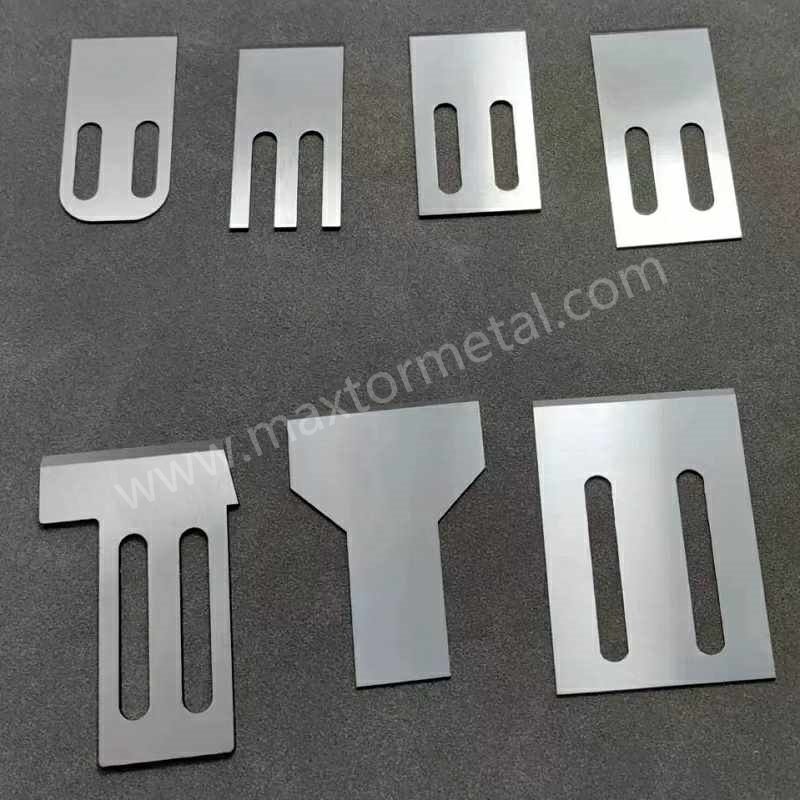
The best lame per pellettizzazione in 2025 come from trusted names known for precision, durability, and easy fit. If you want the best pelletizing solution, look for blades that provide even pellet size and long-lasting performance. Whether you need a standard or lama personalizzata, these options ensure easy installation and reliable operation. A quick comparison table helps you find the right blade for your pellet type and specific needs. The best pelletizing blades make pellet production efficient, helping companies grow while reducing downtime. These pelletizing blades are easy to maintain and adjust, giving every pellet maker an edge in a competitive market. Reliable pelletizing choices support market growth by meeting evolving demands.
Punti chiave
- Pick pelletizing blades that fit your machine well and match the material you cut. This helps you get good results and makes installation easy.
- Find blades made from strong materials like high-speed steel or tungsten carbide. Blades with special coatings last longer and cut better.
- Check and take care of blades often by cleaning them and adjusting settings. This keeps pellet quality high and helps avoid machine stops.
- Top brands like Nanjing Metal give custom blades, good help, and quality checks. They help you find the best blade for your job.
- The right blade saves money by making less waste, working faster, and needing less fixing.
Best Pelletizing Blades 2025
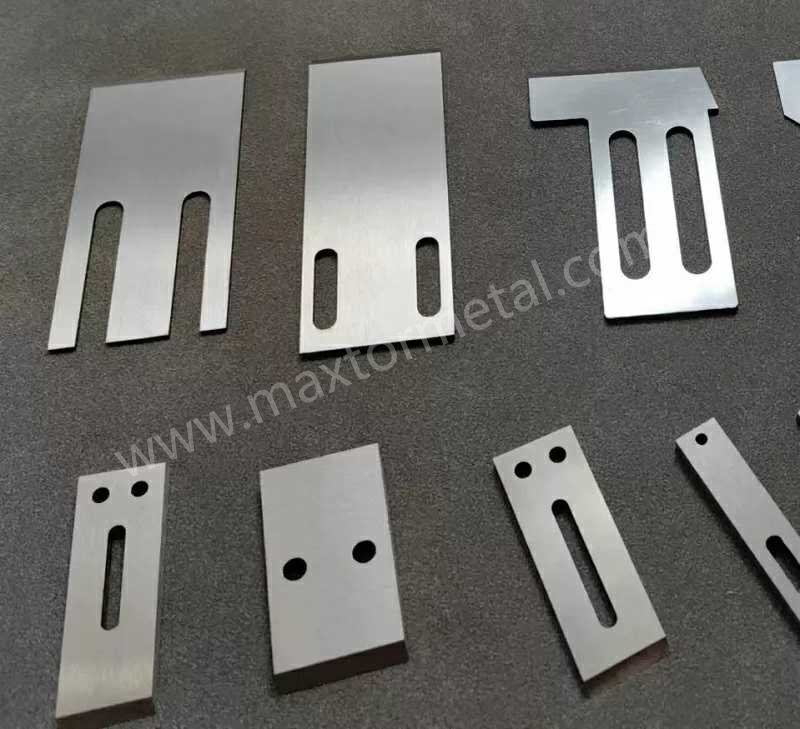
Tabella comparativa rapida
| Marca | Opzioni di materiale | Application Range | Durata | OEM Compatibility | Service Features | Il migliore per |
|---|---|---|---|---|---|---|
| Nanjing Metal | SK2, HSS, M2, SKD11 | Recycling, Compounding, Lab, Resin | ★★★★★ | Wide | OEM/ODM, QC, Real-time Tracking | Best overall, Custom |
| Fordura | HSS, Carburo | Compounding, Large-Scale | ★★★★☆ | Select | Fast Delivery, Support | High throughput |
| All'avanguardia americana | Tool Steel, Carbide | Recycling, Masterbatch | ★★★★☆ | Broad | Stock Blades, Tech Support | Best value |
| Sollex | Carburo di tungsteno | Specialty, Abrasive Materials | ★★★★☆ | Niche | Custom Orders, Consultation | Abrasive applications |
Mancia: This table helps you pick the right blade fast. Match your needs with the best blade for your job.
Panoramica delle caratteristiche principali
Pelletizing blades are important for making good pellets in plastics factories and recycling plants. The best pelletizing blades in 2025 are known for being accurate, strong, and flexible. Operators get the best results when they choose blades that fit their process and materials.
- Taglio di precisione:
The best pelletizing blades make pellets that look the same. Sharp rotor and bed knives, plus the right gap, keep pellet size even. When these things are set right, operators see fewer bad pellets and less dust. - Durability and Material Quality:
High-speed steel, SKD11, and tungsten carbide help the best pelletizing blades last a long time. Special coatings like titanium nitride make blades slippery and stop rust. These features help blades work well with tough plastics and fillers. - Versatilità:
The best pelletizing blades can be used for many jobs. They work for recycling, new resin, mixing, and lab tests. Custom shapes and OEM compatibility make it easy to use them in most pelletizing machines. - Performance Optimization:
Operators get the best pellets by watching process settings. Knife sharpness, feed-roll gap, air pressure, and water temperature all matter. Checking these things with setup sheets keeps pelletizing working well. The pellets themselves show if something is wrong, so it is easier to find and fix problems. - Service and Support:
Top companies give OEM and ODM services, strict quality checks, and real-time tracking. These things help customers get the best pelletizing blades for their needs. - Efficienza dei costi:
The best pelletizing blades save money and time. Strong materials and careful design mean you change blades less and waste less.
Note: Blade design is important, but how you set up and run the process matters a lot too. Operators who check and adjust key settings get the best pellets.
Choosing Pelletizing Blades
Picking the best pelletizing blades means looking at a few things. Operators need to think about how well the blade works, how long it lasts, if it fits their machine, and if it is worth the money. Each thing helps make sure pellets are always good and made fast.
Fattori di prestazione
Precisione e coerenza del taglio
Blades that cut very well make pellets all the same size and shape. When cuts are even, there is less waste and better products. Blade materials like D2 steel, carbide-coated, and ceramic each have special strengths. D2 steel is tough, carbide coatings make blades harder, and ceramic blades do not wear out fast. Special blade shapes, like high-speed and V-type, help cut better. Rotor types such as bolt-on and wedge-lock also help make cuts more exact. These things help operators get the best pellets.
- Custom blades help keep pellets the same.
- Special coatings can make blades last three times longer.
- Automation and AI systems help blades work better and stop machines from breaking down.
Throughput and Efficiency
The best blades help make lots of pellets quickly. Good blades cut more pellets every hour and stop the machine less. A furniture company in China used new pelletizing systems for LDPE waste. They made 200 tons of recycled pellets each month. This saved them 35% on raw materials and made $1.2 million more each year. Picking the right blade shape and material helps make more pellets and more money.
Resistenza al calore e stabilità
Pelletizing gets very hot and has a lot of rubbing. Blades must stay sharp and keep their shape in these tough conditions. Coatings like tungsten carbide and nano-ceramic help blades handle heat and stop rust. These coatings help blades work well in wet places and during long runs. Strong blades keep pellet quality high even when it is hot.
Durability & Materials
Blade Material Types (e.g., HSS, Tungsten Carbide)
Many materials are used to make pelletizing blades. High-speed steel (HSS) is tough and keeps its edge. Tungsten carbide blades are very hard and do not wear down fast. SKD11 and M2 are also used for hard jobs. The best material depends on the plastic, heat, and how much you make.
Wear Resistance and Maintenance Needs
How long a blade lasts depends on how well it resists wear. Coatings like titanium nitride and chromium plating make blades slippery and stop rust. These features mean less fixing and longer blade life. Operators should check blades often and plan when to fix or change them. Automation and AI can help know the best time to change blades and stop long breaks.
Expected Service Life
The best blades last longer because they use better materials and coatings. For example, tungsten carbide coatings can make blades last three times longer than regular steel. Operators change blades less, stop less, and spend less on fixing. Long-lasting blades help keep pellet making steady and quality high.
Compatibility & Fit
Machine Model Compatibility
Pelletizing blades must fit the right machine. Companies like Fordura make blades for many pelletizer brands like EREMA, NGR, MAAG, Gala, and Coperion. They also fit machines from Vecoplan, Andritz, Cumberland, and more. Blades must match the shape, holes, and speed of each machine. This helps blades cut well and make good pellets.
- Fordura makes blades that fit OEM and custom needs.
- Their blades work with strand, underwater, and die-face pelletizing systems.
- They help upgrade old machines and improve new ones.
Installation and Adjustment Requirements
Blades must be put in and set up the right way. They need to line up with the rotor and stator. Operators should follow the maker’s rules for gaps and how to mount blades. Easy-to-install blades save time and stop mistakes. Some makers give setup sheets and help so operators get the best results.
OEM vs. Aftermarket Options
Operators can pick OEM or aftermarket blades. OEM blades come from the machine maker and always fit. Aftermarket blades, like Fordura’s, can be tougher, more exact, and save money. Many aftermarket companies offer OEM and ODM services, like design, testing, and making special blades. This helps operators find the best blade for their job.
Tip: Always check if the blade fits your machine before buying. This makes sure it goes in easy and makes good pellets.
Price & Value
Initial Cost vs. Long-Term Savings
Pelletizing blade prices change by material and shape. Good blades may cost more at first but save money later. Strong blades need fewer changes and less fixing. Operators should look at both the price and how long the blade will last.
Costo totale di proprietà
Total cost means the price, fixing, stopping, and changing blades. Blades with good coatings and strong materials cost less over time because they last longer and work better. Automation and checking systems help save more by planning fixes and stopping surprise breaks.
Warranty and Support Considerations
Good makers give warranties and help for their blades. Good support means quality checks, tracking, and easy buying. These services help operators keep making pellets and fix problems fast.
Custom Blade Solutions and Manufacturer Recognition
If you need a special blade, Nanjing Metal is a trusted maker. They have 20 years of experience making industrial blades. Their team is skilled at making custom cutting tools for pelletizing. They make sure every blade is high quality and fits what each customer needs.
Top Brands Overview
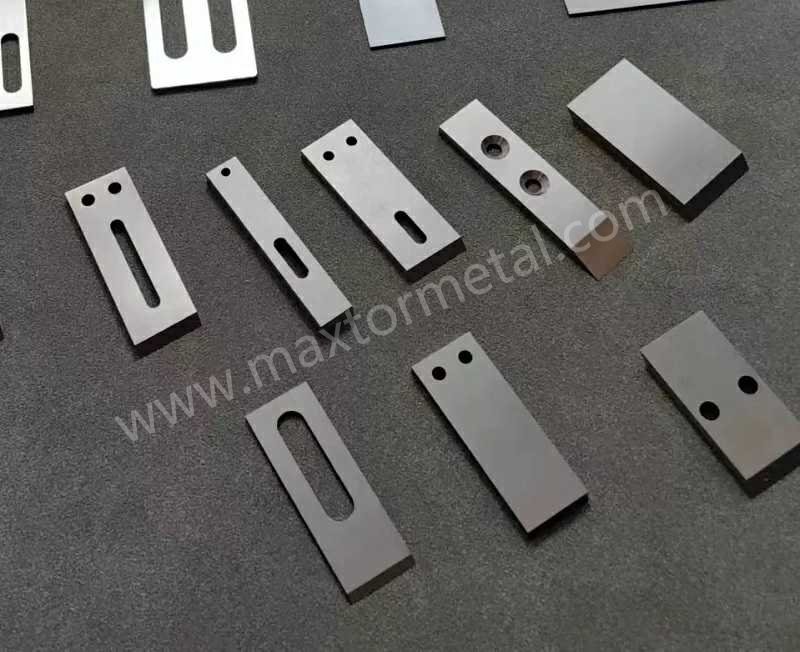
Nanjing Metal
Nanjing Metal is a top maker of pelletizing blades. The company is also called Maxtor Metal. It has been making custom blades for 20 years. These blades are used in many pelletizing jobs. Nanjing Metal is trusted by many people. They make the Plastic Pelletizer Blade. This blade comes in SK2, HSS, M2, and SKD11. These blades are used in plastics recycling, resin making, compounding, and labs.
The design team at Nanjing Metal checks every blade for quality. The company gives OEM and ODM services. They also track production and check quality often. Customers can buy blades easily and get help with importing. First article inspection is also offered. Nanjing Metal has many blade types for different machines. This helps users pick the right blade for their needs. The company works hard to make new products and keep customers happy. This has made them well-known around the world.
More companies are choosing Nanjing Metal for good blades. Their blades work well and last a long time. People who want strong and accurate blades like this brand.
Fordura
Fordura is a strong brand in the pelletizing blade market. They focus on making lots of pellets fast. Their blades are made from HSS and carbide. Fordura’s blades are good for big jobs and tough places.
Their blades fit many pelletizer models. These include strand, underwater, and die-face systems. Fordura makes sure their blades work with OEM machines. This means users can change blades easily. Fast shipping and good customer service help Fordura’s reputation. Many people pick Fordura for good prices and strong blades.
Fordura is known for being reliable and quick. This makes them a good choice for busy factories.
All'avanguardia americana
American Cutting Edge has over 50 years of experience. They make blades for many big brands like Gala, Erema, Beringer, BKG, and Cumberland. Their blades are made from tool steel and carbide. These are used for recycling and masterbatch jobs.
People like that American Cutting Edge keeps blades in stock. This means less waiting and saves money. They also give tech support and have many replacement blades ready. For example, the Conair 208-1299 Pelletizer Bed Knife uses tungsten carbide. This makes it last longer and fit well.
- American Cutting Edge is known for quality and good service.
- Their blades fit many machines and are easy to get.
Sollex
Sollex makes blades for special and tough jobs. They use tungsten carbide for hard plastics and fillers. Sollex lets customers order custom blades and get advice. This helps people find the right blade for their needs.
Sollex is known for new ideas and skill. Their blades are great where wear resistance and sharp cuts matter. People in special markets pick Sollex for strong blades that last.
Sollex stands out for custom help and support. They are a top pick for special blade needs.
Market Data Table
| Marca/Modello | Max Capacity (kg/h) | Power (kW) | Applicable Materials | Price Range (USD) |
|---|---|---|---|---|
| Coperion ZSK Series | Up to 2000 | 250 | Engineering plastics, PE/PP | 150,000 – 300,000 |
| Wintech | Up to 800 | 90 | PE film, agricultural film waste | 45,000 – 65,000 |
| Domestic Economic | Up to 300 | 55 | PVC, ABS | 15,000 – 25,000 |
This table shows that top brands have many choices and sizes. They are trusted and have a strong place in the market. Some brands use smart screw designs and filters. Wintech uses SKD-11 steel blades. This makes blades last 50% più lungo. This shows how brands work to make better and stronger blades.
OEM Compatibility and Service Features
- American Cutting Edge makes blades that fit many pelletizer brands. They help factories with good service and have blades ready to ship.
- Jiadeblade makes custom blades in many sizes and materials. Their blades meet or beat OEM rules for factories everywhere.
Pelletizing blades keep getting better as factories want higher quality and better service. Each brand has something special. Nanjing Metal is great at custom blades. Sollex is best for special jobs. Factories win because brands compete and make better blades.
Brand Reviews
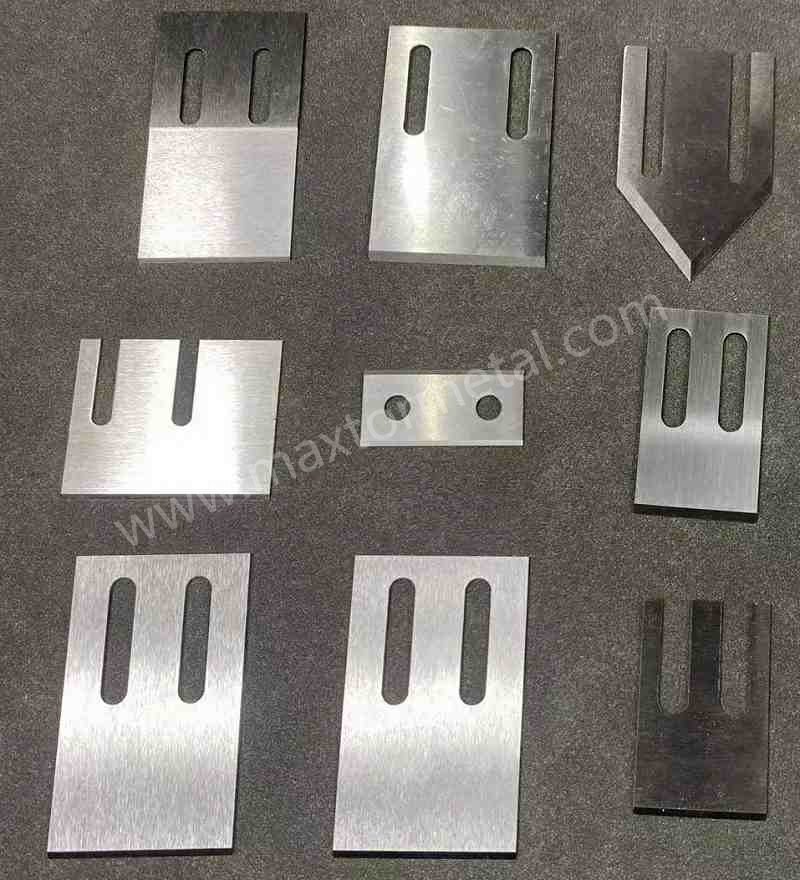
Nanjing Metal Industrial CO., Limited
Many people in the industry know Nanjing Metal Industrial CO., Limited as a top pelletizing blade maker. This company is also called Maxtor Metal. They have been making blades for 20 years. The team at Nanjing Metal designs and makes custom blades for many uses. Their skilled team checks every blade to make sure it is high quality.
Nanjing Metal is good at making both OEM and ODM blades. They offer many materials like SK2, HSS, M2, and SKD11. These materials help the blades work well in recycling, compounding, new resin, and labs. Customers like that they can track orders and get first article checks. Many companies pick Nanjing Metal because buying is easy and importing is simple.
Customers say Nanjing Metal’s blades last long and cut well. The company cares about quality and making customers happy. This is why many people choose them for their blades.
Fordura
Fordura is one of the top pelletizing blade makers. They focus on making blades for big jobs and fast work. Fordura makes blades from HSS and carbide for tough jobs. Their blades fit many pelletizer types like strand, underwater, and die-face.
Many users say Fordura ships fast and answers questions quickly. Their blades fit OEM machines, so changing blades is easy. Fordura makes blades that work well and last long. This makes them a good pick for busy factories.
- Fordura helps with tech support and custom blades.
- Their strong and tough blades are getting more popular.
All'avanguardia americana
American Cutting Edge has over 50 years of experience. They make blades for big brands like Gala, Erema, Beringer, BKG, and Cumberland. Their blades are made from tool steel and carbide. These are used for recycling and masterbatch jobs.
Operators say American Cutting Edge always has blades in stock. This means less waiting and fewer delays. The company also helps pick the right blade and gives tech support. Their focus on quality and service makes them a trusted partner.
American Cutting Edge is known for fitting many machines and shipping fast. They help factories keep running with ready blades.
Sollex
Sollex is a specialist in pelletizing blades. They make blades for hard and special jobs. Sollex uses tungsten carbide and special coatings to make blades last longer. Customers can order custom blades and get expert advice.
Many users say Sollex is creative and solves hard problems. Their blades are good for tough plastics and last a long time. Sollex is known for quality and helping customers.
- Sollex is a top pick for custom and high-quality blades.
Application Guide
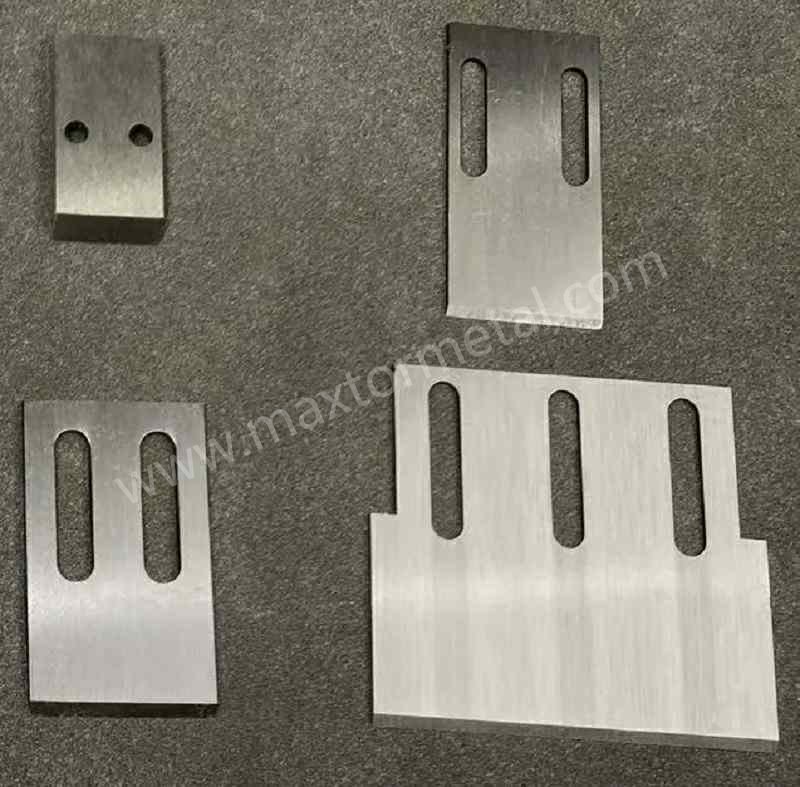
Plastics Recycling
Pelletizing blades are very important in plastics recycling. Operators use these blades to cut old and factory plastic waste into small, even pellets. They must control the temperature carefully so the plastic does not get ruined. This helps keep the pellets good. Blades made from high-speed steel and D2 tool steel are strong and last a long time. The market likes blades that stay sharp and do not wear out fast. This means machines stop less and helps recycling. Keeping the right temperature helps make pellets the same size and keeps the final product good. Special coatings like titanium nitride make blades slippery and last longer. This makes recycling better for the environment and helps the blades work well.
| Performance Metric / Material Property | Details / Values |
|---|---|
| Blade Speed | 1,500–3,500 RPM typical operating range |
| Precisione di taglio | Precisione ±0,05 mm |
| Durezza del materiale | 60-72 HRC (Rockwell Hardness Scale) |
| Durata della lama | 6–18 months depending on blade type and application |
Virgin Resin & Compounding
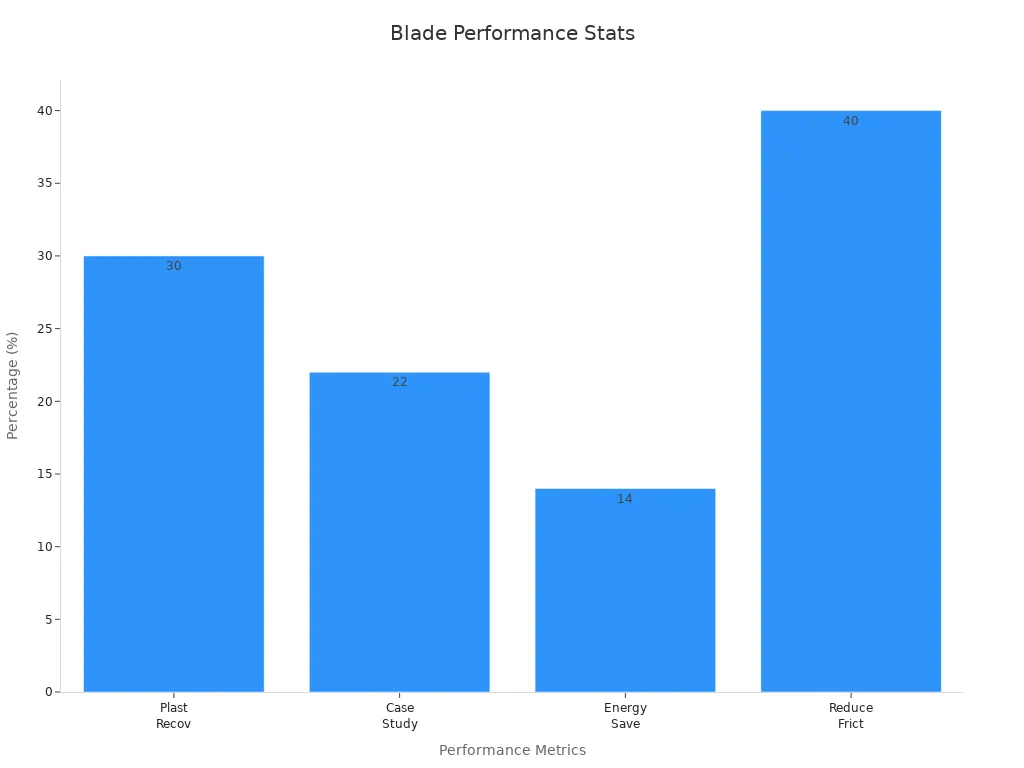
Pelletizing blades in virgin resin and compounding must handle high heat and many additives. Operators need to keep the temperature just right to stop problems. The market wants blades that can cut many resin types and keep pellets the same size and quality. Stainless steel and carbide blades are best here because they do not rust and can take the heat. Makers work to shape blades and set smoke levels to help make more pellets and keep them good. New blade designs can save up to 14% energy, so many factories like them.
Masterbatch & Lab Use
Making masterbatch and doing lab work needs pelletizing blades that are accurate and flexible. Operators often work with small amounts and must change settings fast. The market likes blades that work well and are easy to clean or fix. Fine grinding and sharp cutting make sure each pellet has the right color or additive. This keeps the color and taste the same. Checking and sharpening blades can make them last up to 40% longer. This saves money for labs and helps them try new things.
Produzione su larga scala
Big factories need pelletizing blades that are tough and work fast. Operators must keep the temperature steady and make lots of pellets that are all the same. Tungsten carbide blades are very hard and last a long time, up to 72 HRC. The market knows that good temperature and smoke settings help make high-quality pellets. Better blades can help recover up to 30% more plastic. One plant in Germany got 22% better results after using new blades.
Pelletizing Blades Market Overall
Global Trends
The pelletizing industry is growing fast all over the world. In 2023, the pelletizing blades market was worth about USD 300 million. By 2032, it could reach USD 500 million. This means the market grows by 5.5% each year. More people want to make pellets for plastics, food, and chemicals. The wood pellet market is also getting bigger. It was worth over $13.5 billion in 2023 and grows by 15% every year. Because of this, more pelletizing blades are needed to turn raw materials into even pellets.
Many things help this market grow. Il riciclo della plastica a livello mondiale è cresciuto del 23% negli ultimi tre anni. Ciò ha incrementato la domanda di macchine di granulazione di qualità superiore. I produttori stanno adottando soluzioni innovative come i sistemi di lame modulari, utilizzando materiali ad alta resistenza come la lega SKD-11 e rivestimenti in acciaio al tungsteno. Questi miglioramenti prolungano la durata delle lame e ottimizzano la resa di taglio. I componenti delle lame a cambio rapido riducono i costi di manutenzione dei macchinari del 30%, aumentando l'efficienza produttiva degli impianti. La maggior parte degli operatori utilizza granulatori monovite, ma i sistemi bivite stanno guadagnando quote di mercato con una crescita del 40%, a dimostrazione della costante evoluzione delle esigenze dei clienti.
Un nuovo studio evidenzia un mercato altamente competitivo. Le principali aziende investono nel miglioramento dei prodotti e in partnership strategiche. La regione Asia-Pacifico si conferma leader, con un tasso di crescita annuale del 6%, mentre Nord America ed Europa registrano un incremento costante. I produttori puntano a rafforzare la propria posizione sul mercato mediante l'impiego di materiali avanzati, un maggiore livello di automazione e rivestimenti ottimizzati, fattori che contribuiscono all'espansione globale del settore della granulazione.
| Aspetto | Dettagli |
|---|---|
| Dimensioni del mercato (2023) | USD 300 million |
| Dimensioni previste (2032) | 500 milioni di USD |
| CAGR | 5.5% |
| Area geografica leader | Asia-Pacifico (CAGR 6%) |
| Fattori chiave di crescita | Domanda di riciclo, automazione, materiali avanzati, sostenibilità |
Nota: Le nuove tecnologie e la sostenibilità ambientale stanno trasformando il mercato della granulazione. La qualità delle lame e le loro prestazioni operative sono oggi più fondamentali che mai.
Mercato giapponese delle lame per granulazione
Il mercato giapponese delle lame per granulazione rappresenta un segmento fondamentale dell'industria globale della granulazione. Le aziende giapponesi producono lame di alta precisione per granulatori nei settori della plastica, della chimica e dell'alimentare. Questo mercato si distingue per gli elevati standard qualitativi e la ricerca continua del miglioramento. Le imprese investono significativamente in ricerca e sviluppo per integrare nuovi materiali e tecniche di taglio all'avanguardia.
Il mercato giapponese delle lame per granulazione risponde rapidamente all'evoluzione delle richieste di mercato. I produttori locali realizzano sia lame rotanti sia lame fisse per granulatori, impiegando acciaio superrapido, carburo e materiali ceramici. Tali lame trovano applicazione in molteplici settori, dal riciclo alla produzione farmaceutica. Il settore esporta un volume elevato di prodotti verso altri Paesi asiatici e mercati internazionali.
In questa regione, l'efficienza operativa e la durata delle lame sono priorità assolute. I produttori adottano frequentemente taglienti a doppio lato e rivestimenti speciali per prolungare la vita utile degli utensili. Nel mercato giapponese delle lame per granulazione si diffondono sempre più i sistemi a cambio rapido, che consentono di ridurre i tempi di fermo macchina e ottimizzare la resa di produzione dei granuli.
Il mercato giapponese delle lame per granulazione è rinomato per l'eccellenza qualitativa e l'innovazione continua, posizionandosi come punto di riferimento a livello mondiale nel settore della granulazione.
How to Find the Best Fit
Selezione passo passo
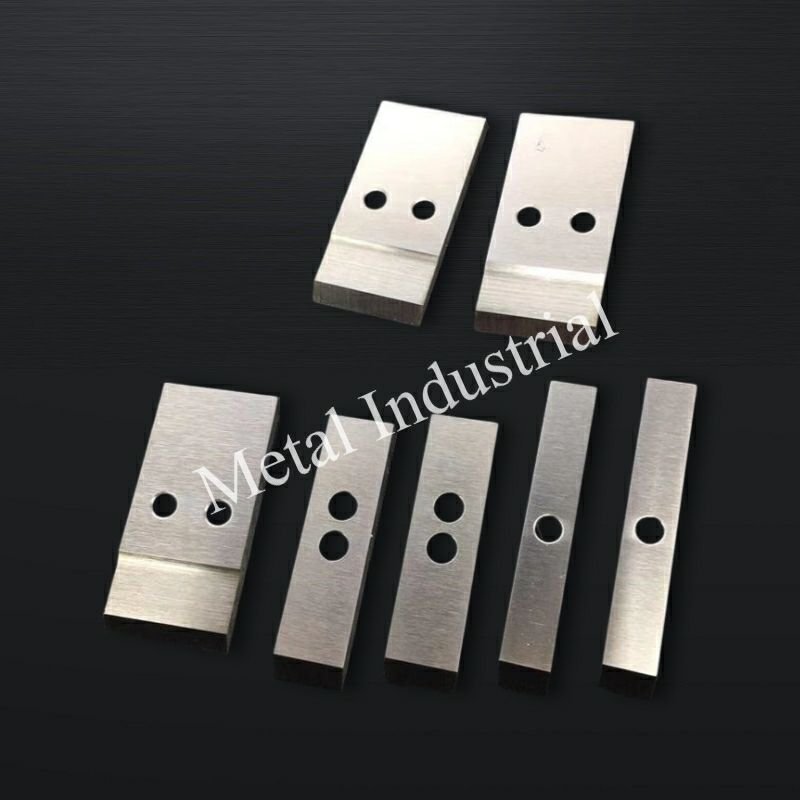
Per selezionare la lama per granulazione più idonea, si raccomanda di seguire una procedura sistematica. Verificare innanzitutto la compatibilità della lama con il proprio granulatore, garantendo un perfetto accoppiamento e la rispondenza ai parametri termici e di processo del polimero. Successivamente, valutare la tipologia di materiale da tagliare: alcune materie plastiche richiedono lame in acciaio D2 o carburo di tungsteno, ideali per applicazioni gravose. Assicurarsi inoltre che la lama sia semplice da installare e gestire, in modo da ridurre i tempi di fermo impianto. Le lame facili da pulire e sostituire garantiscono la continuità della linea produttiva.
Optare per lame dotate di rivestimenti antiaderenti ed elevata resistenza termica, caratteristiche essenziali per gestire l'accumulo di calore ed evitare l'adesione dei materiali. Consultare tecnici esperti o produttori qualificati per individuare la soluzione più adatta alle proprie esigenze operative. L'impiego di lame su misura consente di aumentare le velocità di lavoro e ridurre gli scarti. Utilizzare strumenti metodologici come l' Processo di analisi gerarchica per confrontare le diverse opzioni di lame. Questo approccio consente di valutare accuratamente costi, rischi e prestazioni operative, facilitando la scelta dell'utensile più idoneo alla specifica applicazione.
Consiglio pratico: Eseguire una regolare pulizia, lubrificazione e ispezione delle lame per prolungarne la durata e mantenere un'elevata qualità del granulo. Formare gli operatori sulle corrette procedure di montaggio delle lame e sul controllo delle temperature per prevenire anomalie di processo.
Errori comuni
La scelta errata delle lame per granulazione è un errore comune. L'impiego di una lama non idonea può causare un granulato disomogeneo o la rottura prematura dell'utensile. Il mancato controllo delle temperature di processo porta alla formazione di granuli con code, bave o cavità interne. Flussi d'acqua scorretti o lunghezze inadeguate della vasca di raffreddamento possono causare agglomerati o granuli accoppiati ("zipper"). Infine, trascurare l'ispezione dell'usura e la sostituzione tempestiva delle lame usurate incrementa i fermi macchina e il tasso di scarto.
Evitare il supporto di specialisti o acquistare lame di complessa installazione può compromettere la resa del processo, così come affidarsi a fornitori non qualificati. Spesso non si verifica la perfetta compatibilità meccanica con il granulatore o la facilità di montaggio. La mancata scelta di materiali ad alte prestazioni, come l'acciaio D2 o il carburo di tungsteno, accelera l'usura dell'utensile. Inoltre, la carenza di pulizia e lubrificazione favorisce l'accumulo di residui, aumentando l'attrito durante il taglio.
Nota: Si consiglia agli operatori meno esperti di adottare una lista di controllo, consultare specialisti e preferire lame facili da installare e manutenere. Questo approccio garantisce l'ottimizzazione dei risultati operativi in qualsiasi contesto produttivo.
Scegliere una lama per granulazione significa valutarne le prestazioni, la durata e la compatibilità con la propria macchina. Se si desidera risparmiare, si potrebbe scegliere American Cutting Edge. Chi cerca le massime prestazioni sceglie spesso Fordura o Sollex. Alcune lavorazioni, come il riciclaggio o il compounding delle materie plastiche, richiedono un'attenta consultazione della tabella comparativa. Utilizzare la guida per trovare la lama giusta per la propria applicazione, sia che si tratti di plastica che di un grill a pellet di legno. Se si desiderano maggiori informazioni o una lama personalizzata, è possibile contattare un tecnico commerciale. Qui.
Domande frequenti
Quali fattori determinano la durata di una lama per granulazione?
Una lama dura più a lungo se è di buona fattura e dotata di un rivestimento adeguato. Anche la frequenza di pulizia e controllo è importante. Utilizzare la lama corretta per ciascuna lavorazione ne prolunga la durata. Ispezionare regolarmente la lama e mantenerla pulita previene l'usura precoce.
Le lame per granulazione possono essere utilizzate per diversi tipi di plastica?
La maggior parte delle lame per granulazione è in grado di tagliare molte tipologie di materiali plastici. È necessario assicurarsi che la lama sia compatibile con la propria macchina e con il tipo di plastica lavorato. Alcune lame sono più adatte a plastiche dure o abrasive perché presentano una resistenza superiore e rivestimenti speciali.
Come posso sapere se una lama è compatibile con la mia granulatrice?
È necessario verificare il modello della macchina e le specifiche della lama. I produttori forniscono tabelle di compatibilità o supporto dedicato. La lama corretta garantisce un utilizzo sicuro e ottiene un granulo di qualità.
Le lame per granulazione sono adatte all'uso in grill a pellet di legno o in applicazioni per la cottura?
Le lame per granulazione non sono progettate per uso alimentare o culinario. Sono destinate ad applicazioni industriali come il riciclaggio della plastica. Per un grill a pellet di legno, utilizzare esclusivamente lame idonee al contatto alimentare.
Dove posso acquistare lame per granulazione personalizzate da un produttore affidabile?
Nanjing Metal è un'azienda affidabile specializzata nella produzione di lame personalizzate per svariate applicazioni. Il suo team vanta 20 anni di esperienza nella produzione di lame industriali.
Vedi anche
Come scegliere il coltello per pelletizzazione più adatto al tuo settore
Guida Completa alla Scelta della Migliore Lama Granulatrice per la Vostra Macchina
Cosa Sono le Lame per Granulatori e Come Funzionano nell'Industria?
Lama pellettizzatrice in plastica
Scegliere tra Lame di Ricambio OEM e Aftermarket per Trituratori di Plastica Industriali

 English
 Spanish
 Italian
 French
 Portuguese
 Russian
 German
 Arabic
 Hindi
 Vietnamese
 Indonesian
 Japanese
 Korean
3 risposte