

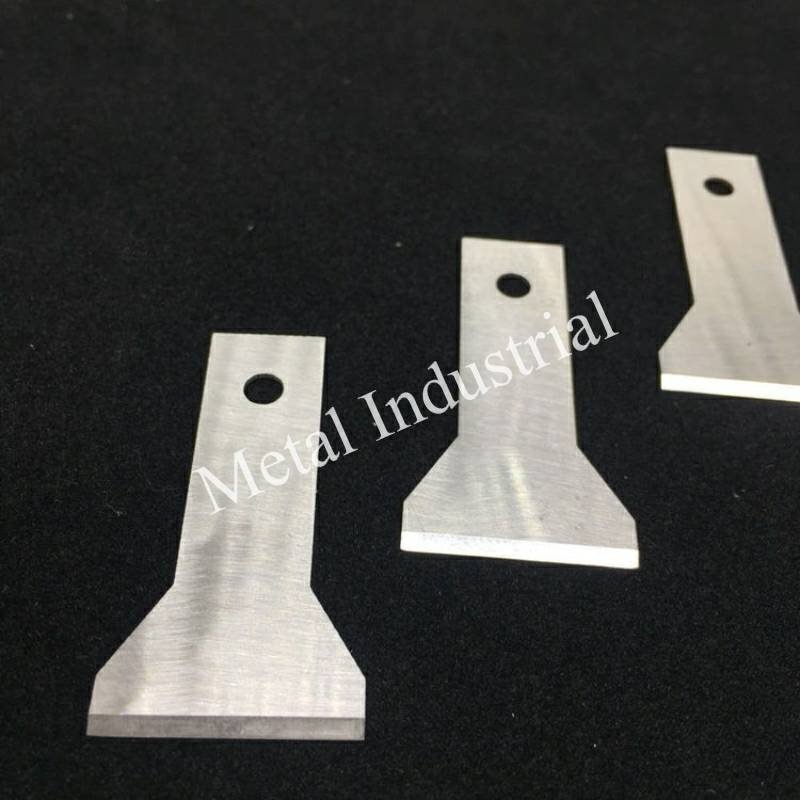
You need your Lames de Granulateur to make clean, sharp cuts to ensure your granulator operates at peak performance. Proper maintenance and regular sharpening of your granulating blade can extend the life of your equipment, reduce downtime, and save you money. Neglecting blade care may result in inconsistent pellet sizes and faster wear on your granulator. Many choose a lame personnalisée for specialized applications to achieve optimal results.
Principaux points à retenir
- Keep granulating blades sharp and clean. This helps them cut better and last longer.
- Check blades often. Sharpen them after 40 to 50 hours of use. This stops uneven wear and keeps pellets good.
- Store blades in dry, clean places. Use edge guards to stop rust and damage.
- Sharpen blades with the right tools and angles. Use coolant to help blades stay strong and last longer.
- Change blades if you see cracks, chips, or warping. Replace them if sharpening does not make them sharp again. This keeps your machine safe and working well.
Why Granulating Blade Maintenance Matters
Efficacité de coupe
Granulators help make pellets that are the same size. You need to keep the blades sharp for this to happen. If you take care of your blades, they work better. Sharp blades cut easier and faster. This means your machine does not have to work as hard. It also makes the process smoother.
| Métrique | Amélioration |
|---|---|
| Efficacité du traitement | 30% improvement |
| Durée de vie de l'équipement | 40% plus long |
| Réduction des coûts | Significatif |
Check your blades every 40 to 50 hours. This helps you find dull blades early. Sharpen and clean them on time to stop uneven wear. Good care keeps your blades working well. You get even pellets and fast work.
Prolongation de la durée de vie de la lame
You want your blades to last a long time. Use sharpening, set the right gap, and feed materials carefully. These steps help your blades last longer. Good care stops heat damage and keeps blades strong. Coolant helps blades stay hard during sharpening.
Keep the blade width and straightness correct. This lets you set the best gap. It helps your machine work better and makes blades last longer. You will have less downtime and safer work. Over time, you will need fewer new blades and get steady results.
Cost and Energy Savings
Taking care of blades saves money and energy. Blades in good shape use less power. For example, a plant in Germany made 22% more pellets and used 14% less energy per ton. Another company moved materials 60% better and saved 40% on storage.
Tip: Watch how much power your granulator uses. If it goes up fast, your blades may be worn or broken.
Regular care can get you discounts on sharpening and spare parts. You also get faster service. If you skip maintenance, your machine works harder and breaks down more. This costs more money. Good care makes your equipment last longer and helps your business earn more.
Granulating Blades Maintenance Steps
Nettoyage et inspection
Step 1: Initial Rinse and Debris Removal
First, take the granulator blades out of the machine. Rinse each blade with water to remove loose plastic and dust. Use a soft brush to scrub off any stuck-on dirt.
Tip: Wear cut-resistant gloves to keep your hands safe from sharp edges.
Step 2: Vibratory Cleaning for Deep Contaminant Removal
Put the blades in a vibratory cleaning machine. This machine shakes the blades and removes dirt stuck deep in the metal. It also makes the blade surface shiny and smooth. Vibratory cleaning helps clean every small space on the blade. This keeps the blade working well for a long time.
Note: Shiny blades can help cut better and cause less damage, as shown in studies.
Step 3: Visual and Tactile Inspection for Wear or Damage
After cleaning, look at each blade carefully. Check for chips, cracks, or uneven spots on the edge. Gently run your finger along the blade to feel for rough places.
Caution: If you see cracks or big damage, replace the blade to stay safe.
Step 4: Measurement of Blade Dimensions Before Sharpening
Use a micrometer or caliper to check the blade’s thickness, width, and straightness. Write down these numbers before sharpening. Mark the spot that needs sharpening so you only remove what is needed.
Tip: Measuring helps you keep the right gap and makes your granulator blades last longer.
Step 5: Documentation of Condition and Maintenance Actions
Write down all your inspection results and measurements in a maintenance record. Include the date, blade condition, and any repairs or sharpening you did.
Keeping good records helps you follow a strong maintenance plan and see how blades wear over time.
Stockage et manutention
Proper Storage Environment
Keep granulating blades in a dry, clean place away from water and chemicals. Use racks or holders to keep blade edges apart and stop them from touching.
Put rust blockers and edge guards on blades after sharpening to protect them.
Safe Handling Procedures
Always be careful when you handle granulator blades. Use both hands and wear gloves. Carry blades in a safe box or with covers on the edges.
Never stack blades right on top of each other because this can make them chip or get dull.
Common Mistakes and How to Avoid Them
- Mistake 1: Storing blades in wet or dirty places.
Correction: Use storage with good air and clean racks to stop rust and dirt. - Mistake 2: Handling blades without safety gear.
Correction: Always wear gloves and use edge guards to stop injuries and blade damage.
Maintenance Scheduling
Creating a Maintenance Calendar
Make a calendar for cleaning, checking, and sharpening your granulator blades. Plan these tasks based on how much you use the machine or how much material you process.
Schedules that fit your work help blades last longer and keep your machine running.
Sample Annual Maintenance Schedule Table
| Month | Tâche | Details/Notes | Responsible Person | Date Completed |
|---|---|---|---|---|
| January | Full inspection & cleaning | Check for chips, cracks | Maintenance Lead | |
| February | Sharpening & measurement | Record dimensions | Operator | |
| March | Storage check | Inspect racks, apply inhibitor | Maintenance Lead | |
| April | Clearance adjustment | Adjust blade gap | Technician | |
| May | Vibration monitoring | Use sensors, log results | Operator | |
| June | Full inspection & cleaning | Repeat January tasks | Maintenance Lead | |
| July | Blade rotation | Swap blade positions | Operator | |
| August | Sharpening & measurement | Record dimensions | Operator | |
| September | Storage check | Inspect racks, apply inhibitor | Maintenance Lead | |
| October | Clearance adjustment | Adjust blade gap | Technician | |
| November | Vibration monitoring | Use sensors, log results | Operator | |
| December | Full inspection & cleaning | End-of-year review | Maintenance Lead |
Suggestion: Change the position of your granulator blades often. Doing this before they get too worn can make them last up to 30% longer. Keep checklists and digital logs near the machines so you can always update records.
Un bon plan de maintenance, avec des opérateurs formés et des étapes claires, aide votre granulateur à fonctionner de manière optimale. Un entretien régulier permet non seulement de prolonger la durée de vie des lames, mais aussi d'augmenter le rendement en matière et d'économiser de l'énergie.
Sharpening Granulator Blades
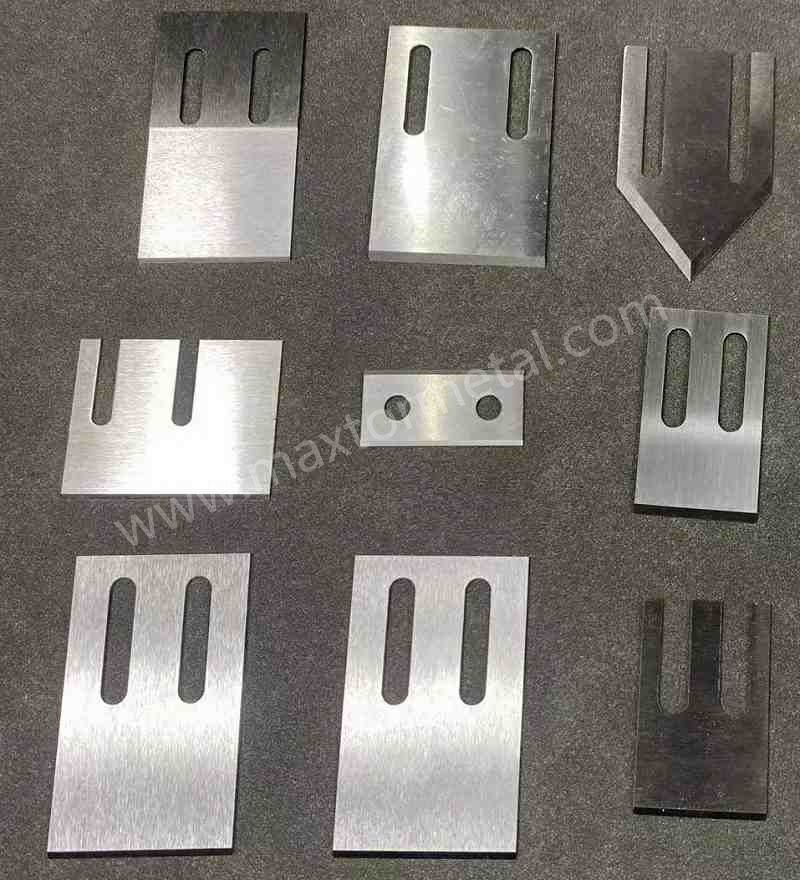
Pour garder votre lames de granulateur Pour garantir un bon fonctionnement, vous devez les affûter avec soin. Chaque étape est importante pour la sécurité et la performance des lames. Un affûtage correct prolonge la durée de vie de votre équipement. Il redonne également tout son tranchant à l'arête de coupe, ce qui permet à votre granulateur de mieux fonctionner.
Démontage sécurisé et préparation
Vous devez assurer votre sécurité et vous préparer avant l'affûtage. Voici les étapes pour démonter et préparer vos lames :
- Éteignez le granulateur et débranchez-le. Cela évite tout démarrage accidentel.
- Portez des gants, des lunettes de protection et un masque facial. Ils vous protègent des arêtes vives et des projections métalliques.
- Retirez l'ensemble de coupe en suivant les instructions. Vous devrez peut-être dévisser ou déverrouiller le porte-lame.
- Nettoyez soigneusement chaque lame. Utilisez un solvant et une brosse douce pour éliminer les impuretés. Assurez-vous que la lame est sèche avant de poursuivre.
- Inspectez la lame pour détecter d'éventuels éclats, fissures ou une usure excessive. Si vous constatez des dommages importants, remplacez la lame au lieu de l'affûter.
- Mesurez l'épaisseur, la largeur et la rectitude de la lame. Notez ces valeurs pour référence ultérieure.
Conseil : L'inspection et la mesure vous permettent de savoir s'il convient d'affûter ou de remplacer vos lames de granulateur.
Méthodes d'affûtage de précision
Vous devez disposer des outils et des méthodes appropriés pour un affûtage de qualité. Cela permet à vos lames de retrouver leur tranchant tout en conservant leur géométrie d'origine.
Étape 1 : Fixer la lame à l'aide d'un plateau magnétique
Placez la lame sur un plateau magnétique. Cela maintient la lame immobile pendant l'affûtage.
Étape 2 : Régler l'angle d'affûtage correct
Réglez l'affûteuse pour qu'elle corresponde à l'angle d'origine de la lame. Un angle correct garantit une coupe efficace et prolonge la durée de vie de la lame.
Étape 3 : Utiliser du liquide de refroidissement pour éviter la surchauffe
Utilisez du liquide de refroidissement pendant l'affûtage. Le liquide de refroidissement maintient la lame froide et préserve ses propriétés mécaniques.
Étape 4 : Meuler un minimum de matière
Retirez seulement une petite quantité de matière à chaque passe. Cela préserve la résistance de la lame et permet de l'affûter de nombreuses fois.
Étape 5 : Contrôler et éliminer les bavures
Après le meulage, recherchez les bavures. Utilisez une pierre fine ou un outil d'ébavurage pour lisser les aspérités.
Étape 6 : Nettoyer et sécher la lame après l'affûtage
Essuyez la lame pour la nettoyer et la sécher. Cela empêche la rouille et préserve le tranchant de l'arête.
| Amélioration mesurable | Description |
|---|---|
| Durée de vie accrue des lames | Retirer peu de matière et maintenir les lames au frais prolonge leur durée de vie. |
| Efficacité de coupe améliorée | Le maintien d'angles corrects permet aux lames de mieux couper et de s'user moins rapidement. |
| Optimisation de l'utilisation de la matière | Un bon entretien des lames vous permet d'obtenir 3-5% de produit en plus en réduisant la production de poussière. |
| Réduction de la consommation d'énergie | Des lames bien affûtées et des jeux d'entre-lames corrects consomment moins d'énergie, en particulier lors d'un fonctionnement en continu. |
| Durée de vie prolongée des composants | La réduction des vibrations et des contraintes mécaniques prolonge la durée de vie des lames et des pièces de la machine. |
| Multiples réaffûtages possibles | Vous pouvez affûter les lames jusqu'à dix fois avant de devoir les remplacer. |
| Rendement constant de la machine | Le maintien d'un jeu correct entre les lames garantit des performances constantes de votre machine. |
Remarque : L'affûtage correct des lames coûte moins cher que l'achat de lames neuves et offre de meilleurs résultats.
Maintien des angles et des tolérances
Vous devez conserver les angles et les dimensions d'origine à chaque affûtage. Cela garantit le bon fonctionnement et la longévité de vos lames.
Étape 1 : Utiliser des outils de mesure de précision (micromètres, pieds à coulisse)
Utilisez des micromètres ou des pieds à coulisse pour contrôler l'épaisseur, la largeur et l'angle de coupe de la lame. Des mesures précises vous aident à conserver la géométrie correcte de la lame.
Étape 2 : Vérifier la régularité de l'angle sur toute l'arête de coupe
Assurez-vous que l'angle est identique sur toute la longueur de l'arête. Si l'angle varie, la lame s'usera plus rapidement et la qualité de coupe sera altérée.
Étape 3 : Vérifier les tolérances par rapport aux spécifications du fabricant
Comparez vos mesures aux spécifications du fabricant. Le respect de ces tolérances garantit un montage parfait et un fonctionnement optimal de la lame.
Étape 4 : Enregistrer toutes les mesures pour référence ultérieure
Consignez toutes vos mesures et étapes d'affûtage dans un registre. Un suivi rigoureux vous permet d'analyser l'usure des lames et de planifier les opérations de maintenance futures.
Step 5: Repeat Sharpening Up to 10+ Times if Within Tolerance
If your blades are still in the right range, you can sharpen them up to ten times. This saves money and makes blades last longer.
Callout: Using a professional sharpener or automatic machine can make sharpening more accurate and faster. Good sharpening keeps your granulator working well and helps your equipment last longer.
You can sharpen granulator blades many times if you follow these steps. Careful sharpening keeps blades sharp, saves energy, and helps your machine work better. Regular sharpening helps your production stay smooth and your business run well.
When to Replace Granulating Blades
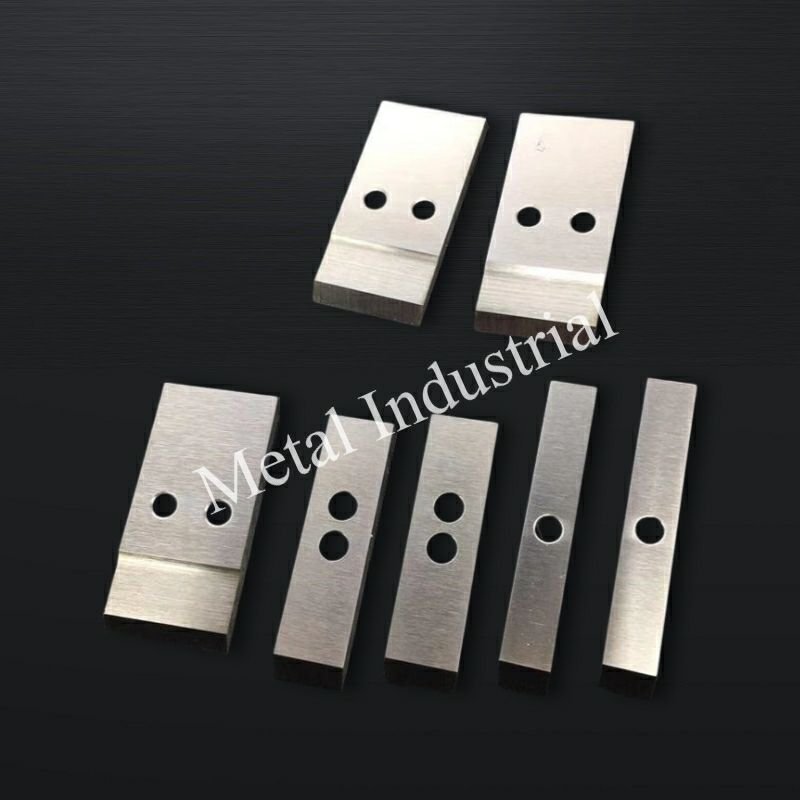
Signes d'usure
It is important to know when to replace your granulating blades. If you wait too long, your machine can get damaged. Your pellets may also turn out bad. Look for these signs that show you need new blades:
Excessive Edge Wear
Sometimes, the blade edge looks round or not even. This happens after sharpening many times. When the edge is too thin, it cannot cut well. You will see more dust and small bits in your pellets. If you notice this, plan to get a new blade soon.
Chipping or Cracking Along the Blade
Check the blade surface closely. Small chips or cracks can show up after heavy use. Hard things in the granulator can also cause this. Even tiny cracks can get bigger fast. If you see any, stop using the blade right away. A damaged blade can be unsafe and hurt your machine.
Inability to Maintain Sharpness After Sharpening
Sometimes, you sharpen the blade but it still does not cut well. If the edge gets dull fast or will not stay sharp, the steel may be worn out. Using this blade will make your machine work worse and stop more often.
Visible Deformation or Warping
Look at the blade for bends or warps. A straight blade is needed for good cutting. If you see any bending, the blade will not fit or work right. Replace any blade that does not stay flat.
Increased Power Consumption or Poor Pellet Quality
Watch how much power your machine uses. If it goes up, your blades may be dull or broken. You might also see pellets with rough sides or different sizes. These are signs your granulating blades are not working well. Getting new blades will help your system work better.
Tip: Write down when you change blades and how your machine works. This helps you see problems early and plan for new blades before things get worse.
Replacement vs. Sharpening
You must choose if you should sharpen your blades again or buy new ones. Picking the right option saves money and keeps your work safe.
Cost-Benefit Analysis of Replacement vs. Continued Sharpening
Sharpening costs less than buying new blades. But each sharpening takes away some blade material. This makes the blade last a shorter time. When sharpening does not make the blade cut well, it is better to get a new one. Use this table to compare:
| Facteur | Affûtage | Remplacement |
|---|---|---|
| Cost per cycle | Faible | Plus haut |
| Blade lifespan | Extends, but limited | Resets to maximum |
| Temps d'arrêt | Court | May be longer |
| Performance | Restored if within tolerance | Fully restored |
Note: If you sharpen a blade more than ten times, check if it still matches the maker’s rules. If it does not, get a new blade.
When to Prioritize Replacement (e.g., Safety, Performance, Downtime)
You should always get a new blade if:
- The blade has cracks, chips, or is bent.
- The blade cannot stay sharp after sharpening.
- The machine still works badly after you fix it.
- There is damage that could cause harm.
If you see any of these, do not wait. New blades keep your machine and workers safe.
Factors Affecting Decision (Blade Material, Application, Maintenance History)
Some things help you pick between sharpening and getting new blades:
- Matériau de la lame: Harder steels and carbide-tipped blades last longer but cost more to replace.
- Application: Cutting tough or filled plastics wears blades out faster.
- Maintenance History: Blades that are cared for can be sharpened more times. Bad records or missed care make blades wear out sooner.
Look at your notes and think about how often you cut hard materials. This helps you know when to get new blades.
Example Scenarios for Replacement and Sharpening Choices
- Scenario 1: You cut soft, clean plastics and always do maintenance. Your blades stay sharp after each sharpening. You can keep sharpening until the blade is too thin.
- Scenario 2: You see chips and cracks after running a batch with metal in it. Get a new blade right away to stop machine damage.
- Scenario 3: Your worker says the blade gets dull fast, even after sharpening. The blade is worn out. Buy a new one to make your machine work well again.
- Scenario 4: You notice more power use and bad pellet quality. You check and see the blade edge is very worn. Replace the blade to help your system work its best.
Callout: Checking your blades often and keeping good notes helps you make smart choices. This keeps your granulating blades working well and protects your equipment.
Custom Granulating Blades
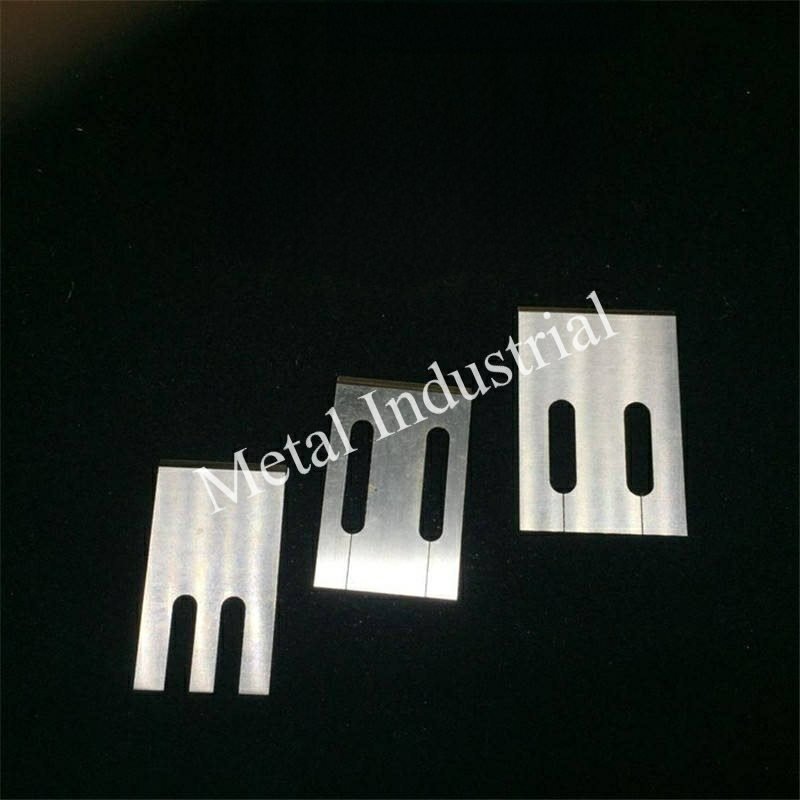
Avantages de la personnalisation
Making plastic pellets can be hard. Each job needs a special way to do it. Custom granulating blades help you get the right results. You can pick the best material, shape, and coating for your work. This helps your granulator knife make clean cuts every time.
- You can pick tool steels like D2, A8, or M2. You can also choose high-speed steel or carbide-tipped blades. These materials last longer and do not wear out fast, even with rough plastics.
- Heat treatments and coatings like titanium nitride or chromium plating make blades stronger. They also help stop rust and damage.
- Lame personnalisée shapes and sizes fit your pelletizing machine. This works for underwater, strand, or hot die face systems.
- You can match the blade’s shape and gap to your process. This stops smearing and makes pellets the right size and shape.
- OEM and ODM services let you change details like blade thickness and edge angle.
Les lames personnalisées vous offrent de nombreux avantages :
- You can sharpen a custom granulator knife up to ten times. This saves up to 85% compared to buying new blades often.
- You get more pellets and steady quality because the blades are made to fit well.
- You waste less because the blades cut pellets to the right length. This helps you use your raw materials better.
- New blade designs and machines help you use less labor and keep pellet quality the same.
Note: Custom blades help you fix special problems and make your equipment last longer. You spend less on repairs and get better results you can trust.
Nanjing Metal Industrial CO., Limited
If you need a good granulator knife maker, Nanjing Metal Industrial CO., Limited is a top choice. They have over 20 years of experience making custom blades for many uses. Their skilled teams make sure every blade meets high standards.
| Metric / Example | Lame standard | Custom Blade (Nanjing Metal) |
|---|---|---|
| Sharpness loss after 4,000 cuts | 35% | 11% (ceramic-coated) |
| Blade lifespan in recycling | 7–10 days | 42 days (CPM10V alloy, TiCN) |
| Downtime reduction (plastic plant) | Ligne de base | 65% moins |
| Monthly blade changes | 12 | 3 |
| Total monthly cost (incl. labor) | $800+ | $450 |
Nanjing Metal has many blade materials, like SK2, HSS, M2, SKD11, D2, A8, and carbide-tipped blades. They check quality at every step and watch production in real time. Their blades work in recycling, compounding, and labs. As a top granulator knife maker, Nanjing Metal (visit homepage) helps you get longer blade life, less downtime, and lower costs.
Special Considerations
Material-Specific Needs
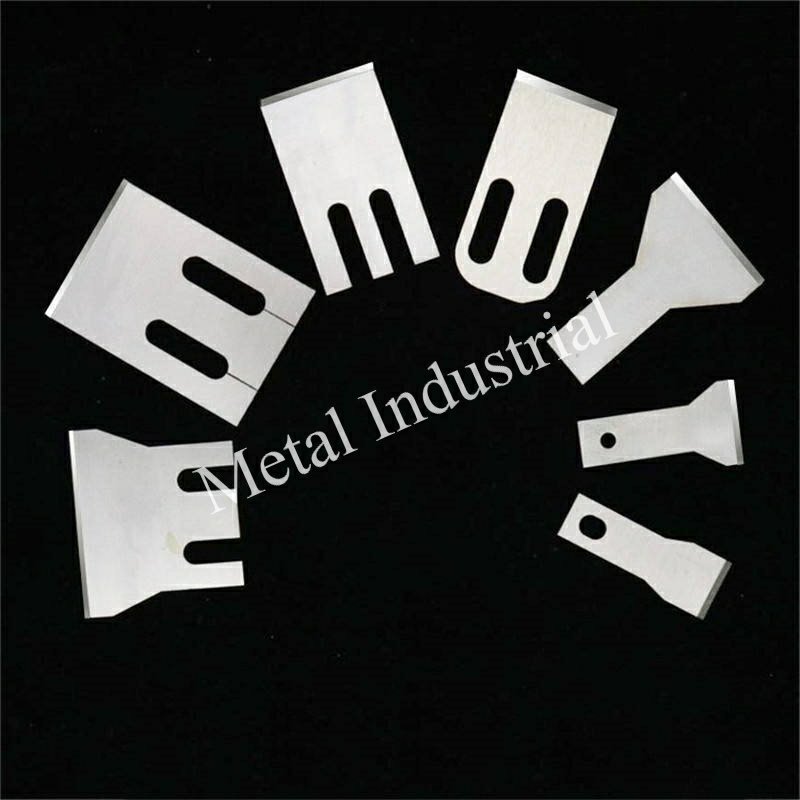
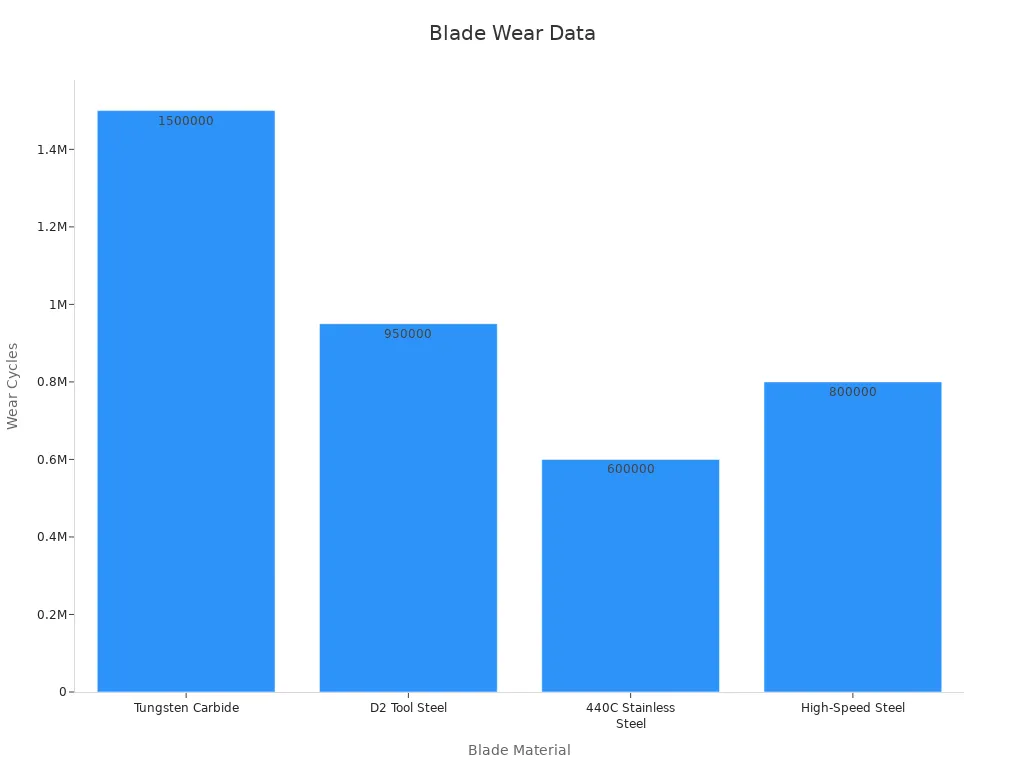
Different plastics and fillers can make blade care tricky. Each type of plastic changes how you look after and sharpen your granulator knives. Hard plastics like PET or glass-filled nylon can wear blades out fast. For these, you should use tungsten carbide or titanium-coated steel blades. These blades last longer and stay sharp, even with tough jobs.
Soft plastics like PP and PE can stick to the blade and cause clogs. Stainless steel blades with a straight edge work best for these. Brittle plastics, such as rigid PVC, can chip easily. You should use D2 tool steel with a serrated edge to stop chipping. Heat-sensitive plastics like polycarbonate need high-speed steel blades with sharp angles. This helps stop the plastic from melting.
| Type de plastique | Défi | Best Blade Material | Type de bord |
|---|---|---|---|
| ANIMAL DE COMPAGNIE | High wear | Carbure de tungstène | Bordure fine |
| PVC (rigide) | Brittle, chips easily | Acier à outils D2 | Cranté |
| PP & PE | Smearing, clogging | Acier inoxydable 440C | Droit |
| Polycarbonate | Sensible à la chaleur | Acier rapide (HSS) | Angle aigu |
| Nylon (PA6, PA66) | High friction | Acier revêtu de titane | Polished |
Tip: Always check the blade gap. Keep it between 0.2 and 0.3 mm for the best cuts. If the gap is wrong, you get bad regrind and more dust.
Facteurs environnementaux
Where you keep your blades matters for blade care. Humid places can make steel blades rust. Store blades in a dry, cool place to stop rust. Use ultrasonic cleaning to get rid of plastic stuck on blades and to keep them cool. Coatings like titanium nitride make blades smoother and help them last longer.
Some plastics are made of many layers or mixed materials. These can need specific
blade shapes, like spiral or serrated edges. Some granulators have smart sensors that watch blade wear all the time. These sensors help you know when to do maintenance before things break, so you have less downtime.
For lab, recycling, and compounding work, you should:
- Switch out spare blades so you do not stop for long.
- Check blades often and use hour meters to see how much they are used.
- Pick the right blade material and shape for the plastic you are cutting.
Note: Picking the right blade and care plan for your material and workplace keeps your granulator working well and your pellets looking good.
If you want your granulator to work well, make a good maintenance plan. Clean your blades often. Check them for problems and sharpen them when needed. Doing these things on time helps you find issues early. This keeps your machine safe and working longer. Taking care of your blades saves money and helps your granulator do its job better. If you need special blades, pick a company you trust.
FAQ
How often should you sharpen granulating blades?
Sharpen your blades after 40 to 50 hours of use. If cuts look dull or your machine uses more power, sharpen sooner.
Tip: Write down each time you sharpen in a log.
What is the best way to store granulator knives?
Keep your knives in a dry and clean place. Put them on racks or in holders so the edges do not touch.
- Add something to stop rust
- Use guards to cover the edges
This helps stop rust and keeps blades from getting damaged.
Can you use the same blade for different plastics?
You can use one blade for many plastics, but results change. Hard or filled plastics need stronger blades.
| Type de plastique | Lame recommandée |
|---|---|
| Soft | Acier inoxydable |
| Hard/Filled | Pointe en carbure |
How do you know when to replace a blade instead of sharpening?
Change your blade if you see cracks, chips, or if it is bent. If sharpening does not make it sharp again, get a new blade.
Safety first: Broken blades can hurt your machine.
Where can you get custom granulator blades?
Order custom blades from a company you trust.
Voir aussi
Guide Complet pour Choisir le Meilleur Couteau de Granulateur pour Votre Machine
Comment choisir le couteau de granulation adapté à votre secteur d'activité
Que Sont les Lames de Granulateur et Comment Fonctionnent-elles dans l'Industrie?
Lames de Granulateur Comparées : Trouvez Facilement la Bonne

 English
  Spanish
  Italian
  French
  Portuguese
  Russian
  German
  Arabic
  Hindi
Hindi  Vietnamese
  Indonesian
  Japanese
  Korean
Une réponse