

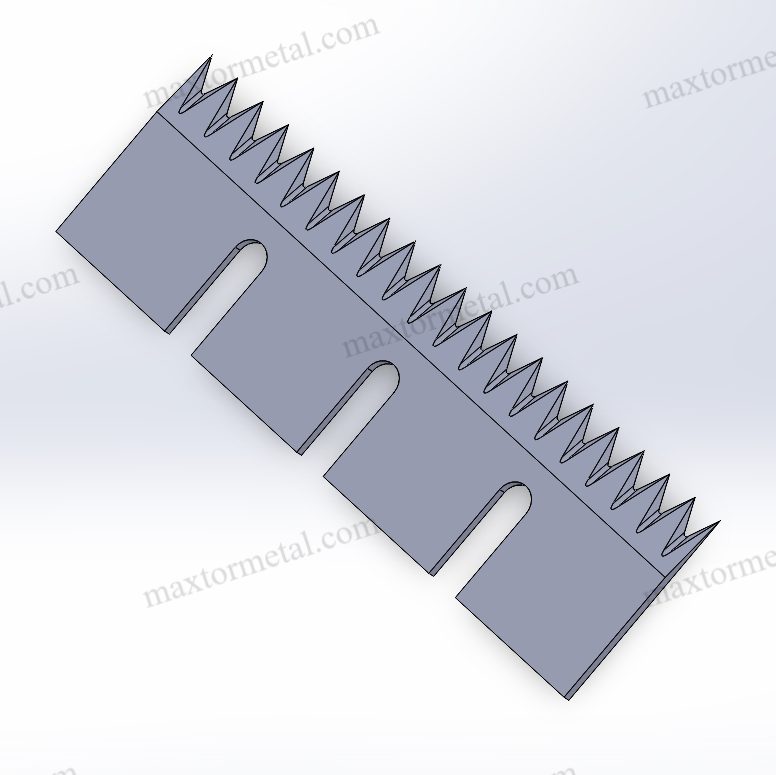
Optimizing speed, pressure, and tooth profile helps Pisau Perforasi Film Plastik cut better. You get better cutting quality, more efficiency, and lower costs. You will notice changes when you use advanced technology and good blade materials. Here is an example:
| Metrik | Before Optimization | After Optimization |
|---|---|---|
| Blade changes per day | 3 times | Once every 2 days |
| Misaligned pouches | 7% | Less than 1% |
| Line downtime per week | 2 jam | Less than 30 minutes |
Thin-profile plastic film perforating blades with better bevel angles cut faster. They also make cutting smoother. High-speed steel blades with coatings stay sharp longer. They also lower friction. If you match blade technology to your film and application, you get precise perforating. You also get steady results and less waste.
Poin-poin Utama
- Pick the right blade material and tooth profile for your film. This helps make cleaner cuts and less waste.
- Set the perforating speed with care. This keeps cut quality good and makes work faster.
- Change the pressure to get even, full cuts. This stops the film from tearing or getting hurt.
- Check and fix blades often to keep them sharp and straight. This gives you the same good results each time.
- Use tests and data to find the best speed, pressure, and tooth profile for your job.
- Teach workers well so they use blades safely and keep cutting smooth.
- Work on speed, pressure, and tooth profile together. This makes cutting better and stops long breaks.
- Keep making your process better by watching important numbers and fixing problems fast.
Importance of Plastic Film Perforating Blades
Maxtor Metal is a top company for plastic film perforating blades. Their perforating knives give you accurate and fast cutting in many jobs. These blades use new technology and strong materials. This helps your production line work the same way every time.
Perforating Applications
Plastic film perforating blades are used in many things you see every day. These blades are important for:
- Tray sealing: Blades cut plastic film lids to close food trays. This keeps food safe and fresh.
- Blister packaging: Perforating knives cut and mark films for medicine and other goods. This makes packages hard to open without breaking them.
- Pouching: Blades help make pouches for snacks and pet food. These pouches can be closed again.
- Cup sealing: Perforating knives seal lids on cups for yogurt or soup. This keeps food fresh.
- Notching: Blades make handles or notches in bags. This makes bags easy to carry and open.
These uses show why perforating knives matter for making products fast and safe. You can see how they help in packaging, food, and other goods.
Blade Material Choices
Picking the right materials for your perforating knives changes how well they cut and how long they last. Maxtor Metal has blades made from tool steel, HSS, and carbide. These materials help blades stay sharp, strong, and last longer. You can also pick coatings like titanium carbonitride or PTFE. These coatings make blades smoother and last longer.
Here is a table to help you see the choices:
| Jenis Bahan | Karakteristik Utama | Impact on Blade Longevity and Performance |
|---|---|---|
| Baja Karbon | Cheap, can be used for many things | Saves money, lasts a fair time |
| Karbida Wolfram | Very strong, does not get hot easily | Hard to wear out, lasts a long time |
| Powdered Metal Tool Steels | Kuat dan tangguh | Hard and bends a little, lasts longer |
| Besi tahan karat | Does not rust, can be recycled | Good for the planet, works well |
You can also use special steps like heat treating and precision grinding. These steps make blades harder and sharper. This helps your machines work better.
Kasus Penggunaan Industri
Plastic film perforating blades are used in many businesses. The packaging industry uses these blades to seal, cut, and shape plastic films. The food industry needs perforating knives for safe and easy-to-open packages. In factories, you need these blades to shape plastic sheets and films into products. Custom perforating knives help you with special jobs, like making labels, textiles, or rubber rolls.
Maxtor Metal helps your business with custom perforating knives and OEM services. You can pick the blade shape, tooth profile, and material you need. This helps your production stay fast and your products stay good.
Tip: The right perforating knives and materials can help you stop downtime, waste less, and cut better.
Perforating Speed

Speed and Cut Quality
Relationship Between Speed and Perforation Quality
You control the quality of your perforating process by adjusting speed. When you set the right speed, your blades make clean, even cuts. If you go too fast, you might see rough edges or incomplete perforations. If you go too slow, you can lose efficiency and waste time. The right speed helps you get the best cutting performance and keeps your production line running smoothly.
Effects of High and Low Speeds on Different Film Types
Different films react to speed in unique ways. Thin films often need lower speed to prevent tearing. Thick or multi-layer films can handle higher speed, but only if your blades stay sharp. High-speed cutting works well for strong films, but you must watch for heat buildup. Low speed can help you avoid stretching or warping delicate films. Always match your production speed to the film type for the best cutting efficiency.
Common Quality Issues Related to Speed
If you notice jagged edges, incomplete cuts, or melted film, your speed may be too high. Slow speed can cause uneven perforating or extra wear on your blades. You might also see misaligned cuts if your production speed does not match your machine’s capabilities. Regular checks help you spot these problems early.
Adjusting Speed
Step-by-Step Speed Adjustment Process
You can follow these steps to adjust your perforating speed:
- Start with the recommended speed for your film and blades.
- Run a short test on your production line.
- Check the cutting quality and look for defects.
- Increase or decrease speed in small steps.
- Repeat tests until you see the best cutting performance.
Factors Influencing Optimal Speed (Film Thickness, Material, Machine Type)
Film thickness, material, and machine type all affect your ideal speed. Thicker films need more power and sometimes slower speed. Softer materials may need gentle speed to avoid tearing. Your machine’s design and the type of blades you use also play a big role in setting the right production speed.
Testing and Validation Methods for Speed Settings
You can use sample runs and visual checks to test your speed settings. Some companies use sensors to measure cutting quality in real time. Always validate your settings before starting full production. This helps you keep efficiency high and avoid waste.
Monitoring Perforating Speed
Manual and Automated Speed Monitoring Techniques
You can monitor speed by watching your machine’s display or using a handheld tachometer. Automated systems track production speed and alert you to changes. Both methods help you keep your blades working at peak performance.
Using Sensors and Feedback Systems
Sensors can measure blade movement and film feed rate. Feedback systems adjust speed automatically if they detect problems. These tools help you maintain steady cutting performance and reduce downtime.
Troubleshooting Speed-Related Problems
If you see cutting issues, check your speed first. Look for signs of blade wear or machine problems. Adjust speed in small steps and test after each change. You can also balance speed with pressure and tooth profile for better results. Try these techniques:
- Use blades with the right tooth profile for your film.
- Adjust pressure to match your production speed.
- Test different speeds to find the best cutting efficiency.
- Use flexible blades for films that need gentle handling.
- Combine small speed changes with pressure adjustments for top performance.
Tip: Balancing speed, pressure, and tooth profile helps you get the best cutting results and keeps your production efficient.
Pressure in Perforating

Pressure and Consistency
How Pressure Affects Perforation Consistency
You can make your perforating results even by using the right pressure. The correct pressure lets blades make holes or lines that look the same. The film will tear where you want it to. If you use too little pressure, the blades might not cut the film. Too much pressure can stretch or rip the film in the wrong spots. Using steady pressure helps blades work well and makes your products look neat.
Common Consistency Issues Caused by Improper Pressure
Wrong pressure can cause many problems when you perforate. You might see holes that are not the same size. Sometimes, cuts do not go all the way through. The film might tear or stick together. Holes may look dotted or messy. These problems mean you need to fix or clean your blades.
Setting Pressure
Standard Procedure for Setting Perforation Pressure
You can use a simple way to set the right pressure:
- Look at your machine’s manual for the best settings.
- Put a test piece of film under the blades.
- Change the pressure slowly and run a short test.
- Check if the holes look clean and even.
- Adjust the pressure until you get the same results each time.
- Test again if you use a new film or thickness.
Key Considerations When Adjusting Pressure
When you change pressure, think about a few things. Thick film needs more force. Thin film needs less. Sharp blades cut better and need less pressure. Dull blades need more pressure but can hurt the film. The machine must be in good shape. Always check for broken or loose parts before you start.
Pressure Troubleshooting
Issue 1: Incomplete Perforation – Causes and Solutions
Sometimes, blades do not cut all the way through. This can happen if pressure is too low or blades are dull. Try raising the pressure a little at a time. Check if the blades are sharp. Replace or sharpen them if needed.
Issue 2: Film Tearing – Causes and Solutions
Film can tear if you use too much pressure or if blades are not lined up. Sometimes, clamps hit the pad wrong and push unevenly. To fix this, lower the pressure and line up the blades. Test the pressure with white paper. If you see dotted or rough lines, clean and fix the blades and clamps.
Issue 3: Irregular Hole Size – Causes and Solutions
If holes are not the same size, pressure may not be even. Dirty or worn blades can also cause this. Clean the blades and check the clamps. Make sure the sealing wire is clean and hot enough. Change the pressure until the holes all look the same.
Check and fix your blades often to stop these problems. This keeps your perforating working well and your blades sharp.
Tooth Profile and Perforating Knife Selection
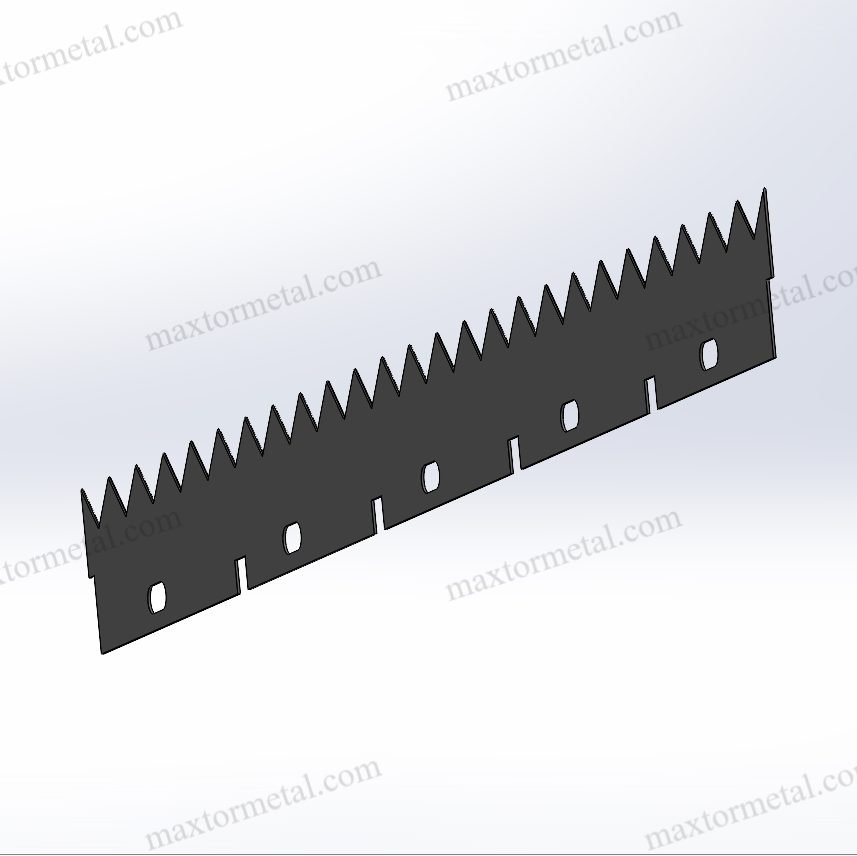
Picking the right tooth profile for your perforating knife is very important. The teeth’s shape and size change how well you cut different films. If you match the tooth profile to your material, you get better cuts and waste less.
Tooth Profile Types
V-Shaped Teeth
V-shaped teeth make cuts that are clean and neat. These blades work best for thin films, foils, and paper. The sharp tip of each tooth pokes into the film and helps stop tearing. V-shaped teeth are good for smooth edges and easy tearing. If you use them on thick or rough films, they might wear out faster.
Diagram: Picture a row of sharp “V” points along the blade edge.
U-Shaped Teeth
U-shaped teeth give a balanced cutting force. These blades are good for films that are not too thin or thick. The round shape helps stop jagged edges and gives a tidy finish. U-shaped teeth do not work as well for very thin or thick films. But they are good for most packaging jobs.
Diagram: Imagine a row of rounded “U” shapes on the blade edge.
Serrated (Saw-Tooth) Teeth
Serrated teeth grab and slice tough or layered films. You get better cuts on rubber, plastics, and textiles. These blades grip well and help cut strong materials. Serrated teeth can leave rougher edges and may need more cleaning. But they are strong for hard jobs.
Diagram: Think of a saw blade with sharp, jagged points.
| Profil Gigi | Karakteristik Pemotongan | Terbaik Untuk |
|---|---|---|
| berbentuk V | Clean, precise cuts, minimal tearing | Thin films, foils, paper |
| berbentuk U | Balanced force, smooth finish | Film dengan ketebalan sedang |
| Bergerigi | Grips and slices tough or stretchy materials | Karet, plastik, tekstil |
Matching Knife to Film
You can get better cuts by matching your knife to your film. Small teeth are best for thin films. They help stop rough edges and weak cuts. Big teeth are better for thick materials. They give strong and clean cuts. Changing the tooth shape, spacing, and edge width helps you get easy tearing and strong packaging. Always test sample cuts and change your knife settings before you start full production. This keeps your cuts neat and helps your machine last longer.
Case Study: Matching Tooth Profile to Film Type
A packaging company used U-shaped knives for laminated films. They saw rough edges and tearing. They switched to serrated knives with bigger teeth. The new blades cut better, made fewer mistakes, and helped the line run smoother.
Tip: Always match your knife’s tooth profile to your film type. This gives you better results and fewer problems.
Selecting Perforating Knives
When picking perforating knives, think about film thickness, material, and what you need to do. Use sharp V-shaped blades for thin films. Pick U-shaped or serrated blades for thicker or tougher materials. Look at tooth pitch, profile, and tie size. These things change how easy your film tears and how strong the package is. Maxtor Metal has many blade types and OEM choices. You can find the right knife for any job.
| Material/Application | Bahan Pisau yang Direkomendasikan | Tooth/Blade Profile Considerations | Key Selection Guidelines |
|---|---|---|---|
| Thin Film or Foil | Keramik | Sharp, precise edges; V-style profiles (Standard V, Vari-Depth V, Hi/Low V) | Use sharp blades to stop tearing and waste; ceramic is best for thin cuts because it is hard and stays sharp |
| Plastic (bulk or solid) | Sharp, strong guillotine blades (various steels) | Teeth matched to plastic density and thickness | Thick plastics need different tooth profiles than thin films; blade strength is very important |
| Rubber Converting | Durable materials with edge-retaining teeth | Teeth made for tough rubber slicing | Blades must stay sharp for many uses; strong materials are needed for slicing tough rubber |
Note: Always follow the rules for tooth and tie sizes. Test and adjust your knife before production to get the best cuts.
Integration for Performance
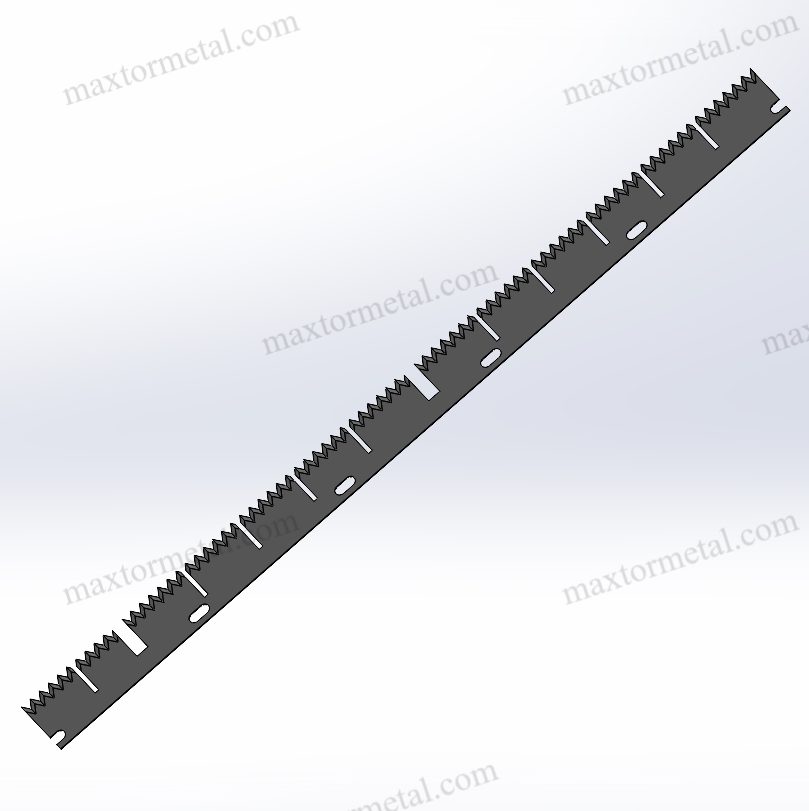
Balancing Speed, Pressure, and Profile
You must balance speed, pressure, and tooth profile for good cutting. Each setting can change how the others work. If you change one, you might need to change the rest. For example, going faster can help you cut more film. But it can also make blades wear out or cause rough film edges. Using more pressure helps blades cut tough film. But too much pressure can hurt the film or make blades break sooner. The right tooth profile lets you match the blade to your film. This makes cutting smoother and more exact.
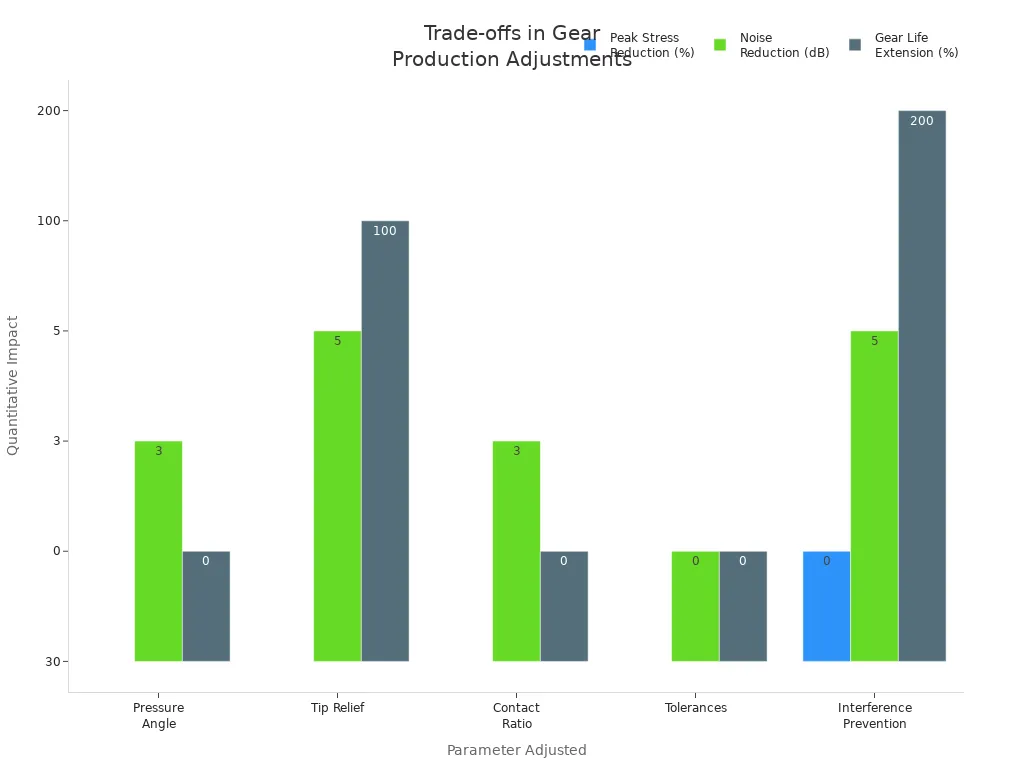
You often have to make choices when you change these settings. The table below shows what can happen when you adjust them:
| Parameter Adjusted | Trade-offs and Effects | Quantitative Impact / Notes |
|---|---|---|
| Pressure Angle | Higher angles make teeth stronger and hold more load, but they get louder and are harder to make. | 20° angle gives about 30% more bending strength; noise can go up by 2-3 dB at high speeds. |
| Tooth Profile Modifications | Tip relief and root relief help spread the load and lower wear, but you must control them well to stop problems. | Tip relief is usually 10-40 micrometers; it can lower peak stress by up to 30%, noise by 3-5 dB, and make blades last 50-100% longer. |
| Contact Ratio | Higher contact ratios help share the load and lower noise, but they are harder to make and can make teeth weaker. | Raising contact ratio from 1.4 to 1.7 lowers peak tooth load by about 30%, noise goes down by 2-3 dB. |
| Toleransi Manufaktur | Tight tolerances make things smoother and quieter, but cost more and are harder to do. | Pitch deviation less than 0.01mm cuts vibration by 50%; profile accuracy less than 0.005mm cuts stress by 30%. |
| Interference Prevention | Profile changes stop interference, so there is less wear and noise, but they are tricky to design and make. | Good relief can make gear life up to 200% longer and lower noise by 3-5 dB. |
You can see how each change affects how well you cut and how fast you work. You must pick what works best for your job.
Tip: Try using computer tools or data to test settings before you start making lots of cuts. This helps you find the best mix for your work.
Step-by-Step Optimization
You can make your cutting process better by following a plan. Start by watching important numbers. These numbers show how well you cut, how fast you work, and if your machine is working right. The table below lists the numbers you should watch:
| Metrik | Keterangan | Purpose/Focus |
|---|---|---|
| Waktu Siklus | Time to finish one job from start to end | Shows how fast you work and where you slow down |
| Hasil produksi | How many things you make in a set time | Shows how much you can make |
| First Pass Yield (FPY) | Percent of products made right the first time | Helps you check quality and waste |
| Efektivitas Peralatan Keseluruhan (OEE) | Checks if your machine is running, working well, and making good products | Shows if you use your machine well |
| Waktu senggang | Time your machine is not working because of problems | Shows when you lose time |
| Defect Rate | Percent of bad products made | Checks your quality |
| Waktu Pergantian | Time to switch from one job to another | Shows how fast you can change jobs |
You should set clear goals for each number. Use machines that watch and record these numbers as you work. Computers can help you track and warn you if something is wrong. Work with your team to set and check these numbers. Compare your results to other companies to see how you are doing.
Here is a simple way to make your process better:
- Decide what you want to cut and pick the right blade.
- Set your first speed, pressure, and tooth profile for your film and machine.
- Run a small test and check the numbers above.
- Look at the results and change one thing at a time.
- Use computer programs or data to guess what will happen if you change something.
- Uji kembali hingga Anda mendapatkan hasil pemotongan dan kecepatan yang diinginkan.
- Catat pengaturan Anda dan ajarkan metode terbaik kepada para pekerja.
Catatan: Perusahaan besar seperti Toyota dan Amazon menggunakan langkah-langkah ini untuk meningkatkan kinerja mereka. Anda juga dapat menerapkan ide-ide ini.
Pemecahan Masalah Perforasi
Anda mungkin menghadapi masalah seperti hasil pemotongan yang tidak tembus sepenuhnya, pisau yang cepat aus, atau bentuk lubang yang tidak konsisten. Anda dapat mengatasinya dengan menganalisis data dan menemukan penyebab utamanya. Kumpulkan masukan dari pekerja serta data dari catatan Anda. Gunakan diagram seperti diagram Fishbone atau diagram Pareto untuk mengidentifikasi masalah terbesar.
Sebagai contoh, jika hasil pemotongan tidak sempurna, periksa kecepatan dan tekanan Anda. Jika pisau cepat aus, periksa profil gigi dan kualitas pembuatan pisau Anda. Jika lubang tidak rata, periksa apakah kesejajaran pisau sudah tepat dan mesin berfungsi dengan benar.
Anda dapat menggunakan metode langkah demi langkah untuk memilih solusi terbaik. Tabel di bawah ini menunjukkan hal-hal yang perlu dipertimbangkan:
| Kriteria | Keterangan | Pentingnya |
|---|---|---|
| Risiko | Identifikasi bahaya seperti kerusakan mesin atau masalah keselamatan. | Sangat penting untuk keselamatan dan operasional jangka panjang. |
| Biaya | Total biaya untuk material, tenaga kerja, dan pengoperasian mesin. | Diperlukan untuk memastikan Anda tidak mengeluarkan biaya berlebih. |
| Waktu Penyelesaian Pekerjaan | Waktu dari awal hingga selesainya perbaikan. | Penting untuk menjaga kelancaran operasional Anda. |
Menemukan penyebab utama membantu Anda menyelesaikan masalah secara permanen. Sebagai contoh, teknologi UltraMicroperf memungkinkan Anda memotong film plastik yang tangguh dengan ikatan mikro (tiny ties). Ini memberikan kontrol yang lebih baik dan mengurangi limbah. Anda juga dapat menggunakan perforasi laser untuk pemotongan yang sangat presisi dan aliran udara yang lebih baik pada kemasan makanan. Metode baru ini membantu Anda mengatasi masalah dan meningkatkan kualitas kerja Anda.
Tip: Periksa proses pemotongan Anda secara berkala dan sesuaikan pengaturan saat Anda menggunakan material atau perkakas baru. Hal ini menjaga proses pemotongan tetap cepat dan andal.
Maintenance and Best Practices
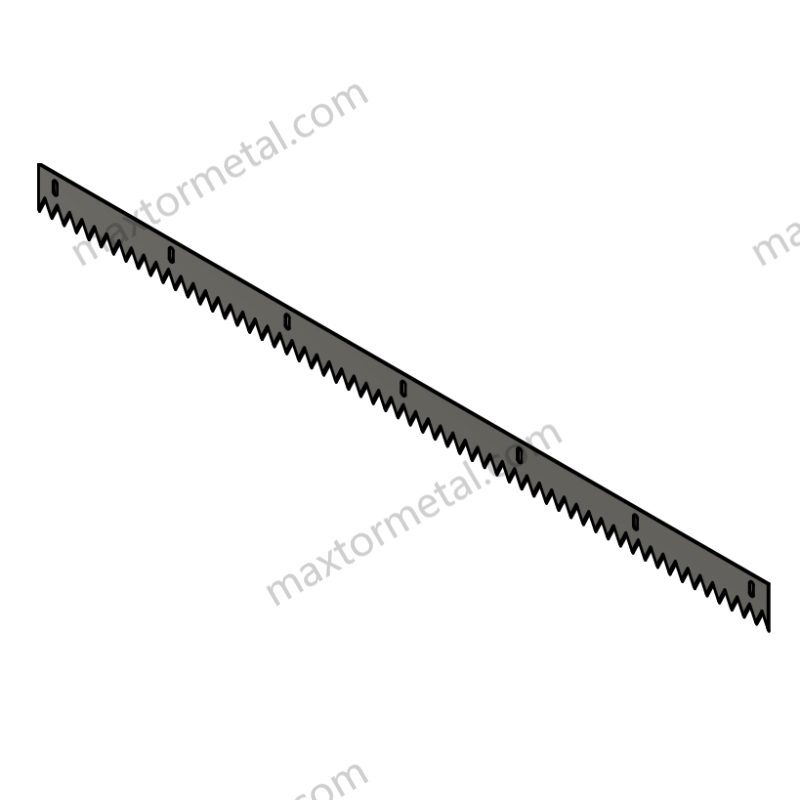
Perawatan Pisau
Anda dapat menjaga kinerja pisau tetap optimal dengan melakukan perawatan rutin. Bersihkan peralatan dan cetakan (dies) Anda untuk membersihkan debu. Hal ini membantu pisau tetap tajam dan memotong dengan mulus. Lumasi bagian yang bergerak untuk mengurangi gesekan. Ini mencegah keausan dan menjaga komponen tetap bergerak dengan lancar. Periksa pisau dari adanya gumpil (chips) atau bagian yang tumpul. Tajamkan atau ganti pisau jika Anda menemukan masalah. Selalu periksa kesesuaian antara mata pisau dan anvil roll. Jaga agar celah tetap kecil, antara 0.003 dan 0.008 inches, untuk hasil pemotongan yang bersih.
Gunakan perkakas tangan saat memasang pisau. Perkakas listrik dapat merusak ulir dan melonggarkan pemasangan. Gunakan pelapis seperti PVD atau CVD pada pisau. Pelapis ini membantu pisau bertahan lebih lama dan memotong lebih baik. Gunakan pisau karbida atau keramik jika Anda menginginkan daya tahan dan performa pemotongan yang lebih baik. Sebelum memasang pisau baru, bersihkan dudukan pisau agar pisau sejajar dengan benar. Waspadai tanda-tanda peringatan seperti gumpil (chipping), lembaran yang putus, atau suara yang tidak biasa. Tanda-tanda ini menunjukkan bahwa Anda perlu segera melakukan perbaikan.
Tip: Periksa pisau Anda setiap bulan atau beberapa bulan sekali. Ganti komponen yang aus dan jaga agar pisau bekerja secara optimal.
| Tugas Pemeliharaan | Mengapa Hal Ini Penting | Seberapa sering |
|---|---|---|
| Bersihkan pisau dan cetakan. | Mencegah penumpukan debu | Mingguan |
| Lumasi bagian yang bergerak | Membuat pergerakan komponen lebih lancar | Mingguan |
| Periksa tepi mata pisau | Menjaga hasil pemotongan tetap rapi dan tajam | Bulanan |
| Periksa keselarasan | Mencegah kegagalan pemotongan dan kerusakan pisau | Bulanan |
| Mengasah atau mengganti | Memastikan hasil pemotongan tetap presisi | Sesuai kebutuhan |
Pelatihan Operator
Anda membantu tim menggunakan pisau dengan benar melalui pelatihan. Tunjukkan kepada operator cara untuk mengatur celah poros untuk hasil pemotongan yang bersih. Ajarkan mereka cara merawat bushing, bearing, dan coupling. Jaga agar pisau lawan (counter knives) tetap tajam agar tidak tumpul. Bersihkan komponen perkakas untuk mencegah pisau goyang (wobble) dan keausan berlebih. Gunakan suku cadang berkualitas untuk mendapatkan hasil yang lebih baik dan mencegah karat.
Mintalah tim Anda untuk menguji perforasi setelah setiap pekerjaan selesai. Langkah ini memastikan apakah pisau berfungsi dengan baik untuk setiap tugas. Simpan catatan pengaturan (setups). Catatan ini membantu Anda mereplikasi hasil kerja yang baik dan mengatasi masalah dengan lebih cepat. Ajarkan operator untuk memasang penahan pisau (blade holder) dan penahan anvil (anvil holder) dengan benar. Periksa poros slitter (slitter shafts) dan bearing secara berkala dari keausan. Ubah tekanan secara perlahan. Mulailah dengan tekanan rendah, uji lembaran, lalu tingkatkan tekanan hingga hasil pemotongan terlihat bersih.
Catatan: Operator yang terlatih dapat mencegah kesalahan dan penanganan yang buruk. Mereka membantu Anda memaksimalkan kinerja pisau Anda.
Continuous Improvement
Anda dapat meningkatkan proses pemotongan dengan memantau kualitas dan memanfaatkan umpan balik. Siapkan pemeriksaan visual dan sistem online dengan sensor serta kamera. Alat-alat ini memberikan data langsung (live data) mengenai kinerja pisau dan kualitas pemotongan. Gunakan kontrol proses untuk mendeteksi masalah dan tren sejak dini.
Jaga agar mesin tetap bekerja dengan baik melalui perawatan rutin. Jaga ketajaman pisau dan kontrol ketegangan film (film tension) untuk hasil pemotongan terbaik. Latih tim Anda untuk mendeteksi masalah dan mengatasinya dengan cepat. Seimbangkan antara kuantitas produksi dan kualitas produk dengan mengontrol kecepatan, penyelarasan jarum (needle alignment), dan ketegangan film. Pemeriksaan otomatis dan umpan balik membantu Anda menyempurnakan proses kerja.
Info Penting: Perbaikan berkelanjutan (continuous improvement) mengurangi kesalahan, meningkatkan hasil produk berkualitas, dan menjaga pisau tetap bekerja dengan optimal.
Anda dapat mengoptimalkan kinerja pisau perforasi film plastik dengan melakukan beberapa langkah sederhana:
- Pilih material pisau dan profil gigi terbaik yang sesuai dengan jenis film Anda.
- Atur kecepatan dan tekanan dengan cermat.
- Pantau proses Anda dan sesuaikan pengaturan jika diperlukan.
Untuk hasil terbaik, gunakan pisau perforasi berkualitas dari Maxtor Metal. Hubungi ahli untuk bantuan terkait kebutuhan khusus. Terus pantau proses Anda untuk memastikan pisau perforasi film plastik Anda bekerja secara optimal.
Tanya Jawab Umum
Apa manfaat utama dari mengoptimalkan kecepatan pisau perforasi?
Anda mendapatkan hasil pemotongan yang lebih bersih dan mengurangi limbah saat mengatur kecepatan dengan tepat. Lini produksi Anda bekerja lebih cepat, dan frekuensi penggantian pisau menjadi lebih jarang. Hal ini menghemat waktu dan biaya Anda.
Bagaimana cara memilih profil gigi terbaik untuk film saya?
Sesuaikan bentuk gigi dengan jenis film Anda. Gunakan gigi berbentuk V untuk film tipis. Pilih gigi berbentuk U atau bergerigi untuk material yang lebih tebal atau lebih kuat. Lakukan pengujian sampel sebelum memulai produksi penuh.
Mengapa tekanan pisau sangat penting dalam proses perforasi?
Tekanan mengontrol kedalaman dan kerataan hasil pemotongan. Tekanan yang terlalu tinggi dapat merobek film. Tekanan yang terlalu rendah menghasilkan pemotongan yang tidak sempurna. Anda akan mendapatkan hasil yang lebih baik dengan menyesuaikan tekanan untuk setiap jenis pekerjaan.
Seberapa sering saya harus memeriksa dan mengganti pisau perforasi?
Anda harus memeriksa pisau setiap bulan. Periksa apakah ada tepi yang tumpul, rompal, atau potongan yang tidak rata. Ganti atau pertajam pisau saat Anda melihat adanya masalah. Perawatan rutin menjaga hasil potongan tetap tajam dan mesin Anda berjalan dengan baik.
Apakah saya bisa menggunakan pisau yang sama untuk jenis film yang berbeda?
Anda sebaiknya tidak menggunakan satu pisau untuk semua jenis film. Setiap film membutuhkan pisau dengan profil gigi dan material yang tepat. Mengganti pisau untuk setiap jenis film memberikan hasil potongan yang lebih baik dan mengurangi sisa bahan.
Tanda-tanda apa saja yang menunjukkan bahwa proses perforasi saya memerlukan penyesuaian?
Anda mungkin melihat tepi yang kasar, lubang yang tidak rata, atau potongan yang tidak sempurna. Mesin Anda mungkin mengeluarkan suara asing atau melambat. Tanda-tanda ini berarti Anda harus memeriksa kecepatan, tekanan, dan penyelarasan pisau.
Apakah manufaktur aditif memengaruhi pemilihan pisau?
Anda mungkin memerlukan pisau khusus untuk film yang dibuat dengan manufaktur aditif. Film-film ini dapat memiliki ketebalan atau tekstur yang unik. Uji pisau pada sampel material untuk menemukan kecocokan terbaik.
Bagaimana cara melatih operator untuk menangani pisau dengan aman?
Anda mengajarkan operator untuk mengatur celah pisau, memeriksa penyelarasan, dan menggunakan perkakas tangan. Tunjukkan kepada mereka cara membersihkan dan memeriksa pisau. Pelatihan yang baik membantu mencegah kesalahan dan menjaga proses Anda tetap aman.
Lihat Juga
Cara Mendapatkan Kinerja Terbaik dari Pisau Berlubang Anda
Cara Memilih Pisau Perforasi yang Tepat untuk Bahan Anda
Apa Itu Bilah Perforasi dan Bagaimana Cara Penggunaannya?
Pisau Industri Berlubang: Kunci Pemotongan Presisi dalam Pengemasan dan Lainnya
PEpemecahan masalah dan optimalisasi pisau perforasi untuk perforasi yang tidak rata dan panjang garis yang tidak konsisten

 English
  Spanish
  Italian
  French
  Portuguese
  Russian
  German
  Arabic
  Hindi
Hindi  Vietnamese
  Indonesian
  Japanese
  Korean
satu Respon