

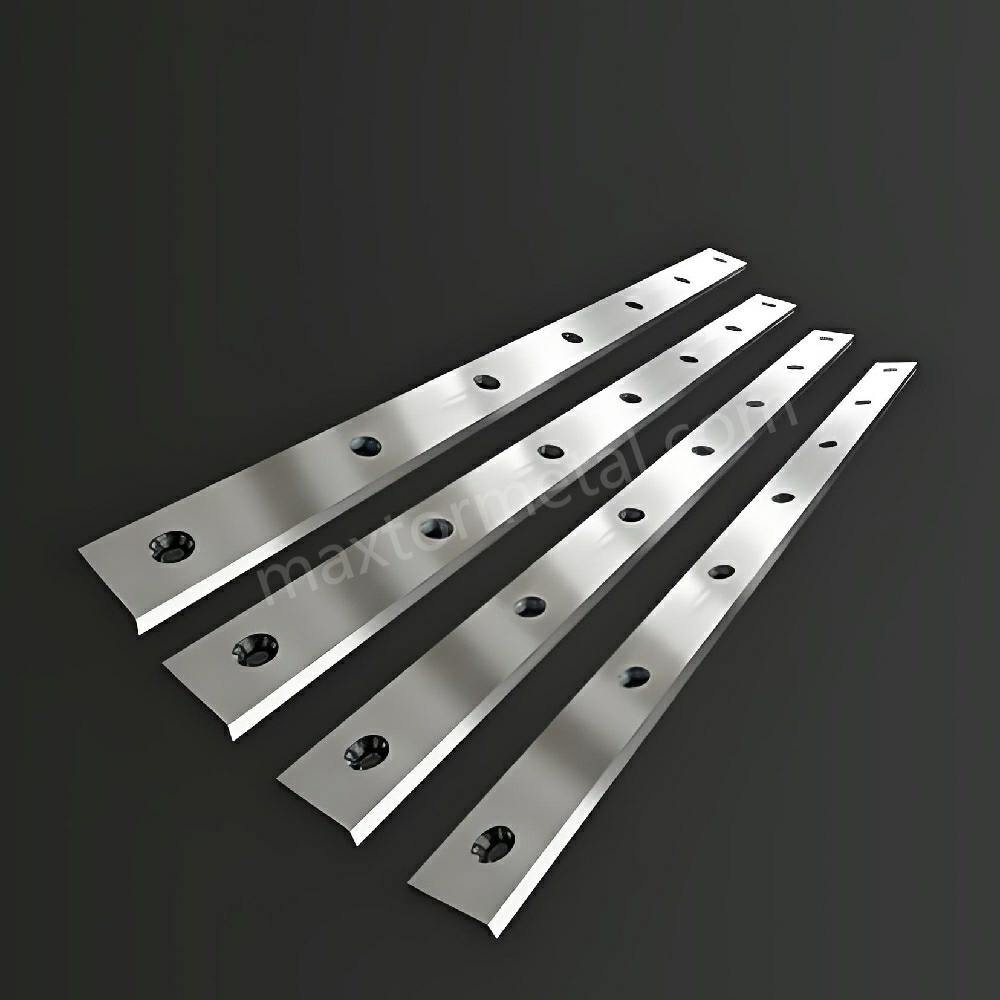
Quando si tagliano rottami metallici e lamiere spesse, è importante che le macchine continuino a funzionare a lungo. Scegli Lame da taglio pesanti Lame resistenti e realizzate con l'acciaio giusto per il tuo lavoro. Scegli il materiale della lama in base al metallo che tagli. Trova lame per cesoie con nuove tecnologie e opzioni personalizzate. Metal Industrial ti offre queste caratteristiche. Considera il costo totale, inclusa la manutenzione, per mantenere alta l'efficienza del tuo lavoro.
Punti chiave
- Scegli lame per cesoie resistenti e robuste, realizzate con materiali di alta qualità, per una maggiore resistenza e prestazioni ottimali. Utilizza un materiale della lama compatibile con il metallo che tagli. Questo ti aiuterà a ottenere tagli più netti e a prolungare la durata delle lame. Quando scegli le lame, considera il costo totale, inclusi eventuali interventi di riparazione e sostituzione. Controlla e prenditi cura delle lame regolarmente per prevenire problemi come bordi smussati, crepe o disallineamenti. Utilizza la forma della lama più adatta, tenendo conto dell'angolo di spoglia e della distanza tra le lame, per ottenere tagli migliori e una maggiore durata. Scegli lame specifiche per lavori particolari, come le lame a coccodrillo per rottami metallici e le lame per lamiere. Acquista lame di qualità da aziende affidabili per assicurarti che siano adatte anche ai lavori di taglio più impegnativi. Mantieni l'area di lavoro pulita e sgombra da detriti per prolungare la durata delle lame e garantire tagli precisi.
Lame per cesoie per impieghi gravosi: il loro ruolo nel garantire la continuità operativa.

Che cosa sono le lame per cesoie per impieghi gravosi?
Le lame per cesoie per impieghi gravosi consentono di tagliare materiali duri come acciaio e rottami. Queste lame sono realizzate con materiali resistenti e sottoposte a uno speciale trattamento termico, che le rende robuste e adatte a lavori impegnativi. Molti settori industriali, come quello del riciclaggio e della produzione, utilizzano queste lame. Sono compatibili con cesoie idrauliche e altre macchine da taglio. Il design della lama permette di effettuare tagli netti e precisi.
Ecco una tabella che mostra le caratteristiche principali e gli utilizzi delle lame per cesoie per impieghi gravosi:
| Caratteristiche principali | Applicazioni |
|---|---|
| Materiali di alta qualità | Lavorazione dei metalli: taglio di lamiere d'acciaio e lastre di alluminio. |
| Ingegneria di precisione | Produzione della carta: rifilatura e taglio dei rotoli di carta |
| Trattamento termico sotto vuoto | Lavorazione della gomma: taglio di fogli di gomma |
| Configurazioni personalizzate | Lavorazione della plastica: taglio di pellicole e fogli di plastica |
| Riciclaggio: Tagliare gli scarti in dimensioni gestibili |
Impatto sull'efficienza di taglio e sui tempi di inattività
Scegliere le lame giuste per le cesoie permette di tagliare meglio e più velocemente. Queste lame tagliano rapidamente e svolgono sempre lo stesso lavoro, velocizzando il processo di riciclaggio. Si impiega meno tempo per ogni taglio, consentendo alle macchine di funzionare più a lungo. Le lame producono pezzi tutti della stessa dimensione, facilitando la movimentazione di metalli e rottami.
La tabella seguente mostra come le lame per cesoie per impieghi gravosi contribuiscono al taglio e alla riduzione dei tempi di inattività:
| Descrizione | Impatto sull'efficienza di taglio e sui tempi di inattività |
|---|---|
| Taglio rapido e costante | Velocizza il processo di riciclaggio, riducendo i tempi per ogni taglio. |
| Produce materiali di dimensioni uniformi | Migliora l'elaborazione e il flusso di lavoro a valle |
| Integrazione perfetta con altri sistemi | Riduce al minimo la movimentazione dei materiali e i tempi di inattività. |
| 70-85% taglio più veloce rispetto ai metodi tradizionali | Aumenta l'efficienza e la produzione complessive |
| Forza costante per tagli netti | Garantisce precisione ed efficacia nell'elaborazione. |
Suggerimento: delle buone lame per forbici contribuiscono a prolungare la durata delle macchine. Non sarà necessario sostituire le lame frequentemente.
Applicazioni nella lavorazione di rottami metallici e lamiere spesse
Le lame per cesoie per impieghi gravosi vengono utilizzate dove si eseguono lavori di taglio impegnativi. Nei depositi di rottami, consentono di tagliare rapidamente i rottami metallici, aumentando così la produttività. I centri di riciclaggio le utilizzano per ridurre le dimensioni dei rottami, facilitandone il successivo utilizzo. Le officine metallurgiche le impiegano per tagliare lamiere, travi e tubi di acciaio di grosso spessore.
Ecco alcuni dei principali modi in cui le lame da cesoia vengono utilizzate in questi luoghi:
- I grandi impianti di riciclaggio e le acciaierie li utilizzano per numerose operazioni di taglio.
- Tagliavano metalli spessi, rottami di acciaio e vecchi macchinari.
- Queste lame possono effettuare 3-4 tagli al minuto, il che ti aiuta a lavorare più velocemente.
Potete contare su lame per cesoie resistenti per garantire un lavoro efficiente. Vi permettono di tagliare metallo, rottami e lamiere con velocità e affidabilità.
Fattori chiave nella scelta delle lame per cesoie
Compatibilità dei materiali per il taglio
Acciai per lame: A8 modificato, S7, Cr12MoV, H13, D2, HSS
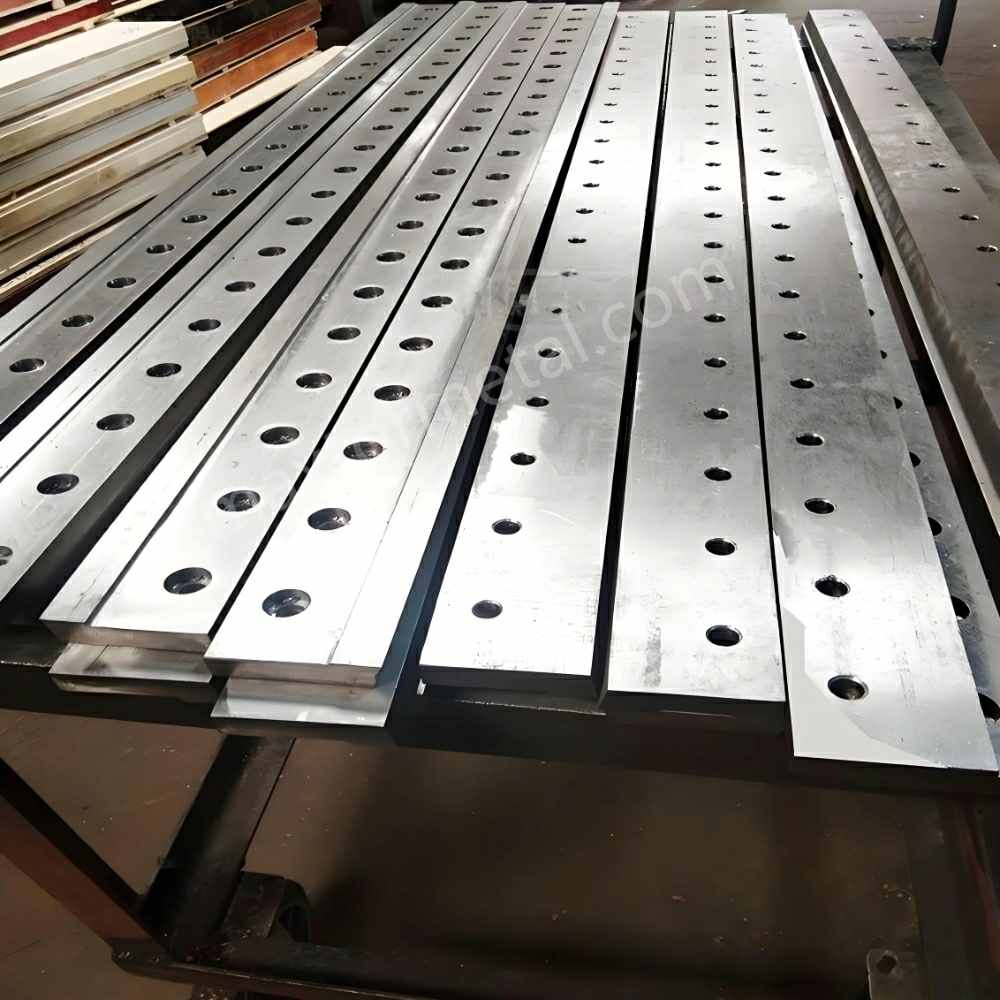
Quando si scelgono lame per cesoie per impieghi gravosi, è importante considerare il tipo di acciaio. Ogni grado di acciaio ha le sue caratteristiche specifiche. Gli acciai A8 Modified e S7 resistono a forti impatti. Gli acciai Cr12MoV e D2 durano più a lungo perché resistono all'usura. L'acciaio H13 è ideale per tagli ad alte temperature. L'acciaio rapido (HSS) consente tagli molto precisi ed è adatto per lavori impegnativi.
La tabella seguente mostra come queste caratteristiche dei materiali ti aiutano nella scelta:
| Proprietà del materiale | Definizione | Impatto sulla selezione |
|---|---|---|
| Forza | Gestisce carichi pesanti | I metalli resistenti necessitano di lame robuste per ottenere buoni tagli. |
| Durata | Resiste bene ai danni | Le lame resistenti durano più a lungo se utilizzate frequentemente. |
| Spessore | Quanto è spesso il metallo | Le lamiere spesse richiedono maggiore forza e forme di lama particolari. |
| Finitura superficiale | Quanto è liscio il metallo | Una buona finitura mantiene il taglio dall'aspetto impeccabile. |
| Duttilità | Si allunga senza rompersi | I metalli duttili si piegano meglio quando vengono tagliati |
| Durezza | Difficile da graffiare o deformare | I metalli duri richiedono lame speciali |
| Malleabilità | Può essere modellato senza rompersi | Aiuta a modellare il metallo senza romperlo |
| Robustezza | Resiste agli urti senza rompersi | Necessario per metalli sottoposti a forze elevate |
| Conduttività termica | Allontana il calore | Contribuisce a migliorare le prestazioni delle lame durante il taglio di metalli caldi. |
Scegliere tra rottami metallici e lamiere metalliche
Scegli l'acciaio giusto per la lama in base al lavoro da svolgere. Per il rottame metallico, utilizza lame con elevata tenacità e resistenza agli urti. Gli acciai modificati S7 e A8 sono adatti al rottame perché gestiscono tagli grossolani. Per la lamiera, utilizza lame con bordi affilati e alta resistenza all'usura. Gli acciai D2 e Cr12MoV ti aiutano a effettuare tagli precisi e a mantenere una superficie liscia. Quando tagli lamiere spesse, hai bisogno di lame robuste e durevoli. Questo permette alle tue macchine di lavorare senza interruzioni.
Consiglio: prima di scegliere le lame per le forbici, controllate sempre il tipo di metallo e lo spessore. Questo vi aiuterà a ottenere risultati migliori e a prolungare la durata delle lame.
Durezza e tenacità della lama
Trattamento termico e resistenza all'usura
Il trattamento termico rende le lame delle cesoie più resistenti e robuste. I produttori utilizzano un trattamento termico speciale per rendere le lame più dure e resistenti. Lame ad alta durezza ultimo 40-50% più lungo Rispetto alle lame tradizionali, queste lame sono più resistenti. Si cambiano meno spesso, con un conseguente risparmio economico. La resistenza all'usura è importante quando si tagliano lamiere d'acciaio o metalli spessi. Le lame resistenti all'usura mantengono a lungo il filo e garantiscono un taglio preciso.
Bilanciamento delle resistenze all'impatto
Nelle lame è necessario trovare il giusto equilibrio tra durezza e tenacità. Le lame dure durano più a lungo, ma si rompono più facilmente. Le lame tenaci, invece, resistono agli urti senza incrinarsi. I produttori testano la durezza e la tenacità delle lame con prove specifiche. Questo permette di trovare lame adatte anche per lavori di taglio impegnativi. Quando si tagliano rottami o lamiere spesse, è fondamentale avere lame che non si scheggino o si rompano. Questo equilibrio contribuisce a migliorare le prestazioni e la durata delle lame.
Geometria e ottimizzazione delle pale
Angolo di inclinazione e spazio libero per lamiere spesse
La geometria della lama aiuta a tagliare meglio le lamiere spesse. L'angolo di spoglia e il gioco consentono di effettuare tagli dritti e precisi. Un buon angolo di spoglia significa che è necessaria meno forza per tagliare. Un gioco adeguato impedisce alla lama di incastrarsi e rende il taglio più fluido. È necessario regolare queste caratteristiche in base allo spessore del metallo.
Progettazione dei bordi per un taglio efficiente
La forma del filo della lama è fondamentale per un taglio efficace. La forma della lama superiore controlla la forza laterale e contribuisce a ottenere bordi uniformi. La parte inferiore della lama superiore aiuta a prevenire la formazione di bave e crepe. Le lame di forma non circolare offrono maggiore controllo e riducono l'usura dell'utensile. Si ottiene una migliore qualità del filo e le lame durano più a lungo.
| Struttura geometrica | Effetto sulle prestazioni di taglio |
|---|---|
| Forma della lama superiore | Controlla la forza laterale per bordi dritti e uniformi |
| Superficie inferiore della lama superiore | Aiuta a prevenire la formazione di bave e crepe. |
| Forma non circolare | Offre maggiore controllo, minore usura e migliore qualità dei bordi. |
Nota: se hai bisogno di lame per lavori speciali, puoi ordinare lame personalizzate da Nanjing Metal IndustrialeLe lame di forma personalizzata consentono di adattare le lame alla macchina e al metallo.
Reputazione e qualità del produttore
Quando si scelgono lame per cesoie per impieghi gravosi, la fiducia è fondamentale. Un'azienda seria offre molto più che semplici lame: tagli più precisi e lame più durevoli, con conseguenti minori tempi di inattività. Un'azienda con una buona reputazione garantisce prestazioni ottimali anche in condizioni di lavoro reali. Utilizzare lame di un'azienda affidabile permette di ottenere risultati migliori nella lavorazione dei metalli.
Controllo qualità di Metal Industrial
Desideri lame che funzionino sempre alla perfezione. Metal Industrial controlla ogni lama con rigorosi controlli. Vengono valutate le dimensioni, la durezza e l'affilatura del filo. Macchinari all'avanguardia testano l'acciaio e le lame finite. Questo significa che le tue lame tagliano in modo netto e durano a lungo.
Metal Industrial utilizza speciali trattamenti termici e forgiatura. Questi passaggi rendono le lame resistenti e robuste. È possibile tagliare acciaio spesso o rottami senza preoccuparsi di un'usura rapida. L'azienda offre anche la possibilità di ordinare lame personalizzate. Se avete bisogno di lame per lamiera o di forme particolari, potete richiedere un design adatto alle vostre esigenze.
Nota: il controllo qualità contribuisce al buon funzionamento delle lame in molti ambiti, come il riciclaggio e l'edilizia.
Certificazioni e supporto
Le certificazioni dimostrano che un'azienda rispetta le norme di sicurezza e qualità. Metal Industrial possiede importanti certificazioni per le sue lame, tra cui gli standard ISO per la produzione e il collaudo dei materiali. La presenza di queste certificazioni è garanzia di sicurezza e affidabilità delle lame.
L'assistenza è fondamentale in fabbriche e officine con ritmi di lavoro intensi. Metal Industrial offre supporto per l'installazione, la manutenzione e la risoluzione dei problemi. Per qualsiasi domanda o consiglio, potete contattare il loro team. Questo supporto garantisce il corretto funzionamento dei vostri macchinari e la manutenzione ottimale delle lame.
La tabella seguente mostra come la reputazione influisca sulla qualità e sull'affidabilità delle lame. Le lame modulari di aziende affidabili durano più del doppio rispetto agli utensili tradizionali. Dedicherete meno tempo alla sostituzione delle lame e più tempo al taglio del metallo.
| Tipo di strumento | Tempo medio tra i guasti (MTTF) | Aumento della durata operativa |
|---|---|---|
| Progettazione modulare | > 500 ore | Più del doppio |
| Prodotto con metodi convenzionali | ~ 266 ore | N / A |
Scegliere un'azienda con una solida reputazione ti dà tranquillità. Sai che le tue lame per cesoie taglieranno bene e saranno resistenti in ogni lavoro. Questo vale per tutti i metalli, dalle lamiere d'acciaio spesse a quelle più sottili. Otterrai ottimi risultati in ogni utilizzo delle lame per cesoie.
Tipologie di lame per cesoie per applicazioni di taglio
Lame a coccodrillo per cesoie per rottami metallici
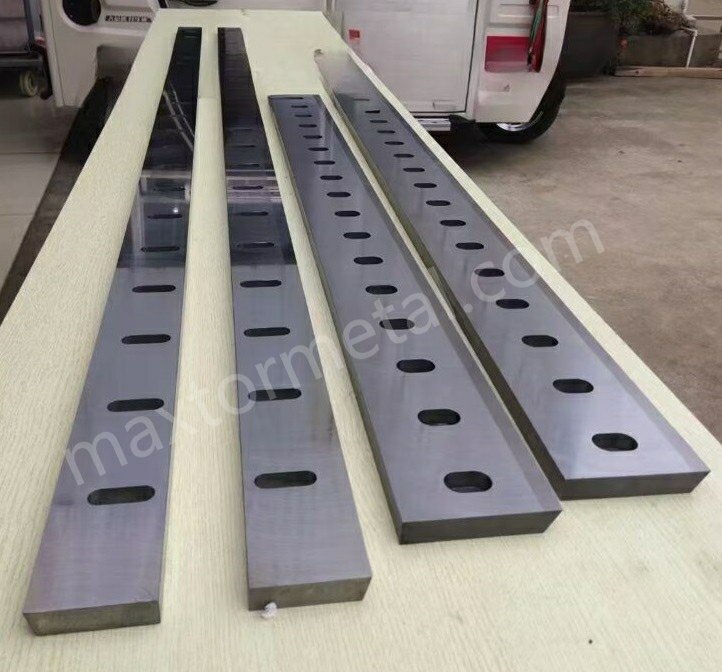
Le lame a coccodrillo sono ideali per lavori di taglio impegnativi. Vengono utilizzate nei depositi di rottami e nei centri di riciclaggio. Queste lame tagliano acciaio spesso, tubi e travi. Il loro design consente di tagliare rapidamente pezzi di metallo di grandi dimensioni. Le lame funzionano bene perché resistono a forti impatti.
Prestazioni ad alto impatto
Le lame a coccodrillo sono ideali per tagliare metalli resistenti. Vengono utilizzate, ad esempio, nella lavorazione di rottami. Le lame sono realizzate con materiali robusti come acciaio ad alto tenore di carbonio o acciaio legato per utensili. Permettono tagli netti su alluminio, rame e acciaio. Le lame rimangono affilate e non si piegano, nemmeno con lamiere spesse.
Ecco una tabella che mostra Quale materiale per la lama funziona meglio? per ogni tipo di metallo:
| Tipo Metal | Materiale della lama consigliato | Caratteristiche delle prestazioni |
|---|---|---|
| Alluminio | Acciaio ad alto tenore di carbonio | Rimane affilato, taglia in modo netto |
| Rame | Acciaio per utensili in lega | Taglia i metalli teneri senza piegarli |
| Acciaio inossidabile | Acciaio rapido (HSS) | Gestisce il calore durante il taglio |
| Acciaio temprato | Carburo di tungsteno | Abbastanza resistente per i metalli duri |
Suggerimento: scegli il materiale della lama più adatto al metallo che devi tagliare. Questo ti aiuterà a ottenere risultati migliori e a far durare più a lungo le lame.
Modalità di guasto comuni
È necessario prestare attenzione ai problemi delle lame delle cesoie a coccodrillo. Questi problemi possono rallentare il lavoro o danneggiare la macchina. I tagli irregolari si verificano quando le lame sono smussate o non sono allineate. La perdita di pressione può derivare da perdite di fluido idraulico o guarnizioni usurate. Un taglio lento può indicare un livello basso di fluido o filtri intasati. Un rumore forte può essere dovuto a parti allentate o a una quantità insufficiente di olio. I problemi elettrici possono arrestare la macchina se i cavi o gli interruttori si rompono.
Ecco una tabella che elenca Problemi comuni e le loro cause:
| Modalità di emergenza | Probabili cause |
|---|---|
| Tagli irregolari | Disallineamento delle lame, lame usurate, scheggiate o smussate, distanza errata tra le lame, pressione idraulica non uniforme |
| Perdita di pressione | Perdite di fluido idraulico, guarnizioni usurate o danneggiate, pompe idrauliche difettose, aria intrappolata nel sistema idraulico |
| Funzionamento lento | Livelli bassi di fluido idraulico, filtri intasati, componenti idraulici usurati, problemi di controllo elettrico |
| Rumore eccessivo | Loose or damaged components, Insufficient lubrication, Worn bearings, Misaligned blades |
| Problemi elettrici | Faulty wiring, Damaged switches, Blown fuses, Malfunctioning sensors |
Note: Doing regular maintenance helps you avoid these problems. It keeps your cutting smooth.
Plate Shear Blades for Sheet Metal
Plate shear blades help you cut sheet metal and thin plates. You use them in metal shops and factories. These blades give you precise cuts. Their special shape lets you cut steel and other metals with smooth edges.
Geometry and Material Selection
You get better cuts by picking the right blade shape and material. The rake angle and clearance change how much force you need. They also affect how smooth the cut looks. You use high-speed steel or Cr12MoV for cutting sheet metal. These materials stay sharp and resist wear. The blade shape helps stop burrs and cracks.
Tip: Change the blade angle and clearance for plate thickness. This gives cleaner cuts and helps blades last longer.
Comparison with Alligator Shears
Plate shear blades and alligator shear blades are different. Plate shear blades make precise cuts on thin metals. Alligator shear blades are better for scrap and thick steel. Plate shear blades move straight when cutting. Alligator blades chop down. Use plate shear blades for smooth edges. Use alligator blades for tough jobs.
| Caratteristica | Plate Shear Blades | Lame per Cesoie a Coccodrillo |
|---|---|---|
| Movimento di taglio | Straight shearing | Chopping action |
| Il migliore per | Cutting sheet metal, plates | Scrap metal, thick steel |
| Qualità del bordo | High-precision, smooth | Rougher, less precise |
| Selezione dei materiali | HSS, Cr12MoV, D2 | High-carbon, alloy tool steel |
Specialty Shear Blades
Specialty shear blades help with special cutting jobs. You use them for unique shapes, sizes, and materials. These blades are used in metalworking, recycling, and custom jobs.
Lame di taglio rotanti
Rotary shear blades spin to cut metal sheets and plates. You use them for fast, nonstop cutting in production lines. The blade angle and clearance help you cut well. You get smooth edges and quick work.
- Metalworking and fabrication: Rotary blades cut sheets for car and airplane parts.
- Recycling industry: Rotary blades cut scrap metal into smaller pieces.
- Custom shapes: You can order rotary blades in special sizes for your machine.
Guillotine Shear Blades
Guillotine shear blades move straight down to cut metal. You use them for cutting big plates and sheet metal. These blades give you precise cuts and smooth edges. You see guillotine blades in factories that process steel and aluminum.
- Hot crop shear blades: Guillotine blades can be made for special cutting needs.
- Custom manufacturing: You can get guillotine blades for different materials and thicknesses.
Note: Specialty shear blades let you match the blade to your job. You get better results and faster cutting.
You see many ways to use shear blades in metalworking, recycling, and making things. Pick the right blade type for your job. This helps you work faster and keeps machines running longer.
Valutazione della qualità delle lame per cesoie e individuazione delle esigenze corrispondenti
Assessing Blade Material and Manufacturing
Visual Inspection and Certifications
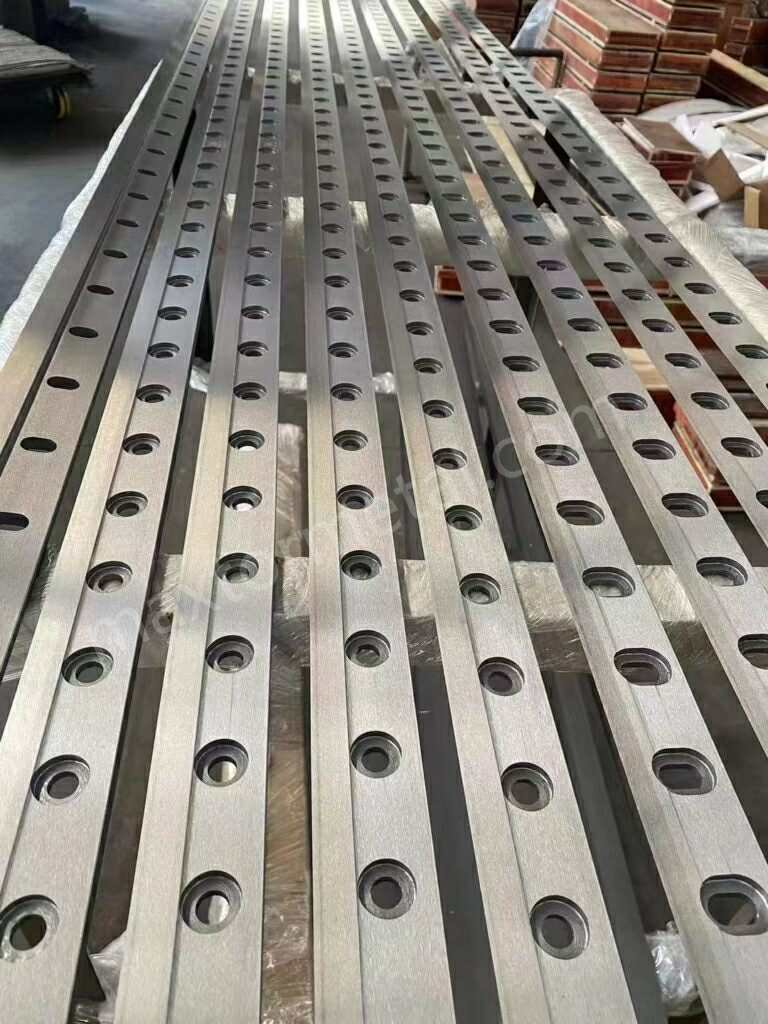
Look at the blade surface for cracks or chips. Check if the edges are even and smooth. A good blade looks uniform and sharp. High-quality blades have a nice finish and sharp edge. Ask for certifications like ISO standards. These show the blade is safe and high quality. Reliable suppliers give certificates and test reports for each batch.
The table below helps you compare poor and good blades:
| Aspetto | Poor-Quality Blades | Lame di alta qualità |
|---|---|---|
| Sicurezza | Can chip or break easily | Tough and strong all over |
| Costi di produzione | Need to replace often, waste materials | Work better and cost less per use |
| Durata del servizio | Do not last long, cause more downtime | Last longer with fewer problems |
| Economic Benefit | One blade does the job of many replacements | More work done and less fixing needed |
| Proprietà dei materiali | Weak and uneven metal | Good alloy mix and heat treatment |
| Qualità di taglio | Cuts are rough and not smooth | Cuts are smooth and burrs are controlled |
| Raccomandazioni | Use for regular steel only | Use for strong steel and tough jobs |
Supplier References
Ask for references from other customers. Good suppliers have a record of strong blades for metal work. You can get feedback from people in recycling or building. This helps you know if the blades work well with hydraulic shearing machines and tough steel. Trusted suppliers like Nanjing Metal Industrial share references and case studies to show how their blades perform.
Matching Geometry to Machine and Material
Manufacturer Specifications
Match the blade shape to your machine and metal type. Makers give details about rake angle, clearance, and blade size. These help you cut with high precision and fewer burrs. Always check your machine manual and blade guide before buying. The right blade shape makes cutting faster and keeps your machine safe.
The table below lists what to look for when matching blades:
| Criteri | Descrizione |
|---|---|
| Material shear strength | How strong the metal is for cutting. |
| Rake angle | The angle between blades affects force and how metal acts. |
| Ductility and work hardening | How much the metal bends and changes when cut. |
| Knife condition and clearance | Blade shape and space between blades help make clean cuts. |
| Back piece depth and support systems | Machine design supports cutting and affects how well it works. |
Customization for Unique Applications
Sometimes you need blades for special jobs. Custom blades match your machine and metal type. You can order blades with special shapes, sizes, or alloy mixes. Custom blades help you cut better and last longer. You spend less time fixing blades and get more work done. To learn more, visit the pagina delle lame personalizzate.
- Custom blades fit your machine and metal.
- You get smoother cuts and blades last longer.
- Maintenance is easier and needed less often.
Costo totale di proprietà
Blade Life vs. Upfront Cost
Think about the total cost, not just the blade price. Good blades last longer and need fewer changes. This saves money over time. Strong blades for steel and metal cost more at first, but give more value. You get safer work and higher output with blades that last.
Buying strong blades means less money spent on repairs and replacements. In factories, tough blades help you work faster and safer. The higher price pays off with longer life and fewer problems.
Downtime and ROI
You want blades that keep machines working. Downtime costs money and slows work. Good blades wear less and need less fixing. Hydraulic shearing machines with sharp blades use less energy and work better. Right blade clearance lowers burrs and saves on finishing.
Think about these things for total cost:
- Price to buy
- Setup and starting costs
- Costs for energy, fixing, and workers
- Saving energy with hydraulic systems that use pressure only when needed
- Longer time between fixes because blades wear less
- Easier repairs and less downtime
Shear blades are important for your work. They affect how much you make, energy use, and product quality. The real cost includes hidden costs from energy and machine wear. Sharp blades can save 15% energy compared to dull ones. Dull blades waste power and wear out machines faster. Bad blade clearance makes more burrs and adds finishing costs.
Tip: Pick blades that last long and have good shape. You will save money and get better results when cutting metal.
Modalità di guasto e manutenzione delle lame per cesoie per impieghi gravosi
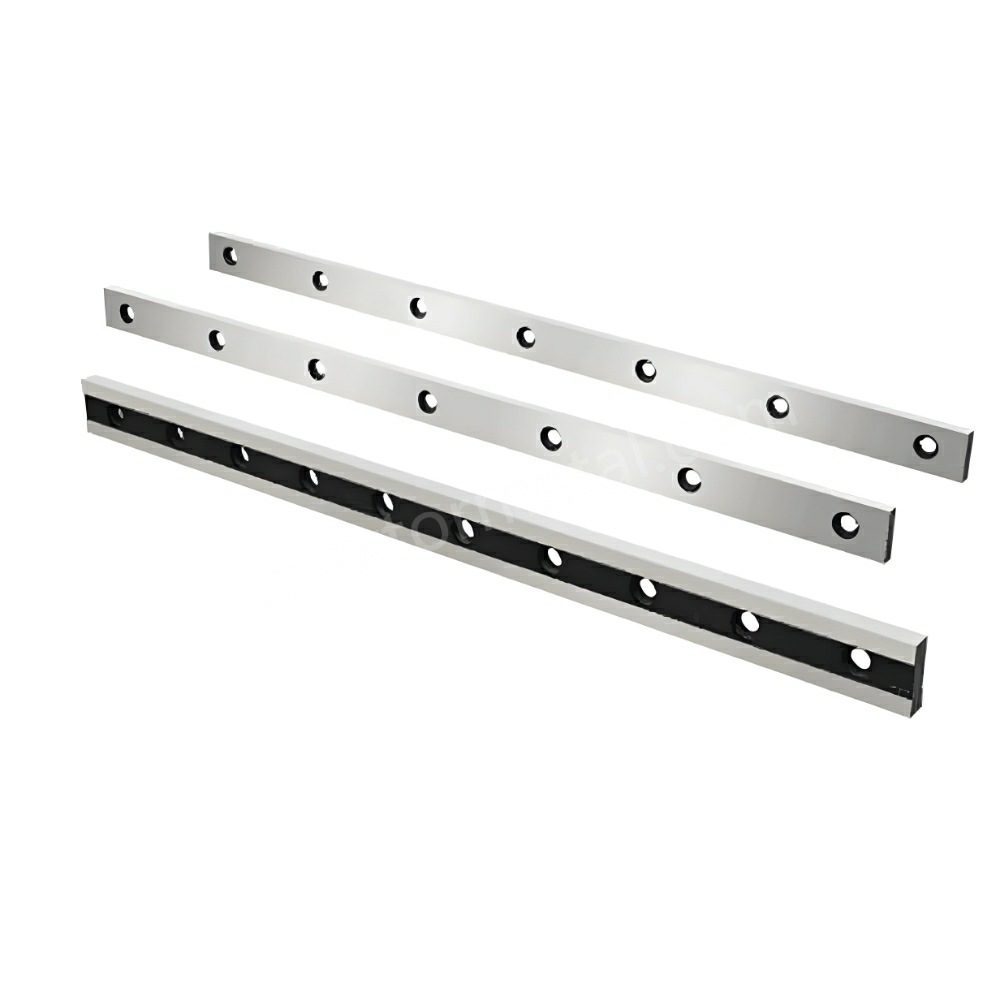
Cracking and Fracture Prevention
Heavy duty shear blades work under a lot of stress. Cracks and breaks can stop your work and cost money. You can stop these problems by using the right steps when making and using blades.
Pre-Loading and Installation
Setting up blades the right way helps them last longer. You need to use the right tension and line up the blades. Too much force or a bad angle can cause cracks. Always read the machine manual for torque and placement. Make sure surfaces are clean and dry so blades do not slip.
Manufacturers use different ways to stop cracks and breaks. The table below shows some common methods:
| Strategy Type | Specific Strategies |
|---|---|
| Process Control Measures | – Keep the right temperature and speed during rolling and forging. – Cool blades evenly and use careful heat treatment. – Use good welding with steps to lower stress. – Watch stress levels during making with special tools. |
| Material Design Approaches | – Change the mix of metals to make blades tougher. – Add special metals to keep the blade strong inside. – Make the inside of the blade better so cracks do not start. – Use heat treatment to make blades tough. |
| Remediation Techniques | – Heat blades to lower leftover stress. – Treat the surface to make it stronger. – Fix small cracks with welding and heat. – Throw away or fix blades with big cracks. |
| Quality Assurance Systems | – Check blades often with good inspection steps. – Test blades without breaking them during making. – Write down all steps and test results. – Teach workers how to spot problems. – Make plans to fix cracks if they show up. |
Tip: Always look at the blade and where you put it before installing. Clean parts and the right torque help stop cracks early.
Early Failure Signs
You can find early blade problems if you know what to check. Catching problems early lets you fix them before work stops.
- Check blades often for wear and damage.
- Look for tiny cracks, chips, or rough edges.
- Listen for strange sounds when the machine runs.
- Watch for bad cuts, like rough edges or more burrs.
- Use special tools to find tiny cracks before they get bigger.
- Oil moving parts to stop friction and heat.
- Clean machines often to stop jams and problems.
If you spot trouble early, you can fix it before it gets worse. This keeps machines working and saves you money.
Note: Checking blades often helps you avoid big repairs and keeps work going smoothly.
Abrasive Wear vs. Impact Damage
Shear blades can get two kinds of damage: abrasive wear and impact damage. Each type needs a different way to fix it.
Abrasive wear happens when hard bits like dust or metal rub the blade. This slowly takes away blade material. Impact damage comes from hard hits, like cutting thick metal or hitting something hard.
- Abrasive wear is caused by hard bits scraping the blade surface.
- Dust, especially silica, can hurt metal blades a lot.
- Three things affect abrasive wear:
- If dust is harder than the blade, it can scratch it.
- Big bits can cause wear if they are bigger than the space between parts.
- More dust means faster wear.
- Impact damage happens when cutting very hard or thick stuff, or if blades are not lined up right.
Tip: Keep your workspace clean and watch for dust or bits. This helps stop wear and keeps blades sharp.
Strategie di manutenzione
You can make blades last longer by taking care of them.
- Clean blades and machines after each job to remove dust and metal bits.
- Oil blades and moving parts to stop friction and heat.
- Store blades in a dry place so they do not rust.
- Fix or change broken blades right away to keep machines safe.
- Check blades often for small cracks or chips.
- Plan regular checkups to catch problems early and stop breakdowns.
- Write down all repairs and maintenance.
These steps help you do more work and spend less on fixing blades.
Real-World Case Studies
Many factories and recycling centers use these steps to keep blades working well. For example, one recycling plant cleans and checks blades every day. They have fewer breakdowns and blades last longer. Another metal shop uses special tools to find tiny cracks early. They fix blades before they break, so machines keep running and downtime is less.
Note: Good care helps you avoid expensive repairs and keeps cutting jobs running well.
Casi di studio: Lame da cesoia nella lavorazione di rottami e lamiere
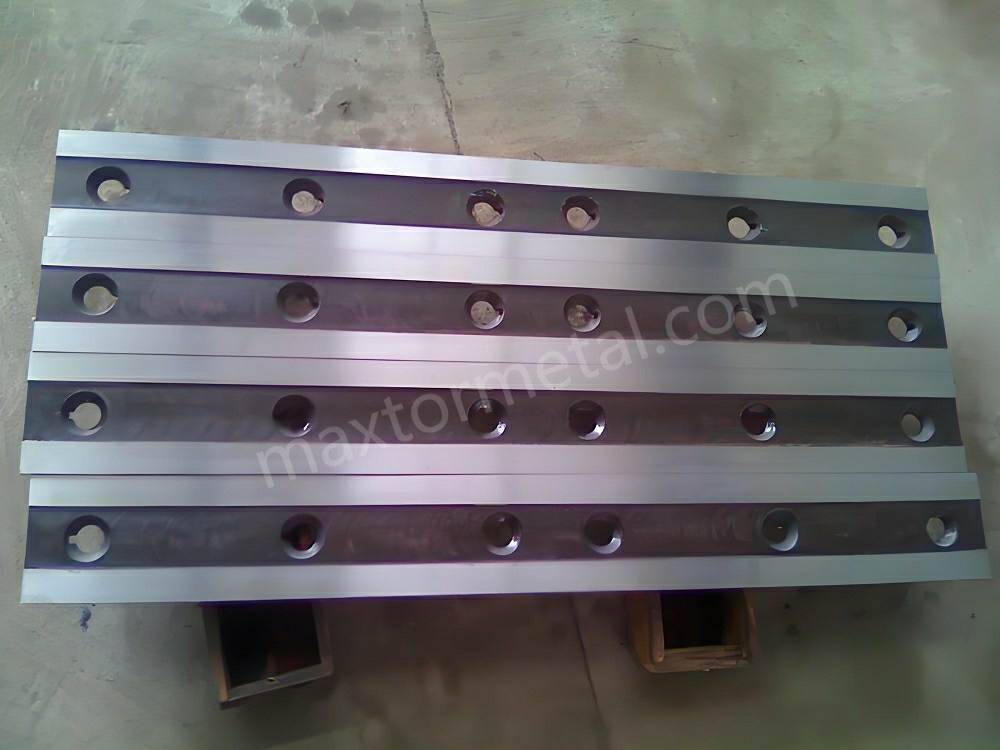
Alligator Shear Blades in Scrap Metal
Material Selection and Uptime Results
Alligator shear blades are used in many scrap yards. These blades help cut big, tough metal fast. Picking the right blade material helps machines work longer. You do not have to stop as much for repairs. Many companies use machines that are easy to move and have hydraulic drive. This means you can bring the machine to the scrap pile. You can cut large pieces right where they are.
Ecco una tabella that shows how alligator shear blades help you work better and faster:
| Caratteristica/Vantaggio | Descrizione |
|---|---|
| Portable Design | The machine is light and easy to tow. You can cut scrap where it is found. |
| Hydraulic Drive | A 26.5 HP hydraulic drive lifts and cuts metal. You do not need as much hard work. |
| Single Operator Use | One person can run the machine. Other workers can do other jobs. |
| Safety Mechanism | Two-handed controls keep you safe. This stops accidents from happening. |
| Versatilità | Cuts many kinds of scrap. You can recycle more and make more money. |
| Complements Recycling Line | Works with other machines. You can turn scrap into pieces to sell much faster. |
You save time because you do not have to move scrap far. The right blade material means you do not need to change blades often.
Plate Shear Blades for Sheet Metal
Geometry Optimization and Maintenance
Plate shear blades help you cut sheet metal with smooth edges. You can make them work better by changing blade shape and doing regular care. Remote monitoring lets you watch how the machine works from far away. You can see how much you cut and if there are problems.
- Change cutting speed and feed rate for each metal type. This helps you get better cuts and makes blades last longer.
- Predictive analytics uses old data to guess when you need to fix things. You can fix problems before they stop your work.
- Tungsten Carbide blades last longer than normal steel. You can cut more before needing a new blade.
- Heat treatment makes blades hard and tough. This helps them work well and last longer.
- Sharpen or change blades often to keep cuts good. This helps you spend less money on repairs.
Doing these things keeps your machines working and gives you better results.
Industry Lessons and Best Practices
You can learn a lot from using shear blades at work. There are some best ways to keep machines running and get more done.
- Take care of blades before problems start. Check if blades fit and if the edge is sharp before each shift.
- Keep blade gaps and bolts tight at the right level.
- Look at blades often for damage or wear. Sharpen or change them when needed.
- Clean blades after every shift. This stops dirt and rust from building up.
- Set blade clearance to 5-10% of the metal thickness for best cuts.
- Follow the maker’s rules for changing and putting in blades.
- Only use blades that the maker says are right for your machine.
Tip: Cleaning and checking blades often helps you stop breakdowns and keeps your work going.
You save money and keep machines working by following these steps. You also help keep workers safe and jobs running smoothly.
To keep machines working longer, pick heavy duty shear blades that fit your job. Make sure the blade material and shape match your machine and the metal you cut. Doing this helps you:
- Cut better and get good quality pieces
- Save energy and have less machine stoppage
- Use blades made for your type of work
Metal Industrial gives you strong blades, custom choices, and good help. Check how your blades work often. If you need help or special blades, contact Metal Industrial.
Domande frequenti
What makes heavy duty shear blades different from regular blades?
Heavy duty shear blades are made with stronger steel. They get special heat treatment to make them tough. These blades last longer and work better on thick metal or scrap.
How often should you replace shear blades?
Check your blades after each big job. If you see chips, cracks, or dull spots, change them. Looking at blades often helps you stop problems before they start.
Can you use one blade type for all metals?
You need to match the blade material to the metal you cut. Using the wrong blade can make bad cuts. It also wears out the blade faster.
What is the best way to maintain shear blades?
Clean blades after every use. Oil the moving parts so they work well. Keep blades in a dry place so they do not rust. Check for damage often to help blades last longer.
How do you choose the right blade geometry?
Look at your machine and how thick the metal is. Use the maker’s guide to pick the right rake angle and clearance. This helps you get smooth and clean cuts.
Why do blades sometimes crack or break?
Blades can crack if you use too much force. Bad alignment or wrong setup can also cause breaks. Always follow the instructions and check for damage early.
What are application-specific shear blades?
Application-specific shear blades are made for special jobs. You get blades that fit your machine and the metal you need to cut.
Do certifications matter when buying shear blades?
Certifications show blades are safe and high quality. Ask the supplier for ISO or other certificates before you buy.
Vedi anche
Ottenere Tagli a Zero Bave con Lame da Taglio a Ghigliottina di Precisione

 English
  Spanish
  Italian
  French
  Portuguese
  Russian
  German
  Arabic
  Hindi
Hindi  Vietnamese
  Indonesian
  Japanese
  Korean