


Taking care of bread slicing blades is very important. It helps them work well and saves money over time. Good care makes each slice neat, safe, and the same size. Today, people want faster and cleaner slicing because of new technology and safety rules. Whether you use regular or custom blades, cleaning them often stops germs and keeps the slicer working well. For great help, contattare Nanjing Metal, a trusted company in this field.
Punti chiave
- Wash your bread slicing blades every day to stop rust and germs. This easy step can make blades last 25-35% longer.
- Inspect blades once a week for problems. Check for dull spots or cracks to keep slicing safe and smooth.
- Sharpen blades every month to keep them cutting well. Sharp blades slice better and waste less bread.
Understanding Bread Slicing Blades
Types of Bread Slicing Blades
Lame standard
Standard blades are the most used in bread slicers. They work well for most bread types and slice evenly. These blades are dependable and affordable, making them great for homes and businesses.
Lame Personalizzate
Custom blades are made for special slicing needs. They work well with unique bread textures or special machines. These blades are often high-quality and may have safety features like blade covers.
Specialty Blades
Specialty blades are for specific jobs, like slicing artisan bread. They are also used for large-scale slicing in bakeries. These blades may have special edges or coatings for better performance.
Functionality of Bread Slicing Blades
Meccanismo di taglio
Bread slicer blades use a serrated edge to cut. This edge grips the bread and slices cleanly without squishing it. A good blade makes slicing fast and consistent.
Progettazione della lama
Blade design affects how well it works. New designs are smaller and easier to handle. Safety features like blade covers and non-slip bases make slicing safer.
Materials for Bread Slicing Blades
Acciaio inossidabile
Stainless steel blades last long and resist rust. They stay sharp and are great for home or business use. If you want durability, stainless steel is a smart pick.
Acciaio al carbonio
Carbon steel blades are very hard and sharp. They are cheaper and often used in factories or bakeries. These blades are perfect for slicing large amounts of bread.
Lame rivestite
Coated blades reduce friction and last longer. They are used for precise slicing and when durability is important.
Importance of Quality in Bread Slicing Blades
Impact on Slicing Efficiency
Good blades make slicing easier and faster. They reduce strain on the slicer and last longer.
Effect on Bread Quality
A quality blade keeps bread looking and feeling good. It avoids tearing or crushing, giving perfect slices every time. Whether soft or crusty bread, a good blade matters.

Bread Slicer Maintenance Tips
Daily Cleaning of Blades
Why Cleaning Matters
Clean your bread slicer blades every day. This keeps them safe and free from crumbs or dirt. It stops bacteria from growing and prevents rust. Clean blades also work better and look nicer.
- Cleaning after each use keeps food safe and avoids injuries.
- Removing crumbs daily stops rust and keeps blades strong.
- Neat blades slice better and last longer.
A 2023 study showed daily cleaning makes blades last 25–35% longer. This simple habit saves money and helps your slicer work well.
Come pulire le lame
Follow these steps to clean your slicer blades:
- Turn off and unplug the slicer for safety.
- Use a soft brush or cloth to remove crumbs.
- Wipe blades with a food-safe cleaner on a microfiber cloth.
- Rinse with a damp cloth to remove cleaner residue.
- Dry blades completely to avoid rust.
Stick to these steps to keep blades clean and avoid food contamination.
Weekly Blade Checks
Spotting Problems Early
Check your blades weekly for damage. Look for dull edges or uneven cuts. Regular checks keep your slicer safe and working well.
| Tipo di ispezione | Scopo |
|---|---|
| Controlli visivi | Find cracks or worn spots on the surface. |
| Non-Destructive Testing | Spot hidden damage without harming the blade. |
Signs of Damage
Look for cracks, chips, or rust on the blades. Fix these issues quickly to keep slicing smooth and safe.
Monthly Blade Sharpening
Perché le lame affilate sono importanti
Sharp blades slice faster and easier. They reduce waste and make cleaner cuts. Chick-fil-A uses robotic sharpeners to cut downtime by 40%. Sharpening monthly keeps blades efficient and saves time.
Fasi di affilatura
To sharpen blades:
- Remove blades carefully using the manual.
- Use a tool made for sharpening slicer blades.
- Test sharpness by slicing bread. Smooth cuts mean the blade is ready.
Sharpening monthly keeps blades in top shape for perfect slices.
Safe Blade Storage
How to Store Blades
Store blades in a dry place to avoid rust. Use blade guards to cover edges and prevent accidents.
Preventing Storage Damage
Keep blades away from heavy items that could bend them. Organize storage to keep blades safe and easy to find.
Lubricating Blades
Picking the Right Lubricant
Lubrication helps blades cut smoothly. Use food-safe oils to avoid contamination. Lubricants also stop rust and extend blade life.
How to Apply Lubricant
Put a small amount of lubricant on blade edges. Spread it evenly with a clean cloth. Regular oiling keeps blades working well.
Sanitizing Blades
Why Sanitizing Is Important
Sanitize slicer blades to kill bacteria and stop contamination. This keeps food safe and meets health rules.
Steps to Sanitize Blades
- Clean blades to remove crumbs and dirt.
- Apply food-safe sanitizer evenly on the blades.
- Let sanitizer sit to kill germs.
- Rinse with water and dry blades completely.
| Fattore | Descrizione |
|---|---|
| Clean Surfaces | Make sure blades are free of cracks or dirt. |
| Contact Time | Let sanitizer sit longer for better results. |
| Temperatura | Warm temperatures help sanitize but avoid overheating. |
| Concentration | Use enough sanitizer but not too much to avoid damage. |
Follow these steps to keep your bread slicer clean and safe for years.

How to Know When to Replace Bread Slicing Blades
Replacing slicer blades on time keeps them working well and safe. Old blades can cause uneven slices, slow cutting, and harm your slicer. Here are signs and tips to know when blades need replacing.
Segnali per la sostituzione
Lame smussate
Does your slicer struggle to cut bread? This means the blades might be dull. Dull blades need more effort and can damage your slicer. If slicing feels hard or uneven, it’s time for new blades.
Tagli irregolari
Uneven slices are another warning sign. Dull blades can crush or tear bread instead of slicing neatly. This makes bread look messy and changes its texture. If slices aren’t even, replace the blades soon.
Lame danneggiate
Check blades often for cracks, chips, or rust. These problems make blades unsafe and less useful. Replace damaged blades right away to avoid bigger issues. Regular checks help keep your slicer in good shape.
Mancia: Use a flashlight to find small cracks or rust during checks.
Performance Problems
Harder Slicing
If slicing feels harder than usual, the blades may be worn out. Dull or damaged blades make the slicer work harder, which can break it faster. Replace blades to avoid costly repairs.
Slower Cutting
If slicing takes longer than before, the blades might be dull. Sharp blades cut quickly, but dull ones slow things down. For businesses, slower slicing means less efficiency. Check blade condition if cutting speed drops.
Frequenza di utilizzo
Heavy Use
Più si utilizza l'affettatrice, più rapidamente le lame si usurano. Le aziende che affettano grandi quantità di pane potrebbero dover sostituire le lame più frequentemente. È opportuno monitorare l'utilizzo per pianificare gli interventi di sostituzione.
Controlli di manutenzione
La pulizia e l'affilatura delle lame possono prolungarne la durata utile. Tuttavia, anche con una manutenzione accurata, le lame non durano all'infinito. Controlli regolari consentono di identificare tempestivamente le lame usurate che richiedono la sostituzione.
Durata della lama
Tempistiche di sostituzione
I produttori indicano l'intervallo di sostituzione delle lame in base all'utilizzo medio. Ad esempio, alcune lame richiedono la sostituzione ogni sei mesi, mentre altre possono durare fino a un anno con una corretta manutenzione. Rispettare queste tempistiche garantisce l'efficienza operativa dell'affettatrice.
Raccomandazioni del produttore
Consultare sempre le istruzioni del produttore specifiche per il modello di affettatrice in uso. Queste includono suggerimenti per la sostituzione delle lame e le procedure di manutenzione. Il loro rispetto assicura la sicurezza e l'efficienza dell'affettatrice.
Nota: L'inosservanza delle indicazioni del produttore può far decadere la garanzia e causare anomalie di funzionamento.
L'ispezione regolare delle lame e la loro sostituzione tempestiva garantiscono il regolare funzionamento dell'affettatrice. Una corretta manutenzione delle lame evita fermi macchina e riduce i costi operativi.

The Process of Replacing Bread Slicing Blades
Preparazione alla sostituzione
Predisposizione degli utensili necessari
Prima di iniziare, raccogliere tutti gli utensili necessari, quali chiavi inglesi, cacciaviti e guanti di protezione antitaglio. La pianificazione preventiva consente di risparmiare tempo ed evitare inconvenienti. Verificare l'efficienza degli utensili prima dell'uso. Sostituire eventuali attrezzi danneggiati o usurati prima di procedere.
Osservare le procedure di sicurezza
La sicurezza è fondamentale. Spegnere e scollegare l'affettatrice dalla rete elettrica per prevenirne l'avvio accidentale. Indossare guanti di protezione antitaglio. Riparare o sostituire eventuali carter di protezione danneggiati sull'affettatrice. Queste precauzioni garantiscono l'incolumità dell'operatore durante il cambio lama.
Smontaggio delle lame usurate
Scollegare l'affettatrice dall'alimentazione
Come prima operazione, scollegare la spina dalla presa elettrica per interrompere l'alimentazione. Questo semplice passaggio garantisce la sicurezza dell'operatore durante gli interventi sulla macchina.
Allentare viti o bulloni
Utilizzare utensili idonei per allentare le viti o i bulloni di fissaggio delle lame. Procedere con cautela per evitare il danneggiamento dei componenti.
Rimuovere le lame con cautela
Dopo aver allentato i fissaggi, estrarre delicatamente le lame. Maneggiarle con estrema cura per evitare lesioni da taglio. Riporre le lame usurate in un luogo sicuro per prevenire infortuni.
Installazione delle nuove lame
Allineare correttamente le lame
Posizionare le nuove lame nella sede corretta. Attenersi alle istruzioni dell'affettatrice per assicurarne il perfetto allineamento. Un errato allineamento delle lame può causare tagli irregolari o danneggiare la macchina.
Serrare le viti o i bulloni
Fissare le lame serrando a fondo le viti o i bulloni. Verificare il corretto serraggio di tutti gli elementi prima di proseguire.
Collaudo dell'affettatrice
Eseguire una prova di funzionamento
Ricollegare l'affettatrice alla rete elettrica e azionarla brevemente per verificare il corretto movimento delle nuove lame.
Eseguire un test di taglio sul pane
Affettare una piccola porzione di pane per verificare l'uniformità del taglio. Se il risultato è conforme, l'affettatrice è pronta per la produzione.
Verifiche di sicurezza finali
Verificare la presenza di componenti allentati
Ispezionare l'affettatrice per accertarsi che non vi siano viti o bulloni allentati. Anche un piccolo gioco meccanico può provocare guasti maggiori nel tempo.
Garantire la sicurezza operativa
Azionare nuovamente l'affettatrice e osservarne il funzionamento. Assicurarsi che scorra in modo fluido senza rumori anomali o vibrazioni. Verifiche periodiche di questo tipo mantengono l'impianto sicuro ed efficiente.
Mancia: Piccoli difetti sulle lame possono aggravarsi nel tempo. Una manutenzione e ispezione regolare consente di risparmiare sui costi di riparazione e garantisce l'uso sicuro dell'affettatrice.
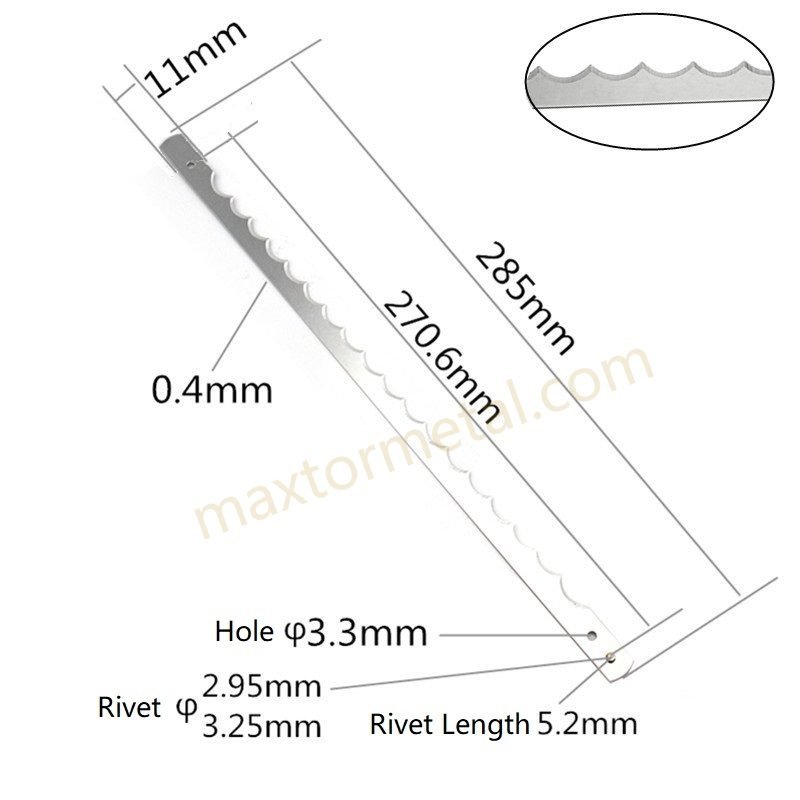
Safety Tips for Handling Bread Slicing Blades
La sicurezza è prioritaria durante la gestione delle lame per affettatrici da pane. Il rispetto delle norme antinfortunistiche tutela gli operatori e previene la contaminazione degli alimenti. Di seguito sono riportate alcune raccomandazioni fondamentali.
Indossare dispositivi di sicurezza
Utilizzare guanti di protezione antitaglio
Indossare sempre guanti che proteggono dai tagli. Questi guanti proteggono le mani dai taglienti affilati e riducono il rischio di infortuni. Nel 2013 si sono verificati oltre 4.000 infortuni gravi causati da affettatrici alimentari, dimostrando l'importanza dei guanti. I guanti con elevati livelli di resistenza al taglio, come da A7 ad A9, sono i più indicati per gli utensili affilati.
| Attrezzatura di sicurezza | Importanza della protezione |
|---|---|
| Guanti antitaglio | Proteggono le mani dalle lame affilate durante la preparazione degli alimenti. |
| Occhiali di sicurezza | Proteggono gli occhi da detriti o contatti accidentali con la lama. |
Indossare occhiali di protezione
Gli occhiali di protezione salvaguardano gli occhi da residui volanti o contatti accidentali con la lama. Sebbene spesso trascurati, sono fondamentali per garantire la sicurezza del lavoro.
Manipolare le lame in modo corretto
Hold Blades Firmly
Hold the blade tightly with both hands to avoid slips. Use techniques like the “Power Lift” to keep control and reduce strain.
Don’t Touch Blade Edges
Never touch the sharp edge of the blade. Even a small slip can cause cuts. Always use gloves or tools to handle blades safely.
Turn Off the Slicer
Unplug the Machine
Before cleaning or changing blades, unplug the slicer. This stops it from turning on by accident. Lockout/tagout (LOTO) steps are important for safety and following rules.
| Important Steps | Why They Matter |
|---|---|
| Preventing Injuries | LOTO stops accidents caused by unexpected machine movements. |
| Seguire le regole di sicurezza | LOTO helps avoid fines and legal problems. |
| Creating a Safe Workspace | LOTO builds a safety-first culture and lowers accident risks. |
Check the Power Switch
Make sure the slicer is completely off before starting any work. This extra check keeps you safe.
Keep Your Workspace Clean
Clear the Area
A clean workspace prevents accidents. Remove clutter around the slicer to avoid tripping or distractions.
Organize Tools
Keep tools like screwdrivers and wrenches in their proper places. Organized tools make maintenance safer and easier.
Store Blades Properly
Utilizzare le coperture delle lame
Blade covers protect sharp edges and prevent accidental cuts. They also keep blades in good condition.
Store in a Dry Spot
Moisture causes rust, which ruins blades and affects food safety. Always store blades in a dry, clean place to keep them lasting longer.
By following these tips, you can handle bread slicer blades safely and avoid accidents while keeping food safe.
Essential Tools for Bread Slicer Maintenance and Blade Replacement

Keeping your bread slicer working well needs the right tools. Below are the key items for maintenance and blade replacement.
Prodotti per la pulizia
Microfiber Cloths
Microfiber cloths clean slicers without scratching blades. They are soft and absorb crumbs or grease. Use them daily to keep slicers clean.
Non-Abrasive Cleaners
Non-abrasive cleaners remove dirt without harming slicers. They work well on tough grime. Follow instructions for safe and effective cleaning.
Brushes for Hard-to-Reach Areas
Small brushes clean tight spots on slicers. They help keep every part hygienic. Use them to reach areas cloths can’t.
Lubricants and Rust Prevention Products
Food-Safe Lubricants
Food-safe lubricants reduce friction on slicer parts. Apply a little to blade edges and moving parts. This helps slicers last longer.
Rust Inhibitors
Rust ruins blades over time. Rust inhibitors protect blades, especially in humid places. Using them keeps slicers in good shape.
Blade Removal and Installation Tools
Wrenches for Fasteners
Wrenches loosen and tighten screws holding blades. Use the right size to avoid damaging screws.
Screwdrivers for Blade Access
Screwdrivers open blade compartments easily. Keep one nearby for quick blade changes or fixes.
Safety Gear for Protection
Wear gloves and goggles when handling blades. These protect you from cuts and injuries.
Inspection Tools
Calipers for Measuring Blades
Calipers check blade thickness and alignment. This ensures slicers cut evenly and work properly.
Magnifying Glass for Damage Check
Magnifying glasses spot small cracks or chips on blades. Finding damage early prevents bigger problems later.
Soluzioni di archiviazione
Blade Guards for Safety
Blade guards cover sharp edges to prevent damage. They also protect users from accidental cuts.
Dry Storage Containers
Dry containers stop blades from rusting. Airtight containers add extra protection for long-term storage.
Mancia: Use these tools to make maintenance simple and keep your slicer in great condition.

The Benefits of Custom Bread Slicing Blades
Tailored Performance
Perfect for Your Needs
Costume bread slicing blades are made to match your specific slicing needs. Whether you’re cutting soft sandwich bread or thick artisan loaves, these blades deliver perfect slices. They are ideal for small bakeries and large businesses alike.
Better Cutting Results
Custom blades make slicing faster and cleaner. They are designed to reduce friction, helping your slicer work smoothly. This means less wear on the machine and more even slices every time.
Durata di vita più lunga
Materiali resistenti
Custom blades use top-quality materials like stainless steel or coated alloys. These materials last longer and resist damage. For example, Nanjing Metal, with 18 years of experience, makes durable, high-performing blades. Check out their products Qui.
Built to Last
Daily cleaning and frequent use can wear out regular blades quickly. Custom blades are tougher and stay sharp longer. They save you time and money by lasting through heavy use and cleaning routines.
Saves Money Over Time
Fewer Costs in the Long Run
Custom blades may cost more upfront, but they save money later. Their durability means fewer replacements, lowering maintenance costs.
Less Frequent Replacements
Custom blades outlast standard ones, so you replace them less often. This reduces downtime and keeps your business running smoothly.
Safer to Use
Made for Safe Handling
Custom blades often include safety features like protective edges or easy-to-hold designs. These features make them safer to handle and maintain.
Lower Risk of Injuries
Sharper, well-made blades cut easily without extra force. This reduces the chance of slips or accidents, keeping you and your team safe.
Works with Many Types
Cuts All Kinds of Bread
Lame Personalizzate can slice many types of bread, from soft brioche to crusty sourdough. This makes them perfect for businesses with a variety of bread options.
Fits Different Machines
Custom blades can be adjusted to fit any slicer, big or small. This ensures they work well with your specific machine for the best results.
Consiglio da professionista: Follow the manufacturer’s care instructions to keep your custom blades in great shape. Regular cleaning and maintenance help them last longer.
Looking after bread slicer blades is very important. Good care helps the slicer work well and stay safe. Clean and maintain blades to make them last longer. This also keeps slices neat and even every time. For expert help and top-quality blades, contact Nanjing Metal.
Domande frequenti
1. How often should you clean bread slicing blades?
You should clean them daily. This prevents crumbs, bacteria, and rust, keeping your slicer safe and efficient.
2. Can you sharpen bread slicing blades at home?
Yes, you can. Use a blade-specific sharpening tool and follow the slicer’s manual for safe and effective sharpening.
3. What’s the best way to store bread slicing blades?
Store them in a dry spot with blade guards. This prevents rust and accidental cuts, keeping your blades in great condition.
Vedi anche
Lame per affettare il pane e selezione dei materiali

 English
 Spanish
 Italian
 French
 Portuguese
 Russian
 German
 Arabic
 Hindi
 Vietnamese
 Indonesian
 Japanese
 Korean
2 risposte