

Why Choosing the Right Rubber Slitter Blade Matters
Improving Cutting Efficiency
Scegliere il giusto lama taglierina in gomma makes cutting easier. Small changes in blade design can significantly improve performance. For example, the angle of the blade’s edge is very important. Studies show even tiny changes to this angle affect cutting force. Cutting speed also matters and can change how well the blade works.
Tests show a good rubber slitter blade can cut 15 rubber blocks per minute. This speeds up production and reduces downtime. Advanced machines, like the Mazak Nexus Model 410 A, demonstrate how spindle speed and feed rate affect cutting speed. Better cutting efficiency means more work gets done and results stay consistent.
Keeping Product Quality High
The quality of your product depends on the blade you use. Old or incorrect blades can cause rough edges, cracks, or other problems. These issues ruin products and create waste. Regular blade care and replacing worn blades help keep cuts clean. Signs like loud cutting noise or slower speed mean the blade might need replacing.
Real-life examples prove this. One company improved cut quality by 15% by using a custom blade with a thicker edge. Another company made blades last 25% longer and reduced dust by using precision-ground blades. Picking the right rubber slitter blade improves quality and reduces waste.
Saving Money with the Right Blade
Using the right blade can save you money. High-quality blades, like ceramic matrix composites (CMCs), last longer and require less care. Studies show CMCs save 15–20% more money over time than regular blades. They are strong, so they need fewer replacements and less downtime.
CMC blades also have a 62% return rate, compared to 45% for other materials. This means they are more profitable in the long run. Choosing durable blades saves money and avoids extra costs like frequent replacements. Companies like Nanjing Metal offer custom blade solutions to fit your needs and provide you with the best value. For more information, feel free to Contatti them.
Punti chiave
- Picking the right rubber slitter blade helps cut faster. A good blade can cut 15 rubber blocks a minute, speeding work.
- Good blades make better products. Regular care and replacing blades on time stop rough cuts and waste.
- Strong blades save money over time. Ceramic blades last longer and cut replacement costs by 15-20%.
- Choose blade materials based on rubber type. Hard rubber works well with tungsten carbide, while soft rubber needs stainless steel.
- Different blade shapes do different jobs. Straight blades are great for flat cuts, and round blades are best for fast cutting.
- Taking care of blades makes them last longer. Clean them, store them right, and sharpen them to save money.
- Custom blades can cut better. Special blades fit industry needs, making work faster and wasting less.
- Think about total cost, not just the price. Good blades may cost more at first but save money later.
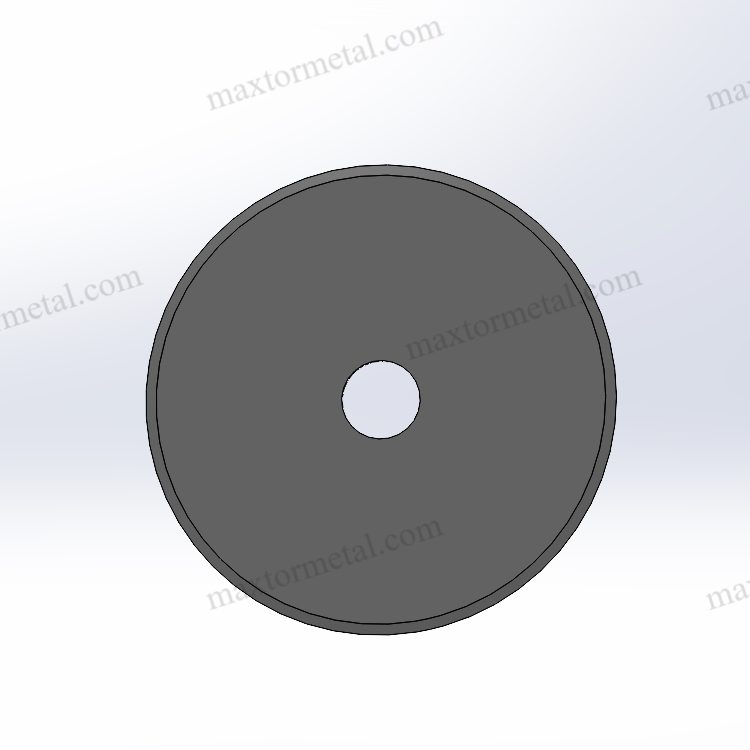
Blade Selection Guide: Key Factors to Consider
Compatibilità dei materiali
Matching Blade Material to Rubber Type
Picking the right blade material is very important. Different rubbers need specific blades for clean cuts and long use. For example, carburo di tungsteno blades are great for cutting rough rubber because they resist wear. Meanwhile, acciaio inossidabile blades work well for soft rubber, offering precise cuts.
Think about the rubber’s hardness, stretchiness, and roughness when choosing a blade. Using the right blade reduces damage and keeps performance steady. This also makes cutting faster and helps blades last longer, saving money on replacements.
Hard vs. Soft Rubber Considerations
Hard rubber needs strong and sharp blades. Carburo di tungsteno and alloy steel blades are good options. These materials stay sharp and don’t chip under pressure.
Soft rubber needs a gentler touch. Blades made from acciaio inossidabile or high-speed steel are better. They cut smoothly without tearing or bending the rubber. Picking the right blade for soft rubber avoids mistakes and keeps products looking good.
Mancia: Test blades on a small rubber piece first. This helps check if they work well and prevents big errors.
Blade Design and Type
Straight Blades: Features and Applications
Straight blades are simple and useful for many tasks. They are great for cutting flat rubber sheets or strips. These blades make clean and accurate cuts, which is important for detailed work.
But straight blades might not work well with thick or stretchy rubber. In those cases, try other blade designs for better results.
Circular Blades: Benefits and Use Cases
Circular blades spin as they cut, which lowers friction. This makes cutting faster and smoother. They are perfect for cutting long rolls of rubber or working on fast production lines.
Circular blades also waste less material. Their precise cuts leave smooth edges, making them great for high-quality finishes. Industries like car manufacturing often use circular blades because they are reliable and efficient.
Serrated Blades: Specialized Applications
Serrated blades have jagged edges that grip rubber while cutting. They are good for slippery or stretchy materials. These blades are often used in packaging where neat cuts are needed.
However, serrated blades need more care. Sharpen them often to keep them working well.
| Design Attribute | How It Affects Cutting Performance |
|---|---|
| Forma della lama | Edge design and angle change cutting speed and precision. |
| Adjusting these improves accuracy and speed. | |
| Material Choice | Carburo di tungsteno resists wear for tough jobs. |
| Acciaio inossidabile is best for neat and precise cuts. | |
| Alloy and high-speed steel balance strength and sharpness. |
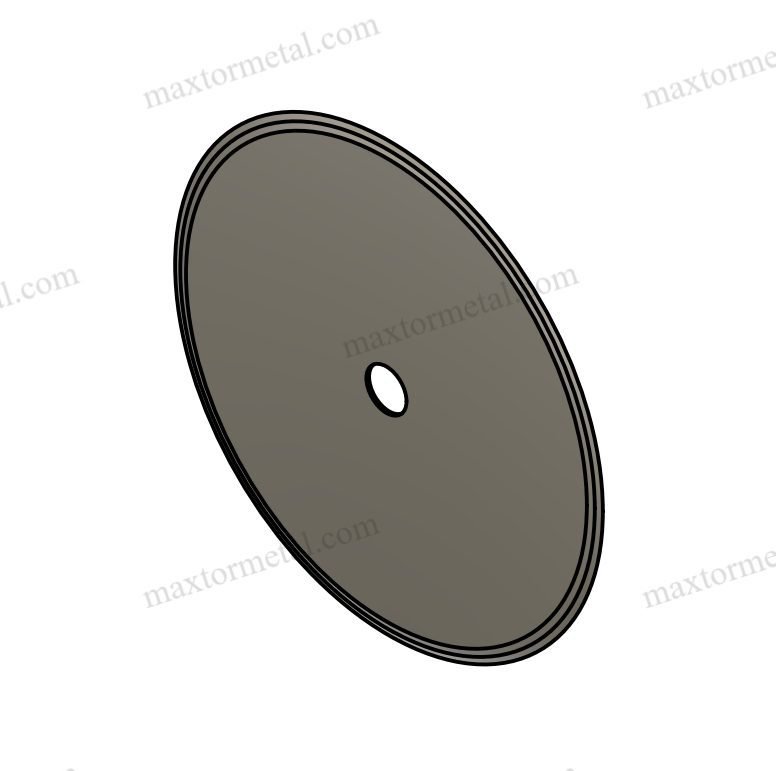
Durata e longevità
Importance of Blade Coatings
Blade coatings make blades last longer. Coatings like titanium nitride or diamond-like carbon reduce friction and protect blades from wearing out. These coatings also help blades stay sharp for a long time, improving cutting performance.
Coated blades may cost more at first, but they save money over time. They last longer and need fewer replacements, which saves time and effort.
Factors Influencing Wear Resistance
Many things affect how long a blade lasts. The material, edge shape, and how it’s used all matter. For example, carburo di tungsteno blades are very durable and great for cutting rough rubber.
Keeping the blade at the right angle while cutting is also important. A good angle reduces stress on the blade and helps it last longer. By focusing on these details, you can make your blades work better and last longer.
Nota: Check your blades often and take care of them. Look for dull edges or uneven cuts and fix problems quickly.
Rapporto costo-efficacia
Balancing Initial Investment with Long-Term Value
When picking rubber slitter blades, cheap ones may seem better. But focusing only on low prices can cost more later. High-quality blades cost more upfront but save money over time.
Here’s how:
- Durata: Strong blades, like tungsten carbide or ceramic ones, last longer. They stay sharp and need fewer replacements, saving money.
- Prestazione: Good blades cut faster and smoother. This reduces wasted materials and saves time during production.
- Costi di manutenzione: Quality blades need less care. You won’t spend much time fixing or sharpening them, which keeps work moving.
Mancia: Think of blades as a smart buy. Spending more now can save you big later.
For example, one company used coated blades and cut replacement costs by 30% in a year. Their upfront cost was worth it, proving quality pays off.
Avoiding Hidden Costs of Inferior Blades
Cheap blades might look like a deal, but they have hidden costs. These extra costs can hurt your budget over time.
Here are common problems with low-quality blades:
- Frequent Replacements: Cheap blades wear out fast. You’ll need to buy new ones often, which adds up.
- Scarsa qualità di taglio: Bad blades make rough cuts or damage materials. This wastes resources and creates unusable products.
- Increased Downtime: Dull blades slow work. Stopping to replace or fix them wastes time and lowers productivity.
- Higher Maintenance Costs: Cheap blades need more repairs and sharpening, which increases costs.
| Problema | How It Costs You | Better Choice |
|---|---|---|
| Frequent replacements | Spend more on new blades | Use long-lasting materials |
| Poor cutting quality | Waste materials and reject products | Pick precision-made blades |
| Aumento dei tempi di inattività | Lose time and slow production | Choose durable, long-life blades |
| Higher maintenance needs | Pay more for repairs and labor | Get blades with strong coatings |
Nota: Cheap blades may save money now, but they cost more later.
By using high-quality blades, you avoid these problems. You’ll save money, reduce waste, and work more efficiently. Always think about the total cost, not just the price tag.
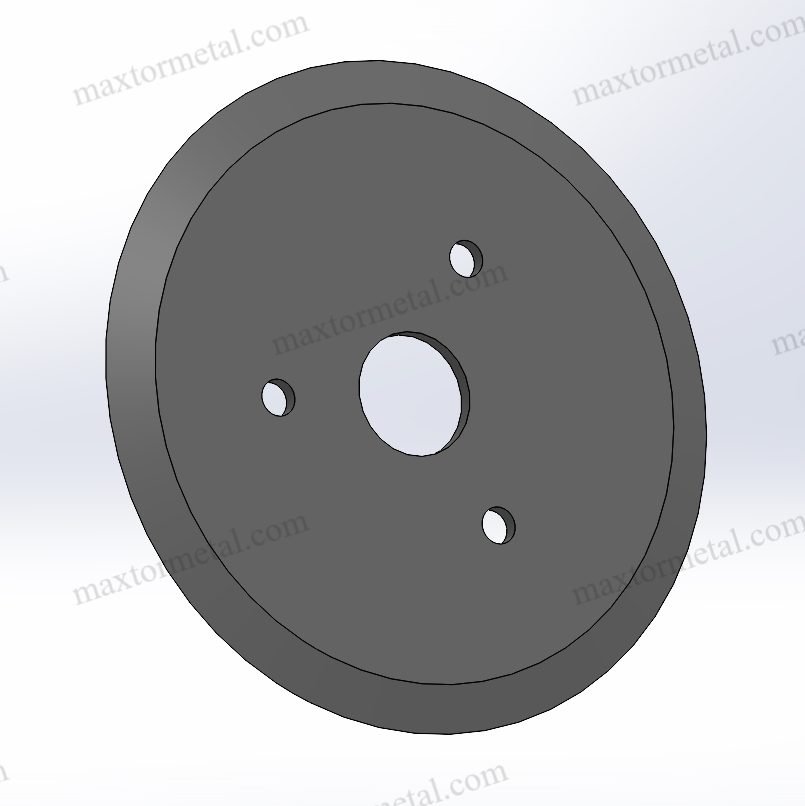
Industry-Specific Recommendations for Rubber Slitter Blades
Automotive and Tire Manufacturing
Cutting Rubber for Tires and Seals
Making tires needs strong and sharp blades. Tires use tough materials like synthetic rubber and steel compounds. These need blades that stay sharp and cut well.
Special shredders are important for cutting tire materials. They are built to handle these tough materials. If blades get dull, they work slower and wear out faster. Companies say good shredders can last 25 years with care. This shows how quality blades save money over time.
Mancia: Check and sharpen blades often to keep them working well.
High-Precision Cutting Needs
Tires need very accurate cuts to avoid defects. Uneven cuts can ruin seals and lower tire quality. Circular blades are great for smooth and precise cuts. Their spinning motion makes cutting easier and cleaner.
Car companies use precision-ground blades to meet strict rules. These blades make clean cuts, which help with safety and performance. Picking the right blade design reduces waste and improves accuracy.
Industria dell'imballaggio
Rubber Slitting for Protective Packaging
Rubber slitting helps make seals and gaskets for packaging. These need neat cuts to fit correctly. Straight blades are good for cutting flat rubber sheets.
Circular blades work well for cutting rubber rolls fast. They are perfect for busy production lines. Choosing the right blade type saves time and boosts efficiency.
Importance of Clean and Accurate Cuts
Packaging needs smooth and clean cuts. Rough edges can make seals or gaskets not work right. Serrated blades are good for stretchy or slippery rubber. Their jagged edges hold the rubber while cutting.
Sharp blades are key for good results. Dull blades can tear rubber and waste materials. Regular care keeps blades sharp and avoids extra costs.
Nota: Test blades on a small rubber piece first. This helps find problems before starting big jobs.
General Manufacturing
Versatility in Cutting Various Rubber Products
Factories need blades that can cut many rubber items. Conveyor belts and rubber mats need different cutting styles. Circular and straight blades are popular because they work for many tasks.
Big companies like General Electric and Siemens use flexible systems. These systems make work faster and meet customer needs. Using adaptable blades helps keep quality high and meet different demands.
| Azienda | How They Help Versatility |
|---|---|
| General Electric | Uses flexible systems to improve production speed. |
| Siemens | Builds systems to quickly meet customer requests. |
Heavy-Duty Blade Requirements
Thick rubber needs strong blades. Tungsten carbide blades are great for tough jobs. They stay sharp and don’t wear out easily.
Durability matters in factories. Blades must work hard without breaking down. Cleaning and sharpening blades often helps them last longer. Strong blades reduce downtime and keep work moving.
Mancia: Pick blades with coatings like titanium nitride for extra strength and less wear.

Lame industriali personalizzate: Tailored Solutions for Your Industry
Vantaggi delle lame personalizzate
Solving Unique Industry Problems
Different industries have special cutting needs. Regular blades often don’t work well. Custom blades are made to fit your exact tasks. For example, cutting tough rubber needs stronger edges. Softer rubber needs sharper blades for smooth cuts without damage.
Le lame personalizzate aiutano anche a ridurre gli sprechi. Tagliano solo il necessario, risparmiando materiale. Macchinari come le macchine CNC eseguono tagli di precisione, migliorando la qualità e riducendo gli errori. Le lame personalizzate risolvono problemi che le lame standard non sono in grado di gestire.
Migliorare velocità ed efficienza
Le lame personalizzate rendono il lavoro più rapido ed efficiente. Gli studi dimostrano che le aziende che utilizzano queste lame lavorano il 12–15% più velocemente ogni anno. Progetti speciali possono persino aumentare la produzione del 20%. Questo significa un lavoro più rapido e risultati migliori.
Le lame personalizzate riducono anche i tempi di fermo macchina. Uno scatolificio ha ridotto i tempi di fermo da 14 ore a meno di 5 utilizzando lame microsettate personalizzate. Ciò ha permesso di risparmiare tempo e di migliorare la fluidità dei processi. Riducendo i ritardi, le lame personalizzate vi aiutano a raggiungere i vostri obiettivi più velocemente.
| Tipo di prova | Dettagli |
|---|---|
| Caso di studio | Uno scatolificio ha ridotto i tempi di fermo da 14 ore a meno di 5 grazie alle lame personalizzate. |
| Study | Le lame ottimizzate hanno fatto risparmiare alle aziende il 28% di costi nell'arco di un anno. |
| Citazione del cliente | “Abbiamo risparmiato due giorni di tempo macchina al mese.” — Responsabile Manutenzione, Trasformatore HDPE |
| Risultati | I cambi lama sono diminuiti del 50% e i tempi di pulizia sono stati ridotti del 35%. |
Servizi di lame personalizzate di Nanjing Metal
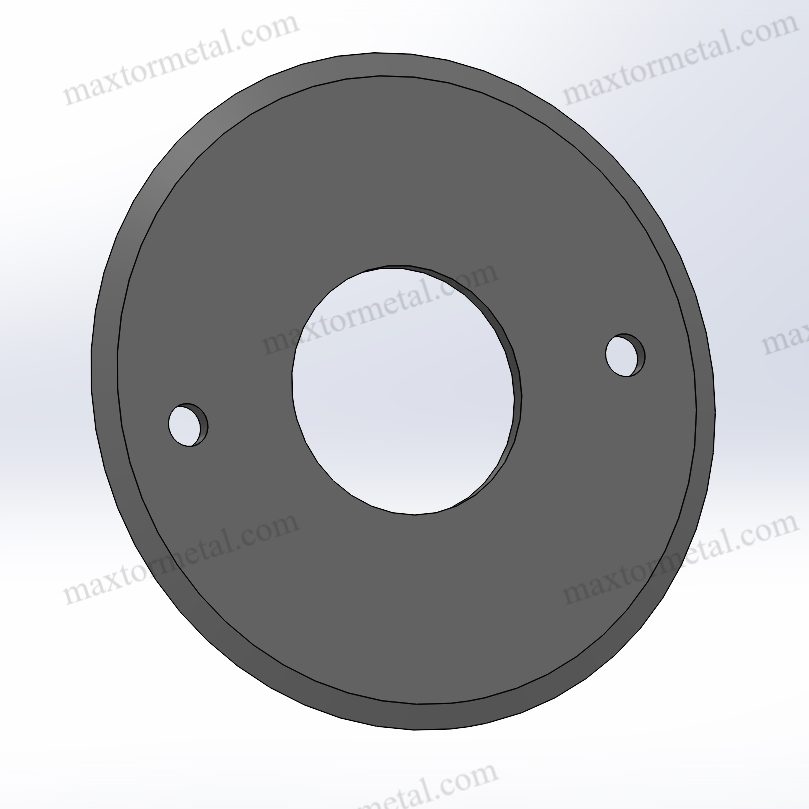
Opzioni per lame taglierine circolari personalizzate per gomma
Nanjing Metal offre molte opzioni di lame personalizzate per le vostre esigenze. Progettano lame adatte ai vostri macchinari e materiali. Per materiali resistenti come la gomma rinforzata, producono lame robuste che durano più a lungo. Per i materiali morbidi, realizzano lame affilate per tagli netti.
I loro esperti utilizzano strumenti avanzati per garantire prestazioni eccellenti. Che si tratti di lame per produzione ad alta velocità o per applicazioni speciali, Nanjing Metal personalizza ogni lama per risparmiare costi e aumentare l'efficienza.
Fasi per ordinare lame personalizzate
Ordinare lame personalizzate da Nanjing Metal è semplice. Iniziate parlando con i loro esperti delle vostre esigenze. Condividete i dettagli su materiali, tipi di taglio e macchine utilizzate. Il loro team vi suggerirà la geometria di lama ideale per le vostre lavorazioni.
Dopo aver definito la progettazione, utilizzano macchinari avanzati per produrre le vostre lame. Ogni lama è realizzata per soddisfare le vostre esatte specifiche. Scegliere le loro lame personalizzate migliora le prestazioni, riduce i tempi di fermo e fa risparmiare denaro.
Mancia: Le lame personalizzate valgono l'investimento. Migliorano i risultati e fanno risparmiare denaro nel tempo.
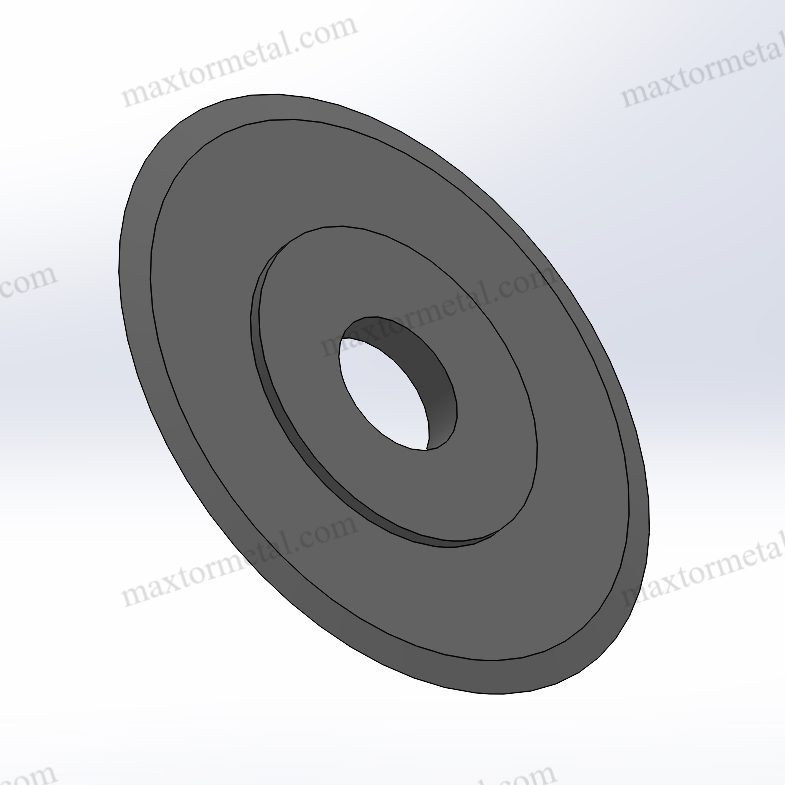
Maintenance Tips for Rubber Slitter Blades
Pulizia e corretto stoccaggio
Pulire e stoccare le lame in modo corretto garantisce prestazioni ottimali nel tempo. Sporco e residui di gomma possono danneggiare la lama e rendere il taglio più difficile. Dopo l'uso, pulirla con un panno morbido e un detergente idoneo. Evitare materiali abrasivi che potrebbero graffiare la lama.
Anche lo stoccaggio corretto delle lame è fondamentale. Conservarle in un luogo asciutto con temperatura costante per prevenire la ruggine. Utilizzare protezioni per le lame durante la movimentazione per evitare microfratture. Le ricerche dimostrano che le lame prive di protezioni hanno il 60% di probabilità in più di danneggiarsi.
| Attività di manutenzione | Descrizione | Benefici |
|---|---|---|
| Utilizzare protezioni per le lame | Proteggere le lame durante il trasporto per evitare danni. | Aumenta la durata delle lame fino al 40% in più. |
| Prevenire la ruggine | Stoccare le lame in sicurezza e applicare rivestimenti protettivi. | Aiuta a far durare le lame tre volte più a lungo. |
| Pulire regolarmente | Rimuovere sporco e residui dopo ogni utilizzo. | Aumenta la vita utile delle lame del 30%. |
Mancia: Pulire le lame dopo ogni utilizzo per mantenerle affilate e perfettamente efficienti.
Ispezione per verificare l'usura e i danni
L'ispezione frequente delle lame aiuta a individuare tempestivamente i problemi. Verificare la presenza di fili smussati, tagli irregolari o rumori anomali durante la lavorazione. Questi segnali indicano che la lama potrebbe richiedere affilatura o sostituzione.
Prestare particolare attenzione al filo della lama. Gli studi dimostrano che carburo di tungsteno le lame perdono affilatura a ogni impatto, riducendo l'efficienza di taglio. Monitorare le prestazioni delle lame aiuta a risolvere i problemi prima che peggiorino.
Utilizzare questa checklist per le ispezioni:
- Verificare la presenza di cricche o scheggiature sulla lama.
- Testare l'affilatura eseguendo un taglio di prova su un piccolo pezzo di gomma.
- Prestare attenzione a eventuali rumori anomali durante il taglio.
Nota: I controlli regolari migliorano la qualità di taglio e permettono di risparmiare materiale e tempo.
Linee guida per l'affilatura e la sostituzione
Affilare le lame al momento giusto ne mantiene l'efficienza di taglio. Le lame smussate richiedono maggiore sforzo, provocando tagli imprecisi e un'usura precoce dei macchinari. Un'affilatura regolare può ridurre il consumo energetico fino al 30%.
Ecco come procedere con l'affilatura delle lame:
- Utilizzare strumenti adeguati o rivolgersi a professionisti per mantenere la corretta angolazione del filo.
- Evitare un'affilatura eccessiva, che potrebbe indebolire la struttura della lama.
- Programmare le affilature in base alla frequenza d'uso della lama e al tipo di materiale tagliato.
Sostituire le lame al momento opportuno è altrettanto fondamentale. Le lame usurate possono causare tagli imperfetti, sprechi di materiale e persino danni alle macchine. Monitorare la resa di taglio delle lame e sostituirle quando l'affilatura non è più efficace.
| Prova | Descrizione |
|---|---|
| Manutenzione ordinaria | Prolunga la durata delle lame e ne migliora le prestazioni. |
| Affilatura tempestiva | Mantiene i tagli puliti e riduce gli scarti. |
| Monitoraggio delle prestazioni | Indica quando le lame necessitano di affilatura o sostituzione. |
Mancia: Mantenere un registro per tracciare la manutenzione e i tempi di affilatura delle lame. Questo aiuta a rispettare le scadenze e a prevenire problemi.
Seguendo questi consigli, prolungherete la durata delle vostre lame, otterrete tagli migliori e risparmierete sui costi di riparazione e sostituzione.
Scegliere il giusto lama taglierina in gomma vi aiuta a lavorare meglio. Migliora le operazioni di taglio, mantiene i prodotti rifiniti e fa risparmiare denaro. Valutate fattori come il tipo di materiale, la forma della lama e le vostre esigenze specifiche. Questo vi consentirà di ottenere tagli più puliti e lame più durevoli. Le lame su misura di Nanjing Metal sono realizzate per adattarsi perfettamente alle vostre lavorazioni.
Suggerimento professionale: Le lame su misura lavorano più velocemente, riducono gli scarti e fanno risparmiare tempo.
📞 Desiderate ottimizzare il vostro processo di taglio? Contattate gli esperti di Nanjing Metal oggi stesso. Possono fornirvi consulenza o condividere i dettagli dei prodotti. Vi aiuteranno a scegliere la lama migliore per il vostro lavoro!
Domande frequenti
Qual è il materiale più resistente per le lame da rifilo per gomma?
Carburo di tungsteno è il materiale più resistente per le lame. Mantiene il filo più a lungo e resiste all'usura. Ciò lo rende perfetto per il taglio di gomma dura e per lavorazioni gravose senza richiedere frequenti sostituzioni.
Come faccio a sapere quando è il momento di sostituire una lama?
Verificare la presenza di smussature sul filo, tagli irregolari o rumori anomali durante il taglio. Se l'affilatura non risolve questi problemi, è il momento di sostituire la lama. L'ispezione regolare delle lame consente di individuare tempestivamente questi problemi.
È possibile utilizzare la stessa lama per tutti i tipi di gomma?
No, tipologie diverse di gomma richiedono lame differenti. Per la gomma dura si ottengono le migliori prestazioni con materiali ad alta resistenza come carburo di tungsteno. La gomma morbida richiede lame più idonee come acciaio inossidabile. L'uso della lama adatta garantisce tagli puliti e prolunga la durata utile dell'utensile.
Con quale frequenza dovrei affilare le lame?
L'affilatura delle lame dipende dalla frequenza d'uso. In caso di utilizzo intensivo, affilare ogni poche settimane. Per un uso meno frequente, può essere sufficiente un'affilatura ogni pochi mesi. Monitorare le prestazioni di taglio per determinare quando è necessaria l'affilatura.
Le lame rivestite valgono il costo aggiuntivo?
Sì, le lame rivestite rappresentano un ottimo investimento. I rivestimenti come il nitruro di titanio prolungano la durata utile della lama e migliorano le prestazioni di taglio. Riducono l'attrito e l'usura, consentendo di risparmiare sulle sostituzioni. Le lame rivestite sono ideali per applicazioni gravose o ad alto rendimento.
Qual è il tipo di lama migliore per il taglio di rotoli di gomma?
Le lame circolari sono la scelta ideale per i rotoli di gomma. Ruotano durante il taglio, riducendo l'attrito e garantendo tagli uniformi. Queste lame sono perfette per la produzione ad alta velocità e riducono al minimo gli scarti di materiale.
Come posso prolungare la durata delle mie lame?
Pulire le lame dopo ogni utilizzo e conservarle in un luogo asciutto. Utilizzare coprilama per proteggerle durante il trasporto. La manutenzione regolare, come l'affilatura e il controllo dei danni, prolunga la durata delle lame.
Le lame su misura possono migliorare il processo di taglio?
Sì, le lame su misura sono realizzate per soddisfare esigenze specifiche. Offrono prestazioni superiori nelle lavorazioni speciali e riducono gli scarti. Aziende come Nanjing Metal producono lame personalizzate per ottimizzare la velocità e la qualità del taglio.
Mancia: Consultare gli esperti prima di ordinare lame su misura per ottenere i migliori risultati.
Vedi anche
Suggerimenti essenziali per la scelta del coltello pelletizzatore giusto

 English
 Spanish
 Italian
 French
 Portuguese
 Russian
 German
 Arabic
 Hindi
 Vietnamese
 Indonesian
 Japanese
 Korean
2 risposte