


- Thermocutter blades use heat to cut and seal materials.
- They work on synthetic materials in one smooth motion.
- These blades make clean edges and stop fraying or unraveling.
- The heat melts the material, making cuts strong and exact.
- Many industries like textiles, packaging, and construction use them.
- They are helpful for different tasks because they save time.
- Nanjing Metal makes custom blades for special projects if needed.
- You can Contatti their team for help or more details.
What Are Thermocutter Blades?
Definition and Alternate Names
Thermocutter blades are tools that use heat to cut and seal. They are also called hot knife blades or thermal cutters. These blades cut materials and seal edges at the same time. This stops fraying and gives a neat, clean finish. There are different types of thermocutter blades for various tasks. Lightweight ones are good for crafts, while heavy-duty ones handle tough jobs. For example, the AZTC-20 is great for foam and thin plastics. The ZETZ-24 works well for trimming solar panels and cutting rubber.
Key Features and Characteristics
Thermocutter blades have special features that make them unique. They use an electric blade that melts materials instead of tearing them. This creates smooth edges that last longer and look better. These blades come in straight, curved, or special shapes for different jobs. High-quality blades are made from strong metals like stainless steel. They can handle high heat and work well for a long time. Whether you need detailed cuts or strong blades for big projects, thermocutter blades are reliable.
Materials Suitable for Thermocutter Blades
Thermocutter blades work best on synthetic materials. You can use them on foam, plastic, synthetic fabrics, and fiber optics. Heat melts these materials easily, making them ideal for cutting. Lightweight blades like the AZTC-20 are perfect for crafting foam or thin plastics. Heavy-duty blades like the ZETZ-24 are better for industrial tasks. They can groove rubber or cut thick synthetic fabrics. Picking the right blade and material helps you get clean, professional results every time.
How Thermocutter Blades Work
Heating Process
Electric Heating Elements
Thermocutter blades use electric heat to cut and seal. The heat moves straight to the blade, making it hot fast. This heat melts synthetic materials for smooth and exact cuts. Unlike regular cutters, these blades stop edges from fraying by sealing them. This makes them great for strong and neat finishes.
Temperature Control Features
You can change the heat level on thermocutter blades. This helps match the heat to the material you’re cutting. Foam needs less heat, while thick plastics or rubber need more. The blades heat quickly, reaching up to 1050 degrees. Safety features stop overheating, keeping the tool safe to use. Here’s a table of the key features:
| Caratteristica | Cosa fa |
|---|---|
| Temperature Range | Heats fast from 0 – 1050 degrees |
| Power Regulation | Lets you adjust heat for better control |
| Heating Speed | Quick heating with safety against overheating |
| Compatibilità della lama | Works with standard and large blades |
| Peso | Light, under 12 ounces, easy to handle |
Tecnica di taglio
Melting vs. Cutting
These blades melt synthetic materials instead of slicing them. Melting makes clean edges without tearing or fraying. This gives your projects a smooth look and makes them last longer. For example, melted rope edges don’t unravel, staying strong over time.
Edge Sealing Process
While cutting, the blade seals the edges at the same time. Sealed edges are stronger and don’t wear out easily. You don’t need extra steps to make the cuts look polished. Whether it’s foam, plastic, or fabric, sealed edges give professional results.
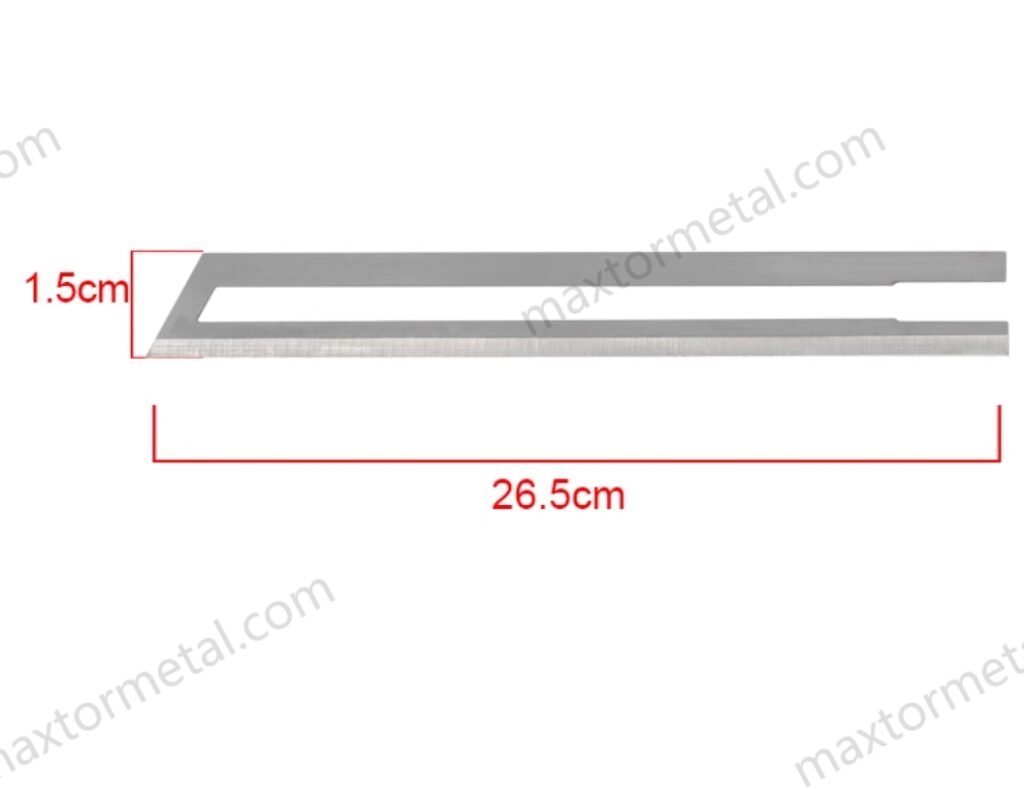
Blade Variations
Lame dritte
Straight blades are good for many cutting jobs. You can use them to trim fabrics or shape foam. They are simple to use and great for beginners. These blades make clean, straight cuts easily.
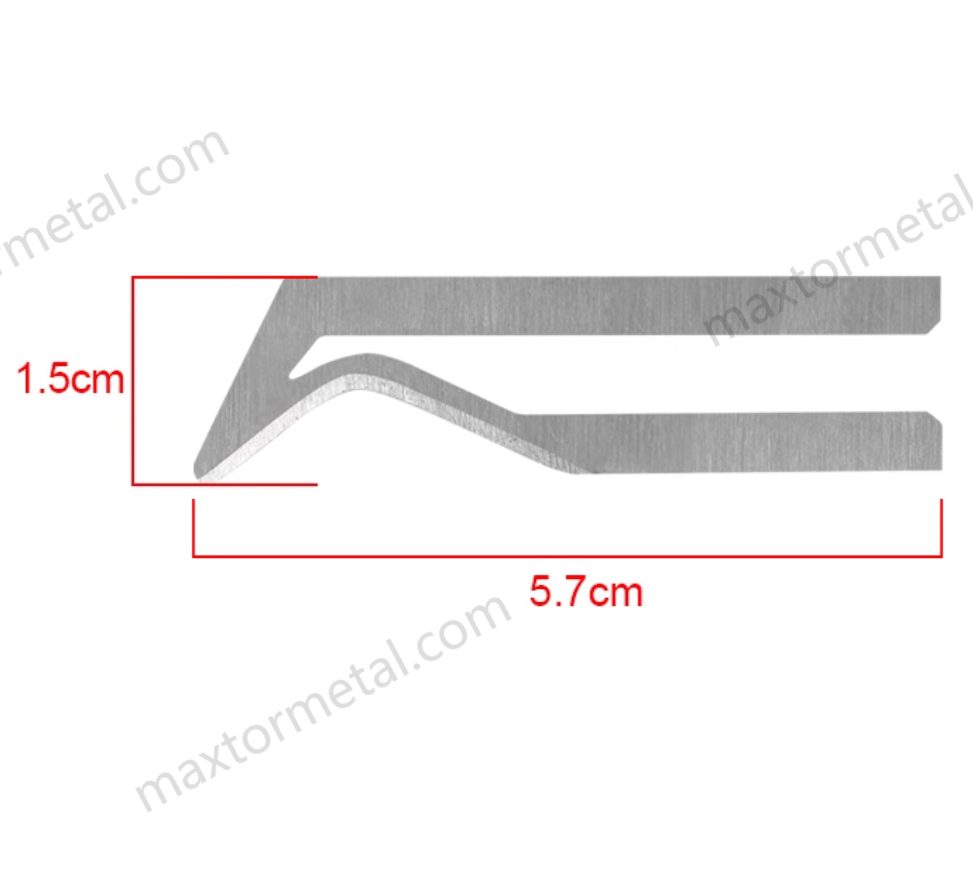
Lame Curve
Curved blades are better for tricky shapes and designs. They work well for rounded cuts in foam or plastic. These blades are great for creative projects needing careful detail. Their curved shape helps with tight corners and patterns.
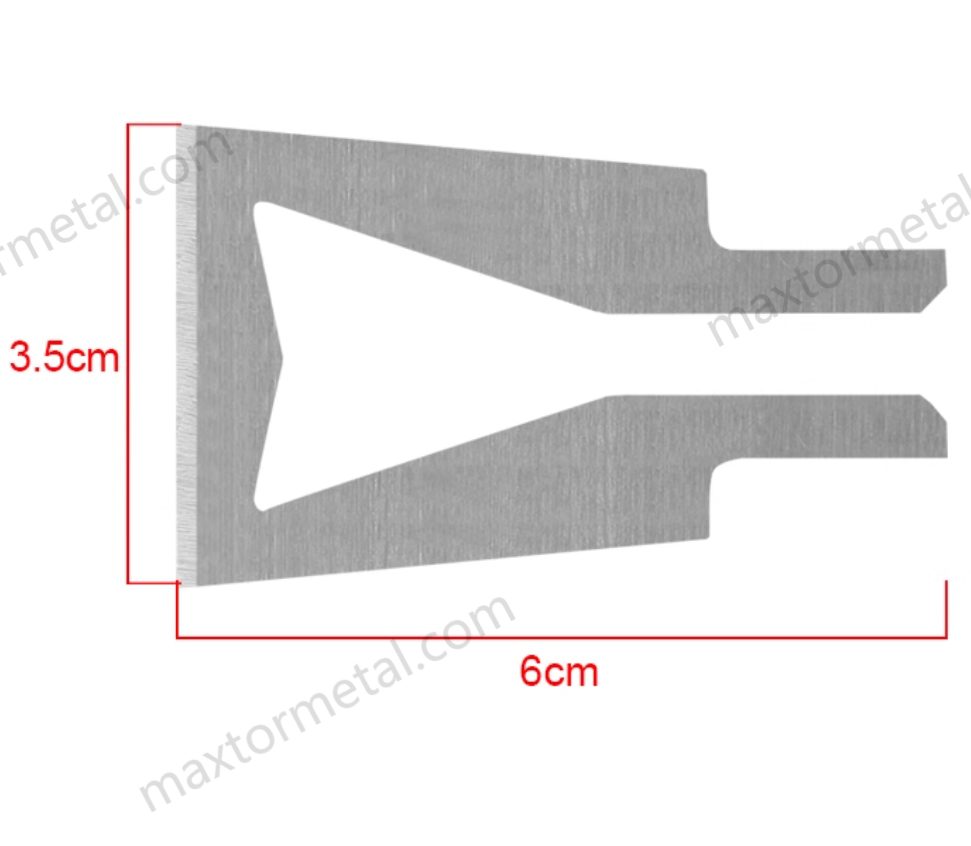
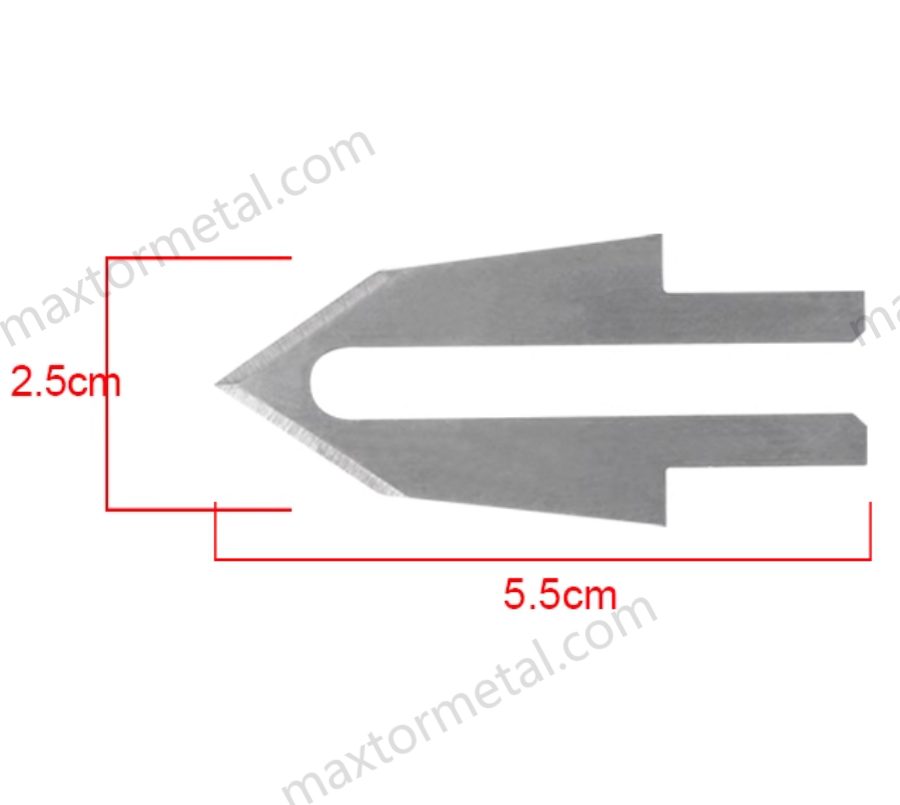
Specialty Blades
Specialty blades are made for specific tasks. They come in different shapes and sizes for unique projects. Some are great for cutting thick rubber, while others trim solar panels. These blades are tough and precise for hard jobs.
Power Supply Options
Voltage Specifications
Thermocutter blades use electricity to heat up and work well. Make sure the voltage matches what the blade needs to perform best. Most blades work with 110V to 240V, which fits common outlets worldwide. This makes them easy to use at home, in workshops, or on job sites.
Some advanced blades can handle two voltage types. They adjust automatically to the available power, which is helpful for traveling. If you visit countries with different electrical systems, dual-voltage blades work without extra converters.
Mancia: Always check your blade’s voltage rating before plugging it in. Using the wrong voltage can harm the blade or make it less effective.
Compatibility with Tools
Thermocutter blades fit many cutting tools. You can use them with handheld hot knives, industrial machines, or battery-powered devices. This flexibility lets you handle small projects or big industrial jobs.
Pick a blade that matches your tool’s power and connection type. Some tools need specific blade sizes or shapes to work right. For example, small handheld cutters use smaller blades, while big machines need strong, heavy-duty blades.
Here’s a simple compatibility guide:
| Tipo di strumento | Best Blade Features | Example Use Case |
|---|---|---|
| Handheld Hot Knife | Lightweight, straight or curved blades | Crafting foam or trimming fabrics |
| Industrial Cutting Machine | Heavy-duty, specialty blades | Cutting thick rubber or plastics |
| Battery-Operated Devices | Compact, low-power blades | On-the-go cutting tasks |
Nota: Always read your tool’s manual to check blade compatibility. This keeps your equipment safe and avoids damage.
Knowing voltage needs and tool compatibility helps your thermocutter blades last longer. These tips ensure clean, professional cuts every time.
Applications of Thermocutter Blades
Thermocutter blades are handy tools used in many industries. They cut and seal synthetic materials with accuracy, making them very useful. Let’s see how these blades help in different areas.
Usi industriali
Industria tessile
In textiles, thermocutter blades are great for cutting synthetic fabrics. They work on materials like polyester and nylon, making clean edges. These blades stop fraying, keeping fabrics strong and neat. For example, they cut webbing straps or trim fabric rolls in factories.
Packaging Tasks
Thermocutter blades are key for custom packaging. They cut and seal plastic films, foam sheets, and more. This creates smooth, sealed edges that look neat and stay strong. Whether it’s shrink wrap or foam inserts, these blades give professional results.
Automotive Work
In cars, thermocutter blades cut upholstery, rubber seals, and foam. They make precise cuts for seats and interiors. Sealed edges keep materials strong and long-lasting, even with regular use.
Creative Projects
Foam Crafting
Thermocutter blades are great for foam crafting. Use them to shape foam for models, costumes, or decorations. The heat lets you make detailed designs without tearing the foam. This makes creative projects easier and more fun.
Upholstery Projects
For custom upholstery, these blades cut fabrics and foam neatly. They help create clean edges for furniture or car interiors. You can make detailed designs that look polished and professional.
DIY Home Decor
DIY fans love thermocutter blades for home projects. Use them to cut and seal materials for curtains, cushions, or wall art. They handle synthetic fabrics and foam well, adding a personal touch to your home.
Specialized Uses
Medical Equipment
In medicine, thermocutter blades cut and seal materials for devices. They shape foam padding or cut plastic parts for tools. Their precision ensures high-quality results for medical needs.
Aerospace Parts
The aerospace industry uses these blades for lightweight materials. They cut and seal composite fabrics or insulation foam. This helps make durable and efficient parts for planes and spacecraft.
Construction and Insulation
In construction, thermocutter blades cut insulation materials like foam boards. They make precise cuts for walls, ceilings, or floors. Sealed edges prevent wear, ensuring long-lasting insulation.
Mancia: Always pick the right blade and heat setting for your material. This helps you get the best results every time.
Benefits of Thermocutter Blades
Precision and Clean Edges
Thermocutter blades cut synthetic materials with great accuracy. The heated blade melts the material, making smooth edges without tearing. This is important for projects needing a neat finish, like foam insulation or fabric trimming. Whether for car interiors or home crafts, these clean edges make your work look better and last longer.
Cutting and Sealing at Once
Thermocutter blades can cut and seal in one step. As they melt through materials, they seal the edges too. This saves time since no extra sealing is needed. For example, sealed rope edges stop unraveling and stay strong. This feature is helpful in packaging, where sealed edges keep products secure.
Saves Time and Reduces Waste
Thermocutter blades are efficient and waste less material. Regular cutters leave rough edges or need extra tries, wasting resources. These blades cut perfectly on the first try, reducing mistakes. They are useful in many industries, like car making, foam cutting, and electrical work. Here’s a table showing their uses:
| Area di applicazione | Descrizione |
|---|---|
| Tire and automotive trade | Cuts and shapes tire materials. |
| Manufacturers of molded die-cast | Helps with precise cutting in production. |
| Electrical installation | Strips wires and removes adhesives. |
| Foam cutting | Cuts foam easily and neatly. |
| Sealing synthetic fabrics | Seals edges of synthetic materials. |
| Rubber coating removal | Removes rubber coatings effectively. |
| Switch and distribution boards | Used in electrical assembly tasks. |
| Wire stripping | Strips insulation from wires. |
| Adhesive removal | Removes sticky adhesives from surfaces. |
| Cutting synthetic materials | Cuts various synthetic fabrics cleanly. |
By saving time and reducing waste, thermocutter blades help you work faster and smarter.
Versatility Across Industries
Thermocutter blades are useful in many industries. They adapt well to different tasks, making work easier and better.
1. Manufacturing and Production
Thermocutter blades help with precise cutting in factories. They cut synthetic fabrics, plastics, and foam for car seats, packaging, and insulation. For example, they make clean cuts for car upholstery that fit perfectly. Sealed edges also make products stronger and last longer.
2. Creative and Artistic Fields
These blades are great for crafting and design projects. Use them to shape foam for costumes, decorations, or models. They also cut synthetic fabrics for DIY home decor or custom upholstery. The heat seals edges, giving your work a neat and professional look.
3. Construction and Insulation
In construction, thermocutter blades cut foam boards for insulation. They make exact shapes for walls, floors, or ceilings. Sealed edges stop damage, keeping insulation strong and lasting longer. This makes construction work faster and more reliable.
Mancia: Pick the right blade for your material and task. This helps you get better results and keeps your tools working longer.
Thermocutter blades are very versatile. They cut and seal synthetic materials, making them useful for many jobs. Whether you’re a pro or a hobbyist, these tools improve your work.
Custom Thermocutter Blades by Nanjing Metal
Perché la personalizzazione è importante
Every project is different and needs specific tools. Standard blades might not always work well. Custom thermocutter blades are made to fit your exact needs. This helps you get accurate cuts, smooth seals, and better results. Whether you work in cars, packaging, or crafts, custom blades improve your work and save time.
Custom blades also help reduce waste. A blade made for your task lowers mistakes and gives steady results. For jobs needing high accuracy, like making medical tools or airplane parts, custom blades are very important.
Tailored Solutions for Specific Applications
Nanjing Metal makes custom thermocutter blades for many industries. Their team helps you from the design stage to testing. They can even create blades based on your samples or drawings. This ensures the blade fits your needs perfectly.
Here are some custom options they provide:
- Progetti personalizzati: Blades made for your special cutting and sealing tasks.
- Dimensional Precision: Accurate prototypes and final products with tight measurements.
- Material Expertise: Choosing the best materials for strength and performance.
Whether you need blades for foam, synthetic fabrics, or rubber, Nanjing Metal has the right solution for you.
Nanjing Metal’s Expertise in High-Quality Custom Blades
Con 18 anni di esperienza, Nanjing Metal Industrial CO., Limited is a trusted name in blade making. They are skilled in picking materials, heat treating, and quality checks to make top-notch blades.
| Aspetto | Dettagli |
|---|---|
| Selezione dei materiali | Experts in carbon steel, tool steel, tungsten carbide, and more. |
| Heat Treatment Processes | Advanced heat-treating for strong and flexible blades. |
| Misure di controllo della qualità | Careful checks during production to ensure top quality. |
| Produzione personalizzata | Produce lame esattamente in base alle esigenze dei clienti. |
Offrono inoltre supporto nella progettazione e nel collaudo per garantire che le lame siano perfette. Se desiderate lame per termocutter di alta qualità, Contatti contattate il team di Nanjing Metal oggi stesso.
Tips for Choosing the Right Thermocutter Blade
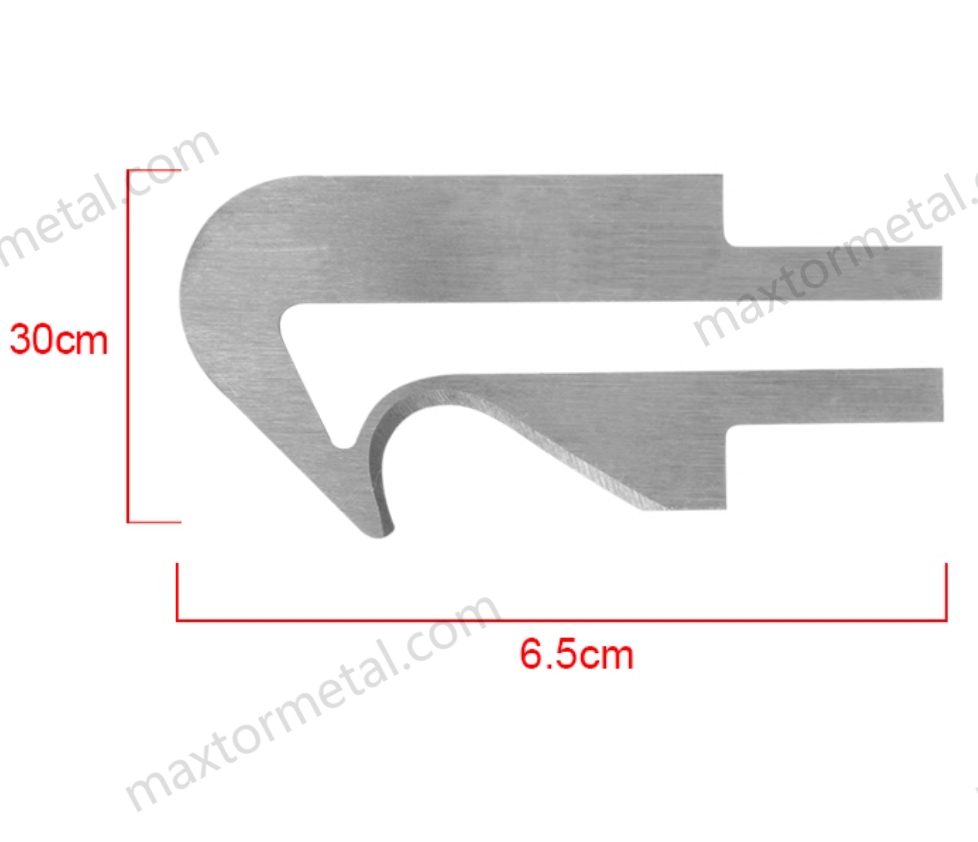
Fattori da considerare (materiale, spessore, utilizzo)
La scelta della lama per termocutter corretta inizia dalla conoscenza del materiale. Materiali diversi come schiuma, plastica o tessuti richiedono lame specifiche. Ad esempio, la schiuma sottile richiede meno calore, mentre le plastiche spesse necessitano di lame più robuste.
Anche lo spessore del materiale è importante. Le lame sottili sono ideali per tagli piccoli e delicati. I materiali più spessi richiedono lame più robuste per un taglio netto. Adeguate sempre il livello di calore della lama al punto di fusione del materiale. L'uso di una lama errata può rovinare il progetto o causare tagli imprecisi.
Successivamente, considerate l'applicazione. Si tratta di lavori artigianali, grandi commesse o lavorazioni speciali? Ogni applicazione richiede un tipo specifico di lama. Le lame curve sono ideali per sagomature dettagliate. Le lame diritte sono preferibili per tagli netti e rettilinei.
Mancia: Annotate i materiali che utilizzate più spesso. Questo vi aiuterà a selezionare più rapidamente la lama corretta per ogni progetto.
Scegliere la lama corretta per l'applicazione
La lama scelta deve essere adatta al tipo di lavoro. Le lame diritte sono indicate per il taglio generico, come la rifilatura di schiuma o tessuti. Le lame curve sono ideali per lavori di precisione, come la sagomatura di schiume per artigianato. Le lame speciali sono progettate per applicazioni gravose, come il taglio di gomma o pannelli solari.
Ecco una guida rapida:
| Tipo di lama | Il migliore per | Esempio di applicazione |
|---|---|---|
| Lame dritte | Taglio quotidiano | Rifilatura di bordi di tessuto |
| Lame Curve | Sagomature dettagliate | Sagomatura di schiuma per artigianato |
| Specialty Blades | Applicazioni industriali speciali | Taglio di gomma spessa |
L'uso della lama corretta per la vostra applicazione garantisce risultati precisi e professionali.
Rivolgetevi agli esperti per ricevere assistenza
In caso di dubbi, consultate un esperto. Potrà aiutarvi a scegliere la lama migliore in base a materiale, spessore e applicazione. Gli esperti possono anche consigliare lame personalizzate per progetti speciali.
Contattate aziende come Nanjing Metal. Il loro team saprà consigliarvi e realizzare lame personalizzate su misura per le vostre esigenze.
Nota: Non esitate a fare domande. Ricevere una consulenza può far risparmiare tempo e migliorare la qualità del lavoro.
Le lame per termocutter rendono il taglio e la sigillatura più facili e veloci. Vengono utilizzate in molti settori, come quello tessile e dell'edilizia, per ottenere risultati precisi. La scelta della lama corretta migliora la qualità del lavoro e riduce gli scarti. Le lame personalizzate di Nanjing Metal sono realizzate per soddisfare le vostre esigenze specifiche. Con 18 anni di esperienza, il loro team progetta lame robuste e affidabili su misura per voi.
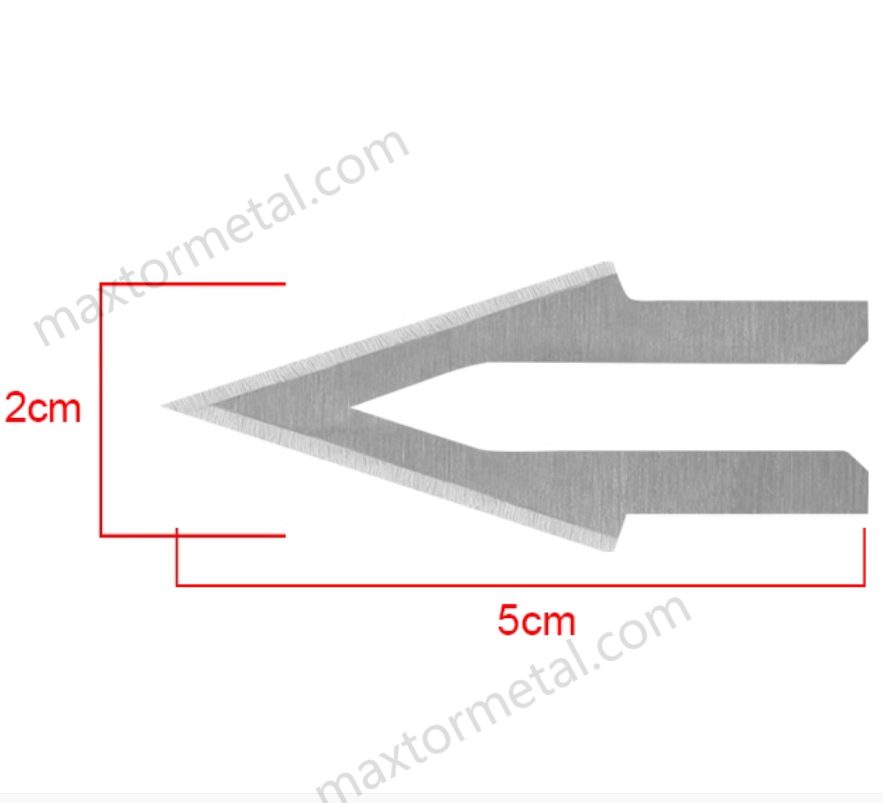
Domande frequenti
Quali materiali possono tagliare le lame per termocutter?
Le lame per termocutter tagliano materiali sintetici come schiuma, plastica, nylon e poliestere. Funzionano al meglio su materiali che fondono con il calore. Queste lame sono ideali per l'artigianato, l'imballaggio e le applicazioni industriali.
In che modo le lame per termocutter prevengono lo sfilacciamento?
La lama si riscalda e fonde il materiale durante il taglio. Questo sigilla immediatamente i bordi, impedendo lo sfilacciamento o il disfacimento. Si ottengono così bordi lisci e resistenti senza sforzi aggiuntivi.
Le lame per termocutter sono sicure da usare?
Sì, sono sicure se utilizzate correttamente. Molte lame sono dotate di controlli termici e funzioni di sicurezza per evitare il surriscaldamento. Seguire sempre le istruzioni e indossare i dispositivi di protezione individuale.
Le lame per termocutter possono essere utilizzate per progetti creativi?
Sì! Queste lame sono ideali per sagomare la schiuma, tagliare tessuti sintetici e realizzare disegni dettagliati. Sono molto diffuse per il fai-da-te, la creazione di costumi e progetti di home decor.
Come si sceglie la lama per termocutter corretta?
Scegliete la lama in base al materiale e all'applicazione. Le lame diritte sono indicate per tagli semplici, quelle curve per forme dettagliate e le lame speciali per materiali difficili. In caso di dubbi, rivolgetevi a un esperto.
Mancia: Testate la lama su un piccolo pezzo di materiale prima di iniziare il progetto.
Vedi anche
Coltelli Hot Cut: il modo più intelligente per tagliare in modo pulito, veloce ed economico

 English
  Spanish
  Italian
  French
  Portuguese
  Russian
  German
  Arabic
  Hindi
Hindi  Vietnamese
  Indonesian
  Japanese
  Korean
Una risposta