

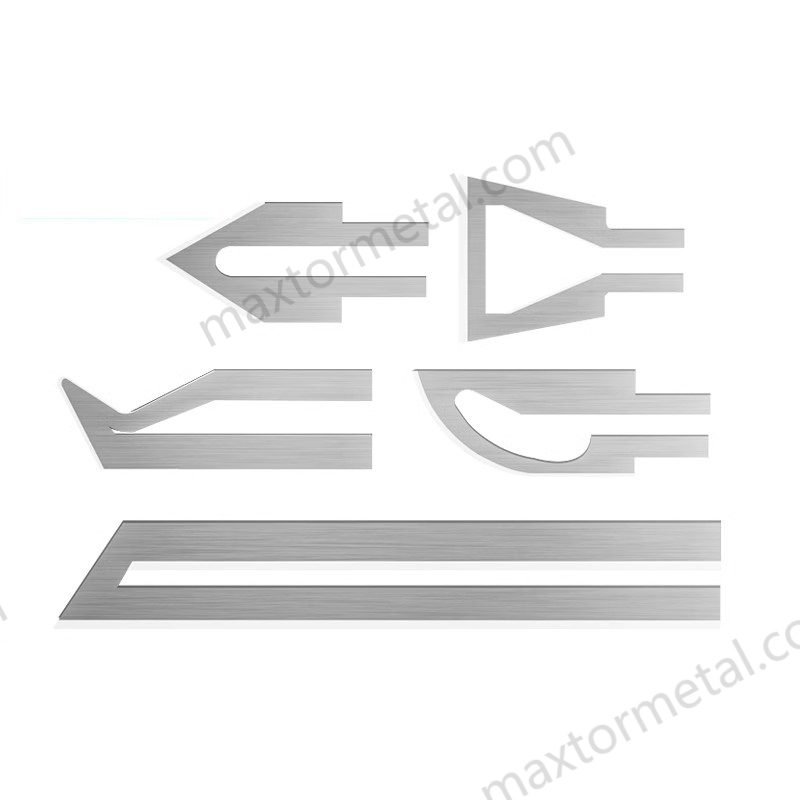
- Las cuchillas para termocortadoras utilizan calor para cortar y sellar materiales.
- Funcionan en materiales sintéticos en un solo movimiento fluido.
- Estas cuchillas crean bordes limpios y evitan el deshilachado o desmoronamiento.
- El calor funde el material, logrando cortes resistentes y exactos.
- Muchas industrias como la textil, el embalaje y la construcción las utilizan.
- Son útiles para diferentes tareas porque ahorran tiempo.
- Nanjing Metal fabrica cuchillas personalizadas para proyectos especiales si es necesario.
- Puede póngase en contacto con contactar a su equipo para obtener ayuda o más detalles.
¿Qué son las cuchillas para termocortadoras?
Definición y nombres alternativos
Las cuchillas para termocortadoras son herramientas que utilizan calor para cortar y sellar. También se denominan cuchillas de corte en caliente o cortadores térmicos. Estas cuchillas cortan materiales y sellan los bordes al mismo tiempo. Esto evita el deshilachado y proporciona un acabado limpio y ordenado. Existen diferentes tipos de cuchillas para termocortadoras para diversas tareas. Las ligeras son ideales para manualidades, mientras que las de alta resistencia se encargan de trabajos pesados. Por ejemplo, el AZTC-20 es excelente para espuma y plásticos delgados. El ZETZ-24 funciona bien para recortar paneles solares y cortar caucho.
Características clave y propiedades
Las cuchillas para termocortadoras tienen características especiales que las hacen únicas. Utilizan una cuchilla eléctrica que funde los materiales en lugar de desgarrarlos. Esto crea bordes lisos que duran más y tienen un mejor aspecto. Estas cuchillas están disponibles en formas rectas, curvas o especiales para diferentes trabajos. Las cuchillas de alta calidad se fabrican con metales resistentes como el acero inoxidable. Pueden soportar altas temperaturas y funcionar de manera óptima durante mucho tiempo. Ya sea que necesite cortes detallados o cuchillas robustas para grandes proyectos, las cuchillas para termocortadoras son confiables.
Materiales adecuados para cuchillas para termocortadoras
Las cuchillas para termocortadoras funcionan mejor en materiales sintéticos. Puede utilizarlas en espuma, plástico, tejidos sintéticos y fibra óptica. El calor funde estos materiales fácilmente, lo que las hace ideales para el corte. Las cuchillas ligeras como la AZTC-20 son perfectas para trabajar con espuma o plásticos delgados. Las cuchillas de alta resistencia como la ZETZ-24 son mejores para tareas industriales. Pueden ranurar caucho o cortar tejidos sintéticos gruesos. Elegir la cuchilla y el material adecuados le ayuda a obtener resultados limpios y profesionales en todo momento.
Cómo funcionan las cuchillas para termocortadoras
Proceso de calentamiento
Elementos calefactores eléctricos
Las cuchillas para termocortadoras utilizan calor eléctrico para cortar y sellar. El calor se transfiere directamente a la cuchilla, calentándola rápidamente. Este calor funde los materiales sintéticos para lograr cortes suaves y exactos. A diferencia de los cortadores convencionales, estas cuchillas evitan que los bordes se deshilachen al sellarlos. Esto las hace excelentes para acabados resistentes y limpios.
Características de control de temperatura
Puede cambiar el nivel de calor en las cuchillas para termocortadoras. Esto ayuda a adaptar la temperatura al material que está cortando. La espuma requiere menos calor, mientras que los plásticos gruesos o el caucho necesitan más. Las cuchillas se calientan rápidamente, alcanzando hasta 1050 degrees. Las funciones de seguridad evitan el sobrecalentamiento, manteniendo la herramienta segura para su uso. A continuación, se presenta una tabla con las características clave:
| Característica | Qué hace |
|---|---|
| Rango de temperatura | Se calienta rápidamente de 0 a 1050 degrees |
| Regulación de potencia | Permite ajustar el calor para un mejor control |
| Velocidad de calentamiento | Calentamiento rápido con protección contra sobrecalentamiento |
| Compatibilidad de cuchillas | Funciona con cuchillas estándar y grandes |
| Peso | Ligero, de menos de 12 ounces, fácil de manejar |
Técnica de corte
Fusión frente a corte
Estas cuchillas funden los materiales sintéticos en lugar de cortarlos. La fusión crea bordes limpios sin desgarros ni deshilachados. Esto otorga a sus proyectos un aspecto liso y hace que duren más tiempo. Por ejemplo, los bordes de cuerda fundidos no se deshilachan, manteniéndose resistentes con el tiempo.
Proceso de sellado de bordes
Al cortar, la cuchilla sella los bordes al mismo tiempo. Los bordes sellados son más resistentes y no se desgastan fácilmente. No se necesitan pasos adicionales para que los cortes luzcan pulidos. Ya sea espuma, plástico o tejido, los bordes sellados ofrecen resultados profesionales.
Variaciones de cuchillas
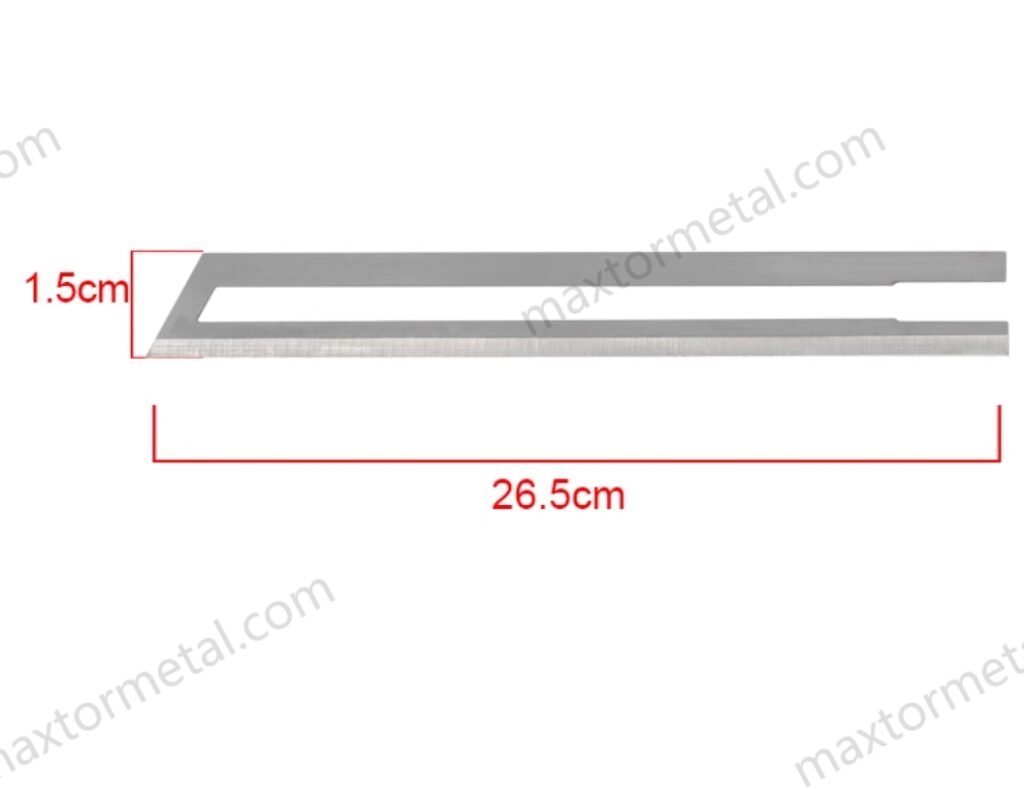
Cuchillas Rectas
Las cuchillas rectas son adecuadas para muchos trabajos de corte. Puede utilizarlas para recortar tejidos o dar forma a la espuma. Son sencillas de usar e ideales para principiantes. Estas cuchillas realizan cortes rectos y limpios con facilidad.
Cuchillas Curvas
Las cuchillas curvas son mejores para formas y diseños complejos. Funcionan bien para cortes redondeados en espuma o plástico. Estas cuchillas son excelentes para proyectos creativos que requieren un detalle minucioso. Su forma curva ayuda a trabajar en esquinas y patrones estrechos.
Cuchillas especiales
Las cuchillas especiales están fabricadas para tareas específicas. Vienen en diferentes formas y tamaños para proyectos únicos. Algunas son excelentes para cortar caucho grueso, mientras que otras recortan paneles solares. Estas cuchillas son robustas y precisas para trabajos difíciles.
Opciones de fuente de alimentación
Especificaciones de voltaje
Thermocutter blades use electricity to heat up and work well. Make sure the voltage matches what the blade needs to perform best. Most blades work with 110V to 240V, which fits common outlets worldwide. This makes them easy to use at home, in workshops, or on job sites.
Some advanced blades can handle two voltage types. They adjust automatically to the available power, which is helpful for traveling. If you visit countries with different electrical systems, dual-voltage blades work without extra converters.
Consejo: Always check your blade’s voltage rating before plugging it in. Using the wrong voltage can harm the blade or make it less effective.
Compatibility with Tools
Thermocutter blades fit many cutting tools. You can use them with handheld hot knives, industrial machines, or battery-powered devices. This flexibility lets you handle small projects or big industrial jobs.
Pick a blade that matches your tool’s power and connection type. Some tools need specific blade sizes or shapes to work right. For example, small handheld cutters use smaller blades, while big machines need strong, heavy-duty blades.
Here’s a simple compatibility guide:
| Tipo de herramienta | Best Blade Features | Example Use Case |
|---|---|---|
| Handheld Hot Knife | Lightweight, straight or curved blades | Crafting foam or trimming fabrics |
| Industrial Cutting Machine | Heavy-duty, specialty blades | Cutting thick rubber or plastics |
| Battery-Operated Devices | Compact, low-power blades | On-the-go cutting tasks |
Nota: Always read your tool’s manual to check blade compatibility. This keeps your equipment safe and avoids damage.
Knowing voltage needs and tool compatibility helps your thermocutter blades last longer. These tips ensure clean, professional cuts every time.
Aplicaciones de las cuchillas para termocortadoras
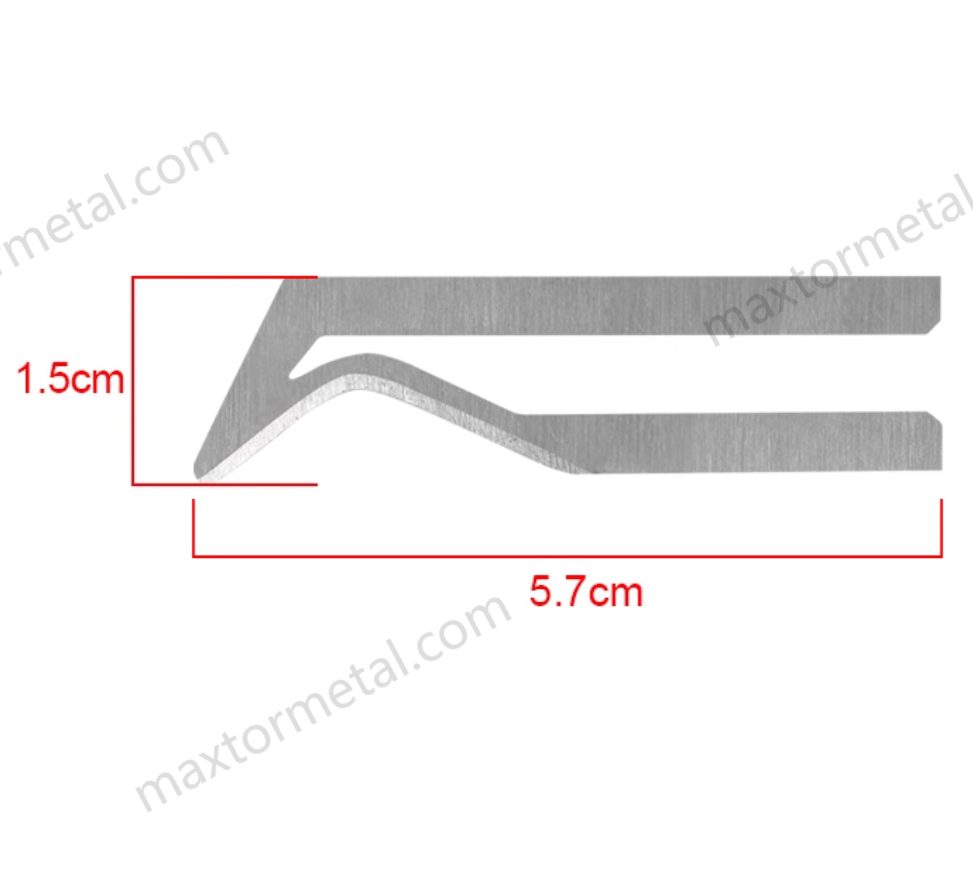
Thermocutter blades are handy tools used in many industries. They cut and seal synthetic materials with accuracy, making them very useful. Let’s see how these blades help in different areas.
Usos industriales
Industria textil
In textiles, thermocutter blades are great for cutting synthetic fabrics. They work on materials like polyester and nylon, making clean edges. These blades stop fraying, keeping fabrics strong and neat. For example, they cut webbing straps or trim fabric rolls in factories.
Packaging Tasks
Thermocutter blades are key for custom packaging. They cut and seal plastic films, foam sheets, and more. This creates smooth, sealed edges that look neat and stay strong. Whether it’s shrink wrap or foam inserts, these blades give professional results.
Automotive Work
In cars, thermocutter blades cut upholstery, rubber seals, and foam. They make precise cuts for seats and interiors. Sealed edges keep materials strong and long-lasting, even with regular use.
Creative Projects
Foam Crafting
Thermocutter blades are great for foam crafting. Use them to shape foam for models, costumes, or decorations. The heat lets you make detailed designs without tearing the foam. This makes creative projects easier and more fun.
Upholstery Projects
For custom upholstery, these blades cut fabrics and foam neatly. They help create clean edges for furniture or car interiors. You can make detailed designs that look polished and professional.
DIY Home Decor
DIY fans love thermocutter blades for home projects. Use them to cut and seal materials for curtains, cushions, or wall art. They handle synthetic fabrics and foam well, adding a personal touch to your home.
Specialized Uses
Medical Equipment
In medicine, thermocutter blades cut and seal materials for devices. They shape foam padding or cut plastic parts for tools. Their precision ensures high-quality results for medical needs.
Aerospace Parts
The aerospace industry uses these blades for lightweight materials. They cut and seal composite fabrics or insulation foam. This helps make durable and efficient parts for planes and spacecraft.
Construction and Insulation
In construction, thermocutter blades cut insulation materials like foam boards. They make precise cuts for walls, ceilings, or floors. Sealed edges prevent wear, ensuring long-lasting insulation.
Consejo: Always pick the right blade and heat setting for your material. This helps you get the best results every time.
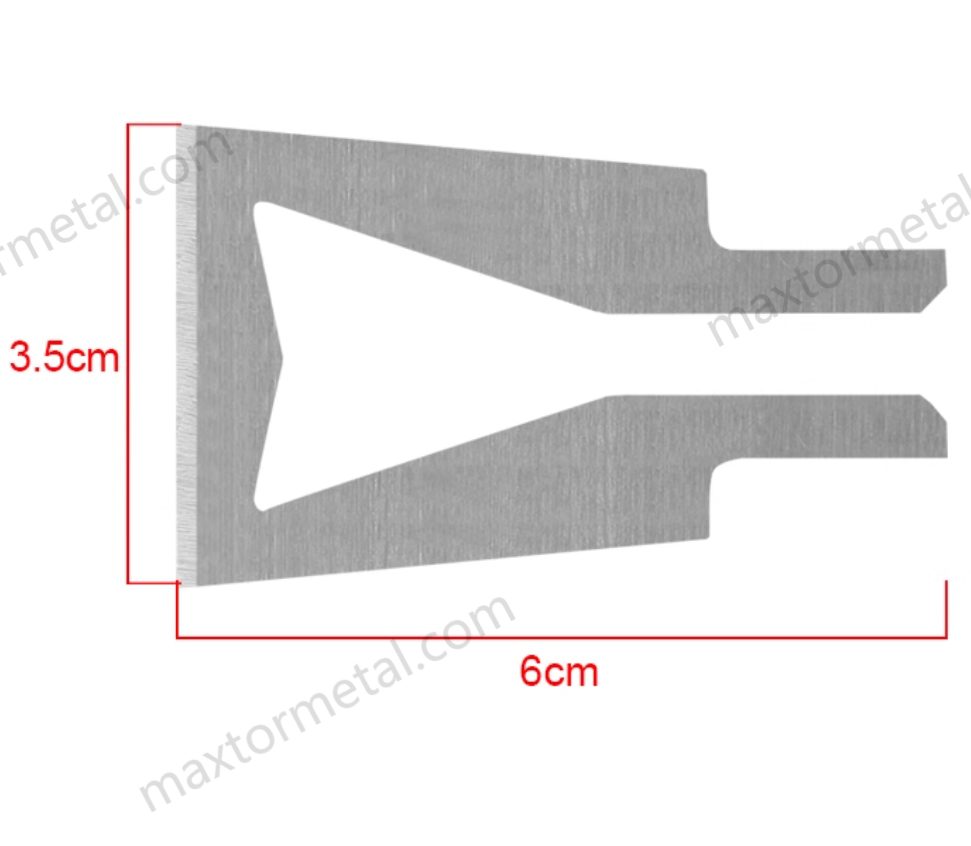
Beneficios de las cuchillas para termocortadoras
Precision and Clean Edges
Thermocutter blades cut synthetic materials with great accuracy. The heated blade melts the material, making smooth edges without tearing. This is important for projects needing a neat finish, like foam insulation or fabric trimming. Whether for car interiors or home crafts, these clean edges make your work look better and last longer.
Cutting and Sealing at Once
Thermocutter blades can cut and seal in one step. As they melt through materials, they seal the edges too. This saves time since no extra sealing is needed. For example, sealed rope edges stop unraveling and stay strong. This feature is helpful in packaging, where sealed edges keep products secure.
Saves Time and Reduces Waste
Thermocutter blades are efficient and waste less material. Regular cutters leave rough edges or need extra tries, wasting resources. These blades cut perfectly on the first try, reducing mistakes. They are useful in many industries, like car making, foam cutting, and electrical work. Here’s a table showing their uses:
| Área de aplicación | Descripción |
|---|---|
| Tire and automotive trade | Cuts and shapes tire materials. |
| Manufacturers of molded die-cast | Helps with precise cutting in production. |
| Electrical installation | Strips wires and removes adhesives. |
| Foam cutting | Cuts foam easily and neatly. |
| Sealing synthetic fabrics | Seals edges of synthetic materials. |
| Rubber coating removal | Removes rubber coatings effectively. |
| Switch and distribution boards | Used in electrical assembly tasks. |
| Wire stripping | Strips insulation from wires. |
| Adhesive removal | Removes sticky adhesives from surfaces. |
| Cutting synthetic materials | Cuts various synthetic fabrics cleanly. |
By saving time and reducing waste, thermocutter blades help you work faster and smarter.
Versatilidad en todas las industrias
Thermocutter blades are useful in many industries. They adapt well to different tasks, making work easier and better.
1. Manufacturing and Production
Thermocutter blades help with precise cutting in factories. They cut synthetic fabrics, plastics, and foam for car seats, packaging, and insulation. For example, they make clean cuts for car upholstery that fit perfectly. Sealed edges also make products stronger and last longer.
2. Creative and Artistic Fields
These blades are great for crafting and design projects. Use them to shape foam for costumes, decorations, or models. They also cut synthetic fabrics for DIY home decor or custom upholstery. The heat seals edges, giving your work a neat and professional look.
3. Construction and Insulation
In construction, thermocutter blades cut foam boards for insulation. They make exact shapes for walls, floors, or ceilings. Sealed edges stop damage, keeping insulation strong and lasting longer. This makes construction work faster and more reliable.
Consejo: Pick the right blade for your material and task. This helps you get better results and keeps your tools working longer.
Thermocutter blades are very versatile. They cut and seal synthetic materials, making them useful for many jobs. Whether you’re a pro or a hobbyist, these tools improve your work.
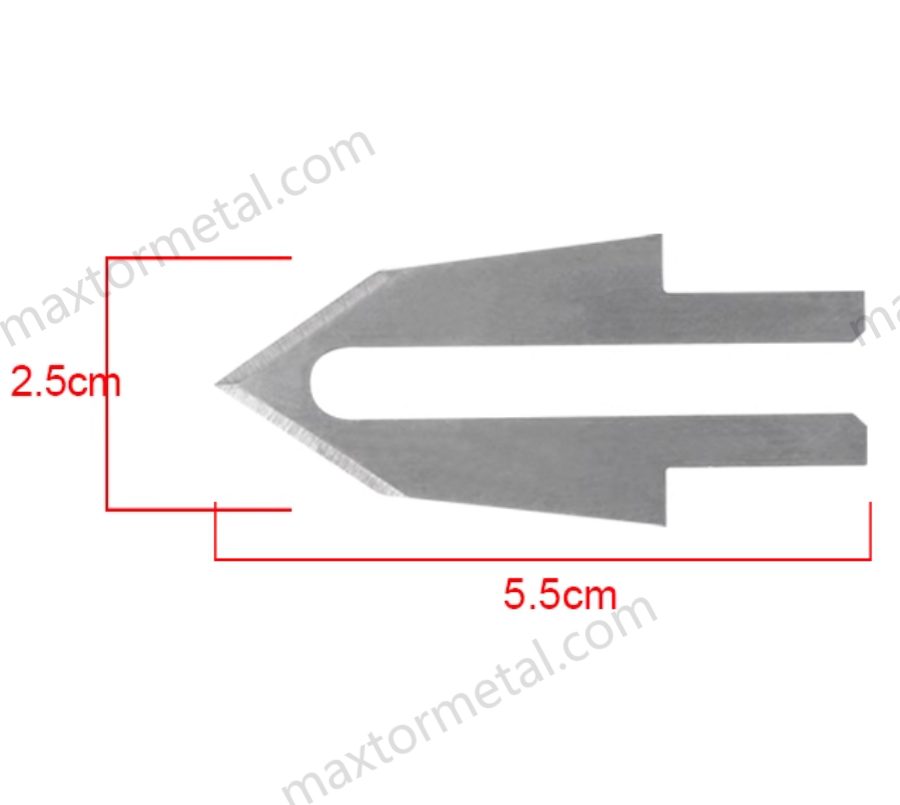
Cuchillas para termocortadoras personalizadas de Nanjing Metal
Por qué es importante la personalización
Every project is different and needs specific tools. Standard blades might not always work well. Custom thermocutter blades are made to fit your exact needs. This helps you get accurate cuts, smooth seals, and better results. Whether you work in cars, packaging, or crafts, custom blades improve your work and save time.
Custom blades also help reduce waste. A blade made for your task lowers mistakes and gives steady results. For jobs needing high accuracy, like making medical tools or airplane parts, custom blades are very important.
Tailored Solutions for Specific Applications
Nanjing Metal makes custom thermocutter blades for many industries. Their team helps you from the design stage to testing. They can even create blades based on your samples or drawings. This ensures the blade fits your needs perfectly.
Here are some custom options they provide:
- Diseños personalizados: Blades made for your special cutting and sealing tasks.
- Dimensional Precision: Accurate prototypes and final products with tight measurements.
- Material Expertise: Choosing the best materials for strength and performance.
Whether you need blades for foam, synthetic fabrics, or rubber, Nanjing Metal has the right solution for you.
Nanjing Metal’s Expertise in High-Quality Custom Blades
Con 18 años de experiencia, Nanjing Metal Industrial CO., Limited is a trusted name in blade making. They are skilled in picking materials, heat treating, and quality checks to make top-notch blades.
| Aspecto | Detalles |
|---|---|
| Selección de materiales | Experts in carbon steel, tool steel, tungsten carbide, and more. |
| Heat Treatment Processes | Advanced heat-treating for strong and flexible blades. |
| Medidas de control de calidad | Careful checks during production to ensure top quality. |
| Custom Manufacturing | Makes blades exactly how customers need them. |
They also help with design and testing to ensure your blades are perfect. If you want high-quality thermocutter blades, póngase en contacto con Nanjing Metal’s team today.
Consejos para elegir la cuchilla para termocortadora adecuada
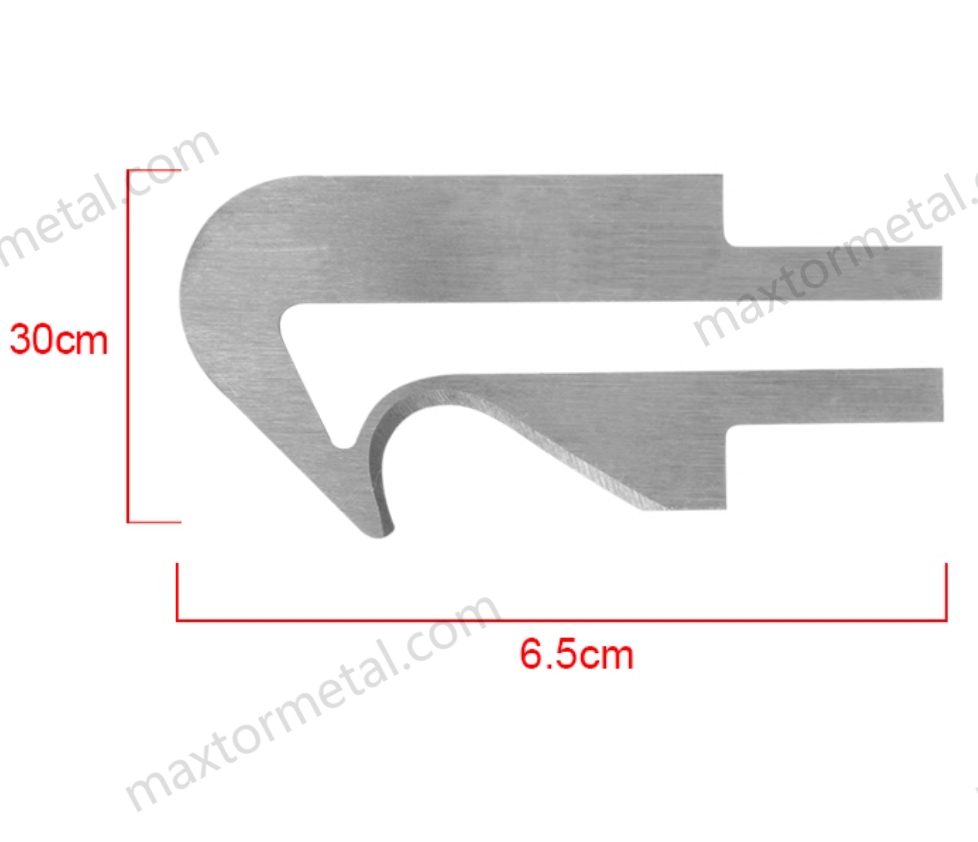
Things to Think About (Material, Thickness, Use)
Picking the right thermocutter blade starts with knowing your material. Different materials like foam, plastics, or fabrics need specific blades. For example, thin foam needs less heat, but thick plastics need stronger blades.
The thickness of the material is also important. Thin blades are good for small, delicate cuts. Thicker materials need stronger blades to cut cleanly. Always match the blade’s heat level to the material’s melting point. Using the wrong blade can ruin your project or make messy cuts.
Next, think about what you’re doing. Are you crafting, working on big jobs, or doing special tasks? Each job needs a certain type of blade. Curved blades are great for detailed designs. Straight blades are better for straight, clean cuts.
Consejo: Write down the materials you use most often. This helps you pick the right blade faster for each project.
Choosing the Right Blade for the Job
The blade you pick should match your task. Straight blades are good for general cutting, like trimming foam or fabric. Curved blades are best for detailed work, like shaping foam for crafts. Specialty blades are made for tough jobs, like cutting rubber or solar panels.
Here’s a simple guide:
| Tipo de cuchilla | Mejor para | Example Task |
|---|---|---|
| Cuchillas Rectas | Everyday cutting | Trimming fabric edges |
| Cuchillas Curvas | Detailed designs | Shaping foam for crafts |
| Cuchillas especiales | Special industrial tasks | Cutting thick rubber |
Using the right blade for your job gives you neat and professional results.
Ask Experts for Help
If you’re unsure, ask an expert. They can help you choose the best blade for your material, thickness, and task. Experts can also suggest custom blades for special projects.
Contact companies like Nanjing Metal. Their team can give advice and make custom blades to fit your needs.
Nota: Don’t be afraid to ask questions. Getting advice can save time and make your work better.
Thermocutter blades make cutting and sealing easier and faster. They are used in many industries, like textiles and construction, for neat results. Picking the right blade improves work quality and reduces waste. Custom blades from Nanjing Metal are made for your specific needs. With 18 years of experience, their team creates strong, reliable blades just for you.
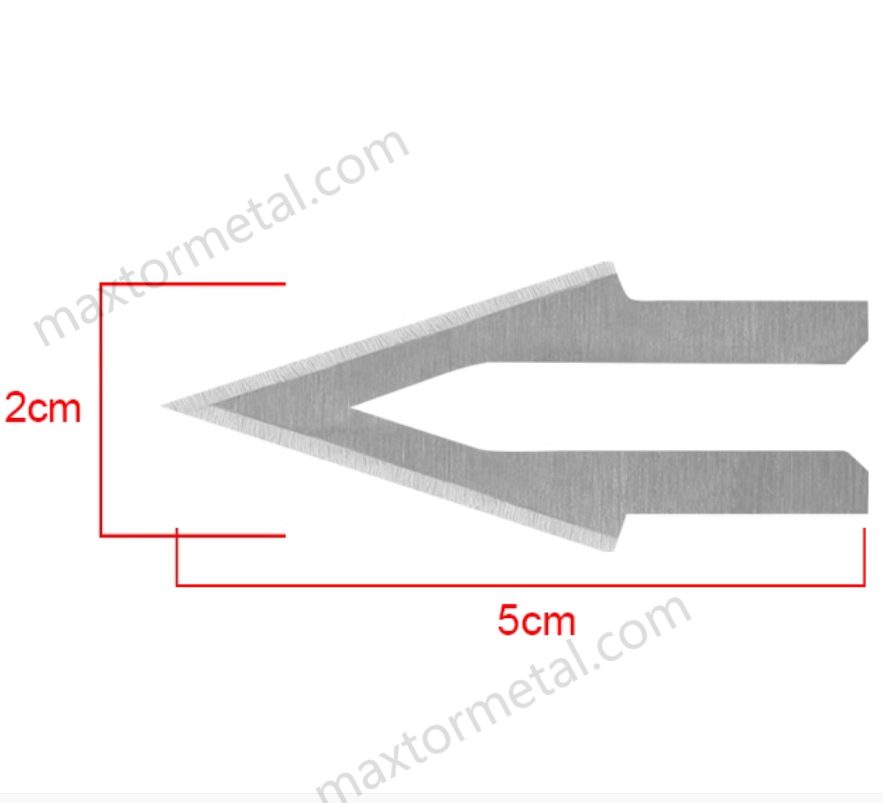
Preguntas frecuentes
What materials can thermocutter blades cut?
Thermocutter blades cut synthetic items like foam, plastic, nylon, and polyester. They work best on materials that melt with heat. These blades are great for crafts, packaging, and industrial jobs.
How do thermocutter blades stop fraying?
The blade heats up and melts the material while cutting. This seals the edges right away, stopping fraying or unraveling. You get smooth, strong edges without extra effort.
Are thermocutter blades safe to use?
Yes, they are safe if used properly. Many blades have heat controls and safety features to avoid overheating. Always follow the instructions and wear safety gear.
Can thermocutter blades be used for creative projects?
Yes! These blades are great for shaping foam, cutting synthetic fabrics, and making detailed designs. They are popular for DIY crafts, costumes, and home decor projects.
How do you pick the right thermocutter blade?
Choose a blade based on your material and task. Straight blades are for simple cuts, curved blades for detailed shapes, and specialty blades for tough materials. If unsure, ask an expert for help.
Consejo: Test the blade on a small material piece before starting your project.

 English
  Spanish
  Italian
  French
  Portuguese
  Russian
  German
  Arabic
  Hindi
Hindi  Vietnamese
  Indonesian
  Japanese
  Korean
Un comentario