

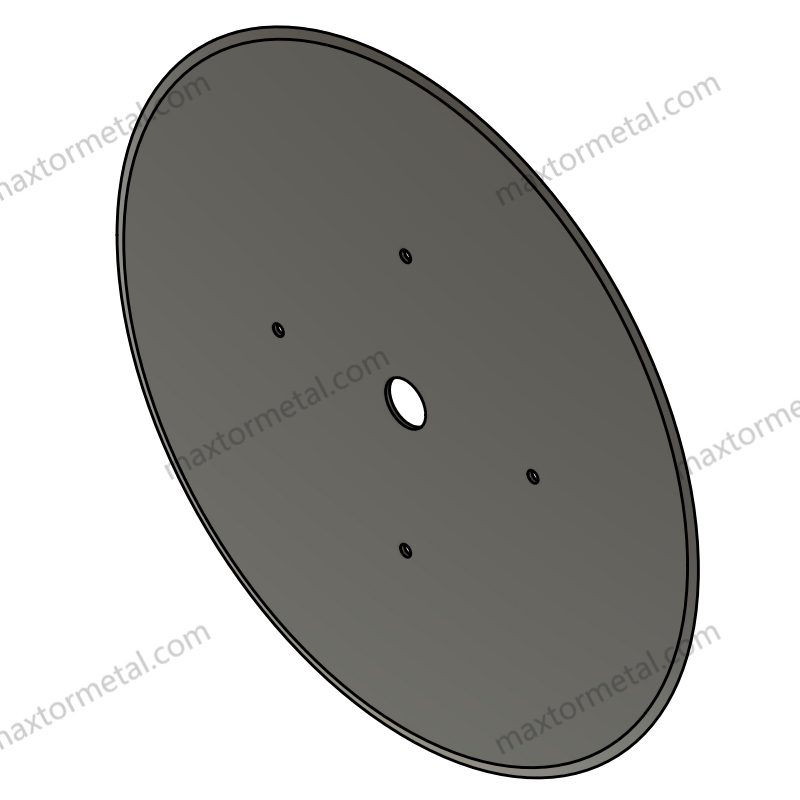
Picking the best material and setup for 工業用丸ナイフ helps them work well in any factory. Blade material, edge style, and special coatings should fit the material being cut and what each industry needs. High-speed steel, tungsten carbide, ceramic, and special coatings all have their own good points. Choosing the right one gives cleaner cuts, makes blades last longer, and helps work get done faster.
重要なポイント
- Picking the right blade material, like high-speed steel, tungsten carbide, ceramic, or stainless steel, helps blades cut better and last longer.
- Blade edge styles, such as single bevel, double bevel, or serrated, need to fit the material. This helps make clean cuts and less waste.
- Coatings like TiN, DLC, and TiCN make blades tougher. They also lower friction, stop rust, and help blades last longer.
- Rotary blades cut faster and wear out evenly. They work best for thin materials and fast jobs.
- Custom blades made for special materials and jobs can cut downtime by up to 75%. They also lower scrap rates a lot.
- Taking care of blades by cleaning, sharpening, and storing them keeps them working well and saves money.
- Matching blade material, edge type, and coating to the job makes work faster and costs less.
- Talking to experts or companies like Nanjing Metal can help you pick or design the best blade for your needs.
主な調査結果
Best Materials
Picking the right blade material is very important for each job. High-speed steel (HSS) is very hard and keeps its sharp edge even when moving fast. Tungsten carbide is very tough and lasts a long time, so it works well in places where blades get used a lot. Ceramic blades stay sharp for a long time and do not rust, which is great for careful cutting in clean or medical places. D2 tool steel and high-carbon steels like 1095 and 52100 are strong and last long, so they are good for cutting rubber and plastics. Stainless steel is best for food, medical, and nonwoven jobs because it does not rust and is easy to clean.
Making blades with high concentricity helps them cut better and last longer. Blades that do not wobble much shake less, last longer, and waste less material. This is very helpful in packaging and food jobs.
Top Configurations
How the 工業用丸ナイフ are made changes how well they work and how often you need to fix them. Thin, sharp blades with one bevel are great for cutting film. They make clean cuts and do not waste much material. Double bevel or blunt edges are strong and good for rubber and plastics. They can take hits and do not chip easily. Serrated or wavy edges are good for tough or stretchy things. They help the machine work easier and make cuts more even. Carbide-tipped and ceramic-coated blades last longer and need to be changed less in busy factories.
- Good blade types include:
- Razor slitting blades for thin films and foils
- Score slitting blades for rubber and foam
- Shear slitting blades for paper and cardboard
- パッケージング用ミシン目ブレード
- Toothed blades for thick or stringy materials
Cleaning, sharpening, and storing blades the right way helps them last longer and work their best.
Application Matrix
The table below shows the best blade materials and edge types for different jobs:
| 応用分野 | 一般的な刃の材質 | Typical Edge Types & Configurations | Performance Considerations |
|---|---|---|---|
| 膜 | HSS, Tungsten Carbide | Thin, sharp edge, single bevel | Very exact cuts, fast work, little waste |
| ゴムとプラスチック | D2 Tool Steel, HSS, Carbide | Double bevel, blunt edge | Very tough, lasts long, can take hits |
| Nonwovens (Hygiene) | Stainless Steel, Ceramic | Sharp, clean edge, single bevel | Clean cuts, does not rust, safe for hygiene |
| Paper & Foil | HSS, Tool Steel, Carbide | Sharp edge, single or double bevel | Even cuts, less dust, blades last longer |
| 食品加工 | Stainless Steel, Ceramic | Sharp edge, single bevel | Safe for food, does not rust, easy to clean |
Note: Coatings like TiN, CrN, and DLC make blades tougher and help them cut better in all jobs.
よくある質問
Which circular blade material is best for cutting multilayer film?
Tungsten carbide or HSS blades with a thin, sharp edge work best for multilayer film. They give clean cuts and do not waste much material.
Can TiCN coating outperform TiN in high speed slitting?
TiCN coatings are harder and last longer than TiN. They are good for fast cutting when you want blades to last longer.
Industrial Circular Knives Overview
意味
Industrial circular knives are round tools with sharp edges. They spin to cut, slit, or score many materials in factories. Their spinning makes them good for fast work on production lines. The way the edge is shaped helps make cuts neat and exact. Makers use carbon steel, high-speed steel, alloy tool steel, tungsten carbide, ceramics, and stainless steel for different jobs. Coatings like titanium nitride (TiN) and chromium nitride (CrN) make the knives harder and help them last longer. These coatings also stop rust and lower friction. There are many types of circular knives. Some are solid discs, some have inserted blades, and others are scored, shear cut, perforating, slitting, dished, or toothed knives. Each type is made for a special kind of cutting or material.
Rotary motion, special designs, and edge shapes make industrial circular knives different from other cutting tools. They work well in fast factories and are important for modern manufacturing.
エッジスタイル
The edge style changes how well a circular knife cuts. It also decides what materials it can cut. Picking the right edge shape helps make clean cuts and less waste. The table below shows common edge styles and what they do:
| Edge Style | Description & Impact on Cutting Performance | アプリケーション適合性 |
|---|---|---|
| V-style | Standard V shape gives even force. Some V shapes spread force and control pressure. | Good for general cutting with even force |
| スカラップ | Has rounded teeth like a saw. Cuts soft or thick things smoothly. | Used for foams, some foods, and soft stuff |
| L-style | Not explained | Not explained |
| Peg style | Not explained | Not explained |
| Slant tooth | Not explained | Not explained |
You need to pick the right edge style for the material’s hardness and thickness. For example, V-style is good for most jobs. Scalloped edges are better for soft or thick things.
Rotary vs. Straight Blades
Rotary and straight blades do different jobs in factories. Rotary blades are round and spin when used. This lets them cut fast and over and over again. They are best for thin sheets, coils, and things that need lots of slitting. Straight blades have a flat edge that does not move. They are used in machines like guillotines to cut thick things like metal sheets or rebar in one go.
Rotary blades get special heat treatments to make them harder and last longer. These treatments include tempering, carburizing, and nitriding. This means rotary blades wear out slower and need less fixing. For example, heat-treated rotary blades can last up to 40% 長い than ones without treatment. Straight blades can wear out unevenly and need sharpening or changing more often.
| 特徴 | ストレート・ブレード | ロータリーブレード |
|---|---|---|
| ブレードデザイン | Flat edge; used for thick things | Round, spins; cuts thin things over and over |
| 切断機構 | Cuts in one straight move | Spins for fast, repeated cutting |
| Cutting Speed & Efficiency | Slower, best for thick or small jobs | Faster, good for big, busy jobs |
| 用途 | Metal sheets, rebar, thick plates | Thin metals, foil, strips, films, paper |
| 摩耗とメンテナンス | Wears unevenly; needs sharpening a lot | Wears evenly; needs less fixing |
| Durability & Longevity | Depends on what it cuts | Lasts longer with special heat treatment |
| Cost & Complexity | Simple, usually cheaper | More parts, costs more because it spins |
Rotary blades wear out evenly and last longer, especially in fast, busy factories. Straight blades are best for thick things that need one strong cut.
Nanjing Metal is a top maker of industrial circular knives. They have made blades for over 20 years. The company can make special blades for different factory needs. Their team checks every blade to make sure it is high quality. If a business needs a special blade, Nanjing Metal offers custom blade services to help.
Impact of Blade Material and Coating on Cost and Efficiency
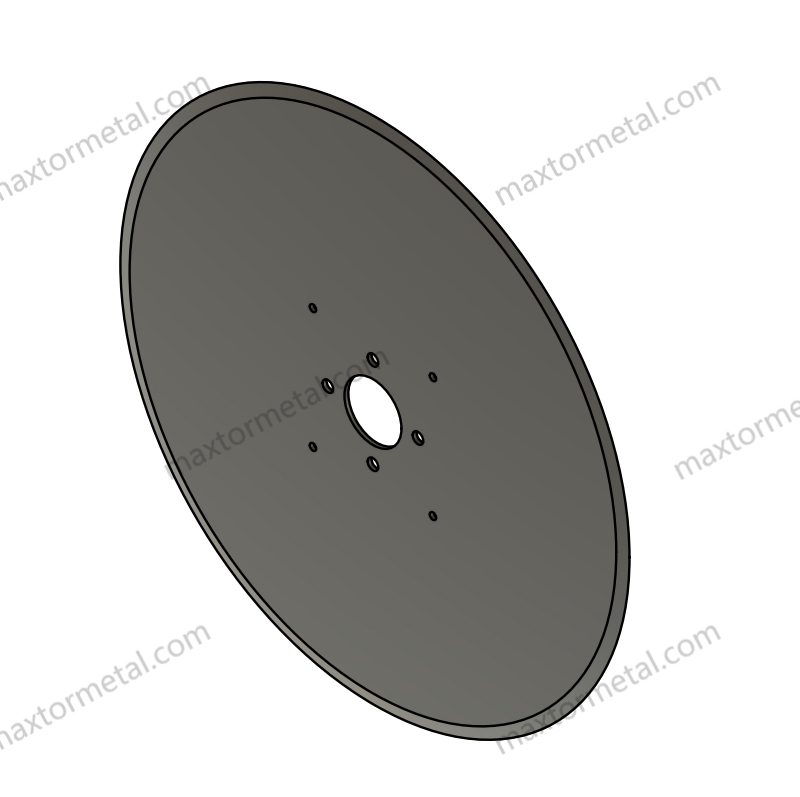
The blade material and coating you pick can change how much money and time a factory spends. Each material works best for certain jobs. Coatings help blades work better by making them last longer and cut smoother.
How Blade Material Affects Cost and Efficiency
Choosing the right blade material saves money and makes cutting better. Harder materials like tungsten carbide and ceramic last longer. They do not need to be changed as often. Stainless steel and HSS are not as hard, but they cost less and still last a good amount of time. The table below shows how different blade materials affect cost and how well they work:
| ブレード材質 | 硬度(HRC) | 理想的なアプリケーション | Impact on Cost & Efficiency |
|---|---|---|---|
| ステンレス鋼 | 55~60歳 | 食品、医療、軽作業 | Medium durability, corrosion resistance, moderate lifespan |
| ハイス鋼 | 60~64歳 | 紙、木材、プラスチック | Supports various edge thicknesses, balanced cost and life |
| タングステンカーバイド | 75~85歳 | Metal、ゴム、複合材料 | High hardness, longer life, reduces blade changes and downtime |
| セラミック | 80~90 | 箔、マイクロフィルム、光学 | Ultra-thin edges but brittle, risk of breakage if misused |
Tungsten carbide and ceramic blades can cut tough things for a long time. This means you do not have to stop and change blades as much. For example, HSS blades for film cutting stay sharp and last long. This is why many factories use them for packaging.
The Role of Coatings in Blade Performance
Coatings like titanium nitride (錫), diamond-like carbon (DLC), and titanium carbonitride (TiCN) make blades work better. These coatings make blades harder and smoother. They also stop things from sticking to the blade. The table below shows what each coating does:
| コーティングタイプ | 主なメリット | Application Areas | Effect on Ownership Cost & Efficiency |
|---|---|---|---|
| TiN(窒化チタン) | Reduces friction, increases hardness | 食品、包装、繊維 | Extends blade life, reduces friction-related wear |
| DLC(ダイヤモンドライクカーボン) | 固着を防ぎ、熱を放散します | フィルム、プラスチック、ゴム | Increases blade change intervals by 53%, eliminates adhesive buildup |
| TiCN(炭窒化チタン) | 過酷な条件下での耐摩耗性を向上 | Metal、複合材料 | Enhances durability under tough conditions, lowers scrap and downtime |
Tungsten carbide rotary knives with DLC coating can cut sticky or rough things without needing to be cleaned or changed a lot. Ceramic blades for nonwovens stay sharp and do not rust, so they are good for medical and clean jobs.
Real-World Impact: Cost and Efficiency Gains
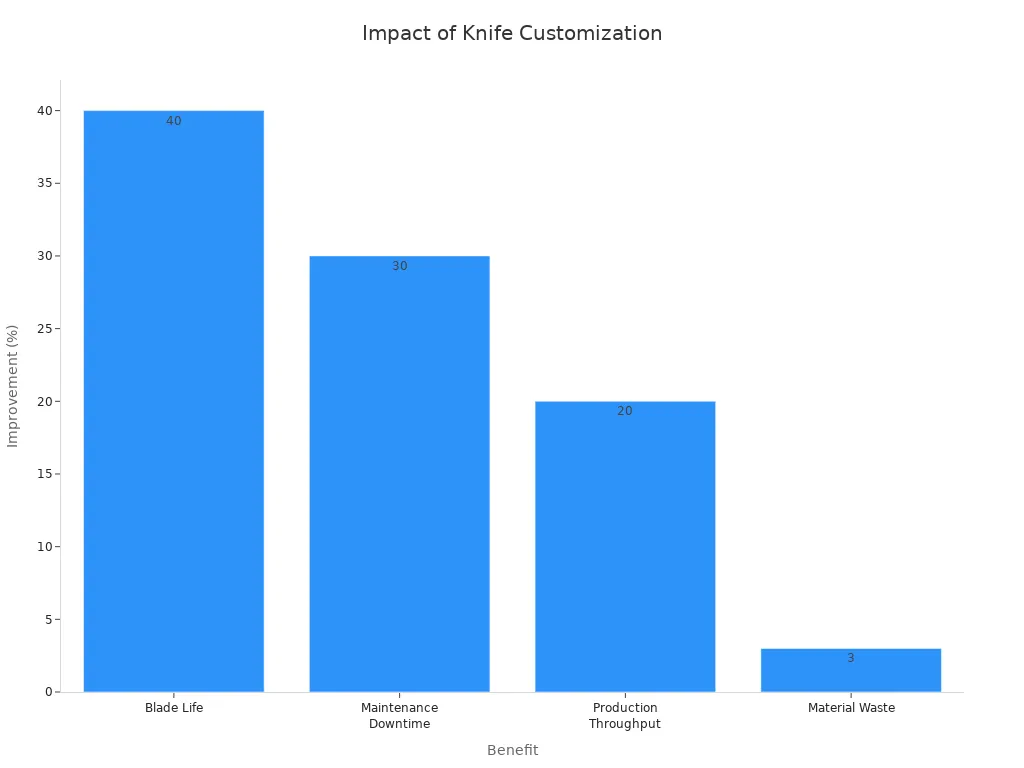
When factories use the best blade material and coating, they work better. The chart below shows how custom blades help factories:
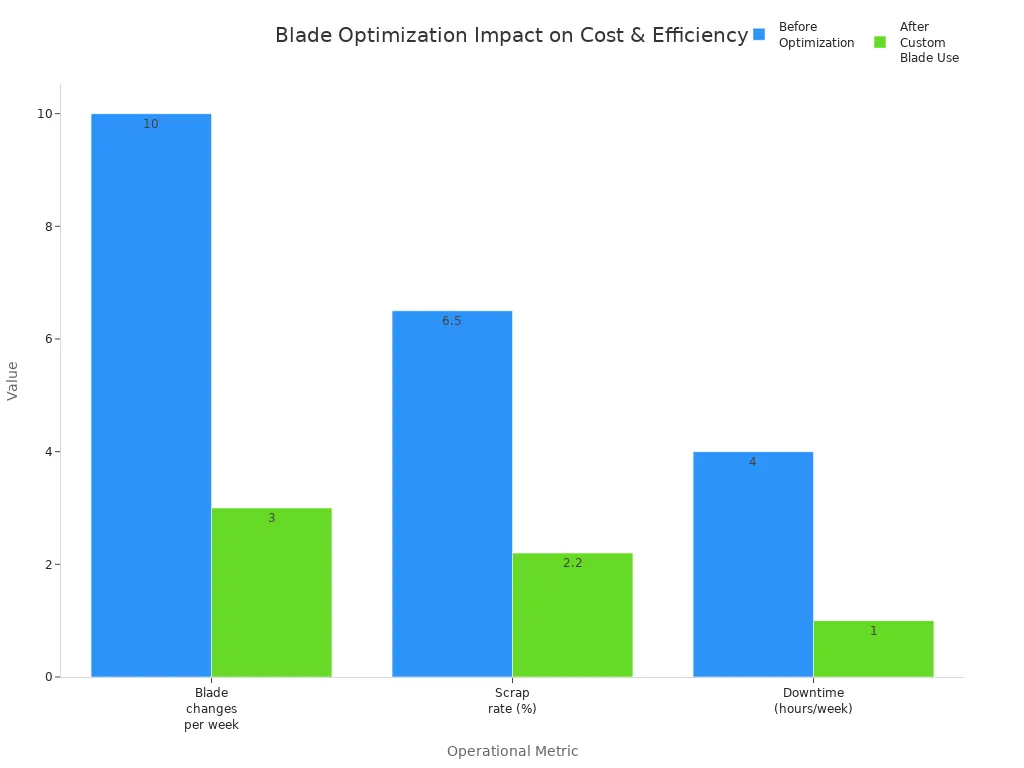
- Blade changes each week went down by 70%.
- Scrap rates dropped by 66%.
- Downtime was cut by 75%.
A food company used custom serrated blades and cut faster by 22%. Their blades lasted from 2 weeks to 6 weeks. Their cuts were also more exact, with less than 0.5 mm difference.
Material and Coating Influence on Blade Stability and Lifespan
Tests show that martensitic stainless steel, like X39Cr13, is very hard and strong. This helps blades last longer and cut better. Coatings put on by PVD, like AlCrN and DLC, make blades last even longer. But if there are hard things like sand in the material, blades can wear out faster. Picking the right blade and coating keeps cutting steady and stops machines from breaking down.
カスタマイズが重要な理由
Every factory has its own cutting problems. Custom blades made for special jobs help save money and time. Nanjing Metal is a top maker of industrial circular knives. They have made custom blades for over 20 years. Their team offers custom blade services to fit what each customer needs.
Tip: Always pick blade material and coating that match what you are cutting. This helps you save money, work faster, and make blades last longer.
よくある質問
How do coatings like DLC and TiN affect blade replacement frequency?
DLC そして 錫 coatings make blades harder and smoother. This means blades last longer and need to be replaced less often.
What is the best blade for slitting abrasive rubber?
Tungsten carbide rotary knives with a DLC coating work best for cutting rough rubber. They last the longest and wear out the slowest.
Can custom blades really reduce downtime?
Yes. Custom blades made for special jobs can cut downtime by up to 75% and lower scrap rates.
Want to make your cutting better? 南京Metalの営業エンジニアにお問い合わせください for help and advice.
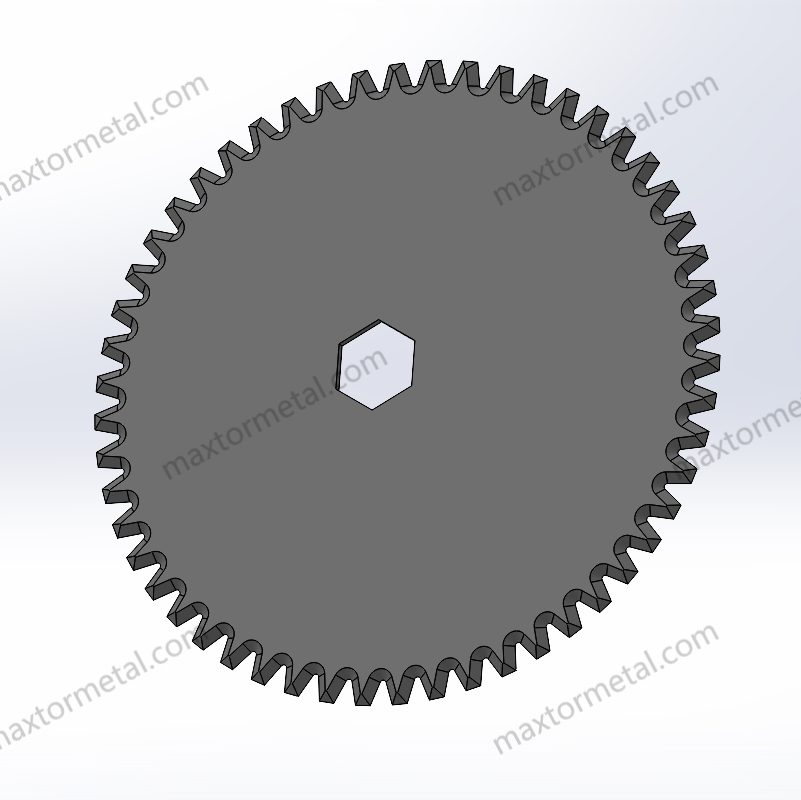
Comprehensive Comparison of Industrial Circular Knife Materials and Their Performance
工具鋼
材料特性
Tool steel is used a lot because it is hard, tough, and not too expensive. It is made from carbon and alloy steels. These blades are good for places where things do not wear out too fast. Tool steel blades are easy to shape and sharpen. They do not last as long as some other blade materials. But they are a smart pick when you want to save money and do not need the blade to last forever.
The table below shows the main tool steel types, what they are good at, and where they are used:
| Tool Steel Type | Key Performance Characteristics | 一般的な用途 |
|---|---|---|
| Water-hardening steels | Gets hard in water, stands up to stress and wear | Used for wood and paper cutting |
| Shock-resistant steels | Does not crack or break when hit hard | Used for chisels, punches, and tools that get hit |
| High-speed steels | Stays hard and strong even when hot | Used for fast cutting and drilling |
| Cold-work steels | Tough and does not wear out fast at room temperature | Used for tools that cut or shape things for a long time |
| Hot-work steels | Stays hard and tough when hot | Used for forging, die casting, and hot tools |
D2 steel is a kind of tool steel with lots of carbon and chromium. It is very hard and keeps its edge well after heat treatment. It can get up to 60-62 HRC. Tool steel knives are used in paper, packaging, food, plastics, and metalworking. The type of steel you pick depends on how hard, tough, or easy to sharpen you need it to be, and how much you want to spend.
Tool steel blades are best when you care more about saving money than making the blade last the longest.
HSSブレード
材料特性
High-Speed Steel (HSS) blades work better than regular tool steel. HSS blades stay hard and sharp even when they get hot. This makes them great for fast and busy cutting jobs. They last longer and do not need to be changed as much. This helps workers get more done.
The table below compares HSS blades and タングステンカーバイドブレード:
| パラメータ | High-Speed Steel (HSS) Blades | タングステンカーバイドブレード |
|---|---|---|
| 硬度(ビッカース) | 700 – 900 HV | 1600 – 2200 HV |
| 切断速度 | About 70 m/min (steel) | About 160 m/min (alloy steel) |
| 工具寿命 | Good, but not as long | Lasts 5–10 times longer |
| 耐熱性 | Up to 500°C | 1000℃まで |
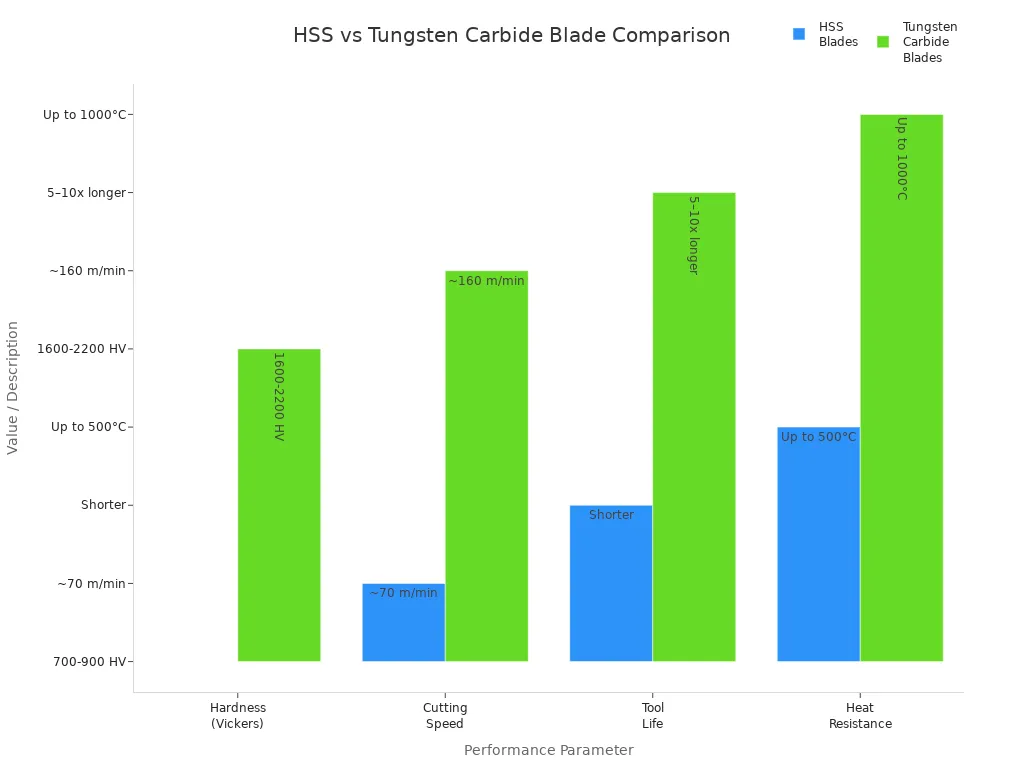
HSS blades are tough and can take hits without breaking. They are easier to sharpen and cost less than tungsten carbide blades. This makes them good for softer things and jobs that are not too rough. In paper factories, HSS blades are used a lot for cutting and slitting. They need to be sharpened more often than carbide blades.
HSS blades are a good mix of lasting long, not costing too much, and being easy to fix. That is why many people use them for industrial circular knives.
タングステンカーバイドブレード
材料特性
Tungsten carbide blades are the hardest and last the longest. They keep their sharp edge much longer than tool steel or HSS. This is true when cutting hard or rough things. Because they are so hard, they can cut faster and last longer. This is very helpful in busy places that need exact cuts.
The table below shows how tungsten carbide blades are different from HSS and tool steel blades:
| Attribute | タングステンカーバイドブレード | HSS and Tool Steel Blades |
|---|---|---|
| 硬度 | Much harder, the hardest | Not as hard as carbide |
| エッジ保持 | Stays sharp much longer, even with rough stuff | Needs sharpening more often |
| Abrasive Wear Resistance | Best at not wearing out, great for rough things | Wears out faster, gets dull quicker |
| 強靭さ | More likely to chip if hit | Tougher, can take hits and shakes |
| 耐熱性 | Handles more heat, can cut faster | Cannot take as much heat, gets soft above 600°C |
| 料金 | Costs more at first but saves money later | Cheaper at first, easier and cheaper to sharpen |
| 適切なアプリケーション | Best for lots of cutting and tough jobs | Good for normal jobs and softer things |
- Tungsten carbide tips keep their edge and last longer, even with tough or thick things.
- Carbide blades stay hard at very high heat (over 1100°C), so they can cut faster and last longer.
- Carbide is harder but can break easier than HSS if hit or shaken.
- Carbide blades are best for fast, exact, and rough cutting. HSS blades are better for normal jobs and when the blade might get hit.
Tungsten carbide blades need to be handled with care because they can chip. But they work so well in tough jobs that many people think they are worth the price. Factories that cut rubber, composites, or layered films often pick tungsten carbide for its sharpness and long life.
If you want your blades to last the longest and stop work less, tungsten carbide blades are the best.
Nanjing Metal is a top maker of industrial circular knives. They have made custom blades for over 20 years. Their team can make special blades for many jobs. If you need a special blade, you can look at custom blade services to help your work.
よくある質問
Which circular blade material is best for cutting abrasive composites?
Tungsten carbide blades are best for cutting rough composites because they are very hard and do not wear out fast.
Are HSS blades suitable for high-speed slitting of paper and film?
Yes, HSS blades stay sharp at high speeds and work well for cutting paper and film. But they need to be sharpened more often than carbide blades.
Want to make your cutting better? You can ask Nanjing Metal’s sales engineers 助けを求めて。
セラミックブレード
材料特性
Ceramic blades are very hard and keep their sharp edge for a long time. They are made from special ceramic materials like zirconia or alumina. These blades have a Mohs hardness of 8.2, which is much harder than steel. Because of this, ceramic blades can stay sharp up to ten times longer than steel blades. Workers like that ceramic blades do not rust or corrode. This makes them great for clean places like food factories, medical plants, and hygiene product lines.
Ceramic blades are light, so workers do not get tired as fast. Since they are not metal, they do not react with sensitive things. But, because they are so hard, ceramic blades can break or chip if hit from the side. That is why factories use ceramic blades mostly for careful cutting of soft or gentle materials like films, nonwovens, and special papers.
| 財産 | セラミックブレード | スチールブレード |
|---|---|---|
| Hardness (Mohs) | 8.2 (very hard) | 5–6 |
| エッジ保持 | Stays sharp up to 10 times longer | Needs sharpening often |
| 脆さ | High (can chip or crack easily) | Low (more bendy and strong) |
| 耐久性 | Hard but can break | Tough and bends more |
Note: You need diamond tools to sharpen ceramic blades. They cost more at first, but you do not have to change or fix them as much.
Comparative Summary: Lifespan and Wear Resistance
Ceramic blades are the best at staying sharp and not wearing out. Their hardness lets them keep a sharp edge for a long time, even when cutting soft or rough things. Compared to tool steel, HSS, and tungsten carbide, ceramic blades do not rust and are not hurt by chemicals.
の table below shows how the main blade materials compare:
| 材料 | 硬度(HRC) | 耐摩耗性 | 耐腐食性 | 熱安定性 | 代表的な用途 |
|---|---|---|---|---|---|
| 高炭素鋼 | 55~62 | 適度 | 低い | 適度 | General cutting, saves money |
| D2工具鋼 | 58~62 | 高い | 適度 | 高い | Exact cutting, tough jobs |
| M2高速度鋼 | 60~65歳 | 非常に高い | 適度 | 非常に高い | Fast, hot cutting work |
| タングステンカーバイド | 75~80歳 | 非常に高い | 高い | 非常に高い | Hard jobs, lasts a long time |
| セラミック | 85+ | 高い | 非常に高い | 低い | Super exact, non-metal jobs |
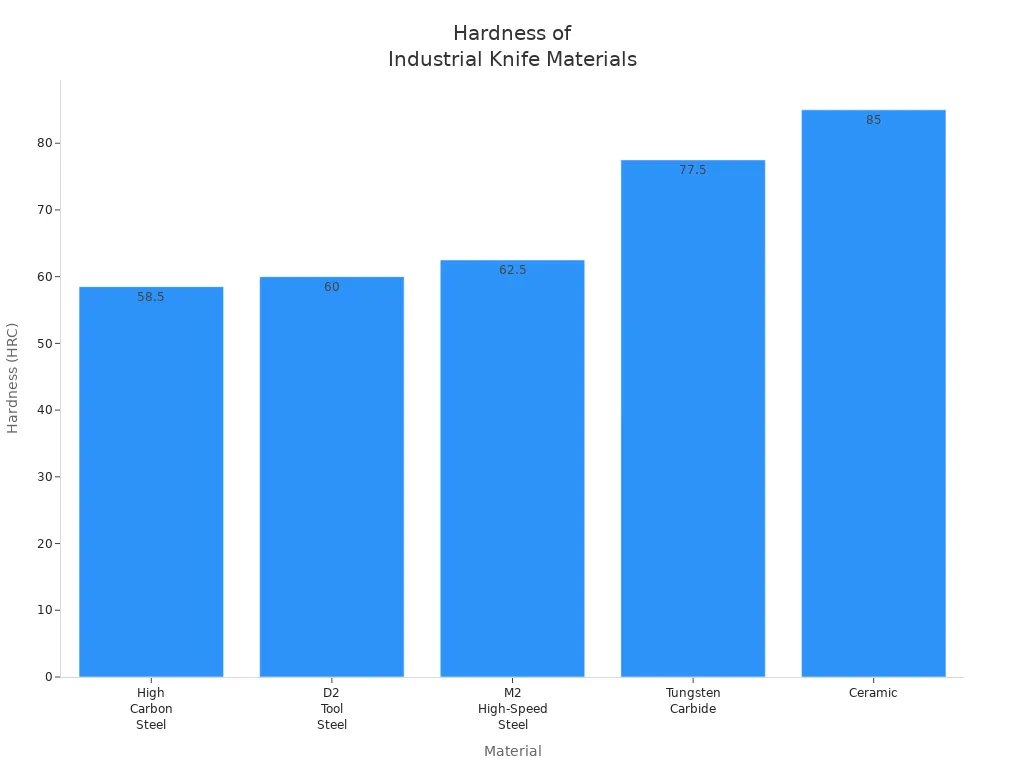
- Ceramic blades stay sharp much longer than steel or carbide blades.
- They are good for jobs where you do not want to change blades a lot.
- But, they do not handle heat well, so they are not good for hot cutting.
- Because they can break, they are not used for heavy or rough jobs.
Summary: Ceramic blades are great for careful, long-lasting cuts on soft or rough things, but you must be careful not to chip them.
よくある質問
Are ceramic blades suitable for cutting abrasive nonwovens or hygiene products?
Yes. Ceramic blades stay sharp and make clean cuts in nonwovens and hygiene materials. This means you do not have to change blades as often.
Can ceramic blades be used for high-speed slitting of films?
Ceramic blades can cut thin films quickly, but you must be careful not to hit them from the side or they might chip.
What is the main limitation of ceramic blades in industrial use?
The biggest problem is that they can chip or crack if they get hit from the side or dropped.
Comprehensive Analysis of Blade Coatings and Their Impact on Industrial Circular Knife Performance
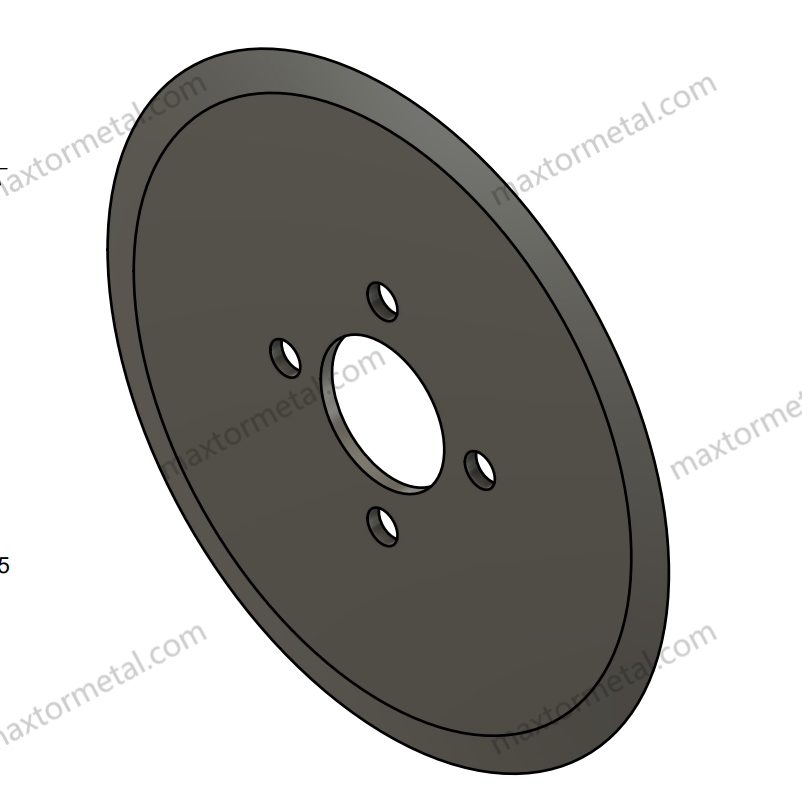
Common Coating Types
Blade coatings help cutting tools work better and last longer. Makers use special coatings to solve problems like wear, friction, and rust. Here are some common coatings:
- Diamond Coating: Keeps blades sharp longer and stops wear. This means less time spent changing blades.
- 窒化クロム(CrN): Sticks well to blades, fights rust, and lowers friction. This keeps blades cool.
- Zirconium Nitride (ZrN): Makes blades very hard and stops rust. It helps blades make cleaner cuts.
- Chrome Coating: Makes blades harder and helps them last longer. It protects against rust and wear.
- Teflon (PTFE) Coating: Stops things from sticking to blades. It also helps with heat and friction.
- 窒化チタン(TiN): This hard ceramic coating is put on by PVD. It makes blades harder, tougher, and smoother.
- Teflon Black Nonstick: This FDA-approved coating stops sticky stuff from building up. It also fights rust and wear, which is good for food jobs.
- Titanium Carbon Nitride (TiCN): Has titanium, carbon, and nitrogen. It makes blades harder and stops rust. It is good for fast cutting.
- Hard Chrome: Helps steel blades fight rust and wear. It also makes them last longer.
- ダイヤモンドライクカーボン(DLC): Makes blades very hard and smooth. It also helps blades handle heat and tough jobs.
- PolyTetraFluoroEthylene (PTFE): This coating bends easily, does not react with chemicals, and has a high melting point.
- Electroless Nickel Plating: Makes blades smoother and fights rust and wear. But it does not make blades harder.
Coatings make blades harder, lower friction, stop rust, and help blades last longer.
TiN (Titanium Nitride) Coating
TiN coating is gold and very hard. Makers use PVD to put it on blades. TiN makes blades about 25% harder. It also lowers friction and helps blades last longer. TiN stops blades from rusting. It is used for cutting soft metals like aluminum and copper. Blades with TiN last 20–30% longer than blades without it.
TiAlN (Titanium Aluminum Nitride) Coating
TiAlN is even harder than TiN and can take more heat. This makes it good for fast, hot cutting jobs, like cutting hard metals. TiAlN can help blades last up to 35% longer. It looks dark gray or black and protects blades from heat and wear.
DLC (Diamond-Like Carbon) Coating
DLC coating is very hard and super smooth. It stops things from sticking to blades. It helps blades work better, especially when cutting fast or sticky things. DLC-coated blades are great for soft metals and sticky jobs. They can last up to 50% longer, so they are good for tough places.
Performance Enhancements from Coatings
Wear Resistance and Friction Reduction
Blade coatings help blades fight wear and lower friction. TiN, TiAlN, and DLC each have special strengths:
| コーティングタイプ | Hardness (HV) | 主なメリット | 代表的な用途 | Blade Life Improvement |
|---|---|---|---|---|
| TiN(窒化チタン) | ~2200-2400 HV | Makes blades harder, lowers friction, stops rust | Soft metals like aluminum and copper | 20-30% longer |
| TiAlN(チタンアルミニウム窒化物) | Up to 3200 HV | Even harder, takes more heat, good for fast cutting | Hard metals, metal coil slitting | Up to 35% longer |
| DLC(ダイヤモンドライクカーボン) | 1000-2400 HV | Very hard, super smooth, stops sticking | Soft metals, fast cutting | 最大50%長い |
These coatings help blades stay sharp, keep cool, and cut smoothly. For example, DLC makes blades less sticky and gives cleaner cuts. TiAlN can take more heat, so it is good for fast, hot jobs.
Coated blades last longer, cut better, and need to be changed less often.
腐食防止
Many coatings also keep blades from rusting. Chromium Nitride (CrN), Hard Chrome, and PTFE protect blades from water and chemicals. This is important in food, hygiene, and medical jobs where blades must stay clean. Teflon and Teflon Black Nonstick also stop sticky stuff from building up and make cleaning easier.
Comparative Table: Wear Resistance and Cost
Coated blades cost more at first, but save money later. They need less fixing and last longer. Here is a table that shows how coatings compare:
| コーティングタイプ | 耐摩耗性 | 腐食防止 | 摩擦軽減 | 初期費用 | ブレード寿命の延長 |
|---|---|---|---|---|---|
| 錫 | 高い | 適度 | 適度 | 適度 | 20-30% |
| TiAlN | 非常に高い | 適度 | 適度 | 高い | 最大35% |
| DLC | 素晴らしい | 高い | 非常に高い | 高い | 最大50% |
| CrN | 高い | 高い | 高い | 適度 | 20-30% |
| PTFE/テフロン | 適度 | 高い | 非常に高い | 適度 | 10-20% |
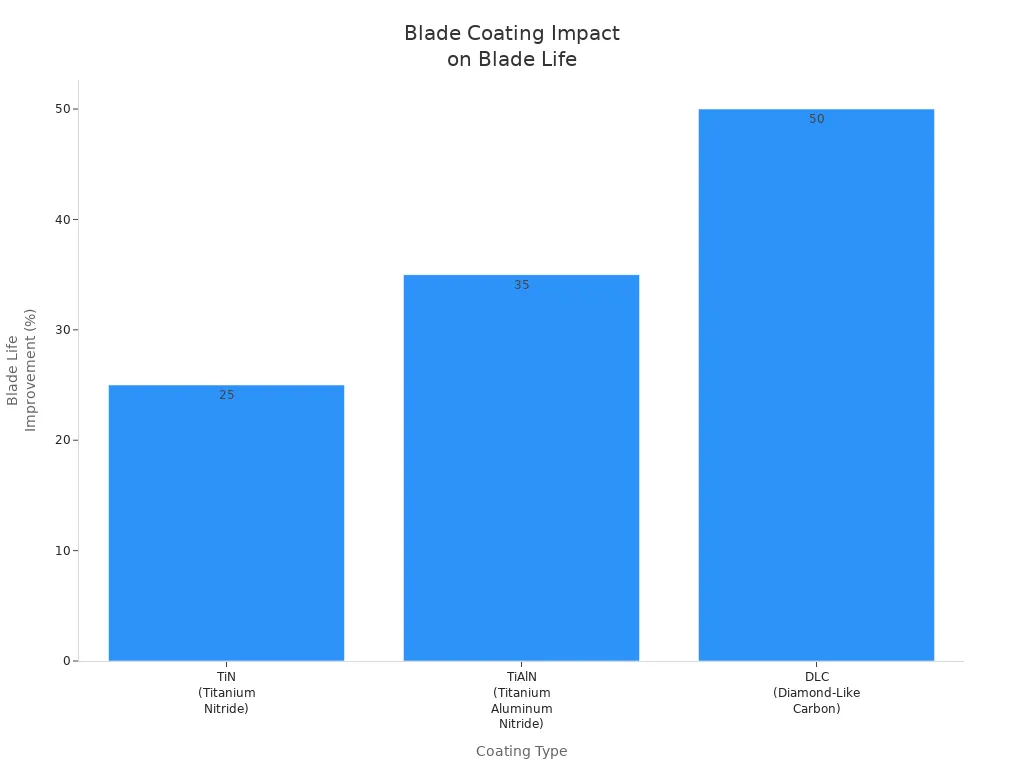
Top coatings like TiN and TiCN can make blades last up to 40% longer. They also cut fixing time by 30%. DLC coatings give the best wear resistance and smoothness. They are good for tough or sticky jobs. Even though coated blades cost more at first, they save money over time by lasting longer and working better.
Better coatings help blades last longer and make products better by cutting faster and making fewer mistakes.
A textile factory switched from carbon steel to stainless steel blades with coatings. They changed blades 30% less often and made 12% more products. Coated blades also wasted less fabric and cut faster.
よくある質問
Which coating is best for cutting sticky or adhesive materials?
DLC and PTFE coatings are best for sticky things. They stop stuff from sticking and keep blades clean.
How do TiN and TiAlN coatings compare for high-speed metal slitting?
TiAlN is harder and takes more heat than TiN. It is better for fast, hot cutting of hard metals.
Do coated blades really save money in the long run?
Yes. Coated blades last longer, need less fixing, and cut better. This saves money over time.
Industrial Circular Knives Applications Across Key Industries
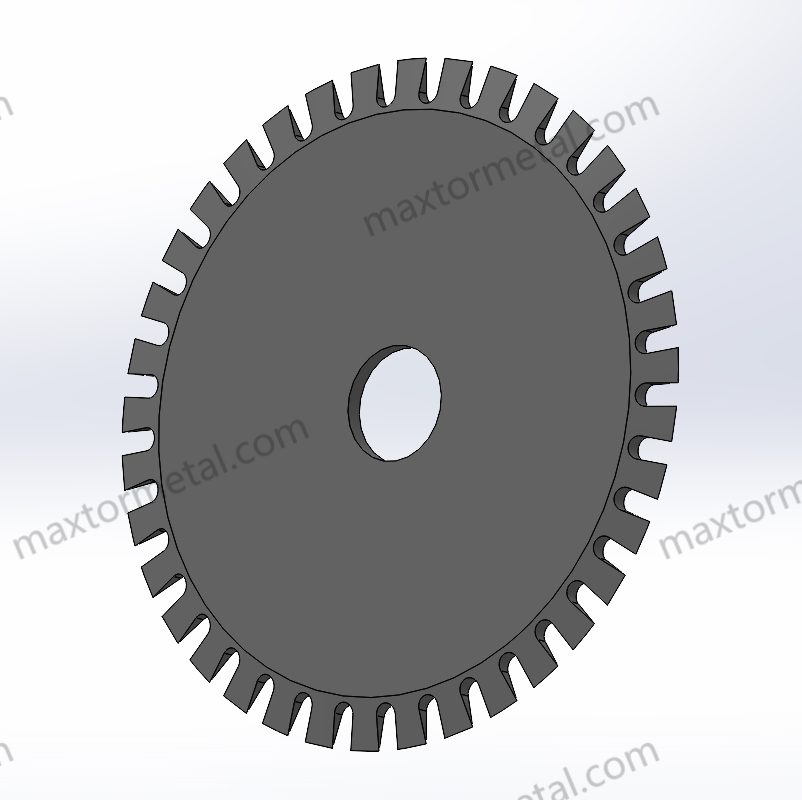
フィルムスリット
Film slitting needs blades that make smooth, clean cuts fast. Factories cut thin plastic films and packaging. The blade must stay sharp and not wear out quickly. It should also not build up static. Picking the right material and coating is very important.
Recommended Material and Coating Combinations
The best materials for film slitting are tungsten carbide, high-speed steel, and hardened steel. These materials are hard and tough. They do not wear out fast. Factories use coatings like Titanium Nitride (TiN), Titanium Aluminum Nitride (TiAlN), and Diamond-Like Carbon (DLC). These coatings help blades last longer and cut smoother.
| Performance Requirement | 説明 |
|---|---|
| 硬度 | Keeps the blade sharp for clean film cuts |
| 強靭さ | Stops the blade from chipping or breaking |
| 耐摩耗性 | Makes the blade last longer in busy work |
| 延性 | Lets the blade bend a bit without breaking |
| 純度 | Makes sure the blade works the same every time |
| 材料 | Application and Benefits |
|---|---|
| タングステンカーバイド | Very strong, cuts tough films, lasts long |
| ハイス鋼 | Good mix of hard and tough, works well |
| 硬化鋼 | Heat-treated to be strong and last longer |
| コーティングタイプ | 主なメリット | Quantified Improvement |
|---|---|---|
| 窒化チタン(TiN) | Makes blades harder, lowers friction | Up to 45% less wear |
| Titanium Aluminum Nitride (TiAlN) | Handles heat, fights rust, lasts longer | 高速でも良好に動作します |
| ダイヤモンドライクカーボン(DLC) | Cuts smoother, stops sticking | Can cut force by over 50% |
| セラミックコーティング | Hard, non-metal, fights rust and wear | Good for wet or rough jobs |
| Multi-layer Nano Coatings | Many thin layers, less friction | Makes blades last longer and cut better |
Changing blade shape and edge can make blades last up to 40% longer. It can also cut maintenance time by 30%. Factories can make 15-25% more products and waste less material, dropping waste from 5% to 2%.
Top Recommendations:
- HSS with TiN coating: Great for fast film cutting, less friction and sticking.
- Tungsten carbide with DLC coating: Best for tough or layered films, lasts longest.
- Multi-layer nano coatings: Helps with special films, makes blades more exact and last longer.
Tip: Factories should match blade height and speed to the film. A 5 mm blade height and 370 rpm speed often work best.
ゴムのスリット加工
Rubber slitting is hard on blades. Rubber is thick and stretchy. It can stick to the blade and cause problems. Blades must not gum up, must stay sharp, and must handle lots of rubbing. The right material and coating help blades last and cut better.
Recommended Material and Coating Combinations
Tungsten carbide and high-speed steel are best for rubber slitting. These materials are tough and keep their edge. Coatings like DLC and TiAlN help blades not stick and last longer.
| 材料 | Benefits for Rubber Slitting |
|---|---|
| タングステンカーバイド | Cuts rough rubber, stays sharp, does not wear out fast |
| 高速度鋼(HSS) | Tough and not too costly, good for most rubber jobs |
| D2工具鋼 | Very hard, good for less rough rubber |
| コーティング | 主なメリット |
|---|---|
| DLC | Stops sticking, lowers friction, makes blades last longer |
| TiAlN | Handles heat, helps blades last in tough jobs |
| 錫 | Good for normal rubber jobs, balances cost and work |
Top Recommendations:
- Tungsten carbide with TiAlN coating: Best for cutting rough, tough rubber.
- HSS with TiN coating: Good for most rubber jobs, saves money and lasts.
- Tungsten carbide with DLC coating: Great for sticky or high-friction rubber.
Note: The right blade and coating mean fewer blade changes and smoother work.
Nonwovens and Textiles
Cutting nonwovens and textiles needs blades that stop fraying and make neat cuts. These materials can be soft, fake, or layered. The blade must stay sharp and not pull at the fibers.
Recommended Material and Coating Combinations
Factories use D2 tool steel, M2 high-speed steel, tungsten carbide, and ceramic for these jobs. These materials are very hard and keep their edge. Coatings like TiN, TiCN, TiAlN, and DLC help blades last longer and cut better.
| Material / Coating | 主な特性 | Benefits for Nonwoven/Textile Cutting |
|---|---|---|
| D2工具鋼 | Very hard, fights wear | Blades last long and stay sharp |
| M2高速度鋼(HSS) | Hard and tough | Good for tough textile jobs |
| タングステンカーバイド | Super hard, fights wear | Lasts longer, cuts rough materials cleanly |
| セラミック | Very hard, low friction | Makes neat cuts, less heat and wear |
| 窒化チタン(TiN) | Harder, fights wear | Blades last longer, cuts stay neat |
| 炭窒化チタン(TiCN) | Fights wear very well | Blades last longer in tough jobs |
| Titanium Aluminum Nitride (TiAlN) | 優れた耐熱性 | Stays hard in fast cutting |
| ダイヤモンドライクカーボン(DLC) | Very hard, low friction | Less friction and wear, blades last longer |
| クロムメッキ | Fights rust, smooth finish | Protects blade, less friction |
- Use strong steel and carbide for blades that last.
- Blades are made sharp and smooth to stop fraying.
- Factories can get custom blades for special jobs.
- Careful making of blades means neat, even cuts.
- Special knives are made for nonwovens and textiles, like straight, round, or toothed shapes.
- Blade edge shape and tight rules help stop fraying and make good cuts.
Top Recommendations:
- Ceramic blades: Stay sharp and make clean cuts, great for soft or fake fibers.
- HSS with TiN coating: Lasts longer and stops fiber pulling, good for fast textile work.
- Tungsten carbide with DLC coating: Best for rough nonwovens and long jobs.
よくある質問
Which circular blade material is best for cutting multilayer film?
Tungsten carbide or HSS blades with a thin, sharp edge are best for multilayer film. They make clean cuts and waste less.
Can TiCN coating outperform TiN in high-speed slitting?
TiCN coatings are harder and last longer than TiN. They are great for fast and tough cutting.
How do custom blades help in textile and nonwoven cutting?
Custom blades make better cuts, stop fraying, and lower downtime. Factories get better results and save on fixing costs.
Paper and Foil
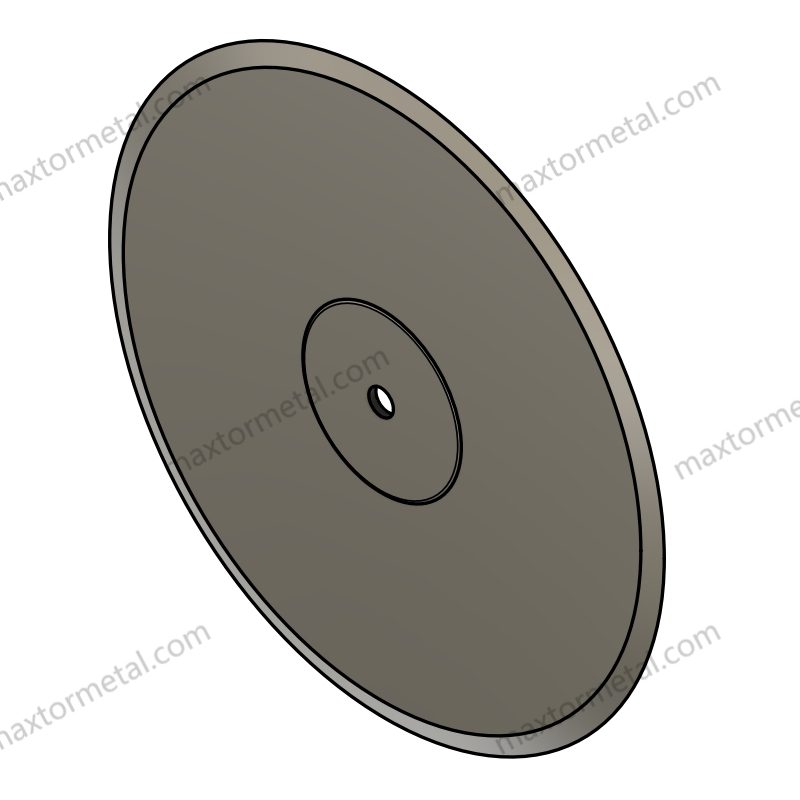
Recommended Material and Coating Combinations
Cutting paper and foil is tricky. Workers need to stop dust, keep blades sharp, and make clean cuts for a long time. Picking the right blade material and coating helps blades work better and saves money.
- D2 steel blades are good for many jobs and do not cost much. They are easy to sharpen and last a long time when cutting paper or plastic.
- M2 steel blades are even tougher. They work well with rough paper and last longer, so workers do not have to stop as much.
- CPM 10V steel is super tough and does not wear out fast. It is best for cutting many layers or rough materials and can be used for a long time.
- Carbide inlay blades stay sharp all day and night. They are great for rough paper and foil and help workers change blades less often.
- Split bottom knives let workers change blades quickly. This means they do not have to take out the whole set, so work does not stop for long.
- Making the blade edge between 10 and 20 micrometers keeps it sharp and strong. This helps make less dust and makes blades last longer.
- Coatings like Titanium Nitride (TiN) and Diamond-Like Carbon (DLC) make blades harder and smoother. These coatings help blades last longer and cut better.
- Setting the nip point right and using strong blade holders is important. This stops blades from wearing out too fast and keeps them sharp.
A paper company used a blade with a 20 micrometer edge and saw blades last 25% longer. Their cuts got 15% better. Other reports show 20% fewer blade changes and 18% less dust with a 15–20 micrometer edge.
Best Practices for Paper and Foil Slitting:
- Pick D2 or M2 steel for most paper and foil jobs.
- Use CPM 10V or carbide inlay blades for rough or layered materials.
- Put TiN or DLC coatings on blades to help them last and cut better.
- Keep blades sharp to stop dust and avoid losing products.
- Teach workers how to set up and care for blades to get the best results.
| ブレード材質 | 主なメリット | 典型的な使用例 |
|---|---|---|
| D2スチール | Good for many jobs, easy to sharpen | Cutting paper or plastic |
| M2スチール | Tough, lasts longer | Rough paper, coated paper |
| CPM 10V | 極めて優れた靭性、最長の耐用寿命 | 多層材、高摩耗性材料 |
| Carbide Inlay | 優れた切れ味維持、連続操業に対応 | 粗面紙または箔 |
| コーティング | 利点 |
|---|---|
| 錫 | 刃物の高硬度化、摩擦低減 |
| DLC | 刃物の長寿命化、クリーンな切断面 |
ヒント:ブレードホルダーが確実に固定され、正しく調整されているか常に確認してください。これにより、刃の切れ味が維持され、切り粉(ダスト)の発生を抑えることができます。.
よくある質問
- 長時間の紙スリット加工に最適な刃物材質は何ですか?
CPM 10Vまたは超硬インレイ刃が最も寿命が長く、長時間の連続作業に最適です。. - 箔のスリット加工時に切り粉(ダスト)を減らすにはどうすればよいですか?
刃先が15–20 micrometerの刃物を使用し、TiNまたはDLCコーティングを施すことで、ダストの発生を抑え、切断品質を向上させることができます。.
その他の産業
Recommended Material and Coating Combinations
多くの用途で特殊な刃物やコーティングが必要とされます。適切な仕様を選択することで、機械の性能を最大限に引き出し、作業者の安全を確保し、高品質な製品を製造できます。.
- ステンレス鋼製刃物 は食品加工用途に最適です。錆びにくく、食品に対して安全に使用できます。.
- 工具鋼製刃物は強度と靭性に優れています。頻繁に使用しても切れ味が落ちにくいため、自動車産業や金属加工に適しています。.
- 炭素鋼製刃物は硬度が高く、刃先を鋭く保ちます。金属、紙、プラスチックの切断に使用されます。.
- 超硬合金、セラミック、CPM 10V、52100、M-2、D-2鋼などの特殊材料は、非常に硬度が高く、耐熱性にも優れています。グラスファイバー、複合材料、医療用資材などの難削材の切断に適しています。.
- TiN、DLC、PTFEなどのコーティングは、刃の切れ味を維持し、寿命を延ばします。これらのコーティングは、粘着性のある材料や摩耗性の高い材料の切断に最適です。.
- 標準V(Standard V)、バリデプスV(Vari-Depth V)、ハイ/ローV(Hi/Low V)、波刃(Scalloped)、ペグスタイル(Peg Style)、スラントトゥース(Slant Tooth)など、さまざまな刃先形状により、切断効率が向上し、機械への負荷を軽減します。.
- カスタム刃物の製作や適切な材質の選定は、特殊な用途や困難な切断作業に対応するために不可欠です。.
| 業界 | 推奨される刃物材質/コーティング | 主なメリット |
|---|---|---|
| 食品加工 | ステンレス鋼、PTFEコーティング | 防錆、食品安全 |
| 自動車/金属加工 | 工具鋼、DLC/TiNコーティング | 高靭性、優れた耐摩耗性 |
| プラスチック/複合材料 | 超硬合金、セラミック、DLCコーティング | 超高硬度、クリーンな切断面 |
| 医療/衛生 | セラミック、ステンレス鋼 | 安全性、化学薬品に対する不活性 |
| グラスファイバー/先端材料 | CPM 10V、超硬合金、保護コーティング | 長寿命、切れ味維持、耐熱性 |
注:カスタム刃物は、工場の生産性向上、作業時間の短縮、および機械の故障(ダウンタイム)防止に貢献します。.
Nanjing Metalは、20年以上の実績を持つ産業用丸刃のトップメーカーです。同社は、熟練した技術チームと優れた設計力で知られています。Nanjing Metalは、多種多様な用途に合わせたカスタム刃物を製造しています。カスタム刃物のオプションについては、こちらの custom blade services リンクからご覧いただけます。.
よくある質問
- 食品加工に最適な刃物材質は何ですか?
安全性に優れ、錆びないPTFEコーティングを施したステンレス鋼が最適です。. - グラスファイバーや複合材料の切断に最適な選択肢は何ですか?
コーティングを施したCPM 10Vまたは超硬合金製の刃物が、長寿命で鋭い切れ味を維持するため最適です。. - カスタム刃物は特殊な産業分野でどのように役立ちますか?
カスタム刃物は各用途に完全に適合し、切断品質を向上させ、機械の稼働寿命を延ばします。.
Selection Guide
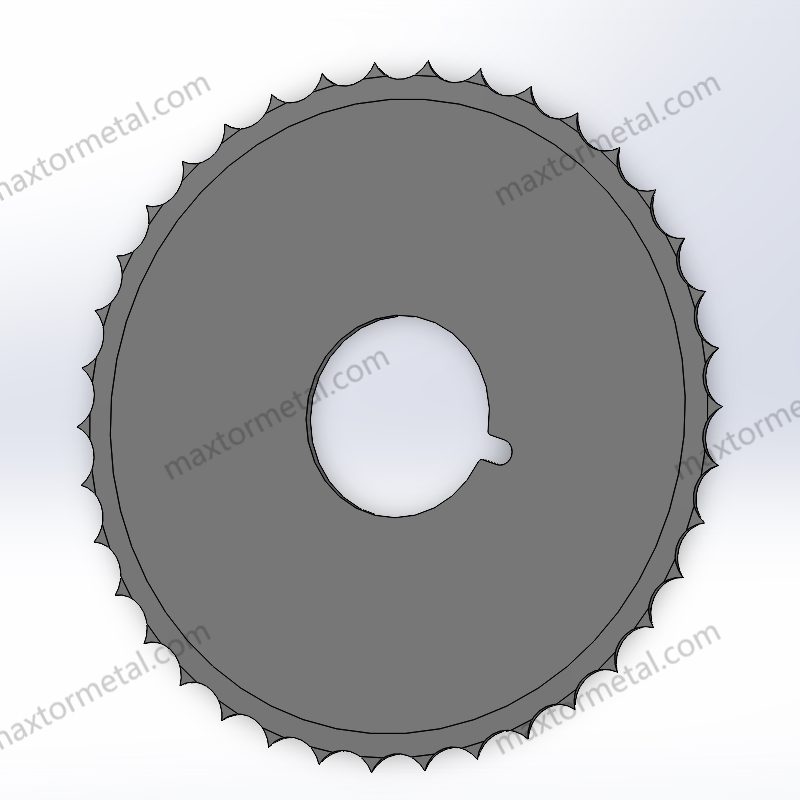
素材のマッチング
適切な刃物材質を選定するには、まず切断対象物を把握する必要があります。被削材によって特性が異なり、刃物のパフォーマンスに影響を与えます。以下は、用途に最適な刃物をマッチングさせるための簡単な手順です。
- 被削材(切断対象物)の評価
切断する対象物を特定します。厚さ、薄さ、柔らかさ、硬さを確認してください。軟質プラスチック、摩耗性の高い複合材料、粘着性のあるゴムなど、それぞれ異なる刃物が必要です。. - 用途要件の定義
刃物の役割を決定します。スリット、スコアカット、スライス、または穴あけのいずれを行うか。それぞれの作業に適した異なる種類の刃物が必要です。. - 刃物材質の選定
- 頻繁な使用に耐える強靭な刃が必要な場合は、高炭素鋼を選択してください。.
- 刃が濡れる環境や食品に触れる用途では、防錆性に優れたステンレス鋼を使用してください。.
- 粗いフィルムや積層フィルムの切断など、極めて高負荷な用途には超硬合金(ソリッドカーバイド)を選択してください。.
- 刃の交換頻度を減らしたい場合や、医療・クリーン用途での切断には、セラミックを選択してください。.
- 刃先および刃型形状の選択
被削材(切断対象物)に合わせて刃先形状を選定してください。スクエアエッジは一般的な用途に広く適しています。波刃(スカラップ)や傾斜刃は、柔らかい素材や繊維質の素材の切断に効果的です。. - 専門家またはメーカーへの相談
ご不明な点がある場合は、技術者または刃物メーカーにご相談ください。最適な刃物の選定や、特殊仕様の刃物の設計をサポートいたします。. - 刃物交換時のリバースエンジニアリング
使用済みの刃を交換する際は、その摩耗状態を分析してください。これにより、次回より最適な刃を選定する手がかりが得られます。.
ヒント:刃が使用される環境を常に考慮してください。熱、水分、化学薬品などは刃の寿命(耐用年数)を大きく左右します。.
刃先タイプの選定
刃先タイプによって切断品質が決まります。適切な刃先を選定することで、切断面が美しくなり、材料のロスを低減し、刃の寿命を延ばすことができます。以下は、代表的な刃先タイプとそれぞれの最適な用途です。
| エッジタイプ | 説明 | 最適な用途 |
|---|---|---|
| スクエアエッジ | Flat and sharp | Slitting, paper, film |
| シングルベベル | One side slanted, one side flat | 精密な切断、薄物 |
| ダブルベベル | Both sides slanted | 高靭性素材、ゴム、スポンジ・フォーム材 |
| Serrated/Toothed | Saw-like teeth | Textiles, nonwovens, hard jobs |
| スカラップ | Rounded teeth, smooth cut | Soft things, food, foam |
| 斜め歯 | Angled teeth for tough jobs | Thick or stringy things |
- フィルムや箔を直線できれいに切断するには、スクエアエッジまたは片刃(シングルベベル)を使用してください。.
- 厚物や粗い素材には、両刃(ダブルベベル)または鋸刃を選択してください。.
- 柔らかい素材、伸縮性のある素材、または繊維質の素材には、波刃(スカラップ)や傾斜刃を選択してください。.
注意:不適切な刃先を使用すると、切断面が荒れたり、切り粉(ダスト)が発生したりする原因になります。常に被削材に適した刃先を選定してください。.
コーティングの選定
刃物コーティングは、刃の寿命を延ばし、切断性能を向上させます。適切なコーティングを施すことで、摺動性を高め、硬度を向上させ、防錆効果をもたらします。最適なコーティングの選定方法は以下の通りです。
- 主な切断課題の特定
切断プロセスにおける最大の課題(摩耗、溶着・付着、熱、錆など)を特定します。 - 用途・ニーズに応じたコーティングの選定
- 特に高速・高負荷な用途において、刃の長寿命化とスムーズな切断を実現するには、Titanium Nitride (TiN)を使用してください。.
- さらなる高硬度化を図り、粘着性物質の付着(溶着)を防ぐには、Diamond-Like Carbon (DLC)を選択してください。.
- 刃が激しい熱サイクル(加熱と冷却の繰り返し)にさらされる場合は、熱変化から保護するナノコーティングを検討してください。.
- 刃物材質とコーティングの適合
高負荷な用途にはタングステンカーバイド(超硬)にDLCを施してください。比較的柔らかい素材の切断にはHigh-Speed SteelにTiNを使用してください。. - 刃物の適切なメンテナンス
コーティングの効果を最大限に維持するために、刃物を正しく洗浄、防錆油の塗布、および保管を行ってください。. - カスタムソリューションの検討
特殊な用途や仕様がある場合は、刃物メーカーにカスタムコーティングや特殊な刃先形状についてご相談ください。.
適切なコーティングを選定し、精密に製造された刃物を使用することで、過酷な使用環境下でも鋭い切れ味と優れた作業効率を維持できます。.
よくある質問
- 刃物の材質を用途に適合させる際、最も重要な要因は何ですか?
最も重要なのは、被削材(切断対象物)の硬度、摩耗性、水分の有無などの特性です。. - 刃先タイプは刃の寿命にどのように影響しますか?
適切な刃先形状を選定することで、刃の寿命が延び、切断品質が向上するため、再研磨や交換の頻度を減らすことができます。. - コーティングは本当に刃の性能に違いをもたらしますか?
はい。適切なコーティングを施すことで、刃の寿命を最大1.5倍に延ばし、よりスムーズな切断を実現し、溶着や錆を防ぐことができます。.
コストとパフォーマンス
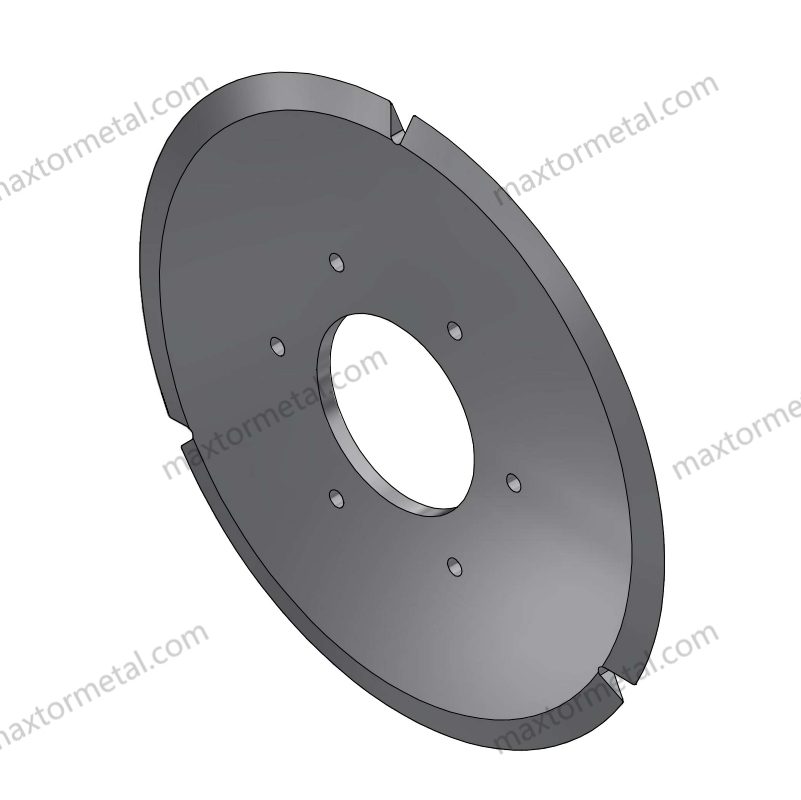
最適な工業用刃物の選定は、単なる購入価格以上の意味を持ちます。初期投資だけでなく、将来的なコスト削減効果(トータルコスト)を考慮する必要があります。初期費用のみに注目しがちですが、真のコストは刃の交換頻度、設備の停止時間(ダウンタイム)、およびメンテナンス工数によって決まります。最適な刃物は、用途、被削材、および使用環境によって異なります。.
材質ごとの投資対効果の比較
各刃物材質には、それぞれのコストと性能特性があります。
- 高炭素鋼: 初期導入コストは低く抑えられますが、摩耗が早いため、頻繁な交換が必要となり、長期的にはランニングコストが高くなります。.
- ステンレス鋼: 初期費用は高くなりますが、防錆性に優れ、水分や化学薬品が存在する環境でも優れた性能を発揮します。長寿命であるため、長期的にはコスト削減につながります。.
- 合金鋼: 初期投資は高くなりますが、優れた耐久性により設備の連続稼働(ダウンタイム削減)に貢献します。生産量の多い工場に最適です。.
- セラミックブレード: 初期導入コストは最も高額ですが、メンテナンス頻度を極限まで減らし、極めて長い耐用年数を誇ります。高精度かつ高速な処理が求められる用途において、長期的には最も優れたコストパフォーマンスを発揮します。.
材質別コスト・ベネフィット比較表
| ブレード材質 | 初期費用 | 交換頻度 | メンテナンスの必要性 | 長期的な価値 |
|---|---|---|---|---|
| 高炭素鋼 | 低い | 高い | 高い | 低い |
| ステンレス鋼 | 中くらい | 中くらい | 低い | 中~高 |
| 合金鋼 | 高い | 低い | 低い | 高い |
| セラミック | 非常に高い | 非常に低い | 非常に低い | 最高 |
ヒント:初期投資を増やすことで、刃の交換頻度や設備の停止時間を削減でき、結果としてトータルコストの低減につながります。.
先進的な熱処理・表面処理の効果
特殊な刃物処理(熱処理・表面処理)は、コストと耐用年数を大きく変化させます。その一例であるサブゼロ処理(深冷処理)は、耐摩耗性を向上させ、刃の寿命を大幅に延ばします。以下の表はその効果の比較を示しています。
| 側面 | 定期的な熱処理 | 深冷処理(クライオ処理)済 |
|---|---|---|
| 耐摩耗性(サイクル) | 1,000 | 2,500 |
| 平均寿命(ヶ月) | 6 | 12 |
| 摩耗率(mm³/時間) | 0.15 | 0.05 |
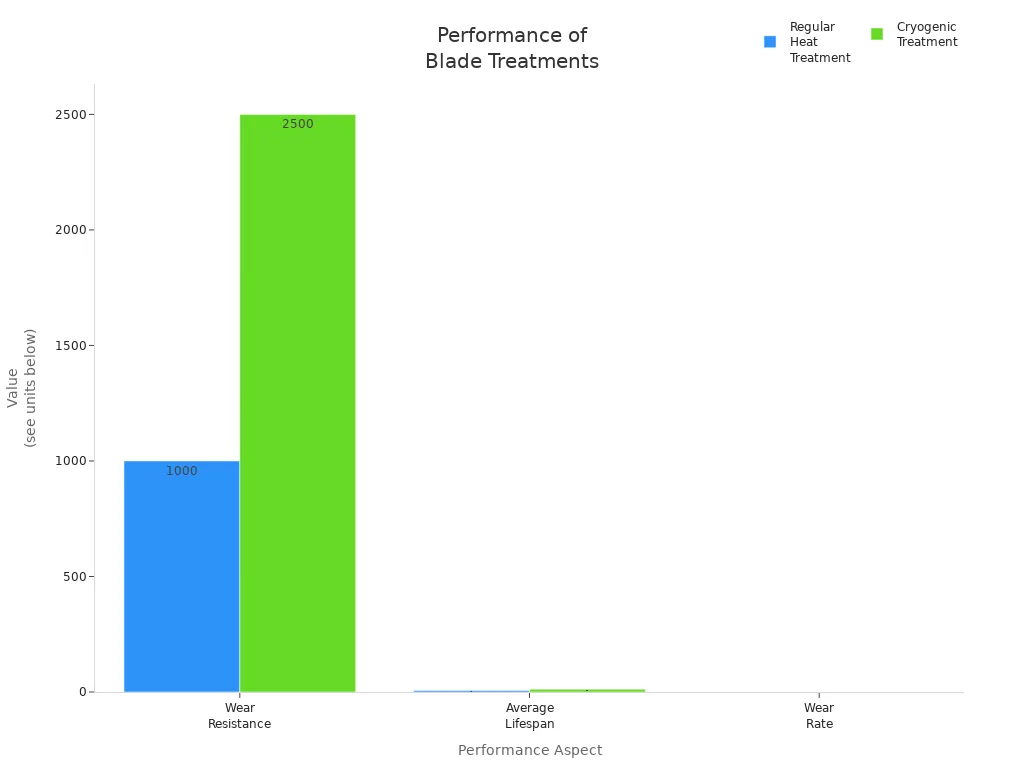
深冷処理(クライオ処理)を行うことで、刃物の寿命を最大2倍に延ばし、摩耗速度を抑えることができます。これにより、総コストを最大30%削減可能です。刃物の交換頻度やメンテナンス回数が減るため、生産性の向上と歩留まりの改善を実現します。.
避けるべき間違い
- 最低価格のみを追求すると、結果的に将来的なトータルコストが高くなる可能性があります。.
- 使用環境(水気、化学薬品、研削粉・砂など)を考慮しない場合、刃物の摩耗が急速に進行する原因となります。.
- 適切な表面コーティングや熱処理を適用しないと、ダウンタイムの増加や材料ロスの原因となります。.
コストパフォーマンス(価値)を最大化するためのポイント
- 用途および作業環境に最適な刃物材質を選択すること。.
- 生産現場の課題解決に寄与するコーティングや表面処理を導入すること。.
- 刃物の寿命や交換履歴を記録・管理することで、さらなるコスト削減の機会を特定できます。.
メーカーの技術力とノウハウが重要とされる理由
優れた刃物メーカーは、お客様の用途に最適な刃物の選定をサポートします。. Nanjing Metal は、20年の実績を誇るトップクラスの刃物メーカーです。同社の専門チームがあらゆる用途に対応するカスタム刃物を製造し、費用対効果を最大化するオーダーメイドソリューションを提供します。.
技術的なご相談やご要望につきましては、以下のリンクより Nanjing Metal のセールスエンジニアまでお気軽にお問い合わせください。 お問い合わせリンク.
よくある質問
刃物材質は TCO(総所有コスト)にどのように影響しますか?
刃物の材質は、刃物の交換頻度や設備の停止時間(ダウンタイム)に直接影響します。高硬度の材質は初期導入コストが高くなりますが、長寿命化により長期的には大幅なコスト削減につながります。.
深冷処理(クライオ処理)は追加コストに見合う効果がありますか?
はい。深冷処理を行うことで刃物の耐摩耗性が向上し、寿命が最大2倍に伸びるため、刃物の購入費用やメンテナンスコストを大幅に削減できます。.
セラミック刃を選択すべきなのはどのような場合ですか?
セラミック刃は、刃物の長寿命化と省メンテナンス性が求められる、高精度かつ高速な切断プロセスに最適です。.
適切な材質、刃付け形状、コーティングを選択することは、産業用丸ナイフの性能を最大限に引き出すために不可欠です。企業が 刃物の硬度 および刃先形状を切断対象物に最適化することで、刃物の耐久性と切断品質が向上します。これにより、刃物交換の手間が減り、生産性が大幅に向上します。.
| 要素 | 刃物への効果・メリット |
|---|---|
| 材料 | 刃物の長寿命化と防錆効果の向上 |
| Edge Style | 精密で美しい切断面を実現し、用途に最適な切断を提供 |
| コーティング | 刃物が長持ちし、メンテナンス頻度を低減 |
最適な導入効果を得るための推奨事項:
- 要求仕様や現在抱えている切断上の課題をサプライヤーに詳細に伝える。.
- 量産購入前にサンプル刃物での評価試験(テスト切断)を実施する。.
- 難削材や特殊用途の切断については、専門家にカスタム刃物の設計・製造を相談する。.
よくある質問
多層フィルムのスリット加工に最適な産業用丸ナイフの材質は何ですか?
鋭利で薄刃仕上げの超硬合金(タングステンカーバイド)またはハイス鋼(HSS)刃が、多層フィルムの切断面を最も美しく仕上げます。これらの材質は耐摩耗性に優れ、高速切断下でも切れ味を維持します。.
高速切断において、TiCNコーティングはTiNコーティングよりも長寿命ですか?
はい。TiCNコーティングはTiNよりも高硬度で耐摩耗性に優れています。そのため、耐摩耗性と長寿命化が要求される高速切断用途に非常に適しています。.
刃先形状(刃付け)は切断性能にどのように影響しますか?
刃先形状は、切断品質や切れ味に大きく影響します。片刃(シングルベベル)は薄肉材料の精密・美麗な切断に適しています。波刃や鋸刃(トース刃)は、靭性の高い材料や繊維質材料の切断に効果的で、食い込みを良くして均一な切断を可能にします。.
セラミック刃を選択すべきなのはどのような場合ですか?
セラミック刃は、長期間にわたる切れ味の維持と化学的耐性(耐薬品性)が求められる環境に最適です。刃物交換が困難な衛生用品、医療、食品製造プロセスなどで威力を発揮します。.
コーティング施工済み丸ナイフを使用する主なメリットは何ですか?
コーティングされた刃物は、耐摩耗性の向上、摩擦係数の低減、防錆効果が得られます。DLCやTiNなどのコーティングは粘着性物質の付着を防ぎ、交換周期を延長することで、コスト削減と生産効率の向上に寄与します。.
オーダーメイド(カスタム)の産業用刃物はどのように生産効率を向上させますか?
カスタム刃物は、特定の用途や被削材に合わせて設計されます。切断品質を向上させるとともに、予期せぬ機械停止(ダウンタイム)を最小限に抑えます。.
参照
円形せん断ナイフの一般的な摩耗問題トップ 5 と専門家による修理ソリューション
あなたのプラスチック加工ニーズに最適なペレタイザーナイフを見つける

 English
 Spanish
 Italian
 French
 Portuguese
 Russian
 German
 Arabic
 Hindi
 Vietnamese
 Indonesian
 Japanese
 Korean
1件のフィードバック