
造粒機ロータリーカッター交換時の安全チェックリスト
このチェックリストは、ストランドペレタイザー(プルストランド/ストランドカットシステム)用であり、水中ペレタイザー用ではありません。チームが毎回同じ手順で実行できるストランドペレタイザーの切り替え手順をお探しの場合は、ここから始めてください。適用範囲と責任(最初にお読みください):このチェックリストはストランドペレタイザー用に作成されており、ロータリーカッター/ナイフの切り替えに焦点を当てています。OEMマニュアル、現場リスク評価、または現地の法的要件に代わるものではありません。文書管理:最終更新日 2026-01-29 · 次回レビュー 2027-01-29 · 文書所有者 MAXTOR METAL · 文書ID RC-PEL-LOTO · バージョン v3.0 改訂トリガー:ニアミス、ガード/インターロックの変更、OEM手順の更新、またはカッター/ナイフの設計変更の直後にレビューしてください。ロータリーカッター/ナイフの切り替えと、通常、怪我、ペレットの欠陥、または高額な再作業を引き起こす設定に焦点を当てています。英国では、[…]
カスタムロータリーカッターの交換で旧型機械を復活させる
最終更新日: 2026-03-30 安全およびコンプライアンスに関する注記 (英国): この記事は、ロータリーカッターの交換に関する一般的なベストプラクティスガイダンスを提供します。これは、現場のリスク評価、OEM 文書、または有能なエンジニアリング判断に代わるものではありません。機器をサービスに戻す前に、必ず PUWER に基づいてガードのクリアランス、ランアウト制限、および安全な作業システムを確認してください。開示: この記事は MAXTOR METAL 製品と機能を参照しています。著者は Nanjing METAL Industrial に所属しています。範囲と前提条件 従来の生産ラインは、一度にすべて故障することはめったにありません。消耗品が 1 つずつ故障していき、最終的に入手できない部品がライン全体を停止させる部品になります。通常の理由は予測可能です。稼働時間とペレットの品質が重要なラインを運用している場合 […]
ロータリーカッター:水冷ストランドカット(造粒)の究極ガイド
このガイドは、信頼性の高い切断品質、少ない切り替え回数、予測可能なコストを必要とする、水ストランドペレット化ラインを運用する配合業者のリーダー向けです。ペレットの長さと形状を安定させる技術要件、中国のロータリーカッター/ナイフ工場を自信を持って選定する方法、QC文書で要求すべき事項、着地コストとライフサイクル経済性を予期せぬ事態なくモデル化する方法を学びます。全体を通して、高リサイクル含有率、可変供給シナリオにおける信頼性、QCトレーサビリティ、OEM適合性、トン当たりのコストを優先します。水ストランドペレット化用のロータリーカッターのオプションを比較検討している場合は、これを評価基準として使用してください。主なポイント 水ストランドラインの要件 ペレットの長さと速度制御 ペレットの長さは […]
**造粒時の微粉(ファイン)**を削減する:5つの現場タクティクス
水圧式ペレット製造ラインでは、不安定な切断機構、滑りを促進する残留表面水を含むストランドがカッターに入ること、そしてテールやチッピングを誘発するダイ面の摩耗という3つの要因が重なると、微粉や粉塵が発生します。水分変動を伴う混合再生材は、これらの要因をそれぞれより発生しやすくします。溶融物中の脆性粒子は切断時の微小破壊を促進し、水分の急激な増加はベッドナイフのハイドロプレーニング現象を引き起こし、汚染は摩耗を加速させます。「ペレット化微粉の削減」は、単なる清掃上のメリットではなく、トン当たりのコスト削減につながります。粉塵が少なくなれば、乾燥機とフィルターの負荷が軽減され、下流への供給が安定し、ペレットの外観に関する顧客からの苦情が減り、再加工も削減されます。1時間当たり1トンのラインでは、微粉を1.2%から0.6%に削減することで、[…]
片持ち式(カンチレバー)造粒機ローター:迅速な色替えガイド
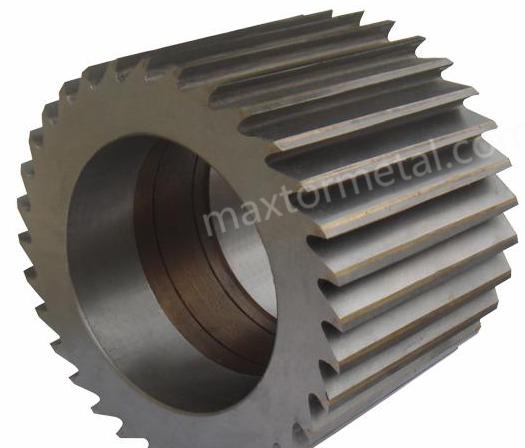
水圧式ペレット製造ラインの片持ち式ペレット製造ローターは、スイング式またはスライド式の切断室を採用しているため、フロントベアリングセットを分解することなく、ローター、ベッドナイフ、および供給エリアに数秒でアクセスできます。切断ゾーンへのアクセスを妨げるファスナーや部品が少ないため、洗浄が速く、ナイフの交換も迅速に行え、着色残渣が次の工程に混入する時間も短縮されます。つまり、色Aから色Bへの移行が早まり、筋、尾、微粉の発生リスクを低減できます。このガイドでは、片持ち式アクセス設計がどのように時間を節約できるか、設計を選択する際に考慮すべき点、ギャップの設定方法、メンテナンス方法などについて解説します。[…]
ペレットの均一性を実現する方法 — 水冷ストランドカットのセットアップ
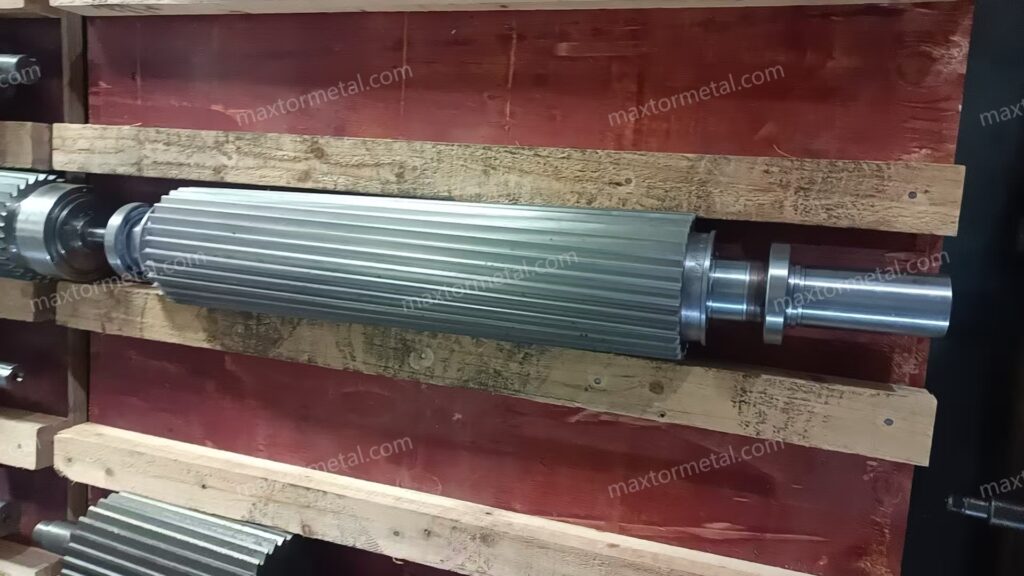
射出成形では、ペレットがスムーズに供給され、均一に溶融し、ショットごとに安定した量で供給されることが求められます。つまり、ペレットの長さを厳密に制御し、微粉や尾粉を最小限に抑え、ペレットの重量とレオロジーのばらつきを少なくする必要があります。溶融樹脂の供給とダイ、水浴、脱水、カッターなど、複数の工程でそれぞれ許容誤差やドリフトが生じるため、ストランドラインにばらつきが生じます。したがって、ペレットの均一性を安定させるには、単一のパラメータを調整するのではなく、システム全体の調整が必要です。このチュートリアルでは、炭酸カルシウム含有量が約60%で、リサイクル材含有量が高いPP/PE用の水ストランドペレット化装置において、最も重要な要素を調整します。簡単な計算式と迅速なチェックを用いて、長さの設定、浴槽のサイズ設定、ストランドの調整などを行います。[…]
究極のガイド:水冷ストランドカット用挿入式ブレードロータリーカッター
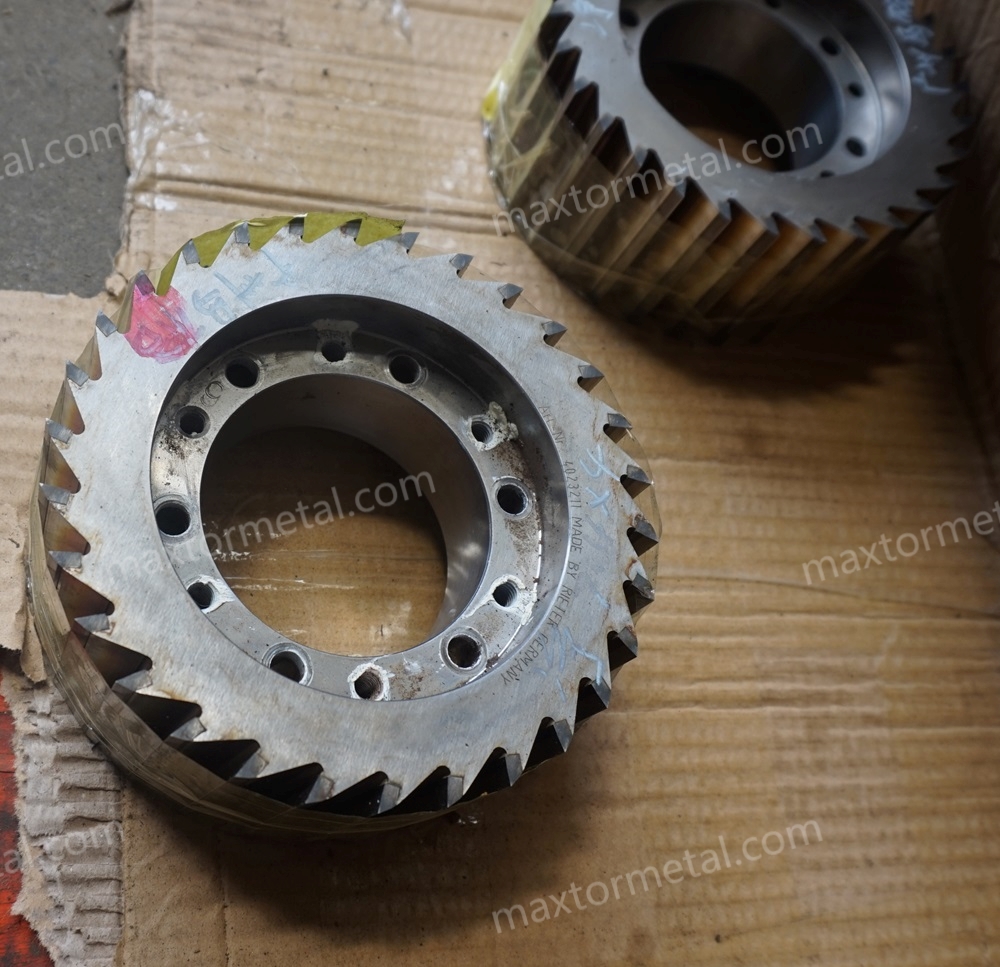
水ストランドペレタイザーは、英国のコンパウンディングおよびリサイクルにおいて主力製品です。しかし、研磨性、高充填率、リサイクル配合物では、ソリッドロータリーナイフの摩耗が早く、切り替えに時間がかかり、ペレットの品質が変動します。微粉や尾粉が増加し、オペレーターはクリアランスの確認に追われます。挿入式ブレードロータリーカッター設計は、一体型ローターを取り外して再研磨するのではなく、現場で刃先をインデックスまたは交換できるため、根本原因に対処します。このガイドは、Maag/Automatik PRIMO/PRIMOplusおよびScheer/SGSスタイルのストランドペレタイザーを使用している英国の工場に焦点を当てています。急速な摩耗、長い切り替え時間、微粉/尾粉、ペレットのばらつきといった基本的な問題を取り上げ、挿入式/インデックス式システムが、適切な冷却と[…]によって支えられ、メンテナンスの手間を削減し、切り替えを制御された再現可能なルーチンに圧縮し、品質を安定させる方法を説明します。
高充填コンパウンドにおけるマスターバッチ用ロータリーカッターの耐久性向上
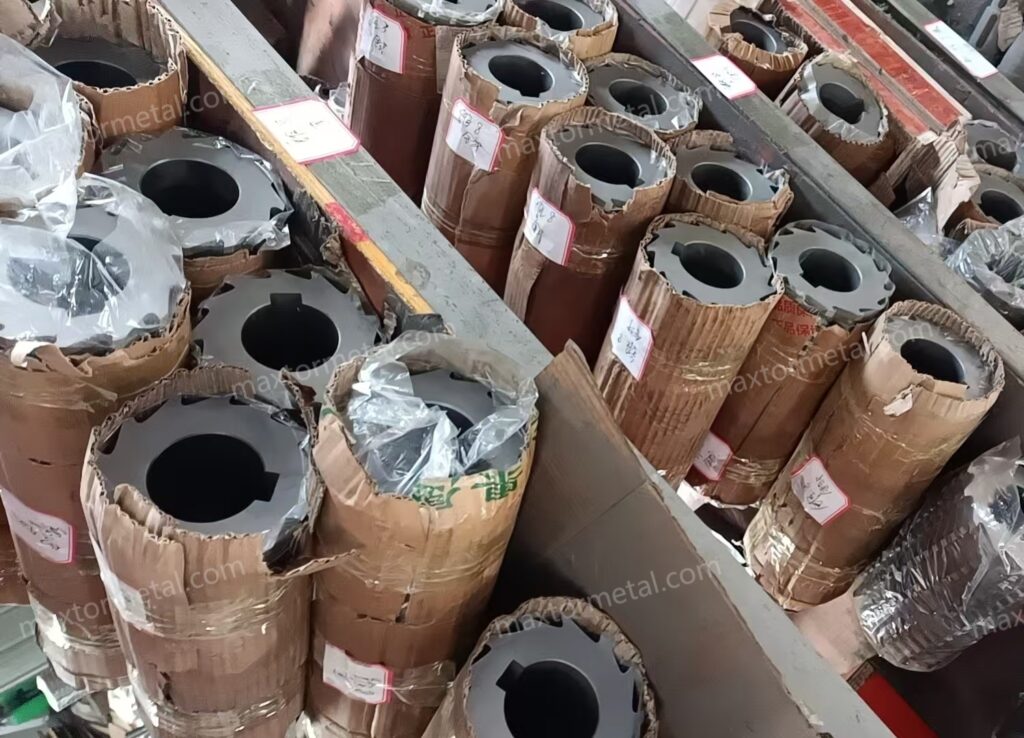
High‑filler masterbatch (glass fiber, CaCO3, talc, TiO2) is unforgiving on rotary cutters. Hard particulates plough the edge, accelerate rounding and micro‑chipping, and magnify any error in clearance, run‑out, or parallelism. The result is rising fines, tails, and unstable pellet geometry that drags down throughput and downstream yield. This guide focuses on extending life, reducing fines/tails, and stabilising pellet shape through the entire chain: materials, coatings, edge geometry and finish, set‑up tolerances, metrology, maintenance windows, and a simple ROI model. We use SI units throughout and present practical ranges that should be validated against your specific pelletiser OEM manual. Key takeaways Failure modes in high-filler duty Abrasive wear mechanisms Abrasive fillers […]
完璧でクリーンな切断を実現するベッドナイフとローターの間隙調整
Introduction A crisp, square pellet depends on one thing more than any other: how precisely you set the bed knife–to–rotor gap. Get this right and you’ll stabilize pellet shape, suppress fines, and stretch the time between interventions. Miss it and you’ll fight tails, dust, and unplanned stops. Strand pelletizers run in a near‑zero clearance regime—sharp knives passing a fixed bed knife with uniform, microscopic separation. Conventional granulators, by contrast, rely on a clearly defined but wider clearance window to shear thicker, more variable feed. That difference in philosophy drives the numbers you’ll target and the way you verify them. What you’ll need: follow site LOTO and PPE, have the OEM […]
ロータリーカッターと固定刃の精密再研磨サービス
Inspecting a rotary cutter and bed knife with micrometer and optical scope to verify geometry before reinstallation. Pellet quality, uptime, and total cost per ton all hinge on one deceptively simple thing: edge accuracy. When the cutting edges on the rotary cutter and bed knife drift from target geometry, pellets show tails and fines, vibration climbs, and unscheduled interventions creep into the calendar. A professional precision grinding service restores critical elements—edge geometry, dimensional tolerances, and surface finish—to specification. That means edges that are sharp yet robust, faces that are flat and parallel, and surfaces that glide rather than drag. The outcome is practical and measurable: fewer fines and tails, longer […]

 English
  Spanish
  Italian
  French
  Portuguese
  Russian
  German
  Arabic
  Hindi
Hindi  Vietnamese
  Indonesian
  Japanese
  Korean