
極度の摩耗に対応する破砕機刃のハードフェイシング(肉盛溶接)
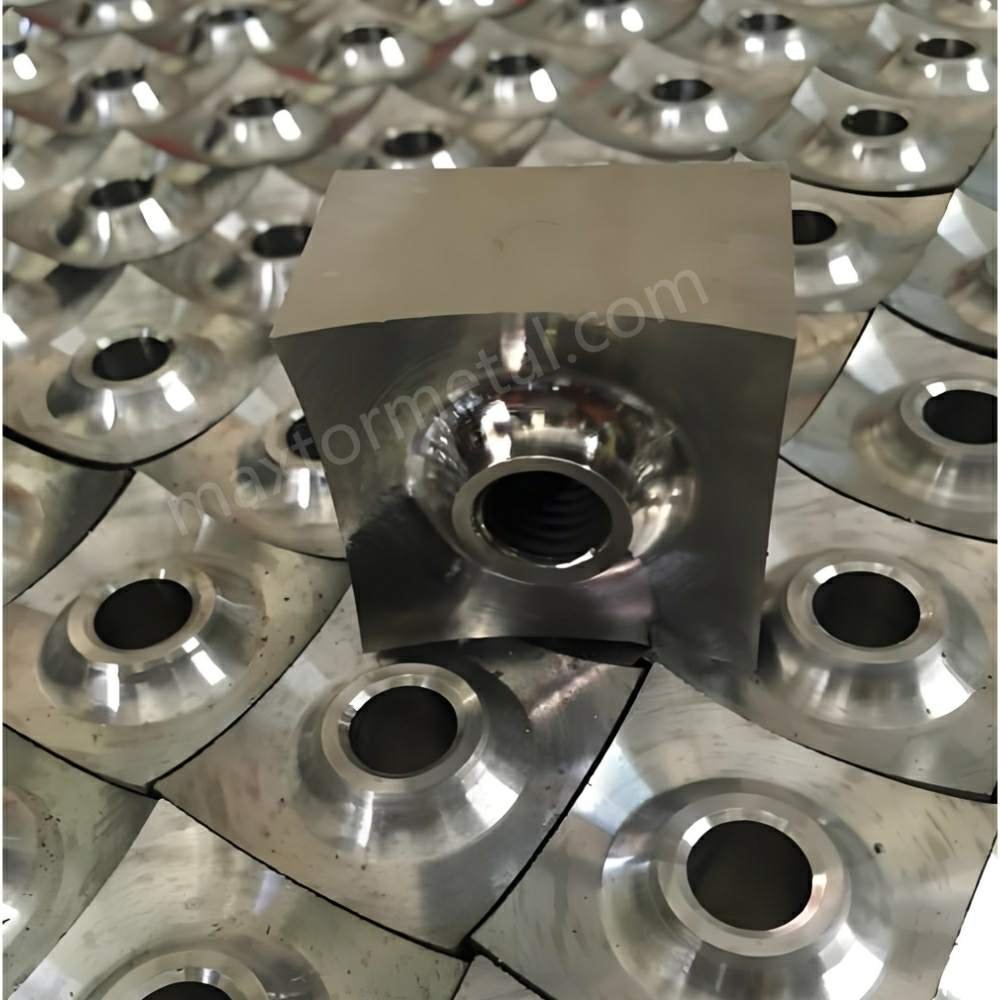
Mineral grit doesn’t “wear a knife” the way clean plastic does. It turns your cutting zone into a grinding zone: more sliding contact, more heat, and faster edge rounding. Once the edge rounds, you typically see the same cascade: higher torque variation, more vibration, wider particle-size scatter, and more stoppages. This is why abrasive duty often punishes good base steel selection unless you also protect the working surfaces. If you’re running a single-shaft shredder, the outcome is rarely “the blade lasts longer” in isolation. You’re chasing system-level stability: How to think about cost per metric ton In abrasive-duty shredding, blade wear hurts you twice: you buy knives more often, and […]
シングルシャフトシュレッダーの刃のメンテナンス:研磨か交換か

Single-shaft shredders don’t “slow down” randomly. Key Takeaway: If your team is stuck on the single-shaft shredder blades sharpen vs replace decision, don’t guess—measure clearance, verify torque, and trend amps/ton and PSD first. Most of the time, it’s the cutting system losing its geometry: rotor cutter blocks/tips and bed knives (stator) stop shearing cleanly, clearances drift, or fasteners stop holding. The result is predictable—higher amps, more heat, unstable particle size, and surprise downtime. This guide focuses on the parts you can actually control during maintenance: What you’ll use (and why these tools matter): feeler gauges (gap), torque wrench (clamp load), straightedge (flat/straight seating), bluing/marking compound (contact checks), and log sheets (trend control). […]
摩耗性の高いプラスチック用破砕機における**リサイクル刃(回収刃)**を保護するセットアップ
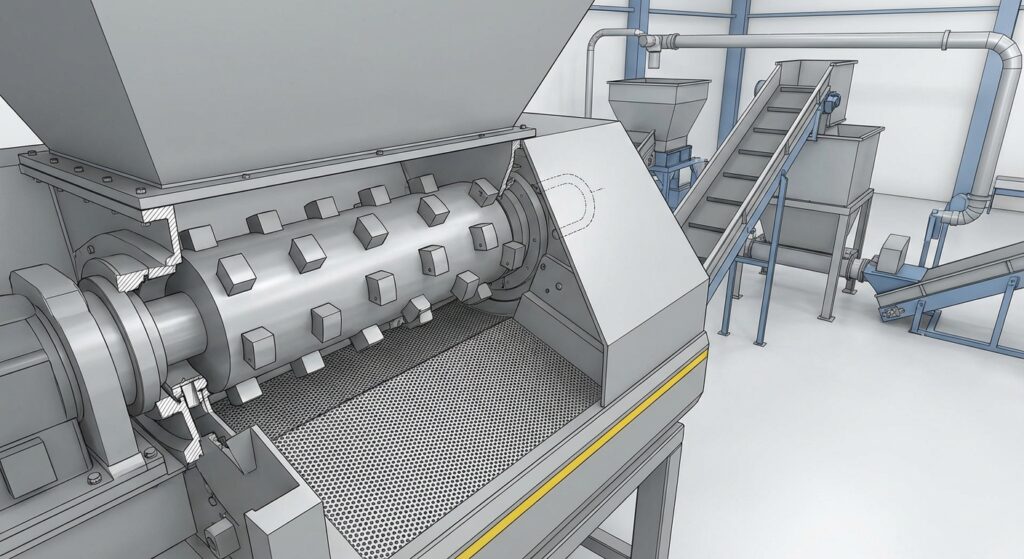
In abrasive plastic streams—glass-filled regrind, mineral-filled compounds, or bales that carry sand and grit—blade wear is rarely “just a materials problem.” In a single-shaft shredder, setup choices decide whether knives stay in steady cutting or spend their life heating, rubbing, and reverse-cycling. You control more levers than most plants document: feed rate uniformity, the speed/torque regime, and how the screen and cutting gap force material to re-circulate in the cutting chamber. Knife engineering still matters—steel choice, heat treatment quality, coatings, and edge geometry are the last line of defense for abrasive plastic recycling blades—but it works best when the process isn’t fighting the knives. Finally, the most reliable maintenance trigger […]
**凹面シュレッダーナイフ(破砕機刃)**によるスループット向上と消費電力(kWh/t)の低減
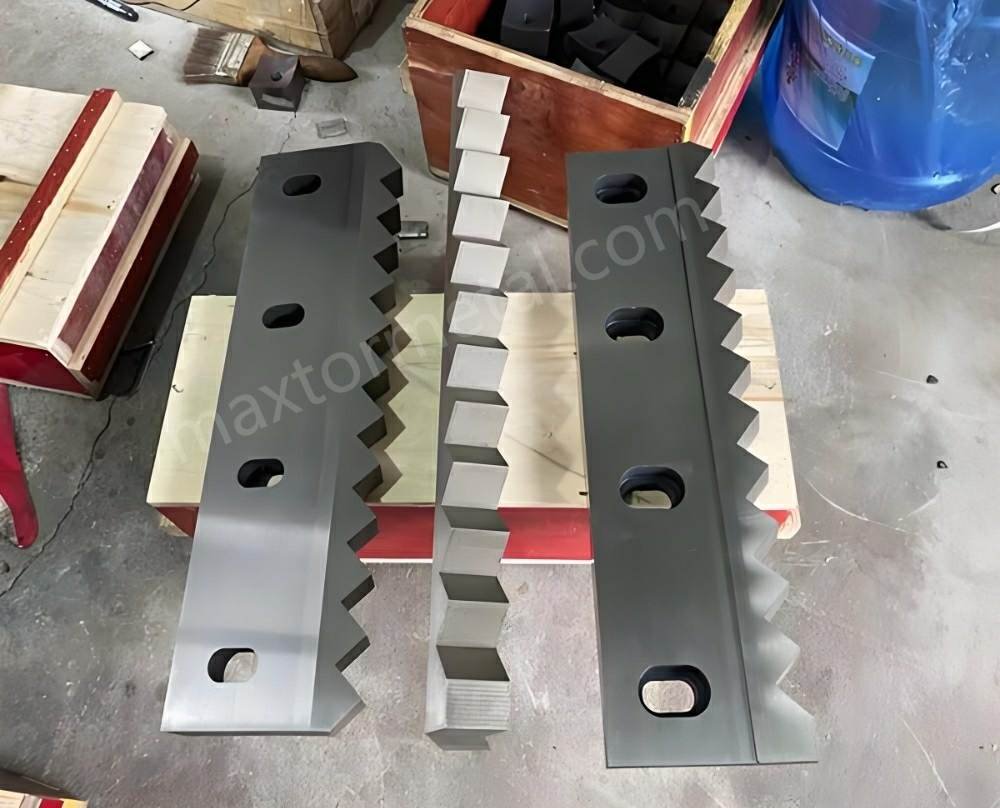
Concave shredder blades change the first contact between material and rotor in a single-shaft shredder. Instead of presenting a mostly flat edge that relies heavily on pusher force and friction to initiate a cut, a concave edge tends to create a more “hooking” engagement that encourages bite and controlled self-feeding. In the field, energy-per-ton and throughput gains are realistic when the shredder is already mechanically healthy and the process is limited by cutting efficiency rather than downstream conveying or screen plugging. Under those conditions, a measured improvement on the order of ~5–15% is often achievable—but it’s not automatic, and it’s not just about knife geometry. This guide breaks down the mechanisms (why […]
ローターとステーターのシュレッダー刃(破砕機刃)クリアランス調整ステップガイド
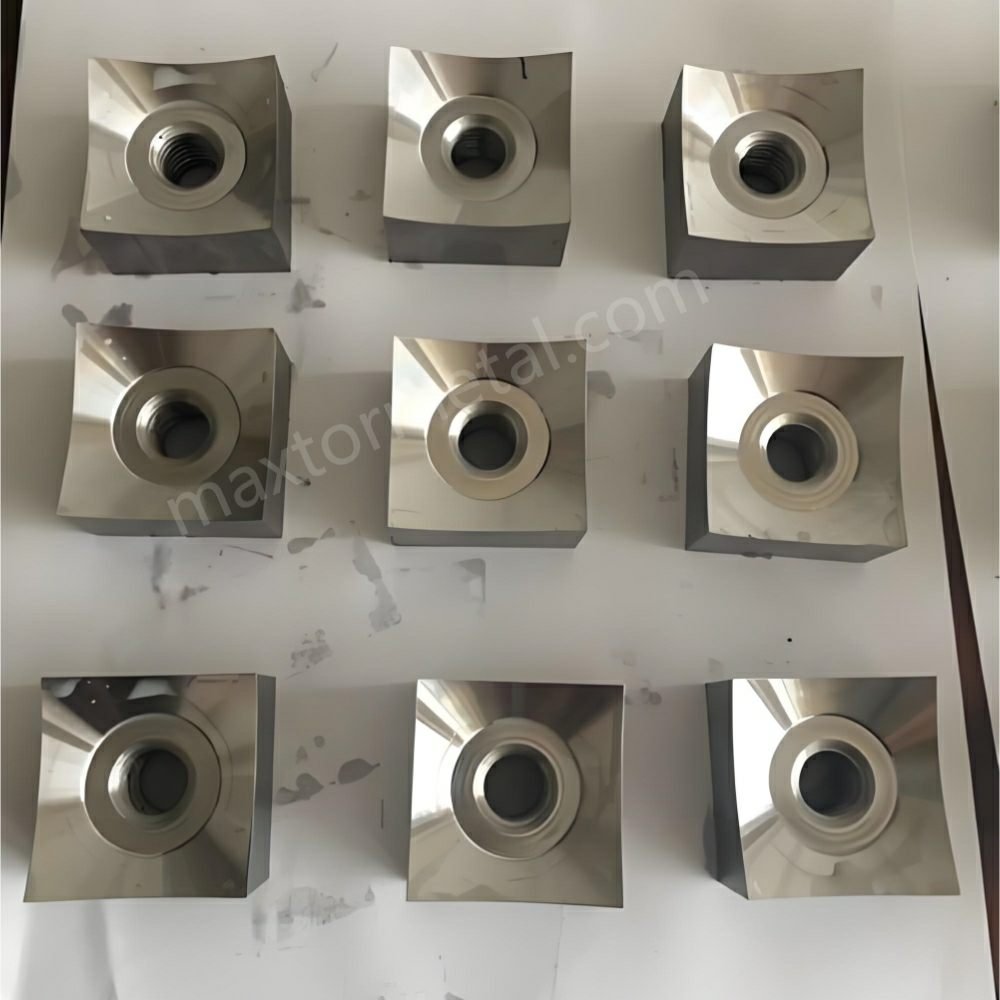
シュレッダーのブレードクリアランス(ローターナイフと固定ベッド/ステーターナイフの間の隙間)は、シングルシャフトシュレッダーで重要な要素、つまり切断品質と出力サイズ、処理量、消費電力、そしてナイフが欠けたり、転がったり、切断ではなく「研磨」し始めるまでの寿命など、あらゆる面を静かに左右する設定の一つです。隙間を広く設定しすぎると、材料が切断ゾーンで曲がったり、折り畳まれたり、擦り切れたりする傾向があります。これは多くの場合、発熱量の増加、電流値の増加、粒子サイズの不均一性、および再循環時間の増加として現れます。隙間を狭く設定しすぎると、金属同士の接触、突然の刃先の損傷、振動、そして計画していた停止が[…]
排出サイズの安定化を実現する交換用シュレッダーナイフ(破砕機刃)
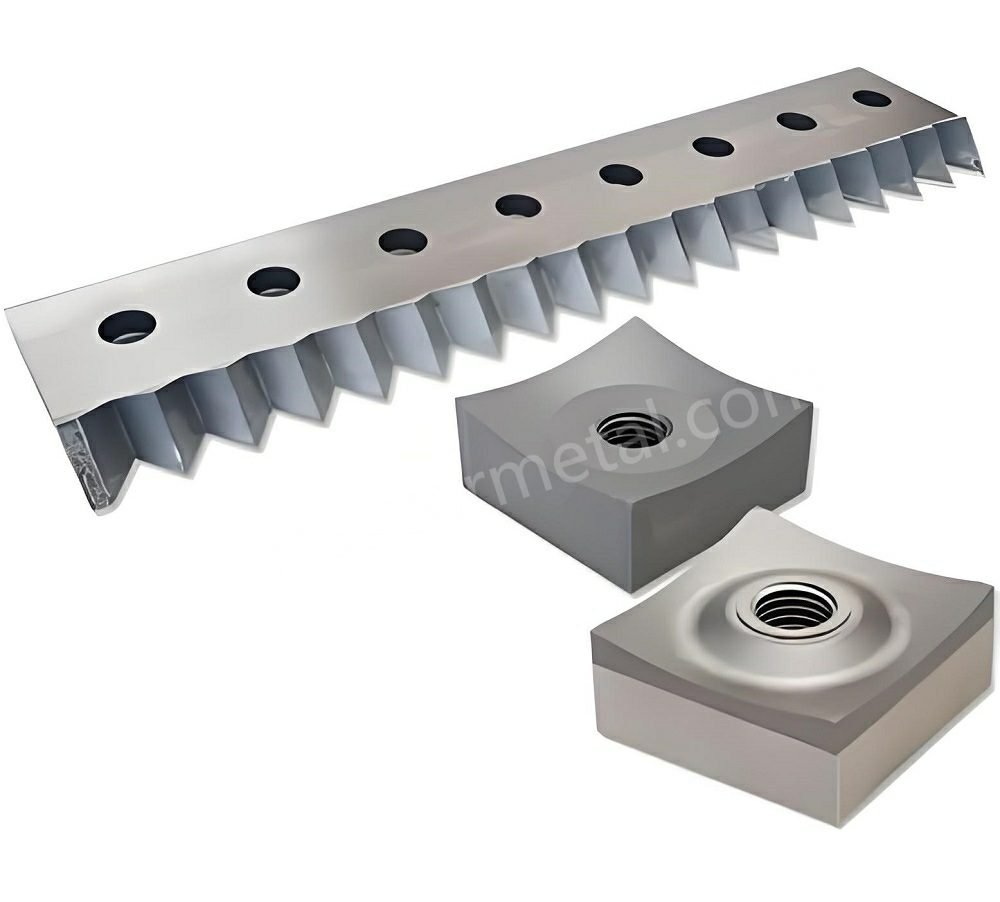
安定した出力サイズは「あれば良い」ものではありません。それは、シフトごとに実感する3つの要素、すなわち処理量、エネルギー効率、そして下流工程の品質を守るものです。粒子サイズが変動すると、スクリーンの負荷が不均一になり、電流が上昇し、次の工程(洗浄ライン、空気分級、造粒、ペレット化、または選別)は安定した運転ではなく、変動と戦うことになります。シュレッダーブレードの交換は、「機械の切れ味」だけでなく、実際に使用する切断形状、つまり切断円、シートスタックアップ、ナイフの厚さ、そしてカウンターナイフギャップに影響を与えます。これらの要素によって、きれいに切断できるか、それとも引き裂き、擦り切れ、微粉が発生するかが決まります。このガイドは、一般的なシングルシャフトシュレッダーで出力を安定させる交換用ナイフとカウンターナイフの選択を支援するために作成されました。[…]
一軸破砕機刃の欠け(チッピング):早期故障を防ぐためのトラブルシューティングガイド

チップの破損による予期せぬダウンタイムは、決して「不運」ではありません。ほとんどのシングルシャフトシュレッダーでは、シュレッダーブレードのチップ破損は、フィードの汚染、不適切なクリアランス、不適切な取り付け/トルク、位置ずれ、または作業内容に合わないブレードの材質/熱処理の選択など、制御可能な少数の要因によって引き起こされる、再現性のある故障モードです。このガイドは、リサイクルおよび固形廃棄物処理施設でシングルシャフトシュレッダーを運用する保守、プロセス、および調達チーム向けに作成されています。目標はシンプルです。単にナイフを交換するだけでなく、次の故障の発生を防ぐお手伝いをすることです。最終更新日: 2026-04-06 適用範囲: このガイドは、リサイクルおよび固形廃棄物処理施設で使用されるシングルシャフトシュレッダーを対象としています。手順は、機械モデルとガードの設計によって異なります。安全に関する免責事項: 常に現場の安全規則と機械のOEMの指示に従ってください […]
ストランドカット vs 水リング式造粒:材質と TCO(総保有コスト)による選定
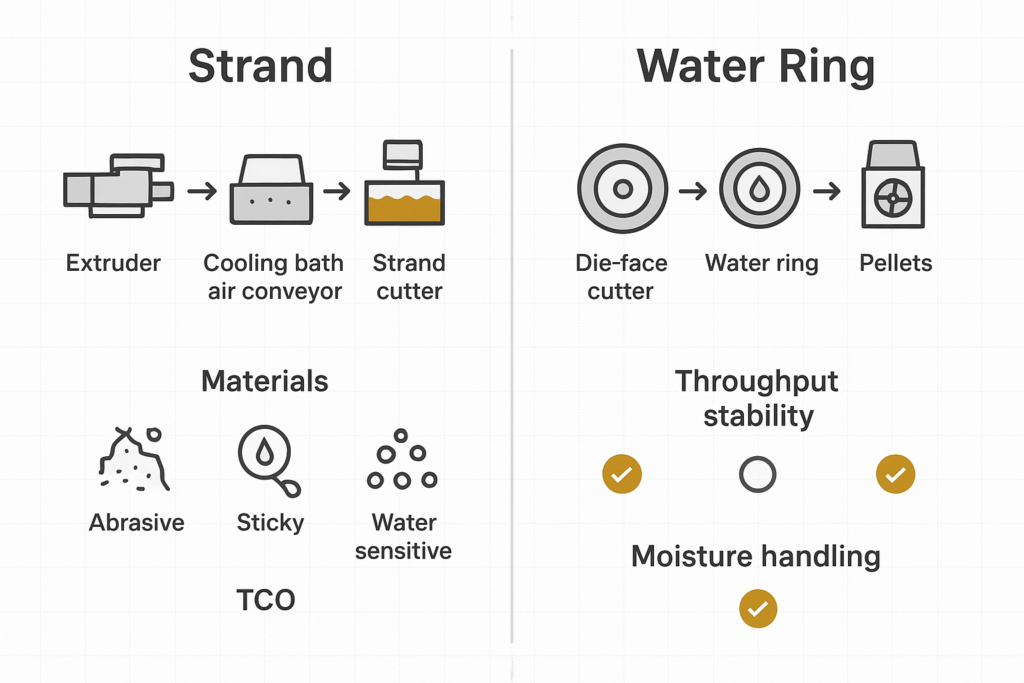
ストランドペレット化とウォーターリングペレット化の選択は、「湿式」切断か「乾式」切断かという好みの問題だけではありません。ペレットの品質を左右する要素、障害発生時に最初に故障する箇所、そしてトン当たりの実際のコスト(摩耗部品、乾燥、切り替え、スクラップ)がどこにあるのかが変わってきます。英国のコンパウンディングとリサイクル、特に高充填、ガラス繊維、鉱物含有、または高リサイクル含有の原料を扱う場合、誤った選択は、微粉、尾鉱、不安定なスループット、そして現実と完全に一致しないメンテナンス計画といった形で現れる可能性があります。このガイドでは、材料の挙動が各プロセスにどのように対応しているか、「安定したスループット」が日々実際に何を意味するのか、ペレット品質を制御する要素(ダイとナイフの組み合わせ、ギャップ制御、乾燥)がどのように機能するのか、そして実用的なTCOモデルについて学びます。[…]
ストランドライン用**造粒機ローターのオーバーホール(再整備)**のベストプラクティス
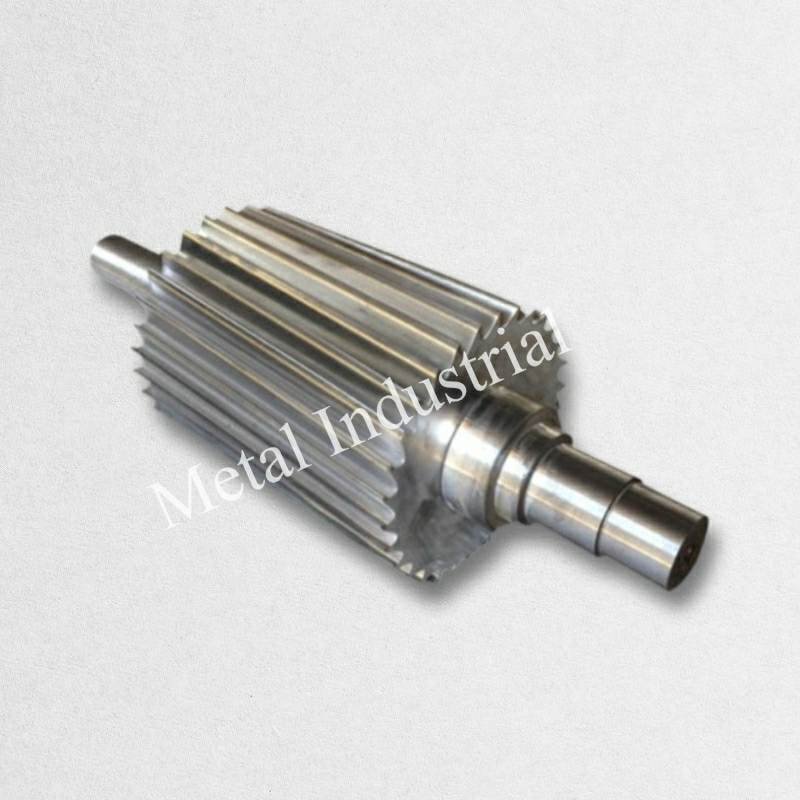
トミー・タン(南京金属工業 シニアセールスエンジニア、産業用切削工具および再生供給プログラムに12年間従事、資格:CSE、CME、シックスシグマグリーンベルト、PMP)著。最終更新日:2026年4月2日。改訂履歴 このガイドを信頼する理由 このベストプラクティスチェックリストは、ペレット化および産業用切削アプリケーションで使用される一般的な故障モードと品質保証管理に基づいています。MAXTOR METALはISO 9001品質管理の下で運営され、校正済み/トレーサブルな測定機器(該当する場合は第三者校正を含む)を使用し、重要な切削部品のばらつきを低減するために、入荷検査、工程内検査、および最終検査ゲートを適用しています。主なポイント 適用範囲と制限 このガイドは、再生結果が制御された形状、嵌合、およびバランスに依存するストランドペレット化ローター向けに作成されています。[…]
ライン速度とペレット長に応じたロータリーカッターの刃数(歯数)
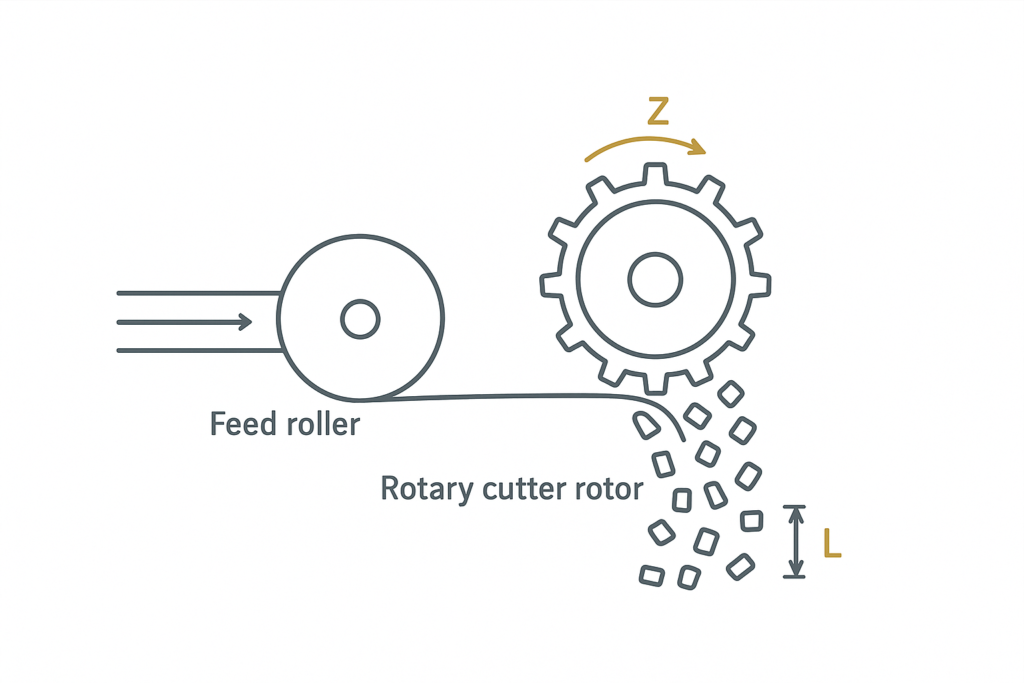
回転式ペレット製造機において、ペレットの長さを安定させるための最も迅速な手段の一つが、回転式カッターの歯数(ローター上のナイフ/歯の数)です。これは、現実的なカッター回転数(RPM)の上限内に収まるための最も確実な方法です。これを誤ると、すぐにその影響が現れます。ペレットの長さのばらつき、ペレットの端、微粉の増加、そして切断ステーションが安定範囲外で動作するため、不要なトリップが発生する可能性が高くなります。この関係は純粋に運動学的なものです。ペレットの長さは、切断間のストランドの進行距離によって決まり、切断頻度はカッター回転数(RPM)に歯数を掛けた値によって決まります。MAXTOR METALが回転式カッターガイドでまとめているように、ペレットの長さは[…]

 English
  Spanish
  Italian
  French
  Portuguese
  Russian
  German
  Arabic
  Hindi
Hindi  Vietnamese
  Indonesian
  Japanese
  Korean