
高充填コンパウンドにおけるマスターバッチ用ロータリーカッターの耐久性向上
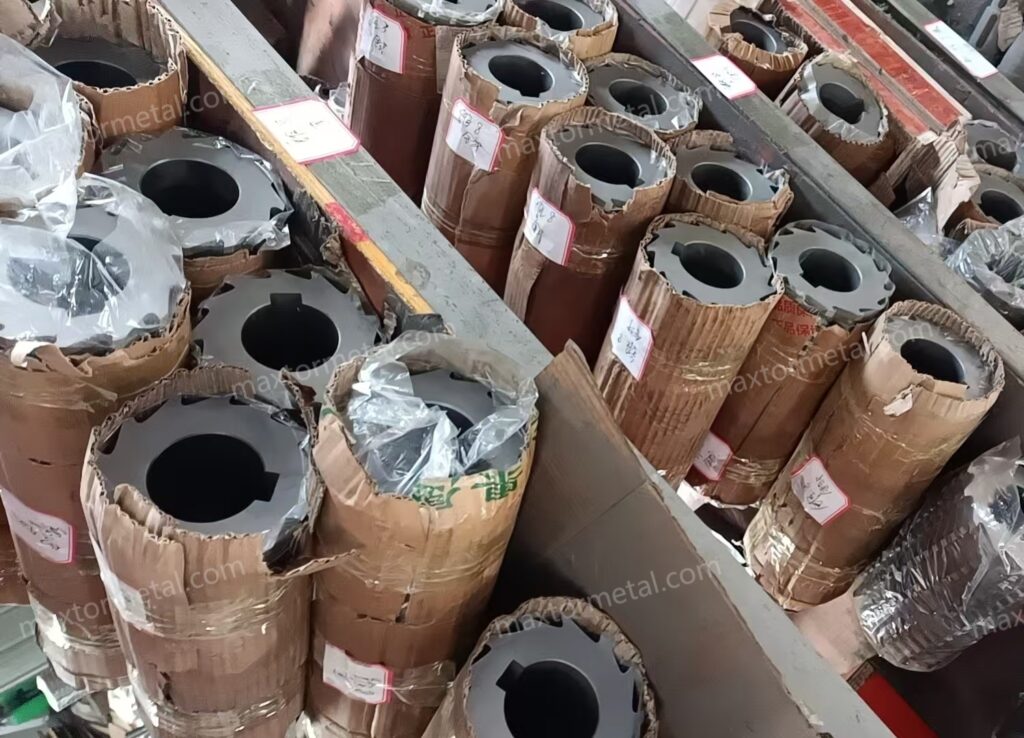
High‑filler masterbatch (glass fiber, CaCO3, talc, TiO2) is unforgiving on rotary cutters. Hard particulates plough the edge, accelerate rounding and micro‑chipping, and magnify any error in clearance, run‑out, or parallelism. The result is rising fines, tails, and unstable pellet geometry that drags down throughput and downstream yield. This guide focuses on extending life, reducing fines/tails, and stabilising pellet shape through the entire chain: materials, coatings, edge geometry and finish, set‑up tolerances, metrology, maintenance windows, and a simple ROI model. We use SI units throughout and present practical ranges that should be validated against your specific pelletiser OEM manual. Key takeaways Failure modes in high-filler duty Abrasive wear mechanisms Abrasive fillers […]
完璧でクリーンな切断を実現するベッドナイフとローターの間隙調整
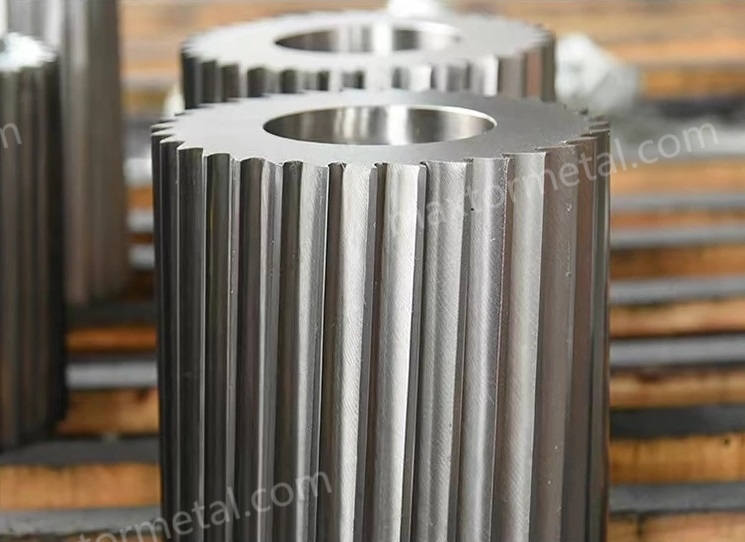
Introduction A crisp, square pellet depends on one thing more than any other: how precisely you set the bed knife–to–rotor gap. Get this right and you’ll stabilize pellet shape, suppress fines, and stretch the time between interventions. Miss it and you’ll fight tails, dust, and unplanned stops. Strand pelletizers run in a near‑zero clearance regime—sharp knives passing a fixed bed knife with uniform, microscopic separation. Conventional granulators, by contrast, rely on a clearly defined but wider clearance window to shear thicker, more variable feed. That difference in philosophy drives the numbers you’ll target and the way you verify them. What you’ll need: follow site LOTO and PPE, have the OEM […]
ロータリーカッターと固定刃の精密再研磨サービス
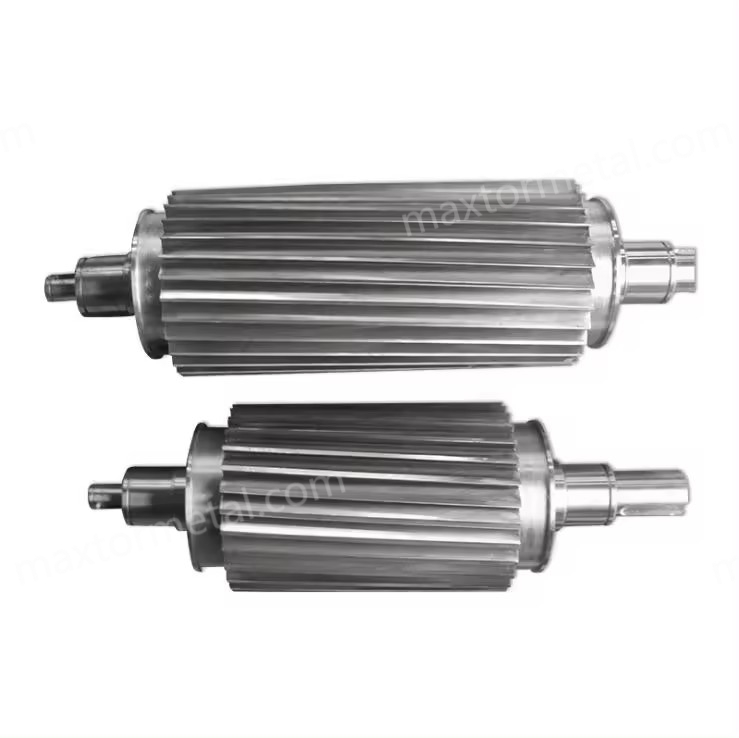
Inspecting a rotary cutter and bed knife with micrometer and optical scope to verify geometry before reinstallation. Pellet quality, uptime, and total cost per ton all hinge on one deceptively simple thing: edge accuracy. When the cutting edges on the rotary cutter and bed knife drift from target geometry, pellets show tails and fines, vibration climbs, and unscheduled interventions creep into the calendar. A professional precision grinding service restores critical elements—edge geometry, dimensional tolerances, and surface finish—to specification. That means edges that are sharp yet robust, faces that are flat and parallel, and surfaces that glide rather than drag. The outcome is practical and measurable: fewer fines and tails, longer […]
OEMコストを抑える Scheer精密ローター用ロータリーカッター
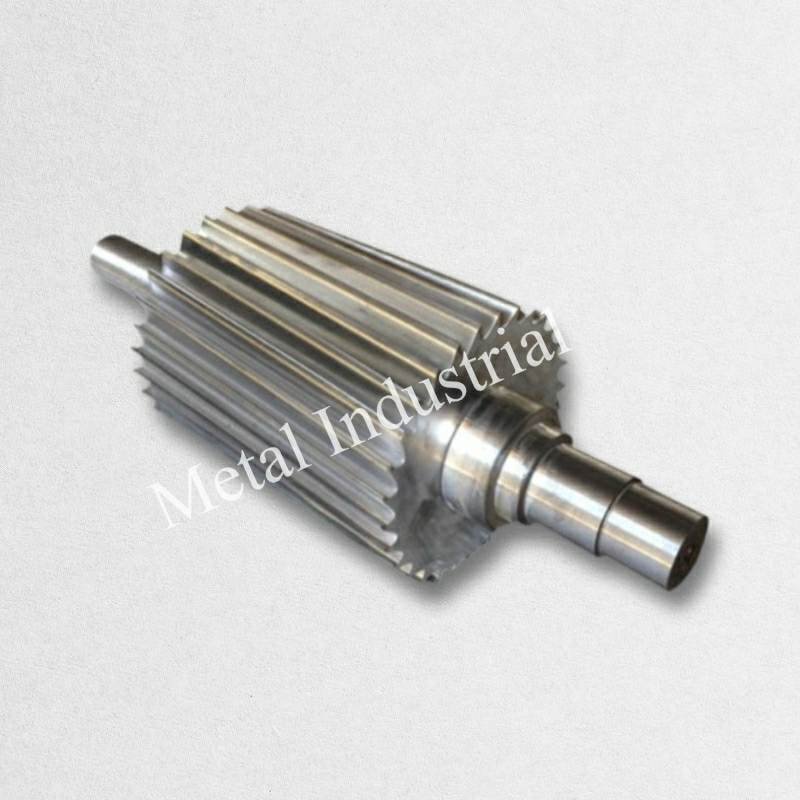
If you run Scheer strand pelletizers in the S3500/SGS families, you’re measured on pellet quality, runtime, and cost per ton. This guide shows exactly how to select, install, and validate high-precision replacement rotors and knives—so you can protect pellet geometry, cut fines, and reduce OEM spend without risking compatibility. What you’ll get here: a practical selection framework, clear tolerance windows for a stable knife gap, duty-matched materials and edge geometry for PP/PE masterbatch (with notes for tougher recipes), an installation and verification SOP, and a QA/traceability checklist that de-risks imports and supports regrind economics. Key takeaways Fit and selection Scheer model mapping For Scheer S3500/SGS installations, start by confirming the […]
振動を止めるロータリーカッターの動バランス調整
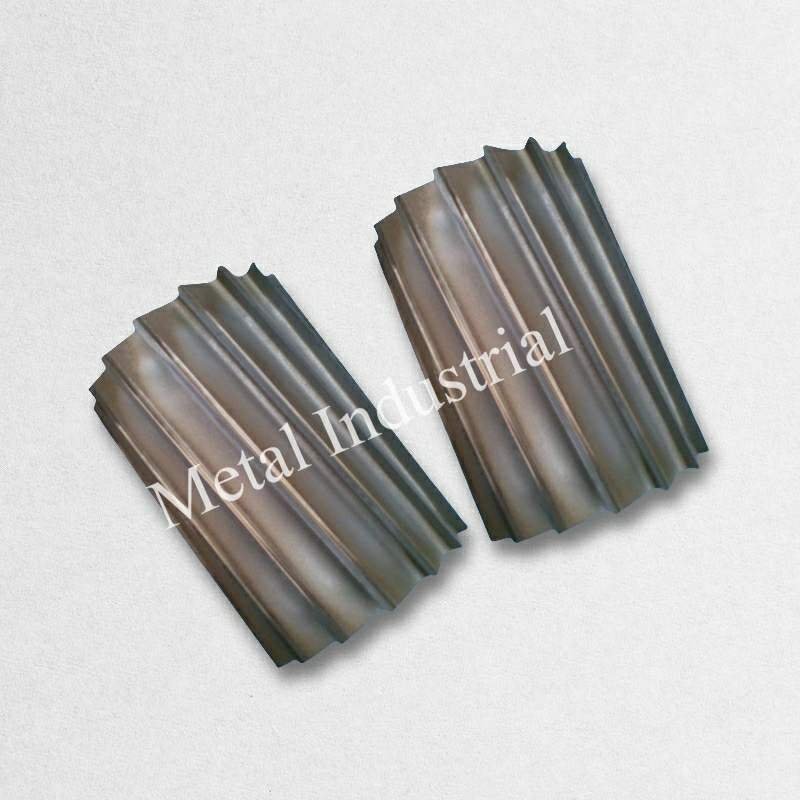
High-speed vibration robs you of uptime and quality. On rotary cutters, even a few tenths of a gram out of place can turn into jarring forces at operating RPM, showing up as chatter marks, tails and fines, premature knife wear, bearing heat, and rising scrap. Static balance helps with heavy spots in one plane, but it cannot correct couple unbalance that shows up at speed. Two-plane dynamic balancing addresses what static balancing misses. By measuring amplitude and phase at both bearings, then solving for correction masses in two planes, you can reduce residual unbalance to a defined tolerance and keep vibration within healthy ranges. In this article, you will learn […]
超硬チップ埋め込み式ロータリーカッターがGFRP生産の稼働率を向上
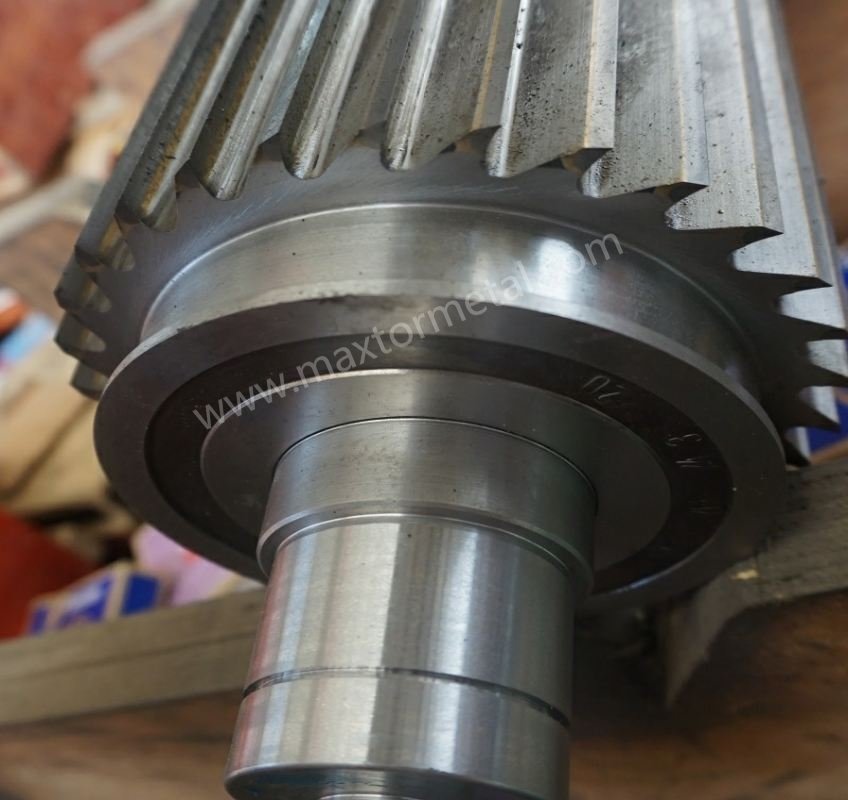
By Tommy Tang (Senior Sales Engineer, Nanjing METAL Industrial). 12 years in slitting & industrial cutting applications. Certifications: CSE, CME, Six Sigma Green Belt, PMP. Introduction Glass fiber–reinforced polymers (GFRP) are unforgiving on cutting edges. Hard, silica-based fibers abrade the knife, rounding the edge and seeding micro‑chips that show up as tails and later break into fines. As fines rise, dryers clog faster, operators chase quality drift, and unplanned stoppages creep in. The net effect: shortened runtime between regrinds and replacements. Tungsten carbide inlaid rotary cutters counter this with a wear‑stable WC–Co tip bonded to a tougher steel body. The carbide inlay resists abrasive rounding far better than HSS, while […]
より静かな高速切断を実現するヘリカルロータリーカッターガイド
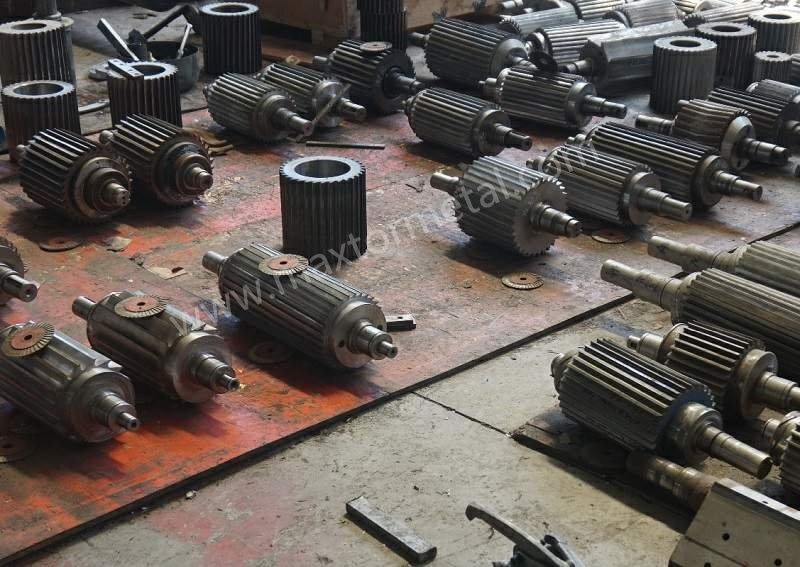
In strand pelletizing, polymer strands are guided into a rotary cutter that shears them against a fixed bed knife to create consistent pellets. A helical rotary cutter uses spiral knives rather than straight edges, so the cut occurs progressively along a helix instead of across the full width at once. At high RPM, this progressive shear spreads the cutting load over time, dampening force spikes that would otherwise excite vibration and tonal noise. Plants see practical wins from this mechanism: steadier pellet length distribution and edges, fewer fines, and longer service intervals when setup and maintenance are executed correctly. Why this matters for speed: when a cutter engages all at […]
OEMフィット回転式造粒機用刃物 —— Gala、MAAG、Scheer対応の回転式造粒機用刃物
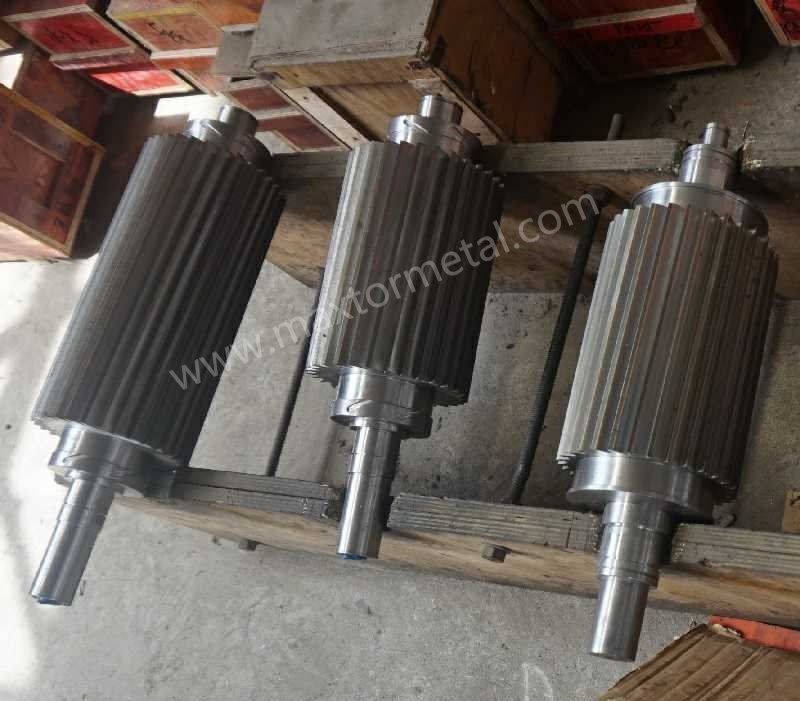
If you’re responsible for equipment, process, or purchasing on a strand pelletizer (MAAG Automatik/Scheer) or you maintain underwater systems (Gala/MAAG) as a secondary line, this guide is for you. OEM‑equivalent fit is what protects uptime and pellet quality: the moment OD/ID, thickness, bolt circle, or bore/pin fits drift, you get tails, rising fines, and more frequent changeovers. Use this guide to verify your model and part numbers, then match specifications and tolerances before you buy. You’ll walk away with clear selection criteria, practical tolerance targets and verification methods, the QA documents you should demand, and lifecycle KPIs to track so you can prove performance. For search clarity, we’ll consistently refer […]
GF‑PA66用ロータリープラスチックペレタイザーナイフ:設計から性能まで
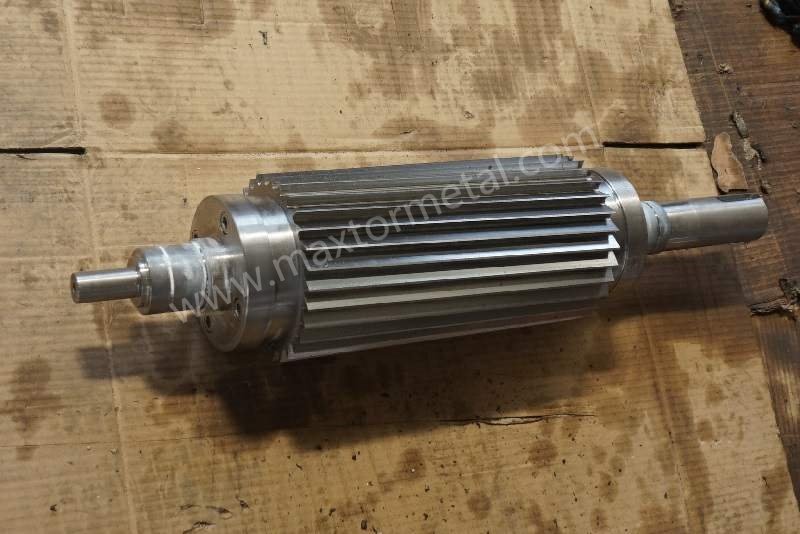
GF‑PA66 loads a cutting edge the way sand loads a pump: glass fibers abrade, heat accelerates softening at the land, and any loss of geometry shows up immediately as fines, tails, or unstable pellet length. That is why rotor plastic pelletizer blades working on glass‑filled nylon demand higher wear resistance, tougher micro‑edges, and tighter control of gap drift than unfilled grades. What you will get here: actionable numbers, selection logic, SOPs, and KPIs that translate design choices into on‑line hours and stable pellets. We prioritize strand pelletizing at 30–50% GF, dry cut, 300–800 kg/h, with a primary KPI of single‑edge on‑line time ≥ 24–48 h and a target blade–bed gap […]
超硬合金チップ埋め込みで長寿命化を実現するロータリーペレタイザーナイフ
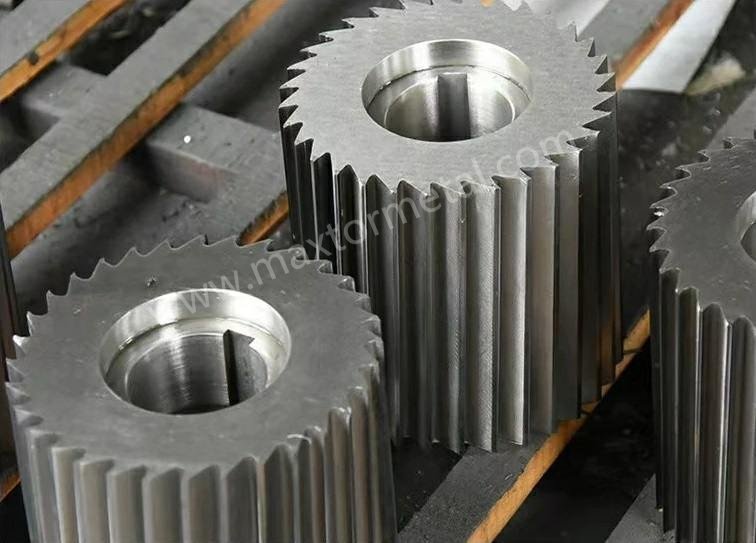
If you run underwater pelletizing on PP or PE, you feel blade life in your uptime, pellet geometry, and cost per ton. When blades hold a clean edge longer, you swap less, stabilize pellet length and roundness, and trim changeover hours. Failures usually start in a few familiar places: steady abrasion from fillers and pigments, adhesive wear (galling) against the die face, corrosion from the water loop, small misalignments that grow with heat and runout, and finally the chipped edges that turn into tails and fines. This guide compares tool steel options (D2, M2, 440C) against inlaid tungsten carbide (WC–Co) for rotor pelletizer blades, then shows the operating practices that […]

 English
  Spanish
  Italian
  French
  Portuguese
  Russian
  German
  Arabic
  Hindi
Hindi  Vietnamese
  Indonesian
  Japanese
  Korean