

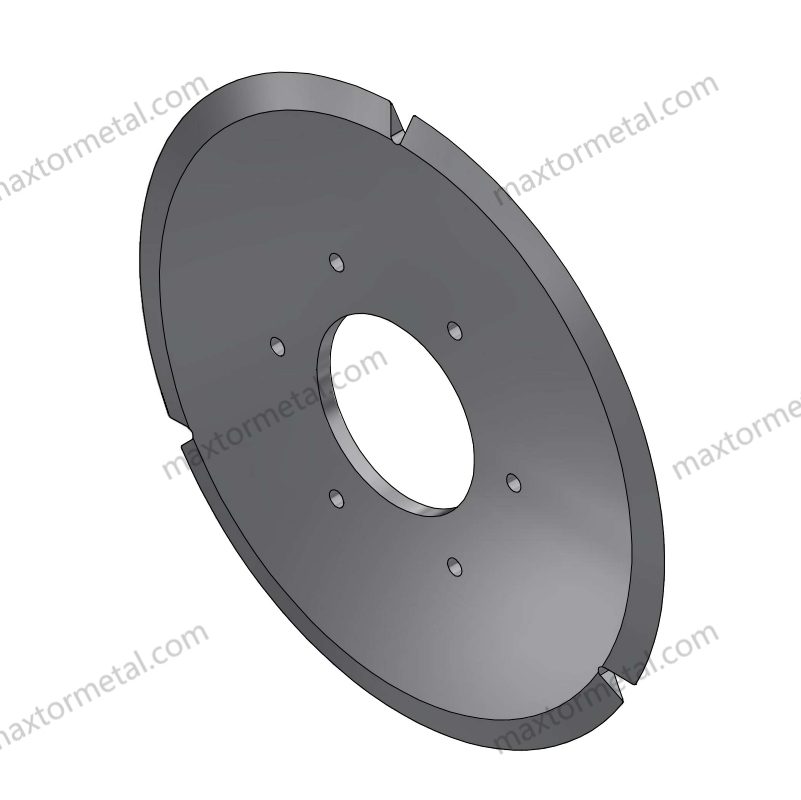
紙用円形ミシン目ナイフ help you work faster. They let you make clean and exact cuts when you slit paper. You see big changes in packaging, paper converting, and food factories. Sharp perforating blades lower downtime and give steady quality. Factories say they work up to 20% faster. They also have 20-30% less packaging waste. カスタムブレード designs make work 53% more efficient. Special coatings help blades last up to 40% longer.
| Efficiency Aspect | Impact on Slitting Efficiency in Industrial Paper Processing |
|---|---|
| Production Line Efficiency | Annual increase of 12-15% |
| 生産速度 | Up to 20% faster production |
| 廃棄物の削減 | Decrease in packaging waste by 20-30% |
| ブレードの耐久性 | Coatings extend blade life by 25-40% |
| Custom Blade Designs | Efficiency improvement by 53% |
| Special Blade Shapes | Stress reduction by 27% |
You need circular perforating knives for paper in packaging and paper products. They give you the accuracy and strength your business needs.
重要なポイント
- Circular perforating knives cut paper and film very cleanly. They help work go faster, sometimes by 40%.
- Picking the best blade material and tooth shape helps cuts look better. It also makes blades last longer and lowers waste and stops.
- Custom blades match your needs and make work more efficient. They can help you work 50% faster and make neat, easy-to-tear holes.
- Cleaning, oiling, and checking blades often keeps machines working well. It also helps blades last longer.
- Machines with automation and new controls change blades quickly. They keep cutting even and need less hand work.
- These knives are used in many jobs like packaging, paper making, food, and clothes.
- Blades made with eco-friendly materials and coatings make less waste. They help companies be kinder to the environment.
- Training workers the right way keeps slitting safe and fast. It also helps make good cuts and fewer machine stops.
紙用円形ミシン目ナイフ
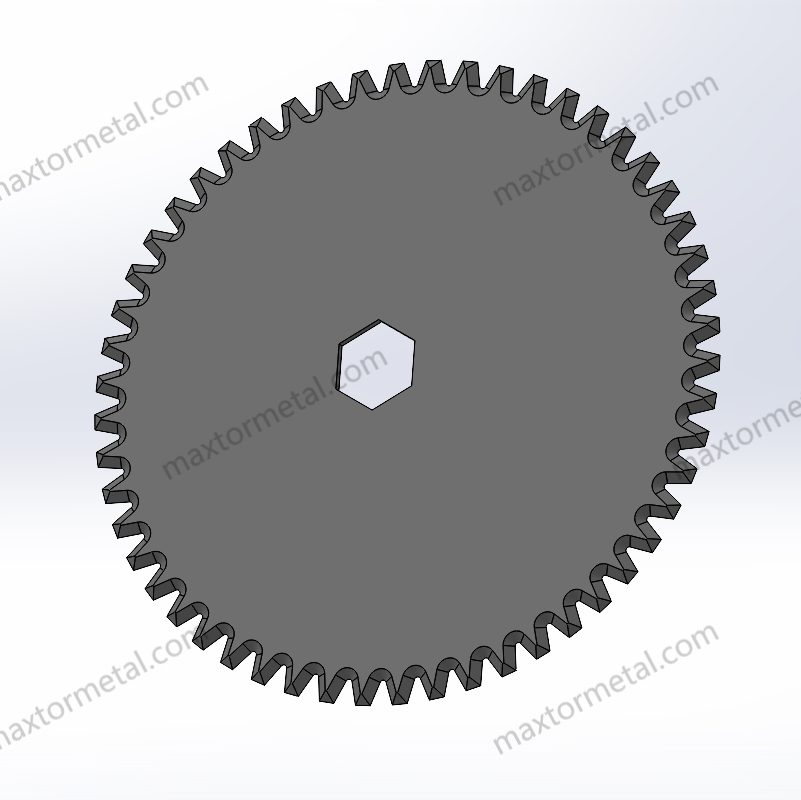
意味
Circular perforating knives for paper make neat, spaced cuts on paper rolls. These knives move smoothly over the paper and leave small parts uncut. This helps you tear the paper easily and neatly. They are different from straight or guillotine blades, which cut all the way across. You see these knives used for making calendars, tickets, and packaging. You can change the tooth shape, size, and how often the cuts happen to fit your needs. Companies like Nanjing Metal have many choices, so you get the right blade for your job.
仕組み
You put circular perforating knives for paper in slitting machines. First, you feed big rolls of paper into the machine. The circular knives spin with the paper as it moves. Motors and rubber rollers help the knives cut or perforate the paper very accurately. You can adjust the knife frame to keep the blade lined up with the cushion sleeve. The control system sets the speed, tension, and knife position, so the cuts stay even. Waste paper goes out through a blower, so your area stays clean. You get fast cutting and very precise results, especially with blades made from tool steel, HSS, or carbide. These blades are heat treated, so they stay hard and last a long time.
- Circular perforating knives for paper help you:
- Make straight, even perforations
- Cut down on manual work
- Keep production fast
- 材料の無駄を減らす
種類
There are different kinds of circular knives for paper. Each type does a special job. The main types are rotary circular perforating blades and cutoff perforating blades. Rotary blades roll over the paper and make long cuts. Cutoff blades chop across the paper for cross cuts. You can pick from many tooth shapes, like high-low v-style, regular v-style, scalloped, peg style, and slant tooth. Each shape changes how the paper tears.
| 円形ナイフの種類 | 説明 | Cutting Direction | 主な特徴 |
|---|---|---|---|
| Rotary Circular Perforating Blades | Roll over paper to make straight cuts | Lengthwise | You can change the material, tooth shape, and cut pattern |
| Cutoff Perforating Blades | Chop across the paper for cross cuts | Widthwise | Tooth depth changes, solid carbide options available |
Pick the blade material that fits your work. Tool steel blades are tough and stay sharp for hard jobs. High-Speed Steel (HSS) blades are strong and easy to sharpen. Carbide blades are very hard and last a long time for big jobs. You can find more ways to customize circular perforating knives for paper on the カスタムブレードページ.
Tip: Changing your industrial machine knives helps you get the best results for your paper slitting work.
Efficiency in Slitting
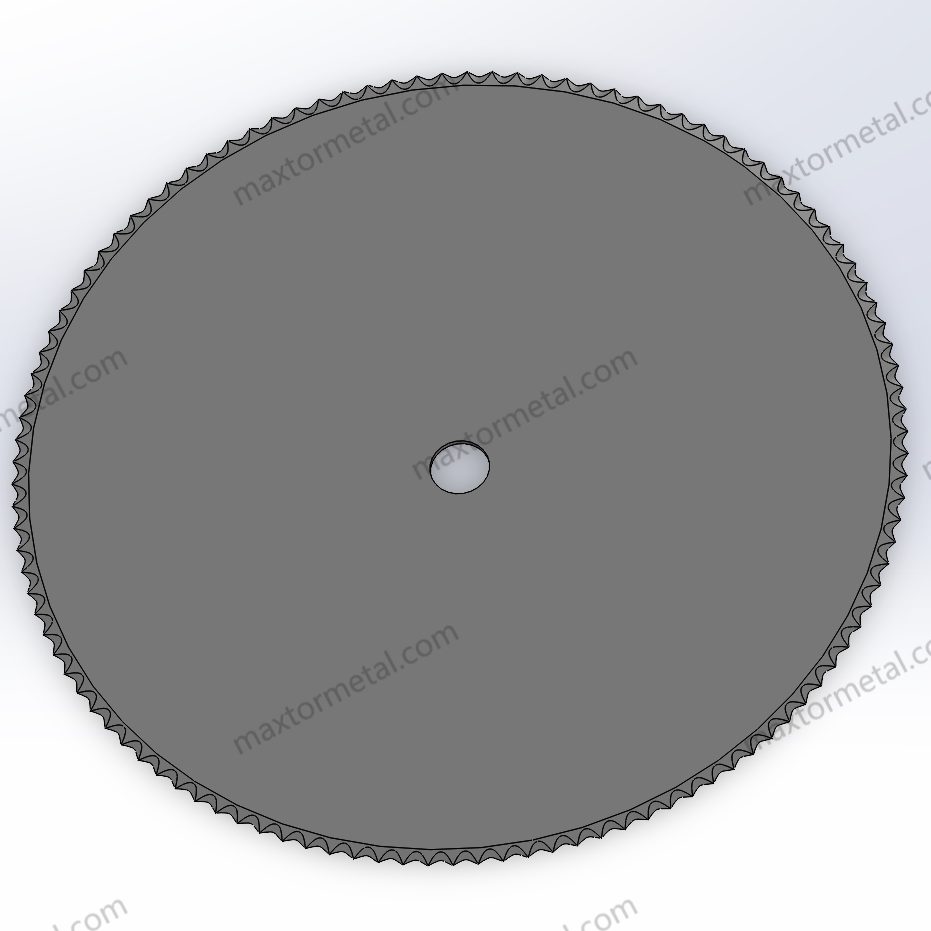
Circular perforating knives for paper help you work faster. They make slitting jobs easier and save time. You get steady quality and less machine stopping. These knives are important in packaging, paper, and film work. They give you neat cuts and good results every time.
Faster Production
High-Speed Operation
You can make your machines run faster with these knives. They move quickly and cut paper and packaging well. You finish more products in less time. If you pick the right blade thickness, material, and tooth shape, you cut better. The right knives let your machine go fast and still cut well.
| Improvement Aspect | Measurable Impact |
|---|---|
| 生産速度 | Increased by 40% |
| スループット | Increased by 20% |
| スクラップ材 | Reduced by 25% |
| 不合格品 | Reduced by 50% |
| エネルギー消費 | Reduced by 15% |
| メンテナンス費用 | より低い |
| 品質の一貫性 | 改善された |
| 機械の寿命 | 拡張 |

You see these good changes when you use the right knives for your machine and paper.
Reduced Manual Intervention
You do not need to fix or adjust the knives as much. These knives work with machines that run by themselves. You can do other jobs while the knives cut the paper.
Example: Packaging Industry – Accelerated Carton and Label Production
In packaging factories, these knives help make cartons and labels fast. You get more finished items each hour. There are fewer jams and less waste. Your machines run smoothly, so you finish work on time.
一貫した品質
Uniform Perforation Patterns
These knives make neat, even holes every time. They put weak spots in the paper so you can tear it easily. You can pick the tooth shape and how far apart the cuts are. The knives give you the same good results each time.
- Perforating blades make easy-tear lines in paper and packaging.
- You get clean sheets for notebooks, labels, and forms.
- You can pick different blades for the best cuts.
- Your products look good and stay strong.
Minimized Material Waste
You waste less paper when you use these knives. They only cut where you need, so you save more material. You throw away less and keep your work cheap and fast.
Example: Paper Industry – Consistent Tear Lines in Notebooks and Tickets
You use these knives to make notebooks and tickets with perfect tear lines. People can pull out pages easily. You get fewer complaints and returns. The knives help you keep quality high and waste low.
ダウンタイムの短縮
Longer Tool Life and Fewer Blade Changes
You do not have to change the knives often. Good knives last longer because they are made from strong materials. Your knives stay sharp and work well. Your machines keep running without many stops.
Quick Maintenance and Replacement
You can change and clean the knives fast. These knives are easy to put in and take out. You start cutting again quickly. Your machines stay on track and do not fall behind.
Example: Film Industry – Continuous Slitting with Minimal Interruptions
In film factories, these knives cut rolls of film for a long time. You do not need to stop to change blades. Your machines work longer and you do not lose time. You finish orders on time and keep customers happy.
Tip: Pick the right knives and take care of them. Your machines will work faster, make better products, and waste less.
Applications in Paper and Film
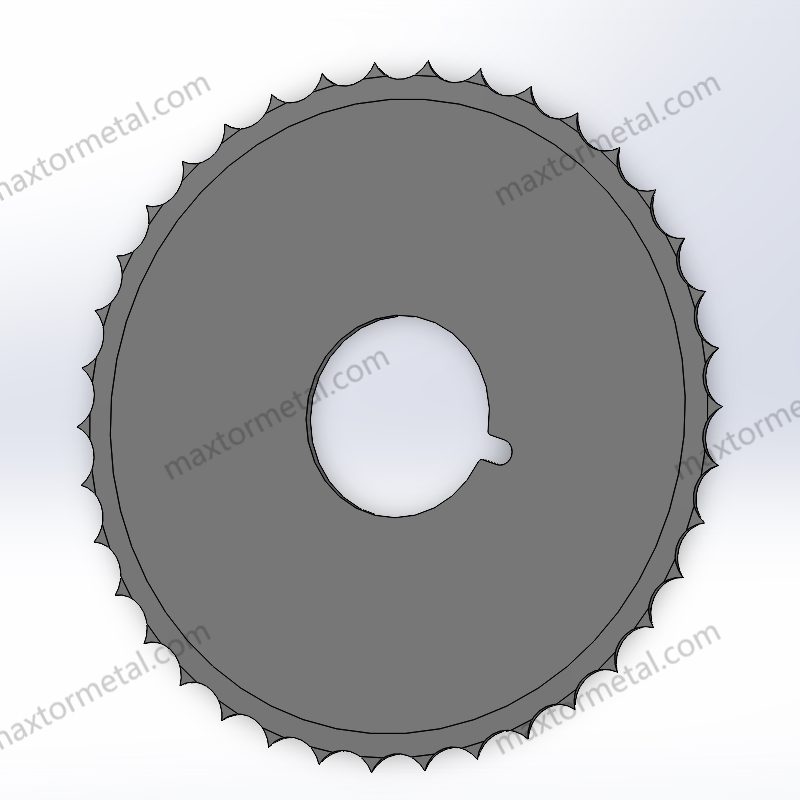
紙製品
Circular perforating knives for paper are used in many products. These knives make lines that are easy to tear. They help you get clean and straight edges. You use them for many things:
- Notebooks and legal pads let you pull out pages easily.
- Cheque-books and bills need neat lines for easy tearing.
- Calendars and stamps let you remove sheets or stamps without ripping.
- Movie and raffle tickets have clear lines for fast handing out.
- Coupons and gift certificates are easy for customers to use.
These uses make things easier for people and improve quality. You can pick different tooth shapes and patterns for your needs.
Film and Packaging
You need circular perforating knives for paper in film and packaging work. These knives cut, slit, and perforate film, foil, and labels. You get clean cuts even when machines run fast. The knives spin quickly and make parts that are easy to tear. This is important for packaging and labels.
| パフォーマンスメトリック | 価値 / 説明 |
|---|---|
| Shear Strength | 1,850 N/mm² |
| Impact Resistance (Charpy) | 25 J/cm² |
| Cutting Lifespan (20lb Bond) | Improved from 35,000 to 205,000 cuts (+485%) |
| Edge Deformation Threshold | Increased from 8.5 to 14.2 tons pressure (+67%) |
| Core Material | D2 Cold Work Steel ASTM A681 Certified |
| Cutting Edge Enhancements | Laser-hardened edge (HRC 63), micro-serration (23-25 TPI), titanium nitride coating (3,800 Vickers hardness) |
| 産業アプリケーション | Corrugated board cutting, fiberboard up to 900gsm, production speeds up to 1,200 cuts/hour |

You use these knives for food packaging, flexible packaging, and making labels. They help you keep up with fast machines and waste less.
Note: Custom blades help your machines work well, no matter what you cut or how fast you go.
その他の産業
Circular perforating knives for paper are used in many other jobs. You find them in these industries:
| 業界 | Benefits from Circular Perforating Knives | Unique Requirements and Applications |
|---|---|---|
| 食品加工 | Precise slicing, trimming, and cutting of delicate food products | Need for precision and gentle handling to avoid damaging delicate items like meat, dairy, bakery, seafood, fruits, and vegetables |
| プラスチック | Cutting, scoring, perforating, and slitting plastic products | High-quality blades for clean cuts and perforations to maintain product integrity |
| ゴム産業 | Cutting dense rubber materials | Strong, precise knives capable of smooth, consistent cuts under high workloads |
| フォーム | Cutting, trimming, slitting, slicing various foam types | Custom blades adapted to foam density and firmness for clean cuts |
| 繊維・皮革 | Cutting, perforating, trimming, splitting various fabrics and leather | Blades that handle different textures and thicknesses; leather blades designed for splitting without damage |
| Foil, Film & Metals | Cutting and perforating thin and dense materials | Precise, accurate blades (serrated or beveled) for clean cuts and controlled trimming |
| Packaging & Paper | Scoring, perforating, creasing, splitting, cutting packaging and paper products | High precision blades tailored for scoring, creasing, and splitting delicate materials |
| 木材 | Cutting and trimming wood products | Durable, high-quality blades for clean, smooth cuts minimizing splitting |
| Glass, Stone, Concrete | Cutting and scoring hard materials | Blades designed for high control, accuracy, and durability in high-volume applications |
| Fiberglass | Cutting and trimming composite materials | Durable blades for accurate, clean cuts and trims |
Each industry uses these knives for specific reasons.
Choosing Perforating Industrial Machine Knives
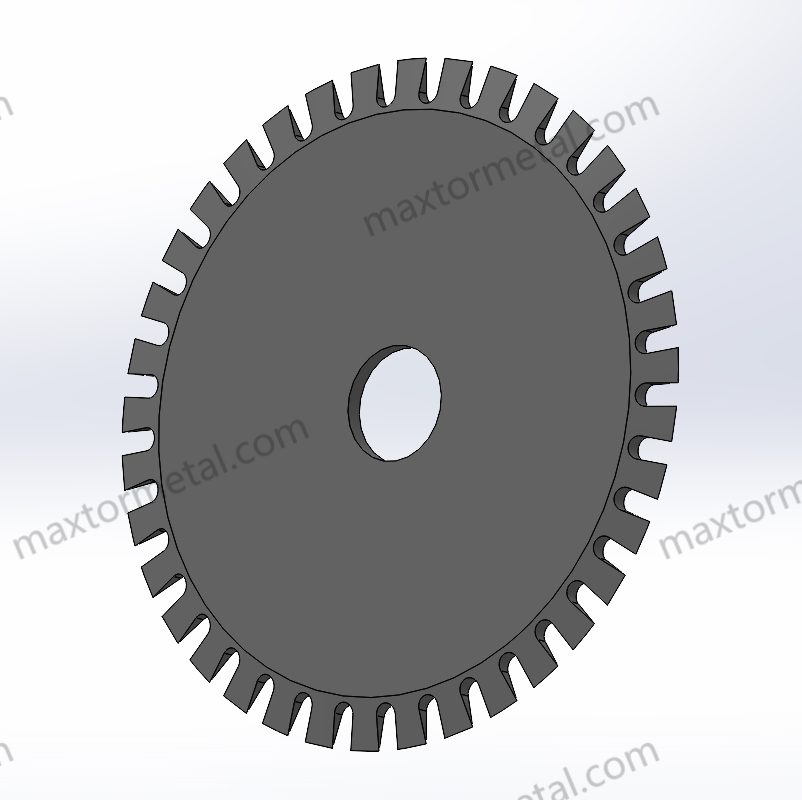
Picking the right perforating industrial machine knives is very important. You want your slitting work to go well. Think about what the knife is made of, the tooth design, and if it fits your machine. This helps you work faster and make better products.
材料の選択
The knife material changes how well it cuts and how long it lasts. Each kind of material works best for certain jobs.
高速度鋼(HSS)
High-Speed Steel (HSS) blades are tough and do not wear out fast. They stay hard even when they get hot. You can use HSS blades for hard jobs with lots of heat. These blades keep their sharp edge longer. You do not need to change them often. They are good for fast cutting in packaging and paper work.
炭化物
Carbide blades have tungsten, so they are very hard. They last a long time and can be sharpened many times. Carbide blades are great for big jobs and tough materials. You can use them for film, foil, and thick paper. They make clean cuts and last longer.
Other Materials (e.g., Stainless Steel, Coated Alloys)
Stainless steel blades do not rust, so they are good for wet places or food work. Coated alloys like titanium nitride help blades last up to 300% longer. Tool steel is strong and does not get soft from heat. Ceramic blades are very hard and make thin cuts. D-2 tool steel does not wear out fast. Pick the right blade for your job to stop rough cuts and early damage.
| 材料 | Wear Resistance & Durability | Cutting Efficiency & Edge Retention | 追加情報 |
|---|---|---|---|
| M-2高速度鋼 | Handles heat and friction well; stays hard when hot. | Cuts well; works for many tools. | Good for heat; used in many factories. |
| 超硬合金 | Very hard; stays sharp after many sharpenings. | Cuts well; does not get stuck. | Great for sharp cuts and many materials. |
| ステンレス鋼 | Does not rust because of chromium; harder to sharpen. | Cheap; good for wet places. | Does not rust; sharpening is harder. |
| D-2工具鋼 | Does not wear out or rust because of chromium. | Lasts long; keeps edge; does not wear out. | Air-hardened; used for many knives. |
| セラミック | Very hard and does not rust. | Makes thin, sharp cuts; can break easily. | Needs little sharpening; used for film and foil. |
When you pick the right blade, you cut better and waste less time. Always match the knife to what you are cutting. Think about where you work and use coatings to make blades last longer.
Tip: Test your knives and change settings before you start big jobs.
Tooth Design
Tooth design is very important for perforating industrial machine knives. Pick the right tooth shape, size, and pattern for easy cuts and tearing.
Tooth Shape and Pitch
Tooth shape changes how the blade cuts the material. V-shaped teeth make neat cuts and do not tear much. They are best for paper and thin films. U-shaped teeth are good for medium-thick things. Serrated teeth grab tough stuff but may leave rough edges. Tooth pitch means how close the teeth are. Small teeth and tight pitch make smooth cuts. Big teeth are better for thick things.
| Tooth Design Aspect | Influence on Performance | Application to Paper and Thin Films |
|---|---|---|
| Tooth Shape (Profile) | V-shaped teeth make neat cuts; U-shaped teeth are for medium thickness; serrated teeth grab tough stuff but may leave rough edges. | V-shaped teeth are best for paper and thin films. |
| Tooth Pitch (Spacing) | Small teeth and tight pitch make smooth cuts; big teeth are for thick things. | Small pitch is best for paper and keeps cuts neat. |
| Tooth Size | Small teeth make better cuts on thin things; big teeth are strong for thick things. | Small teeth help make neat cuts in paper. |
| Integration with Speed and Pressure | The right speed, pressure, and tooth shape make cuts better and blades last longer. | Change these settings with tooth design for smooth cuts in paper. |
You can change tooth size and blade angle for different thicknesses. Matching these helps you get neat cuts and easy tearing.
Perforation Patterns
Perforation patterns change how products look and work. Some patterns have small round holes, short lines, or tiny holes. Closer holes or bigger openings make tearing easier. Perforations help you tear things neatly and keep products looking good.
| Perforation Pattern / Blade Type | 説明 | Effect on Product Quality and Usability |
|---|---|---|
| Alternating high-low v-style teeth | Teeth are different heights for deep and shallow cuts | Makes cutting easier and tearing cleaner |
| Standard v-style teeth | All teeth are the same shape | ほとんどの仕事に適している |
| Variable depth v-style teeth | Teeth cut at different depths | Less stress on machines and better cuts |
| スカロップ状の歯 | Teeth look wavy or rounded | Makes cuts strong but easy to tear |
| Peg style | Teeth look like pegs | Makes special tear lines |
| Slant tooth | Teeth point to one side | Makes special cuts for neat lines |
| Circular perforating blades | Roll over material for long straight cuts | Good for long lines that stay strong |
| Cutoff (guillotine) perforating blades | Cut straight across the material | Most used for clean, easy tearing |
Put perforation lines in the right place to keep products strong before tearing. You can change patterns to get the right balance of strength and easy tearing.
Note: Do not use the wrong tooth size or blade material. This can make rough cuts and wear out blades too soon.
マシンの互換性
Make sure your knives fit your slitting machines. Blade size, how it mounts, and what it is made of must match your machine. Ask experts or suppliers for help picking the best blade. Nanjing Metal can make custom blades from drawings or samples. Their team can change designs to fit your needs and help you work better.
Nanjing Metal checks quality at every step. They look at the first blade, check materials, watch the process, and inspect at the end. You always get good blades with every order. You can look at their カスタムブレードページ for special blades or visit the 南京Metalホームページ to learn more.
Tip: Custom blades and careful quality checks help you get the best results for your cutting and slitting work.
Best Practices for Slitting
メンテナンス
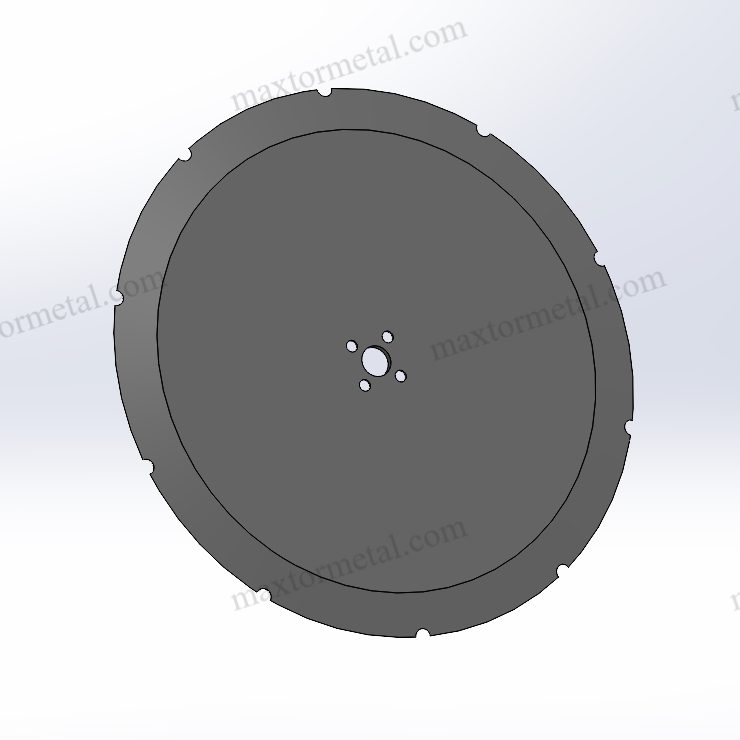
You keep your slitting machines working well with good care. Circular perforating knives for paper need regular cleaning and checks. Clean the blades after each use to stop dirt from making them dull. Put oil on the blades to help them move smoothly and not get too hot. Store blades in a dry place so they do not rust or get damaged.
Tip: Always look at the blades after each shift. Check for rough cuts, burn marks, chips, or cracks. Use a magnifying glass to find tiny cracks early.
You can follow these steps to help your blades last longer:
- Look at the blades every day. Check for color changes, scratches, or small cuts.
- Make sure the blade is tight in the machine. A loose blade wears out faster.
- Test if the blade is sharp once a week. Try cutting some paper; if it pulls or leaves rough edges, sharpen it.
- Clean and check where the blade sits every week. Remove any dirt or rust.
- Check if the blade is straight every week with a ruler or tool.
- Measure how thick the blade is every month. See if sharpening made it thinner.
- Balance the blade every month so the machine does not shake.
- Look for cracks near the holes or edges every month.
- Sharpen blades with the right tools and angles. Use water or oil to keep them cool.
- After using, clean and dry the blades. Put on oil to stop rust and cover them. Do not stack blades on top of each other.
- Change blades if they are too thin, cracked, bent, or cut badly.
Cleaning and checking blades often stops dirt from making cuts rough. Oiling after cleaning helps blades last longer and not get too hot. Sharpening and checking if blades are straight keeps your work fast and safe. These steps save time and help keep everyone safe.
| メンテナンスタスク | 頻度 | 利点 |
|---|---|---|
| クリーニングブレード | After every use | Keeps blades sharp |
| 潤滑 | After cleaning | Stops heat and friction |
| 目視検査 | 毎日 | Finds problems early |
| シャープネステスト | 週刊 | Makes sure cuts are good |
| アライメントチェック | 週刊 | Stops rough or crooked cuts |
| Thickness measurement | 月次 | Checks if blade is too thin |
| Blade balancing | 月次 | Stops shaking |
| Crack inspection | 月次 | Stops blades from breaking |
| Blade replacement | 必要に応じて | Keeps cutting smooth |
オペレータートレーニング
You make your work safer and faster when you train your workers well. Good operators know how to use circular perforating knives for paper and keep machines running fast. Teach workers to check blades, change cutting settings, and spot worn blades.
Operators learn to set up machines for different jobs and blades. They check if blades are straight and tight before each shift. Train them to use magnifiers to see tiny cracks and write down how blades work. Operators also learn to sharpen blades with the right tools and angles.
Note: Good training helps stop machine stops, keeps workers safe, and makes products better.
You can use these steps to help workers learn more:
- Give hands-on lessons for putting in and taking out blades.
- Show how to clean and oil blades the right way.
- Teach how to measure blade thickness and balance them.
- Explain how to find and report blade damage.
- 作業員に対し、安全点検の実施および不具合・問題発生時の早期報告を徹底させてください。.
適切なトレーニングを実施することで、スリット加工の安全性と生産性を高水準に維持できます。熟練した作業員を育成することで、製紙用丸型ミシン目刃の性能を最大限に引き出すことが可能になります。.
Trends in Perforating Knives
材料イノベーション
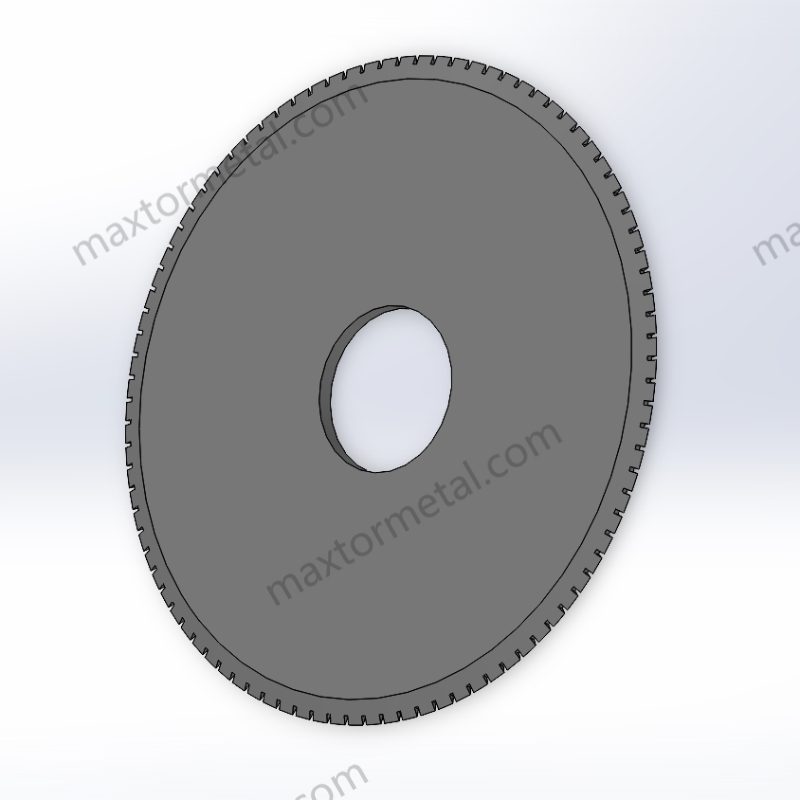
製紙用丸型ミシン目刃には、数多くの最新材質が採用されています。製造現場ではCNC旋削センターや研削盤を活用し、極めて高精度な刃物加工を行っています。これにより、ハイス鋼(高速度工具鋼)、タングステンカーバイド(超硬合金)、セラミックス、ならびにD2、SK5、SUS304などの工具鋼をはじめとする多彩な材質に対応可能です。各材質には独自の強みがあります。タングステンカーバイド製刃物は長期間にわたり鋭い切れ味を維持し、セラミックス製刃物は優れた耐摩耗性と耐熱性を発揮します。.
特殊溶接や熱処理技術を適用することで、刃物の特性をさらに向上させています。これらの工程により鋭利な刃先と滑らかな切断面が実現し、チッピング(刃こぼれ)や刃の変形(ロールアップ)を大幅に抑制します。新材質の開発や製造プロセスの高度化を目的としたR&D投資も活発に行われており、電子顕微鏡や微小硬度計による厳格な品質管理が実施されています。こうしたイノベーションにより、包装資材、フィルム、繊維など、高負荷な切断加工プロセスにおいても優れた耐久性と切削性能を発揮するナイフが実現します。.
ポイント: 用途に最適な刃物材質を選定することで、加工速度の向上とダウンタイム(設備停止時間)の削減を同時に実現できます。.
オートメーション
スリット加工プロセスにおいて、自動化の重要性はますます高まっています。製紙用丸型ミシン目刃の保持および移動には、エアー式(エア圧駆動型)ナイフホルダーが有効です。エアー圧で刃物を強固に固定し適切な刃角を保持するため、迅速な刃物交換と安定した連続切断が可能となり、作業効率の向上と加工エラーの低減を実現します。.
現代のスリットラインでは、 電空アクチュエータや電動アクチュエータ. が採用されています。これらのシステムにより、ボタン操作やタッチスクリーン画面から各刃物を個別に制御できます。切断位置、長さ、リピート間隔を高精度に設定でき、ライン全体と同期した自動化加工が可能です。調整・手直し時間を大幅に削減し、高品質な製品の安定生産に集中できます。.
| 自動化機能 | スリット加工における導入メリット |
|---|---|
| エアー式ナイフホルダー | 迅速な刃物交換と安定した切断精度 |
| 電子制御システム | 精緻な切断位置決め |
| タッチスクリーンUI | 設定・変更作業の簡略化 |
| 連動同期運転 | 手作業の削減と製品品質の平準化 |
持続可能性
サステナビリティへの取り組みは、製紙用丸型ミシン目刃の選定や運用方法にも変化をもたらしています。現在、製造現場ではリサイクル可能かつ長寿命な材質の採用が進んでおり、廃棄物の削減とリユース率向上に寄与しています。また、地産地消型の調達体制は輸送コストとCO2排出量の削減に繋がります。.
自動化およびロボット技術の導入により、製造不良率が低減し、原料ロスが抑えられます。PTFEなどのノンスティック(非粘着)コーティングは粘着剤の付着を防ぎ、シャープな切断面を維持して歩留まりを向上させます。さらに、用途に合わせたカスタム刃物を採用することで、作業効率を高め、廃材の発生量を最小限に抑えられます。.
- 現在、多くの企業がリサイクル可能、生分解性、または堆肥化(コンポスタブル)可能な包装資材を採用しています。.
- 非粘着コーティングにより接着剤の堆積を防ぎ、常に綺麗な切断面を保持します。.
- サーキュラーエコノミー(循環型経済)の概念に基づき、リサイクルと再利用の最大化を推進します。.
- EU循環型経済行動計画などの環境規制に対応するため、環境負荷の少ない刃物と省エネ型製造プロセスの導入が求められています。.
- サステナブルな包装資材への需要高まりを受け、刃物メーカーはこれら新素材に対応した専用ツールの開発を進めています。.
さらに、 バルメット バイオパック プラス などのシステムを活用し、プラスチックからクラフト紙への代替を推進できます。精密な接着制御と高度なミシン目加工の組み合わせにより、コスト削減と環境保護を両立します。.
注記: 環境対応型の刃物と最適化された製造プロセスの採用は、貴社の事業成長と地球環境の保護に寄与します。.
製紙用丸型ミシン目刃は、紙や包装資材の高速かつ高精度な加工を実現します。切断面は非常に美しく、仕上がりの品質を大きく向上させます。高耐久性材質と専用コーティングの採用により、生産効率の最大化と原料ロスの削減を約束します。.
- 包装ラインの要求に応える高精度、高耐摩耗性、および長寿命設計。.
- 仕様に合わせたカスタマイズにより、既存の包装プロセスをより高効率に最適化。.
- 技術専門スタッフが、各包装用途に最適な刃物選定をサポート。.
加工精度の最適化については、Nanjing Metal のセールスエンジニアにご相談ください。お客様の製紙・包装プロセスに最適なナイフの選定からカスタマイズ、メンテナンス計画まで手厚くサポートいたします。. 今すぐ担当チームにお問い合わせいただき、 貴社の具体的な課題やご要望をお聞かせください。.
よくある質問
製紙用丸型ミシン目刃(ロータリーミシン刃)とは何ですか?
製紙用丸型ミシン目刃は、ロール状の紙やシートに対して一定間隔の切込み(ミシン目)を施すための円形刃物です。これにより製品の切り離しが容易になり、まっすぐで綺麗な端面が得られます。主にパッケージ、ノート、チケット、ラベル製造などの用途で使用されます。.
ミシン目刃の最適な材質はどのように選定すればよいですか?
被削材や加工条件に応じて最適な材質を選定してください。高速切断にはハイス鋼(HSS)、高負荷・長寿命が求められる環境には超硬合金(Carbide)、防錆性が必要な場合はステンレス鋼が適しています。ご不明な点はメーカーまでお問い合わせください。.
刃先の形状やミシン目ピッチ(パターン)のカスタマイズは可能ですか?
はい、刃形状やピッチの完全オーダーメイドに対応しています。図面やサンプルをご提供いただければ、紙、フィルム、包装資材など、用途に応じた最適なカスタム刃物を製作いたします。.
製紙用丸型ミシン目刃の交換または研磨のタイミング・頻度はどのくらいですか?
毎日、刃物に切れ味の低下や刃こぼれがないか点検してください。切断面が粗くなった場合は再研磨を行ってください。クラック(亀裂)が発生している場合や、摩耗して薄くなりすぎている場合は交換してください。適切なメンテナンスを行うことで、機械のパフォーマンスを維持し、予期せぬ停止を防ぎます。.
ペーパー用丸型ミシン目刃はどのような業界で使用されていますか?
幅広い業界で使用されています。主に包装、紙加工、繊維、食品加工、ラベル製造などの分野で活用されており、手で切り取りやすいミシン目加工や美しい切断面を実現します。また、繊維製品や不織布の加工に使用している工場もあります。.
ミシン目刃の性能を最大限に発揮させるためのメンテナンス方法は?
使用後は毎回刃物を清掃してください。錆を防ぐために防錆油を塗布し、乾燥した場所で保管します。毎週、切れ味やアライメント(芯出し)に問題がないか確認してください。適切な手入れを行うことで、刃物の長寿命化と高精度な切断を維持できます。.
ペーパー用丸型ミシン目刃は自動スリッター機に対応していますか?
You can use these knives with automated slitting machines. Many machines let you change blades quickly and use electronic controls. Automation helps you work faster, do less by hand, and keep quality steady.
Can I order small quantities of custom perforating knives?
You can order small amounts from manufacturers like Nanjing Metal. They let you buy just what you need. You get updates and fast delivery, even for custom blades.
参照
紙用ミシン目ブレードの日常メンテナンスのヒント:クリーニング、潤滑、研磨、およびブレード先端保護のルール
プラスチックフィルム用ミシン目ブレードの最適化:速度、圧力、歯形の組み合わせ
パッケージング用ミシン目ナイフが包装業界で広く使用されている理由

 English
 Spanish
 Italian
 French
 Portuguese
 Russian
 German
 Arabic
 Hindi
 Vietnamese
 Indonesian
 Japanese
 Korean