

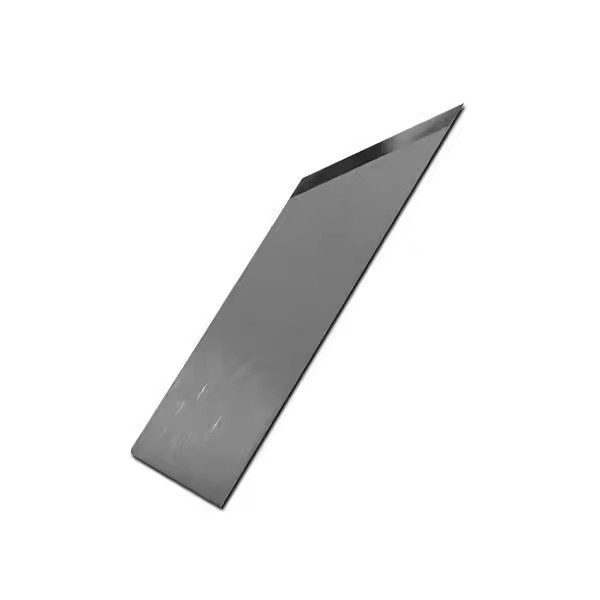
Sharpening and taking care of tungsten carbide knives can be challenging. The material does not wear down easily, but it can chip if you are not careful. Some people make the blade too hot, which can cause tiny cracks. Using softer abrasives than tungsten carbide can damage the blade. To 텅스텐 카바이드 나이프 유지보수 effectively, keeping a steady 45° chisel edge helps prevent uneven wear. You will need diamond grinding wheels or fine stones. Use light pressure and take precautions against dust. This approach keeps tungsten carbide knives safe and functioning optimally.
주요 요점
- Use diamond grinding wheels to sharpen tungsten carbide knives. They work best because they are very hard.
- Always keep a 45° angle when you sharpen. This angle makes the edge strong and sharp for hard jobs.
- Use light pressure when you sharpen. If you press too hard, the blade can chip or crack. This can damage your knife.
- Clean your knife after each use with warm water and mild soap. This stops dirt from building up and keeps the blade nice.
- Store your knives in a knife block or use blade guards. This keeps the edge safe and stops it from chipping.
- Wear safety gear like a respirator and safety glasses when sharpening. This keeps you safe from dust and flying bits.
- Check your knife often for chips or cracks. If you find problems early, you can fix them before they get worse.
- Use water or coolant when sharpening to keep the blade cool and lower dust. This stops the blade from getting too hot and keeps you healthy.
Tungsten Carbide Blades: Tools & Safety

Diamond Grinding Wheels
Diamond grinding wheels work best for sharpening 텅스텐 카바이드 블레이드. You need these wheels because 텅스텐 카바이드 is much harder than steel. Regular sharpening stones do not work well. Diamond grinding wheels can cut the hard surface and keep the edge sharp.
There are different diamond grinding wheels. Each one is good for a certain job:
- Resin Bond Wheels: These wheels are good for many uses. You can use them to sharpen many 텅스텐 카바이드 블레이드 like end mills and drills.
- Vitrified Bond Wheels: These wheels give you very accurate edges. Use them when you want a perfect finish on your 텅스텐 카바이드 블레이드.
- Metal Bond Wheels: These wheels last a long time. They are best if you need to sharpen many blades. The amount of diamond in the wheel changes how fast you sharpen and how much material you take off.
Fine vs. Coarse Grit
Picking the right grit size is important with diamond grinding wheels. Fine grit wheels give a smooth, sharp edge. They help stop the blade from chipping. Coarse grit wheels take off material faster, but they can scratch and chip 텅스텐 카바이드 블레이드.
팁: Always use a fine grit wheel to finish. Use light pressure to keep the edge safe. This way, your 텅스텐 카바이드 블레이드 stay sharp and safe from damage.
Silicon Carbide Wheels
Silicon carbide wheels are another way to sharpen 텅스텐 카바이드 블레이드. These wheels are not as hard as diamond grinding wheels. They can still sharpen 텅스텐 카바이드, but only use them if you do not have diamond wheels. Silicon carbide wheels wear out faster and may not make the edge as sharp.
When using silicon carbide wheels, always use light pressure. Heavy pressure can chip the blade. Keep the wheel clean and cool while sharpening. This stops the blade from getting too hot and damaged.
EDM & Laser Sharpening
Some new ways to sharpen 텅스텐 카바이드 블레이드 are EDM and laser sharpening. These use machines to shape and sharpen the blade without touching it.
| Advantages of EDM | Disadvantages of EDM |
|---|---|
| High-precision machining of complex shapes | Conductivity is required |
| Materials with high hardness can be processed | Processing time is long |
| No deformation due to heat | Electrodes need to be prepared |
| No burrs occur | The direction of processing is limited |
| A heat-affected layer different from the grinding process will form |
EDM can make the surface of 텅스텐 카바이드 블레이드 better. It makes the surface smoother and lowers the force needed for grinding. You get a smoother edge and your tools last longer.
Laser-assisted grinding is another high-tech way. It cuts the grinding force almost in half and keeps the blade cooler. This helps remove chips and makes the edge of 텅스텐 카바이드 블레이드 better.
메모: EDM and laser sharpening are best for tricky shapes or when you need a very fine edge. These ways to sharpen 텅스텐 카바이드 블레이드 are mostly used in factories or by experts.
If you want to learn more about advanced sharpening, visit the 커스텀 블레이드 페이지 or check 난징 Metal 산업 더 자세한 정보를 원하시면.
Safety Gear for Sharpening
When you sharpen 텅스텐 카바이드 블레이드, you need to stay safe. Dust and small pieces can hurt your lungs and skin. Set up your work area with the right safety gear before starting.
Dust Collection
날카롭게하다 텅스텐 카바이드 블레이드 makes fine dust. Breathing this dust is bad for your health. Always use a dust collector to keep the air clean. A good dust collector pulls dust away from your face. This keeps your workspace safer.
Some health problems from breathing 텅스텐 카바이드 dust are:
- Chest tightness
- Cough
- Dyspnea (trouble breathing)
- Weight loss
- Inspiratory rales (crackling sounds in the lungs)
The table below lists even more serious risks:
| Health Risk | 설명 |
|---|---|
| Inflammation | Breathing in dust causes swelling in your lungs. |
| Fibrosis | Breathing dust many times scars your lungs. |
| Pulmonary Edema | Too much dust can fill your lungs with fluid. |
| Airway Obstruction | Dust can block your airways and make breathing hard. |
Use a vacuum system with a HEPA filter. This filter catches tiny dust from 텅스텐 카바이드 블레이드. If you do not have a dust collector, use water when sharpening. Water keeps dust from floating in the air.
팁: Clean your workspace after sharpening. Wipe down all surfaces and tools to get rid of dust.
개인 보호 장비
Wear personal protective equipment every time you sharpen 텅스텐 카바이드 블레이드. This gear keeps dust and sharp pieces off your body.
Wear these items:
- A respirator for dust and mist
- Safety glasses for your eyes
- Gloves to keep dust off your hands
- Full-body clothing if you sharpen many blades
- Wash your hands before eating or drinking
A respirator keeps you from breathing in harmful dust. Safety glasses protect your eyes from flying pieces. Gloves keep your hands safe from sharp edges and dust. Wear long sleeves or coveralls if you sharpen many blades. Always wash your hands after sharpening.
메모: Never skip safety gear. Even a little dust from 텅스텐 카바이드 블레이드 can cause health problems over time.
Using the right dust collector and safety gear keeps you safe. These steps help you sharpen 텅스텐 카바이드 블레이드 without danger.
Sharpen Tungsten Carbide Blades: Step-by-Step
작업 공간 준비
Cleaning the Knife
First, clean your knife before sharpening. Use warm water and mild soap to wash away dirt and oil. Make sure you remove any food stuck on the blade. Dry the blade with a soft cloth until it is fully dry. Cleaning helps you see the edge better. It also stops dirt from scratching the blade while you sharpen.
Tool Setup
Set up your sharpening area in a bright spot. Put your diamond grinding wheel or fine diamond stone on a flat table. Keep a spray bottle with water or coolant close by. This keeps the blade cool and stops small cracks. Always use good diamond or silicon carbide wheels for sharpening tungsten carbide blades.
팁: Try using a sharpening guide to keep the right angle. This tool helps you sharpen tungsten carbide blades more easily and accurately.
날카롭게 하는 과정
Setting the 45° Chisel Edge
Hold the blade at a 45° angle to the sharpener. This angle works best for sharpening tungsten carbide blades for tough jobs. Studies show a 45° edge gives a sharp cut and strong blade. The table below shows how different angles work for different jobs:
| 각도 | 적용 분야 | 이익 |
|---|---|---|
| 25° | Thin materials, surface caps | Easy to control, good for beginners |
| 35° | Versatile applications | Good balance of control and depth |
| 45° | Aluminum, stainless steel, structural welds | Sharp, deep cut, strong for thick materials |
Keep your hand steady and use a guide if you need help. This stops uneven sharpening and keeps the blade strong.
Using Fine Diamond Tools
Pick a fine diamond grinding wheel or stone. Fine diamond tools give you a smooth and sharp edge. They shape tungsten carbide blades without making chips or rough spots. The tiny diamond pieces work together to grind the blade gently. Do not use tungsten carbide tools for sharpening. They can make the edge rough and weak.
메모: The best way to sharpen tungsten carbide blades uses two steps with diamond and ceramic tools. This keeps the blade safe and sharp for longer.
Applying Light Pressure
Use gentle and even pressure when sharpening. Pressing too hard can chip or crack the blade. Let the diamond do the work for you. Move the blade smoothly and keep the angle the same. Spray water or coolant often to keep the blade cool. This helps you sharpen tungsten carbide blades safely and stops overheating.
알리다: Take your time and do not rush. Using light pressure gives you the best results and helps your blade last longer.
Finishing Up
Cleaning After Sharpening
Wipe the blade with a damp cloth to get rid of metal dust. Dry the blade all the way. Clean your sharpening tools and work area to remove dust. This keeps your workspace safe and ready for next time.
Inspecting for Chips
Look closely at the blade’s edge. Use a magnifying glass if you have one. Check for chips, cracks, or rough spots. If you see damage, sharpen again with light pressure.
팁: Check your blades often to find problems early. This keeps your tungsten carbide blades working their best.
피해야 할 실수
Sharpening tungsten carbide blades takes skill and care. Many people make mistakes that can ruin the blade or make it unsafe to use. You can avoid these problems by learning about the most common errors.
Coarse Tools
Using coarse tools is one of the biggest mistakes you can make with tungsten carbide blades. Coarse grinding wheels or stones remove material quickly, but they also leave deep scratches and can chip the edge.
- Why to Avoid:
Coarse tools do not match the hardness of tungsten carbide. They create uneven surfaces and weak spots. These weak spots can cause the blade to chip or break during use. - What to Do Instead:
Always choose fine diamond grinding wheels or fine stones. These tools shape the edge gently and keep it smooth. Fine grit helps you get a sharp edge without damaging the blade.
팁: If you only have a coarse tool, wait until you can get a fine diamond wheel. Using the wrong tool can shorten the life of your tungsten carbide blades.
과도한 힘
Many people think that pressing harder will sharpen the blade faster. This is not true for tungsten carbide blades. Too much force can cause cracks or chips.
- Why to Avoid:
Tungsten carbide is very hard but also brittle. Heavy pressure can snap off small pieces from the edge. This damage is hard to fix and can make the blade unsafe. - What to Do Instead:
Use light, steady pressure. Let the diamond grit do the work. Move the blade slowly and keep your hand steady.
알리다: If you hear a grinding noise or see sparks, you are pressing too hard. Stop and use a lighter touch.
Dry Sharpening
Sharpening tungsten carbide blades without water or coolant is risky. Dry sharpening creates heat and dust, both of which can harm you and your blade.
- Why to Avoid:
Heat from dry sharpening can cause tiny cracks in the blade. Dust from tungsten carbide is dangerous to breathe and can cause health problems. - What to Do Instead:
Always use water or a coolant when sharpening. This keeps the blade cool and traps dust. It also helps you get a smoother edge.
| 실수 | 무슨 일이 일어나는가 | 피하는 방법 |
|---|---|---|
| Coarse Tools | Chips and scratches | Use fine diamond wheels |
| 과도한 힘 | Cracks and chipping | Apply light, steady pressure |
| Dry Sharpening | Overheating, dust | Use water or coolant |
메모: Safe sharpening keeps your tungsten carbide blades sharp and strong. Take your time and use the right methods every time.
Maintain Tungsten Carbide Knives: Care & Storage
Cleaning After Use
Hand Washing
Always clean your tungsten carbide knife after you use it. Hold the blade under running water to wash away food and dirt. Use a soft cloth or gentle brush to clean it. This helps stop scratches and keeps the blade nice. Never use hard things or sharp tools to clean. These can hurt the blade’s surface. Water and a soft cloth take away dirt and stop buildup.
- Rinse the blade right after you finish using it.
- Use mild soap if you need extra cleaning.
- Do not use rough pads or steel wool.
- Clean the handle to get rid of grease.
팁: Clean your knife quickly after each use. This makes deep cleaning easier and keeps your knife looking new.
Drying & Oiling
Dry the blade with a soft towel after you clean it. If you leave water on the blade, it can cause rust or corrosion. Tungsten carbide does not rust as fast as steel, but it still can. Dry every part of the blade, even the handle and grooves. Only put the knife away when it is totally dry.
When the blade is dry, put a thin layer of cutting tool oil or lubricant on it. This keeps the edge safe and helps it last longer. Oiling also stops water from hurting the blade while it is stored. Use a clean cloth to spread the oil in a thin layer.
- Dry the blade right after you clean it.
- Use just a little oil; too much collects dust.
- Wipe off extra oil before you store the knife.
메모: Cleaning and oiling your knife often helps it last longer.
적절한 보관
Knife Blocks
Storing your knife the right way keeps it safe and sharp. Knife blocks are an easy way to store tungsten carbide knives. Put the knife in a clean, dry block after you use it. Knife blocks keep the blade from getting hit and stop the edge from getting dull. Make sure the inside of the block is dry so no water stays inside.
- Pick a block made from wood or hard plastic.
- Clean the block often to stop dust and mold.
- Put the knife in gently so you do not chip the edge.
Blade Guards
Blade guards give more protection when you store or move your knife. Hard plastic covers made for your knife shape work best. Blade guards stop the edge from touching other things, so it does not chip or scratch. You can also use padded spots in a knife bag to carry your knife safely.
- Pick a guard that fits your blade well.
- Try magnetic folding cases for easy use.
- Always clean and dry the knife before putting on the guard.
팁: Storing your knife the right way stops damage and keeps it ready to use.
정기점검
Edge Wear
Check your knife for edge wear as part of regular care. Look at the blade every day before you use it. Run your finger gently along the edge to feel for rough or dull spots. If you see jagged cuts or the knife feels harder to use, it may need sharpening.
| 유지 관리 작업 | 빈도 |
|---|---|
| 표면 닦기 | 일일 |
| 시각 검사 | 일일 |
| 선명도 테스트 | 주간 |
| 두께 측정 | 월간 간행물 |
| Crack Inspection | 월간 간행물 |
| Full Sharpening | As Needed |
Chips & Cracks
Look for chips and cracks in the blade at least once a month. Use a magnifying glass if you need help seeing small spots. Small chips can turn into bigger problems if you ignore them. If you find cracks or chips, stop using the knife. Sharpen or fix it before you use it again.
- Check for chips after you use the knife a lot.
- Look for cracks on the edge and near the handle.
- Fix any damage right away to stop accidents.
알리다: Checking your knife often helps you find problems early. This keeps your knife safe and working well.
손상 방지
Avoiding Hard Surfaces
You can keep your tungsten carbide knives sharp and strong by avoiding hard surfaces. These knives are very hard, but they can chip if you hit them against stone, glass, or metal. Always use a soft cutting board made from wood or plastic. Hard surfaces can cause the edge to break or dull quickly.
팁: Never use your tungsten carbide knife to cut on ceramic plates or countertops. Always choose a soft, clean surface for cutting.
Experts recommend several strategies to prevent damage during use. The table below shows some of the most effective ways to protect your knife:
| 전략 | 설명 |
|---|---|
| 절단 매개변수 최적화 | Lower cutting speed and use wear-resistant grades to prevent chipping and flank wear. |
| Select Appropriate Materials | Use materials with good high-temperature properties to keep the edge strong. |
| Maintain Proper Storage | Store knives in a dry, cool place to avoid rust and corrosion. |
| 정기 블레이드 검사 | Check your knife every week for signs of wear or damage. |
If you avoid hard surfaces, you lower the risk of chipping. Chipping often happens when the blade hits something harder than itself. This can also happen if you use too much force or twist the blade while cutting. Always cut straight and use gentle pressure.
Using for Intended Tasks
Tungsten carbide knives work best when you use them for their intended jobs. Do not use these knives to pry, twist, or hammer. They are made for cutting, not for opening cans or breaking bones. Using the knife for the wrong task can cause cracks, chips, or even break the blade.
Many types of wear can damage your knife if you use it the wrong way. The table below lists common causes of wear and how they happen:
| Cause of Wear | 설명 |
|---|---|
| Oxidative wear | High heat (over 700°C) causes chemical changes, leading to corrosion and pitting. |
| Mechanical abrasion | Hard spots in what you cut rub against the blade, causing slow wear. |
| Diffusion wear | High heat (up to 800°C) changes the blade’s structure, making it softer and easier to wear down. |
| Bond wear | The blade can stick to what you cut at high heat, pulling away material from the edge. |
| Phase change wear | Heat can change the blade’s structure, making it less hard and more likely to wear out. |
You can prevent these problems by following a few simple rules:
- Use your tungsten carbide knife only for cutting the right materials.
- Avoid cutting frozen foods, bones, or very hard objects.
- Do not use the knife as a screwdriver, chisel, or lever.
- Keep your cutting speed and pressure low to avoid overheating.
메모: Research shows that storing your carbide blades in a cool, dry place can make them last up to 25% longer. Proper use and storage help you get the most from your tungsten carbide knives.
Regular cleaning and inspection also help prevent damage. Use a soft brush and mild soap to keep the blade clean. Check the edge often for chips or cracks. If you see any damage, stop using the knife until you fix it.
By following these steps, you protect your tungsten carbide knives from damage and keep them sharp for a long time.
Troubleshooting & Repair for Tungsten Carbide Knives
마모의 징후
Tungsten carbide knives are strong, but they still show signs of wear after regular use. You can spot these signs early if you know what to look for. Early detection helps you fix small problems before they become big ones.
둔함
A dull blade makes cutting harder and less safe. You may notice that your knife does not slice as smoothly as before. Sometimes, you need to use more force to cut through food or materials. Dullness often appears after many uses or when you cut tough items.
You can check for dullness by running your finger gently along the edge. If the blade feels smooth instead of sharp, it needs attention. You might also see that the knife slips off food instead of biting into it.
치핑
Chipping is another common problem with tungsten carbide knives. Chips look like small notches or missing pieces along the edge. These chips can make the blade uneven and unsafe to use. Chipping often happens when you cut on hard surfaces or use too much force.
You should inspect your knife under good light. Look for any small gaps or rough spots on the edge. Even tiny chips can grow larger if you keep using the knife without repair.
Common signs of wear in tungsten carbide knives 포함하다:
- Loss of sharpness
- Uneven edges
- Visible reduction in size
- Discoloration or change in appearance
Home Repairs
You can fix some minor problems with your tungsten carbide knives at home. Simple repairs help you keep your knife in good shape and extend its life.
Smoothing Small Chips
If you find small chips on the edge, you can smooth them out with a fine diamond stone or wheel. Hold the knife at the correct angle, usually 45°, and use gentle strokes. Move the blade across the stone, focusing on the chipped area. Do not press too hard, as this can cause more damage.
Work slowly and check your progress often. If the chip is shallow, you can usually remove it in a few passes. For deeper chips, you may need to repeat the process several times. Always use water or coolant to keep the blade cool and reduce dust.
팁: If you cannot smooth out a chip after a few tries, stop and ask a professional for help. Trying too hard can make the problem worse.
Polishing the Edge
Polishing the edge of tungsten carbide knives helps restore sharpness and shine. You need to use the right tools for this job. Harder abrasives like diamond or cubic boron nitride (CBN) work best because they are harder than tungsten carbide. These abrasives can polish the edge without causing extra wear.
Aluminum oxide is a common abrasive, but it is too soft for tungsten carbide. It will not polish the edge well. The size of the abrasive also matters. Larger abrasives can remove material more effectively, while very fine abrasives may not work as well on hard carbide.
Best methods for polishing the edge:
- Use diamond or CBN stones for effective polishing.
- Avoid aluminum oxide stones, as they do not work well on tungsten carbide.
- Choose the right abrasive size for your blade. Larger particles can smooth the edge faster.
메모: Always polish with light pressure and keep the blade cool. Overheating can damage the edge.
When to Seek Professional Help
Some problems with tungsten carbide knives are too serious for home repair. Knowing when to get help can save your knife and keep you safe.
심각한 손상
If your knife has large chips, deep cracks, or a bent blade, you should not try to fix it yourself. These issues need special tools and skills. Trying to repair severe damage at home can make the blade weaker or even break it.
You may also notice that the blade does not hold an edge after sharpening. This can mean the structure of the knife has changed. In these cases, a professional can assess the damage and use advanced equipment to restore the blade.
블레이드 교체
Sometimes, a tungsten carbide knife cannot be repaired. If the blade has lost a lot of material, has many deep chips, or shows signs of severe wear, replacement is the best option. Professionals can help you choose a new blade that fits your needs.
알리다: Using a damaged or worn-out tungsten carbide knife can be dangerous. Always replace the blade if you are unsure about its safety.
Summary Table: When to Repair or Replace
| 문제 유형 | Home Repair Possible? | Professional Help Needed? | Replace Blade? |
|---|---|---|---|
| Small chips | ✔️ | – | – |
| 둔함 | ✔️ | – | – |
| Deep cracks/chips | – | ✔️ | – |
| Bent blade | – | ✔️ | – |
| Severe wear/size loss | – | – | ✔️ |
By learning how to spot wear and knowing when to repair or replace your tungsten carbide knives, you keep your tools sharp, safe, and ready for use.
Sharpening & Maintenance Frequency

얼마나 자주 날카롭게 해야 하나요?
Usage-Based Schedule
You do not need to sharpen tungsten carbide knives very often. The blade stays sharp for a long time. Experts say you should sharpen only when cutting gets harder. If you use your knife every day for tough jobs, sharpen it every few months. If you use it less, once or twice a year is enough.
Sharpening too much can wear down the blade. Each time you sharpen, you take off a thin layer of tungsten carbide. This makes the knife last less time. Use a honing steel or ceramic rod between sharpening times. These tools help keep the edge straight and sharp without taking off much material. Your knife will cut better and last longer.
팁: Only sharpen when your knife feels dull or does not cut well. Honing often keeps the edge sharp and protects your knife.
Recognizing Dullness
You can tell your tungsten carbide knife is dull by how it cuts. If you need to push harder or the blade slips, the edge is not sharp. Dull knives can leave rough cuts or crush soft foods instead of slicing. These signs mean it is time to sharpen.
Try this easy test: Slice a piece of paper gently. A sharp knife will cut through with little effort. If the blade tears or snags the paper, you need to sharpen. Watching for these signs helps you keep your knife working well and avoid accidents.
유지 관리 루틴
Weekly Cleaning
Clean your tungsten carbide knife every week to keep it working well. Dirt, food, and water can build up on the blade and handle. Cleaning often removes these and stops rust. Blades cleaned every day or week last up to 35% longer than those cleaned less. Cleaning also helps the knife cut better by stopping things from sticking.
Here is a simple cleaning routine:
- Rinse the blade with warm water after you use it.
- Wipe with a soft cloth and mild soap.
- Dry the knife all the way before you put it away.
- Put a thin layer of oil on the edge to protect it.
메모: Clean knives cut better and stay sharp longer. Cleaning also lowers the risk of rust and keeps your kitchen safe.
Monthly Inspection
Check your tungsten carbide knife once a month. Look for chips, cracks, or dull spots on the edge. Use a magnifying glass if you need help seeing small damage. Finding problems early helps you fix them before they get worse. This keeps your knife safe and helps it cut well.
Use this table to help with your monthly check:
| 일 | What to Check For | 취해야 할 조치 |
|---|---|---|
| Edge Inspection | Chips, cracks, dull spots | Sharpen or smooth as needed |
| Handle Check | Loose parts, moisture, dirt | Tighten or clean |
| Storage Condition | Dryness, dust, blade protection | Clean and adjust as needed |
Checking and cleaning your knife often stops damage and helps you get the best cuts from your tungsten carbide knives. You will see smoother cuts and have a safer kitchen.
- Removes moisture and chemicals to stop rust.
- Keeps the blade sharp by stopping things from building up.
- Makes cutting easier, with studies showing a 15–20% better performance.
- Helps keep things clean, which is important for food and medical use.
🛡️ Doing these routines means your knife will last longer and work better every time you use it.
Best Practices for Knives Longevity
Dos & Don’ts
해야 할 일
You can keep your 텅스텐 카바이드 나이프 working well by following easy habits. These steps help your blades work their best every time.
- Always wash your knife after you use it. This gets rid of food and water that could hurt the blade.
- Dry the knife all the way before you put it away. If water stays on the blade, it can cause rust and make the knife work worse.
- Store your knife in a safe spot, like a knife block or with a blade guard. This stops chips and keeps the edge sharp.
- Check the blade often for any wear, chips, or cracks. Finding problems early lets you fix them before they get worse.
- Use a soft cutting board made from wood or plastic. Hard boards can hurt the edge and make the knife dull.
팁: Taking care of your knife and checking it often helps it last longer and work better.
피해야 할 것들
Some things can make your 텅스텐 카바이드 나이프 wear out faster. Stay away from these mistakes to keep your knife working well.
- Do not use your knife to pry, twist, or hit things. These actions can make chips or cracks.
- Never cut on glass, stone, or metal boards. Hard surfaces can dull or chip the blade fast.
- Do not use rough sharpening tools. These can hurt the edge and make the knife work worse.
- Do not leave your knife wet or dirty. Water and food bits can cause rust and make the knife dull.
- Never use your knife for jobs it is not made for, like opening cans or cutting bones.
알리다: Using your knife the wrong way can mean you need repairs or even a new knife.
전문가 팁
Advanced Sharpening
You can make your 텅스텐 카바이드 나이프 work better by learning special ways to sharpen 텅스텐 카바이드 블레이드. These steps help you get a sharper edge that lasts longer. Try using two steps: start with a fine diamond wheel, then finish with a ceramic stone. This gives you a smooth edge and helps stop chipping.
If you want to get really good at sharpening 텅스텐 카바이드 블레이드, practice holding the right angle and using light, even pressure. Use water or coolant to keep the blade cool and stop it from getting too hot. These tips help your knife work its best and last longer.
Upgrading Tools
The right tools help your knife work better. Get high-quality diamond grinding wheels or fine ceramic stones for the best results. These tools take off less material and make a smoother edge. You can also use a sharpening guide to keep the angle steady and help you sharpen better.
A good dust collector and safety gear keep you safe and help you focus on making your knives work their best. Check your tools often for wear and replace them when needed to keep getting good results.
🛠️ Good tools and careful sharpening help you get the most from your 텅스텐 카바이드 나이프, so they work great for a long time.
You can make your tungsten carbide knives last by doing a few easy things. Use diamond tools to sharpen them. Press lightly when you sharpen. Always wear safety gear to keep dust away from your face. Clean, sharpen, and check your knives often. This helps them last longer than steel knives. Dull knives are not safe and do not work well. Put your knives away the right way and look for damage often. If you need help or want expert tips, ask a sales engineer 여기.
자주 묻는 질문
How often should you sharpen tungsten carbide knives?
You should sharpen tungsten carbide knives only when they feel dull. Most users sharpen every few months. Light honing between sharpening helps keep the edge sharp.
What tools work best for sharpening tungsten carbide knives?
Diamond grinding wheels and fine diamond stones work best. Silicon carbide wheels can work if you do not have diamond tools. Avoid regular sharpening stones.
Can you use water when sharpening tungsten carbide knives?
Yes, you should use water or coolant. Water keeps the blade cool and traps dust. This helps prevent cracks and protects your health.
Why do tungsten carbide knives chip easily?
Tungsten carbide is very hard but also brittle. Using too much force or sharpening with coarse tools can cause chips. Always use light pressure and fine grit.
How do you store tungsten carbide knives safely?
Store your knives in a knife block or use blade guards. Keep them dry and clean. Avoid storing with other metal tools to prevent chips.
What safety gear do you need when sharpening tungsten carbide knives?
Wear a respirator, safety glasses, and gloves. Use a dust collector or water to control dust. Wash your hands after sharpening.
Can you repair a chipped tungsten carbide knife at home?
You can smooth small chips with a fine diamond stone. For deep cracks or large chips, ask a professional for help.
Are tungsten carbide knives good for everyday kitchen use?
Tungsten carbide knives stay sharp longer than steel knives. Use them for cutting tasks, not for prying or chopping bones. Always use a soft cutting board.
또한 참조
텅스텐 카바이드 vs 고속도강 (HSS): 당신의 절단 요구에 맞는 것은?
정밀 절단을 위한 텅스텐 카바이드 칼날의 힘을 발견하세요

 English
  Spanish
  Italian
  French
  Portuguese
  Russian
  German
  Arabic
  Hindi
Hindi  Vietnamese
  Indonesian
  Japanese
  Korean