

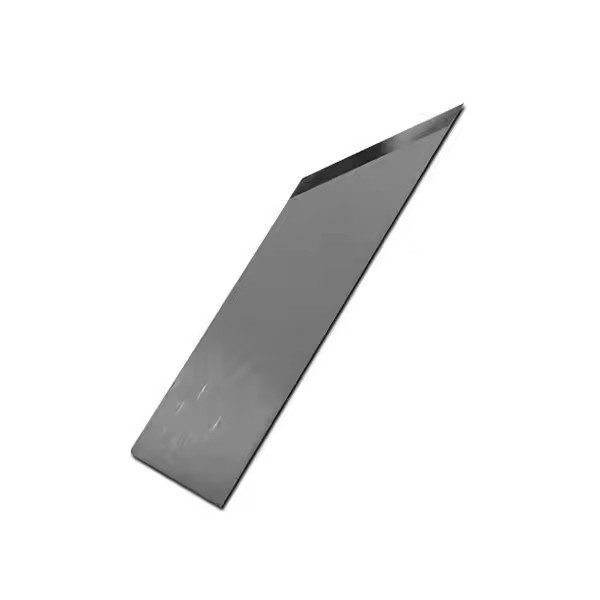
Sharpening and taking care of tungsten carbide knives can be challenging. The material does not wear down easily, but it can chip if you are not careful. Some people make the blade too hot, which can cause tiny cracks. Using softer abrasives than tungsten carbide can damage the blade. To Bảo trì dao cacbua vonfram effectively, keeping a steady 45° chisel edge helps prevent uneven wear. You will need diamond grinding wheels or fine stones. Use light pressure and take precautions against dust. This approach keeps tungsten carbide knives safe and functioning optimally.
Những điểm chính
- Use diamond grinding wheels to sharpen tungsten carbide knives. They work best because they are very hard.
- Always keep a 45° angle when you sharpen. This angle makes the edge strong and sharp for hard jobs.
- Use light pressure when you sharpen. If you press too hard, the blade can chip or crack. This can damage your knife.
- Clean your knife after each use with warm water and mild soap. This stops dirt from building up and keeps the blade nice.
- Store your knives in a knife block or use blade guards. This keeps the edge safe and stops it from chipping.
- Wear safety gear like a respirator and safety glasses when sharpening. This keeps you safe from dust and flying bits.
- Check your knife often for chips or cracks. If you find problems early, you can fix them before they get worse.
- Use water or coolant when sharpening to keep the blade cool and lower dust. This stops the blade from getting too hot and keeps you healthy.
Tungsten Carbide Blades: Tools & Safety

Đá mài kim cương
Diamond grinding wheels work best for sharpening lưỡi cacbua vonfram. You need these wheels because cacbua vonfram is much harder than steel. Regular sharpening stones do not work well. Diamond grinding wheels can cut the hard surface and keep the edge sharp.
There are different diamond grinding wheels. Each one is good for a certain job:
- Resin Bond Wheels: These wheels are good for many uses. You can use them to sharpen many lưỡi cacbua vonfram like end mills and drills.
- Vitrified Bond Wheels: These wheels give you very accurate edges. Use them when you want a perfect finish on your lưỡi cacbua vonfram.
- Metal Bond Wheels: These wheels last a long time. They are best if you need to sharpen many blades. The amount of diamond in the wheel changes how fast you sharpen and how much material you take off.
Fine vs. Coarse Grit
Picking the right grit size is important with diamond grinding wheels. Fine grit wheels give a smooth, sharp edge. They help stop the blade from chipping. Coarse grit wheels take off material faster, but they can scratch and chip lưỡi cacbua vonfram.
Mẹo: Always use a fine grit wheel to finish. Use light pressure to keep the edge safe. This way, your lưỡi cacbua vonfram stay sharp and safe from damage.
Silicon Carbide Wheels
Silicon carbide wheels are another way to sharpen lưỡi cacbua vonfram. These wheels are not as hard as diamond grinding wheels. They can still sharpen cacbua vonfram, but only use them if you do not have diamond wheels. Silicon carbide wheels wear out faster and may not make the edge as sharp.
When using silicon carbide wheels, always use light pressure. Heavy pressure can chip the blade. Keep the wheel clean and cool while sharpening. This stops the blade from getting too hot and damaged.
EDM & Laser Sharpening
Some new ways to sharpen lưỡi cacbua vonfram are EDM and laser sharpening. These use machines to shape and sharpen the blade without touching it.
| Advantages of EDM | Disadvantages of EDM |
|---|---|
| High-precision machining of complex shapes | Conductivity is required |
| Materials with high hardness can be processed | Processing time is long |
| No deformation due to heat | Electrodes need to be prepared |
| No burrs occur | The direction of processing is limited |
| A heat-affected layer different from the grinding process will form |
EDM can make the surface of lưỡi cacbua vonfram better. It makes the surface smoother and lowers the force needed for grinding. You get a smoother edge and your tools last longer.
Laser-assisted grinding is another high-tech way. It cuts the grinding force almost in half and keeps the blade cooler. This helps remove chips and makes the edge of lưỡi cacbua vonfram better.
Ghi chú: EDM and laser sharpening are best for tricky shapes or when you need a very fine edge. These ways to sharpen lưỡi cacbua vonfram are mostly used in factories or by experts.
If you want to learn more about advanced sharpening, visit the trang lưỡi dao tùy chỉnh or check Nam Kinh Metal công nghiệp để biết thêm thông tin.
Safety Gear for Sharpening
When you sharpen lưỡi cacbua vonfram, you need to stay safe. Dust and small pieces can hurt your lungs and skin. Set up your work area with the right safety gear before starting.
Dust Collection
Mài sắc lưỡi cacbua vonfram makes fine dust. Breathing this dust is bad for your health. Always use a dust collector to keep the air clean. A good dust collector pulls dust away from your face. This keeps your workspace safer.
Some health problems from breathing cacbua vonfram dust are:
- Chest tightness
- Cough
- Dyspnea (trouble breathing)
- Weight loss
- Inspiratory rales (crackling sounds in the lungs)
The table below lists even more serious risks:
| Health Risk | Sự miêu tả |
|---|---|
| Inflammation | Breathing in dust causes swelling in your lungs. |
| Fibrosis | Breathing dust many times scars your lungs. |
| Pulmonary Edema | Too much dust can fill your lungs with fluid. |
| Airway Obstruction | Dust can block your airways and make breathing hard. |
Use a vacuum system with a HEPA filter. This filter catches tiny dust from lưỡi cacbua vonfram. If you do not have a dust collector, use water when sharpening. Water keeps dust from floating in the air.
Mẹo: Clean your workspace after sharpening. Wipe down all surfaces and tools to get rid of dust.
Thiết bị bảo vệ cá nhân
Wear personal protective equipment every time you sharpen lưỡi cacbua vonfram. This gear keeps dust and sharp pieces off your body.
Wear these items:
- A respirator for dust and mist
- Safety glasses for your eyes
- Gloves to keep dust off your hands
- Full-body clothing if you sharpen many blades
- Wash your hands before eating or drinking
A respirator keeps you from breathing in harmful dust. Safety glasses protect your eyes from flying pieces. Gloves keep your hands safe from sharp edges and dust. Wear long sleeves or coveralls if you sharpen many blades. Always wash your hands after sharpening.
Ghi chú: Never skip safety gear. Even a little dust from lưỡi cacbua vonfram can cause health problems over time.
Using the right dust collector and safety gear keeps you safe. These steps help you sharpen lưỡi cacbua vonfram without danger.
Sharpen Tungsten Carbide Blades: Step-by-Step

Chuẩn bị không gian làm việc
Cleaning the Knife
First, clean your knife before sharpening. Use warm water and mild soap to wash away dirt and oil. Make sure you remove any food stuck on the blade. Dry the blade with a soft cloth until it is fully dry. Cleaning helps you see the edge better. It also stops dirt from scratching the blade while you sharpen.
Tool Setup
Set up your sharpening area in a bright spot. Put your diamond grinding wheel or fine diamond stone on a flat table. Keep a spray bottle with water or coolant close by. This keeps the blade cool and stops small cracks. Always use good diamond or silicon carbide wheels for sharpening tungsten carbide blades.
Mẹo: Try using a sharpening guide to keep the right angle. This tool helps you sharpen tungsten carbide blades more easily and accurately.
Quá trình mài
Setting the 45° Chisel Edge
Hold the blade at a 45° angle to the sharpener. This angle works best for sharpening tungsten carbide blades for tough jobs. Studies show a 45° edge gives a sharp cut and strong blade. The table below shows how different angles work for different jobs:
| Góc | Ứng dụng | Những lợi ích |
|---|---|---|
| 25° | Thin materials, surface caps | Easy to control, good for beginners |
| 35° | Versatile applications | Good balance of control and depth |
| 45° | Aluminum, stainless steel, structural welds | Sharp, deep cut, strong for thick materials |
Keep your hand steady and use a guide if you need help. This stops uneven sharpening and keeps the blade strong.
Using Fine Diamond Tools
Pick a fine diamond grinding wheel or stone. Fine diamond tools give you a smooth and sharp edge. They shape tungsten carbide blades without making chips or rough spots. The tiny diamond pieces work together to grind the blade gently. Do not use tungsten carbide tools for sharpening. They can make the edge rough and weak.
Ghi chú: The best way to sharpen tungsten carbide blades uses two steps with diamond and ceramic tools. This keeps the blade safe and sharp for longer.
Applying Light Pressure
Use gentle and even pressure when sharpening. Pressing too hard can chip or crack the blade. Let the diamond do the work for you. Move the blade smoothly and keep the angle the same. Spray water or coolant often to keep the blade cool. This helps you sharpen tungsten carbide blades safely and stops overheating.
Báo động: Take your time and do not rush. Using light pressure gives you the best results and helps your blade last longer.
Finishing Up
Cleaning After Sharpening
Wipe the blade with a damp cloth to get rid of metal dust. Dry the blade all the way. Clean your sharpening tools and work area to remove dust. This keeps your workspace safe and ready for next time.
Inspecting for Chips
Look closely at the blade’s edge. Use a magnifying glass if you have one. Check for chips, cracks, or rough spots. If you see damage, sharpen again with light pressure.
Mẹo: Check your blades often to find problems early. This keeps your tungsten carbide blades working their best.
Những sai lầm cần tránh
Sharpening tungsten carbide blades takes skill and care. Many people make mistakes that can ruin the blade or make it unsafe to use. You can avoid these problems by learning about the most common errors.
Coarse Tools
Using coarse tools is one of the biggest mistakes you can make with tungsten carbide blades. Coarse grinding wheels or stones remove material quickly, but they also leave deep scratches and can chip the edge.
- Why to Avoid:
Coarse tools do not match the hardness of tungsten carbide. They create uneven surfaces and weak spots. These weak spots can cause the blade to chip or break during use. - What to Do Instead:
Always choose fine diamond grinding wheels or fine stones. These tools shape the edge gently and keep it smooth. Fine grit helps you get a sharp edge without damaging the blade.
Mẹo: If you only have a coarse tool, wait until you can get a fine diamond wheel. Using the wrong tool can shorten the life of your tungsten carbide blades.
Lực lượng quá mức
Many people think that pressing harder will sharpen the blade faster. This is not true for tungsten carbide blades. Too much force can cause cracks or chips.
- Why to Avoid:
Tungsten carbide is very hard but also brittle. Heavy pressure can snap off small pieces from the edge. This damage is hard to fix and can make the blade unsafe. - What to Do Instead:
Use light, steady pressure. Let the diamond grit do the work. Move the blade slowly and keep your hand steady.
Báo động: If you hear a grinding noise or see sparks, you are pressing too hard. Stop and use a lighter touch.
Dry Sharpening
Sharpening tungsten carbide blades without water or coolant is risky. Dry sharpening creates heat and dust, both of which can harm you and your blade.
- Why to Avoid:
Heat from dry sharpening can cause tiny cracks in the blade. Dust from tungsten carbide is dangerous to breathe and can cause health problems. - What to Do Instead:
Always use water or a coolant when sharpening. This keeps the blade cool and traps dust. It also helps you get a smoother edge.
| Sai lầm | Chuyện gì xảy ra | Cách tránh |
|---|---|---|
| Coarse Tools | Chips and scratches | Use fine diamond wheels |
| Lực lượng quá mức | Cracks and chipping | Apply light, steady pressure |
| Dry Sharpening | Overheating, dust | Use water or coolant |
Ghi chú: Safe sharpening keeps your tungsten carbide blades sharp and strong. Take your time and use the right methods every time.
Maintain Tungsten Carbide Knives: Care & Storage
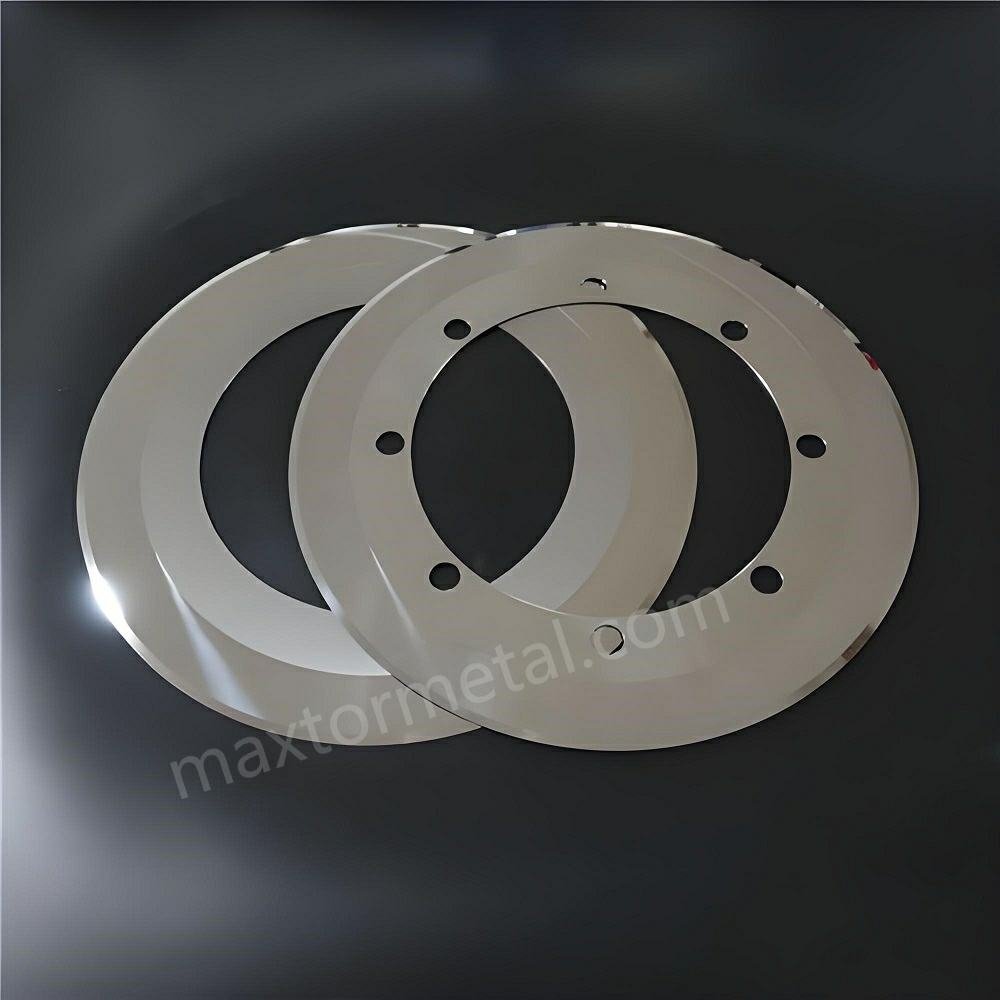
Cleaning After Use
Rửa tay
Always clean your tungsten carbide knife after you use it. Hold the blade under running water to wash away food and dirt. Use a soft cloth or gentle brush to clean it. This helps stop scratches and keeps the blade nice. Never use hard things or sharp tools to clean. These can hurt the blade’s surface. Water and a soft cloth take away dirt and stop buildup.
- Rinse the blade right after you finish using it.
- Use mild soap if you need extra cleaning.
- Do not use rough pads or steel wool.
- Clean the handle to get rid of grease.
Mẹo: Clean your knife quickly after each use. This makes deep cleaning easier and keeps your knife looking new.
Drying & Oiling
Dry the blade with a soft towel after you clean it. If you leave water on the blade, it can cause rust or corrosion. Tungsten carbide does not rust as fast as steel, but it still can. Dry every part of the blade, even the handle and grooves. Only put the knife away when it is totally dry.
When the blade is dry, put a thin layer of cutting tool oil or lubricant on it. This keeps the edge safe and helps it last longer. Oiling also stops water from hurting the blade while it is stored. Use a clean cloth to spread the oil in a thin layer.
- Dry the blade right after you clean it.
- Use just a little oil; too much collects dust.
- Wipe off extra oil before you store the knife.
Ghi chú: Cleaning and oiling your knife often helps it last longer.
Lưu trữ đúng cách
Knife Blocks
Storing your knife the right way keeps it safe and sharp. Knife blocks are an easy way to store tungsten carbide knives. Put the knife in a clean, dry block after you use it. Knife blocks keep the blade from getting hit and stop the edge from getting dull. Make sure the inside of the block is dry so no water stays inside.
- Pick a block made from wood or hard plastic.
- Clean the block often to stop dust and mold.
- Put the knife in gently so you do not chip the edge.
Blade Guards
Blade guards give more protection when you store or move your knife. Hard plastic covers made for your knife shape work best. Blade guards stop the edge from touching other things, so it does not chip or scratch. You can also use padded spots in a knife bag to carry your knife safely.
- Pick a guard that fits your blade well.
- Try magnetic folding cases for easy use.
- Always clean and dry the knife before putting on the guard.
Mẹo: Storing your knife the right way stops damage and keeps it ready to use.
Kiểm tra thường xuyên
Edge Wear
Check your knife for edge wear as part of regular care. Look at the blade every day before you use it. Run your finger gently along the edge to feel for rough or dull spots. If you see jagged cuts or the knife feels harder to use, it may need sharpening.
| Nhiệm vụ bảo trì | Tính thường xuyên |
|---|---|
| Lau bề mặt | Hằng ngày |
| Kiểm tra trực quan | Hằng ngày |
| Kiểm tra độ sắc nét | Hàng tuần |
| Đo độ dày | Hàng tháng |
| Kiểm tra vết nứt | Hàng tháng |
| Mài sắc toàn diện | Khi cần thiết |
Chips & Cracks
Look for chips and cracks in the blade at least once a month. Use a magnifying glass if you need help seeing small spots. Small chips can turn into bigger problems if you ignore them. If you find cracks or chips, stop using the knife. Sharpen or fix it before you use it again.
- Check for chips after you use the knife a lot.
- Look for cracks on the edge and near the handle.
- Fix any damage right away to stop accidents.
Báo động: Checking your knife often helps you find problems early. This keeps your knife safe and working well.
Preventing Damage
Avoiding Hard Surfaces
You can keep your tungsten carbide knives sharp and strong by avoiding hard surfaces. These knives are very hard, but they can chip if you hit them against stone, glass, or metal. Always use a soft cutting board made from wood or plastic. Hard surfaces can cause the edge to break or dull quickly.
Mẹo: Never use your tungsten carbide knife to cut on ceramic plates or countertops. Always choose a soft, clean surface for cutting.
Experts recommend several strategies to prevent damage during use. The table below shows some of the most effective ways to protect your knife:
| Strategy | Sự miêu tả |
|---|---|
| Tối ưu hóa thông số cắt | Lower cutting speed and use wear-resistant grades to prevent chipping and flank wear. |
| Select Appropriate Materials | Use materials with good high-temperature properties to keep the edge strong. |
| Maintain Proper Storage | Store knives in a dry, cool place to avoid rust and corrosion. |
| Kiểm tra lưỡi dao thường xuyên | Check your knife every week for signs of wear or damage. |
If you avoid hard surfaces, you lower the risk of chipping. Chipping often happens when the blade hits something harder than itself. This can also happen if you use too much force or twist the blade while cutting. Always cut straight and use gentle pressure.
Using for Intended Tasks
Tungsten carbide knives work best when you use them for their intended jobs. Do not use these knives to pry, twist, or hammer. They are made for cutting, not for opening cans or breaking bones. Using the knife for the wrong task can cause cracks, chips, or even break the blade.
Many types of wear can damage your knife if you use it the wrong way. The table below lists common causes of wear and how they happen:
| Cause of Wear | Sự miêu tả |
|---|---|
| Oxidative wear | High heat (over 700°C) causes chemical changes, leading to corrosion and pitting. |
| Mài mòn cơ học | Hard spots in what you cut rub against the blade, causing slow wear. |
| Diffusion wear | High heat (up to 800°C) changes the blade’s structure, making it softer and easier to wear down. |
| Bond wear | The blade can stick to what you cut at high heat, pulling away material from the edge. |
| Phase change wear | Heat can change the blade’s structure, making it less hard and more likely to wear out. |
You can prevent these problems by following a few simple rules:
- Use your tungsten carbide knife only for cutting the right materials.
- Avoid cutting frozen foods, bones, or very hard objects.
- Do not use the knife as a screwdriver, chisel, or lever.
- Keep your cutting speed and pressure low to avoid overheating.
Ghi chú: Research shows that storing your carbide blades in a cool, dry place can make them last up to 25% longer. Proper use and storage help you get the most from your tungsten carbide knives.
Regular cleaning and inspection also help prevent damage. Use a soft brush and mild soap to keep the blade clean. Check the edge often for chips or cracks. If you see any damage, stop using the knife until you fix it.
By following these steps, you protect your tungsten carbide knives from damage and keep them sharp for a long time.
Troubleshooting & Repair for Tungsten Carbide Knives
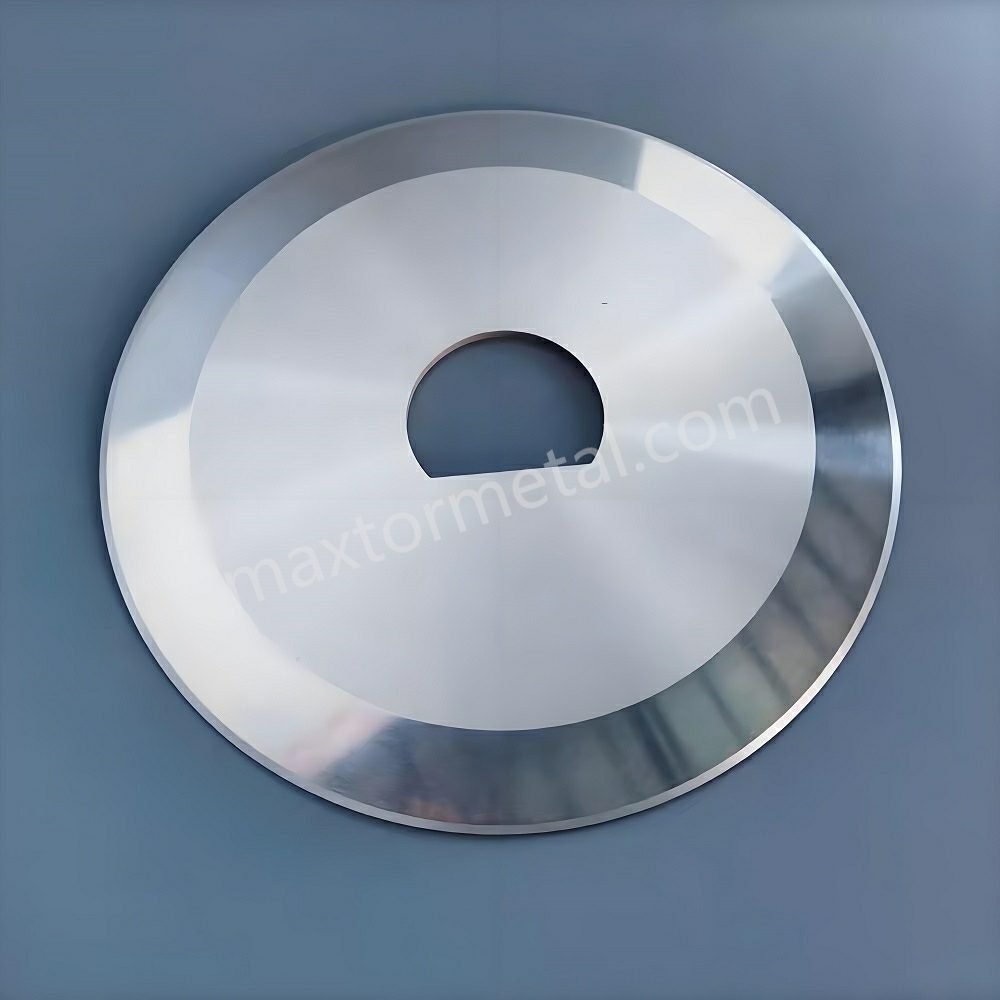
Dấu hiệu hao mòn
Tungsten carbide knives are strong, but they still show signs of wear after regular use. You can spot these signs early if you know what to look for. Early detection helps you fix small problems before they become big ones.
Sự xỉn màu
A dull blade makes cutting harder and less safe. You may notice that your knife does not slice as smoothly as before. Sometimes, you need to use more force to cut through food or materials. Dullness often appears after many uses or when you cut tough items.
You can check for dullness by running your finger gently along the edge. If the blade feels smooth instead of sharp, it needs attention. You might also see that the knife slips off food instead of biting into it.
Đục
Chipping is another common problem with tungsten carbide knives. Chips look like small notches or missing pieces along the edge. These chips can make the blade uneven and unsafe to use. Chipping often happens when you cut on hard surfaces or use too much force.
You should inspect your knife under good light. Look for any small gaps or rough spots on the edge. Even tiny chips can grow larger if you keep using the knife without repair.
Common signs of wear in tungsten carbide knives bao gồm:
- Loss of sharpness
- Uneven edges
- Visible reduction in size
- Discoloration or change in appearance
Home Repairs
You can fix some minor problems with your tungsten carbide knives at home. Simple repairs help you keep your knife in good shape and extend its life.
Smoothing Small Chips
If you find small chips on the edge, you can smooth them out with a fine diamond stone or wheel. Hold the knife at the correct angle, usually 45°, and use gentle strokes. Move the blade across the stone, focusing on the chipped area. Do not press too hard, as this can cause more damage.
Work slowly and check your progress often. If the chip is shallow, you can usually remove it in a few passes. For deeper chips, you may need to repeat the process several times. Always use water or coolant to keep the blade cool and reduce dust.
Mẹo: If you cannot smooth out a chip after a few tries, stop and ask a professional for help. Trying too hard can make the problem worse.
Polishing the Edge
Polishing the edge of tungsten carbide knives helps restore sharpness and shine. You need to use the right tools for this job. Harder abrasives like diamond or cubic boron nitride (CBN) work best because they are harder than tungsten carbide. These abrasives can polish the edge without causing extra wear.
Aluminum oxide is a common abrasive, but it is too soft for tungsten carbide. It will not polish the edge well. The size of the abrasive also matters. Larger abrasives can remove material more effectively, while very fine abrasives may not work as well on hard carbide.
Best methods for polishing the edge:
- Use diamond or CBN stones for effective polishing.
- Avoid aluminum oxide stones, as they do not work well on tungsten carbide.
- Choose the right abrasive size for your blade. Larger particles can smooth the edge faster.
Ghi chú: Always polish with light pressure and keep the blade cool. Overheating can damage the edge.
When to Seek Professional Help
Some problems with tungsten carbide knives are too serious for home repair. Knowing when to get help can save your knife and keep you safe.
Thiệt hại nghiêm trọng
If your knife has large chips, deep cracks, or a bent blade, you should not try to fix it yourself. These issues need special tools and skills. Trying to repair severe damage at home can make the blade weaker or even break it.
You may also notice that the blade does not hold an edge after sharpening. This can mean the structure of the knife has changed. In these cases, a professional can assess the damage and use advanced equipment to restore the blade.
Thay thế lưỡi dao
Sometimes, a tungsten carbide knife cannot be repaired. If the blade has lost a lot of material, has many deep chips, or shows signs of severe wear, replacement is the best option. Professionals can help you choose a new blade that fits your needs.
Báo động: Việc sử dụng dao cacbua vonfram bị hư hỏng hoặc mòn có thể gây nguy hiểm. Luôn thay thế lưỡi dao nếu bạn không chắc chắn về độ an toàn của nó.
Bảng tóm tắt: Khi nào cần sửa chữa hoặc thay thế
| Loại vấn đề | Có thể tự sửa chữa? | Có cần hỗ trợ chuyên nghiệp không? | Thay thế lưỡi dao? |
|---|---|---|---|
| Sứt mẻ nhỏ | ✔️ | – | – |
| Sự xỉn màu | ✔️ | – | – |
| Vết nứt/sứt mẻ sâu | – | ✔️ | – |
| Lưỡi dao bị cong | – | ✔️ | – |
| Mài mòn nghiêm trọng/hao hụt kích thước | – | – | ✔️ |
Bằng cách học cách nhận biết độ mài mòn và biết khi nào cần sửa chữa hoặc thay thế dao cacbua vonfram, bạn sẽ giữ cho dụng cụ của mình luôn sắc bén, an toàn và sẵn sàng sử dụng.
Sharpening & Maintenance Frequency

Tần suất mài
Lịch trình dựa trên tần suất sử dụng
Bạn không cần phải mài dao cacbua vonfram quá thường xuyên. Lưỡi dao giữ được độ sắc bén trong thời gian dài. Các chuyên gia khuyên rằng bạn chỉ nên mài khi việc cắt gọt trở nên khó khăn hơn. Nếu bạn sử dụng dao hàng ngày cho các công việc nặng, hãy mài dao vài tháng một lần. Nếu ít sử dụng hơn, chỉ cần mài một hoặc hai lần một năm là đủ.
Mài quá nhiều có thể làm mòn lưỡi dao. Mỗi lần mài, bạn sẽ loại bỏ một lớp cacbua vonfram mỏng. Điều này làm giảm tuổi thọ của dao. Hãy sử dụng cây liếc dao bằng thép hoặc thanh gốm giữa các lần mài. Những dụng cụ này giúp giữ cho cạnh cắt thẳng và sắc bén mà không làm hao mòn nhiều vật liệu. Dao của bạn sẽ cắt tốt hơn và bền hơn.
Mẹo: Chỉ mài khi dao có cảm giác cùn hoặc cắt không tốt. Việc liếc dao thường xuyên giúp giữ cho cạnh cắt luôn sắc bén và bảo vệ dao của bạn.
Nhận biết độ cùn
Bạn có thể nhận biết dao cacbua vonfram bị cùn qua cách nó cắt. Nếu bạn cần dùng lực đẩy mạnh hơn hoặc lưỡi dao bị trượt, cạnh cắt đã không còn sắc. Dao cùn có thể để lại vết cắt xơ xác hoặc làm nát các vật liệu mềm thay vì cắt đứt. Những dấu hiệu này cho thấy đã đến lúc phải mài dao.
Hãy thử bài kiểm tra đơn giản này: Cắt nhẹ một tờ giấy. Một con dao sắc sẽ cắt ngọt qua giấy mà không tốn nhiều sức. Nếu lưỡi dao làm rách hoặc vướng vào giấy, bạn cần phải mài. Việc theo dõi các dấu hiệu này giúp bạn giữ cho dao hoạt động tốt và tránh tai nạn.
Quy trình bảo trì
Vệ sinh hàng tuần
Vệ sinh dao cacbua vonfram hàng tuần để giữ cho dao hoạt động tốt. Bụi bẩn, thực phẩm và nước có thể tích tụ trên lưỡi và cán dao. Vệ sinh thường xuyên giúp loại bỏ những chất này và ngăn ngừa rỉ sét. Lưỡi dao được vệ sinh hàng ngày hoặc hàng tuần có tuổi thọ cao hơn tới 35% so với những lưỡi dao ít được làm sạch. Việc vệ sinh cũng giúp dao cắt tốt hơn bằng cách ngăn chặn các chất bám dính.
Dưới đây là quy trình vệ sinh đơn giản:
- Rửa sạch lưỡi dao bằng nước ấm sau khi sử dụng.
- Lau bằng khăn mềm và xà phòng nhẹ.
- Lau khô dao hoàn toàn trước khi cất giữ.
- Thoa một lớp dầu mỏng lên cạnh cắt để bảo vệ.
Ghi chú: Dao sạch sẽ cắt tốt hơn và giữ độ sắc lâu hơn. Việc vệ sinh cũng làm giảm nguy cơ rỉ sét và giữ an toàn cho nhà bếp của bạn.
Kiểm tra hàng tháng
Kiểm tra dao cacbua vonfram của bạn mỗi tháng một lần. Tìm kiếm các vết sứt mẻ, vết nứt hoặc các điểm cùn trên cạnh cắt. Sử dụng kính lúp nếu bạn cần hỗ trợ để nhìn thấy các hư hỏng nhỏ. Phát hiện sớm các vấn đề giúp bạn khắc phục chúng trước khi trở nên tồi tệ hơn. Điều này giữ cho dao của bạn an toàn và giúp cắt tốt hơn.
Sử dụng bảng này để hỗ trợ việc kiểm tra hàng tháng của bạn:
| Nhiệm vụ | Nội dung cần kiểm tra | Biện pháp xử lý |
|---|---|---|
| Kiểm tra cạnh cắt | Sứt mẻ, vết nứt, điểm cùn | Mài hoặc làm mịn khi cần thiết |
| Kiểm tra cán dao | Các bộ phận bị lỏng, ẩm ướt, bụi bẩn | Siết chặt hoặc làm sạch |
| Điều kiện bảo quản | Độ khô ráo, bụi bẩn, bảo vệ lưỡi dao | Làm sạch và điều chỉnh khi cần thiết |
Việc kiểm tra và vệ sinh dao thường xuyên giúp ngăn ngừa hư hỏng và giúp bạn đạt được những đường cắt tốt nhất từ dao cacbua vonfram của mình. Bạn sẽ thấy các đường cắt mượt mà hơn và có một nhà bếp an toàn hơn.
- Loại bỏ hơi ẩm và hóa chất để ngăn ngừa rỉ sét.
- Giữ cho lưỡi dao sắc bén bằng cách ngăn chặn sự tích tụ chất bẩn.
- Giúp việc cắt gọt dễ dàng hơn, với các nghiên cứu cho thấy hiệu suất tốt hơn 15–20%.
- Giúp giữ vệ sinh sạch sẽ, điều này rất quan trọng đối với việc sử dụng trong thực phẩm và y tế.
🛡️ Thực hiện các quy trình này đồng nghĩa với việc dao của bạn sẽ bền hơn và hoạt động tốt hơn mỗi khi sử dụng.
Best Practices for Knives Longevity
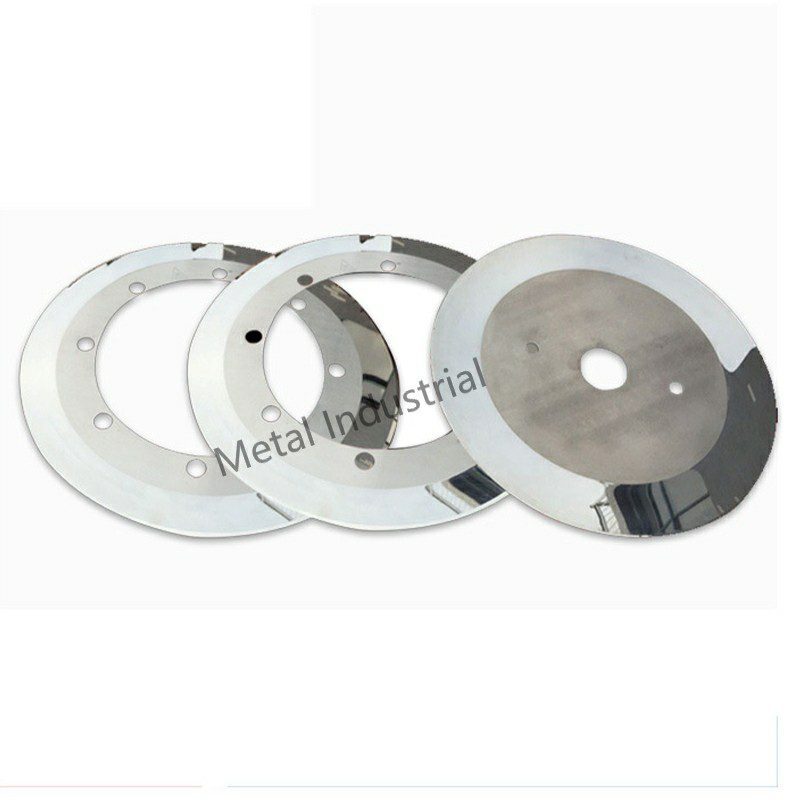
Những điều nên và không nên làm
Phải làm gì
Bạn có thể giữ cho dao cacbua vonfram hoạt động tốt bằng cách tuân theo các thói quen đơn giản. Các bước này giúp lưỡi dao của bạn hoạt động tốt nhất mỗi lần sử dụng.
- Luôn vệ sinh dao sau khi sử dụng. Điều này giúp loại bỏ thực phẩm và nước có thể gây hỏng lưỡi dao.
- Lau khô hoàn toàn dao trước khi cất giữ. Nếu nước đọng lại trên lưỡi dao, nó có thể gây gỉ sét và làm giảm hiệu suất cắt.
- Bảo quản dao ở nơi an toàn, chẳng hạn như giá cắm dao hoặc vỏ bảo vệ lưỡi dao. Điều này giúp ngăn ngừa sứt mẻ và giữ cho mép cắt luôn sắc bén.
- Thường xuyên kiểm tra lưỡi dao xem có bị mài mòn, sứt mẻ hoặc nứt vỡ hay không. Phát hiện sớm sự cố giúp bạn khắc phục trước khi chúng trở nên nghiêm trọng hơn.
- Sử dụng thớt mềm làm bằng gỗ hoặc nhựa. Thớt cứng có thể làm hỏng mép cắt và khiến dao nhanh cùn.
Mẹo: Bảo dưỡng và kiểm tra dao định kỳ giúp kéo dài tuổi thọ và nâng cao hiệu suất làm việc của dao.
Những điều cần tránh
Một số yếu tố có thể khiến dao cacbua vonfram dao của bạn bị mài mòn nhanh hơn. Hãy tránh những sai lầm này để giữ cho dao hoạt động tốt.
- Không dùng dao để bẩy, xoắn hoặc đập vào các vật thể. Những thao tác này có thể gây sứt mẻ hoặc nứt vỡ lưỡi dao.
- Tuyệt đối không cắt trên thớt kính, đá hoặc kim loại. Các bề mặt cứng có thể làm cùn hoặc sứt mẻ lưỡi dao nhanh chóng.
- Không sử dụng các dụng cụ mài thô ráp. Chúng có thể làm hỏng mép cắt và làm giảm hiệu quả hoạt động của dao.
- Không để dao bị ẩm ướt hoặc bám bẩn. Hơi ẩm và vụn thực phẩm có thể gây gỉ sét và làm cùn lưỡi dao.
- Tuyệt đối không sử dụng dao cho các công việc không đúng chức năng, chẳng hạn như mở đồ hộp hoặc chặt xương.
Báo động: Việc sử dụng dao sai cách có thể khiến bạn phải sửa chữa hoặc thậm chí thay thế dao mới.
Expert Tips
Kỹ thuật mài nâng cao
Bạn có thể giúp dao cacbua vonfram hoạt động tốt hơn bằng cách học các phương pháp mài chuyên dụng lưỡi cacbua vonfram. Các bước này giúp bạn tạo ra mép cắt sắc bén hơn và bền lâu hơn. Hãy thử quy trình hai bước: bắt đầu với đĩa mài kim cương mịn, sau đó hoàn thiện bằng đá mài gốm. Phương pháp này mang lại mép cắt nhẵn mịn và hạn chế sứt mẻ.
Nếu bạn muốn thành thạo kỹ thuật mài lưỡi cacbua vonfram, hãy luyện tập giữ đúng góc mài và áp dụng lực nhẹ, đều. Sử dụng nước hoặc dung dịch làm mát để giữ cho lưỡi dao không bị quá nhiệt. Những mẹo này giúp dao hoạt động tối đa hiệu suất và kéo dài tuổi thọ.
Nâng cấp dụng cụ
Dụng cụ phù hợp giúp dao hoạt động hiệu quả hơn. Hãy trang bị đĩa mài kim cương chất lượng cao hoặc đá mài gốm mịn để đạt kết quả tốt nhất. Các dụng cụ này bóc tách ít vật liệu hơn và tạo ra mép cắt mịn hơn. Bạn cũng có thể sử dụng gá định hướng mài để duy trì góc mài ổn định và nâng cao độ chính xác.
Hệ thống thu hồi bụi tốt và trang thiết bị bảo hộ giúp bảo vệ an toàn cho bạn và tập trung tối ưu hóa hiệu suất của dao. Thường xuyên kiểm tra tình trạng mài mòn của dụng cụ và thay thế khi cần để duy trì hiệu quả gia công.
🛠️ Dụng cụ tốt cùng kỹ thuật mài cẩn thận sẽ giúp bạn khai thác tối đa hiệu quả từ dao cacbua vonfram, giúp dao hoạt động bền bỉ trong thời gian dài.
Bạn có thể kéo dài tuổi thọ của dao hợp kim vonfram (tungsten carbide) bằng một vài thao tác đơn giản. Sử dụng dụng cụ kim cương để mài dao. Áp dụng lực nhẹ khi mài. Luôn đeo thiết bị bảo hộ để tránh bụi bám vào mặt. Vệ sinh, mài và kiểm tra dao thường xuyên. Điều này giúp dao bền hơn so với dao thép thông thường. Dao bị cùn không an toàn và hoạt động kém hiệu quả. Bảo quản dao đúng cách và kiểm tra hư hỏng định kỳ. Nếu bạn cần hỗ trợ hoặc muốn nhận tư vấn từ chuyên gia, hãy liên hệ với kỹ sư bán hàng. đây.
Câu hỏi thường gặp
Bao lâu thì nên mài dao hợp kim vonfram (tungsten carbide)?
Bạn chỉ nên mài dao hợp kim vonfram khi có cảm giác dao bị cùn. Hầu hết người dùng mài sau mỗi vài tháng. Liếc nhẹ lưỡi dao giữa các lần mài sẽ giúp duy trì độ sắc bén.
Dụng cụ nào tốt nhất để mài dao hợp kim vonfram (tungsten carbide)?
Đĩa mài kim cương và đá mài kim cương mịn mang lại hiệu quả tốt nhất. Đĩa mài silicon carbide có thể dùng tạm nếu bạn không có dụng cụ kim cương. Tránh dùng các loại đá mài thông thường.
Có thể dùng nước khi mài dao hợp kim vonfram (tungsten carbide) không?
Có, bạn nên sử dụng nước hoặc dung dịch làm mát. Nước giữ cho lưỡi dao mát và dập bụi, giúp ngăn ngừa nứt vỡ và bảo vệ sức khỏe.
Tại sao dao hợp kim vonfram (tungsten carbide) dễ bị sứt mẻ?
Hợp kim vonfram rất cứng nhưng cũng giòn. Việc dùng lực quá mạnh hoặc mài bằng dụng cụ hạt thô có thể gây sứt mẻ. Luôn dùng lực nhẹ và độ mịn hạt cao.
Làm thế nào để bảo quản dao hợp kim vonfram (tungsten carbide) an toàn?
Bảo quản dao trong giá cắm dao hoặc sử dụng vỏ bảo vệ lưỡi dao. Giữ dao luôn khô ráo và sạch sẽ. Tránh để chung với các dụng cụ kim loại khác để ngăn ngừa sứt mẻ.
Cần trang bị bảo hộ gì khi mài dao hợp kim vonfram (tungsten carbide)?
Đeo khẩu trang/mặt nạ phòng độc, kính bảo hộ và găng tay. Sử dụng hệ thống thu hồi bụi hoặc nước để kiểm soát bụi. Rửa tay sạch sẽ sau khi mài.
Có thể tự sửa chữa dao hợp kim vonfram (tungsten carbide) bị sứt mẻ không?
Bạn có thể làm mịn các vết sứt nhỏ bằng đá mài kim cương mịn. Đối với vết nứt sâu hoặc vết sứt lớn, hãy nhờ sự hỗ trợ từ chuyên gia.
Dao hợp kim vonfram (tungsten carbide) có phù hợp để sử dụng hàng ngày trong bếp không?
Dao hợp kim vonfram giữ độ sắc bén lâu hơn nhiều so với dao thép. Hãy sử dụng dao cho các thao tác cắt, không dùng để bẩy hoặc chặt xương. Luôn sử dụng thớt mềm.
Xem thêm
Tungsten Carbide so với Thép Tốc Độ Cao (HSS): Loại nào Phù Hợp với Nhu Cầu Cắt của Bạn?
Khám Phá Sức Mạnh của Lưỡi Dao Hợp Kim Tungsten Carbide Để Cắt Chính Xác
Nắm vững nghệ thuật của lưỡi cacbua vonfram
Làm thế nào để kéo dài tuổi thọ của lưỡi tròn bằng thép vonfram một cách hiệu quả?

 English
 Spanish
 Italian
 French
 Portuguese
 Russian
 German
 Arabic
 Hindi
 Vietnamese
 Indonesian
 Japanese
 Korean