

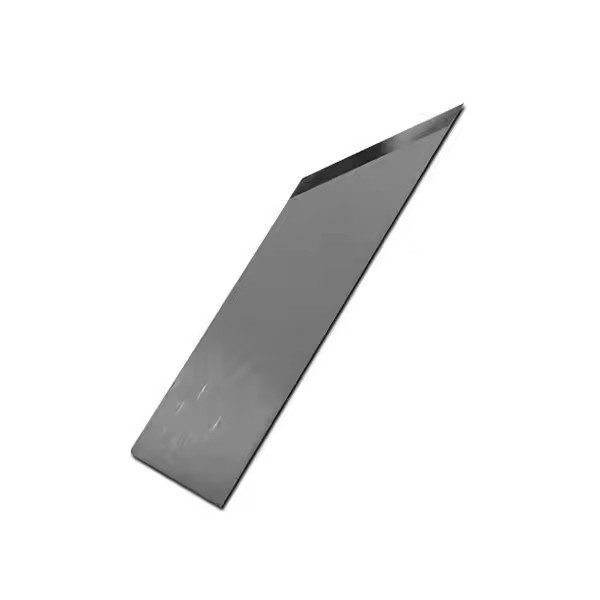
L'affilatura e la cura dei coltelli in carburo di tungsteno possono essere impegnative. Il materiale non si usura facilmente, ma può scheggiarsi se non si presta attenzione. Un surriscaldamento della lama può causare microfratture. L'uso di abrasivi più teneri del carburo di tungsteno può danneggiare la lama. Per Mantenere lame in carburo di tungsteno operare efficacemente, mantenere un tagliente a scalpello costante a 45° aiuta a prevenire l'usura irregolare. Saranno necessarie mole diamantate o pietre a grana fine. Utilizzare una pressione leggera e adottare precauzioni contro la polvere. Questo approccio mantiene i coltelli in carburo di tungsteno sicuri e perfettamente funzionanti.
Punti chiave
- Utilizzare mole diamantate per affilare i coltelli in carburo di tungsteno. Sono le più efficaci grazie alla loro elevata durezza.
- Mantenere sempre un angolo di 45° durante l'affilatura. Questo angolo rende il tagliente robusto e affilato per lavorazioni gravose.
- Esercitare una pressione leggera durante l'affilatura. Una pressione eccessiva può scheggiare o crepare la lama, danneggiando il coltello.
- Pulire il coltello dopo ogni utilizzo con acqua tiepida e sapone neutro. Questo evita l'accumulo di sporco e preserva l'integrità della lama.
- Conservare i coltelli in un ceppo o utilizzare coprilama. Questo protegge il tagliente ed evita che si scheggi.
- Indossare dispositivi di protezione come respiratore e occhiali di sicurezza durante l'affilatura. Questo protegge dalle polveri e dai frammenti volanti.
- Controllare spesso il coltello per verificare la presenza di scheggiature o crepe. Individuare tempestivamente i problemi consente di risolverli prima che peggiorino.
- Utilizzare acqua o refrigerante durante l'affilatura per mantenere la lama fredda e ridurre la polvere. Questo evita il surriscaldamento della lama e tutela la salute.
Lame in carburo di tungsteno: utensili e sicurezza

Mole diamantate
Le mole diamantate sono le più indicate per l'affilatura lame in carburo di tungsteno. Queste mole sono necessarie perché carburo di tungsteno è molto più duro dell'acciaio. Le normali pietre per affilare non funzionano bene. Le mole diamantate possono tagliare la superficie dura e mantenere il tagliente affilato.
Esistono diverse tipologie di mole diamantate. Ognuna è indicata per un lavoro specifico:
- Mole a legante resinoide: queste mole sono adatte a molteplici utilizzi. Possono essere usate per affilare molti lame in carburo di tungsteno come frese a candela e punte.
- Mole a legante vetrificato: queste mole garantiscono taglienti estremamente precisi. Si utilizzano quando si desidera una finitura perfetta sui propri lame in carburo di tungsteno.
- Mole a legante metallico: queste mole hanno una lunga durata. Sono ideali se è necessario affilare molte lame. La concentrazione di diamante nella mola influisce sulla velocità di affilatura e sulla quantità di materiale asportato.
Grana fine vs. Grana grossa
La scelta della corretta granulometria è importante con le mole diamantate. Le mole a grana fine offrono un tagliente liscio e affilato, aiutando a prevenire la scheggiatura della lama. Le mole a grana grossa asportano il materiale più rapidamente, ma possono graffiare e scheggiare lame in carburo di tungsteno.
Mancia: Utilizzare sempre una mola a grana fine per la finitura. Esercitare una pressione leggera per preservare il tagliente. In questo modo, i vostri lame in carburo di tungsteno rimangono affilati e protetti da danni.
Mole in carburo di silicio
Le mole in carburo di silicio rappresentano un'altra opzione per affilare lame in carburo di tungsteno. Queste mole non sono dure come quelle diamantate. Possono comunque affilare carburo di tungsteno, ma vanno utilizzate solo in mancanza di mole diamantate. Le mole in carburo di silicio si usurano più rapidamente e potrebbero non garantire la stessa affilatura del tagliente.
Quando si utilizzano mole in carburo di silicio, esercitare sempre una pressione leggera. Una pressione eccessiva può scheggiare la lama. Mantenere la mola pulita e raffreddata durante l'affilatura per evitare il surriscaldamento e il danneggiamento della lama.
Affilatura EDM e laser
Alcuni metodi innovativi per affilare lame in carburo di tungsteno sono l'affilatura EDM e laser. Questi metodi utilizzano macchinari per sagomare e affilare la lama senza contatto fisico.
| Vantaggi dell'EDM | Svantaggi dell'EDM |
|---|---|
| Lavorazione ad alta precisione di forme complesse | È richiesta conducibilità elettrica |
| È possibile lavorare materiali ad elevata durezza | I tempi di lavorazione sono lunghi |
| Nessuna deformazione termica | È necessaria la preparazione degli elettrodi |
| Assenza di bave | La direzione di lavorazione è limitata |
| A heat-affected layer different from the grinding process will form |
EDM can make the surface of lame in carburo di tungsteno better. It makes the surface smoother and lowers the force needed for grinding. You get a smoother edge and your tools last longer.
Laser-assisted grinding is another high-tech way. It cuts the grinding force almost in half and keeps the blade cooler. This helps remove chips and makes the edge of lame in carburo di tungsteno Meglio.
Nota: EDM and laser sharpening are best for tricky shapes or when you need a very fine edge. These ways to sharpen lame in carburo di tungsteno are mostly used in factories or by experts.
If you want to learn more about advanced sharpening, visit the pagina delle lame personalizzate or check Nanjing Metal Industriale per maggiori informazioni.
Safety Gear for Sharpening
When you sharpen lame in carburo di tungsteno, you need to stay safe. Dust and small pieces can hurt your lungs and skin. Set up your work area with the right safety gear before starting.
Dust Collection
Affilatura lame in carburo di tungsteno makes fine dust. Breathing this dust is bad for your health. Always use a dust collector to keep the air clean. A good dust collector pulls dust away from your face. This keeps your workspace safer.
Some health problems from breathing carburo di tungsteno dust are:
- Chest tightness
- Cough
- Dyspnea (trouble breathing)
- Weight loss
- Inspiratory rales (crackling sounds in the lungs)
The table below lists even more serious risks:
| Health Risk | Descrizione |
|---|---|
| Inflammation | Breathing in dust causes swelling in your lungs. |
| Fibrosis | Breathing dust many times scars your lungs. |
| Pulmonary Edema | Too much dust can fill your lungs with fluid. |
| Airway Obstruction | Dust can block your airways and make breathing hard. |
Use a vacuum system with a HEPA filter. This filter catches tiny dust from lame in carburo di tungsteno. If you do not have a dust collector, use water when sharpening. Water keeps dust from floating in the air.
Mancia: Clean your workspace after sharpening. Wipe down all surfaces and tools to get rid of dust.
Dispositivi di protezione individuale
Wear personal protective equipment every time you sharpen lame in carburo di tungsteno. This gear keeps dust and sharp pieces off your body.
Wear these items:
- A respirator for dust and mist
- Safety glasses for your eyes
- Gloves to keep dust off your hands
- Full-body clothing if you sharpen many blades
- Wash your hands before eating or drinking
A respirator keeps you from breathing in harmful dust. Safety glasses protect your eyes from flying pieces. Gloves keep your hands safe from sharp edges and dust. Wear long sleeves or coveralls if you sharpen many blades. Always wash your hands after sharpening.
Nota: Never skip safety gear. Even a little dust from lame in carburo di tungsteno can cause health problems over time.
Using the right dust collector and safety gear keeps you safe. These steps help you sharpen lame in carburo di tungsteno without danger.
Affilare le lame in carburo di tungsteno: passo dopo passo
Preparazione dell'area di lavoro
Cleaning the Knife
First, clean your knife before sharpening. Use warm water and mild soap to wash away dirt and oil. Make sure you remove any food stuck on the blade. Dry the blade with a soft cloth until it is fully dry. Cleaning helps you see the edge better. It also stops dirt from scratching the blade while you sharpen.
Tool Setup
Set up your sharpening area in a bright spot. Put your diamond grinding wheel or fine diamond stone on a flat table. Keep a spray bottle with water or coolant close by. This keeps the blade cool and stops small cracks. Always use good diamond or silicon carbide wheels for sharpening tungsten carbide blades.
Mancia: Try using a sharpening guide to keep the right angle. This tool helps you sharpen tungsten carbide blades more easily and accurately.
Processo di affilatura
Setting the 45° Chisel Edge
Hold the blade at a 45° angle to the sharpener. This angle works best for sharpening tungsten carbide blades for tough jobs. Studies show a 45° edge gives a sharp cut and strong blade. The table below shows how different angles work for different jobs:
| Angolo | Applicazione | Benefici |
|---|---|---|
| 25° | Thin materials, surface caps | Easy to control, good for beginners |
| 35° | Versatile applications | Good balance of control and depth |
| 45° | Aluminum, stainless steel, structural welds | Sharp, deep cut, strong for thick materials |
Keep your hand steady and use a guide if you need help. This stops uneven sharpening and keeps the blade strong.
Using Fine Diamond Tools
Pick a fine diamond grinding wheel or stone. Fine diamond tools give you a smooth and sharp edge. They shape tungsten carbide blades without making chips or rough spots. The tiny diamond pieces work together to grind the blade gently. Do not use tungsten carbide tools for sharpening. They can make the edge rough and weak.
Nota: The best way to sharpen tungsten carbide blades uses two steps with diamond and ceramic tools. This keeps the blade safe and sharp for longer.
Applying Light Pressure
Use gentle and even pressure when sharpening. Pressing too hard can chip or crack the blade. Let the diamond do the work for you. Move the blade smoothly and keep the angle the same. Spray water or coolant often to keep the blade cool. This helps you sharpen tungsten carbide blades safely and stops overheating.
Attenzione: Take your time and do not rush. Using light pressure gives you the best results and helps your blade last longer.
Finishing Up
Cleaning After Sharpening
Wipe the blade with a damp cloth to get rid of metal dust. Dry the blade all the way. Clean your sharpening tools and work area to remove dust. This keeps your workspace safe and ready for next time.
Inspecting for Chips
Look closely at the blade’s edge. Use a magnifying glass if you have one. Check for chips, cracks, or rough spots. If you see damage, sharpen again with light pressure.
Mancia: Check your blades often to find problems early. This keeps your tungsten carbide blades working their best.
Errori da evitare
Sharpening tungsten carbide blades takes skill and care. Many people make mistakes that can ruin the blade or make it unsafe to use. You can avoid these problems by learning about the most common errors.
Coarse Tools
Using coarse tools is one of the biggest mistakes you can make with tungsten carbide blades. Coarse grinding wheels or stones remove material quickly, but they also leave deep scratches and can chip the edge.
- Why to Avoid:
Coarse tools do not match the hardness of tungsten carbide. They create uneven surfaces and weak spots. These weak spots can cause the blade to chip or break during use. - What to Do Instead:
Always choose fine diamond grinding wheels or fine stones. These tools shape the edge gently and keep it smooth. Fine grit helps you get a sharp edge without damaging the blade.
Mancia: If you only have a coarse tool, wait until you can get a fine diamond wheel. Using the wrong tool can shorten the life of your tungsten carbide blades.
Uso eccessivo della forza
Many people think that pressing harder will sharpen the blade faster. This is not true for tungsten carbide blades. Too much force can cause cracks or chips.
- Why to Avoid:
Tungsten carbide is very hard but also brittle. Heavy pressure can snap off small pieces from the edge. This damage is hard to fix and can make the blade unsafe. - What to Do Instead:
Use light, steady pressure. Let the diamond grit do the work. Move the blade slowly and keep your hand steady.
Attenzione: If you hear a grinding noise or see sparks, you are pressing too hard. Stop and use a lighter touch.
Dry Sharpening
Sharpening tungsten carbide blades without water or coolant is risky. Dry sharpening creates heat and dust, both of which can harm you and your blade.
- Why to Avoid:
Heat from dry sharpening can cause tiny cracks in the blade. Dust from tungsten carbide is dangerous to breathe and can cause health problems. - What to Do Instead:
Always use water or a coolant when sharpening. This keeps the blade cool and traps dust. It also helps you get a smoother edge.
| Errore | Che succede | Come evitare |
|---|---|---|
| Coarse Tools | Chips and scratches | Use fine diamond wheels |
| Uso eccessivo della forza | Cracks and chipping | Apply light, steady pressure |
| Dry Sharpening | Overheating, dust | Use water or coolant |
Nota: Safe sharpening keeps your tungsten carbide blades sharp and strong. Take your time and use the right methods every time.
Manutenzione dei coltelli in carburo di tungsteno: cura e stoccaggio
Cleaning After Use
Lavaggio delle mani
Always clean your tungsten carbide knife after you use it. Hold the blade under running water to wash away food and dirt. Use a soft cloth or gentle brush to clean it. This helps stop scratches and keeps the blade nice. Never use hard things or sharp tools to clean. These can hurt the blade’s surface. Water and a soft cloth take away dirt and stop buildup.
- Rinse the blade right after you finish using it.
- Use mild soap if you need extra cleaning.
- Do not use rough pads or steel wool.
- Clean the handle to get rid of grease.
Mancia: Clean your knife quickly after each use. This makes deep cleaning easier and keeps your knife looking new.
Drying & Oiling
Dry the blade with a soft towel after you clean it. If you leave water on the blade, it can cause rust or corrosion. Tungsten carbide does not rust as fast as steel, but it still can. Dry every part of the blade, even the handle and grooves. Only put the knife away when it is totally dry.
When the blade is dry, put a thin layer of cutting tool oil or lubricant on it. This keeps the edge safe and helps it last longer. Oiling also stops water from hurting the blade while it is stored. Use a clean cloth to spread the oil in a thin layer.
- Dry the blade right after you clean it.
- Use just a little oil; too much collects dust.
- Wipe off extra oil before you store the knife.
Nota: Cleaning and oiling your knife often helps it last longer.
Conservazione corretta
Knife Blocks
Storing your knife the right way keeps it safe and sharp. Knife blocks are an easy way to store tungsten carbide knives. Put the knife in a clean, dry block after you use it. Knife blocks keep the blade from getting hit and stop the edge from getting dull. Make sure the inside of the block is dry so no water stays inside.
- Pick a block made from wood or hard plastic.
- Clean the block often to stop dust and mold.
- Put the knife in gently so you do not chip the edge.
Blade Guards
Blade guards give more protection when you store or move your knife. Hard plastic covers made for your knife shape work best. Blade guards stop the edge from touching other things, so it does not chip or scratch. You can also use padded spots in a knife bag to carry your knife safely.
- Pick a guard that fits your blade well.
- Try magnetic folding cases for easy use.
- Always clean and dry the knife before putting on the guard.
Mancia: Storing your knife the right way stops damage and keeps it ready to use.
Ispezione regolare
Edge Wear
Check your knife for edge wear as part of regular care. Look at the blade every day before you use it. Run your finger gently along the edge to feel for rough or dull spots. If you see jagged cuts or the knife feels harder to use, it may need sharpening.
| Attività di manutenzione | Frequenza |
|---|---|
| Pulizia superficiale | Quotidiano |
| Ispezione visuale | Quotidiano |
| Test di nitidezza | Settimanale |
| Misurazione dello spessore | Mensile |
| Ispezione delle crepe | Mensile |
| Affilatura completa | Secondo necessità |
Chips & Cracks
Look for chips and cracks in the blade at least once a month. Use a magnifying glass if you need help seeing small spots. Small chips can turn into bigger problems if you ignore them. If you find cracks or chips, stop using the knife. Sharpen or fix it before you use it again.
- Check for chips after you use the knife a lot.
- Look for cracks on the edge and near the handle.
- Fix any damage right away to stop accidents.
Attenzione: Checking your knife often helps you find problems early. This keeps your knife safe and working well.
Prevenire i danni
Avoiding Hard Surfaces
You can keep your tungsten carbide knives sharp and strong by avoiding hard surfaces. These knives are very hard, but they can chip if you hit them against stone, glass, or metal. Always use a soft cutting board made from wood or plastic. Hard surfaces can cause the edge to break or dull quickly.
Mancia: Never use your tungsten carbide knife to cut on ceramic plates or countertops. Always choose a soft, clean surface for cutting.
Experts recommend several strategies to prevent damage during use. The table below shows some of the most effective ways to protect your knife:
| Strategia | Descrizione |
|---|---|
| Ottimizza i parametri di taglio | Lower cutting speed and use wear-resistant grades to prevent chipping and flank wear. |
| Select Appropriate Materials | Use materials with good high-temperature properties to keep the edge strong. |
| Maintain Proper Storage | Store knives in a dry, cool place to avoid rust and corrosion. |
| Ispezione regolare della lama | Check your knife every week for signs of wear or damage. |
If you avoid hard surfaces, you lower the risk of chipping. Chipping often happens when the blade hits something harder than itself. This can also happen if you use too much force or twist the blade while cutting. Always cut straight and use gentle pressure.
Using for Intended Tasks
Tungsten carbide knives work best when you use them for their intended jobs. Do not use these knives to pry, twist, or hammer. They are made for cutting, not for opening cans or breaking bones. Using the knife for the wrong task can cause cracks, chips, or even break the blade.
Many types of wear can damage your knife if you use it the wrong way. The table below lists common causes of wear and how they happen:
| Cause of Wear | Descrizione |
|---|---|
| Usura per ossidazione | Le elevate temperature (oltre 700 °C) causano alterazioni chimiche, provocando corrosione e vaiolatura. |
| Mechanical abrasion | Le inclusioni dure presenti nel materiale tagliato strofinano contro la lama, causando una lenta usura. |
| Usura per diffusione | Le alte temperature (fino a 800 °C) alterano la struttura della lama, rendendola più tenera e soggetta a usura. |
| Usura per adesione | Ad alte temperature, la lama può aderire al materiale tagliato, asportando materiale dal tagliente. |
| Usura per trasformazione di fase | Il calore può modificare la struttura della lama, riducendone la durezza e aumentandone la tendenza all'usura. |
È possibile prevenire questi problemi seguendo alcune semplici regole:
- Utilizzare la lama in carburo di tungsteno solo per il taglio dei materiali idonei.
- Evitare di tagliare alimenti surgelati, ossa o oggetti molto duri.
- Non utilizzare la lama come cacciavite, scalpello o leva.
- Mantenere basse la velocità di taglio e la pressione per evitare il surriscaldamento.
Nota: La ricerca dimostra che la conservazione delle lame in carburo di tungsteno in un luogo fresco e asciutto può farle durare fino al 25% in più. L'uso e la conservazione corretti consentono di ottenere le massime prestazioni dalle lame in carburo di tungsteno.
Anche la pulizia e l'ispezione regolari aiutano a prevenire i danni. Utilizzare una spazzola morbida e un detergente delicato per mantenere pulita la lama. Controllare frequentemente il tagliente per individuare scheggiature o crepe. Se si notano danni, sospendere l'uso della lama fino alla sua riparazione.
Seguendo questi passaggi, è possibile proteggere le lame in carburo di tungsteno da eventuali danni e mantenerle affilate a lungo.
Risoluzione dei problemi e riparazione dei coltelli in carburo di tungsteno
Segni di usura
Le lame in carburo di tungsteno sono resistenti, ma mostrano comunque segni di usura dopo un uso prolungato. È possibile individuare tempestivamente questi segnali sapendo cosa osservare. Il rilevamento precoce consente di risolvere piccoli problemi prima che si aggravino.
Ottusità
Una lama spuntata rende il taglio più difficile e meno sicuro. Si potrebbe notare che la lama non taglia con la stessa fluidità di prima. Talvolta è necessario applicare una forza maggiore per tagliare materiali o alimenti. La perdita del filo si verifica spesso dopo numerosi utilizzi o in seguito al taglio di materiali resistenti.
Per verificare la perdita di affilatura, è possibile scorrere delicatamente il dito lungo il tagliente. Se la lama risulta smussata anziché affilata, richiede manutenzione. Si potrebbe inoltre notare che la lama scivola sul materiale anziché inciderlo.
Scheggiatura
La scheggiatura è un altro problema comune delle lame in carburo di tungsteno. Le scheggiature si presentano come piccole intaccature o frammenti mancanti lungo il tagliente. Tali difetti possono rendere la lama irregolare e poco sicura. La scheggiatura si verifica spesso quando si taglia su superfici dure o si applica una forza eccessiva.
È opportuno ispezionare la lama sotto una buona illuminazione. Verificare la presenza di piccole fessure o irregolarità sul filo. Anche la più piccola scheggiatura può ampliarsi se si continua a utilizzare la lama senza ripristinarla.
Segni comuni di usura nelle lame in carburo di tungsteno includere:
- Perdita di affilatura
- Taglienti irregolari
- Riduzione visibile delle dimensioni
- Decolorazione o variazione dell'aspetto
Riparazioni in autonomia
È possibile risolvere autonomamente alcuni problemi minori delle lame in carburo di tungsteno. Semplici interventi di manutenzione consentono di mantenere la lama in buone condizioni ed estenderne la durata operativa.
Smussatura delle piccole scheggiature
Se si riscontrano piccole scheggiature sul tagliente, è possibile eliminarle utilizzando una mola o una pietra diamantata a grana fine. Mantenere la lama all'angolo corretto, solitamente di 45°, ed effettuare passate delicate. Muovere la lama sulla pietra concentrandosi sulla zona danneggiata. Evitare di esercitare una pressione eccessiva per non causare ulteriori danni.
Lavorare lentamente e verificare frequentemente il progresso. Se la scheggiatura è superficiale, di norma è possibile rimuoverla in poche passate. In caso di scheggiature più profonde, potrebbe essere necessario ripetere l'operazione più volte. Utilizzare sempre acqua o liquido refrigerante per raffreddare la lama e ridurre la polvere.
Mancia: Se dopo diversi tentativi non si riesce ad eliminare la scheggiatura, interrompere l'operazione e rivolgersi a un servizio professionale. Insistere eccessivamente potrebbe peggiorare il danno.
Lucidatura del tagliente
La lucidatura del tagliente delle lame in carburo di tungsteno aiuta a ripristinare affilatura e brillantezza. Per questa operazione è necessario utilizzare gli utensili adeguati. Gli abrasivi più duri, come il diamante o il nitruro di boro cubico (CBN), offrono i risultati migliori poiché presentano una durezza superiore a quella del carburo di tungsteno. Tali abrasivi consentono di lucidare il filo senza provocare un'ulteriore usura.
L'ossido di alluminio è un abrasivo comune, ma risulta troppo tenero per il carburo di tungsteno e non garantisce una lucidatura efficace del tagliente. Anche la granulometria dell'abrasivo è fondamentale: le grane più grosse asportano il materiale in modo più efficiente, mentre le grane molto fini potrebbero non funzionare al meglio su carburi ad elevata durezza.
I migliori metodi per la lucidatura del tagliente:
- Utilizzare pietre diamantate o in CBN per una lucidatura efficace.
- Evitare pietre in ossido di alluminio, in quanto non sono efficaci sul carburo di tungsteno.
- Scegliere la granulometria dell'abrasivo idonea per la lama. Le particelle più grandi consentono di levigare il filo più rapidamente.
Nota: Lucidare sempre applicando una leggera pressione e mantenendo raffreddata la lama. Il surriscaldamento può danneggiare il tagliente.
Quando rivolgersi a un servizio professionale
Alcuni problemi delle lame in carburo di tungsteno sono troppo complessi per essere risolti in autonomia. Sapere quando richiedere assistenza professionale consente di preservare la lama e garantire la sicurezza operativa.
Danni gravi
In presenza di scheggiature di grandi dimensioni, crepe profonde o deformazioni della lama, si sconsiglia di tentare la riparazione in autonomia. Tali problematiche richiedono attrezzature e competenze specifiche. Tentare di riparare danni gravi in autonomia può indebolire ulteriormente la lama o causarne la rottura.
Si potrebbe inoltre notare che la lama non mantiene l'affilatura dopo la riaffilatura. Ciò può indicare una variazione della struttura metallurgica della lama. In questi casi, un professionista specializzato può valutare l'entità del danno e utilizzare attrezzature avanzate per ripristinare la lama.
Sostituzione della lama
Talvolta, una lama in carburo di tungsteno non è riparabile. Se la lama ha perso una quantità consistente di materiale, presenta numerose sbeccature profonde o mostra segni di usura grave, la sostituzione rappresenta la scelta migliore. I nostri esperti possono aiutarvi a scegliere una nuova lama adatta alle vostre esigenze.
Attenzione: L'utilizzo di una lama in carburo di tungsteno danneggiata o usurata può comportare dei rischi. Sostituire sempre la lama se si hanno dubbi sulla sua sicurezza.
Tabella riassuntiva: quando riparare o sostituire
| Tipo di problema | Home Repair Possible? | Professional Help Needed? | Replace Blade? |
|---|---|---|---|
| Small chips | ✔️ | – | – |
| Ottusità | ✔️ | – | – |
| Deep cracks/chips | – | ✔️ | – |
| Bent blade | – | ✔️ | – |
| Severe wear/size loss | – | – | ✔️ |
By learning how to spot wear and knowing when to repair or replace your tungsten carbide knives, you keep your tools sharp, safe, and ready for use.
Frequenza di affilatura e manutenzione

Con quale frequenza affilare
Usage-Based Schedule
You do not need to sharpen tungsten carbide knives very often. The blade stays sharp for a long time. Experts say you should sharpen only when cutting gets harder. If you use your knife every day for tough jobs, sharpen it every few months. If you use it less, once or twice a year is enough.
Sharpening too much can wear down the blade. Each time you sharpen, you take off a thin layer of tungsten carbide. This makes the knife last less time. Use a honing steel or ceramic rod between sharpening times. These tools help keep the edge straight and sharp without taking off much material. Your knife will cut better and last longer.
Mancia: Only sharpen when your knife feels dull or does not cut well. Honing often keeps the edge sharp and protects your knife.
Recognizing Dullness
You can tell your tungsten carbide knife is dull by how it cuts. If you need to push harder or the blade slips, the edge is not sharp. Dull knives can leave rough cuts or crush soft foods instead of slicing. These signs mean it is time to sharpen.
Try this easy test: Slice a piece of paper gently. A sharp knife will cut through with little effort. If the blade tears or snags the paper, you need to sharpen. Watching for these signs helps you keep your knife working well and avoid accidents.
Routine di manutenzione
Weekly Cleaning
Clean your tungsten carbide knife every week to keep it working well. Dirt, food, and water can build up on the blade and handle. Cleaning often removes these and stops rust. Blades cleaned every day or week last up to 35% longer than those cleaned less. Cleaning also helps the knife cut better by stopping things from sticking.
Here is a simple cleaning routine:
- Rinse the blade with warm water after you use it.
- Wipe with a soft cloth and mild soap.
- Dry the knife all the way before you put it away.
- Put a thin layer of oil on the edge to protect it.
Nota: Clean knives cut better and stay sharp longer. Cleaning also lowers the risk of rust and keeps your kitchen safe.
Monthly Inspection
Check your tungsten carbide knife once a month. Look for chips, cracks, or dull spots on the edge. Use a magnifying glass if you need help seeing small damage. Finding problems early helps you fix them before they get worse. This keeps your knife safe and helps it cut well.
Use this table to help with your monthly check:
| Compito | What to Check For | Action to Take |
|---|---|---|
| Edge Inspection | Chips, cracks, dull spots | Sharpen or smooth as needed |
| Handle Check | Loose parts, moisture, dirt | Tighten or clean |
| Storage Condition | Dryness, dust, blade protection | Clean and adjust as needed |
Checking and cleaning your knife often stops damage and helps you get the best cuts from your tungsten carbide knives. You will see smoother cuts and have a safer kitchen.
- Removes moisture and chemicals to stop rust.
- Keeps the blade sharp by stopping things from building up.
- Makes cutting easier, with studies showing a 15–20% better performance.
- Helps keep things clean, which is important for food and medical use.
🛡️ Doing these routines means your knife will last longer and work better every time you use it.
Migliori pratiche per la longevità dei coltelli
Dos & Don’ts
Cosa fare
You can keep your tungsten carbide knives working well by following easy habits. These steps help your blades work their best every time.
- Always wash your knife after you use it. This gets rid of food and water that could hurt the blade.
- Dry the knife all the way before you put it away. If water stays on the blade, it can cause rust and make the knife work worse.
- Store your knife in a safe spot, like a knife block or with a blade guard. This stops chips and keeps the edge sharp.
- Check the blade often for any wear, chips, or cracks. Finding problems early lets you fix them before they get worse.
- Use a soft cutting board made from wood or plastic. Hard boards can hurt the edge and make the knife dull.
Mancia: Taking care of your knife and checking it often helps it last longer and work better.
Cosa evitare
Some things can make your tungsten carbide knives wear out faster. Stay away from these mistakes to keep your knife working well.
- Do not use your knife to pry, twist, or hit things. These actions can make chips or cracks.
- Never cut on glass, stone, or metal boards. Hard surfaces can dull or chip the blade fast.
- Do not use rough sharpening tools. These can hurt the edge and make the knife work worse.
- Do not leave your knife wet or dirty. Water and food bits can cause rust and make the knife dull.
- Never use your knife for jobs it is not made for, like opening cans or cutting bones.
Attenzione: Using your knife the wrong way can mean you need repairs or even a new knife.
Consigli degli esperti
Advanced Sharpening
You can make your tungsten carbide knives work better by learning special ways to sharpen lame in carburo di tungsteno. These steps help you get a sharper edge that lasts longer. Try using two steps: start with a fine diamond wheel, then finish with a ceramic stone. This gives you a smooth edge and helps stop chipping.
If you want to get really good at sharpening lame in carburo di tungsteno, practice holding the right angle and using light, even pressure. Use water or coolant to keep the blade cool and stop it from getting too hot. These tips help your knife work its best and last longer.
Upgrading Tools
The right tools help your knife work better. Get high-quality diamond grinding wheels or fine ceramic stones for the best results. These tools take off less material and make a smoother edge. You can also use a sharpening guide to keep the angle steady and help you sharpen better.
A good dust collector and safety gear keep you safe and help you focus on making your knives work their best. Check your tools often for wear and replace them when needed to keep getting good results.
🛠️ Good tools and careful sharpening help you get the most from your tungsten carbide knives, so they work great for a long time.
You can make your tungsten carbide knives last by doing a few easy things. Use diamond tools to sharpen them. Press lightly when you sharpen. Always wear safety gear to keep dust away from your face. Clean, sharpen, and check your knives often. This helps them last longer than steel knives. Dull knives are not safe and do not work well. Put your knives away the right way and look for damage often. If you need help or want expert tips, ask a sales engineer Qui.
Domande frequenti
How often should you sharpen tungsten carbide knives?
You should sharpen tungsten carbide knives only when they feel dull. Most users sharpen every few months. Light honing between sharpening helps keep the edge sharp.
What tools work best for sharpening tungsten carbide knives?
Diamond grinding wheels and fine diamond stones work best. Silicon carbide wheels can work if you do not have diamond tools. Avoid regular sharpening stones.
Can you use water when sharpening tungsten carbide knives?
Yes, you should use water or coolant. Water keeps the blade cool and traps dust. This helps prevent cracks and protects your health.
Why do tungsten carbide knives chip easily?
Tungsten carbide is very hard but also brittle. Using too much force or sharpening with coarse tools can cause chips. Always use light pressure and fine grit.
How do you store tungsten carbide knives safely?
Store your knives in a knife block or use blade guards. Keep them dry and clean. Avoid storing with other metal tools to prevent chips.
What safety gear do you need when sharpening tungsten carbide knives?
Wear a respirator, safety glasses, and gloves. Use a dust collector or water to control dust. Wash your hands after sharpening.
Can you repair a chipped tungsten carbide knife at home?
You can smooth small chips with a fine diamond stone. For deep cracks or large chips, ask a professional for help.
Are tungsten carbide knives good for everyday kitchen use?
Tungsten carbide knives stay sharp longer than steel knives. Use them for cutting tasks, not for prying or chopping bones. Always use a soft cutting board.
Vedi anche
Scopri la Potenza delle Lame in Carburo di Tungsteno per il Taglio di Precisione
Padroneggiare l'arte delle lame in carburo di tungsteno
Come prolungare efficacemente la durata delle lame circolari in acciaio al tungsteno?
Precisione e durata: lame rotanti per il taglio di gomma e plastica.

 English
 Spanish
 Italian
 French
 Portuguese
 Russian
 German
 Arabic
 Hindi
 Vietnamese
 Indonesian
 Japanese
 Korean