

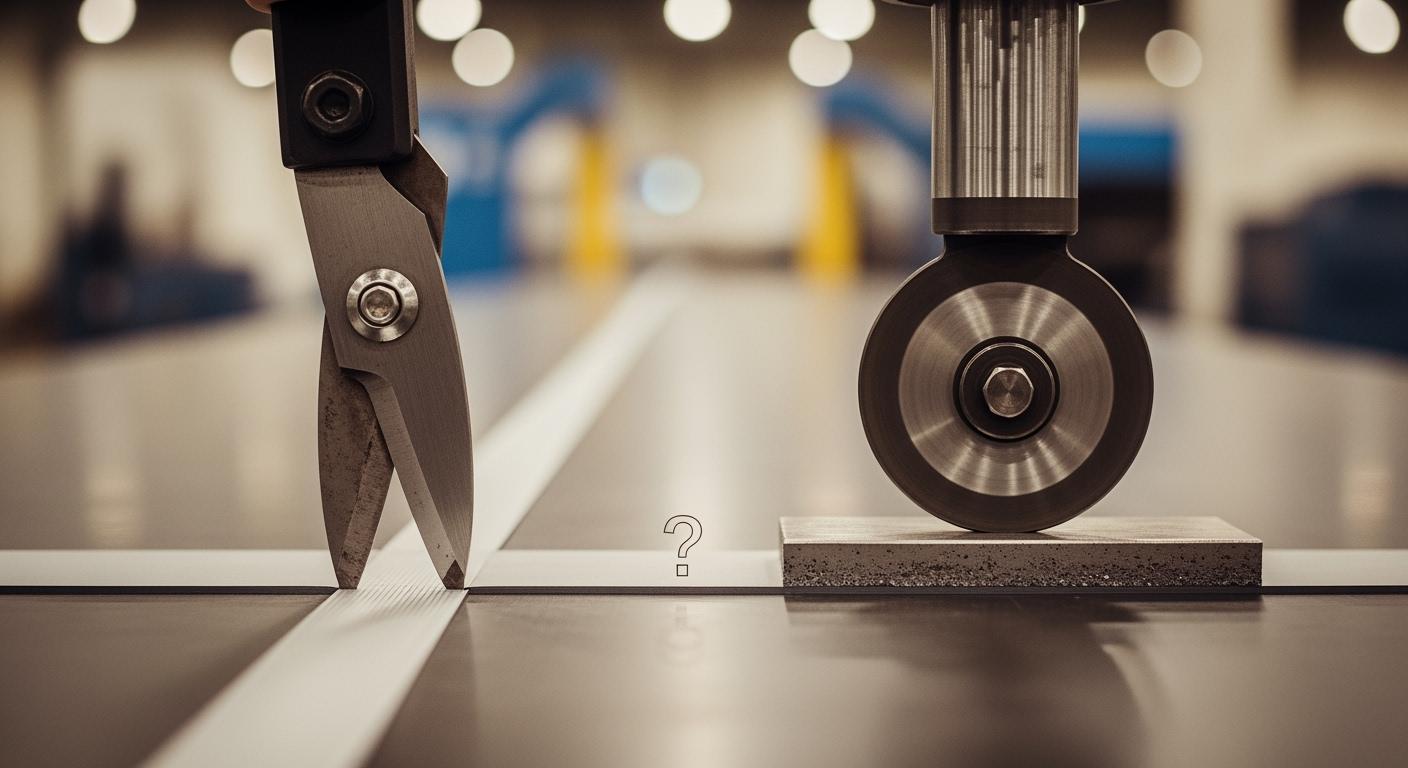
When you look at Cisalhamento vs. esmagamento, you see distinct differences. Shear slitting is best for thin and delicate materials, providing clean and precise cuts. On the other hand, crush slitting works better for thick, soft, or fibrous materials. Choosing the right cutting method is crucial for achieving optimal results, as it depends on your material and what you need to produce. Nanjing Metal Industrial offers exceptional slitter blades tailored for your specific needs. As you consider your options, think about what is most important to you: cost, cut quality, material, or your industry?
Principais conclusões
- Shear slitting is best for thin and gentle materials. It gives clean and exact cuts with little dust. Crush slitting is better for thick, soft, or stringy materials. It is fast and easy to use. Pick shear slitting if you want smooth edges. Pick crush slitting if you need speed and can cut many thicknesses. Think about how much the machines and upkeep will cost. Shear slitting usually costs more to buy and keep up. Both methods need regular care and blade checks. This helps them work well and cut nicely. Use the right slitting method for your material. The wrong method can make bad cuts and waste more material. For fragile materials, use shear slitting to stop damage and keep the product safe. Ask experts for special blade help if your material is unique or you have special cutting needs.
Shear vs. Crush Slitting Overview
Corte por cisalhamento
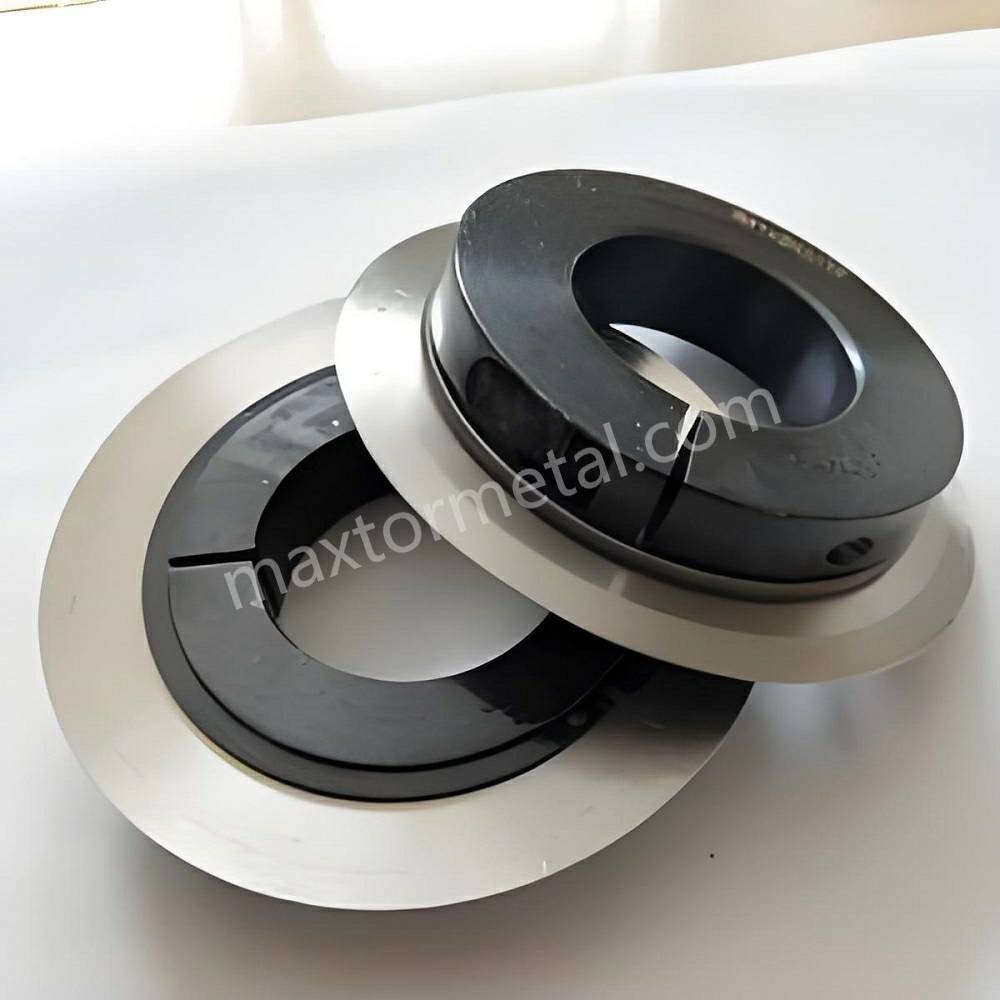
Shear slitting gives you clean and exact cuts. It works like scissors cutting paper. Two round blades move past each other and cut the material. Many companies use this method when they need smooth edges. You see it in packaging, paper, and film factories. Shear slitting makes almost no dust. The edges are smooth and square. The cuts are very accurate. This method is good for thin or delicate materials. It helps protect the product and keeps the cut straight.
Crush Slitting
Crush slitting works in a different way. One round blade pushes down on a hard surface. The pressure splits the material apart. This method is best for thick, soft, or stringy materials. You often find crush slitting in textile, foam, and rubber factories. The process is quick and simple. The edges may be rougher and there is more dust than with shear slitting. Crush slitting is a good choice if you do not need perfect edges. It is also good for tough materials.
Principais diferenças
There are some big differences between shear and crush slitting.
- Shear slitting makes very little dust. Crush slitting makes more dust.
- Shear slitting gives you smooth, neat edges. Crush slitting gives rougher edges.
- Shear slitting is more exact and has tighter cuts. Crush slitting is less exact.
Tip: If you want smooth edges and less dust, use shear slitting. If you cut thick or soft materials, crush slitting might work better.
You can see how these methods compare in the table below:
| Métrica de Desempenho | Corte de cisalhamento | Corte por esmagamento |
|---|---|---|
| Suavidade da Borda | Muito suave | Áspero, irregular |
| Quadratura da aresta | Quadrado, preciso | Deformado, enrolado |
| Geração de poeira | Mínimo | Mais poeira |
| Vida de faca | Mais longo | Mais curto |
| Adequação do material | Fino, quebradiço | Resistente, fibroso |
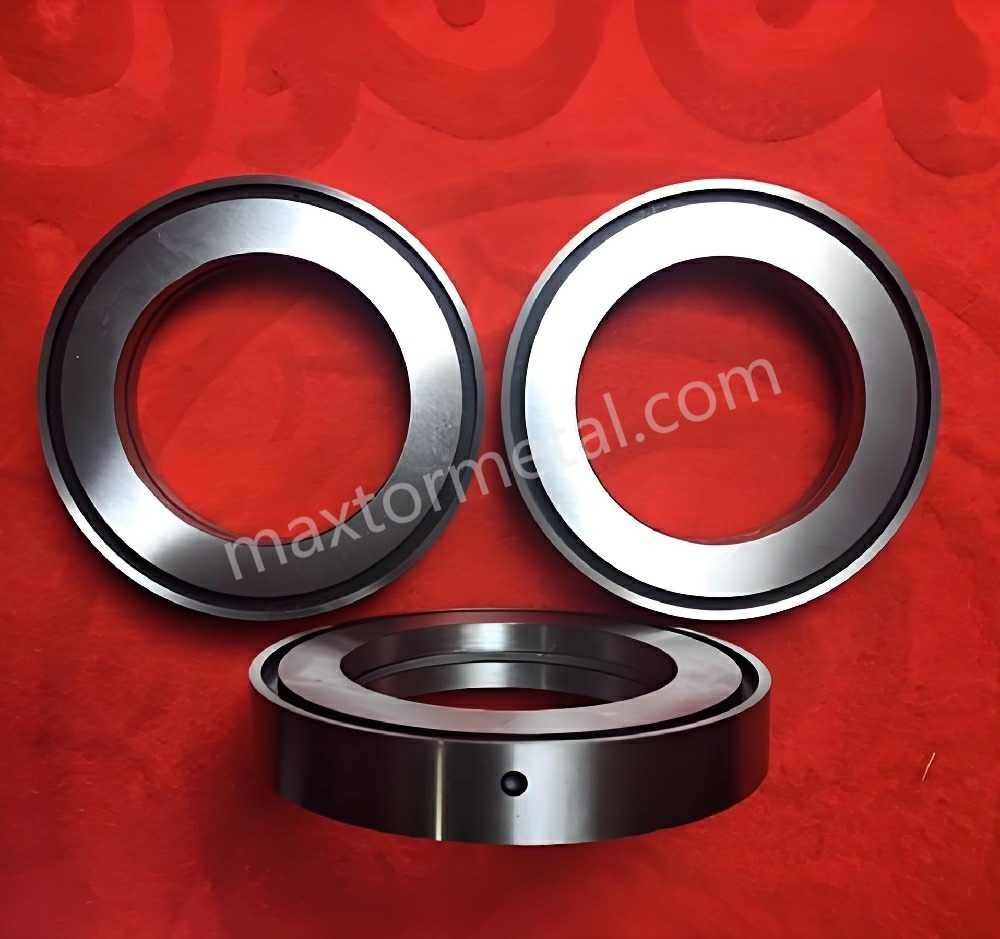
Nanjing Metal Industrial makes blades for both slitting methods. You can pick blades made from high-carbon steel, tool steel, or tungsten carbide. These blades fit many machines and work with different materials. If you need a special blade, you can ask for a custom one. Visit the página de lâminas personalizadas to see your choices. You get blades that fit your material and method. This helps you get the best results.
Como funciona
Shear Slitting Process
Shear slitting gives clean and exact cuts. It works like scissors do. Two round blades are on each side of the material. The material moves forward between the blades. The blades pass very close together. They cut the material at the same time. This makes smooth edges and little dust. Shear slitting is best for thin or delicate materials. It is used for packaging, paper, and film.
Here is a table that shows how shear slitting and crush slitting are different:
| Process Type | Descrição | Maximum Speed (feet/min) | Ideal For |
|---|---|---|---|
| Corte por cisalhamento | Uses a male knife and a grooved female knife, cutting like scissors. | 10,000 | Thin materials with high-quality edges |
| Crush Slitting | Uses a rounded knife to crush and slit the material against a hardened shaft. | 2,000 | Materials of varying rigidity and thickness |
Tip: If you want smooth edges and fast work, shear slitting is the best choice.
Crush Slitting Process
Crush slitting is good for thick or soft materials. It uses one round blade. The blade pushes down on a hard roller. The pressure breaks the material apart. You can set up crush slitting quickly. It works well for textiles, foam, rubber, and some laminates. The edges may be rough and there can be more dust. Crush slitting is best for tough materials that do not need perfect edges.
Tipos de lâmina
The blade you pick changes how well slitting works. You need to match the blade to your job.
Single-Layer Blades
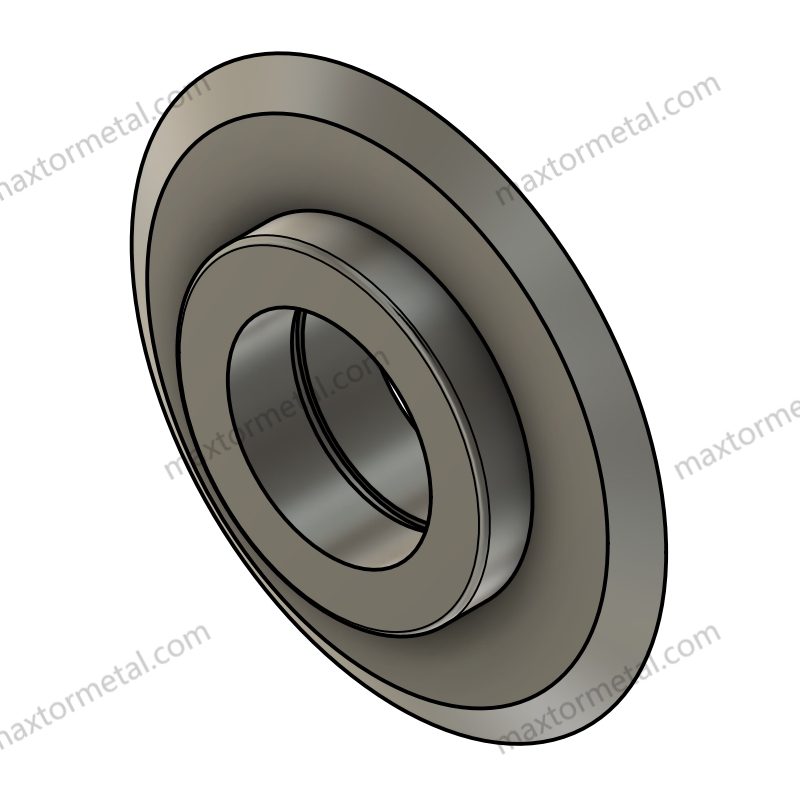
Single-layer blades are made from one solid piece. They use high-carbon steel, tool steel, or tungsten carbide. High-carbon steel blades are good for paper and films. Tool steel blades cut thick and tough materials. Tungsten carbide blades cut hard things like steel and copper. Single-layer blades are simple and strong. You can use them for both shear and crush slitting.
Here are some blade materials and what they do:
- High Carbon Steel: Very hard and wears well. Can break and rust.
- Stainless Steel: Does not rust. Easy to clean and use.
- Tool Steel: Very hard and wears well. Good for hard jobs.
- Tungsten Carbide: Wears very well. Best for hard materials.
Double-Layer Blades
Double-layer blades have two layers. One layer is hard and wears well. The other layer is tough. This makes the blade last longer and stay sharp. Double-layer blades are good for rough or special materials. They work better and last longer. These blades are best for jobs that need high precision and strength.
Here is a table that shows how blade materials change performance:
| Material da lâmina | Precisão de corte | Resistência ao desgaste | Custo-efetividade |
|---|---|---|---|
| Aço de alto carbono | Good at first, gets worse over time | Good at first, wears out fast | Cheap at first, costs more later |
| Aço inoxidável | Not as precise, good for easy jobs | Wears out fast | Costs more to keep, good in wet places |
| Liga de aço | Stays precise for a long time | Wears very well | Costs more at first, lasts longer |
| Lâminas Cerâmicas | Very precise | Wears the best | Costs a lot at first, saves money later |
Note: Picking the right blade and material helps you get the best results, especially for special or delicate materials.
Shear Slitting Process
Shear slitting works like scissors to cut materials. Many factories use this method because it makes clean cuts. Two rotary blades are on each side of the material. The blades move together and cut as the material goes through.
Here is how shear slitting happens:
- Posicionamento da lâmina: You put two round blades on both sides of the roll. One blade is on top, and one is on the bottom.
- Alimentação de materiais: The material moves between the blades. You control the speed and keep the material straight.
- Ação de corte: The blades spin and pass very close together. They cut the material with a scissor-like motion.
- Qualidade de ponta: The edges of the cut stay smooth and square. There is almost no dust or small pieces.
- Collection: The cut strips go to the next step or get rolled up.
Dica: You get the best cuts if the blades are sharp and lined up. If the blades are dull or not lined up, the edges can be rough or uneven.
Shear slitting is best for thin or delicate materials. It is often used for films, foils, paper, and laminates. This process gives tight cuts and smooth edges. That is important for packaging, printing, and electronics.
| Etapa | O que você faz | Por que isso importa |
|---|---|---|
| Posicionamento da lâmina | Put blades on both sides of material | Makes sure cuts are straight |
| Alimentação de materiais | Move material between blades | Keeps cuts neat and accurate |
| Ação de corte | Blades cut the material | Gives smooth, exact edges |
| Edge Quality Check | Look at the cut edges | Checks for dust and rough spots |
| Collection | Roll up the cut strips | Gets them ready for the next step |
Shear slitting lets you control how wide the cuts are. You can change the space and angle of the blades for different jobs. This helps you use one machine for many types of work.
Prós e contras
Shear Slitting Pros
High Edge Quality
You get very smooth and straight edges with shear slitting. The blades work like scissors, so the cut stays clean and sharp. This method helps you avoid rough or jagged edges, which is important for products that need a neat finish. Many industries choose shear cutting when they want the best edge quality.
| Vantagem | Descrição |
|---|---|
| High-Quality Cuts | Delivers clean, precise edges, even at high speeds. |
| Reduced Dust | Minimizes debris during the cutting process, ensuring a cleaner environment. |
| Durabilidade | The knives last longer, so you do not need to replace them often. |
Minimal Dust Generation
Shear slitting creates very little dust. The blades slice through the material instead of tearing it. This keeps your workspace cleaner and helps protect sensitive products. Less dust also means less time spent cleaning machines and less risk of dust getting into your finished rolls.
Precise and Clean Cuts
You can count on shear slitting for exact cuts. The blades move together in a controlled way, so you get the same result every time. This method works well for jobs that need tight tolerances and accurate widths. You can trust it for packaging, labels, and electronics.
Suitable for Thin and Delicate Materials
Shear slitting works best for thin, fragile, or high-value materials. You can use it for films, foils, paper, and laminates. The gentle action of the blades protects your material from damage. You avoid crushing or tearing, which can happen with other methods.
Consistent Performance at High Speeds
You can run shear slitting machines at high speeds and still get great results. The blades stay sharp and aligned, so you do not lose quality as you work faster. This helps you boost production without sacrificing edge quality or precision.
Shear Slitting Cons
Higher Equipment Cost
Shear slitting machines usually cost more than crush cutting machines. The design is more complex, and you need special blades and holders. You may spend more at the start, but you get better results for certain materials.
Requires Precise Setup and Alignment
You need to set up shear slitting equipment carefully. The blades must line up perfectly to make clean cuts. If you do not align them right, you can get rough edges or damage the blades. This setup takes skill and attention.
Not Ideal for Very Thick or Soft Materials
Shear slitting does not work well for thick, soft, or very fibrous materials. The blades can struggle to cut through these types. If you try to use shear slitting for these jobs, you may get poor results or wear out your blades quickly.
More Complex Maintenance
You need to maintain shear slitting machines more often. The blades must stay sharp and aligned. You may need to check and adjust the equipment regularly. This can take more time and skill compared to simpler systems.
Crush Slitting Pros
Simple Setup and Operation
You can set up crush slitting machines quickly. The process is easy to learn, and you do not need to spend much time adjusting the blades. This makes it a good choice if you want to start cutting right away.
- Crush slitting is simple to operate and adaptable to varying material thicknesses.
- You can use it for many types of materials, even if they change in thickness or stiffness.
Lower Equipment Cost
Crush slitting equipment usually costs less than shear slitting machines. The design is straightforward, so you save money on the initial purchase. This makes it a good option if you want to keep costs low.
Effective for Thick, Soft, or Fibrous Materials
You get the best results with crush slitting when you work with thick, soft, or fibrous materials. The blade presses down and splits the material, so it handles things like rubber, foam, nonwovens, and adhesive tapes very well.
- Crush slitting is effective for materials that vary in thickness or stiffness.
- It works for adhesive tapes, laminates, nonwovens, foils, rubber, and abrasive papers.
- The vertical stroke of the method makes it suitable for cutting thick, voluminous materials.
Quick Blade Changes
You can change blades on a crush slitting machine fast. The simple design lets you swap out worn blades without much downtime. This helps you keep your production moving and reduces delays.
Tip: If you need to cut many different materials or want a fast, easy setup, crush cutting can help you save time and money.
Crush Slitting Cons
Rougher Edge Finish
Crush cutting often leaves a rough edge on your material. The blade pushes down and splits the material, not slicing it cleanly. This can make the edges jagged or uneven. If you want a smooth finish, this method may not work. You might see fraying or small tears, especially with fibrous materials. If how your product looks is important, keep this in mind.
Increased Dust and Debris
Crush slitting makes more dust and debris than other ways. The blade’s pressure breaks the material and releases small bits into the air. You may need to clean your machines more often. Dust can land on your finished rolls or around your workspace. If you use sensitive materials or need things clean, this dust can be a problem.
Note: More dust means you may spend more time cleaning and doing maintenance.
Limited Precision
Crush cutting does not give as much precision as shear slitting. The blade does not slice as exactly, so strip widths can change. If you need strips to be very exact, this method may not work for you. You might see more differences in the finished product, which can lower quality.
Not Suitable for Delicate or High-Value Materials
Crush slitting is not good for delicate or high-value materials. The blade’s pressure can hurt thin films, coated papers, or special products. You might crush or bend the material, which can cause waste. If you work with expensive or sensitive materials, you should use a gentler cutting method.
Summary Table: Drawbacks of Crush Slitting
| Desvantagem | Impacto na Produção |
|---|---|
| Rougher Edge Finish | Jagged or uneven edges |
| Increased Dust and Debris | More cleaning and maintenance needed |
| Limited Precision | Less accurate strip widths |
| Not for Delicate/High-Value Materials | Risk of damage or waste |
Facilidade de uso
Setup
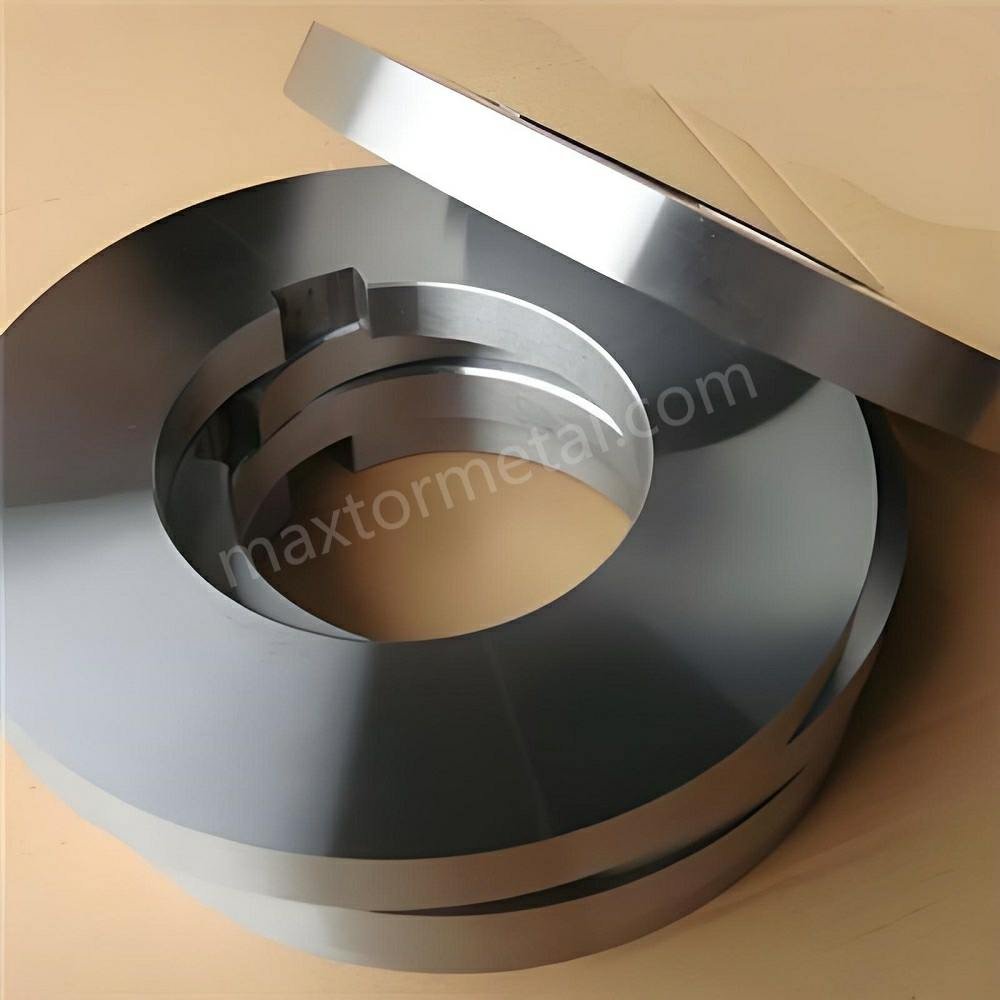
When you set up a slitting machine, you want the process to be as simple as possible. Shear slitting requires careful adjustment. You must align the blades with precision. Even a small mistake can affect the quality of your cuts. You need to check the blade angle and the distance between the blades. This setup takes time and attention. If you work with different materials, you may need to adjust the machine each time.
Crush slitting offers a faster setup. You only need to position the blade against the anvil or roller. The process does not demand as much fine-tuning. You can switch between materials quickly. This makes crush slitting a good choice if you want to save time during changeovers.
Dica: Always check your machine before starting. A quick inspection helps you avoid problems later.
Habilidade do Operador
The skill level you need depends on the slitting method you choose. Shear slitting demands more experience. You must control the machine with care and understand how to align the blades. If you want the best results, you need to know how to make small adjustments. This method suits operators who have training or have worked with slitting machines before.
Crush slitting is easier to learn. You do not need as much technical skill. Most operators can run a crush slitting machine after a short introduction. You can focus on keeping the blade sharp and making sure the pressure is right.
Here is a table that shows the skill level needed for each method:
| Método de corte longitudinal | Required Skill Level |
|---|---|
| Corte por cisalhamento | Demands experienced operators due to the need for precise control. |
| Crush/Score Slitting | Requires an average level of technical skill from the operator. |
If you want to train new staff quickly, crush slitting may be the better option.
Solução de problemas
You may face some common challenges when running slitting machines. Knowing what to look for helps you fix problems fast.
- Roller Alignment: If the rollers do not line up, the material can shift. This causes wrinkles or defects in your finished product. Always check alignment before you start.
- Web-to-Roller Traction: If the material does not grip the rollers, you may see uneven edges. Make sure the idler rolls turn freely.
- Knife Sharpness: Dull blades can damage your material. You should keep the knives sharp and check the surface finish often.
Here is a table of common troubleshooting issues:
| Desafio | Descrição |
|---|---|
| Roller Alignment | Misalignment can cause the web to shift, leading to wrinkles and defects in the final product. |
| Web-to-Roller Traction | Poor traction can lead to slitting defects, such as uneven edges. |
| Afiação da faca | Dull knives can damage the web and affect the quality of the cut. |
Remember: Regular checks and maintenance help you avoid most slitting problems. If you notice a drop in cut quality, inspect the blades and rollers first.
By understanding setup, skill, and troubleshooting, you can choose the slitting method that fits your needs and keep your production running smoothly.
Manutenção
Desgaste da lâmina
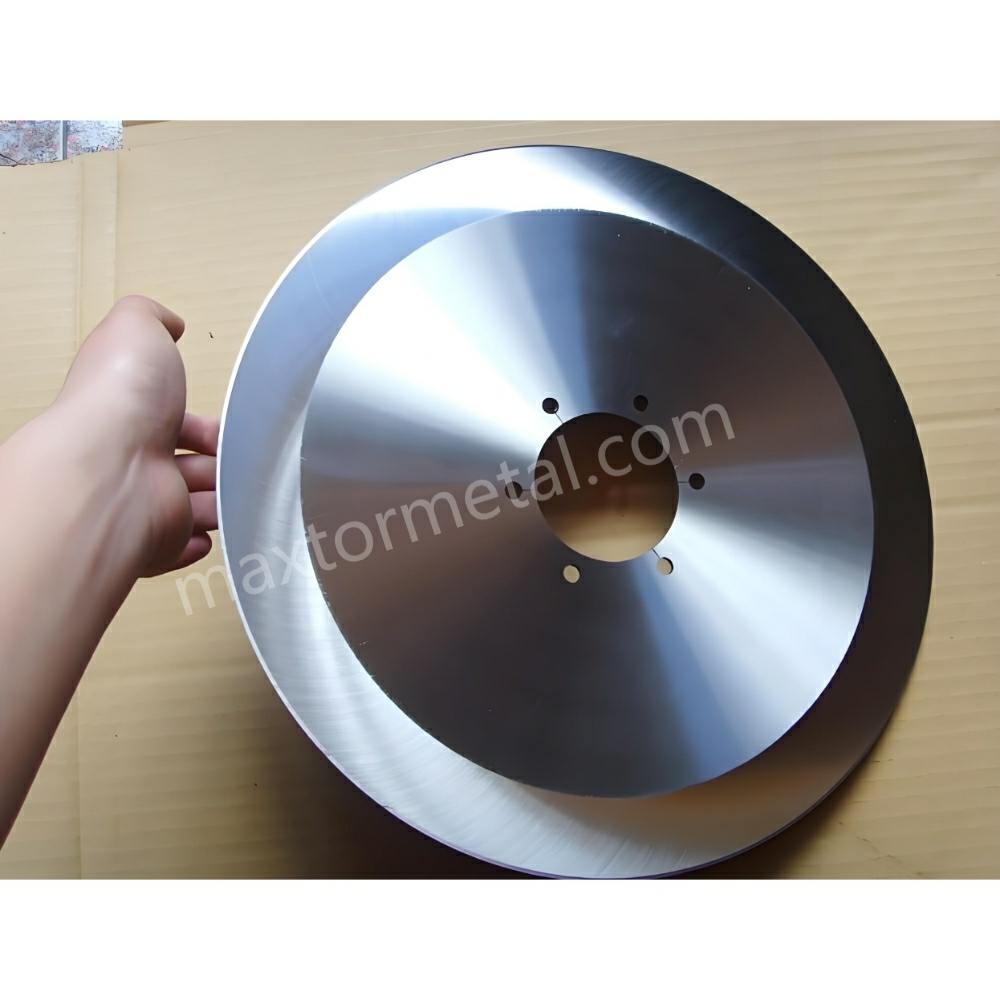
Blade wear changes how well your slitting machine works. You should look for signs that blades are dull or damaged. Shear slitting and crush slitting blades wear out in different ways. Shear slitting blades last longer because they do not get as hot. If you keep them sharp and lined up, they work for a long time. Crush slitting blades wear out faster, especially with thick or hard materials. The blade material, how it fits your machine, and slitting speed all affect blade life.
Here is a table that shows how blade wear is different:
| Método de corte longitudinal | Blade Wear Characteristics | Factors Influencing Lifespan |
|---|---|---|
| Corte por cisalhamento | Generates little heat, leading to longer lifespans if maintained properly. | Blade material, fitting to the machine, speed of slitting |
| Crush Slitting | Used for thicker materials, may produce poorer cut quality affecting wear rates. | Blade material, thickness of material being cut |
Dica: Check your blades often. If you see frayed edges or the cut looks worse, it might be time to sharpen or replace your blades.
Limpeza
Keeping slitter blades clean helps you get better cuts. It also makes blades last longer. Dirt, dust, and leftover bits can stick to the blades. This can make rough edges and slow down your machine. Clean your blades after each shift or when you change materials. Use a soft cloth and a safe cleaner. Make sure blades are dry before putting them back. Store blades in a dry, clean place so they do not rust.
Best ways to clean and care for slitter blades:
- Check blades often to find wear before it causes problems.
- Teach workers to spot blade issues, like frayed edges or more resistance.
- Keep extra blades ready and use sharpening services to avoid delays.
- Sharpen blades based on how much you use them and what you cut.
- Store blades in a dry, clean spot to stop rust.
- Follow a schedule for cleaning, oiling, and sharpening.
Regular cleaning and care help you stop problems before they start and keep your slitting running well.
Tempo de inatividade
Downtime is when you stop your slitting machine for repairs or care. Too much downtime slows your work and costs money. You can have less downtime by planning regular care and keeping extra blades ready. Fast blade changes and routine checks help you fix small problems early. Training your team to spot blade wear or machine trouble helps you avoid long stops.
If you follow a good care plan, your slitting machines work longer and better. This means you spend less time fixing things and more time making good cuts.
🛠️ Spending a little time on care now saves you lots of time and trouble later.
Fatores de Custo

Equipment Cost
When you pick a slitting method, equipment cost matters. Shear slitting and crush slitting machines cost different amounts.
- Corte por cisalhamento machines have two blades that cut together. These machines cost more because they need exact parts. You must set them up carefully. Skilled workers are needed to run them.
- Corte por esmagamento machines use one blade and a hard roller. These machines are simpler and cost less. You can set them up fast. You do not need many adjustments.
Dica: If you want to spend less at first, crush slitting machines may be better for your budget.
Here is a table to compare:
| Método de corte longitudinal | Equipment Complexity | Typical Upfront Cost | Tempo de configuração |
|---|---|---|---|
| Corte por cisalhamento | Alto | Mais alto | Mais longo |
| Crush Slitting | Baixo | Mais baixo | Mais curto |
Custo operacional
Operating cost means what you pay to keep your machine working. This includes blade changes, fixing, and paying workers.
- Shear slitting needs blades sharpened often. You must check blade alignment a lot. Skilled workers help keep things running, but this costs more.
- Shear slitting uses blade pairs and tight rules. You spend more on fixing and new parts.
- Crush slitting has fewer moving parts. You spend less time fixing it. You can change blades quickly. This saves time and money.
- If you cut rough materials with crush slitting, you may change blades more. Still, it is easy and does not need much skill.
Note: Blade life depends on what you cut. Hard or rough materials wear blades faster, no matter the method.
Comparação
You want to know which method saves you money. Here is a summary to help you choose:
- Corte por cisalhamento costs more to buy and run. You get great cuts and tight sizes, but you pay for skilled workers and lots of fixing.
- Corte por esmagamento costs less. You save on machines and workers. Fixing is easier, and blade changes are quick. If you cut thick or tough stuff, this method may save you more.
| Fator de custo | Corte por cisalhamento | Crush Slitting |
|---|---|---|
| Upfront Equipment | Mais alto | Mais baixo |
| Manutenção | Mão de obra frequente e qualificada | Menos frequente, mais simples |
| Substituição da lâmina | Afiação regular | Mais frequente para abrasivos |
| Tempo de inatividade | Mais para configuração/reparo | Menos, trocas rápidas de lâminas |
🛠️ Escolha o método de corte longitudinal que se adapta ao seu orçamento, material e necessidades. O planejamento ajuda você a gastar menos e obter bons resultados.
Qualidade do corte

Ao escolher entre o corte por cisalhamento ou por esmagamento, você precisa analisar de perto a qualidade do corte. Isso inclui a aparência da borda, a precisão do corte e a quantidade de desperdício de material. Cada método oferece resultados diferentes, portanto, você deve alinhar o método às suas necessidades.
Acabamento de Borda
O acabamento da borda refere-se a quão lisa e limpa a borda cortada se apresenta. O corte por cisalhamento proporciona uma borda muito limpa e livre de rebarbas. As lâminas funcionam como tesouras, garantindo uma linha reta e precisa. Isso é importante se você deseja que seu produto tenha uma boa aparência ou se precisa evitar o desfiamento. Esse método é frequentemente utilizado para filmes, folhas metálicas e papel, pois mantém as bordas nítidas e organizadas.
O corte por esmagamento funciona de maneira diferente. A lâmina pressiona e divide o material. Isso pode fazer com que a borda pareça áspera ou até mesmo deformada, especialmente em materiais macios ou espessos. Você pode notar alguns fiapos ou pequenos rasgos ao longo da borda. Se você não precisa de uma borda perfeita, o corte por esmagamento ainda pode funcionar bem, especialmente para materiais como espuma ou não tecidos.
Aqui está uma tabela que mostra a diferença no acabamento da borda e na tolerância:
| Método | Acabamento de Borda | Tolerância |
|---|---|---|
| Corte por cisalhamento | Borda limpa e livre de rebarbas | Alta precisão e repetibilidade |
| Crush Slitting | Risco de deformação | Tolerância geralmente menor para metais |
Dica: Se você deseja uma borda lisa e profissional, escolha o corte por cisalhamento. Se você corta materiais espessos ou macios e não se importa com uma borda mais áspera, o corte por esmagamento é uma boa opção.
Tolerância
A tolerância indica o quão próximo o corte está do tamanho desejado. O corte por cisalhamento oferece alta precisão e repetibilidade. Você pode confiar que cada tira terá a mesma largura. Isso é importante para embalagens, etiquetas e eletrônicos, onde cada milímetro conta.
O corte por esmagamento não oferece o mesmo nível de controle. A pressão da lâmina pode alterar a largura do corte, especialmente com metais ou materiais duros. Você pode notar maior variação no tamanho das tiras. Se você precisa de tolerâncias rígidas, o corte por cisalhamento é a melhor escolha.
- Corte por cisalhamento: Ideal para trabalhos que exigem tamanhos exatos.
- Corte por esmagamento: Funciona para trabalhos menos exigentes ou ao cortar materiais macios e espessos.
Resíduos de materiais
O desperdício de material afeta seus custos e a quantidade de produto que você pode aproveitar. O corte por cisalhamento gera menos desperdício porque as lâminas realizam um corte fino e limpo. Você perde muito pouco material a cada passagem. Isso ajuda a economizar dinheiro e a obter mais produto utilizável de cada bobina.
O corte por esmagamento pode gerar mais desperdício. A borda mais áspera e a possível deformação significam que você pode precisar refilar ou descartar algumas tiras. Você também pode notar mais poeira e pequenos fragmentos, o que aumenta o desperdício.
📝 Fique de olho no desperdício ao escolher um método de corte longitudinal. Menos desperdício significa maior economia e um processo mais limpo.
Ao comparar o corte por cisalhamento com o corte por esmagamento, pense no que é mais importante para o seu trabalho. Se você precisa de bordas limpas, dimensões precisas e menos desperdício, o corte por cisalhamento é a melhor escolha. Se você trabalha com materiais resistentes, espessos ou macios e não precisa de bordas perfeitas, o corte por esmagamento pode dar conta do recado.
Compatibilidade de materiais

A escolha do método de corte longitudinal correto depende do seu material. Alguns materiais exigem uma borda afiada e limpa. Outros materiais são espessos ou macios e necessitam de uma forma diferente de corte. Você deve alinhar seu processo de corte e a lâmina ao seu material para obter os melhores resultados.
Materiais para Corte por Cisalhamento
Materiais Típicos
O corte por cisalhamento funciona melhor para materiais finos, planos ou delicados. Ele utiliza uma ação semelhante à de uma tesoura para criar bordas lisas e retas. Muitas indústrias o utilizam para cortes de alta qualidade.
Filmes (ex: PET, BOPP, PVC)
O corte por cisalhamento é excelente para filmes plásticos como PET, BOPP e PVC. Esses filmes são finos e precisam de bordas limpas para evitar desfiamento ou rasgos. A ação de tesoura mantém as bordas do filme impecáveis. Isso é fundamental para embalagens, etiquetas e eletrônicos.
Folhas Metálicas (ex: alumínio, cobre)
O corte por cisalhamento é ideal para folhas metálicas. As folhas de alumínio e cobre são finas e podem dobrar facilmente. O corte preciso ajuda a evitar danos. Você obtém bordas retas e livres de rebarbas para embalagens elétricas e de alimentos.
Papel e Laminados
O corte por cisalhamento funciona muito bem para papel e folhas laminadas. Ele mantém as camadas unidas e evita que as bordas se separem. Você pode utilizá-lo para impressão, embalagens e papéis especiais.
Têxteis e Não Tecidos (quando alta qualidade de borda é necessária)
Alguns têxteis e não tecidos precisam de bordas lisas, especialmente para produtos médicos ou de higiene. O corte por cisalhamento proporciona cortes limpos sem desfiar. Isso é importante para um aspecto profissional ou para evitar fibras soltas.
Considerações-chave
- Sempre verifique a espessura e a resistência do seu material.
- Materiais finos, delicados ou laminados funcionam melhor com o corte por cisalhamento.
- Use lâminas afiadas e de qualidade para manter as bordas limpas.
- Ajuste o ângulo e a pressão da lâmina para cada material.
Se você precisa de uma lâmina personalizada para um filme, folha metálica ou laminado especial, visite a página de lâminas personalizadas para encontrar o que precisa.
Materiais para Corte por Esmagamento
Materiais Típicos
O corte por esmagamento é ideal para materiais espessos, macios ou fibrosos. Ele utiliza uma lâmina circular pressionada contra um rolo duro. Este método separa o material por pressão, e não por deslizamento.
Não tecidos (ex.: lenços umedecidos, filtros)
O corte por esmagamento funciona para não tecidos, como lenços umedecidos e filtros. Esses materiais são macios e espessos. O método de esmagamento separa as fibras sem puxar ou esticar excessivamente.
Espumas e Borracha
Chapas de espuma e rolos de borracha são perfeitos para o corte por esmagamento. A pressão da lâmina corta o material macio e esponjoso. Obtém-se um corte rápido e simples, mesmo em rolos espessos.
Fitas Adesivas
Muitas fábricas utilizam o corte por esmagamento para fitas adesivas. Ele lida bem com superfícies pegajosas e camadas espessas. É possível cortar fitas para embalagem, isolamento ou aplicações industriais.
Materiais Espessos ou Macios
Se você precisa cortar feltro espesso, carpete ou isolamento, o corte por esmagamento é uma boa escolha. A lâmina lida com variações de espessura e densidade. Você não precisa de uma borda perfeita, então este método economiza tempo.
Considerações-chave
- Verifique se o seu material é muito delicado para o corte por esmagamento. Filmes finos ou papéis revestidos podem não funcionar bem.
- Use a dureza de lâmina correta para materiais resistentes ou rugosos.
- Substitua as lâminas frequentemente para manter os cortes limpos.
- Ajuste a pressão para evitar esmagar ou deformar excessivamente o material.
Dica: Se você corta muitos tipos de materiais espessos ou macios, o corte por esmagamento oferece velocidade e flexibilidade.
Materiais Sensíveis
Alguns materiais exigem cuidado extra no corte longitudinal. Produtos médicos, farmacêuticos e especiais podem ser sensíveis a poeira, sujeira ou bordas irregulares. Você deve usar o método e a lâmina corretos para proteger esses materiais.
Materiais Revestidos ou Laminados
Papéis revestidos, filmes ou laminados podem descascar ou rachar se você usar pressão excessiva. O corte por cisalhamento geralmente funciona melhor para esses materiais. Você obtém uma borda limpa sem danificar o revestimento.
Produtos Médicos e Farmacêuticos
Ao cortar produtos médicos ou farmacêuticos, você deve manter tudo limpo e seguro. É necessário evitar sujeira e defeitos. Aqui estão algumas etapas importantes:
- Mantenha sua área de trabalho estéril para evitar contaminação.
- Use lâminas afiadas e de alta qualidade para reduzir os riscos de contaminação.
- Verifique e afie as lâminas frequentemente para manter a alta qualidade de corte e evitar defeitos.
Filmes e Papéis Especiais
Filmes e papéis especiais podem ter revestimentos, cola ou camadas sensíveis. Escolha uma lâmina que corresponda ao seu material. O corte por cisalhamento geralmente oferece os melhores resultados para esses produtos.
Considerações-chave
- Sempre combine a lâmina e o método de corte longitudinal com o seu material.
- Para produtos sensíveis ou caros, use lâminas afiadas e mantenha o equipamento limpo.
- Verifique suas lâminas frequentemente quanto a desgaste ou danos.
- Se você precisar de um formato de lâmina ou material especial, solicite uma solução personalizada.
Nota: A Nanjing Metal Industrial pode fabricar lâminas de slitter personalizadas para qualquer material ou setor. Você pode ver exemplos de lâminas personalizadas para diferentes materiais e aplicações na tabela abaixo.
| Tipo de material | Aplicação |
|---|---|
| Aços de liga à base de níquel | Ferramentas de cisalhamento para laminação a quente de materiais espessos. |
| Aços ferramenta de média e alta liga | Cisalhamento de chapas laminadas a frio e placas de aço. |
| Aço metalúrgico pesado | Cortadores transversais para diversas aplicações. |
| Produtos de carboneto de tungstênio | Lâminas personalizadas para diversos setores, oferecendo alta durabilidade e precisão. |
Resumo
Você deve sempre analisar seu material antes de escolher um método de corte longitudinal. O corte por cisalhamento funciona melhor para materiais finos, delicados ou em camadas que exigem uma borda limpa. O corte por esmagamento é ideal para materiais espessos, macios ou fibrosos onde a velocidade e a flexibilidade são importantes. Materiais sensíveis exigem cuidado extra, lâminas afiadas e um processo limpo.
Aplicações industriais
Serviços de Corte Longitudinal de Bobinas
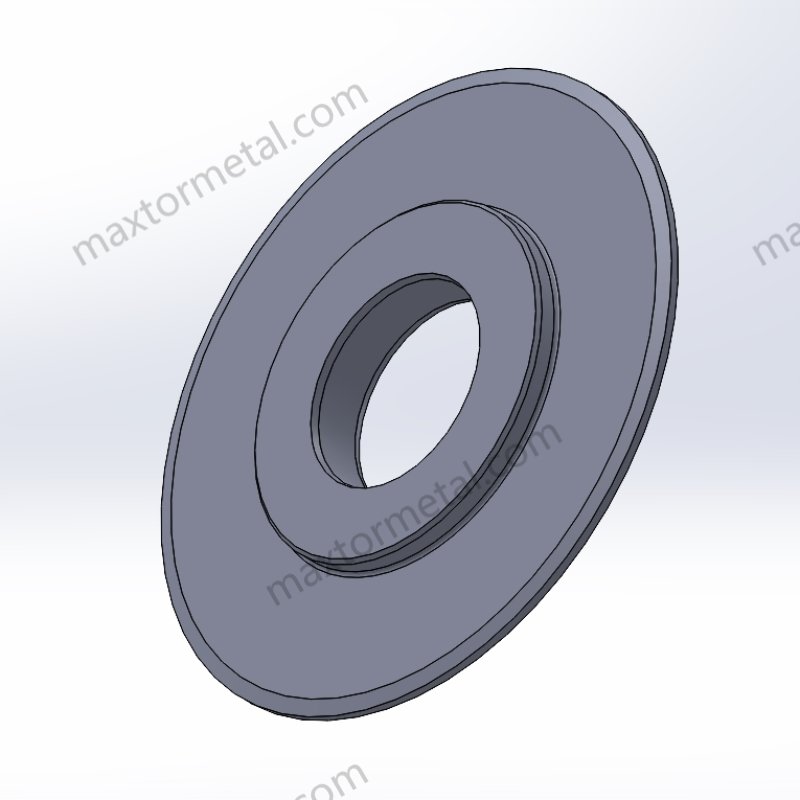
Muitos setores utilizam serviços de corte longitudinal de bobinas para cortar grandes rolos em partes menores. Esses serviços ajudam você a trabalhar mais rápido e garantem que os cortes tenham o tamanho correto. Você pode precisar do corte de bobinas para embalagens, impressão ou para transformar matérias-primas em produtos acabados. As empresas usam esses serviços para processar grandes volumes de material e manter suas máquinas funcionando. Ao escolher um serviço de corte de bobinas, você busca alguém que conheça seu material e suas necessidades. Alguns serviços utilizam o corte por cisalhamento para cortes limpos e precisos. Outros utilizam o corte por esmagamento para materiais espessos ou macios. O serviço certo ajuda você a obter os melhores resultados para o seu trabalho.
Typical Industries
O corte por cisalhamento e por esmagamento são utilizados em diversos setores. Cada setor tem suas próprias necessidades e escolhe o melhor método de corte. A tabela abaixo mostra onde cada método é aplicado e para que serve:
| Indústria | Aplicação típica |
|---|---|
| Papel | Corte de papel revestido e não revestido para impressão, rotulagem e embalagem |
| Plásticos | Corte longitudinal de filmes plásticos finos como polietileno, polipropileno, PVC e poliéster |
| Metals | Corte preciso de folhas metálicas, como folhas de alumínio |
| Materiais Não Tecidos (TNT) | Aplicações médicas, de higiene e industriais |
| Fitas Adesivas | Corte longitudinal de fitas com diferentes materiais de suporte |
| Têxteis | Processamento de têxteis que exigem uma borda de corte limpa |
| Indústria da Borracha | Processamento de borracha ou materiais emborrachados |
| Laminados | Corte de materiais compostos fabricados por união de camadas |
Cada trabalho exige uma forma diferente de corte. O corte por cisalhamento é melhor para materiais finos e delicados que precisam de bordas lisas. O corte por esmagamento funciona para materiais espessos, macios ou fibrosos.
Exemplos de Casos
Pense em uma empresa de embalagens. Você precisa cortar rolos de filme plástico em tiras finas para embalagens de alimentos. Você escolhe o corte por cisalhamento porque ele proporciona uma borda limpa e mantém o alimento seguro. Agora pense em uma empresa têxtil. Você precisa cortar rolos grossos de tecido não tecido (TNT) para lenços umedecidos. Aqui, você usa o corte por esmagamento porque ele funciona bem com materiais macios e volumosos.
O corte de bobinas também é usado na área hospitalar. Eles precisam de bandagens e curativos cortados no tamanho certo. O corte por cisalhamento proporciona os cortes limpos e exatos necessários para esses produtos. Na eletrônica, você pode precisar cortar fitas adesivas para placas de circuito. O método de corte correto garante que cada tira tenha o tamanho e a qualidade adequados.
Dica: Se você tem um trabalho especial ou precisa de uma lâmina com um formato específico, a Nanjing Metal Industrial pode fabricar lâminas de slitter personalizadas para você. Isso ajuda a obter os melhores resultados para qualquer trabalho de corte.
O corte longitudinal de bobinas pode ser utilizado em praticamente qualquer setor que trabalhe com materiais em bobinas. A escolha do método de corte correto para a sua aplicação ajuda a otimizar a operação e a fabricar produtos de maior qualidade.
Guia de Decisão

Adequando o Método às Necessidades
You need to pick the best slitting method for your job. First, look at what you are cutting. Thin films, foils, and paper need a very exact cut. Thick, soft, or stringy materials do better with a method that uses pressure. The thickness of your material changes what machine and blade you need. Thicker things need stronger machines and blades that last longer.
Think about what you are making. Are you making packaging, medical items, or textiles? Each job needs something different. You should match the right technology to your goals to get the best results.
Here is an easy checklist to help you choose:
- Figure out what you need to cut and how good you want the cut to be.
- Look at what is good about each cutting method.
- Pick the machine and blade that fit your material and how fast you want to work.
You can use this table to compare what matters most:
| Critérios | Descrição |
|---|---|
| Custo | Think about what you pay at first and what you save later. Remember repair costs too. |
| Qualidade | Make sure your machine works well and does not break down. This helps you keep working. |
| Compatibilidade de materiais | Check if your machine can cut your material and its thickness. This helps you get the best results. |
Priorities Checklist
You should set your main goals before you pick a slitting method. Use this checklist to help you decide:
- Check if your machine can cut your material and its thickness.
- Decide if you need special features for your job.
- Pick precise cutting tools for thin or delicate things.
- Think about your budget and how much you want to save over time.
- Decide how much downtime is okay for you.
- Think about how fast and flexible you need your work to be.
📝 Tip: Write down your top three goals. Use them to compare different machines and blades.
When to Consult Experts
Sometimes you need help from people who know a lot about slitting. You should ask for help if you have special materials, unique jobs, or want custom blades. Experts can help you pick the right blade size, material, and edge shape. They can also help you meet industry rules.
You can start with a free talk. Tell them about your material, blade size, and any rules you must follow. Engineers will look at how you work and give you ideas. They might suggest special blades for jobs like steel or food packaging.
- Ask experts if you cannot find the right blade for your material.
- Get help if you need blades made from your own drawings or special shapes.
- Ask for advice if you want to cut faster or get better cuts.
Erros comuns

When you use Cisalhamento vs. esmagamento, you should avoid mistakes. These mistakes can slow your work or make your cuts worse. Many people have problems if they pick the wrong method, skip care, or use the wrong material. You can learn about these mistakes and do better next time.
Method Misuse
Sometimes, you might use the wrong slitting method for your material. Corte por cisalhamento is best for thin, delicate, or layered things. Corte por esmagamento works for thick, soft, or stringy materials. If you use shear slitting on thick foam, you get rough edges and worn blades. If you use crush slitting on thin film, it might tear or bend.
Look for these signs you picked the wrong method:
- Edges are jagged or frayed.
- Material tears or stretches.
- Blades wear out fast.
Dica: Always match your slitting method to your material and thickness. Check your material details before you start.
Maintenance Oversights
You need to keep your slitting machine and blades in good shape. Many people forget to check if blades are sharp, lined up, or clean. Dull blades make bad cuts and more waste. Blades that are not lined up make uneven strips. Dirty blades can make sensitive materials dirty.
Maintenance checklist:
- Look at blades for damage or wear.
- Clean blades after every shift.
- Verifique o alinhamento da lâmina antes de começar.
- Replace or sharpen blades when needed.
| Tarefa de Manutenção | Por que isso importa |
|---|---|
| Inspeção da lâmina | Stops rough cuts |
| Limpeza | Lowers contamination |
| Verificação de alinhamento | Keeps edges straight |
| Substituição da lâmina | Keeps cut quality high |
Regular care helps you avoid stops and keeps your slitting running well.
Questões materiais
You must pick the right material for your slitting method. Some materials have coatings, glue, or layers that need special care. If you use the wrong blade or method, you can hurt the product or waste material. For example, coated films need sharp blades and gentle cuts. Nonwovens need a way that does not pull fibers apart.
Watch for these material problems:
- Coatings peel or crack.
- Glue sticks to blades.
- Layers come apart during cutting.
If you see these problems, check your blade and slitting method. You might need a custom blade or a new setup.
By learning about these common mistakes in Cisalhamento vs. esmagamento, you can make your work better, waste less, and get better cuts. Always match your method, care for your equipment, and pick the right material for your job.
When you look at shear and crush slitting, they are different. The edge quality, what materials you can cut, and the cost are not the same. You should pick your cutting method and blade based on your material and what you want to make. If you need help picking the best way to cut, you can talk to a sales engineer on our página de contato. You can get advice from experts and find special blade choices for your job.
Perguntas frequentes
What is the main difference between shear slitting and crush slitting?
Shear slitting uses two blades that cut like scissors. Crush slitting uses one blade pressed against a hard surface. Shear slitting gives you cleaner edges. Crush slitting works better for thick or soft materials.
Which slitting method should I use for thin films?
You should use shear slitting for thin films. This method gives you smooth, precise edges and reduces dust. It works well for materials like PET, BOPP, and PVC.
Can I use crush slitting for adhesive tapes?
Yes, you can use crush slitting for adhesive tapes. This method handles sticky and thick materials well. It gives you quick setup and easy blade changes.
How do I know if my material needs shear or crush slitting?
Check your material’s thickness and softness. Use shear slitting for thin, delicate, or layered materials. Use crush slitting for thick, soft, or fibrous materials.
Does shear slitting create less dust than crush slitting?
Yes, shear slitting creates less dust. The blades slice the material cleanly. Crush slitting breaks the material apart, which makes more dust and debris.
How often should I replace slitter blades?
Replace blades when you see dull edges, rough cuts, or more dust. Blade life depends on your material and cutting speed. Check blades often to keep your cuts clean.
Can I use the same slitter blades for both methods?
Some blades work for both methods, but you should match the blade type to your material and slitting method. Using the right blade helps you get better results and longer blade life.
What industries use shear and crush slitting?
You find shear slitting in packaging, printing, and electronics. Crush slitting is common in textiles, nonwovens, and rubber processing. Both methods help many industries cut rolled materials to size.
Veja também
Como escolher as lâminas de corte circulares certas para um desempenho duradouro
O guia definitivo para escolher uma lâmina de corte de borracha
Como maximizar a nitidez da lâmina de corte para um desempenho de corte superior

 English
  Spanish
  Italian
  French
  Portuguese
  Russian
  German
  Arabic
  Hindi
Hindi  Vietnamese
  Indonesian
  Japanese
  Korean