Технические основы дисковых ножей
Прецизионные дисковые ножи для продольной резки (также называемые ротационными или круглыми просечными ножами) используют непрерывную кинематику вращения в сочетании с нижним контрножом (сдвиговая резка), лезвийной системой (резка бритвенными лезвиями) или закаленным опорным валом (резка давлением/смятием) для выполнения непрерывной продольной резки, роспуска, намотки или биговки движущегося полотна. Эти передовые ротационные инструменты разработаны специально для высокопроизводительных бобинорезательных машин, продольно-резательных марок для гофрокартона и автоматических линий продольной резки электродов литий-ионных аккумуляторов.
1.1 OEM System Compatibility
This technical standard is engineered to meet or exceed the performance parameters of leading international slitting machinery manufacturers, including Kampf, Atlas, Goebel, Pasaban, Valmet, Dienes, Tidland, and ASHE.
1.2 Core Engineering Parameter Matrix
| Технические параметры | Li-ion Electrode & Foil Classification | High-Speed Film, Tape & Paper | Heavy-Duty Silicon Steel & Slitting Lines |
| Рекомендуемые материалы | Sub-micron Tungsten Carbide (WC) | M2/M42 HSS, SK5, SK7, 1065 Carbon | DC53, LD, D2 (1.2379) / SKD11 |
| Hardness Matrix | HRA 89 – 93 | HRC 62 – 64 (HSS) / HRC 56 – 60 | HRC 60 – 63 (DC53/LD) |
| Outer Diameter (OD) Range | 40mm – 350mm | 100mm – 680mm | 80mm – 500mm |
| Inner Diameter (Bore) Tolerance | H7 / G6 Precision Slide Fit | H7 Standard Fit | H7 Precision Fit |
| Допуск по толщине | ± 0.001mm to ± 0.002mm | ± 0.005mm | ± 0.003mm |
| биения (бокового виляния) | < 0.005mm | < 0.015mm | < 0.010mm |
| Radial Runout (Out-of-Round) | ≤0.010mm | ≤0.020mm | ≤0.015mm |
| Шероховатость режущей кромки (Ra) | Ra < 0.4µm (Mirror Polish) | Ra < 0.8µm | Ra < 0.6µm |
| Side Face Roughness (Ra) | Ra < 0.8µm | Ra < 1.6µm | Ra < 1.2µm |
| Dimensional Standard | ISO 2768-mK | ISO 2768-mK | ISO 2768-mK |
Обзор проектирования продукции: кинематика ротационного сдвига и трибологический износ
In modern high-speed longitudinal slitting systems, the cutting edge of a circular blade experiences complex cyclic shear stress fields combined with high-velocity three-body abrasive wear. Because the tool rotates continuously, every discrete micro-segment along the blade’s circumference undergoes a rapid transition into and out of the material stress zone, rendering it highly susceptible to rolling contact fatigue.
2.1 Kinematics of the Shear Overlap Zone
In a synchronized shear slitting system (where the upper male blade overlaps and intersects with the lower female blade), the quality of the slit edge is governed by the configuration of the overlapping geometry:
- Axial Side Clearance: For metallic foils, hard polymers, and silicon sheets, the physical horizontal gap between the upper and lower knives must be held strictly between 0.002mm and 0.01mm. If this clearance is exceeded, the substrate experiences localized bending and tensile elongation rather than true shear, generating catastrophic burrs. Conversely, an insufficient gap causes micro-rubbing, forcing an exponential increase in localized compressive stress and accelerating micro-chipping. For soft materials like paper and tissue, spring-loaded setups utilizing a constant pneumatic or mechanical axial preload are implemented to achieve a self-adjusting “zero-clearance” plane. For a complete commissioning and calibration guide covering overlap, cant angle, and micro-preload pressure in spring-loaded zero-clearance systems, see Подпружиненная настройка для резки сдвигом с нулевым зазором
- Overlap Depth: The vertical intersection depth of the male blade into the female channel must be calibrated between 0.5mm and 1.5mm. Excessive overlap depth increases the lateral friction contact area between the sides of the blades, transforming rotational kinetic energy into localized thermal energy, which softens the martensitic matrix of the cutting tip.
2.2 Fatigue Micro-Fractures & Dust Generation Kinetics
When a circular slitter runs at high linear velocities (e.g., 400–1200 m/min), any microscopic deviation in edge roughness (Ra) or structural homogeneity acts as a stress concentrator. As the blade dulls, the failure mode of the substrate shifts from clean shearing to compressive fracture. This transition creates micro-cracks in brittle coatings (such as battery cathode slurries) or fibers, discharging large quantities of microscopic debris and airborne dust. This dust can migrate onto the face of the blade, changing the friction coefficient (μ) and triggering a destructive thermal loop.
Промышленное применение: анализ по отраслям
3.1 Lithium-Ion Battery Electrode Slitting
- Substrates: Copper foil, aluminum foil, and substrates double-coated with highly abrasive lithium iron phosphate (LFP) or nickel-manganese-cobalt (NMC) chemistries.
- Machinery: High-precision automated battery electrode slitting lines.
- Engineering Requirements: The abrasive slurry contains hard ceramic-like particles that aggressively erode iron-based matrices. This application mandates Sub-micron Grain Tungsten Carbide (WC) with an HRA of 89–93. Thickness tolerances must be held to ±0.001mm to prevent axial tracking drift, which eliminates coating delamination and edge detachment on the current collector.

3.2 High-Velocity Polymer Film Conversion
- Substrates: High-tensile BOPP, PET, and PI (Polyimide) films.
- Machinery: Kampf, Goebel, and Atlas high-speed slitter rewinders.
- Engineering Requirements: Thin polymer webs running at velocities exceeding 600 m/min are highly prone to static accumulation and frictional dragging. Thin-gauge circular blades made of SK5, SK7, or High-Carbon 1065 Spring Steel are specified. The cutting bevel must feature a mirror finish of Ra < 0.4µm to eliminate micro-grooves that pull on the polymer chains, preventing tensile tearing and static dust draw.
3.3 Silicon Steel & Transformer Core Slitting
- Substrates: Oriented and non-oriented electrical silicon steel sheets with high silicon content.
- Machinery: Heavy-duty rotary gang slitting lines.
- Engineering Requirements: Silicon steel exerts extreme elastic deformation resistance, creating severe counter-reactive normal forces during shearing. Conventional D2/SKD11 blades frequently suffer from localized chipping under these cyclic shocks. DC53 or LD Steel (HRC 60–63) is mandatory here, leveraging its uniform carbide distribution to absorb high-impact mechanical stress.
3.4 Advanced Composite Prepreg Conversion
- Substrates: Carbon fiber prepregs, fiberglass weaves, and resin-impregnated multi-layer textiles.
- Machinery: Continuous-feed rotary cutter modules.
- Engineering Requirements: Structural fibers possess extreme abrasive characteristics that blunt standard steel edges within hours. M2 or M42 High-Speed Steel (HSS) (HRC 62–64) enhanced with a physical vapor deposition (PVD) TiAlN coating is recommended. The coating acts as a thermal barrier, preserving the underlying edge hardness against continuous dry friction.
3.5 Sterile Food & Pharmaceutical Packaging Conversion
- Substrates: Multi-layer aluminum-plastic laminates and sterile medical pouch films.
- Machinery: Cleanroom-compliant slitting lines.
- Engineering Requirements: To prevent web delamination and meet rigorous sanitary standards, blades must resist oxidation when exposed to humidity or sanitizing agents. High-chromium Martensitic Stainless Steels (420 or 440C) are selected and optimized to a hardness of HRC 48–56, achieving a stable balance between corrosion resistance and edge acuity.
3.6 High-Speed Corrugated Board Slitting & Scoring
- Substrates: Heavy multi-wall corrugated board and linerboards.
- Machinery: High-speed corrugated slitter scorers.
- Engineering Requirements: The medium runs at high speeds and contains abrasive recycled fibers and silica particles. Tooling requires exceptional resistance to impact and abrasion. М2 Быстрорежущая сталь is widely utilized, and the blades must be configured with an axial runout of <0.015mm to eliminate side-to-side wobble that causes crushed flutes or excess paper debris.
4.Распространенные проблемы поломок и инженерные решения
4.1 Problem: Severe Slitting Dust Generation
- Первопричина: Micro-nicks along the ground bevel or an uncalibrated axial side clearance force the blade to crush the substrate instead of shearing it. This mechanical crushing fractures fibers and coatings, generating significant debris.
- Engineering Solution (Trade-Off Model): Specify a Super-Fine Mirror Polish on the blade bevels and faces, reducing the roughness to Ra < 0.1µm. While mirror polishing increases production cycle times and manufacturing costs by approximately 20%, it minimizes initial grinding micro-cracks and material dragging, reducing slitting dust by up to 80%. For a comprehensive root-cause analysis covering blade flank Ra, carbide microstructure selection, and the setup tolerances that prevent secondary dust generation—including field measurement protocols and regrinding guidelines—see Root-Cause Analysis of Slitting Dust Generation: Blade Flank Ra, Carbide Microstructure & Setup Tolerances.
4.2 Problem: Intermittent Edge Chipping (Micro-Chipping)
- Первопричина: High-hardness substrates (e.g., silicon steel, dense coatings) generate normal forces that exceed the fracture toughness of the blade’s alloy matrix. This issue is magnified by the presence of large, segregated primary carbides in standard cold-work steels like D2/SKD11.
- Engineering Solution: Replace D2/SKD11 with DC53 or LD Tool Steel tempered to HRC 60–63. DC53 undergoes a refining process that yields a fine, uniform matrix with double the impact toughness of SKD11, preventing micro-chipping under cyclic loads.
4.3 Problem: S-Curve Profile or “Snake Cuts”
- Первопричина: Excessive биения (бокового виляния) causes the blade to deviate horizontally during rotation. This issue can also be caused by cumulative thickness tolerances across a gang-slitting setup or an inadequate bore-to-shaft fit.
- Engineering Solution: Tighten the blade’s thickness tolerance to ±0.001mm and restrict the maximum allowable axial runout to <0.005mm via dynamic balancing and precision side grinding. Ensure the bore diameter follows an H7 or G6 slide-fit protocol to eliminate shaft eccentricity. For a full systems-level diagnostic checklist covering blade geometry, tension profiles, machine alignment, and material effects—the four subsystem categories where snake cuts originate—see Stopping Snake Cuts in Film Slitting: A Systems Checklist.
4.4 Problem: Adhesive Accumulation and “Galling” (Material Sticking)
- Первопричина: When slitting pressure-sensitive adhesives, protective films, or soft aluminum foils, frictional heat causes adhesive polymers to melt or ductile metal to cold-weld onto the micro-roughness of the blade faces.
- Engineering Solution: Implement targeted surface modification coatings. For adhesive-backed tapes, apply a Hydrophobic Fluoropolymer (PTFE/Teflon) Coating. For non-ferrous aluminum/copper slitting, apply a Покрытие из алмазоподобного углерода (DLC). The extreme hardness and minimal friction coefficient of DLC stop material transfer at the atomic level. Note that coated blades cannot be conventionally resharpened on their faces; they require specialized edge-only grinding or recoating. For a full engineering comparison of DLC and PTFE coating systems—including wear-limited vs transfer-limited diagnosis, field case data, and QA specification templates—see DLC vs PTFE Coatings for Slitting Blades: Engineer’s Guide.
Руководство по материаловедению: металлургические профили
The rotational kinematics of circular cutting demand tool materials that offer balanced resistance to rolling contact fatigue, compression, and abrasive wear.

- Sub-micron Grain Tungsten Carbide (WC)
- Metallurgical Matrix: Composed of ultra-fine sub-micron tungsten carbide hard phases bonded within a high-toughness cobalt (Co) matrix, with an average grain diameter of ≤0.6μ m.
- Mechanical Profile: Provides exceptional hardness (HRA 89–93) and excellent resistance to abrasive slurry wear. However, it exhibits low bending strength and high brittleness; any metal-to-metal collision or foreign body impact will cause catastrophic fracturing.
- DC53 / LD Matrix Steel
- Metallurgical Matrix: A cold-work tool steel designed to eliminate the coarse, segregated primary chromium carbides characteristic of traditional D2/SKD11 steels.
- Mechanical Profile: Achieves a heat-treated hardness of HRC 60–63. Its uniform microstructure yields double the impact toughness of SKD11, making it highly effective at preventing edge chipping when shearing high-tensile metals or thick polymers.
- M2 / M42 High-Speed Steel (HSS)
- Metallurgical Matrix: Heavily alloyed with Tungsten (W), Molybdenum (Mo), Chromium (Cr), and Vanadium (V) to form a dense distribution of thermally stable M6C and MC secondary carbides.
- Mechanical Profile: Possesses high “Red Hardness” (retaining structural integrity up to 500°C) and excellent impact resistance. This makes it suitable for high-speed corrugated paper and composite conversion lines experiencing high-frequency friction.
- 440C & 420 Martensitic Stainless Steels
- Metallurgical Matrix: Contains 12%–18% Chromium, which forms a passive chromium oxide film upon thermal hardening, embedded within a tempered martensitic matrix.
- Mechanical Profile: Delivers a controlled hardness of HRC 48–56. It provides reliable protection against oxidation, pitting, and chemical exposure in humid or sterile food and pharmaceutical converting facilities.
Термообработка и твердость: логика термического изменения
The dimensional stability and edge retention of a circular blade depend heavily on its internal crystalline matrix. Thermal processing errors will cause axial warping and distortion under high-speed rotation.
6.1 Multi-Stage Vacuum Gas Quenching & Tempering
To prevent decarburization and surface oxidation, all steel slitter blanks undergo heat treatment inside a high-vacuum furnace operating at 10-3mbar. The blades are brought up through multi-stage preheating cycles to eliminate thermal gradients and prevent warping in thin-disc configurations. They are austenitized at 1020℃-1100℃(depending on the alloy grade) and quenched using high-pressure, high-purity nitrogen gas (6–10 bar). This is followed by three distinct tempering cycles to minimize residual internal stresses.
6.2 Cryogenic Transformation for Ultra-Precise Tolerances
For high-specification applications requiring sub-micron thickness tolerances (±0.001mm), a comprehensive Deep Cryogenic Treatment (Sub-Zero Liquid Nitrogen Soaking at -196°C) is performed:

Cryogenic processing drives the near-total conversion of unstable retained austenite into hardened martensite while precipitating ultra-fine secondary \eta-carbides throughout the matrix. This provides two key engineering benefits:
- Elimination of Thermal Distortion: It prevents microscopic dimensional shift or axial bowing when the blade warms up under high-speed friction, ensuring a true cutting line.
- Extended Wear Life: Field performance data indicates that cryogenically treated slitter blades exhibit a 30% or greater increase in wear resistance compared to conventionally treated alternatives.
7.Геометрия ножа и инженерия режущей кромки
The geometric tolerances of a circular slitter directly impact its rotational stability. Even minor side-to-side variations can cause wavy cut paths or premature tool failure.

7.1 Geometric Tolerance Chains
- Bore-to-Shaft Concentricity: The central bore must be finished to an ISO H7 or G6 tolerance class to establish a precise slide fit with the slitter shaft. A bore clearance error as small as 0.01mm introduces an eccentric rotation axis, magnifying the Radial Runout and causing uneven material engagement.
- Axial Runout Control: Side wobble must be restricted to <0.005mm for high-precision applications and <0.020mm for general converting. Exceeding these limits causes the overlapping faces of the male and female knives to impact each other during rotation, generating micro-shocks that cause chipping, accelerated face wear, and ragged edges.
For a detailed treatment of ISO 286 fit selection, assembled TIR verification, and the assembly practices that keep runout repeatable at speed, see Допуск на центральное отверстие и биение: оптимизация посадки по стандарту ISO 286 для высокоскоростных ножей для продольной резки..
7.2 Bevel Profiling & Cut Dynamics
Blades can be ground to a Single Bevel, Double Bevel, or Compound Bevel configuration, with included angles ranging from 20° to 45°:
- Acute Bevel Angles (20° – 25°): Minimize the specific cutting force (kс) and drag resistance. This configuration is suitable for delicate, non-woven materials and ultra-thin packaging films, though it offers lower structural edge strength.
- Obtuse Bevel Angles (35° – 45°): Provide a robust wedge profile with excellent mechanical backing. This is the standard configuration for processing tough substrates like silicon steel or abrasive mineral-filled sheets.
8.Производственный процесс и контроль качества
- Ingot Metallurgy & Consolidation: High-purity tool steel blanks are processed via Electro-Slag Remelting (ESR). For tungsten carbide, blanks are produced using Hot Isostatic Pressing (HIP) vacuum sintering to ensure a void-free, homogeneous structure.
- CNC Core Machining: Precision turning of the central bore, drive notches, and locating faces to satisfy H7/G6 specifications.
- Vacuum Thermal Modification & Deep Cryogenics: Hardening and subsequent sub-zero processing at -196°C to eliminate residual stresses.
- Double-Disc Parallel Grinding: Multi-pass grinding under constant-temperature coolant lubrication to achieve flat, parallel sides with a thickness tolerance down to ±0.001mm.
- Rotary Edge Bevel Grinding: Using dedicated high-rigidity grinding centers equipped with vitrified diamond wheels to profile the cutting edge to a finish of Ra < 0.4µm.
- Quality Control Protocol:
- Laser Interferometric Axial Runout Verification: Every high-precision blade is evaluated across its entire circumference. Side wobble is mapped and documented to confirm compliance with the <0.005mm internal threshold.
- Surface Profilometry: Direct stylus measurement of the bevel’s surface finish (Ra).
- Multi-Point Rockwell Hardness Mapping: Verifies that the hardness variance across the blade face does not exceed 0.5 HRC.
Практические примеры: задокументированная эффективность в реальных условиях
Case Study A: Lithium-Ion Battery Anode Slitting (Graphite-Coated Copper Foil)
- Client Profile: A tier-one manufacturer of electric vehicle battery cells.
- Initial Problem: The client was utilizing commercial-grade carbide rotary blades with a thickness tolerance of ±0.005mm and an edge roughness of Ra 0.8µm. Abrasive graphite particles caused material to adhere to the blade faces, limiting linear slitting speeds to 200 m/min. Micro-chipping occurred after 15 hours of operation, causing coating delamination and micro-burrs along the copper foil.
- Engineering Intervention: Installed Sub-micron Tungsten Carbide Blades featuring a mirror polish of Ra < 0.1µm and a thickness tolerance held strictly to ±0.001mm.
- Quantifiable Outcomes: Face adhesion was eliminated, allowing production speeds to be increased from 200 m/min to 550 m/min (a 175% increase in throughput). Individual blade service life rose from 15 hours to 120 hours between grinds, while micro-dust emissions fell by 88%.
Case Study B: High-Frequency Electrical Silicon Steel Gang Slitting Line
- Client Profile: A steel service center specializing in transformer core laminations.
- Initial Problem: The line used standard D2 (SKD11) circular blades (HRC 58–60) to slit 0.35mm thick grain-oriented silicon steel. The material’s high deformation resistance caused micro-fractures along the blade edges within 32 operating hours. This dulling produced edge burrs exceeding 0.08mm, which caused electromagnetic performance loss in the final transformer stacks.
- Engineering Intervention: Transitioned to DC53 Matrix Steel Circular Blades subjected to vacuum quenching and deep cryogenic stabilization, achieving a uniform hardness of HRC 61–62.
- Quantifiable Outcomes: The high fracture toughness of DC53 eliminated micro-chipping. The required resharpening interval was extended from 32 hours to 145 hours of continuous operation. Slit edge burrs were maintained below ≤0.015mm, reducing sheet rejection rates by 92%.
FAQ: справочник для инженеров и отделов закупок
- Почему допуск по толщине критически важен при настройке многоножевого блока продольной резки с использованием дистанционных колец?
- В многоножевом узле продольной резки индивидуальные допуски по толщине суммируются по всей длине вала. Незначительное отклонение в ±0.01 мм на один нож может привести к общему осевому смещению более чем на 0.1 мм в системе из 10 ножей. Это смещение изменяет откалиброванный горизонтальный боковой зазор между верхними и нижними режущими кромками, что вызывает появление сильных заусенцев или столкновение ножей. Ужесточение индивидуальных допусков до ±0.001 мм сводит к минимуму эту кумулятивную ошибку.
- Чем отличается металлургическая структура карбидов в стали DC53 от традиционной стали D2/SKD11?
- Традиционная инструментальная сталь D2 содержит крупные, сегрегированные первичные карбиды хрома (часто диаметром ≥20 μm мкм), которые образуют хрупкие сетки в процессе затвердевания. Эти крупные карбиды могут растрескиваться под воздействием высоких нормальных сил, возникающих при продольной резке кремниевой (электротехнической) стали. Сталь DC53 проходит глубокую химическую модификацию и специальную обработку, благодаря которым эти крупные скопления заменяются мелкими, равномерно распределенными вторичными карбидами, что вдвое повышает ударную вязкость материала.
- На нашей линии продольной резки наблюдается виляние полотна (змеиный ход) и рваные края на БОПП-пленке при скорости 800 м/мин. Что следует проверить в первую очередь?
- Начните с проверки осевого биения (бокового виляния) верхних ножей с помощью высокоточного индикатора часового типа или лазерного профилометра. Если биение превышает 0.020 мм, нож будет колебаться в горизонтальной плоскости относительно траектории полотна, что приведет к волнообразному профилю кромки. Затем убедитесь, что шероховатость режущей кромки ниже Ra 0.4 мкм; более грубая кромка может зацеплять полимерные цепи на высоких скоростях, вызывая локальные разрывы.
- Можно ли успешно перетачивать дисковые ножи для продольной резки из карбида вольфрама (твердого сплава)? Каковы основные ограничения?
- Да, твердосплавные дисковые ножи можно перетачивать, но для этого требуется высокожесткий шлифовальный станок, оснащенный алмазным кругом на органической (смоляной) связке, и система непрерывного обильного охлаждения поливом. Сухое или нестабильное шлифование создает интенсивные локальные температурные градиенты, которые вызывают микротрещины в хрупкой твердосплавной матрице, что приводит к преждевременному выходу режущей кромки из строя на производственной линии.
- Как зеркальная полировка (Ra < 0.1 мкм) предотвращает образование пыли при продольной резке?
- Зеркальная полировка устраняет микроскопические шлифовальные риски и канавки, присутствующие на стандартных режущих кромках. Эта гладкая поверхность снижает коэффициент трения (μ) между торцом ножа и движущимся полотном материала. Благодаря отсутствию микрошероховатостей, которые могли бы царапать или тянуть материал, механическое разделение остается чистым сдвигом, что снижает выделение пыли.
- Что такое подпружиненная система «микропреднатяга» и когда её следует применять?
- Для тонких и податливых рулонных материалов, таких как бумага тисью (санитарно-гигиеническая), сигаретная бумага или тонкие упаковочные пленки, установить фиксированный физический боковой зазор с помощью жестких проставок бывает затруднительно. Система микропреднатяга использует пневматический или калиброванный пружинный механизм для приложения постоянного бокового усилия, поддерживая плоскость сдвига с нулевым зазором, что предотвращает замятие и складывание тонкого материала между ножами.
- Обязательна ли динамическая балансировка для всех дисковых ножей для продольной резки?
- Динамическая балансировка становится необходимой, когда скорость линии продольной резки превышает 1000 м/мин. На таких скоростях даже незначительная асимметрия массы по периметру ножа генерирует сильные высокочастотные центробежные вибрации. Эта вибрация снижает стабильность плоскости сдвига, ускоряя износ режущей кромки и приводя к нестабильному качеству реза.
- В каких случаях для продольной резки следует выбирать тефлоновое покрытие вместо покрытия DLC?
- Выбирайте фторполимерное (тефлоновое) покрытие для резки самоклеящихся материалов, трансферных лент или медицинских повязок, так как оно обеспечивает превосходную стойкость к налипанию клея. Однако тефлон обладает низкой механической твердостью. Для резки цветных металлов, таких как алюминиевая или медная фольга, выбирайте алмазоподобное углеродное покрытие (DLC) — его высокая твердость противостоит абразивному износу, предотвращая перенос металла и холодную сварку.
- Por que o aço rápido M2/M42 é preferido em relação ao carboneto de tungstênio para a conversão de papel de grande volume?
- Высокоскоростные линии конвертинга бумаги часто сталкиваются с колебаниями натяжения полотна, склейками рулонов и случайными посторонними примесями. Хотя карбид вольфрама обладает превосходной износостойкостью, его низкая вязкость разрушения делает его склонным к выкрашиванию и растрескиванию при внезапных скачках натяжения. Быстрорежущая сталь (HSS) M2/M42 обеспечивает высокую теплостойкость (красностойкость) в сочетании с отличной ударной вязкостью, что позволяет ей выдерживать механические удары без разрушения структуры.
- Как высокая концентрация остаточного аустенита ухудшает эксплуатационные характеристики прецизионного дискового ножа?
- Остаточный аустенит представляет собой нестабильную высокоэнергетическую кристаллическую фазу при комнатной температуре. Под воздействием циклических механических напряжений и тепла трения, выделяющегося при продольной резке, он может трансформироваться в мартенсит. Это превращение сопровождается локальным объемным расширением, которое может нарушить плоскостность ножа, что приводит к увеличению осевого биения и потере точности реза.
- Почему ножи из нержавеющей стали 440C подвержены ускоренному затуплению при резке плотных композитных материалов?
- Сталь 440C — это мартенситная нержавеющая сталь, разработанная в первую очередь для обеспечения коррозионной стойкости. Чтобы сохранить её нержавеющие свойства, значительная часть хрома остаётся в матрице твердого раствора, оставляя меньше свободного углерода и легирующих элементов для образования твердых карбидов ванадия или молибдена. Как следствие, её пиковая стойкость к абразивному износу ниже, чем у специализированных инструментальных сталей, таких как DC53 или быстрорежущая сталь (HSS) M2.
- Каковы последствия отклонения от округлости допуска внутреннего отверстия на валу дисковых ножей в сборе?
- Если допуск внутреннего отверстия превышает спецификацию H7/G6, нож будет неплотно сидеть на валу, создавая эксцентричную ось вращения. Эта эксцентричность приводит к резкому скачку радиального биения, что означает, что нож будет врезаться в материал на разную глубину на протяжении своего вращения, вызывая циклический износ и непостоянную глубину реза.
- Какие характеристики делают препреги из стекловолокна высокоабразивными для режущих кромок ножей?
- Стекловолокно состоит из нитей аморфного диоксида кремния, обладающих высокой физической твердостью. В процессе продольной резки эти нити воздействуют на режущую кромку как мелкий абразив. Если материалу ножа не хватает достаточного объема или твердости вторичных карбидов, проходящие волокна быстро разрушают (эрродируют) матрицу, округляя профиль кромки
- Каков рекомендуемый порог технического обслуживания для планирования заточки ножей во время планового простоя?
- Заточку ножей следует планировать, когда радиус микрокромкиβ(rβ)затупляется до значений от 0,1 мм до 0,2 мм или когда высота заусенца на изделии превышает допустимые пределы качества. Ожидание появления макросколов или сильного затупления требует съема значительного объема материала при переточке, что сокращает общее количество циклов заточки и уменьшает общий срок службы инструмента на величину до 60%.
- В чем основное отличие между однофасочной (односторонней) и комбинированной (сложной) заточкой режущей кромки? a single bevel and a compound bevel configuration?
- Однофасочная заточка имеет одну непрерывную наклонную плоскость, переходящую в режущую кромку, что обеспечивает острый профиль и низкое сопротивление резанию. Комбинированная заточка предусматривает формирование вторичной микрофаски на самом кончике кромки. Эта микрофаска усиливает режущую кромку против высоких нормальных нагрузок и выкрашивания, значительно продлевая срок службы ножа в сложных условиях эксплуатации при минимальном увеличении сопротивления резанию.
" Добро пожаловать с запросами!
Если вы не нашли нужный вам ножничный нож, мы также можем изготовить его по индивидуальному заказу, см. наш раздел «Лезвия на Заказ»!
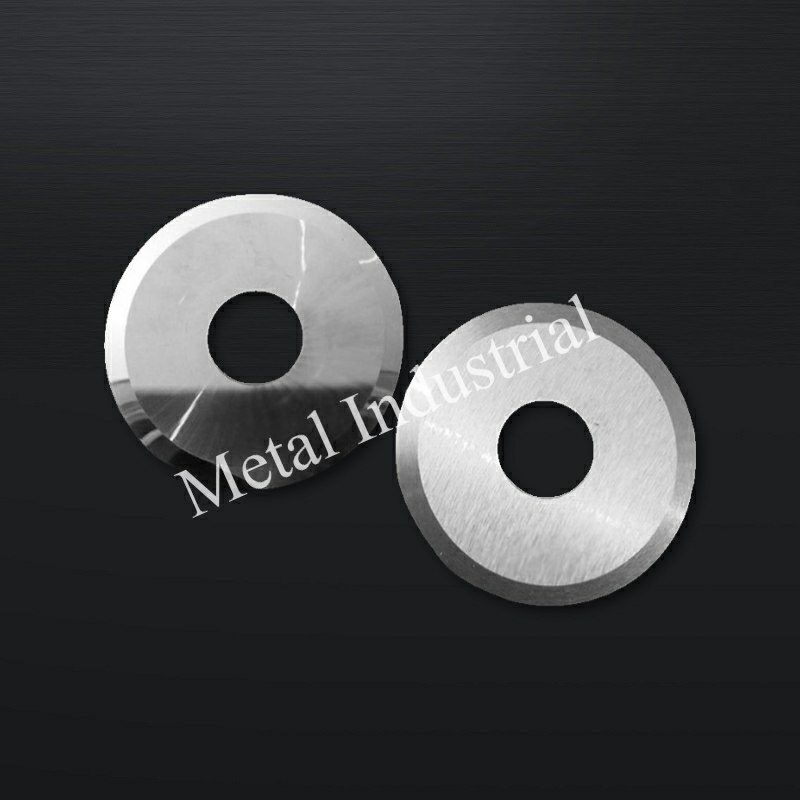
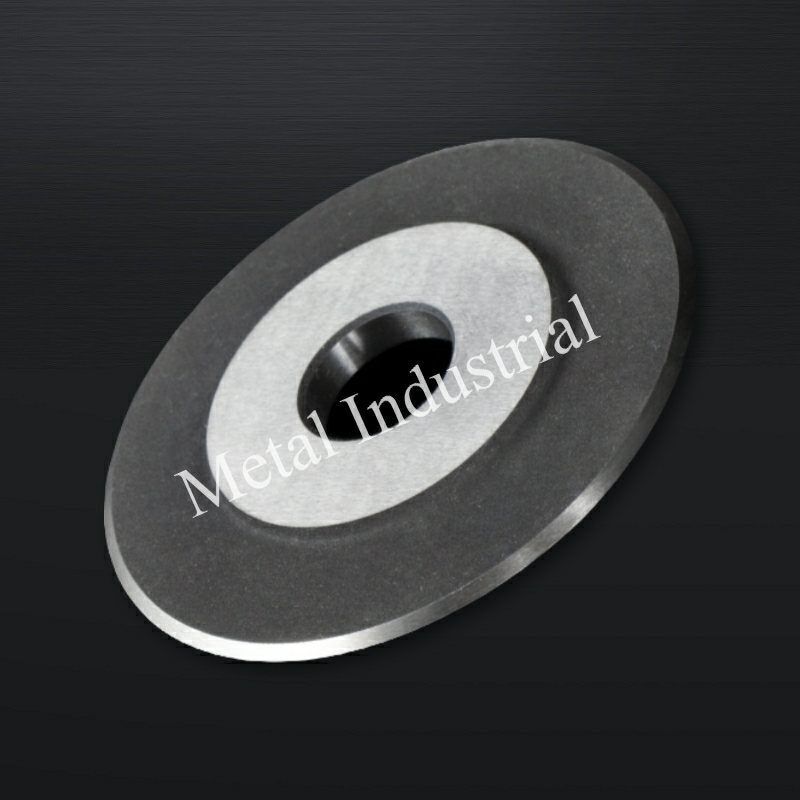
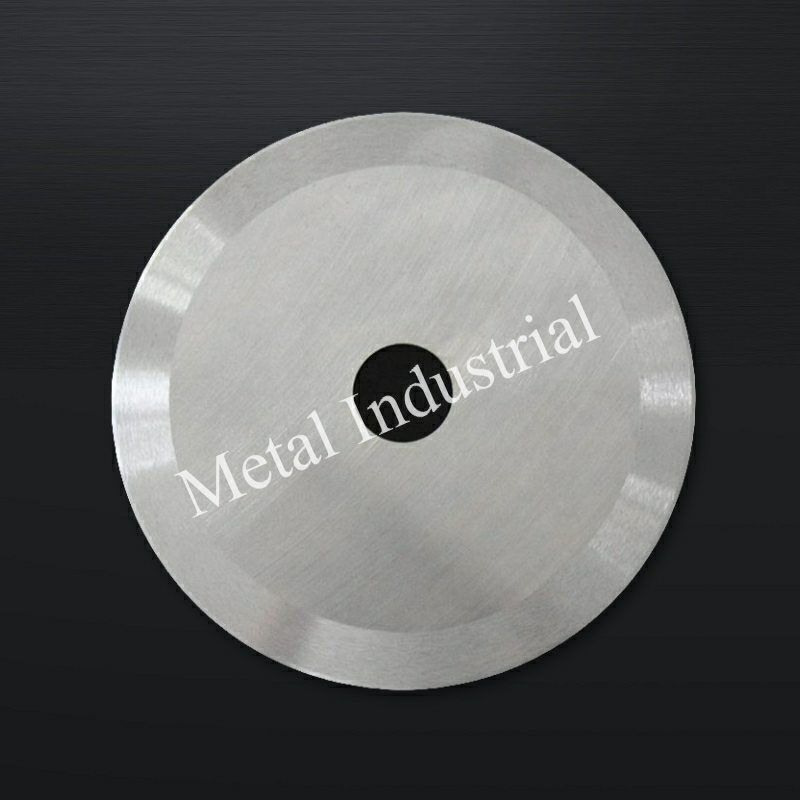
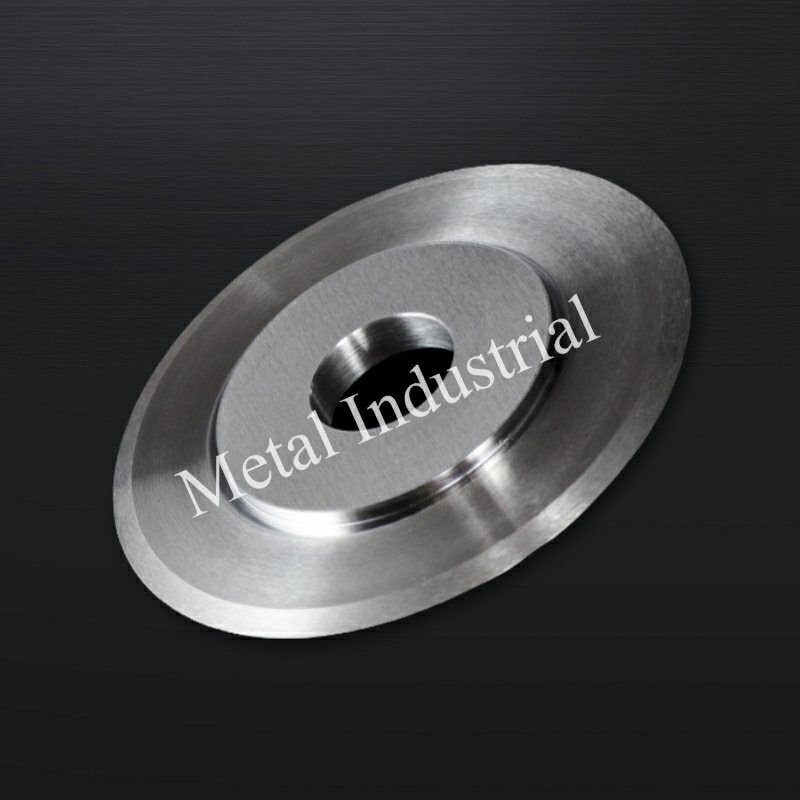
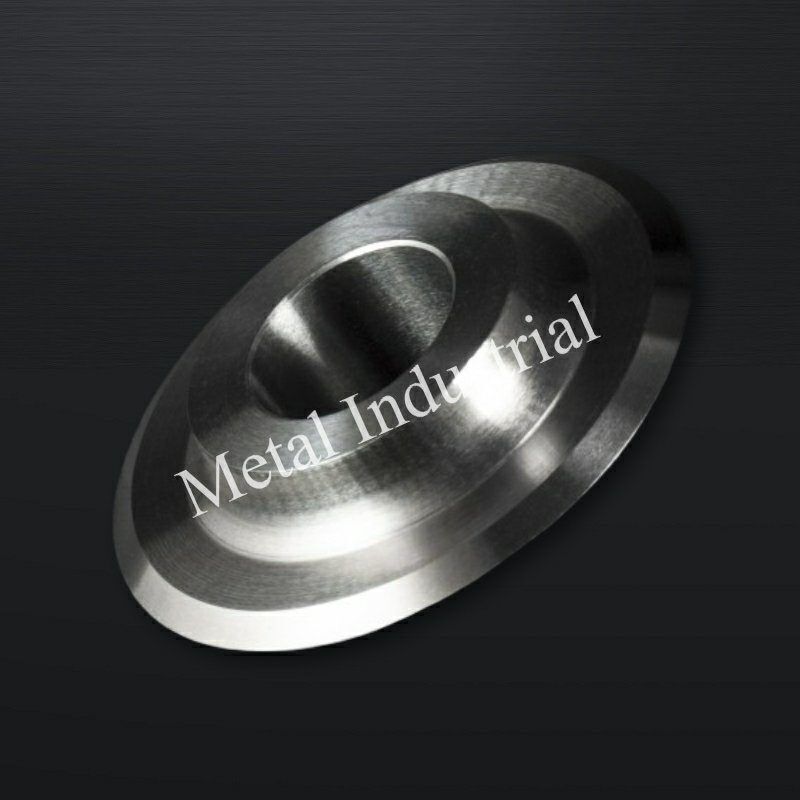
Демонстрация дисковых ножей:


Почему Стоит Выбрать METAL?
- Услуга импорта «под ключ» без хлопот
Наслаждайтесь удобством беспрепятственного импорта. От транспортировки до таможенной очистки мы берем на себя весь процесс. Вам нужно только оплатить НДС и дождаться прибытия товара.
- Конкурентоспособные цены
Наши лезвия используются в бесчисленных областях, и мы готовы взяться за любой проект, который вы нам предложите, обеспечивая точность, долговечность и беспрецедентные конкурентоспособные цены.
- ODM и OEM доступны
Независимо от того, предоставите ли вы чертежи, эскизы или образцы, мы можем разработать и изготовить продукцию для вас. Мы также можем помочь в изменении существующих конструкций и спецификаций для улучшения практически любого применения промышленного инструмента. Пожалуйста, свяжитесь с нашим отделом продаж, чтобы обсудить ваши конкретные требования.
- Контроль качества
Для контроля качества проводится ряд испытаний и проверок, включая проверку первого образца, входной контроль материалов и сертификацию материалов, контроль качества в процессе производства и окончательный контроль качества.
- Гибкие закупки, неограниченное сотрудничество
Независимо от того, являетесь ли вы импортером, дистрибьютором, оптовым продавцом или конечным пользователем, мы приветствуем вас с минимальным MOQ, без проблем с запросами и большей свободой при покупке.
- Зарубежный мониторинг, отчет о ходе производства в режиме реального времени
Станем вашим эксклюзивным монитором, регулярно передавая информацию о каждом важном узле производственной линии. Независимо от расстояния, вы сможете максимально полно отслеживать прогресс производства продукта.



 English