

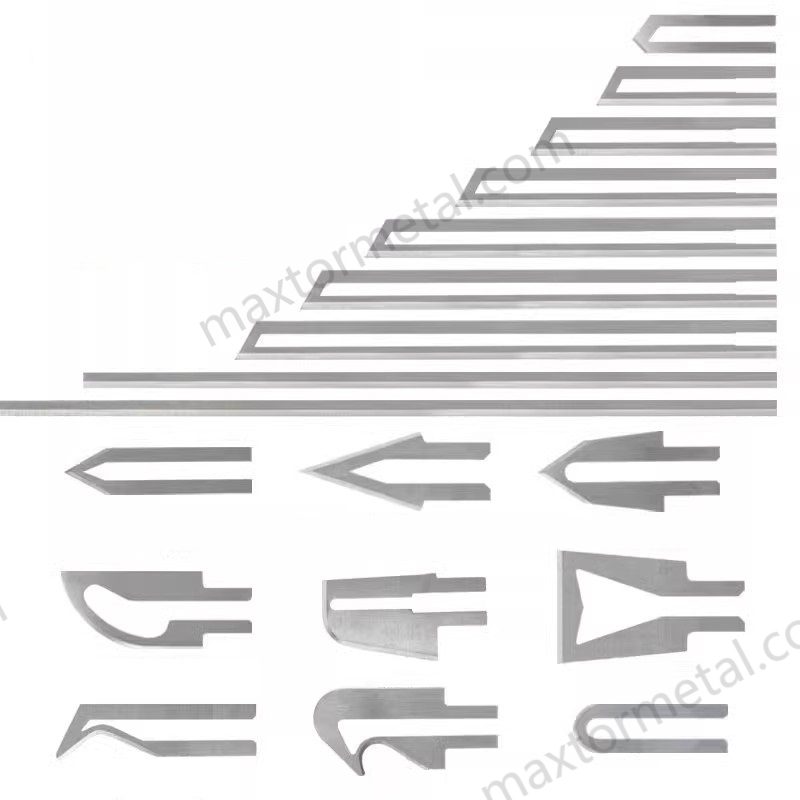
Hot knife blades work in the messy intersection of heat, polymers, and production pressure. When residue builds up, you don’t just get a dirty blade—you get unstable cut quality, more scrap, longer changeovers, and higher total cost of ownership (TCO) through unplanned downtime and premature regrinds.
In practice, “clean hot knife blades” means removing carbonized film, molten polymer smear, adhesive transfer, and dust without changing the blade geometry. Done right, cleaning restores consistent heat transfer and predictable cutting—without rounding the edge or attacking any non-stick or wear-resistant coatings.
In this guide, you’ll learn a safety-first hot knife maintenance SOP—a practical way to handle hot knife blade cleaning, choose compatible cleaners, and build habits that keep residue from becoming a weekly firefight.
Byline & review
Автор: Liang Chen, Senior Application Engineer (Industrial Hot-Cut Blades), MAXTOR METAL — 15+ years in custom, precision-ground industrial blades.
Технический обзор: Reviewed by MAXTOR METAL Quality Team (materials inspection & in-process QC) — April 2026.
Questions or site-specific constraints? Contact our team: https://maxtormetal.com/
Безопасность прежде всего.
Safety & compliance note: This guide is for general maintenance planning and does not replace your facility’s lockout/tagout program, EHS requirements, or the cleaner manufacturer’s Safety Data Sheet (SDS). Always follow your site SOP first, confirm chemical compatibility with blade material/coatings, and consult SDS Section 7 (Handling & Storage), Section 8 (Exposure Controls/PPE), и Section 13 (Disposal) before using or disposing of any solvent or contaminated wipes.
Lockout, cool, verify
Treat cleaning like maintenance, not housekeeping. De-energize the system, lock out the power source, and verify zero energy state before you touch the blade or holder. For program-level guidance, OSHA summarizes the intent of 29 CFR 1910.147—control of hazardous energy: prevent unexpected energization or release of stored energy during servicing and maintenance.
Cooling is non-negotiable. As Carolina Knife notes in its guide to maintaining an industrial hot knife (2025), cleaning should be done only after the tool has completely cooled.
Use a simple verification step before you start:
- Confirm the heater/controller is off and locked out.
- Wait for the blade to reach a safe-handling temperature.
- Verify with an IR thermometer or contact probe if your SOP requires it.
PPE and ventilation
Hot knife residue can include fine particulates, degraded polymers, and solvent vapors. PPE and ventilation aren’t optional—especially if you’re cleaning multiple blades per shift.
Minimum baseline:
- Cut-resistant gloves (appropriate level for your blade size and handling)
- Eye protection
- Respiratory protection if your solvent SDS or residue type requires it
- Local exhaust or well-ventilated work area
Solvent and waste handling
Choose cleaners that are compatible with your blade material and any coating. Use the solvent’s SDS as your rulebook for handling, ventilation, and disposal.
Keep the process controlled:
- Use small amounts on wipes rather than open-bucket soaking.
- Segregate solvent wipes and residue as process waste per your site rules.
- Don’t rinse solvents into drains unless explicitly permitted by the SDS and your EHS policy.
Clean step-by-step
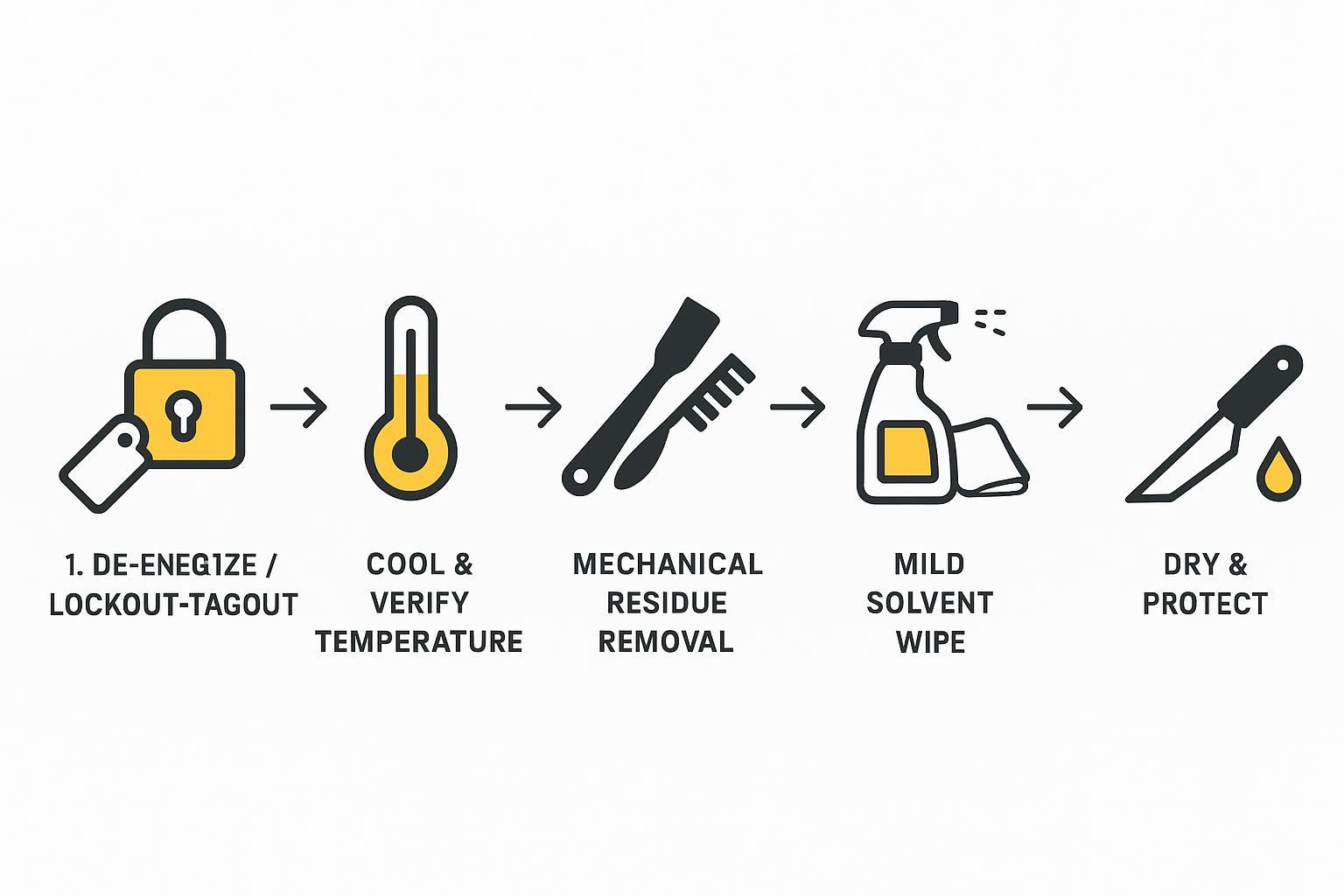
Mechanical removal first
Start dry and gentle. Mechanical removal is the lowest-risk way to remove bulk residue without pushing chemicals under coatings or softening adhesives into a smear.
Практическая последовательность:
- Use a nylon or wood scraper to lift thicker deposits.
- Use a brass brush (light pressure) or a coarse cloth to remove remaining film.
- Wipe the blade face and edge line with a clean microfiber cloth.
Two edge-protection rules that prevent accidental dulling:
- Scrape away from the edge when possible; don’t “dig under” the apex.
- Avoid hard abrasives that change geometry (no sanding belts, no grinding stones, no aggressive Scotch-Brite on the edge).
If your main issue is buildup, focus on removing bulk residue first; trying to remove plastic residue from hot knife blade surfaces with aggressive scrubbing is a common way to round the edge.
Escalate with compatible solvents
If mechanical removal leaves a sticky film, escalate in controlled steps. Your goal is to dissolve residue with the mildest chemistry that works—then stop.
Use a “test small, wipe fast” approach:
- Apply a small amount of cleaner to a cloth (not directly onto hot components).
- Wipe the residue, then immediately wipe again with a clean cloth.
- If your process allows water-based cleaners, rinse/wipe per the product instructions and dry fully.
Compatibility notes that prevent damage:
- Prefer mild, non-caustic cleaners first.
- Avoid leaving solvent pooling at the blade/holder interface.
- If the blade is coated (for example PTFE), avoid aggressive solvents and hard scrubbing that can lift or scratch the coating.
Cleaner escalation decision tree for uncoated steel blades
If your shop primarily uses uncoated carbon steel or stainless steel hot knife blades, a simple escalation path keeps cleaning consistent without jumping to aggressive chemistry.
Start here and escalate only if needed:
- Dry wipe (lint-free cloth): If residue is light powder/soot and wipes clean.
- Mechanical lift (nylon/wood scraper): If you have smeared polymer film or thick deposits.
- IPA wipe (isopropyl alcohol): If you have light oil, tacky film, or thin polymer smear. Apply IPA to a cloth, wipe, then follow with a dry cloth.
- Adhesive/paint remover: Only when residue is clearly adhesive/paint transfer and IPA won’t touch it. Use small amounts, verify the product SDS, and confirm it’s approved for your blade steel and any nearby seals/holders.
Stop rules that protect the edge:
- If residue doesn’t improve after two short cycles at a given step, don’t scrub harder—move to the next step or review process parameters (temperature, dwell, feed).
- If a remover leaves a haze/film, follow the product instructions, then finish with a clean wipe and thorough dry-down.
Mini compatibility matrix
| Blade surface | OK to start with | Escalate to | Avoid unless manufacturer/EHS approves |
|---|---|---|---|
| Uncoated carbon steel | Dry wipe, nylon/wood scrape | IPA wipe | Strong caustics; prolonged soaking; aggressive abrasives on the edge |
| Uncoated stainless steel | Dry wipe, nylon/wood scrape | IPA wipe; approved adhesive/paint remover | Strong caustics; unknown remover chemistry on fixtures/seals; aggressive abrasives on the edge |
Напоминание: Always check the cleaner SDS—especially Section 7 (Handling & Storage), Section 8 (Exposure Controls/PPE), и Section 13 (Disposal)—and follow your site EHS rules for ventilation, gloves, and waste segregation.
Совет профессионала: If you manage multiple blade types, standardize your cleaners by blade/coating family (uncoated steel vs. PTFE-coated vs. other coatings) and label your cleaning kits accordingly. For broader upkeep context, these industrial blade maintenance tips are a useful checklist baseline.
Drying and corrosion protection
Drying is part of cleaning. Residual moisture and cleaner film can cause corrosion, staining, or uneven heat transfer on the next run.
A simple, repeatable finish:
- Wipe dry with a lint-free cloth.
- Use compressed air only if your plant practices allow it and you can control debris.
- Apply a thin corrosion inhibitor or light oil film if your process permits (especially for storage).
Before reinstalling, do a quick verification:
- No visible residue lines on the blade face.
- No tackiness on the edge line.
- The blade-to-holder contact area is clean and dry.
Protect the edge and coating
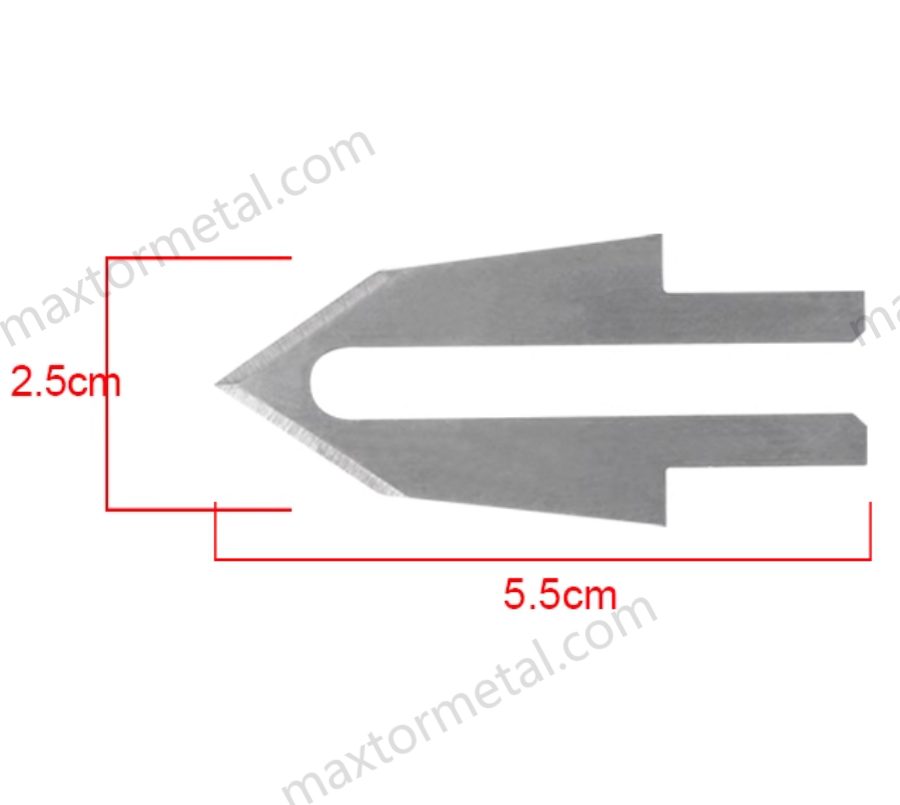
PTFE and steel limits
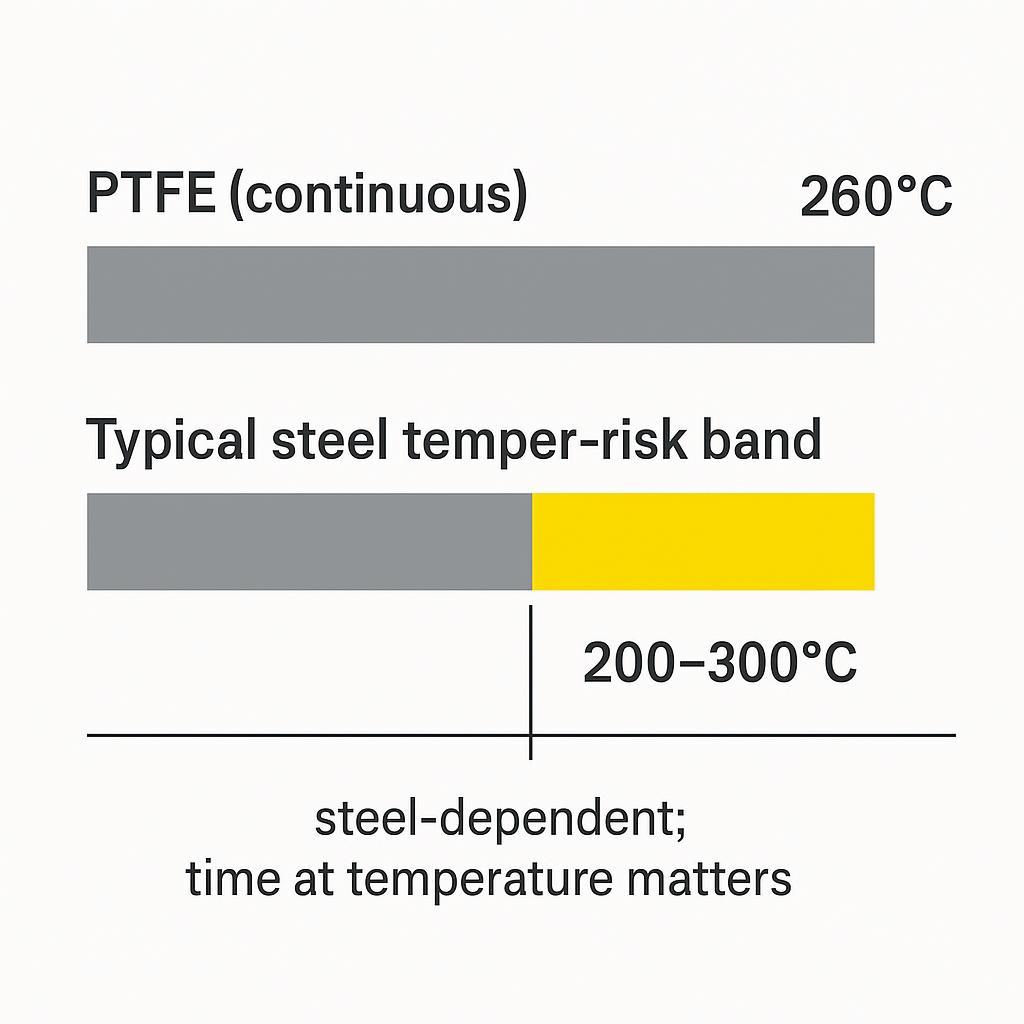
Two temperature facts help you set safer cleaning rules.
First, PTFE coatings have a practical thermal ceiling: Teflon.com describes fluoropolymers like PTFE as having temperature resistance ranging from -200 to 260°C in its chemical and thermal resistance overview, and it notes PTFE resins are rated for continuous service at 260°C (500°F) на своем PTFE product page.
Second, steel hardness and toughness can shift when you reheat into tempering ranges. The American Bladesmith Society notes a noticeable hardness drop begins around 375–400°F in its Heat Treating 101 tempering discussion (2010). For shop-floor SOPs, the practical takeaway is simple: don’t use “heat to burn it off” as a cleaning method unless the blade manufacturer explicitly approves it.
For more coating context (what coatings do, where they help, and what care typically looks like), this industrial blade coatings guide is a useful reference.
What to avoid
Most edge damage comes from shortcuts. Build these into your “do not” list:
- Cleaning while hot: increases burn risk, creates smeared residue, and tempts overheating as a “solution.”
- Over-scrubbing coated surfaces: for PTFE-coated blade cleaning, use mild cleaners and soft tools; treat the coating as a functional surface, not a stain to grind off.
- Abrasives on the edge: steel wool, aggressive pads, sandpaper, or scraping into the apex will round the edge.
- Caustic cleaners without approval: strong alkalis and harsh degreasers can attack certain coatings and discolor steel.
- Soaking powered assemblies: don’t immerse heaters, handles, wiring, or controllers.
- Metal picks or chisels: fast way to chip an edge or gouge a coated surface.
Prevent future buildup
Prevention is mostly about control and cadence, not stronger chemicals. The goal is to keep residue from becoming a baked-on layer.
If you need a formal hot knife maintenance SOP for audits, include: the approved cleaner list by blade/coating type, a cool-down verification step, and a sign-off point after the test cut.
Operational habits that work across shifts (see hot cut knife maintenance tips for a simple cadence model):
- Wipe-down cadence: light wipe at shift end beats aggressive weekly cleaning.
- Parameter discipline: avoid running hotter than required; stabilize feed speed and dwell to reduce smear.
- Edge checks: add a simple “test cut” check after cleaning to confirm the cut line is stable.
- Документация: log cleaner type, frequency, and any coating/edge observations so you can correlate residue with jobs and materials.
MAXTOR METAL supports custom blade materials and non-stick/wear-resistant coatings (including PTFE and hard coatings) plus precision grinding, which can help match cleanability and edge stability to your specific hot-cut application.
Case example: TPU catheter hot-cut cleanup that reduced scrap
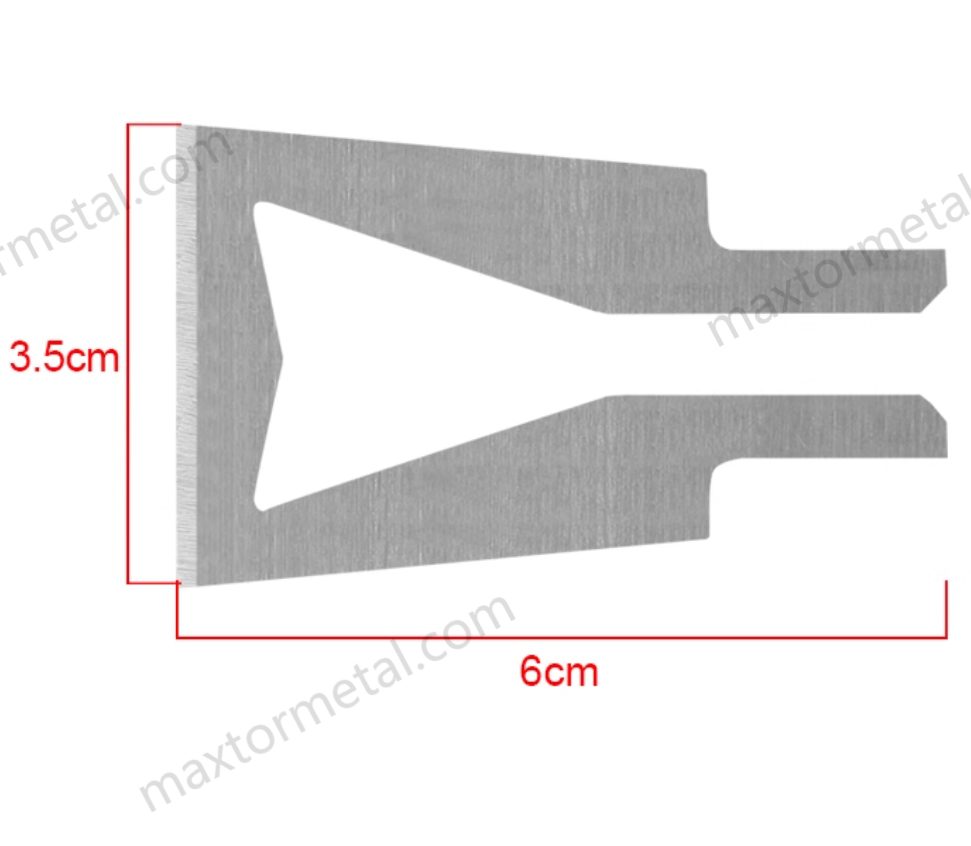
Here’s a real shop-floor example where cleaning discipline mattered as much as the edge itself.
In a medical-grade TPU (thermoplastic polyurethane) catheter hot-cut process, operators saw high-viscosity molten polymer smear plus small carbonized particles build up on the blade face over continuous heating.
Symptoms before cleaning included blade sticking and “stringing” at the cut line, plus end-face deformation on thin-wall tubing from increased friction—pushing parts out of medical tolerance.
Standardized cleaning sequence:
- Mechanical removal (controlled): After the blade is locked out and cooled to a safe handling temperature, use a soft brass brush to remove visible residue. Keep pressure light and brush away from the edge line to avoid rolling the apex.
- Solvent wipe (after cool-down): After the blade cools to a safe handling temperature, wipe with an IPA (isopropyl alcohol) dampened, industrial lint-free cloth to remove remaining film and fine oxidation.
Measured results after standardization:
- Scrap rate from cut-end defects dropped from 8% к below 0.5%.
- Unplanned downtime for blade changeouts fell by about 35% due to preventive cleaning cadence.
Заключение
Clean hot knife blades like a controlled maintenance task: clean only when cool, start with mechanical removal, escalate with mild compatible solvents, then dry and protect. That sequence protects the edge, preserves coatings, and keeps your cut quality stable.
Дальнейшие шаги:
- Document your SOP (lockout, cool-down verification, approved tools/solvents, drying/protection).
- Train across shifts and audit compliance (especially PPE and ventilation).
- Review your solvent list quarterly against coating types and updated SDS requirements.

 English
  Spanish
  Italian
  French
  Portuguese
  Russian
  German
  Arabic
  Hindi
Hindi  Vietnamese
  Indonesian
  Japanese
  Korean