

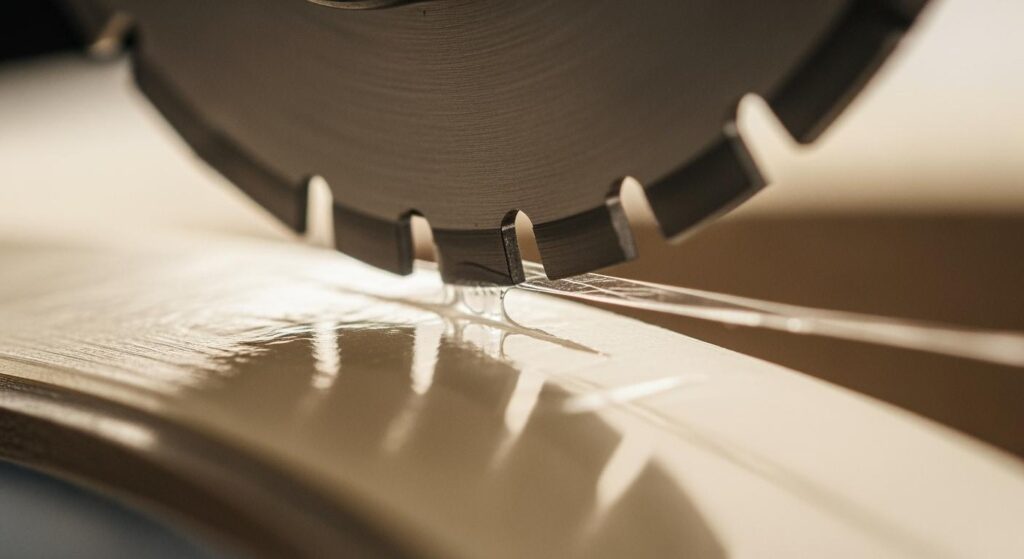
Bạn sử dụng Lưỡi dao cắt xẻng quay cho băng dính để cắt các vật liệu có độ bám dính cao. Những lưỡi dao này giúp bạn xử lý các vấn đề bám dính phức tạp. Sự tích tụ chất keo có thể làm giảm tốc độ sản xuất của bạn. Nếu chọn dao cắt chất lượng tốt, bạn sẽ có được những đường cắt sạch hơn. Đường cắt sạch hơn đồng nghĩa với việc giảm thiểu hao hụt băng keo. Dao cắt làm từ tungsten carbide và high-speed steel có tuổi thọ cao hơn. Những vật liệu này cũng giúp dao hoạt động hiệu quả hơn. Bạn có thể tùy chỉnh các đặc tính của dao để phù hợp với nhu cầu của mình. Một số doanh nghiệp đầu tư dao cắt chất lượng cao hơn cho quy trình sản xuất của họ. Những doanh nghiệp này hoạt động nhanh hơn tới 20%. Họ cũng gặp ít sự cố dừng máy hơn trong quá trình sản xuất.
Những điểm chính
- Dao xẻ tròn cắt các cuộn băng keo lớn thành các cuộn nhỏ. Những lưỡi dao này đóng vai trò quan trọng khi xử lý băng keo có độ dính cao.
- Bạn cần chọn đúng loại dao cắt cho loại băng keo của mình. Dao tròn hoặc dao lam hoạt động hiệu quả cho các độ dày và độ bám dính khác nhau của băng keo.
- Dao cắt sắc bén và sạch sẽ giúp tạo ra các đường cắt mịn màng. Điều này giúp giảm thiểu hao hụt băng keo và tăng tốc độ hoàn thành công việc.
- Vệ sinh dao cắt thường xuyên giúp ngăn ngừa keo tích tụ. Keo bám có thể làm cùn dao và làm hỏng đường cắt.
- Dao cắt được chế tạo từ nhiều vật liệu khác nhau như tungsten carbide hoặc high-speed steel. Những vật liệu này có tuổi thọ cao hơn và hoạt động hiệu quả hơn đối với băng keo dính.
- Một số loại dao được thiết kế tùy chỉnh cho các công việc cắt đặc biệt. Dao cắt tùy chỉnh giúp mang lại kết quả tốt hơn cho các loại băng keo đặc thù.
- Công nhân vận hành nên học cách nhận biết dao bị mòn. Lưỡi dao bị cùn hoặc đường cắt xù xì là dấu hiệu cho thấy dao cần được bảo dưỡng. Điều này giúp duy trì chất lượng đường cắt băng keo.
- Trao đổi với các nhà cung cấp có thể giúp bạn lựa chọn loại dao cắt tối ưu nhất. Nhà cung cấp cũng hỗ trợ bạn trong việc bảo trì dao cắt.
Dao xẻ tròn cho băng keo và chất kết dính
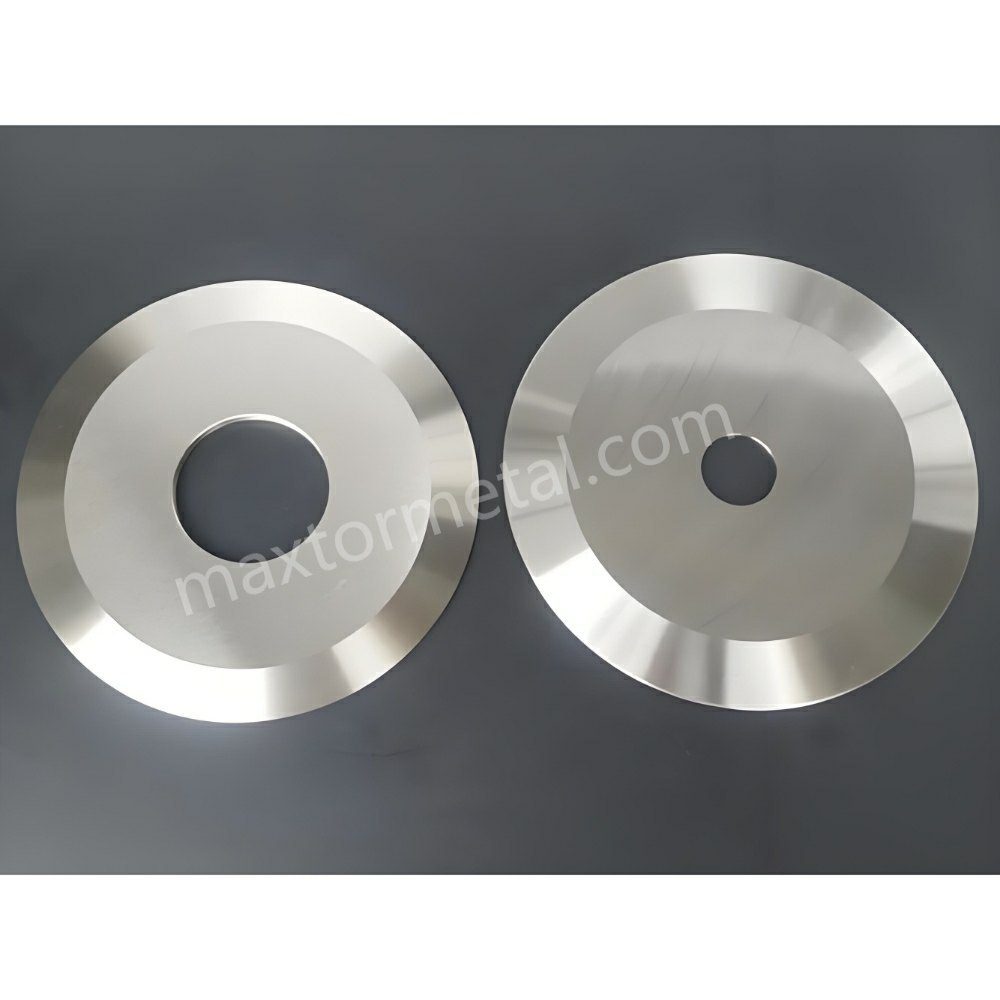
Dao xẻ tròn là gì?
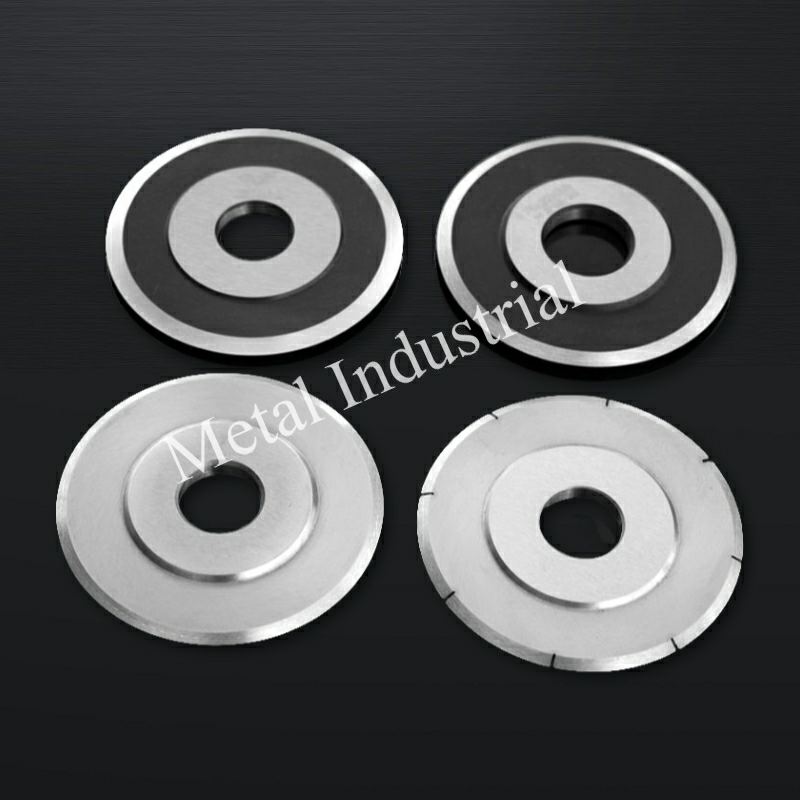
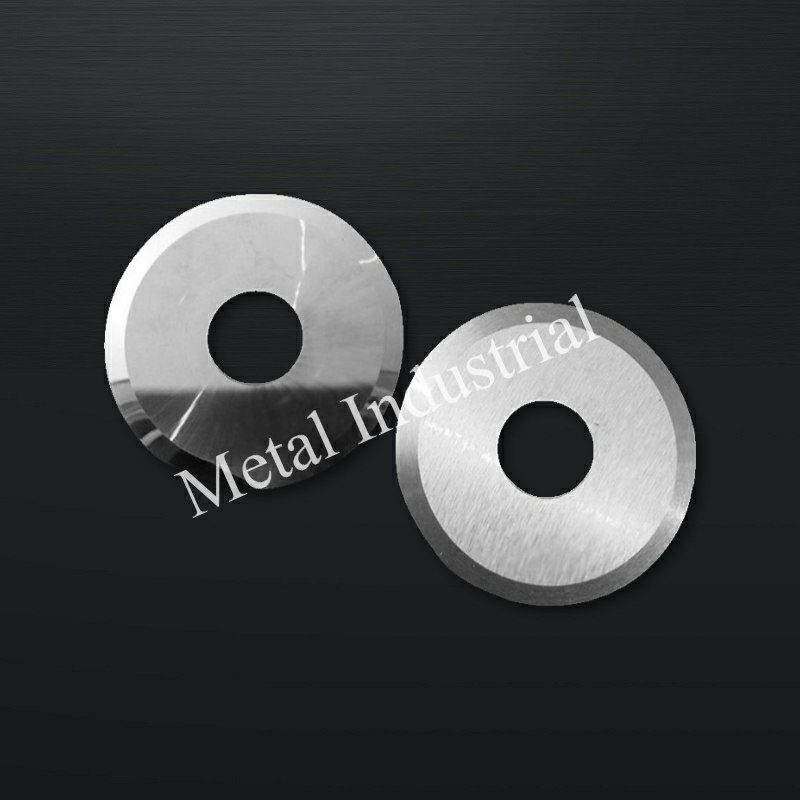
Dao xẻ tròn cắt các cuộn băng keo lớn thành các cuộn nhỏ hơn. Những lưỡi dao này quay với tốc độ cao và cắt vật liệu một cách gọn gàng. Máy móc sử dụng dao xẻ tròn cho các loại băng dính, màng phim và vật liệu mềm dẻo. Dao cắt có nhiều hình dạng và kích thước khác nhau. Một số dao có cạnh sắc bén để cắt mịn. Một số khác được phủ lớp chống dính để ngăn keo bám vào. Bạn nên chọn loại dao phù hợp với vật liệu và yêu cầu công việc của mình.
Dao cắt hoạt động hiệu quả nhất khi chúng sắc bén và sạch sẽ. Dao cùn có thể làm rách băng keo và tạo ra các mép cắt xù xì. Dao sắc bén mang lại những đường cắt thẳng và mịn màng. Nhiều ngành công nghiệp sử dụng loại dao này để giúp đẩy nhanh tốc độ sản xuất và giảm thiểu phế phẩm.
Ứng dụng trong xẻ băng keo
Dao xẻ tròn đóng vai trò quan trọng trong nhiều quy trình sản xuất. Chúng được sử dụng để cắt băng keo nhạy áp lực và băng keo hai mặt. Chúng cũng cắt màng bảo vệ, băng keo giấy và lớp lót không keo. Máy móc sử dụng các lưỡi dao này để sản xuất nhãn mác, bao bì và dệt may.
Dưới đây là bảng thể hiện các ứng dụng và chức năng của dao xẻ tròn:
| Ngành công nghiệp | Mô tả ứng dụng |
|---|---|
| Sản xuất băng keo | Cắt các loại băng keo nhạy áp lực như băng keo điện, băng keo y tế và băng keo công nghiệp. |
| Sản xuất nhãn mác | Cắt các vật liệu nhãn mác như giấy, màng phim và lá nhôm cho các loại nhãn và thẻ tùy chỉnh. |
| Bao bì | Cắt các loại vật liệu bao bì khác nhau. |
| Sản xuất giấy | Cắt các sản phẩm giấy cho nhiều mục đích sử dụng. |
| Dệt may | Cắt vật liệu dệt may để sản xuất sản phẩm. |
Bạn có thể thấy dao xẻ tròn được ứng dụng trong ngành bao bì, giấy, dệt may và sản xuất băng keo. Mỗi công đoạn đều yêu cầu một loại dao cắt phù hợp với băng keo và vật liệu tương ứng. Bạn nên chọn dao cắt dựa trên độ dày, độ bám dính và tốc độ của quy trình sản xuất.
Cắt các vật liệu có độ bám dính cao
Cắt vật liệu dính là một thách thức lớn. Keo có thể tích tụ trên lưỡi dao, làm dao nhanh cùn hơn và gây ra nhiều ma sát hơn. Dao cùn sẽ tạo ra các đường cắt xù xì, không đều. Những vấn đề này có thể ảnh hưởng xấu đến chất lượng sản phẩm của bạn.
Bạn cần giữ cho băng keo ổn định trong quá trình cắt. Nếu băng keo bị xê dịch, các dải băng có thể bị lệch hoặc nhăn. Dao cắt sạch và sắc bén giúp ngăn ngừa hiện tượng rách vật liệu. Kiểm soát sự tích tụ keo giúp tránh lực cản và hư hại. Bạn cũng cần kiểm soát lực căng của băng keo. Lực căng tốt giữ cho băng keo phẳng và giúp đường cắt thẳng hơn.
Dưới đây là một số mẹo khi cắt vật liệu dính:
- Sử dụng dao cắt sạch, sắc bén để ngăn ngừa rách vật liệu.
- Giữ vật liệu ổn định để có đường cắt đẹp.
- Kiểm soát sự tích tụ keo để tránh lực cản và hư hại.
Mẹo: Vệ sinh dao cắt thường xuyên và bảo dưỡng chúng đúng cách. Điều này giúp dao xẻ tròn của bạn có tuổi thọ cao hơn và hoạt động hiệu quả hơn.
Dao xẻ tròn cho băng keo giúp bạn giải quyết các vấn đề về độ bám dính. Bạn sẽ có được những đường cắt mịn hơn, ít hao hụt hơn và kết quả tốt hơn.
Các loại dao cắt cho băng keo và chất kết dính
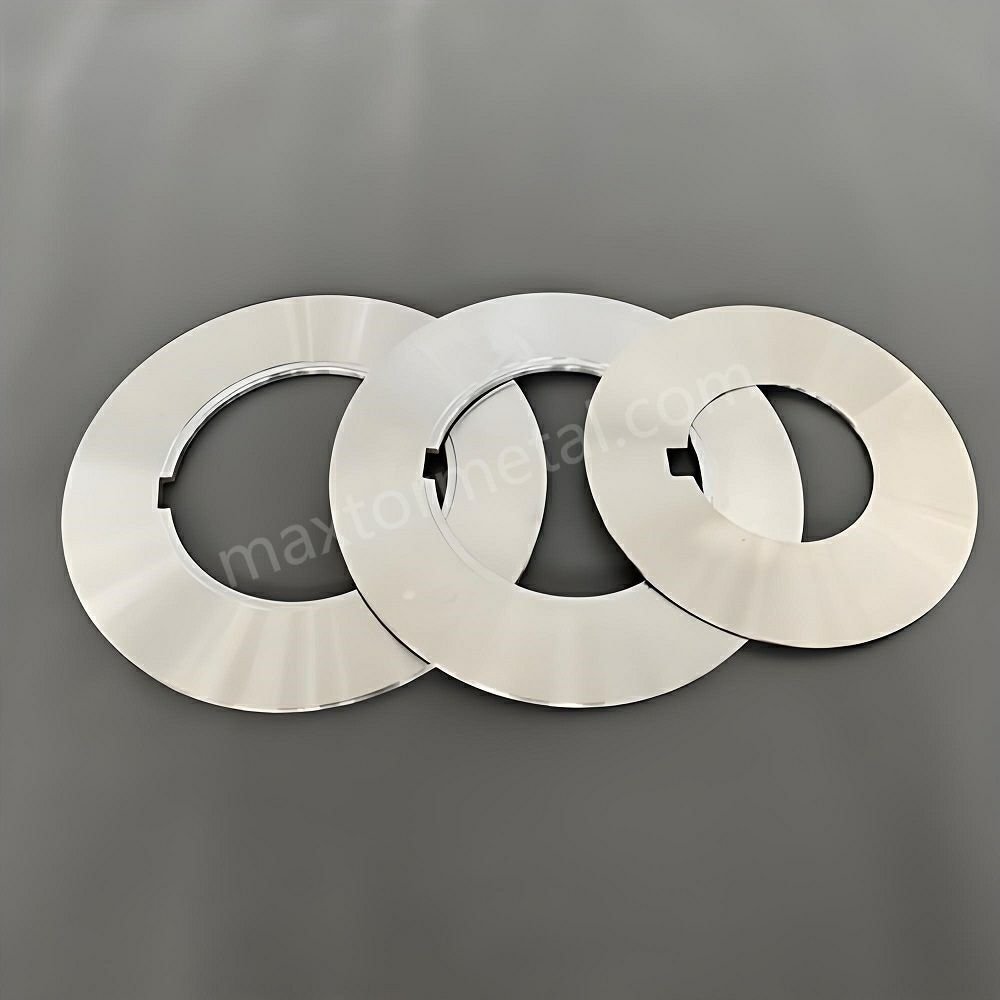
Lưỡi tròn
Các loại băng keo phù hợp
Dao tròn có thể cắt được nhiều loại băng keo khác nhau. Chúng hoạt động hiệu quả với băng keo nhạy áp lực và băng keo hai mặt. Bạn cũng có thể sử dụng chúng cho các loại băng keo dày có độ dính cao. Những lưỡi dao này cũng cắt được màng bảo vệ và băng keo giấy. Lớp lót không keo cũng dễ dàng được xử lý bằng dao tròn. Hầu hết các máy xẻ cuộn đều sử dụng dao tròn, vì vậy chúng rất phổ biến.
- Băng keo nhạy áp lực
- Băng keo hai mặt
- Băng keo độ dính cao và băng keo dày
- Màng bảo vệ
- Băng keo giấy
- Lớp lót không keo
Một số model dao tròn phổ biến cho băng keo và chất kết dính:
- 2-013-K: Thích hợp để cắt băng keo.
- 2-020-K: Cắt băng keo hiệu quả và có độ tin cậy cao.
- 2-020-Z: Có lớp phủ đặc biệt giúp giảm ma sát.
Thuận lợi
Circular blades make cuts that are neat and exact. If you keep them sharp, they last a long time. These blades work fast, so you finish jobs quickly. Shear slitting with circular blades gives smoother cuts than other ways. You see fewer rough edges and less tape waste. Circular blades do not get sticky as fast, so you stop less to clean.
Tip: Circular blades stay sharp and strong, so you do not need to change them often.
Nhược điểm
You need to clean circular blades more when tape is very sticky. These blades can cost more at first than other types. Some tapes are extra sticky and may need special coatings or more blade changes.
Application Example: High-Tack Tape
Circular blades are used a lot for cutting high-tack adhesive tapes in factories. Their strong design helps them stay sharp and cut well. Even sticky tapes are easy for these blades. In car tape making, circular blades help keep edges smooth and stop glue from building up. This means less cleaning and your machine works better.
Lưỡi dao cạo
Các loại băng keo phù hợp
Razor blades are best for thin films and tapes. They work well with low to medium tack adhesive tapes. You can use them for protective films and paper tapes. Razor blades are good for cutting delicate materials.
- Thin films and tapes
- Low to medium tack adhesive tapes
- Màng bảo vệ
- Băng keo giấy
Thuận lợi
Here is a table that shows why razor blades are good for tape slitting:
| Lợi thế | Sự miêu tả |
|---|---|
| High precision | Razor blades make very exact cuts and waste less tape. |
| Cắt tốc độ cao | You can cut lots of tape quickly with razor blades. |
| Minimal burrs | Sharp blades leave fewer rough spots, so you do not need much fixing. |
| Tính linh hoạt | Razor blades can cut paper, plastic, rubber, and textiles. |
| Low tooling costs | The tools are simple and cheap, so you save money. |
| Consistent quality | Razor blades give you good cuts every time. |
Razor blades make clean cuts and keep quality high. These blades are easy to change, so you do not stop production for long.
Nhược điểm
Razor blades do not last long, especially with sticky or rough adhesives. They are not good for thick or very sticky tapes. You may need to change razor blades often to keep cuts smooth.
Score Blades
Các loại băng keo phù hợp
Score blades, also called crush slitting blades, are best for thick or soft materials. You use them for reinforced tapes and special adhesive products. Some pressure-sensitive tapes can be cut with score blades. These blades work well for tough or layered tapes.
- Thick adhesive tapes
- Reinforced tapes
- Specialty adhesive products
- Some pressure-sensitive tapes
Thuận lợi
Score blades are cheap and simple to set up. They can cut materials that other blades cannot. These blades are easy to take care of and work well for making lines or holes without cutting all the way through.
Note: Score blades are good for cutting pressure-sensitive tapes because they handle thick and sticky materials easily.
Nhược điểm
Score blades do not make cuts as smooth as other blades. They can make dust and heat when cutting. You might see marks or fuzzy edges on the tape. These blades only work for some jobs and may not cut sticky tapes very cleanly.
Lưỡi dao chuyên dụng
Các loại băng keo phù hợp
Specialty blades are used for cutting special tapes. These tapes have unique adhesives or layers. Standard blades cannot cut these tapes well. Specialty blades work for:
- Specialty adhesive products
- Custom or engineered tapes
- Reinforced tapes
- Laminated films
Specialty blades can cut tapes with coatings or odd thickness. They also work for tapes with complex shapes. If you need perfect edges or strong adhesives, specialty blades help you get better cuts.
Thuận lợi
Specialty blades have many good points for rotary slitter blades for tape. They are made from high-speed steel, tool steel, or tungsten carbide. These materials make blades last longer and stay strong. Specialty blades come in shapes like solid rings, segmented rings, or custom profiles. You can pick the shape that fits your job.
Some specialty blades have grooves or steps. These features help guide tape and make cuts more accurate. You can change specialty blades to fit your machine and tape. This helps you get cleaner cuts and less waste.
Here is a table that shows what makes specialty blades special:
| Feature Type | Sự miêu tả |
|---|---|
| Vật liệu thông thường | High-Speed Steel, Tool Steels, Tungsten Carbide for durability and performance |
| Common Shapes | Solid rings, segmented rings, custom profiles for precision and efficiency |
| Design Considerations | Grooved surfaces, stepped designs for better guiding and cutting accuracy |
Tip: Specialty blades help you fix hard cutting problems. You can use them for tapes that need special care or have tricky adhesives.
Nhược điểm
Specialty blades cost more than regular blades. You might wait longer for lưỡi dao tùy chỉnh designs. These blades are best for certain jobs, not all tapes. Specialty blades need careful setup and sometimes expert advice to pick the right one.
Comparing Blade Types
You should look at blade types before picking rotary slitter blades for tape. Each blade type has good and bad sides. Circular blades make clean cuts and work for sticky tapes. Razor blades are very exact for thin films. Score blades cut thick or strong tapes. Specialty blades are for custom or special tapes.
Here is a table that compares blade types for cutting and how long they last:
| Loại lưỡi dao | Cắt chính xác | Độ bền | Các loại băng keo phù hợp |
|---|---|---|---|
| Hình tròn | Cao | Cao | Pressure-sensitive, high-tack, double-sided, protective films, paper tapes |
| Razor | Rất cao | Thấp | Thin films, low-medium tack, protective films, paper tapes |
| Score | Trung bình | Trung bình | Thick, reinforced, specialty adhesive products |
| Chuyên ngành | Rất cao | Rất cao | Custom, engineered, reinforced, specialty adhesive products |
Note: Match the blade type to your tape and adhesive. This helps you get the best cuts and keeps your work going smoothly.
When you choose rotary slitter blades for tape, think about your tape, adhesive, and how fast you need to work. Specialty blades are good for hard jobs. Circular, razor, and score blades work for most normal jobs. You can ask your supplier for custom blades if you need something special.
Vật liệu và hiệu suất của dao cắt
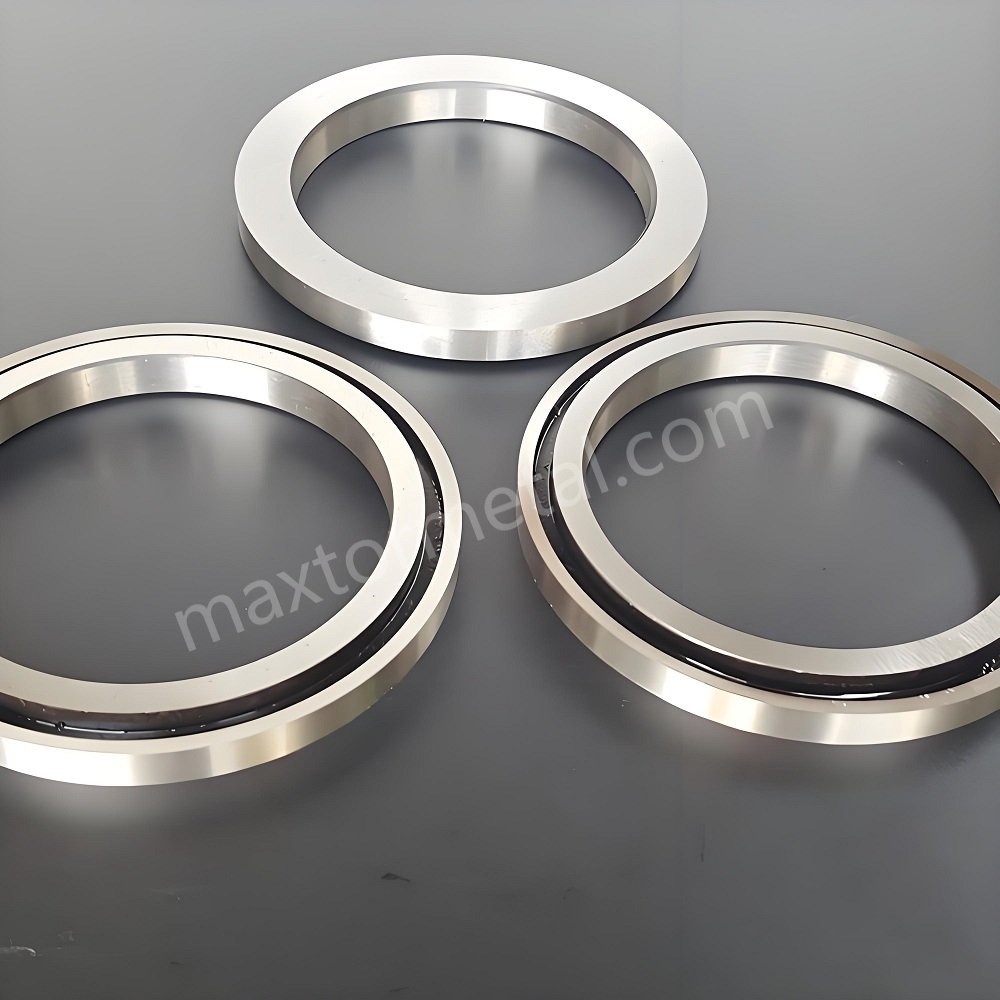
Thép công cụ
Tool steel is used a lot in rotary slitter blades for tape. It gives blades a strong edge that stays sharp for many cuts. You can use tool steel blades for different tapes, like pressure-sensitive and double-sided adhesive tapes. Tool steel does not bend or chip easily, so cuts are always reliable. These blades are good for jobs that need strength and accuracy. You can sharpen tool steel blades without much trouble. This helps your slitting machine work well. Tool steel can handle some sticky glue, but you should clean blades often to keep them working right.
Tip: Tool steel blades are a smart pick if you want good performance and do not want to spend too much.
Cacbua Vonfram
Tungsten carbide is great for rotary slitter blades for tape. These blades last much longer than most other blade materials. Tungsten carbide blades stay sharp even when cutting sticky or tough tapes. You can use these blades for high-tack adhesives and thick tapes. Tungsten carbide blades can last up to ten times longer than high-speed steel blades in hard jobs. These blades stay sharp for a long time and cut tough materials faster than high-speed steel blades. You do not need to change tungsten carbide blades often, so you save time. These blades do not wear out quickly and keep their edge even with lots of use. If you cut sticky tapes that make blades dull fast, tungsten carbide helps you get clean cuts and work faster.
Note: Tungsten carbide blades cost more, but you save time and money because you do not change blades as much.
Thép tốc độ cao
High-speed steel gives you both speed and sharpness for rotary slitter blades for tape. You can use high-speed steel blades for many tapes, like thin films and medium-tack adhesives. These blades cut fast and stay sharp for many jobs. High-speed steel blades work well in machines that cut tape quickly. You get clean cuts and steady results. These blades do not last as long as tungsten carbide, but you can sharpen them easily. High-speed steel is a popular choice when you want both speed and good quality.
Đây là một table that shows how blade material affects cutting sticky adhesive tapes:
| Vật liệu lưỡi | Độ bền | Cắt chính xác | Resistance to Wear |
|---|---|---|---|
| Thép với hàm lượng các bon cao | Vừa phải | Tốt | Vừa phải |
| Cacbua Vonfram | Cao | Xuất sắc | Ngoại lệ |
| Gốm sứ | Vừa phải | Cao | Cao |
Tip: Pick high-speed steel blades if you want fast, sharp cuts and easy care for your tape slitting jobs.
Lưỡi dao tráng phủ
It is hard to cut tape because glue sticks to blades. Sticky glue can slow you down and make cuts messy. Coated blades help fix these problems. Makers put special coatings on the blade surface. These coatings use things like titanium nitride or ceramic. The coating makes a smooth layer that stops glue from sticking.
You get many good things when you use coated blades for sticky tapes:
- Coated blades last longer. The coating keeps the blade safe from damage, so you do not need new blades often.
- The coating stops chemical damage. Sticky adhesives can hurt normal blades, but coated blades do not get damaged as easily.
- You get better cuts. The smooth coating helps the blade move through tape without dragging or ripping.
- Coated blades help keep your work clean. Less glue sticks to the blade, so you do not have to clean as much.
You can also use coated razor blades and solid ceramic blades to stop glue from building up. Some blades get polished to make them even smoother. This means less glue and dust will stick. Sharp tungsten carbide edges also help stop glue from building up and keep tape edges neat.
Tip: If you cut tape with strong glue, try coated blades. You will see less glue on your blades and get cleaner cuts.
Material Selection for Sticky Tapes
Picking the right blade material is important for sticky tapes. Rotary slitter blades for tape come in different materials. Each material works best for certain jobs.
Look for these things when you choose a blade for sticky tapes:
- High resistance to glue buildup
- Strong edge that stays sharp
- Can handle tough or thick glue
Here is a table to help you compare blade materials for sticky tape cutting:
| Vật liệu lưỡi | Tốt nhất cho | Lợi ích chính | Ghi chú |
|---|---|---|---|
| Cacbua Vonfram | High-tack, thick adhesives | Lasts long, sharp edge | Stops glue buildup, less downtime |
| Coated Razor Blades | Strong glue, thin films | Less glue sticks | Smooth surface, easy to clean |
| Solid Ceramic | Sticky tapes, clean cuts | Stops glue and dust | Needs careful use |
| Thép công cụ | Regular sticky tapes | Good price and strong | Needs cleaning often |
| Thép tốc độ cao | Fast cutting, medium glue | Sharp, easy to sharpen | Not for very sticky tapes |
You can ask your supplier about blades with extra polishing. This makes the blade even smoother. Less glue and dust will stick, so you get better cuts.
Note: Always match your blade material to your tape type. The right blade helps you cut faster, waste less, and keep your rotary slitter blades for tape working longer.
If you cut many kinds of tape, keep a few blade choices ready. You can switch blades based on the tape and glue you need to cut. This helps you get the best results from your rotary slitter blades for tape every time.
Lựa chọn dao cắt cho các ứng dụng băng keo
Picking the right rotary slitter blades for tape helps you make clean cuts. This also helps your work go faster. You need to think about a few things before you choose a blade.
Key Parameters
Tape Type
You should know what tape you want to cut. Some tapes are thin and soft. Others are thick and strong. Pressure-sensitive tapes, double-sided tapes, and protective films need different blades. Razor blades work best for thin films. Circular or score blades are good for thick or reinforced tapes. If you use special tapes, you might need custom slitter machine blades.
- Razor blades are for thin films and tapes.
- Circular or score blades are for thick adhesive tapes.
- Custom slitter machine blades are for specialty tapes.
Adhesive Properties
The glue on your tape changes which blade you need. Sticky glue can build up on blades and slow your machine. Blades with coatings like Titanium Nitride or Teflon help stop glue from sticking. Thin knives with small tips give cleaner cuts and less drag. Double bevel knives with angles between 20° and 25° work well for sticky tapes. Strong blade materials like D2, M2, or carbide last longer when cutting tapes with tough glue.
Tip: Keep your blades sharp and clean. This stops glue problems and keeps cuts smooth.
Slitting Speed
Think about how fast your machine works. Fast slitting needs blades that stay sharp and strong. High-speed steel blades are good for quick jobs in packaging and textiles. Carbide blades last longer and work well for hard jobs, but cost more. If your machine is slow, you can use blades that are not as hard.
- Use high-speed steel or carbide blades for fast slitting.
- Use tool steel or coated blades for slow slitting.
Matching Blade to Tape
You need to match your rotary slitter blades for tape to your tape and glue. Start by checking tape thickness and glue strength. Razor blades are best for thin tapes with light glue. Circular or carbide blades are better for thick tapes with strong glue. Custom slitter machine blades are needed for special tapes.
Check your machine settings too. Blade type, blade material, and speed all change your results. Using the wrong blade can make rough edges, waste tape, or cause more stops.
Here is a simple checklist to help you pick your blade:
- Check tape thickness and glue type.
- Pick blade material for your tape and glue.
- Choose blade shape and edge for your machine.
- Make sure your blade matches your slitting speed.
Note: If glue is sticky or cuts are rough, try blades with smooth coatings or sharper edges.
Tùy chọn tùy chỉnh
You can get custom blades if you have special cutting needs. Custom slitter machine blades let you pick the right material, hardness, and edge shape. You can also choose blades with special coatings or shapes to work better and waste less.
| Khía cạnh tùy chỉnh | Sự miêu tả |
|---|---|
| Special Cutting Needs | Blades can be made for special cutting jobs. |
| Lựa chọn vật liệu | Companies can pick the best material for their job. |
| Hardness and Edge Shape | You can choose how hard and what shape the blade edge is. |
| Performance Enhancement | Custom blades help you work better and waste less tape. |
If you want to know more about custom blades, visit the trang lưỡi dao tùy chỉnh.
Working with a good supplier helps you get the best rotary slitter blades for tape. Nanjing Metal Industrial gives custom solutions, high-quality blades, and expert help.
| Lợi ích | Sự miêu tả |
|---|---|
| Giải pháp tùy chỉnh | Suppliers can make blades for your job, so you work better. |
| Lưỡi dao chất lượng cao | Good blades meet standards and help keep your products good. |
| Dịch vụ chuyên nghiệp | Experts can help you work better and make your tape cutting smoother. |
Tip: Work with your supplier to get custom slitter machine blades that fit your tape and machine. This helps you cut better and waste less.
You can cut tape better by picking the right rotary slitter blades for tape, matching them to your tape and glue, and using custom blades if you need them. Good blade choices help you work faster, waste less, and keep your machines working well.
Bảo trì và tuổi thọ

Cleaning Adhesive Residue
Sticky adhesives can pile up on rotary slitter blades for tape. This sticky stuff makes blades dull and causes rough cuts. You should clean your blades after every time you use them. Use a soft cloth that does not leave lint and a cleaner made for blades. This way, glue comes off without scratching the blade. Do not use rough cleaners or metal tools. These can hurt the blade edge and make it wear out faster.
- Wipe blades with a soft, lint-free cloth.
- Use a blade-safe cleaner to get rid of sticky glue.
- Clean blades after each time you finish cutting.
- Never use metal scrapers or strong chemicals.
Tip: Cleaning your rotary slitter blades for tape often keeps them sharp and ready for work.
Mài và Thay thế
You need to keep rotary slitter blades for tape sharp for good cuts. Dull blades can rip tape and slow you down. Check your blades every week to see if they are still sharp. Look for burrs, scratches, or extra glue stuck to the blade. If you see these signs, sharpen or replace the blade.
How often you change blades depends on what they are made of and what tape you cut. Here is a table that shows when to replace different blades:
| Vật liệu dụng cụ | Applicable Tapes | Reference Replacement Cycle | Các yếu tố chính | Replacement Warnings |
|---|---|---|---|---|
| Cacbua Vonfram | General transparent/BOPP/sealing | 500–800 hrs (80,000–100,000 cuts) | Tape tack (high-tack shortens cycle by 20%) | Continuous burrs, increased adhesive residue |
| Ceramic (Zirconia) | Medical-grade/optically clear | 200–400 hrs (50,000–60,000 cuts) | Blade temp (≤120℃), impact load | Edge chipping >0.03mm, reduced light transmittance |
| Diamond-Coated (PCD) | High-tack foam/electronic | 800–1200 hrs (120,000–150,000 cuts) | Coating anti-adhesion, cleaning frequency | Local coating peeling, tape sticking |
| TiC-Coated (Titanium Carbide) | Aluminum foil/high-temp tape | 400–600 hrs (60,000–80,000 cuts) | Coating stability in high temps | Coating discoloration, carbonized cut edges |
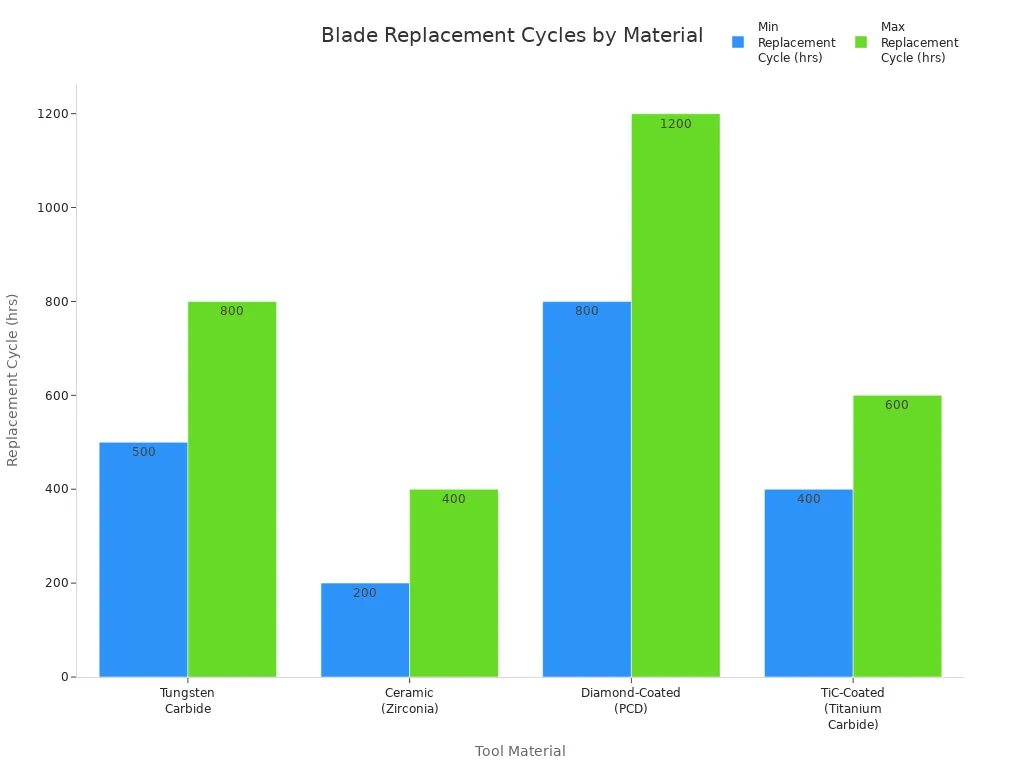
Note: Sticky tapes can make blades wear out up to 20% faster. If you see burrs or lots of glue, it is time to sharpen or change the blade.
Storage Best Practices
Storing rotary slitter blades for tape the right way helps them last longer. Always keep blades in a dry place with good air flow. Wet air can cause rust, especially on carbon steel blades. Make sure blades are dry before you put them away. Put a thin layer of oil on the blade to stop rust. Use cases or soft cloth bags to keep dust and water away.
- Store blades in a dry, cool place.
- Oil blades a little before storing for a long time.
- Use cases or cloth bags for protection.
- Never put away wet blades.
- Thường xuyên vệ sinh và tra dầu cho lưỡi dao.
Tip: Taking care of your rotary slitter blades for tape and storing them right keeps them ready for your next job.
Dấu hiệu hao mòn
You need to check rotary slitter blades for tape often. Worn blades can cause problems in your cutting process. If you spot signs of wear early, you can fix issues before they get worse. This helps you keep your production smooth and your tape quality high.
When you use rotary slitter blades for tape, you may notice changes in how the blade cuts. Sometimes, the blade does not slice as easily. You might see rough edges or uneven strips. These are clues that your blade needs attention.
Here are some common signs that show your rotary slitter blades for tape are wearing out:
- You see small chips or cracks on the blade edge. These chips can happen after cutting tough or sticky tapes.
- The blade edge looks rounded or blunt. A sharp blade should have a clean, straight edge. If it looks dull, it will drag through tape instead of slicing.
- You feel more resistance when cutting. If you need to push harder, the blade is probably dull. This extra force can stress your machine and slow down your work.
- The cut quality drops. You may notice rough or jagged edges on the tape. Clean cuts mean the blade is sharp. Bad cuts mean it is time to sharpen or replace the blade.
- Burrs form on the tape after cutting. Burrs are small bits of tape or adhesive left on the edge. More burrs mean the blade is not sharp enough.
- The width of the tape strips changes. If you see strips that are not the same size, the blade may be damaged or dull. This can lead to wasted material.
You can use the table below to help you spot signs of wear in rotary slitter blades for tape:
| Sign of Wear | Sự miêu tả |
|---|---|
| Visible Chips or Nicks | Small chips, dents, or cracks on the edge after cutting tough materials. |
| Rounded or Blunt Edges | Blade edge looks dull, causing dragging instead of slicing. |
| Increased Cutting Resistance | You need more force to cut, which stresses the machine. |
| Declining Cut Quality | Cuts become rough or jagged, showing the blade needs sharpening. |
| Increased Burr Formation | More burrs left on tape after cutting, meaning the blade is not sharp. |
| Inconsistent Cut Widths | Tape strips vary in width, showing the blade is dull or damaged. |
Tip: Check your rotary slitter blades for tape before each shift. Early detection of wear helps you avoid bigger problems and keeps your cuts clean.
If you notice any of these signs, you should clean, sharpen, or replace your blade. Keeping your rotary slitter blades for tape in good shape helps you save time and reduce waste. Regular checks make your slitting process safer and more efficient.
You can train your team to spot these signs. When everyone knows what to look for, you catch problems faster. This keeps your machines running well and your tape products looking their best.
Lời khuyên thực tế cho các nhà sản xuất băng keo
Implementing Best Practices
You can get better slitting results by using some simple steps. Make a schedule to check your rotary slitter blades for tape often. Look at the blade before each work shift. Clean the blade after every use to get rid of dust and glue. This helps keep the blade sharp for the next job.
Put a little oil on the blade to stop rust. Always make sure the blade is lined up right in the machine. If the blade is not lined up, you might get uneven cuts and waste tape. Check knife holders often. Look for worn parts, add oil, and change old pieces. Taking care of knife holders helps you get good cuts and makes blades last longer.
Here are some steps you can follow:
- Use sharp blades for smooth cuts. This stops dust and rough tape edges.
- Try coated blades if you want them to last longer and cut better.
- Use solid ceramic or tungsten carbide blades for blades that last even longer.
Tip: Keeping up with blade and knife holder care can really help you make adhesive tape better.
Đào tạo vận hành
Operators are important for keeping rotary slitter blades for tape working well. Teach your team to look for dull blades or rough cuts. Show them how to clean and handle blades safely. Make sure they know how to check blade alignment and tension before starting the machine.
Use easy checklists to help operators remember what to do. For example:
- Look for chips or dull spots on blades.
- Clean blades after every shift.
- Check if the blade is lined up and tight.
- Tell someone if there is a problem.
A trained operator can find problems early. This helps stop delays and keeps your machines running well.
Hỗ trợ nhà cung cấp
You do not have to fix every problem by yourself. Good suppliers can help you get the best from your rotary slitter blades for tape.
A helpful supplier can do these things for you:
| Support Area | How It Helps You |
|---|---|
| Lựa chọn lưỡi dao | Helps you pick the right blade for your tape and glue |
| Maintenance Advice | Shows you how to care for blades and knife holders |
| Giải pháp tùy chỉnh | Makes blades for special or hard jobs |
| Xử lý sự cố | Helps you fix cutting problems fast |
Note: Working closely with your supplier gives you new blade ideas and the best ways to use them.
If you follow these tips, your rotary slitter blades for tape will work better and help you make more good adhesive tape.
Troubleshooting Slitting Issues
You may face problems when using rotary slitter blades for tape. These issues can slow down your work or lower your product quality. Knowing how to spot and fix these problems helps you keep your slitting process smooth.
Common Slitting Problems
Here are some issues you might see:
- Rough or jagged tape edges
- Tape tearing or stretching
- Adhesive buildup on blades
- Uneven tape widths
- Blade chipping or dulling too fast
- Tape sticking to the blade
Causes and Solutions
You can use this table to match problems with their likely causes and solutions:
| Vấn đề | Possible Cause | Giải pháp |
|---|---|---|
| Rough or jagged edges | Dull blade, wrong angle | Sharpen blade, check blade alignment |
| Tape tearing | Blade too dull, wrong tension | Use sharper blade, adjust tape tension |
| Adhesive buildup | Sticky tape, no coating | Clean blade, use coated or polished blade |
| Uneven tape widths | Lưỡi dao bị lệch | Realign blade, check machine settings |
| Blade dulls quickly | Cutting high-tack tape | Use harder blade material, clean often |
| Tape sticks to blade | No anti-stick coating | Try coated blade, reduce blade heat |
Tip: Always check your rotary slitter blades for tape before starting a new job. Early checks help you catch problems before they get worse.
Step-by-Step Troubleshooting
- Kiểm tra lưỡi dao
Look for chips, dull spots, or glue on the blade edge. Replace or clean the blade if needed. - Kiểm tra độ thẳng hàng của lưỡi dao
Make sure the blade sits straight in the holder. Misaligned blades cause uneven cuts. - Adjust Tape Tension
Too much or too little tension can stretch or wrinkle tape. Set the tension to keep tape flat. - Làm sạch lưỡi dao
Wipe off glue and dust after each shift. Use a soft cloth and blade-safe cleaner. - Review Machine Settings
Check speed, pressure, and blade angle. Small changes can fix many cutting problems.
When to Ask for Help
If you try these steps and still have trouble, talk to your blade supplier or machine technician. They can help you find the right rotary slitter blades for tape or adjust your setup for better results.
Note: Keeping a log of problems and solutions helps you spot patterns. This makes future troubleshooting faster and easier.
You can solve most slitting issues by checking your blades, cleaning often, and making small adjustments. Good troubleshooting keeps your rotary slitter blades for tape working well and your production on track.
You should pick the right rotary slitter blades for tape. This helps you make clean cuts and waste less tape. The blade’s material and type matter a lot. Taking care of blades helps you work faster. It also keeps your machines working well. Custom blades can fix hard cutting problems. Experts can help you choose the best blade. If you want better results, ask a sales engineer for help with rotary slitter blades for tape. Contact us here to get started.
Câu hỏi thường gặp
What are rotary slitter blades for tape?
Rotary slitter blades for tape cut wide rolls of tape into smaller strips. You use these blades in machines to get clean, straight cuts. They help you handle sticky adhesives and different tape types.
How do you choose the right blade for sticky tape?
You look at tape thickness and adhesive strength. Pick rotary slitter blades for tape made from tungsten carbide or coated steel for sticky tapes. Ask your supplier for advice if you need help.
How often should you clean rotary slitter blades for tape?
You should clean blades after every use. Sticky adhesives build up fast. Regular cleaning keeps blades sharp and helps you get better cuts.
What signs show rotary slitter blades for tape need replacing?
Watch for dull edges, chips, or rough tape cuts. If you see more adhesive on the blade or uneven tape strips, you should replace or sharpen the blade.
Can you use rotary slitter blades for tape on different materials?
Yes, you can use rotary slitter blades for tape on paper, film, rubber, and textiles. You need to match the blade type and material to your job for best results.
Why do rotary slitter blades for tape get dull quickly with sticky adhesives?
Sticky adhesives stick to the blade edge. This causes friction and makes the blade dull faster. Cleaning and using coated blades help slow down wear.
How do you store rotary slitter blades for tape safely?
Store blades in a dry, cool place. Use blade cases or cloth bags. Add a thin layer of oil to prevent rust. Always keep blades away from moisture.
Xem thêm
Những Lỗi Thường Gặp Khi Khắc Phục Sự Cố Lưỡi Dao Cắt Xẻng Quay và Cách Khắc Phục
Kéo dài tuổi thọ lưỡi dao: Hướng dẫn đầy đủ về cách mài lưỡi dao máy cắt quay
Lưỡi Dao Cắt Xẻng Quay Độ Chính Xác Cao cho Cắt Xẻng Phim và Lá Kim Loại
Lưỡi Dao Cắt Xẻng Quay Tốt Nhất cho Việc Xẻ Kim Loại
Cách Đạt Được Các Vết Cắt Hoàn Hảo với Lưỡi Dao Cắt Xẻng Quay cho Giấy

 English
  Spanish
  Italian
  French
  Portuguese
  Russian
  German
  Arabic
  Hindi
Hindi  Vietnamese
  Indonesian
  Japanese
  Korean