

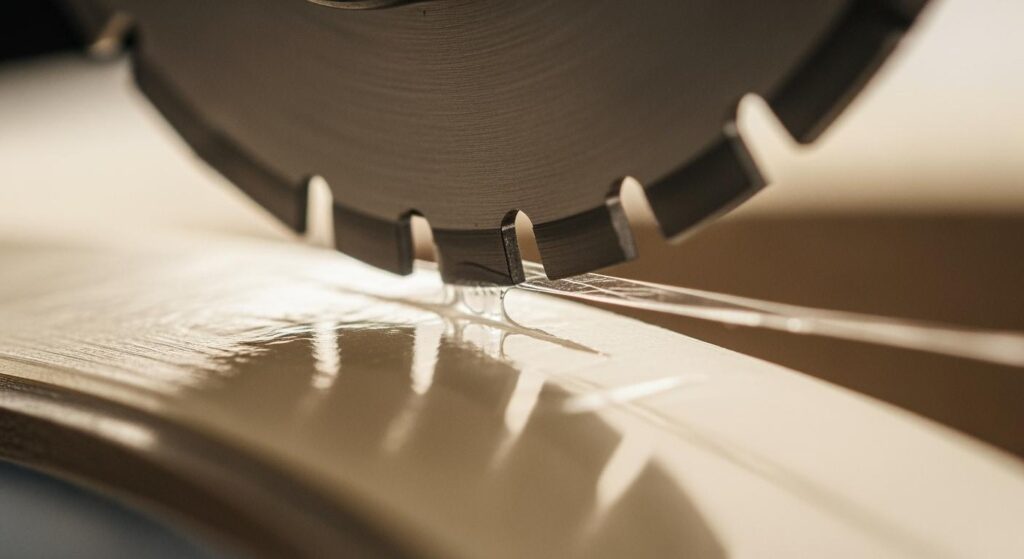
Tu usi Lame per taglierina rotativa per nastro per tagliare materiali adesivi. Queste lame aiutano a gestire i problemi più difficili legati alla viscosità. I problemi di adesione possono rallentare il ritmo di lavoro. Scegliendo lame di qualità, si ottengono tagli più netti. Tagli più netti significano meno sprechi di nastro. Le lame in carburo di tungsteno e in acciaio super rapido durano più a lungo. Questi materiali migliorano anche le prestazioni delle lame. È possibile personalizzare le caratteristiche delle lame in base alle proprie esigenze. Alcune aziende acquistano lame migliori per le loro lavorazioni. Queste aziende lavorano fino al 20% più velocemente. Inoltre, registrano un minor numero di fermi di produzione.
Punti chiave
- Le lame rotative per taglio longitudinale tagliano grandi rotoli di nastro in strisce più piccole. Queste lame sono fondamentali per la lavorazione di nastri adesivi.
- È necessario scegliere il tipo di lama corretto per il proprio nastro. Le lame circolari o le lame a rasoio sono adatte a diversi spessori e livelli di adesività del nastro.
- Lame affilate e pulite garantiscono tagli fluidi. Ciò si traduce in una riduzione degli sprechi di nastro e in una maggiore velocità di lavorazione.
- La pulizia frequente delle lame previene l'accumulo di colla. I residui di adesivo possono usurare le lame e compromettere la precisione del taglio.
- Le lame sono realizzate in diversi materiali, come il carburo di tungsteno o l'acciaio super rapido. Questi materiali offrono una maggiore durata e prestazioni superiori con i nastri adesivi.
- Alcune lame sono realizzate su misura per specifiche operazioni di taglio. Le lame personalizzate consentono di ottenere risultati migliori su tipologie di nastro speciali.
- Gli operatori devono essere in grado di individuare le lame usurate. Taglienti smussati o tagli irregolari indicano che la lama deve essere riaffilata o sostituita, garantendo così la qualità del taglio del nastro.
- Il confronto con i fornitori può aiutare a scegliere le lame migliori. I fornitori offrono inoltre supporto per la corretta manutenzione delle lame.
Lame rotative per taglio longitudinale di nastri e adesivi
Cosa sono le lame rotative per taglio longitudinale
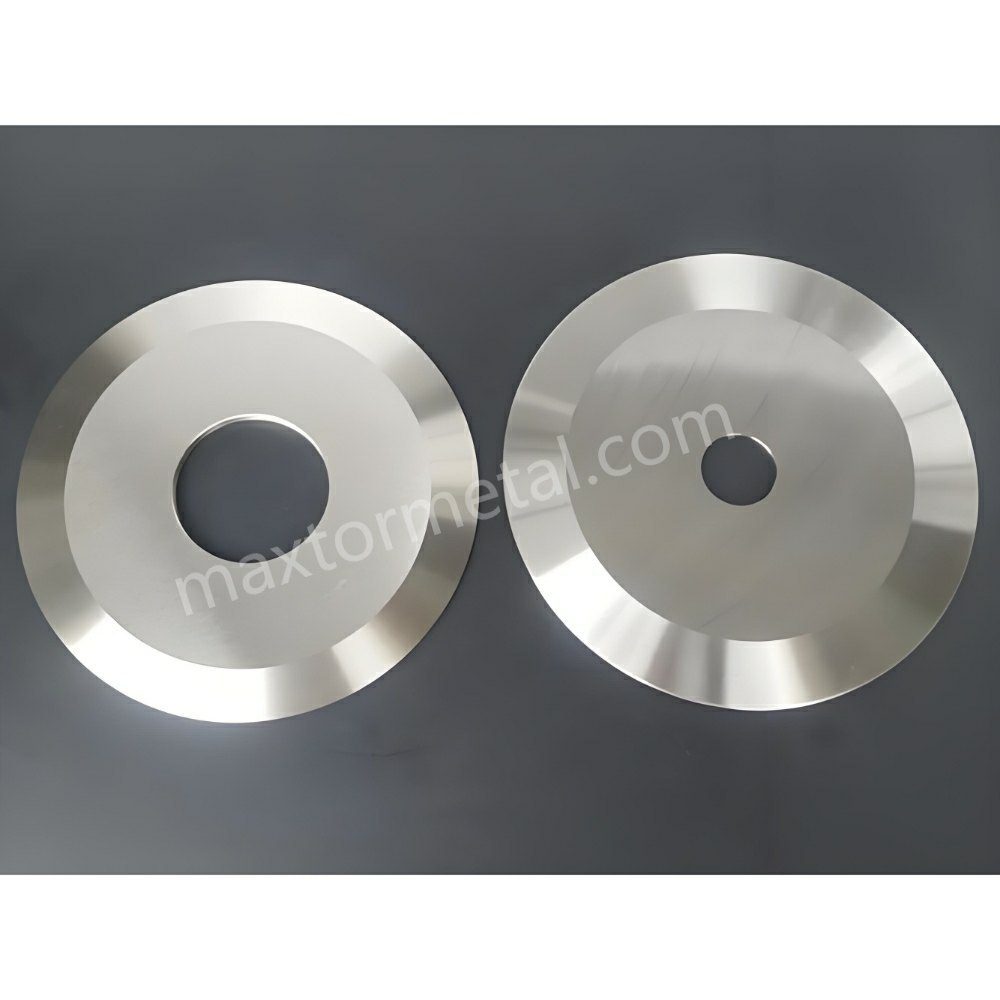
Le lame rotative per taglio longitudinale tagliano grandi rotoli di nastro in strisce più strette. Queste lame ruotano ad alta velocità e tagliano i materiali in modo netto. I macchinari utilizzano lame rotative per il taglio di nastri adesivi, film e materiali flessibili. Le lame sono disponibili in numerose forme e dimensioni. Alcune presentano taglienti estremamente affilati per tagli fluidi, mentre altre sono dotate di rivestimenti antiaderenti per impedire l'accumulo di colla. La scelta della lama dipende dal materiale e dall'applicazione specifica.
Le lame offrono le migliori prestazioni quando sono affilate e pulite. Le lame usurate possono strappare il nastro e creare bordi irregolari. Le lame affilate garantiscono tagli diritti e precisi. Molti settori industriali utilizzano queste lame per velocizzare la produzione e ridurre gli scarti.
Applicazioni nel taglio longitudinale di nastri
Le lame rotative per taglio longitudinale sono essenziali in numerose applicazioni. Vengono utilizzate per tagliare nastri sensibili alla pressione (autoadesivi) e nastri biadesivi. Tagliano inoltre film protettivi, nastri di carta e liner non adesivi. I macchinari impiegano queste lame per la produzione di etichette, imballaggi e prodotti tessili.
Ecco una tabella che mostra i settori di utilizzo delle lame rotative per taglio longitudinale e le relative applicazioni:
| Industria | Descrizione dell'applicazione |
|---|---|
| Produzione di nastri adesivi | Taglio di nastri sensibili alla pressione, come nastri isolanti, medicali e industriali. |
| Produzione di etichette | Taglio di materiali per etichette come carta, film e foil per etichette e cartellini personalizzati. |
| Confezione | Taglio di diversi materiali da imballaggio. |
| Produzione di carta | Taglio di prodotti cartacei per molteplici utilizzi. |
| Tessili | Taglio di materiali tessili per la fabbricazione di prodotti. |
Le lame rotative per taglio longitudinale trovano impiego nei settori dell'imballaggio, della carta, del tessile e della produzione di nastri. Ogni applicazione richiede una lama adatta al tipo di nastro e di materiale. Le lame vengono selezionate in base allo spessore, alla viscosità e alla velocità del processo produttivo.
Taglio di materiali adesivi
Il taglio di materiali adesivi presenta diverse difficoltà. La colla può accumularsi sulle lame, accelerandone l'usura e aumentando l'attrito. Le lame non affilate producono tagli irregolari e imprecisi, compromettendo la qualità del prodotto finale.
È fondamentale mantenere il nastro stabile durante il taglio. Se il nastro si muove, le strisce possono risultare storte o stropicciate. Lame pulite e affilate prevengono gli strappi. Gestire l'accumulo di colla evita l'attrito e il danneggiamento del materiale. È inoltre necessario controllare la tensione del nastro: una tensione corretta mantiene il nastro teso e favorisce un taglio rettilineo.
Ecco alcuni consigli per il taglio di materiali adesivi:
- Utilizzare lame pulite e affilate per evitare strappi.
- Mantenere il materiale stabile per garantire tagli precisi.
- Controllare l'accumulo di colla per evitare attrito e danni.
Suggerimento: Pulire regolarmente le lame ed eseguire una corretta manutenzione. Questo aiuterà le lame rotative per taglio longitudinale a durare più a lungo e a funzionare meglio.
Le lame rotative per taglio longitudinale di nastri aiutano a risolvere i problemi legati alla viscosità, garantendo tagli più fluidi, meno scarti e risultati ottimali.
Tipi di lame per nastri e adesivi
Lame circolari
Tipi di nastro idonei
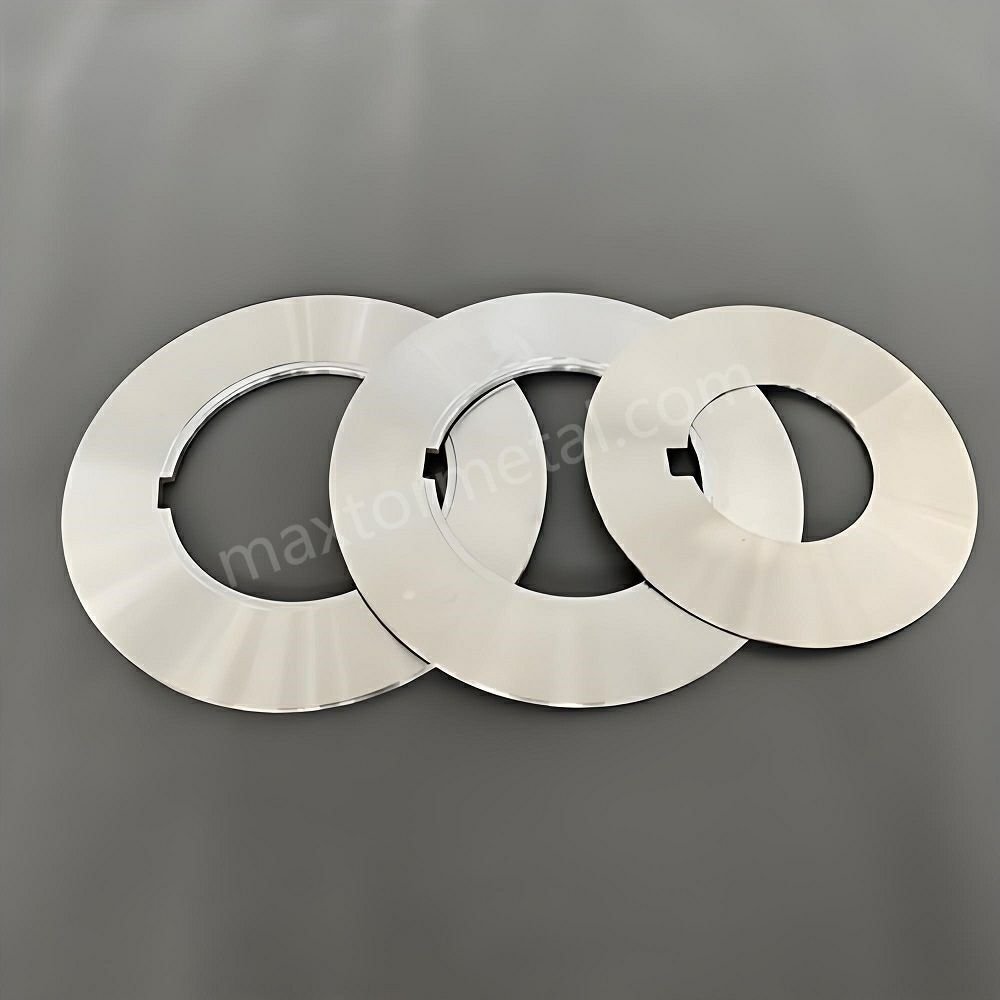
Le lame circolari possono tagliare molti tipi di nastro. Funzionano in modo eccellente con nastri sensibili alla pressione e nastri biadesivi. Possono essere utilizzate anche per nastri adesivi spessi. Queste lame tagliano agevolmente anche film protettivi e nastri di carta. I liner non adesivi vengono tagliati con facilità dalle lame circolari. La maggior parte delle taglierine longitudinali utilizza lame circolari, il che le rende una scelta molto diffusa.
- Nastri sensibili alla pressione (autoadesivi)
- Nastri biadesivi
- Nastri adesivi ad alta aderenza e spessi
- Film protettivi
- Nastri di carta
- Liner non adesivi
Alcuni modelli di lame circolari sono comunemente utilizzati per nastri e adesivi:
- 2-013-K: Ideale per il taglio di nastri adesivi.
- 2-020-K: Taglia il nastro in modo efficiente ed è affidabile.
- 2-020-Z: Dotata di un rivestimento speciale per ridurre l'attrito.
Vantaggi
Le lame circolari eseguono tagli netti e precisi. Se mantenute affilate, durano a lungo. Queste lame lavorano rapidamente, consentendo di completare i lavori in tempi brevi. Il taglio a cesoia con lame circolari offre tagli più uniformi rispetto ad altri metodi. Si riscontrano meno bordi irregolari e un minore spreco di nastro. Le lame circolari non si accumulano di adesivo rapidamente, riducendo i tempi di fermo per la pulizia.
Suggerimento: Le lame circolari rimangono affilate e resistenti, quindi non è necessario sostituirle spesso.
Svantaggi
È necessario pulire più frequentemente le lame circolari quando il nastro è molto adesivo. Queste lame possono avere un costo iniziale superiore rispetto ad altri tipi. Alcuni nastri sono estremamente adesivi e potrebbero richiedere rivestimenti speciali o sostituzioni più frequenti delle lame.
Esempio di applicazione: Nastro ad alta adesività (High-Tack)
Le lame circolari sono ampiamente utilizzate per il taglio di nastri adesivi ad alta adesività negli stabilimenti industriali. Il loro design robusto le aiuta a rimanere affilate e a tagliare in modo ottimale. Anche i nastri più adesivi sono facili da gestire per queste lame. Nella produzione di nastri per il settore automotive, le lame circolari aiutano a mantenere i bordi lisci e a prevenire l'accumulo di colla. Ciò si traduce in una minore necessità di pulizia e in un migliore funzionamento del macchinario.
Lame di rasoio
Tipi di nastro idonei
Le lame a lametta sono ideali per film sottili e nastri. Funzionano bene con nastri adesivi a bassa e media adesività. Possono essere utilizzate per film protettivi e nastri di carta. Le lame a lametta sono indicate per il taglio di materiali delicati.
- Film sottili e nastri
- Nastri adesivi a bassa e media adesività
- Film protettivi
- Nastri di carta
Vantaggi
Ecco una tabella che mostra perché le lame a lametta sono indicate per il taglio longitudinale di nastri:
| Vantaggio | Descrizione |
|---|---|
| Alta precisione | Le lame a lametta eseguono tagli estremamente precisi e riducono lo spreco di nastro. |
| Taglio ad alta velocità | Consentono di tagliare grandi quantità di nastro rapidamente. |
| Sbavature minime | Le lame affilate lasciano meno imperfezioni, riducendo la necessità di interventi correttivi. |
| Versatilità | Le lame a lametta possono tagliare carta, plastica, gomma e tessuti. |
| Bassi costi di attrezzaggio | Gli utensili sono semplici ed economici, consentendo un risparmio sui costi. |
| Qualità costante | Le lame a lametta garantiscono tagli di qualità costante. |
Le lame a lametta eseguono tagli puliti e mantengono elevata la qualità. Queste lame sono facili da sostituire, riducendo al minimo i tempi di fermo produzione.
Svantaggi
Le lame a lametta hanno una durata limitata, specialmente con adesivi appiccicosi o abrasivi. Non sono adatte per nastri spessi o altamente adesivi. Potrebbe essere necessario sostituire frequentemente le lame a lametta per mantenere i tagli uniformi.
Lame per taglio a pressione (Score Blades)
Tipi di nastro idonei
Le lame per taglio a pressione, chiamate anche lame per taglio a schiacciamento, sono ideali per materiali spessi o morbidi. Vengono utilizzate per nastri rinforzati e prodotti adesivi speciali. Alcuni nastri sensibili alla pressione possono essere tagliati con lame a pressione. Queste lame funzionano bene per nastri resistenti o multistrato.
- Nastri adesivi spessi
- Nastri rinforzati
- Prodotti adesivi speciali
- Alcuni nastri sensibili alla pressione
Vantaggi
Le lame per taglio a pressione sono economiche e semplici da configurare. Possono tagliare materiali che altre lame non riescono a gestire. Queste lame richiedono una manutenzione semplice e sono ideali per eseguire cordonature o perforazioni senza tagliare completamente il materiale.
Nota: Le lame per taglio a pressione sono indicate per il taglio di nastri sensibili alla pressione poiché gestiscono facilmente materiali spessi e adesivi.
Svantaggi
Le lame per taglio a pressione non eseguono tagli lisci come altri tipi di lame. Possono generare polvere e calore durante il taglio. Si potrebbero notare segni o bordi irregolari sul nastro. Queste lame sono adatte solo per determinate applicazioni e potrebbero non tagliare i nastri adesivi in modo perfettamente pulito.
Specialty Blades
Tipi di nastro idonei
Le lame speciali vengono utilizzate per il taglio di nastri speciali. Questi nastri presentano adesivi o strati unici. Le lame standard non sono in grado di tagliare efficacemente questi nastri. Le lame speciali sono indicate per:
- Prodotti adesivi speciali
- Nastri personalizzati o tecnici
- Nastri rinforzati
- Film laminati
Le lame speciali possono tagliare nastri con rivestimenti o spessori non standard. Sono adatte anche per nastri con geometrie complesse. Se si necessita di bordi perfetti o si lavora con adesivi tenaci, le lame speciali aiutano a ottenere tagli migliori.
Vantaggi
Le lame speciali offrono molti vantaggi come lame per taglierine rotative per nastri. Sono realizzate in acciaio super rapido, acciaio per utensili o carburo di tungsteno. Questi materiali prolungano la durata delle lame e ne mantengono la resistenza. Le lame speciali sono disponibili in forme quali anelli pieni, anelli segmentati o profili personalizzati. È possibile scegliere la forma più adatta alla propria applicazione.
Alcune lame speciali presentano scanalature o gradini. Queste caratteristiche aiutano a guidare il nastro e a rendere i tagli più precisi. È possibile personalizzare le lame speciali per adattarle al proprio macchinario e al tipo di nastro, ottenendo tagli più puliti e riducendo gli sprechi.
Ecco una tabella che mostra le caratteristiche distintive delle lame speciali:
| Tipo di caratteristica | Descrizione |
|---|---|
| Materiali comuni | Acciaio super rapido, acciai per utensili, carburo di tungsteno per durabilità e prestazioni |
| Forme comuni | Anelli pieni, anelli segmentati, profili personalizzati per precisione ed efficienza |
| Considerazioni di progettazione | Superfici scanalate, design a gradini per una migliore guida e precisione di taglio |
Suggerimento: Le lame speciali aiutano a risolvere problemi di taglio complessi. Possono essere utilizzate per nastri che richiedono particolare cura o che presentano adesivi difficili da gestire.
Svantaggi
Le lame speciali hanno un costo superiore rispetto alle lame standard. I tempi di attesa potrebbero essere più lunghi per lama personalizzata i progetti personalizzati. Queste lame sono ideali per applicazioni specifiche e non per tutti i tipi di nastro. Le lame speciali richiedono una configurazione accurata e, talvolta, la consulenza di un esperto per la scelta del modello corretto.
Confronto tra i tipi di lame
È opportuno valutare i diversi tipi di lame prima di scegliere le lame per taglierine rotative per nastri. Ogni tipo di lama presenta vantaggi e svantaggi. Le lame circolari eseguono tagli puliti e sono adatte per nastri adesivi. Le lame a lametta sono estremamente precise per i film sottili. Le lame per taglio a pressione tagliano nastri spessi o resistenti. Le lame speciali sono destinate a nastri personalizzati o speciali.
Ecco una tabella che confronta i tipi di lame in base al taglio e alla loro durata:
| Tipo di lama | Precisione di taglio | Durata | Tipi di nastro idonei |
|---|---|---|---|
| Circolare | Alto | Alto | Sensibili alla pressione, ad alta adesività, biadesivi, pellicole protettive, nastri di carta |
| Lametta | Molto alto | Basso | Thin films, low-medium tack, protective films, paper tapes |
| Score | Medio | Medio | Thick, reinforced, specialty adhesive products |
| Specialty | Molto alto | Molto alto | Custom, engineered, reinforced, specialty adhesive products |
Note: Match the blade type to your tape and adhesive. This helps you get the best cuts and keeps your work going smoothly.
When you choose rotary slitter blades for tape, think about your tape, adhesive, and how fast you need to work. Specialty blades are good for hard jobs. Circular, razor, and score blades work for most normal jobs. You can ask your supplier for custom blades if you need something special.
Materiali e prestazioni delle lame
Acciaio per utensili
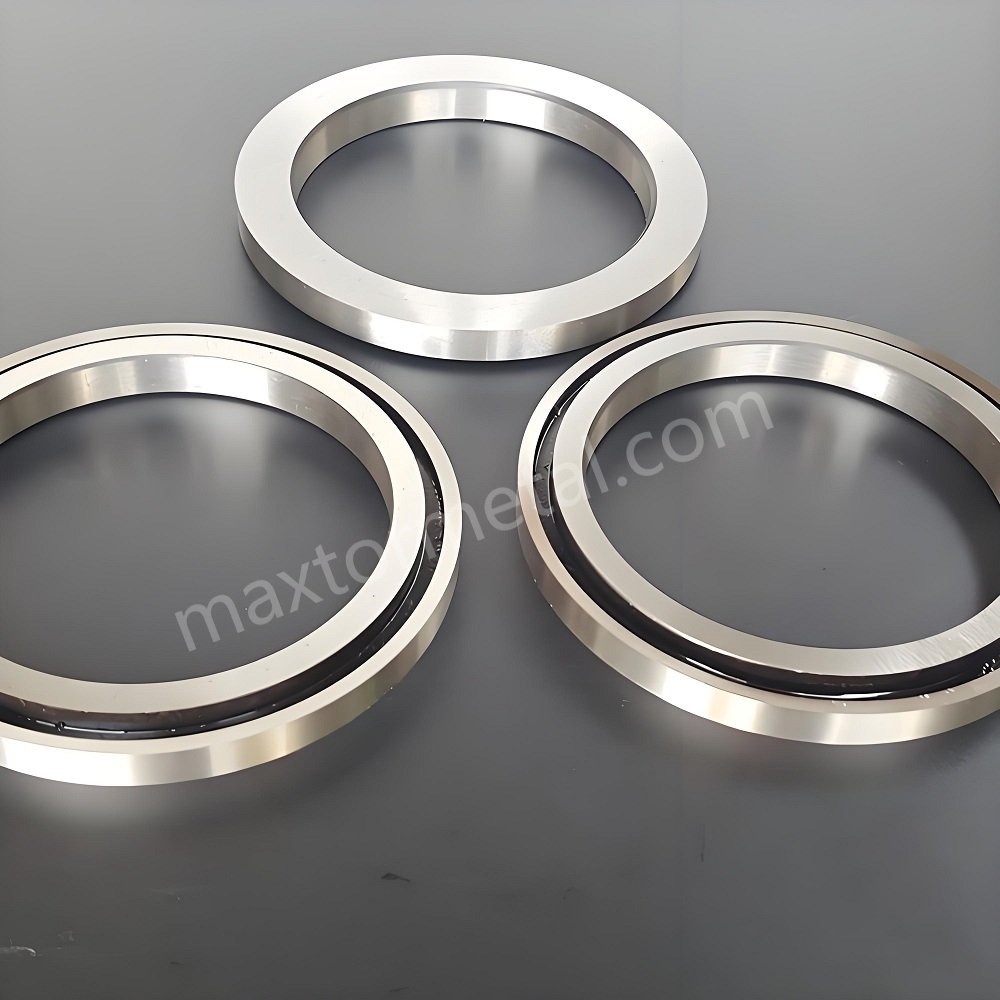
Tool steel is used a lot in rotary slitter blades for tape. It gives blades a strong edge that stays sharp for many cuts. You can use tool steel blades for different tapes, like pressure-sensitive and double-sided adhesive tapes. Tool steel does not bend or chip easily, so cuts are always reliable. These blades are good for jobs that need strength and accuracy. You can sharpen tool steel blades without much trouble. This helps your slitting machine work well. Tool steel can handle some sticky glue, but you should clean blades often to keep them working right.
Tip: Tool steel blades are a smart pick if you want good performance and do not want to spend too much.
Carburo di tungsteno
Tungsten carbide is great for rotary slitter blades for tape. These blades last much longer than most other blade materials. Tungsten carbide blades stay sharp even when cutting sticky or tough tapes. You can use these blades for high-tack adhesives and thick tapes. Tungsten carbide blades can last up to ten times longer than high-speed steel blades in hard jobs. These blades stay sharp for a long time and cut tough materials faster than high-speed steel blades. You do not need to change tungsten carbide blades often, so you save time. These blades do not wear out quickly and keep their edge even with lots of use. If you cut sticky tapes that make blades dull fast, tungsten carbide helps you get clean cuts and work faster.
Note: Tungsten carbide blades cost more, but you save time and money because you do not change blades as much.
Acciaio ad alta velocità
High-speed steel gives you both speed and sharpness for rotary slitter blades for tape. You can use high-speed steel blades for many tapes, like thin films and medium-tack adhesives. These blades cut fast and stay sharp for many jobs. High-speed steel blades work well in machines that cut tape quickly. You get clean cuts and steady results. These blades do not last as long as tungsten carbide, but you can sharpen them easily. High-speed steel is a popular choice when you want both speed and good quality.
Ecco un table that shows how blade material affects cutting sticky adhesive tapes:
| Materiale della lama | Durata | Precisione di taglio | Resistance to Wear |
|---|---|---|---|
| Acciaio al carbonio | Moderare | Bene | Moderare |
| Carburo di tungsteno | Alto | Eccellente | Eccezionale |
| Ceramica | Moderare | Alto | Alto |
Tip: Pick high-speed steel blades if you want fast, sharp cuts and easy care for your tape slitting jobs.
Lame rivestite
It is hard to cut tape because glue sticks to blades. Sticky glue can slow you down and make cuts messy. Coated blades help fix these problems. Makers put special coatings on the blade surface. These coatings use things like titanium nitride or ceramic. The coating makes a smooth layer that stops glue from sticking.
You get many good things when you use coated blades for sticky tapes:
- Coated blades last longer. The coating keeps the blade safe from damage, so you do not need new blades often.
- The coating stops chemical damage. Sticky adhesives can hurt normal blades, but coated blades do not get damaged as easily.
- You get better cuts. The smooth coating helps the blade move through tape without dragging or ripping.
- Coated blades help keep your work clean. Less glue sticks to the blade, so you do not have to clean as much.
You can also use coated razor blades and solid ceramic blades to stop glue from building up. Some blades get polished to make them even smoother. This means less glue and dust will stick. Sharp tungsten carbide edges also help stop glue from building up and keep tape edges neat.
Tip: If you cut tape with strong glue, try coated blades. You will see less glue on your blades and get cleaner cuts.
Material Selection for Sticky Tapes
Picking the right blade material is important for sticky tapes. Rotary slitter blades for tape come in different materials. Each material works best for certain jobs.
Look for these things when you choose a blade for sticky tapes:
- High resistance to glue buildup
- Strong edge that stays sharp
- Can handle tough or thick glue
Here is a table to help you compare blade materials for sticky tape cutting:
| Materiale della lama | Il migliore per | Vantaggio chiave | Note |
|---|---|---|---|
| Carburo di tungsteno | High-tack, thick adhesives | Lasts long, sharp edge | Stops glue buildup, less downtime |
| Coated Razor Blades | Strong glue, thin films | Less glue sticks | Smooth surface, easy to clean |
| Solid Ceramic | Sticky tapes, clean cuts | Stops glue and dust | Needs careful use |
| Acciaio per utensili | Regular sticky tapes | Good price and strong | Needs cleaning often |
| Acciaio ad alta velocità | Fast cutting, medium glue | Sharp, easy to sharpen | Not for very sticky tapes |
You can ask your supplier about blades with extra polishing. This makes the blade even smoother. Less glue and dust will stick, so you get better cuts.
Note: Always match your blade material to your tape type. The right blade helps you cut faster, waste less, and keep your rotary slitter blades for tape working longer.
If you cut many kinds of tape, keep a few blade choices ready. You can switch blades based on the tape and glue you need to cut. This helps you get the best results from your rotary slitter blades for tape every time.
Scelta delle lame per applicazioni con nastri
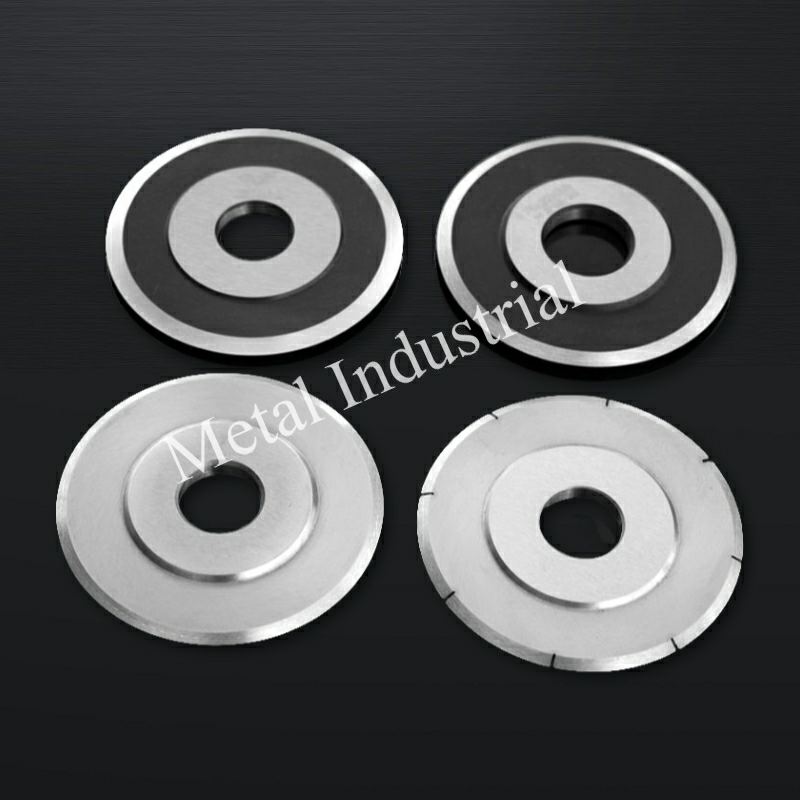
Picking the right rotary slitter blades for tape helps you make clean cuts. This also helps your work go faster. You need to think about a few things before you choose a blade.
Key Parameters
Tape Type
You should know what tape you want to cut. Some tapes are thin and soft. Others are thick and strong. Pressure-sensitive tapes, double-sided tapes, and protective films need different blades. Razor blades work best for thin films. Circular or score blades are good for thick or reinforced tapes. If you use special tapes, you might need custom slitter machine blades.
- Razor blades are for thin films and tapes.
- Circular or score blades are for thick adhesive tapes.
- Custom slitter machine blades are for specialty tapes.
Adhesive Properties
The glue on your tape changes which blade you need. Sticky glue can build up on blades and slow your machine. Blades with coatings like Titanium Nitride or Teflon help stop glue from sticking. Thin knives with small tips give cleaner cuts and less drag. Double bevel knives with angles between 20° and 25° work well for sticky tapes. Strong blade materials like D2, M2, or carbide last longer when cutting tapes with tough glue.
Tip: Keep your blades sharp and clean. This stops glue problems and keeps cuts smooth.
Slitting Speed
Think about how fast your machine works. Fast slitting needs blades that stay sharp and strong. High-speed steel blades are good for quick jobs in packaging and textiles. Carbide blades last longer and work well for hard jobs, but cost more. If your machine is slow, you can use blades that are not as hard.
- Use high-speed steel or carbide blades for fast slitting.
- Use tool steel or coated blades for slow slitting.
Matching Blade to Tape
You need to match your rotary slitter blades for tape to your tape and glue. Start by checking tape thickness and glue strength. Razor blades are best for thin tapes with light glue. Circular or carbide blades are better for thick tapes with strong glue. Custom slitter machine blades are needed for special tapes.
Check your machine settings too. Blade type, blade material, and speed all change your results. Using the wrong blade can make rough edges, waste tape, or cause more stops.
Here is a simple checklist to help you pick your blade:
- Check tape thickness and glue type.
- Pick blade material for your tape and glue.
- Choose blade shape and edge for your machine.
- Make sure your blade matches your slitting speed.
Note: If glue is sticky or cuts are rough, try blades with smooth coatings or sharper edges.
Opzioni di personalizzazione
You can get custom blades if you have special cutting needs. Custom slitter machine blades let you pick the right material, hardness, and edge shape. You can also choose blades with special coatings or shapes to work better and waste less.
| Aspetto di personalizzazione | Descrizione |
|---|---|
| Special Cutting Needs | Blades can be made for special cutting jobs. |
| Selezione dei materiali | Companies can pick the best material for their job. |
| Hardness and Edge Shape | You can choose how hard and what shape the blade edge is. |
| Miglioramento delle prestazioni | Custom blades help you work better and waste less tape. |
If you want to know more about custom blades, visit the pagina delle lame personalizzate.
Working with a good supplier helps you get the best rotary slitter blades for tape. Nanjing Metal Industrial gives custom solutions, high-quality blades, and expert help.
| Beneficio | Descrizione |
|---|---|
| Soluzioni personalizzate | Suppliers can make blades for your job, so you work better. |
| Lame di alta qualità | Good blades meet standards and help keep your products good. |
| Servizi professionali | Experts can help you work better and make your tape cutting smoother. |
Tip: Work with your supplier to get custom slitter machine blades that fit your tape and machine. This helps you cut better and waste less.
You can cut tape better by picking the right rotary slitter blades for tape, matching them to your tape and glue, and using custom blades if you need them. Good blade choices help you work faster, waste less, and keep your machines working well.
Manutenzione e longevità

Cleaning Adhesive Residue
Sticky adhesives can pile up on rotary slitter blades for tape. This sticky stuff makes blades dull and causes rough cuts. You should clean your blades after every time you use them. Use a soft cloth that does not leave lint and a cleaner made for blades. This way, glue comes off without scratching the blade. Do not use rough cleaners or metal tools. These can hurt the blade edge and make it wear out faster.
- Wipe blades with a soft, lint-free cloth.
- Use a blade-safe cleaner to get rid of sticky glue.
- Clean blades after each time you finish cutting.
- Never use metal scrapers or strong chemicals.
Tip: Cleaning your rotary slitter blades for tape often keeps them sharp and ready for work.
Affilatura e sostituzione
You need to keep rotary slitter blades for tape sharp for good cuts. Dull blades can rip tape and slow you down. Check your blades every week to see if they are still sharp. Look for burrs, scratches, or extra glue stuck to the blade. If you see these signs, sharpen or replace the blade.
How often you change blades depends on what they are made of and what tape you cut. Here is a table that shows when to replace different blades:
| Tool Material | Applicable Tapes | Reference Replacement Cycle | Fattori chiave | Replacement Warnings |
|---|---|---|---|---|
| Carburo di tungsteno | General transparent/BOPP/sealing | 500–800 hrs (80,000–100,000 cuts) | Tape tack (high-tack shortens cycle by 20%) | Continuous burrs, increased adhesive residue |
| Ceramic (Zirconia) | Medical-grade/optically clear | 200–400 hrs (50,000–60,000 cuts) | Blade temp (≤120℃), impact load | Edge chipping >0.03mm, reduced light transmittance |
| Diamond-Coated (PCD) | High-tack foam/electronic | 800–1200 hrs (120,000–150,000 cuts) | Coating anti-adhesion, cleaning frequency | Local coating peeling, tape sticking |
| TiC-Coated (Titanium Carbide) | Aluminum foil/high-temp tape | 400–600 hrs (60,000–80,000 cuts) | Coating stability in high temps | Coating discoloration, carbonized cut edges |
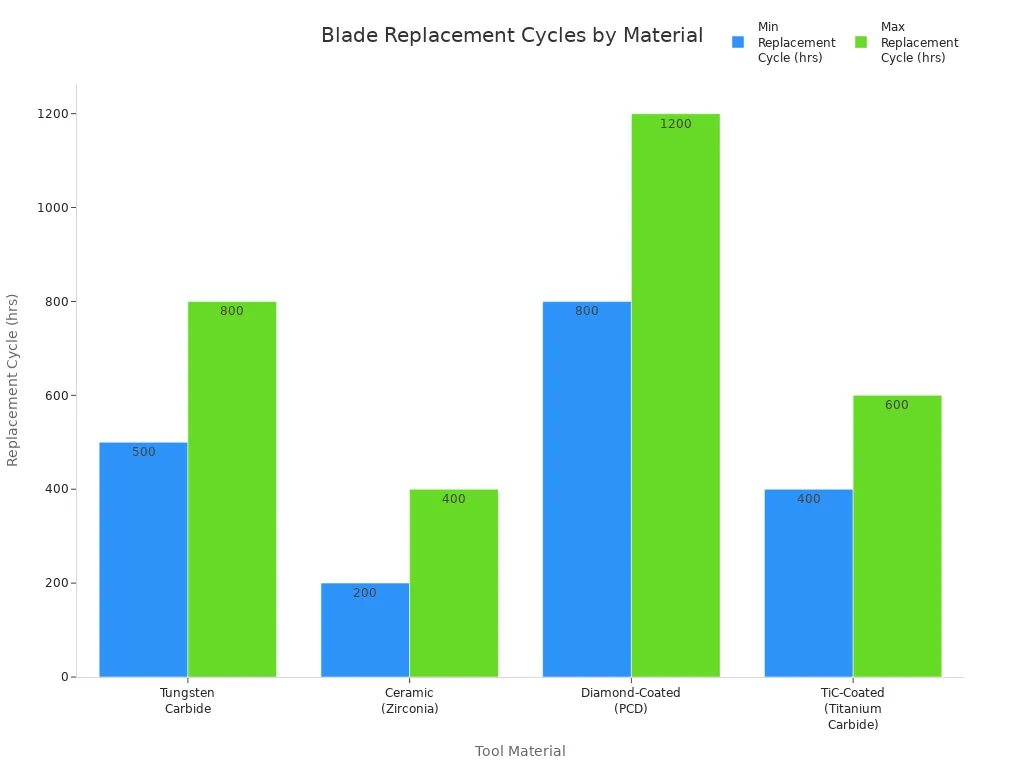
Note: Sticky tapes can make blades wear out up to 20% faster. If you see burrs or lots of glue, it is time to sharpen or change the blade.
Migliori pratiche di archiviazione
Storing rotary slitter blades for tape the right way helps them last longer. Always keep blades in a dry place with good air flow. Wet air can cause rust, especially on carbon steel blades. Make sure blades are dry before you put them away. Put a thin layer of oil on the blade to stop rust. Use cases or soft cloth bags to keep dust and water away.
- Store blades in a dry, cool place.
- Oil blades a little before storing for a long time.
- Use cases or cloth bags for protection.
- Never put away wet blades.
- Pulire e lubrificare frequentemente le lame.
Tip: Taking care of your rotary slitter blades for tape and storing them right keeps them ready for your next job.
Segni di usura
You need to check rotary slitter blades for tape often. Worn blades can cause problems in your cutting process. If you spot signs of wear early, you can fix issues before they get worse. This helps you keep your production smooth and your tape quality high.
When you use rotary slitter blades for tape, you may notice changes in how the blade cuts. Sometimes, the blade does not slice as easily. You might see rough edges or uneven strips. These are clues that your blade needs attention.
Here are some common signs that show your rotary slitter blades for tape are wearing out:
- You see small chips or cracks on the blade edge. These chips can happen after cutting tough or sticky tapes.
- The blade edge looks rounded or blunt. A sharp blade should have a clean, straight edge. If it looks dull, it will drag through tape instead of slicing.
- You feel more resistance when cutting. If you need to push harder, the blade is probably dull. This extra force can stress your machine and slow down your work.
- The cut quality drops. You may notice rough or jagged edges on the tape. Clean cuts mean the blade is sharp. Bad cuts mean it is time to sharpen or replace the blade.
- Burrs form on the tape after cutting. Burrs are small bits of tape or adhesive left on the edge. More burrs mean the blade is not sharp enough.
- The width of the tape strips changes. If you see strips that are not the same size, the blade may be damaged or dull. This can lead to wasted material.
You can use the table below to help you spot signs of wear in rotary slitter blades for tape:
| Sign of Wear | Descrizione |
|---|---|
| Scheggiature o intaccature visibili | Small chips, dents, or cracks on the edge after cutting tough materials. |
| Bordi arrotondati o smussati | Blade edge looks dull, causing dragging instead of slicing. |
| Maggiore resistenza al taglio | You need more force to cut, which stresses the machine. |
| Qualità del taglio in calo | Cuts become rough or jagged, showing the blade needs sharpening. |
| Aumento della formazione di bave | More burrs left on tape after cutting, meaning the blade is not sharp. |
| Larghezze di taglio incoerenti | Tape strips vary in width, showing the blade is dull or damaged. |
Tip: Check your rotary slitter blades for tape before each shift. Early detection of wear helps you avoid bigger problems and keeps your cuts clean.
If you notice any of these signs, you should clean, sharpen, or replace your blade. Keeping your rotary slitter blades for tape in good shape helps you save time and reduce waste. Regular checks make your slitting process safer and more efficient.
You can train your team to spot these signs. When everyone knows what to look for, you catch problems faster. This keeps your machines running well and your tape products looking their best.
Consigli pratici per i produttori di nastri
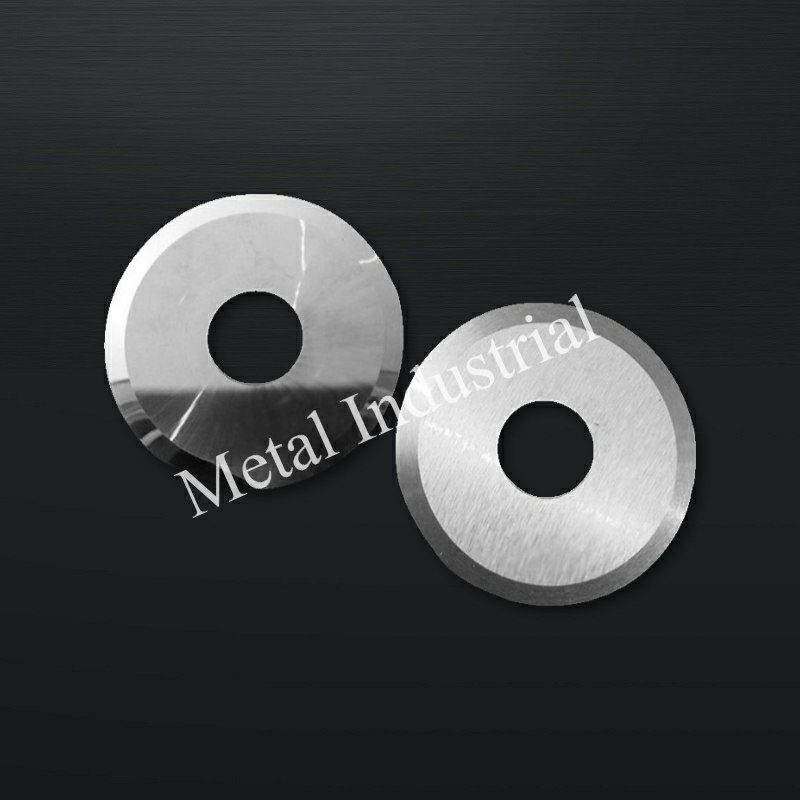
Implementing Best Practices
You can get better slitting results by using some simple steps. Make a schedule to check your rotary slitter blades for tape often. Look at the blade before each work shift. Clean the blade after every use to get rid of dust and glue. This helps keep the blade sharp for the next job.
Put a little oil on the blade to stop rust. Always make sure the blade is lined up right in the machine. If the blade is not lined up, you might get uneven cuts and waste tape. Check knife holders often. Look for worn parts, add oil, and change old pieces. Taking care of knife holders helps you get good cuts and makes blades last longer.
Here are some steps you can follow:
- Use sharp blades for smooth cuts. This stops dust and rough tape edges.
- Try coated blades if you want them to last longer and cut better.
- Use solid ceramic or tungsten carbide blades for blades that last even longer.
Tip: Keeping up with blade and knife holder care can really help you make adhesive tape better.
Formazione degli operatori
Operators are important for keeping rotary slitter blades for tape working well. Teach your team to look for dull blades or rough cuts. Show them how to clean and handle blades safely. Make sure they know how to check blade alignment and tension before starting the machine.
Use easy checklists to help operators remember what to do. For example:
- Look for chips or dull spots on blades.
- Clean blades after every shift.
- Check if the blade is lined up and tight.
- Tell someone if there is a problem.
A trained operator can find problems early. This helps stop delays and keeps your machines running well.
Supporto al fornitore
You do not have to fix every problem by yourself. Good suppliers can help you get the best from your rotary slitter blades for tape.
A helpful supplier can do these things for you:
| Support Area | How It Helps You |
|---|---|
| Selezione della lama | Helps you pick the right blade for your tape and glue |
| Maintenance Advice | Shows you how to care for blades and knife holders |
| Soluzioni personalizzate | Makes blades for special or hard jobs |
| Risoluzione dei problemi | Helps you fix cutting problems fast |
Note: Working closely with your supplier gives you new blade ideas and the best ways to use them.
If you follow these tips, your rotary slitter blades for tape will work better and help you make more good adhesive tape.
Troubleshooting Slitting Issues
You may face problems when using rotary slitter blades for tape. These issues can slow down your work or lower your product quality. Knowing how to spot and fix these problems helps you keep your slitting process smooth.
Common Slitting Problems
Here are some issues you might see:
- Rough or jagged tape edges
- Tape tearing or stretching
- Adhesive buildup on blades
- Uneven tape widths
- Blade chipping or dulling too fast
- Tape sticking to the blade
Causes and Solutions
You can use this table to match problems with their likely causes and solutions:
| Problema | Possibile causa | Soluzione |
|---|---|---|
| Rough or jagged edges | Dull blade, wrong angle | Sharpen blade, check blade alignment |
| Tape tearing | Blade too dull, wrong tension | Use sharper blade, adjust tape tension |
| Adhesive buildup | Sticky tape, no coating | Clean blade, use coated or polished blade |
| Uneven tape widths | Disallineamento delle lame | Realign blade, check machine settings |
| Blade dulls quickly | Cutting high-tack tape | Use harder blade material, clean often |
| Tape sticks to blade | No anti-stick coating | Try coated blade, reduce blade heat |
Tip: Always check your rotary slitter blades for tape before starting a new job. Early checks help you catch problems before they get worse.
Step-by-Step Troubleshooting
- Ispezionare la lama
Look for chips, dull spots, or glue on the blade edge. Replace or clean the blade if needed. - Verificare l'allineamento delle lame
Make sure the blade sits straight in the holder. Misaligned blades cause uneven cuts. - Adjust Tape Tension
Too much or too little tension can stretch or wrinkle tape. Set the tension to keep tape flat. - Pulisci la lama
Wipe off glue and dust after each shift. Use a soft cloth and blade-safe cleaner. - Review Machine Settings
Check speed, pressure, and blade angle. Small changes can fix many cutting problems.
When to Ask for Help
If you try these steps and still have trouble, talk to your blade supplier or machine technician. They can help you find the right rotary slitter blades for tape or adjust your setup for better results.
Note: Keeping a log of problems and solutions helps you spot patterns. This makes future troubleshooting faster and easier.
You can solve most slitting issues by checking your blades, cleaning often, and making small adjustments. Good troubleshooting keeps your rotary slitter blades for tape working well and your production on track.
You should pick the right rotary slitter blades for tape. This helps you make clean cuts and waste less tape. The blade’s material and type matter a lot. Taking care of blades helps you work faster. It also keeps your machines working well. Custom blades can fix hard cutting problems. Experts can help you choose the best blade. If you want better results, ask a sales engineer for help with rotary slitter blades for tape. Contact us here to get started.
Domande frequenti
What are rotary slitter blades for tape?
Rotary slitter blades for tape cut wide rolls of tape into smaller strips. You use these blades in machines to get clean, straight cuts. They help you handle sticky adhesives and different tape types.
How do you choose the right blade for sticky tape?
You look at tape thickness and adhesive strength. Pick rotary slitter blades for tape made from tungsten carbide or coated steel for sticky tapes. Ask your supplier for advice if you need help.
How often should you clean rotary slitter blades for tape?
You should clean blades after every use. Sticky adhesives build up fast. Regular cleaning keeps blades sharp and helps you get better cuts.
What signs show rotary slitter blades for tape need replacing?
Watch for dull edges, chips, or rough tape cuts. If you see more adhesive on the blade or uneven tape strips, you should replace or sharpen the blade.
Can you use rotary slitter blades for tape on different materials?
Yes, you can use rotary slitter blades for tape on paper, film, rubber, and textiles. You need to match the blade type and material to your job for best results.
Why do rotary slitter blades for tape get dull quickly with sticky adhesives?
Sticky adhesives stick to the blade edge. This causes friction and makes the blade dull faster. Cleaning and using coated blades help slow down wear.
How do you store rotary slitter blades for tape safely?
Store blades in a dry, cool place. Use blade cases or cloth bags. Add a thin layer of oil to prevent rust. Always keep blades away from moisture.
Vedi anche
Errori Comuni nella Risoluzione dei Problemi delle Lame per Taglierina Rotativa e Come Risolverli
Lame per Taglierina Rotativa ad Alta Precisione per il Taglio di Film e Foglie
Le Migliori Lame per Taglierina Rotativa per il Taglio di Metallo
Come Ottenere Tagli Perfetti con Lame per Taglierina Rotativa per Carta

 English
  Spanish
  Italian
  French
  Portuguese
  Russian
  German
  Arabic
  Hindi
Hindi  Vietnamese
  Indonesian
  Japanese
  Korean