

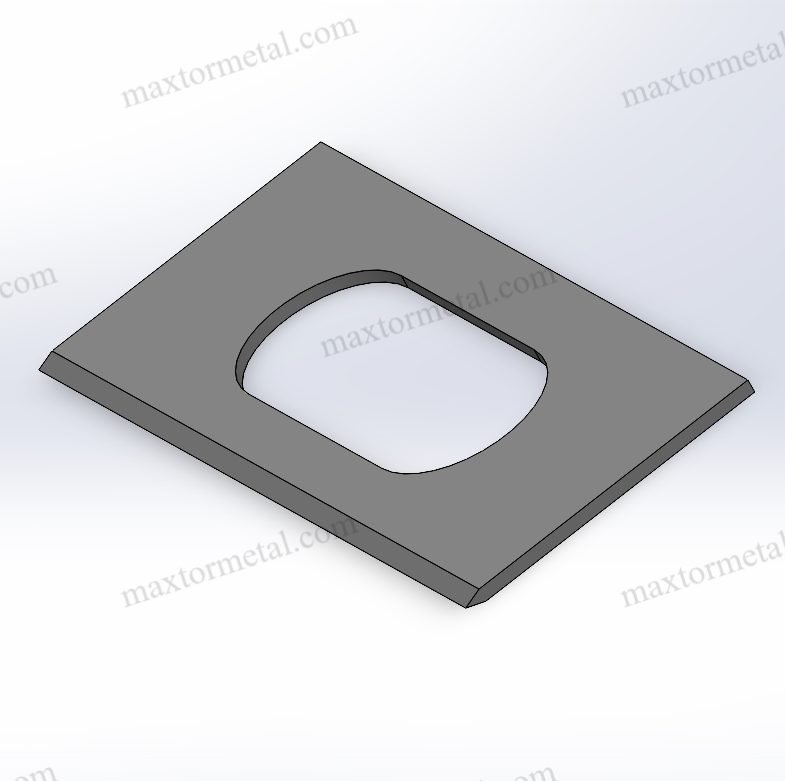
Dao cacbua vonfram có thể bị mẻ nếu bạn sử dụng sai cách hoặc bị va đập mạnh. Những loại dao này có độ cứng rất cao, giúp chúng giữ được độ sắc bén trong thời gian dài. Tuy nhiên, bạn phải hết sức cẩn thận khi sử dụng. Dao Tungsten Carbide của Metal Industrial có độ bền vượt trội trong các nhà máy. Nhiều khách hàng đánh giá dòng dao này có tuổi thọ cao hơn nhiều so với dao thép thông thường.
- Bạn có thể sử dụng các loại dao này lâu hơn từ 3 đến 5 lần so với dao thép trong các công việc nặng.
- Các lưỡi dao này luôn giữ được độ sắc bén và cắt tốt, ngay cả với các vật liệu thô ráp.
- Độ cứng của chúng đạt 92-95 HRA trên thang đo Rockwell, vì vậy chúng không bị mài mòn nhanh chóng.
Nếu bạn sử dụng và lắp đặt dao đúng cách, bạn có thể ngăn ngừa tình trạng mẻ dao và kéo dài tuổi thọ của lưỡi dao.
Những điểm chính
- Dao hợp kim cứng Tungsten Carbide có thể sử dụng lâu hơn nhiều so với dao thép. Chúng có tuổi thọ cao hơn khoảng 3 đến 5 lần nếu được sử dụng đúng cách.
- Hãy cẩn thận khi thao tác với các loại dao này. Nếu bạn làm rơi hoặc va đập, chúng có thể bị mẻ hoặc gãy.
- Sử dụng dao Tungsten Carbide để cắt các vật liệu mềm như nhựa và giấy. Điều này giúp ngăn ngừa tình trạng mẻ lưỡi.
- Kiểm tra dao thường xuyên để phát hiện các vết nứt hoặc mẻ. Điều này giúp bạn phát hiện sớm các sự cố.
- Đảm bảo dao của bạn được lắp đặt và căn chỉnh đúng cách. Việc này giúp phân bổ đều ứng suất và ngăn ngừa mài mòn nhanh.
- Vệ sinh và bôi dầu cho dao sau mỗi lần sử dụng. Việc này giúp ngăn ngừa tích tụ cặn bẩn và chống gỉ sét.
- Bảo quản dao trong hộp hoặc vỏ bọc riêng. Điều này giúp chúng không va chạm vào nhau gây mẻ.
- Lựa chọn các loại dao chất lượng cao có cấu trúc hạt mịn. Những loại dao này sẽ bền hơn và hoạt động hiệu quả hơn.
Tại sao dao hợp kim cứng Tungsten Carbide bị mẻ

Khi sử dụng dao Tungsten Carbide trong nhà máy, bạn luôn muốn chúng có tuổi thọ cao. Những loại dao này nổi tiếng với độ cứng và độ sắc bén vượt trội. Tuy nhiên, chúng có thể bị mẻ nếu không được sử dụng đúng cách. Hãy cùng tìm hiểu nguyên nhân gây mẻ dao và cách khắc phục.
Độ giòn của vật liệu
Độ cứng so với Độ dẻo dai
Dao hợp kim cứng Tungsten Carbide có độ cứng rất cao. Điều này giúp chúng cắt tốt và giữ cạnh sắc bén. Tuy nhiên, độ cứng cao cũng khiến chúng giòn hơn so với thép gió. Thép có thể chịu lực va đập tốt hơn mà không bị gãy. Tungsten Carbide có thể bị nứt hoặc mẻ nếu bị rơi hoặc va đập mạnh. Do đó, bạn phải thao tác với các loại dao này một cách cẩn thận. Hãy lưu ý khi lắp đặt hoặc thay thế chúng.
Dưới đây là bảng thể hiện các yếu tố ảnh hưởng đến độ giòn của dao:
| Tài sản | Sự miêu tả |
|---|---|
| độ cứng | Tungsten Carbide có độ cứng rất cao nên có đặc tính giòn. |
| Độ giòn | Giòn hơn thép, do đó có thể bị mẻ hoặc gãy nếu bị va đập. |
| Khả năng dễ bị tổn hại | Có thể bị mẻ hoặc gãy nếu sử dụng lực quá mạnh. |
Ảnh hưởng của cấu trúc hạt
Cấu trúc hạt trong hợp kim cứng Tungsten Carbide giống như những viên đá nhỏ trong bê tông. Nếu kích thước hạt quá lớn hoặc không đồng đều, dao sẽ bị yếu và dễ mẻ hơn. Metal Industrial sử dụng hợp kim carbide hạt mịn để sản xuất các loại dao có độ bền cao. Điều này giúp lưỡi dao chống nứt tốt hơn và có tuổi thọ lâu hơn. Hãy luôn chọn lưỡi dao có cấu trúc hạt mịn và đồng đều.
Sử dụng không đúng cách
Ứng dụng không phù hợp
Bạn nên sử dụng dao Tungsten Carbide cho các công việc phù hợp. Chúng hoạt động hiệu quả nhất trên các vật liệu mỏng và mềm như màng nhựa, lá kim loại và giấy. Việc cắt các vật liệu cứng hoặc dày có thể làm mẻ lưỡi dao. Một số khách hàng đã phản hồi với Nanjing Metal Metal Industrial rằng họ đã sử dụng sai loại lưỡi dao. Khi họ chuyển sang sử dụng lưỡi dao thiết kế theo yêu cầu, tình trạng mẻ dao đã hoàn toàn chấm dứt.
Lực lượng quá mức
Sử dụng lực quá mạnh có thể làm mẻ dao. Hãy để lưỡi dao sắc bén tự thực hiện công việc cắt. Nếu bạn ấn quá mạnh hoặc cố tình cạy, bạn có thể làm hỏng cạnh cắt. Đảm bảo máy móc của bạn vận hành trơn tru để lưỡi dao di chuyển mượt mà. Điều này giúp bảo vệ dao của bạn không bị mẻ.
Mẹo: Luôn kiểm tra máy móc trước khi bắt đầu công việc. Việc thiết lập chuẩn xác sẽ bảo vệ lưỡi dao của bạn.
Các lỗi trong quá trình sản xuất
Vết nứt vi mô
Các vết nứt cực nhỏ gọi là vết nứt vi mô có thể hình thành trong quá trình chế tạo lưỡi dao. Bạn không thể nhìn thấy chúng bằng mắt thường, nhưng chúng có thể phát triển rộng ra và gây mẻ dao. Các nhà sản xuất uy tín như Nanjing Metal Industrial luôn kiểm tra nghiêm ngặt các vết nứt vi mô này. Nhờ đó, bạn sẽ nhận được những sản phẩm dao có tuổi thọ cao hơn.
Kiểm Soát Chất Lượng Nghiêm Ngặt
Kiểm soát chất lượng là khâu cực kỳ quan trọng đối với các loại dao này. Nếu nhà sản xuất không kiểm tra các lỗi tiềm ẩn, lưỡi dao có thể bị mẻ sớm. Quy trình kiểm tra nghiêm ngặt giúp phát hiện các vết nứt vi mô và các vấn đề khác trước khi xuất xưởng. Điều này giúp giảm thiểu sự cố và thời gian dừng máy. Hãy luôn hỏi nhà cung cấp về quy trình kiểm tra chất lượng của họ và tham khảo đánh giá từ những người dùng khác.
Nếu bạn cần một lưỡi dao đặc biệt hoặc muốn khắc phục tình trạng mẻ dao, hãy truy cập Lưỡi Dao Tùy Chỉnh để có thêm nhiều lựa chọn.
Các dạng hư hỏng thường gặp gây mẻ dao Tungsten Carbide

Khi sử dụng dao hợp kim cứng Tungsten Carbide, bạn luôn muốn chúng có tuổi thọ cao. Tuy nhiên, có một số nguyên nhân phổ biến khiến các loại dao này bị mẻ hoặc mài mòn. Nếu nắm rõ các vấn đề này, bạn có thể phòng ngừa và duy trì hiệu suất hoạt động lâu dài của dao.
Mài mòn
Mài mòn cơ học xảy ra khi các vật liệu thô ráp cọ xát vào cạnh dao. Đây là nguyên nhân chính khiến dao Tungsten Carbide bị mẻ. Bạn sẽ thấy hiện tượng này rõ nhất khi cắt các vật liệu dai hoặc có chứa tạp chất dạng hạt.
Cắt các vật liệu cứng
Việc cắt các vật liệu cứng tạo ra áp lực rất lớn lên dao. Những điểm cứng cực nhỏ, chẳng hạn như các hạt carbide kim loại hoặc các mảnh vụn sắc cạnh, sẽ làm xước lưỡi dao. Theo thời gian, điều này có thể dẫn đến mẻ dao. Tungsten Carbide giữ độ sắc bén lâu hơn thép, nhưng nó dễ bị mẻ hơn nếu bạn cắt các vật liệu cứng hoặc thô ráp.
- Các điểm cứng trong vật liệu cắt có thể làm xước lưỡi dao.
- Metal carbides and edge pieces make the blade wear faster.
- Bits rubbed off by the knife can make chipping worse.
Tip: Use your knives for the right materials. Do not cut very hard or rough things unless your blade is made for that.
Corrosion Wear
Corrosion wear happens when chemicals hurt the metal in your knife. This makes the blade weak and can cause chips or early breaks.
Chemical Exposure
Tungsten carbide knives use cobalt to hold the grains together. Cobalt is strong, but it can rust in acid or salty places. When this happens, cobalt goes away and leaves the grains loose. This makes the blade weaker and easier to chip.
- Acid and salty places make cobalt rust.
- Losing cobalt makes the blade less strong.
- Nickel-bonded knives do not rust as fast as cobalt ones.
Đây là một table that shows how well each material resists rust:
| Vật liệu | Hao mòn điện trở | Chống ăn mòn | Độ bền | Sharpness Maintenance |
|---|---|---|---|---|
| Cacbua Vonfram | Cao | Cao | Dài | Xuất sắc |
| Thép | Vừa phải | Vừa phải | Vừa phải | Tốt |
| Gốm sứ | Rất cao | Cao | Rất dài | Tốt |
Note: If you work with chemicals or near the sea, pick a blade that does not rust easily.
Nứt nhiệt
Thermal cracking is another way knives can fail. It happens when your knife gets hot and then cools down too fast.
Rapid Temperature Changes
If your blade heats up fast and cools down quickly, it can crack. This is called thermal shock. The knife surface grows and shrinks at different speeds, which causes stress. When the temperature gets very high, cracks can form. These cracks can get bigger and make the knife chip.
| Điểm chứng cứ | Sự miêu tả |
|---|---|
| Thermal Shock | Fast heating and cooling make the blade change temperature quickly. |
| Các yếu tố căng thẳng | Heat and force can make the blade break. |
| Temperature Effects | High heat makes the blade surface crack. |
Tip: Do not change the temperature of your knives too quickly. Let them cool down slowly after you use them a lot.
If you know about these failure modes, you can help stop chipping. This will help your tungsten carbide knives last longer.
Misalignment & Overheating
When you set up tungsten carbide knives, you need to check alignment and temperature. If you ignore these, your knives can chip or break. Misalignment and overheating are common problems that make blades wear out faster.
Poor Setup
Poor setup means the knife is not installed right. If the blade is too high or too low, it will not cut evenly. This uneven spot gets more stress than other parts. Over time, this stress can cause chips or cracks.
Here is a table that shows how poor setup causes uneven stress and chipping:
| Evidence Source | Sự miêu tả |
|---|---|
| ZCC Cutting Tools | If the cutting tool is too high or too low, it gets uneven stress and chips. |
| New Cermets | Bad installation can make stress uneven, which leads to chipping. |
| Jide Machinery | Wrong setup, like uneven milling, puts stress on the blade and causes chips. |
Always check the blade’s height and position before you start the machine. Make sure the blade sits flat and tight in the holder. If you see uneven cuts or hear odd sounds, stop and check the setup.
Uneven Stress
Uneven stress happens when the blade edge gets different amounts of force. This can be from poor setup, old holders, or bent machine parts. If one side gets more pressure, it can chip faster.
To avoid uneven stress:
- Use the right holder for your blade.
- Change holders that are worn or broken.
- Check for loose screws or parts before each use.
- Look for uneven wear on the blade edge.
Tip: Check your knives often and set them up carefully. This helps stop chipping and keeps your knives working longer.
Adhesion Wear
Adhesion wear is another problem for tungsten carbide knives. It happens when stuff you cut sticks to the blade. Over time, this build-up can cause chips and make the blade dull.
Material Build-Up
Material build-up, called built-up edge, forms when the workpiece sticks to the blade’s edge. This happens with high pressure and heat, especially with soft or sticky things like aluminum, soft steel, or MDF.
Here is a table that explains how adhesion wear causes chipping:
| Stage of Adhesive Wear | Sự miêu tả |
|---|---|
| Friction and Adhesion | The tool and workpiece touch and start to stick together. |
| Crack Formation and Propagation | Cracks form because of strong cutting forces and heat. |
| Mài mòn keo | The blade loses material as it sticks to the workpiece, which leads to chipping. |
| Tool Failure | Damage builds up until the blade cannot be used anymore. |
You may see this problem more when cutting slowly or when the blade gets hot. Built-up edge makes the blade less sharp and can pull tiny pieces off, causing chips.
Materials and conditions that make adhesion wear worse include:
| Nhân tố | Sự miêu tả |
|---|---|
| Vật liệu | MDF can cause heat and rust, which leads to adhesion wear. |
| Conditions | High heat and pressure during cutting make adhesion wear more likely. |
| Built-Up Edge | Happens when the workpiece sticks to the blade’s edge because of strong pressure and heat, especially with soft materials. |
- Built-up edge forms when the workpiece sticks to the blade under high pressure and heat.
- Slow cutting and lots of friction make this problem worse.
- Using blades on soft materials like aluminum or soft steel raises the risk.
Note: Clean your blades often and use the right speed and pressure for each job. This helps stop material build-up and keeps your knives sharp.
If you know about these problems, you can help stop chipping and make your tungsten carbide knives last longer.
Cách ngăn ngừa mẻ dao hợp kim cứng Tungsten Carbide
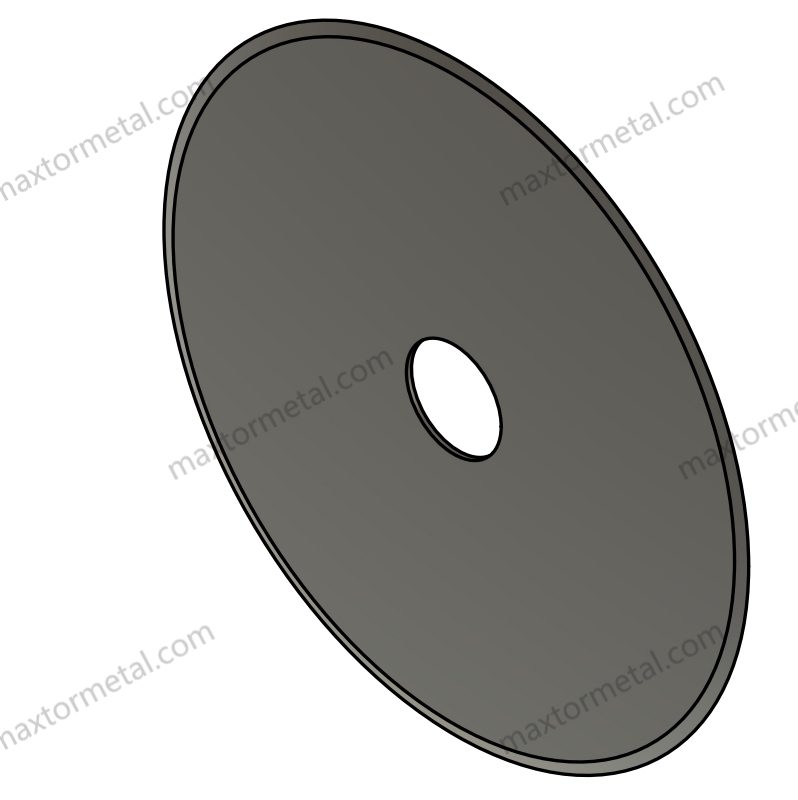
Xử lý đúng cách
Avoid Dropping
You must handle tungsten carbide knives with care. Dropping these knives can cause chipping, even though they are very hard. Always move them with both hands and use protective gloves. When you install or remove a blade, keep it close to your work surface. This reduces the chance of dropping it. Training your team on safe handling lowers the risk of accidents and keeps your knives in good shape.
| Mẹo | Sự miêu tả |
|---|---|
| Tránh quá nhiệt trong quá trình mài | Too much heat during grinding makes the blade lose hardness. Use coolant to keep blades cool. |
| Bôi trơn lưỡi dao và các bộ phận chuyển động | Lubrication stops wear and overheating. It also keeps material from sticking to the blade. |
| Vệ sinh lưỡi dao sau mỗi lần sử dụng | Cleaning removes buildup and rust. Clean blades last up to 35% longer. |
| Train Employees on Blade Handling | Training prevents injuries and helps blades last longer. |
Proper handling starts from the very beginning. When tungsten carbide is in its early stage, it is weak like chalk. If you handle it wrong, you can cause chipping before it even gets hard. Once the blade is finished, it becomes much stronger. Still, you need to treat it with care to keep it from breaking.
Use for Suitable Materials
You should always use tungsten carbide knives for the right jobs. These knives work best on thin, flexible materials like plastic films, foils, and paper. If you try to cut hard or thick materials, you risk chipping tungsten carbide. If your job needs a special blade, consider a lưỡi dao tùy chỉnh that matches your needs. Using the right blade for each job helps you avoid damage and get the best results.
Correct Setup & Alignment
Blade Holder Compatibility
Make sure your blade fits the holder. A loose or wrong holder can put stress on the blade and cause chipping. Always check that the blade sits flat and tight in the holder. Some blades, like those from Nanjing Metal Industrial, need non-magnetic holders for safe use. Follow the maker’s instructions for installation. This keeps your knives safe and helps them last longer.
Even Stress Distribution
You need to set up your knives so that stress spreads out evenly. If one part of the blade gets more pressure, it can chip or crack. Check your machine for worn parts or loose screws. Replace old holders and make sure everything lines up before you start cutting. Even stress helps your knives last longer and gives you cleaner cuts.
Mẹo bảo trì
Kiểm tra thường xuyên
You should check your knives often. Look for cracks, chips, or signs of wear. If you find a problem, fix it right away. Regular inspection works like a health check for your tools. It helps you catch small problems before they get worse.
Regular inspection is an indispensable step. Just as a doctor conducts regular physical examinations for patients, you should carefully observe whether the blades have cracks, chipping, or wear. Once you find these problems, replace the blade to keep your production running smoothly.
Thay thế kịp thời
Do not wait too long to replace a worn or damaged blade. If you see chipping or cracks, change the blade right away. Using a damaged knife can hurt your machine and lower your product quality. Quick replacement keeps your work safe and your knives working well.
Here are some simple steps to keep your knives in top shape:
- Inspect blades for cracks or chips before each use.
- Clean and lubricate blades after every job.
- Use the right cutting fluid to lower heat and wear.
- Train your team on safe handling and maintenance.
If you need a blade for a special job, you can find a custom blade that fits your needs. Good care and the right tools help you get the most from your knives and improve fatigue resistance in carbide plates.
Storage Best Practices
Storing your tungsten carbide knives the right way is important. It helps keep them sharp and stops chips from forming. Good storage protects the blade edges and makes each knife last longer. Here are some easy ways to store your knives safely.
Separate Storage
Each tungsten carbide knife should have its own spot. If blades touch, even a small bump can chip them. Use hard plastic covers to protect the sharp edges. These covers fit tight and stop blades from hitting other tools. Magnetic folding cases are also a good choice. They let you get your knives easily and keep them apart.
Knife bags with soft pockets give extra safety. Each pocket holds one knife, so blades never touch. Strong closures on these bags keep knives from falling out. You can also use covers made for certain blade shapes. These covers fit well and protect the weakest parts of the knife.
Tip: Always put your knives so the sharp edge faces away from other things. This helps stop bumps and keeps your knives safe.
Controlled Environment
Where you keep your knives is just as important as how you store them. Water can hurt tungsten carbide and make metal parts rust. Before you put your knives away, clean and dry them well. This stops water from causing hidden problems.
Pick a place that is dry and has a steady temperature. Do not store knives where it gets very hot or cold or where it is damp. If you work in a factory, keep knives in a closed cabinet or drawer. This keeps dust and chemicals away from the blades.
Storing knives the right way helps keep carbide plates strong. Good storage means fewer chips, longer blade life, and safer work for everyone.
- Put each knife in its own cover, case, or soft pocket.
- Clean and dry knives before storing them.
- Keep knives in a dry, steady place.
- Do not stack or pile knives together.
If you follow these storage tips, you protect your knives. Your tungsten carbide knives will stay sharp and ready for every job.
Bảng tra cứu nhanh — Nguyên nhân & Giải pháp
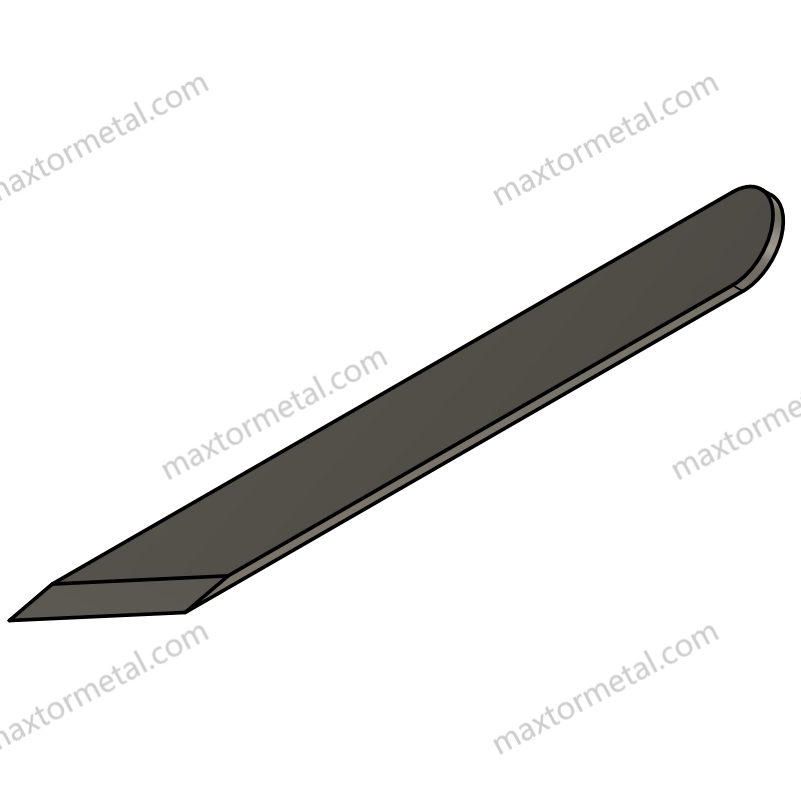
Khi bạn sử dụng dao cacbua vonfram, you want them to stay sharp and not chip. This quick table helps you find problems and stop them. It makes your work easier and keeps your knives working well.
Failure Modes vs. Prevention
| Chế độ hỏng hóc | What You Might See | Why It Happens | How You Can Prevent It |
|---|---|---|---|
| Mài mòn | Dull edge, small chips | Cutting hard or gritty materials | Use knives for soft, thin materials. Inspect edges often. |
| Corrosion Wear | Rust spots, weakened edge | Chemical or salty exposure | Clean and dry knives after use. Store in dry place. |
| Nứt nhiệt | Cracks across blade, sudden chips | Fast heating and cooling | Let knives cool slowly. Avoid rapid temperature changes. |
| Misalignment & Overheating | Uneven wear, edge chipping | Poor setup, loose holders, high heat | Check alignment. Use correct holders. Keep parts tight. |
| Adhesion Wear | Material stuck to edge, dullness | Sticky materials, high pressure | Clean blades often. Use right speed and pressure. |
| Vết nứt vi mô | Tiny cracks, early chipping | Manufacturing flaws, rough handling | Buy quality knives. Handle with care. |
Mẹo: Print this table and keep it close to your work spot. Check it before you start to help avoid mistakes.
How to Use This Table:
- Look at your dao cacbua vonfram for chips or dull spots.
- Find the problem in the “Failure Mode” column.
- Read why it happens.
- Follow the steps to fix or stop the problem.
Extra Prevention Tips:
- Always use both hands when you move knives.
- Never put knives on top of each other. Give each knife its own cover.
- Teach your team to see damage early.
- Change out broken knives fast to keep your machines safe.
Lưu ý: Việc sử dụng cẩn thận và kiểm tra dao thường xuyên sẽ giúp dao bền hơn và hoạt động hiệu quả hơn.
Bạn có thể sử dụng bảng này hàng ngày. Nó giúp bạn giữ cho dao luôn sắc bén, an toàn và sẵn sàng cho mọi công việc.
Phản hồi của người dùng & Nghiên cứu tình huống thực tế
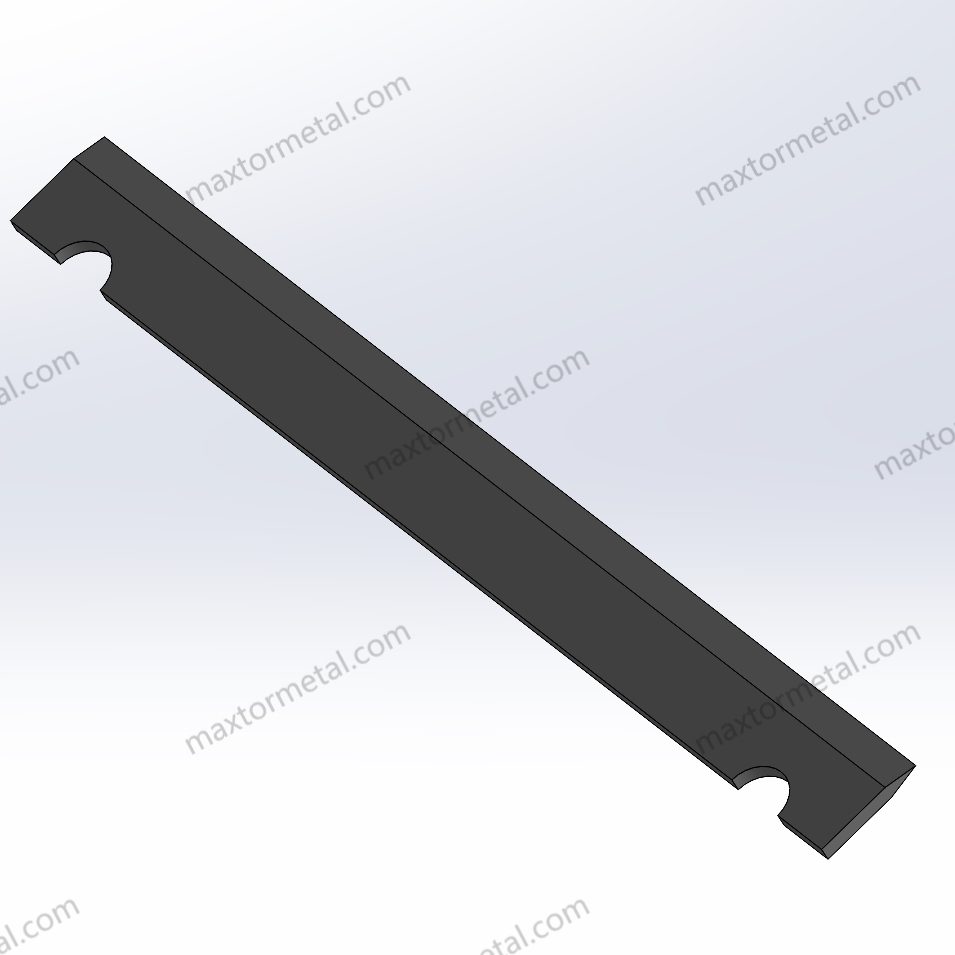
Những lỗi thường gặp
Người sử dụng luôn mong muốn lưỡi dao Tungsten Carbide của họ có tuổi thọ cao. Nhiều người dùng đã chia sẻ kinh nghiệm của họ trên mạng và trong các nhóm làm việc. Bạn có thể học hỏi được nhiều điều từ những chia sẻ đó. Một số sai lầm thường lặp đi lặp lại.
Một sai lầm lớn là không thao tác cẩn thận với dao. Nếu bạn làm rơi lưỡi dao Tungsten Carbide hoặc va đập vào vật cứng, dao có thể bị mẻ. Những lưỡi dao này rất cứng nhưng lại dễ bị tổn hại do va đập. Hãy luôn di chuyển chúng nhẹ nhàng và không xếp chồng lên các dụng cụ khác.
Một vấn đề khác là sử dụng sai tốc độ hoặc áp lực. Nếu bạn cài đặt máy quá nhanh hoặc đẩy quá mạnh, cạnh dao có thể bị hỏng. Luôn kiểm tra máy trước khi bắt đầu. Sử dụng đúng tốc độ và áp lực phù hợp với vật liệu cắt.
Việc không làm mát lưỡi dao đầy đủ cũng là một vấn đề. Nếu lưỡi dao quá nóng, nó sẽ dễ bị mẻ hơn. Hãy sử dụng dung dịch làm mát hoặc khí nén để giữ cho lưỡi dao luôn mát.
Độ hoàn thiện bề mặt của lưỡi dao cũng rất quan trọng Nếu lưỡi dao thô ráp hoặc không đều, nó có thể bị mẻ nhanh hơn. Ngay cả những lưỡi dao Tungsten Carbide tốt nhất cũng có thể bị mẻ nếu độ hoàn thiện bề mặt kém. Hãy luôn kiểm tra các lưỡi dao mới để đảm bảo chúng nhẵn mịn và đồng đều.
Dưới đây là bảng thể hiện một số sai lầm phổ biến và hậu quả có thể xảy ra:
| Những lỗi thường gặp | Hậu quả |
|---|---|
| Thao tác không đúng cách | Cạnh dao dễ bị hỏng và mẻ hơn |
| Thông số cắt không chính xác | Cạnh dao mòn nhanh hơn |
| Làm mát không đủ | Lưỡi dao dễ bị mẻ hơn |
Mẹo: Luôn kiểm tra thiết lập của bạn, thao tác với dao cẩn thận và sử dụng các cài đặt phù hợp cho từng công việc. Những thói quen này giúp bạn tránh được những sai lầm tốn kém.
Câu chuyện thành công
Nhiều người đã chia sẻ rằng việc bảo dưỡng và thiết lập tốt mang lại hiệu quả rất lớn. Bạn có thể thấy những thay đổi thực tế khi sử dụng lưỡi dao Tungsten Carbide đúng cách.
- Một nhà máy kim loại bắt đầu sử dụng lưỡi dao Tungsten Carbide và đã sản xuất thêm 20% sản phẩm. Họ giảm tần suất thay lưỡi dao đi 40%. Điều này giúp họ tiết kiệm khoảng $7,000 mỗi năm nhờ giảm thiểu thời gian dừng máy.
- Một công ty nhôm đã kéo dài tuổi thọ lưỡi dao thêm 30% bằng cách sử dụng đúng cách và kiểm tra định kỳ. Họ giảm tần suất thay lưỡi dao đi 25% và tiết kiệm khoảng $2,000 mỗi năm.
Những câu chuyện này cho thấy việc sử dụng lưỡi dao Tungsten Carbide đúng cách mang lại lợi ích rất lớn. Việc kiểm tra dao, thao tác cẩn thận và thiết lập máy chính xác sẽ ngăn ngừa mẻ dao và giữ cho lưỡi dao sắc bén lâu hơn.
Hãy nhớ rằng: Những thay đổi nhỏ trong cách sử dụng và bảo quản dao có thể mang lại hiệu quả tiết kiệm lớn và kết quả tốt hơn.
Nếu bạn tham khảo những mẹo này từ những người dùng khác, bạn có thể tránh được sai lầm và tối ưu hóa hiệu quả của lưỡi dao Tungsten Carbide.
Lựa chọn dao hợp kim cứng Tungsten Carbide chất lượng
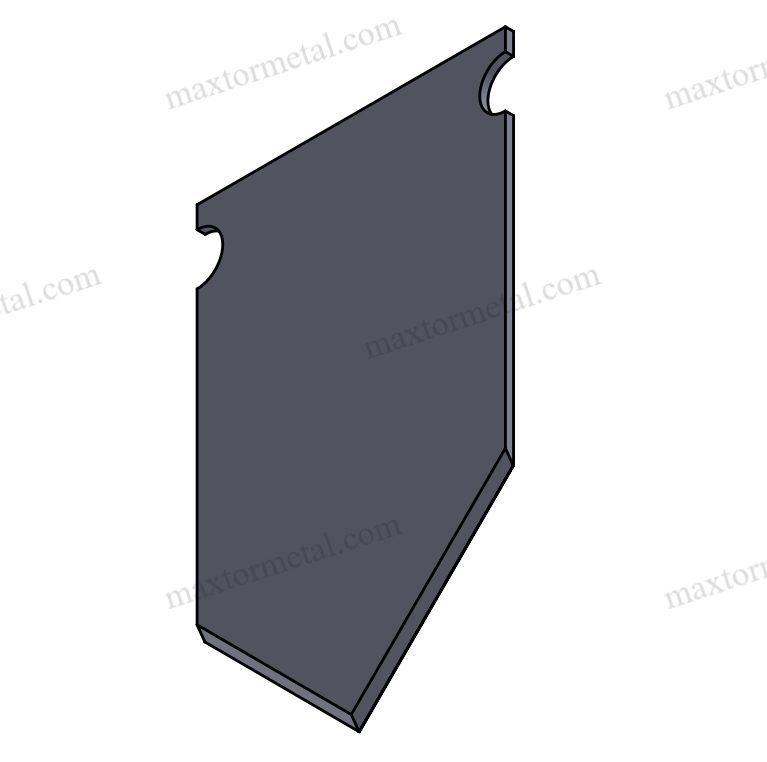
Những điều cần chú ý
Khi bạn chọn dao cacbua vonfram, bạn muốn chúng hoạt động tốt và bền bỉ. Không phải lưỡi dao nào cũng được chế tạo theo cùng một cách. Bạn nên kiểm tra một số yếu tố chính trước khi mua.
- Chất lượng vật liệu: Chọn dao được làm từ hợp kim nguyên khối (solid cacbua vonfram. ). Hợp kim cứng chất lượng tốt giúp dao cứng hơn và bền hơn.
- Kích thước hạt: Kích thước hạt mịn giúp lưỡi dao khỏe hơn và hạn chế mẻ. Hãy hỏi về kích thước hạt trước khi mua.
- Độ sắc nét của cạnh: Cạnh sắc bén mang lại những đường cắt mịn màng. Hãy xem lưỡi dao có giữ được độ sắc bén sau nhiều lần sử dụng hay không.
- Chống ăn mòn: Nếu bạn làm việc với nước hoặc hóa chất, hãy chọn loại dao không bị gỉ sét.
- Thiết kế lưỡi dao: Chọn đúng hình dạng và kích thước cho công việc của bạn. Một số lưỡi dao phù hợp hơn cho vật liệu mỏng, số khác lại tối ưu cho vật liệu dày.
- Khả năng tương thích: Đảm bảo dao vừa vặn với máy và đồ gá của bạn. Sự vừa vặn giúp ngăn ngừa mẻ dao và mòn không đều.
Mẹo: Luôn hỏi người bán về quy trình kiểm tra chất lượng và phản hồi từ những người dùng khác. Đánh giá tốt đồng nghĩa với việc dao hoạt động hiệu quả trong công việc thực tế.
Dưới đây là bảng so sánh đơn giản giúp bạn tham khảo:
| Tính năng | Tại sao nó quan trọng |
|---|---|
| Cacbua rắn | Tuổi thọ cao hơn, chống mài mòn tốt hơn |
| Hạt mịn | Giảm mẻ dao, tăng cường độ bền |
| Cạnh sắc | Mang lại đường cắt sạch, chính xác |
| Chống ăn mòn | Hoạt động tốt trong môi trường khắc nghiệt |
| Thiết kế phù hợp | Phù hợp với nhu cầu cắt của bạn |
| Máy phù hợp | Ngăn ngừa ứng suất và hư hỏng |
Ưu điểm của Metal Industrial
Metal Industrial cung cấp nhiều loại dao cacbua vonfram cho các công việc khác nhau. Bạn có thể chọn lưỡi dao thẳng 3 lỗ, lưỡi dao xẻ (slitter blades) và các hình dạng tùy chỉnh. Mỗi lưỡi dao đều được làm từ hợp kim nguyên khối (solid cacbua vonfram. ) chắc chắn. Điều này giúp lưỡi dao có độ cứng cực cao và không bị mài mòn nhanh chóng.
Bạn sẽ thấy dao của Metal Industrial giữ được độ sắc bén lâu hơn nhiều so với lưỡi dao thép thông thường. Nhiều người dùng cho biết những lưỡi dao này có tuổi thọ cao gấp 300 lần. Điều này giúp bạn tiết kiệm thời gian và chi phí vì không cần thay lưỡi dao thường xuyên.
Metal Industrial đảm bảo kích thước hạt mịn và độ hoàn thiện bề mặt lưỡi dao nhẵn mịn. Kích thước hạt nhỏ giúp dao khỏe hơn và hạn chế mẻ. Bề mặt nhẵn mịn giúp bạn có được những đường cắt sạch mỗi lần sử dụng. Một số lưỡi dao được phủ lớp bảo vệ đặc biệt để chống gỉ sét.
Nếu bạn cần lưỡi dao cho một công việc đặc biệt, Metal Industrial có thể gia công lưỡi dao tùy chỉnh theo yêu cầu. Bạn có thể chọn kích thước, hình dạng và cạnh dao mong muốn. Công ty cũng cung cấp các bước hướng dẫn rõ ràng để sử dụng và thiết lập an toàn. Điều này giúp bạn tránh được các vấn đề như mẻ dao hoặc dao không vừa vặn.
Lưu ý: Việc lựa chọn tốt dao cacbua vonfram from a trusted company like Metal Industrial helps you get better results and longer blade life.
When you choose the right knife and use it the right way, you get the best from your dao cacbua vonfram. Always check the features and pick a blade that fits your needs.
You have learned that chipping in tungsten carbide knives often comes from improper handling, wrong setup, or lack of maintenance. When you use your knives with care and follow the right steps, you help them last longer. Always check the quick reference table before you start work. For the best results, choose high-quality tools. If you want expert advice, reach out to a sales engineer đây.
Câu hỏi thường gặp
What makes tungsten carbide knives chip?
Tungsten carbide knives chip because they are very hard but not very tough. If you drop them or use too much force, the edge can break. Always handle these knives with care.
Can you sharpen tungsten carbide knives?
Yes, you can sharpen tungsten carbide knives. Use a diamond wheel or a professional sharpening service. Regular sharpening helps keep the edge strong and reduces the risk of chipping.
How do you store tungsten carbide knives safely?
Store each tungsten carbide knife in its own cover or case. Keep them dry and away from other tools. This stops the blades from touching and chipping.
What materials should you cut with tungsten carbide knives?
Use tungsten carbide knives for thin, flexible materials like plastic films, foils, and paper. Avoid cutting hard or thick items. This helps prevent chipping and keeps the blade sharp.
How often should you inspect tungsten carbide knives?
Check your tungsten carbide knives before each use. Look for chips, cracks, or dull spots. Early inspection helps you catch problems and keeps your work safe.
Why do tungsten carbide knives last longer than steel knives?
Tungsten carbide knives have higher hardness and better wear resistance than steel knives. You can use them for more cuts before they get dull or damaged.
What should you do if a tungsten carbide knife chips?
Stop using the knife right away. Replace it with a new one. Using a chipped knife can damage your machine or lower your product quality.
Do tungsten carbide knives rust?
Tungsten carbide knives resist rust better than steel knives. However, the binder in the blade can corrode if exposed to chemicals or moisture. Always clean and dry your knives after use.
Xem thêm
Tungsten Carbide so với Thép Tốc Độ Cao (HSS): Loại nào Phù Hợp với Nhu Cầu Cắt của Bạn?
Khám Phá Sức Mạnh của Lưỡi Dao Hợp Kim Tungsten Carbide Để Cắt Chính Xác
Nắm vững nghệ thuật của lưỡi cacbua vonfram
Làm thế nào để kéo dài tuổi thọ của lưỡi tròn bằng thép vonfram một cách hiệu quả?

 English
  Spanish
  Italian
  French
  Portuguese
  Russian
  German
  Arabic
  Hindi
Hindi  Vietnamese
  Indonesian
  Japanese
  Korean
Một bình luận