

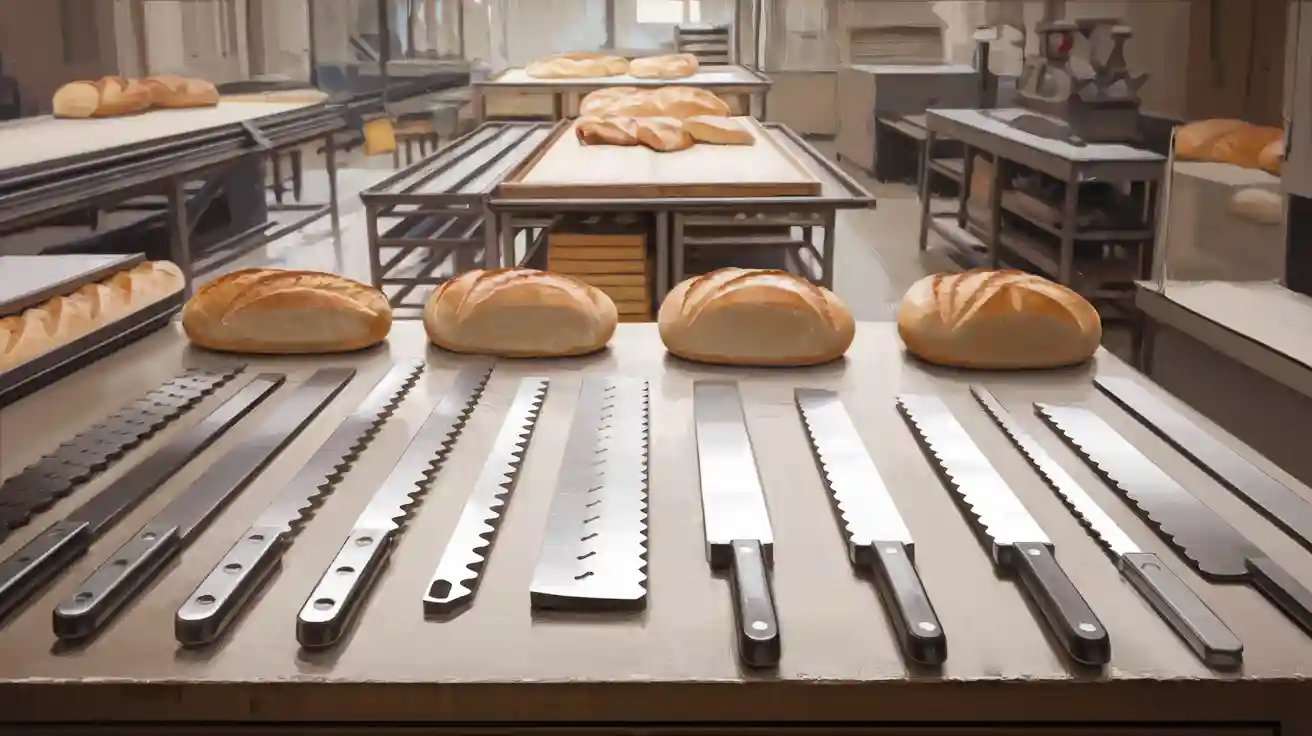
En entornos industriales, Cuchillas cortadoras de pan son esenciales para producir rebanadas de pan limpias y uniformes. Estas cuchillas cortadoras de pan de alta calidad garantizan que cada hogaza mantenga su apariencia y frescura, contribuyendo tanto al aspecto como al sabor del producto final. Elegir la adecuada cuchilla personalizada garantiza resultados consistentes y ayuda a los operarios a trabajar de manera más eficiente. La selección de las cuchillas cortadoras de pan influye directamente en los costes de producción y en la eficiencia general. Al seleccionar una cuchilla, es importante considerar su durabilidad, los requisitos de mantenimiento y la compatibilidad con diversos tipos de pan y volúmenes de producción.
Puntos clave
- Las cuchillas dentadas y de filo ondulado son excelentes para las fábricas. Cortan el pan de forma rápida y uniforme. Además, duran más y requieren menos mantenimiento.
- La mejor cuchilla depende del tipo de pan y del volumen de producción. Los panes blandos requieren cuchillas dentadas. Los panes artesanales de corteza dura se cortan mejor con cuchillas de filo ondulado.
- Las cuchillas personalizadas de Nanjing Metal ayudan a las fábricas a cambiar de cuchilla con menos frecuencia. Esto ahorra dinero y hace que el corte sea más rápido y de mejor calidad.
- La limpieza y el mantenimiento de las cuchillas ayudan a prolongar su vida útil. También garantizan que las rebanadas de pan queden limpias y del mismo tamaño.
- El uso de la cuchilla adecuada ayuda a que las fábricas funcionen mejor. Reduce las paradas de producción y mejora la presentación del pan con menos desperdicio.
Descripción general de los tipos de cuchillas
Cuchillas dentadas
Las cuchillas dentadas para pan se utilizan mucho en las fábricas. Pueden cortar fácilmente tanto pan blando como duro. Los dientes sujetan el pan para que no se desgarre, lo que hace que cada rebanada tenga el mismo aspecto. Las cuchillas dentadas para pan se mantienen afiladas durante más tiempo que las de filo recto. Los dientes realizan la mayor parte del trabajo al cortar. Las fábricas eligen cuchillas dentadas para pan porque funcionan bien y ahorran tiempo. Los estudios demuestran que estas cuchillas funcionan correctamente el 99.83% de las veces, lo cual es superior a las cuchillas convencionales. Si se limpian con cepillos suaves y se secan, duran más. Las cuchillas dentadas para rebanadoras de pan también facilitan el corte, lo que ayuda a los operarios a cortar más pan en fábricas de alta producción.
| Parámetro | Detalles e impacto |
|---|---|
| Geometría y paso del diente | Las cuchillas dentadas con un paso de 2–4 mm cortan bien y evitan los desgarros. |
| Material de la Cuchilla | El acero inoxidable de grado alimentario como SS420 mantiene las cuchillas limpias y afiladas. |
| Vida útil de la cuchilla | Las cuchillas dentadas para rebanadoras de pan duran de 5–7 días en las fábricas. |
Cuchillas de filo ondulado
Las cuchillas de filo ondulado para rebanadoras de pan tienen un borde ondulado. Este filo les permite cortar con suavidad y generar menos migas. Funcionan muy bien en panes con corteza dura. Las fábricas utilizan estas cuchillas para obtener rebanadas uniformes y desperdiciar menos pan. Las cuchillas de filo ondulado para rebanadoras de pan sufren menos fricción, por lo que duran más. Estas cuchillas están diseñadas tanto para pan blando como duro, lo que las hace idóneas para muchos tipos de pan. Su filo especial ayuda a mantener una excelente presentación del pan y permite que los operarios no tengan que cambiar las cuchillas con tanta frecuencia.
Consejo: Las cuchillas de filo ondulado para rebanadoras de pan son ideales para panaderías que buscan cortes limpios y cuchillas de alta resistencia.
Cuchillas de dientes en V
Diente en V cuchillas para cortar pan tienen dientes afilados en forma de V. Estas cuchillas son adecuadas para panes con corteza gruesa o miga densa. La forma en V les ayuda a cortar pan duro rápidamente. Sin embargo, es posible que no produzcan rebanadas tan suaves como otros tipos de cuchillas. Las fábricas utilizan cuchillas de dientes en V para panes especiales o artesanales. Su diseño ayuda a los operarios a aplicar menos fuerza al cortar. No obstante, estas cuchillas pueden requerir más limpieza y mantenimiento que otras cuchillas para rebanadoras de pan.
Cuchillas Rectas
Las cuchillas de filo recto para pan cortan en una línea suave. Sin embargo, las fábricas no las utilizan tanto. Funcionan mejor en pan blando o con poca corteza. Las cuchillas de filo recto para pan pueden realizar cortes limpios, pero se desafilan más rápido y pueden desgarrar el pan duro. Algunas fábricas utilizan cuchillas de filo recto para productos como bollos o panecillos. Aun así, la mayoría de las fábricas de alta producción prefieren las cuchillas dentadas o de filo ondulado para rebanadoras de pan, ya que duran más y ofrecen un mejor rendimiento.
Nota: La elección de la cuchilla para rebanadora de pan adecuada depende del tipo de pan y del acabado que desee para las rebanadas.
Cuchillas para pan en entornos de fábrica
Aplicación en rebanadoras industriales
Flujo de trabajo en líneas de producción automatizadas
Las fábricas utilizan cuchillas para pan para rebanar el pan de forma rápida y uniforme. Los operarios colocan las cuchillas para rebanadoras de pan en los brazos de la rebanadora. Cada cuchilla debe alinearse con precisión para obtener rebanadas uniformes. La rebanadora de pan mueve las cuchillas en sincronía con la cinta transportadora, la cual desplaza las hogazas a una velocidad constante. A medida que el pan avanza, las cuchillas lo cortan en piezas uniformes, lo que ayuda a reducir el desperdicio. Los técnicos supervisan el proceso para mantener las cuchillas afiladas y alineadas, asegurando que cada rebanada sea idéntica durante todo el turno.
Ventajas clave en entornos de fábrica
Las cuchillas para pan ofrecen múltiples ventajas en las fábricas. Garantizan que cada rebanada tenga el mismo grosor, lo cual es fundamental para la presentación y el envasado del pan. Las cuchillas dentadas y onduladas para rebanadoras de pan requieren menos fuerza de corte, lo que evita que el pan blando o crujiente se aplaste. Así, el pan conserva su forma y textura. Estas cuchillas permiten a las panificadoras cortar una gran cantidad de hogazas rápidamente. Su diseño reduce la frecuencia con la que los operarios deben cambiar las cuchillas, lo que ahorra tiempo y mantiene la continuidad operativa. Además, las cuchillas para rebanadoras de pan de calidad requieren menos reparaciones, lo que ayuda a que la fábrica funcione sin interrupciones.
Estudio de caso: Implementación en una panificadora de gran volumen
Una gran panadería cambió su máquina rebanadora de pan. Pasaron de usar cuchillas comunes a cuchillas para pan con filo ondeado. Después de esto, necesitaron reemplazar las cuchillas con un 15% menos de frecuencia. Las nuevas cuchillas para rebanadoras de pan producían rebanadas más uniformes. Funcionaron muy bien tanto en pan blando como en pan con corteza. Los operarios observaron menos desmoronamiento y hogazas con mejor aspecto. La panadería tuvo menos paradas para el mantenimiento de la máquina. Esto hizo que la producción fuera más fluida y rápida. Esto demuestra cómo la cuchilla para pan adecuada puede ayudar a las fábricas a producir mejor pan y trabajar de manera más eficiente.
Comparación con otros tipos de cuchillas
Tabla comparativa de rendimiento y mantenimiento
Las cuchillas para pan funcionan mejor que otras cuchillas para la mayoría de los trabajos de corte de pan. La siguiente tabla muestra cómo se comparan las diferentes cuchillas para rebanadoras de pan en cuanto a corte, durabilidad, frecuencia de mantenimiento y costo:
| Tipo de cuchilla | Eficiencia de corte | Vida útil de la cuchilla | Frecuencia de mantenimiento | Nivel de costo |
|---|---|---|---|---|
| Cuchillas dentadas para pan | Alto | 5–7 días | Bajo | Moderado |
| Cuchillas para pan con filo ondeado | Alto | 6–8 días | Bajo | Moderado-Alto |
| Cuchillas de dientes en V | Medio | 4–5 días | Medio | Moderado |
| Cuchillas Rectas | Bajo-Medio | 2–3 días | Alto | Bajo |
Las pruebas demuestran que las cuchillas dentadas para pan requieren menos fuerza para cortar. Utilizan aproximadamente 6 N, mientras que las cuchillas desafiladas requieren 107.3 N. Esto significa que las cuchillas para pan cortan de manera más fácil y rápida. La cuchilla dentada funciona bien a altas velocidades. Esto ayuda a las fábricas a producir más pan con menos esfuerzo. También significa que las cuchillas para rebanadoras de pan duran más y requieren menos cambios.
Por qué las fábricas prefieren las cuchillas para pan
Las fábricas prefieren las cuchillas para pan por muchas razones:
- Calidad constante de la rebanada: Las cuchillas para pan mantienen las rebanadas del mismo tamaño y limpias.
- Tiempo de inactividad reducido: Las cuchillas para rebanadoras de pan dentadas y de filo ondeado duran más y requieren menos mantenimiento.
- Versatilidad: Bread knives work on many types of bread, soft or crusty.
- Rentabilidad: Long-lasting blades and less fixing save money in big factories.
- Proven Efficiency: Bread knives help bakeries cut bread fast and keep up with busy orders.
Note: Picking the right bread knife helps factories meet quality rules and work fast, even if they make new kinds of bread.
Comparación de rendimiento

Eficiencia de corte
Speed Comparison by Blade Type
Factories check how fast they slice bread each shift. Good bread slicing blades help machines cut hundreds of loaves every hour. Serrated and scalloped blades cut bread quickly. Straight blades are slower. Carbide-tipped and bi-metal blades, made from stainless steel, stay sharp longer and cut faster. The table below shows how each blade type works:
| Tipo de cuchilla | Cutting Speed (Loaves/Hour) | Slice Uniformity | Mejor caso de uso |
|---|---|---|---|
| Serrado | 800–1200 | Alto | Sandwich, soft loaves |
| Guisado al gratén | 700–1100 | Alto | Crusty, artisan bread |
| V-Tooth | 600–900 | Medio | Dense, specialty bread |
| Derecho | 400–700 | Medio | Buns, rolls |
Factory Case Study: High-Speed Slicing Line
A big bakery got new machines with serrated bread knives. They sliced bread 20% faster. The blades needed fewer changes, so there was less downtime. The bakery made more bread and wasted less. Smart computers tracked every shift. They showed the bakery worked better and made nicer slices.
Impact of Blade Material and Design on Efficiency
Blade material and design change speed and quality. Stainless steel blades do not rust and stay sharp. Serrated and scalloped blades make cutting smoother. Automation and data tracking help factories know when to change blades. This keeps machines working longer.
Durability and Wear
Average Lifespan and Replacement Frequency Table
| Tipo de cuchilla | Average Lifespan (Days) | Replacement Frequency (per month) |
|---|---|---|
| Serrado | 6 | 5 |
| Guisado al gratén | 7 | 4 |
| V-Tooth | 5 | 6 |
| Derecho | 3 | 10 |
Factors Affecting Wear (Material, Bread Type, Production Volume)
How long a blade lasts depends on a few things:
- Stainless steel blades last longer when used a lot.
- Hard crusts and thick bread wear blades out faster.
- More bread means you need stronger blades.
Case Example: Durability in Continuous Operation
One bakery used serrated bread slicing blades all week. The blades stayed sharp, even with lots of use. This saved money on repairs and made the blades last longer.
Necesidades de mantenimiento
Maintenance Frequency by Blade Type
Serrated and scalloped bread knives need less fixing than straight or V-tooth blades. Factories watch for blade wear early. This helps them plan repairs and avoid sudden problems.
Common Maintenance Challenges
Technicians sometimes see blade build-up and damage. These problems make cutting worse and slow down work. Using good stainless steel blades helps stop these issues.
Case Study: Maintenance Optimization in a Commercial Bakery
A bakery used special tools to check blade wear. They changed blades at the right time. This cut downtime by 15%. The bakery planned repairs better and kept machines running.
Bread Type Compatibility
Blade Suitability for Artisan Breads
Scalloped and serrated bread knives are best for artisan bread. They cut thick crusts without squashing the loaf.
Blade Suitability for Buns and Rolls
Straight blades are good for buns and rolls. These breads need soft, clean cuts. The blade must stay sharp for even slices.
Blade Suitability for Soft Loaves
Serrated bread knives work great on soft loaves. The teeth hold the bread and stop it from tearing.
Example: Matching Blade to Bread Type in Mixed-Product Factories
In factories that make many breads, managers pick blades for each bread. Serrated blades cut soft loaves. Scalloped blades slice artisan bread. Straight blades work on buns. This helps keep quality and speed high.

Soluciones de cuchillas personalizadas
Beneficios de la Personalización
Factories have different problems when making bread. Custom bread slicing blades help fix these problems. They fit each factory’s needs. Custom blades cut better and waste less bread. Workers see more even slices and fewer mistakes. Studies show factories can work up to four times faster with the right tools. Custom blades are made to fit exactly. This helps factories work better. Many companies say they stop less and work smoother with custom blades. These blades last longer and do not need to be replaced as much.
When Custom Blades Are Needed
Custom blades are needed when regular blades do not work. Factories that make many kinds of bread or work very fast need special blades. Some bakeries need blades for both soft and artisan bread. They do not want to change machines. Custom blades help save time on repairs and make slices more even. Reports say custom blades and new materials like stainless steel help factories work better and stop less. Workers pick custom blades to fix problems like changing blades too often, wasting bread, or uneven cuts.
Nanjing Metal Cuchillas Personalizadas
Nanjing Metal is a top company for bread cutting blades. They have made blades for 18 years. Their teams design and make custom blades for factories. Customers who use Nanjing Metal custom blades see big changes:
- They change blades only three times a month instead of twelve.
- Blade costs go down from $2,400 to $1,000 each month.
- Workers save two days of machine time every month.
- The blades pass safety tests and work better.
| Métrica de rendimiento | Before Using Nanjing Metal Custom Blades | After Using Nanjing Metal Custom Blades | Mejora |
|---|---|---|---|
| Cambios de cuchillas por semana | 10 | 3 | 70% reduction |
| Tasa promedio de corte de desechos | 6.5% | 2.2% | 66% reduction |
| Tiempo de inactividad debido al desgaste de la cuchilla | 4 horas/semana | 1 hora/semana | 75% reduction |
Customers also say cutting is 22% faster. The blades last longer and cut more exactly.

Guía de selección de cuchillas
Assessing Bread Types
Identify Bread Varieties Produced
Factories start by listing all the bread they make. Some only bake soft loaves. Others make crusty artisan bread, buns, or rolls. Each kind of bread needs a special way to slice it.
Determine Crust Hardness and Texture
Next, managers look at the bread’s crust. Hard crusts, like on sourdough or baguettes, need a different blade than soft sandwich bread. The texture changes how well the bread slicing blades work and how neat the slices look.
Match Blade Edge Type to Bread Characteristics
Picking a bread knife means matching the blade edge to the bread. The table below helps factories choose the right bread slicing blades for their bread:
| Tipo de cuchilla | Suitable Bread Types | Beneficios clave | Factory Selection Factors |
|---|---|---|---|
| Hoja dentada | Crusty artisan breads, hard rolls | Grips hard crust, keeps soft inside safe | Good for big, dense loaves, less sharpening |
| Straight-Edged Blade | Soft breads, pastries, sandwich loaves | Makes clean slices, easy to sharpen | Best for soft breads, helps with even pieces |
Example: Selecting Blades for Mixed-Product Lines
A factory that makes both artisan and soft bread uses serrated bread slicing blades for crusty loaves. They use straight blades for sandwich bread. This way, all slices look good.
Matching Production Volume
Calculate Average and Peak Output
Production teams count how many loaves they slice each hour and at busy times. High output means they need blades that last longer and can keep up.
Choose Blade Types for High-Speed or Batch Production
Factories with fast lines often use serrated or scalloped bread slicing blades. These blades can slice quickly and still make nice cuts.
Consider Blade Changeover Frequency
Managers check how often they must change blades. Fewer changes mean less stopping and better work flow.
Example: High-Volume vs. Small-Batch Operations
In big factories, workers pick strong bread slicing blades that last through many shifts. Small bakeries may choose blades that are easy to change for more flexibility.
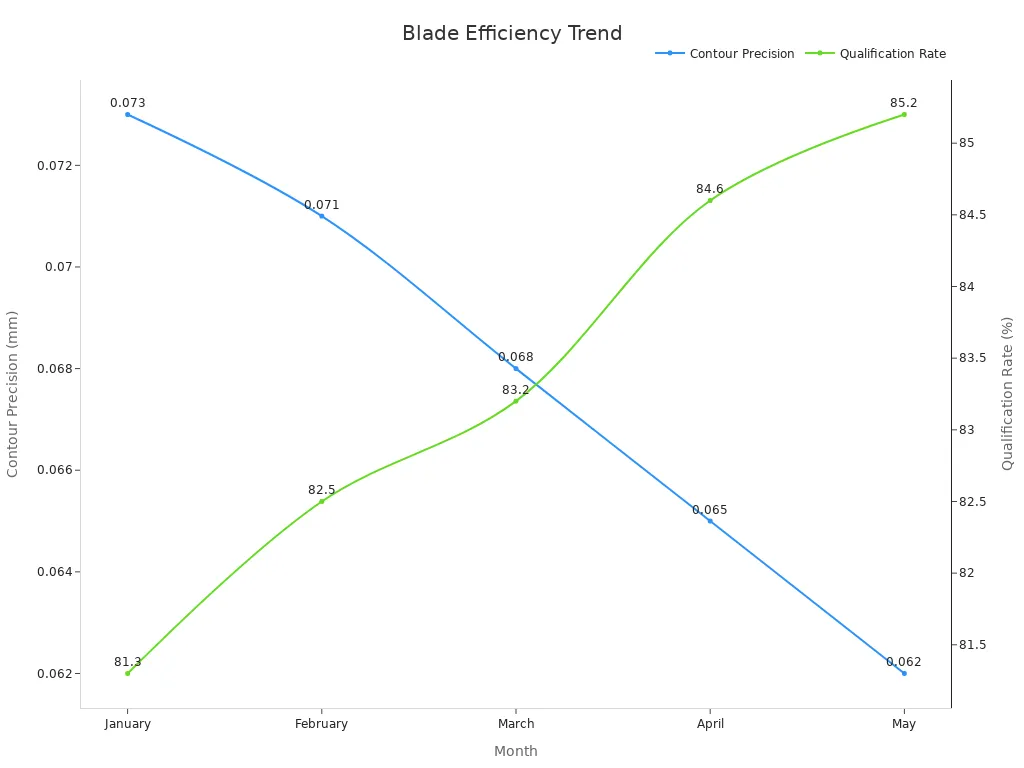
Maintenance Considerations
Evaluate Maintenance Resources and Schedules
Factories look at their maintenance team and how often they do repairs. If there are not many workers, they need bread slicing blades that do not need much care.
Select Blades with Lower Maintenance Needs for Limited Staff
Serrated and scalloped blades often need less sharpening and cleaning. These are good choices for factories with fewer workers.
Factor in Cleaning and Sharpening Requirements
Some bread slicing blades are easy to clean and stay sharp longer. This means workers spend less time on repairs.
Example: Maintenance Optimization in Large Bakeries
A big bakery switched to blades that did not need sharpening as often. This helped them work faster and stop less.
Análisis de costos
Compare Initial Blade Costs and Replacement Rates
Managers look at how much each bread slicing blade costs and how often they need new ones.
Assess Total Cost of Ownership (TCO)
They also check the total cost, including buying, fixing, and lost time.
Balance Cost with Performance and Durability
Factories try to balance cost with how well and how long the blade works. A more expensive blade may save money if it lasts longer and keeps bread looking good.
Example: Cost-Benefit Analysis for Custom Blades
Many factories use guides and forms to compare choices. They find that custom bread slicing blades can save money over time by needing fewer replacements and making better slices.
For custom solutions, many top bakeries trust Nanjing Metal, a bread slicing blades maker with 18 years of experience. Their team makes strong, tested blades for every factory.
Readers who want more help can talk to a sales engineer on the póngase en contacto con página

Recomendaciones de fábrica
Producción de alto volumen
Factories that make lots of bread need strong blades. These blades must work all day without stopping. Serrated and scalloped-edge blades are best for cutting many loaves fast. They help workers slice bread quickly and evenly. These blades last longer, so workers do not have to change them often. This means less time is lost during the day. If factories use carbide or heat-treated blades, they can make up to 30% more bread. They also save a lot of money because machines stop less. The table below shows how different blades help in busy factories:
| Tipo de cuchilla | Área de aplicación | Beneficio de rendimiento |
|---|---|---|
| Carbide Shear Blades | Metal Fabrication Plant | 30% output increase, less downtime |
| Heat-Treated Blades | General Industrial Use | 25% more load endurance |
| Custom Slitter Blades | Packaging Line | 18% efficiency improvement |
Tip: Factories should check blades often. They should pick carbide or high-speed steel blades for fast bread slicing.
Specialty and Artisan Breads
Specialty and artisan breads can have hard crusts or special shapes. Scalloped-edge and serrated blades cut these breads without smashing them. These blades help keep the bread looking nice. This is important for fancy or expensive bread. Factories that make artisan bread use blades that stay sharp and do not wear out fast. New trends show bakeries use smart blades and eco-friendly materials. This helps them make good bread and work better.
Mixed-Product Lines
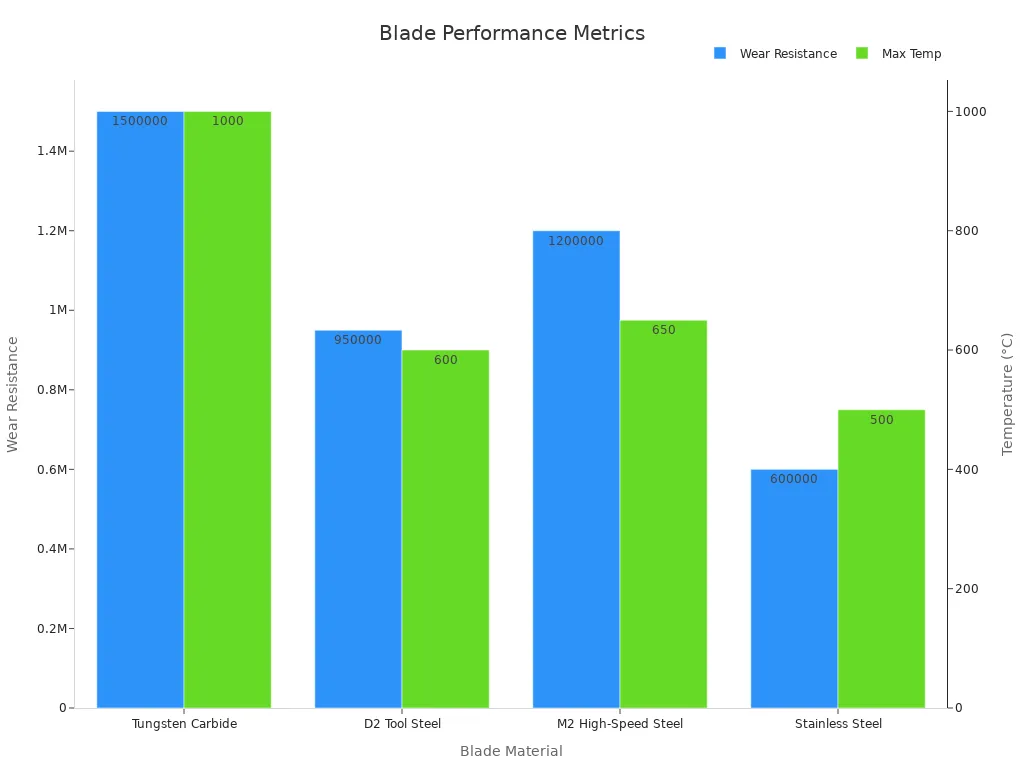
Some factories make many kinds of bread. They need different blades for each type. Managers pick serrated, straight, or custom blades to match each bread. Using the right blade for each loaf keeps slices even and stops waste. The chart below shows which blade materials last longer and work at higher temperatures. This helps factories pick the best blade for their needs.
Small-Scale Operations
Small bakeries or factories with less bread use easy-to-care-for blades. Straight blades or regular serrated blades are good choices. These blades are not expensive and work well every day. They do not need much fixing or cleaning. Picking the right blade helps small teams make good bread and spend less money.
Note: For special blade needs, many factories trust a top Bread Cutting Blades manufacturer with 18 years of experience. They are known for quality and new ideas. People can talk to a sales engineer on the contact page.
Picking the right blade helps factories make bread easily and well. Factories need to choose a blade that fits their bread and how much they make. They also need to think about how much fixing the blade needs. Custom blades can help factories work better and stop less. Nanjing Metal is a trusted Industrial Blades manufacturer with 18 years of experience. They know how to make blades that fit each factory’s needs. 🛠️ If you want help, you can talk to a sales engineer on the contact page.
Preguntas frecuentes
What is the best blade type for slicing soft sandwich bread in factories?
Serrated-edge blades are best for soft sandwich bread. The teeth hold the loaf and make neat slices. Factories pick these blades because they cut fast and always work well.
How often should factories replace bread slicing blades?
How often you change blades depends on how much bread you make and what kind. Most factories put in new blades every 5 to 7 days. Checking blades often helps keep slices nice and stops delays.
Can one blade type handle all bread varieties in a mixed-product bakery?
No single blade works for every bread. Factories use serrated blades for soft bread. They use scalloped-edge blades for artisan bread. Picking the right blade for each bread gives the best slices.
What materials are most common for industrial bread slicing blades?
Most bread slicing blades are made from food-grade stainless steel. This metal does not rust and stays sharp. Some factories use carbide-tipped blades because they last longer.
How do factories keep bread slicing blades clean and safe?
Workers clean blades with soft brushes and safe cleaners. Cleaning often stops stuff from building up and keeps slices tidy. Taking care of blades helps them last and keeps food safe.
Ver también
Consejos esenciales para el mantenimiento de las cuchillas para cortar pan

 English
  Spanish
  Italian
  French
  Portuguese
  Russian
  German
  Arabic
  Hindi
Hindi  Vietnamese
  Indonesian
  Japanese
  Korean
2 comentarios