

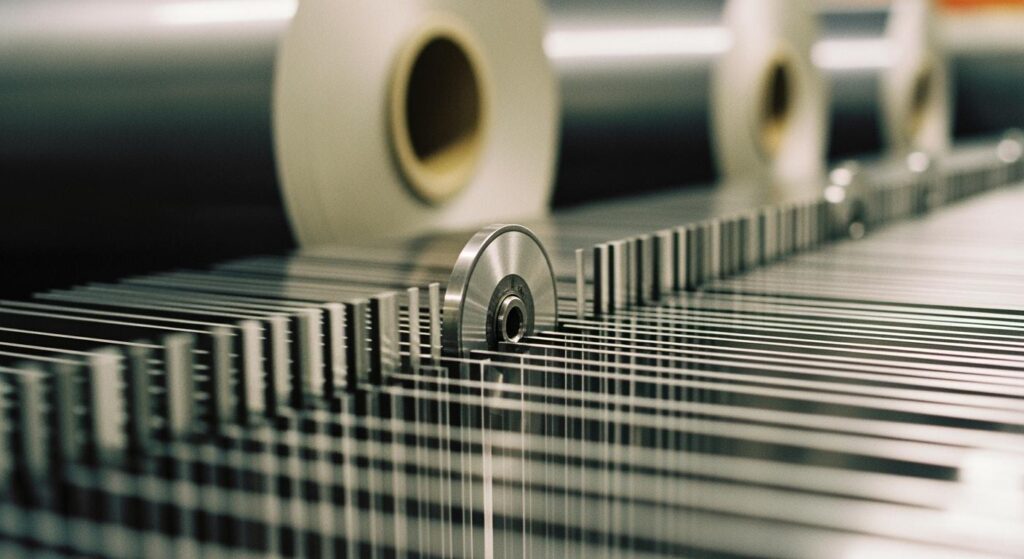
You use high-precision Lama per taglierina rotativa per film to achieve smooth and clean edges. These rotary slitter blade for film are essential in your operations, helping you produce neat cuts and reduce errors. Blade quality is especially important for film makers and packaging companies.
- Many companies report faster production speeds and fewer mistakes when using a high-quality rotary slitter blade for film.
- One study showed a 22% reduction in waste after switching to rotary slitter blade for film with improved bevel shapes.
Nanjing Metal Industrial specializes in manufacturing rotary slitter blade for film that meet strict quality standards. They also offer custom rotary slitter blade for film tailored to your specific requirements.
Punti chiave
- High-precision rotary slitter blades make cuts smooth and clean. They help lower mistakes in film and foil work.
- Good blades help machines work faster. They also cut down on waste. This makes the whole process better.
- Pick the right blade for your material. You can use razor, crush cut, or shear slitting blades. Each one works for different jobs.
- Tight manufacturing tolerances help make clean cuts. They also help stop waste. Even small changes can affect how things turn out.
- Take care of blades by cleaning them every day. Replace them when needed. This keeps blades sharp and helps them last longer.
- Custom blades can be made for special cutting needs. They work better for unique materials or jobs.
- Using advanced materials and coatings makes blades last longer. It also helps them cut better and gives good results.
- Automation in slitting helps machines work faster. It lowers material loss and keeps product quality the same.
What Is a Rotary Slitter Blade for Film
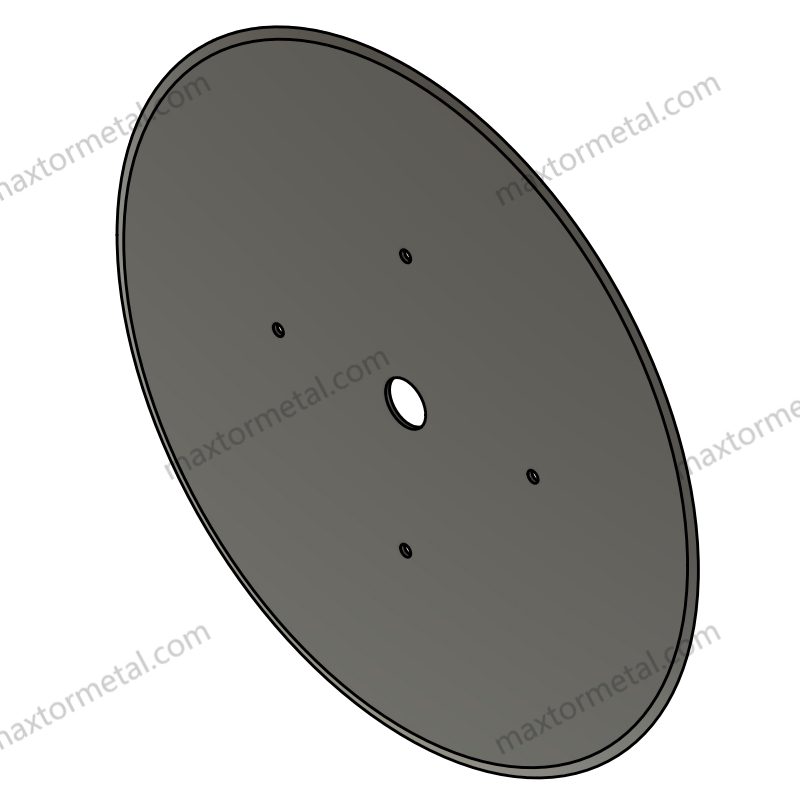
A rotary slitter blade for film is a special cutting tool. You use it in slitting machines. These machines take big rolls of material and cut them into smaller strips. The blades help you make clean and exact cuts in plastic films, foils, and flexible packaging. The blade’s design and quality matter for smooth and accurate cuts.
Rotary slitter blades for film are different from other industrial blades. They have special features. You can see the main differences in the table below:
| Caratteristica | Rotary Slitter Blades for Film | Other Industrial Blades |
|---|---|---|
| Materiale | Stainless steel, coated, hard metals, ceramics | Varies widely depending on application |
| Spessore | 0.40mm and 0.20mm | Varies widely |
| Applicazione | Cutting flexible packaging materials and plastic bags | General industrial applications |
| Progetto | Robust design with a single oblong slot | Various designs based on specific needs |
| Prestazione | High-speed cutting of films and thicker materials | Performance varies by blade type |
You use rotary slitter blades for film because they are made from strong materials like tool steel or carbide. This makes them last a long time. The tough design, with a single oblong slot, lets you cut thin and thick materials fast.
Tipi di lama
There are different types of rotary slitter blades for film. The most common types are:
- Razor slitting: You use this to cut films, plastics, tapes, ribbons, and vinyl.
- Crush cut slitting: This works well for some rotary slitter machines.
- Shear slitting: This uses a shearing action for exact cuts.
Single-Layer vs. Double-Layer
You can pick single-layer or double-layer blades. Single-layer small edge blades are best for harder materials. Double-layer large edge blades are good for cutting thin materials with high precision. Your choice depends on what kind of film or foil you need to cut and how smooth you want the edge.
Applicazioni
Rotary slitter blades for film are important in many industries. You will see them used in:
- Packaging industry: You use these blades to cut films and foils for packaging.
- Film and foil converting: You use them to cut plastic films, aluminum foil, and laminates for packaging, labels, and other uses.
Film, Foil, and Flexible Packaging
These blades can cut plastic films, aluminum foils, and flexible packaging. This helps you make products for food packaging, medical supplies, and things people buy.
Nanjing Metal Industrial has many kinds of slitter blades for slitting machines. You can choose from different materials, blade shapes, and edge types. If you need something special, you can ask for custom blades made just for you. Visit the pagina delle lame personalizzate to learn more about options for your needs.
High-Precision Features
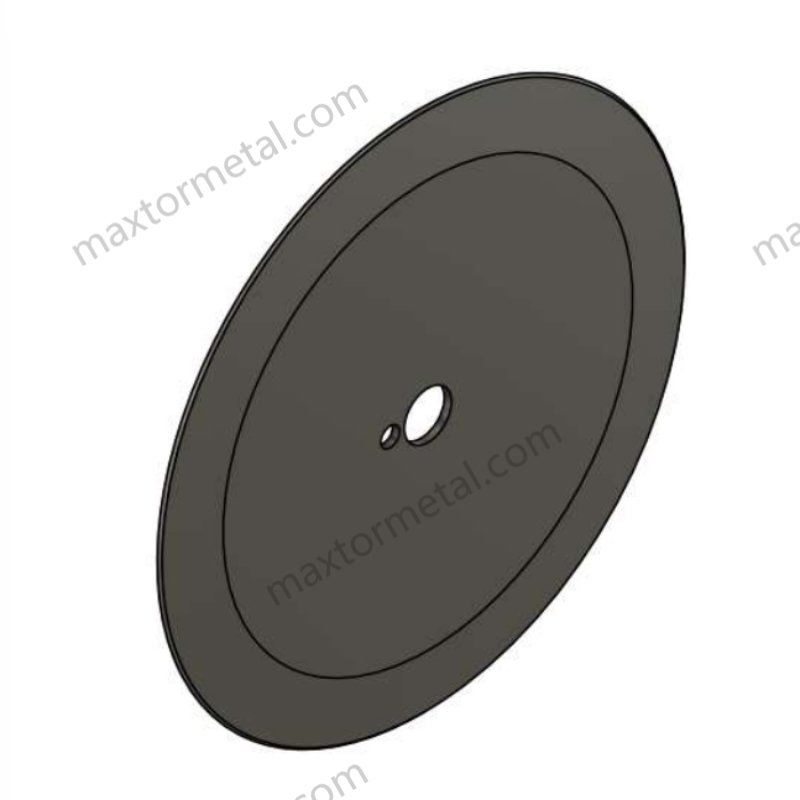
If you want smooth cuts with no burrs, you need to look at three things. These are tight manufacturing tolerances, strong materials, and the right edge shape. These things help you get clean cuts and waste less material. Nanjing Metal Industrial checks quality and picks good materials. This makes sure each rotary slitter blade for film is made well.
Tolleranze di fabbricazione
Intervalli di tolleranza tipici
Sono necessarie tolleranze estremamente precise per ottenere tagli ottimali. Anche minime variazioni nelle dimensioni o nella forma della lama possono compromettere i risultati. Di seguito sono riportati gli intervalli di tolleranza tipici per i coltelli circolari di precisione per taglio longitudinale:
| Parametro | Tolleranza/Intervallo tipico |
|---|---|
| Tolleranza al parallelismo | Da ±0,001 mm a ±0,002 mm |
| Eccentricità assiale e radiale | Tipicamente < 0.005 mm |
| Spessore della lama | Personalizzabile fino a +/- 0.001 mm |
| Diametro interno | Rettificato di precisione con tolleranza H7/H6 |
Queste tolleranze ristrette contribuiscono a mantenere stabile la lama, riducendo il rischio di tagli irregolari.
Impatto sulla qualità del taglio longitudinale
L'utilizzo di lame con tolleranze inadeguate può causare problemi quali arricciature, bordi irregolari o lo scoppio delle bobine di film. Ecco come la tolleranza può influire sulla lavorazione:
- Se lo spessore della lama è eccessivo, le bobine di film possono scoppiare.
- I materiali sottili potrebbero arricciarsi, rendendo il taglio più difficile.
- Le variazioni di tolleranza possono causare arricciature e bordi irregolari.
- Se le tolleranze non sono ristrette, potrebbe essere necessario modificare il processo di taglio.
L'utilizzo di un coltello circolare per taglio longitudinale di film con tolleranze precise garantisce tagli più netti e meno scarti. Nanjing Metal Industrial monitora attentamente le tolleranze per aiutarvi a ottenere i migliori risultati.
Opzioni di materiale
Acciaio ad alto carbonio, acciaio per utensili, carburo di tungsteno
Il materiale scelto per la lama influisce sulla sua durata e sulla qualità del taglio. Di seguito è riportata una tabella comparativa dei materiali comuni:
| Materiale | Vantaggi | Svantaggi | Applicazioni adatte |
|---|---|---|---|
| Acciaio ad alto tenore di carbonio | Duro, resistente all'usura, economico | Soggetto a rottura, può arrugginire | Taglio di carta e pellicole |
| Acciaio per utensili | Molto duro, resistente all'usura, idoneo per alte temperature | Costo più elevato, maggiore complessità di produzione | Taglio di lamiere, materiali spessi |
| Carburo di tungsteno | Altissima resistenza all'usura, lunga durata | Fragile, costo più elevato | Taglio di materiali duri come l'acciaio |
Per cicli di produzione lunghi e per ridurre i tempi di fermo macchina, il carburo di tungsteno rappresenta la scelta ideale. Per cicli brevi, l'acciaio ad alto carbonio è sufficiente. Le lame più sottili offrono tagli più precisi, ideali per il taglio longitudinale di film di precisione. Le lame più spesse durano più a lungo, ma potrebbero offrire un taglio meno netto.
Geometria del bordo
Profili dei bordi
Anche la geometria del tagliente è fondamentale. È possibile scegliere tra diverse configurazioni in base al materiale da tagliare:
- Angoli di affilatura della punta di 35–45 gradi sono adatti per la maggior parte delle applicazioni.
- Profilature a smusso come 30, 45 o 60 gradi, o combinazioni come 45 + 15 gradi, consentono di adattare la lama al materiale.
- La profondità di sormonto ottimale per tagli fluidi è solitamente compresa tra 0.5 e 0.75 mm, ma deve essere regolata in base allo spessore del foglio.
La scelta della corretta geometria del tagliente consente di ottenere bordi lisci e privi di bave, eliminando la necessità di lavorazioni di finitura aggiuntive.
Caso di studio: Risultati del taglio longitudinale
Un'azienda di imballaggio desiderava migliorare la qualità di taglio su film sottile in PET. Sostituendo una lama a profilo piatto con un coltello circolare per taglio longitudinale di film con profilo bisellato, ha registrato il 30% in meno di bave. I bordi sono risultati migliori, con una netta riduzione degli scarti. Ciò dimostra come la corretta geometria del tagliente possa ottimizzare la produzione.
Suggerimento: Sperimentate diverse geometrie di tagliente e materiali per individuare la soluzione ottimale per le vostre applicazioni di taglio di film o fogli metallici.
Slitting Quality Benefits
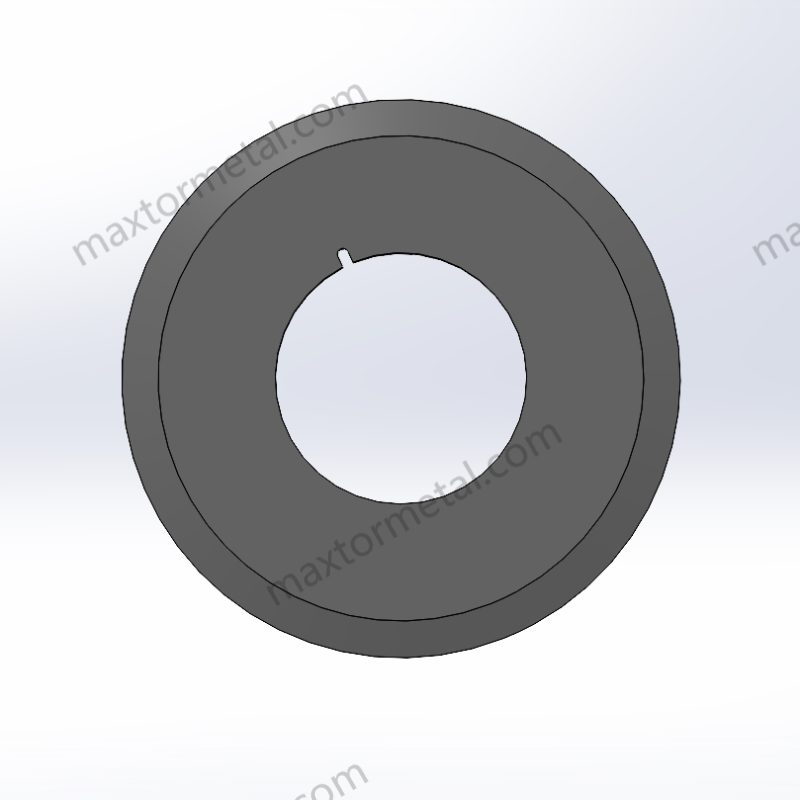
Bordi privi di bave
Per garantire l'estetica e la funzionalità di film e fogli metallici, è fondamentale ottenere bordi privi di bave. L'utilizzo di un coltello circolare per taglio longitudinale di film che esegue tagli fluidi evita la formazione di bordi taglienti o ruvidi. Questi tagli netti proteggono i prodotti da successivi danneggiamenti. Nei settori dell'elettronica e della produzione di batterie, i tagli senza bave garantiscono sicurezza e precisione, riducendo inoltre il rischio di inceppamenti o guasti ai macchinari. Ciò prolunga la durata dei macchinari e preserva l'elevata qualità del prodotto.
Suggerimento: I bordi privi di bave prevengono problematiche che potrebbero compromettere la qualità del prodotto e l'efficienza delle apparecchiature.
Rifiuti ridotti
Ridurre gli scarti si traduce in un risparmio di materiale e di risorse economiche. Tagli netti significano meno materiale da smaltire. Quando le lame funzionano in modo ottimale, non è necessario rifinire i bordi irregolari, consentendo di sfruttare al massimo la materia prima. Meno scarti significano anche meno tempo dedicato alla pulizia o alla correzione degli errori, permettendo di concentrarsi sulla produzione anziché sulla risoluzione dei problemi. Questo accelera i flussi di lavoro e favorisce la crescita aziendale.
- Si riduce il consumo di materiale.
- Si riduce il tempo dedicato alle correzioni.
- Si abbattono i costi operativi.
Prestazioni costanti
Lame dalle prestazioni costanti garantiscono risultati uniformi. Quando le lame eseguono ogni volta lo stesso tipo di taglio, i prodotti mantengono un aspetto e una funzionalità costanti, aumentando la soddisfazione del cliente e valorizzando il brand. Inoltre, si riducono i tempi di sostituzione delle lame o di manutenzione delle macchine. La tabella seguente mostra come la costanza delle prestazioni delle lame ottimizzi la produzione:
| Descrizione | Impatto sulla resa produttiva |
|---|---|
| Un minor numero di cambi lama garantisce Il 15-20% in più di tempo per l'attrezzaggio delle macchine. | Velocizza il lavoro e riduce gli errori. |
| Lame di qualità assicurano tagli e sigillature nette, preservando l'integrità del prodotto. | Riduce gli errori di confezionamento e gli scarti, aumentando la quota di prodotti conformi. |
| Tagli netti migliorano l'aspetto estetico e la durata dei prodotti. | Incrementa la soddisfazione del cliente e rafforza il brand. |
| Bad blades make machines work harder, so they break more. | Machines do not last as long, so you get fewer products. |
| Strong blades use less material and help the environment. | Helps you make products in a greener way. |
You can see that using the right blades helps you make more products with less work. Your machines work better, and your products look nice in stores.
Criteri di selezione chiave
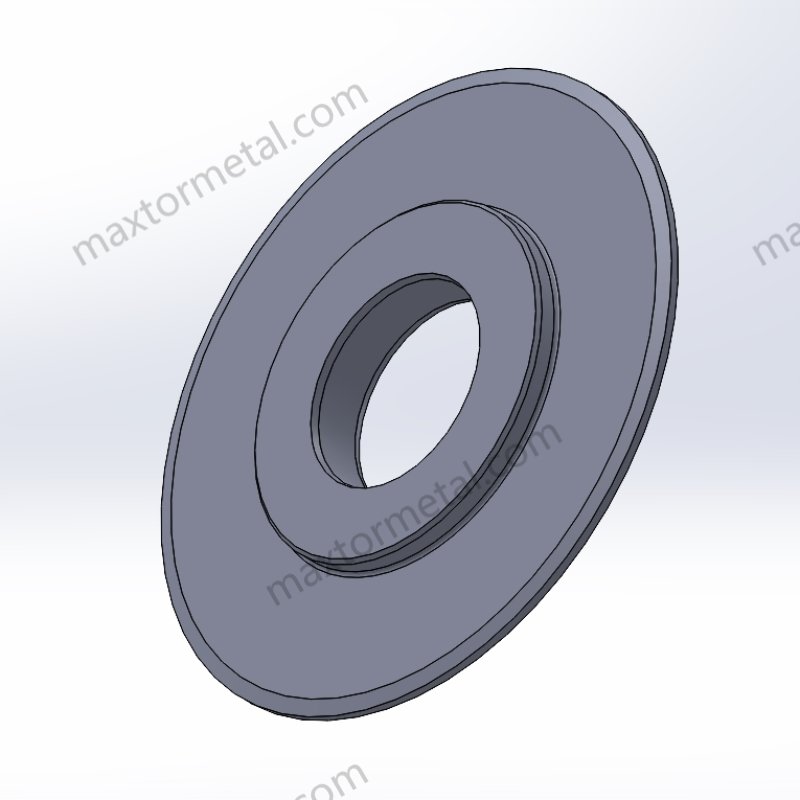
Picking the right rotary slitter blade for film, foil, or flexible packaging helps you get good results. You need to match the blade to your material. Think about how thick your material is and how fast your machine goes. Sometimes, you may need a lama personalizzata for special jobs. This section will show you what to think about.
Abbinamento della lama al materiale
You should always use a blade that fits your material. Every material is different. The right blade gives you smooth cuts, lasts longer, and makes less waste.
Pellicola in PET
PET film is strong and bends easily. People use it for packaging, labels, and electronics. When you cut PET film, you need a blade that stays sharp and does not wear out fast. Tool steel or tungsten carbide blades work well. You should also check how hard the blade is. Harder blades last longer but can break more easily. For PET film, a hardness of 58–62 HRC is normal.
Aluminum Foil
Aluminum foil is soft but can scratch blades. It needs a blade with a sharp edge and a coating that stops sticking. You should pick a blade with a special coating to keep foil from sticking and to lower friction. Tungsten carbide or coated tool steel blades are good picks. You also need to use the right pressure so you do not hurt the foil.
BOPP Film
BOPP film is thin and slippery. It is used for food packaging and labels. You need a blade that is very sharp and smooth. A blade with a small bevel angle helps stop the film from curling. You should also match the blade’s thickness and shape to the film and your machine’s speed.
Here is a table to help you compare the main things for each material:
| Criteri | Pellicola in PET | Aluminum Foil | BOPP Film |
|---|---|---|---|
| Tipo di materiale | Tool steel, tungsten carbide | Tungsten carbide, coated steel | Tool steel, high-carbon steel |
| Durezza (HRC) | 58–62 | 60–65 | 56–60 |
| Edge Precision | Alto | Molto alto | Alto |
| Geometria della lama | Medium bevel, thin profile | Fine edge, anti-stick coating | Low bevel, thin profile |
| Coating Properties | Optional | Required | Optional |
| Velocità di taglio | Da medio ad alto | Medio | Alto |
| Slitting Pressure | Medio | Basso | Basso |
| Controllo della temperatura | Not critical | Important | Not critical |
| Blade Life Cycle | Lungo | Medio | Medio |
| Tape Compatibility | Bene | Bene | Eccellente |
Tip: Always make sure your blade works with your material. This helps you stop burrs and rough edges.
Thickness and Speed
You need to think about how thick your material is and how fast your machine runs. Thick materials need stronger blades with a bigger bevel angle. Thin films need sharper blades with a smaller bevel angle. If your machine is fast, use blades with special coatings to stop heat and friction.
For BOPP film, here is a table with blade tips for different thicknesses and speeds:
| BOPP Film Thickness (μm) | Machine Speed (m/min) | Spessore consigliato della lama (mm) | Angolo di smusso (°) | Coating Needed |
|---|---|---|---|---|
| 12–20 | 200–400 | 0.20–0.25 | 30–35 | Optional |
| 21–30 | 100–300 | 0.25–0.30 | 35–40 | Optional |
| 31–50 | 50–200 | 0.30–0.35 | 40–45 | Recommended |
Note: If you make your machine go faster, you may need a blade with a special coating to stop it from getting too hot.
Personalizzazione
Sometimes, regular blades do not work for your job. You might need a custom blade for a special material, a different machine, or a certain way of cutting. Custom blades help you get the best edge, the right slit width, and less waste.
Custom Blade Manufacturing Process
If you need a custom rotary slitter blade for film, you can work with a company like Nanjing Metal Industrial. You can send them your drawing or tell them what you need. The company will pick the right material, hardness, and edge shape for your job. They use special machines to make and sharpen the blade. This makes sure your blade fits your machine and works well.
Custom blades have many good points:
- You get the best edge for your special material.
- You can cut many thicknesses and use different machine speeds.
- You work faster and waste less.
- You can meet special cutting needs for new products.
Tip: Custom blades help you fix hard cutting problems and keep your machines working well.
If you follow these key tips, you can pick the best rotary slitter blade for film, foil, or flexible packaging. This helps you get smooth cuts, waste less, and keep your machines running well.
Rotary Slitter Blade for Film: Maintenance
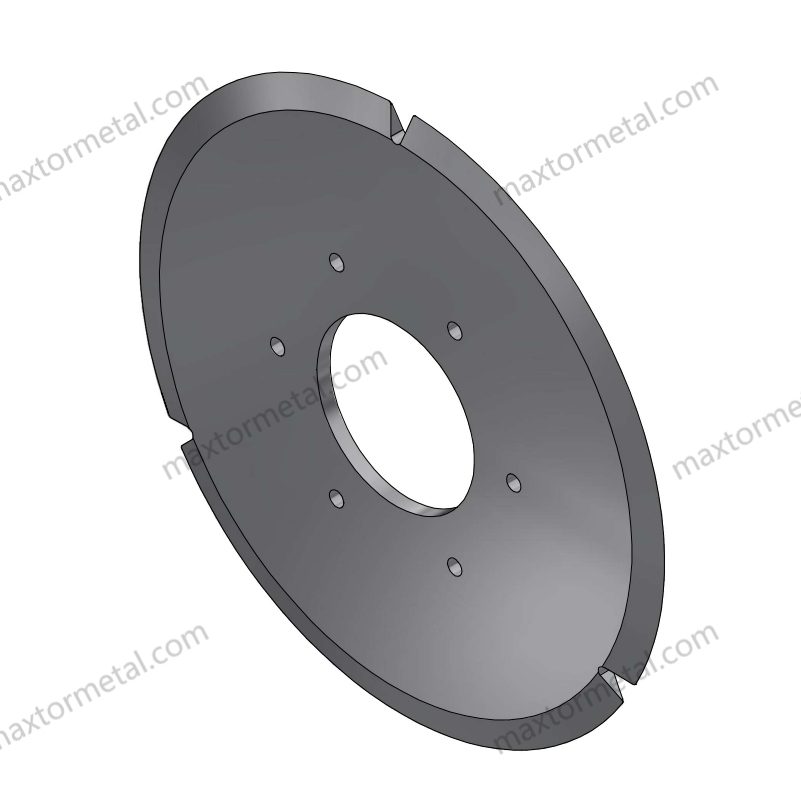
Taking care of your rotary slitter blade for film is important. It helps you get smooth cuts. It also keeps your machine working well. You can do some easy things to make your blades last longer.
Pulizia
Procedura di pulizia giornaliera
You should clean your blades every day. This stops dirt and film bits from building up. Here is an easy way to clean your blades: Take the blade out of the machine safely. Wipe off dust and dirt with a soft cloth. Use a special cleaner or degreaser that is safe for blades. Do not use metal scrapers or rough cleaners. Dry the blade all the way before you put it back. Cleaning after each job helps your blades last longer and cut better.
Agenti pulenti consigliati
Picking the right cleaner keeps your blades in good shape. Some cleaners work better for certain blade materials. You can see the best choices in the table below:
| Industria | Materiale della lama | Miglior metodo di pulizia | Frequenza di pulizia |
|---|---|---|---|
| Taglio di carta e pellicola | Lame rivestite in carburo di tungsteno | Aria compressa e alcol isopropilico | Dopo ogni 20.000 tagli |
Isopropyl alcohol takes off sticky stuff without hurting the blade. Compressed air blows away tiny dust. Special blade cleaners also help with tough dirt.
Precautions
You need to be safe when you clean blades: Always wear gloves to keep your hands safe. Make sure the blade is cool before you touch it. Do not use rough things that can scratch the blade. Dry the blade all the way before you put it back. Keep blades in a dry, safe place so they do not rust.
Tip: Cleaning every day lowers friction, helps blades last longer, and keeps your products looking good.
Affilatura e sostituzione
Quando sostituire la lama
You can look for signs that show when to change your blade. The table below lists common signs:
| Indicatore | Descrizione |
|---|---|
| Decline in Cutting Quality | Uneven edges, burrs, or cracks in products show the blade is worn. |
| Increase in Cutting Resistance | If the motor works harder, the blade may need replacement. |
| Decrease in Cutting Speed | Slower cutting speed means the blade is wearing out. |
| Increase in Cutting Noise | Loud cutting sounds can signal blade wear. |
| Visual Inspection of Blades | Notches, wear, or deformation mean it is time to replace the blade. |
| Regular Maintenance Checks | Scheduled inspections help you know when to change blades. |
Check your blades often. Change them if you see any of these signs.
Metodi di affilatura
Sharpening your blades helps them last longer. You can follow these steps: First, fasten the top slitter blade to a grinding jig. Use a boron nitride wheel and grind at a 45-degree angle. Feed 0.02 mm per stroke and keep the blade spinning at 30-60 rpm. Use coolant to keep the blade cool. Grind the inside at a 3-degree angle. For the bottom slitter band: Fasten the band to the grinding jig. Use a diamond wheel and grind only the sides. Feed 0.02 mm per stroke with a speed of 23-25 m/s. Keep the band spinning at 30-60 rpm and use coolant. Sharpen your blades often to keep them working well.
Risoluzione dei problemi
Common Issues and Solutions Table
You might have problems with your blades. Here are some common problems and how to fix them:
| Problema | Soluzione |
|---|---|
| Dull or damaged blades | Replace blades to get clean cuts. |
| Uneven cut quality | Fine-tune blade settings for better results. |
| Disallineamento delle lame | Check and adjust knife alignment and blade diameter. |
| Poor penetration | Set knife depth for the material thickness. |
| Rough cuts | Calibrate knife pressure for smoother cuts. |
| Blade shifts during cutting | Inspect knife installation and settings regularly. |
Note: Checking and adjusting your blades often helps you avoid problems and keeps your blades working well.
You can keep your rotary slitter blade for film in great shape by cleaning, sharpening, and checking for wear. These steps help you get perfect results every time.
Applicazioni industriali
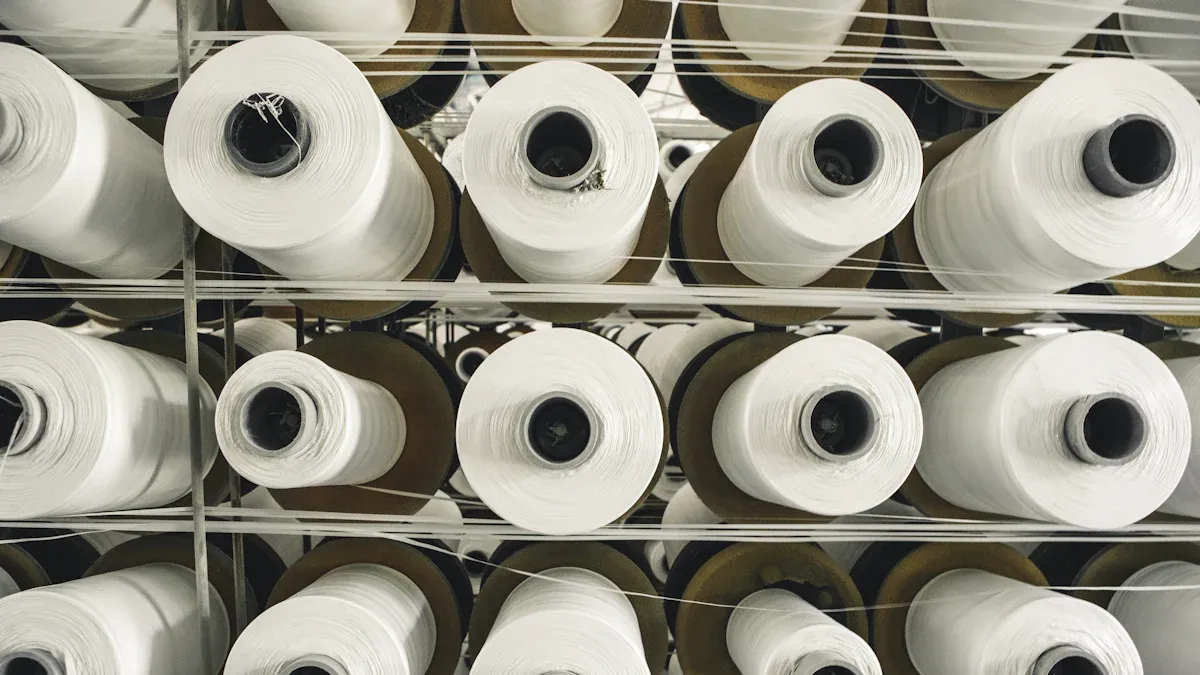
Rotary slitter blade for film is used in many industries. These blades are important where you need fast and exact cuts. The next parts show how you use rotary slitter blades for film in different jobs.
Film Production
In the film industry, you use rotary slitter blade for film to cut big rolls into smaller pieces. These blades help you make sure every piece is the same size. This is important for printing and packaging later. The sharp disc shape lets you cut quickly and with care. You get better results than with old cutting tools.
- Rotary slitter blades help you cut with high accuracy.
- You can meet the needs of papermaking and plastic film jobs.
- The blades help you work faster and make better products.
- You keep sizes the same, so handling is easier.
Tip: Using rotary slitter blade for film saves time and helps you make fewer mistakes when making film.
Imballaggi flessibili
Flexible packaging needs neat and exact cuts. You use rotary slitter blade for film to make sure each package is just right. These blades help you follow rules like ISO. When you use good blades, your products stay safe and customers are happy.
- Quality checks help you meet industry rules.
- You make sure your products are good and people trust you.
- Good blades help you sell in new markets.
- You get the right film width for food and medicine packages.
- Custom sizes help you fit many kinds of goods.
You need rotary slitter blade for film to keep food and medicine packaging safe. You also use them for electronics packaging, where size must be exact.
Note: Cutting with care helps you meet safety and hygiene rules in packaging.
Other Sectors
Rotary slitter blade for film is used in more than just packaging and film. You find these blades in many other jobs. They help you cut things for medical supplies, clothes, and batteries.
- You use rotary slitter blades to cut foil.
- Medical and textile jobs need these blades for clean cuts.
- Battery makers use them to cut electrodes just right.
| Settore | Use of Rotary Slitter Blade for Film |
|---|---|
| Settore Medicale | Cutting sterile packaging and supplies |
| Tessile | Slitting fabrics and nonwoven materials |
| Elettronica | Preparing films and foils for devices |
| Battery | Slitting electrodes for battery cells |
You can see that rotary slitter blade for film helps you work faster and get better results in many jobs. You can trust these blades for clean and exact cuts wherever you need them.
Trends and Innovations
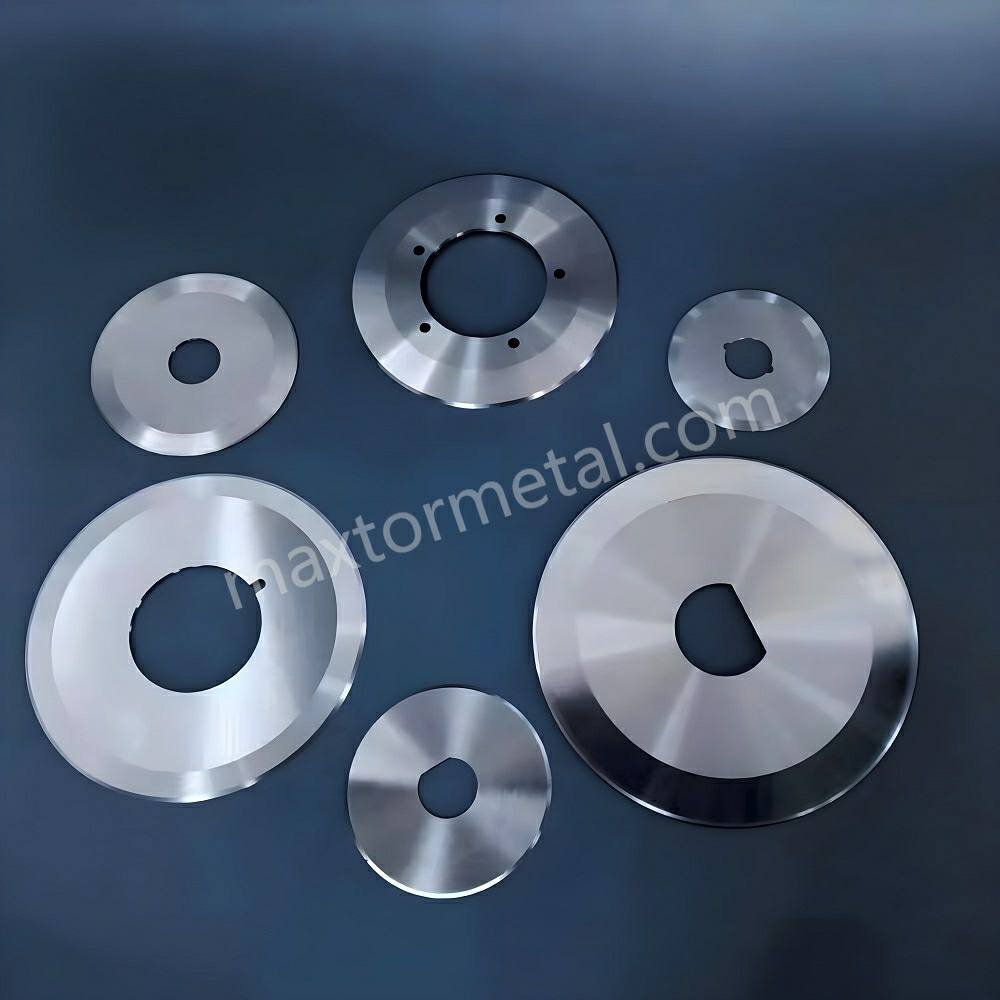
Materiali avanzati
New materials are making rotary slitter blade for film work better. These materials help you cut faster and make blades last longer. When you use these advanced materials, you get better cuts and change blades less often. The table below shows some new materials and what they do:
| Material/Coating | Benefici |
|---|---|
| Carburo di tungsteno | Very hard and tough. Good for cutting rough stuff. Blades last longer and you stop less. |
| Ceramica avanzata | Super hard and can take a lot of heat. Great for fast cutting. Stays the same shape even when hot. |
| Nitruro di titanio (TiN) | Hard and does not wear out fast. Stops rust and lowers rubbing. |
| Carbonio simile al diamante (DLC) | Very hard and does not wear down. Keeps blades sharp and lowers friction. |
You can pick the best material for your rotary slitter blade for film. These new materials help you get smoother cuts and waste less.
Rivestimenti
Coatings make rotary slitter blade for film even stronger. A thin layer is put on the blade. This makes it last longer and cut better. Here are some coatings that help your blades:
- PVD Coating: Puts a hard, thin layer on the blade. This layer stops wear and rust. It also keeps things from sticking to the blade.
- CVD Coating: Makes blades last longer. It uses a chemical to make a tough surface. You can cut more before changing the blade.
- Titanium Carbide Coating: Helps blades cut better. You spend less time changing blades and more time working.
Tip: Coated blades let you cut more film and foil before stopping for repairs.
Automazione
Automation is changing how rotary slitter blade for film is used in factories. Machines now work faster and smarter. You can make more products in less time. The table below shows how automation helps you:
| Benefit Type | Descrizione |
|---|---|
| Improve production efficiency | Fast slitting (up to 1000m/min) lets you cut more film and foil quickly. |
| Reduce material loss | Smart machines use almost all the material. You waste less and save money. |
| Ensure product quality | Tension control keeps cuts smooth and clean. Your products look and work better. |
| Flexibility and customization | You can change settings quickly. This helps you fill different orders fast. |
| Energy saving and intelligence | New motors and smart controls use less power. You save energy and can upgrade your system easily. |
You can see that automation helps rotary slitter blade for film work better. You get more done, waste less, and keep your products high quality.
Picking the right rotary slitter blade for film helps you make smooth cuts. You will not have rough edges or waste as much material. If you take care of your blades, they stay sharp. Your machines will work better and last longer. When you buy from a good supplier, you get strong blades and helpful advice. Look at how you cut film now and see if you can do better. If you want nicer cuts, try using better blades.
Want to make your cutting jobs better? Parla con il nostro ingegnere commerciale per chiedere aiuto.
Domande frequenti
What is a rotary slitter blade for film?
A rotary slitter blade for film is a sharp, round blade. You use it in slitting machines to cut large rolls of film or foil into smaller strips. This blade helps you get clean, straight edges.
How often should you replace a rotary slitter blade for film?
You should check your blade often. Replace it when you see dull edges, more burrs, or rough cuts. Most users change blades after many hours of use or when cutting quality drops.
Can you sharpen a rotary slitter blade for film?
Yes, you can sharpen your rotary slitter blade for film. Use a grinding machine or a sharpening tool. Sharpening helps you keep the blade cutting well and makes it last longer.
What materials work best with rotary slitter blades for film?
You can use rotary slitter blades for film on PET film, BOPP film, and aluminum foil. Choose the right blade material, like tool steel or tungsten carbide, for your specific film or foil.
Why do you need tight tolerances in rotary slitter blades for film?
Tight tolerances help you get smooth, burr-free cuts. They keep the blade steady and reduce waste. You get better results and fewer problems with your finished film or foil.
How do you clean a rotary slitter blade for film?
Remove the blade safely. Wipe it with a soft cloth and use isopropyl alcohol or a mild cleaner. Dry the blade before putting it back. Clean blades cut better and last longer.
What problems can happen if you use the wrong rotary slitter blade for film?
If you use the wrong blade, you may see rough edges, more waste, or machine jams. The film might curl or tear. Always match the blade to your material and machine for the best results.
Vedi anche
Come scegliere le lame per taglierine circolari giuste per prestazioni durature
La guida definitiva per scegliere la lama taglierina in gomma
Come massimizzare l'affilatura della lama della taglierina per prestazioni di taglio superiori

 English
  Spanish
  Italian
  French
  Portuguese
  Russian
  German
  Arabic
  Hindi
Hindi  Vietnamese
  Indonesian
  Japanese
  Korean