

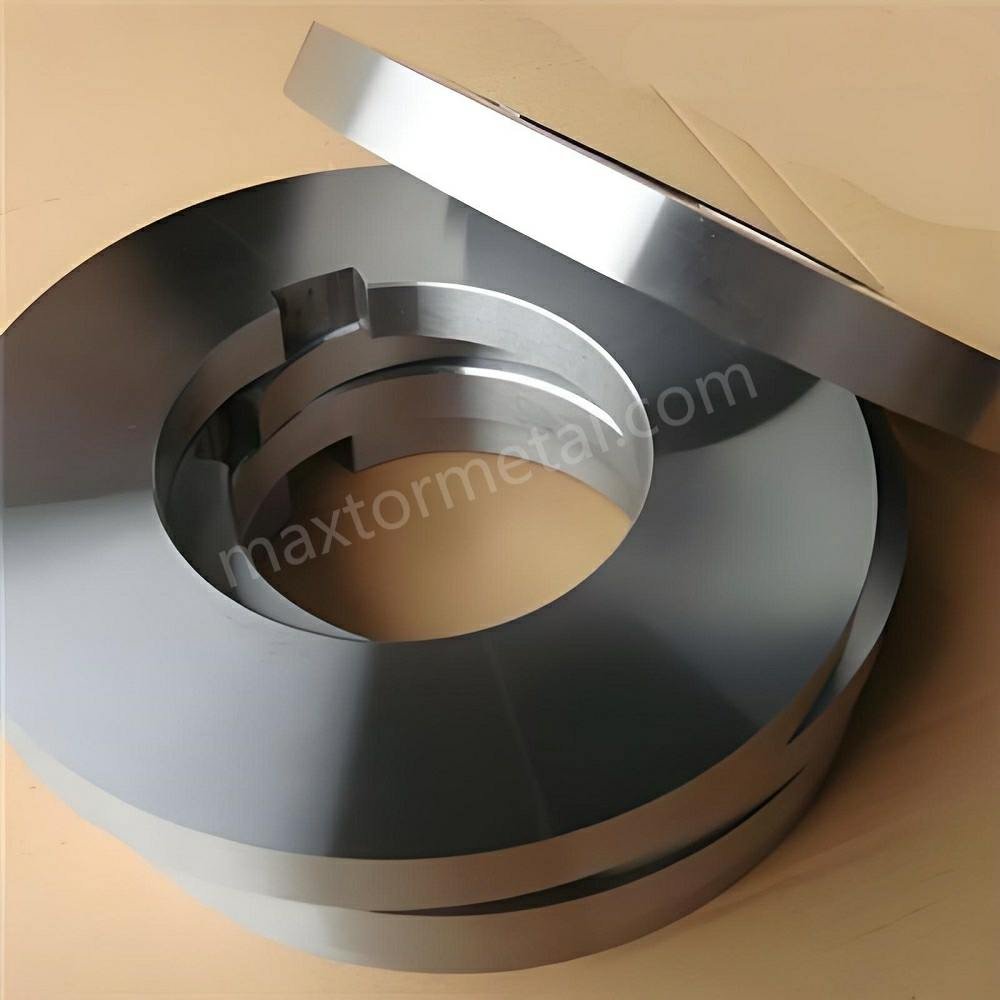
Tu usi lame circolari per tagliare grandi rotoli in piccole strisce in molte fabbriche. Questi utensili sono molto importanti nella lavorazione dei metalli, nell'imballaggio e nella produzione di automobili. Sono necessarie tolleranze precise, materiali di buona qualità e una rettifica qualificata per tagli puliti. Aziende all'avanguardia come Nanjing Metal Le lame per cesoie a rulli industriali sono adatte a queste esigenze. Il mercato mondiale delle lame da taglio crescerà. da 1,5 miliardi di TP5T nel 2024 a 1,5 miliardi di TP5T entro il 2033Questo dimostra perché è molto importante scegliere la lama migliore per il proprio lavoro.
Punti chiave
- Le lame da taglio sono strumenti importanti utilizzati in molti settori. Aiutano a tagliare rotoli di grandi dimensioni in strisce più piccole. Tra questi, i settori siderurgico, automobilistico e dell'imballaggio.
- Scegliere il materiale giusto per le lame da taglio è importante. Si possono usare acciaio per utensili o carburo di tungsteno. Il materiale scelto influisce sulla durata della lama e anche sulla sua efficacia di taglio.
- Mantenere tolleranze strette nel taglio è importante. Rende i tagli più puliti e crea meno scarti. Questo contribuisce a realizzare prodotti migliori.
- È spesso necessario controllare e riaffilare i coltelli da taglio. Questo li mantiene affilati e previene problemi come sbavature e ondulazioni sui bordi.
- Conoscere il processo di molatura è importante. Esiste una molatura grossolana e una molatura fine. Entrambe sono necessarie per ottenere un buon filo della lama.
- Adattare i coltelli da taglio a lavori specifici può aiutarli a lavorare meglio. Può anche far durare di più le lame.
- È importante utilizzare l'olio giusto e maneggiare con cura le lame. Questo impedisce che si usurino troppo presto e ne favorisce il corretto funzionamento.
- Controllare la velocità di taglio e la durezza del materiale può essere utile. Questo fa sì che i coltelli durino più a lungo e taglino meglio.
Coltelli da taglio nel taglio industriale

Cosa sono i coltelli da taglio?
Le lame da taglio tagliano grandi rotoli in strisce più piccole. Le fabbriche le utilizzano per molti lavori. Le lame da taglio si trovano nelle macchine che lavorano acciaio, carta e plastica. Esistono diverse forme e tipi di lame da taglio. Alcune sono chiamate lame superiori, lame inferiori, lame circolari da taglio o lame rotanti. Le lame superiori possono essere piatte o a forma di piatto. Le lame inferiori possono essere incudini o avere scanalature. Quando il materiale passa tra queste lame, viene tagliato in strisce. Questo aiuta a preparare bobine di acciaio e altri materiali per la fase successiva.
- Le lame circolari superiori possono essere spostate e mantenute in posizione.
- I coltelli femminili sono fissati a un albero rotante.
- Il materiale si muove tra le lame e viene tagliato.
- Il taglio a cesoia utilizza due lame rotanti, simili a forbici.
- La macchina allinea le lame circolari per tagliare il rotolo in strisce.
Le lame da taglio aiutano a tagliare molti tipi di materiali. Le macchine da taglio in acciaio devono essere precise per effettuare tagli netti e ridurre gli sprechi.
Applicazioni chiave
I coltelli da taglio sono utilizzati in molti settori. Aiutano a tagliare, rifilare o incidere i materiali alla giusta dimensione. Ecco alcuni dei principali ambiti in cui i coltelli da taglio sono importanti:
Centri di servizio in acciaio
I centri di servizio siderurgici utilizzano lame di taglio per tagliare grandi coil di acciaio in strisce sottili. Questo passaggio è necessario prima di inviare l'acciaio ad altre fabbriche. L'attrezzatura deve essere precisa affinché ogni striscia abbia le dimensioni e la qualità giuste. Un buon taglio dell'acciaio si traduce in prodotti migliori e meno scarti. Questo consente di risparmiare materiale e aiuta le altre fabbriche a lavorare meglio.
Industria automobilistica
Le fabbriche automobilistiche utilizzano lame da taglio per tagliare lamiere d'acciaio destinate ai componenti delle auto. La macchina deve gestire un acciaio resistente e produrre bordi lisci. Questo contribuisce a realizzare auto sicure e di buona qualità.
Produzione elettrica e di trasformatori
Le lame tagliatrici tagliano l'acciaio elettrico in strisce per trasformatori e motori. Il processo richiede tolleranze ristrette, perché anche piccoli errori possono compromettere le prestazioni. Buoni utensili da taglio aiutano a soddisfare queste esigenze.
Imballaggi, gomma e plastica
Le lame tagliano pellicole, etichette, fogli di gomma e plastica. Le lame devono produrre bordi netti e strisce uniformi. Questo fa sì che imballaggi e prodotti in plastica abbiano un aspetto gradevole e funzionino bene.
Ecco una tabella che mostra altri settori e come vengono utilizzati i coltelli da taglio:
| Industria | Applicazioni primarie |
|---|---|
| Confezione | Taglio di materiali per imballaggio, come pellicole ed etichette |
| Lavorazione della plastica | Rifilatura e taglio di pellicole e fogli di plastica |
| Stampa | Taglio di carta e pellicole speciali per la stampa |
| Lavorazione alimentare | Affettare e tagliare a dadini alimenti come carne e verdure |
| Carta e cellulosa | Taglio e cordonatura di rotoli di carta nella giusta dimensione |
| Produzione tessile | Taglio di tessuti per vestiti e mobili |
| Industria Metal | Taglio di lamiere o barre di metallo in dimensioni esatte con coltelli da taglio |
Perché tolleranze, materiali e rettifica sono importanti
Quando si scelgono i coltelli da taglio, è necessario considerare tolleranze, materiali e affilatura. Questi fattori incidono sul funzionamento dell'attrezzatura e sulla durata dei coltelli.
- Tolleranze più strette comportano tagli più precisi, ma possono costare di più e comportare sprechi di materiale se non vengono eseguiti correttamente.
- Il materiale scelto per i coltelli da taglio influisce sulla durata della loro affilatura. L'acciaio al carbonio è affilato ma può arrugginire. L'acciaio inossidabile non arrugginisce ma è più difficile da affilare.
- I metodi di molatura, come la scelta del giusto angolo di smusso, aiutano a ottenere i tagli migliori per ogni materiale.
Aziende leader come Nanjing Metal Industrial producono lame di alta qualità. Le loro lame per cesoie a rulli utilizzano materiali resistenti come acciaio rapido e carburo di tungsteno. È possibile richiedere forme, materiali e finiture superficiali delle lame personalizzate. Queste opzioni ti aiutano a ottenere le lame da taglio più adatte al tuo lavoro. Se desideri lame personalizzate, consulta il loro catalogo. pagina delle lame personalizzate.
Utilizzando le lame e le macchine giuste si ottengono tagli più netti, una maggiore durata delle lame e risultati migliori. Questo aiuta a ottimizzare le altre fasi della produzione e consente di realizzare prodotti di qualità.
Processo di taglio dell'acciaio: tolleranze e qualità
Capire le tolleranze
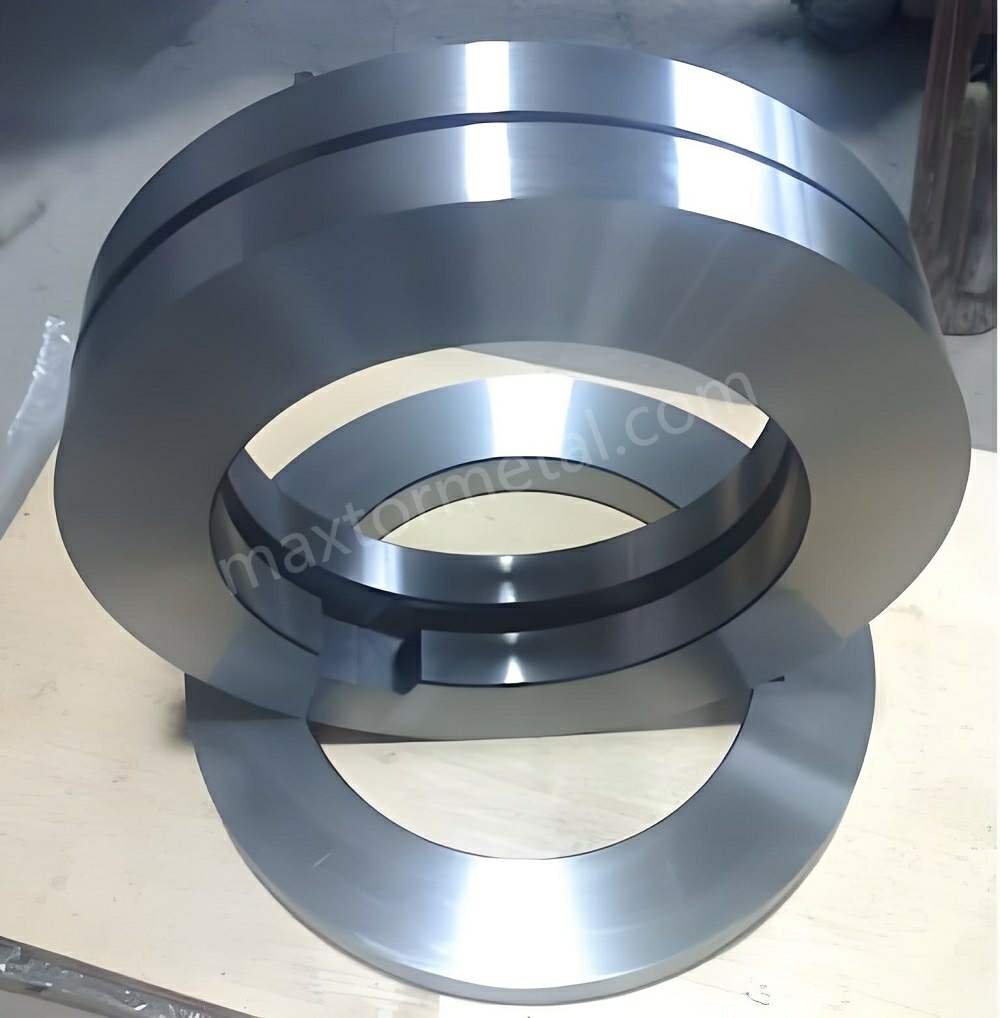
Quando si lavora con il processo di taglio longitudinale dell'acciaio, è necessario prestare molta attenzione alle tolleranze. Le tolleranze indicano di quanto una misurazione può discostarsi dal valore target. Un controllo accurato delle tolleranze consente di ottenere una qualità migliore e meno problemi nei nastri finiti. Diamo un'occhiata ai tre principali tipi di tolleranze che è importante conoscere.
Spessore
La tolleranza di spessore indica quanto lo spessore della striscia di acciaio si avvicina a quello desiderato. Se la striscia è troppo spessa o troppo sottile, potrebbe non essere adatta alla fase successiva di produzione. È necessario controllare spesso lo spessore durante il processo di taglio dell'acciaio. Un buon controllo dello spessore aiuta a evitare sprechi e a mantenere i prodotti resistenti.
Planarità
La tolleranza di planarità indica quanto è uniforme e liscia la striscia di acciaio. Se la striscia presenta ondulazioni o curve, può causare problemi alle macchine in seguito. È importante che le strisce rimangano piatte in modo che scorrano agevolmente lungo la linea di taglio. Le strisce piatte aiutano anche a ottenere una migliore qualità del prodotto finale.
Parallelismo
La tolleranza di parallelismo verifica se i bordi della striscia mantengono la stessa distanza da un'estremità all'altra. Se i bordi non sono paralleli, la striscia può incepparsi o impilarsi in modo non uniforme. È necessario mantenere i bordi dritti per il taglio ad alta velocità e assicurarsi che ogni striscia abbia la stessa larghezza.
Mancia: Misurare sempre spessore, planarità e parallelismo in diversi punti lungo la striscia. Questo aiuta a individuare tempestivamente eventuali problemi e a garantire il corretto svolgimento del processo di taglio dell'acciaio.
Come le tolleranze influenzano il taglio
Le tolleranze giocano un ruolo importante nel processo di taglio dell'acciaio. Mantenendo tolleranze ristrette, si ottengono tagli più puliti e di migliore qualità. Tolleranze troppo ampie possono portare a strisce troppo larghe o troppo strette. Si potrebbero anche notare delle bave, ovvero bordi taglienti che rimangono dopo il taglio. Le bave possono rendere la striscia pericolosa e difficile da utilizzare nelle fasi successive.
Quando si controllano le tolleranze, si controlla anche la curvatura, ovvero la curvatura di una striscia. Se la striscia curva troppo, non si adatterà bene alle macchine. Per ottenere risultati ottimali, è necessario mantenere una curvatura bassa. Anche l'altezza delle bave è un aspetto da tenere in considerazione. Bave elevate possono rallentare il processo e compromettere la qualità del prodotto.
Ecco alcuni punti chiave sulle tolleranze nel taglio:
- La tolleranza della striscia d'acciaio indica di quanto la striscia può differire dalla dimensione target.
- Le specifiche dell'altezza della fresa consentono di mantenere le strisce sicure e facili da usare.
- Il controllo della campanatura mantiene le strisce dritte e pronte per il passaggio successivo.
Se si gestiscono bene questi fattori, si ottiene una qualità più elevata e meno problemi nel processo di taglio dell'acciaio.
Standard di tolleranza e misurazione
È necessario rispettare gli standard di settore per garantire che il taglio soddisfi la giusta qualità. Questi standard aiutano a misurare e controllare spessore, planarità e altre caratteristiche chiave. Ecco una tabella che mostra alcuni degli standard più comuni per il processo di taglio dell'acciaio:
| Standard | Descrizione | Messa a fuoco della misurazione |
|---|---|---|
| ASTM A1008 | Copre i fogli laminati a freddo con specifiche di spessore, larghezza e planarità. | Tolleranze per spessore, larghezza, planarità |
| ASTM A36 | Definisce le specifiche per profilati, piastre e barre in acciaio strutturale. | Resistenza al carico e deformazione |
| ISO 6751 | Descrive le dimensioni e le tolleranze delle barre piatte in acciaio. | Uniformità nelle dimensioni |
| Certificazione ISO 9001 | Pone l'accento sui sistemi di gestione della qualità nell'industria siderurgica. | Coerenza nella gestione della qualità |
Per misurare queste tolleranze si utilizzano strumenti speciali. Per lo spessore, si può usare un micrometro o un calibro laser. Per la planarità, si può usare una riga o un calibro di planarità. Per verificare il parallelismo, si misura la distanza tra i bordi in diversi punti. Seguendo questi standard e utilizzando gli strumenti giusti, si mantiene il processo di taglio dell'acciaio preciso e si mantiene elevata la qualità del prodotto.
Nota: Confronta sempre le tue misurazioni con gli standard del tuo settore. Questo ti aiuta a soddisfare le esigenze dei clienti ed evitare errori costosi.
Problemi comuni: sbavature, oscillazioni, usura
Quando si taglia l'acciaio, si desidera che ogni striscia sia in perfette condizioni. A volte, durante il taglio, si verificano problemi. Questi problemi possono peggiorare le condizioni delle strisce e causare problemi in seguito. È importante conoscere i difetti più comuni, le loro cause e come influenzano i risultati.
Ecco una tabella che elenca i principali difetti che potresti riscontrare:
| Difetto | Descrizione | Causa primaria | Impatto a valle |
|---|---|---|---|
| bava | Materiale con bordi ruvidi e rialzati | Distanza orizzontale/verticale non corretta | Punteggio, interferisce con la formazione |
| Onda di bordo | Increspature lungo il bordo della striscia | Gioco verticale eccessivo, anelli di spogliatura | Si perpetua nei profili formati |
| Campanatura | Curvatura di bordo | Tensione/pressione irregolare, coltelli smussati | Arco, torsione, curvatura nei profili formati |
| Balestra | Curvatura trasversale, lunghezze disuguali | Impostazione errata della taglierina, tensione non uniforme | Inscatolamento dell'olio, onda del bordo (in formatura) |
| Povero Edge | Bordi frastagliati, frattura irregolare | Coltelli smussati/danneggiati, distanza non corretta | Punteggio, interferisce con la formazione |
Parliamo di questi problemi:
- bave: Le bave appaiono come bordi ruvidi o taglienti sulla striscia. Le bave si formano quando lo spazio tra i coltelli di taglio non è regolato correttamente. I coltelli smussati peggiorano le bave. Le bave possono graffiare altre parti o rendere difficile la sagomatura. Controlla spesso la configurazione dei coltelli per ridurre al minimo le bave e proteggere la qualità.
- Onda di bordo: L'onda sul bordo si presenta come increspature sul bordo della striscia. È causata da troppo spazio verticale o da problemi con gli anelli di estrazione. Se si nota un'onda sul bordo, le strisce potrebbero non adattarsi bene alle macchine. Questo problema può persistere nel prodotto finale e comprometterne la qualità.
- Campanatura: La curvatura significa che la striscia si piega lateralmente. Si verifica quando la tensione non è uniforme o i coltelli sono smussati. Una striscia con curvatura non scorre dritta nelle macchine. Questo può causare inceppamenti o farla torcere e piegare in seguito.
- Balestra: La balestra è una curvatura che attraversa la larghezza della striscia. Si verifica quando la configurazione della taglierina è errata o la tensione non è uniforme. La balestra può causare l'intasamento dell'olio, che conferisce alla striscia un aspetto ondulato. Questo problema causa anche l'ondulazione dei bordi durante la formatura.
- Povero Edge: A volte, il bordo della striscia appare frastagliato o rotto. La scarsa qualità del bordo è dovuta a lame danneggiate o a impostazioni di spaziatura errate. Questo problema può causare rigature e rendere difficile la sagomatura della striscia.
Mancia: È possibile prevenire molti problemi di taglio controllando le lame, mantenendole affilate e posizionando con cura gli spazi. Controlli regolari aiutano a individuare tempestivamente i problemi e a mantenere alta la qualità.
Se vuoi ottenere un taglio migliore, fai attenzione a questi problemi comuni. Risolverli in anticipo ti aiuterà a ottenere strisce migliori e un lavoro più fluido. Risparmierai tempo ed eviterai errori in seguito.
Materiali per coltelli da taglio per acciaio e altro
Materiali comuni
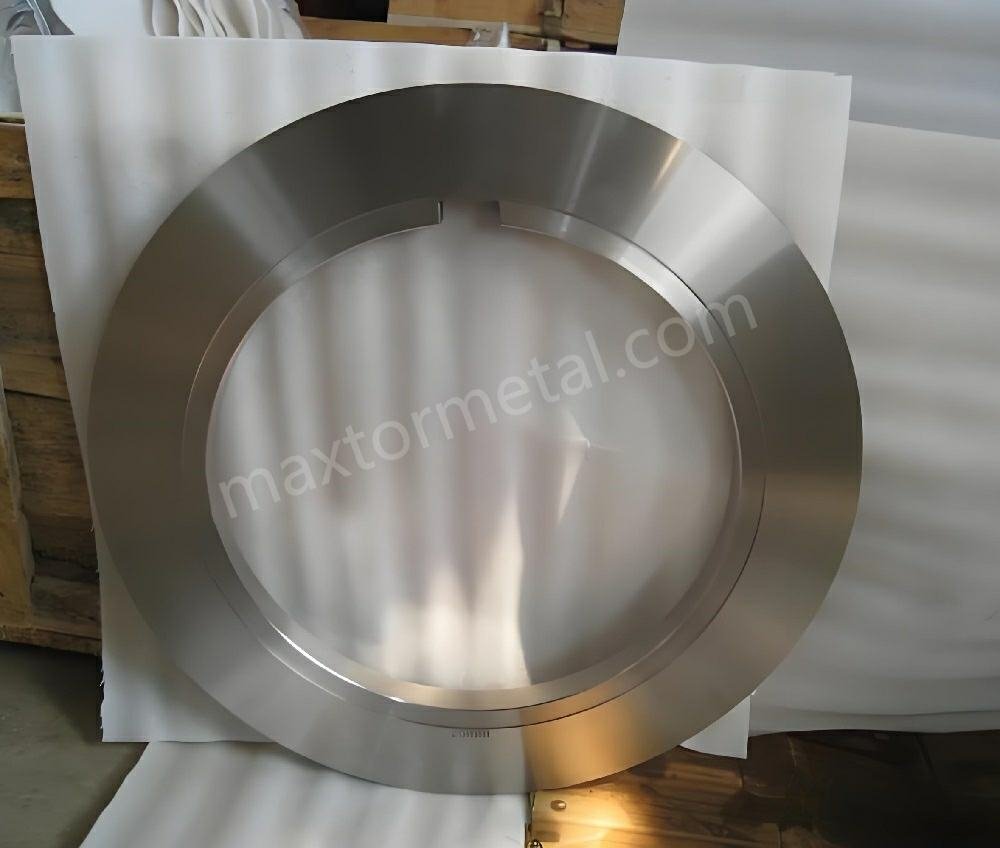
Quando si scelgono i coltelli da taglio, è necessario conoscere i materiali più comuni. Ogni tipologia ha caratteristiche specifiche che la rendono adatta a determinati lavori. Ecco una tabella per aiutarti a confrontare le opzioni principali:
| Materiale | Vantaggi | Svantaggi |
|---|---|---|
| Acciaio ad alto tenore di carbonio | Elevata durezza, grande resistenza all'usura, conveniente | Può essere fragile, può arrugginire |
| Acciaio inossidabile | Ottima resistenza alla corrosione, facile da lavorare | Costo più elevato |
| Acciaio per utensili | Durezza eccezionale, elevata resistenza all'usura, lavora ad alte temperature | Costoso, più difficile da elaborare |
| Carburo di tungsteno | Resistenza all'usura estremamente elevata, lunga durata | Fragile, costoso |
Acciaio per utensili
Nell'industria siderurgica, l'acciaio per utensili viene spesso utilizzato per i coltelli da taglio. L'acciaio per utensili offre un mix di resistenza, tenacità e resistenza all'usura. Questo materiale mantiene la forma e l'affilatura anche quando si taglia acciaio duro o spesso. L'acciaio per utensili è adatto per lavori ad alte temperature, quindi può essere utilizzato per tagli pesanti. Potrebbe risultare un po' più difficile da lavorare, ma ripaga con prestazioni di lunga durata.
Acciaio ad alta velocità
L'acciaio rapido si distingue per la sua tenacità. Puoi utilizzarlo quando hai bisogno di un coltello in grado di resistere a urti o impatti improvvisi. Questo materiale mantiene la sua durezza fino a 500 °C. Ottieni un'ottima resistenza all'usura e una lama che non si scheggia facilmente. L'acciaio rapido è una scelta intelligente per il taglio di acciai più morbidi o quando devi far funzionare le tue macchine ad alta velocità.
Carburo di tungsteno
Il carburo di tungsteno è uno dei materiali più duri che si possano scegliere per i coltelli da taglio. Offre un'estrema resistenza all'usura e mantiene il filo anche a temperature molto elevate. fino a 1000°CDovresti usare il carburo di tungsteno quando tagli acciaio spesso, gomma o materiali compositi resistenti. Lo svantaggio principale è che può essere fragile e costa di più, ma ottieni una lama che dura molto più a lungo.
Leghe speciali
Le leghe speciali combinano diversi metalli per bilanciare durezza e tenacità. Queste leghe possono essere utilizzate per molti lavori di taglio. Sono ideali quando si necessita di un coltello in grado di gestire sia acciai duri che morbidi. Le leghe speciali offrono flessibilità e possono essere personalizzate in base alle proprie esigenze specifiche.
Proprietà e selezione dei materiali
Quando si scelgono i materiali per la lama tagliente, è necessario considerare le proprietà chiave. Queste caratteristiche determinano l'efficacia del coltello e la sua durata.
Durezza e tenacità
La durezza indica quanto un coltello resiste all'usura e mantiene il filo. La tenacità indica quanto impatto o stress il coltello può sopportare prima di rompersi. È necessario un equilibrio tra questi due parametri. Un coltello più duro dura più a lungo, ma potrebbe scheggiarsi se troppo fragile. Un coltello più resistente può sopportare gli urti, ma potrebbe usurarsi più velocemente. Ad esempio, il carburo di tungsteno offre la massima durezza, mentre l'acciaio rapido offre maggiore tenacità. Il coltello più adatto dipende dal lavoro che si svolge e dal tipo di acciaio che si taglia.
Mancia: Adatta sempre la durezza e la tenacità del tuo coltello alle tue esigenze di taglio. Questo ti aiuterà a ottenere le migliori prestazioni e la massima durata dai tuoi coltelli da taglio.
Resistenza all'usura e alla corrosione
La resistenza all'usura aiuta il coltello a durare più a lungo quando si taglia acciaio abrasivo o altri materiali resistenti. La resistenza alla corrosione è importante se si lavora in ambienti umidi o chimici. L'acciaio inossidabile offre un'ottima protezione contro la ruggine. Il carburo di tungsteno e l'acciaio per utensili offrono la massima resistenza all'usura. È necessario considerare l'ambiente di lavoro e scegliere il materiale più adatto alle proprie esigenze.
Ecco un elenco delle proprietà chiave da considerare:
- Durezza: mantiene il filo affilato e resiste all'usura.
- Robustezza: assorbe gli urti e previene le scheggiature.
- Mantenimento del filo: rimane affilato nel tempo, quindi non è necessario cambiare spesso i coltelli.
- Resistenza alla corrosione: impedisce la formazione di ruggine in luoghi umidi o difficili.
- Resistenza all'usura: gestisce l'acciaio abrasivo e prolunga la durata della lama.
Se hai bisogno di aiuto nella scelta, puoi visitare la pagina delle lame personalizzate per ricevere consigli da esperti sulla selezione dei materiali e sulla personalizzazione.
Raccomandazioni specifiche del settore
È necessario adattare i materiali delle lame al settore in cui si opera. Ogni settore ha le sue esigenze e le sue migliori soluzioni.
Acciaierie e ingegneria pesante
Le acciaierie necessitano di coltelli in grado di gestire coil spessi e lavori gravosi. L'acciaio per utensili e il carburo di tungsteno sono le scelte migliori in questo caso. Questi materiali offrono la robustezza e la resistenza all'usura necessarie per tagli pesanti. Si ottengono tagli puliti e una lunga durata della lama, anche nelle linee di lavorazione dell'acciaio rapido.
Nuova energia ed elettronica
Nell'elettronica e nelle nuove energie, spesso si tagliano acciai sottili o leghe speciali. L'acciaio inossidabile è un'ottima scelta perché resiste alla ruggine e mantiene un bordo affilato. Anche l'acciaio rapido M2 è una buona scelta per lavori ad alto volume. Si ottengono durata e precisione, fondamentali per realizzare componenti piccoli e precisi.
Automobili ed elettrodomestici
Le fabbriche automobilistiche utilizzano lame da taglio per tagliare lamiere d'acciaio per carrozzerie ed elettrodomestici. L'acciaio ad alto tenore di carbonio D2 offre maggiore durezza e tenuta del filo. L'acciaio inossidabile è apprezzato anche per la sua resistenza alla ruggine e il rapporto qualità-prezzo. È necessario un coltello in grado di lavorare sia acciai teneri che duri, in modo da ottenere bordi lisci e componenti affidabili.
Personalizzazione e trattamenti superficiali
È possibile ottimizzare le prestazioni delle lame di taglio scegliendo le opzioni personalizzate e i trattamenti superficiali più adatti. Ogni lavoro di taglio è unico. A volte, è necessaria una lama che si adatti perfettamente alla macchina. Altre volte, ne serve una per materiali speciali. La personalizzazione ti aiuta a ottenere la lama che soddisfa le tue esigenze.
- Puoi scegliere la dimensione, la forma e lo stile del bordo della lama in base alla tua macchina e al materiale.
- Puoi scegliere l'acciaio o la lega che dura più a lungo e garantisce un taglio più pulito.
- È possibile richiedere rivestimenti in titanio o ceramica per rendere la lama più resistente.
I trattamenti superficiali contribuiscono a una maggiore durata dei coltelli da taglio. Rivestimenti come titanio e ceramica creano uno strato duro sulla lama. Questo strato aiuta il coltello a resistere all'usura e riduce l'attrito. Quando si tagliano materiali duri o appiccicosi, questi rivestimenti mantengono il filo affilato per un numero maggiore di tagli. Alcuni rivestimenti proteggono anche la lama dal calore e dai piccoli graffi. Questo è importante per lavori rapidi o pesanti.
Personalizzazione significa molto più che cambiare semplicemente le dimensioni di una lama. Collaborate con gli ingegneri per progettare una lama tagliente adatta al vostro processo. Questo lavoro di squadra vi aiuta a ottenere più tempo macchina, prodotti migliori e costi inferiori.
Ecco una tabella che mostra come i diversi trattamenti superficiali aiutano i coltelli da taglio:
| Trattamento della superficie | Vantaggio principale | Il migliore per |
|---|---|---|
| Rivestimento in titanio | Elevata resistenza all'usura | Taglio di acciaio rapido |
| Rivestimento ceramico | Basso attrito, controllo del calore | Taglio di materiali appiccicosi o abrasivi |
| Nitrurazione | Durezza superficiale | Taglio dell'acciaio per uso generale |
| cromatura | Resistenza alla corrosione | Ambienti umidi o chimici |
Scegliendo le giuste opzioni personalizzate e il giusto trattamento superficiale, le tue lame taglienti dureranno più a lungo e funzioneranno meglio. Sostituirai le lame meno spesso e otterrai prodotti migliori. Se devi lavorare su un lavoro speciale o su un materiale resistente, parla con il tuo fornitore di lame per informazioni sulle opzioni personalizzate. Le opzioni giuste possono davvero migliorare il tuo processo di taglio.
Taglio a taglio: molatura e qualità del bordo
Panoramica del processo di macinazione
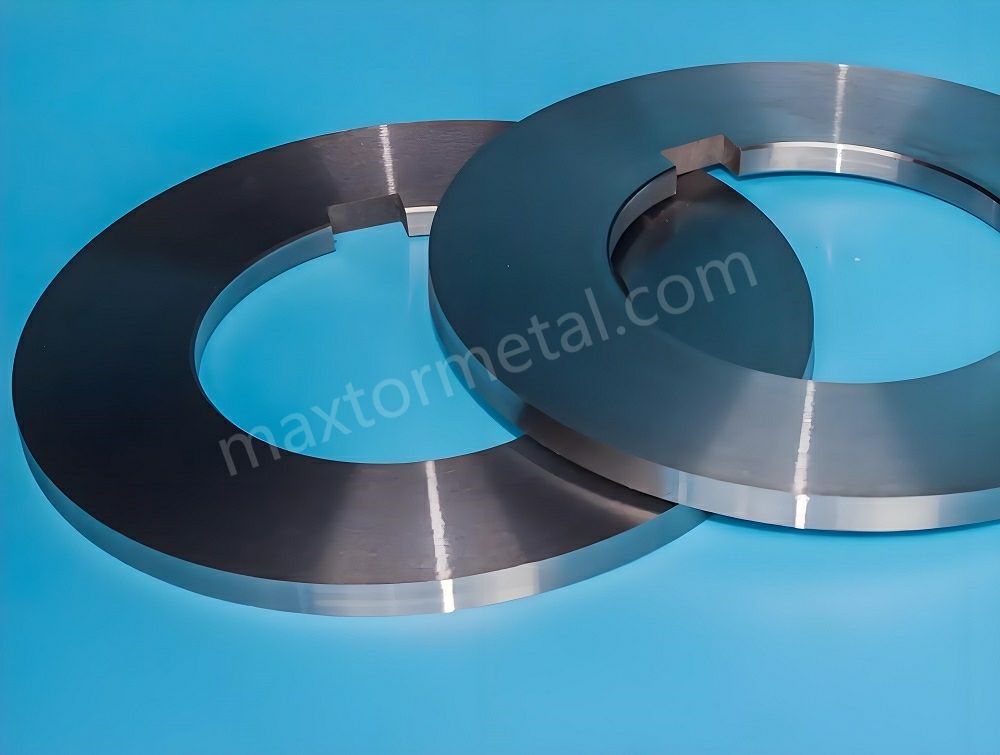
Il taglio a cesoia dipende dalla qualità del filo della lama. È importante comprendere come il processo di affilatura influenzi le prestazioni dei coltelli. Ogni fase dell'affilatura influisce sulla qualità di taglio e sulla durata dei coltelli.
Molatura grossolana e fine
Si inizia con la smerigliatura grossolana. Questa fase rimuove la maggior parte del materiale in eccesso dalla lama. Si utilizzano grane più grosse per modellare rapidamente il filo. Dopo questa fase, la superficie risulta ruvida, ma prepara la lama per la fase successiva.
Successivamente, si passa alla molatura fine. In questo caso, si utilizzano grane più fini per levigare il bordo. Questa fase rimuove solo una piccola quantità di materiale. Si ottiene un bordo affilato e pulito, privo di sbavature. La molatura fine garantisce che i coltelli da taglio possano tagliare in modo pulito e durare più a lungo.
Ecco una tabella che mostra i passaggi principali e i loro effetti sulla qualità del bordo:
| Fare un passo | Descrizione | Effetto sulla qualità del bordo |
|---|---|---|
| Sgrossatura | Rimozione iniziale del materiale utilizzando grani grossi | Produce una superficie più ruvida, prepara per la finitura |
| Finitura | Rimozione minima del materiale con grane fini | Ottiene una superficie liscia e un bordo affilato e senza sbavature |
È sempre opportuno controllare il tagliente dopo ogni fase di molatura. Un buon tagliente garantisce risultati migliori nel processo di taglio.
Lucidatura a specchio
La lucidatura a specchio è il tocco finale nella preparazione dei coltelli da taglio. Si utilizzano abrasivi molto fini per lucidare il filo fino a renderlo brillante. Questo passaggio rimuove i piccoli graffi e rende il filo ancora più liscio. Un filo lucidato a specchio riduce l'attrito durante il taglio. Si ottengono tagli più puliti e un minore accumulo di calore. Questo aiuta i coltelli a durare più a lungo e a mantenere l'aspetto dei prodotti.
Tecniche di macinazione avanzate
È possibile utilizzare tecniche di rettifica avanzate per ottenere risultati ancora migliori nel taglio a taglio. Questi metodi utilizzano macchinari e tecnologie moderne per rendere le lame più affilate e precise.
Superfinitura
La superfinitura porta il filo a un livello superiore. Si utilizzano macchinari speciali per lucidare la lama con estrema precisione. Questo processo rimuove le ultime asperità dal filo. Si ottiene una superficie quasi perfettamente liscia. La superfinitura aiuta i coltelli da taglio a tagliare con meno forza. Si notano meno difetti e meno scarti nella linea di taglio.
- La molatura e la lucidatura CNC rendono le lame più affilate e lisce.
- Le macchine CNC controllano la forma e la lucidatura del bordo con elevata precisione.
- Queste tecniche garantiscono bordi uniformi, il che significa che ogni taglio è netto.
- Si ottengono meno scarti tagliando gomma, plastica o acciaio sottile.
Per ottenere i migliori risultati nella cesoiatura, si consiglia di utilizzare la superfinitura e la tecnologia CNC.
Evitare crepe termiche
Le crepe termiche possono rovinare i coltelli da taglio. Queste crepe si verificano quando la lama si surriscalda durante l'affilatura. È necessario controllare la temperatura per proteggere il filo. Utilizzare refrigeranti e fare pause durante l'affilatura per mantenere la lama fresca. Se si evitano le crepe termiche, i coltelli rimangono resistenti e durano più a lungo.
- Utilizzare sempre una quantità sufficiente di refrigerante durante la molatura.
- Non avere fretta nel processo; lascia raffreddare la lama tra un passaggio e l'altro.
- Prima di utilizzare il coltello per il taglio a cesoia, verificare la presenza di eventuali danni causati dal calore.
Geometria e prestazioni del bordo
La forma del filo della lama, o geometria del filo, è fondamentale per l'efficacia del taglio a taglio. È necessario scegliere il profilo del filo e l'angolo di taglio giusti per il lavoro da svolgere.
Profilo del bordo
Il profilo del tagliente è la forma del filo della lama. È possibile scegliere un profilo dritto, arrotondato o smussato. Ogni forma è adatta a diversi materiali e velocità di taglio.
- La geometria della lama influisce sulla velocità e sulla pulizia del taglio.
- Il profilo del bordo corretto garantisce una migliore qualità del prodotto.
- Un buon raggio di taglio fa sì che la lama duri più a lungo e tagli con maggiore precisione.
- Risparmi denaro riducendo la frequenza con cui devi sostituire le lame.
Per ottenere risultati ottimali, è necessario adattare il profilo del bordo al materiale e alle esigenze di taglio.
Angolo di taglio
L'angolo di taglio è l'angolo con cui la lama incontra il materiale. Questo angolo modifica l'affilatura della lama e la forza necessaria per tagliare.
- L'angolo di taglio è importante per l'affilatura e la forza di taglio.
- Un angolo più acuto facilita il taglio, ma può usurarsi più velocemente.
- Un angolo più ottuso conferisce alla lama maggiore resistenza e durata.
- L'angolazione giusta aiuta a trovare il giusto equilibrio tra facilità di taglio e durata della lama.
Dovresti provare diverse angolazioni per trovare quella più adatta al tuo processo di taglio. La geometria e l'angolazione giuste ti aiutano a ottenere tagli puliti, ridurre gli sprechi e far funzionare le lame più a lungo.
Ricordate, la geometria del tagliente e l'angolo di taglio sono importanti tanto quanto il materiale e le fasi di rettifica. Scelte efficaci in questo senso rendono la vostra linea di taglio e taglio longitudinale più efficiente ed economica.
Impatto sulla longevità del coltello
Vuoi che i tuoi coltelli da taglio durino il più a lungo possibile. Il modo in cui gestisci l'affilatura e la geometria del filo durante il taglio a cesoia ha un impatto significativo sulla longevità del coltello. Utilizzando il giusto processo di affilatura, i tuoi coltelli rimangono affilati e resistenti. Saltando alcuni passaggi o utilizzando un'affilatura scadente, i coltelli si usurano più velocemente. Il taglio a cesoia sottopone il filo della lama a forti sollecitazioni. Devi capire come ogni fase del processo influisce sulla durata dei tuoi coltelli.
Quando si imposta la linea di taglio, è necessario concentrarsi su tre cose principali:
- Qualità del bordo
Un bordo affilato e liscio garantisce tagli più puliti e duraturi. Se si utilizza una molatura grossolana, si rimuove più materiale ma il bordo non è uniforme. Una molatura fine e una lucidatura a specchio rendono il bordo liscio. Questo riduce l'attrito durante il taglio. Meno attrito significa meno calore e un'usura più lenta. Si ottengono più tagli prima di dover riaffilare o sostituire la lama. - Geometria del bordo
La forma e l'angolazione del bordo sono importanti nel taglio a taglio. Un angolo sottile e affilato taglia facilmente, ma può scheggiarsi se il materiale è duro. Un angolo più spesso è più resistente, ma potrebbe richiedere più forza per tagliare. È necessario adattare la geometria del bordo al materiale e alla velocità. Se si fa questo correttamente, i coltelli dureranno più a lungo e si otterranno risultati migliori dal processo di taglio a taglio. - Consistenza della macinazione
Ogni volta che si riaffila un coltello, se ne modifica leggermente la forma. Se si utilizzano angoli di affilatura diversi o si salta la lucidatura, si riduce la durata del coltello. È consigliabile utilizzare sempre lo stesso processo di affilatura. Questo mantiene il filo resistente e aiuta a ottenere gli stessi risultati in ogni taglio.
Mancia: Ispezionate sempre i coltelli dopo l'affilatura. Cercate crepe, scheggiature o bordi irregolari. Questi problemi possono causare guasti precoci nel taglio.
Come le condizioni di taglio influiscono sulla durata del coltello
Il taglio a cesoia è un processo impegnativo. Le macchine lavorano ad alta velocità e tagliano materiali resistenti. Se si utilizza la lama sbagliata o un'affilatura scadente, si verifica una maggiore usura e si devono sostituire spesso le lame. Ecco alcuni fattori che influiscono sulla longevità delle lame nel taglio a cesoia:
- Durezza del materiale: I materiali più duri consumano il filo più velocemente. Hai bisogno di un coltello con la giusta durezza e tenacità per il tuo lavoro.
- Velocità di taglio: Le alte velocità generano più calore. Il calore può ammorbidire il filo e causare crepe. Utilizzate refrigeranti e controllate la velocità per proteggere i vostri coltelli.
- Allineamento della lama: Un allineamento errato causa un'usura non uniforme. Verificare sempre che i coltelli siano allineati prima di iniziare il taglio.
- Qualità del macinato: Ogni volta che si riaffila, si rimuove del materiale. Se si affila troppo, la lama si indebolisce. Se si affila troppo poco, il filo rimane smussato. Trova il giusto equilibrio per le tue esigenze di taglio.
Manutenzione e condizioni dell'attrezzatura
È fondamentale mantenere le attrezzature di taglio e taglio in buone condizioni. Coltelli smussati o danneggiati compromettono il processo e ne riducono la durata. Pulire le macchine e verificare la presenza di parti allentate. Lubrificare le parti mobili per ridurre l'attrito. Sostituire le parti usurate prima che causino problemi più gravi.
Ecco una semplice lista di controllo per una maggiore durata della lama durante la cesoiatura:
- Ispezionare i coltelli prima e dopo ogni utilizzo.
- Utilizzare sempre gli stessi passaggi di levigatura e lucidatura.
- Mantenete le vostre macchine pulite e ben oliate.
- Conservare i coltelli in un luogo asciutto e sicuro.
- Addestra il tuo team a individuare precocemente i segni di usura.
| Fattore | Effetto sulla longevità del coltello | Cosa dovresti fare |
|---|---|---|
| Qualità del bordo | Qualità superiore = durata maggiore | Utilizzare una levigatura e lucidatura fine |
| Geometria del bordo | Angolo corretto = meno scheggiature | Abbinare la geometria al materiale |
| Consistenza della macinazione | Processo coerente = margine affidabile | Standardizzare le fasi di macinazione |
| Condizioni dell'attrezzatura | Buona forma = meno usura | Mantenere e pulire le macchine |
| Qualità del rimacinato | Affilatura corretta = coltello più resistente | Rimuovere solo il materiale necessario |
Ricorda, ogni fase del taglio influisce sulla durata delle lame. Le buone abitudini ti fanno risparmiare denaro e mantengono la produzione fluida.
Il taglio a cesoia non consiste solo nel praticare tagli. Si tratta di garantire che i coltelli funzionino bene il più a lungo possibile. Prestando attenzione all'affilatura, alla geometria del filo e alla manutenzione, si ottiene un valore aggiunto da ogni coltello. Si ottengono anche risultati migliori nella linea di taglio a cesoia. Se si desidera aumentare la longevità dei coltelli, è consigliabile iniziare con queste buone pratiche e continuare ad apprendere man mano che si procede.
Consigli pratici per i coltelli da taglio
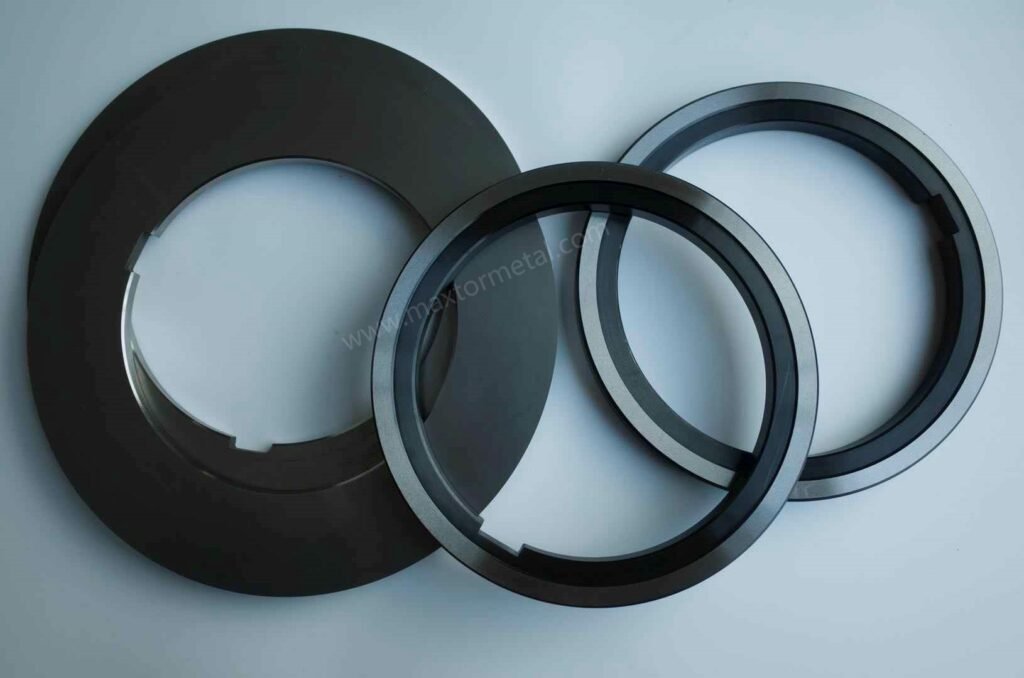
Scegliere, prendersi cura e riparare i coltelli da taglio può davvero aiutare il tuo lavoro. Se fatto nel modo giusto, otterrai prodotti migliori, meno fermi macchina e risparmierai denaro. Ecco alcuni semplici consigli per aiutarti a ottenere ottimi risultati nel taglio e nella fenditura dell'acciaio.
Guida alla selezione
Tolleranze corrispondenti all'applicazione
È necessario adattare le tolleranze al lavoro. Ogni lavoro richiede qualcosa di diverso. Se si taglia l'acciaio, prestare attenzione allo spessore, alla planarità e al parallelismo. Questi fattori influenzano il funzionamento del taglio e l'aspetto delle strisce.
- Mantieni una tensione costante durante il taglio. Questo previene problemi e mantiene l'acciaio resistente.
- Conosci le proprietà dell'acciaio. Resistenza alla trazione ed elasticità ti aiutano a scegliere il coltello e le impostazioni migliori.
- Sempre controllare spessore e larghezza prima di iniziare. Questo evita sprechi e ti aiuta a lavorare più velocemente.
Rispettando le tolleranze, si ottengono tagli più puliti e meno problemi. Questo migliora i prodotti e fa risparmiare denaro.
Scelta dei materiali e della geometria
Scegliere il materiale giusto per la lama e la forma del filo è importante. Pensa al tipo di acciaio che tagli, alla velocità con cui lavori e alla durata che vuoi che durino i tuoi coltelli.
- Scegli il materiale della lama in base alla lunghezza che ti serve e al tipo di taglio che intendi effettuare. Per acciai resistenti, usa acciaio per utensili o carburo di tungsteno.
- Controlla la durezza dell'incudine. Sostituirla costa di più, quindi proteggila scegliendo il coltello giusto.
- Regolare correttamente il punto di presa. Questo aiuta i coltelli a durare più a lungo e a usurarsi meno.
- Scegli la forma e l'angolazione del tagliente più adatte al tuo acciaio. Gli angoli più acuti tagliano più facilmente, ma si usurano più velocemente. Gli angoli più spessi durano più a lungo, ma richiedono più forza.
Se hai un lavoro specifico, puoi rivolgerti ad aziende come Nanjing Metal Industrial. I loro ingegneri ti aiuteranno a scegliere i materiali e i design migliori.
Migliori pratiche di manutenzione
Ispezione e rettifica
Controllare e riaffilare i coltelli taglienti Controlla spesso i coltelli per mantenerli affilati e sicuri. Controlla eventuali segni di usura, tacche o punti piegati prima di usarli. Pianifica il controllo dei coltelli in base a quanto li usi e a cosa tagli.
| Industria | Tipo di lama | Durata media della lama |
|---|---|---|
| Taglio Metal | Acciaio rapido (HSS) | 50–100 ore |
| Lavorazione alimentare | Acciaio inossidabile | 100–150 ore |
| Taglio di carta e pellicola | Con punta in carburo | 80.000–100.000 tagli |
| Industria tessile | Lame da taglio rotanti | 60–120 ore |
- Pulisci i coltelli dopo ogni utilizzo per evitare che si sporchino.
- Riaffilare le lame quando diventano smussate o danneggiate. Questo mantiene i tagli puliti e sicuri.
- Per mantenere il bordo resistente, utilizzare sempre gli stessi passaggi di molatura.
Lubrificazione e movimentazione
Lubrificazione e manipolazione attenta contribuiscono a una maggiore durata delle lame. Lubrificare le parti mobili per ridurre l'attrito e prevenire la ruggine. Maneggiare sempre le lame con delicatezza per evitare scheggiature o crepe.
- Oliare spesso i portacoltelli e le parti mobili.
- Utilizzare gli utensili per bobine giusti per evitare danni durante l'alimentazione.
- Quando non vengono utilizzati, conservare i coltelli in un luogo asciutto e sicuro.
- Mantenere le macchine pulite e controllare che non vi siano parti allentate.
In questo modo i coltelli continueranno a funzionare correttamente e si ridurranno i tempi di fermo della macchina.
Risoluzione dei problemi di taglio
Tagli fuori tolleranza
Se i tagli non sono della giusta dimensione, potrebbero esserci problemi di allineamento o di impostazione. I tagli sbagliati rallentano il lavoro e sprecano acciaio.
- Prima di iniziare, controllare l'allineamento delle lame.
- Assicuratevi che i coltelli abbiano lo spessore e la larghezza desiderati.
- Modificare le impostazioni della macchina se le strisce sono troppo larghe o strette.
Sbavature e difetti dei bordi
Sbavature e bordi irregolari compromettono la qualità del prodotto e possono essere pericolosi. Questi problemi sono spesso dovuti a lame poco affilate o a una spaziatura errata dei coltelli.
| Tipo di problema | Sintomi | Possibili cause | Soluzioni |
|---|---|---|---|
| Sbavature sui bordi tagliati | Bordi ruvidi, frastagliati o taglienti sulle strisce tagliate. | Lama opaca, gioco errato, problemi di allineamento della lama | Affilare o sostituire le lame smussate, regolare la distanza tra i coltelli, garantire il corretto allineamento delle lame |
| Rottura del coltello o usura prematura | Frequenti rotture della lama, rapido smussamento del coltello. | Pressione di taglio eccessiva, durezza della lama non corretta, allineamento del materiale scadente | Ottimizzare la pressione di taglio, selezionare il materiale della lama corretto, garantire l'alimentazione e l'allineamento corretti della bobina |
- Affilare o sostituire rapidamente le lame smussate.
- Regolare la spaziatura dei coltelli in base alle proprie esigenze di taglio e di taglio dell'acciaio.
- Assicurarsi che le lame siano allineate e posizionate correttamente.
Usura prematura
Se le lame si usurano troppo rapidamente, potrebbe essere necessario modificare la pressione di taglio o scegliere un materiale migliore per la lama. Anche un cattivo allineamento e un'alimentazione errata possono causare un'usura precoce.
- Ridurre la pressione di taglio se i coltelli si usurano rapidamente.
- Scegli una lama con la durezza giusta per il tuo acciaio.
- Alimentare le bobine in modo fluido e mantenerle allineate.
Se i problemi persistono, puoi chiedere aiuto agli esperti di Nanjing Metal Industrial. Offrono soluzioni specifiche e supporto per i lavori di taglio più impegnativi. Molti clienti hanno migliorato i loro processi e risparmiato denaro collaborando con tecnici qualificati.
Suggerimento: una manutenzione regolare, scelte intelligenti e soluzioni rapide ti aiuteranno a ottenere il massimo dai tuoi coltelli da taglio. Questi passaggi mantengono il tuo taglio dell'acciaio efficiente e migliorano i tuoi prodotti.
Per migliorare il funzionamento dei coltelli da taglio, è importante prestare attenzione alle tolleranze, ai materiali e all'affilatura. Il design del coltello determina la precisione dei tagli. Il materiale scelto fa sì che i coltelli durino più a lungo e richiedano meno riparazioni. L'affilatura e l'angolazione del filo influenzano la qualità del taglio del coltello.
Per migliorare il taglio:
- Scegli le macchine e gli utensili da taglio più adatti al tuo lavoro.
- Modificare la velocità di taglio quando necessario e mantenere gli utensili in buone condizioni.
- Controlla spesso i tuoi coltelli per risparmiare materiale.
Prestando molta attenzione alla scelta e alla cura dei coltelli, si evitano problemi con le macchine e si risparmia denaro. Per assistenza o consigli specifici, rivolgersi a tecnici qualificati o contatta il nostro team di vendita.
Domande frequenti
A cosa servono i coltelli da taglio?
Le lame taglienti vengono utilizzate per tagliare grandi rotoli di materiale in strisce più piccole. Queste lame sono utilizzate in acciaierie, impianti di confezionamento e molti altri settori. Aiutano a ottenere la dimensione e la forma giuste per i prodotti.
Come si sceglie il materiale giusto per le lame taglienti?
Scegli il materiale in base a ciò che devi tagliare. L'acciaio per utensili è adatto ai metalli duri. L'acciaio rapido è adatto ai lavori rapidi. Il carburo di tungsteno dura più a lungo con i materiali più tenaci. Scegli sempre il coltello più adatto alla tua applicazione.
Perché le tolleranze sono importanti nel taglio?
Le tolleranze controllano quanto i tagli siano vicini alla dimensione desiderata. Tolleranze strette garantiscono strisce più pulite e meno scarti. Se si ignorano le tolleranze, si rischia di ottenere strisce irregolari o inutilizzabili.
Con quale frequenza è necessario riaffilare i coltelli da taglio?
Dovresti riaffilare i coltelli quando noti bordi smussati o tagli scadenti. Un'ispezione regolare ti aiuterà a decidere. Una riaffilatura frequente mantiene i coltelli affilati e i tagli puliti.
Cosa causa le sbavature sui bordi delle fessure?
Le bave si formano quando i coltelli sono smussati o non sono montati correttamente. Anche una distanza errata tra i coltelli può causare bave. È possibile ridurre le bave affilando i coltelli e regolando la configurazione.
È possibile utilizzare lame taglienti per materiali diversi dall'acciaio?
Sì, è possibile utilizzare le lame taglienti per carta, plastica, gomma e tessuti. È necessario scegliere il materiale della lama e la geometria del filo più adatti per ogni tipo di materiale.
Come si mantengono le lame taglienti per farle durare più a lungo?
Pulisci e ispeziona i coltelli dopo ogni utilizzo. Conservali in un luogo asciutto. Lubrifica le parti mobili. Affila le lame quando necessario. Una buona cura aiuta i tuoi coltelli da taglio a durare più a lungo.
Qual è la differenza tra lame di taglio superiori e inferiori?
I coltelli superiori di taglio solitamente si muovono e tagliano dall'alto. I coltelli inferiori rimangono fissi e supportano il taglio. Entrambi lavorano insieme per tagliare il materiale in strisce.
Vedi anche
Lame Circolari per Taglio Longitudinale
Cosa Sono le Lame per Cesoia Rotante e Come Funzionano?
Esplorazione delle applicazioni delle lame da taglio Metal nella produzione
Come selezionare la lama a rullo giusta per le tue esigenze
Lame per Taglierina Rotativa Aftermarket vs. OEM: Un'Analisi Costi-Benefici

 English
  Spanish
  Italian
  French
  Portuguese
  Russian
  German
  Arabic
  Hindi
Hindi  Vietnamese
  Indonesian
  Japanese
  Korean
Una risposta