
ペレタイザーナイフの圧力調整とダイ保護
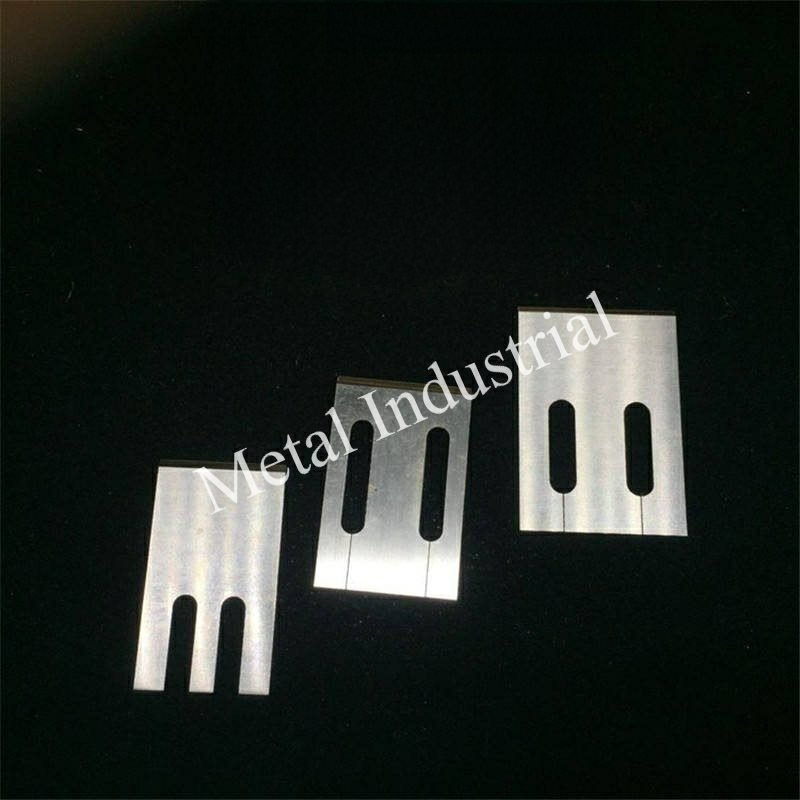
水中ペレタイザーでヒゲ、微粉、あるいは断続的なリークが発生する場合、その原因と対策の多くは刃とダイスの接触面にあります。本ガイドは、作業者やエンジニア向けに、起動時、長時間の連続運転、摩耗性配合物、極端なMFI条件下におけるペレタイザー刃の面圧調整とダイス保護の段階的なプレイブックを提供します。これにより、ダイスの摩耗を低減し、リーク発生の間隔を延ばし、ペレット品質の安定化を図ることができます。要点:安全事項および情報開示 基本手法:ペレタイザー刃の面圧調整 適切な接触を得ることは、特定の絶対値に頼るのではなく、観察可能な兆候に合わせたルーチンを確立することです。シナリオA — 起動/品種切り替え:リークの防止とカットの安定化 起動や品種切り替え時は、リークやダイスへの傷が最も発生しやすいタイミングです[…]
なぜ高負荷材料には CPMペレタイザーナイフ が最適なのか
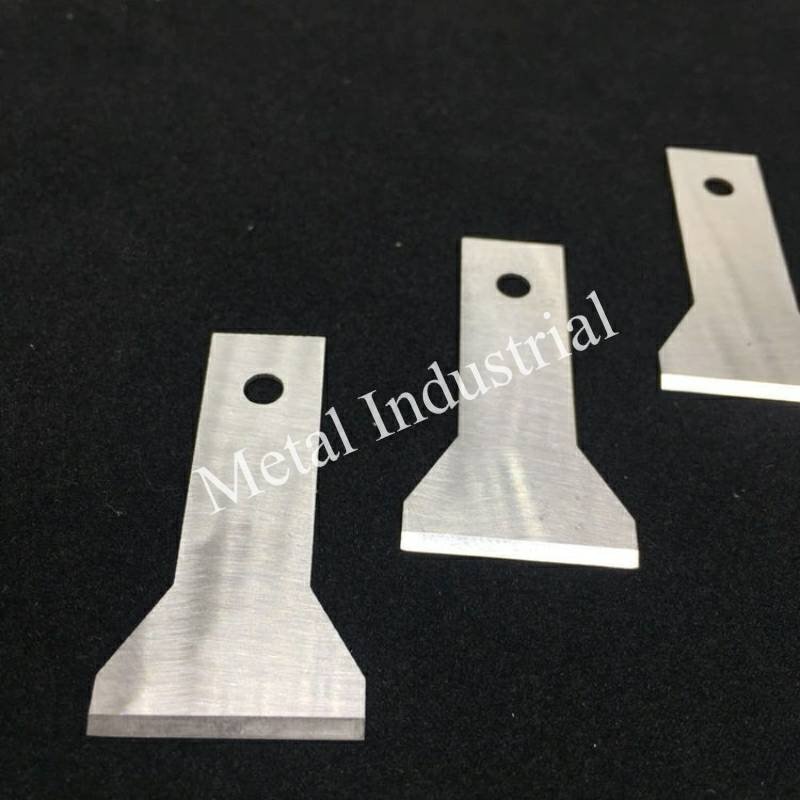
ペレタイジング(造粒)の条件が過酷な場合(研磨性フィラー、断続的な衝撃、湿式チャンバー、急激な温度上昇など)、不適切なペレタイザーナイフを使用すると、生産ラインがダウンタイムの温床となってしまいます。ここで言うCPMとは、Crucible Particle Metallurgy(クルーシブル粒子冶金)の略であり、微細で均一に分散した炭化物を生成することで、優れた耐摩耗性と信頼性の高い靭性を実現する粉末冶金プロセスのことです。注:CPMは有名なCalifornia Pellet Millのブランド名でもありますが、本記事におけるCPMは製鋼プロセスおよびそこから得られる工具鋼を指します。主なポイント:高負荷ペレタイジングにおける損傷モードとその要因。最適な材質の選択は、損傷の兆候から判断できます。稼働後の刃先に実際に現れているのは、均一な摩耗、チッピング、凝着(スミア)、ピッティング、あるいは[…]のいずれでしょうか。
高負荷ペレタイザー刃の材質比較:CPM vs D2 vs 超硬 (2026)
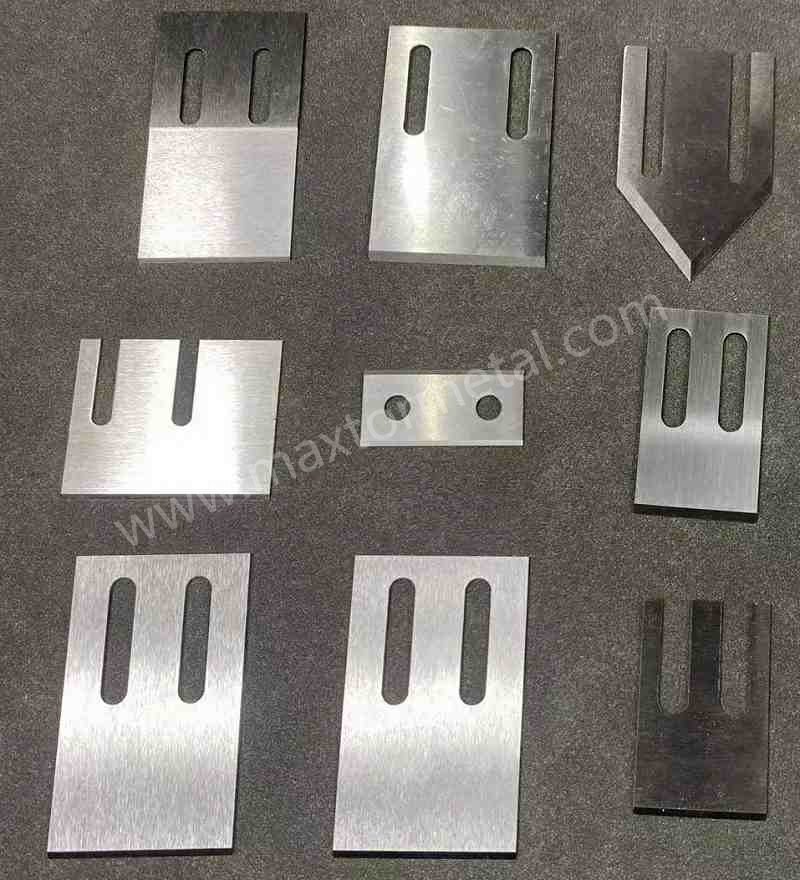
高負荷のペレット造粒プロセスでは、研削性の高いフィラー、断続的な衝撃、熱により刃先が酷使されます。あらゆる状況に対応する万能な材質は存在しません。チッピング(刃こぼれ)が主な損傷モードである場合、CPM工具鋼は従来のD2や低バインダー超硬合金よりも優れた性能を発揮するのが一般的です。安定した負荷の下で純粋な磨耗(アブレシブ摩耗)が支配的な場合、超硬合金が最も長い寿命と最多の研磨再利用回数を提供します。熱による軟化が問題となる場合は、耐熱コーティングを施したCPM M4や熱間工具鋼が大きな効果を発揮します。要点:項目別比較(目安 — 正確な値はデータシートを参照) 最適な使用シナリオ 材質分類と代表鋼種 マイクロ組織の特徴 代表的な硬度範囲 チッピング耐性 耐アブレシブ摩耗性 高温硬度/耐回火性 耐塑性変形性 再研磨[…]
超硬合金(タングステンカーバイド)製ペレタイザーナイフ:ベストプラクティスガイド
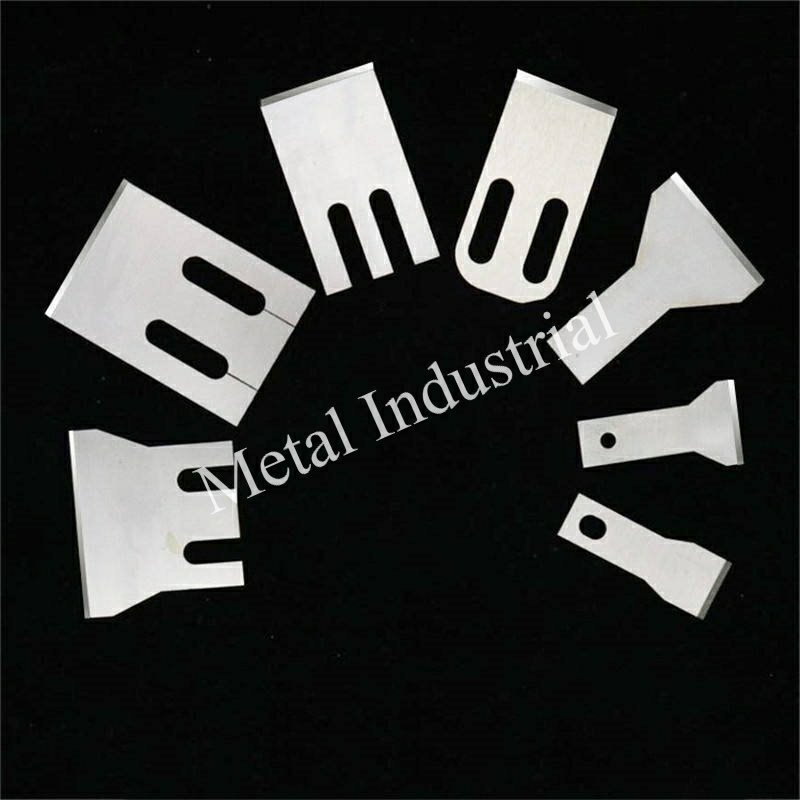
If abrasive-filled compounds keep chewing through your blades, you’re not alone. Between 0–50% glass fiber, talc/CaCO3 fillers, high line-speed shear, and frequent start/stop cycles, edge life collapses—and pellet quality goes with it. Upgrading to tungsten carbide pelletizer knives addresses the core failure modes while stabilizing pellets and trimming unplanned downtime across strand, die-face/underwater, and ring/centrifugal systems. Key takeaways Why Tungsten carbide pelletizer knives matter: the wear you’re really fighting Abrasive mineral fillers (talc, CaCO3) and glass fiber ends act like sandpaper at the cutting interface. At high line speeds, the edge sees three-body abrasion that rounds the cutting radius and elevates fines. Frequent start/stop increases impact loading and thermal cycling, […]
ペレットの連なりを防ぐ:ストランドペレタイザー用ナイフのベストプラクティス
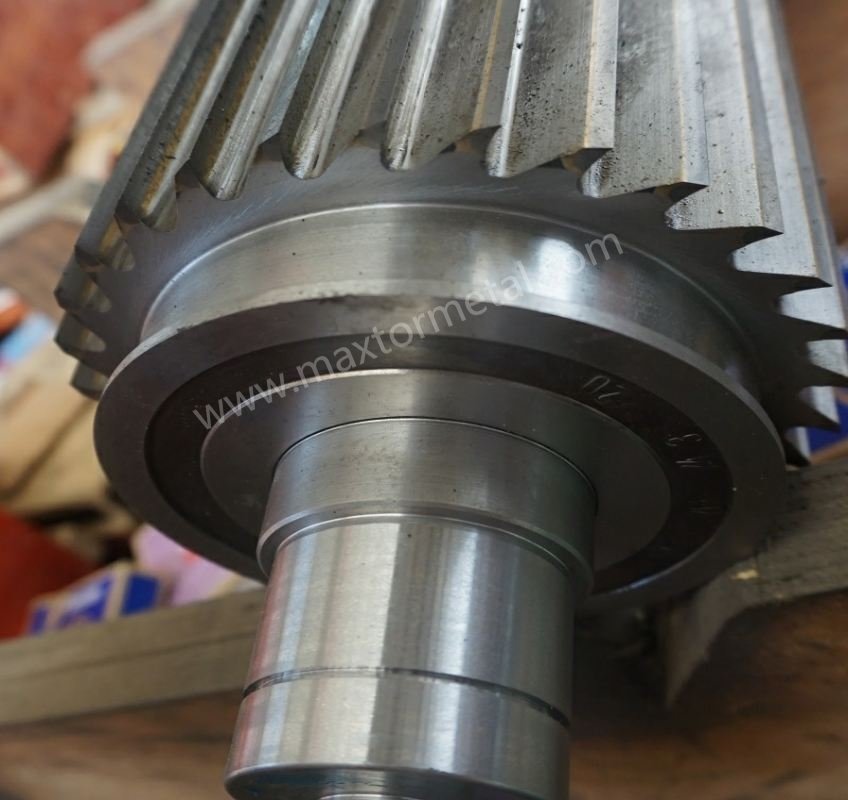
Pellet linking—pellets sticking or fusing together after cutting—wastes time, increases fines, and forces unplanned downtime. In strand pelletizing, the cut must be a clean shear on a fully solidified strand. When knives are dull or mis-set, when runout is present, or when cooling/traction aren’t matched to the polymer, you’ll see smearing, tails, and linked pellets. This guide consolidates field-proven troubleshooting steps, setup ranges, and knife geometry/materials guidance so you can fix linking fast and keep lines stable. Key Takeaways Strand Pelletizer Knives: A Step-by-Step Troubleshooting Workflow Pellet linking has multiple interacting causes. Work the checks in order and document adjustments to your strand pelletizer knives setup. Safety and Symptom Logging […]
「安物買いの銭失い」の理由:プレミアムなロータリースリッターナイフの経済性を解明
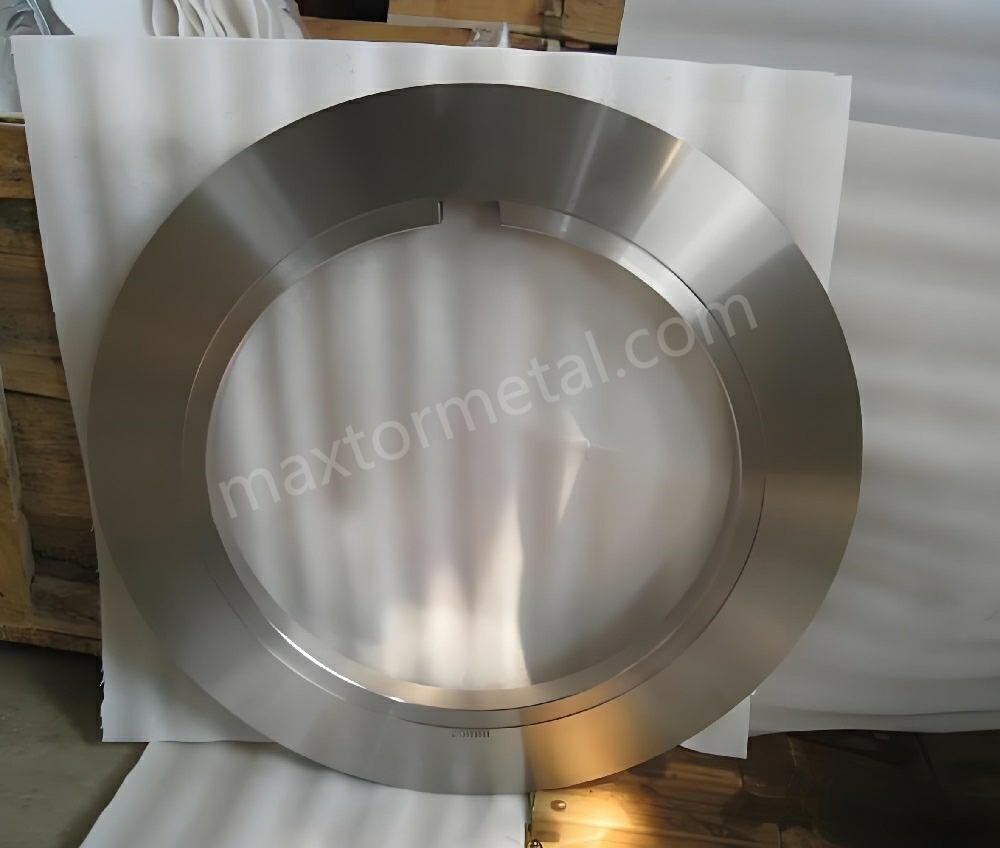
Verdict in 30 seconds: If you’re slitting stainless or high‑strength steels at moderate-to-high speeds—or your downtime costs run above roughly $50,000 per hour—premium Rotary Slitter Knives (HSS/PM‑HSS/Carbide, precision‑ground, coated) win on total cost of ownership. They cut scrap, stretch regrind intervals, and slash changeovers. If you’re a small shop on mild CR/HR steel with downtime under ~$10,000 per hour and conservative speeds, budget D2 or basic HSS can still be the economical choice. Our math anchors on three numbers: A) unplanned downtime $/h, B) total cost per changeover/regrind, and C) savings per 1% scrap‑rate reduction. Key takeaways Cheap vs premium Rotary Slitter Knives: the fast comparison (as of 2026‑01‑20) Below […]
AHSSの課題に挑む:自動車用高張力鋼(ハイテン)向けスリッターナイフの選
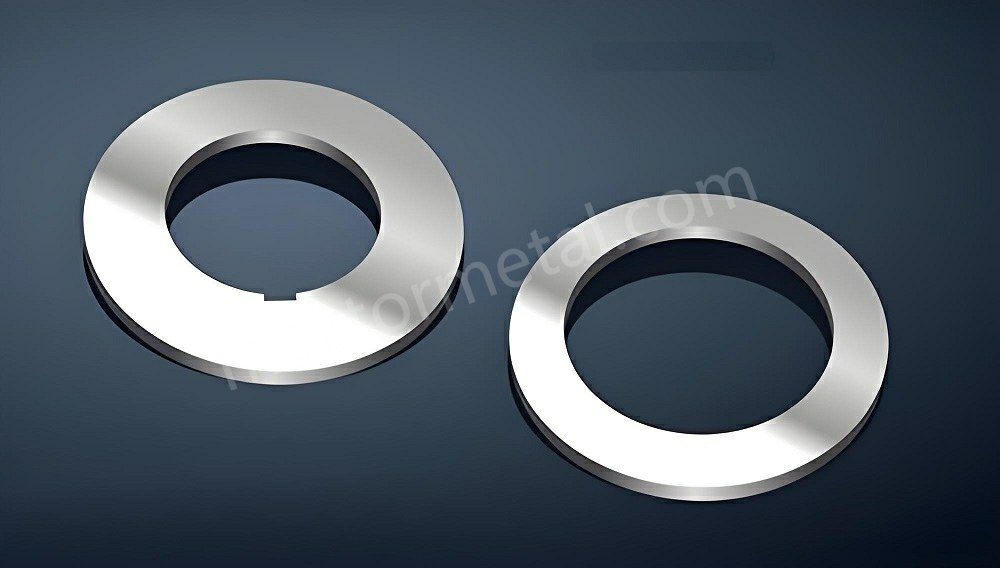
Automotive AHSS grades like DP, TRIP, and martensitic steels can turn a routine slit into a line-stopping headache. Burrs and micro‑chipping surge, edge ductility drops, and downstream formability (HER) suffers. This guide gives plant, process, and maintenance leaders practitioner-grade parameters—material and hardness ranges, coating choices, edge geometry targets, and clearance settings—plus a concise troubleshooting matrix. The goal: cleaner edges, fewer defects, and predictable performance when slitting AHSS. Key takeaways Why AHSS changes the rules AHSS combines high tensile strength with multiphase microstructures (martensite in ferrite), which raises cutting forces and amplifies sensitivity to parameter errors. Mechanical cutting reduces edge ductility; minimizing damage in the shear-affected zone is essential for better […]
鏡面仕上げの重要性:長寿命な円形スリッターナイフの製造方法
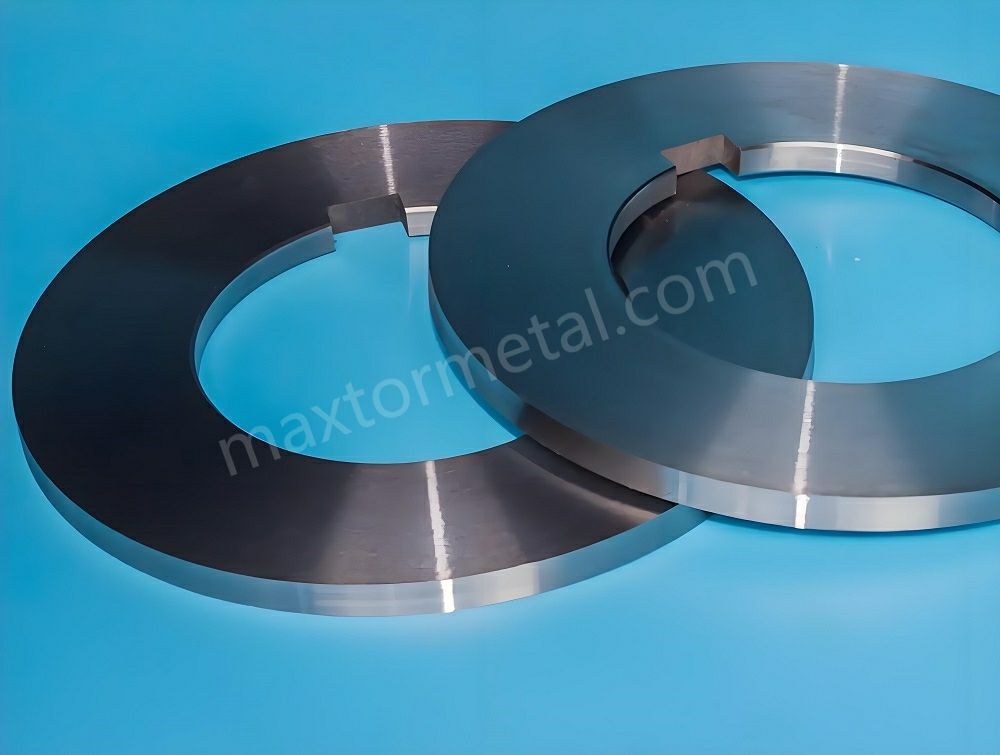
正確な切断を行うには、滑らかな表面が必要です。円形スリットナイフの鏡面研磨された刃先は、より良く、より速く切断するのに役立ちます。この仕上げは、作業を遅くするバリや摩擦を防ぎます。また、材料が刃に付着するのを防ぎます。材料が付着すると、刃を傷つけ、切断精度が低下します。南京Metal工業は、各刃を高度な技術で製造しています。彼らは常に、厳しい作業にも耐えうる高品質の製品を提供しています。重要なポイント 鏡面仕上げと切断精度 鏡面仕上げが重要な理由 刃は毎回きれいに切断したいものです。円形スリットナイフの鏡面仕上げは、これを実現するのに役立ちます。滑らかな表面により、刃は材料の上をスムーズに滑ります。つまり、[…]
セットアップの最適化:完璧なエッジのためにスリッターラインナイフとスペーサーがどのように連携するか

スリット加工において、常にバリのないシャープな切断面を得ることは極めて重要です。スリッターライン用刃物とスペーサーは、一体となって機能します。適切な材質と刃先形状を選択することで、刃物の性能を最大限に引き出すことができます。また、刃物間の隙間(クリアランス)は精密に調整する必要があります。適切なセットアップを行うことで、作業効率が向上し、機械によるスムーズなスリット加工を維持できます。 主なポイント スリッターライン用刃物:役割と特徴 スリット加工における切断機能 スリッターライン用刃物は、幅広の金属コイルを細いストリップ状に切断します。まず、アンコイラーにマスターコイルをセットします。金属材料は、所定の幅に設定された刃物の間を通過します。各刃物は、必要なストリップ幅に合わせて正確な位置に配置され、[…]
スリッティングの科学:ロータリースリッター刃の形状が切断精度に与える影響

高精度で綺麗な切断面を得るために、ロータリースリッター刃が使用されます。これらの刃物は、要求の厳しい製造工程において極めて重要な役割を果たします。個々の刃先形状は、精密な加工結果をもたらし、加工不良の発生を防ぎます。刃物材質、品質管理、そしてバリの低減は、すべて切断精度に影響を与えます。また、仕上がりの美しさ(面粗度)もこれらによって左右されます。以下の比較をご覧ください: 評価項目 説明 刃物材質 選択する刃物材質によって、耐用寿命が異なります。また、切れ味や切断面の品質にも影響します。 品質管理 徹底した品質管理により、すべての刃物が規格通りに製造されます。これは、安定した切断精度を維持するために極めて重要です[…]

 English
 Spanish
 Italian
 French
 Portuguese
 Russian
 German
 Arabic
 Hindi
 Vietnamese
 Indonesian
 Japanese
 Korean