
なぜ高負荷材料には CPMペレタイザーナイフ が最適なのか
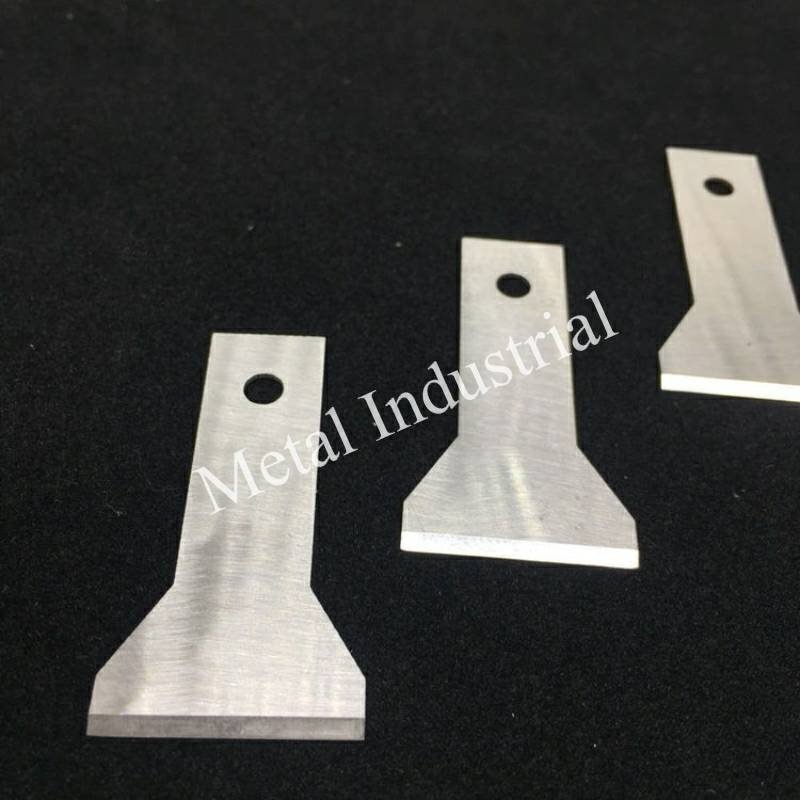
When pelletizing gets tough—abrasive fillers, intermittent impacts, wet chambers, and heat spikes—the wrong pelletizer blade turns your line into a downtime machine. In this context, CPM refers to Crucible Particle Metallurgy, a powder‑metallurgy route that produces fine, uniformly distributed carbides for excellent wear resistance and reliable toughness. Note: CPM is also the well‑known California Pellet Mill brand; in this article, CPM means the steel‑making process and the tool steels derived from it. Key takeaways Failure Modes in High‑Load Pelletizing and What They Tell You Your best material choice falls out of the failure signature. What are you actually seeing on the edge after a run—uniform recession, chips, smear, pits, or […]
高負荷ペレタイザー刃の材質比較:CPM vs D2 vs 超硬 (2026)
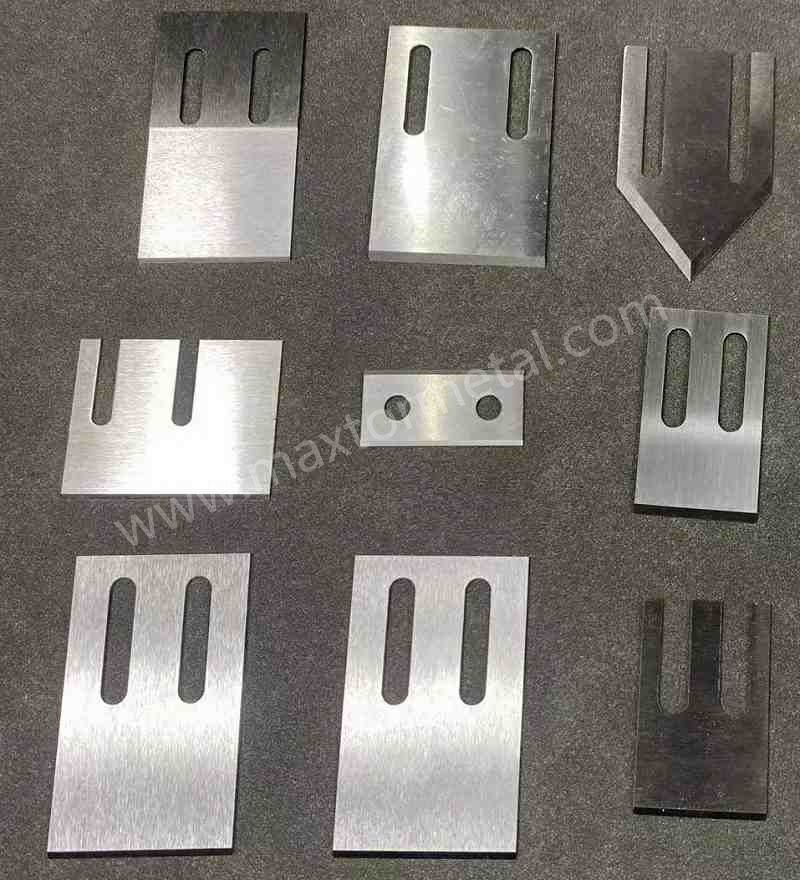
High‑load pelletizing punishes cutting edges with abrasive fillers, intermittent impacts, and heat. There’s no universal winner. If edge chipping is your dominant failure mode, CPM tool steels usually outperform conventional D2 and low‑binder carbides. If pure abrasive wear dominates under steady load, cemented carbide can deliver the longest life and most regrinds. Where heat and thermal softening creep in, CPM M4 or hot‑work steels paired with heat‑resistant coatings make a real difference. Key takeaways Side‑by‑side comparison (indicative — consult datasheets for exact values) Best‑for scenario Material family & example grades Microstructure highlights Typical hardness window Edge chipping resistance Abrasive wear resistance Hot hardness / temper resistance Plastic deformation resistance Regrind […]
超硬合金(タングステンカーバイド)製ペレタイザーナイフ:ベストプラクティスガイド
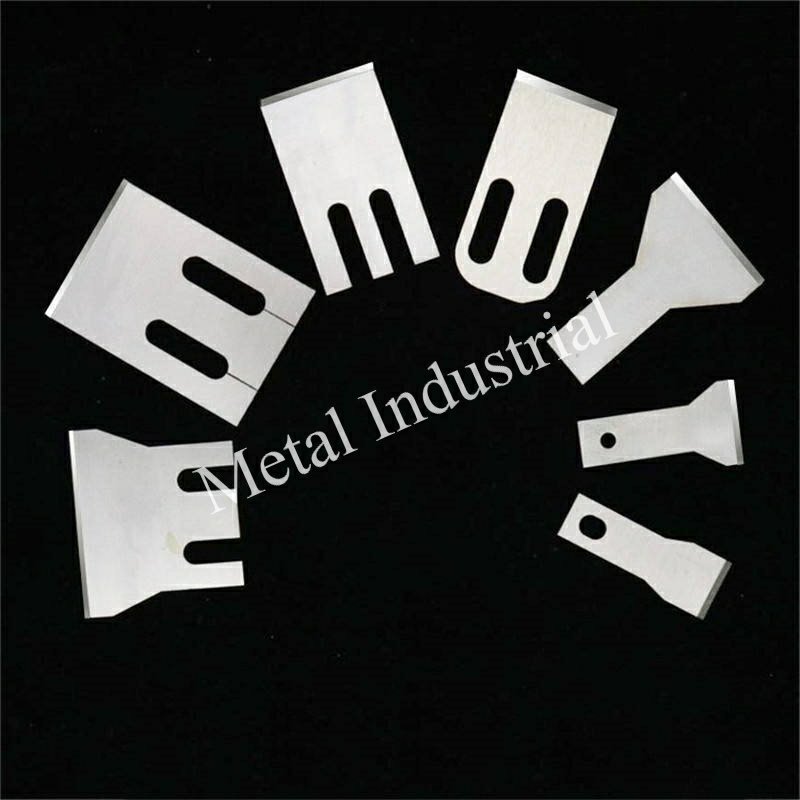
If abrasive-filled compounds keep chewing through your blades, you’re not alone. Between 0–50% glass fiber, talc/CaCO3 fillers, high line-speed shear, and frequent start/stop cycles, edge life collapses—and pellet quality goes with it. Upgrading to tungsten carbide pelletizer knives addresses the core failure modes while stabilizing pellets and trimming unplanned downtime across strand, die-face/underwater, and ring/centrifugal systems. Key takeaways Why Tungsten carbide pelletizer knives matter: the wear you’re really fighting Abrasive mineral fillers (talc, CaCO3) and glass fiber ends act like sandpaper at the cutting interface. At high line speeds, the edge sees three-body abrasion that rounds the cutting radius and elevates fines. Frequent start/stop increases impact loading and thermal cycling, […]
ペレットの連なりを防ぐ:ストランドペレタイザー用ナイフのベストプラクティス
Pellet linking—pellets sticking or fusing together after cutting—wastes time, increases fines, and forces unplanned downtime. In strand pelletizing, the cut must be a clean shear on a fully solidified strand. When knives are dull or mis-set, when runout is present, or when cooling/traction aren’t matched to the polymer, you’ll see smearing, tails, and linked pellets. This guide consolidates field-proven troubleshooting steps, setup ranges, and knife geometry/materials guidance so you can fix linking fast and keep lines stable. Key Takeaways Strand Pelletizer Knives: A Step-by-Step Troubleshooting Workflow Pellet linking has multiple interacting causes. Work the checks in order and document adjustments to your strand pelletizer knives setup. Safety and Symptom Logging […]

 English
  Spanish
  Italian
  French
  Portuguese
  Russian
  German
  Arabic
  Hindi
Hindi  Vietnamese
  Indonesian
  Japanese
  Korean