


Se você não realizar uma Substituição da lâmina de corte rotativa da maneira correta, você pode perder tempo na produção. Cerca de 25% do tempo de inatividade das máquinas ocorre devido à quebra de ferramentas, como as lâminas. Boas lâminas ajudam a cortar melhor e a reduzir o desperdício. Essas lâminas também aumentam a segurança no local de trabalho, reduzindo os riscos de acidentes. Existem muitos tipos de lâminas e opções personalizadas disponíveis para diferentes trabalhos e materiais. Se você cuidar de suas lâminas regularmente, seu trabalho continuará eficiente e seguro.
Principais conclusões
- Verifique as lâminas de corte longitudinal rotativas com frequência. Substitua-as quando necessário. Isso ajuda a evitar problemas na máquina e garante cortes limpos.
- Use sempre equipamentos de segurança. Utilize luvas resistentes a cortes e óculos de proteção. Isso garante sua segurança ao trocar as lâminas.
- Prepare todas as suas ferramentas antes de começar. Isso economiza tempo e ajuda a evitar erros.
- Escolha a lâmina certa para o trabalho. Considere o material e sua espessura. Isso ajuda a garantir um corte eficiente.
- Limpe muito bem os suportes das lâminas antes de instalar as novas. Isso garante que as lâminas se ajustem e funcionem corretamente.
- Leia e siga as instruções do fabricante. Certifique-se de que a lâmina esteja alinhada corretamente. Use o torque correto. Isso evita danos.
- Inspecione as lâminas após a instalação. Realize um teste em baixa velocidade. Isso ajuda a identificar problemas precocemente.
- Guarde as lâminas em um local seco. Certifique-se de que não haja umidade. Isso evita a ferrugem e preserva as lâminas.
Ferramentas e Segurança para Substituição de Lâminas de Corte Longitudinal Rotativas
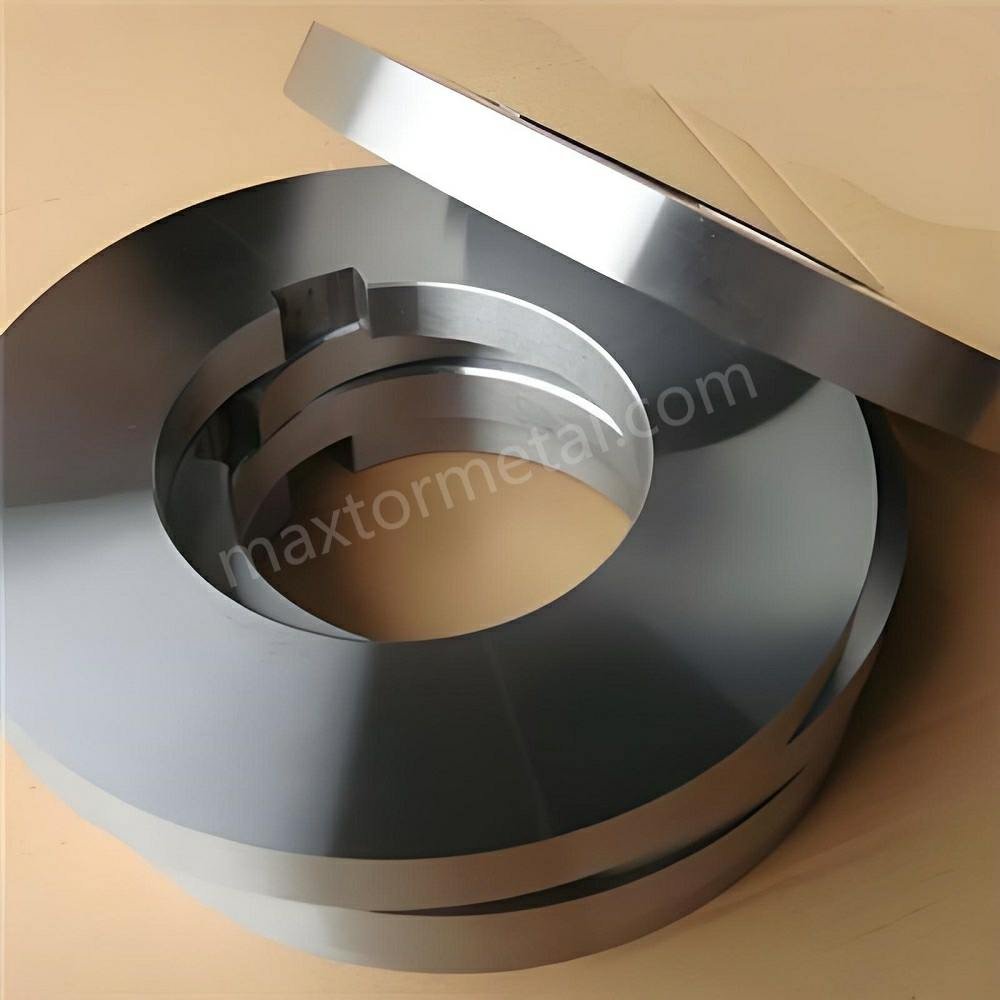
É necessário se preparar antes de trocar uma lâmina de corte longitudinal rotativa. Você precisa das ferramentas e dos equipamentos de segurança corretos. Escolher a lâmina adequada também é fundamental. Essas etapas ajudam você a trabalhar com segurança e rapidez.
Ferramentas essenciais
Reúna todas as ferramentas antes de começar. Isso evita perda de tempo ou erros. A maioria das máquinas de corte longitudinal rotativo exige algumas ferramentas básicas:
- Chaves de fenda e chaves de aperto compatíveis com os fixadores da sua máquina
- Chaves Allen para os parafusos do conjunto da lâmina
- Chave dinamométrica para apertar os parafusos com o torque correto
- Ferramenta de remoção de lâmina ou extrator, se a sua máquina exigir
- Panos limpos para limpar os suportes das lâminas
- Recipientes seguros para lâminas usadas e novas
Dica: Sempre leia o manual da sua máquina para recomendações de ferramentas. As ferramentas corretas protegem os componentes da sua máquina contra danos.
Equipamento de segurança
Você deve se proteger ao trocar lâminas de corte longitudinal rotativas. As lâminas são extremamente afiadas e podem causar ferimentos graves. Especialistas em segurança recomendam o uso de luvas resistentes a cortes e protetores de braço. A tabela abaixo lista alguns principais equipamentos de segurança:
| Nome do Produto | Nível de Proteção contra Cortes | Descrição |
|---|---|---|
| Helix® 2080 | ANSI/ISEA nível A6 | Revestimento de Kevlar® de calibre 13 e mistura de aço com palma de nitrilo espumoso para aderência e destreza. |
| Chrome Series® 4018 | ANSI/ISEA nível A6 | Conforto aprimorado com palma de couro sintético, replicando a sensação de uma luva tradicional. |
| Chrome Series® 4023 | ANSI/ISEA nível A8 | Luva de mecânico com cobertura total para proteção da palma e do dorso da mão durante a troca de lâminas. |
| Protetores de Braço HexArmor® | ANSI/ISEA nível A7-A8 | O SuperFabric® oferece alta resistência a cortes e perfurações, ideal para manuseio de bobinas e troca de facas. |
Use óculos de segurança para proteger seus olhos de fragmentos projetados. Sapatos fechados e mangas compridas oferecem proteção adicional.
Seleção de lâminas
Escolher a lâmina certa é extremamente importante. A lâmina deve ser compatível com sua máquina e com o material que você corta. Considere os seguintes fatores:
- Compatibilidade de Material: Escolha uma lâmina que corresponda à dureza do seu material.
- Geometria da Lâmina: Verifique o tamanho da lâmina e o formato da aresta para obter cortes de qualidade.
- Revestimento e Tratamento de Superfície: Algumas lâminas possuem revestimentos especiais para maior vida útil.
- Velocidade de Corte e Taxa de Avanço: Ajuste-as corretamente para evitar danos à lâmina.
- Compatibilidade e Alinhamento da Máquina: Certifique-se de que a lâmina se ajuste e se alinhe corretamente.
As lâminas estão disponíveis em aço de alto carbono, aço ferramenta, aço rápido e carboneto de tungstênio. A Nanjing Metal Industrial possui muitos tipos de lâminas e opções personalizadas. Você pode encomendar lâminas fabricadas de acordo com seus próprios desenhos ou escolher diferentes formatos de aresta.
Muitas marcas também vendem lâminas OEM e de reposição (aftermarket). Lâminas personalizadas podem atender melhor às suas necessidades. Lâminas OEM às vezes funcionam melhor para trabalhos especiais. Sempre verifique a qualidade e o ajuste da lâmina antes de instalá-la.
Nota: Boas lâminas e a escolha certa ajudam você a cortar melhor e a economizar tempo.
Preparação para a Substituição de Lâminas
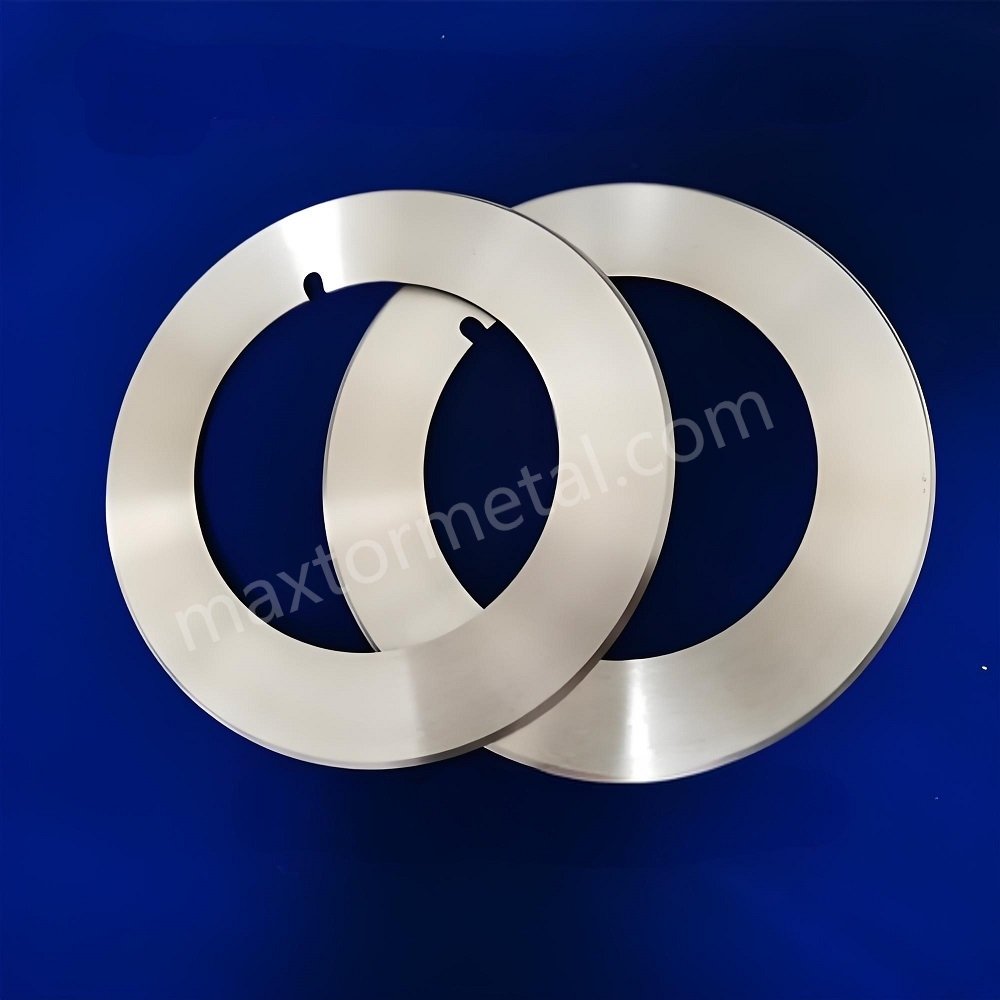
Preparar-se para a substituição das facas de corte longitudinal rotativas ajuda você a trabalhar com segurança e rapidez. É necessário seguir alguns passos importantes antes de começar. Esses passos protegem você e sua máquina.
Desligamento de Energia
Você deve desligar a máquina antes de tocar em qualquer lâmina. Este passo protege você contra acidentes. Siga estas melhores práticas:
- Desconecte a máquina da tomada ou desligue a alimentação principal.
- Use dispositivos de bloqueio (lockout) para garantir que ninguém ligue a máquina por engano.
- Verifique se todas as peças móveis pararam.
- Aguarde a máquina esfriar se ela estiver em funcionamento.
Dica: Sempre verifique novamente o interruptor de energia e a etiqueta de bloqueio antes de começar. A segurança vem em primeiro lugar.
Organização da Área de Trabalho
Um espaço de trabalho limpo e organizado ajuda a evitar erros. Você precisa preparar sua área antes de iniciar a troca de lâminas. Aqui está um checklist simples:
| Etapa | Por que isso importa |
|---|---|
| Remova detritos e sobras | Evita danos às lâminas e acidentes |
| Organize as ferramentas e as novas lâminas | Economiza tempo e mantém você organizado |
| Posicione recipientes para as lâminas usadas | Mantém as lâminas usadas seguras e fora do caminho |
| Limpe as superfícies da máquina | Impede que a sujeira entre no conjunto |
Você deve limpar todas as peças, incluindo o eixo e o flange. Este passo ajuda a instalar a nova lâmina sem problemas.
Safety Checks
Antes de iniciar a substituição das facas de corte longitudinal rotativas, você precisa verificar seus equipamentos de segurança e o espaço de trabalho. Siga estes passos:
- Certifique-se de que la máquina esteja desligada e bloqueada.
- Use luvas resistentes a cortes, óculos de segurança e calçados antiderrapantes.
- Limpe a área de qualquer desordem ou itens soltos.
- Inspecione a lâmina em busca de lascas, dentes ou trincas.
- Fique atento a ruídos estranhos vindos da máquina.
- Guarde as lâminas em capas protetoras até o momento do uso.
Nota: Você deve sempre manusear as lâminas com cuidado. Mossas e quedas podem danificar a lâmina e causar cortes de baixa qualidade.
Você precisa afiar as lâminas regularmente e selecionar a lâmina certa para o seu material. O armazenamento e o manuseio adequados mantêm suas lâminas em bom estado. Esses passos ajudam a evitar lesões e a manter sua máquina funcionando bem.
Ao seguir estes passos, você se prepara para uma substituição segura e eficiente das facas de corte longitudinal rotativas. Você protege a si mesmo, sua equipe e seu equipamento.
Remoção de Lâminas de Corte Longitudinal Antigas
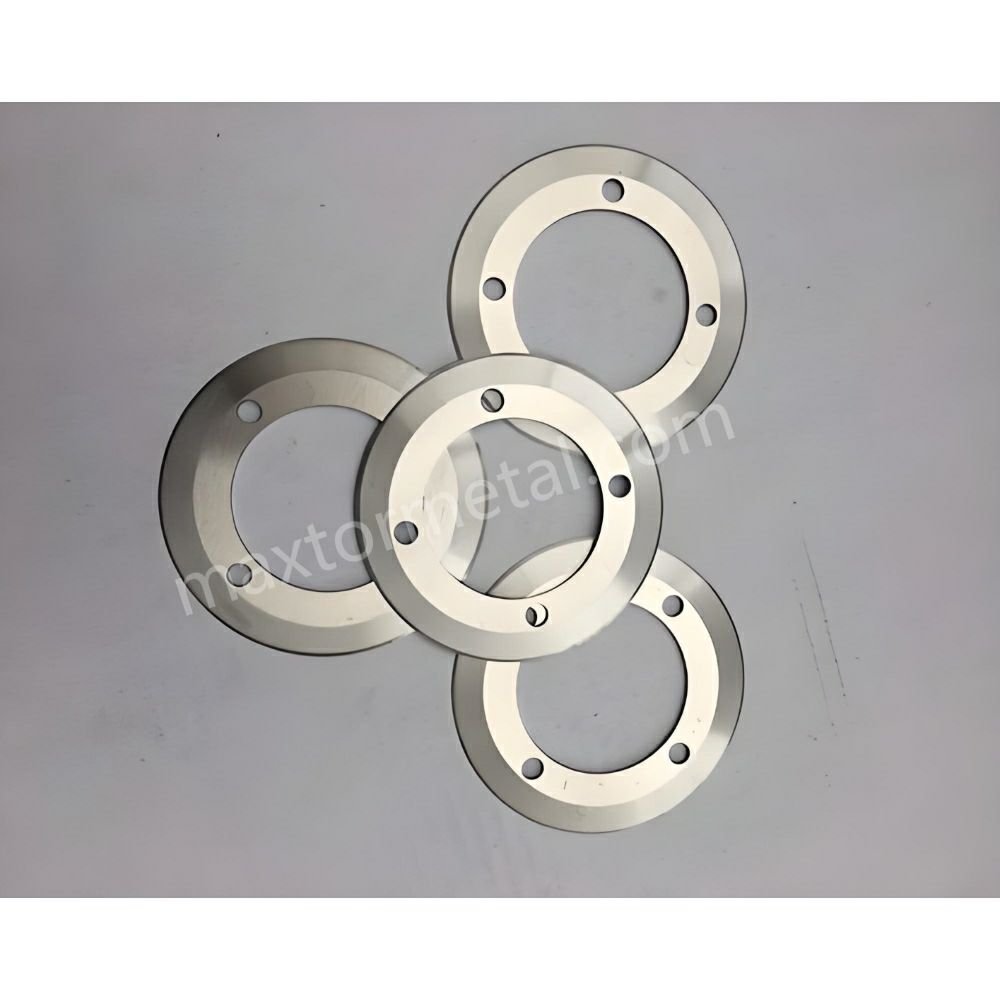
A substituição das facas de corte longitudinal rotativas exige cuidado. Você deve prestar atenção à segurança e a cada etapa. Isso mantém você seguro e sua máquina funcionando bem.
Nota de Segurança: Sempre use luvas resistentes a cortes e óculos de segurança. Certifique-se de que todas as peças móveis pararam antes de começar.
Acesso ao conjunto da lâmina
Primeiro, você precisa acessar o conjunto de lâminas. Siga estes passos para manter a segurança e trabalhar bem:
- Desligue a máquina e faça o bloqueio (lockout). Isso evita que ela ligue por acidente.
- Remova quaisquer tampas ou proteções do conjunto de lâminas. Use as ferramentas corretas para sua máquina.
- Localize o alojamento da lâmina. Limpe qualquer detrito ou resíduo de material que esteja obstruindo o caminho.
- Use o manual do fabricante para localizar todos os pontos de acesso e fixadores.
- Mantenha-se em uma posição estável. Isso ajuda a evitar escorregões ou quedas.
Use óculos de segurança, luvas resistentes a cortes e calçados robustos. Mantenha a postura ereta e verifique a altura da mesa. Isso ajuda a evitar dores no pescoço e nas costas. Mantenha seu espaço de trabalho limpo e organizado para reduzir riscos.
| Etapa | Por que isso importa |
|---|---|
| Desligar a máquina | Evita a partida acidental |
| Remover tampas | Permite alcançar a lâmina facilmente |
| Limpar detritos | Evita danos às lâminas e acidentes |
| Find fasteners | Makes removal safe and simple |
| Stable stance | Stops slips and injuries |
Afrouxando os parafusos
You need to loosen the fasteners holding the blade. Use the right tools so you do not hurt your machine.
- Use wrenches or screwdrivers that fit your fasteners. This stops them from breaking or stripping.
- Loosen each fastener in a cross-pattern or as the manual says. This spreads tension evenly and keeps the assembly from bending.
- Put all removed fasteners in a safe container. This keeps them together and stops mix-ups.
- If a fastener is stuck, use a lubricant. Wait for it to work before trying again.
- Check each fastener for damage or wear. Replace any that look worn for safe reassembly.
Never reach into the machine while blades are moving. Always follow the manufacturer’s rules for safe removal. If you are unsure, ask someone for help.
Tip: Keep your hands away from the cutting edge. Hold the blade by the hub or body to avoid cuts.
Remoção Segura da Lâmina
You need to remove the blade carefully to stay safe.
- Hold the blade with both hands. Keep your fingers away from the sharp edge.
- Slowly slide the blade out of its mount. Support its weight so you do not drop it.
- Put the removed blade in a safe container for used blades.
Common mistakes are using bare hands, dropping the blade, and not checking for leftover tension. You can stop these by wearing gloves, keeping a firm grip, and making sure all fasteners are loose before you take out the blade.
If the blade feels stuck, do not force it. Look for hidden fasteners or things in the way. Handle blades very carefully. Use safe lifting to avoid hurting yourself. Cuts on fingers or hands are the most common injuries when removing blades. You can avoid these by changing blades often, using the right size, and always cutting away from your body.
Note: Rotary slitter blade replacement is safest when you follow every step and use the right safety gear. Ask for help if you are unsure about any part.
Instalação de Novas Lâminas de Corte Longitudinal Rotativas
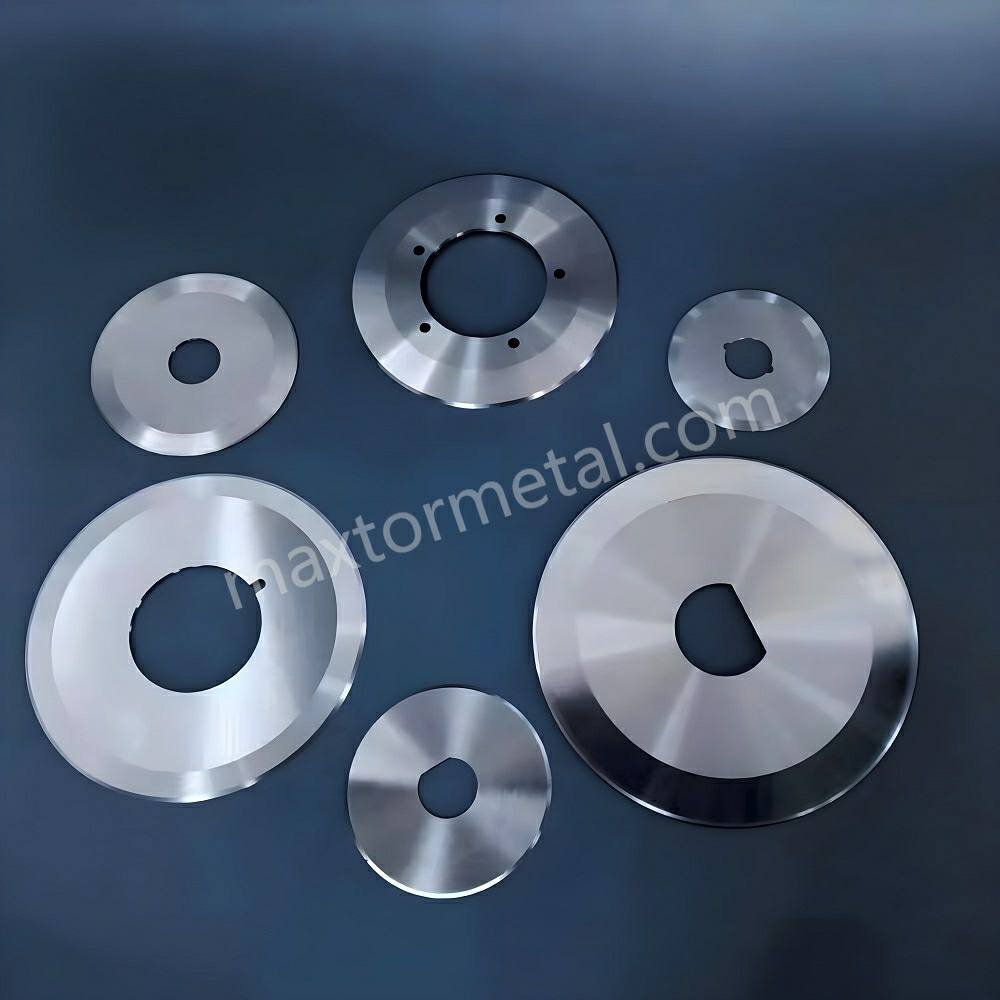
Rotary slitter blade replacement works best if you follow each step. You need to clean the mounts first. Then, you must line up the blades and make sure they are tight. These steps help you get smooth cuts and keep your machine working well.
Cleaning Mounts
Removing Debris and Residue
Begin by cleaning the blade mounts. Use a clean cloth to wipe away dust and oil. Old material can also stick to the mounts. Dirt and rust can make the blade sit wrong. Check every part for sticky stuff or scraps from past jobs.
Cleaning blade mounts is very important. It helps rotary slitter blades last longer and work better. Cleaning makes sure there is no dirt, rust, or damage. Even sharp blades will not work well if the mounts are dirty.
Inspecting Mounting Surfaces for Damage or Wear
Look closely at the mounting surfaces. Search for cracks, dents, or worn spots. Damaged mounts can make the blade wobble or cut badly. If you see any problems, fix them before you put in the new blade. This step helps you stop future breakdowns.
Ensuring Dryness and Cleanliness Before Installation
Make sure the mounts are dry and clean before you install the new blade. Water or oil can make the blade slip or rust. Use a dry cloth to finish cleaning. A clean mount helps the blade last longer and cut better.
Alinhamento de lâminas
Positioning the Blade According to Manufacturer Specifications
Put the blade in the right spot. Follow your machine’s manual for instructions. Each machine has its own rules for blade position and spacing. If you use the wrong spot, you might get crooked cuts or break the blade.
- Install rotary slitter blades on the holder or arbor. Make sure they are lined up and tight.
- Adjust blade spacing and position for the number and width of slit lanes you want.
- Control web tension before the cutting zone for smooth flow.
- Line up the web with the blades to waste less and get even slit widths.
Adjusting Blade Height and Lateral Placement
Set the blade height to match the material thickness. Move the blade sideways to line up with the cut path. Use the knobs or screws on your machine. If the blade is too high or low, you might get rough edges or miss the cut line.
Verifying Parallelism and Clearance with Adjacent Blades
Check that all blades are parallel. Use a ruler or gauge to measure the space between blades. Make sure there is enough room so blades do not touch. If blades are too close, they can rub and wear out fast.
Using Alignment Tools or Gauges for Precision
Use alignment tools or gauges for the best results. These tools help you set the blade exactly where it needs to go. Being exact matters for smooth cuts and long blade life. If you do not have alignment tools, ask your supplier for help.
Securing Blades
Selecting Proper Fasteners and Torque Settings
Pick the right bolts or screws for your blade and machine. Use ones that match the size and thread type. Tighten each fastener to the torque setting in your manual. If you use the wrong fastener or torque, the blade can come loose or bend.
Tightening Sequence to Prevent Blade Distortion
Tighten the fasteners in a cross-pattern. This spreads the pressure evenly and keeps the blade flat. If you tighten one side too much, the blade can bend. Follow the order in your manual for best results.
Double-Checking Security and Stability
After you tighten the fasteners, check that the blade does not move. Wiggle the blade gently to see if it feels loose. If you find any movement, tighten the fasteners again. A tight blade helps you avoid accidents and bad cuts.
Documenting Installation for Maintenance Records
Write down the blade type, installation date, and torque settings in your maintenance log. Good records help you track blade life and plan future rotary slitter blade replacement. You can also note any problems or changes you made during installation.
Choosing the Right Blade for Your Material
Pick the correct blade type and edge for your job. Paper, metal, and plastic need different blades. For example, single-layer small edge blades work well for hard materials. Double-layer large edge blades give you precise cuts on thin materials. If you want a blade made for your needs, you can order custom blades from Nanjing Metal Industrial. Custom blades help you get the best results for your machine and material.
Quality is important for every rotary slitter blade replacement. Always check that your new blade matches your machine and material. Look for blades made from high-carbon steel, tool steel, high-speed steel, or tungsten carbide. These materials last longer and cut better. Before you install the blade, check it for chips or cracks. Make sure it fits your machine and lines up with the other blades. Good quality and fit checks help you avoid problems and keep your machine running smoothly.
Verificações Finais e Testes
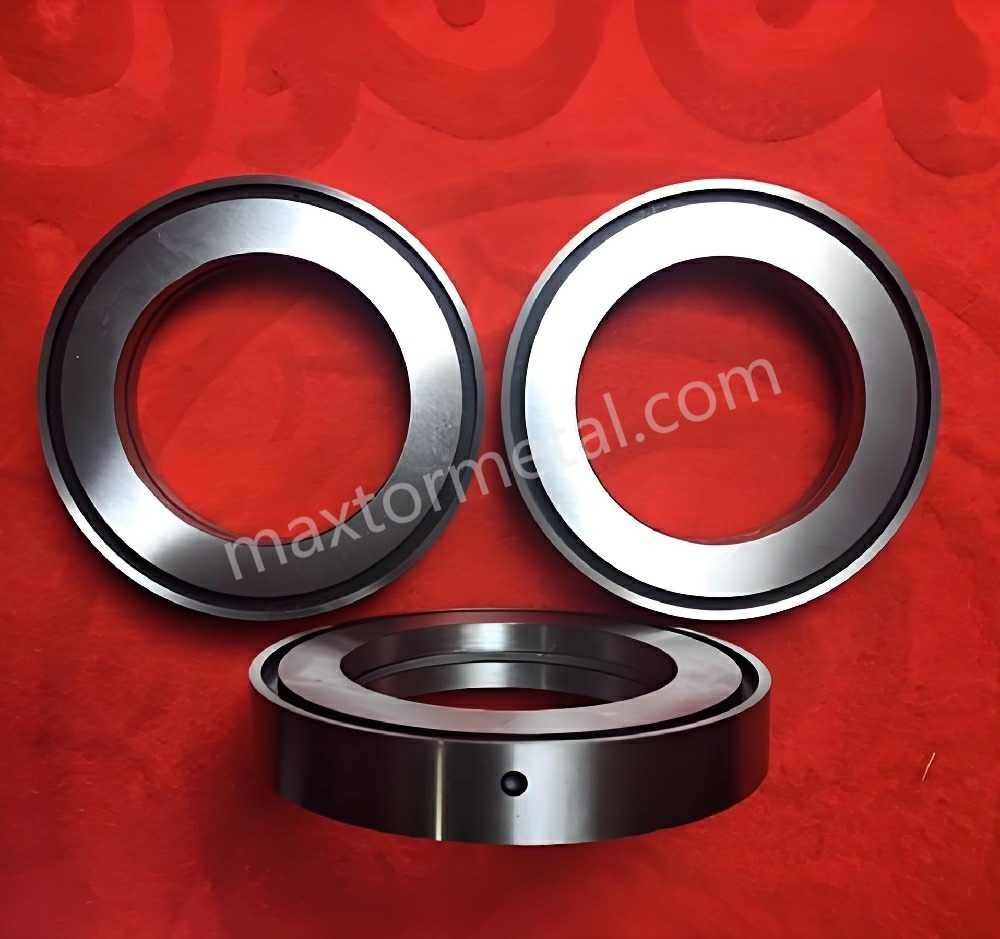
You should check your work before using the machine. Careful checking and testing help you find problems early. This keeps your cuts neat and safe. Follow these steps to make sure your rotary slitter blade replacement works well.
Inspeção visual
Inspecting Blade Installation
Look at the blades closely for any chips or scratches. Check the locating hole for flat spots, burrs, or bent areas. If you see damage, do not use that blade.
Checking for Proper Alignment and Spacing
Use a ruler or gauge to measure space between blades. Make sure each blade is straight and does not touch others. Blades that are too close can rub and wear out fast.
Verifying Fastener Tightness
Check every bolt and screw with your hand. Make sure they feel tight. Loose bolts can make blades wobble or fall off. Tighten any that feel loose.
Tip: Always check your work twice before moving on. Careful checking helps you find mistakes early.
Here is a table showing what you need to check during visual inspection:
| Tipo de inspeção | Critérios |
|---|---|
| Inspeção visual | Look for chips or scratches on the edge; check the knife’s locating hole for flat spots, burrs, or bent areas. |
| Dimension Verification | Measure the knife’s diameter and thickness with calipers; make sure sizes match the old knife. |
| Material Confirmation | Make sure the new knife’s material matches what you are cutting to stop fast wear. |
Manual Rotation
Rotating the Blade Assembly by Hand
Turn the blade assembly slowly with your hand. Wear gloves to protect your fingers. The blades should move smoothly and not stick.
Observing for Smooth Movement
Watch the blades as they turn. They should spin evenly and not shake. If you see wobbling, check the alignment again.
Listening for Unusual Sounds
Listen while you turn the blades. You should not hear grinding, scraping, or clicking sounds. Strange noises mean something is wrong with the installation.
Note: If you notice any problems, fix them before turning on the machine.
Execução de teste
Powering Up the Machine
Turn on the machine after you finish all checks. Stay alert and keep your hands away from moving parts.
Conducting a Low-Speed Test
Start with a slow test run. This helps you spot problems before they get worse. Watch the blades and listen for odd sounds.
Monitoring for Vibration and Noise
Pay attention to shaking and loud sounds. Use your senses or sensors to check for vibration or noise. Too much shaking can hurt the blades and the machine.
Checking Initial Cut Quality
Look at the first cuts. Check the edges for tearing, rough spots, or uneven lines. Good cuts mean your blades are installed right.
Here is a table showing what you should watch during a slow test run:
| Parâmetro | Monitoring Technique |
|---|---|
| Cut Edges | Check for tearing, rough spots, or uneven cuts |
| Vibração | Use sensors to measure shaking |
| Sound Changes | Use sensors to listen for strange sounds |
| Força de corte | Use gauges to measure how hard it is to cut |
| Blade Temperature | Use sensors to check for overheating |
Callout: Always stop the machine if you see bad cuts, hear loud noises, or feel strong shaking. Fix the problem before you keep going.
You can keep your machine working well by following these steps. Careful final checks and testing help you get the best results from rotary slitter blade replacement.
Erros Comuns e Resolução de Problemas
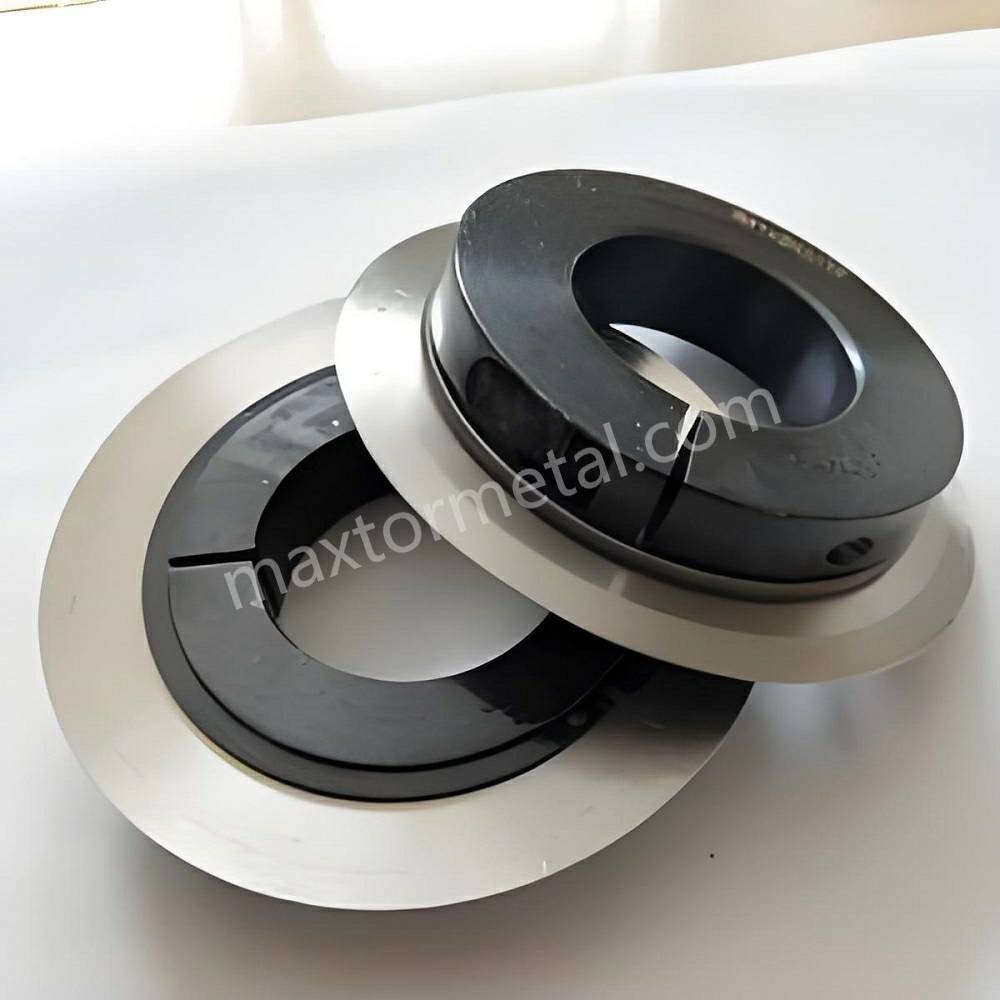
Rotary slitter blade replacement can be tricky. If you skip steps or use the wrong tools, things can go wrong. You should learn about common mistakes and how to fix them. This section helps you avoid problems and keep your machine working well.
Removal Errors
Failing to Fully Power Down the Machine
If you do not turn off the machine, you could get hurt. Machines might start by accident and cause injuries. Always check the power switch and use lockout devices. Make sure all moving parts have stopped before you touch anything.
Not Wearing Proper Safety Gear
You need to wear cut-resistant gloves and safety goggles. If you do not wear safety gear, you can get cuts or hurt your eyes. Gloves protect your hands from sharp blades. Goggles keep your eyes safe from flying pieces. Never work without safety gear.
Skipping the Step of Marking Blade Positions
If you do not mark blade positions, you might put new blades in the wrong spot. Marking helps you put each blade back where it belongs. Use a marker or tape to show each blade’s place. This step saves time and stops mistakes.
Using Incorrect Tools for Fastener Removal
Using the wrong tools can break bolts or damage the blade assembly. Always use wrenches and screwdrivers that fit your fasteners. If you use the wrong size, you might break the fastener or harm your machine. Check your manual for the right tools.
Forcing Stuck Blades or Fasteners
If a blade or fastener is stuck, do not force it. Forcing can bend the blade or break the fastener. Use a lubricant and wait for it to work. Look for hidden fasteners or debris blocking the blade. Take your time and work slowly.
Solutions and Prevention Tips
Tip: You can avoid most removal mistakes by using a checklist.
- Always follow lockout/tagout steps before you start.
- Wear cut-resistant gloves and safety goggles every time.
- Mark blade positions before you take them out.
- Use the tools the manufacturer recommends for fasteners.
- If something is stuck, look for hidden fasteners or blockages instead of forcing it.
Installation Issues
Alinhamento incorreto da lâmina
If you do not line up the blade right, you might get crooked cuts or damage the blade. Misalignment can happen if you rush or skip measuring. You need to check the blade from different angles and use shims if needed.
Uneven Fastener Tightening
If you tighten bolts unevenly, the blade can bend or move during use. You must tighten bolts in a cross-pattern to spread pressure. Uneven tightening can cause shaking and bad cuts.
Installing Incompatible or Damaged Blades
If you use a blade that does not match your machine or material, you might get poor cuts and fast wear. Damaged blades can break or cause accidents. Always check new blades for chips or cracks before you put them in.
Overlooking Manufacturer Specifications
If you ignore the manual, you might use the wrong torque or install the blade wrong. Manufacturer instructions help you get the best results and stay safe. Always follow the steps for your machine and blade.
Solutions and Prevention Tips
You can fix installation problems by doing these steps:
- Check if the blade is lined up at different angles.
- Use U-shaped shims of different thicknesses to adjust alignment.
- For cabinet saws, add shims to the rear or front corners if needed.
- Loosen one bolt at a time, adjust shims, and check measurements.
- Check blade alignment at both 90 and 45 degrees.
- Make sure all bolts are tight after you finish.
- Put covers back on after making changes.
- Double-check blade alignment with alignment tools or gauges.
- Tighten bolts in a cross-pattern to spread pressure.
- Check new blades for damage and make sure they fit before installing.
- Follow the manual for torque and installation steps.
Cut Quality Problems
Burrs or Rough Edges on Cut Material
Burrs and rough edges happen when the blade setup is wrong or the blade is dull. Compressive force during cutting causes burrs. If you set up the blade right and use sharp blades, you get fewer burrs.
Material Wrinkling or Deformation
Material can wrinkle or bend if blade clearance is wrong or pressure is too high. Damaged rubber bonded spacers can also cause shaking, which leads to bad cuts and short blade life.
Crooked or Inconsistent Cut Lines
Crooked cuts happen if blades are not lined up or if the material moves while cutting. You need to check alignment and make sure the material feeds smoothly.
Solutions and Troubleshooting Steps
You can make cut quality better by doing these things:
- Make sure blades are sharp, clean, and lined up right.
- Adjust blade clearance and pressure for your material.
- Replace worn or damaged blades quickly.
- Test cut on sample material and adjust settings before full production.
- Check rubber bonded spacers and replace them if damaged.
- Set up the blade to lower compressive force on the material.
Note: Good setup and regular checks help you avoid burrs, rough edges, and other cut problems.
Ruído e vibração
Rotary slitter blade replacement can fix many problems. Sometimes, you still hear loud sounds or feel shaking. These signs mean something is wrong with your machine. You should learn what causes these issues and how to fix them.
Excessive Operational Noise
You might hear grinding, squealing, or rattling when the slitter runs. These sounds show that parts are not moving smoothly. Worn bearings, dry gears, or loose bolts can make the machine noisy. If you ignore these sounds, you could damage your blades or machine.
Dica: Listen for new or louder noises after rotary slitter blade replacement. If you act early, you can stop bigger problems.
Unusual Vibrations During Cutting
If your machine shakes while cutting, stop and check it. Vibrations can make cuts uneven or hurt the blades. Sometimes, you feel the table or floor move. Other times, you see the material shift as it goes through the slitter. Vibrations can also make the blade wear out faster.
Possible Causes (e.g., Worn Bearings, Loose Fasteners, Misalignment)
Many things can cause noise and vibration during rotary slitter blade replacement:
- Worn Bearings: Bearings help parts spin smoothly. If they wear out, you hear grinding and feel shaking.
- Loose Fasteners: Bolts and screws hold the machine together. If they get loose, parts can move and make noise.
- Blade Misalignment: If blades are not lined up, they can rub or hit each other.
- Improper Roller Tension: Rollers guide the material. If tension is wrong, the material can slip or wrinkle.
- Lack of Lubrication: Dry gears and rollers make friction. This leads to noise and wear.
- Damaged Belts: Belts move parts inside the machine. If they crack or stretch, you hear slapping or squealing.
Solutions and Maintenance Tips
You can lower noise and vibration by keeping up with maintenance. Here are some steps you should follow:
- Lubricate moving parts often. Use the lubricant your manual says to use.
- Check roller alignment and tension. Adjust them for the material you cut.
- Look at bearings and belts for wear. Replace them if you see cracks or feel rough spots.
- Tighten all fasteners after rotary slitter blade replacement. Use a torque wrench for best results.
- Realign blades with gauges or alignment tools. Make sure each blade sits straight and does not touch others.
- Plan regular checks. Write down what you inspect and when you change parts.
The table below shows how to keep your machine working well:
| Dica de manutenção | Importância | Method of Execution | Routine Checkpoints |
|---|---|---|---|
| Lubrication of Moving Parts | Cuts down friction and wear in gears, rollers, bearings | Use the right lubricants at set times | Look for signs of wear or dry spots |
| Roller Alignment and Tension | Helps you get even cuts and stops wrinkling | Check and adjust roller tension for each material type | Watch tension settings often |
| Bearing and Belt Inspections | Keeps the slitter working smoothly | Check for wear or bad tension every month | Monthly checks to catch problems early |
Observação: Good maintenance helps you avoid most noise and vibration problems. If you hear new sounds or feel shaking after rotary slitter blade replacement, stop the machine and check all parts before you keep going.
By following these tips, you keep your rotary slitter quiet and smooth. You also help your blades last longer and get better cuts every time.
Dicas de Manutenção para Lâminas de Corte Longitudinal
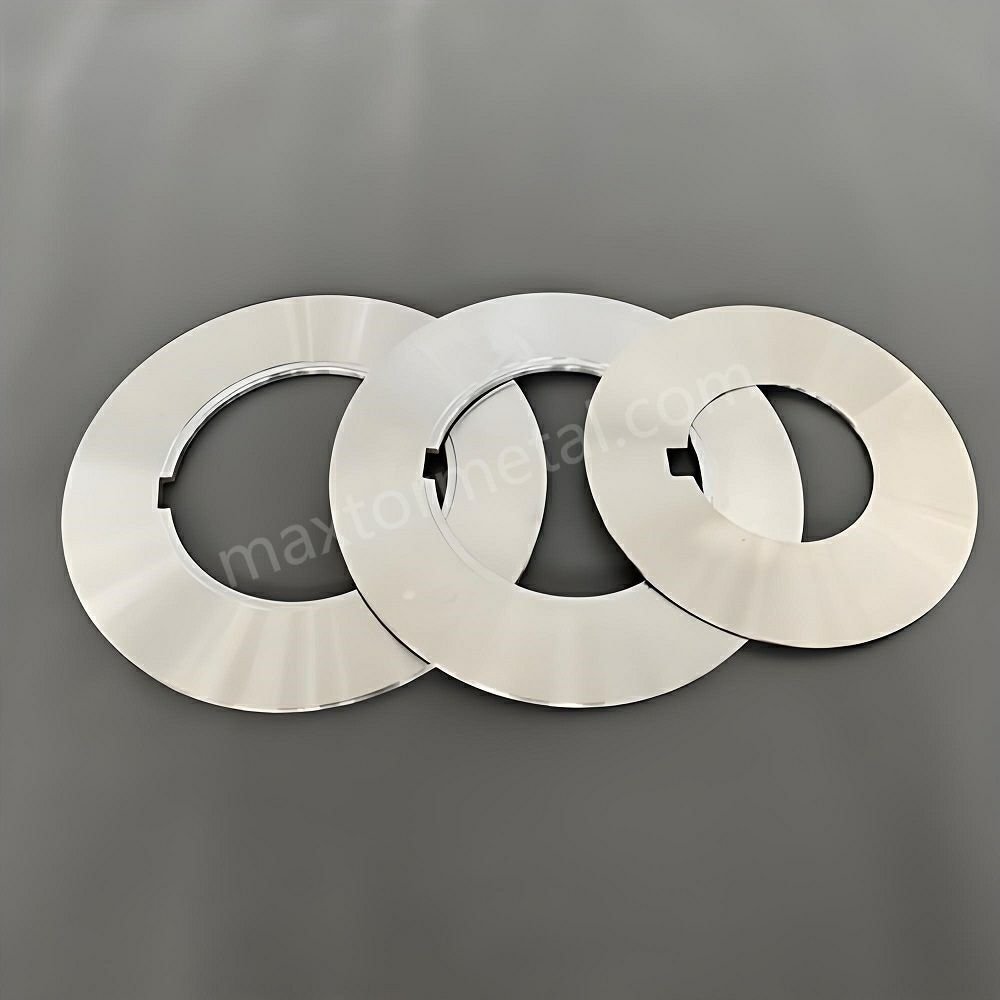
Inspeção Regular
Check your slitter blades often. This helps you find problems early. Look for chips, cracks, or dull spots on each blade. Use a flashlight to see small damage. If you see any damage, change the blade right away. Check the blade mounts and bolts for wear. Loose bolts can make blades shake and cut badly. Write your inspection notes in a logbook. This helps you plan when to change blades and see how long they last.
Tip: Make a schedule for checking blades. Busy machines need weekly checks. Machines used less can be checked once a month.
Limpeza e Lubrificação
Clean blades and machine parts often to keep them working well. Dust, dirt, and scraps can build up and cause problems. Use a soft brush or air blower to clean the slitting area. Wipe blades with a clean cloth to get rid of oil and dirt. Lubricate moving parts like shafts and bearings with good oil. Lubrication helps blades spin easily and last longer.
Here are some cleaning and lubrication steps you should follow:
- Use a soft brush or air blower to clean away dust and scraps.
- Wipe blades and mounts with a clean cloth to remove oil and dirt.
- Lubricate shafts and bearings with the right oil for your machine.
- Check oil spots every time you inspect the machine.
A clean and oiled machine helps you avoid breakdowns and makes blade changes easier.
Scheduling Replacements
Plan to change blades before they get too dull or damaged. Waiting too long can make cuts bad and hurt the machine. Use your logbook to track blade wear. Change blades after a set number of hours or cuts. Some companies can sharpen blades to make them last longer. You can send blades to a service center for sharpening and testing. If you use custom blades, ask your supplier when to replace them.
| Método de substituição | Beneficiar | When to Use |
|---|---|---|
| Scheduled Replacement | Stops sudden breakdowns | After set hours or cut cycles |
| On-Demand Replacement | Fixes problems fast | When you see damage or dullness |
| Sharpening Service | Aumenta a durabilidade das lâminas | When blades have small wear |
Note: Changing blades on time keeps your machine safe and your cuts neat. Good planning saves you time and money.
If you follow these tips, your blades last longer and your rotary slitter works better. Regular care and smart planning make blade changes easier and help your machine run smoothly.
Storing Blades
You must store rotary slitter blades the right way. This keeps them sharp and safe. Good storage stops damage, rust, and accidents. If you store blades well, changing them is easier and faster.
Pick a dry place to keep your blades. Moisture and humidity can cause rust. The room should be between 68°F and 72°F. Try to keep the humidity under 50%. If the room feels wet, use a dehumidifier to keep blades dry.
Always use gloves when you touch blades. Fingerprints can leave oil that causes rust. Never touch the blade edge with bare hands. Gloves also keep your hands safe from cuts. Before storing, wipe blades with a clean cloth. Put a thin layer of oil on each blade. The oil keeps water away and stops rust.
Put blades in a case or drawer with foam or felt. Soft lining stops scratches and dents. Wrap each blade in oiled paper or a sleeve. If your blades do not have oil, seal them in tight packaging. This keeps out air and moisture. Lay each blade flat in storage. Do not stack blades on top of each other. Stacking can bend or chip the edges.
Here is a simple checklist for storing rotary slitter blades:
- Use gloves when you handle blades.
- Clean blades and put on a thin layer of oil.
- Wrap blades in oiled paper or sleeves.
- Store blades in foam-lined cases or drawers.
- Keep blades in a dry, low-humidity room.
- Do not stack blades on top of each other.
- Use sealed packaging for blades without oil.
Check the storage area often for problems. Look for moisture, dust, or pests. If you see rust or damage, clean the area and replace bad blades. Good storage keeps blades ready for rotary slitter blade replacement. It also helps you get clean cuts every time.
Nanjing Metal Industrial uses strict rules for storing and shipping blades. Their team can give you tips for storage and blade care. Other brands can help with sharpening and replacement if you need it. Always store blades safely to protect your money and keep your rotary slitter working well.
Tip: Safe storage means fewer accidents and longer blade life. Good habits make rotary slitter blade replacement easier and safer.
If you follow every step, you can change rotary slitter blades safely. Always put on safety gear before you start. Pick the blade that matches your material. Check your blades often and store them the right way. This helps blades last longer. Good blades from Nanjing Metal Industrial help you get better cuts. You can choose blades that fit your needs. Learning new skills and talking to suppliers helps you do a better job.
Want to make your slitting better? Entre em contato com nosso engenheiro de vendas. para ajuda especializada.
Perguntas frequentes
How often should you perform rotary slitter blade replacement?
Check your blades every week if you use the machine a lot. Change blades when you see dull edges or chips. If cuts look bad, replace the blade. Regular rotary slitter blade replacement keeps your machine safe. It also helps you get clean cuts.
What safety gear do you need for rotary slitter blade replacement?
Wear cut-resistant gloves, safety goggles, and closed-toe shoes. These keep your hands, eyes, and feet safe from sharp blades. They also protect you from flying debris. Always put on safety gear before rotary slitter blade replacement.
Can you reuse old slitter blades after sharpening?
You can use blades again if they have no cracks or deep chips. Sharpening makes blades last longer. Always look at blades before you put them back. If you see damage, pick a new blade for rotary slitter blade replacement.
What signs show you need rotary slitter blade replacement?
Watch for rough edges, burrs, or uneven cuts on your material. Listen for new sounds or feel more shaking when cutting. These signs mean you need rotary slitter blade replacement soon.
How do you choose the right blade for your material?
Look at your material type and thickness. Use harder blades for tough materials like metal. Pick the right edge shape for clean cuts. Always match the blade to your job for the best rotary slitter blade replacement.
What should you do if a blade gets stuck during removal?
Stop and look for hidden fasteners or debris. Do not force the blade out. Use a lubricant if you need to. Always follow safe steps during rotary slitter blade replacement to stay safe.
Why is blade alignment important in rotary slitter blade replacement?
Good alignment keeps cuts straight and your machine safe. Blades that are not lined up can make rough edges and loud noises. They also wear out faster. Always check alignment during rotary slitter blade replacement for the best results.
Veja também
Principais Erros na Solução de Problemas de Lâminas de Corte Rotativas e Como Corrigi-los
Prolongue a vida útil da sua lâmina: O guia completo para afiar lâminas de cortadoras rotativas.
Lâminas de Corte Rotativas de Alta Precisão para o Corte de Filmes e Folhas
As Melhores Lâminas de Corte Rotativas para o Corte de Metal
Como Alcançar Cortes Perfeitos com Lâminas de Corte Rotativas para Papel

 English
  Spanish
  Italian
  French
  Portuguese
  Russian
  German
  Arabic
  Hindi
Hindi  Vietnamese
  Indonesian
  Japanese
  Korean