

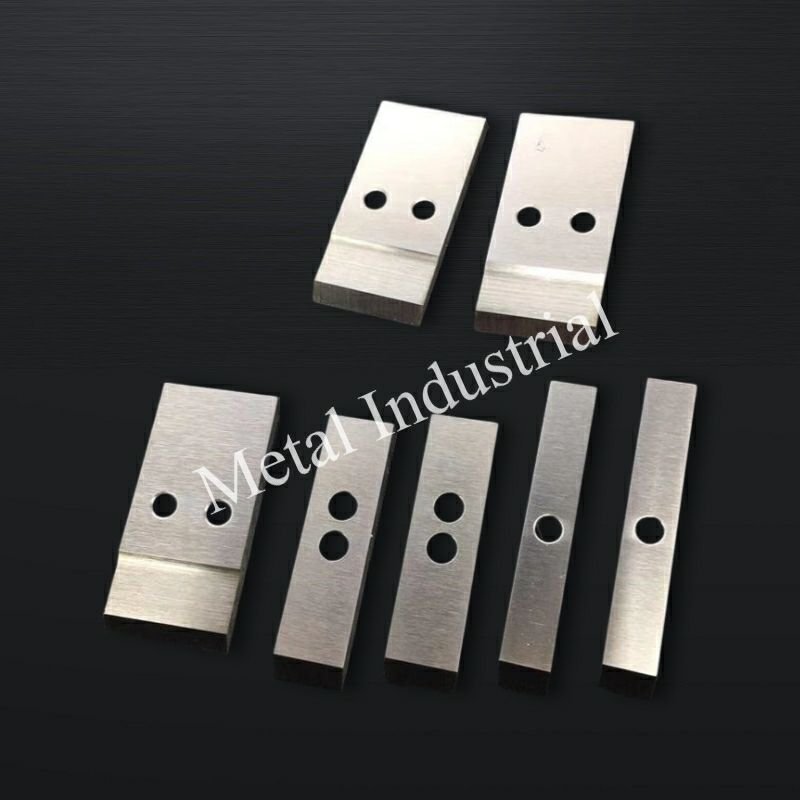
Краткий ответ: Блок ножей для водокольцевого гранулятора квалифицируется для крупнотоннажного производства при проверке четырех параметров: биение/TIR на функциональных базовых поверхностях (обычно ≤0,03–0,04 мм), класс балансировки согласно ISO 21940 (базовый уровень G6.3, ужесточается до G2.5 при более высоких скоростях), допустимая вибрация согласно ISO 20816 (часто ≤2,8 мм/с RMS) и полная прослеживаемость материала через сертификаты EN 10204 3.1/3.2, связанные с серийным номером.
Крупнотоннажные полимерные заводы не теряют сон из-за мысли о «износе» ножевого блока. Они теряют сон из-за последующего незапланированного простоя: вибрационных отклонений, повреждения зеркала фильеры, нестабильного качества гранул и отсутствия документации QA, которая не проходит аудит.
Вот почему техническая квалификация ножевого блока — это не бумажная работа, а контроль рисков. Именно поэтому подход Maxtor Metal к квалификации строится на доказательствах, а не на заявлениях: чертежи, прослеживаемость, записи проверок и воспроизводимые приемочные испытания. На практике квалификация ножевого блока означает доказательство — посредством измерений и документации — того, что конкретный ножевой блок будет работать стабильно во всем диапазоне оборотов без снижения качества гранул.
Для читателей, желающих получить конкретную справочную информацию по терминологии, касающейся штамповочных, подводных и водоотводных ножей, включая марки материалов, геометрию заточки и рабочие пределы частоты вращения, см. раздел Maxtor Metal. страница товара "ножи для грануляторов".
- Почему квалификация ножевых блоков важна на линиях крупномасштабного нефтехимического производства
- Область применения: грануляторы BKG/Coperion с водяным кольцом на лицевой стороне матрицы, 1000–4000 об/мин, поставка без дефектов.
- Как данная спецификация соответствует требованиям контроля качества, надежности и аудита на заводе
Блок ножа находится в зоне высокой энергии: вращающиеся детали, температурные градиенты, нарушения в контуре циркуляции воды и малые зазоры на поверхности матрицы. В таких условиях стоимость “достаточно качественного” компонента редко сводится к качеству самой детали — речь идет о вторичных повреждениях и времени, необходимом для восстановления стабильного качества гранул.
Спецификация квалификации обеспечивает единый язык для отделов контроля качества и надежности. Она также предоставляет отделу закупок измеримые параметры для сравнения: допуски, сертификаты, контроль калибровки и четко определенное досье на выпуск продукции.
Стабильность на скорости (1000–4000 об/мин)

При частоте вращения 1000–4000 об/мин небольшие геометрические погрешности могут привести к серьезным проблемам в процессе обработки: нестабильной резке, образованию мелких/тонких стружек, высоким нагрузкам на подшипники и быстрому износу. Цель этого раздела — не перечислить все возможные допуски, а определить краткий список, тесно коррелирующий со стабильной работой.
Биение, параллельность и зазор
Что вы пытаетесь предотвратить: Прерывистый контакт на поверхности матрицы, неравномерная загрузка ножа и локальное выделение тепла, проявляющееся в виде образования нитей из гранул, размазывания или агломерации.
Практический подход к принятию решений заключается в определении:
- Выход за пределы допустимых значений (TIR) на функциональных базовых уровнях (например, отверстие, монтажная поверхность, собранная направляющая ножа)
- Параллелизм между критически важными поверхностями, которые контролируют распределение нагрузки при зажиме.
- Окно прощания это учитывает тепловое расширение и структуру сборки.
Типичные целевые показатели приемки, используемые на практике. (должно быть связано с методом чертежа и измерения растения):
- Полное превышение уровня индикатора (TIR) на соответствующей(их) точке(ах) данных: ≤ 0,03–0,04 мм
- Плоскостность/параллельность в местах зажима и опорных поверхностях: контролируется для предотвращения “раскачивания” ножа под нагрузкой.
- Документированный метод установки зазоров (щупы / прокладки / калиброванные распорки) с записанными значениями.
Примечания к настройке измерений (во избежание споров о цифрах):
- Определите данные Используется для TIR (отверстие против монтажной поверхности против собранной направляющей ножа), при этом сохраняется та же настройка для повторной проверки в холодном и горячем состоянии.
- Укажите разрешение индикатора и как деталь закреплена (между центрами / на V-образных опорах / в станке).
- Запишите состояние сборки (Только подставка для ножей против полностью собранной конструкции с ножами и крепежными элементами) и последовательность затяжки/момент затяжки.
- Для принятия решения требуется краткая заявка.“фото или эскиз для настройки”в протоколе проверки, чтобы результаты последующих повторных проверок были сопоставимы».
Ключевой выводВ случае гранулирования с использованием водяного кольца вопрос надежности заключается не в том, “находится ли деталь в пределах допуска”, а в том, “будет ли она оставаться в пределах допустимого диапазона после воздействия тепла, нагрузки на зажим и частоты вращения”.”
Для липких полимеров, таких как ТПУ и ЭВА, где нестабильность плоскости резки является основной причиной образования комков и адгезии, и где выбор между DLC-покрытием и ПТФЭ возможен только после того, как обеспечены выравнивание и контакт, см. наше руководство по... Диагностика и предотвращение образования налета на ножах при подводной грануляции ТПУ..
Баланс оценок и методов (ISO 21940)
Ножные блоки находятся во вращающихся узлах, где качество балансировки напрямую влияет на вибрацию, срок службы подшипников и стабильность реза.
Требования к балансу следует выражать двумя способами:
- Баланс качества (ваш целевой допуск)
- Метод и конфигурация (Что на самом деле было сбалансировано — компоненты против собранной конструкции)
Распространенная схема квалификации начинается с базового требования (например, G6.3) и затянуть до Г2.5 там, где этого требуют область применения и скорость.
- ISO 21940-11:2016 определяет процедуры и допуски для балансировки жестких роторов и обычно используется в качестве справочного материала для определения класса балансировки и требований к проверке: ISO 21940-11:2016.
- Для многих команд “на практике” ожидается, что итоговая балансовая отчетность будет содержать следующие данные:
- Тип балансировочного станка и состояние калибровки
- плоскость(и) коррекции
- достигнутый остаточный дисбаланс
- конфигурация (только подставка для ножей или подставка для ножей + крепежные элементы + набор ножей)
Выполняется, когда: В ваше досье входит отчет о балансировке и версия чертежа, по которой была произведена балансировка.
Для принятия решений на уровне отдельных вставок, определяющих, чем именно будет резать сбалансированный ножевой блок — выбор марки твердосплавного материала в диапазоне HRA 88–92, контроль радиуса кромки и целостность паяного соединения — см. наше руководство. Выбор марки твердосплавной вставки и контроль контакта для подводных грануляторов.
Пример расчета: преобразование класса балансировки (G) по стандарту ISO 21940 в допустимый остаточный дисбаланс.
Чтобы требования к балансу оставались выполнимыми, многие команды добавляют пример расчета, который преобразует выбранный параметр. Баланс качества (G) в допустимый остаточный дисбаланс для данного ротора.
Часто используемое отношение — это:
- Допустимый специфический дисбаланс: e_per = G / ω
- Угловая скорость: ω = 2π × n / 60 (рад/с), где n — частота вращения (об/мин).
- Допустимый остаточный дисбаланс (на каждую плоскость коррекции): U_per = e_per × m, где m — масса ротора (кг).
Пример (иллюстративный — используйте вашу реальную массу и скорость):
- Целевой балл: Г2.5
- Рабочая скорость: 3000 об/мин → ω ≈ 314 рад/с
- Масса ротора (блок ножей + крепежные элементы + ножи в сбалансированном состоянии): 12 кг
Затем:
- e_per = 2,5/314 ≈ 0,00796 мм
- U_per = 0,00796 мм × 12 кг ≈ 0,0955 кг·мм (≈ 95,5 г·мм)
Выполняется, когда: В отчете о балансировке указывается класс, рабочая скорость вращения, масса ротора, плоскость(и) коррекции и достигнутый остаточный дисбаланс по сравнению с допустимым значением.
Виброустойчивость (ISO 10816/20816)
Приемлемость вибрации следует определять как измеренное состояние, Это не расплывчатое “все идет гладко”. Это значит:
- Места проведения измерений (корпус подшипника / кожух машины)
- тип датчика и способ крепления
- рабочая скорость/условия нагрузки
- Порог принятия и правило эскалации
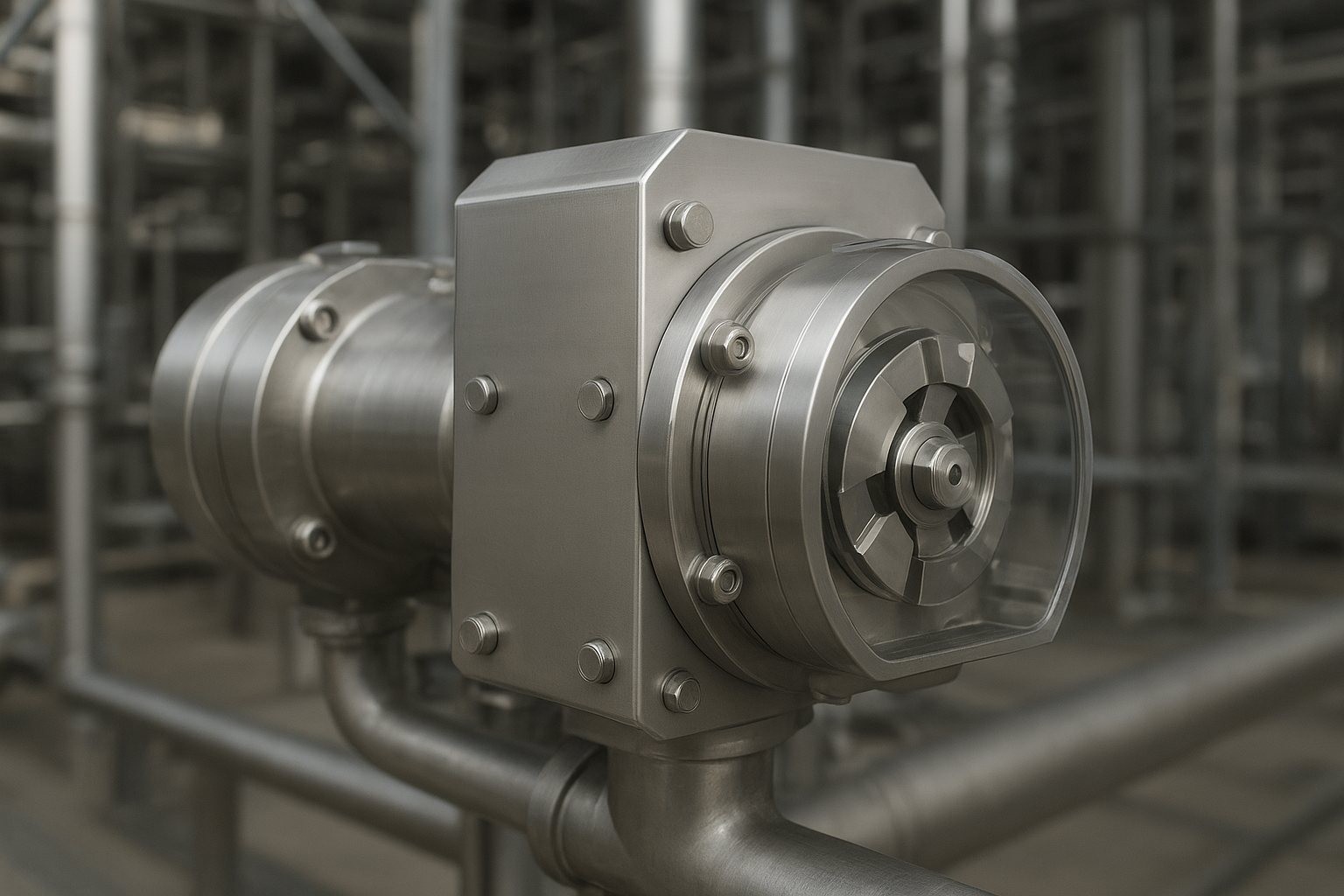
В рекомендациях ISO обычно используется концепция зон (A–D) для измерения среднеквадратичного значения общей скорости на невращающихся частях. В настоящее время для многих промышленных машин используется следующая серия стандартов: ISO 20816; например: ISO 20816-3:2022.
В технических характеристиках электростанций часто встречается консервативный предел “зеленой зоны”, например: ≤ 2,8 мм/с среднеквадратичное значение используется в качестве целевого показателя приемки для обеспечения стабильной долгосрочной работы.но это должно соответствовать применимой группе оборудования и настройкам измерений..
Примечания к настройке измерений (чтобы предел имел смысл):
- Где проводить измерения: Укажите точное местоположение (например, корпус подшипника в радиальном направлении на приводном/неприводном конце) и сохраняйте его неизменным для базового варианта и варианта приемки.
- Датчик и крепление: Различие между акселерометром и датчиком скорости, шпилькой и магнитным основанием, прокладка кабеля и момент затяжки могут влиять на показания.
- Диапазон частот: запишите используемую группу (например, 10–1000 Гц (как типичный общий диапазон). Если вы используете другой диапазон, укажите это.
- Группировка машин: привести лимит в соответствие с применимыми нормами. Группа оборудования / условия поддержки по стандарту ISO 20816 и задокументируйте обоснование.
Примечание по технике безопасности / YMYL: Допустимые пределы вибрации не являются универсальными показателями “пройдено/не пройдено”. Пороговое значение должно быть рассмотрено и утверждено ответственным инженером по вращающемуся оборудованию с учетом конкретного класса оборудования, расположения датчиков и условий эксплуатации.
Выполняется, когда: Показания вибрации при частоте вращения 1000–4000 об/мин документируются, являются воспроизводимыми и могут быть откалиброваны с помощью соответствующего прибора.
Вкратце: биение, параллельность и степень балансировки — это три параметра, определяющие стабильность работы ножевого блока при частоте вращения от 1000 до 4000 об/мин.
Материалы и прослеживаемость
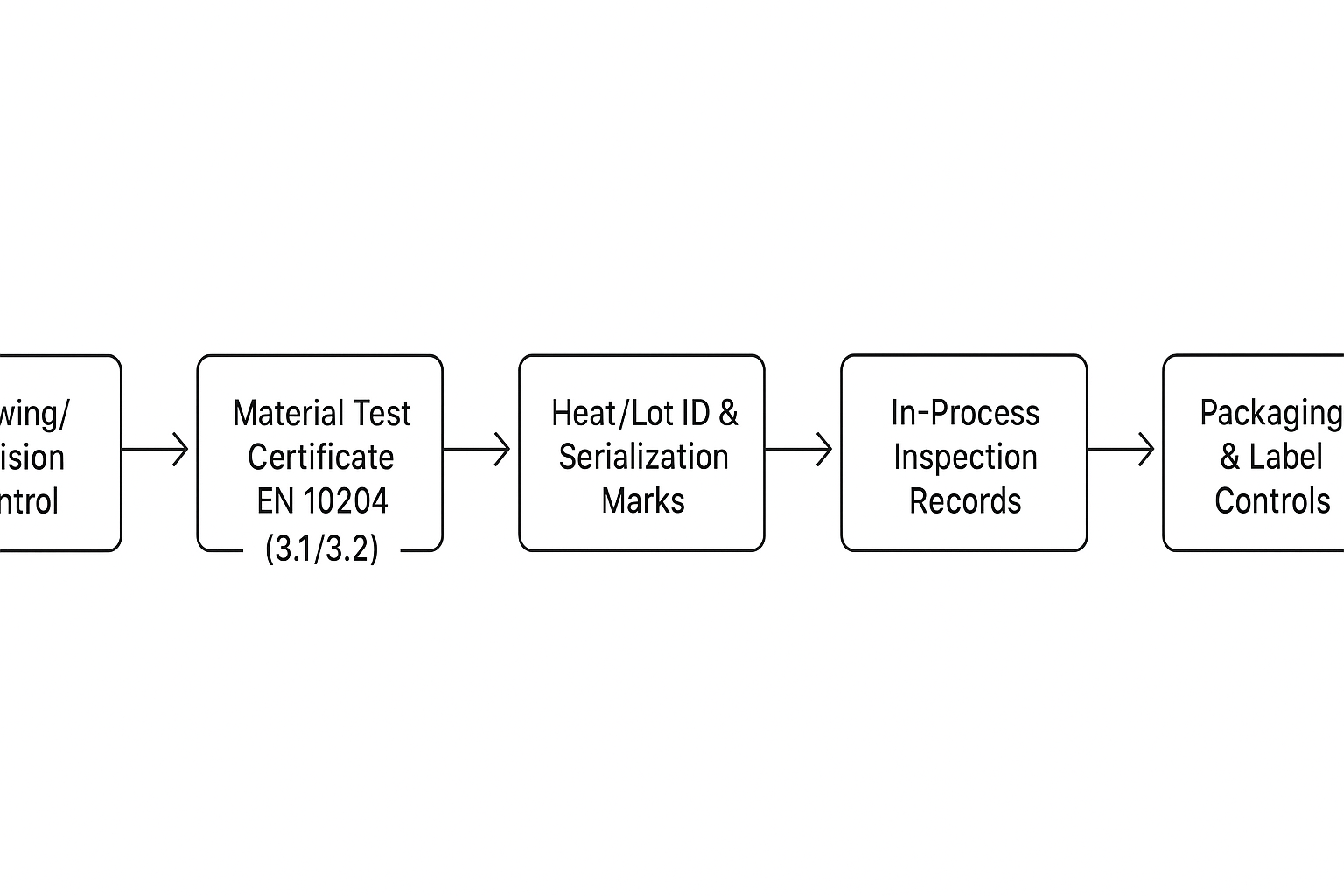
Когда подставки для ножей рассматриваются как критически важные расходные материалы, отслеживаемость становится частью обеспечения надежности. Цель не в том, чтобы собирать сертификаты, а в том, чтобы спустя месяцы точно ответить на поставленный вопрос. Какой материал использовался для создания какого серийного номера?, и какая проверка была проведена.
EN 10204 MTC и связь между партией и температурой/количеством партий
Базовым требованием к металлическим изделиям является наличие сертификата инспекции в соответствии с установленными нормами. EN 10204.
- Тип 3.1: Сертификат проверки производителя с указанием конкретных результатов проверки.
- Тип 3.2То же самое, но с независимой проверкой/подписью покупателя/третьей стороны.
Для ознакомления с каталогом стандартов: BSI — BS EN 10204:2004, Металлические изделия — Виды инспекционных документов.
Выполняется, когда: MTC связан с серийным номером блока ножей, номером партии/серии и позицией в заказе на покупку.
Твердость и покрытия (ASTM E18/B487/B499/B571)
Контроль твердости и качества покрытия возможен только при наличии указания на используемый метод испытания.
- Твердость (по Роквеллу): ASTM E18 (твердость по Роквеллу металлических материалов)
- Методы проверки толщины покрытия (выберите в зависимости от типа покрытия/подложки и от того, разрешены ли разрушающие испытания):
Выполняется, когда: Результаты измерения твердости/покрытия регистрируются в соответствии с серийным номером детали, а измерительное оборудование находится на калибровке.
For the upstream material selection logic that determines which PM stainless grade — M390 or CPM S90V — arrives at this inspection step, and why the cryogenic treatment protocol affects the HRC target, see our guide on M390 vs CPM S90V pelletizer blade grade selection under glass-fiber wear.
Контроль маркировки/сериализации и упаковки.
Проблемы с отслеживаемостью чаще всего возникают в точках передачи товара: смешанные партии, переработанные детали без повторной идентификации, повреждение упаковки или отрыв документации от детали.
Как правило, минимальный уровень контроля включает в себя:
- постоянный серийный номер/маркировка в определенном месте, не нарушая функциональность.
- На упаковочных этикетках повторяются следующие данные: номер заказа на покупку, редакция чертежа, серийный номер(а), номер партии/серии, количество.
- правила разделения несоответствующих или переработанных изделий
Короче говоря: отслеживаемость — это не сбор сертификатов, а возможность связать данные о материале, твердости и покрытии любой подставки для ножей с конкретным серийным номером спустя несколько месяцев после доставки.
Процесс квалификации

Рассматривайте квалификацию как повторяющийся рабочий процесс с четко определенными контрольными точками. Цель состоит в том, чтобы избежать ситуации “прошел проверку в холодном состоянии, провалил проверку в горячем состоянии” или балансировки, которая становится недействительной на этапе окончательной сборки.
Холодные проверки и предварительная балансировка
Вход: Чертеж + доработка, план контроля качества, калиброванные измерительные приборы.
Действия:
- Контроль размеров по функциональным базовым точкам (отверстия, поверхности, следы от ножа).
- Проверка биения с заданными параметрами установки (расположение приспособлений и индикаторов).
- Предварительный баланс как компонент, где это применимо (и конфигурация записи).
Выход: Отчет о проверке качества холода + предварительный баланс.
Выполняется, когда: Отклонения либо исправляются в ходе контролируемой доработки, либо официально фиксируются.
Термовыдержка и повторная проверка в горячем состоянии
Термическое расширение и снятие напряжений могут изменить то, что выглядело “идеально” на верстаке.
Вход: Компонент, прошедший холодовую проверку, + протокол термообработки.
Действия:
- замачивание при типичной температуре (время и заданная точка определяются растением)
- Повторно проверьте биение/параллельность на тех же заданных опорных точках.
- подтвердить, что метод установки зазора по-прежнему обеспечивает заданное окно
Выход: Дополнение к протоколу проверки в условиях высоких температур с замерами до и после.
Выполняется, когда: Значения параметров в высокотемпературной среде остаются в пределах допустимого диапазона, не требуя корректировки сборки.
Корреляция между результатами производственных испытаний и контролем качества гранул
В ходе производственных испытаний необходимо связать механические приемочные характеристики с показателями, которые действительно важны для предприятия.
Вход: Квалифицированная сборка + план испытаний (смола, производительность, диапазон оборотов в минуту, условия водяного контура).
Действия:
- работать на низких/средних/высоких скоростях в рабочем диапазоне
- Зафиксируйте вибрацию и любые нарушения технологического процесса (нестабильность температуры/расхода воды, поведение давления в фильере).
- Сопоставьте состояние ножевого блока с контролем качества гранул: распределение длины гранул, тенденция изменения размера мелких частиц/тонких волокон и любые наблюдения за накоплением материала на поверхности матрицы.
Выход: Отчет об испытаниях, в котором измеренные механические условия соотносятся с результатами испытаний гранул.
Выполняется, когда: Контроль качества гранул остается стабильным во всем рабочем диапазоне без аномальных вибраций или ускоренного износа.
Практика документирования: В ходе аудитов и проверок квалификации поставщиков команды проверяют, может ли поставщик объединить эти контрольные точки в единое, согласованное досье. Процесс выпуска компонентов ножевого блока в рамках Maxtor Metal построен на этой структуре — сертификаты материалов, балансовые записи и отслеживаемость результатов инспекции, привязанные к каждому серийному номеру, — именно так на практике выглядит досье, готовое к аудиту.
Анонимизированный пример с завода: как TIR и вибрация коррелируют со стабильностью гранул в процессе контроля качества.
Следующий анонимизированный пример показывает, как ужесточение лицевая сторона ножевого блока TIR Стандартизация процесса сборки может улучшить как вибрацию, так и качество гранул на высокопроизводительной линии по производству полиэтилена высокой плотности.
Контекст процесса (оставался неизменным в процессе валидации):
- Тип гранулятора: высокопроизводительная система с водяным кольцом (аналогичный класс, как у Gala / Maag / Automatik)
- Полимер: HDPE, МФИ ~ 0,3–0,8 г/10 мин
- Пропускная способность: 14–18 т/ч
- Скорость блокировки ножа: 2900–3300 об/мин
- Разрыв воды: 80–90°C, замкнутый контур
До и после (90-дневное наблюдение; 6 партий / ~310 т против 18 партий / ~970 т):
- Поверхность блока ножей TIR: 0,072 мм → 0,018 мм (циферблатный индикатор, после установки, вращение на 360°)
- ВЧ-излучение роторного узла (в холодном состоянии): ~0,060 мм → ~0,015 мм
- Общая вибрация корпуса подшипника (10–1000 Гц): ~4,5 мм/с среднеквадратичное значение → ~1,7 мм/с среднеквадратичное значение
- Максимальное ускорение: 10–13 м/с² → 3–5 м/с²
- Штрафы: ~0,8 wt% → ~0,28 wt% (Онлайн-просеивание)
- Стрингеры: ~4–6 случаев/тонна выборочные проверки → в значительной степени устранены (только отдельные образцы)
- Коэффициент вариации длины гранулы: ~±8% →~ ±3% (анализ изображений, >1000 гранул)
- Крупногабаритные пули (>1,5 × длина цели): ~1,6% → ~0.3% (визуальный осмотр)
- Незапланированные остановки: примерно каждые 18 дней → ни одной не наблюдалось за весь период отслеживания, длившийся несколько месяцев.
- Интервал смены ножей: ~12 дней → ~28 дней (те же требования к качеству)
Наблюдаемый случай сбоя (первая попытка не увенчалась успехом):
Первая корректировка заключалась лишь в перешлифовке поверхности крепления ножевого блока.
- Улучшена технология распознавания лиц TIR до ~0,048 мм
- Вибрация улучшилась лишь до уровня c.3,6 мм/с среднеквадратичное значение
- Штрафы отменены.0,65 wt%
Первопричина, выявленная в ходе разборки: незначительный износ установочной поверхности, а также непоследовательный порядок затяжки болтов привели к небольшим повреждениям. взведение во время зажима.
Последовательность измерений, используемая инженерной группой:
- Измерьте конусность шпинделя и биение монтажного фланца.
- Установите блок с ножами (без ножей) и запишите показания TIR-датчика.
- Установите ножи и затяните их с требуемым моментом затяжки; повторно измерьте TIR.
- Проверка работы на низких оборотах (~300 об/мин).
- Разогните двигатель до производственной скорости (~3000 об/мин) и запишите среднеквадратичное значение вибрации.
- Для анализа распределения мелких частиц по размерам и длине собирайте образцы гранул в течение 2 часов (отбор проб каждые 30 минут).
- Отслеживайте стабильность показателей на протяжении 3 производственных месяцев.
Практика сборки, повысившая воспроизводимость результатов:
- Используйте последовательность затяжки по схеме "звезда": 30% → 60% → 100%
- После окончательной затяжки повторно измерьте TIR поверхности; целевая повторяемость. ≤ 0,02 мм
Примечание: Этот пример построен на основе типичных полевых условий и иллюстрирует, как улучшения TIR и вибрации коррелируют с результатами контроля качества гранул; это не сводная информация о проверке одного конкретного клиента. Ваши абсолютные пороговые значения по-прежнему должны быть привязаны к конструкции вашего оборудования, измерительной системе и плану приемки контроля качества на заводе.
Короче говоря: ножевой блок не считается пригодным к эксплуатации, пока не пройдет холодный контроль, не сохранит допуски после термической обработки и не докажет стабильную работу системы контроля качества гранул в ходе производственных испытаний — пропуск любого из этих этапов приведет к разрыву между результатами испытаний и производительностью установки.
Досье контроля качества и поставка без дефектов

Требование “нулевого уровня дефектов” обеспечивается за счет наличия контрольного досье, которое ускоряет входной контроль и упрощает обработку несоответствующих материалов.
Пакет документов, аналогичный FAI и PPAP.
Даже если вы не используете формальный процесс PPAP в автомобильной промышленности, идея структурированного пакета документов для первого образца вполне применима.
В практическую часть пакета документов для подачи заявки входят:
Практические шаблоны (что включить, чтобы досье было готово к аудиту)
Для обеспечения воспроизводимости процесса квалификации поставщиков необходимо определить следующие параметры: поля Вы ожидаете увидеть это в каждой записи. Даже если вы не публикуете шаблон для скачивания, этот контрольный список сокращает количество переписок.
- FAI / отчет о размерах
- Пересмотр чертежа с выносками, используемые базовые элементы, идентификаторы калибровочных элементов и даты калибровки.
- Результаты проверки биения/плоскости/параллельности с использованием эскиза настройки/фотографии в качестве参考
- подпись о принятии/распоряжении
- Учетная запись
- класс (например, G6.3 / G2.5), скорость вращения, масса ротора, плоскости коррекции.
- Достигнут остаточный дисбаланс, идентификатор станка и статус калибровки.
- Сбалансированная конфигурация (компоненты против собранного стека)
- Дополнение о термопроверке / повторной проверке в горячем состоянии
- температура/время выдержки, способ крепления
- значения до и после на одних и тех же исходных данных
- подтверждение метода установки зазора и окончательного окна
- Отчет о производственных испытаниях
- семейство смол, производительность, частоты вращения, условия водяного контура
- Показания вибрации (местоположение + диапазон), наблюдаемые возмущения
- Показатели контроля качества гранул (мелкие частицы, прослойки, распределение по длине) + план отбора проб
- Упаковка NCR / CAPA
- симптом, сдерживание, первопричина, корректирующие действия, план проверки
- Документы по повторной идентификации/разделению отремонтированных деталей
Выполняется, когда: Приемочный инспектор может проверить идентичность и приемку за считанные минуты, а аудитор может отследить каждый критически важный результат до откалиброванной системы измерений.
- история рисунков и правок
- Протокол контроля размеров (чертеж с выносками в стиле FAI, где это применимо)
- Отчет о балансе (уровень, оборудование, конфигурация)
- Сертификаты материалов (EN 10204 3.1/3.2) с указанием партии/отчета о поставке
- Отчеты о твердости/покрытии (метод определен)
- Упаковочный лист с серийными номерами и статусом проверки.
Входной контроль и калибровка (ISO 2859-1/ANSI Z1.4, ISO/IEC 17025)
Входной контроль должен основываться на оценке рисков: критически важные размеры и идентификационные характеристики соответствуют стандарту 100%; характеристики с более низким уровнем риска могут быть отобраны выборочно.
- Схемы выборочного отбора по признакам обычно основаны на ISO 2859-1 (и соответствует стандартам ANSI/ASQ Z1.4, принятым в США): ISO 2859-1.
- Компетентность в области калибровки обычно оценивается по следующим критериям: ISO/IEC 17025, особенно когда измерения используются для выпуска продукции: ISO/IEC 17025:2017.
Выполняется, когда: Предприятие может доказать, что система измерений находится под контролем (состояние калибровки, прослеживаемость, хранение записей).
Управление несоответствиями/корректирующими действиями и документация по выпуску
В досье также следует определить, что происходит, когда что-то выходит из строя.
Минимальные требования:
- Формат NCR (симптом, маркировка, утилизация)
- Ожидания CAPA (план корректирующих и предупредительных действий) в отношении повторяющихся проблем (первопричина и корректирующие действия)
- Документация по выпуску, в которой четко указано, что выпуск принят, и любые утвержденные отклонения.
Короче говоря: гарантия поставки без дефектов обеспечивается наличием разрешительной документации, а не обещанием — если инспектор приемки не может подтвердить подлинность и приемку в течение нескольких минут, документация считается неполной.
Мониторинг и переквалификация
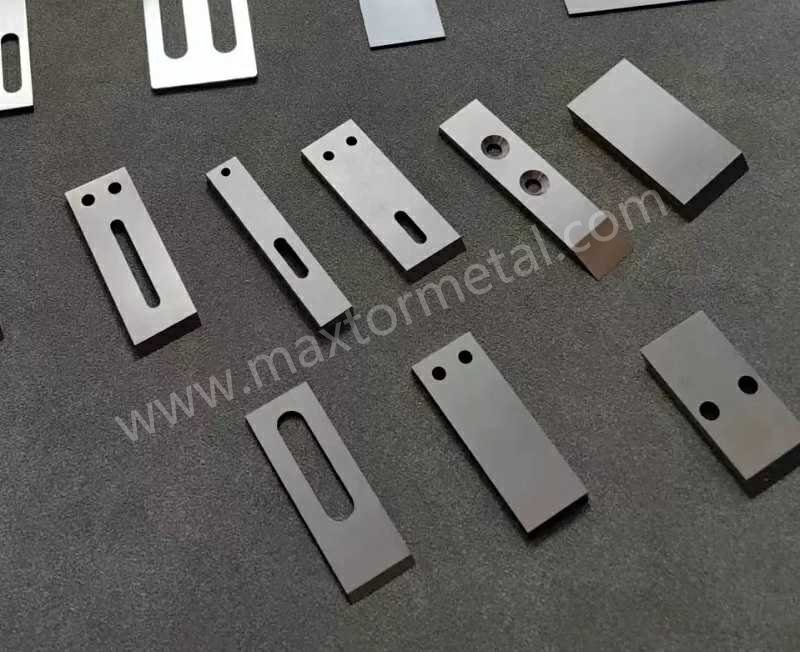
Ножевые блоки выходят из строя не только из-за первоначальных дефектов. Они также изнашиваются, подвергаются повторной заточке, воздействию химического состава воды и изменениям в технологическом процессе.
Базовый тренд и пределы вибрации/биения
Установите базовый уровень на этапе ввода в эксплуатацию и отслеживайте динамику относительно него:
- Базовый уровень вибрации в ключевых точках частоты вращения
- Базовый уровень вылета при заданных опорных точках
- Базовые показатели контроля качества гранул (тонкие/тонкие, разброс длины гранул)
Определите правило эскалации: “провести расследование в точке X”, “остановиться и исправить в точке Y”.”
Факторы и интервалы повторной квалификации
Распространенные триггеры:
- Крупномасштабное техническое обслуживание (замена подшипников, работы с валом)
- повторяющиеся колебания качества гранул, коррелирующие с вибрацией/дрейфом вылета.
- Изменение типа смолы или содержания наполнителя, влияющее на усилие резания.
Установите интервал, соответствующий вашей допустимой степени риска (например, за один цикл работы, за каждый кратный срок службы ножа или за определенное время выполнения).
Контроль изменений и отклонения
Любые изменения, которые могут повлиять на вращательное поведение или зазор/зазор в зажиме, должны контролироваться:
- изменения в чертеже
- замена материалов
- изменения в способе термообработки
- Изменения в поставщике/технологическом процессе нанесения покрытия
Все отклонения должны быть ограничены по времени и задокументированы с проведением оценки рисков и утверждением.
Вкратце: износ и изменения в технологическом процессе приводят к смещению блоков ножей, поэтому фиксированных приемочных испытаний при вводе в эксплуатацию недостаточно — отслеживание базовых показателей и определение триггеров повторной аттестации позволяют выявить смещение до того, как оно приведет к простоям.
Заключение
- Ключевые контрольные показатели и этапы проверки для обеспечения согласованности.
- Как эта система сокращает время простоя и способствует подготовке к аудиту
На практике критерии приемки, которые в наибольшей степени определяют надежность, просты и измеримы:
| Параметр | Типичный целевой показатель приемки | Стандартная справочная информация |
|---|---|---|
| Выход за пределы функциональной опорной точки (TIR) | 0,03–0,04 мм | Чертежи растений + практика измерений по стандартам ISO |
| Баланс | Базовый уровень G6.3 → G2.5 на более высокой скорости | ISO 21940-11:2016 |
| Вибрация (общая среднеквадратичная) | ≤ 2,8 мм/с (определяется предприятием, зависит от класса машины) | ISO 20816 |
| отслеживаемость материалов | MTC связан с серийным номером/партией/серийным номером | EN 10204 Тип 3.1 / Тип 3.2 |
Оформите эти данные в виде рабочего процесса (холодная проверка → балансировка → горячая повторная проверка → корреляция результатов испытаний) и досье (сертификаты, калибровка, протоколы выпуска), и квалификация станет подлежащей исполнению, а не интерпретации. Это стандарт, который применяется в рамках Maxtor Metal к компонентам ножевых блоков: качество документации как часть инженерного качества, а не как второстепенный фактор.
Полные технические характеристики, включая металлургическую классификацию, выбор угла скоса, протоколы термообработки и матрицу применения для различных типов полимеров, см. в документации Maxtor Metal. Технические характеристики и марки материалов ножей для грануляторов.
CTA: запрос на проверку квалификационного досье
Чтобы быстро снизить риски, связанные с квалификацией, предоставьте свой чертеж (или фотографии + ключевые размеры) и целевые показатели приемки (диапазон оборотов в минуту, класс балансировки, метод измерения вибрации). В результате проверки поставщика должны быть получены следующие данные:
- предложенная схема базисных единиц и схема измерения
- План балансировки (класс + конфигурация)
- План обеспечения прослеживаемости (связь с MTC + сериализация)
- Контрольный список для подготовки проекта досье (FAI, балансовая запись, повторная проверка, отчет о клиническом исследовании)
Начните здесь: Maxtor Metal — Изготовление на заказ ножей для грануляторов и компонентов ножевых блоков (ODM/OEM) с возможностью отслеживания качества: https://maxtormetal.com/contact/
FAQ
Что такое квалификация ножевого блока для водокольцевого гранулятора?
Это процесс подтверждения того, что ножевой блок соответствует установленным требованиям к размерам, балансировке, материалам и документации, что позволяет ему стабильно работать на рабочих оборотах без снижения качества гранул или повреждения вспомогательного оборудования.
Какое биение (TIR) допустимо для ножевого блока гранулятора с торцевым резанием?
На многих предприятиях устанавливаются допустимые значения TIR в диапазоне 0,03–0,04 мм для конкретных функциональных базовых элементов, но правильный предел зависит от конструкции оборудования, измерительной установки и требуемого зазора на поверхности кристалла.
Какой класс балансировки должен иметь ножевой блок гранулятора: G6.3 или G2.5?
G6.3 часто рассматривается как базовый уровень для обычных вращающихся компонентов, в то время как G2.5 — это более строгий стандарт, применяемый при необходимости повышенной стабильности на высоких скоростях. Правильный выбор класса зависит от оборотов (RPM), массы ротора и чувствительности процесса к вибрации.
Является ли 2.8 мм/с RMS универсальным пределом вибрации?
Среднеквадратичное отклонение (RMS) 2,8 мм/с обычно используется в качестве практического допустимого порога, соответствующего зональным требованиям, однако стандарты ISO учитывают контекст группы машин и условий измерения. Предприятия должны указывать класс машин, местоположение датчика и условия эксплуатации в своем плане приемки.
Что такое сертификат материала EN 10204 3.1 и когда нужен 3.2?
Сертификат 3.1 выдается уполномоченным представителем производителя по контролю качества и включает конкретные результаты проверки материала. Сертификат 3.2 дополняется независимой проверкой/подписью инспектора покупателя или третьей стороны, если требуется более высокий уровень гарантий.
Как вы проверяете твердость и толщину покрытия компонентов ножевого блока?
Заранее определите метод испытания (например, твердость по Роквеллу согласно ASTM E18) и выберите подходящий метод измерения толщины покрытия (микроскопия поперечного сечения, магнитный метод или электролитический метод) в зависимости от типа покрытия/подложки и от того, допустимы ли разрушающие испытания.
Что должно входить в досье контроля качества (QA) ножевого блока гранулятора?
Минимум: контроль версий чертежей, результаты проверки размеров, отчет о балансировке, сертификаты на материалы с привязкой к номеру плавки/партии, записи испытаний твердости/покрытия (с указанием метода), статус калибровки измерительных инструментов и приемочная документация.
Когда ножевой блок должен пройти переквалификацию?
Распространенными причинами являются капитальное техническое обслуживание (подшипники/валы), повторяющиеся вибрации или снижение качества гранул, изменения состава смолы/наполнителя, а также любые контролируемые изменения материала, термообработки, покрытия или версии чертежа.
Автор и техническая проверка
Джесси Сюй — Старший инженер по качеству, отдел контроля качества (Maxtor Metal)
- 15 лет опыта в области качества промышленных лопастей и анализа причин отказов.
- Сертификаты: ASQ-CQE, Ведущий аудитор ISO 9001, ASNT Уровень II
- Основное внимание уделяется разграничению видов разрушения (например, сколы против низкой износостойкости), связанных с методами термообработки и расслоением материала.

 English
  Spanish
  Italian
  French
  Portuguese
  Russian
  German
  Arabic
  Hindi
Hindi  Vietnamese
  Indonesian
  Japanese
  Korean