

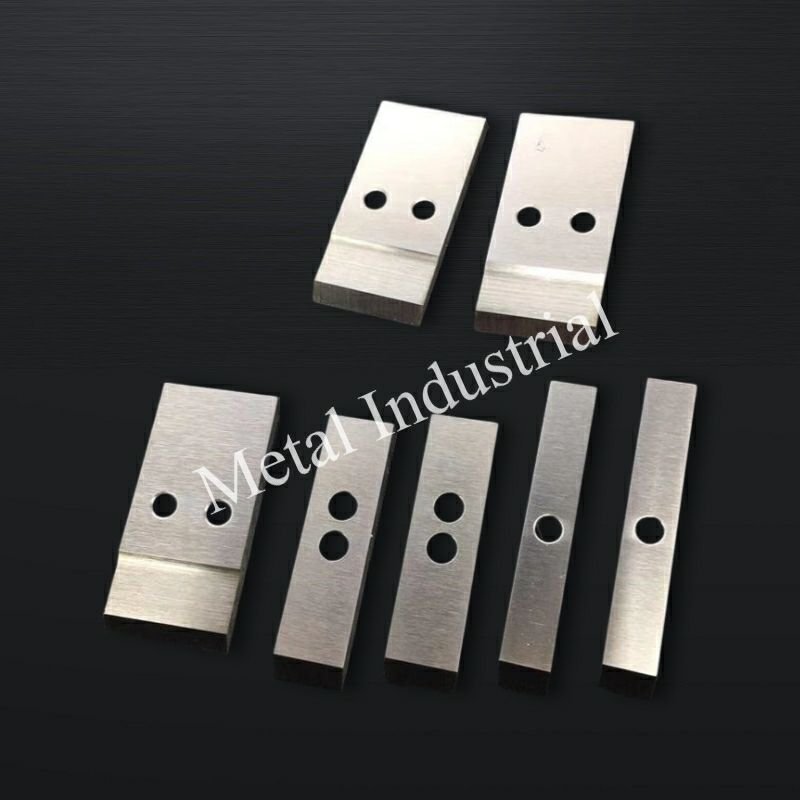
إجابة سريعة: يتم تأهيل كتلة سكاكين المحبب ذو الحلقة المائية للإنتاج عالي الحجم من خلال التحقق من أربعة أمور: الانحراف (TIR) عند المراجع الوظيفية (عادةً ≤0.03–0.04 مم)، درجة التوازن وفقاً لـ ISO 21940 (الأساس G6.3، ويتم تشديدها إلى G2.5 عند السرعات العالية)، قبول الاهتزاز وفقاً لـ ISO 20816 (غالباً ≤2.8 مم/ث RMS)، والتتبع الكامل للمواد عبر شهادات EN 10204 3.1/3.2 المرتبطة بالرقم التسلسلي.
لا تفقد مصانع البوليمرات ذات الحجم الكبير نومها بسبب فكرة "تآكل" كتلة السكاكين، بل تفقد نومها بسبب التوقف غير المخطط له الذي يليه: تجاوزات الاهتزاز، تلف وجه القالب، تذبذب جودة الحبيبات، وسجل جودة (QA) لا يصمد أمام التدقيق.
لهذا السبب لا تعد التأهيل الهندسي لكتلة السكاكين مجرد عمل ورقي، بل هي رقابة على المخاطر. وهنا أيضاً يبنى نهج التأهيل الخاص بـ Maxtor Metal على الأدلة بدلاً من الادعاءات: الرسومات، التتبع، سجلات الفحص، واختبارات القبول القابلة للتكرار. عملياً، يعني تأهيل كتلة السكاكين إثبات - من خلال القياس والتوثيق - أن كتلة سكاكين معينة ستعمل بثبات عبر نطاق سرعتها بالكامل (RPM) دون التسبب في تذبذب جودة الحبيبات.
للقراء الذين يرغبون في مرجع ملموس لمصطلحات سكاكين سطح القالب، والسكاكين تحت الماء، وسكاكين حلقات الماء - بما في ذلك درجات المواد، وهندسة الشطف، وحدود سرعة الدوران التشغيلية - انظر Maxtor Metal صفحة منتج سكاكين التكوير.
- لماذا تُعدّ مؤهلات كتلة السكاكين مهمة في خطوط إنتاج البتروكيماويات ذات الحجم الكبير
- نطاق الاستخدام: ماكينات تحبيب الحبيبات ذات الحلقة المائية من نوع BKG/Coperion، بسرعة دوران تتراوح بين 1000 و4000 دورة في الدقيقة، مع ضمان إنتاج خالٍ من العيوب.
- كيف تتوافق هذه المواصفات مع معايير ضمان الجودة والموثوقية وتوقعات التدقيق في المصنع
يقع قالب السكين عند نقطة تلامس عالية الطاقة: أجزاء دوارة، تدرجات حرارية، اضطرابات في دائرة الماء، ومسافات ضيقة عند سطح القالب. في مثل هذه الظروف، نادراً ما تكون تكلفة المكون "المناسب" هي القطعة نفسها، بل الأضرار الثانوية والوقت اللازم لاستعادة جودة الحبيبات المستقرة.
تُتيح مواصفات التأهيل لغة مشتركة لضمان الجودة والموثوقية. كما تُوفر لقسم المشتريات معيارًا قابلًا للقياس للشراء بناءً عليه: التفاوتات المسموح بها، والشهادات، وضوابط المعايرة، وملف إصدار مُحدد.
الاستقرار عند السرعة (1000–4000 دورة في الدقيقة)
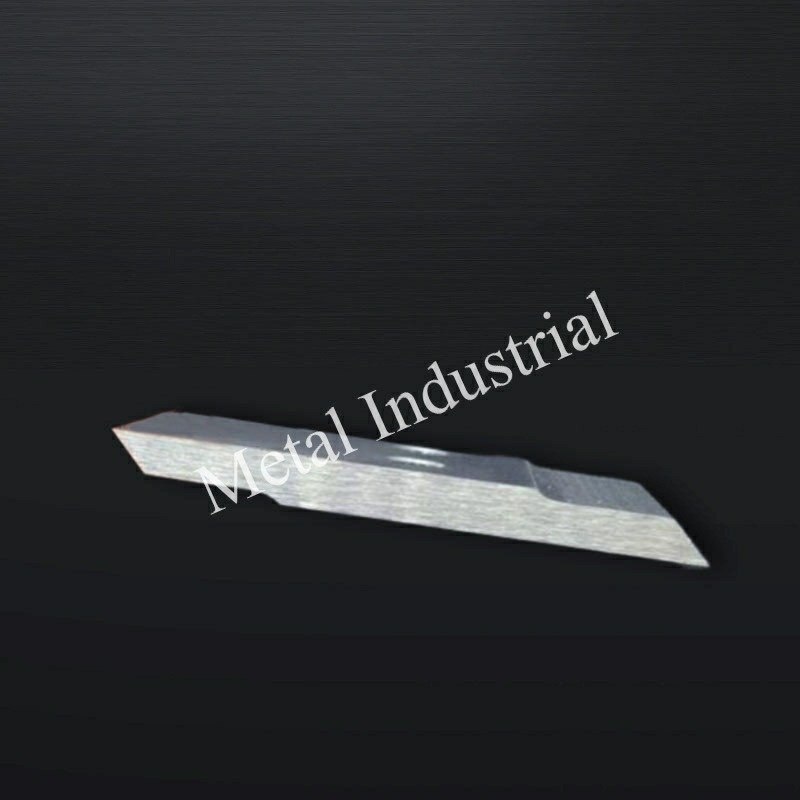
عند سرعات دوران تتراوح بين 1000 و4000 دورة في الدقيقة، قد تتحول الأخطاء الهندسية الصغيرة إلى أعراض كبيرة في عملية التصنيع، مثل عدم استقرار القطع، وظهور شوائب دقيقة، وارتفاع أحمال المحامل، والتآكل السريع. لا يهدف هذا القسم إلى سرد جميع التفاوتات الممكنة، بل إلى تحديد قائمة مختصرة ترتبط ارتباطًا وثيقًا بالتشغيل المستقر.
المسافة بين النقاط، والتوازي، والخلوص
ما تحاول منعه: التلامس المتقطع عند سطح القالب، وتحميل السكين غير المتساوي، وتوليد الحرارة الموضعي الذي يظهر على شكل خيوط من الكريات، أو تلطيخ، أو تكتل.
يتمثل أحد أساليب القبول العملية في تحديد ما يلي:
- الانحراف الكلي (TIR) عند المراجع الوظيفية (على سبيل المثال، التجويف، وجه التثبيت، مسار السكين المُجمَّع)
- التوازي بين الأسطح الحرجة التي تتحكم في توزيع قوة التثبيت
- نافذة التخليص وهذا يفسر النمو الحراري وتراكم التجميع
أهداف القبول النموذجية المستخدمة في الممارسة العملية (يجب أن يكون مرتبطًا بطريقة رسم وقياس النبات):
- إجمالي انحراف المؤشر (TIR) عند المرجع (المراجع) ذي الصلة: ≤ 0.03–0.04 مم
- التسطيح/التوازي عند سطحي التثبيت والمرجع: يتم التحكم فيه لتجنب "اهتزاز" السكين تحت الحمل
- طريقة ضبط الخلوص الموثقة (مقاييس السماكة / الحشوات / الفواصل المعايرة) مع القيم المسجلة
ملاحظات حول إعداد القياس (لتجنب الجدال حول الأرقام):
- عرّف البيانات يستخدم لـ TIR (الثقب مقابل وجه التثبيت مقابل مسار السكين المجمع) والحفاظ على نفس الإعداد لإعادة الفحص البارد مقابل الساخن.
- اذكر دقة المؤشر وكيفية دعم الجزء (بين المراكز / على كتل V / في الآلة).
- سجل حالة التجميع (كتلة السكاكين فقط مقابل التجميع الكامل مع السكاكين + المثبتات) وتسلسل/عزم الربط.
- للحصول على الموافقة، اطلب "“صورة أو رسم تخطيطي للإعداد”"في سجل الفحص حتى تكون عمليات التكرار المستقبلية قابلة للمقارنة.".
أهم النقاط الرئيسيةبالنسبة لعملية التكوير باستخدام حلقة الماء، فإن سؤال الموثوقية ليس "هل الجزء ضمن التفاوت المسموح به؟" بل "هل سيبقى ضمن نطاق التفاوت المسموح به بمجرد تعرضه للحرارة وحمل التثبيت وسرعة الدوران؟"“
بالنسبة للبوليمرات اللزجة مثل TPU وEVA، حيث يكون عدم استقرار مستوى القطع هو السبب الرئيسي لتراكم المواد اللاصقة على السكين، وحيث لا يُجدي اختيار طلاء DLC مقابل PTFE إلا بعد التحكم في المحاذاة والتلامس، راجع دليلنا حول تشخيص وإيقاف تراكم الصمغ في عملية تكوير البولي يوريثين الحراري تحت الماء.
موازنة الدرجات والأساليب (ISO 21940)
توجد كتل السكاكين في مجموعات دوارة حيث تؤثر جودة التوازن بشكل مباشر على الاهتزاز وعمر المحامل واستقرار القطع.
ينبغي التعبير عن متطلبات التوازن بطريقتين:
- درجة جودة متوازنة (مستوى التحمل المستهدف)
- الطريقة والتكوين (ما كان متوازناً بالفعل - المكونات مقابل المجموعة المجمعة)
يتمثل أحد الأنماط الشائعة للتأهيل في البدء بمتطلبات أساسية (على سبيل المثال،, G6.3) وشدّها إلى G2.5 حيثما يتطلب التطبيق والسرعة ذلك.
- ISO 21940-11:2016 يحدد هذا المستند الإجراءات والتفاوتات اللازمة لموازنة الدوارات الصلبة، ويُستخدم عادةً كمرجع للغة المتعلقة بدرجة الموازنة وتوقعات التحقق: ISO 21940-11:2016.
- بالنسبة للعديد من الفرق، يتمثل التوقع "العملي" في أن سجل التوازن النهائي يشير إلى ما يلي:
- نوع جهاز الموازنة وحالة المعايرة
- مستوى (مستويات) التصحيح
- تم تحقيق عدم التوازن المتبقي
- التكوين (حامل السكاكين وحده مقابل حامل السكاكين + أدوات التثبيت + مجموعة السكاكين)
تم الانتهاء عند: يتضمن ملفك تقرير الموازنة وتعديل الرسم الذي تمت موازنته معه.
للاطلاع على القرارات المتعلقة بمستوى القطع التي تحدد ما تقطعه كتلة السكاكين المتوازنة فعليًا - اختيار درجة الكربيد ضمن نطاق HRA 88-92، والتحكم في نصف قطر الحافة، وسلامة وصلة اللحام - راجع دليلنا حول اختيار درجة حشوة كربيد التنجستن والتحكم في التلامس لمكربنات التكوير تحت الماء.
مثال عملي: ترجمة درجة التوازن (G) وفقًا لمعيار ISO 21940 إلى عدم توازن متبقٍ مسموح به
ولضمان قابلية تنفيذ متطلبات التوازن، تضيف العديد من الفرق مثالاً عملياً يحول أحد الخيارات المختارة درجة جودة التوازن (G) إلى مسموح به عدم التوازن المتبقي بالنسبة لدوار معين.
من العلاقات الشائعة الاستخدام ما يلي:
- عدم التوازن المحدد المسموح به: e_per = G / ω
- السرعة الزاوية: ω = 2π × n / 60 (راديان/ثانية)، حيث n هي سرعة الدوران بالدوران في الدقيقة
- عدم التوازن المتبقي المسموح به (لكل مستوى تصحيح): U_per = e_per × m، حيث m هي كتلة الدوار (كجم)
مثال (توضيحي - استخدم كتلتك وسرعتك الحقيقيتين):
- المستوى المستهدف: G2.5
- سرعة التشغيل: 3000 دورة في الدقيقة → ω ≈ 314 راديان/ثانية
- كتلة الدوار (كتلة السكاكين + المثبتات + السكاكين بعد الموازنة): 12 كجم
ثم:
- e_per = 2.5 / 314 ≈ 0.00796 ملم
- U_per = 0.00796 مم × 12 كجم ≈ 0.0955 كجم·مم (≈ 95.5 جم·مم)
تم الانتهاء عند: يوضح تقرير التوازن الدرجة، وأساس سرعة التشغيل، وأساس كتلة الدوار، ومستوى (مستويات) التصحيح، وعدم التوازن المتبقي المحقق مقابل القيمة المسموح بها.
قبول الاهتزاز (ISO 10816/20816)
ينبغي تعريف قبول الاهتزاز على أنه الحالة المقاسة, وليس مجرد عبارة غامضة مثل "يسير بسلاسة". هذا يعني:
- مواقع القياس (غلاف المحمل / غلاف الآلة)
- نوع المستشعر وطريقة تركيبه
- سرعة التشغيل / حالة الحمل
- عتبة القبول وقاعدة التصعيد
تُستخدم إرشادات المنظمة الدولية للتوحيد القياسي (ISO) عادةً كمفهوم منطقة (من A إلى D) لحساب متوسط الجذر التربيعي للسرعة الكلية المقاسة على الأجزاء غير الدوارة. السلسلة الحالية المستخدمة في العديد من الآلات الصناعية هي ISO 20816; ؛ على سبيل المثال: ISO 20816-3:2022.
في مواصفات المصانع، من الشائع رؤية حد "النطاق الأخضر" المحافظ مثل ≤ 2.8 مم/ث RMS يُستخدم كهدف قبول للتشغيل المستقر طويل الأمد—لكن يجب أن يتوافق هذا مع مجموعة الآلات وإعدادات القياس المناسبة.
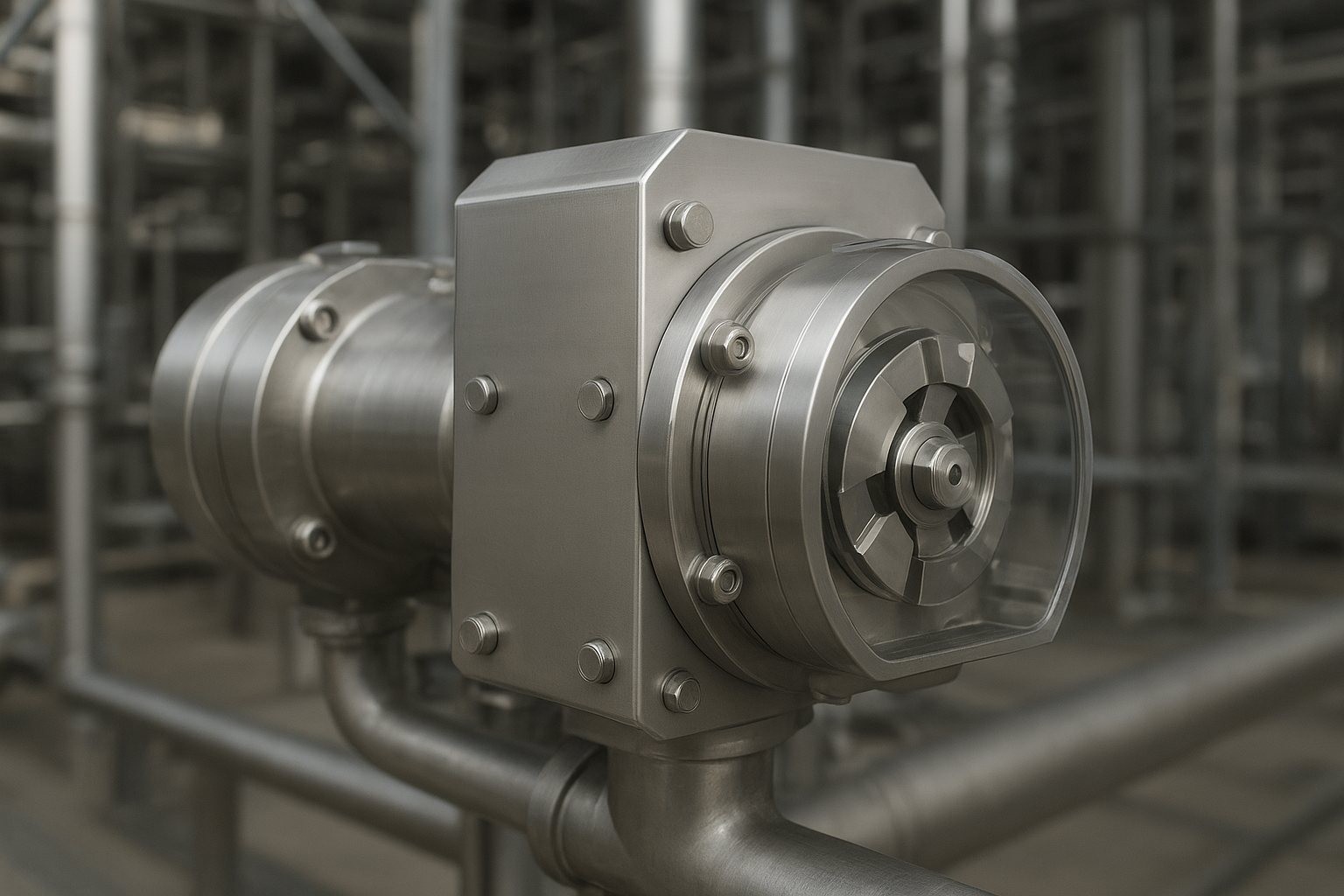
ملاحظات حول إعداد القياس (اجعل الحد ذا معنى):
- أين يتم القياس: حدد الموقع الدقيق (على سبيل المثال، غلاف المحمل في الاتجاه القطري على طرف القيادة / الطرف غير القيادة) وحافظ على اتساقه بالنسبة للخط الأساسي مقابل القبول.
- المستشعر والتركيب: يمكن أن تؤدي عوامل مثل مقياس التسارع مقابل مسبار السرعة، والقاعدة المثبتة مقابل القاعدة المغناطيسية، وتوجيه الكابل، وعزم التثبيت إلى تغيير القراءات.
- نطاق التردد: سجل الفرقة المستخدمة (على سبيل المثال،, 10-1000 هرتز (كفرقة موسيقية نموذجية بشكل عام). إذا كنت تستخدم فرقة موسيقية مختلفة، فاذكر ذلك.
- تجميع الآلات: قم بمحاذاة الحد مع ما ينطبق مجموعة آلات ISO 20816 / شروط الدعم وقم بتوثيق الأساس المنطقي.
ملاحظة السلامة / YMYL: لا تُعتبر حدود الاهتزاز أرقامًا "عامة للنجاح أو الفشل". يجب مراجعة عتبة القبول والموافقة عليها من قِبل مهندس المعدات الدوارة المسؤول، وذلك وفقًا لفئة الآلة المحددة، وموقع المستشعر، وظروف التشغيل.
تم الانتهاء عند: يتم توثيق قراءات الاهتزاز عند 1000-4000 دورة في الدقيقة، وهي قابلة للتكرار، ويمكن تتبعها إلى جهاز معاير.
باختصار: الانحراف، والتوازي، ودرجة التوازن هي الفحوصات الثلاثة التي تحدد ما إذا كان حامل السكين يظل مستقرًا من 1000 إلى 4000 دورة في الدقيقة.
المواد وإمكانية التتبع
عندما تُعامل حوامل السكاكين كمواد استهلاكية أساسية، يصبح التتبع جزءًا لا يتجزأ من الموثوقية. فالهدف ليس جمع الشهادات، بل القدرة على الإجابة بدقة، حتى بعد مرور أشهر. ما هي المادة التي دخلت في أي رقم تسلسلي؟, وما هي عملية التحقق التي تم إجراؤها.
معيار EN 10204 MTCs وربط الحرارة/الدفعة
يُعد الحصول على شهادة فحص لكل منتج معدني شرطًا أساسيًا. EN 10204.
- النوع 3.1شهادة فحص من الشركة المصنعة تتضمن نتائج فحص محددة.
- النوع 3.2: نفس الشيء، ولكن مع التحقق المستقل/التوقيع المضاد من قبل المشتري/طرف ثالث.
للحصول على مرجع لكتالوج المعايير: BSI — BS EN 10204:2004، المنتجات المعدنية — أنواع وثائق الفحص.
تم الانتهاء عند: يرتبط رمز التحقق من المنتج (MTC) بالرقم التسلسلي لحامل السكاكين، ورقم الدفعة/الرقم التسلسلي، وبند أمر الشراء.
الصلابة والطلاءات (ASTM E18/B487/B499/B571)
لا تعمل ضوابط الصلابة والطلاء إلا إذا تم تحديد طريقة الاختبار.
- الصلابة (روكويل): ASTM E18 (صلابة روكويل للمواد المعدنية)
- طرق التحقق من سمك الطلاء (يتم الاختيار بناءً على نوع الطلاء/الركيزة وما إذا كان الاختبار التدميري مسموحًا به):
تم الانتهاء عند: يتم تسجيل نتائج الصلابة/الطلاء مقابل الرقم التسلسلي للجزء، ويتم معايرة معدات القياس.
For the upstream material selection logic that determines which PM stainless grade — M390 or CPM S90V — arrives at this inspection step, and why the cryogenic treatment protocol affects the HRC target, see our guide on M390 vs CPM S90V pelletizer blade grade selection under glass-fiber wear.
ضوابط الوسم/التسلسل والتعبئة والتغليف
تفشل إمكانية التتبع في أغلب الأحيان عند نقاط التسليم: الدفعات المختلطة، والأجزاء المعاد تصنيعها دون إعادة تحديد هويتها، وتلف التغليف، أو فصل الأوراق عن الجزء.
تشمل الضوابط الدنيا عادةً ما يلي:
- دائم الرقم التسلسلي/العلامة الحرارية في موقع محدد لا يؤثر على الوظيفة
- ملصقات التغليف المتكررة: رقم أمر الشراء، رقم مراجعة الرسم، الرقم التسلسلي، رقم الدفعة/الدفعة، الكمية
- قواعد الفصل للعناصر غير المطابقة أو المعاد تصنيعها
باختصار: لا يتعلق التتبع بجمع الشهادات، بل يتعلق بالقدرة على ربط بيانات مادة وصلابة وطلاء أي كتلة سكاكين برقم تسلسلي محدد بعد أشهر من التسليم.
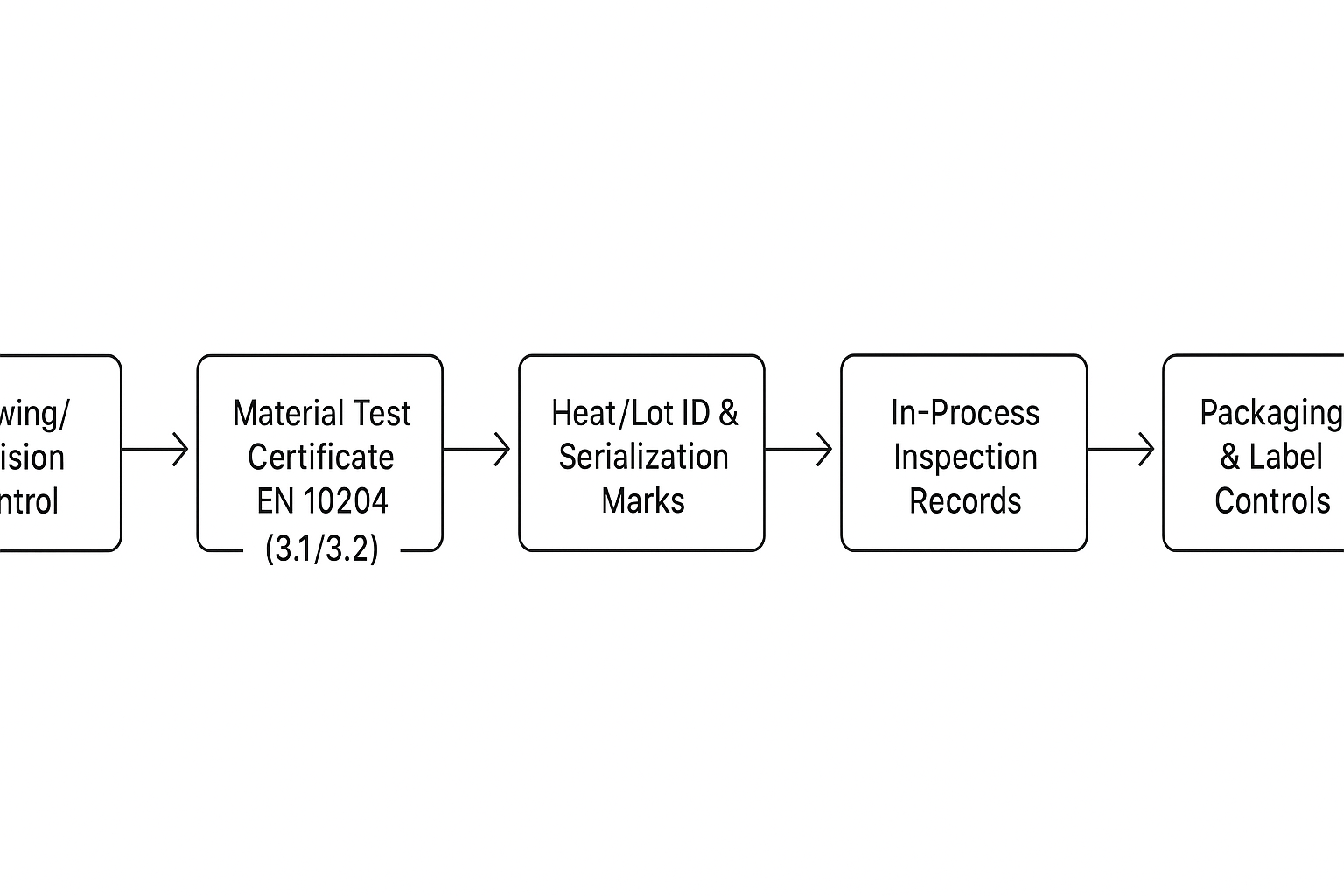
سير عمل التأهيل
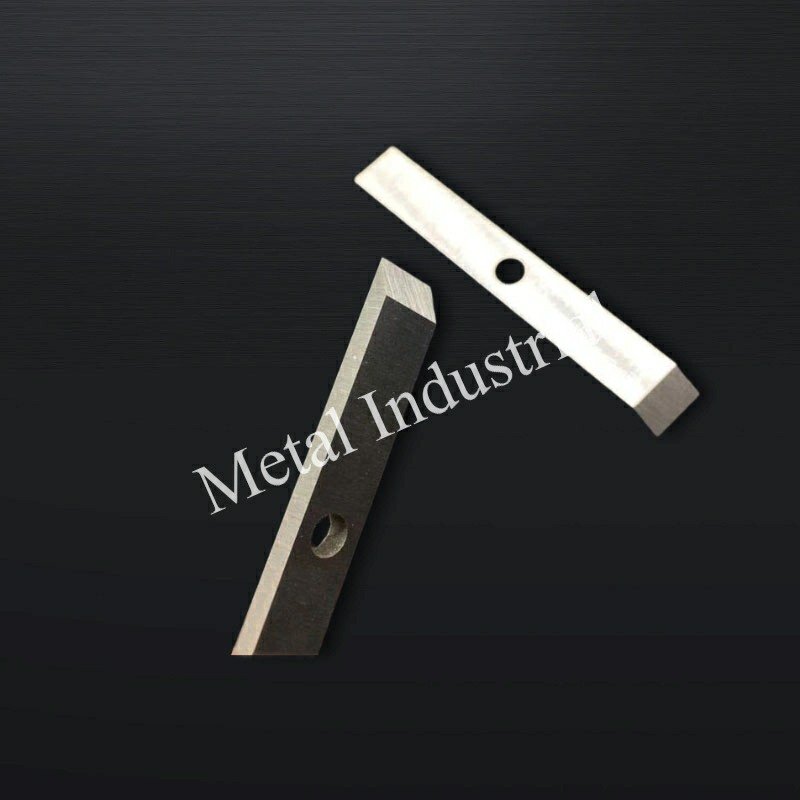
تعامل مع عملية التأهيل كعملية متكررة ذات نقاط تفتيش واضحة. الهدف هو تجنب "النجاح في الاختبار البارد والفشل في الاختبار الساخن"، أو التوازن الذي يُبطل عند التجميع النهائي.
الفحص البارد والموازنة المسبقة
مدخل: الرسم + المراجعة، خطة الفحص، المقاييس المعايرة.
الإجراءات:
- الفحص البُعدي عند نقاط مرجعية وظيفية (الثقب، والوجوه، ومسار السكين)
- التحقق من عدم اكتمال التشغيل مع إعداد محدد (مواقع التركيب والمؤشر)
- الموازنة المسبقة كمكون عند الاقتضاء (وتكوين السجل)
الناتج: تقرير فحص التبريد + سجل الرصيد الأولي.
تم الانتهاء عند: يتم تصحيح الانحرافات إما من خلال إعادة العمل الخاضعة للرقابة أو يتم اتخاذ إجراءات رسمية بشأنها.
النقع الحراري وإعادة الفحص الساخن
يمكن أن يؤدي التمدد الحراري وتخفيف الإجهاد إلى تحريك ما بدا "مثاليًا" على طاولة العمل.
مدخل: مكون مؤهل للاستخدام في درجات الحرارة المنخفضة + بروتوكول المعالجة الحرارية.
الإجراءات:
- النقع عند درجة حرارة نموذجية (يتم تحديد الوقت ونقطة الضبط بواسطة النبات)
- أعد فحص التوازي/عدم التزامن عند نفس نقاط الإسناد المحددة
- تأكد من أن طريقة ضبط التخليص لا تزال تحافظ على النافذة المقصودة
الناتج: ملحق فحص الحرارة مع قياسات قبل/بعد.
تم الانتهاء عند: تبقى القيم الساخنة ضمن نطاق التفاوت المسموح به دون الحاجة إلى إجراء تعديلات على التجميع.
تجربة الإنتاج وعلاقة ضمان جودة الكريات
ينبغي أن تربط تجربة الإنتاج القبول الميكانيكي بالمقاييس التي يهتم بها المصنع بالفعل.
مدخل: التجميع المؤهل + خطة تجريبية (الراتنج، الإنتاجية، نطاق سرعة الدوران، ظروف حلقة الماء).
الإجراءات:
- تعمل بسرعات منخفضة/متوسطة/عالية في نطاق التشغيل
- تسجيل الاهتزازات وأي اضطرابات في العملية (عدم استقرار درجة حرارة الماء/التدفق، سلوك ضغط القالب)
- ربط حالة كتلة السكين بضمان جودة الكريات: توزيع طول الكريات، واتجاه الشوائب الدقيقة/الشعرية، وأي ملاحظات حول تراكم الشوائب على سطح القالب.
الناتج: تقرير تجريبي يربط الحالة الميكانيكية المقاسة بنتائج الكريات.
تم الانتهاء عند: تظل جودة الكريات مستقرة عبر نطاق التشغيل دون اهتزاز غير طبيعي أو تآكل متسارع.
ممارسات التوثيق: في عمليات التدقيق ومراجعات تأهيل الموردين، تتحقق الفرق من قدرة المورد على تجميع نقاط التحقق هذه في ملف متكامل. وتعتمد عملية إصدار مكونات حاملات السكاكين في شركة Maxtor Metal على هذا الهيكل - شهادات المواد، وسجلات الموازنة، وإمكانية تتبع الفحص المرتبطة بكل رقم تسلسلي - وهو ما يبدو عليه الملف الجاهز للتدقيق عمليًا.
مثال على مصنع مجهول الهوية: كيف يرتبط الانعكاس الكلي الداخلي والاهتزاز باستقرار ضمان جودة الحبيبات
يوضح المثال التالي، بعد إخفاء هوية أصحاب البيانات، كيف يؤدي تشديد وجه حامل السكاكين TIR ويمكن لتوحيد ممارسات التجميع أن يحسن كلاً من الاهتزاز وجودة الحبيبات في خط إنتاج البولي إيثيلين عالي الكثافة ذي الحجم الكبير.
سياق العملية (يظل ثابتًا أثناء التحقق):
- نوع جهاز التكوير: نظام حلقة مائية عالي السعة (فئة مماثلة لـ Gala / Maag / Automatik)
- بوليمر: البولي إيثيلين عالي الكثافة, مؤسسة التمويل الأصغر ~ 0.3–0.8 غ/10 دقائق
- الإنتاجية: 14-18 طن/ساعة
- سرعة تثبيت السكين: 2900–3300 دورة في الدقيقة
- قطع المياه: 80-90 درجة مئوية, حلقة مغلقة
قبل وبعد (ملاحظة لمدة 90 يومًا؛ 6 دفعات / ~310 طن مقابل 18 دفعة / ~970 طن):
- وجه كتلة السكين TIR: 0.072 مم → 0.018 مم (مؤشر قياس، بعد التركيب، مسح بزاوية 360 درجة)
- مجموعة الدوار TIR (بارد): ~0.060 مم → ~0.015 مم
- اهتزاز غلاف المحمل بشكل عام (10-1000 هرتز): ~4.5 مم/ث RMS → ~1.7 مم/ث RMS
- ذروة التسارع: 10–13 م/ث² → 3–5 م/ث²
- الغرامات: ~0.8 wt% → ~0.28 wt% (الغربلة عبر الإنترنت)
- الخيوط: ~4-6 حالات/طن عمليات تفتيش مفاجئة → تم القضاء عليه إلى حد كبير (عينات معزولة فقط)
- معامل التباين لطول الحبيبات: ±8% →~ ±3% (تحليل الصور، أكثر من 1000 حبة)
- الكريات كبيرة الحجم (>1.5 ضعف طول الهدف): ~1.6% → ~0.3% (فحص البصر)
- التوقفات غير المخطط لها: كل 18 يومًا تقريبًا ← لم تُلاحظ أي توقفات خلال فترة تتبع امتدت لعدة أشهر
- فترة تغيير السكين: من حوالي 12 يومًا إلى حوالي 28 يومًا (نفس متطلبات الجودة)
نمط الفشل الملحوظ (المحاولة الأولى لم تنجح بالكامل):
كان التعديل الأول يقتصر فقط على إعادة طحن سطح تثبيت كتلة السكين.
- تحسّنت دقة صورة الوجه إلى ~0.048 مم
- لم يتحسن الاهتزاز إلا إلى درجة مئوية واحدة.3.6 مم/ث RMS
- بقيت الغرامات ~0.65 wt%
تم تحديد السبب الجذري أثناء عملية الفك: تآكل طفيف على سطح التثبيت بالإضافة إلى ترتيب غير متناسق لشد البراغي مما تسبب في تآكل طفيف تعشيق أثناء عملية التثبيت.
تسلسل القياسات الذي استخدمه الفريق الهندسي:
- قم بقياس مخروط المغزل وانحراف شفة التثبيت.
- قم بتركيب كتلة السكين (بدون سكاكين) وسجل TIR للوجه.
- قم بتركيب الشفرات وشدها وفقًا لعزم الدوران المحدد؛ ثم أعد قياس TIR.
- فحص التشغيل بسرعة منخفضة (حوالي 300 دورة في الدقيقة).
- قم بالوصول إلى سرعة الإنتاج (~3000 دورة في الدقيقة) وسجل قيمة RMS للاهتزاز.
- قم بجمع الكريات لمدة ساعتين (مع أخذ عينات كل 30 دقيقة) لتحديد اتجاه المواد الناعمة وتوزيع الطول.
- استقرار المسار على مدى 3 أشهر من الإنتاج.
ممارسة التجميع التي حسّنت من إمكانية التكرار:
- استخدم تسلسل عزم الدوران بنمط النجمة: 30% → 60% → 100%
- بعد تطبيق عزم الدوران النهائي، أعد قياس TIR للسطح؛ الهدف قابل للتكرار ≤ 0.02 مم
ملحوظة: تم بناء هذا المثال من أنماط ميدانية نموذجية لتوضيح كيفية ارتباط تحسينات نسبة الانحراف الكلي للداخل (TIR) والاهتزاز بنتائج ضمان جودة الكريات؛ وهو ليس سجل فحص خام لعميل واحد. يجب أن تظل عتباتك المطلقة مرتبطة بتصميم آلتك، وإعدادات القياس، وخطة قبول ضمان الجودة في مصنعك.
باختصار: لا يتم اعتماد كتلة السكين إلا بعد اجتيازها الفحص البارد، وحفاظها على التفاوتات بعد المعالجة الحرارية، وإثبات استقرار ضمان جودة الكريات في تجربة إنتاجية - إن تخطي أي خطوة واحدة يترك فجوة بين أرقام الاختبار وأداء المصنع.
ملف الجودة والتسليم بدون عيوب
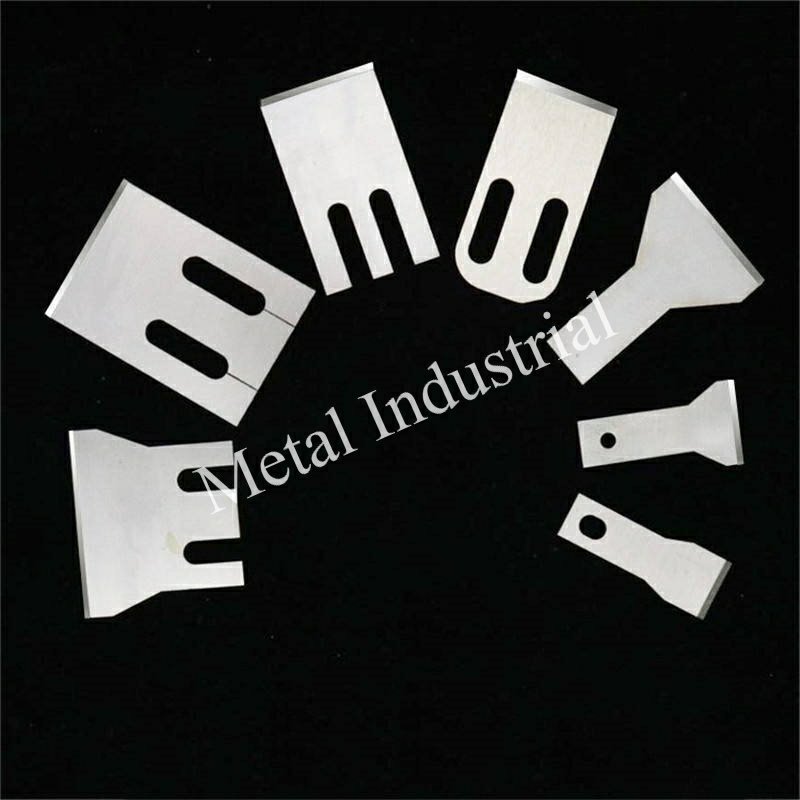
يتم تطبيق توقع "عدم وجود عيوب" من خلال ملف الإفراج الذي يجعل فحص الاستلام أسرع ويجعل التعامل مع تقارير عدم المطابقة أكثر سلاسة.
حزمة تقديم مشابهة لـ FAI و PPAP
حتى لو لم تكن تدير عملية PPAP رسمية في صناعة السيارات، فإن فكرة حزمة النموذج الأول المنظمة قابلة للتطبيق.
تتضمن حزمة التقديم العملية ما يلي:
نماذج عملية (ما يجب تضمينه حتى يكون الملف جاهزًا للتدقيق)
لجعل عملية تأهيل الموردين قابلة للتكرار، حدد ما يلي: الحقول تتوقع وجودها في كل سجل. حتى لو لم تنشر قالبًا قابلاً للتنزيل، فإن قائمة التحقق هذه تقلل من المراسلات المتبادلة.
- تقرير الفحص الأولي للأبعاد
- مراجعة الرسم الموسع، والبيانات المرجعية المستخدمة، ومعرفات المقاييس وتواريخ المعايرة
- نتائج الانحراف/التسطيح/التوازي مع رسم تخطيطي/صورة مرجعية للإعداد
- توقيع القبول/التصرف
- سجل التوازن
- الدرجة (مثلاً، G6.3 / G2.5)، أساس السرعة، أساس كتلة الدوار، مستويات التصحيح
- تم تحقيق عدم التوازن المتبقي، ومعرف الجهاز وحالة المعايرة
- تكوين متوازن (المكونات مقابل المكدس المُجمّع)
- ملحق النقع الحراري / إعادة الفحص الساخن
- درجة حرارة/مدة النقع، طريقة التثبيت
- القيم قبل/بعد عند نفس المقاييس
- تأكيد طريقة ضبط التخليص والنافذة النهائية
- تقرير تجربة الإنتاج
- عائلة الراتنج، معدل التدفق، نقاط سرعة الدوران، ظروف حلقة الماء
- قراءات الاهتزاز (الموقع + النطاق)، والاضطرابات المرصودة
- مقاييس ضمان جودة الكريات (الشوائب الدقيقة، الخيوط، توزيع الطول) + خطة أخذ العينات
- حزمة NCR / CAPA
- الأعراض، الاحتواء، السبب الجذري، الإجراء التصحيحي، خطة التحقق
- سجلات إعادة تحديد الهوية/الفصل للأجزاء المعاد تصنيعها
تم الانتهاء عند: يمكن للمفتش المستلم التحقق من الهوية والقبول في دقائق، ويمكن للمدقق تتبع كل نتيجة حاسمة إلى نظام قياس معاير.
- تاريخ الرسم والمراجعة
- تقرير فحص الأبعاد (رسم توضيحي مُفصّل على نمط FAI، عند الاقتضاء)
- تقرير التوازن (الدرجة، الآلة، التكوين)
- شهادات المواد (EN 10204 3.1/3.2) مع ربط الدفعة/الدفعة
- تقارير الصلابة/الطلاء (تم تحديد الطريقة)
- قائمة التعبئة مع الأرقام التسلسلية وحالة الفحص
الفحص والمعايرة الواردة (ISO 2859-1/ANSI Z1.4، ISO/IEC 17025)
ينبغي أن يكون الفحص الوارد قائماً على المخاطر: الأبعاد الحرجة وفحوصات الهوية هي 100%؛ ويمكن أخذ عينات من الخصائص الأقل خطورة.
- تعتمد مخططات أخذ العينات للسمات عادةً على ISO 2859-1 (ومتوافقة مع ممارسات ANSI/ASQ Z1.4 في الولايات المتحدة): ISO 2859-1.
- تُقاس كفاءة المعايرة عادةً بمعيار ISO/IEC 17025, وخاصة عندما تُستخدم القياسات لإصدار المنتج: ISO/IEC 17025:2017.
تم الانتهاء عند: يمكن للمصنع إثبات أن نظام القياس يخضع للتحكم (حالة المعايرة، إمكانية التتبع، الاحتفاظ بالسجلات).
إدارة وثائق تقارير عدم المطابقة/الإجراءات التصحيحية والوقائية وإصدارها
ينبغي أن يحدد الملف أيضاً ما يحدث عندما يكون هناك خلل ما.
الحد الأدنى من التوقعات:
- نموذج NCR (الأعراض، الاحتواء، التصرف)
- توقعات الإجراءات التصحيحية والوقائية للمشاكل المتكررة (السبب الجذري والإجراء التصحيحي)
- وثائق الإصدار التي تنص بوضوح على القبول وأي انحراف معتمد
باختصار: يتم فرض التسليم الخالي من العيوب من خلال ملف الإفراج، وليس من خلال وعد - إذا لم يتمكن مفتش الاستلام من التحقق من الهوية والقبول في غضون دقائق، فإن الملف غير مكتمل.
المراقبة وإعادة التأهيل
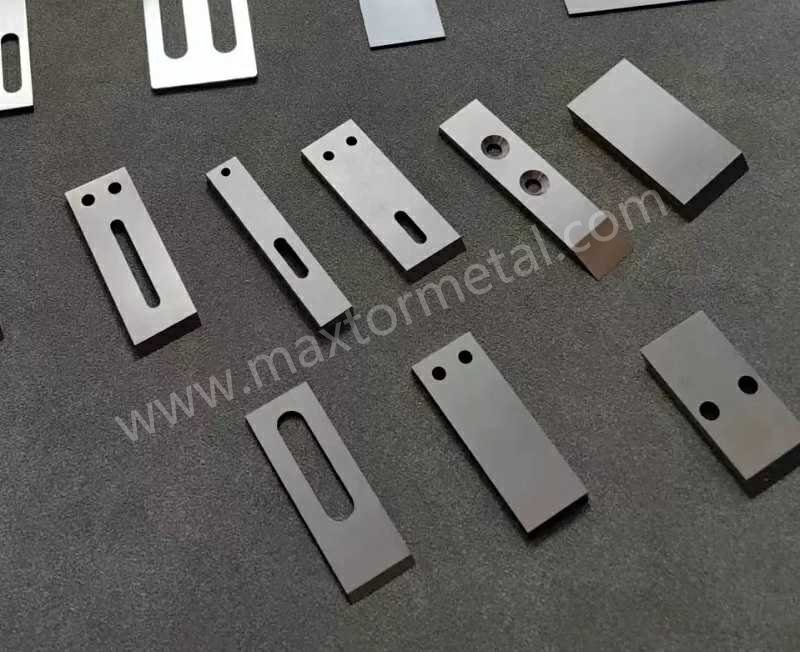
لا تتعطل قواعد السكاكين بسبب العيوب الأولية فقط. بل إنها تتدهور بسبب التآكل، وإعادة الشحذ، وتركيب الماء الكيميائي، وتغيرات عملية التصنيع.
اتجاهات خط الأساس وحدود الاهتزاز/الانحراف
حدد خطًا أساسيًا عند بدء التشغيل وقم بقياس الاتجاه بناءً عليه:
- خط الأساس للاهتزاز عند نقاط سرعة الدوران الرئيسية
- خط الأساس للتشغيل عند نقاط مرجعية محددة
- معايير ضمان جودة الحبيبات (الحبيبات الدقيقة/الشعر الملائكي، مدى تباين طول الحبيبات)
حدد قاعدة تصعيد: "التحقيق عند النقطة X"، "التوقف والتصحيح عند النقطة Y".“
محفزات وفترات إعادة التأهيل
المحفزات الشائعة:
- حدث صيانة رئيسي (استبدال المحامل، أعمال العمود)
- انحرافات متكررة في جودة الكريات ترتبط بالاهتزاز/انحراف الدوران
- تغيير في نوع الراتنج أو نسبة الحشو مما يؤدي إلى تغيير حمل القطع
حدد فاصلًا زمنيًا يتناسب مع مدى تحملك للمخاطر (على سبيل المثال، لكل دورة، أو لكل ضعف في حياة السكين، أو لكل وقت تشغيل محدد).
التحكم في التغييرات والانحرافات
يجب التحكم في أي تغيير يمكن أن يؤثر على سلوك الدوران أو التثبيت/الخلوص:
- تغييرات مراجعة الرسم
- استبدال المواد
- تغييرات في مسار المعالجة الحرارية
- تغييرات في مورد/عملية الطلاء
ينبغي أن تكون الانحرافات محددة زمنياً وموثقة بتقييم المخاطر والموافقة النهائية.
باختصار: تنحرف كتل السكاكين بسبب التآكل وتغيرات العملية، لذا فإن اختبار القبول الثابت عند التشغيل ليس كافيًا - إن اتجاهات خط الأساس ومحفزات إعادة التأهيل المحددة هي التي تكتشف الانحراف قبل أن يتسبب في توقف العمل.
الخاتمة
- أرقام القبول الرئيسية وخطوات التحقق لضمان الاتساق
- كيف يساهم هذا الإطار في تقليل وقت التوقف عن العمل ودعم الاستعداد للتدقيق
على المستوى العملي، فإن معايير القبول التي تقوم بمعظم أعمال الموثوقية بسيطة وقابلة للقياس:
| المعلمة | هدف القبول النموذجي | مرجع قياسي |
|---|---|---|
| الانحراف الكلي (TIR) عند المرجع الوظيفي | 0.03–0.04 مم | رسم المخططات + ممارسة قياسات ISO |
| درجة التوازن | G6.3 كخط أساسي ← G2.5 عند سرعة أعلى | ISO 21940-11:2016 |
| الاهتزاز (القيمة الإجمالية RMS) | ≤ 2.8 مم/ث (حسب تعريف المصنع، ويعتمد على فئة الآلة) | ISO 20816 |
| إمكانية تتبع المواد | MTC مرتبط بالرقم التسلسلي/الدفعة/الرقم التسلسلي | EN 10204 النوع 3.1 / النوع 3.2 |
قم بتضمين هذه الأرقام في سير عمل (فحص أولي ← موازنة ← إعادة فحص ثانٍ ← مطابقة تجريبية) وملف (شهادات، معايرة، سجلات إصدار)، وبذلك يصبح التأهيل قابلاً للتنفيذ، وليس مجرد تفسير. هذا هو المعيار الذي تطبقه Maxtor Metal على مكونات حامل السكاكين: جودة التوثيق جزء لا يتجزأ من جودة الهندسة، وليست مجرد إضافة لاحقة.
للاطلاع على المواصفات الهندسية الكاملة - بما في ذلك التصنيفات المعدنية، واختيار زاوية الشطف، وبروتوكولات المعالجة الحرارية، ومصفوفة التطبيقات عبر أنواع البوليمرات المختلفة - راجع Maxtor Metal مواصفات سكين آلة التكوير ودرجات المواد.
CTA: طلب مراجعة ملف التأهيل
لتقليل مخاطر التأهيل بسرعة، شارك الرسم (أو الصور مع الأبعاد الرئيسية) وأهداف القبول (نطاق سرعة الدوران، درجة التوازن، طريقة الاهتزاز). يجب أن تتضمن مراجعة المورد ما يلي:
- مخطط البيانات المقترح وإعدادات القياس
- خطة التوازن (الدرجة + التكوين)
- خطة التتبع (ربط MTC + التسلسل)
- قائمة التحقق من ملف الإفراج المشروط (FAI، سجل الرصيد، إعادة الفحص السريع، تقرير التجربة)
ابدأ من هنا: Maxtor Metal — سكاكين التكوير المخصصة ومكونات كتلة السكاكين (ODM/OEM) مع إمكانية تتبع الفحص: https://maxtormetal.com/contact/
FAQ
ما هو تأهيل كتلة السكاكين لمُحبب الحلقة المائية؟
هي عملية التحقق من أن كتلة السكاكين تلبي المتطلبات المحددة للأبعاد، والتوازن، والمواد، والتوثيق، بحيث يمكنها العمل بثبات عند سرعة التشغيل (RPM) دون التسبب في تذبذب جودة الحبيبات أو إلحاق الضرر بالمعدات الثانوية.
ما هو الانحراف (TIR) المقبول لكتلة سكاكين محبب وجه القالب؟
تحدد العديد من المصانع أهداف القبول حوالي 0.03-0.04 مم TIR عند بيانات وظيفية محددة، ولكن الحد الصحيح يعتمد على تصميم الآلة وإعداد القياس ونافذة الخلوص المطلوبة عند وجه القالب.
ما هي درجة التوازن التي يجب أن تحققها كتلة سكاكين المحبب: G6.3 أم G2.5؟
غالباً ما يُعامل G6.3 كأساس للمكونات الدوارة العامة، بينما يعتبر G2.5 متطلباً أكثر صرامة يُستخدم عند الحاجة إلى استقرار أكبر عند السرعات العالية. تعتمد الدرجة الصحيحة على سرعة الدوران (RPM)، وكتلة العضو الدوار، ومدى حساسية العملية للاهتزاز.
هل 2.8 مم/ث RMS حد اهتزاز عالمي؟
يُستخدم عادةً معدل الخطأ التربيعي المتوسط (RMS) البالغ 2.8 مم/ث كعتبة قبول عملية تتوافق مع إرشادات المنطقة، ولكن معايير المنظمة الدولية للتوحيد القياسي (ISO) تستخدم سياق مجموعة الآلات وظروف القياس. يجب على المصانع تحديد فئة الآلة وموقع المستشعر وظروف التشغيل في خطة القبول الخاصة بها.
ما هي شهادة المواد EN 10204 3.1، ومتى تحتاج إلى 3.2؟
تُصدر شهادة 3.1 من قِبل ممثل التفتيش المُعتمد لدى الشركة المُصنِّعة، وتتضمن نتائج فحص مُحددة للمادة. أما شهادة 3.2 فتُضيف التحقق المُستقل/التوقيع المُضاد من قِبل مُفتش المشتري أو طرف ثالث عند الحاجة إلى مستوى أعلى من التأكيد.
كيف تتحققون من الصلابة وسمك الطلاء لمكونات كتلة السكاكين؟
حدد طريقة الاختبار مسبقًا (على سبيل المثال، صلابة روكويل وفقًا لمعيار ASTM E18) واختر طريقة مناسبة لسمك الطلاء (المجهر المقطعي، المغناطيسي، أو التحليل الكهربائي) بناءً على الطلاء/الركيزة وما إذا كان الاختبار المدمر مقبولًا.
ما الذي يجب أن يتضمنه ملف الجودة (QA) لكتلة سكاكين المحبب؟
كحد أدنى: التحكم في مراجعة الرسومات، نتائج فحص الأبعاد، تقرير التوازن، شهادات المواد مع ربط الشحنة/الدفعة، سجلات اختبار الصلابة/الطلاء (مع ذكر الطريقة)، حالة معايرة أدوات القياس، ووثائق الإفراج.
متى يجب إعادة تأهيل كتلة السكاكين؟
تشمل المحفزات الشائعة إجراء صيانة كبيرة (محامل/أعمدة)، واهتزازات متكررة أو تذبذبات في جودة الحبيبات، وتغييرات في الراتنج/حمل الحشو، وأي تغيير محكوم في المادة، أو المعالجة الحرارية، أو الطلاء، أو مراجعة الرسومات.
المؤلف والمراجعة الفنية
جيسي شو — مهندس جودة أول، ضمان الجودة (Maxtor Metal)
- 15 عامًا من الخبرة في جودة الشفرات الصناعية وتحليل الأعطال
- الشهادات: ASQ-CQE, مدقق رئيسي معتمد لمعيار ISO 9001, المستوى الثاني من الجمعية الأمريكية لاختبار التلف (ASNT)
- التركيز: التمييز بين أنماط الفشل (مثل التكسر مقابل انخفاض مقاومة التآكل) المتعلقة بطرق المعالجة الحرارية مقابل فصل المواد

 English
  Spanish
  Italian
  French
  Portuguese
  Russian
  German
  Arabic
  Hindi
Hindi  Vietnamese
  Indonesian
  Japanese
  Korean