

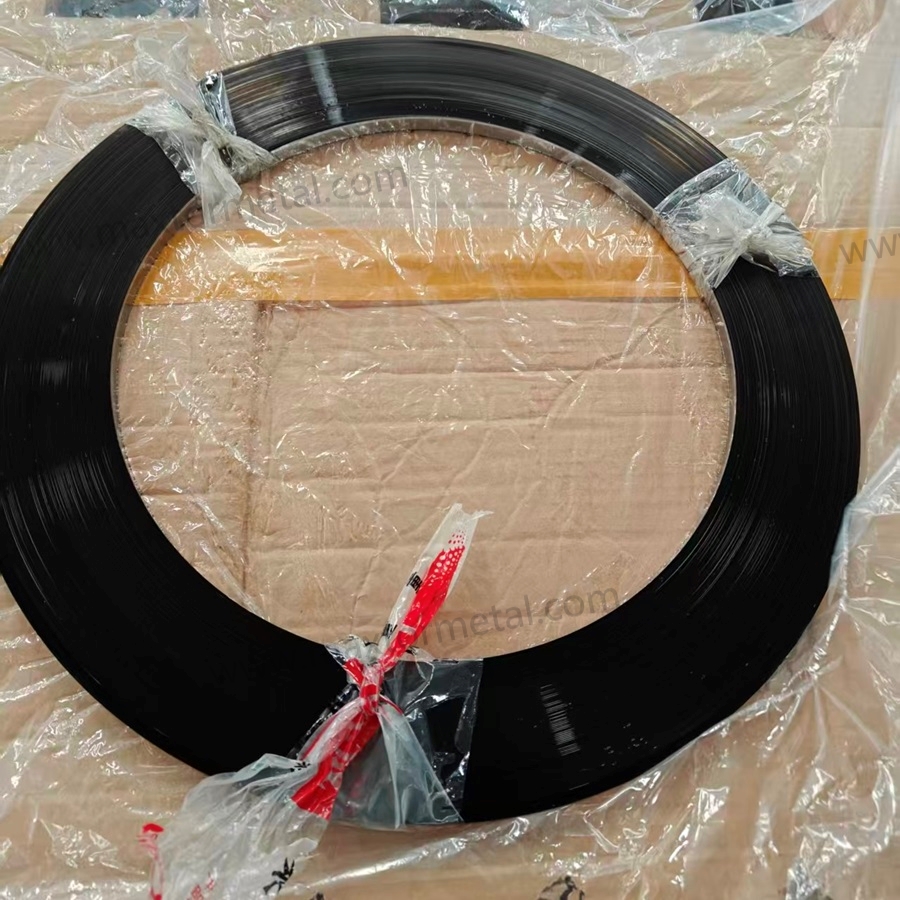
إجابة سريعة: يؤدي تقليل تكرار تغيير الملفات إلى تحسين معدل OEE في المقام الأول من خلال خفض وقت التوقف المخطط له، وهو ما يصب مباشرة في صالح "الإتاحة". تظهر المكاسب الثانوية في "الأداء" (فترات تسارع أقل بعد إعادة التشغيل) و"الجودة" (نوافذ عيوب أقل مرتبطة بوصلات الربط). ويمكن قياس هذا التأثير رقميًا عبر أربعة مدخلات: معدل استهلاك الشريط، وطول الملف، ووقت التبديل لكل توقف، والخردة الناتجة عن كل تغيير. وفي مثال تطبيقي باستهلاك 2000 متر/وردية، فإن الانتقال من ملفات 100 متر إلى 500 متر يستعيد أكثر من 3 ساعات من الإتاحة وما يقرب من 3700 دولار من قيمة فرصة الإنتاجية لكل وردية.
عادةً لا تفقد خطوط القص والتقطيع الطولي (slitting) المغذاة بالملفات معدل OEE لأن شخصًا ما "نسي تشغيلها بسرعة". بل تفقد OEE لأن الخط يضطر إلى التوقف — مرارًا وتكرارًا في الغالب — من أجل تغيير الملفات، وتلقيم الشريط (threading)، واستقرار التشغيل.
If you’re trying to run longer, more stable production windows, the quickest lever is often to reduce coil change frequency. That’s why many teams start by auditing changeovers as an OEE Availability loss inside the OEE framework (OEE is typically calculated as Availability × Performance × Quality, as defined in ISO 22400-2:2021 — KPI definitions for manufacturing operations management.
عمليًا، يهم طول الملف واتساقه تمامًا مثل تقنية التبديل. إذا كان إمداد الشريط مستقرًا بما يكفي لدعم عمليات تشغيل أطول، فيمكنك غالبًا التخطيط لتقليل الانقطاعات في كل وردية مع الاستمرار في الحفاظ على تحكم دقيق في الأبعاد.
ملاحظة هندسية: If your coil supply spec needs to align with blade strip qualification requirements—including coil length, dimensional tolerance, and heat-treatment traceability—see Maxtor Metal’s reference page on شرائط فولاذية صناعية للشفرات في بكرات مشطوفة for form-factor specifications and long-run consistency controls.
- Why reducing coil change frequency improves Availability, labor, and waste
- What this model covers: OEE math, labor, splice scrap, throughput value
- Inputs needed: meters/shift, minutes/change, scrap meters/change, crew, rates, speed, yield
- Quick guide: what you’ll input, what you’ll get, and when this model applies
Quick calculator inputs (copy/paste)
| Input | Symbol in formulas | وحدة | Notes / where to get it |
|---|---|---|---|
| Strip consumption per shift | meters_per_shift | m/shift | From MES, coil usage log, or tally sheet |
| Coil length | meters_per_coil | m/coil | Supplier spec / incoming inspection |
| Changeover time (internal) | minutes_per_change | min/change | From video time study or downtime log |
| Crew size (effective) | crew_size | people | Use effective crew if work is parallelized |
| Scrap per change | scrap_m_per_change | m/change | Splice tail-out + threading scrap |
| Line speed (steady-state) | line_speed_m_per_min | م/دقيقة | Use stable running speed |
| Restart yield / first-pass yield | yield | 0-1 | Measure post-change window separately if needed |
| Contribution value (optional) | value_per_meter | $/m | Prefer contribution margin, not revenue |
Tip: If your line is not the bottleneck, convert “lost meters” to “lost available time” and value it using contribution margin per hour instead of $/m.
Как сокращение частоты замены рулонов повышает коэффициент готовности OEE — и почему математика проще, чем вы думаете
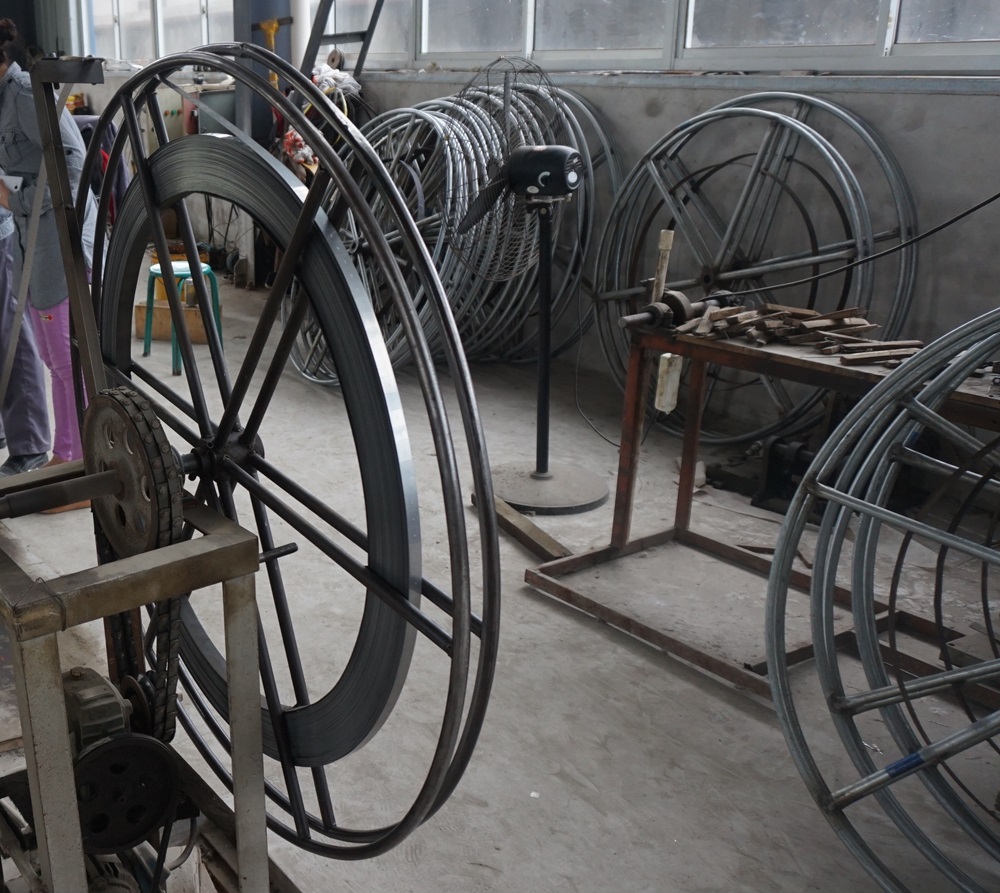
Availability, Performance, Quality linkages
Reducing coil changes primarily improves التوفر—often tracked as OEE Availability—because fewer changeovers means fewer planned stops inside scheduled production time.
It can also lift أداء و جودة in small but real ways:
- أداء: fewer restarts means fewer ramp-up periods, fewer “micro-stops” while stabilizing tension, and less speed derating immediately after a splice.
- جودة: each splice or threading event can create a small window of higher defect risk—mis-tracking, burr changes, edge waviness, or dimensional drift until tension and guide alignment settle.
أهم النقاط الرئيسية: If you want a model that management accepts, keep the OEE logic clean: changeovers hit Availability directly. This article’s equations primarily quantify Availability losses and recovery from coil changes. Performance and Quality often improve too (fewer restarts, fewer defect windows), but those secondary gains are usually smaller and more site-specific—so measure them in a pilot using the same data dictionary and accounting rules before claiming total OEE uplift.
Downtime and labor equations
Use these as a practical starting point. Keep units consistent (minutes, meters, pieces).
Model boundaries (read before you use the formulas)
- “Lost meters” assumes the line is the constraint. The equation
lost_meters = downtime_min × line_speed × yieldonly reflects opportunity value if the line can actually convert recovered time into saleable output. - Separate internal vs external changeover work. If prep can happen while running (tools, next coil staging), treat it as external and do not count it in
minutes_per_changefor Availability. - Use an effective crew size. If only one operator is truly blocked during the stop while others continue value-added work, use
crew_size = 1(or a fraction). - Value per meter should be conservative. Prefer contribution margin (or opportunity value) rather than revenue, and document the assumption.
- Restart yield is not always the same as steady-state yield. If defects cluster after changes, measure the post-change window separately and use a lower
yieldfor that period.
- Change count per shift
changes_per_shift = meters_per_shift / meters_per_coil
(If you need an integer, round up—because partial coils still force a changeover.)
- Downtime per shift from coil changes
downtime_min = changes_per_shift × minutes_per_change
- Labor minutes per shift for changeovers
labor_min = downtime_min × crew_size
- Labor cost per shift (optional)
labor_cost = labor_min/60 × labor_rate_per_hour
This is intentionally simple: it counts the people tied up in the changeover window. If your crew is truly parallelized (one person changes coil while others keep value-added work going), reduce the effective crew size.
Splice scrap and lost throughput value
Two common “hidden” losses are easy to quantify.
- Splice / threading scrap
splice_scrap_m = changes_per_shift × scrap_m_per_change
If scrap is measured by weight instead of meters:
splice_scrap_kg = splice_scrap_m × kg_per_meter
- Lost throughput value from downtime
If your line has a stable selling value per meter (or a contribution margin per meter), you can estimate the value of time lost:
lost_meters = downtime_min × line_speed_m_per_min × yieldlost_value = lost_meters × value_per_meter
Where yield is the fraction of output that becomes saleable product in that operating window. If you don’t have a clean value-per-meter, substitute contribution margin per hour or a conservative “opportunity value” rate.
مقارنة بين ملفات 100 متر و500 متر (تكرار تغيير الملفات)
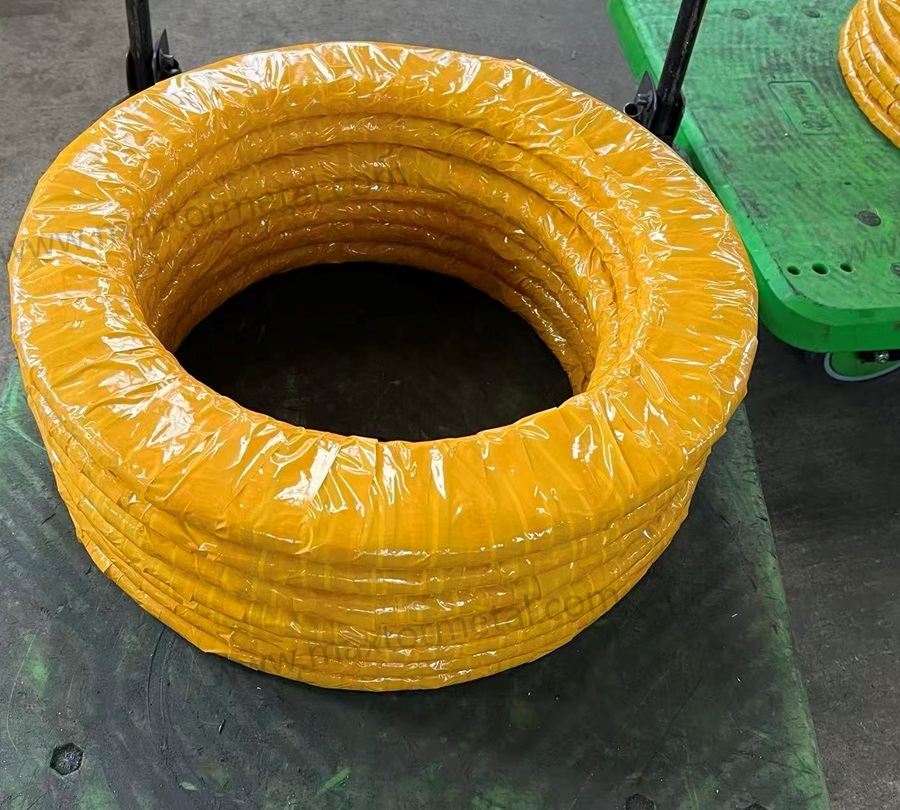
Assumptions and formula setup
This section shows how coil change frequency changes when you move from short coils to long coils, using the same line consumption rate.
The point of this comparison isn’t that 500 m is always better. The point is to expose the math so you can plug in your own plant data.
We’ll compare the impact of moving from 100 m coils to 500 m coils on:
- number of coil changes per shift
- changeover downtime
- changeover labor
- splice scrap
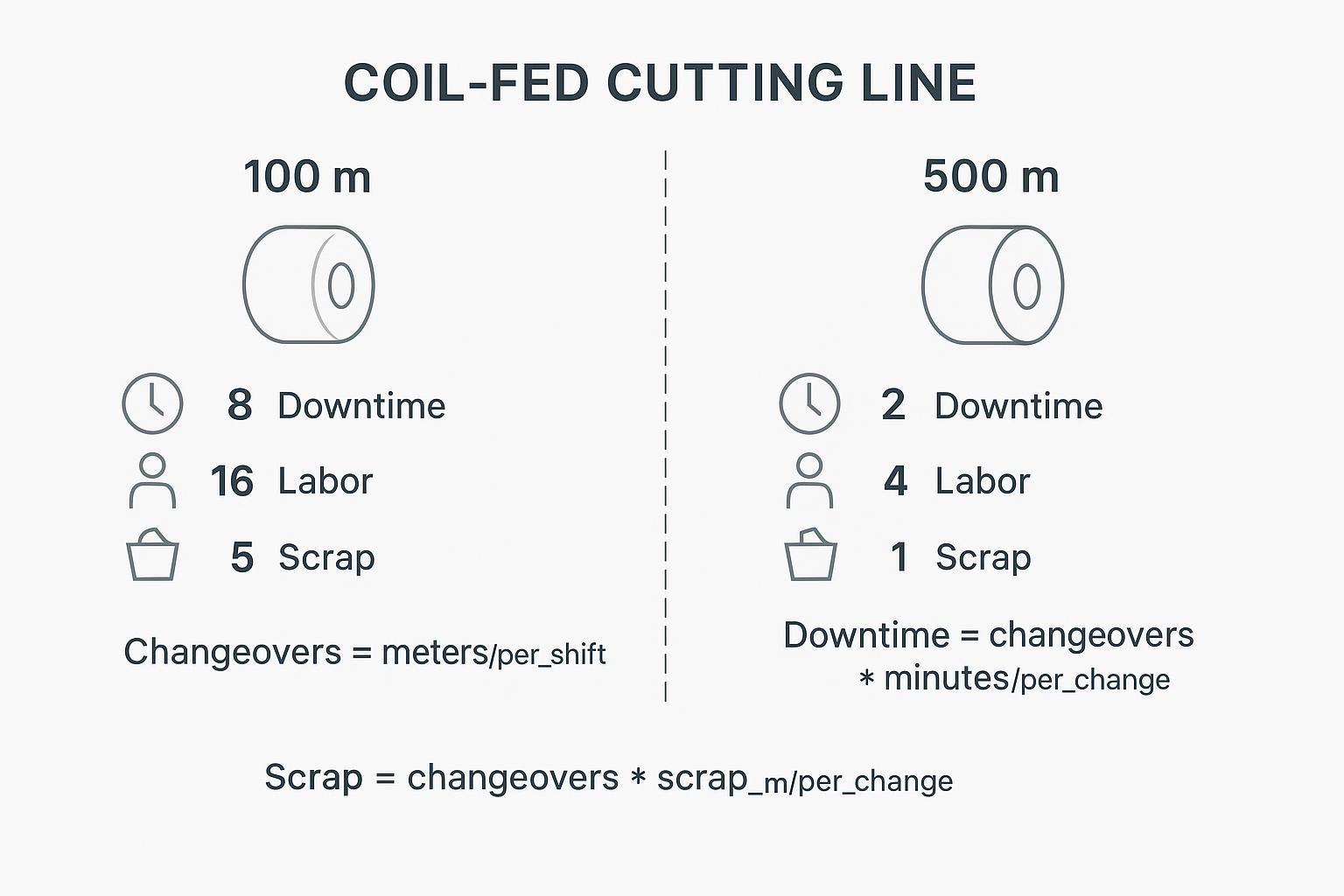
Worked example with conservative inputs
Assume a line consumes:
meters_per_shift = 2,000 mminutes_per_change = 12 minscrap_m_per_change = 3 mcrew_size = 2line_speed_m_per_min = 25 m/min(during steady running)yield = 0.98value_per_meter = $0.80(use contribution value, not revenue, if you can)
Case A: 100 m coils
changes_per_shift = 2,000 / 100 = 20downtime_min = 20 × 12 = 240 min(4.0 hours)labor_min = 240 × 2 = 480 min(8.0 labor-hours)splice_scrap_m = 20 × 3 = 60 mlost_meters = 240 × 25 × 0.98 = 5,880 mlost_value = 5,880 × $0.80 = $4,704 per shift
Case B: 500 m coils
changes_per_shift = 2,000 / 500 = 4downtime_min = 4 × 12 = 48 minlabor_min = 48 × 2 = 96 min(1.6 labor-hours)splice_scrap_m = 4 × 3 = 12 mlost_meters = 48 × 25 × 0.98 = 1,176 mlost_value = 1,176 × $0.80 = $940.80 per shift
Delta (100 m → 500 m)
- Changeovers: -16 per shift
- وقت التوقف: -192 min per shift
- Labor time: -384 labor-min per shift (6.4 labor-hours)
- Splice scrap: -48 m per shift
- Throughput opportunity value: -$3,763 per shift (using the assumptions above)
These numbers look dramatic because the model assumes coil changes are true line stops and your line speed is meaningfully higher than “changeover pace.” If your line runs slower, or changeovers are partly externalized, the deltas shrink—but the direction usually stays the same.
Sensitivity levers and break-even notes
The economics of longer coils depend on a few levers you can sanity-check quickly:
- Minutes per change: If your changeover is 5 minutes instead of 12, the benefit is smaller—but still meaningful when changes are frequent.
- Meters per shift (consumption rate): Higher consumption makes coil length more valuable because you “burn through” small coils quickly.
- Scrap per change: Even modest splice scrap becomes significant when it happens 15–30 times per shift.
- Line speed during steady-state: Faster lines pay a higher opportunity cost for every stop.
- Yield during restart: If quality dips after a change (tracking, burr, surface marks, dimensional drift), your real value loss can exceed the simple downtime estimate.
A practical break-even check is to compare:
- added material/handling cost of longer coils (including storage, crane time, and any risk controls) versus
- recovered value from reduced downtime + reduced labor + reduced scrap.
ما الذي يجب تحقيقه قبل أن تساهم الملفات الأطول في تحسين OEE فعليًا
Handling, tension, cores, and storage
Longer coils reduce changeovers, but they raise the bar for handling discipline و tension stability.
Key constraints to review before increasing coil length:
- Coil weight vs your crane and lifting fixtures (including sling angles and WLL)
- Mandrel and core spec compatibility (ID/OD, expansion range, core crush resistance)
- Brake capacity and unwind torque control (especially during acceleration/deceleration)
- Closed-loop tension control (dancer response, load-cell feedback, web/strip guide stability)
- Storage space, rack rating, and floor loading
When the strip steel itself is part of your stability problem (edge variation, thickness drift, residual stress), longer coils can amplify the pain: you’ll run longer before you realize the batch is unstable.
This is where supplier-side process control matters in a very practical way. When discussing coil length and quality control for blade strip supply, it’s reasonable to ask for evidence of heat treatment consistency و dimensional tolerances that hold over long, continuous runs—the same controls that determine whether a validated material grade like 440C will perform predictably across an extended coil. For a detailed framework on how those supplier-side controls are specified and verified for blade strip steel, see التحقق من صحة شفرات الاستبدال لمفرمة 440C في HRC 56–58. Maxtor Metal provides thickness tolerance records, periodic hardness sampling logs, and heat-treatment batch documentation formatted for audit-ready supplier review.
Safety, SOP, and training updates
Longer or heavier coils change the risk profile of a coil-fed line. Treat this as a controlled change: update standard work, re-train operators, and verify that handling limits and guarding assumptions still hold.
At a minimum, refresh (or add) the following:
- Training and competency: define who is qualified to run coil changes, who can operate lifting equipment, and what “sign-off” looks like after retraining.
- Lift plan and fixtures: approved fixtures only, WLL verification, exclusion zones, and clear hand signals/spotter rules.
- Lockout/tryout: isolate stored energy in brakes, pinch rolls, and tension systems before threading or clearing jams.
- Start-up recipe: documented tension/brake setpoints and a defined ramp-up sequence to reduce restart variability.
- First-meter validation: what to inspect right after restart (tracking, edge condition, burr changes, surface marks, and any dimensional checks).
For general material handling and storage guidance, see OSHA’s Materials Handling and Storage (OSHA 2236).
Use this as a lightweight standard-work checklist. Adjust to your machine’s guarding and interlock rules.
Before stop (external work)
- Next coil verified: ID/OD, core spec, edge protection intact
- Lifting plan confirmed: approved fixtures, WLL check, exclusion zone
- Tools and consumables staged: splice materials, knives, wrenches, gauges
- Correct unwind “recipe” ready: brake/torque setpoints, dancer/load-cell targets
During stop (internal work)
- Lockout/tryout per SOP for stored energy (brakes, pinch rolls, tension system)
- Coil head alignment and threading path verified (avoid twist and mis-tracking)
- Splice quality check: alignment, bonding, and tail-out management
After restart (first-meter verification)
- Tension stability: confirm dancer/load-cell response and steady tracking
- Edge/quality check: burr change, edge waviness, surface marks
- Dimensional check: width/thickness drift as applicable
- Record any ramp-up micro-stops and re-tune only via defined parameters (avoid “tribal” tweaks)
Any move to longer/heavier coils should trigger a short SOP refresh and competency check. For general handling and storage guidance, see OSHA’s “Materials Handling and Storage (OSHA 2236)” booklet: https://www.osha.gov/sites/default/files/publications/OSHA2236.pdf
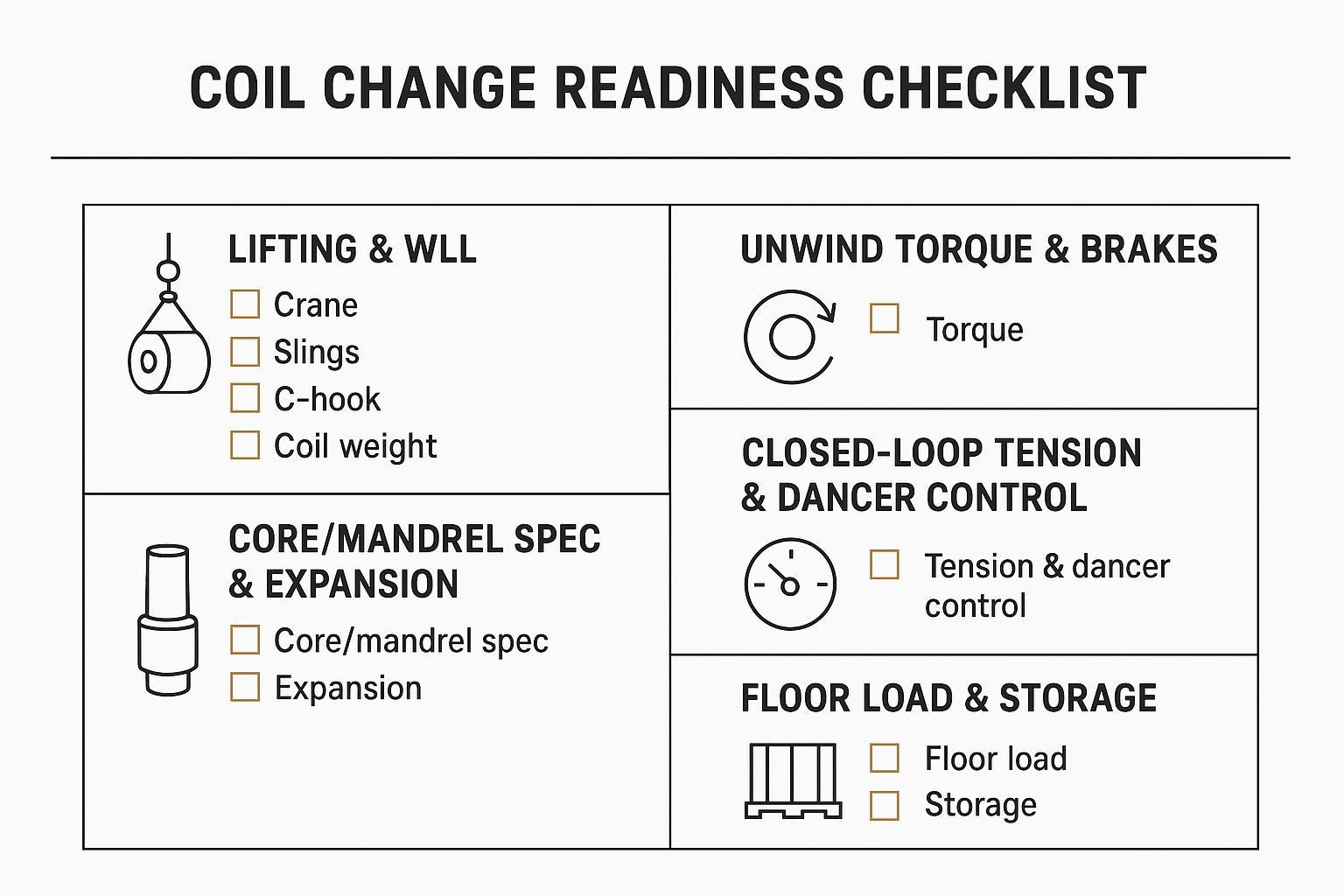
Update (or add) the following to standard work:
- Lifting plan: approved fixtures, WLL verification, exclusion zones, tag lines, and “hands-off” rules
- Lockout/tryout: isolate stored energy in brakes, pinch rolls, and tension systems before threading
- Threading method: defined path, guarding/interlocks, and safe hand positions
- Tension setpoints: start-up recipe and verification checks (what “stable” looks like)
- First-piece / first-meter validation: what to inspect after a change (tracking, edge condition, burr, surface)
Integration with auto-splicing and SMED
Reducing coil change frequency is one lever. Reducing the time and variability of the remaining changes is the other.
Two practical integrations:
- Auto-splicing (optional upgrade path): Auto-splicing can reduce the effective impact of coil changes by externalizing parts of the work and reducing restart variability. In many plants, it is a capital and integration decision (equipment capability, material compatibility, safety/guarding, and validation requirements), so it is not quantified in the simple equations above. Treat it as a next-step option after you baseline changeover time, scrap per change, and restart yield.
- SMED: The core SMED idea is to convert internal work (machine stopped) to external work (machine running), then standardize what remains. The method was developed by Shigeo Shingo and is documented in detail in A Revolution in Manufacturing: The SMED System. Productivity Press, 1985 (Primary source for SMED methodology.).
A simple SMED starter checklist for coil-fed lines:
- Pre-stage the next coil (ID verified, core verified, edge protected)
- Standardize threading tools and torque settings
- Use visual marks for alignment and strip path
- Parallelize the crew: one on mechanical change, one on verification and documentation
Pilotprojekt: 440C-Messerbandstahl-Anlage (anonymisiert)
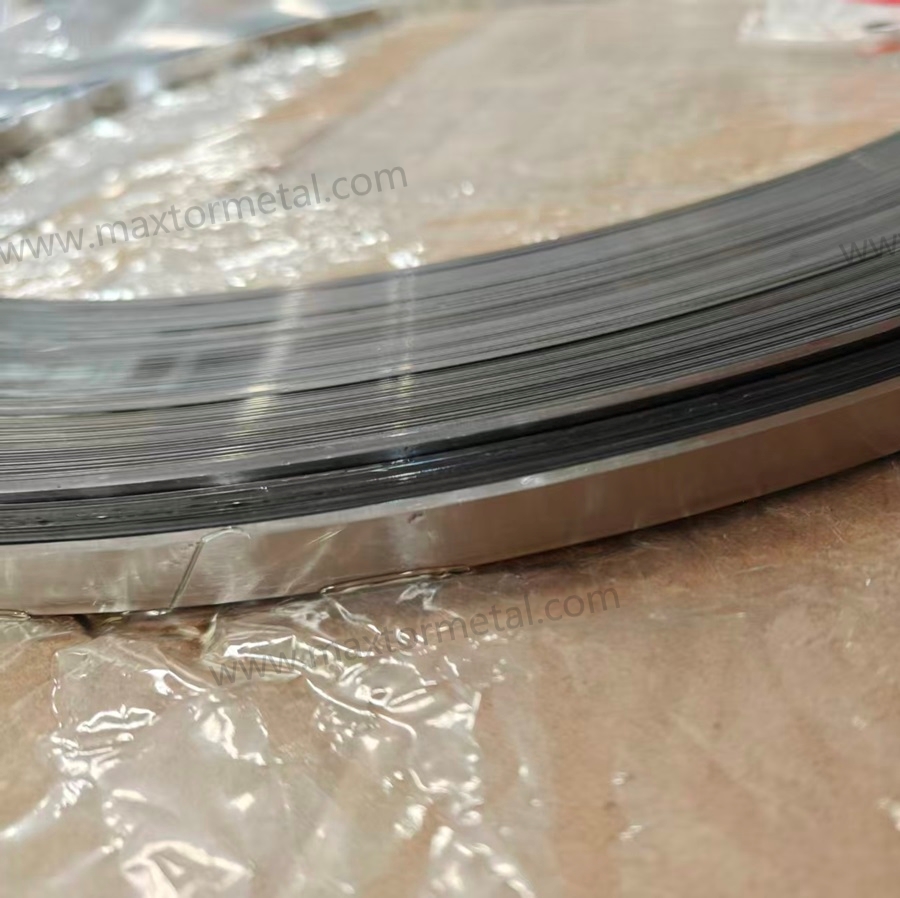
This anonymized case shows how a blade strip producer improved OEE by reducing coil change frequency while keeping product specs stable.
Project background
- Product: 440C blade strip steel, supplied to food-cutting blades and industrial band-knife makers
- Goal: reduce changeovers by increasing coil length (not by simply pushing rolling speed)
- Duration: ~5 weeks
- Data ownership and anonymization: This dataset was collected by Maxtor Metal’s technical team during a joint supplier qualification and process optimization project with the customer. Customer-identifying details have been anonymized with permission.
Preconditions (held constant)
- Same steel grade, thickness, width, and heat-treatment process
- Same crew/team; standardized changeover training
- No new equipment added (process + changeover workflow optimization only)
- First-coil validation performed each shift
- OEE accounting rules unchanged
طريقة القياس
Data dictionary (what each metric means)
| Data field | Definition (what to record) | وحدة | Typical source |
|---|---|---|---|
| meters_per_shift | Actual strip consumed during the shift | m/shift | MES + coil usage log |
| minutes_per_change | Time from changeover start to stable production (exclude external prep when possible) | min/change | Video time study + downtime log |
| scrap_m_per_change | Scrap length tied to the splice/threading window (tail-out + threading scrap) | m/change | Measurement at splice + scrap log |
| changes_per_shift | Count of coil changes in the shift | count/shift | Operator record + downtime log |
| planned_downtime_min | Sum of planned stop minutes tied to coil changes | min/shift | Downtime log |
| availability_delta | Change in Availability points vs baseline | points | OEE report (same accounting rules) |
| oee_delta | Change in overall OEE points vs baseline | points | OEE report (same accounting rules) |
Note: In this pilot, “stable production” was defined as reaching the normal running window where tension, tracking, and quality checks passed the shift’s first-meter validation.
Per shift:
- record actual strip consumption (m/shift)
- time each changeover from start to stable production (min/change)
- measure scrap length around the splice/threading window (m/change)
- count changes per shift and sum planned downtime
- compute Availability and overall OEE deltas
خط الأساس (قبل)
| غرض | خط الأساس |
|---|---|
| Coil length | 1,000–1,200 m/coil |
| Blade strip consumption | 2,600–3,100 m/shift |
| Coil changes | 2–3 / shift |
| وقت التغيير | 16–20 min/change |
| Scrap generated | 7–10 m/change |
Video review suggested ~60% of stoppage time was not the physical coil swap itself, but delays such as finding lifting fixtures, aligning the coil head, waiting for confirmation, and re-stabilizing tension—this pattern is commonly addressed by SMED-style analysis (separating internal vs external work and standardizing what remains).
First improvement attempt (coil length only)
Coil length was increased by approximately 30% (from the 1,000–1,200 m baseline to ~1,300–1,550 m) without changes to the unwind parameters or changeover workflow. Change count per shift dropped as expected, but the team recorded:
- Higher inertia with larger OD — unwind tension fluctuated ±15–20% during the first 8–12 minutes after a change (vs ±5% at baseline)
- Slight strip snaking during the first ~20 minutes after a change, requiring operator intervention
- Scrap per change increased from the 7–10 m baseline to 11–15 m, partially offsetting the reduction in change count
- Net Availability improvement: near zero — fewer stops, but longer restart windows per stop
The team rejected this approach and concluded that coil length increases must be paired with unwind parameter re-tuning and standardized changeover work. The lesson: coil length is a system variable, not an isolated lever.
Final improvement (coil length + process + standard work)
Actions taken:
- increased coil length by ~35–45%
- re-tuned unwind parameters
- pre-staged tools and fixtures
- standardized coil-head positioning before stop
- used a checklist for changeover + restart verification
نتائج:
| غرض | قبل | بعد |
|---|---|---|
| Coil length | 1,000–1,200 m | 1,400–1,700 m |
| Blade strip consumption | 2,600–3,100 m/shift | ~unchanged |
| وقت التغيير | 16–20 min/change | 11–14 min/change |
| Scrap per change | 7–10 m | 4–6 m |
Improvement summary
| متري | تحسين |
|---|---|
| Coil changes per shift | ↓ ~25–35% |
| Planned downtime | ↓ ~35–45% |
| Changeover scrap | ↓ ~30–45% |
| التوفر | + ~2–4 points |
| Overall OEE | + ~3–6 points |
Operator behaviors that mattered
High-performing crews typically:
- prepped the next coil ~10 minutes in advance
- confirmed fixtures and lifting plan before stopping
- loaded the correct unwind tension recipe early
- performed immediate first-meter checks after restart
Lower-performing crews tended to:
- search for tools after the line stopped
- delay first-coil checks
- rely on ad-hoc tension tuning
Even on the same equipment, the difference between shifts was often ~2–4 min/change.
Applicability limits
This approach is most effective when:
- production is stable (same grade/spec for long runs)
- coil weight/OD increases are within handling limits
- the unwind system can control higher inertia reliably
If your schedule frequently changes grade/width/spec, the benefits of longer coils may be offset by SKU changeovers—so combine coil length strategy with SMED, scheduling discipline, and standardized work rather than relying on coil length alone.
FAQ:
س: كيف تؤثر تكرار تغيير الملفات على معدل OEE؟
كل تغيير للملف هو توقف مخطط له ضمن وقت الإنتاج المجدول، مما يقلل بشكل مباشر من "إتاحة" OEE. كما أنه يخلق نافذة إعادة تشغيل حيث يمكن أن ينخفض "الأداء" (تسارع السرعة، واستقرار الشد) و"الجودة" (العيوب المجاورة للوصلات، والانحراف الأبعاد). هذا التأثير المشترك يعني أن تكرار تغيير الملفات هو أحد أسرع روافع OEE استردادًا للعوائد على الخطوط المغذاة بالملفات لأنه يجمع بين ثلاث خسائر يمكن استردادها: وقت التوقف، والعمالة، وخردة الوصلات.
س: ما هو الهدف الواقعي لوقت التبديل في خط شريط السكاكين المغذى بالملفات؟
بناءً على البيانات التجريبية الواردة في هذا المقال، فإن خط الأساس الذي يتراوح بين 16-20 دقيقة لكل تغيير يعد أمرًا شائعًا قبل التحسين بأسلوب SMED. بعد توحيد معايير عمل التحضير الخارجي، والتجهيز المسبق للمثبتات، والتحقق من وصفة فك اللف قبل التوقف، حقق نفس فريق العمل 11-14 دقيقة لكل تغيير — أي خفض بنسبة 25-35% تقريبًا — دون إضافة معدات. يمكن للخطوط التي تتميز بقدرة الربط التلقائي تقليل وقت التبديل الداخلي بشكل أكبر، ولكن أكبر مكسب منفرد يأتي عادةً من تحويل وقت "البحث والعثور" التفاعلي إلى عمل خارجي مجهز مسبقًا.
س: كيف يمكنني حساب خسارة "إتاحة" OEE الناتجة عن تغيير الملفات؟
استخدم المعادلة: وقت_التوقف_بالدقائق = (الأمتار_لكل_وردية / الأمتار_لكل_ملف) × الدقائق_لكل_تغيير. اقسم الناتج على وقت الإنتاج المجدول للحصول على نسبة تأثير الإتاحة مئوية. على سبيل المثال، 20 تغيير/وردية × 12 دقيقة/تغيير = 240 دقيقة من وقت التوقف المخطط له. في وردية مدتها 8 ساعات (480 دقيقة)، يعد ذلك تراجعًا بنسبة 50% في الإتاحة بسبب تغيير الملفات وحده — قبل احتساب أي توقفات غير مخططة.
For grid-blade lines where slot-bottom fractures are a recurring unplanned-stop source, see Stopping Grid Blade Snapping at Slot Bottoms for the geometry and metallurgical controls that reduce snap-related line interruptions.
س: هل يؤثر طول الملف على جودة الشريط أو أداء السكين؟
طول الملف في حد ذاته ليس له تأثير على جودة الشريط، بل العبرة بمدى استمرار ضبط جودة عمليات المورد على طول الملف بالكامل. تضخم الملفات الأطول أي انحراف أبعاد أو عدم اتساق في المعالجة الحرارية قائم بالفعل: إذ تقوم بالتشغيل لمسافة أطول قبل اكتشاف المشكلة. هذا هو السبب في أن زيادة طول الملف يجب أن تقترن بمراجعة وثائق المورد، ولا يتم التعامل معها كقرار لوجستي بحت. بالنسبة لشريط فولاذ السكاكين على وجه الخصوص، فإن التفاوت في السماكة على طول الملف وفحص الصلادة الدوري هما أهم مؤشرين لضبط العملية يجب طلبهما من المورد.
س: متى لا يؤدي استخدام ملف أطول إلى تحسين معدل OEE؟
هناك ثلاثة سيناريوهات شائعة تكون فيها الفائدة محدودة أو سلبية: (1) يتغير جدول الإنتاج الخاص بك من حيث الفئة أو العرض أو المواصفات بشكل متكرر — حيث تعوض تغييرات SKU المكاسب الناتجة عن تقليل تغييرات الملفات؛ (2) لا يمكن لنظام فك اللف لديك التحكم في القصور الذاتي العالي للملفات ذات القطر الخارجي (OD) الأكبر بشكل موثوق، مما يخلق عدم استقرار عند إعادة التشغيل يلغي وفورات وقت التوقف؛ (3) خطك ليس هو القيد الأساسي — إذا كانت العمليات اللاحقة (downstream) هي عنق الزجاجة، فإن استرداد وقت "الإتاحة" على خط الملفات لا يترجم إلى قيمة إنتاجية إضافية.
س: ما هي الوثائق التي يجب أن أطلبها من مورد شريط فولاذ السكاكين عند الانتقال إلى ملفات أطول؟
كحد أدنى: سجلات تفاوت الأبعاد (السماكة والعرض) المأخوذة كعينات على طول الملف بالكامل (وليس فقط عند أطراف الملف)، وسجلات دفعات المعالجة الحرارية المرتبطة بأرقام تشغيلات الملفات، وسجلات فحص الصلادة الدورية. بالنسبة لتطبيقات السكاكين الملامسة للأغذية، فإن سجلات التخميد (passivation) وتشطيب السطح (Ra ≤ 0.8 µm) تعد ذات صلة أيضًا. توفر Maxtor Metal حزمة الوثائق هذه — المنسقة لبرامج تدقيق الموردين — للعملاء الذين يقومون بتأهيل توريد الملفات لتطبيقات شريط السكاكين.
For a step-by-step guide on how to read and verify these documents at incoming inspection — including EN 10204 3.1 certificate structure, chemistry cross-check against ASTM A681/ISO 4957, and 9-point hardness mapping — see the Tool Steel MTC Reading & QA Checklist for Strip Blades.
الخاتمة
- Key gains: fewer changeovers, higher Availability, lower setup labor, less splice scrap
- Next steps: plug in plant data, validate with a short pilot, review handling and safety limits
Reducing coil change frequency is a clean OEE play because it attacks a visible loss bucket: planned downtime for changeovers. The ROI often survives conservative assumptions because you’re stacking three effects—Availability time back, fewer labor-minutes tied up in non-value-added work, and fewer splice-related scrap events.
If you want this to hold up in a technical review, treat coil length as a process capability question, not only a purchasing question. Longer stable runs require consistent heat treatment and tight dimensional control over the whole coil—which means your supplier’s QC documentation is part of the equation, not just the strip price.
Maxtor Metal supports customers running formal coil supply validation programs with batch-level documentation: dimensional tolerance records across coil length, heat-treatment consistency data, and hardness sampling logs formatted for audit-ready review. If your internal review requires a concrete long-coil supply spec as a reference point, the شرائط فولاذية صناعية للشفرات في بكرات مشطوفة product page is the relevant starting point.
Once coil change frequency is optimized, the next operational lever is blade lifecycle management. A structured regrind program — with measurable scrap/regrind thresholds and proactive sharpening intervals — can reduce annual knife consumable costs by 45–60%. See the Regrinding Industrial Strip Blades: Sharpening vs Scrap Guide for the full decision framework.
المراجع
ملاحظات الشفافية
- آخر تحديث: 2026-07-11
- إخلاء مسؤولية: This article includes a product example from Maxtor Metal for illustration. The OEE model and the pilot methodology can be applied with any qualified coil supplier.
- How the pilot data was measured: The pilot section summarizes an anonymized 5-week field trial with consistent OEE accounting rules, per-change time studies, and measured scrap length around the splice/threading window. In this context, changeover time means from changeover start to stable production (exclude external prep where possible), and scrap per change means tail-out + threading scrap measured around the splice/threading window.
- ملاحظة تتعلق بالسلامة: Always follow your site’s safety procedures, lifting plans, and equipment OEM instructions when changing coils or tuning tension systems.
- ISO. ISO 22400-2:2021 — Automation systems and integration — Key performance indicators (KPIs) for manufacturing operations management — Part 2: Definitions and descriptions. https://www.iso.org/standard/54497.html
- Shingo, S. A Revolution in Manufacturing: The SMED System. Productivity Press, 1985. (Primary source for SMED methodology.) https://books.google.com.pe/books?id=ooXVVIfqEQwC&printsec=frontcover
- OSHA. “Materials Handling and Storage (OSHA 2236).” https://www.osha.gov/sites/default/files/publications/OSHA2236.pdf
- OSHA. “OSHA procedures for safe weight limits when manually lifting (Standard Interpretations).” https://www.osha.gov/laws-regs/standardinterpretations/2013-06-04-0
- ASME. ASME B30.20 — Below-the-Hook Lifting Devices. American Society of Mechanical Engineers. https://www.asme.org/codes-standards/find-codes-standards/b30-20-hook-lifting-devices
تومي تانغ is a Senior Sales Engineer at Maxtor Metal with 12 years of experience supporting industrial customers with custom blade and blade strip supply, including coil-fed cutting and slitting applications. He holds علوم الحاسوب, التعليم الطبي المستمر, حزام سيجما الأخضر، و مدير مشاريع معتمد (PMP) credentials, and focuses on helping engineers and technical buyers reduce downtime risk through material selection, dimensional consistency, and audit-friendly quality control.

 English
  Spanish
  Italian
  French
  Portuguese
  Russian
  German
  Arabic
  Hindi
Hindi  Vietnamese
  Indonesian
  Japanese
  Korean