


Debe tener en cuenta siete aspectos importantes antes de comprar cuchillas para cizallas industriales. Estos aspectos son el material de la cuchilla, la compatibilidad de la aplicación, las tolerancias de fabricación, el diseño del filo, la compatibilidad del equipo, la reputación del proveedor y el coste total. Si no los comprueba, su máquina podría dejar de funcionar. Podría enfrentarse a problemas de seguridad y gastar más dinero. Utilice la Guía de compra para cuchillas de cizalla industriales para ayudarle a elegir bien. Las buenas marcas como Metal Industrial le ofrecen cuchillas resistentes y de calidad. Utilice siempre esta lista de verificación antes de realizar cualquier compra.
Puntos clave
- Examine siempre el material de la cuchilla antes de comprar. Los materiales de calidad como D2 o H13 hacen que las cuchillas duren más y funcionen mejor.
- Elija una cuchilla que se adapte a su trabajo. La cuchilla adecuada garantiza su seguridad y le ayuda a cortar más rápido.
- Compruebe la planicidad y uniformidad de fabricación de la cuchilla. Las cuchillas con tolerancias estrechas cortan mejor y duran más.
- Examine la forma del filo y los recubrimientos. El filo y el recubrimiento adecuados ayudan a que la cuchilla corte rápido y se desgaste menos.
- Asegúrese de que las cuchillas se adapten a sus cizallas. Si no encajan, pueden romperse o provocar accidentes.
- Compruebe si el proveedor es reconocido. Las buenas marcas ofrecen mejores productos y asistencia cuando la necesita.
- Considere todos los costes, no solo el precio de compra. Sume cada coste para determinar cuál es la mejor opción.
- Utilice una lista de verificación antes de comprar. Una lista de verificación le ayuda a evitar errores y a tomar decisiones inteligentes.
Por qué son importantes los controles de calidad en las cizallas industriales
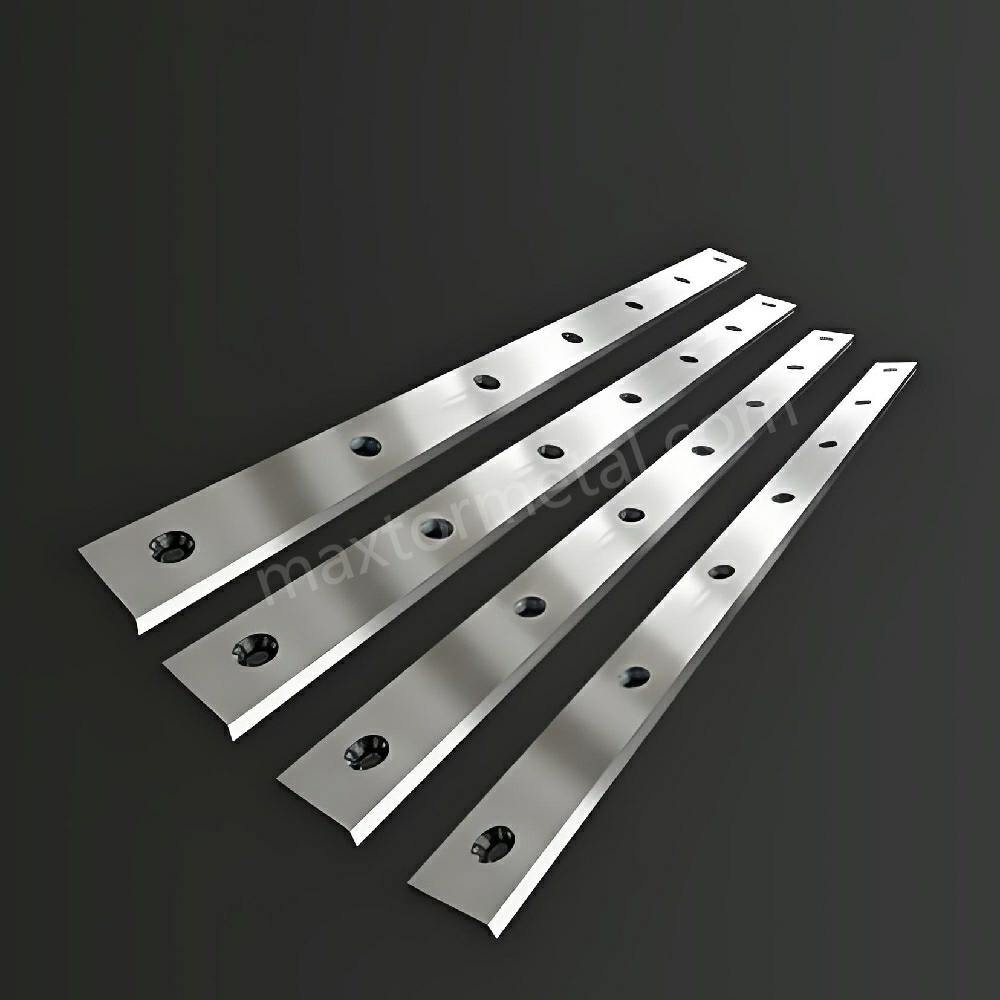
Comprar cuchillas para cizallas industriales es una decisión importante. Su elección puede cambiar la forma de trabajar de todo su equipo. Cada control de calidad de la guía de compra le ayuda a evitar problemas. Estas comprobaciones previenen fallos que ralentizan su trabajo. También ayudan a mantener seguro a su equipo. Si omite estos controles, podría sufrir más tiempos de inactividad. Podría gastar más dinero y enfrentarse a problemas de seguridad. Seleccionar las cuchillas con cuidado protege sus máquinas y a sus trabajadores. Además, ahorra dinero a su empresa.
Impacto en el rendimiento y la seguridad
Los controles de calidad ayudan a que sus cizallas funcionen al máximo. Las buenas cuchillas cortan mejor y duran más. También hacen que su lugar de trabajo sea más seguro. Las cuchillas adecuadas reducen la probabilidad de accidentes. Esto se traduce en menos lesiones. La siguiente tabla muestra cómo la calidad de las cuchillas beneficia a su trabajo:
| Área de impacto | Descripción |
|---|---|
| Rendimiento de corte | Las cuchillas de calidad mantienen un buen rendimiento de corte. Esto significa menos tiempos de inactividad y un mejor trabajo. |
| Frecuencia de reemplazo | Las cuchillas resistentes duran más. No necesitará reemplazarlas con tanta frecuencia. |
| Vida útil del equipo | Las cuchillas adecuadas ejercen menos esfuerzo sobre sus máquinas. Esto ayuda a que su equipo dure más y se mantenga seguro. |
| Precisión de corte | Las buenas cuchillas realizan cortes más limpios. Esto mejora el acabado de su trabajo. |
| Reducción del tiempo de inactividad | Las cuchillas de calidad se rompen menos. Esto significa que sus máquinas se detienen con menor frecuencia. |
| Minimización del riesgo de accidentes | Las mejores cuchillas se rompen menos y son más seguras de usar. |
| Mejora de la ergonomía | Las cuchillas adecuadas son más fáciles de usar. Esto ayuda a que los trabajadores se mantengan seguros y cómodos. |
Riesgos de costes y tiempos de inactividad
Si elige las cuchillas incorrectas, podría pagar más por las reparaciones. Las cuchillas de mala calidad se rompen y se desgastan rápidamente. Esto significa que sus máquinas se detendrán con más frecuencia. Perderá tiempo y dinero. Las cuchillas defectuosas también pueden dañar sus máquinas. Repararlas puede resultar muy costoso. Comprobar cada cuchilla antes de comprar ahorra dinero. También ayuda a que sus máquinas duren más tiempo.
Necesidades específicas de la aplicación
No todas las cuchillas sirven para todos los trabajos. Debe elegir la cuchilla adecuada para su labor. El uso de una cuchilla incorrecta puede causar problemas. Estos son algunos riesgos si no adapta las cuchillas al trabajo correspondiente:
- La cuchilla podría comportarse de forma anómala y lesionar a alguien.
- Las cuchillas que no están fabricadas para ciertos materiales pueden romperse, especialmente con metales duros.
- La cuchilla incorrecta puede producir cortes defectuosos y errores.
Compruebe siempre si su cuchilla se adapta a su trabajo. Este paso le ayuda a evitar problemas. Mantiene su trabajo seguro y fluido. Al seguir estos pasos, sus cuchillas funcionarán mejor. Su lugar de trabajo operará de manera eficiente y segura.
Material y metalurgia en las cuchillas para cizallas de metal
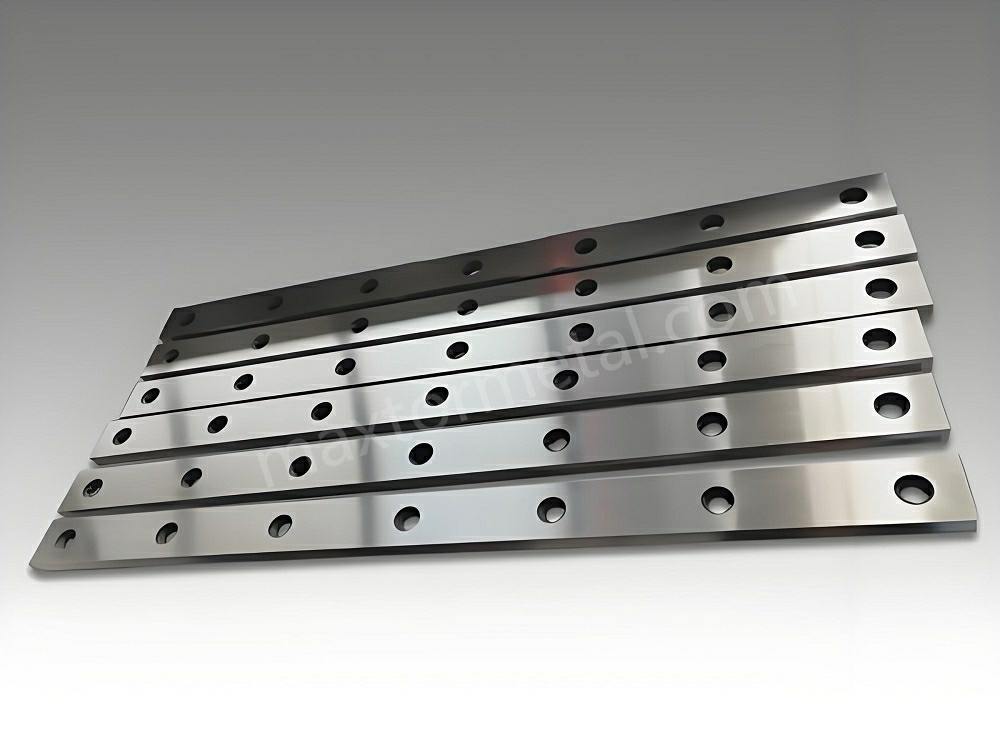
Elegir el material adecuado de la cuchilla es muy importante. El material y su proceso de fabricación influyen en la duración de las cuchillas. También afectan a la calidad del corte. Debe informarse sobre los diferentes materiales de las cuchillas. Cada uno funciona mejor para trabajos específicos.
Grados y pureza del acero para herramientas
Existen muchos grados de acero para herramientas para cuchillas para cizallas de metal. Cada grado tiene características especiales para diferentes trabajos. La siguiente tabla enumera los grados comunes y sus mejores aplicaciones:
| Grado de acero para herramientas | Características principales | Aplicaciones |
|---|---|---|
| Serie A (A2, A6) | Templado por enfriamiento al aire, buena resistencia al desgaste y tenacidad, alta estabilidad dimensional | Cuchillas para cizallas, matrices de moldeo, herramientas de conformado |
| Serie D (D2, D3) | Muy alta resistencia al desgaste, tenacidad moderada, conserva la dureza hasta 425°C | Punzones, cuchillas industriales, herramientas de extrusión en frío |
| M-Series (M2, M42) | Excellent cutting performance at high speeds, good red hardness | End mills, drill bits, gear cutters |
| H-Series (H11, H13, H21) | Good toughness and heat resistance, high thermal fatigue strength | Die casting dies, hot extrusion tools |
| O-Series (O1, O2) | Good wear resistance and toughness, easy to machine | Gears, punches, knives |
| S-Series (S1, S7) | Exceptional toughness and impact resistance | Impact tools, dies for drop forging |
| T-Series (T1, T15) | Outstanding red hardness, very high wear resistance | Heavy-duty cutting tools, industrial machining |
| W-Series (W1, W2) | High hardness and good wear resistance | Hand tools, woodworking tools |
If you want blades that last a long time, look for D2, H13, or powdered metal. These grades are good for cutting tough metals. They are also good for hard jobs. If you need a special blade, you can check out opciones de cuchillas personalizadas to fit your needs.
Heat Treatment and Hardness
Heat treatment makes blades strong and tough. When you pick blades, find out how the maker treats the steel. Nanjing Metal Industrial uses special forging and heat treatment. This helps blades stay sharp and last longer.
- Heat treatment methods like quenching and carburizing make steel harder.
- Harder blades last longer and need fewer replacements.
- Good hardness means less downtime and lower maintenance costs.
- Strong blades help your work run smoothly and safely.
Always check how the blade was treated before you buy. This helps you get the most out of your metal shear blades.
Material Certification and Verification
You want to know your blades meet industry standards. Good suppliers check every batch to make sure it is right. Here are some ways they do this:
- Hardness testing at different steps in production.
- ISO 9001 certification for regular quality checks.
- Traceability for each batch, so you know the hardness and source.
- Custom hardness checks if you have specific needs.
- Quality certificates that show the results of all tests.
When you buy from a trusted brand, you get blades that pass all the right tests.
Tip: Always ask for material certificates and test results before you buy. This helps you avoid problems and keeps your work safe.
Compatibilidad de aplicación: Guía de compra de cuchillas para cizallas industriales
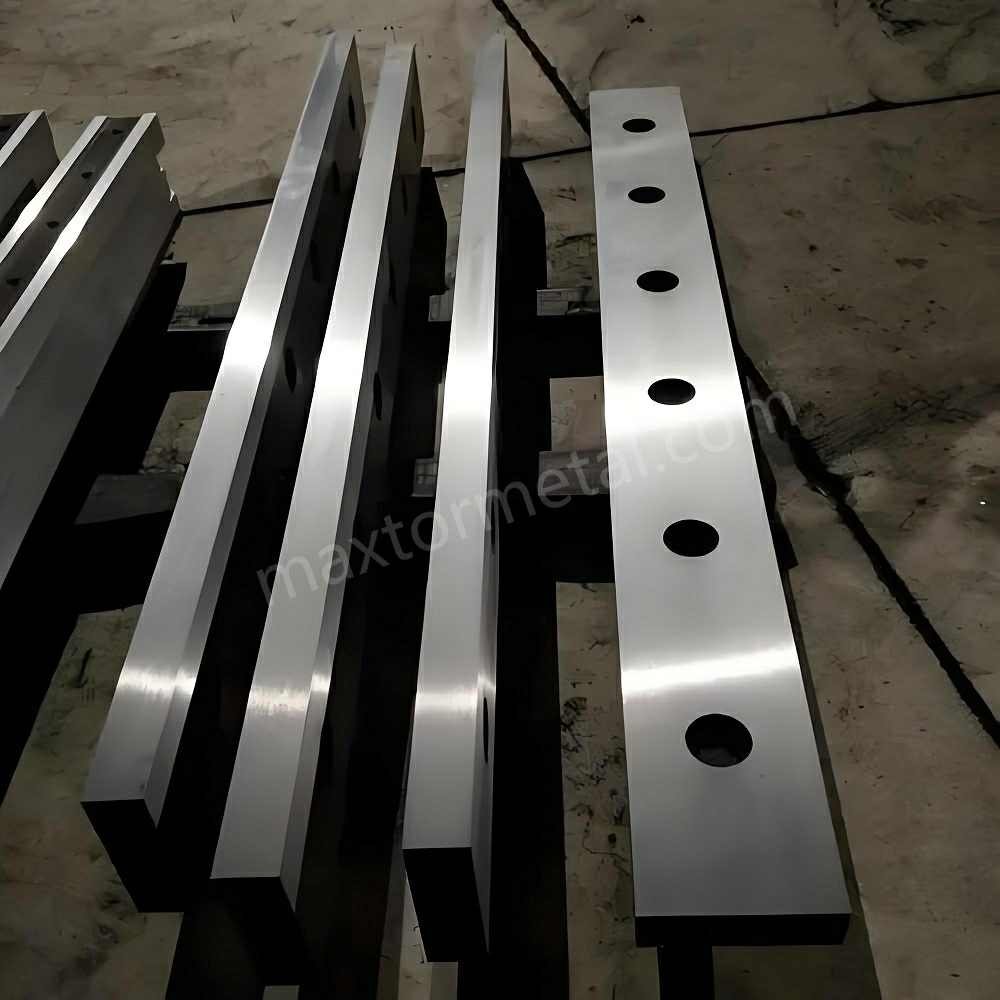
Identifying Your Cutting Material
You must know what you are cutting before picking blades. The kind of metal, its thickness, and your machine’s speed matter a lot. Think about how much you use your shears. Notice if you have problems like chipping or blades wearing out fast. Here are some questions to help you decide:
- What material do you need to cut?
- How thick is the metal?
- What speed does your machine cut at?
- Do you see chipping or fast blade wear?
- What kind of machine do you use?
- How many hours do you use your shears each day?
When you answer these, you can find the right blade for your job. Hardness, toughness, and heat treatment are important. These things help blades last longer and work better. D2 steel is good for wear resistance. H13 is better if you need more toughness. M2 is best for jobs needing very high wear resistance. If you want to save money, 42CrMo is a good choice.
Tip: Always pick a blade that matches your cutting material and job. This helps you avoid problems and keeps your work safe.
Decision Matrix for Blade Selection
A decision matrix can help you choose the best blade. This tool lets you compare different blades by what matters most, like cost or wear resistance. Here are some ways to do this:
| Método | Tipo | Descripción |
|---|---|---|
| COPRAS | Multi-attribute decision-making | Looks at many things to rank materials. |
| EVAMIX | Multi-attribute decision-making | Helps pick materials using different types of data. |
| TOPSIS | Multi-attribute decision-making | Ranks choices by how close they are to the best option. |
| AHP | Multi-attribute decision-making | Compares materials in pairs to see which is better. |
| VIKOR | Multi-criteria decision-making | Ranks and picks from choices that have different needs. |
These methods help you look at all your needs and pick the right blade. You can also ask suppliers for help if you need a cuchilla personalizada. Metal Industrial has many choices, so you can get blades that fit your needs.
Common Application Mistakes
People often make mistakes when picking blades for shears. Some use blades in high heat, which makes them wear out much faster. Others forget to clean their blades often. Cleaning blades every week helps them last longer. Picking the wrong blade for the job is another mistake. For very tough jobs, you might need a tungsten carbide blade.
| Mistake Type | Evidencia |
|---|---|
| High Temperature Usage | Using blades in high heat makes them wear out up to 50% faster. |
| Irregular Maintenance | Blades cleaned every week last 30% longer than those not cleaned often. |
| Selección de materiales | For tough jobs, picking a tungsten carbide blade is best. |
You can avoid these mistakes by following the buying guide for industrial shear blades. Always check your job, keep up with cleaning, and pick the right blade. Metal Industrial has both standard and custom blades, so you can find the best one for your work.
Tolerancias de fabricación en cuchillas para cizallas industriales
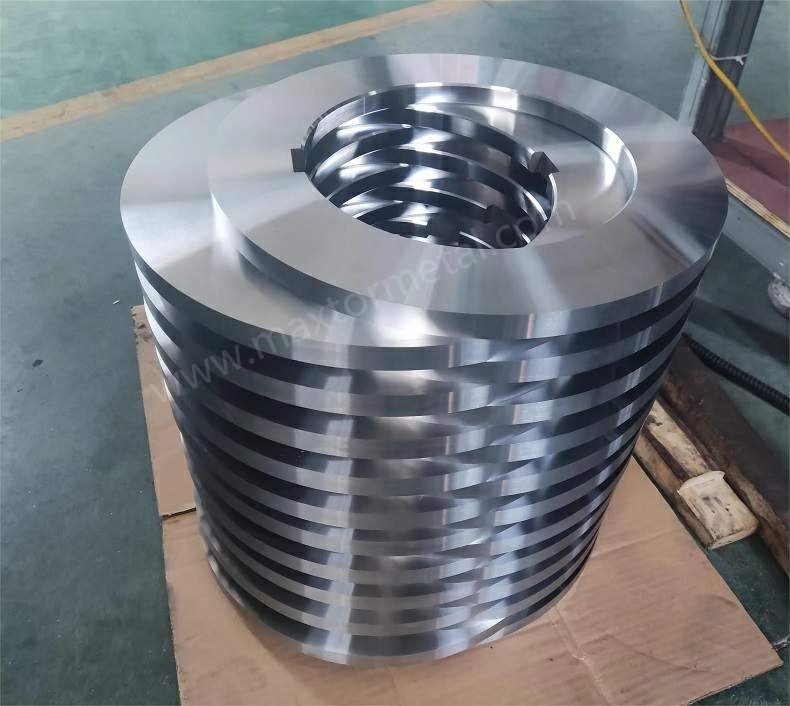
Manufacturing tolerances are very important for shear blades. Tight tolerances help blades cut better and last longer. If tolerances are not good, cuts can be uneven. Blades may wear out faster and stop working more often. You want your blades to work well and be safe every day.
Flatness and Parallelism
Flatness and parallelism are two things to check on blades. Flatness means the blade surface is even. Parallelism means both sides of the blade are straight and match. These checks help you get clean cuts every time. If a blade is not flat or parallel, it can wobble. This can hurt your machine or make bad cuts.
Here is a table that shows what these checks mean:
| Parámetro | What It Measures | Por qué es importante |
|---|---|---|
| Llanura | The difference from a perfect flat surface. | Stops wobbling and keeps contact even. |
| Paralelismo | How straight both sides of the blade are. | Keeps blade thickness and cut width the same. |
If flatness is poor, the cut width can change. Warped blades can move and cut in the wrong place. In busy factories, these problems make work harder and less exact.
Surface Finish Standards
Surface finish is also important for blade quality. A smooth blade slides through metal easily. It stops metal from sticking to the blade. This helps you get cleaner cuts and less extra work. A rough blade can drag, get hot, and wear out fast. Always look at the surface finish before buying blades.
Inspection and Quality Control
Good inspection and quality control keep blades working right. Makers use special tools to check every blade. They look at flatness, parallelism, and surface finish during and after making blades. Workers measure each blade to make sure it is correct. They set up machines with back gages and clamps to keep blades in place.
Quality teams check every blade before sending it out. They look for problems or mistakes. This helps you get blades that fit and last longer. Metal Industrial uses strong quality checks for every blade. When you buy from a good supplier, you can trust your blades and worry less.
Tip: Always ask how blades are checked before you buy. This helps you avoid mistakes and keeps your machines working well.
Diseño del filo y resistencia al desgaste: Consejos para comprar cizallas

Edge Profiles and Geometric Angles
The shape and angle of a blade edge affect how your shears work. You should choose the right edge profile for your job. Some blades have more teeth, which make smoother cuts. Blades with fewer teeth cut faster but are less exact. Thin blades are good for small, detailed cuts. Thick blades are better for heavy jobs. The blade’s design is important too. A smart design helps you cut safely and quickly.
| Característica | Impacto en la eficiencia y la seguridad |
|---|---|
| Configuración de los dientes | Fewer teeth cut faster but are less exact. More teeth make smoother cuts. |
| Thickness and Width | Thin blades are for detail work. Thick blades last longer for tough jobs. |
| Blade Geometry and Design | Knowing these types helps you pick the best blade. |
Metal Industrial uses special edge shapes and angles. These features help you get clean cuts fast and keep your work safe.
Recubrimientos y tratamientos de superficies
Coatings and treatments help blades last longer. They also help blades stay sharp and resist wear. Here are some coatings and treatments you might see:
- Titanium Nitride (TiN): Makes blades harder and lowers friction.
- Titanium Aluminum Nitride (TiAlN): Helps blades handle heat and last longer.
- Diamond-Like Carbon (DLC): Makes blades harder and lowers friction, good for soft metals.
- Nitriding: Adds nitrogen to the blade’s surface for better wear resistance.
- Boriding: Adds boron to help blades resist wear.
- PVD (Physical Vapor Deposition): Makes blades harder and protects against wear and rust.
- CVD (Chemical Vapor Deposition): Like PVD, helps blades last longer.
- Polished Surface Treatment: Lowers friction, stops sticking, and helps prevent rust.
These coatings can make blades last up to 50% longer in some jobs. If you pick blades with the right coating, you get better cuts and less downtime.
Assessing Wear Resistance
You need to know how well your blades can resist wear. Labs use tests to check this. Each test shows how blades handle different types of stress and abrasion.
| Método de prueba | Type of Abrasion | Stress Level |
|---|---|---|
| Dry-sand, rubber-wheel | Three-body abrasion | Low-stress |
| Pin-on-drum | Two-body abrasion | High-stress |
| Jaw crusher | Gouging-abrasion | High-stress |
| High-speed, impeller–tumbler | Impact-abrasion | High-stress |
You can ask your supplier about these tests. Good results mean your blades will last longer and work better.
Tip: Always check the edge design, coating, and wear resistance before you buy. This helps you get the best results and keeps your work safe.
Compatibilidad de equipos en cizallas industriales
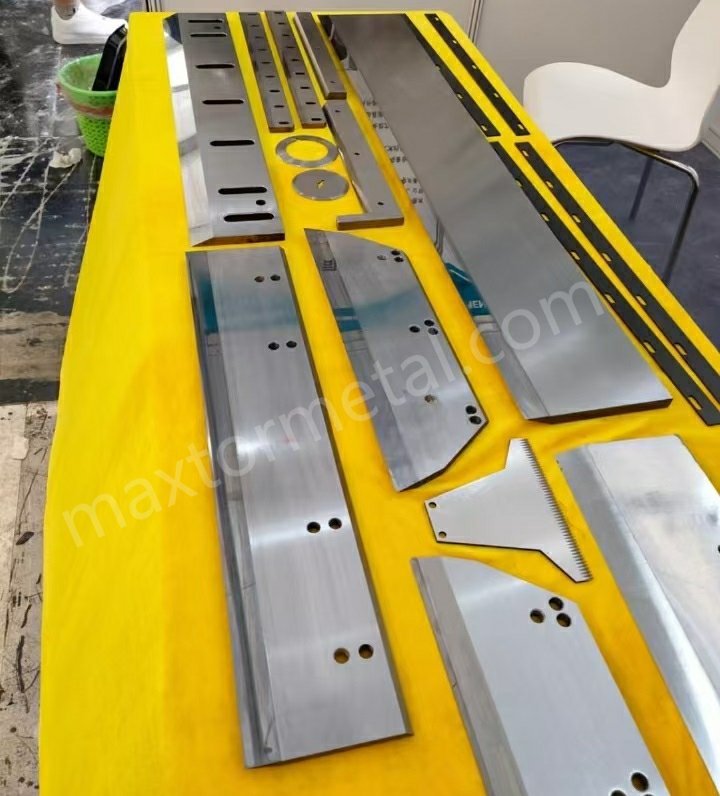
You need to make sure your blades fit your shears. If you do not check, you could have problems. Blades that do not fit can wear out fast or break your machine. The right blades help your machine work well and keep everyone safe.
OEM vs. Aftermarket Blades
You can choose OEM blades or aftermarket blades. OEM blades are made by the same company as your shears. These blades usually fit well and work like the old ones. Aftermarket blades are made by other companies. Some aftermarket blades are good and cost less. But you must check their size and shape. Not all aftermarket blades fit every machine. Always look at the size, thickness, and holes before you buy.
Note: Metal Industrial sells both regular and custom blades. You can get blades that fit your machine, no matter what kind you need.
Fit, Installation, and Maintenance
Blades must fit right for your shears to work well. If a blade is not the right size, it can cut wrong or break your machine. You should do these things:
- Check blades every day for sharpness and chips.
- Change or sharpen dull blades right away.
- Make sure blades are lined up and balanced.
- Use only parts the maker says are okay.
- Watch how well your shears cut and how long it takes.
- Keep a schedule to check and fix your shears.
Doing these checks helps you stop big problems. Using the right parts and fixing things on time makes your machine last longer.
Fixed vs. Replaceable Blades
Some shears have blades that stay in place. Others let you change just the cutting part. Fixed blades need to be replaced all at once when they wear out. Replaceable blades let you change only the edge. This saves time and money. You should know what kind your machine uses before you buy. Replaceable blades are easier to take care of and help you work faster. Fixed blades can be better for tough jobs.
Tip: Metal Industrial lets you order blades that fit your machine. You can get fixed or replaceable blades, whatever you need.
Checking if blades fit before you buy is smart. You get better cuts, safer work, and your machine lasts longer.
Reputación y soporte del proveedor de cuchillas para cizallas industriales
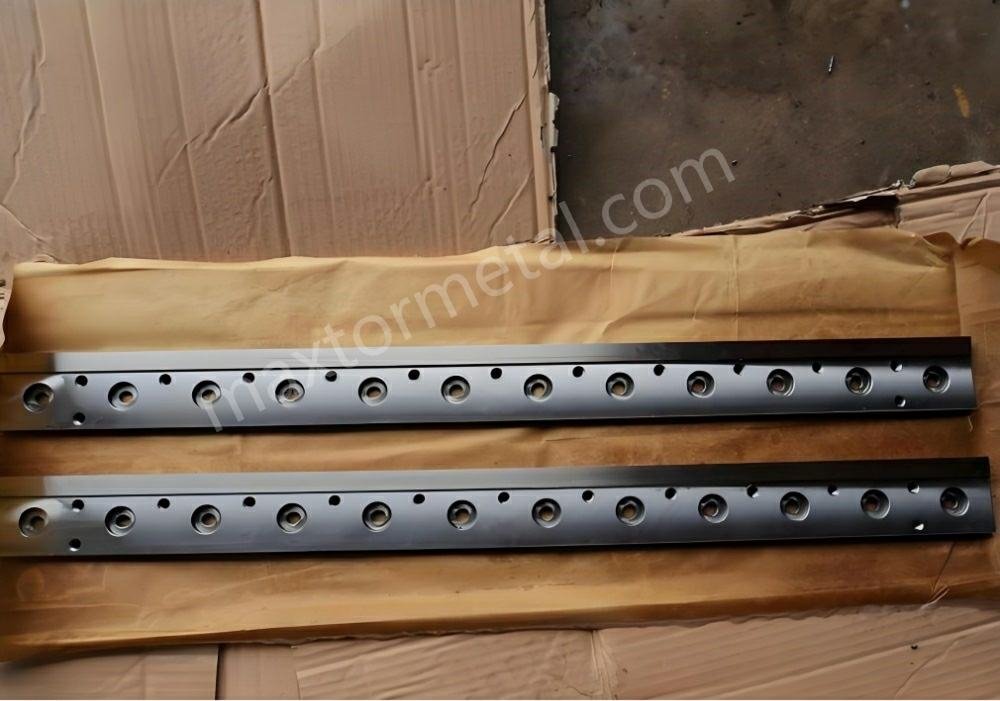
Picking the right supplier helps your work every day. A trusted company stops problems and keeps things running well. You want a supplier that stands by its products. They should help you when you need it. Brands like Nanjing Metal Industrial are known for good quality and care.
Evaluating Brand Reliability
There are many things to check when picking a brand. A good brand does more than sell strong blades. It brings new ideas and listens to what you need. It also delivers orders on time. The table below shows what to look for when you compare suppliers:
| Criterios | Descripción |
|---|---|
| Product Performance | Cutting precision, speed, and durability matter most. |
| Technology & Innovation | Look for new features like automation or smart controls. |
| Customization & Flexibility | The ability to make custom blades for your job is important. |
| Price & Cost-Effectiveness | Fair prices and long-term value help your business. |
| Customer Support & Service | Good support and fast answers make your work easier. |
| Reputation & Track Record | Brands with a history of happy customers are safer choices. |
| Compliance & Certifications | Meeting industry standards keeps your work safe. |
| Supply Chain & Delivery | Fast and steady delivery keeps your production on track. |
If you pick a supplier with these good points, you lower your risk. You get better results from your industrial shears.
Technical Support and Warranty
Good technical support and clear warranty rules protect your money. You want help if something breaks or goes wrong. Top suppliers offer different warranties and support. Here are some common choices:
- 5 Year Parts Warranty: Covers main parts like cylinders, motors, and structural items.
- 1 Year Warranty: Covers shear blades, dies, controls, and related accessories.
- Optional 7 Year Extended Warranty: Adds more years for parts, controls, and some labor.
- Lifetime Guarantee: Some brands offer lifetime coverage for defects in materials or workmanship.
- Six Month Warranty: Covers sharpeners or other small tools.
Always ask what the warranty covers before you buy. Good support helps you fix problems fast and keeps your shears working.
Regrinding and After-Sales Service
After-sales service like regrinding helps blades last longer. Professional sharpening costs more at first but saves money later. You use blades longer and buy fewer replacements. This lowers your total cost over time. A supplier with good after-sales help gives you spare parts, advice, and quick repairs.
When you pick a supplier with a good name and strong support, you protect your blades. You make sure your shears stay ready for every job.
Coste, valor y TCO en cuchillas para cizallas de metal

Price vs. Performance
You want to spend your money wisely when buying blades. Price and performance do not always match up. Sometimes, expensive blades have better technology and last longer. Other times, you pay more for things you do not need. The table below shows what changes price and performance:
| Factor | Descripción |
|---|---|
| Innovación tecnológica | New materials and machines help blades work better and last longer. |
| Regulatory Environment | Rules can make blades cost more but also improve quality. |
| Pricing and Cost Pressures | Problems with supplies can change prices and affect performance. |
| Enhanced Value Focus | Many buyers look at total cost, not just the first price. |
| Demand for Innovation | Safety and efficiency features are more important now. |
You should check what you pay and what you get. Look for blades that work well and keep you safe. Metal Industrial has blades with new features and fair prices.
Calculating Total Cost of Ownership
Total cost of ownership means you think about all costs, not just the first price. You need to add up everything you spend while using your blades. Here is what you should count:
- The first price you pay for blades.
- Money spent on fixing and sharpening blades.
- How often you need new blades.
- Time lost when dull blades slow down your work.
- Costs from injuries if blades do not work well.
- Insurance and money for accidents.
- Premium blades last much longer than cheap ones.
If you buy cheap blades, you may spend more on repairs and replacements. Dull blades can slow your work and lower your profits. Good blades help you cut more and keep your team safe.
Tip: Always add up all costs, not just the first price. This helps you see which blades give you the best value.
Negotiating Value-Added Services
You can save money by asking for extra help when you buy blades. Many suppliers offer help with installing, training, or fast delivery. Some give free sharpening or longer warranties. Metal Industrial offers flexible buying options and quick delivery. You can ask for custom blades for special jobs.
Here are ways to get more value:
- Ask for free or cheaper maintenance.
- Request training for your team on blade care.
- Look for suppliers who ship fast.
- See if you can get a longer warranty.
- Ask about custom blades for special jobs.
You get better results when suppliers help you after you buy. These services help your blades last longer and work better.
Note: Always check what services come with your purchase. This helps you get the most out of your investment.
Lista de verificación rápida: Consejos para comprar cizallas
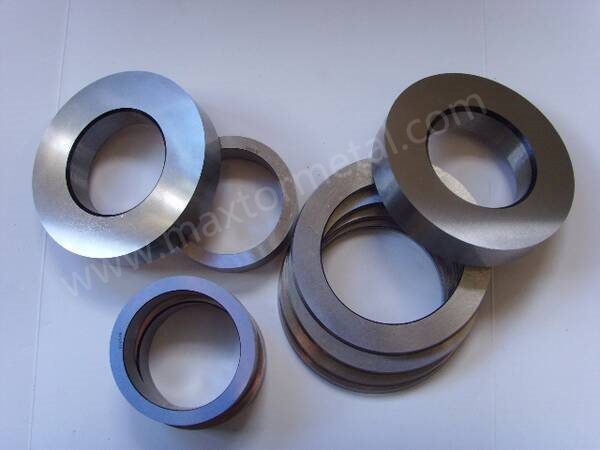
If you want to pick the best blades, you need a plan. This checklist helps you choose the right blades and avoid mistakes. The buying guide for industrial shear blades shows you what to do before you buy.
7-Step Pre-Purchase List
- Check Blade Material
Find out what the blades are made of. High-speed steel, alloy steel, and tungsten carbide are good for different jobs. - Match Blade to Application
Think about what you need to cut. Pick blades that work for your job and the material you use. - Inspect Manufacturing Tolerances
Look for blades with tight tolerances. This gives you better cuts and helps blades last longer. - Review Edge Design and Coating
Choose blades with the right edge shape and special coatings. These help you cut faster and keep blades sharp. - Confirm Equipment Compatibility
Make sure the blades fit your shears. Check the size, thickness, and holes. - Evaluate Supplier Reputation
Pick a supplier with a good history. Trusted companies give you better blades and support. - Calculate Total Cost
Look at the price, but also think about how long blades last and how much you spend on care.
Tip: Keep this checklist close. It helps you make smart choices and keeps your work running well.
Common Pitfalls to Avoid
Many people make the same mistakes when buying new blades. You can avoid these problems by following these tips for buying shears:
- Low-quality blades can hurt your work and damage your machines.
- If you ignore blade material, your blades may not work well. Always pick the right blade material for your job.
- If you skip checking the supplier’s reputation, you might get bad blades and poor help.
- If you forget to check if blades fit, you could have trouble installing them or working safely.
- If you do not look at edge design and coatings, blades may wear out fast and need more changes.
- If you only look at price, you might spend more later.
- If you do not ask for certificates or test results, you may get blades that do not meet standards.
Remember: Careful planning and checking details help you avoid these mistakes. Good choices keep your shears working well and your team safe.
If you follow all seven quality checks, you protect your money. These steps help you avoid big mistakes and make blades last longer. Good materials, the right blade shape, and a trusted supplier help your machines work better. This means less time fixing things and better products.
Buying good blades means fewer problems and less fixing. You save money over time and your machines work well.
Always use the checklist when you buy new blades. If you want tips to keep blades working longer or need special blades, talk to our sales engineers aquí.
Preguntas frecuentes
What materials work best for industrial shear blades?
Pick tool steels like D2, H13, or powdered metal. These materials make blades strong. They help blades last longer and cut better.
How often should you replace industrial shear blades?
Check your blades often. Replace them if you see chips or dull spots. Uneven cuts mean it is time for new blades. Regular checks stop machine damage.
Can you sharpen industrial shear blades yourself?
You can sharpen blades if you have the right tools. You also need training to do it safely. Many people send blades to experts for sharpening.
What is the difference between OEM and aftermarket blades?
OEM blades are made by your machine’s company. Aftermarket blades come from other companies. Always check size and fit before you buy aftermarket blades.
How do you know if a blade fits your machine?
Measure the blade’s length, thickness, and hole spots. Look in your machine’s manual for the right size. Check these things before you buy new blades.
Why do coatings matter on industrial shear blades?
Coatings like TiN or DLC help blades last longer. They keep blades sharp and lower friction. These coatings also help blades cut better.
What is the most important quality check before buying?
Make sure the blade matches your cutting job. This step helps you avoid problems. It keeps your work safe and running well.
Ver también
Logrando Cortes Sin Rebabas con Cuchillas de Cizalla de Guillotina de Precisión
Cuchillas de Cizalla D2: Por Qué el Acero D2 es el Rey para el Corte de Metales en Frío
Cómo Solucionar Problemas Comunes con las Cuchillas de Cizalla Hidráulica para Chatarra en 2025

 English
  Spanish
  Italian
  French
  Portuguese
  Russian
  German
  Arabic
  Hindi
Hindi  Vietnamese
  Indonesian
  Japanese
  Korean
Un comentario