

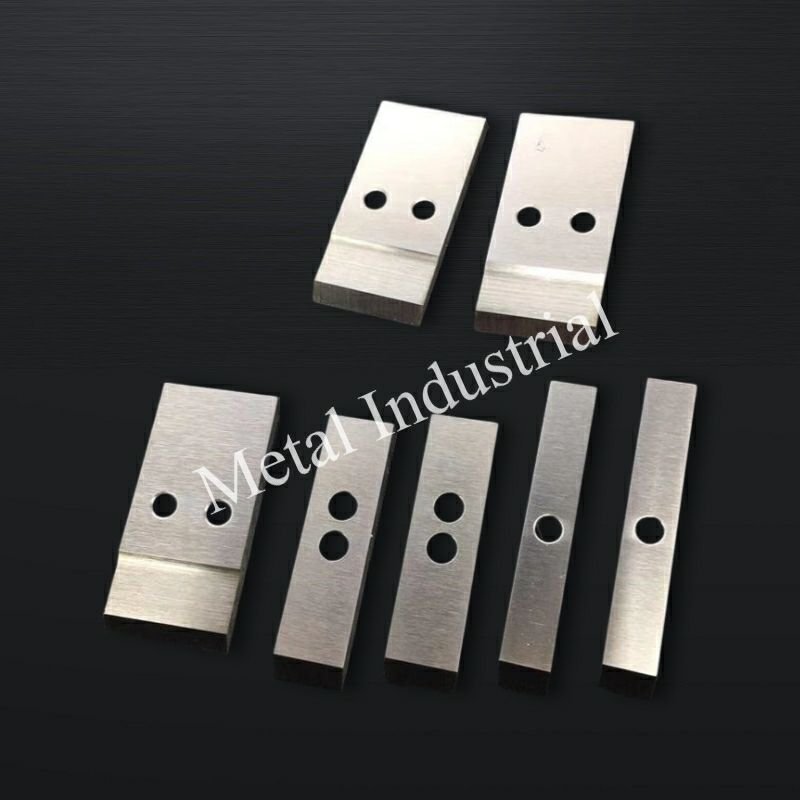
요약 답변: 수링 펠릿타이저(water-ring pelletizer) 나이프 블록은 다음 4가지를 검증하여 대규모 생산 적격 판정을 받습니다: 기능적 데이터에서의 런아웃/TIR(일반적으로 ≤0.03–0.04 mm), ISO 21940 기준 밸런스 등급(기본 G6.3, 고속 주행 시 G2.5로 상향 조정), ISO 20816 기준 진동 허용치(일반적으로 ≤2.8 mm/s RMS), 그리고 시리얼 번호와 연동된 EN 10204 3.1/3.2 인증서를 통한 완전한 재료 추적성.
대규모 폴리머 공장은 나이프 블록의 "마모" 자체보다는 그로 인해 발생하는 계획되지 않은 가동 중단(unplanned stop)으로 밤잠을 설칩니다: 진동 이상, 다이 페이스 손상, 펠릿 품질 저하, 그리고 감사(audit)를 통과하지 못하는 QA 기록이 바로 그 원인입니다.
나이프 블록의 엔지니어링 자격 평가가 단순한 문서 작업이 아니라 리스크 관리인 이유가 바로 여기에 있습니다. Maxtor Metal의 평가 접근 방식은 단순한 주장이 아닌 증거를 기반으로 합니다: 도면, 추적성, 검사 기록, 그리고 반복 가능한 인수 테스트가 그 핵심입니다. 실질적인 측면에서 나이프 블록 자격 평가란, 특정 나이프 블록이 전체 RPM 범위에서 펠릿 품질 저하 없이 안정적으로 작동함을 측정과 문서를 통해 증명하는 것을 의미합니다.
다이 페이스, 수중 및 워터링 나이프 용어(재질 등급, 베벨 형상 및 작동 RPM 범위 포함)에 대한 구체적인 참고 자료를 원하는 독자는 Maxtor Metal를 참조하십시오. 펠릿 제조기 칼날 제품 페이지.
- 대량 석유화학 생산 라인에서 나이프 블록 품질 관리가 중요한 이유는 무엇일까요?
- 적용 범위: BKG/Coperion 다이면 워터링 펠릿 성형기, 1000~4000 RPM, 무결점 공급
- 이 사양이 공장 품질 보증, 신뢰성 및 감사 기대치와 어떻게 부합하는지
나이프 블록은 회전하는 하드웨어, 열 구배, 냉각수 순환계의 교란, 다이 표면의 좁은 간극 등 고에너지 환경에 노출됩니다. 이러한 환경에서 "대충 비슷하게" 만들어진 부품의 비용은 부품 자체의 비용이 아니라, 2차 손상과 안정적인 펠릿 품질을 회복하는 데 걸리는 시간입니다.
검증 명세서는 품질 보증 및 신뢰성 부서에 공통된 언어를 제공합니다. 또한 구매 부서에 허용 오차, 인증서, 교정 관리 및 명확하게 정의된 출시 서류와 같은 측정 가능한 기준을 제공합니다.
속도 안정성 (1000–4000 RPM)
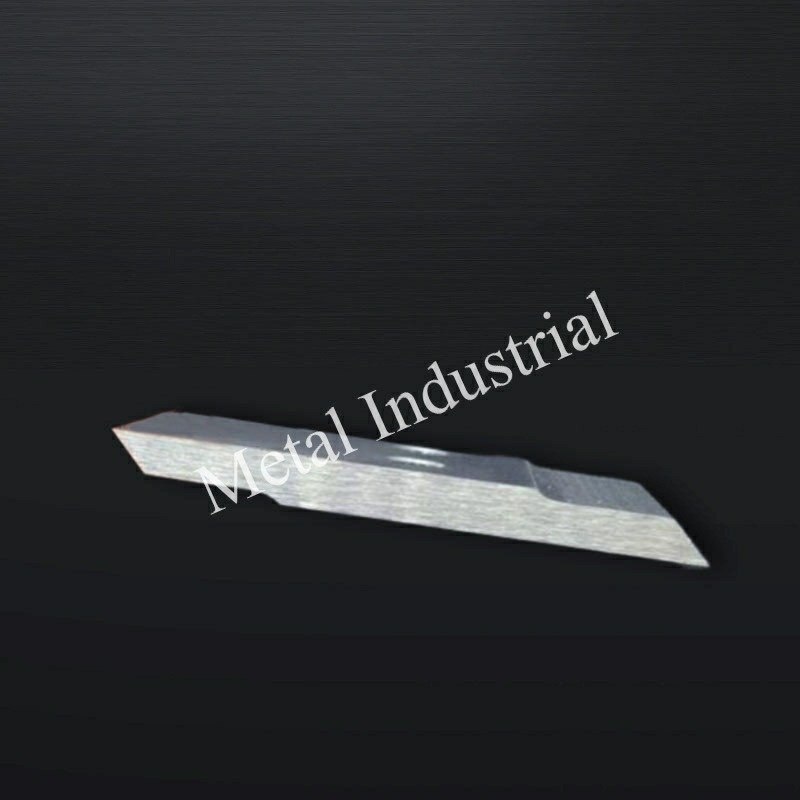
1,000~4,000RPM 회전 속도에서 작은 기하학적 오차는 불안정한 절삭, 미세 절삭 입자 발생, 베어링 부하 증가, 마모 가속화와 같은 심각한 공정 문제로 이어질 수 있습니다. 이 섹션의 목표는 모든 허용 오차를 나열하는 것이 아니라 안정적인 작동과 밀접한 관련이 있는 몇 가지 허용 오차를 간략하게 정리하는 것입니다.
런아웃, 평행도 및 클리어런스
당신이 막으려는 것: 다이 표면에서의 간헐적인 접촉, 불균일한 칼날 적재, 그리고 국부적인 열 발생으로 인해 펠릿이 뭉치거나 번지거나 덩어리지는 현상이 나타납니다.
실질적인 수용 접근법은 다음과 같이 정의하는 것입니다.
- 기능적 기준점에서의 런아웃(TIR) (예: 보어, 장착면, 조립된 나이프 트랙)
- 병행 클램프 하중 분포를 제어하는 중요한 면 사이
- 클리어런스 윈도우 열팽창 및 조립 적층을 고려한 내용입니다.
실제로 사용되는 일반적인 합격 기준 (식물 도면 및 측정 방법과 연관되어야 함):
- 해당 기준점에서의 총 지시계 런아웃(TIR): ≤ 0.03–0.04 mm
- 고정면과 기준면의 평탄도/평행도: 하중을 받을 때 칼날이 흔들리는 것을 방지하기 위해 정밀하게 제어합니다.
- 기록된 값을 포함하는 문서화된 간극 설정 방법(필러 게이지/심/보정된 스페이서)
측정 설정 시 유의사항 (수치 관련 논쟁 방지):
- 정의하다 데이터(들) TIR(보어 대 장착면 대 조립된 나이프 트랙)에 사용되며 냉간 재검사와 열간 재검사 시 동일한 설정을 유지합니다.
- 주다 지표 해상도 그리고 부품이 어떻게 지지되는지 (센터 사이 / V-블록 위 / 기계 내부).
- 기록하세요 조립 조건 (칼꽂이만 있는 경우와 칼 및 고정 장치가 모두 조립된 경우의 차이)와 조임 순서/토크.
- 승인을 위해서는 간략한 "“설정 사진 또는 스케치”"검사 기록에 포함시켜 향후 반복 검사와 비교할 수 있도록 합니다.".
핵심 요점수냉식 펠릿 성형에서 신뢰성 문제는 "부품이 허용 오차 범위 내에 있는가?"가 아니라 "열, 클램프 하중 및 회전 속도에 노출되었을 때에도 허용 오차 범위 내에 유지될 것인가?"입니다.“
TPU 및 EVA와 같이 접착력이 강한 폴리머의 경우, 절단면의 불안정성이 칼날 접착 및 점착 축적의 주요 원인이며, DLC와 PTFE 코팅 중 어떤 것을 선택할지는 정렬 및 접촉이 제어된 후에만 효과가 있습니다. 이 경우, 관련 가이드를 참조하십시오. TPU 수중 펠릿화 공정에서 칼날 점착 현상 진단 및 방지.
등급 및 방법의 균형 조정(ISO 21940)
칼날 블록은 회전하는 조립체에 위치하며, 균형 품질은 진동, 베어링 수명 및 절삭 안정성에 직접적인 영향을 미칩니다.
균형 요건은 다음 두 가지 방식으로 표현되어야 합니다.
- 균형 품질 등급 (목표 허용 오차)
- 방법 및 구성 (실제로 균형이 잡힌 것은 무엇이었을까요? - 구성 요소 vs. 조립된 스택)
자격 요건을 평가할 때 흔히 사용하는 방식은 기본 요건(예:, G6.3) 그리고 조여서 G2.5 용도와 속도가 요구하는 경우에 한합니다.
- ISO 21940-11:2016 이 문서는 강성 회전자의 균형을 맞추기 위한 절차와 허용 오차를 정의하며, 일반적으로 균형 등급 용어 및 검증 기대치에 대한 참조 자료로 사용됩니다. ISO 21940-11:2016.
- 많은 팀에게 있어 "현실적인" 기대는 최종 재무제표가 다음과 같은 내용을 나타내는 것입니다.
- 균형 조정기 유형 및 교정 상태
- 수정 평면(들)
- 잔여 불균형 달성됨
- 구성 (칼꽂이만 vs 칼꽂이 + 고정 장치 + 칼 세트)
완료 시점: 귀하의 서류에는 재무제표 조정 보고서와 해당 조정에 사용된 도면 수정 내역이 포함되어 있습니다.
균형 잡힌 나이프 블록이 실제로 어떤 재료로 절삭하는지를 결정하는 인서트 수준의 결정 사항, 즉 HRA 88~92 범위 내의 초경합금 등급 선택, 모서리 반경 제어 및 브레이징 접합부의 견고성에 대한 자세한 내용은 당사의 가이드를 참조하십시오. 수중 펠릿 제조기용 텅스텐 카바이드 인서트 등급 선정 및 접촉 제어.
예시 문제: ISO 21940 균형 등급(G)을 허용 가능한 잔류 불균형으로 변환하기
균형 요구 사항을 실행 가능하게 유지하기 위해 많은 팀에서 선택한 변환 과정을 보여주는 예시를 추가합니다. 균형 품질 등급(G) 허용 가능한 것으로 잔여 불균형 주어진 로터에 대해.
일반적으로 사용되는 관계는 다음과 같습니다.
- 허용 가능한 특정 불균형: e_per = G / ω
- 각속도: ω = 2π × n / 60 (라디안/초), 여기서 n은 RPM입니다.
- 허용 가능한 잔류 불균형(보정 평면당): U_per = e_per × m, 여기서 m은 로터 질량(kg)입니다.
예시 (설명용이며, 실제 질량과 속도를 사용하십시오):
- 목표 등급: G2.5
- 작동 속도: 3,000 rpm → ω ≈ 314 라디안/초
- 로터 질량(나이프 블록 + 고정 장치 + 균형이 잡힌 나이프 포함): 12kg
그 다음에:
- e_per = 2.5 / 314 ≒ 0.00796mm
- U_per = 0.00796 mm × 12 kg ≈ 0.0955 kg·mm (≈ 95.5 g·mm)
완료 시점: 균형 보고서에는 등급, 작동 속도 기준, 로터 질량 기준, 보정 평면 및 허용 값 대비 달성된 잔류 불균형이 명시되어 있습니다.
진동 허용 기준(ISO 10816/20816)
진동 허용치는 다음과 같이 정의되어야 합니다. 측정된 조건, 막연한 "순조롭게 작동한다"가 아닙니다. 즉, 다음과 같은 의미입니다.
- 측정 위치(베어링 하우징/기계 케이스)
- 센서 유형 및 장착 방식
- 작동 속도/부하 조건
- 승인 임계값 및 에스컬레이션 규칙
ISO 지침은 일반적으로 회전하지 않는 부품에서 측정된 전체 속도 RMS에 대해 영역 개념(A~D)으로 적용됩니다. 현재 많은 산업 기계에 사용되는 시리즈는 다음과 같습니다. ISO 20816; 예를 들어: ISO 20816-3:2022.
식물 사양서에서는 흔히 다음과 같은 보수적인 "녹색대" 제한값을 볼 수 있습니다. ≤ 2.8 mm/s RMS 안정적인 장기 운영을 위한 수용 목표로 사용됨—하지만 이는 해당 기계 그룹 및 측정 설정에 맞춰 조정되어야 합니다..
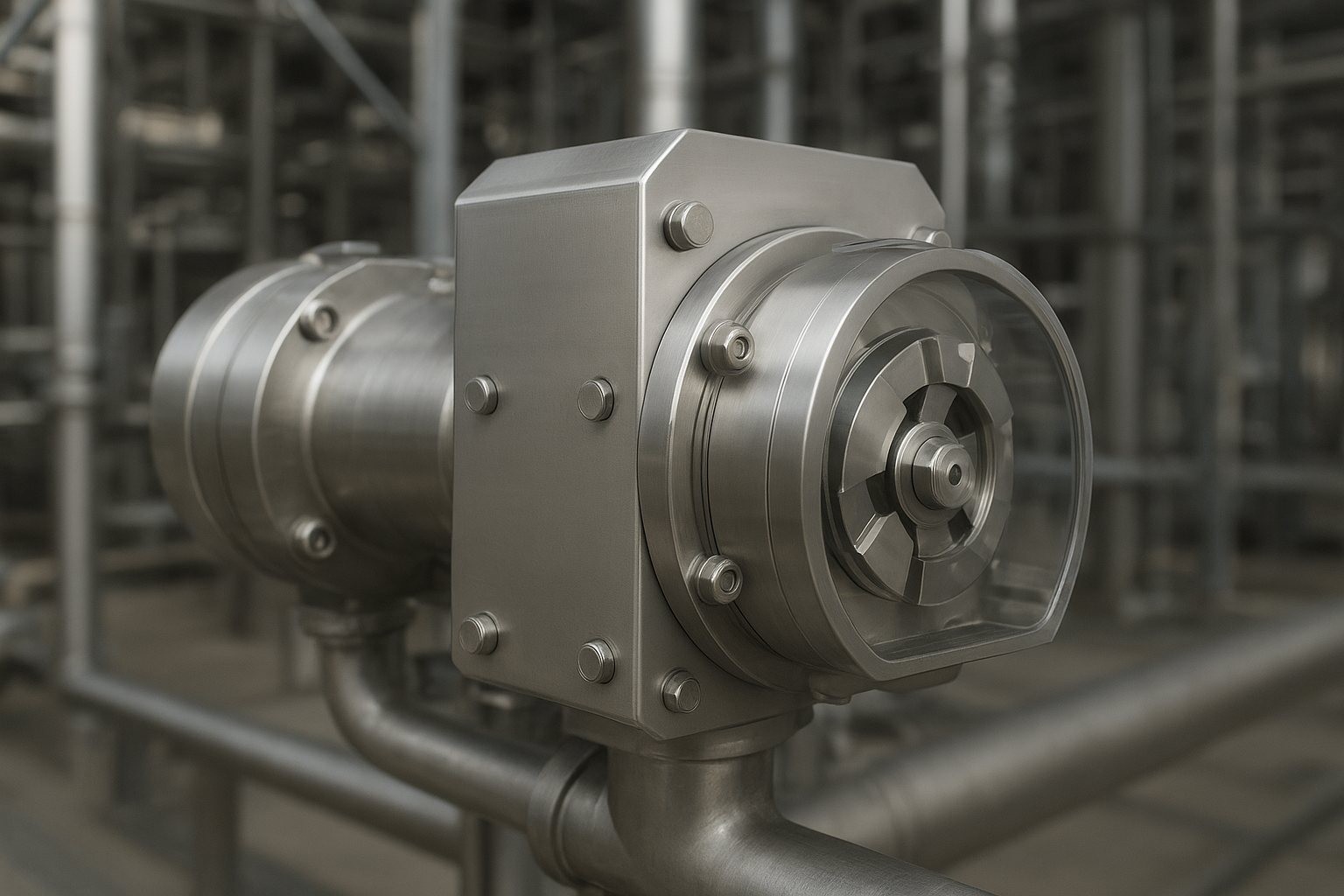
측정 설정 참고 사항 (한계값을 의미 있게 설정하세요):
- 측정 위치: 정확한 위치(예: 구동/비구동단의 반경 방향 베어링 하우징)를 지정하고 기준선과 승인선 모두에서 일관성을 유지해야 합니다.
- 센서 및 장착: 가속도계와 속도 프로브, 스터드와 자석 베이스, 케이블 배선, 장착 토크에 따라 측정값이 달라질 수 있습니다.
- 주파수 대역: 사용한 밴드를 기록하세요 (예:, 10~1000Hz (일반적인 전체 밴드로 사용) 다른 밴드를 사용하는 경우 명시하십시오.
- 기계 그룹화: 해당 제한에 맞춰 조정합니다. ISO 20816 기계 그룹/지원 조건 그리고 그 근거를 문서화하십시오.
안전/YMYL 참고 사항: 진동 한계치는 "일률적인 합격/불합격" 기준치가 아닙니다. 합격 기준치는 특정 기계 종류, 센서 위치 및 작동 조건에 따라 담당 회전 장비 엔지니어의 검토 및 승인을 받아야 합니다.
완료 시점: 1,000~4,000 RPM에서의 진동 측정값은 문서화되어 있으며, 반복 가능하고, 교정된 계측기를 기준으로 소급 추적 가능합니다.
요약하자면, 런아웃, 평행도, 밸런스 등급은 칼날 블록이 1,000~4,000RPM 범위에서 안정적으로 작동하는지 여부를 판단하는 세 가지 핵심 요소입니다.
재료 및 추적성
칼꽂이를 중요 소모품으로 취급할 때, 추적성은 신뢰성의 핵심 요소가 됩니다. 핵심은 인증서를 수집하는 것이 아니라, 몇 달 후에도 정확하게 답변할 수 있도록 하는 것입니다. 어떤 재료가 어떤 시리얼 번호에 들어갔나요?, 그리고 어떤 검증이 수행되었습니까?.
EN 10204 MTC 및 열/로트 연계
금속 제품에 대한 기본적인 요구 사항은 제품당 검사 증명서입니다. EN 10204.
- 유형 3.1: 구체적인 검사 결과가 포함된 제조업체 검사 증명서.
- 유형 3.2: 동일하지만 구매자/제3자의 독립적인 확인/서명이 추가됩니다.
표준 카탈로그 참조용: BSI — BS EN 10204:2004, 금속 제품 — 검사 문서의 종류.
완료 시점: MTC는 칼꽂이 일련번호, 제조 로트 번호 및 구매 주문 품목과 연결되어 있습니다.
경도 및 코팅(ASTM E18/B487/B499/B571)
경도 및 코팅 관리는 시험 방법이 명시된 경우에만 유효합니다.
- 경도(로크웰): ASTM E18 (금속 재료의 로크웰 경도)
- 코팅 두께 검증 방법(코팅/기판 종류 및 파괴 시험 허용 여부에 따라 선택):
완료 시점: 경도/코팅 결과는 부품 일련 번호와 함께 기록되며, 측정 장비는 교정된 상태입니다.
For the upstream material selection logic that determines which PM stainless grade — M390 or CPM S90V — arrives at this inspection step, and why the cryogenic treatment protocol affects the HRC target, see our guide on M390 vs CPM S90V pelletizer blade grade selection under glass-fiber wear.
표시/일련번호 부여 및 포장 관리
추적성은 제품 인수인계 지점에서 가장 자주 실패합니다. 예를 들어, 로트가 혼합되었거나, 재식별이 이루어지지 않은 재작업 부품, 포장 손상 또는 부품과 분리된 서류 등이 있습니다.
최소한의 통제 조치에는 일반적으로 다음이 포함됩니다.
- 영구적인 시리얼/열 마크 기능을 손상시키지 않는 특정 위치에
- 반복되는 포장 라벨 항목: 구매 주문 번호, 도면 개정 번호, 일련 번호, 열처리/로트 번호, 수량
- 불량품 또는 재작업품에 대한 분리 규정
요약하자면, 추적성은 인증서를 수집하는 것이 아니라, 제품 배송 후 몇 달이 지나도 칼꽂이의 재질, 경도, 코팅 데이터를 특정 일련번호와 연결할 수 있는 능력을 의미합니다.
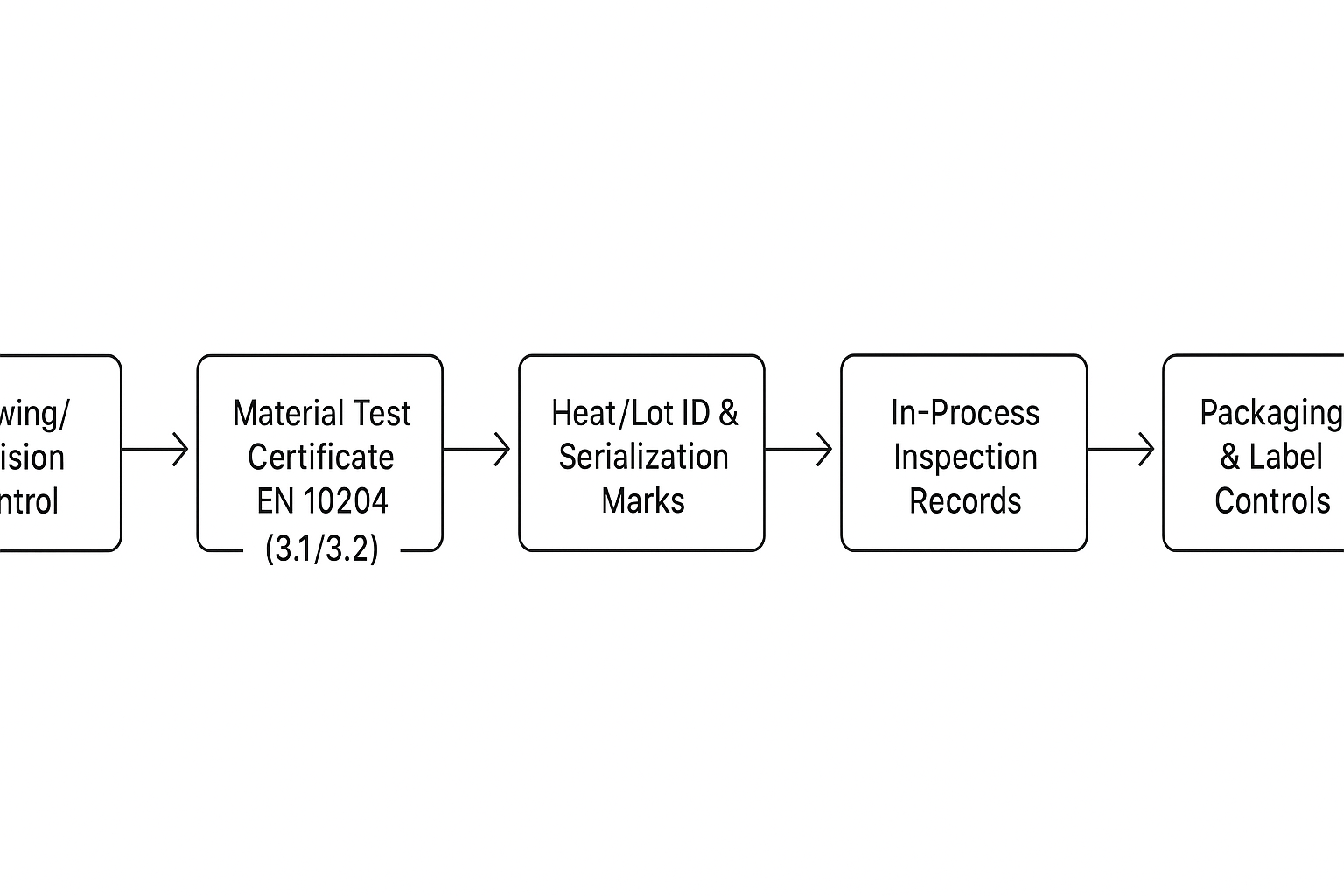
자격 평가 워크플로우
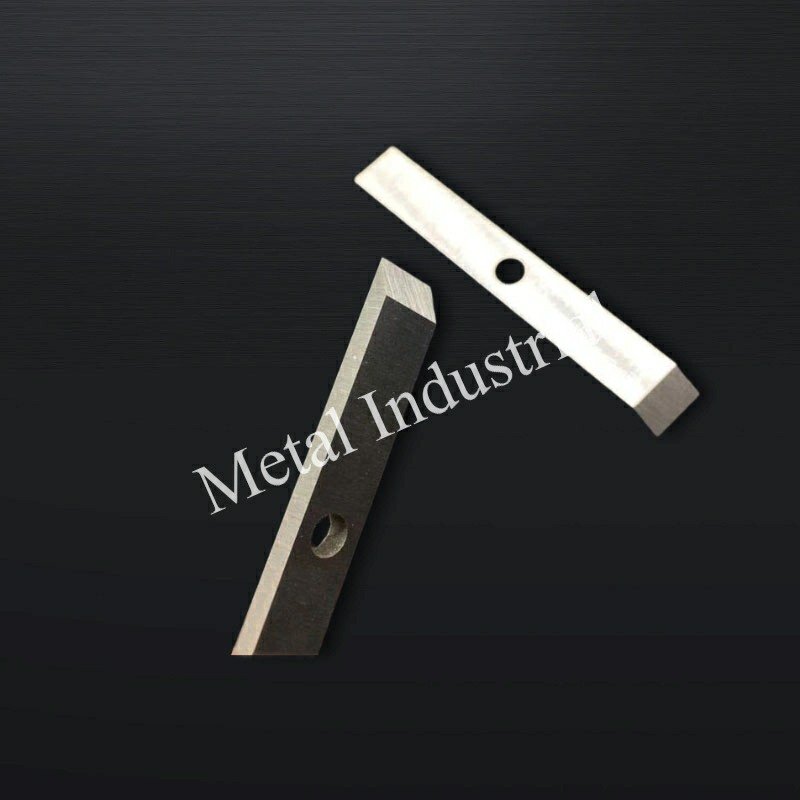
검증을 명확한 검사 지점을 갖춘 반복 가능한 워크플로로 취급하십시오. 목표는 "처음에는 통과하고 나중에 실패하는" 상황을 피하고, 최종 조립에서 무효화되는 밸런싱 문제를 방지하는 것입니다.
콜드 체크 및 사전 균형 조정
입력: 도면 + 수정본, 검사 계획서, 교정된 계측기.
행위:
- 기능적 기준점(보어, 면, 나이프 트랙)에서의 치수 검사
- 정해진 설정(고정 장치 및 지시계 위치)을 사용한 런아웃 검증
- 적용 가능한 경우 사전 잔액을 구성 요소로 포함(및 기록 구성)
산출: 냉간 검사 보고서 + 예비 잔액 기록.
완료 시점: 편차는 통제된 재작업을 통해 수정되거나 공식적으로 처리됩니다.
열처리 후 재검사
열팽창과 응력 해소는 실험대 위에서 "완벽해" 보였던 것도 변형시킬 수 있습니다.
입력: 저온 검증 부품 + 열처리 프로토콜.
행위:
- 대표적인 온도에서 유지 (시간 및 설정값은 플랜트에서 정의)
- 동일하게 정의된 기준점에서 런아웃/평행성을 다시 확인하십시오.
- 클리어런스 설정 방법이 의도한 윈도우를 여전히 유지하는지 확인하십시오.
산출: 고온 점검 추가 보고서 (시공 전후 측정값 포함).
완료 시점: 고온 값은 조립 조정을 필요로 하지 않고 허용 오차 범위 내에 유지됩니다.
생산 시험과 펠릿 품질 보증 간의 상관관계
생산 시험은 기계적 수용도와 공장이 실제로 중요하게 생각하는 지표를 연관시켜야 합니다.
입력: 검증된 조립품 + 시험 계획 (수지, 처리량, RPM 범위, 수냉 루프 조건).
행위:
- 작동 대역 내에서 저속/중속/고속으로 실행
- 진동 및 공정상의 교란(수온/유량 불안정, 금형 압력 변화)을 기록합니다.
- 나이프 블록 상태와 펠릿 품질 관리(QA) 간의 상관관계: 펠릿 길이 분포, 미세 입자/엔젤 헤어 경향, 다이 페이스 축적 관찰 결과
산출: 기계적 상태 측정 결과와 펠릿 성능을 연관시킨 임상 시험 보고서.
완료 시점: 펠릿 품질 관리는 비정상적인 진동이나 마모 가속 없이 작동 범위 전체에서 안정적으로 유지됩니다.
문서화 실무: 감사 및 공급업체 자격 검토 과정에서 팀은 공급업체가 이러한 검사 항목들을 일관성 있는 문서로 정리할 수 있는지 확인합니다. Maxtor Metal의 나이프 블록 부품 출시 프로세스는 이러한 구조, 즉 재료 인증서, 잔량 기록, 각 일련 번호와 연결된 검사 추적성을 기반으로 구축되었으며, 이는 실제 감사 준비가 완료된 문서의 모습입니다.
익명 처리된 식물 사례: TIR과 진동이 펠릿 품질 보증 안정성과 어떻게 연관되는지
다음은 익명 처리된 예시로, 보안을 강화하는 방법을 보여줍니다. 나이프 블록 페이스 TIR 조립 방식을 표준화하면 대량 생산 HDPE 라인에서 진동과 펠릿 품질 모두를 개선할 수 있습니다.
프로세스 컨텍스트(검증 중 일정하게 유지됨):
- 펠릿화 장치 유형: 대용량 수환식 시스템(Gala/Maag/Automatik과 유사한 등급)
- 중합체: HDPE, MFI ~ 0.3~0.8g/10분
- 처리량: 14~18톤/시간
- 칼 막기 속도: 2,900~3,300 rpm
- 물 자르기: 80~90°C, 폐쇄 루프
이전 vs 이후 (90일 관찰; 6개 배치/약 310톤 vs 18개 배치/약 970톤):
- 칼꽂이 면 TIR: 0.072mm → 0.018mm (다이얼 게이지, 설치 후, 360° 회전 가능)
- 로터 어셈블리 TIR(냉간): ~0.060 mm → ~0.015mm
- 베어링 하우징 전체 진동(10–1000Hz): ~4.5mm/s RMS → ~1.7 mm/s RMS
- 최대 가속도: 10–13 m/s² → 3–5 m/s²
- 벌금: ~0.8 wt% → ~0.28 wt% (온라인 체질)
- 스트링거: ~톤당 4~6회 발생 현장 점검 → 대부분 제거됨 (분리된 샘플만 해당)
- 펠릿 길이 CV:~±8% →~ ±3% (이미지 분석, 1000개 이상의 펠릿)
- 크기가 큰 펠릿(>표적 길이의 1.5배): ~1.6% → ~0.3% (시력 검사)
- 계획되지 않은 정지: 약 18일마다 → 수개월 추적 기간 동안 관찰된 정지 없음
- 칼날 교체 주기: 약 12일 → 약 28일 (동일한 품질 요구사항)
관찰된 실패 모드(첫 번째 시도가 완전히 작동하지 않음):
첫 번째 수정 작업은 칼꽂이 장착면을 다시 연마하는 것뿐이었습니다.
- 얼굴 TIR이 ~로 개선되었습니다.0.048mm
- 진동은 단지 c 수준으로만 개선되었습니다.3.6 mm/s RMS
- 벌금은 유지됩니다.0.65 wt%
분해 과정에서 발견된 근본 원인: 위치 결정면의 경미한 마모와 볼트 조임 순서의 불일치로 인한 약간의 마모 장전 클램프업 중에.
엔지니어링 팀에서 사용하는 측정 순서:
- 스핀들 테이퍼와 장착 플랜지 런아웃을 측정하십시오.
- 칼꽂이(칼 제외)를 설치하고 얼굴 TIR을 기록합니다.
- 칼날을 설치하고 규정된 토크로 조인 후 TIR을 다시 측정합니다.
- 저속 주행(약 300rpm) 점검.
- 생산 속도(약 3,000rpm)까지 회전수를 높이고 진동 RMS 값을 기록합니다.
- 미세 입자 및 길이 분포 추세를 파악하기 위해 2시간 동안 펠릿을 수집합니다(30분 간격으로 샘플링).
- 3개월 생산 기간 동안의 트랙 안정성.
조립 과정에서 반복성을 향상시키는 방법:
- 별 모양 패턴의 토크 시퀀스를 사용하십시오: 30% → 60% → 100%
- 최종 토크 후, 면 TIR을 다시 측정합니다. 목표는 반복 가능합니다. ≤ 0.02 mm
메모: 이 예시는 TIR 및 진동 개선이 펠릿 품질 보증 결과와 어떻게 연관되는지 보여주기 위해 일반적인 현장 패턴을 기반으로 구성되었으며, 특정 고객의 실제 검사 기록을 보여주는 것이 아닙니다. 절대적인 임계값은 장비 설계, 측정 설정 및 공장 품질 보증 승인 계획에 따라 설정해야 합니다.
요약하자면, 칼날 블록은 냉간 검사를 통과하고, 열처리 후에도 허용 오차를 유지하며, 생산 시험에서 안정적인 펠릿 품질 보증이 입증될 때까지는 인증되지 않습니다. 이 중 어느 한 단계라도 건너뛰면 실험실 측정 결과와 실제 생산 현장의 성능 사이에 차이가 발생합니다.
QA 문서 및 제로 결함 납품
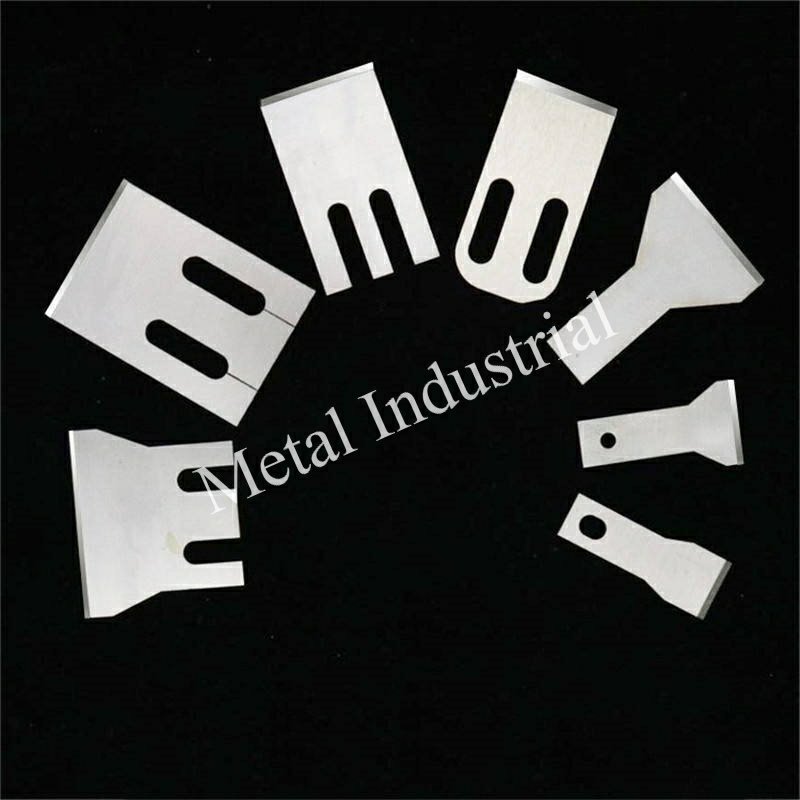
"무결점"이라는 기대치는 출고 서류를 통해 강제되며, 이는 수입 검사를 신속하게 처리하고 부적합 보고서(NCR) 처리를 간소화합니다.
FAI 및 PPAP와 유사한 제출 패키지
공식적인 자동차 PPAP를 운영하지 않더라도, 구조화된 초도품 패키지라는 개념은 다른 분야에도 적용할 수 있습니다.
실질적인 제출 패키지에는 다음이 포함됩니다.
실용적인 템플릿 (감사 준비를 위해 서류에 포함해야 할 내용)
공급업체 자격 검증을 반복 가능하게 하려면 다음을 정의하십시오. 전지 각 기록에서 기대하는 내용입니다. 다운로드 가능한 템플릿을 게시하지 않더라도 이 체크리스트는 불필요한 수정 작업을 줄여줍니다.
- FAI/치수 보고서
- 풍선식 도면 수정, 사용된 기준점, 게이지 ID 및 교정 날짜
- 런아웃/평탄도/평행도 결과 (설정 스케치/사진 참조)
- 승인/처리 서명
- 균형 기록
- 등급(예: G6.3/G2.5), 속도 기준, 로터 질량 기준, 보정면
- 달성된 잔류 불균형, 장비 ID 및 교정 상태
- 구성 균형 (구성 요소 vs. 조립된 스택)
- 열처리 후 재검사/고온 재검사 추가 사항
- 침지 온도/시간, 고정 방법
- 동일 기준점에서의 이전/이후 값
- 승인 설정 방법 및 최종 기간 확인
- 생산 시험 보고서
- 수지 종류, 처리량, RPM, 수냉 루프 조건
- 진동 측정값(위치 + 밴드), 관찰된 교란
- 펠릿 품질 관리 지표(미분, 스트링거, 길이 분포) + 샘플링 계획
- NCR/CAPA 팩
- 증상, 억제, 근본 원인, 시정 조치, 검증 계획
- 재가공 부품에 대한 재식별/분리 기록
완료 시점: 수입 검사관은 몇 분 안에 제품의 신원과 수용 여부를 확인할 수 있으며, 감사관은 모든 중요 결과를 교정된 측정 시스템을 통해 추적할 수 있습니다.
- 도면 및 수정 내역
- 치수 검사 보고서 (해당되는 경우 FAI 스타일의 풍선식 도면 포함)
- 잔액 보고서 (등급, 기계, 구성)
- 열처리/로트 번호가 포함된 재료 인증서(EN 10204 3.1/3.2)
- 경도/코팅 보고서 (측정 방법 확인됨)
- 제품 포장 목록 (일련번호 및 검사 상태 포함)
입고 검사 및 교정 (ISO 2859-1/ANSI Z1.4, ISO/IEC 17025)
입고 검사는 위험 기반으로 이루어져야 합니다. 중요 치수 및 신원 확인은 100%에 따라 수행되며, 위험도가 낮은 특성은 샘플링을 통해 확인할 수 있습니다.
- 속성 샘플링 방식은 일반적으로 다음을 기반으로 합니다. ISO 2859-1 (미국 ANSI/ASQ Z1.4 표준을 준수합니다.) ISO 2859-1.
- 교정 역량은 일반적으로 다음과 같은 기준으로 평가됩니다. ISO/IEC 17025, 특히 측정값을 제품 출시 기준으로 사용할 때 더욱 그렇습니다. ISO/IEC 17025:2017.
완료 시점: 해당 공장은 측정 시스템이 관리되고 있음을 입증할 수 있습니다(교정 상태, 추적성, 기록 보존).
NCR/CAPA 관리 및 릴리스 문서
또한 해당 서류에는 무언가 잘못되었을 때 어떤 일이 발생하는지에 대한 내용도 명시해야 합니다.
최소 기대치:
- NCR 형식(증상, 격리, 처분)
- 반복적인 문제에 대한 CAPA 기대치(근본 원인 및 시정 조치)
- 승인 내역과 승인된 변경 사항이 명확하게 명시된 릴리스 문서
요약하자면, 무결점 납품은 약속이 아닌 납품 서류를 통해 보장됩니다. 수령 검사관이 몇 분 안에 신원과 수락 여부를 확인할 수 없다면, 해당 서류는 불완전한 것입니다.
모니터링 및 재평가
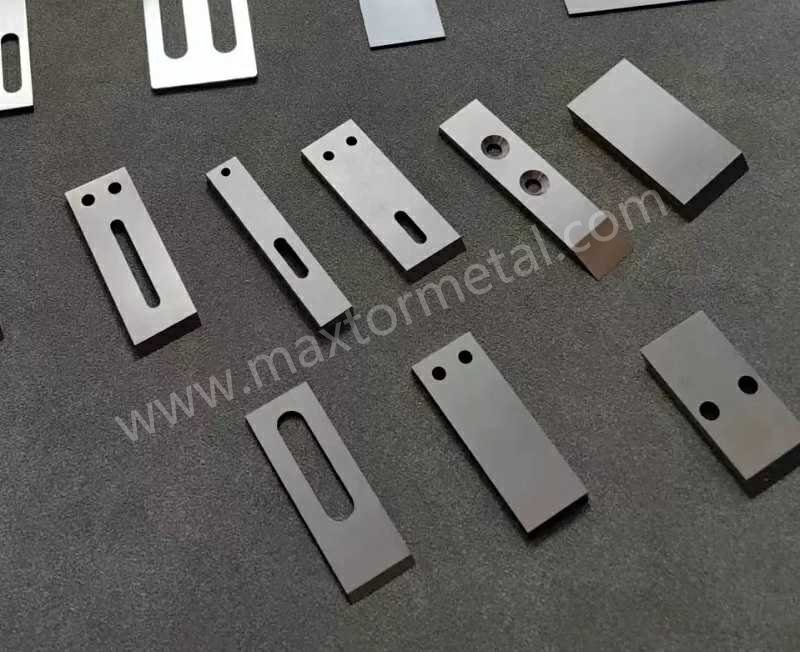
칼꽂이는 초기 결함 때문에만 고장나는 것이 아닙니다. 마모, 재연마, 수질 변화, 공정 변경 등으로 인해 성능이 저하됩니다.
기준선 추세 및 진동/런아웃 한계
초기 가동 시 기준선을 설정하고 그 기준선과의 추세를 비교하십시오.
- 주요 RPM 지점에서의 진동 기준선
- 정의된 기준점에서의 런아웃 기준선
- 펠릿 품질 관리 기준선(미세 입자/엔젤 헤어, 펠릿 길이 분포)
문제 발생 시 조치 단계를 명확히 정의하십시오. 예를 들어, "X 지점에서 조사 시작", "Y 지점에서 중단 및 수정"과 같이 정의할 수 있습니다.“
재자격 심사 기준 및 간격
일반적인 유발 요인:
- 주요 정비 작업 (베어링 교체, 축 작업)
- 진동/런아웃 드리프트와 연관된 펠릿 품질의 반복적인 변동
- 수지 종류 또는 충전재 함량의 변화로 인해 절삭 하중이 달라집니다.
위험 허용 범위에 맞는 간격을 설정하십시오(예: 회전율당, 칼날 수명 배수당 또는 정의된 작동 시간당).
변경 관리 및 편차
회전 동작이나 클램프/간극에 영향을 줄 수 있는 모든 변경 사항은 제어되어야 합니다.
- 도면 수정 변경 사항
- 재료 대체
- 열처리 경로 변경
- 코팅 공급업체/공정 변경
변경 사항은 시간 제한을 두고 위험 평가 및 승인을 거쳐 문서화해야 합니다.
요약하자면, 나이프 블록은 마모와 공정 변화로 인해 편차가 발생하므로 시운전 시 고정된 인수 테스트만으로는 충분하지 않습니다. 기준선 추세 분석과 정의된 재검증 트리거를 통해 이러한 편차가 가동 중단으로 이어지기 전에 이를 감지할 수 있습니다.
결론
- 일관성 유지를 위한 주요 승인 번호 및 검증 단계
- 이 프레임워크가 가동 중지 시간을 줄이고 감사 준비를 지원하는 방법은 다음과 같습니다.
실질적인 측면에서 신뢰성을 판단하는 데 가장 중요한 수용 기준은 간단하고 측정 가능합니다.
| 매개변수 | 일반적인 승인 목표 | 표준 참조 |
|---|---|---|
| 기능 기준점에서의 런아웃(TIR) | 0.03~0.04mm | 플랜트 도면 작성 및 ISO 측정 실습 |
| 균형 등급 | G6.3 기준선 → 더 빠른 속도의 G2.5 | ISO 21940-11:2016 |
| 진동(전체 RMS) | ≤ 2.8 mm/s (공장 설정, 기계 등급에 따라 다름) | ISO 20816 |
| 자재 추적성 | MTC는 시리얼/열/로트와 연결되어 있습니다. | EN 10204 유형 3.1 / 유형 3.2 |
이러한 수치들을 워크플로(콜드 체크 → 밸런스 → 핫 리체크 → 시험 상관관계)와 문서(인증서, 교정, 출시 기록)로 묶으면, 적격성 평가는 해석의 여지가 없는 강제력을 갖게 됩니다. 이것이 바로 Maxtor Metal가 나이프 블록 구성 요소에 적용하는 표준입니다. 즉, 문서 품질을 엔지니어링 품질의 일부로 간주하고, 사후 고려 사항이 아닌 필수적인 부분으로 여기는 것입니다.
야금학적 분류, 경사각 선택, 열처리 프로토콜 및 다양한 폴리머 유형에 걸친 적용 매트릭스를 포함한 전체 엔지니어링 사양은 Maxtor Metal를 참조하십시오. 펠릿 제조기 칼날 사양 및 재질 등급.
CTA: 자격 평가 문서 검토 요청
자격 검증 위험을 신속하게 줄이려면 도면(또는 사진 + 주요 치수)과 합격 기준(RPM 범위, 밸런스 등급, 진동 측정 방법)을 공유하세요. 공급업체 검토 결과는 다음과 같아야 합니다.
- 제안된 기준 체계 및 측정 설정
- 균형 계획 (등급 + 구성)
- 추적성 계획 (MTC 연동 + 일련번호 부여)
- 초안 출시 서류 체크리스트 (FAI, 잔액 기록, 핫 리체크, 시험 보고서)
여기서 시작하세요: Maxtor Metal — 맞춤형 펠릿 제조기 칼날 및 칼날 블록 부품(ODM/OEM) 및 검사 추적성 제공: https://maxtormetal.com/contact/
FAQ
수링 펠릿타이저(water-ring pelletizer)용 나이프 블록 자격 평가란 무엇입니까?
나이프 블록이 정의된 치수, 밸런스, 재료 및 문서 요구 사항을 충족하는지 검증하여, 펠릿 품질 저하나 2차 장비 손상 없이 운영 RPM에서 안정적으로 작동하도록 하는 프로세스입니다.
다이 페이스(die-face) 펠릿타이저 나이프 블록에는 어느 정도의 런아웃(TIR)이 허용됩니까?
많은 공장에서 특정 기능 기준점에서 0.03~0.04mm 정도의 TIR 허용 목표를 설정하지만, 정확한 한계치는 기계 설계, 측정 설정 및 금형면에서 요구되는 여유 공간에 따라 달라집니다.
펠릿타이저 나이프 블록은 어떤 밸런스 등급을 충족해야 합니까—G6.3 또는 G2.5?
G6.3은 일반적인 회전 부품의 기본값으로 자주 사용되며, G2.5는 고속에서 더 높은 안정성이 필요할 때 사용되는 더 엄격한 요구 사항입니다. 적절한 등급은 RPM, 로터 질량 및 공정이 진동에 얼마나 민감한지에 따라 결정됩니다.
2.8 mm/s RMS는 보편적인 진동 제한치입니까?
일반적으로 2.8mm/s RMS는 구역 지침에 맞춰 실질적인 허용 기준치로 사용되지만, ISO 표준은 기계 그룹 및 측정 조건이라는 맥락을 사용합니다. 공장에서는 허용 계획에 기계 등급, 센서 위치 및 작동 조건을 명시해야 합니다.
EN 10204 3.1 재료 인증서란 무엇이며, 언제 3.2가 필요합니까?
3.1 인증서는 제조업체의 공인 검사 담당자가 발행하며 해당 자재에 대한 구체적인 검사 결과를 포함합니다. 3.2 인증서는 더 높은 수준의 품질 보증이 요구되는 경우 구매자 측 검사관 또는 제3자의 독립적인 검증/서명을 추가합니다.
나이프 블록 부품의 경도와 코팅 두께를 어떻게 검증합니까?
시험 방법을 사전에 정의하고(예: ASTM E18에 따른 로크웰 경도), 코팅/기판의 종류와 파괴 시험 허용 여부에 따라 적절한 코팅 두께 측정 방법(단면 현미경, 자기 또는 전해)을 선택하십시오.
펠릿타이저 나이프 블록의 QA 문서(QA dossier)에는 무엇이 포함되어야 합니까?
최소 포함 사항: 도면 개정 관리, 치수 검사 결과, 밸런싱 보고서, 열/로트 번호가 연동된 재료 인증서, 경도/코팅 테스트 기록(측정 방법 명시), 측정 도구의 교정 상태, 그리고 출고 문서.
나이프 블록은 언제 재평가(requalification)해야 합니까?
일반적인 계기에는 주요 유지보수(베어링/샤프트), 반복적인 진동 또는 펠릿 품질 저하, 수지/충전제 로딩의 변화, 그리고 재료, 열처리, 코팅 또는 도면 개정에 대한 모든 제어된 변경 사항이 포함됩니다.
저자 및 기술 검토
제시 쉬 — 선임 품질 엔지니어, QA (Maxtor Metal)
- 산업용 블레이드 품질 및 고장 분석 분야에서 15년의 경력
- 자격증: ASQ-CQE, ISO 9001 선임 심사원, ASNT 레벨 II
- 핵심 내용: 열처리 방식과 재료 분리에 따른 파손 유형(예: 파손 vs. 낮은 내마모성)의 차이점 구분

 English
  Spanish
  Italian
  French
  Portuguese
  Russian
  German
  Arabic
  Hindi
Hindi  Vietnamese
  Indonesian
  Japanese
  Korean