Fundamentos Técnicos de Facas Circulares
As facas circulares de corte longitudinal de precisão (também referidas como facas rotativas de corte ou lâminas circulares de fenda) utilizam uma cinemática rotativa contínua em conjunto com uma contra-faca inferior (Corte por Cisalhamento), uma configuração de lâmina/gilete (Corte por Lâmina de Barbear) ou um rolo bigorna temperado (Corte por Esmagamento) para executar cortes longitudinais ininterruptos, fatiamento, rebobinamento ou vinco de bobinas em movimento. Essas ferramentas rotativas avançadas são projetadas especificamente para rebobinadoras de corte de alta capacidade, cortadeiras-vincadeiras de papelão ondulado e linhas automáticas de corte de eletrodos de baterias de íons de lítio.
1.1 Compatibilidade com o sistema OEM
Esta norma técnica foi concebida para atender ou superar os parâmetros de desempenho dos principais fabricantes internacionais de máquinas de corte longitudinal, incluindo Kampf, Atlas, Goebel, Pasaban, Valmet, Dienes, Tidland e ASHE.
1.2 Matriz de Parâmetros Essenciais de Engenharia
| Parâmetro de engenharia | Classificação de eletrodos e folhas de íon-lítio | Filmes, fitas e papéis de alta velocidade | Aço silício de alta resistência e linhas de corte longitudinal |
| Materiais recomendados | Carboneto de tungstênio submicrométrico (WC) | Aço rápido M2/M42, SK5, SK7, carbono 1065 | DC53, LD, D2 (1.2379) / SKD11 |
| Matriz de dureza | HRA 89 – 93 | HRC 62 – 64 (HSS) / HRC 56 – 60 | HRC 60 – 63 (DC53/LD) |
| Faixa de diâmetro externo (DE) | 40 mm – 350 mm | 100 mm – 680 mm | 80 mm – 500 mm |
| Tolerância do diâmetro interno (furo) | Encaixe de precisão H7/G6 | H7 Ajuste padrão | Ajuste de precisão H7 |
| Tolerância de espessura | ± 0,001 mm a ± 0,002 mm | ± 0,005 mm | ± 0,003 mm |
| axial (oscilação lateral) | < 0,005 mm | < 0,015 mm | < 0,010 mm |
| Desvio radial (fora de ovalização) | ≤0,010 mm | ≤0,020 mm | ≤0,015 mm |
| Rugosidade da aresta de corte (Ra) | Ra < 0,4µm (Polimento espelhado) | Ra < 0,8 µm | Ra < 0,6 µm |
| Rugosidade da face lateral (Ra) | Ra < 0,8 µm | Ra < 1,6 µm | Ra < 1,2 µm |
| Padrão Dimensional | ISO 2768-mK | ISO 2768-mK | ISO 2768-mK |
Visão Geral da Engenharia de Produto: Cinemática de Cisalhamento Rotativo e Desgaste Tribológico
Nos modernos sistemas de corte longitudinal de alta velocidade, a aresta de corte de uma lâmina circular experimenta condições complexas. campos de tensão de cisalhamento cíclico combinado com alta velocidade desgaste abrasivo de três corpos. Como a ferramenta gira continuamente, cada microsegmento discreto ao longo da circunferência da lâmina passa por uma transição rápida para dentro e para fora da zona de tensão do material, tornando-o altamente suscetível à fadiga por contato de rolamento.
2.1 Cinemática da Zona de Sobreposição de Cisalhamento
Em um sistema de corte por cisalhamento sincronizado (onde a lâmina macho superior se sobrepõe e se cruza com a lâmina fêmea inferior), a qualidade da borda do corte é determinada pela configuração da geometria de sobreposição:
- Folga lateral axial: Para folhas metálicas, polímeros rígidos e lâminas de silício, a folga horizontal física entre as lâminas superior e inferior deve ser mantida estritamente entre 0,002 mm e 0,01 mm. Se essa folga for excedida, o substrato sofre flexão localizada e alongamento por tração em vez de cisalhamento verdadeiro, gerando rebarbas catastróficas. Por outro lado, uma folga insuficiente causa microatrito, forçando um aumento exponencial na tensão compressiva localizada e acelerando a formação de lascas. Para materiais macios como papel e lenços de papel, são implementados sistemas com molas que utilizam uma pré-carga axial pneumática ou mecânica constante para obter um plano de "folga zero" autoajustável. Para um guia completo de comissionamento e calibração que abrange sobreposição, ângulo de inclinação e pressão de micropré-carga em sistemas de folga zero com molas, consulte [referência]. Configuração com mola para corte longitudinal sem folga
- Profundidade de sobreposição: A profundidade de intersecção vertical da lâmina macho no canal fêmea deve ser calibrada entre 0,5 mm e 1,5 mm. Uma sobreposição excessiva aumenta a área de contato por fricção lateral entre as laterais das lâminas, transformando a energia cinética rotacional em energia térmica localizada, o que amolece a matriz martensítica da ponta de corte.
2.2 Microfraturas por fadiga e cinética de geração de poeira
Quando uma máquina de corte circular opera em altas velocidades lineares (por exemplo, 400–1200 m/min), qualquer desvio microscópico na rugosidade da borda (Ra) ou na homogeneidade estrutural atua como um concentrador de tensão. À medida que a lâmina perde o fio, o modo de falha do substrato muda de cisalhamento limpo para fratura por compressão. Essa transição cria microfissuras em revestimentos frágeis (como pastas catódicas de baterias) ou fibras, liberando grandes quantidades de detritos microscópicos e poeira em suspensão. Essa poeira pode migrar para a face da lâmina, alterando o coeficiente de atrito (μ) e desencadeando um ciclo térmico destrutivo.
Aplicações Industriais: Análise Específica por Setor
3.1 Corte de eletrodos de baterias de íon-lítio
- Substratos: Folha de cobre, folha de alumínio e substratos com revestimento duplo de fosfato de ferro-lítio (LFP) ou de níquel-manganês-cobalto (NMC), materiais altamente abrasivos.
- Maquinaria: Linhas de corte automatizadas de alta precisão para eletrodos de baterias.
- Requisitos de engenharia: A pasta abrasiva contém partículas duras semelhantes a cerâmica que corroem agressivamente matrizes à base de ferro. Esta aplicação exige Carboneto de tungstênio (WC) com grãos submicrométricos com um HRA de 89–93. As tolerâncias de espessura devem ser mantidas em ±0,001 mm para evitar a deriva de rastreamento axial, o que elimina a delaminação do revestimento e o desprendimento da borda no coletor de corrente.

3.2 Conversão de Filme Polimérico de Alta Velocidade
- Substratos: Filmes de BOPP, PET e PI (poliimida) de alta resistência à tração.
- Maquinaria: Rebobinadores de corte de alta velocidade Kampf, Goebel e Atlas.
- Requisitos de engenharia: Teias poliméricas finas que se deslocam a velocidades superiores a 600 m/min são altamente propensas ao acúmulo de estática e ao arrasto por fricção. Lâminas circulares de calibre fino feitas de Aço mola SK5, SK7 ou 1065 de alto carbono são especificadas. O bisel de corte deve apresentar um acabamento espelhado de Ra < 0,4 µm para eliminar micro-ranhuras que tracionam as cadeias de polímero, evitando rasgos por tração e acúmulo de poeira estática.
3.3 Corte longitudinal de aço silício e núcleo de transformador
- Substratos: Chapas de aço silício elétrico orientadas e não orientadas com alto teor de silício.
- Maquinaria: Linhas de corte rotativas de alta resistência.
- Requisitos de engenharia: O aço silício apresenta extrema resistência à deformação elástica, criando severas forças normais contrárias durante o cisalhamento. As lâminas convencionais de aço D2/SKD11 frequentemente sofrem lascamento localizado sob esses choques cíclicos. DC53 ou LD Aço (HRC 60–63) é obrigatório aqui, aproveitando sua distribuição uniforme de carbonetos para absorver o estresse mecânico de alto impacto.
3.4 Conversão Avançada de Pré-impregnados Compósitos
- Substratos: Pré-impregnados de fibra de carbono, tecidos de fibra de vidro e têxteis multicamadas impregnados com resina.
- Maquinaria: Módulos de corte rotativo de alimentação contínua.
- Requisitos de engenharia: As fibras estruturais possuem características abrasivas extremas que desgastam as lâminas de aço padrão em poucas horas. Aço rápido M2 ou M42 (HSS) Recomenda-se o uso de revestimento de TiAlN por deposição física de vapor (PVD) com dureza de 62 a 64 HRC. Esse revestimento atua como uma barreira térmica, preservando a dureza da aresta subjacente contra o atrito seco contínuo.
3.5 Conversão de Embalagens Estéreis para Alimentos e Produtos Farmacêuticos
- Substratos: Laminados multicamadas de alumínio-plástico e filmes para embalagens médicas estéreis.
- Maquinaria: Linhas de corte longitudinal compatíveis com salas limpas.
- Requisitos de engenharia: Para evitar a delaminação da bobina e atender aos rigorosos padrões sanitários, as lâminas devem resistir à oxidação quando expostas à umidade ou a agentes sanitizantes. Alto teor de cromo. Aços inoxidáveis martensíticos (420 ou 440C) São selecionadas e otimizadas para uma dureza de HRC 48–56, alcançando um equilíbrio estável entre resistência à corrosão e acuidade da aresta.
3.6 Corte e vinco de papelão ondulado em alta velocidade
- Substratos: Papelão ondulado de múltiplas camadas e placas de revestimento.
- Maquinaria: Cortadoras e vincadoras de papelão ondulado de alta velocidade.
- Requisitos de engenharia: O meio abrasivo opera em alta velocidade e contém fibras recicladas abrasivas e partículas de sílica. As ferramentas exigem resistência excepcional a impactos e abrasão. Aço rápido M2 É amplamente utilizado, e as lâminas devem ser configuradas com um desvio axial de <0,015 mm para eliminar a oscilação lateral que causa amassamento das ranhuras ou excesso de detritos de papel.
4.Problemas de Falha Comuns e Soluções de Engenharia
4.1 Problema: Geração severa de poeira no corte longitudinal
- Causa raiz: Micro-entalhes ao longo do chanfro da lâmina ou uma folga lateral axial não calibrada fazem com que a lâmina esmague o substrato em vez de cortá-lo. Esse esmagamento mecânico fratura fibras e revestimentos, gerando uma quantidade significativa de detritos.
- Solução de Engenharia (Modelo de Trade-Off): Especifique um Polimento espelhado superfino on the blade bevels and faces, reducing the roughness to Ra < 0.1µm. While mirror polishing increases production cycle times and manufacturing costs by approximately 20%, it minimizes initial grinding micro-cracks and material dragging, reducing slitting dust by up to 80%. For a comprehensive root-cause analysis covering blade flank Ra, carbide microstructure selection, and the setup tolerances that prevent secondary dust generation—including field measurement protocols and regrinding guidelines—see Root-Cause Analysis of Slitting Dust Generation: Blade Flank Ra, Carbide Microstructure & Setup Tolerances.
4.2 Problema: Lascamento intermitente das bordas (microlascamento)
- Causa raiz: Substratos de alta dureza (por exemplo, aço silício, revestimentos densos) geram forças normais que excedem a tenacidade à fratura da matriz da liga da lâmina. Esse problema é agravado pela presença de grandes carbonetos primários segregados em aços padrão para trabalho a frio, como o D2/SKD11.
- Solução de Engenharia: Substitua D2/SKD11 por Aço ferramenta DC53 ou LD Temperado a HRC 60–63, o DC53 passa por um processo de refino que resulta em uma matriz fina e uniforme com o dobro da resistência ao impacto do SKD11, prevenindo microlascas sob cargas cíclicas.
4.3 Problema: Perfil em forma de S ou “Cortes em Serpente”
- Causa raiz: Excessivo axial (oscilação lateral) faz com que a lâmina se desvie horizontalmente durante a rotação. Esse problema também pode ser causado por Tolerâncias cumulativas de espessura em uma configuração de corte múltiplo ou um ajuste inadequado entre o furo e o eixo.
- Solução de Engenharia: Tighten the blade’s thickness tolerance to ±0.001mm and restrict the maximum allowable axial runout to <0.005mm via dynamic balancing and precision side grinding. Ensure the bore diameter follows an H7 or G6 slide-fit protocol to eliminate shaft eccentricity. For a full systems-level diagnostic checklist covering blade geometry, tension profiles, machine alignment, and material effects—the four subsystem categories where snake cuts originate—see Stopping Snake Cuts in Film Slitting: A Systems Checklist.
4.4 Problema: Acúmulo de adesivo e “gripagem” (aderência do material)
- Causa raiz: Ao cortar adesivos sensíveis à pressão, películas protetoras ou folhas de alumínio macias, o calor friccional faz com que os polímeros adesivos derretam ou que o metal dúctil se solde a frio à microrrugosidade das faces da lâmina.
- Solução de Engenharia: Implemente revestimentos de modificação de superfície direcionados. Para fitas adesivas, aplique um Revestimento de fluoropolímero hidrofóbico (PTFE/Teflon). Para corte longitudinal de alumínio/cobre não ferroso, aplique um Revestimento de carbono tipo diamante (DLC). The extreme hardness and minimal friction coefficient of DLC stop material transfer at the atomic level. Note that coated blades cannot be conventionally resharpened on their faces; they require specialized edge-only grinding or recoating. For a full engineering comparison of DLC and PTFE coating systems—including wear-limited vs transfer-limited diagnosis, field case data, and QA specification templates—see DLC vs PTFE Coatings for Slitting Blades: Engineer’s Guide.
Guia de Engenharia de Materiais: Perfis Metalúrgicos
A cinemática rotacional do corte circular exige materiais de ferramentas que ofereçam resistência equilibrada à fadiga por contato de rolamento, à compressão e ao desgaste abrasivo.

- Carboneto de tungstênio (WC) com grãos submicrométricos
- Matriz Metalúrgica: Composto por fases duras de carboneto de tungstênio submicrométricas ultrafinas, ligadas dentro de uma matriz de cobalto (Co) de alta tenacidade, com um diâmetro médio de grão de ≤0,6μm.
- Perfil mecânico: Proporciona dureza excepcional (HRA 89–93) e excelente resistência ao desgaste por pasta abrasiva. No entanto, apresenta baixa resistência à flexão e alta fragilidade; qualquer colisão metal-metal ou impacto com corpo estranho causará fratura catastrófica.
- DC53 / LD Matrix Steel
- Matriz Metalúrgica: Um aço ferramenta para trabalho a frio, projetado para eliminar os carbonetos primários de cromo grosseiros e segregados, característicos dos aços D2/SKD11 tradicionais.
- Perfil mecânico: Atinge uma dureza após tratamento térmico de HRC 60–63. Sua microestrutura uniforme proporciona o dobro da resistência ao impacto do SKD11, tornando-o altamente eficaz na prevenção de lascamento das bordas durante o corte de metais de alta resistência ou polímeros espessos.
- Aço rápido M2 / M42 (HSS)
- Matriz Metalúrgica: Ligas pesadas de tungstênio (W), molibdênio (Mo), cromo (Cr) e vanádio (V) formam uma distribuição densa de M termicamente estável.6Carbonetos secundários C e MC.
- Perfil mecânico: Possui alta dureza (mantendo a integridade estrutural até 500 °C) e excelente resistência ao impacto. Isso o torna adequado para linhas de conversão de papelão ondulado e compósitos de alta velocidade, sujeitas a atrito frequente.
- Aços inoxidáveis martensíticos 440C e 420
- Matriz Metalúrgica: Contém cromo 12%–18%, que forma uma película passiva de óxido de cromo após endurecimento térmico, incorporada em uma matriz martensítica temperada.
- Perfil mecânico: Proporciona uma dureza controlada de HRC 48–56. Oferece proteção confiável contra oxidação, corrosão por pite e exposição a produtos químicos em instalações de conversão de alimentos e produtos farmacêuticos, tanto em ambientes úmidos quanto estéreis.
Tratamento Térmico e Dureza: Lógica de Modificação Térmica
A estabilidade dimensional e a retenção de corte de uma lâmina circular dependem fortemente de sua matriz cristalina interna. Erros no processamento térmico causam empenamento e distorção axial sob rotação em alta velocidade.
6.1 Têmpera e revenimento a gás a vácuo em múltiplos estágios
Para evitar a descarbonetação e a oxidação superficial, todos os tarugos de aço passam por tratamento térmico em um forno de alto vácuo operando a 10-3mbar. As lâminas são submetidas a ciclos de pré-aquecimento em múltiplos estágios para eliminar gradientes térmicos e evitar deformações em configurações de disco fino. Elas são austenitizadas a 1020 °C-1100 °C (dependendo da liga) e temperadas com nitrogênio de alta pureza e alta pressão (6–10 bar). Em seguida, são realizados três ciclos distintos de revenimento para minimizar as tensões internas residuais.
6.2 Transformação criogênica para tolerâncias ultraprecisas
Para aplicações de alta especificação que exigem tolerâncias de espessura submicrométricas (±0,001 mm), uma abordagem abrangente é essencial. Tratamento criogênico profundo (imersão em nitrogênio líquido a -196°C) é realizado:

O processamento criogênico promove a conversão quase total da austenita retida instável em martensita endurecida, enquanto precipita carbonetos η secundários ultrafinos em toda a matriz. Isso proporciona dois benefícios de engenharia fundamentais:
- Eliminação da distorção térmica: Isso impede a alteração dimensional microscópica ou a curvatura axial quando a lâmina aquece sob atrito em alta velocidade, garantindo uma linha de corte precisa.
- Vida útil prolongada: Os dados de desempenho em campo indicam que as lâminas de corte tratadas criogenicamente apresentam um aumento de 30% ou superior na resistência ao desgaste em comparação com as alternativas tratadas convencionalmente.
7.Geometria da Lâmina e Engenharia do Filo
As tolerâncias geométricas de uma máquina de corte circular impactam diretamente sua estabilidade rotacional. Mesmo pequenas variações laterais podem causar trajetórias de corte onduladas ou falha prematura da ferramenta.

7.1 Cadeias de Tolerância Geométrica
- Concentricidade entre o furo e o eixo: O furo central deve ter um acabamento de acordo com a classe de tolerância ISO H7 ou G6 para garantir um encaixe preciso com o eixo da cortadora. Um erro de folga no furo de apenas 0,01 mm introduz um eixo de rotação excêntrico, ampliando o desvio radial e causando contato irregular do material.
- Controle de excentricidade axial: A oscilação lateral deve ser limitada a <0,005 mm para aplicações de alta precisão e <0,020 mm para conversões em geral. Exceder esses limites faz com que as faces sobrepostas das lâminas macho e fêmea se impactem durante a rotação, gerando microchoques que causam lascas, desgaste acelerado da face e bordas irregulares.
Para uma abordagem detalhada da seleção de ajuste ISO 286, verificação TIR de montagem e práticas de montagem que mantêm a excentricidade repetível em alta velocidade, consulte Tolerância e excentricidade do furo central: otimizando os ajustes ISO 286 para facas de corte de alta velocidade.
7.2 Perfilamento de Bisel e Dinâmica de Corte
As lâminas podem ser afiadas com bisel simples, bisel duplo ou bisel composto, com ângulos incluídos que variam de 20° a 45°:
- Ângulos de bisel agudo (20° – 25°): Minimize a força de corte específica (k).c) e resistência ao arrasto. Essa configuração é adequada para materiais delicados, não tecidos, e filmes de embalagem ultrafinos, embora ofereça menor resistência estrutural nas bordas.
- Ângulos de bisel obtusos (35° – 45°): Proporciona um perfil de cunha robusto com excelente suporte mecânico. Esta é a configuração padrão para o processamento de substratos resistentes, como aço silício ou chapas abrasivas com carga mineral.
8.Processo de Fabricação e Inspeção de Qualidade
- Metalurgia e Consolidação de Lingotes: Os blanks de aço ferramenta de alta pureza são processados por meio de Refusão por Eletroescória (ESR). Para o carboneto de tungstênio, os blanks são produzidos utilizando sinterização a vácuo por Prensagem Isostática a Quente (HIP) para garantir uma estrutura homogênea e sem vazios.
- Usinagem CNC de núcleos: Usinagem de precisão do furo central, entalhes de acionamento e faces de localização para atender às especificações H7/G6.
- Modificação Térmica a Vácuo e Criogenia Profunda: Endurecimento e subsequente processamento subzero a -196°C para eliminar tensões residuais.
- Retificação paralela com disco duplo: Retificação em múltiplas passagens sob lubrificação com fluido refrigerante a temperatura constante para obter lados planos e paralelos com uma tolerância de espessura de até ±0,001 mm.
- Afiação rotativa de bisel de borda: Utilizando centros de retificação dedicados de alta rigidez, equipados com rebolos diamantados vitrificados, para perfilar a aresta de corte até um acabamento de Ra < 0,4 µm.
- Protocolo de Controle de Qualidade:
- Verificação de excentricidade axial por interferometria a laser: Cada lâmina de alta precisão é avaliada em toda a sua circunferência. A oscilação lateral é mapeada e documentada para confirmar a conformidade com o limite interno de <0,005 mm.
- Perfilometria de superfície: Medição direta por ponta de prova da rugosidade superficial (Ra) do bisel.
- Mapeamento de dureza Rockwell em múltiplos pontos: Verifica se a variação de dureza ao longo da face da lâmina não excede 0,5 HRC.
Estudos de Caso: Desempenho Documentado em Campo
Estudo de Caso A: Corte longitudinal do ânodo de baterias de íon-lítio (folha de cobre revestida com grafite)
- Perfil do cliente: Um fabricante de primeira linha de células de bateria para veículos elétricos.
- Problema inicial: O cliente utilizava lâminas rotativas de carboneto de grau comercial com tolerância de espessura de ±0,005 mm e rugosidade de borda de Ra 0,8 µm. Partículas abrasivas de grafite causavam aderência do material às faces das lâminas, limitando a velocidade de corte linear a 200 m/min. Após 15 horas de operação, ocorreu microlascamento, causando delaminação do revestimento e microrebarbas ao longo da folha de cobre.
- Intervenção de Engenharia: Instalado Lâminas de carboneto de tungstênio submicrométricas Apresentando um acabamento polido espelhado com rugosidade Ra < 0,1 µm e uma tolerância de espessura rigorosamente mantida em ±0,001 mm.
- Resultados Quantificáveis: A adesão à face foi eliminada, permitindo que as velocidades de produção aumentassem de 200 m/min para 550 m/min (um aumento de 175% na produtividade). A vida útil individual das lâminas aumentou de 15 horas para 120 horas entre as afiações, enquanto as emissões de micropoeira diminuíram em 88%.
Estudo de Caso B: Linha de Corte Longitudinal de Aço Silício de Alta Frequência
- Perfil do cliente: Centro de serviços de aço especializado em lâminas para núcleos de transformadores.
- Problema inicial: A linha utilizava lâminas circulares padrão D2 (SKD11) (HRC 58–60) para cortar aço silício de grão orientado com 0,35 mm de espessura. A alta resistência à deformação do material causou microfraturas nas bordas das lâminas em 32 horas de operação. Esse desgaste gerou rebarbas nas bordas com mais de 0,08 mm, o que causou perda de desempenho eletromagnético nos transformadores finais.
- Intervenção de Engenharia: Transição para Lâminas circulares de aço DC53 Matrix Submetido a têmpera a vácuo e estabilização criogênica profunda, atingindo uma dureza uniforme de HRC 61–62.
- Resultados Quantificáveis: A elevada tenacidade à fratura do DC53 eliminou o lascamento. O intervalo necessário para reafiação foi estendido de 32 horas para 145 horas de operação contínua. As rebarbas na borda da lâmina foram mantidas abaixo de ≤0,015 mm, reduzindo as taxas de rejeição de chapas em 92%.
FAQ: Referência de Engenharia e Suprimentos
- Por que a tolerância de espessura é crítica ao configurar um sistema de corte longitudinal múltiplo (gang-slitting) com anéis espaçadores?
- Em um conjunto de corte longitudinal de múltiplas lâminas, as tolerâncias de espessura individuais acumulam-se ao longo do eixo. Uma variação menor de ±0.01 mm por lâmina pode resultar em um deslocamento axial agregado de mais de 0.1 mm em uma configuração de 10 lâminas. Esse deslocamento altera a folga lateral horizontal calibrada entre os gumes superior e inferior, causando rebarbas graves ou colisões entre as lâminas. Apertar as tolerâncias individuais para ±0.001 mm minimiza esse erro cumulativo.
- O que diferencia a estrutura metalúrgica de carbonetos do DC53 em relação ao D2/SKD11 tradicional?
- O aço ferramenta D2 tradicional contém grandes carbonetos primários de cromo segregados (frequentemente con diâmetro ≥20 μm) que formam redes frágeis durante a solidificação. Esses grandes carbonetos podem trincar sob as altas forças normais geradas no corte longitudinal de aço silício. O DC53 passa por uma modificação química refinada e uma rotina de processamento que substitui esses grandes aglomerados por carbonetos secundários finos e uniformemente dispersos, dobrando a tenacidade ao impacto do material.
- Nossa linha de corte longitudinal apresenta oscilação da bobina (web weaving) e bordas irregulares em filme BOPP a 800 m/min. O que devemos verificar primeiro?
- Comece verificando o batimento axial (oscilação lateral) das lâminas superiores usando un relógio comparador de alta precisão ou medidor a laser. Se o batimento exceder 0.020mm, a lâmina oscilará horizontalmente ao longo da trajetória da bobina, causando um perfil de borda ondulado. Em seguida, verifique se a rugosidade do gume está abaixo de Ra 0.4µm; gumes mais rugosos podem prender as cadeias de polímero em altas velocidades, causando rasgos localizados.
- As facas circulares de corte longitudinal de carboneto de tungstênio podem ser reafiadas com sucesso? Quais são as principais restrições?
- Sim, as facas circulares de metal duro (carboneto) podem ser reafiadas, mas exigem uma retificadora de alta rigidez equipada com um rebolo diamantado de liga resinóide e um sistema de refrigeração por inundação contínuo e de alto volume. A retificação a seco ou instável cria gradientes térmicos locais intensos que induzem microtrincas ao longo da matriz frágil de carboneto, levando à falha prematura do gume na linha de produção.
- Como um acabamento polido espelho (Ra < 0.1µm) evita a geração de poeira de corte longitudinal?
- O polimento espelho elimina as cristas e sulcos microscópicos de retificação presentes nos gumes das ferramentas padrão. Essa superfície lisa reduz o coeficiente de fricção (μ) entre a face da lâmina e o substrato da bobina em movimento. Sem micro-rugosidades para riscar ou puxar o material, a separação mecânica permanece um corte limpo por cisalhamento, reduzindo as emissões de poeira.
- O que é um sistema de "micro-pré-carga" carregado por mola e quando ele deve ser implementado?
- Para bobinas finas e flexíveis, como papel toalha/lenço (tissue), papel de cigarro ou filmes finos de embalagem, pode ser difícil definir uma folga lateral física fixa com espaçadores rígidos. Um sistema de micro-pré-carga utiliza um mecanismo pneumático ou de mola calibrada para aplicar uma força lateral constante, mantendo um plano de corte com folga zero que evita que o substrato fino dobre entre as lâminas.
- O balanceamento dinâmico é necessário para todas as facas circulares de corte longitudinal?
- O balanceamento dinâmico torna-se essencial quando a velocidade da linha de corte longitudinal excede 1000 m/min. Nessas velocidades, mesmo uma pequena assimetria de massa ao longo do perímetro da faca gera vibrações centrífugas de alta frequência significativas. Essa vibração degrada a estabilidade do plano de corte, acelerando o desgaste do gume e causando uma qualidade de corte inconsistente.
- Quando devo selecionar um revestimento de Teflon em vez de um revestimento de DLC para uma aplicação de corte longitudinal?
- Choisissez un revêtement en fluoropolymère (Téflon) pour le refendage d'adhésifs sensibles à la pression, de rubans de transfert ou de pansements médicaux, car il offre une excellente résistance à l'adhérence. Cependant, le Téflon a une faible dureté mécanique. Pour le refendage de métaux non ferreux comme les feuilles d'aluminium ou de cuivre, optez pour un revêtement en carbone sous forme de diamant amorphe (DLC) ; sa dureté élevée résiste à l'usure abrasive tout en empêchant le transfert de métal et le soudage à froid.
- Por que o aço rápido M2/M42 é preferido em relação ao carboneto de tungstênio para a conversão de papel de grande volume?
- As linhas de conversão de papel de alta velocidade enfrentam frequentemente flutuações na tensão da bobina, emendas e contaminantes externos ocasionais. Embora o carboneto de tungstênio ofereça excelente resistência ao desgaste, sua baixa tenacidade à fratura o torna propenso a lascar ou quebrar sob choques repentinos de tensão. O aço rápido (HSS) M2/M42 oferece alta dureza a quente combinada com excelente tenacidade ao impacto, permitindo suportar choques mecânicos sem falhas estruturais.
- Como uma alta concentração de austenita retida degrada o desempenho prático de uma faca de corte longitudinal de precisão?
- A austenita retida é uma fase cristalina instável e de alta energia em temperatura ambiente. Sob a influência do estresse mecânico cíclico e do calor friccional gerado durante o corte, ela pode se transformar em martensita. Essa transformação é acompanhada por uma expansão volumétrica localizada, que pode alterar o perfil plano da lâmina, levando ao aumento do batimento axial (oscilação lateral) e à perda da precisão de corte.
- Por que as lâminas de aço inoxidável 440C apresentam um desgaste (embotamento) acelerado ao cortar materiais compostos densos?
- O 440C é um aço inoxidável martensítico projetado principalmente para resistência à corrosão. Para manter suas propriedades inoxidáveis, uma parte significativa de seu cromo permanece dentro da matriz de solução sólida, deixando menos carbono livre e elementos de liga para formar carbonetos duros de vanádio ou molibdênio. Consequentemente, sua resistência máxima ao desgaste abrasivo é menor do que a de aços ferramenta dedicados, como o DC53 ou o aço rápido (HSS) M2.
- Quais são as consequências de uma tolerância de ovalização (fora de redondeza) do furo interno no conjunto do eixo de uma cortadora longitudinal?
- Se a tolerância do furo interno exceder a especificação H7/G6, a lâmina ficará frouxa no eixo da cortadora, criando um eixo de rotação excêntrico. Essa excentricidade faz com que o batimento radial (excentricidade radial) dispare, o que significa que a lâmina engajará o material em profundidades variáveis ao longo de sua rotação, causando desgaste cíclico e profundidades de corte inconsistentes.
- Quais características tornam os pré-impregnados (prepregs) de fibra de vidro altamente abrasivos para os gumes das ferramentas?
- As fibras de vidro são compostas por filamentos de sílica amorfa com alta dureza física. Durante o corte longitudinal, esses filamentos atuam como abrasivos finos contra o gume de corte. Se o material da lâmina não tiver volume ou dureza de carbonetos secundários suficientes, as fibras em movimento erodirão rapidamente a matriz, arredondando o perfil do gume.
- Qual é o limite de manutenção recomendado para cronogramas de afiação durante paradas programadas?
- As lâminas devem ser programadas para reafiamento quando o raio do microgumeβ(rβ)estiver desgastado entre 0,1 mm e 0,2 mm, ou quando a altura da rebarba do produto exceder os limites de qualidade. Esperar que ocorram macro lascamentos ou embotamento severo exige a remoção de uma quantidade significativa de material durante a retífica, o que reduz o número total de ciclos de afiação e corta a vida útil geral da ferramenta em até 60%.
- Qual é a principal diferença entre uma configuração de bisel simples (mono-bisel) e uma de bisel composto? um bisel simples e um bisel composto configuração?
- Um bisel simples apresenta um plano inclinado contínuo que leva até o gume de corte, proporcionando um perfil altamente afiado com baixa resistência ao corte. Já o bisel composto introduz um microbisel secundário na extremidade final do gume. Esse microbisel reforça o gume de corte contra altas forças normais e lascamentos, prolongando a vida útil da ferramenta em aplicações exigentes com apenas um aumento mínimo na resistência ao corte.
" Bem-vindo a consultar!
Se não encontrar a lâmina de corte que procura, também podemos personalizá-la, consulte nosso “Lâminas Personalizadas” para saber como!
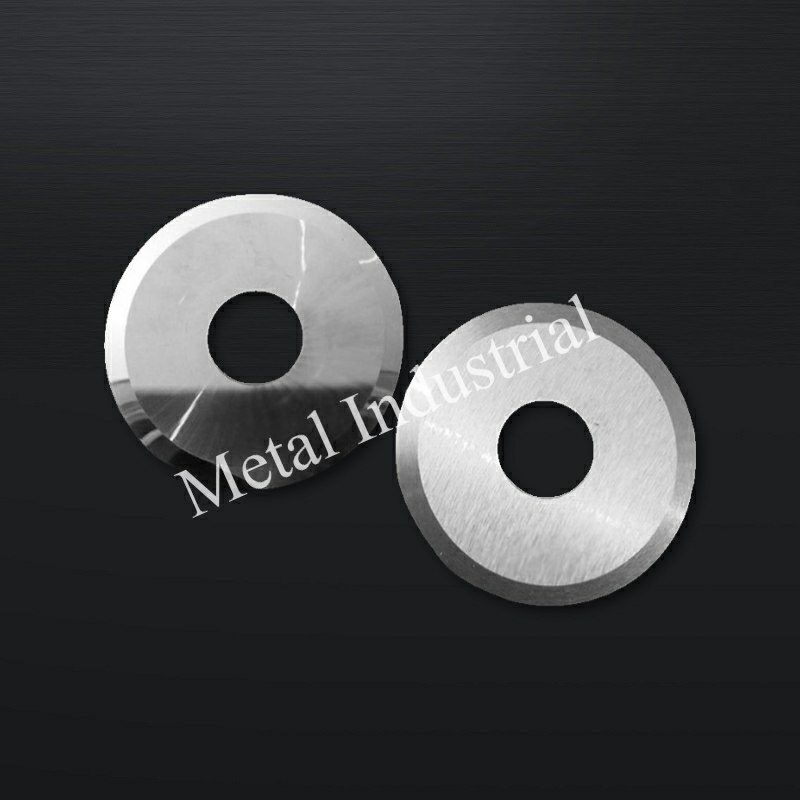
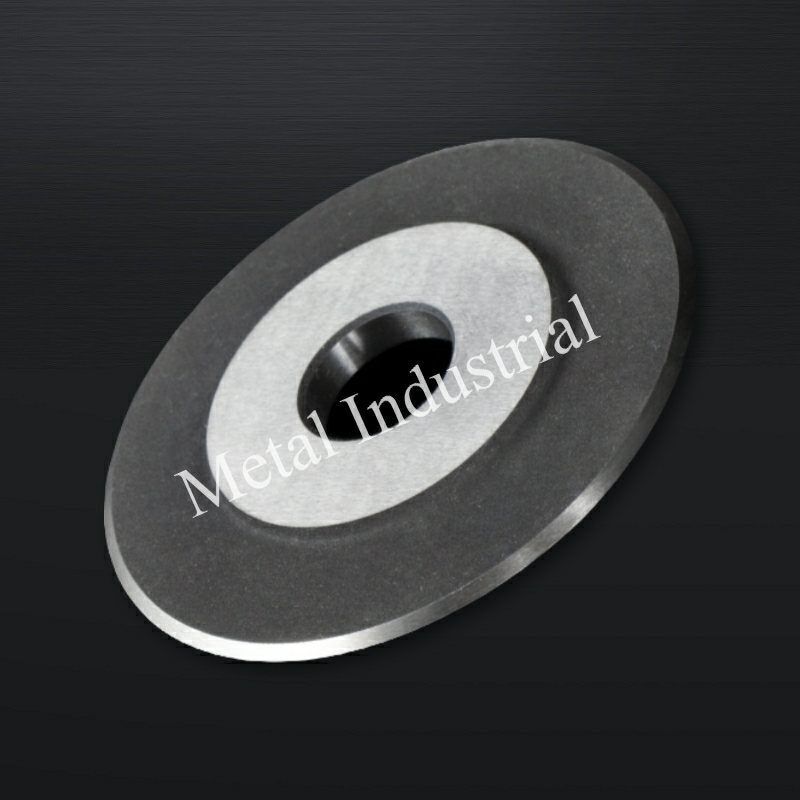
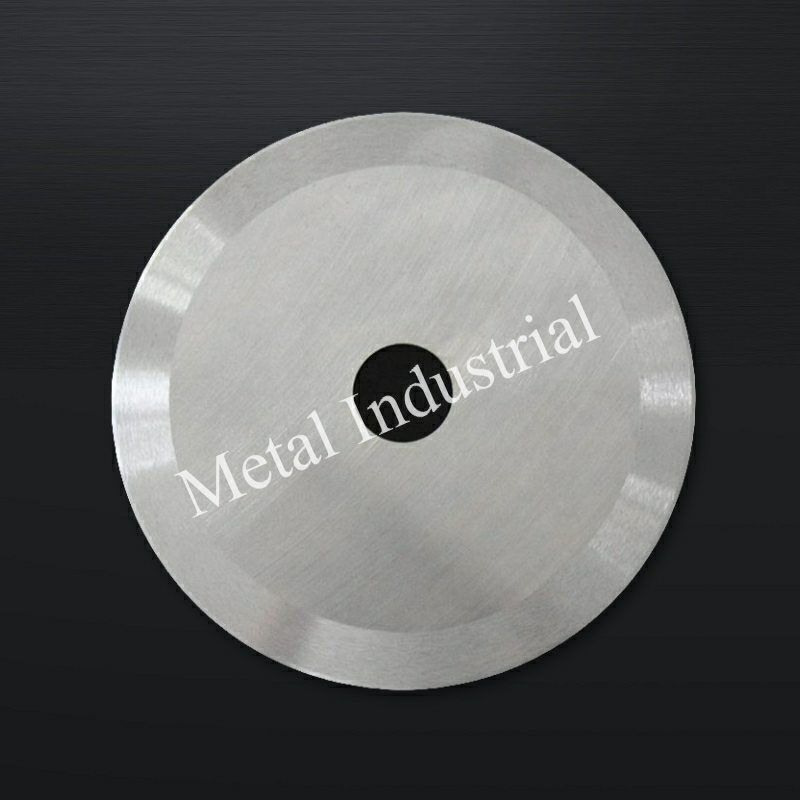
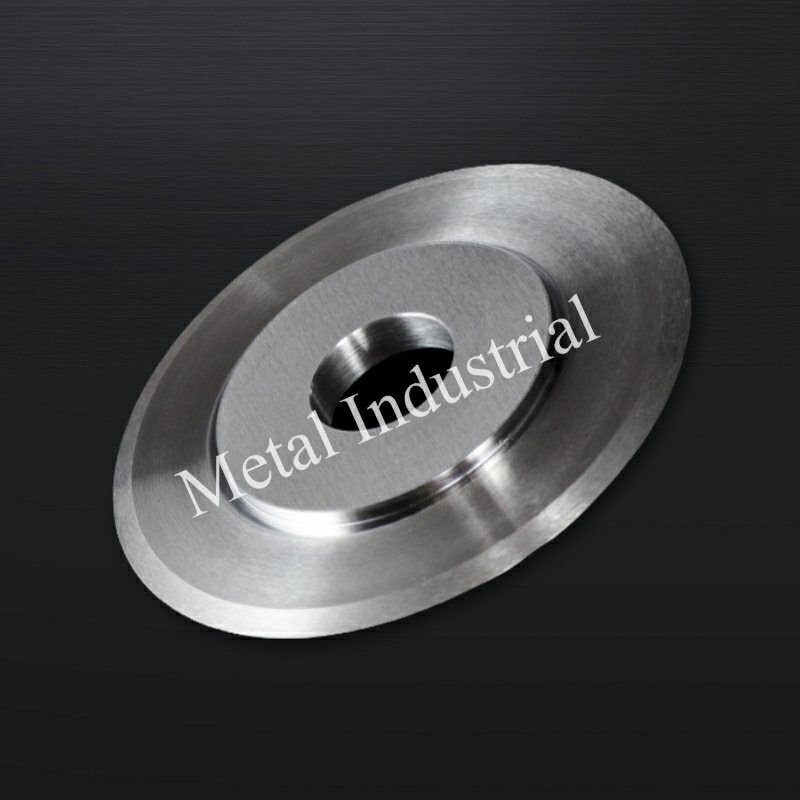
Exibição de facas circulares:


Por Que Escolher a METAL?
- Serviço de Importação Completo e Sem Complicações
Aproveite a conveniência de uma importação sem problemas. Do transporte ao desembaraço aduaneiro, cuidamos de todo o processo. Tudo o que você precisa fazer é pagar o IVA e aguardar a chegada de suas mercadorias.
- Preços Competitivos
Vimos nossas lâminas se destacarem em inúmeras aplicações e estamos prontos para qualquer projeto que você nos apresentar. Espere precisão, durabilidade e preços competitivos inigualáveis.
- ODM & OEM Disponíveis
Seja qual for o seu caso, desenhos, esboços ou amostras, podemos projetar e fabricar para você. Também temos a capacidade de auxiliar na modificação de designs e especificações existentes para melhorar praticamente qualquer aplicação de ferramentas industriais. Entre em contato com nossa equipe de vendas dedicada para discutir suas necessidades específicas.
- Controle de Qualidade Rigoroso
Uma série de testes e inspeções são realizadas para controlar a qualidade, incluindo inspeção do primeiro artigo, inspeção de material recebido e materiais certificados, inspeção de qualidade em processo e inspeção de qualidade final.
- Aquisição Flexível, Cooperação Ilimitada
Seja você um importador, distribuidor, atacadista ou usuário final, nós o acolhemos. Beneficie-se de MOQs mínimos, consultas sem complicações e maior liberdade de compra.
- Monitoramento em Tempo Real do Progresso da Produção
Considere-nos seu monitor exclusivo. Forneceremos atualizações regulares sobre cada etapa crucial de sua linha de produção. Independentemente da distância, você terá informações em tempo real sobre o progresso de seu produto.



 English