
Hướng Dẫn Chọn Lớp Phủ DLC vs PTFE Cho Dao Phân Cuộn/Dao Cắt Biên: Giới Hạn Mài Mòn vs Giới Hạn Bám Dính
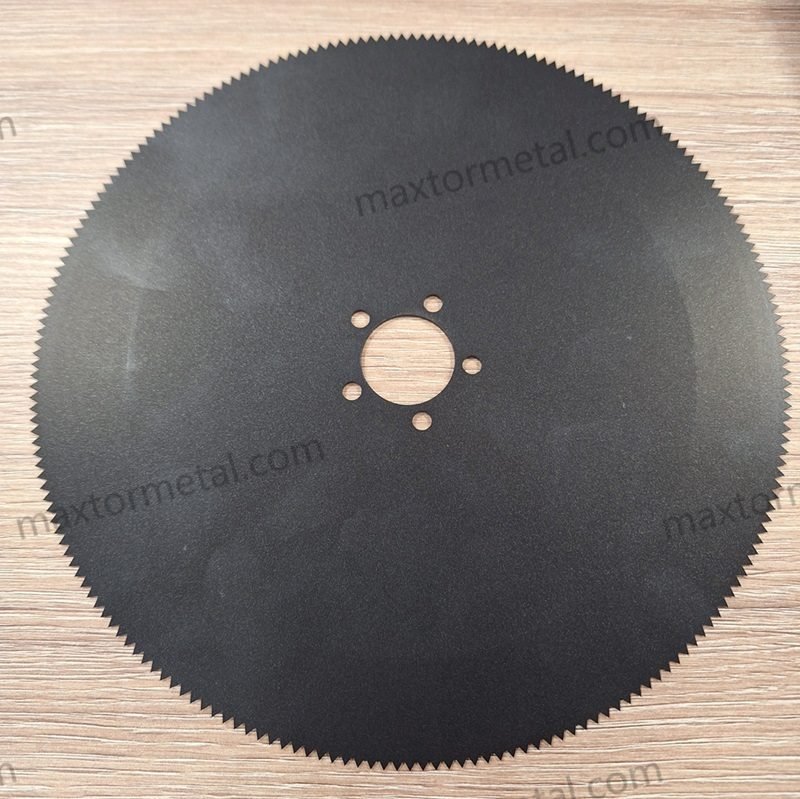
Slitting performance rarely fails for a single reason. It fails at the interfaces: blade-to-web friction, adhesive transfer, edge micro-chipping, and the heat that builds when any of those drift out of control. This guide is written for process engineers, maintenance teams, and technical buyers selecting or qualifying coated circular slitting knives for film, foil, paper, […]
Tối ưu OEE và lợi nhuận từ việc giảm tần suất thay cuộn phôi: Mô hình tính thời gian sẵn sàng, ví dụ thực tế và dữ liệu thử nghiệm
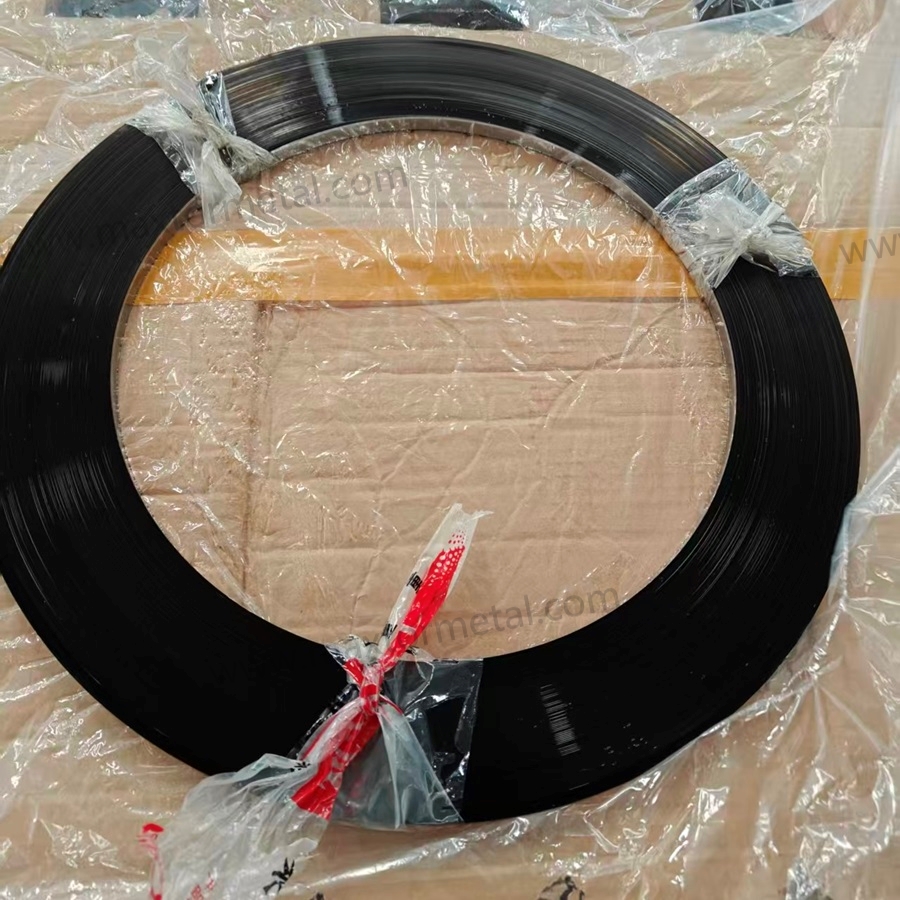
Quick Answer: Reducing coil change frequency improves OEE primarily by cutting planned downtime—a direct hit to Availability. Secondary gains appear in Performance (fewer ramp-up periods after restarts) and Quality (fewer splice-related defect windows). The effect is quantifiable with four inputs: strip consumption rate, coil length, changeover time per stop, and scrap generated per change. In a […]
Mác vật liệu, thiết kế và kiểm soát dao cắt hạt hợp kim cứng để tối ưu thời gian chạy máy cắt hạt dưới nước
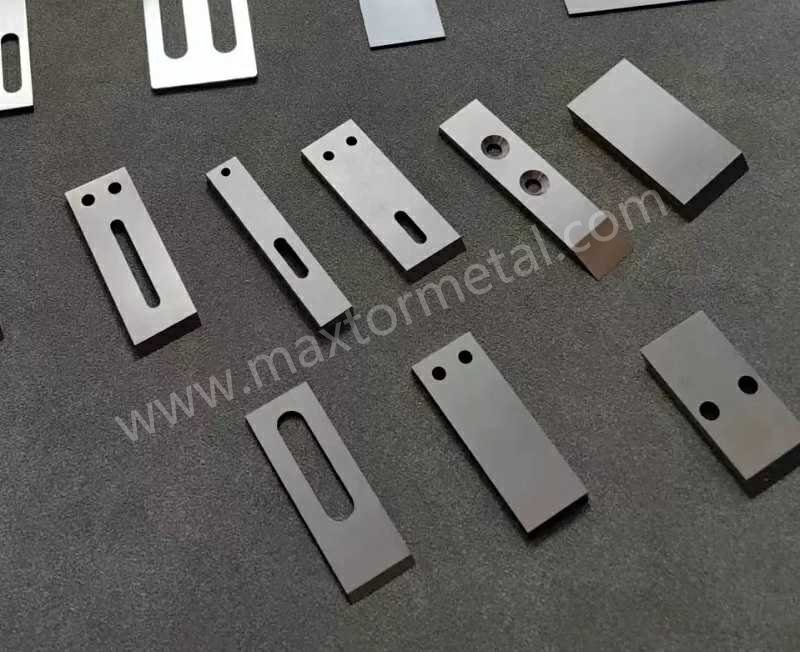
Quick answer: Stable die-face cutting on underwater pelletizer lines depends on four variables working together: carbide grade (HRA 88–92 for most WC–Co inserts), edge geometry (controlled radius, not just “sharp”), contact pressure management (engage → trim, not pressure-chase), and water-loop stability (40–60°C, filtered, degassed). Changing inserts without addressing die-face condition or cutter-head balance is the most […]
Lịch Trình Đảo Lưỡi Dao Cắt Vietnamese 4 Cạnh và Tiêu Chuẩn Mài Lại: Quy Trình SOP Dựa Trên Số Liệu Đo Lường Cho Máy Cắt Tôn Thủy Lực
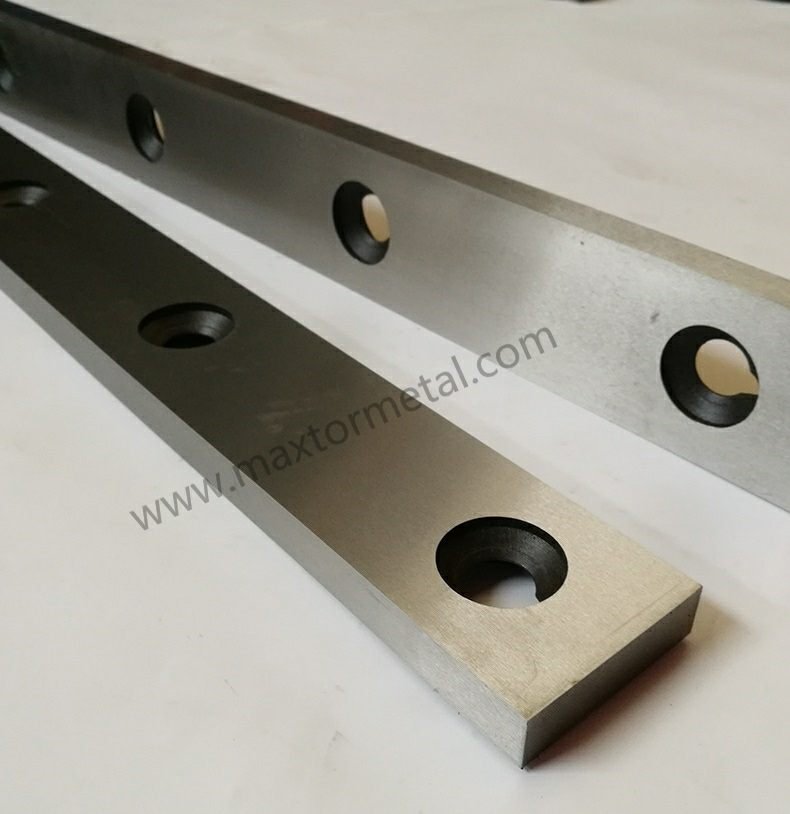
If you run a guillotine shear on mixed carbon steel, stainless, and high-strength grades, you already know the failure pattern: burrs creep up, operators “chase” the gap, and downtime turns reactive. This article defines a measurement-based protocol for 4-edge reversible blades—when to rotate, when to regrind, and what to log so the process is third-party […]
ROI của dao xả băng tròn: Mô hình TCO & Phân tích tuổi thọ lưỡi cắt giữa PM-HSS vs Thép công cụ

Dao cắt cuộn quay thoạt nhìn có vẻ chỉ là một chi tiết nhỏ, nhưng khi bạn tính toán những tác động của chúng: việc thay dao, phế liệu, xử lý bavia và liệu dây chuyền của bạn có thể duy trì dung sai trên toàn bộ cuộn thép hay không, thì cuốn hướng dẫn này được viết dành cho các nhà lãnh đạo về quy trình, thiết bị, sản xuất và mua sắm tại các nhà máy cắt cuộn thép, những người cần một phương pháp so sánh các lựa chọn một cách hiệu quả, đặc biệt là khi […]
Sai số tích lũy của cụm dao nhiều trục: Kiểm soát GD&T, chọn lắp vòng đệm chính xác và xác minh độ đảo (TIR) sau lắp ráp.
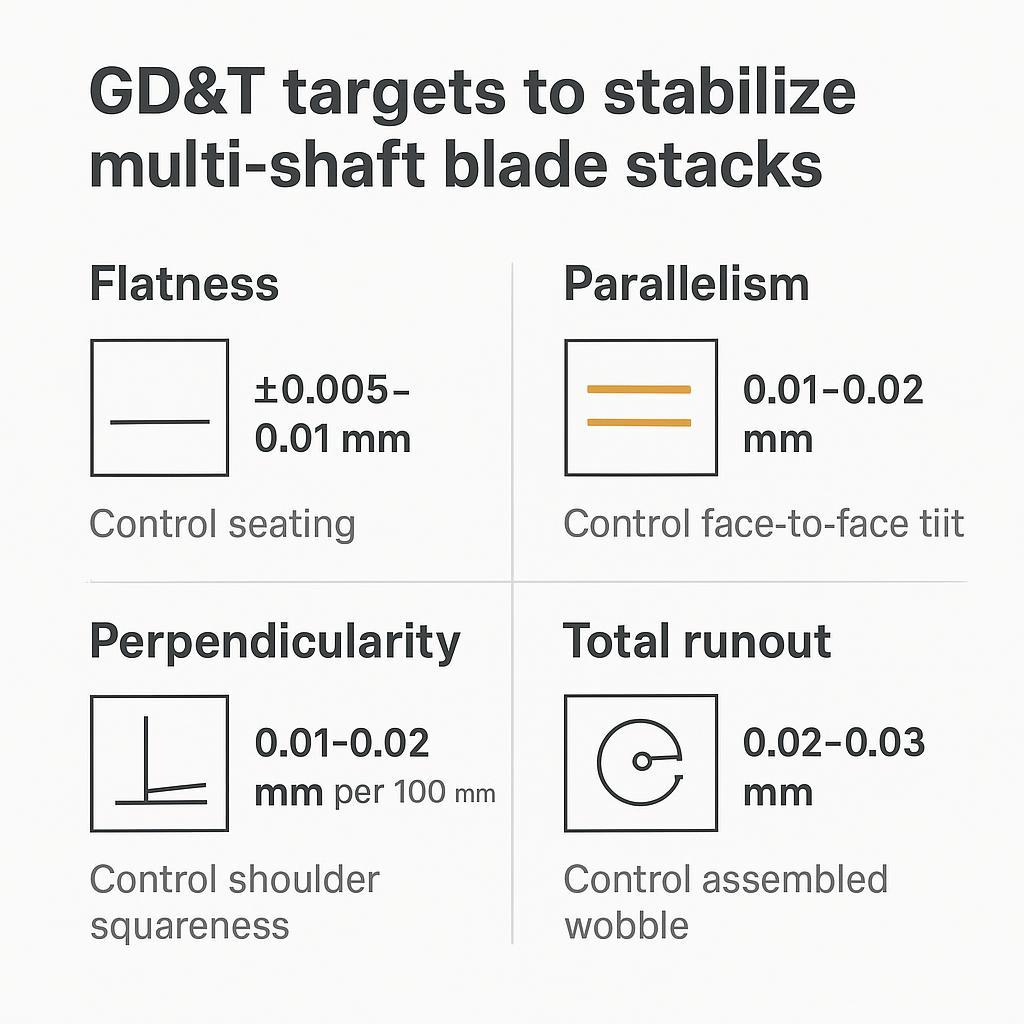
Key takeaways: In multi-shaft shredders, small errors in blade thickness, spacer thickness, face flatness, squareness, and bore/shaft geometry don’t stay small. They add up into shaft tilt and total indicated runout (TIR), which shows up as gap drift, uneven load, vibration, and shorter knife life. This guide gives practical GD&T targets, selective-fit spacer strategy, assembly/QA […]
Cấu hình lò xo cho xẻ cuộn dạng kéo khe hở bằng không (Zero-Clearance): Kiểm soát độ chồng dao, góc nghiêng và lực ép trước
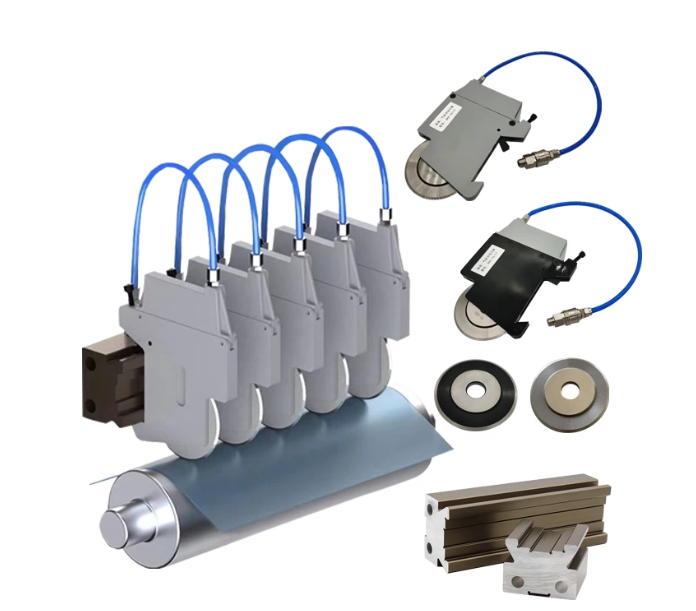
If you’re running thin films or nonwovens at speed, shear slitting stops being “just knife setup” and starts behaving like a stability problem: tiny runout, inconsistent contact, or drifting knifeholder air preload pressure becomes edge defects and downtime. This guide is written in the shop-floor practical approach Maxtor Metal uses when supporting customers on film […]
Xác thực lưỡi dao thay thế máy cắt hạt lựu Urschel 440C tại HRC 56–58: Dải nhiệt luyện, kiểm soát RA và giao thức QA
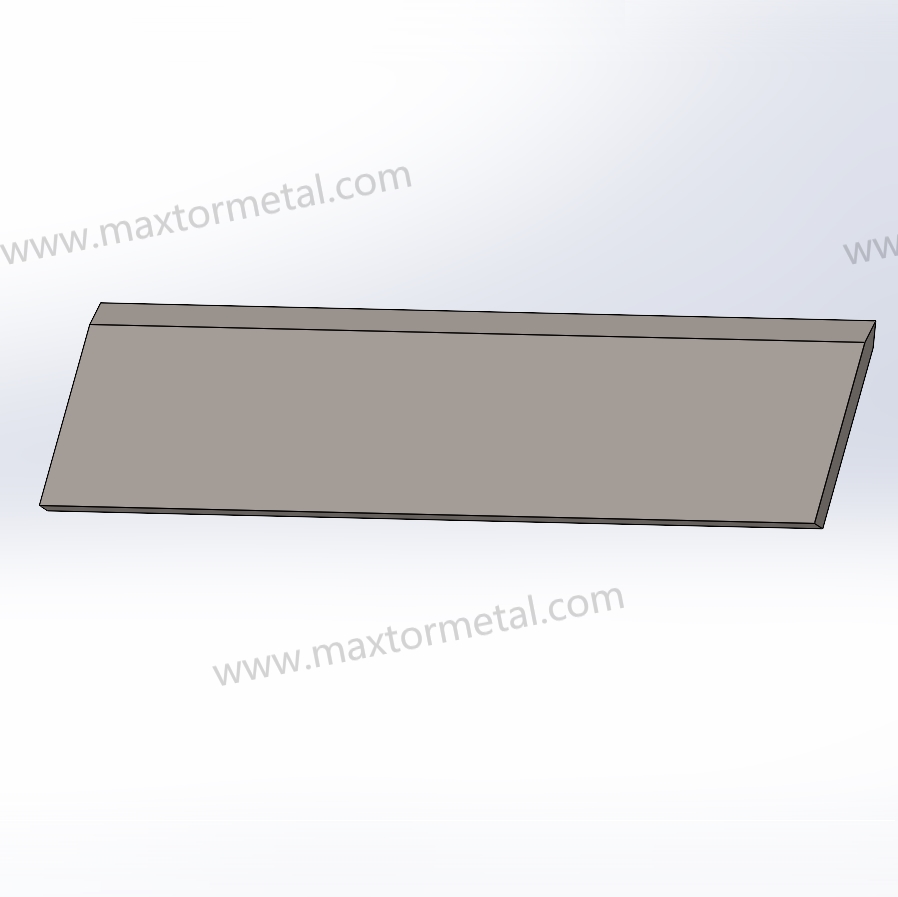
Urschel-style dicer heads operate under demanding cyclic loading: blade bands contact product at high frequency, with impact severity varying significantly between soft fresh produce and hard frozen product (IQF frozen vegetables and root crops can present surface hardness comparable to hardened wood). Cut-size capability and blade life are directly coupled—a band that chips on the […]
Đánh giá kỹ thuật các khối dao cắt cho sản xuất hóa dầu khối lượng lớn
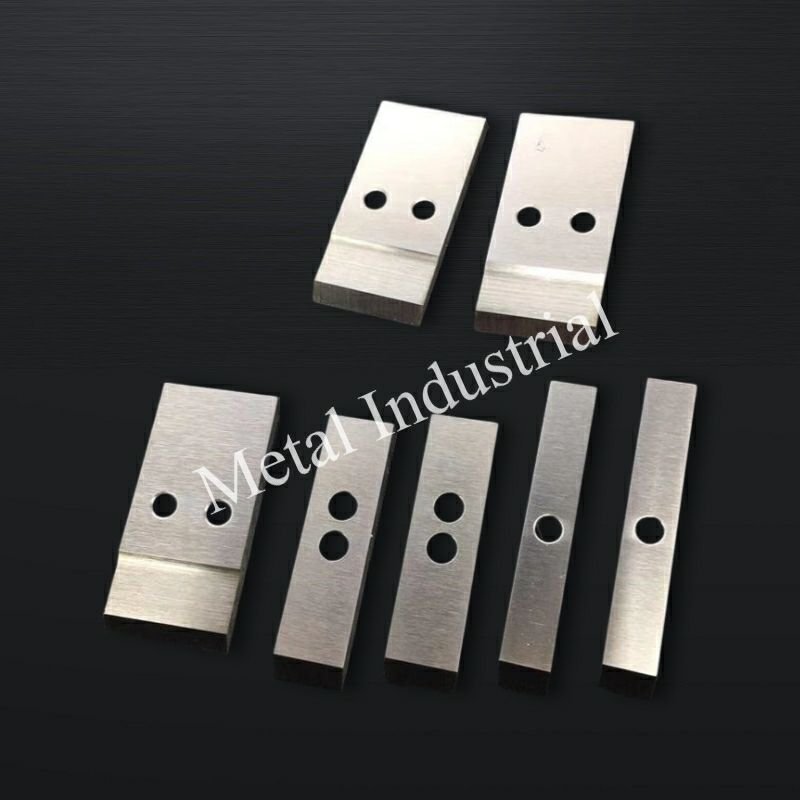
Quick answer: A water-ring pelletizer knife block is qualified for high-volume production by verifying four things: runout/TIR at functional datums (typically ≤0.03–0.04 mm), balance grade per ISO 21940 (G6.3 baseline, tightening to G2.5 at higher speeds), vibration acceptance per ISO 20816 (often ≤2.8 mm/s RMS), and full material traceability via EN 10204 3.1/3.2 certificates linked to […]
Bù trừ độ dày do mài lại: Tính toán miếng đệm & xác minh độ chồng lắp cho dao cắt
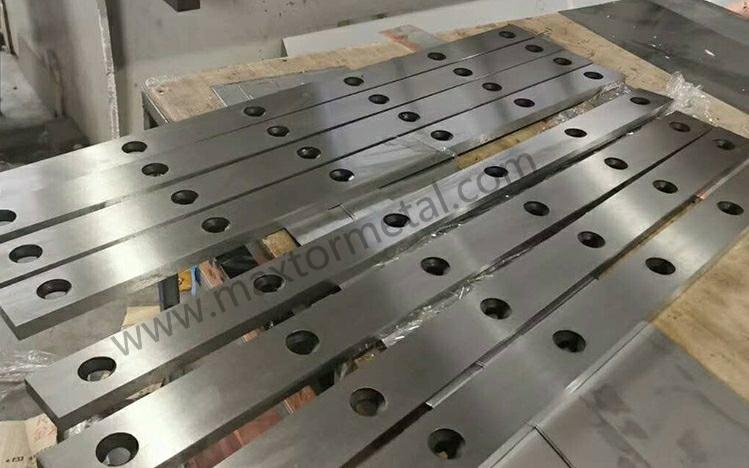
By Nancy Wu, Senior Manufacturing Engineer (Production Engineering), Maxtor Metal — SME–CMfgE, PMP, Six Sigma Black Belt, ASM International certifications Scope note: This guide is a technical reference to support measured setup work. Always follow your OEM service manual and your facility SOP for final settings and safety procedures. Regrinding restores edge condition, but it also […]

 English
  Spanish
  Italian
  French
  Portuguese
  Russian
  German
  Arabic
  Hindi
Hindi  Vietnamese
  Indonesian
  Japanese
  Korean